Bruce Springsteen – No Surrender

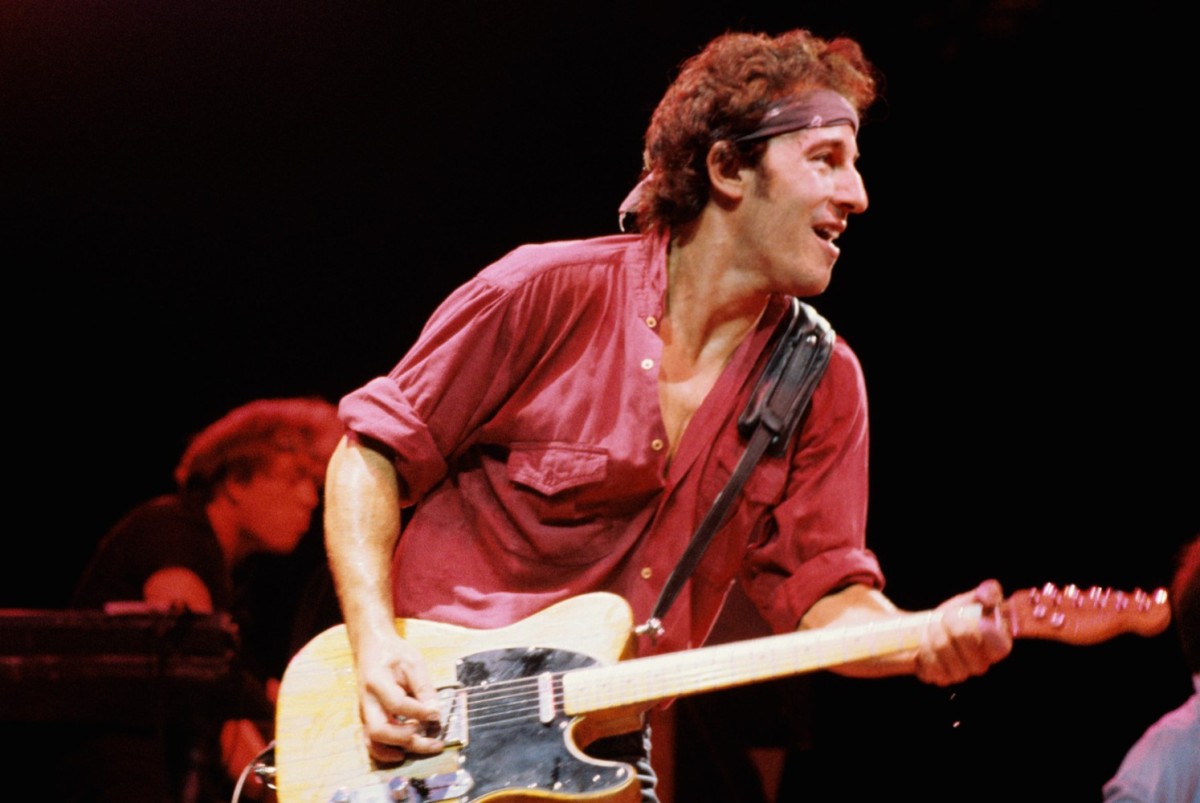
This song was on the album “Born In The USA.” released in 1984. I was a Jr in high school and this song hit like a blast. Bruce had been huge when Born To Run was released in 1975 but since then he had been popular but this album placed him in the stratosphere. He was reluctant to release the album because Bruce had a clue on how big this album was going to be and he didn’t know how comfortable he would be with that.

When you are 17 years old and waiting for your life to start… then hear the lyrics Well, we busted out of class, Had to get away from those fools, We learned more from a three-minute record, baby Than we ever learned in school… it gets your attention.

I think every song on the album could have been released as a single. This one did not chart but remains a strong song. Steven Van Zandt convinced Springsteen to include this song on the album because Bruce was going to leave it off.

From Songfacts

Springsteen wrote this about the inspirational power of rock music. It came to represent his friendship with members of his band.

This was the last song chosen for the album. E Street Band guitarist Steven Van Zandt had to convince Springsteen to put it on. Van Zandt had left the band, but remained close to Springsteen and would eventually play with him again.

The original title was “Brothers Under The Bridges.”

Part of the chorus provided the title for Jean-Claude Van Damme’s first movie, No Retreat, No Surrender.

Springsteen often performed a slower version of this at concerts. The version on the box set Live 1975-1985 is a slower, solo performance.

No Surrender

Well, we busted out of class
Had to get away from those fools
We learned more from a three-minute record, baby
Than we ever learned in school
Tonight I hear the neighborhood drummer sound
I can feel my heart begin to pound
You say you’re tired and you just want to close your eyes
And follow your dreams down

Well, we made a promise we swore we’d always remember
No retreat, baby, no surrender
Like soldiers in the winter’s night
With a vow to defend
No retreat, baby, no surrender

Well, now young faces grow sad and old
And hearts of fire grow cold
We swore blood brothers against the wind
Now I’m ready to grow young again
And hear your sister’s voice calling us home
Across the open yards
Well maybe we’ll cut someplace of our own
With these drums and these guitars

‘Cause we made a promise we swore we’d always remember
No retreat, baby, no surrender
Blood brothers in the stormy night
With a vow to defend
No retreat, baby, no surrender

Now on the street tonight the lights grow dim
The walls of my room are closing in
There’s a war outside still raging
You say it ain’t ours anymore to win
I want to sleep beneath
Peaceful skies in my lover’s bed
With a wide open country in my eyes
And these romantic dreams in my head

Once we made a promise we swore we’d always remember
No retreat, baby, no surrender
Blood brothers in a stormy night
With a vow to defend
No retreat, baby, no surrender

Ohh ohh ohh
Ohh ohh ohh
Ohh ohh ohh
Ohh ohh ohh
Cream – I’m So Glad

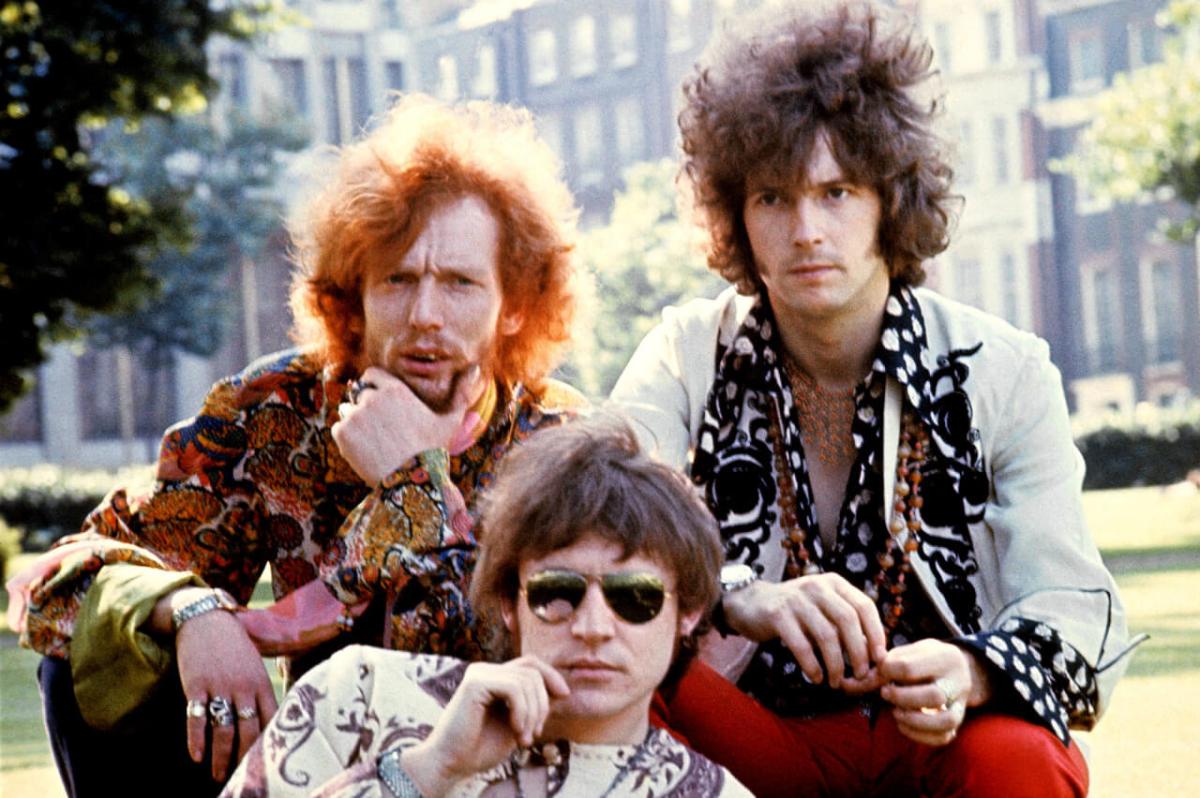
I’m So Glad appeared on Cream’s debut album Fresh Cream. Cream covered this song and did something that other bands (looking at you Led Zeppelin) should have done. The writer of the song was Skip James an American Delta blues singer, guitarist, pianist and songwriter who was born in 1902. Cream went out of their way to make sure that Skip received royalties off of the song.

Because of Cream’s diligence, James had at least some comfort in his last days. Skip had the opportunity to see Cream perform his song on stage before he succumbed to cancer in 1969 but his widow sent a thank you letter to Jack Bruce for covering his song.

The song didn’t chart but the album did at #39 in 1968.

I’m So Glad

[Chorus:]
I’m so glad
I’m so glad
I’m glad, I’m glad, I’m glad 

Don’t know what to do

Tired of weeping
Tired of moaning
Tired of groaning for you

[Chorus]

Tired of weeping 
Tired of moaning
Tired of groaning for you

[Chorus: x8]

Elton John – Empty Garden (Hey Hey Johnny)

This song was one of my favorite Lennon tribute songs.

This song is a tribute to John Lennon, who was murdered in 1980. Elton John’s songwriting partner Bernie Taupin wrote the lyrics, but Elton certainly felt a connection to the song, as he was good friends with Lennon and is the Godfather of Lennon’s second son, Sean. Elton appeared onstage with John at his final concert in 1974.

Empty Garden peaked at #13 in the Billboard 100, #8 in Canada, #14 in New Zealand, and #51 in the UK in1982

Some of the other songs that are tributes to John are Queen – Life Is Real, George Harrison – All Those Years Ago, Paul McCartney – Here Today, Bob Dylan – Roll On John, and Paul Simon – The Late Great Johnny Ace.

From Songfacts

In the John/Taupin songwriting partnership, Bernie writes the lyrics first and Elton then puts them to music. When writing for the Jump Up album, Elton had some melodies handy and asked Taupin to write words to those, which he did. Taupin has described those songs as “awful” and said, “it’s a very messy album.” “Empty Garden (Hey Hey Johnny),” however, was written their traditional way with the lyrics first, and Taupin has said that it’s the only good song on the album.

When he performed this at a sold-out Madison Square Garden show in August 1982, Elton was joined onstage by Lennon’s wife Yoko Ono and Sean Lennon.


Empty Garden

What happened here
As the New York sunset disappeared
I found an empty garden among the flagstones there
Who lived here
He must have been a gardener that cared a lot
Who weeded out the tears and grew a good crop
And now it all looks strange
It’s funny how one insect can damage so much grain

And what’s it for
This little empty garden by the brownstone door
And in the cracks along the sidewalk nothing grows no more
Who lived here
He must have been a gardener that cared a lot
Who weeded out the tears and grew a good crop
And we are so amazed, we’re crippled and we’re dazed
A gardener like that one no one can replace

And I’ve been knocking but no one answers
And I’ve been knocking most of the day
Oh and I’ve been calling, oh hey hey Johnny
Can’t you come out to play

And through their tears
Some say he farmed his best in younger years
But he’d have said that roots grow stronger, if only he could hear
Who lived there
He must have been a gardener that cared a lot
Who weeded out the tears and grew a good crop
Now we pray for rain, and with every drop that falls
We hear, we hear your name

And I’ve been knocking but no one answers
And I’ve been knocking most of the day
Oh and I’ve been calling, oh hey hey Johnny
Can’t you come out to play

And I’ve been knocking but no one answers
And I’ve been knocking most all the day
Oh and I’ve been calling, oh hey hey Johnny
Can’t you come out, can you come out to play, Johnny
Can’t you come out to play in your empty garden, Johnny


Buffalo Springfield – For What It’s Worth

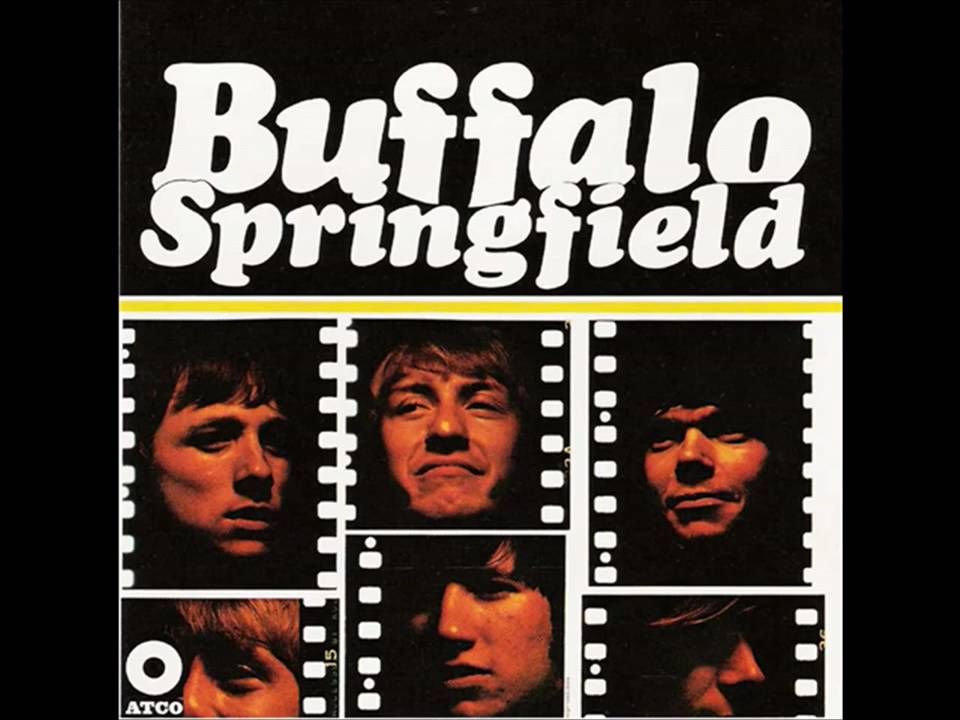
This was Buffalo Springfield’s only top 40 hit. I’ve always liked the song, especially Neil Young’s harmonics on guitar. The album Buffalo Springfield was the band’s first album, and this song was not originally included on it. After “For What It’s Worth” became a hit single, it replaced “Baby Don’t Scold Me” on re-issues of the album.

According to BMI, the song’s publishing house, “For What It’s Worth” been played 8 million times on TV and radio since its release. In 2014, it came in at number three on Rolling Stone‘s readers poll of the best protest songs.

For What It’s Worth peaked at #7 in the Billboard 100 and #9 in Canada.

From Songfacts

Written by Buffalo Springfield guitarist Stephen Stills, this song was not about anti-war gatherings, but rather youth gatherings protesting anti-loitering laws, and the closing of the West Hollywood nightclub Pandora’s Box. Stills was not there when they closed the club, but had heard about it from his bandmates.

In the book Neil Young: Long May You Run: The Illustrated History, Stephen Stills tells the story of this song’s origin: “I had had something kicking around in my head. I wanted to write something about the kids that were on the line over in Southeast Asia that didn’t have anything to do with the device of this mission, which was unraveling before our eyes. Then we came down to Sunset from my place on Topanga with a guy – I can’t remember his name – and there’s a funeral for a bar, one of the favorite spots for high school and UCLA kids to go and dance and listen to music.

[Officials] decided to call out the official riot police because there’s three thousand kids sort of standing out in the street; there’s no looting, there’s no nothing. It’s everybody having a hang to close this bar. A whole company of black and white LAPD in full Macedonian battle array in shields and helmets and all that, and they’re lined up across the street, and I just went ‘Whoa! Why are they doing this?’ There was no reason for it. I went back to Topanga, and that other song turned into ‘For What It’s Worth,’ and it took as long to write as it took me to settle on the changes and write the lyrics down. It all came as a piece, and it took about fifteen minutes.”

Notable when you consider this song’s success, the group quietly recorded this without involving their producers Charles Greene and Brian Stone, with whom they had had immense dissatisfaction about the recording of their album up until then. Greene and Stone had insisted on recording each musician separately and then combining them later into mono to stereo tracks, which produced a tinny sound. This was the first time the group’s united performance was caught on tape. (Thanks to Dwight Rounds for his help with this. Dwight is author of The Year The Music Died, 1964-1972.)

This was used in a commercial for Miller beer. The anti-establishment message was, of course, ignored and the song was edited to avoid the line “There’s a man with a gun over there, telling you-you’ve got to beware.” The commercial replaced this line by pulling up the chorus of “Everybody look what’s going down.”

Songwriting powerhouses Jim Messina and Neil Young were also in Buffalo Springfield, but Stills wrote this song himself. Young has never allowed his songs to be used in commercials, and wrote a song bashing those who do called “This Note’s For You.”

This song helped launch the band to stardom and has remained one of the era’s most enduring protest songs, but Stephen Stills, who authored the tune, had very different feelings than many might expect. He said, “We didn’t want to do another song like ‘For What It’s Worth.’ We didn’t want to be a protest group. That’s really a cop-out and I hate that. To sit there and say, ‘I don’t like this and I don’t like that’ is just stupid.”

Public Enemy sampled this on their 1998 song “He Got Game,” which was used in the movie of the same name. Stephen Stills appears on this song.

This song gets covered a lot – for a weird experience, check out the cover versions of “For What It’s Worth” done by Ozzy Osbourne on the Under Cover album and Queensryche on their Take Cover album. Both of them pretty much murder it.

This song plays during the opening credits of the movie Lord Of War starring Nicolas Cage, and was used in the movie Forrest Gump starring Tom Hanks.

Buffalo Springfield

There’s something happening here
What it is ain’t exactly clear
There’s a man with a gun over there
Telling me I got to beware

I think it’s time we stop, children, what’s that sound
Everybody look what’s going down

There’s battle lines being drawn
Nobody’s right if everybody’s wrong
Young people speaking their minds
Getting so much resistance from behind

It’s time we stop, hey, what’s that sound
Everybody look what’s going down

What a field-day for the heat
A thousand people in the street
Singing songs and carrying signs
Mostly say, hooray for our side

It’s s time we stop, hey, what’s that sound
Everybody look what’s going down

Paranoia strikes deep
Into your life it will creep
It starts when you’re always afraid
You step out of line, the man come and take you away

We better stop, hey, what’s that sound
Everybody look what’s going down
Stop, hey, what’s that sound
Everybody look what’s going down
Stop, now, what’s that sound
Everybody look what’s going down
Stop, children, what’s that sound
Everybody look what’s going down

Paul McCartney – Here Today

This was not a hit but it was a very poignant song about John Lennon after he was murdered. It was on the Tug of War album and it is a very touching song of Paul having an imaginary conversation with John. It’s a very personal side of Paul that he doesn’t show a lot.

The Tug of War album was a very good album. It peaked at #1 in 1982 and it would be his last #1 album until Egypt Station peaked at #1 in 2018.

The song peaked at #46 on the Billboard Mainstream Rock Charts.

Paul on the song: “After John died, there’d been a lot of talk about who did what and who liked who and did the Beatles argue. I was almost buying into this idea that me and John were fighting all the time. But I remembered it wasn’t true, so I wrote the song about how, ‘if you were here, you might say this or those… but I know better.’

I remember well some of the things we did. It was really for me thinking about John. We had a great relationship and like any family, there are always arguments, there’s always disputes, but in the end, we loved each other and I wanted to make a song where I actually said “I love you” to John, so that was that song.

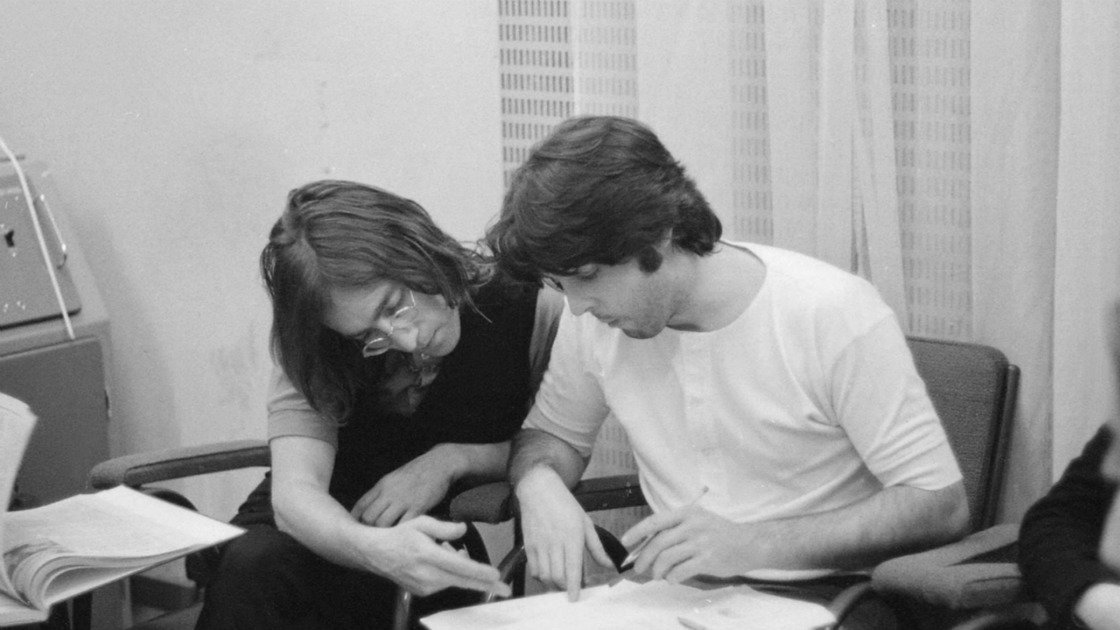
It’s quite emotional because it came from a real feeling about him, and I wanted to correct the record in my mind as much as in any one else’s mind. There were some photos from that period which were really beautiful, and there’s just him and me working and you could see we loved each other. So, once all these rumors go about, you almost buy into them yourself. So that song helped me set the record straight.”

From Songfacts

McCartney wrote this for John Lennon after his tragic death on December 8, 1980. He sings of the years they spent together in much detail.

Paul McCartney: “The truth of the matter is when John died it was so weird for everyone and obviously for those of us that were near to him it was doubly, triply weird and then there was the obvious sort of thing is anyone going to write a song about John because obviously certainly we all felt deeply enough and normally when we felt deeply enough we committed it to song. I was wondering if I was going to do it but I thought I’m not going to sit down and try to do it but if anything comes sometime I’ll do it. I was one day just sitting quietly in this little room with my guitar and these chords started coming out and I started having these thoughts as if I was talking to myself to John about our relationship and stuff and obviously one of the things that had been funny for me was this idea of when the Beatles broke up we became enemies for a time. But I knew we weren’t and I know for a fact he knew we weren’t too because independently of each other we’d talked nicely of each other but there was a pride thing of two men very difficult business and all that.” (Transcribed from this interview.)

McCartney told The London Times December 5, 2009, that in this song, “I’m talking to John in my head. It’s a conversation we didn’t have.” He added that they were reconciled again by the time of the tragedy: “We were mates. God, that was so cool. It was the saving grace. Because it got a bit sticky after the Beatles. No, we were really good mates again – it was lovely, actually. Performing this song, in New York, where he was killed, is a very emotional affair. The last verse, where I sing ‘and if I said I really loved you, and was glad you came along,’ it’s like singing it to your dad who died.”

During the Q&A Mojo Magazine Session in November 2009, McCartney said that this song is his most difficult to perform: “I realize I’m telling this man that I love him, and it’s like, ‘Oh my god’, like I’m publicly declaring it in front of all these people I don’t know! It’s a good thing to do, though.” 

McCartney performed this live on his 2002 release Back In The US.

Here Today

And if I say I really knew you well
What would your answer be?
If you were here today
Ooo ooo ooo, here today

Well, knowing you
You’d probably laugh and say
That we were worlds apart
If you were here today
Ooo ooo ooo, here today

But as for me,
I still remember how it was before
And I am holding back the tears no more
Ooo ooo ooo, I love you, ooo

What about the time we met?
Well, I suppose that you could say
That we were playing hard to get
Didn’t understand a thing
But we could always sing

What about the night we cried?
Because there wasn’t any reason
Left to keep it all inside
Never understood a word
But you were always there with a smile

And if I say I really loved you
And was glad you came along
And you were here today
Ooo ooo ooo, for you were in my song
Ooo ooo ooo, here today

The Young Rascals – Groovin

If I had to pick out favorite cruising songs…this would be in the top 5. A great song by an underappreciated band. This song peaked at #1 in the Billboard 100, #1 in Canada, and #9 in the UK.

This was the second of three #1 hits for The Rascals, after “Good Lovin'” and before “People Got to Be Free.”

The song was off of the album of the same name in 1967 and it peaked at #5 in the Billboard Chart.

From Songfacts

Felix Cavaliere and Eddie Brigati of The Rascals wrote this song after they realized that because of their work schedule, they could see their girlfriends only on Sunday afternoons. It’s implied that these Sunday afternoons are spent with a nice romp. Cavaliere told Seth Swirsky, who was shooting footage for his documentary Beatles Stories, “I met this young girl and I just fell head over heels in love. I was so gone that this joyous, wonderful emotion came into the music. Groovin’ was part of that experience. If you look at the story line, it’s very simple: we’re groovin’ on a Sunday afternoon because Friday and Saturdays are when musicians work. The simplicity of it is that Sundays you could be with your loved one. And the beauty of is this joyous bliss that at that time I equated with a person, but that’s the beauty of music – when it’s an example of what you do it lasts forever. You’re in love forever because of that moment in time that you captured, and that’s what was happening with Groovin’.”

The record company executives who worked on “Groovin'” didn’t particularly like the song, but as they listened to the playback, influential New York DJ Murray the K overheard it and pronounced it a #1 record. Unbeknownst to the group, Murray went to Atlantic Records president Jerry Wexler and demanded it be released. As the program manager and top DJ on the first FM rock station (WOR-FM), Murray the K had this kind of clout, and also the rare ability to connect with listeners and recognize what songs would become hits. The Rascals, who started out as The Young Rascals, were playing at The Gordion Knot club on York Avenue when Murray picked them as his “house band” – the group that backed him up at personal appearances. It was that relationship (based on Murray’s gut sense that the band had genuine potential) that drove his partisan support.

In the US, this spent two weeks at #1, then two weeks at #2 (as Aretha Franklin’s “Respect” took over to top spot), then returned to the top for two more weeks.

The term “Groovy” was becoming popular around this time, and the title of this song is a variation on the term. The first popular “Groovy” song was “A Groovy Kind Of Love,” and the first popular use in lyrics was in “59th Street Bridge Song.”

Smokey Robinson got the idea for his song “Cruisin'” from this one – his original hook was “I love it when we’re groovin’ together,” but he thought “cruisin'” was more intimate.

Groovin

Groovin’, on a Sunday afternoon
Really couldn’t get away too soon

I can’t imagine anything that’s better
The world is ours whenever we’re together
There ain’t a place I’d like to be instead of

Groovin’, down a crowded avenue
Doin’ anything we like to do

There’s always lots of things that we can see
We can be anyone we want to be
And all those happy people we could meet just

Groovin’, on a Sunday afternoon
Really couldn’t get away too soon

Ah-ha-ha
Ah-ha-ha
Ah-ha-ha

We’ll keep on spending sunny days this way
We’re gonna talk and laugh our time away
I feel it comin’ closer day by day
Life would be ecstasy, you and me endlessly

Groovin’, on a Sunday afternoon
Really couldn’t get away too soon

Ah-ha-ha
Ah-ha-ha
Ah-ha-ha

Stevie Wonder – Higher Ground

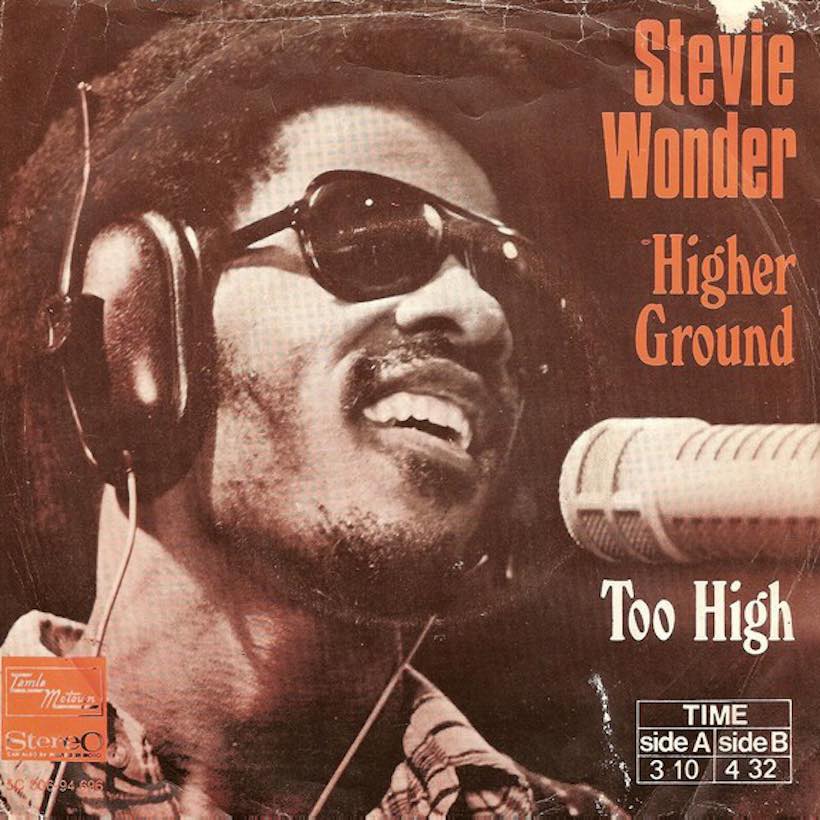
Stevie Wonder in the 60s and 70s was unbeatable. Not discounting his 80s output but for me, it’s hard to beat his 70s output.

Higher Ground peaked at #4 in the Billboard 100, #29 in the UK, and #9 in Canada. The song was on the album Innervisions ($4) released in 1973. Right after the album was released Stevie was riding in a car when it collided it with a logging truck. Some logs crashed through the windshield and hit Stevie. He was in a coma for 4 days with a  severe brain contusion.

Steve Wonder on the song: I would like to believe in reincarnation. I would like to believe that there is another life. I think that sometimes your consciousness can happen on this earth a second time around. For me, I wrote “Higher Ground” even before the accident. But something must have been telling me that something was going to happen to make me aware of a lot of things and to get myself together. This is like my second chance for life, to do something or to do more, and to value the fact that I am alive.

From Songfacts

The lyrics deal with getting a second chance (“So darn glad he let me try it again”) and making the most of it. Strangely, Wonder recorded it three months before he was almost killed on his way to a benefit concert in Durham, North Carolina. The car he was riding in was behind a truck carrying a load of logs, which stopped suddenly, sending a log through the windshield and hitting Wonder in the head. The accident put Wonder in a coma for four days. His road manager and good friend, Ira Tucker Jr., knew that Stevie liked to listen to music at high volume, so he tried singing this song directly into his ear. At first he got no response, but the next day, he tried again and Wonder’s fingers started moving in time with the song – the first sign that he was going to recover.

Recalling his time in the coma, Wonder said, “For a few days I was definitely in a much better spiritual place that made me aware of a lot of things that concern my life and my future and what I have to do to reach another higher ground. This is like my second chance for life, to do something or to do more and to face the fact that I am alive.”

Innervisions was released on August 3, 1973, just three days before Wonder’s accident.

Guided by a mix of Christian morality and astrological mysticism, Wonder believed he was writing a “special song” whose lyrics suggested a coming day of judgment. “I did the whole thing in three hours” he told Q magazine. It was almost as if I had to get it done. I felt something was going to happen. I didn’t know what or when, but I felt something.”

When he turned 21, Wonder renegotiated his deal with Motown Records, taking control of his recordings by forming his own production and publishing companies. Motown was very regimented in terms of what musicians and producers were used on recordings, but Stevie wanted to do most of this work himself. In 1971, he teamed with the engineers Robert Margouleff and Malcolm Cecil and began a constant cycle of recording in which he played most of the instruments himself. On this track, Wonder is the only credited musician, listed as playing Hohner clavinet, drums, and Moog bass.

In 1993 UB40 included a cover version on their Promises And Lies album that reached #45 in the US and #8 in the UK.

Wonder was a huge influence on The Red Hot Chili Peppers, who remade this with a more uptempo beat on their Mother’s Milk album. They even thank him in the lyrics by adding the phrase “You know what Stevie says.” Their version helped introduce many listeners to Wonder. >>

Wonder sang an a cappella version of this song with Alicia Keys at the Grammy Awards in 2006.

Higher Ground

People keep on learnin’
Soldiers keep on warrin’
World keep on turnin’
‘Cause it won’t be too long

Powers keep on lyin’
While your people keep on dyin’
World keep on turnin’
‘Cause it won’t be too long

I’m so glad that he let me try it again
‘Cause my last time on earth I lived a whole world of sin
I’m so glad that I know more than I knew then
Gonna keep on tryin’
Till I reach my highest ground

Lovers keep on lovin’
Believers keep on believin’
Sleepers just stop sleepin’
‘Cause it won’t be too long
Oh no

I’m so glad that he let me try it again
‘Cause my last time on earth I lived a whole world of sin
I’m so glad that I know more than I knew then
Gonna keep on tryin’
Till I reach my highest ground

Woo!
Till I reach my highest ground
No one’s gonna bring me down
Oh no
Till I reach my highest ground

Don’t let nobody bring you down (they’ll sho ‘nough try)
God is gonna show you higher ground

Beatles – I’ll Cry Instead

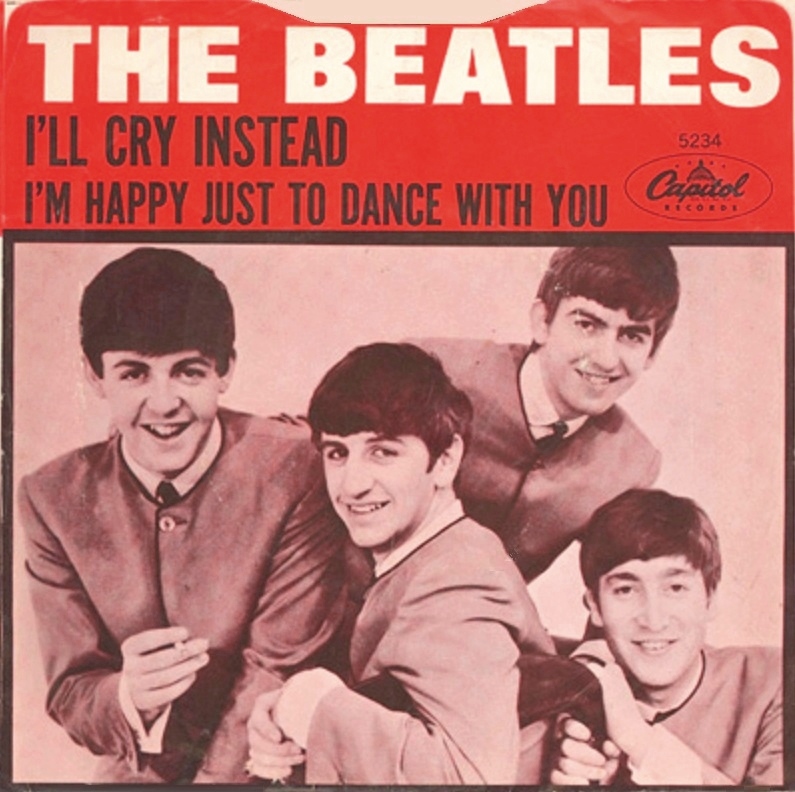
“I’ve got a chip on my shoulder that’s bigger than my feet”…you didn’t see lines like this in early pop songs very much. The song was the A Hard Day’s Night album released in 1964. The song was going to be in the film but it got replaced by Can’t Buy Me, Love. “I wrote that for ‘A Hard Day’s Night’ but Dick Lester didn’t even want it,” John explained, “He resurrected ‘Can’t Buy Me Love’ for that sequence instead.”

The song did get released as a single in the US in 1964 and peaked at #25 in the Billboard 100.

John Lennon on the Dylan influence – “I’d started thinking about my own emotions,”  “Instead of projecting myself into a situation, I would try to express what I felt about myself, which I’d done in my books. I think it was Dylan who helped me realize that – not by any discussion or anything, but by hearing his work.”

Cynthia Lennon said this: “It reflects the frustration he [John Lennon] felt at that time. He was the idol of millions, but the freedom and fun of the early days had gone.”

I’ll Cry Instead

I’ve got every reason on earth to be mad
‘Cause I just lost the only girl I had
If I could get my way
I’d get myself locked up today
But I can’t, so I’ll cry instead

I’ve got a chip on my shoulder that’s bigger that my feet
I can’t talk to people that I meet
If I could see you now
I’d try to make you sad somehow
But I can’t, so I’ll cry instead

Don’t want to cry when there’s people there
I get shy when they start to stare
I’m gonna hide myself away
But I’ll come back again someday

And when you do you’d better hide all the girls
I’m gonna break their hearts all round the world
Yes, I’m gonna break them in two
And show you what your lovin’ man can do
Until then I’ll cry instead

The Everly Brothers – Let It Be Me

When I think of the Everly Brothers this is not the first song that springs to my mind but it is a lovely ballad by them. The melody of this song is beautiful. It is a reworking of a French song recorded in 1955 by Gilbert Becaud called Je T’Appartiens.

The song peaked at #7 in the Billboard 100, #13 in the UK in 1960.

Just before this became a hit, The Everly Brothers left their original label, Cadence Records, and signed with Warner Brothers for a $100,000 bonus, which was huge at the time.

From Songfacts

The first English version of this song was released in 1957 by an actress named Jill Corey, who recorded it with Jimmy Carroll and his orchestra. This version went to #57 in 1957, two years before The Everly Brothers version. 

Don Everly heard an instrumental rendition on the 1959 album Chet Atkins In Hollywood and fell in love with the melody. When he found out there were lyrics, he brought the song to producer Archie Bleyer. Wesley Rose, owner of the publishing company Acuff-Rose that signed the Everly Brothers as songwriters and connected them with Bleyer’s Cadence label, sparred with Bleyer over the tune but lost. Don recalled: “I went to Archie and told him I wanted to do it with strings. Wesley just sat there pouting through the whole session like a kid.”

This was one of the first pop songs to use a string section – eight violins and a cello were used. It was also the first Everly Brothers song to use strings.

This was the first Everly Brothers song they did not record in Nashville. It was done in New York.

In America, six other versions of this song charted in the ’60s:

Betty Everett & Jerry Butler (#5, 1964)
Arthur Prysock (#124, 1966)
Nino Tempo & April Stevens (#127, 1968)
Glen Campbell & Bobbie Gentry (#36, 1969)

Willie Nelson returned the song to the charts in 1982 when he took it to #40.

Bob Dylan recorded this on his 1970 album Self Portrait. We asked Ron Cornelius, who played guitar on the album, why Dylan recorded it. He replied: “No one would be being truthful with you to tell you what was ever in Bob Dylan’s mind. No Way.”

Gilbert Becaud – Je T’Appartiens

Let It Be Me

I bless the day I found you
I want to stay around you
And so I beg you, let it be me

Don’t take this heaven from one
If you must cling to someone
Now and forever, let it be me

Each time we meet love
I find complete love
Without your sweet love what would life be

So never leave me lonely
Tell me you love me only
And that you’ll always let it be me

Each time we meet love
I find complete love
Without your sweet love what would life be

So never leave me lonely
Tell me you love me only
And that you’ll always let it be me


The Who – Going Mobile

There is probably not a song on Who’s Next that hasn’t been played to death…but I dont’ hear this one as much as some of the others.

One of my favorite Keith Moon drum tracks… It’s not the most noticeable part he played but no other drummer would have played it this way. I included an isolated drum track of this song at the bottom.

Pete Townshend wrote this and sang it… it was part of his “Lifehouse” project, which was a film script featuring The Who in a future world where rock ‘n’ roll saves the masses. The Who scrapped plans for the concept double album and released most of the songs on Who’s Next…pretty much agreed their best album and one of the best in rock.

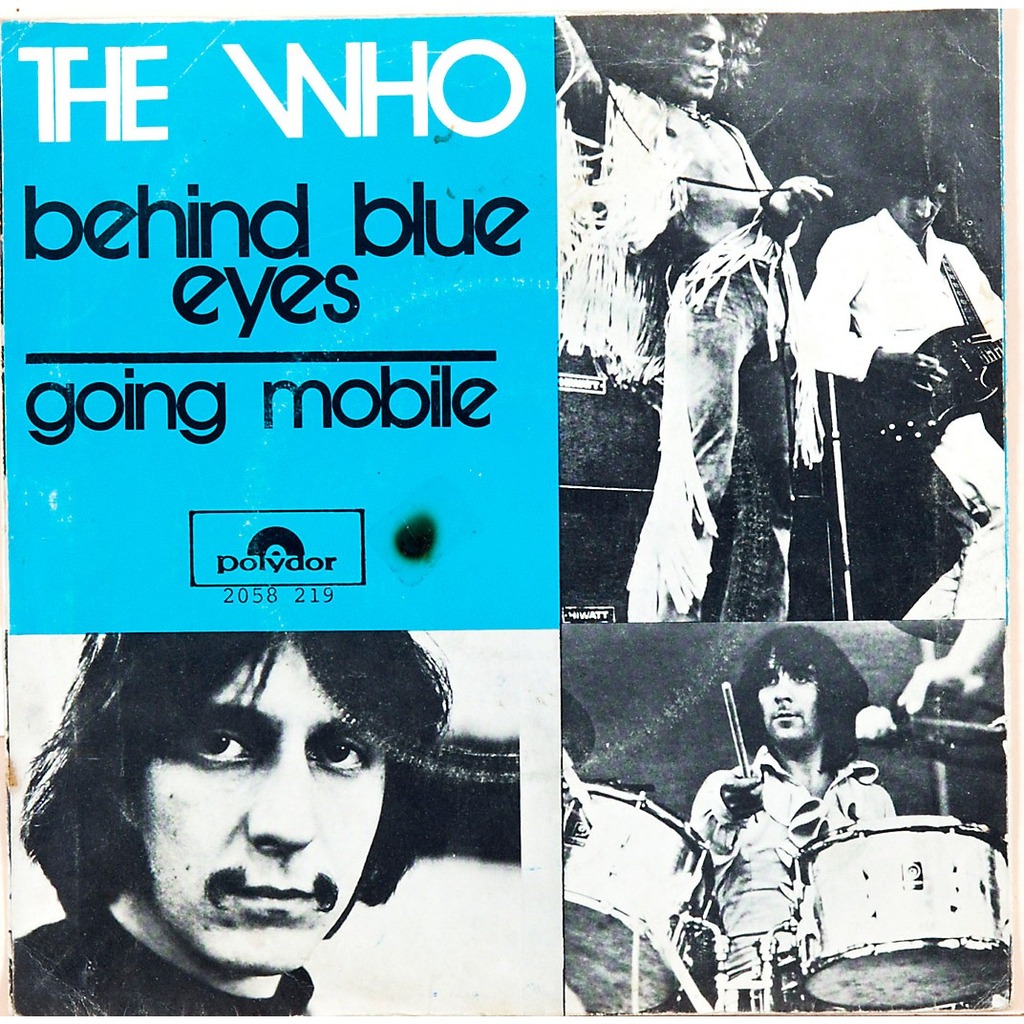
The song was the B side to Behind Blue Eyes in 1971.

From Songfacts

This is about taking a vacation by riding around in a car with no particular destination. It was something Pete Townshend liked to do.

 This was much lighter and more simplified than the other songs on the album.

For the solo, Townshend ran his guitar through a device called an Envelope Follower. It was a type of synthesizer distortion that made it sound like he was playing under water.

Keith Moon’s isolated drums on Going Mobile

Going Mobile

I’m going home
And when I want to go home, I’m going mobile
Well I’m gonna find a home on wheels, see how it feels,
Goin’ mobile
Keep me moving

I can pull up by the curb,
I can make it on the road,
Goin’ mobile
I can stop in any street
And talk with people that we meet
Goin’ mobile
Keep me moving, mmm

Out in the woods
Or in the city
It’s all the same to me
When I’m driving free
The world’s my home
When I’m mobile, ey woo, beep beep

Play the tape machine
Make the toast and tea
When I’m mobile
Well, I can lay in bed with only highway ahead
When I’m mobile
Keep me moving

Keep me moving
Over fifty
Keep me groovin’
Just a hippie gypsy
Come on move now
Movin’
Keep me movin’ yeah

Keep me movin’, movin’, movin’, yeah
Movin’ yeah
Mobile, mobile, mobile, mobile, mobile, mobile, mobile

I don’t care about pollution
I’m an air-conditioned gypsy
That’s my solution
Watch the police and the taxman miss me!
I’m mobile! Oh yeah he he
Mobile, mobile, mobile, yeah

Tom Petty – You Don’t Know How It Feels

I remember seeing the video and MTV would play the version with the word “joint” in reversed…like people would wonder what Tom was rolling. Another version I heard on the radio was… instead of “roll another joint” it was “hit another joint”… which is…worse?

“The strangest thing happened. I wrote this song not thinking that it was controversial in any way and I nearly left this song off the album ’til the very end, and we put it on. Imagine my surprise when this song comes on television and they say, ‘Let’s roll another noojh,’ which sounded worse to me than joint. Because, I don’t know if you’ve ever had a noojh, but it sounds really wicked.”

I do miss Tom…

This song peaked at #13 in 1995 in the Billboard 100.

Tom Petty on this song: “Every blue moon or so, I might have a toke on somebody’s… cigarette. It’s an OK way to live your life, but it’s not to be advised. I’m not going to say it’s good or bad. 

But I wrote this song a while back and I was trying to do this character in the song who was kind of down and looking for some company. And instead of having him say, ‘Let’s have another beer’ – they always have to have that in the song – I thought this guy should roll another joint.”

From Songfacts

“You don’t know how it feels to be me” is something many of us have said to seek empathy for our burdens. Typical of Petty’s songwriting, the lyric is couched in ambiguity, which could be the point: We don’t know how it feels to be him, so how can we possibly know what the song is about? It’s certainly not entirely autobiographical, at least literally, as Petty’s father was not born to rock – he was leery of his son’s career in music.

We’ll get to the point: marijuana had a little something to do with this song. Here’s what Petty said about it on his VH1 Storytellers special:

The video was directed by Phil Joanou. It’s one continuous shot, with the camera revolving around a microphone as all kinds of crazy stuff happens in the background, including a circus act and a bank robbery.

Tom Petty was one of MTV’s biggest stars, but they wouldn’t play the video as delivered because of the drug reference (sex and violence were generally OK on the network, but they were very sensitive about drugs). When the video aired, the word “joint” was reversed so it came out sounding like “noojh.” 

Perhaps to atone, MTV awarded it Best Male Video at the VMAs.

This won a Grammy in 1995 for Best Male Rock Vocal Performance. >>

The band performed this on Saturday Night Live when they were the musical guests November 19, 1994. Their drummer, Stan Lynch, had left the band, so Dave Grohl, who had not yet formed Foo Fighters, sat in for the performance. Steve Ferrone got the gig as Heartbreakers drummer a short time later.

You Don’t Know How It Feels

Let me run with you tonight
I’ll take you on a moonlight ride
There’s someone I used to see
But she don’t give a damn for me

But let me get to the point, let’s roll another joint
And turn the radio loud, I’m too alone to be proud
You don’t know how it feels
You don’t know how it feels to be me

People come, people go
Some grow young, some grow cold
I woke up in between
A memory and a dream

So let’s get to the point, let’s roll another joint
Let’s head on down the road
There’s somewhere I gotta go
And you don’t know how it feels
You don’t know how it feels to be me

My old man was born to rock
He’s still tryin’ to beat the clock
Think of me what you will
I got a little space to fill

So let’s get to the point, let’s roll another joint
Let’s head on down the road
There’s somewhere I gotta go
And you don’t know how it feels
No, you don’t know how it feels to be me

Nick Lowe – Cruel To Be Kind

May the 4th be with you…

A great little pop/rock song. The song was on the album Labor of Lust and the album peaked at #31 in the Billboard Album Charts in 1979. Rockpile recorded this album and at the same time recorded Edmunds solo album Repeat When Necessary.

12 was popular with this song…The song peaked at #12 in many charts… Billboard 100, Canada RPM, New Zealand, and the UK… In Ireland, it only reached #19.

Nick Lowe said about the song: “I wrote that when I was with a band, Brinsley Schwarz, that I was with from the early ’70s to about the mid-’70s. … We recorded it on a demo, it never came out, and when I signed to Columbia Records the A&R man [Gregg Geller] there at the time suggested I record it again. And I didn’t think it would do anything, but he kind of bullied me into it.”

The video featured Nick’s wife Carlene Carter who had just got married Nick shortly before and included some real footage of the ceremony in the video. Rockpile guitarist Dave Edmunds plays the chauffeur in the video. Drummer Terry Williams was the photographer. Guitarist Billy Bremner also got a role, playing the guy who serves the cake.

This would be Nick’s only top forty hit in Billboard.


From Songfacts

This song reflects on a lover’s rather antagonistic attitude. Nick Lowe co-wrote the song with his Brinsley Schwarz bandmate, Ian Gomm, for the Brinsley Schwarz album, It’s All Over Now, though said album was never officially released. In 1979, Lowe re-recorded the song for his second solo album, Labour of Lust.

Lowe and Gomm were hoping the song would be a pop hit for Brinsley Schwarz, and crafted it for mass consumption. Lowe only grudgingly recorded it, and he considered it an aberration – a pop sell-out song. When he performed the song on The David Letterman Show, he called it “wimpy” and had little interest in discussing it.

Lowe cribbed the phrase “cruel to be kind” from Shakespeare, who used it in Hamlet:

I must be cruel only to be kind
Thus bad begins and worse remains behind

Lowe revealed the musical influence behind this song to The A.V. Club: “I wrote with ‘The Love I Lost’ by Harold Melvin & the Blue Notes in mind.”

This was Lowe’s highest charting hit in the US, where it peaked at #12 (coincidentally, it also peaked at #12 in the UK, Canada and New Zealand). Lowe spoke to The A.V. Club about his chart success: “I remember coming to Los Angeles when it was a hit, and did that thing where you change the radio station, and it was on about two or three at the same time. You could hear it starting on one station and finishing on another. Amazing.”

The official video is a comedic reenactment of Lowe’s marriage to Carlene Carter, who plays herself in the clip.

The couple was married on August 18, 1979 after Lowe had just finished a tour with his band Rockpile. Figuring he could kill two birds with one stone, Lowe made the wedding the theme of the video, and used some actual footage of the event, turning his wedding day into a video shoot (although aren’t they all, sort of?). The day before, director Chuck Statler shot staged footage of Lowe preparing for the nuptials and Rockpile performing the song outside of the Tropicana Hotel in Los Angeles, where the reception was held.

The wedding took place at Carlene’s house in Hollywood. Guests at the wedding show up in the clip – you can spot Carter’s stepsister Rosanne Cash sitting on the couch.

Carter and Lowe toured together in 1982, opening for The Cars, with both singers sharing the same band. The couple divorced in 1990.

“We were having great fun,” Edmunds said in his Songfacts interview. “In that band, the four years we were together, we never had any falling out – it was a little club of our own.”

The drum kit in the video says “The Textones.” That’s because Rockpile didn’t have a drum kit handy, so they borrowed one from a local band. Kathy Valentine, who would later join The Go-Go’s, was a member of this band.

In 1982, Enjoh Santyuutei released a Japanese cover version of this song and in 2010, Stavros Michalakakos recorded it in Greek.

The video was one of 206 that aired on MTV’s first day of broadcasting: August 1, 1981.

Cruel To Be Kind

Oh I can’t take another heartache
Though you say you’re my friend, I’m at my wit’s end
You say your love is bonafide, but that don’t coincide
With the things that you do
And when I ask you to be nice, you say

You’ve gotta be cruel to be kind, in the right measure
Cruel to be kind, it’s a very good sign
Cruel to be kind, means that I love you, baby
(You’ve gotta be cruel)
You gotta be cruel to be kind

Well I do my best to understand dear
But you still mystify and I want to know why
I pick myself up off the ground
To have you knock me back down, again and again
And when I ask you to explain, you say

You’ve gotta be cruel to be kind, in the right measure
Cruel to be kind, it’s a very good sign
Cruel to be kind, means that I love you, baby
(You’ve gotta be cruel)
You gotta be cruel to be kind

Well I do my best to understand dear
But you still mystify and I want to know why
I pick myself up off the ground
To have you knock me back down, again and again
And when I ask you to explain, you say

You’ve gotta be cruel to be kind, in the right measure
Cruel to be kind, it’s a very good sign
Cruel to be kind, means that I love you baby
(You’ve gotta be cruel)
You gotta be cruel to be kind

(Cruel to be kind), oh in the right measure
(Cruel to be kind), it’s a very very very good sign
(Cruel to be kind), it means that I love you, baby
(You’ve gotta be cruel)
You gotta be cruel to be kind

(Cruel to be kind), oh in the right measure
(Cruel to be kind), yes it’s a very very very good sign
(Cruel to be kind), it means that I love you, baby
(You’ve gotta be cruel)
You gotta be cruel to be kind

(Cruel to be kind), oh in the right measure
(Cruel to be kind), yes it’s a very very very good sign
(Cruel to be kind), it means that I love you

Dwight Yoakam – Ain’t That Lonely Yet

I was forced to listen to country music at work around this time…but this one and other songs off of the album Time I really liked. It crossed over to pop/rock stations also. I always liked bitter breakup songs like this one.

It peaked at #2 in the Hot Country Songs Chart in 1993… It also peaked at #2 on the “US Bubbling Under Hot 100 Singles” Charts (way too many charts) and #3 on the Canada Country Tracks.

The song was written by James House and Kostas Lazarides.


From Songfacts

This tale of a girl trying in vain to win back her ex was written by Greek-born songwriter, Kostas (Patti Loveless’ “I Can Love You Better”) and country artist James House (Martina McBride’s “A Broken Wing”).

House told American Songwriter the story of the song.

“We had already been working on another song idea for a couple of hours but it had gotten stale so we decided to take a break,” he said. “We started talking and Kostas asked me if I was going to get back together with my estranged girlfriend and I said, ‘I ain’t that lonely yet,’ and we looked at each other and said, ‘let’s write that’.”

“I grabbed my guitar and started singing the verse melody and Kostas was furiously writing lyrics,” House continued. “After 10 or 15 minutes he sang the first verse to the melody I was playing. The chorus fell out of him as we were jamming it out. I knew it was a special song when Kostas looked up with a smile and sang the lyric about the spider in my bed. You know you’re onto something when the lyrics are coming as fast as you can write them, I think there were four or five more verses that we didn’t use.”

The song was recorded by Dwight Yoakam and released as the lead-off single to his This Time album. 

“Kostas was writing with Dwight a couple of weeks later and played him the cassette work demo we did,” House recalled. “If I remember right it was recorded fairly soon and released within a couple of months.”

The song earned Yoakam his first Grammy award, which he won for Best Male Country Vocal Performance.

Ain’t That Lonely Yet

You keep calling me on the telephone
You say you’re all alone
Well that’s real sad

And you keep leavin’
Notes stuck on my door
Guess you’re hungry for some more
Girl that’s too bad

‘Cause I ain’t that lonely yet
No I ain’t that lonely yet
After what you put me through
I ain’t that lonely yet

Once there was this spider in my bed
I got caught up in her web
Of love and lies

She spun her chains around my heart and soul
Never to let go
Oh but I survived

‘Cause I ain’t that lonely yet
No I ain’t that lonely yet
After what you put me through
I ain’t that lonely yet

There’s nothing left that you can do
To try and bring me ’round
‘Cause everything you do
Just brings me down

‘Cause I ain’t that lonely yet
No I ain’t that lonely yet
After what you put me through
I ain’t that lonely yet

‘Cause I ain’t that lonely yet
No I ain’t that lonely yet
After what you put me through
No I ain’t that lonely yet

‘Cause I ain’t that lonely yet
No I ain’t that lonely yet
After what you put me through
No I ain’t that lonely yet
‘Cause I ain’t that lonely yet
No I ain’t that lonely yet

Dobie Gray – Drift Away

That guitar intro and tone hooked me into this song. Gray said in an interview that the song’s hook of “Gimme the beat boys and free my soul” has been misheard and incorrectly sung as “Gimme the Beach Boys,” “Gimme the wheat boys” (proposed for a cereal commercial), “Gimme the peat moss,” and “Gimme the meatballs.”

The song was recorded at Quad Studio in Nashville. Drift Away was written by producer/songwriter Mentor Williams in 1973. Mentor is the brother of Paul Williams.

The Rolling Stones recorded a version of Drift Away for their “It’s Only Rock and Roll” album in November of 1973 but it didn’t make the album and has never been released except on bootlegs.

Drift Away peaked at #5 in the Billboard 100 in 1973.

From Songfacts

This was originally sung by John Henry Kurtz, an actor whose 1972 Reunion album also featured Kenny Loggins and a cover of Loggins’ “Danny’s Song.” 

Virtuoso guitarist and session man Reggie Young Jr. played on this track, which is known for its distinctive intro. His son, Reggie Young III, told us that his father had to re-learn the signature guitar lines for a live radio broadcast around 1993, when Lonnie Mack did a special out of Nashville and invited several people to perform as guests. Said Young, “Dobie Gray asked my father to join him in playing ‘Drift Away’ live. This was the first time since 1973 that they had played the song together. In the ’80s my father was showing another guitar player how to play the intro to ‘Drift Away,’ but the other guy said he thought that my father was playing it wrong. In fact he was playing in the wrong key. Also, when this was re-recorded in 1997 for Gray’s CD Diamond Cuts, he declined, as he didn’t think he could do it any better than he did on the original.”

In 2002, Gray recorded this as a duet with Uncle Kracker. When this track reached the Billboard top 10 in 2003, 30 years later, Gray broke the record for the biggest gap between top US top 10 appearances.

His record of 30 years, two months and one week was broken in 2018 by Andy Williams. The late crooner had a gap of 47 years, eight months and three months between his two visits to the upper reaches of the chart with “It’s the Most Wonderful Time of the Year” in 2018 and “(Where Do I Begin) Love Story” in 1971.

This song was not only a commercial breakthrough for Mentor Williams but also a breakthrough as a recording project. He explained to American Songwriter MagazineMarch/April 1988: “I think one of the hardest things for me to learn about songwriting was to really expose my feelings and weaknesses and to write personal, emotional things. As soon as I started doing that, I realized other people were relating to my songs. You can study how to write and spend a lot of time writing, but without this emotional content in a song, it’s just not there. ‘Drift Away’ was a big breakthrough for me. It was a song where it suddenly was okay for me to write about being hurt and let people know that I had been hurt and I wasn’t afraid to expose my feelings.”

The updated version with Uncle Kracker holds the record for the longest run atop the Adult Contemporary chart, having reigned for 28 weeks in 2003-04.

This has been featured in several movies, including the 1988 comedy Heartbreak Hotel (starring David Keith as Elvis Presley), the 2003 drama Wonderland (starring Val Kilmer), and 2006 sports biopic Invincible (starring Mark Wahlberg). It was also used on The Office (US), in the 2007 episode “Product Recall.”

Drift Away

Day after day I’m more confused
So I look for the light in the pouring rain
You know that’s a game that I hate to lose
I’m feelin’ the strain, ain’t it a shame

Oh, give me the beat boys, and free my soul
I want to get lost in your rock and roll and drift away

Beginning to think that I’m wastin’ time
I don’t understand the things I do
The world outside looks so unkind
I’m countin’ on you to carry me through

And when my mind is free
You know a melody can move me
And when I’m feelin’ blue
The guitar’s comin’ through to soothe me
Thanks for the joy that you’ve given me
I want you to know I believe in your song
Rhythm and rhyme and harmony
You help me along makin’ me strong

CSN – Southern Cross

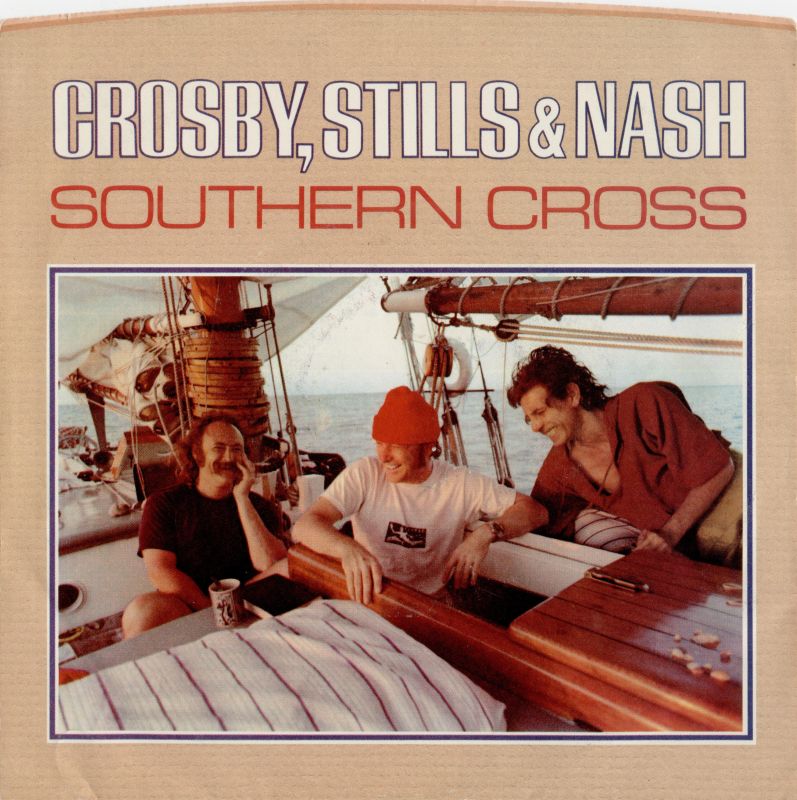
Great song by Crosby, Stills, and Nash. It peaked at #18 in 1982 in the Billboard 100. The song was on the album Daylight Again that peaked at #8 in 1982. I like some of their catalog…mostly the radio songs. I did see them live in 1987 and you had to appreciate their voices live.

This was written by Stephen Stills, Richard Curtis, and Michael Curtis. Stills said: “The Curtis Brothers brought a wonderful song called ‘Seven League Boots,’ but it drifted around too much. I rewrote a new set of words and added a different chorus, a story about a long boat trip I took after my divorce. It’s about using the power of the universe to heal your wounds. Once again, I was given somebody’s gem and cut and polished it.”

From Songfacts

The “Southern Cross” is a constellation also known as the Crux Constellation that can be viewed from most of the Southern hemisphere. The 4 brightest stars within the constellation form a cross pattern. Sailors have relied on the “Southern Cross” to help in navigating their boats. The national flags of Australia and New Zealand have versions of the Southern Cross on them.

Jimmy Buffett covered this on his 1999 album Buffett Live: Tuesdays, Thursdays, Saturdays

There is a vocal mistake in the line “But it’s as big as the promise, the promise of a coming day.” One of the vocalists says “coming” on the first “promise.” >>

Since this song is based on a song called “Seven League Boots,” it bears mentioning that seven-league boots are a common magical artifact which crops up repeatedly in many European folk and fairy tales. They’re a pair of boots which allow the wearer to take strides that are seven leagues (21 miles, 33.8 kilometers) long. The same concept of footwear that greatly increases one’s traveling speed or stride is adapted into many role-playing and video games.

This same year that “Southern Cross” came out also saw David Crosby arrested on drug-related charges. He would be in and out of court on them numerous times until he finally turned himself in for an 8-month sentence.

The video for this song, with a ship a-sail, saw heavy rotation in the early MTV years, providing a soft rock respite from the European pop acts that dominated the network at the time.

The cover art for the Daylight Again album features an enigmatic domed structure on a rocky hilltop, flanked by three glowing blue flying saucers. The US was in the midst of a resurgence in UFO popularity in the late-’70s and early-’80s, bolstered by the writings of Chariots of the Gods author Erich von Daniken and renewed interest in Area 51.

Southern Cross

Got out of town on a boat goin’ to Southern Islands
Sailing a reach before a followin’ sea
She was makin’ for the trades on the outside
And the downhill run to Papeete

Off the wind on this heading lie the Marquesas
We got eighty feet of the waterline nicely making way
In a noisy bar in Avalon I tried to call you
But on a midnight watch I realized why twice you ran away

Think about
Think about how many times I have fallen
Spirits are using me, larger voices callin’
What Heaven brought you and me cannot be forgotten

Around the world (I have been around the world)
Lookin’ (lookin’ for that woman girl)
Who knows she knows (who knows love can endure)
And you know it will

When you see the Southern Cross for the first time
You understand now why you came this way
‘Cause the truth you might be runnin’ from is so small
But it’s as big as the promise, the promise of a comin’ day

So I’m sailing for tomorrow my dreams are a-dyin’
And my love is an anchor tied to you (tied with a silver chain)
I have my ship and all her flags are a-flyin’
She is all that I have left and music is her name

Think about
Think about how many times I have fallen
Spirits are using me, larger voices callin’
What Heaven brought you and me cannot be forgotten

I have been around the world (I have been around the world)
Lookin’ (lookin’ for that woman girl)
(Who knows love can endure)
And you know it will

So we cheated and we lied and we tested
And we never failed to fail it was the easiest thing to do
You will survive being bested
Somebody fine will come along make me forget about loving you
And the southern cross