This song was first recorded at the Bradley Film and Recording Studios, 804 16th Ave. South, Nashville, Tennessee. It was written by Sonny Curtis who later joined the Crickets after Buddy died. It was the first song of his ever recorded.
The song was the B side to That’ll Be The Day. It was credited to Buddy Holly and the Three Tunes…that was the group that recorded with Buddy Holly in Nashville on July 22, 1956, for Decca Records. The group name used was Buddy and the Two Tones (Buddy Holly with Sonny Curtis, guitar and Don Guess, bass). The recordings were supported by session musicians.
Buddy would record it later on with the Crickets.
Rock Around With Ollie Vee
We-ell, we’re gonna rock To the rhythm and the blues tonight Rock ’cause ev’rything’s gonna be all right ‘Cause tonight, we’re gonna Rock to the rhythm and the blues
Well I got a little gal I call, Ollie Vee Ollie Vee comes from Memphis, Memphis Tennessee And tonight, we’re gonna Rock-a-rock around with Ollie Vee, Olli-olli Vee
Ollie Vee says she’s gonna treat me right tonight I’m gonna wear my blue suede shoes tonight And tonight, we’re gonna Rock-a-rock around with Ollie Vee, Olli-olli Vee
We-ell, we’re gonna rock To the rhythm and the blues tonight Rock ’cause ev’rything’s gonna be all right ‘Cause tonight, we’re gonna Rock to the rhythm and the blues, go!
We-ell, we’re gonna rock To the rhythm and the blues tonight Rock ’cause ev’rything’s gonna be all right ‘Cause tonight, we’re gonna Rock to the rhythm and the blues
I’m gonna shout and a holla and a giggle tonight I’m gonna shake it just a little in the middle of the night ‘Cause tonight, we’re gonna Rock-a-rock around with Ollie Vee, Olli-olli-Vee
Well I think Mr. Cop’s on the beat tonight He’s tryin’ to put a stop to me tonight ‘Cause tonight, we’re gonna Rock-a-rock around with Ollie Vee, Oll-olli-olli
We-ell, we’re gonna rock To the rhythm and the blues tonight Rock ’cause ev’rything’s gonna be all right ‘Cause tonight, we’re gonna Rock to the rhythm and the blues
We-ell, we’re gonna rock To the rhythm and the blues tonight Rock ’cause ev’rything’s gonna be all right ‘Cause tonight, well, we’re gonna Rock to the rhythm and the blues
This weekend I will be concentrating on Mr. Holly…hope you will like it.
This was written by Buddy Holly and Norman Petty and recorded at Petty Studios in Clovis, New Mexico from June-August 1958. Petty was Holly’s producer and manager.
On October 28, 1958, Buddy Holly lip-synched this and Heartbeat the TV show American Bandstand. It was his last national TV appearance before his death. This song was the last song he ever did with the Crickets. The song did not chart…
Linda Ronstate did a great version of this song in 1977.
From Songfacts
This was the last single Holly recorded with The Crickets. In the last few months of his life, he moved to New York and began recording with more elaborate production techniques, including string sections.
Holly was known for his innovative guitar riffs, but he didn’t play lead on this one. A session guitarist named Tommy Allsup did. Allsup played in Holly’s band on his last tour.
Many of Holly’s fans consider this one of his best songs, but it was never a chart hit.
Buddy Holly was a major influence on The Beatles, and in 2011, Paul McCartney recorded this song for the tribute album Rave On Buddy Holly, which was issued to commemorate the 75th anniversary of Holly’s birth.
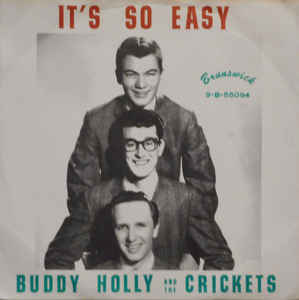
It’s So Easy
It’s so easy to fall in love. It’s so easy to fall in love.
People tell me love’s for fools. So, here I go, breaking all the rules. It seems so easy (Seems so easy, seems so easy) Oh so doggone easy (Doggone easy, doggone easy) It seems so easy (Seems so easy, seems so easy, seems so easy) Where you’re concerned, my heart has learned.
It’s so easy to fall in love. It’s so easy to fall in love.
(It’s so easy to fall in love) (It’s so easy to fall in love)
Look into your heart and see, What your love book has set apart for me. It seems so easy (Seems so easy, seems so easy) Oh so doggone easy (Doggone easy, doggone easy) It seems so easy (Seems so easy, seems so easy, seems so easy) Where you’re concerned, my heart has learned.
It’s so easy to fall in love. It’s so easy to fall in love.
Well it’s so easy (It’s so easy, it’s so easy) So doggone easy (Doggone easy, doggone easy) It seems so easy (Seems so easy, seems so easy, seems so easy) Well where you’re concerned, my heart has learned.
It’s so easy to fall in love. It’s so easy to fall in love.
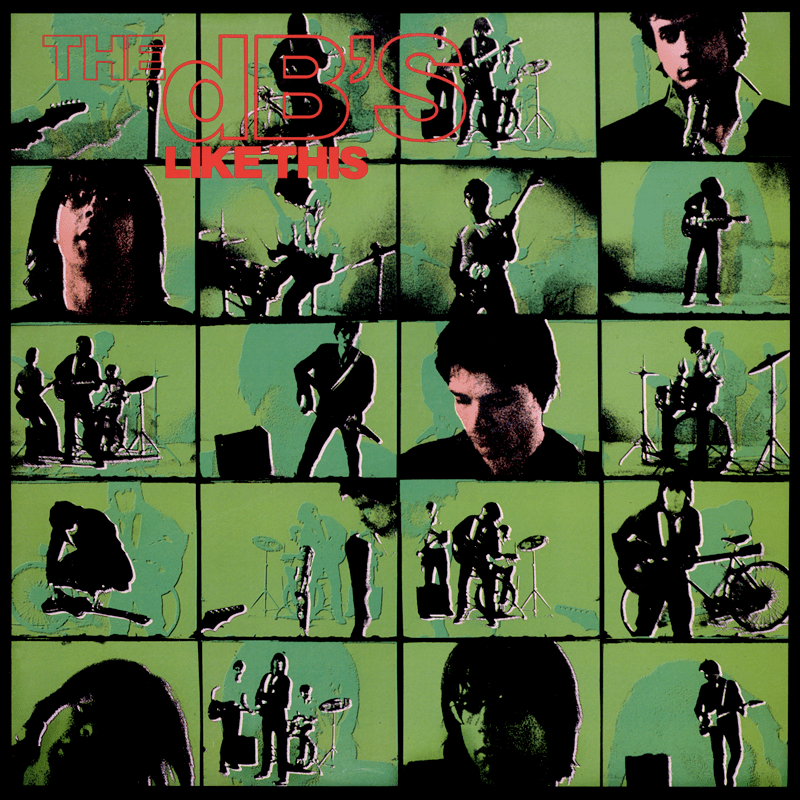
This band was from Winston-Salem, North Carolina but the group was formed in New York City in 1978. The members were Peter Holsapple, Chris Stamey, Will Rigby, and Gene Holder. Chris Stamey played bass for Alex Chilton in 1977.
This song was released in 1984 on Bearsville Records and it was on the album Like This. In 2012, the band completed its first new studio album called Falling Off the Sky in 25 years and it’s first in 30 years with the original lineup.
Love is for Lovers
Holsapple
Do you remember when blue was the feeling Gray was the weather, one was the number? Do you remember when love was for others? Now and forever, love is for lovers.
Do you believe that real love is right now? Could we be having the time of our lives now? Do you believe this? Do you believe this?
Now every day is like summer vacation Christmas and birthday rolled into one day Now every night is a special occasion Where does it all end? Maybe next someday.
Can you believe this love is forever? Can you conceive of anything better? Do you believe this? Do you believe this is love?
Oh, love is for lovers Love is for lovers Oh, love is for lovers.
Do you believe that love is a sure thing? You say hello and I hit the ceiling Do you believe this? Do you believe this is love?
Oh, love is for lovers Love is for lovers Oh, love is for lovers.
I used to think that love was for pleasure More like adventure, measure for measure It’s plain to me that we can’t rise above it No one’s a lover just ’cause they love it.
And if you’re happy then you oughta stay there I’m not certain that I know the way there Do you believe this? Do you believe this? Do you believe this? Do you believe this is love?
Oh, love is for lovers Love is for lovers Oh, love is for lovers Love is for lovers Oh, love is for lovers Oh, love is for lovers Oh, love is for lovers Love is for love is for lovers.
So Sad About Us could be the definition of powerpop.
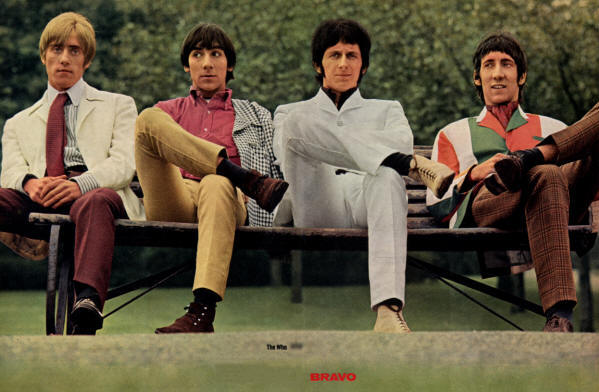
This song was not a hit…in fact, it was never released as a single. The Who recorded this song in 1966, though it was originally written for the Merseys, a band that shared the Who’s manager and had a hit with a Townshend-produced version of the song that same year. It is one of the most covered songs by the Who. I remember the version by the Jam.
The song was on the album A Quick One. The album didn’t chart in America but it did peak at #4 in the UK in 1966.
So Sad About Us
La la la la la la la La la la la la la la La la la la la la la La la la la la la la
So sad about us So sad about us Sad that the news is out now Sad, suppose we can’t turn back now Sad about us
So bad about us So bad about us Bad, never meant to break up Bad, suppose we’ll never make up Bad about us
Apologies mean nothing When the damage is done But I can’t switch off my loving Like you can’t switch off the sun
La la la la la la la La la la la la la la La la la la la la la La la la la la la la
La la la la la la la la la la La la la la la la la la la la
So sad about us So sad about us Sad, never meant to break up Sad, suppose we’ll never make up Sad about us
Couldn’t I Just Tell You was the follow-up song to I Saw The Light. The record company decided this should be the next single. It wasn’t the hit they were looking for so they decided to edit the album version of Hello It’s Me down and release it. That song was a hit. Although Couldn’t I Just Tell You was not a big hit it did get airplay and still does to this day.
Todd didn’t like what the record company did so in his liner notes to the album he wrote of this song…The hits just keep on coming.
The song peaked at #93 on the Billboard 100 in 1972. The album Something/Anything? was released in 1972 and peaked at #29 on the Billboard Album Chart.
Couldn’t I Just Tell You
Keep your head and everything will be cool You didn’t have to make me feel like a fool When I try to say I feel the way that I do I want to talk to you And make it load and clear Though you don’t care to hear
Couldn’t I just tell you the way I feel I can’t keep it bottled up inside And could we pretend that it’s no big deal And there’s really nothing left to hide
Something sure doesn’t seem right to me When you can turn your back whenever you please And you stroll away and calmly bid me adieu Why can’t I talk with you And put it in your ear though you don’t care to hear
Hear me out Why don’t you lend me an ear You’ve got no reason to fear I’ll make it perfectly clear I love you
I don’t come whining with my heart on my sleeve I’m not a coward if that’s what you believe And I’m not afraid but not ashamed if it’s true I got to talk with you And then I’ll make it clear
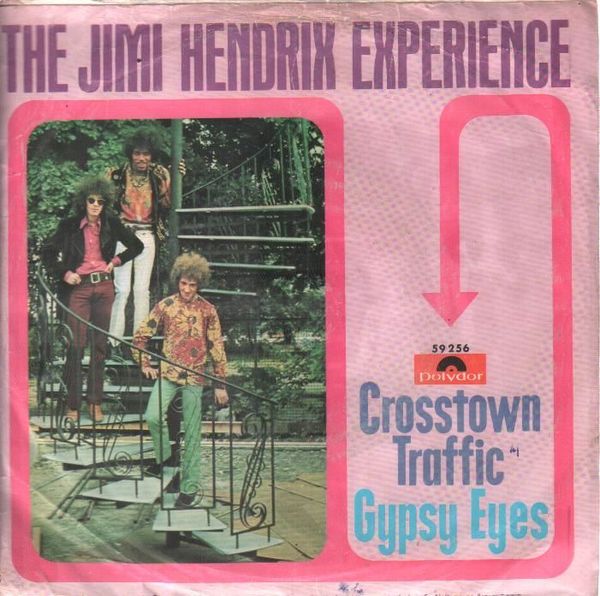
“Crosstown Trafic” was recorded at the Record Plant in 1968. Traffic’s Dave Mason was a guest vocalist on this song. This song includes a famous kazoo riff, which Hendrix originally performed using a comb and a piece of cellophane.
This song peaked at #52 on the Billboard 100 in 1968. The album was Electric Ladyland and it was Jimi’s only number 1 album in Billboard.
Hendrix wanted a Linda Eastman photo for the album cover… A photo of the band and some kids at Central Park on an Alice In Wonderland Statue… he wrote “Please use color picture with us and the kids on the statue for front or back cover — OUTSIDE COVER,” but Reprise ignored his request…this is the photo he wanted.
Instead, they used this one
The UK cover was of 19 nude women which again…Jimi didn’t want or ask for… The public opinion was that the cover was tasteless. Hendrix agreed. He distanced himself from the photo in interviews and proclaimed disdain for the photo.
From Songfacts
This song is about a girl who is hard to get rid of. Getting through to her that she’s not wanted is like getting through crosstown traffic.
The lyrics are similar to many Blues songs in that they are filled with sexual references in clever metaphors: “I’m not the only soul, who’s accused of hit and run, tire tracks all across your back, I can see you’ve had your fun.”
Dave Mason from the group Traffic sang on this. That’s him singing the high part on the word “Traffic.”
Chas Chandler produced the original tracks, but Hendrix remixed them when he started producing his own music in 1968.
Crosstown Traffic
You jump in front of my car when you you know all the time Ninety miles an hour, girl, is the speed I drive You tell me it’s alright, you don’t mind a little pain You say you just want me to take you for a drive
You’re just like crosstown traffic So hard to get through to you Crosstown traffic I don’t need to run over you Crosstown traffic All you do is slow me down And I’m tryin’ to get on the other side of town
I’m not the only soul who’s accused of hit and run Tire tracks all across your back I can, I can see you had your fun But, darlin’ can’t you see my signals turn from green to red And with you I can see a traffic jam straight up ahead
You’re just like crosstown traffic So hard to get through to you Crosstown traffic I don’t need to run over you Crosstown traffic All you do is slow me down And I got better things on the other side of town
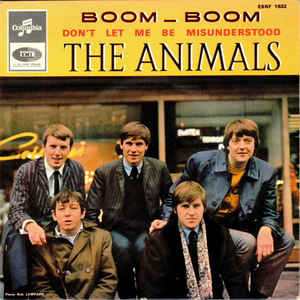
This song peaked at #15 in the Billboard 100 and #3 in the UK in 1965. The Animals were a tough Rhythm and Blues band formed in Newcastle upon Tyne. Burdon’s voice drives this Animals song.
This song was written by Horace Ott, Bennie Benjamin, and Sol Marcus. Benjamin and Marcus were a songwriting team that had been working together since the 40s… their songs include “Lonely Man” by Elvis Presley and “Fabulous Character” by Sarah Vaughan.
Ott started writing the song after getting in a heated argument with Gloria Caldwell, whom he had recently married. Sitting down at the piano, he expressed in song how he was well-intentioned, but misunderstood by his wife – a sentiment many married men could relate to.
Gloria Caldwell is listed on the credit instead of Ott because of contractual issues. She learned to understand him: the couple stayed together.
The Animals were one of the British Invasion bands…One of the rawer and bluesy bands.
From Songfacts
Nina Simone was the first to record this song, releasing an orchestrated, downtempo rendition on her 1964 album Broadway-Blues-Ballads that nicked the US chart at #131. The best-known version is by The Animals, who reworked it into a rock song. Eric Burdon recalled in Rolling Stone magazine, “It was never considered pop material, but it somehow got passed on to us and we fell in love with it immediately.”
In our 2010 interview with Eric Burdon, he said: “I’ve really been misunderstood. By my mom, my dad, school teachers, a couple of the women that I married. I’ve been misunderstood all of my life.”
In 2013, Eric Burdon recorded a new version of this song with Jenny Lewis for the HBO TV series True Blood. “When I was asked to record a new version of ‘Don’t Let Me Be Misunderstood’ for the new season with Jenny Lewis, I had to bite,” Burdon said of recording the song for the vampire drama. The song was included on Volume 4 of the show’s soundtrack.
Other well-known versions include covers by:
Joe Cocker, who covered this on his 1969 debut album, With a Little Help from My Friends. His version was played over the ending credits of the 2004 film Layer Cake.
Disco group Santa Esmeralda’s 1977 dance version, which incorporated flamenco, salsa, and other Latin rhythm and ornamentation elements. Released as a single it reached #15 on the Billboard Hot 100. The song’s instrumental passage was later used by Quentin Tarantino during the duel between The Bride and O-Ren Ishii in his 2003 movie Kill Bill: Volume 1
Lana Del Rey, who covered this for her 2015 Honeymoon album. Her version is in the vein of Nina Simone’s jazz original but also uses The Animals organ sound. Del Rey had previous covered another Nina Simone song “The Other Woman” for her Ultraviolence album. The “Video Games” singer told NME she is drawn to Simone’s “melodies and words.” “Personality-wise we’re quite different,” she added. “We may have had some of the same issues, but I picked that song simply because it resonated with me.”
Don’t Let Me Be Misunderstood
Baby, do you understand me now? Sometimes I feel a little mad But don’t you know that no one alive can always be an angel When things go wrong I feel real bad.
I’m just a soul whose intentions are good Oh Lord, please don’t let me be misunderstood
Baby, sometimes I’m so carefree With a joy that’s hard to hide And sometimes it seems that, all I have to do is worry And then you’re bound to see my other side
I’m just a soul whose intentions are good Oh Lord, please don’t let me be misunderstood
If I seem edgy, I want you to know, That I never mean to take it out on you Life has its problems, and I get my share, And that’s one thing I never mean to do
Cause I love you, Oh,
Oh, oh, oh, baby – don’t you know I’m human I have thoughts like any other one Sometimes I find myself, Lord, regretting Some foolish thing, some little simple thing I’ve done
I’m just a soul whose intentions are good Oh Lord, please don’t let me be misunderstood Yes, I’m just a soul whose intentions are good Oh Lord, please don’t let me be misunderstood Yes, I’m just a soul whose intentions are good Oh Lord, please don’t let me be misunderstood
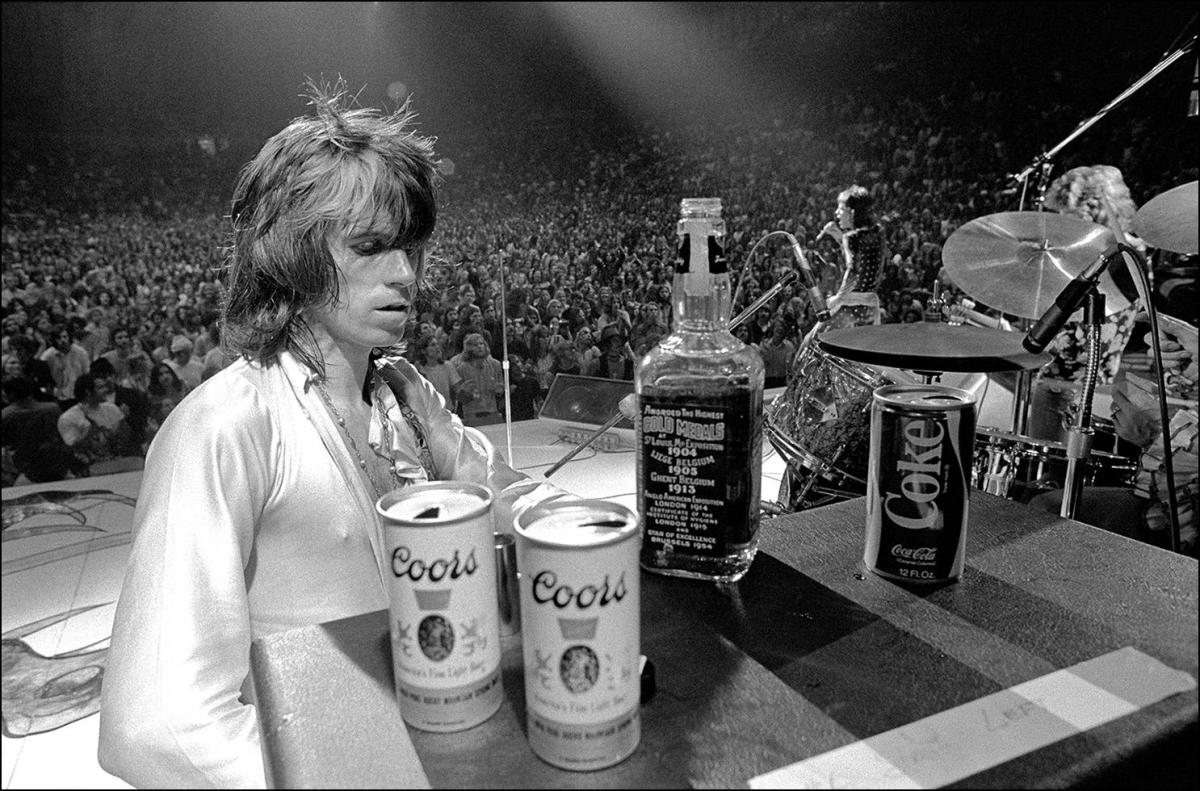
One of my favorites off of Exile on Main Street. This was going to be the first single off of the album but Tumbling Dice… understandably was the first. This song didn’t chart but it just added to the greatness that is Exile on Main Street.
Engineer Andy Johns talked about this single. It was the first song finished for the album and Mick thought it was perfect for the first single. Andy disagreed and told Mick. I know this is a long quote but it’s worth a read. It shows you how much power some bands like the Stones had in the 60s and 70s.
Andy Johns:
“It was the first one that was finished cause we’d be working for months and months. Mick got very enamored. ‘It’s finished! It’s going to be the single!’ I thought, ‘This isn’t really a single, you know.’ I remember going out and talking to him and he was playing the piano. ‘Mick, this isn’t a single. It doesn’t compare to “Jumpin’ Jack Flash” or “Street Fighting Man.” ‘Come on, man.’ He went, ‘Really? Do you think so?’ I thought, ‘My God. He’s actually listening to me.’ (laughs). And then, I was having a struggle with the mix I thought was gonna be it. Ahmet Ertegun then barged in with a bunch of hookers and ruined the one mix. He stood right in front of the left speaker with two birds on each arm (laughs). I told Mick, ‘I can’t hear it here. If I could hear it on the radio that would be nice.’ It was just a fantasy. ‘Oh, we can do that.’ ‘Stew (piano player Ian Stewart), go to the nearest FM radio station with the tape and say we’d like to hear it over the radio. And we’ll get a limo and Andy can listen to it in the car.’ I went, ‘Bloody hell…Well, it’s the Stones. OK.’ So sure enough, we’re touring down Sunset Strip and Keith is in one seat, and I’m in the back where the speakers are with Mick, and Charlie is in there, too. Just because he was bored (laughs). And Mick’s got the radio on and the DJ comes on the air, ‘We’re so lucky tonight. We’re the first people to play the new Stones’ record.’ And it came on the radio and the speakers in this car were kind of shot. I still couldn’t tell. And it finishes. Then Mick turns around. ‘So?’ ‘I’m still not sure, man.’ I’m still not used to these speakers’. ‘Oh, we’ll have him play it again then.’ Poor Stew. ‘Have them play it again’ like they were some sort of radio service. It was surreal. Up and down Sunset Strip at 9:00 on a Saturday night. The Strip was jumpin’ and I’m in the car with those guys listening to my mixes. It sounded OK. ‘I think we’re down with that.’ So then we moved on.”
From Songfacts
When The Stones gave this to a Los Angeles radio station in 1971 while they were still working on it so they could hear what it sounded like on the radio, it spread rumors that it would be the first single off Exile on Main St., but that honor went to “Tumblin’ Dice.”
Producer Jimmy Miller added percussion. He had to play some of the instruments on the album because The Stones were rarely together during the sessions, which took place at a French villa Keith Richards rented.
Kathi McDonald sang backup. She was a backup singer for Leon Russell and went on to record with Nicky Hopkins and Quicksilver Messenger Service.
All Down The Line
Yeah, heard the diesel drumming all down the line. Oh, heard the wires a humming all down the line. Yeah, hear the women sighing all down the line. Oh, hear the children crying all down the line.
(All down the line) We’ll be watching out for trouble, yeah. (All down the line) And we’d better keep the motor running, yeah. (All down the line) Well, you can’t say yes and you can’t say no, Just be right there when the whistle blows. I need a sanctified girl with a sanctified mind to help me now.
Yeah, all the people singing all down the line. Mmmm, watch the men all working, working, yeah. (All down the line)
(All down the line) We’re gonna open up the throttle yeah. (All down the line) We’re gonna bust another bottle, yeah. (All down the line)
I need a shot of salvation, baby, once in a while. Hear the whistle blowing, hear it for a thousand miles.
(All down the line) We’re gonna open up the throttle, yeah. All down the line, we’re gonna bust another bottle, yeah. Well you can’t say yes, and you can’t say no, Just be right there when the whistle blows. I need a sanctified mind to help me out right now.
Be my little baby for a while. Won’t you be my little baby for a while? Won’t you be my little baby for a while? Won’t you be my little baby for a while? Won’t you be my little baby for a while?
Peggy Sue Got Married was the sequel to Holly’s hit Peggy Sue. The original hit was named after the girlfriend of Crickets drummer Jerry Allison.
Buddy Holly recorded this alone, on acoustic guitar, in his New York City apartment, along with “Crying, Waiting, Hoping,” “That’s What They Say,” “What to Do,” “Learning the Game” and “That Makes it Tough” which would be his last songs. After his tragic death, these recordings would be overdubbed to become the Holly songs we know today.
A little more than five months after Holly’s death, Coral Records on July 20, 1959 released “Peggy Sue Got Married.” It appeared as a B-side to Buddy Holly’s “Crying, Waiting, Hoping.”
Below is the demo of the song and the released version which Buddy would never hear.
The real Peggy Sue… Peggy Sue Gerron passed away at 78 years old in 2018.
From Songfacts
In this song, Holly finds out that the girl from his 1957 hit “Peggy Sue” has gotten married. It was one of the first sequels of the Rock Era.
This song provided the title for the 1986 movie Peggy Sue Got Married, starring Kathleen Turner and Nicolas Cage. In the movie, Holly’s demo version with just his voice and acoustic guitar was used.
When producer Jack Hansen augmented Holly’s demo of this tune and made a hit out of it, it was the first instance of an entirely ‘new’ unheard song being completed and released after a star’s death. Later instances of songs of deceased acts being revived and “completed” include tunes by The Beatles, the Carpenters, The Doors, Lynyrd Skynrd, Bob Marley, Charlie Parker, Frank Sinatra, Biggie Smalls, Tupac and Hank Williams.
Demo
Released Version
Peggy Sue Got Married
Please don’t tell No, no, no Don’t say that I told you so I just heard a rumor from a friend
I don’t say That it’s true I’ll just leave that up to you If you don’t believe I’ll understand (understand)
You recall a girl that’s been in nearly every song This is what I heard of course the story could be wrong
She’s the one I’ve been told Now she’s wearing a band of gold Peggy Sue got married not long ago
You recall a girl that’s been in nearly every song This is what I heard of course the story could be wrong
She’s the one I’ve been told Now she’s wearing a band of gold Peggy Sue got married not long ago Peggy Sue got married not long ago
Seeing the news and blog posts on the 50th anniversary of Woodstock made me think of this song. I bought the Woodstock triple album set in the late seventies or early eighties…this song I liked automatically. It’s catchy and is about as anti-authority as you can get. The imagery is fun in this song… Chicken flying everywhere around the plane Could we ever feel much finer and Walking in the hall with his things and all
Smiling, said he was the Lone Ranger
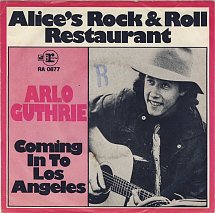
This is the song that really got me into Arlo…though I had heard City of New Orleans. After hearing this I wanted to check out his music.
Arlo wrote this song and it was on his second album Running Down the Road. The great Clarence White played guitar on this song. Other musicians on the album were Ry Cooder, Gene Parsons, and James Burton. The song didn’t chart because it’s pretty clear why (Coming into Los Angeles, Bringing in a couple of ki’s, don’t touch my bags if you please mister customs man)…but the album peaked at #54 in the Billboard Album Charts in 1969.
The best-known version is the Woodstock version.
Studio Version
Woodstock
Coming Into Los Angeles
Coming in from London from over the pole Flying in a big airliner Chicken flying everywhere around the plane Could we ever feel much finer
Coming into Los Angeles Bringing in a couple of ki’s Don’t touch my bags if you please Mister customs man, yeah
There’s a guy with a ticket to Mexico No, he couldn’t look much stranger Walking in the hall with his things and all Smiling, said he was the Lone Ranger
Coming into Los Angeles Bringing in a couple of ki’s Don’t touch my bags if you please Mister customs man
Hip woman walking on the moving floor Tripping on the escalator There’s a man in the line and she’s blowing his mind Thinking that he’s already made her
Coming into Los Angeles Bringing in a couple of ki’s Don’t touch my bags if you please Mister customs man
Coming in from London from over the pole Flying in a big airliner Chicken flying everywhere around the plane Could we ever feel much finer
Coming into Los Angeles Bringing in a couple of ki’s Don’t touch my bags if you please Mister customs man, yeah, all right
Fotomaker was founded by former Rascals members Gene Cornish (bass) and Dino Danelli (drums) They two contacted ex-Raspberries guitarist Wally Bryson. The Fotomaker lineup was subsequently completed with guitarist Lex Marchesi and keyboardist Frankie Vinci (lead vocal duties were split between several members).
This song peaked at #81 in the Billboard 100 in 1978. The band opened for the likes of Aerosmith, Alice Cooper, Foreigner, and Van Halen. Their self-titled debut album was released in early 1978. They had one more minor hit in 1978 with “Miles Away” which peaked at #63 in 1978.
The band released 3 albums in all before disbanding in 1979.
Where Have You Been All My Life
It used to be My life was like a puzzle in a million pieces And it seemed My purpose and my destiny were mysteries then Girl you came Into my life And you brought my heart a one way ticket Straight to paradise
And just where have you been all my life Tell me where have you been all my life Girl where have you been all my life
Once I believed My life was like a story book of empty pages But now I see All the years I spent in waiting were preparing me for you And it’s true Love can make someone brand new ‘Cause I feel just like a newborn child Whenever I’m with you
And just where have you been all my life Tell me where have you been all my life
All my life I’ve been waiting All my life I’ve been waiting All my life I’ve been waiting
When I was 12, I was in a Dime Store in my small town (long since gone…another WalMart casualty) walking by the Mynah Bird all of us kids talked to in 1979…looked down at the record rack and I saw this record by the Kinks. When I first saw it I thought it was the Rock ‘N’ Roll Fantasy I’d been hearing on the radio…by Bad Company.
I was pleasantly surprised when I heard the record and liked it more. I had a Kinks greatest hits album and knew some about them but this record got me into them heavily.
This song peaked at #30 in the Billboard 100 in 1978. Rock ‘N’ Roll Fantasy was on the Misfits album and it peaked at #40 on the Billboard Album charts in 1978.
Inspired by the death of Elvis Presley and the departures of bassist Andy Pyle and pianist John Gosling from The Kinks, Ray writes about whether rock and roll is something mature adults should do.
From Songfacts
Kinks leader Ray Davies wrote this song, calling it a “Method acting songwriting job.”
While he was writing the song in 1977, he learned that Elvis Presley had died, which influenced the lyric. He was staying in New York at the time, and when he looked out his window late at night, he saw a single light on in one of the buildings. Davies imagined that light being the apartment of an ardent Elvis fan, which became the character Dan the Fan in the song.
The Kinks were falling apart around this time; guitarist Dave Davies wanted to stop touring, and keyboard player John Gosling and bass player Andy Pyle had decided that Misfits would be their last album with the group. Ray Davies explained in Rolling Stone: “The song was almost a homage to them; if you listen to the lyrics, it’s about someone leaving the band because they’ve given up the cause, and the two brothers will find a way through this.”
The line, “The King is dead, rock is done,” is a reference to Elvis. The lyrics go on to describe a man named Dan living in Davies’ block who is a huge fan of The Kinks. Whenever he feels unhappy, Dan loses himself in their music, “living in a rock ‘n’ roll fantasy.”
By 1978 The Kinks may have been selling out Madison Square Garden, but they weren’t altogether happy. “A Rock ‘n’ Roll Fantasy” details Ray Davies and his brother Dave considering breaking up the band. “The song is about two guys,” Ray told Q Magazine. “Shall we call it a day?”
Released as the first single from Misfits, the track was The Kinks’ most successful single in the US since their 1970 top ten hit “Lola.”
A Rock ‘N’ Roll Fantasy
Hello you, hello me Hello people we used to be Isn’t it strange, we never changed We’ve been through it all, yet we’re still the same
And I know, it’s a miracle we still go For all we know, we might still have a way to go
Hello me, hello you You say you want out, want to start anew Throw in your hand, break up the band Start a new life, be a new man
But for all we know, we might still have a way to go Before you go, there’s something you ought to know
There’s a guy in my block, he lives for rock He plays records day and night
And when he feels down he puts some rock ‘n’ roll on And it makes him feel alright
And when he feels the world is closing in He turns his stereo way up high
He just spends his life living in a rock ‘n’ roll fantasy He just spends his life living on the edge of reality He just spends his life in a rock ‘n’ roll fantasy
He just spends his life living in a rock ‘n’ roll fantasy He just spends his life living on the edge of reality He just spends his life in a rock ‘n’ roll fantasy
He just spends his life living in a rock ‘n’ roll fantasy Look at me, look at you You say we’ve got nothing left to prove The King is dead, rock is done You might be through, but I’ve just begun
I don’t know, I feel free and I won’t let go Before you go, there’s something you ought to know
Dan is a fan and he lives for our music It’s the only thing that gets him by He’s watched us grow and he’s seen all our shows He’s seen us low and he’s seen us high
Oh, but you and me keep thinking That the world’s just passing us by
Don’t want to spend my life living in a rock ‘n’ roll fantasy Don’t want to spend my life living on the edge of reality Don’t want to waste my life hiding away any more
Don’t want to spend my life living in a rock ‘n’ roll fantasy
With Guns N’ Roses, I liked some of the stuff they did…I wasn’t a huge fan of Rose but I liked the rawness they brought and Slash’s guitar playing.
This song peaked at #4 on the Billboard 100 and #10 in the UK, in 1989.
The song was on their second studio album G N’ R Lies released in 1988. The title for the album was Lies! The Sex, The Drugs, The Violence, The Shocking Truth. Geffen Records decided it was too long, so they changed it to just Lies.
From Songfacts
This song was a trendsetter in its use of all-acoustic instrumentation. This song made it safe for hard rockers to display their sensitive, vulnerable sides in a more understated way rather than utilizing the power ballad format.
The video for this song can be seen playing in the background of the Robert DeNiro film Cape Fear.
This is a very popular Karaoke song, but one that you might want to avoid. Kimberly Starling of The Karaoke Informersays it’s one of the top 5 songs that tends to bomb: “It just eludes the average ear and when you get off key on this one it sounds to the ear like a turd in a punch bowl looks to the eye.”
On January 30th, 1989, Guns N’ Roses played this at the American Music Awards with Don Henley on drums.
Axl Rose can be heard whistling on this track. He’s also the one who blows the whistle on “Paradise City.”
Patience
One, two, one, two, three, four
Shed a tear ’cause I’m missin’ you I’m still alright to smile Girl, I think about you every day now Was a time when I wasn’t sure But you set my mind at ease There is no doubt you’re in my heart now
Said woman take it slow, and it’ll work itself out fine All we need is just a little patience Said sugar make it slow and we’ll come together fine All we need is just a little patience (Patience) Mm, yeah
I sit here on the stairs ‘Cause I’d rather be alone If I can’t have you right now, I’ll wait dear Sometimes I get so tense but I can’t speed up the time But you know love there’s one more thing to consider
Said woman take it slow and things will be just fine You and I’ll just use a little patience Said sugar take the time ’cause the lights are shining bright You and I’ve got what it takes to make it We won’t fake it, I’ll never break it ‘Cause I can’t take it
Little patience, mm yeah, mm yeah Need a little patience, yeah Just a little patience, yeah Some more patience, yeah (I’ve been walking the streets at night, just trying to get it right) A little patience, yeah (Its hard to see with so many around You know I don’t like being stuck in the crowd) Could use some patience, yeah (And the streets don’t change but maybe the names) (I ain’t got time for the game ’cause I need you) Gotta have more patience, yeah (Yeah, yeah but I need you) All need some patience (Ooh I need you, whoa I need you) Just a little patience is all you need (Ooh, this time, ah)
This song’s harmonies are great and so is the incredibly treble solo in the middle. John wrote this song. John wrote this song after he spent all night trying to write a song. He eventually gave up and laid down and then the song came to him. The song peaked at #3 in the Billboard 100 in 1966.
John: “I’d spent five hours that morning trying to write a song that was meaningful and good, and I finally gave up and lay down. Then ‘Nowhere Man’ came, words and music, the whole damn thing, as I lay down…So letting it go is what the whole game is. You put your finger on it, it slips away, right? You know you turn the lights on and the cockroaches run away. You can never grasp them.”
The guitar solo was performed by both John and George in unison on their identical Sonic Blue Fender Stratocasters. George: “I decided I’d get a Strat, and John decided he’d get one too. So we sent out our roadie, Mal Evans, said go and get us two Strats. And he came back with two of them, pale blue ones. Straight away we used them on the album we were making at the time, which was ‘Rubber Soul.’ I played it a lot on that album, (most noticeably) the solo on ‘Nowhere Man’ which John and I both played in unison.”
The Beatles pushed the engineers to add treble to the solo that John and George were playing. Run it through and put the treble on it again and again. The Engineers said, “We can’t do that”…Paul told them that it was ok…if it is terrible we simply won’t use it…they kept on pushing and it worked perfectly. The engineers were also afraid of getting fined by EMI for doing things against regulations…with the Beatles though it soon became commonplace.
This shows how the Beatles were changing the rules as they were going along. Not only in writing superb songs but pushing the limits of the studio as well as doing things that pop stars just didn’t do before them…
From Songfacts
John Lennon came up with this after struggling to write a song for the album. Said Lennon: “I thought of myself sitting there, doing nothing and getting nowhere.”
This was used in the animated Beatles movie Yellow Submarine. They sing it to Jeremy Hillary Boob, Ph.D., who describes himself as an “eminent physicist, polyglot classicist, prize-winning botanist, hard-biting satirist, talented pianist, good dentist too.” The Beatles decide to take him Somewhere, and he eventually helps them to defeat the Blue Meanies. >>
This starts with a three-part harmony sung by Lennon, Harrison, and McCartney.
This is probably the first Beatles song that has nothing to do with love.
Typical of many John Lennon compositions are the “falling” melodies, which can be heard in “Nowhere Man.” Folk music often has falling melodies, indicating melancholy. In Baroque music, a falling melody means sadness.
There is a very audible feedback 38 seconds into the song after the word “missin’.”
Natalie Merchant performed this at the 2001 special, Come Together: A Night For John Lennon’s Words And Music. She did a mellow version, as the show was also a tribute to victims of the terrorist attacks on America.
In a 1971 interview with Rolling Stone, Lennon recalled the background to this song: “I remember I was just going through this paranoia trying to write something and nothing would come out so I just lay down and tried to not write and then this came out, the whole thing came out in one gulp.”
In 2003, John Lennon’s original handwritten lyrics to this song were auctioned at Christie’s of New York for $455,500.
One of the many songwriters influenced by The Beatles is Graham Gouldman of 10cc, who toured with Ringo’s All-Starr Band in 2018. According to Gouldman, this song is an example of how they would create a two-part harmony, but leave out third part, which is implied. “That’s screaming out for the third harmony, but they never did it,” he told Songfacts. “And in your head, you sing along, if you’re musical, the third harmony.”
Nowhere Man
He’s a real nowhere man Sitting in his nowhere land Making all his nowhere plans for nobody
Doesn’t have a point of view Knows not where he’s going to Isn’t he a bit like you and me? Nowhere man please listen You don’t know what you’re missing Nowhere man, The world is at your command
He’s as blind as he can be Just sees what he wants to see Nowhere man, can you see me at all Nowhere man don’t worry Take your time, don’t hurry Leave it all till somebody else Lends you a hand Ah, la, la, la, la
Doesn’t have a point of view Knows not where he’s going to Isn’t he a bit like you and me? Nowhere man please listen You don’t know what you’re missing Nowhere man, The world is at your command Ah, la, la, la, la
He’s a real nowhere man Sitting in his nowhere land Making all his nowhere plans for nobody Making all his nowhere plans for nobody Making all his nowhere plans for nobody
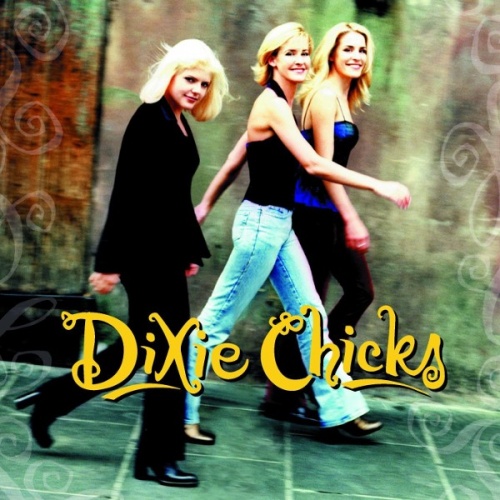
I’m not a big fan of newer country music…but this song sounded fresh when it was released. The song crossed over and peaked at #41 in the Billboard 100, #1 in the US Country Songs, and #1 Canda Country Tracks in 1998. The song was on the album Wide Open Spaces and it peaked at #4 on the Billboard Album Charts, #1 on the Country Album Charts, and #1 in the Canadian Country Album Charts in 1999.
Susan Gibson wrote the song years earlier. Gibson was the lead singer of the alt-country band The Groobees. They decided to include “Wide Open Spaces” on their album and their producer was Lloyd Maines… the father of Dixie Chicks lead singer, Natalie Maines. He thought the song would be perfect for the Dixie Chicks and they agreed. After testing it on a couple of audiences, they made it the title track for their major-label debut.
This album was the first album which Natalie Maines was the lead singer.
Their career was going great until all hell broke loose in 2003 after lead singer Natalie Maines criticized George Bush and the invasion of Iraq during a London concert. Country radio led the backlash against the Dixie Chicks. Stations banned their music and even told listeners to trash their CDs.
This defiant, nude cover on ‘Entertainment Weekly’ added fuel to the fire.
If this would have been a rock act that did the same thing…would this have happened? I would say no…
On June 26, 2019, The Dixie Chicks has confirmed that they are returning to music with a new studio album after a 13-year hiatus. They are expecting to record their first new studio album since 2006’s Taking the Long Way.
From Songfacts
This song was written by Susan Gibson, who was lead singer of a Texas-based band called The Groobees. She wrote the tune back in 1993 in a spirit of rebellion during her first return home from the University of Montana for Christmas break. “My mom probably said something like, ‘What time did you get home last night, honey?’ Whatever it was rubbed me the wrong way,” Gibson told The Montanan. “I sat down at the kitchen table and wrote furiously for twelve minutes, and then I went and did something else. I forgot all about it.”
The lyrics were so specific to Gibson’s own experience, including lines about her dad warning her to check the oil in her car, she was hesitant about giving away such a personal song. Then she heard the Dixie Chicks’ version: “It made me bawl my eyes out. It was so beautiful—it had this stunning musicianship and very professional production. I could still see my handwriting on the page, and here was this gorgeous recording of it.”
Lloyd Maines, father of Dixie Chicks lead singer Natalie Maines, worked with The Groobees, and brought the song to the Chicks. The Groobees recorded their version in 1999.
Thom Oliphant helmed the music video, which intercuts touring footage with the girls singing in open fields of wildflowers as well as performing at Winter Park, Colorado’s annual West Fest. In a Songfacts interview, Oliphant recalled: “That song probably moved them from big clubs to arenas over the course of that year, so we were just out documenting.
A lot of that stuff was shot without a clock ticking. You’re on a bus and we would shoot some stuff, and then it all was woven together with a couple of big days of shooting out around Denver. It made it look like it was all about the same time, but it wasn’t.”
The video was named the Country Music Association’s Video of the Year in 1999.
The Groobees broke up a couple of years after this became a hit, partly because they couldn’t agree on how to handle the success. Susan Gibson, who collected the bulk of the royalties as the tune’s sole writer, explained in Lone Star Music Magazine: “We were once a unified band with nothing to lose and all struggling in the same direction. Some band members thought that the success of that song meant that we could afford to take those crappy-paying, but good-exposure gigs. Others thought it meant we didn’t have to. That discrepancy resulted in each of us taking our own piece of the pie and going forward in our different directions.”
Gibson has since carved a career for herself as a solo artist, but still delights in hearing fans talk about the song: “Because the Dixie Chicks made that song so huge, I have enjoyed the look on people’s faces when they hear that I wrote that song. About 80 percent of the time, somebody has a cool story attached to it about leaving home, getting married, getting divorced, and breaking down in Moab, Utah. 19 percent of the time it’s like, ‘Oh! My mom loooooves that song!’ And there’s 1 percent out there that are like, ‘I don’t really listen to music.’ That’s OK. It’s the stories that I hear back from people that put a face to the huge numbers associated with that song.”
This spent four weeks at #1 on the country chart.
Wide Open Spaces
Who doesn’t know what I’m talking about Who’s never left home, who’s never struck out To find a dream and a life of their own A place in the clouds, a foundation of stone
Many precede and many will follow A young girl’s dreams no longer hollow It takes the shape of a place out west But what it holds for her, she hasn’t yet guessed
She needs wide open spaces Room to make her big mistakes She needs new faces She knows the high stakes
She traveled this road as a child Wide eyed and grinning, she never tired But now she won’t be coming back with the rest If these are life’s lessons, she’ll take this test
She needs wide open spaces Room to make her big mistakes She needs new faces She knows the high stakes
She knows the high stakes
As her folks drive away, her dad yells, “Check the oil!” Mom stares out the window and says, “I’m leaving my girl” She said, “It didn’t seem like that long ago” When she stood there and let her own folks know
She needed wide open spaces Room to make her big mistakes She needs new faces She knows the high stakes
She knows the high stakes She knows the highest stakes She knows the highest stakes She knows the highest stakes










 PowerPop... An Eclectic Collection of Pop Culture