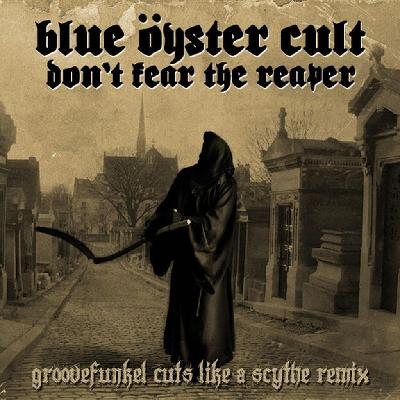
Although this song has been played to death on the radio…I still will not turn the dial if I hear it come on.
Blue Öyster Cult’s first hit, this song was written by lead guitarist Donald Roeser, also known as Buck Dharma. He contributed his vocals to this track and also wrote their other Top 40 hit, “Burnin’ For You.” This song peaked at #12 in the Billboard 100 and #16 in the UK in 1976.
The album Don’t Fear The Reaper was on was Agents of Fortune. It peaked at #29 in the Billboard 100 in 1976.
The album features vocals and songwriting from Patti Smith. She was keyboardist Allen Lanier’s girlfriend at the time and had also contributed to one of BOC’s previous albums, Secret Treaties.
The song is played quite a bit on the radio but it is Halloween week so it fits.
From Songfacts
This was rumored to be about suicide, but it actually deals with the inevitability of death and the belief that we should not fear it. When Dharma wrote it, he was thinking about what would happen if he died at a young age and if he would be reunited with loved ones in the afterlife. Dharma explained in a 1995 interview with College Music Journal: “I felt that I had just achieved some kind of resonance with the psychology of people when I came up with that, I was actually kind of appalled when I first realized that some people were seeing it as an advertisement for suicide or something that was not my intention at all. It is, like, not to be afraid of it (as opposed to actively bring it about). It’s basically a love song where the love transcends the actual physical existence of the partners.”
Blue Öyster Cult was considered a “cult” band, somewhere in the realm of heavy metal with complex and often baffling lyrics dealing with the supernatural. Those inside the cult took the time to understand that like Black Sabbath, BOC combined outstanding musicianship with fantasy lyrics, and they weren’t for everyone. “Don’t Fear The Reaper” exposed them to a wider audience, which was good for business but bad for art. Buck Dharma said in a 1980 interview with NME: “Ever since ‘The Reaper’ was a hit we’ve been under pressure to duplicate that success; the body of our work failed. Even on (1977 album) Spectres everyone tried to write a hit single and that’s a bad mistake. The Cult is never destined to be successful at a format. To be a singles band you have to win the casual buyer.”
Some of the lyrics were inspired by Shakespeare’s Romeo And Juliet. In Shakespeare’s play, Romeo swallows poison when he believes Juliet is dead. Juliet responds by taking her own life. This led many people to believe the song was about suicide, but Dharma was using Romeo and Juliet as an example of a couple who had faith that they would be together after their death.
For the lyrics that begin, “40,000 men and women,” Dharma was guessing at the number of people who died every day.
An April 8, 2000 Saturday Night Live skit with Christopher Walken made fun of the extremely loud cowbell in this song. In the skit, the band would get upset when Will Ferrell would play the bell too loud, but Walken kept calling for “More Cowbell.” In the skit, Walken plays a super-producer named Bruce Dickinson, who the band respects enough to put up with his cowbell antics. There really is a Bruce Dickinson (besides the Iron Maiden lead singer), but he didn’t produce “(Don’t Fear) The Reaper” – that was David Lucas, who also brought us the General Electric “we bring good things to life” and the AT&T “reach out and touch someone” jingles. Dickinson is an archivist who works on album reissues, which means gathering master tapes to ensure the best sound quality. He is credited as the reissue producer on a later version of the album, which apparently is how he was named in the sketch.
Lucas and Dickinson both appeared on the Just My Show podcast, and Lucas explained that the cowbell was his idea, as the song “needed some momentum.” He grabbed a cowbell from a nearby recording studio and “just played four on the floor… not hard to do.” He found out about the SNL skit when a friend instant messaged him as it was airing.
Dickinson says he’s always felt a little funny about getting the producer role in the famous skit, but it has made life more interesting. Said Dickinson, “I work with Iggy Pop on a lot of stuff and a lot of times when he calls and I pick up the phone, he goes ‘More cowbell!'”
Blue Öyster Cult released their last album in 2001, but continued touring with core members Buck Dharma and Eric Bloom. When we spoke with Bloom in 2016, he said he still enjoyed performing this song, but he’s a little more ambivalent about the “More Cowbell” skit. “I saw it live on my TV in my house, and did not know it was going to be on, so I was more shocked than amused when it was on,” he said. “I certainly see the humor after it was on. It certainly has legs – it has become part of Americana at this point. Somebody brings it up to me on a regular basis.”
This has been used in several horror movies, including Halloween, The Frighteners and Scream (the version used in Scream is an acoustic cover by Gus Black). It was also used in a very non-horror capacity in the party scene of the Disney movie Miracle, which is about the US Hockey team beating the USSR at the 1980 Olympic Games.
This wasn’t released as a single in the UK until 1978, where it became their only hit in England.
Stephen King quoted the lyrics to this song in his novel The Stand, in which 99.9% of the US population is killed by a manmade disease called “Superflu.” It is also used in King’s miniseries of the same name during a montage showing the corpses of those who had been killed by the disease. King often quotes songs in the beginning of his books.
Don’t Fear The Reaper
All our times have come Here but now they’re gone Seasons don’t fear the reaper Nor do the wind, the sun or the rain, we can be like they are
Come on baby, don’t fear the reaper Baby take my hand, don’t fear the reaper We’ll be able to fly, don’t fear the reaper Baby I’m your man
La, la, la, la, la La, la, la, la, la
Valentine is done Here but now they’re gone Romeo and Juliet Are together in eternity, Romeo and Juliet 40,000 men and women everyday, like Romeo and Juliet 40,000 men and women everyday, Redefine happiness Another 40,000 coming everyday, We can be like they are
Come on baby, don’t fear the reaper Baby take my hand, don’t fear the reaper We’ll be able to fly, don’t fear the reaper Baby I’m your man
La, la, la, la, la La, la, la, la, la
Love of two is one Here but now they’re gone Came the last night of sadness And it was clear she couldn’t go on
Then the door was open and the wind appeared The candles blew then disappeared The curtains flew then he appeared, saying don’t be afraid
Come on baby, and she had no fear And she ran to him, then they started to fly They looked backward and said goodby, she had become like they are She had taken his hand, she had become like they are Come on baby, don’t fear the reaper
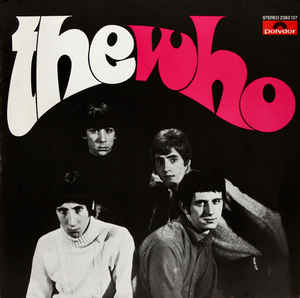
This was Jimi Hendrix’s favorite song of The Who…which didn’t amuse Pete.
This was the first Who song written by bass player, John Entwistle. Pete Townshend asked him to write a song for their second album…A Quick One. A common story about the song is that “Boris the Spider” was written after John had been out drinking with Bill Wyman. They were making up funny names for animals when Entwistle came up with Boris the Spider.
The song became a huge concert favorite because it was so fun and offset many of their more serious songs. Also, the popularity of the song eventually wore off on Entwistle himself, and he began ritualistically wearing a spider medallion on stage.
Pete Townshend had this to say about the song: Politics or my own shaky vanity might be the reason, but ‘Boris The Spider’ was never released as a single and should have been a hit. It was the most-requested song we ever played on stage, and if this really means anything to you guitar players, it was Hendrix’s favorite Who song. Which rubbed me up well the wrong way, I can tell you. John introduced us to ‘Boris’ in much the same way as I introduced us to our ‘Generation;’ through a tape recorder. We assembled in John’s three by ten-foot bedroom and listened incredulously as the strange and haunting chords emerged. Laced with words about the slightly gruesome death of a spider, the song had enough charm to send me back to my pad writing hits furiously.”
From Songfacts
Entwistle was afraid of spiders as a kid. He wrote this about seeing a spider crawling from the ceiling and squishing it.
Entwistle wrote this as a joke, but it became a concert favorite. It is a fun song that offset many of the more serious Who songs.
This was the only song from the album that they continued to play live.
In the UK, the album was called A Quick One. It was changed to Happy Jack in the US to avoid being offensive.
After he wrote this, Entwistle started wearing a spider medallion at concerts.
Boris The Spider
Look, he’s crawling up my wall Black and hairy, very small Now he’s up above my head Hanging by a little thread
Boris the spider Boris the spider
Now he’s dropped on to the floor Heading for the bedroom door Maybe he’s as scared as me Where’s he gone now, I can’t see
Since Halloween is coming upon us I thought I would feature a few songs referencing the normal culprits throughout the week.
When I was a teenager the song spooked me a bit…and still does. It’s powerful and dynamic with its samba beat. Mick Jagger has said this is about the dark side of man, not a celebration of Satanism. It does, in fact, show the dark side…the lines that stand out to me are: I shouted out, Who killed the Kennedys When after all It was you and me.
Mick Jagger: The satanic-imagery stuff was very overplayed [by journalists]. We didn’t want to really go down that road. And I felt that song was enough. You didn’t want to make a career out of it. But bands did that – Jimmy Page, for instance. I knew lots of people that were into Aleister Crowley. What I’m saying is, it wasn’t what I meant by the song “Sympathy for the Devil.” If you read it, it’s not about black magic, per se.
This song is infectious, it’s a great piece of writing by Mick. The lyrics were inspired by The Master and Margarita, a book by Mikhail Bulgakov. British singer Marianne Faithfull was Mick Jagger’s girlfriend at the time and she gave him the book. Faithfull came from an upper-class background and exposed Jagger to a lot of new ideas. In the book, the devil is a sophisticated socialite, a “man of wealth and taste.”
I usually keep my posts short and quick but songfacts for this song have a book of info on this one so read it if you want. A lot of interesting info.
From Songfacts
This perpetuated the image of the Stones as frightening bad boys, as opposed to the clean-cut Beatles. It was great marketing for the band, who got some press by implying an interest in the occult.
A documentary by French filmmaker Jean-Luc Godard called One Plus One captured the recording of this song, which took place over five days: June 5, 6, 8 – 10, 1968. At one point, a lamp for the documentary started a fire in the studio. The tapes were saved, but a lot of the Stones’ equipment was destroyed.
The original title was “The Devil Is My Name.” Said Jagger: “Songs can metamorphasize, and ‘Sympathy For The Devil’ is one of those songs that started off like one thing, I wrote it one way and then we started the change the rhythm. And then it became completely different. And then it got very exciting. It started off as a folk song and then became a samba. A good song can become anything. It’s got lots of historical references and lots of poetry.”
Keith Richards (2002): “‘Sympathy’ is quite an uplifting song. It’s just a matter of looking the Devil in the face. He’s there all the time. I’ve had very close contact with Lucifer – I’ve met him several times. Evil – people tend to bury it and hope it sorts itself out and doesn’t rear its ugly head. ‘Sympathy For The Devil’ is just as appropriate now, with 9/11. There it is again, big time. When that song was written, it was a time of turmoil. It was the first sort of international chaos since World War II. And confusion is not the ally of peace and love. You want to think the world is perfect. Everybody gets sucked into that. And as America has found out to its dismay, you can’t hide. You might as well accept the fact that evil is there and deal with it any way you can. Sympathy for the Devil is a song that says, Don’t forget him. If you confront him, then he’s out of a job.”
The song took on a darker meaning when The Stones played it at their Altamont Speedway concert on December 6, 1969, before a fan was fatally stabbed by Hells Angels gang members hired for security. As they played it, the crowd got more unruly; a few songs later, during “Under My Thumb,” the stabbing occurred. [This is all documented in the film Gimme Shelter]. The Stones kept “Sympathy” in the their setlists, playing it throughout 1970.
Some of the historical events mentioned in this song are the crucifixion of Christ, the Russian Revolution, World War II, and the Kennedy assassinations. Robert Kennedy was killed on June 5, 1968, after Mick Jagger started writing the song. His original lyric was “who killed Kennedy?” referring to the 1963 John F. Kennedy assassination, but he changed it to “who killed the Kennedys?”
Other historical events alluded to in the song include the Hundred Years’ War (“fought for ten decades”) and the Nazi Blitzkrieg (“the blitzkrieg raged, and the bodies stank”).
The “whoo-whoo” backing vocals were added when Richard’s girlfriend, Anita Pallenberg, did it during a take and the Stones liked how it sounded. Pallenberg sang it on the record along with Keith Richards, Brian Jones, Bill Wyman, Marianne Faithfull and Jimmy Miller.
Stones producer Jimmy Miller: “Anita (Pallenberg) was the epitome of what was happening at the time. She was very Chelsea. She’d arrive with the elite film crowd. During ‘Sympathy For The Devil’ when I started going whoo, whoo in the control room, so did they I had the engineer set up a mike so they could go out in the studio and whoo, whoo.”
On their 1989 Steel Wheels tour, The Stones performed this with Jagger standing high above the stage next to a fire. Mick wore a safety belt in case he fell.
The Stones performed this on Rock and Roll Circus, a British TV special The Stones taped in 1968 but never aired. It was released on video in 1995. During the performance, Jagger removes his shirt to reveal devil tattoos on his chest and arms.
Guns ‘N’ Roses covered this in 1994 for the move Interview With The Vampire (the song appears at the end of the movie, which stars Tom Cruise, Brad Pitt and a young Kirsten Dunst). Their version hit #9 in England, and marked the first appearance of their new guitarist Paul Huge (rhymes with “boogie” – he later went by “Tobias”), who replaced Gilby Clarke. Axl Rose brought in Huge, and it caused considerable conflict in the band, which broke apart over the next few years. At one point, Matt Sorum called Huge “the Yoko Ono of GNR.”
In our 2013 interview with Gilby Clarke, he recalls this recording as a signal that the band was over. “I knew that that was the ending because nobody told me about it,” he said. “Officially I was in the band at that time, and they did that song without me. That was one of the last straws for me, because nobody had said anything to me and they recorded a song by one of my favorite bands. It was pretty clear I’m a big Stones fan, and they recorded the song without me. So I knew that was it.”
The song ended up being the last one Axl Rose, Slash and Duff McKagan recorded together. “If you’ve ever wondered what the sound of a band breaking up sounds like, listen to Guns N’ Roses’ cover of ‘Sympathy for the Devil,'” Slash wrote in his memoir.
The beat is based on a Samba rhythm. Keith Richards said it “started as sort of a folk song with acoustics, and ended up as a kind of mad samba, with me playing bass and overdubbing the guitar later. That’s why I don’t like to go into the studio with all the songs worked out and planned beforehand.”
The opening lines of this song, “Please allow me to introduce myself I’m a man of wealth and taste,” were quoted by the Devil character (played by actor Rick Collins) in the 1989 film The Toxic Avenger Part III: The Last Temptation of Toxie.
Carlos Santana thought The Stones were playing with fire on this song. “I don’t have no sympathy for the devil,” he said in an NME interview. “I like the beat of the song but I never identify with the lyric. Jagger and Richards don’t really know the full extent of what they’re talking about. If they knew what they were getting into when they sing that song they would not be doing it. The devil is not Santa Claus. He’s for real.”
Santana was one of the performers at the ill-fated Altamont concert, and Carlos claimed he could feel a “demonic presence” during their set – a striking contrast to Woodstock, where the group conjured up peace and love. Santana didn’t allow any of their footage into the Gimme Shelter film.
In 2003, The Stones released this as a “maxi-single,” with four versions of the song. The original was on there, as well as remixes by The Neptunes, Fatboy Slim, and Full Phatt.
The line, “And I laid traps for troubadours who get killed before they reach Bombay” possibly refers to the notorious Thuggee cult, who worshiped Kali, the Hindu goddess of death. They would waylay travelers on the roads of India, then kill the entire group in order to make off with their valuables. This seems to be the closest well known historical incident to fit the lyrics. Also, the Thuggee would have been well known in England, since the British Army put a stop to the cult during the colonial period.
Another interpretation is that the line refers to the hippies who traveled the “Hippie trail,” a passage through Turkey, Afghanistan, India and a few other countries that was popular in the counterculture community. Many of these travelers were killed and ripped off by drug peddlers in Afghanistan and Pakistan. Those shady deals could be the “traps.”
Some other worthy covers: Sandra Bernhard, Blood, Sweat & Tears, Bryan Ferry, Jane’s Addiction, The London Symphony Orchestra, Natalie Merchant, U2.
One verse of lyrics was recited by Intel vice president Steve McGeady during his testimony in Microsoft’s antitrust trial in November 1998. McGeady had written a memo about Microsoft with the subject “Sympathy For The Devil,” and when asked whether he was calling Microsoft the Devil, McGeady recited the passage about using your well-learned politesse.
In his book Mystery Train, Greil Marcus states that this was influenced by Robert Johnson’s song “Me and the Devil Blues.” Keith Richards describes Johnson’s influence as “Like a comet or a meteor” in the liner notes to Robert Johnson – The Complete Recordings.
Fitting for a song about Satan, the song is heavy on the low end, with the bass, percussion and piano prominent throughout the track. The guitar doesn’t come in until 2:50, when the solo comes in. It doesn’t return until nearly two minutes later, when it returns for some licks. The Stones typically change the arrangement when they perform it live, bringing the guitar in for the first “pleased to meet you line,” sometimes punctuated with pyro or other visual elements.
Jagger (1995): “It has a very hypnotic groove, a samba, which has a tremendous hypnotic power, rather like good dance music. It doesn’t speed up or down. It keeps this constant groove. Plus, the actual samba rhythm is a great one to sing on, but it’s also got some other suggestions in it, an undercurrent of being primitive – because it is a primitive African, South American, Afro-whatever-you-call-that rhythm. So to white people, it has a very sinister thing about it. But forgetting the cultural colors, it is a very good vehicle for producing a powerful piece. It becomes less pretentious because it’s a very unpretentious groove. If it had been done as a ballad, it wouldn’t have been as good.”
Jagger (1995): “I knew it was a good song. You just have this feeling. It had its poetic beginning, and then it had historic references and then philosophical jottings and so on. It’s all very well to write that in verse, but to make it into a pop song is something different. Especially in England – you’re skewered on the altar of pop culture if you become pretentious.”
In 2006, this was included in The National Review magazine’s list of the 50 most conservative rock lyrics. They claimed that this is an anti-Communist, conservative song and that the devil being referred to is Communist Russia.
The opening line was used in Volume 2 of 10 of the graphic novel V For Vendetta. >>
This song was used for a title of a episode of the anime series Cowboy Bebop. “Honky Tonk Women” is also the title of an episode.
In the TV series Will and Grace, The character Karen states that she always wanted to walk down the aisle when she got married for the fourth time to “Sympathy For The Devil.” When her husband-to-be refuses, she fights with him.
The industrial band Laibach released an entire album containing different covers of this song. The character and tone of the Laibach covers are largely very different from the Stones original. In the opening track the lead singer sings/shouts in a very deep bass voice with a thick Slavic accent. One of their covers contains references to the violence at the Altamont raceway.
Sympathy For The Devil
Please allow me to introduce myself I’m a man of wealth and taste I’ve been around for a long, long year Stole many a man’s soul to waste
And I was ’round when Jesus Christ Had his moment of doubt and pain Made damn sure that Pilate Washed his hands and sealed his fate
Pleased to meet you Hope you guess my name But what’s puzzling you Is the nature of my game
I stuck around St. Petersburg When I saw it was a time for a change Killed the czar and his ministers Anastasia screamed in vain
I rode a tank Held a general’s rank When the blitzkrieg raged And the bodies stank
Pleased to meet you Hope you guess my name, oh yeah Ah, what’s puzzling you Is the nature of my game, oh yeah
I watched with glee While your kings and queens Fought for ten decades For the gods they made
I shouted out Who killed the Kennedys? When after all It was you and me
Let me please introduce myself I’m a man of wealth and taste And I laid traps for troubadours Who get killed before they reached Bombay
Pleased to meet you Hope you guessed my name, oh yeah But what’s puzzling you Is the nature of my game, oh yeah, get down, baby
Pleased to meet you Hope you guessed my name, oh yeah But what’s confusing you Is just the nature of my game, mm yeah
Just as every cop is a criminal And all the sinners saints As heads is tails Just call me Lucifer ‘Cause I’m in need of some restraint
So if you meet me Have some courtesy Have some sympathy, and some taste Use all your well-learned politesse Or I’ll lay your soul to waste, mm yeah
Pleased to meet you Hope you guessed my name, mm yeah
But what’s puzzling you Is the nature of my game, mm mean it, get down
Oh yeah, get on down Oh yeah
Oh yeah
Tell me baby, what’s my name Tell me honey, can ya guess my name Tell me baby, what’s my name I tell you one time, you’re to blame
Oh, right
What’s my name Tell me, baby, what’s my name Tell me, sweetie, what’s my name
Sometimes I just have to hear some Devo to break the monotony. This is Devo from back in 1981. This song peaked at #43 in the Billboard 100, #8 in New Zealand and #17 in Canada. The song was not on their album New Traditionalists which was out at this time but it came packaged as a single included with the album.
It was also on the soundtrack of Heavy Metal.
It was written by Allen Toussaint in the early 1960s. Toussaint, as a pianist, writer, and producer, was part of the second wave of New Orleans’ Jazz and Blues culture. He worked with many big names from the era including Fats Domino, Chris Kenner, Benny Spellman, and Diamond Joe.
The song was made famous by Lee Dorsey in 1966.
From Songfacts on Working In A Coal Mine
Although “Working in the Coal Mine” sounds just like a jazz standard that could have been handed down from generation to generation of the American Old South, it was actually
In the ’60s, Toussaint wrote and produced several hits for Lee Dorsey, including “Ride Your Pony,” “Get Out of My Life Woman,” “Everything I Do Gonna Be Funky,” and “Holy Cow.”
In 1965, Toussaint wrote a song for Dorsey called “Work, Work, Work,” which was appropriate since Dorsey loved working on cars as much as he loved making music – he worked at a body shop and was often seen covered in grease. When he wrote for a specific artist, Toussaint would craft the song to that artist’s personality, which he did on “Working in the Coal Mine.”
Mining is very unpleasant work, but the incessant background vocals (“Workin’ in a coal mine, oops, about to slip down”) and Dorsey’s enthusiastic delivery turned the song – about a guy who is so tired from work that he can’t even have fun on Saturday – into a campy romp. An artist who didn’t appreciate and enjoy real work couldn’t have pulled it off, but Dorsey was the right man for the job. When he left the music business, he went back to bending fenders full-time.
That backing band on this track is The Meters, who were mainstays of the New Orleans funk sound. The Meters went on to work with Mick Jagger, Paul McCartney and Robert Palmer. They were also very successful recording on their own – in 1969 they hit #23 US with “Cissy Strut.”
A popular cover of this song was recorded by Devo and included on the soundtrack to the 1981 animated film Heavy Metal. Their version made #43 in the US.
In 1985, the country duo The Judds released the song on their album Rockin’ With The Rhythm.
This was recorded at J&M Studios in New Orleans, which was where just about every hit from that city was put to tape in the ’50s and ’60s. “Coal Mine” was one of the last hits recorded there, as financial problems led to its demise a few years later.
Dorsey’s label, Amy Records, commissioned a promotional film for his song (what would later be called a “music video”). The clip shows Dorsey emerging from the listening booth of a record store covered in dirt and wearing his work clothes. The clip was used to promote the song on British television shows.
You can also hear a snatch of this song in the Blaupunkt car stereo commercial of the ’90s. While we’re on the subject, we’re reminded of the fantastically popular (even record-breaking) indie video game Minecraft which has been storming the Internet gaming forums since its alpha release in 2010. Should the developers decide to create a TV advertisement, we can think of a song to recommend.
Working In A Coal Mine
Workin’ in the coal mine Goin’ on down, down Workin’ in a coal mine Oops, about to slip down Workin’ in a coal mine Goin’ on down, down Workin’ in a coal mine Oops, about to slip down
Five o’clock in the mornin’ I’m already up and gone Lord, I’m so tired How long can this go on?
Workin’ in the coal mine Goin’ on down, down Workin’ in a coal mine Oops, about to slip down Workin’ in a coal mine Goin’ on down, down Workin’ in a coal mine Oops, about to slip down
‘Cause I make a little money Haulin’ coal by the ton When Saturday rolls around I’m too tired for havin’ fun
Workin’ in the coal mine Goin’ on down, down Workin’ in a coal mine Oops, about to slip down Workin’ in a coal mine Goin’ on down, down Workin’ in a coal mine Oops, about to slip down
Lord I’m so tired How long can this go on?
Workin’ in the coal mine Goin’ on down, down Workin’ in a coal mine Oops, about to slip down Workin’ in a coal mine Goin’ on down, down Workin’ in a coal mine Oops, about to slip down
Five o’clock in the mornin’ I’m already up and gone Lord, I’m so tired How long can this go on?
Workin’ in the coal mine Goin’ on down, down Workin’ in a coal mine Oops, about to slip down Workin’ in a coal mine Goin’ on down, down Workin’ in a coal mine Oops, about to slip down
The Runaways were formed in 1975 by producer Kim Fowley after guitarist Joan Jett and drummer Sandy West introduced themselves to him in hopes of starting a group. They eventually went on to recruit Lita Ford, Jackie Fox, and Cherie Currie. Lead singer, Currie, went into her audition with a rendition of Peggy Lee’s “Fever.” When the band refused to play the song, Jett and Fowley wrote the chorus of “Cherry Bomb”.
The album peaked at only #194 on the Billboard 100 in 1976. The Runaways materialized out of the Sunset Strip rock-club scene in the mid-1970s, enjoying a few years of fame. Their first gig was in 1975 and they broke up in 1979. The Runaways remain best remembered as the first band of both Joan Jett and Lita Ford.
From Songfacts
A “Cherry Bomb” is a small explosive device popular with kids, but in the context of this song, it means an underage girl who is lots of trouble – in this case taunting her parents and other adults with suggestions of promiscuity and bad behavior.
This was all by design, as Fowley was out to shock with The Runaways and generate a great deal of hype. The band earned a lot of press and a fair amount of rock credibility, since they played their own instruments and for the most part were genuinely talented. In many ways, however, Currie was the weak link – it was hard to take a band seriously when their lead singer wore lingerie on stage and presented herself as jailbait. Currie left the group in 1977 after their third album, and when asked why The Runaways were having a hard time being taken seriously, Joan Jett said, “It was that whole ‘Cherry Bomb With The Corset’ thing with Cherie.”
Joan Jett became the biggest star to come out of The Runaways, and her story was the focus of their 2010 movie, where she was portrayed by the fetching Kristen Stewart. When the group dissolved in 1979, she didn’t have a lot of offers, but the producer Kenny Laguna partnered with her, forming Blackheart Records and creating many classic songs, including the famous cover of the Arrows song “I Love Rock And Roll.” When we spoke with Laguna, he told us: “The record companies could care less about Joan Jett, they were busy signing every other Runaway. They thought Joan was the loser and they signed the other girls, who we’re all friends with, but I looked at the band and thought she was the Mick Jagger and Keith Richards of the band.”
To give you a hint as to how central this song is to The Runaways’ legacy, the poster of the 2010 Runaways movie features a juicy dripping cherry whose stem is lit and sparking like a bomb. Bevis and Butthead took one look at it and spontaneously combusted.
That’s Cherie Currie growling the vocals here, which were performed by Jett when she left the band. You know what else is on her resumé? Chainsaw artist. That is, she carves wood sculptures using a chainsaw. No, really, she’s good. Check her personal site here. How’s that for machisma? If you don’t see how carving art with a chainsaw is a metaphor for punk rock, we obviously haven’t been explaining this stuff clearly enough to you.
By the way, modern audiences might easily get Joan Jett and Lita Ford confused – their styles are very similar. They were both in The Runaways at the same time and basically wrote the book on all-girl punk bands in the ’70s – but really, they’re a continuation of the lineage first started by Suzi Quatro, whom Jett cites as an influence. You can hear the go-to-hell delinquent rebel in the style of all three, right?
Speaking at Kim Fowley’s memorial service, Joan Jett said that they wrote the song for Cherie Currie’s audition – the collaboration marked the first time Jett had written a song with someone else.
Joan Jett’s version was featured on the 1992 “Free Fall” episode of the TV series Highlander, which starred Jett as an immortal. The song can also be heard on a 2012 episode of True Blood and in the 1993 movie Dazed and Confused.
The song was featured in Marvel Studios’ 2014 film Guardians of the Galaxy. Director James Gunn explained how some of the music was used during the filming: “Where possible, the songs were played live on set,” he said. “When you see the gang walking down the hall to ‘Cherry Bomb,’ they were actually walking down the hall to ‘Cherry Bomb.'”
Accompanied by Dave Grohl, Joan Jett performed this song at the Rock and Roll Hall of Fame when she was inducted in 2015.
Cherry Bomb
Can’t stay at home, can’t stay at school. Old folks say ‘You poor little fool’. Down the streets I’m the girl next door. I’m the fox you’ve been waiting for.
Hello, daddy. Hello, mom. I’m your ch-ch-ch-cherry bomb! Hello world! I’m your wild girl. I’m your ch-ch-ch-cherry bomb!
Stone age love and strange sounds too. Come on, baby, let me get to you. Bad nights causing teenage blues. Get down ladies, you’ve got nothin’ to lose.
Hello, daddy. Hello, mom. I’m your ch-ch-ch-cherry bomb! Hello world! I’m your wild girl. I’m your ch-ch-ch-cherry bomb!
Hello, daddy. Hello, mom. I’m your ch-ch-ch-cherry bomb! Hello world! I’m your wild girl. I’m your ch-ch-ch-cherry bomb!
Hey, street boy, want some style? Your dead end dreams don’t make you smile. I’ll give you something to live for. Have you and grab you until you’re sore.
Hello, daddy. Hello, mom. I’m your ch-ch-ch-cherry bomb! Hello world! I’m your wild girl. I’m your ch-ch-ch-cherry bomb! Cherry bomb! Cherry bomb! Cherry bomb! Cherry bomb!
The Regrettes are a band from Los Angeles. They have been described as “girl-group power-pop-punk.”
They are worth checking out. They do have typical older teenage rebellion lyrics but they have some punch. They are having some success in California and are about to tour Europe. I do like the way they handled this cover of the classic Sweet song. The Regrettes released their second studio album, How Do You Love? in August of this year.
From Allmusic by Stephen Thomas Erlewine
Led by singer/songwriter Lydia Night, the Regrettes were all in their teens when they released their first singles in 2016. All three singles — “A Living Human Girl,” “Hey Now,” and “Hot” — show the Los Angeles-based quartet demonstrate a pop sense so keen, it could be called classicist if it weren’t for the nervy, punky energy and teenage rebellion that keep this music fresh.
Night formed the Regrettes with guitarist Genessa Gariano, bassist Sage Nicole, and drummer Maxx Morando in 2015. Night started playing guitar and writing songs when she was six, picking up pointers from classic rock and punk played around the house. She wound up enrolling in Los Angeles’ School of Rock program around the age of 12, which is when she first met Gariano and Nicole, but the Regrettes weren’t formed until late 2015. By that point, Night had several originals under her belt, all of which helped get the band signed to Warner Bros. “A Living Human Girl” appeared in the summer of 2016, followed by “Hey Now” and “Hot,” all teasers for their full-length debut, Feel Your Feelings Fool!, released by Warner in early 2017.
Early in 2018, the Regrettes released the EP Attention Seeker. A handful of singles followed that year, including “California Friends” and “Poor Boy,” continuing into 2019 with a cover of Queen’s “Don’t Stop Me Now.” Throughout the first half of the year, they issued several singles previewing their sophomore full-length, including “Pumpkin,” “Dress Up,” and “I Dare You.” Titled How Do You Love?, the album was released by Warner that August.
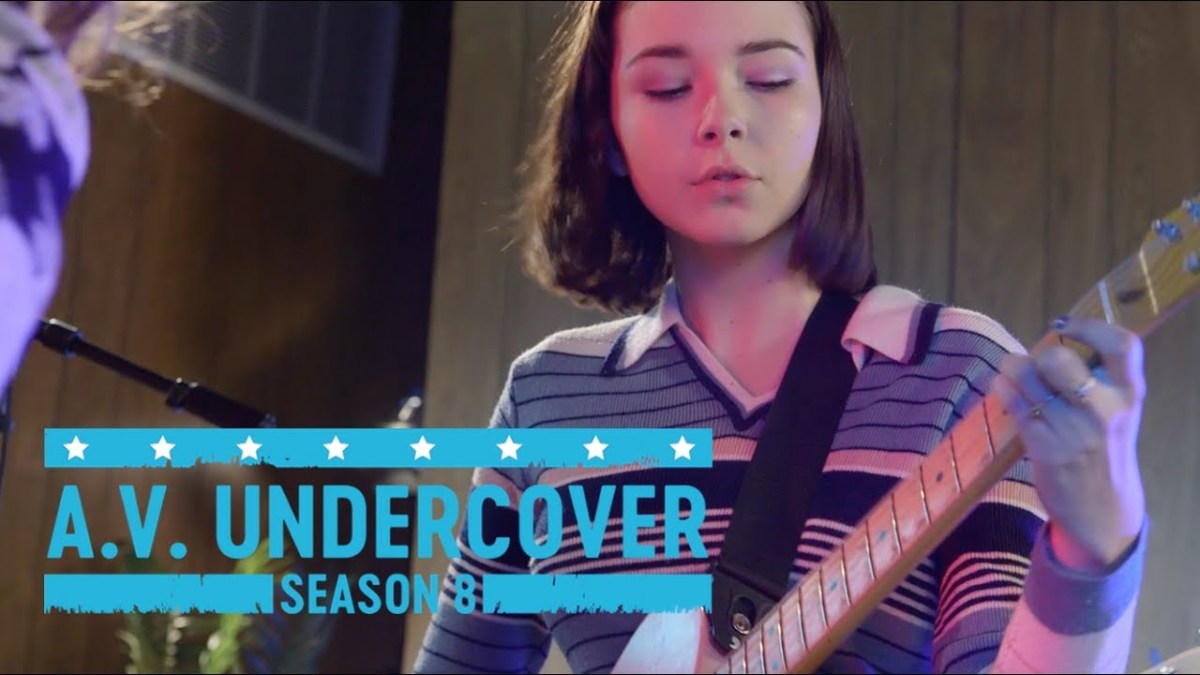
Regrettes cover Sweet’s Fox On The Run on the A.V Undercover Web Series
Fox on the Run
I don’t wanna know your name ‘Cause you don’t look the same The way you did before Okay, you think you got a pretty face But the rest of you is out of place You looked alright before
Fox on the run You scream and everybody comes a running Take a run and hide yourself away Foxy on the run F-foxy Fox on the run And hide away
You, you talk about just every band But the names you drop are second hand (second hand) I’ve heard it all before I don’t wanna know your name ‘Cause you don’t look the same The way you did before
Fox on the run You scream and everybody comes a running Take a run and hide yourself away Foxy on the run F-foxy Fox on the run And hide away
F-foxy Fox on the run You scream and everybody comes a running Take a run and hide yourself away Foxy is on the run F-foxy Fox on the run And hide away (Fox on the run) (Fox on the run) (Fox on the run) (Fox on the run)
I saw this quote by a critic about this song: “Take one part Small Faces, one part Who, one part Beatles, mix, cook to a boil and let rock!”
I found this song on their greatest hits. I would highly recommend one of their greatest hits to anyone.
A powerpop group from Cleveland Ohio in the early to mid-70s. They were influenced by the Beatles, Small Faces, The Who and The Beach Boys. They had some of the same problems as Badfinger, being too hard for pop and too soft for rock. Badfinger was overall more successful but the Raspberries had some top 40 hits.
This song peaked at #69 on the Billboard 100 in 1973. Tonight was originally on their 3rd album called Side 3 that peaked at 128 in the Billboard Album Chart in 1973. Eric Carmen would go on to greater success as a solo performer but I never thought he topped what he did with the Raspberries.
Tonight
One, two, three, four When you smiled at me And I saw your eyes All I ever wanted to be Was in your arms tonight You looked too young to know about romance Oh, yes you did But when you smiled, I had to take a chance I had to take a chance and be with you
Tonight I’ll be with you tonight Tonight You’ll love me too tonight Woh baby, tonight
I’m making love to you Woh, tonight Bop-om-doo-doh-woh-mop-shoo Woh, tonight You’re gonna love me too Tonight Woh, tonight
I don’t know myself If it’s wrong or right All I know is what I can feel So be my love tonight You looked too young to know about romance Oh, you know what I mean But when you smiled, I had to take a chance I had to take a chance and be with you
Woh, tonight Won’t you let me sleep with you, baby Woh, tonight I just wanna make you feel good inside, baby Woh, tonight Let me feel the love that’s in you Woh, tonight Come on, come on, come on, come on And let me Come on, baby Woh, tonight
I love garage rock and this song is what it’s all about. Distortion and feedback with a driving beat.
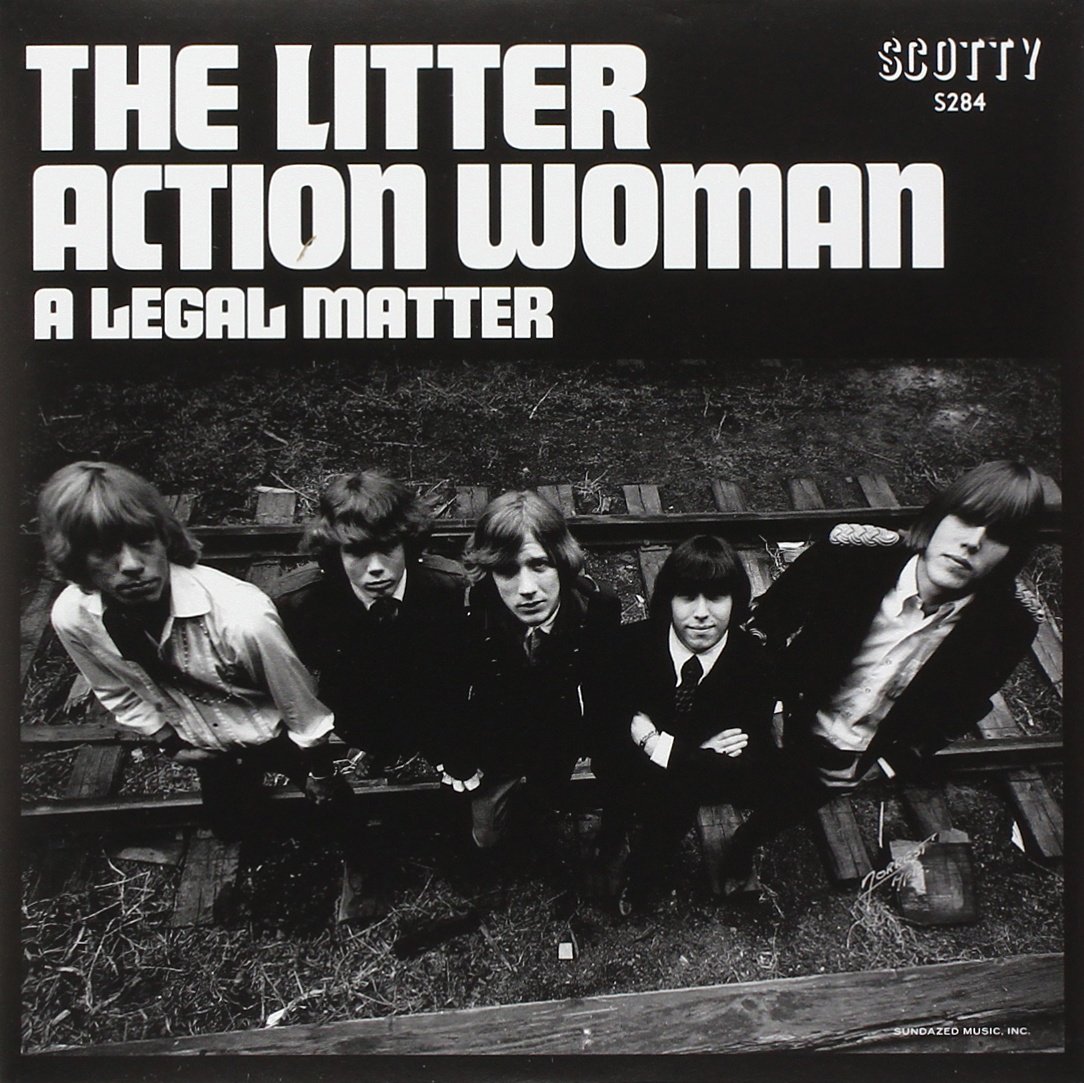
Action Woman is The Litter’s most well-known song. With its demonic fuzz/feedback guitar riffs and snarling lead vocal, it was an archetype of the tough ’60s garage rock and a precursor of the 70s punk movement.
The Litter was heavily influenced by British Invasion bands such as The Yardbirds and the Who, they recorded their debut single, Action Woman backed by The Who’s A Legal Matter with local producer Warren Kendrick in late 1966.
Kendrick wrote Action Woman for them. They finally signed to a major label in 1969 but their distortion was toned down a bit and their singer and guitar player was replaced. Their album Emerge peaked at #175 in the Billboard Album Chart.
The B side…Cover of The Who’s Legal Matter
Action Woman
Hey, Miss High and Mighty I’ve had all I can take Walkin’ right on by me That’s your last mistake
I’ve gotta find myself some action To satisfy my soul A little mad distraction Before I lose control
You say you love me good But why are you so cold? You say you own the world, But you don’t own my soul.
A little competition, now Maybe that’ll wake you up, Stir up some ambition, yeah And really shake you up.
Yeah! Oh!
I’m gonna find me an action woman To love me all the time, A satisfaction woman Before I lose my mind.
Yeah, I’m gonna find me an action woman To love me all the time, A satisfaction woman Before I lose my mind.
I’m gonna find me an action woman A satisfaction woman! I’m gonna find me an action woman! (fade out)
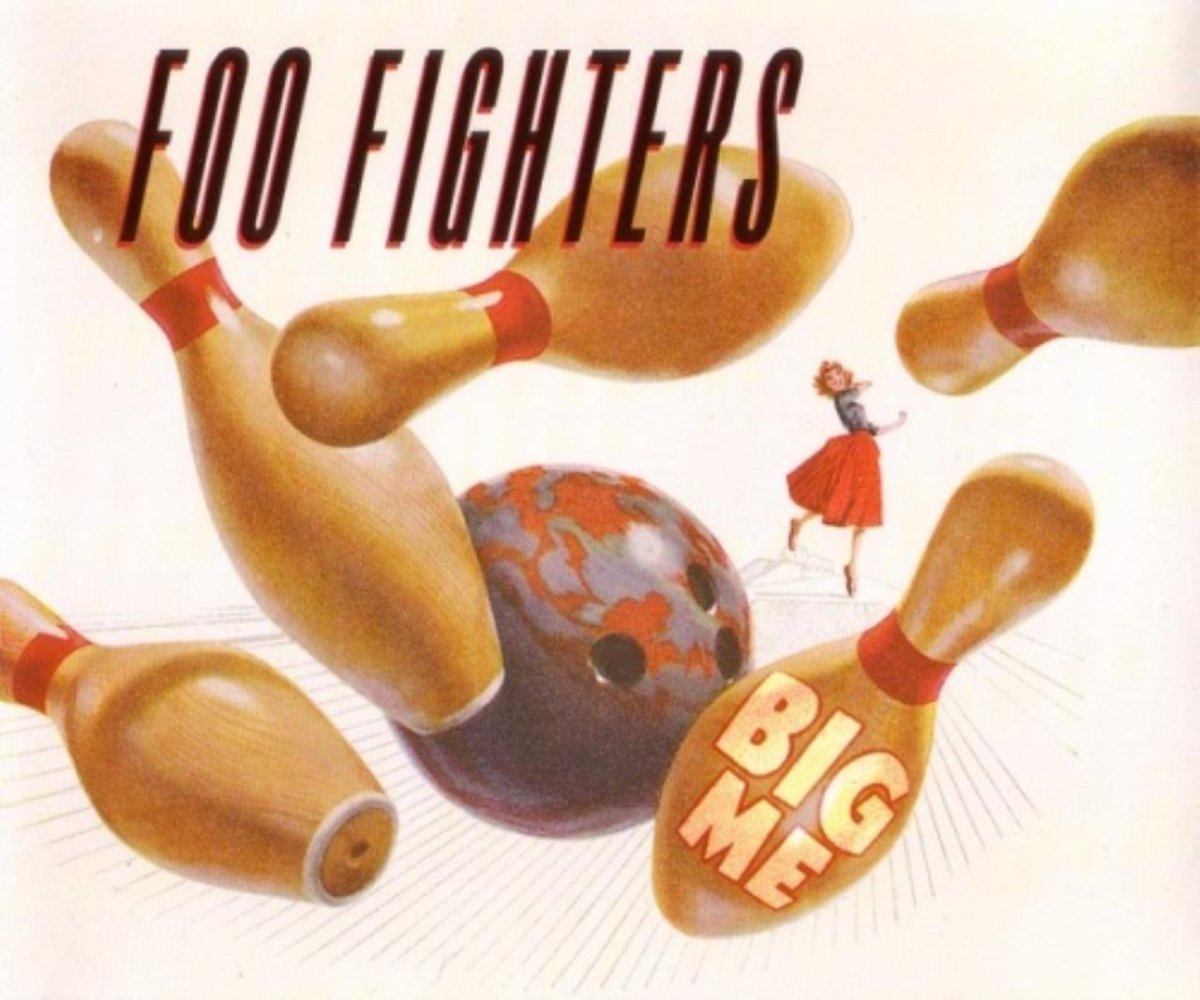
First time I heard this I liked it. It’s a sugary pop song and I was surprised at the time that Dave Grohl the drummer for Nirvana wrote and sang it.
The song peaked at #9 on the Alternative Charts and #19 in the UK in 1996.
David Grohl wrote this and many other songs on the album when he was still the drummer for Nirvana. Kurt Cobain knew he wanted to pursue projects outside of Nirvana, and had no problem with it.
The video is a takeoff on Mentos commercials. Mentos are mint candies that come in tubes. They are made in Europe, and the commercials had a campy feel. Unfortunately for The Foo Fighters, Mentos make great projectiles and for years fans would throw the candy at them when they played this.
They stopped playing the song because of the Mentos flying at them and didn’t start playing it again until Weezer, who was touring with them started to play the song.
It won the 1996 MTV Video Music Award for Best Group Video.
From Songfacts
This song is about being dumped. Lead Foo Dave Grohl broke it down: “Girl meets boy, boy falls in love, girl tells him to f–k off!”
The Mentos commercials became a big part of pop culture in the US. In each spot, someone gets a moment of inspiration after eating a mint and is then able to overcome some obstacle. In one spot, a woman’s car is boxed in, so she gets some burly construction workers to pick it up and move it for her. In another, a kid acts like a roadie to get backstage at a concert.
The video shows the band in similar situations, solving problems with the aid of their own special candy called Foo-tos.
This song was often covered by Weezer when the Foo Fighters and Weezer toured together in 2005.
The Foo Fighters released an acoustic version with Petra Haden singing with Dave Grohl for their 2006 live CD Skin and Bones.
In the video for the Foo Fighters song “Monkey Wrench,” which Grohl directed, a soothing version of “Big Me” plays as elevator music. Grohl commissioned the electronic act The Moog Cookbook, which had covered “Smells Like Teen Spirit” to his liking, to create this rendition for the video. The full electro version of “Big Me” can be heard on the Moog Cookbook compilation album Bartell.
Big Me
When I talk about it It carries on Reasons only knew When I talk about it Aries or treasons All renew
Big me to talk about it I could stand to prove If we can get around it I know that it’s true
When I talked about it Carried on Reasons only knew
But it’s you I fell into
When I talk about it It carries on Reasons only knew When I talk about it Aries or treasons All renew
Big me to talk about it I could stand to prove If we can get around it I know that it’s true
Well I talked about it Put it on Never was it true But it’s you I fell into
Well I talked about it Put it on Never was it true But it’s you I fell into
This song was a B side to Cripple Creek. This was on the Band’s self-titled second album The Band with peaked at #9 in 1970 in the Billboard Album Charts. The song was written by Robbie Robertson:
’ I told Levon I wanted to write lyrics about the Civil War from a southern family’s point of view. ‘Don’t mention Abraham Lincoln in the lyrics’ was his only advice, ‘That won’t go down too well.’ I asked him to drive me to the Woodstock library so I could do a little research on the Confederacy. They didn’t teach that stuff in Canadian Schools. When I conjured up the story about Virgil Caine and his kin against this historical backdrop, the song came to life for me. Though I did stop and wonder, can I get away with this? You call this rock ‘n’ roll? Maybe!
Joan Baez covered this song and it peaked at #3 in the Billboard 100 in 1971…while the Bands version didn’t chart…Life isn’t fair at times. Asked about the Baez version of this song, Robbie Robertson said it was “a little happy-go-lucky for me,” but he was thankful that it introduced many listeners to The Band.
The song appeared at number 245 on Rolling Stone magazine’s list of the 500 greatest songs of all time.
From Songfacts
Robbie Robertson wrote this song, which is set during the American Civil War – “Dixie” is a term indicating the old American South, which was defeated by the Union army. The song is not related to his heritage, as Robertson is half-Mohawk Indian, half-Jewish Canadian.
Robertson came up with the music for this song, and then got the idea for the lyrics when he thought about the saying “The South will rise again,” which he heard the first time he visited the American South. This led him to research the Civil War.
The main character in the song, Virgil Caine, is fictional, but there really was a “Danville train” and “Stoneman’s cavalry.”
The train would have been part of the Richmond and Danville Railroad, a vital conduit for the Confederate Army. George Stoneman was a Union cavalry officer who led raids on the railroad.
The vocals featured the 3-part harmonies of Levon Helm, Richard Manuel, and Rick Danko on the choruses, and Helm sang the verses. He was the only band member who was from the South (Arkansas), so it was fitting that he played the role of Virgil Caine, a Virginia train worker, in this song.
This was recorded in Sammy Davis Jr.’s house in Los Angeles. The Band rented it and converted a poolhouse into a studio to record their second album.
Joan Baez covered this in 1971. It was her biggest hit, reaching US #3 and UK #6.
Her version was recorded at Quad Studios in Nashville with producer Norman Putnam, who gathered about 20 people from around the studio to sing on the chorus. One of those voices belongs to Jimmy Buffett, who Putnam would later work with on his album Changes in Latitudes, Changes in Attitudes.
Baez changed some of the lyrics on her version. For example, she sings, “Virgil Cain is my name and I drove on the Danville train. ‘Til so much cavalry came and tore up the tracks again.” The original lyrics are, “Virgil Cain is THE name and I SERVED on the Danville train. ‘Til STONEMAN’S cavalry came and tore up the tracks again” referring to George Stoneman, who was a general in the Union army).
This was used as the B-side to “Up On Cripple Creek.”
The Night They Drove Old Dixie Down
Virgil Caine is the name, and I served on the Danville train ‘Til Stoneman’s cavalry came and tore up the tracks again In the winter of ’65, we were hungry, just barely alive By May the tenth, Richmond had fell, it’s a time I remember, oh so well
The night they drove old Dixie down, and the bells were ringing The night they drove old Dixie down, and the people were singin’ they went La, la, la, la, la, la, la, la, la, la, la, la, la, la
Back with my wife in Tennessee, when one day she called to me “Virgil, quick, come see, there goes Robert E Lee” Now I don’t mind choppin’ wood, and I don’t care if the money’s no good Ya take what ya need and ya leave the rest But they should never have taken the very best
The night they drove old Dixie down, and the bells were ringing The night they drove old Dixie down, and the people were singin’ they went La, la, la, la, la, la, la, la, la, la, la, la, la, la
Like my father before me, I will work the land Like my brother above me, who took a rebel stand He was just eighteen, proud and brave, but a Yankee laid him in his grave I swear by the mud below my feet You can’t raise a Caine back up when he’s in defeat
The night they drove old Dixie down, and the bells were ringing The night they drove old Dixie down, and all the people were singin’, they went Na, la, na, la, na, na, na, na, na, na, na, na, na, na
The night they drove old Dixie down, and all the bells were ringing The night they drove old Dixie down, and the people were singin’, they went Na, la, na, la, na, na, na, na, na, na, na, na, na, na
First time I heard this song was in the brilliant comedy Animal House by the fictional group Otis Day and the Knights. The movie was such a big hit that many people thought Otis Day And The Knights were a real group, so they went on tour. They did very well, selling out many of the places they played and released an album in 1989 called Shout. Otis Day’s real name is DeWayne Jessie.
This song was recorded in its first take during the studio session. Shout was never a big chart success (#47), but it sold over a million copies and became a rock and R&B classic. The Isley Brothers bought their mother a house in New Jersey with the proceeds from this. She was living in Cincinnati.
After Shout got some attention, RCA records signed the Isleys to a record deal despite concerns that people would not understand what they were singing.
From Songfacts
The Isleys wrote this on the spur of the moment at a Washington, DC, concert in mid-1959. As they performed Jackie Wilson’s “Lonely Teardrops,” Ronald Isley ad-libbed, “WELLLLLLLLLLL… you know you make me want to SHOUT” and Rudy and O’Kelly joined in on the improvisation. The audience went wild and afterwards, RCA executive Howard Bloom suggested putting it out as their first RCA single. >>
This evolved out of the call-and-response style The Isleys grew up singing in church. The organist from their church, Professor Herman Stephens, played on the song.
The Isley Brothers did not consider this a song at first. It was just a “thing” they would do onstage and the crowd would go nuts. They knew they were onto something when Jackie Wilson, who they were opening for, started using the stop-and-go style in his show.
This song has its own dance. When The Isleys sing the “little bit softer now” part, you go a little lower, then gradually rise up for the “little bit louder now part.” For the rest of the song, you just jump around and go crazy. It’s an easy dance, which makes it popular at weddings, proms, and other events where many rhythmically-challenged people end up on the dance floor.
The 1978 movie Animal House featured this in a famous scene where the frat brothers danced to it. The movie starred John Belushi and became a classic, helping revive interest in the song as well as the dance associated with it. In 2003, the group MxPx recorded a new version for the 25th anniversary DVD release of the movie.
In the UK, this is the song that introduced the singing sensation Lulu. The Scottish singer came to London at age 15 and recorded a version of the song with her group Lulu & The Luvvers that made it to #7 on the UK charts. Early on, Lulu often performed in Blues clubs where the song was a great fit. She soon became a very successful actress as well, appearing in the film To Sir With Love and scoring a #1 US hit with the title track.
Lulu, just 13 at the time, was introduced to the song by the Scottish rocker Alex Harvey, who she saw perform it in a Glasgow club called The Scene. Lulu added it to her act with The Luvvers, and it became their first hit when Lulu sang it at an audition for Decca records. She had a terrible cold when she recorded it, which gave her a rougher sound that suited the song.
The Isleys developed this on tours of black theaters in the late ’50s. They were usually low on the bill with other R&B acts.
The B-side of the single was “Shout Part 2,” an even wilder version.
The Isley Brothers next 4 singles tanked. They did not have another hit until “Twist And Shout” in 1962.
A cover version by Joey Dee And The Starlighters was a US Top 10 hit in 1962.
Shout
Well
You know you make me wanna (Shout!) Kick my heels up and (Shout!) Throw my hands up and (Shout!) Throw my head back and (Shout!) Come on now (Shout!)
Don’t forget to say you will Don’t forget to say, yeah Yeah, yeah, yeah, yeah (Say you will) Say it right now baby (Say you will) Come on, come on (Say you will) Say it, will-a you (Say you will) Come on now!
(Say) say that you love me (Say) say that you need me (Say) say that you want me (Say) you wanna please me (Say) come on now (Say) come on now (Say) come on now
(Say) I still remember (Shooby-doo-wop-do-wop-wop-wop-wop) When you used to be nine years old (Shooby-doo-wop-do-wop-wop-wop-wop) Yeah yeah! I was a fool for you, from the bottom of my soul, yeah! (Shooby-doo-wop-do-wop-wop-wop-wop) Now that you’ve grown, up (Shooby-doo-wop-do-wop-wop-wop-wop) Enough to know, yeah yeah (Shooby-doo-wop-do-wop-wop-wop-wop) You wanna leave me, you wanna, let me go (Shooby-doo-wop-do-wop)
I want you to know I said I want you to know right now, yeah! You been good to me baby Better than I been to myself, hey! hey! And if you ever leave me I don’t want nobody else, hey! hey! I said I want you to know-ho-ho-hey! I said I want you to know right now, hey! hey!
You know you make me wanna (Shout-woo) hey-yeah (Shout-woo) yeah-yeah-yeah (Shout-woo) all-right (Shout-woo) all-right (Shout-woo) come on now! (Shout) come on now! (Shout) yeah, yeah, yeah (Shout) yeah, yeah, yeah (good sound) (Shout) yeah, yeah, yeah (good sound) (Shout) yeah, yeah, yeah (good sound) (Shout) all-alright (good sound) (Shout) it’s all-alright (good sound) (Shout) all-alright (good sound) (Shout) all-alright (aah)
Now wait a minute! I feel alright! (Yeah yeah, yeah yeah!) Now that I got my woman I feel alright! Every time I think about you You been so good to me You know you make me wanna (Shout-woo) lift my heels up and (Shout-woo) throw my head back and (Shout-woo) kick my heels up and (Shout-woo) come on now (Shout-woo) take it easy (Shout-woo) take it easy (Shout-woo) take it easy (higher) (Shout) a little bit softer now (woo) (Shout) a little bit softer now (Shout) a little bit softer now (Shout) a little bit softer now (Shout) a little bit softer now (Shout) a little bit softer now (Shout) a little bit softer now (Shout) a little bit softer now (Shout) a little bit softer now (Shout) a little bit softer now (Shout) a little bit softer now (Shout) a little bit softer now (Shout) a little bit softer now (Shout) a little bit softer now (Shout) a little bit softer now (Shout) a little bit softer now (Shout) a little bit softer now
(Shout) a little bit louder now (Shout) a little bit louder now (Shout) a little bit louder now (Shout) a little bit louder now (Shout) a little bit louder now (Shout) a little bit louder now (Shout) a little bit louder now (Shout) a little bit louder now (Shout) a little bit louder now (Shout) a little bit louder now (Shout) a little bit louder now (Shout) a little bit louder now
(Shout) Hey! Hey! Hey! Hey! Hey! Hey! Hey! Hey!
Shout now! Jump up and shout now (woo) Jump up and shout now (woo) Jump up and shout now (woo) Jump up and shout now (woo) Jump up and shout now (woo)
Everybody shout now Everybody shout now Everybody, shout, shout Shout, shout, shout
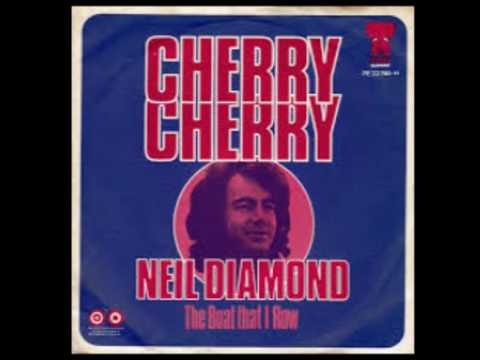
Great guitar riff that has been recycled into many songs, catchy chorus, and Neils unique voice. A nice mid-sixties rocker.
This started out with a guitar lick Diamond came up with that caught Jeff Barry’s ear. He and Greenwich loved it and encouraged Neil to finish the song. Jeff Barry and Ellie Greenwich produced the song.
The song peaked at #6 in the Billboard 100 in 1966.
In an interview with Melody Maker, Jeff Barry said that this song was originally “Money, Money,” but that he and Bang records owner Bert Berns convinced Diamond to make it lighter and more teen-friendly.
Neil Diamon has had 3 number 1 hits, 13 top ten hits, and 53 songs in the Billboard 100.
From Songfacts
Neil Diamond is the only credited songwriter on this track, but he got some help from Jeff Barry and Ellie Greenwich, who worked with him after he signed with Bang Records and produced the song. Barry and Greenwich were part of the Brill Building songwriting community, and had written many major hits, including “Be My Baby” and “Chapel Of Love.” They mentored Diamond early in his career and helped him create this Pop nugget, which helped make him a star.
Ever notice that there are no drums in this song? That’s because the version you hear was intended as a demo, with hand claps providing the drum beat. Diamond recorded the demo with Barry and Greenwich on backing vocals and Artie Butler on piano and Hammond organ. When they recorded the song in an official session complete with horns and drums, they couldn’t capture the exuberance of the demo. The drum and horn version was included on Diamond’s 1996 anthology In My Lifetime.
When this became a hit, Diamond’s songs were in demand. This led to The Monkees recording of Diamond’s “I’m A Believer,” which was the biggest hit of 1967.
Ellie Greenwich was not just a premier league songwriter, she was a fine backing singer as well; she and Jeff Barry often did the backing vocals for the songs they wrote. Neil Diamond recalled to Rolling Stone her contribution to this song: “Ellie was the best background singer ever. She did all the background parts on my early Bang records, ‘Cherry Cherry,’ ‘She Got the Way to Move Me,’ ‘Kentucky Woman’ – all of those records were Jeff and Ellie. They just had this great knack of singing all kinds of background parts and they were great at it. She invented the background parts to ‘Cherry Cherry.'”
Diamond made his TV debut performing this song on American Bandstand in 1966. Said Diamond, “American Bandstand was the holy grail of television shows for any Rock and Roll artist at that time.”
Cherry Cherry
Baby loves me Yes, yes she does Ah, the girl’s outta sight, yeah Says she loves me
Yes, yes she does Gonna show me tonight, yeah
She got the way to move me, Cherry She got the way to groove me She got the way to move me She got the way to groove me
Tell your mamma, girl, I can’t stay long We got things we gotta catch up on Mmmm, you know You know what I’m sayin’
Can’t stand still while the music is playin’ why’ain’t got no right No, no you don’t Ah, to be so exciting
Won’t need bright lights No, no we won’t Gonna make our own lighting
She got the way to move me, Cherry She got the way to groove me She got the way to move me She got the way to groove me
No, we won’t tell a soul where we gone to Girl, we do whatever we want to Ah, I love the way that you do me Cherry, babe, you really get to me
She got the way to move me, Cherry She got the way to groove me She got the way to move me She got the way to groove me
Songs can mark certain times in your life. When this one plays I remember my first car. It was a 1966 Mustang…not a good idea to give a classic car to a teenager.
I remember hearing this for the first time driving and thinking that this was not the same Robert Plant that a few years before was in Led Zeppelin. He was more subdued and you could tell he was changing his image a bit. The guitar is what stands out to me in this repetitive song. It had an elastic sound to it.
The song peaked at #39 in the Billboard 100 in 1984. I’m In The Mood was on The Principle fo Moments album which peaked at #8 in the Billboard album charts in 1983. I’m In The Mood was written by Robert Plant, Robbie Blunt, and Paul Martinez.
In The Mood
I’m in the mood for a melody I’m in the mood for a melody I’m in the mood
I’m in the mood for a melody I’m in the mood for a melody I’m in the mood
I’m in the mood for a melody I’m in the mood for a melody I’m in the mood
I can make you dance I can make you sing I can make you dance I can make you sing If you want me to
Oh I can make you dance I can make you sing I can make you dance I can make you sing If you want me to
Oh I can make you dance I can make you sing I can make you dance I can make you sing if you want me to
And your little song that you want to sing A little song that you want to sing sung in lieu
Here’s a little song that you want to sing A little song that you want to sing some of you
A little song that you want to sing A little song that you want to sing happy or blue
I’m in the mood, I’m in the mood, I’m in the mood
Why’d I end up doing it doin’ it doing it Do anything that you want me for if you want me to
Do it right gonna do it right Cause a matter of fact it’ll turn out to be strong If you want me to if you want me to Oh if you want me to if you want me to if you want me to
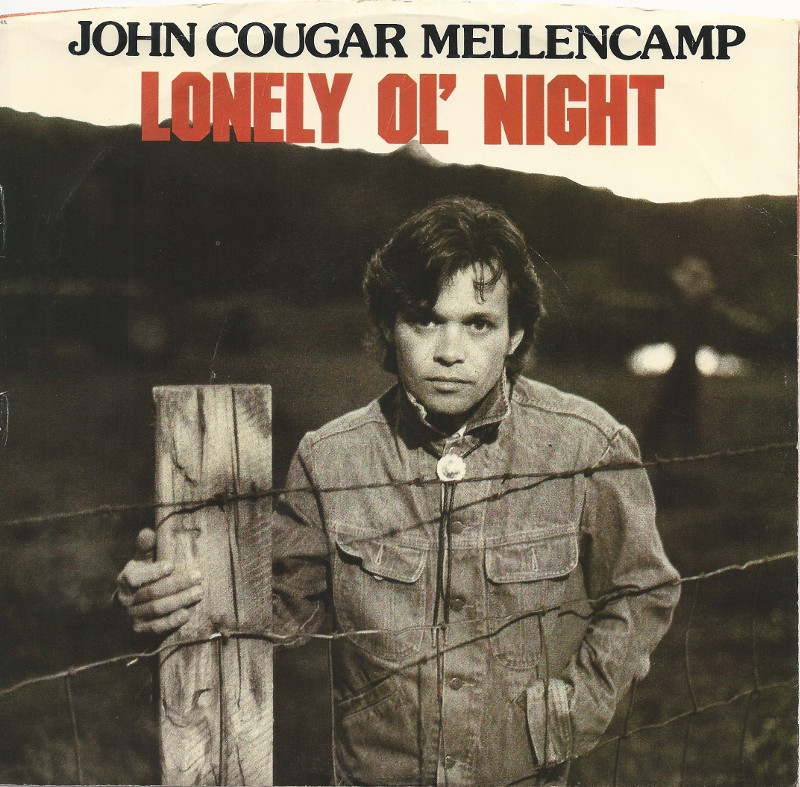
When I graduated high school in1985 this song was was all over the radio. It was on the Scarecrow LP and that album marked a change in Mellencamp’s songs. The change in his style started with the Uh Huh album that came out in 1983 but this one is when I became more of a fan.
This song peaked at #6 in the Billboard 100 in 1985. The Scarecrow album peaked at #2 on the Billboard album chart. Mellencamp’s Uh Huh started the transformation and this solidified his heartland Americana image.
The title and hook were lifted from dialogue in the 1963 movie Hud. When Brandon De Wilde’s character asks, “It’s a Lonesome old night, isn’t it?” Paul Newman replies, “Ain’t they all?”
From Songfacts
The lyrics, “He’s singing about standing in the shadows of love, I guess he feels awfully alone” refer to the song “Standing In The Shadows Of Love,” which was a #6 hit for the Four Tops in 1967. “Lonely Ol’ Night” reached the same plateau. >>
The Scarecrow album saw Mellencamp move to a more political direction in his songwriting, as he gave voice to American farmers, expressing their burdens in songs like “Rain on the Scarecrow” and “You’ve Got to Stand for Somethin’.” “Lonely Ol’ Night” was more typical of his earlier work, a romantic story set against a musical backdrop. Lyrically, it’s not far off from his 1980 track “Ain’t Even Done With The Night.”
Mellencamp borrowed from the movie again in his 1987 track “Paper in Fire” with the line, “We keep no check on our appetites.”
Lonely Ol’ Night
She calls me home She says baby it’s a lonely ol’ night I don’t know I’m just so scared and lonely all at the same time Nobody told me She was gonna work out this way no no no no no no I guess they knew We’d work it out in our own way
It’s a lonely ol’ night Can I put my arms around you? It’s a lonely ol nigh Custom made for two lonely people like me and you
Radio playin’ softly Some singer’s sad sad song He’s singing about Standing in the shadows of love I guess it feels awfully alone She says I know Exactly what he means yeah yeah yeah yeah yeah yeah And it’s a sad sad sad sad feeling When you’re living on those in betweens (But it’s OK)
It’s a lonely ol’ night Can I put my arms around you? It’s a lonely ol nigh Custom made for two lonely people like me and you
She calls me baby She calls everybody baby It’s a lonely ol’ night But ain’t they all?
It’s a lonely ol’ night Can I put my arms around you? It’s a lonely ol nigh Custom made for two lonely people like me and you
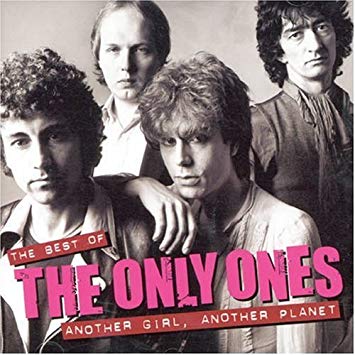
The Only Ones were a British band formed in 1976. Despite releasing three well-regarded albums between 1978 and 1980, The Only Ones faded away with this song as their best-known song and some critics say it’s a small masterpiece. Once the song gets going it is filled with guitar hooks.
Written by guitarist and lead vocalist Peter Perrett, “Another Girl, Another Planet” is as good as it got for The Only Ones. This uptempo number was the second track on their eponymous debut album. It was released twice as a single in 1978, both times on the CBS label. The first time it was backed by “Special View”, the second by “My Wife Says”.
This review by Allmusic is complimentary, to say the least.
In a world rife with injustice, the music industry has seen — if not perpetrated — more than its fair share of travesties (the sad saga of Badfinger comes immediately to mind). But one of the biggest involves, arguably, the greatest rock single ever recorded: the Only Ones’ “Another Girl, Another Planet.” The word “timeless” and “transcendent” get bandied about far too often when describing a song or an album, but in the case of “Another Girl,” even those terms are probably inadequate. The song marks that rare confluence of lyrical, instrumental, and vocal poetry that is so complete, so absolute, that it renders everything else — in, on, above, below, and around it — irrelevant while it plays.
The song did peak at 57 in the UK Charts when re-released in 1992. Its first chart appearance was in1981 at #44, for one week, on the New Zealand chart.
Other covers of this song included: Greg Kihn, The Replacements, Blink-182, The Dogs D’Amour, Beatsteaks and Babyshambles
From Songfacts
Although the song originally failed to chart, it has been re-released and covered more than once, and is surprisingly well known, although few would go as far as Andy Claps who in reviewing it for Allmusic said it is “that rare confluence of lyrical, instrumental, and vocal poetry that is so complete, so absolute, that it renders everything else – in, on, above, below, and around it – irrelevant while it plays.”
The song did eventually chart after being re-released in 1992, peaking at #57 in the UK.
Peter Perrett on writing the song: “I can remember what caused me to write ‘Another Girl, Another Planet.’ It would have been about April ’77 because we had it recorded by June. It was inspired by this girl from Yugoslavia. I didn’t go out with her, but she was like a total space cadet, which when I was really young I found interesting. She was just a bit weird- she’d say crazy things, and it just got me thinking that every girl has something to offer.
The Only Ones split in 1982 after being dropped by their label. They reformed in 2007 as a result of this song being used in a Vodafone advertising campaign.
Speaking about the writing of the song to Uncut August 2015,
It would have been written on my Guild acoustic. I think any good song should sound all right on acoustic guitar.”
Some radio stations refused to play the song because of its supposed drug content. Perrett told Uncut: “I put in drug-related imagery, but it wasn’t about drugs. At that time I was more addicted to sex and infatuation than I was to drugs.”
Another Girl, Another Planet
I always flirt with death I could kill, but I don’t care about it I can face your threats And stand up straight and tall and shout about it
I think I’m on another world with you, with you I’m on another planet with you, with you
You get under my skin I don’t find it irritating You always play to win But I won’t need rehabilitating, oh no
I think I’m on another world with you, with you I’m on another planet with you, with you
Another girl, another planet Another girl, another planet
Space travels in my blood There ain’t nothing I can do about it Long journeys wear me out But I know I can’t live without it, oh no
I think I’m on another world with you, with you I’m on another planet with you, with you
Another girl is loving you now Another planet, is holding you down Another planet