I have to thank deKE for this one. After posting Barney Bantell, he mentioned that this song was on the radio around the same time. Sometimes a song hits hard, loud, and ready to throw its weight around. It is a no-apology bar song, full speed ahead.
What hooked me up was the opening guitar riff. This was built for FM radio in the late 80s, big guitars, bigger hooks, and just enough power to make you roll the windows down and sing along at a red light. This song isn’t meant to change the world, but just to enjoy yourself.
The song itself is pure swagger. Conwell doesn’t mince words; he’s telling you upfront that he is a bad boy, and it’s wrapped with a crunchy riff, with the Rumblers behind him turning on the gas. Since it was the 1980s, it was given a polish for that era by Rick Chertoff, the same producer who helped shape The Hooters at the time.
They went on big tours with acts like Robert Palmer and Stevie Ray Vaughan. And while mainstream fame didn’t happen, this song remains their signature song. The song peaked at #1 on the Billboard Mainstream Rock Tracks and #74 on the Billboard 100 in 1988.
I’m Not Your Man
Baby before hang around this old moldy Mildewy ‘n’ crappy scene holding hands with you There’s a whole list of things you’re gonna have to do
Jump off the Empire State in a paper sack Talking lovey-dovey to a camel scare the hump off his back Get the Queen of England’s golden shoes Put ’em on your feet and sing the St. Louis blues Look here
Seven days a week with you is more than I can handle Seven nights of love and dirty laundry on your floor Baby, I can see this whole thing heading into trouble I’m out the door
I’m not your man ‘Cause you’re looking for a hero Baby, it ain’t me, I’m not your man I ain’t nothing to hold on to Baby, I ain’t what you need
It’s easy being here but I’ve got ground to cover There’s nothing you can do to make me wanna stay Though I’ve been here awhile don’t think that I’ve stopped moving, I’m on my way
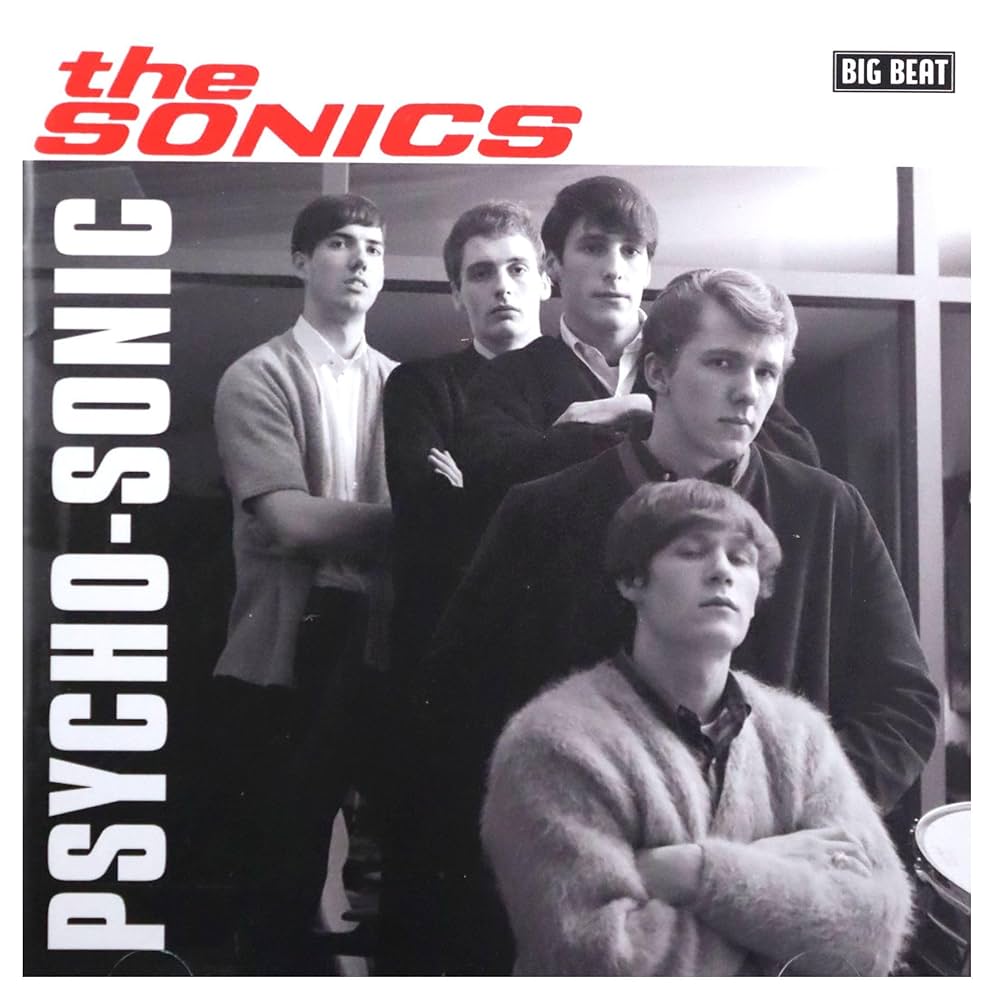
I love classic garage rock music, and this is one of the bands that started that genre. This is why I love it, because it’s raw and unpolished music. Warts and all, it has spirit and drive.
They formed in Tacoma, Washington, in 1960. A band of teenagers who didn’t care about technique and weren’t interested in following the normal pop/rock rules. They just wanted to be loud and dangerous.
The original lineup, Gerry Roslie, Larry Parypa, Andy Parypa, Rob Lind, and Bob Bennett, came together with one mission: to play harder and wilder than anyone else on the Pacific Northwest scene. The Kingsmen were in this scene as well with their hit Louie, Louie. The Sonics never cracked the national charts, but in the Pacific Northwest, they were very popular. They were on AM radio throughout the area and hit the joints and dance halls.
Their first album was in 1965 called Here Come The Sonics!!!. The sessions were done at Audio Recording, Inc. in Seattle, a modest studio that had nowhere near the cutting-edge equipment of Abbey Road or other studios. That limitation helped make their sound. Engineer Kearney Barton placed the microphones farther away, letting the room’s natural reverb and bleed create a live sound. Barton sharpened edges rather than smoothing them. That rough edge is exactly why the song still sounds so alive today. You can put it next to The Stooges, The Ramones, or Nirvana, and it fits right in.
Their debut album, Here Are the Sonics, was released in 1965 and is still a pre-punk landmark. The Sonics reunited in the 2000s with most of the original lineup, playing festivals and recording new material that still carried the old sound.
Here is a reunited Sonics in 2015
Psycho
Whoa baby, you’re driving me crazy I said baby, you’re driving me crazy Oh, well you turn me on, then you shut me down Oh well, tell me baby, am I just your clown? Psycho Ow, oh wow, baby, you’re driving me crazy I said I’m losing my mind, you treat me so unkind Psycho Ow! Whoa! Ow, oh wow, baby, you’re driving me crazy I’m going out of my head, and now I wish I was dead Psycho Whoa baby, whoa you’re driving me crazy I’m going out of my head, now I wish I was dead Whoa, psycho Whoa, psycho Whoa, psycho Whoa, psycho Whoa, whoa
The more I listen to this band, the more I like them. I have to give credit to halffastcyclingclub, who recommended them, and I’ve been meaning to post on them for 6 months now. A big thank you to him. This song took just one listen, and I was hooked.
The original idea came from the Texas Tornados’ management team, who envisioned a rotating cast of stars celebrating Mexican roots music. The first lineup in 1998 was crazy great: Freddy Fender, Flaco Jiménez, David Hidalgo and Cesar Rosas of Los Lobos, Rick Treviño, Joe Ely, and Ruben Ramos. Their self-titled debut was heavily into traditional rancheras, boleros, and Tex-Mex standards. This song was written by David Hidalgo and Louie Pérez.
This was definitely a supergroup, and supergroups can be hit or miss. Sometimes they collapse because of too many egos, and sometimes they just fizzle out. But every once in a while, the chemistry works. That’s what happened in the late 1990s when this band made their self-titled debut album.
What makes Los Super Seven so unique is that they never pretended to be a touring band or a permanent outfit. Each record is like a snapshot, different players but the same spirit. If the name Los Super Seven sounds like a superhero crew, well… in a way, it was. Instead of capes and masks, this revolving crew came armed with guitars, voices, and deep roots in the music of Texas, Mexico, and beyond.
The album peaked at #1 on the US Billboard Regional Mexican Albums and #8 on the US Billboard Top Latin Albums in 1998. The album also won them the Grammy Award for Best Mexican-American Performance at the 41st Grammy Awards.
Los Super Seven – Rìo De Tenampa
I sat at a table and wrote a good song About eyes as blue as the sea Drank down the whiskey And let out a sigh And thought of how things used to be Children played on the floor near the bar With toys made of wood and string Lovers kissed and others laughed As the band would strum and sing
Speak to me Rio de Tenampa Sing to me songs of valor In this rincon of heaven I leave my love and love
And I passed once a place we’d go To escape the heat of the day Tell all the stories of good times and bad And hear the violins play
Speak to me Rio de Tenampa Sing to me songs of valor In this corner of heaven I leave my affection and love
Remember the story about a lady on the hill Gave roses to an Indian boy Ran down to tell eveyone he knew About his love and his hope and joy
I want to thank a commenter named purplegoatee2684b071ed for recommending this song after reading my Joe Turner post. Just listen to the piano playing of Pete Johnson on this track and Joe Turner’s voice. It would raise the roof off any joint. Knowing it was made in 1938 makes it more special. Pete Johnson and Joe Turner were credited for writing this song.
Pete Johnson had been playing in Kansas City joints with his percussive style, while Joe Turner worked as a bartender and occasional singer. When the two paired up, it was dynamite. Producer John Hammond heard about them and invited the duo to Carnegie Hall for his “Spirituals to Swing” concert in 1938. Joe and Pete’s performance of this song stunned the crowd and announced that the blues and boogie-woogie weren’t just barroom music; they were the foundation of a new kind of American sound.
Listening today, you can hear the roots of countless rock and R&B records hiding within this track. The drive, it’s Little Richard before Little Richard, it’s Jerry Lee Lewis before Jerry Lee Lewis. This 1938 song is a sign that says… rock and roll is on its way. This may not have been a chart single in the way we think of hits today, but its influence rolled (pun intended) across decades.
I’m going to include a live Blasters version because they knew Joe Turner. Dave and Phil Alvin knew and spent time with Big Joe Turner, whom they regarded as a friend and mentor. As teenagers in the 1960s, the brothers followed Turner around the Los Angeles area, going to his gigs and eventually befriending him.
Roll ‘Em Pete
Well, I got a gal, she lives up on the hill Well, I got a gal, she lives up on the hill Well, this woman’s tryin’ to quit me, Lord, but I love her still
She’s got eyes like diamonds, they shine like Klondike gold She’s got eyes like diamonds, they shine like Klondike gold Every time she loves me, she sends my mellow soul
Well, you’re so beautiful, you’ve got to die someday Well, you’re so beautiful, you’ve got to die someday All I want’s a little loving, just before you pass away
Pretty baby, I’m goin’ away and leave you by yourself Pretty baby, I’m goin’ away and leave you by yourself You’ve mistreated me, now you can mistreat somebody else
I always had a soft spot for this song. It is a swirl of guitar phasing and a droning riff that seems tailor-made for the late 1960s.
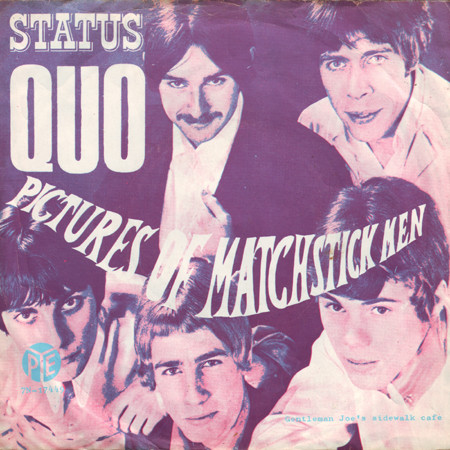
Their manager, John Schroeder, who’d worked with Motown acts in the UK, booked studio time at Pye Records’ Marble Arch facility. The Pye studios were initially designed as a service for Pye Records, but also encouraged recording by outside artists. Schroeder not only produced the track but was also the one who encouraged Francis Rossi to push forward with this strange little song he’d written at home.
One of the fascinating things about Pictures of Matchstick Men is that it represents a “what if” moment in Status Quo’s history. Had they continued down this psychedelic path, you wonder how long it would have lasted. Instead, after a few more singles, they turned into a rocking boogie band.
Listening today, the song feels like an anomaly. It’s not representative of the band’s long career, but it’s a classic slice of psychedelic pop that holds its own. It was the first taste of chart success, the beginning of a 50-year run, and yet it’s also the sound of a band that almost became something completely different.
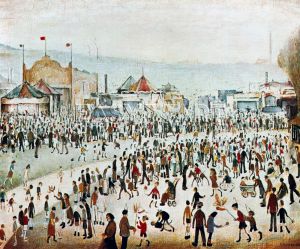
This song’s riff will stick with you. Once the riff is up, it washes over you with a psychedelic feel. The song peaked at #12 on the Billboard 100, #8 in Canada, and #7 on the UK Charts in 1968. This was their only hit in America. One quirky detail: the inspiration for the lyric came from wallpaper. Rossi was sitting in the bathroom, staring at the bathroom wall, and saw patterns that reminded him of the artist L.S. Lowry’s “Matchstick Men” paintings.
Pictures Of Matchstick Men
When I look up to the skies I see your eyes a funny kind of yellow I rush home to bed I soak my head I see your face underneath my pillow I wake next morning tired still yawning See your face come peeking through my window Pictures of matchstick men and you Mirages of matchstick men and you All I ever see is them and you
[guitar intro]
Windows echo your reflection When I look in their direction gone When will this haunting stop Your face it just wont leave me a-lone Pictures of matchstick men and you Mirages of matchstick men and you All I ever see is them and you You in the sky you with this guy you make men cry you lie You in the sky you with this guy you make men cry you lie
Pictures of matchstick men, Pictures of matchstick…
Turn on the lava lamps and sit back and relax to some music that has sitar sounds in it, and I’m always up for sitar. When you think of Genesis in the mid-1970s, you don’t immediately picture them as a singles band like the later incarnation. This was the Peter Gabriel era, long concept pieces that made up an album. However, as we will see, not everything was that simple.
This was on their 1973 album Selling England by the Pound, a quirky song that became their first charting single in the UK. The song is only about four minutes long (short by Genesis standards at the time), and it grooves along nicely. The band was almost embarrassed by a hit. Gabriel joked in later interviews that it was Genesis goes Top of the Pops, but the song showed that their long studio work could deliver something catchy and not be super long.
The lineup was Peter Gabriel (vocals, flute), Steve Hackett (guitars), Tony Banks (keyboards), Mike Rutherford (bass/guitars), and Phil Collins (drums/vocals). They were coming off the success of their last album Foxtrot, and there was pressure from their record company to deliver something more commercially accessible without ditching their progressive roots. That is a lot harder than it sounds. The sessions were long and argumentative. Genesis were perfectionists, which paid off with this album.
The song peaked at #21 on the UK Charts in 1974. The album Selling England by the Pound peaked at #3 on the UK Charts and #70 on the Billboard Album Charts. For me, it’s one of those tracks that feels like a bridge, still theatrical but also radio-friendly.
I Know What I Like (In Your Wardrobe)
It’s one o’clock and time for lunch, When the sun beats down and I lie on the bench I can always hear them talk
There’s always been Ethel: “Jacob, wake up! You’ve got to tidy your room now.” And then Mister Lewis: “Isn’t it time that he was out on his own?” Over the garden wall, two little lovebirds – cuckoo to you! Keep them mowing blades sharp…
I know what I like, and I like what I know; getting better in your wardrobe, stepping one beyond your show
Sunday night, Mr Farmer called, said: “Listen son, you’re wasting your time; there’s a future for you in the fire escape trade. Come up to town!” But I remebered a voice from the past; “Gambling only pays when you’re winning” – I had to thank old Miss Mort for schooling a failure Keep them mowing blades sharp…
I know what I like, and I like what I know; getting better in your wardrobe, stepping one beyond your show
When the sun beats down and I lie on the bench, I can always hear them talk. Me, I’m just a lawnmower – you can tell me by the way I walk
Back in the 1990s, I remember hearing these guys on the radio. Songs like What A Crying Shame and All You Ever Do Is Bring Me Down sounded so good. What caught me was Raul Malo’s voice. His voice is always on and distinctive. But I always wondered, what are they? Are they country, pop, or Tex-Mex? Then I thought, why does it matter? Forget the box, I want to put them in and just enjoy.
The song, co-written by Malo and Mavericks bassist Robert Reynolds, hit a cool older mood. From the opening guitar chords, it feels less like a country song and more like a strong Roy Orbison sound, which is always welcoming to my ears. The band didn’t sound like anyone else in Nashville. And when they released this song in 1995, they proved that country could be a mixture of things and still be radio-friendly.
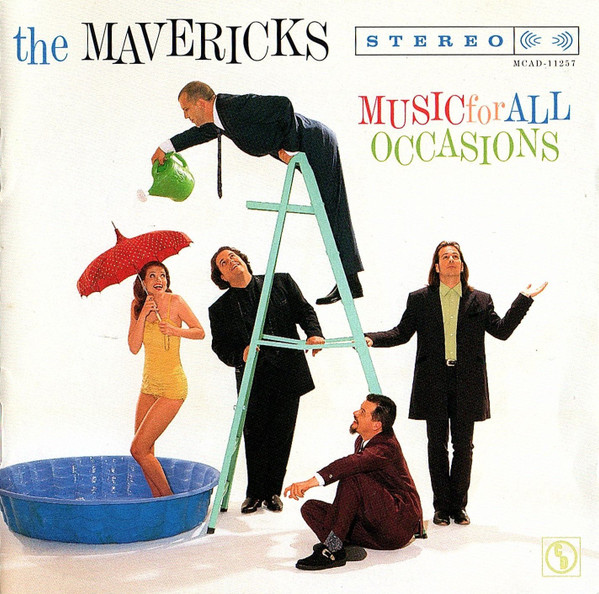
It was released as a single from the band’s 4th album, Music for All Occasions, and it became one of their most remembered tracks. It even won them a Grammy Award for Best Country Performance by a Duo or Group with Vocal in 1996. Not too bad for a band that Nashville music insiders didn’t quite know how to categorize (like me). Were they country? Rockabilly? Pop? Tex-Mex? They were all of those, and this song shows how well they could blend them all together.
For me, this song feels like the point where The Mavericks’ sound matured into something really timeless. They are still working today, which is great news. The song peaked at #22 on the Billboard Country Charts and #4 on the Canadian Country Charts. The album peaked at #9 on the Billboard Country Album Charts, #3 on the Canadian Country Album Charts, and #58 on the Billboard Album Charts, and #54 in Canada.
Here Comes The Rain
Your love’s a heartache That’s torn me apart You’ve watched my heart break Right from the start You took everything you wanted And now that you are gone
Here comes the rain Falling down on me I’m showered in pain Nothing remains Of what used to be
Here comes the night Dark as my soul There’s no end in sight No shining light No love to hold Here comes the rain
I must have been dreaming I must have been blind But I never thought you Could be so unkind Tomorrow I’ll forget you But I can’t forget you now
Here comes the rain Falling down on me I’m showered in pain Nothing remains Of what used to be
Here comes the night Dark as my soul There’s no end in sight No shining light No love to hold Here comes the rain
Here comes the rain Falling down on me I’m showered in pain Nothing remains Of what used to be
Here comes the night Dark as my soul There’s no end in sight No shining light No love to hold Here comes the rain
This song exemplifies why I like the Small Faces so much. I’ve been listening to this song for years, and I can’t believe it was made in 1966. It was at least a couple of years before its time. Jimmy Page was listening very closely. Steve Marriott was asked to join Zeppelin later on, but his manager put a stop to it. Robert Plant has said he was heavily influenced by Steve Marriott, and if you want proof, listen to this recording. This song was written by Willie Dixon, and I think Zeppelin listened to this version more than Dixon…because Whole Lotta Love came out of it.
Looking back, this is more than just an album cut; it’s an early marker of what British rock would become. You can trace a direct line from this track to Zeppelin, Free, and all the blues-rock that followed. I always thought the Small Faces never got the credit they deserved. People in America only heard Lazy Sunday and Itchycoo Park because their manager would never let them tour the US.
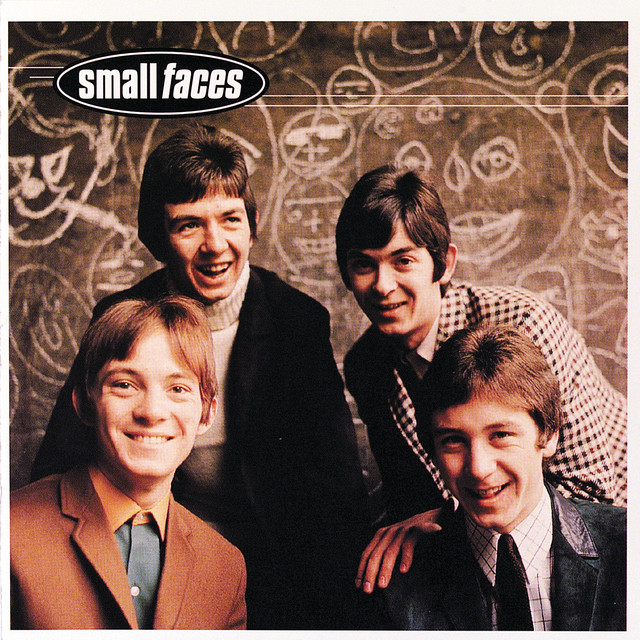
The Small Faces were a band that always played bigger than their small size. If the Small Faces had had a good or even decent manager, they might have had a longer career and be more remembered today. They had a couple of great songwriters, Steve Marriott and Ronnie Lane. A superb drummer with Kenney Jones and keyboard player Ian McLagan. They were laying down some of the rawest R&B-inspired rock coming out of Britain. This song, on their debut album Small Faces, is a perfect example.
A YouTube comment on this song was crude and rude, but I endorse: Steve m*thaf*ckin’ Marriott. The ultimate rock & roll voice.
You Need Loving
Woah you foolin’ Come and get coolin’ I’m gonna send you right back to school, alright Make your way down the new side girl You know how woman, you need lovin’, lovin’, alright I know you need lovin’ you here, oh yeah, alright
That’s right, well I’ve been yearnin’ Hey baby you’ve been burnin’ We’ll have a fun time, alright You’ll get some lovin’ Cause baby we’re gonna excite you Deep in your heart woman, you need lovin’, yeah, oh lovin’, alright That’s all you need, lovin’ baby, yeah, alright
Eeny-meeny-miney-mo Eeny-meeny-miney-mo Can’t take it no more I can’t monkey and I can’t dog Can’t do the monkey, yeah I said you know how to pony Mony-baloney, I took you to the flyer Passed me by Oh rock your pony Mashed potato Said I want to show you I want to show you It’s alright, it’s alright…
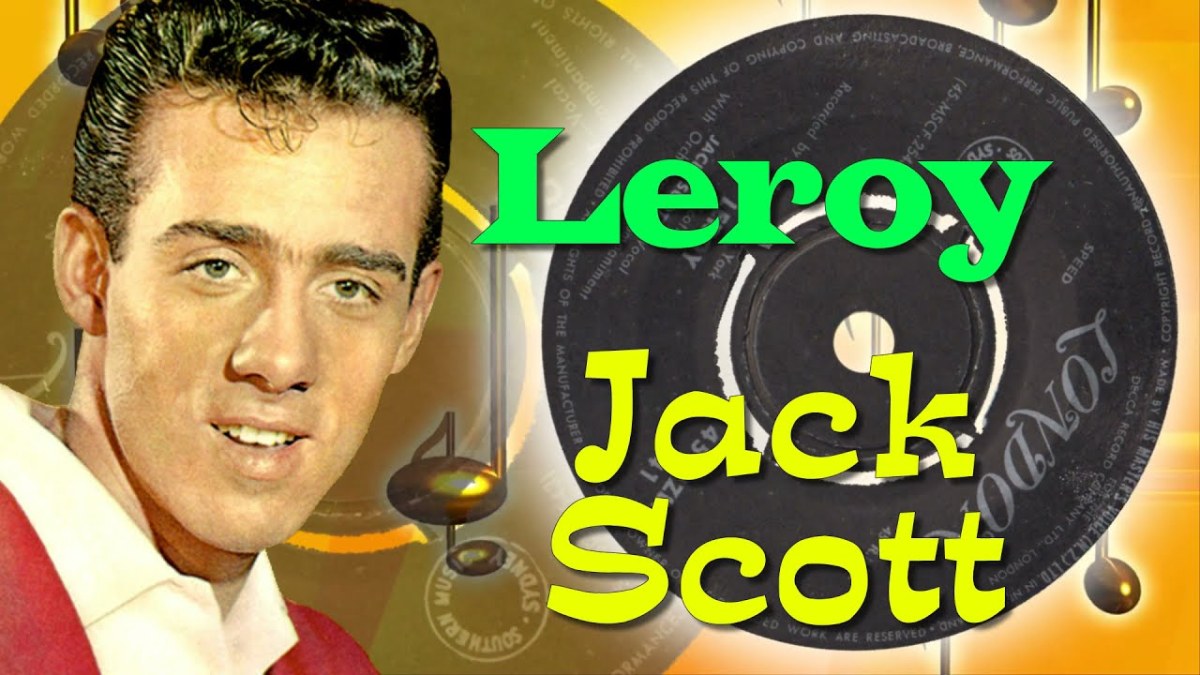
I wanted to hear some rockabilly, and that is how I ran across Canadian Jack Scott. As successful as he was, I’m surprised he is not known more.
He was born, Giovanni Domenico Scafone Jr., in Windsor, Ontario, in 1936. Scott grew up straddling the border between Detroit and Canada. That location shaped his sound. He was influenced by gospel, country, R&B, and the raw early rock, blending them into a voice and style that didn’t quite fit into any one style or box. By the late 1950s, he was producing records that rivaled those of Elvis Presley, Gene Vincent, and Roy Orbison.
Jack Scott released 19 singles that charted on the U.S. Billboard 100 between 1958 and 1961, which was a remarkable number for the era. This was more U.S. singles in a shorter time than any other recording artist, except for The Beatles. Again, it looks like he would be more well-known.
Scott’s chart success slowed down after the early ’60s, but he never stopped performing. He returned to country music in the 1970s and maintained a loyal fan base in rockabilly revival circles in Europe and North America. Today, he’s remembered as Canada’s first true rock ’n’ roll star, a bridge between rockabilly, country, and pop, and an artist whose influence can still be heard in roots rock.
This song came out in 1958, and it peaked at #11 on the Billboard 100 and #15 in Canada. I’m including another song called Goodbye Baby that peaked at #8 on the Billboard 100 and #3 in Canada.
Leroy
I know a boy who was never blue Now he lives in cellblock two I don’t know just why he’s blue… … leroy… whatd you do
Leroys back in jail again -2- I don’t know why, why he’s blue… … leroy… whatd you do
Went to the judge, dig man wail I’m here and I got leroys bail Judge said son, don’tcha tell me no tale… … leroy, he’s gonna stay in jail
Now, leroy says man, you tried the best Man, I’m here gonna take a rest. I’ve seen minny, she’s got the blues… … she let you wear my long pointed shoes
Now, leroys heart is a bowl of hate Leroy, he just can’t go straight Tell my minny, I can’t keep my date… … I’m gonna be bout six months late
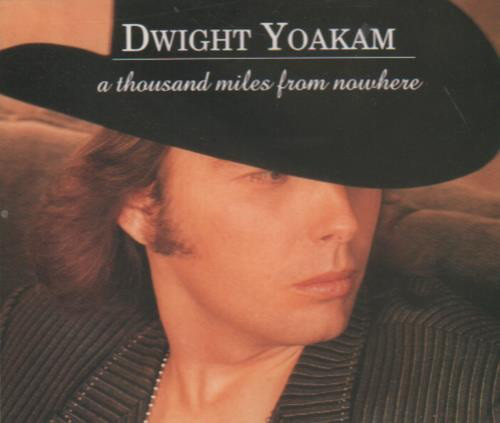
A great single by Dwight Yoakam. I didn’t listen to much country in the 1990s. This one got my attention. I would say Steve Earle and Dwight Yoakam brought me back to country after hearing 1980s country. Those two artists had something substantial to offer and helped the country return to its roots, at least until Brooks arrived and took country music to hell.
I always liked Yoakam’s voice, a mix of Bakersfield twang and croon, which fits it perfectly. For me, this is Dwight at his peak, the product of the outsider cowboy image he made in the 1980s and 1990s. The album This Time had some great songs released from it. This song, Fast As You, and Ain’t That Lonely Yet. One thing I can say about Yoakam in this song is that he makes desolation sound beautiful.
The song peaked at #2 on the Billboard Country Charts and at #3 in Canada in 1993. The song was written by Yoakam and produced by Pete Anderson. The song was on Dwight’s album ThisTime. The album peaked at #4 in the Billboard Country Album Charts, #1 in the Canada RPM Album Charts, and #25 in the Billboard Album Charts.
Five singles were released from This Time. Each made the Country Top 40, and they all made the Canada top 5 Country in 1993-94.
The song was featured in two films, Red Rock West and Chasers.
Thousand Miles From Nowhere
I’m a thousand miles from nowhere Time don’t matter to me ‘Cause I’m a thousand miles from nowhere And there’s no place I want to be
I got heartaches in my pocket I got echoes in my head And all that I keep hearing Are the cruel, cruel things that you said
I’m a thousand miles from nowhere Time don’t matter to me ‘Cause I’m a thousand miles from nowhere And there’s no place I want to be
Oh, I Oh, I Oh, I
Oh, I Oh, I Oh, I
I’ve got bruises on my memory I’ve got tear stains on my hands And in the mirror there’s a vision Of what used to be a man
I’m a thousand miles from nowhere Time don’t matter to me ‘Cause I’m a thousand miles from nowhere And there’s no place I want to be
I’m a thousand miles from nowhere Time don’t matter to me ‘Cause I’m a thousand miles from nowhere And there’s no place I want to be
I wrote this for Dave’s site for Turntable Talk. He wanted us to write about a song with an animal in the title or lyrics.
This is the Beatles at their most caffeinated, most chaotic, and most cracked. It’s them turning up the thermostat on rock & roll just to see if the walls start to melt. I liked the chaos and music they put to this song. It’s intense and doesn’t let up throughout the song. It’s like a cousin to Helter Skelter, but hopped up on confusion. That said, the song is very tight musically underneath the chaos. This is yet another reason I love the White Album. You have this on the same album as Blackbird and Rocky Raccoon. The Beatles, more than many bands, could adapt to a style of music and play it well.
Lennon sounds giddy, high on something, probably Yoko, maybe drugs, definitely freedom. The monkey might be Yoko. It might be his own self-made madness. Or maybe it’s a giant middle finger to everyone trying to box him in. What was it about? John said he, Yoko, and Paul thought it was drugs. Whatever it was made an interesting recording that still grabs my ear.
The Beatles began working on this song, which continued until 3 a.m. The session was not a keeper, and the tape was to be taped over (EMI saving money), but in 2018, while remastering the album, they found an alternative version of this song that was recorded on the first night. Someone didn’t tape over it. Geoff Emerick, the Beatles’ sound engineer, had said that they recorded this song and Helter Skelter at maximum volume in the studio, and it showed in the final recording.
It has one of my favorite song titles of all time. Chaos reigns in this song, and Paul adds a great short bass run…not to mention a fire bell ringing throughout. Lennon once said it was inspired by something Maharishi Mahesh Yogi would say (Take off your clothes and jump in the water type enlightenment), but by the time it was recorded for the White Album in June ’68, John had already dropped the Maharishi and picked up Yoko Ono.
The White Album was released in 1968 and peaked at #1 on the Billboard Album Chart, #1 in Canada, #1 in the UK, and #1 about everywhere else…and it would be #1 as well in Max’s heart.
If you’re looking for one of the most purely energetic cuts in the Beatles’ catalog, something that draws a direct line to punk, garage, and all the future people who liked their rock sweaty and unfiltered, this is your monkey.
John Lennon: About me and Yoko. Everybody seemed to be paranoid except for us two, who were in the glow of love.
Paul McCartney: “He was getting into harder drugs than we’d been into and so his songs were taking on more references to heroin. Until that point we had made rather mild, rather oblique references to pot or LSD. Now John started to be talking about fixes and monkeys and it was a harder terminology which the rest of us weren’t into. We were disappointed that he was getting into heroin because we didn’t really see how we could help him. We just hoped it wouldn’t go too far. In actual fact, he did end up clean but this was the period when he was on it. It was a tough period for John, but often that adversity and that craziness can lead to good art, as I think it did in this case.”
Fats Domino covered this song.
Everybody’s Got Something To Hide Except Me And My Monkey
Come on come on come on come on Come on is such a joy Come on is such a joy Come on take it easy Come on take it easy Take it easy take it easy Everybody’s got something to hide except for me and My monkey.
The deeper you go the higher you fly The higher you fly the deeper you go So come on come on Come on is such a joy Come on is such a joy Come on make it easy Come on make it easy.
Take it easy take it easy Everybody’s got something to hide except for me and My monkey.
Your inside is out and your outside is in Your outside is in and your inside is out So come on come on Come on is such a joy Come on is such a joy Come on make it easy Come on make it easy Make it easy make it easy Everybody’s got something to hide except for me and My monkey.
I didn’t start really finding out about Gabriel until reading my fellow bloggers. I was burnt out on many of his ’80s hits because MTV loved the man and played them non-stop. Now that I’m finding his seventies catalog, I’m really liking what I’ve been hearing. It’s also strange for me to be listening to Genesis without Phil Collins singing a 3 minute hit.
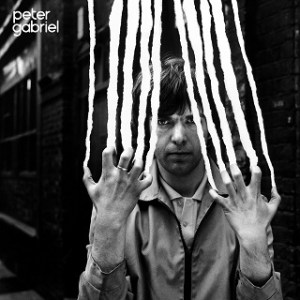
Peter Gabriel never made it easy for himself or his listeners. While most artists who left huge bands tried to either replicate the formula or tear it down brick by brick, Gabriel decided he was going to build a whole new musical landscape for himself. His listeners would have to catch up with him. Other artists have done some of this, but I’m not sure to the extent Gabriel did. He named his first four albums Peter Gabriel. This was off his second album, Peter Gabriel, known as Gabriel 2: Scratch.
What I like about this song is that it’s not polished to death. It sounds natural and not all studio-created. That small upward musical run he does in this song keeps the energy up and is a great hook. He is known for his theatrical prog rockers, but during this period, he was trying something a little different, and it worked. A big part of the feel of this album came from producer Robert Fripp, the man behind King Crimson. Fripp wasn’t a conventional producer like George Martin. He encouraged Gabriel to take off the polish and to go toward the texture and atmosphere.
Fripp kept the sessions lean and also tense, recording in the Netherlands at Relight Studios. The musicians, Tony Levin on bass, Jerry Marotta on drums, and Larry Fast on synths, were said to be more collaborators than sidemen. They weren’t there to sweeten the songs; they were there to challenge them, to throw odd rhythms into the mix. Gabriel wanted friction, and he got it. The album didn’t chart as high as his later work, but it set the blueprint for the “trying new things” approach that defined his career.
The album peaked at #10 in the UK, #46 in Canada, #45 on the Billboard Album Charts, and #24 in New Zealand in 1978.
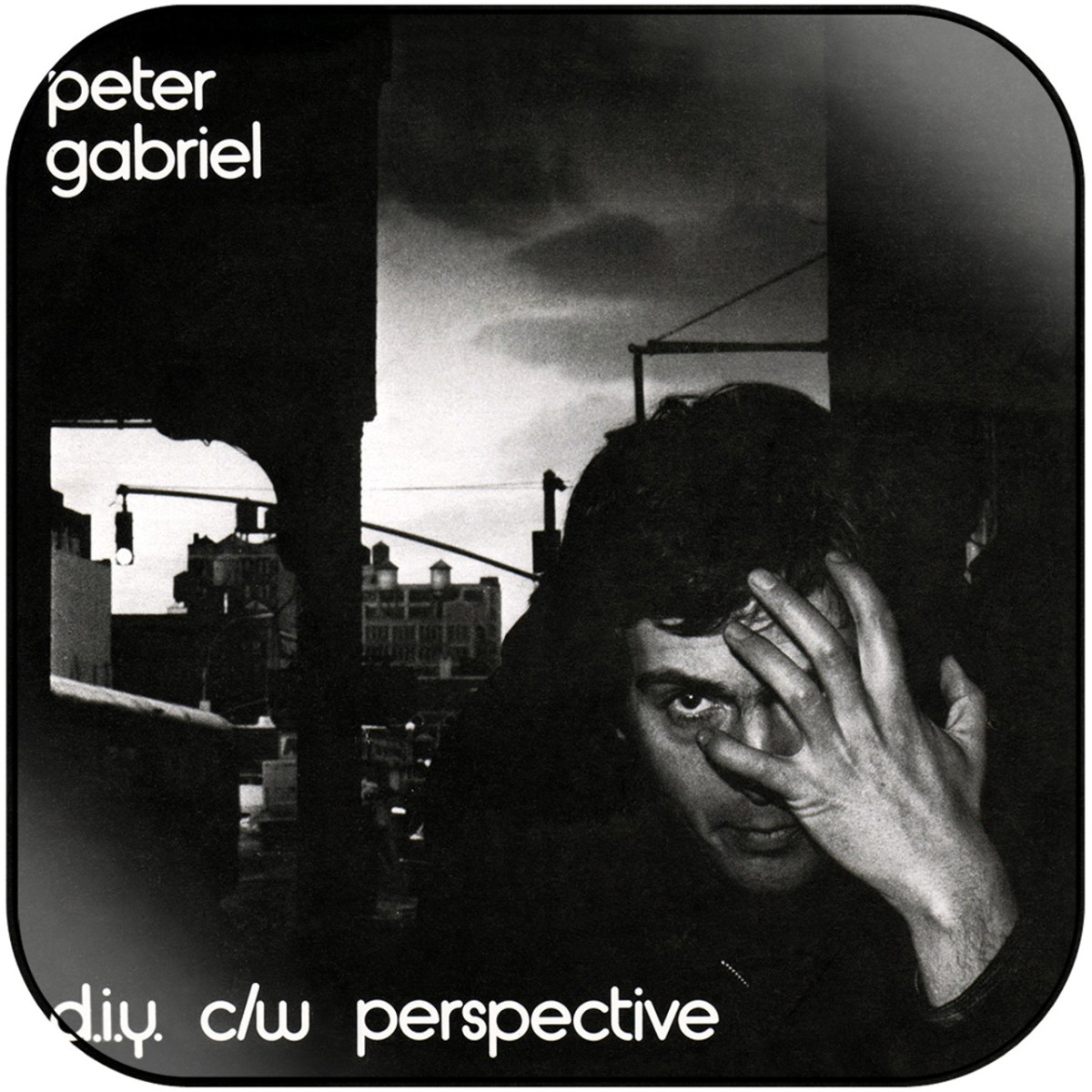
D.I.Y
D.I.Y D.I.Y D.I.Y D.I.Y
Don’t tell me what I will do, ’cause I won’t Don’t tell me to believe in you, ’cause I don’t Be on your guard, better hostile and hard, don’t risk affection Like flesh to the bone in the no-go zone You’re still looking for the resurrection Come up to me with your “What did you say?” And I’ll tell you, straight in the eye, hey!
D.I.Y D.I.Y D.I.Y D.I.Y D.I.Y. (Do it yourself!) D.I.Y D.I.Y D.I.Y
Everyone wants to be what he not, what he not Nobody happy with what he got, what he got You function like a dummy with a new ventriloquist Can you say nothing yourself? Hanging like a thriller on the final twist Is it true you’re getting stuck on the shelf? Come up to me with your “What did you say?” And I’ll tell you, straight in the eye, hey
D.I.Y Do it yourself D.I.Y Do it yourself D.I.Y Do it yourself D.I.Y Do it yourself
When things get so big, I don’t trust them at all You want some control, you’ve got to keep it small, hey
I was given the single Elenor as a kid, and since then, I’ve always had a soft spot for the Turtles. They never took themselves seriously and always seemed to have fun. Howard Kaylan and Mark Volman (later Flo and Eddie) could harmonize so well together, and those harmonies kept this song a step above garage rock. They were not going to be mistaken as the next pin-up stars in 16 magazine.
It’s almost comically simple, but that was the cool thing about mid-1960s pop music. You didn’t need a great plan; you just needed two and a half minutes adn a catchy tune. And with that soaring chorus, the Turtles sold it well. It’s a sound that would carry them through the next few years, although they would grow into more sophisticated pop music.
The band was formed by Mark Volman and Howard Kaylan in the early sixties. They were saxophone players who did whatever was trendy to make a living as musicians. They were also in the choir together in high school. They started off as an instrumental band, but with the Beatles and the British invasion, they soon switched to a rock and roll band with Howard Kaylan as lead singer. They hit with a Bob Dylan song called It Ain’t Me Babe released in 1965.
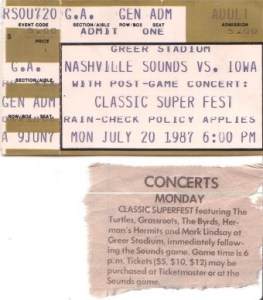
They were just getting started here, but they would end up with quite a career. I’m happy to say that I did see them, although in the ’80s with Flo and Eddie.
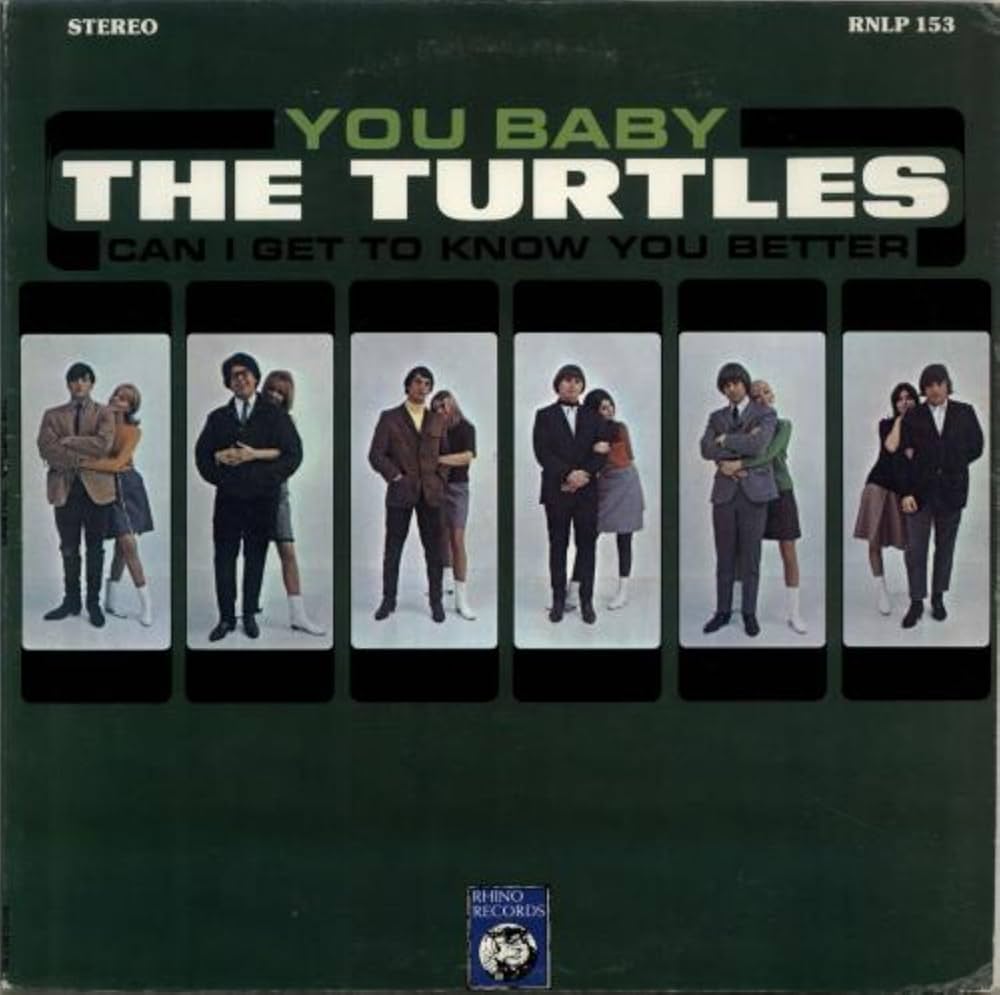
This song was released in 1966 on the You Baby album. The song peaked at #20 on the Billboard 100 and #11 in Canada. The song was written by P.F. Sloan and Steve Barri. They would also write songs for the Grass Roots and the Association.
Every time I post on The Turtles…I recommend watching their documentary… one of the most entertaining docs I’ve ever seen. If you have watched it…what do you think? It’s one of the funniest documentaries I’ve ever seen.
You Baby
From the time I fall asleep ‘Til the morning comes I dream about You, baby And I feel all right ‘Cause I know tonight I’ll be with You, baby And who makes me feel like smiling When the weary day is through?
You baby, no-one but you, baby, nobody but you You baby, no-one but you, baby, nobody but you
They say candy is sweet But it just can’t compete with You, baby You’ve got everything I need And nobody can please like You do, baby (nobody but you) And who believes that my wildest dreams And my craziest schemes will come true?
You baby, no-one but you, baby, nobody but you You baby, no-one but you, baby, nobody but you
A little ray of sunshine A little bit of soul Add just a touch of magic You got the greatest thing since rock ‘n’ roll
You baby, no-one but you, baby, nobody but you You baby, no-one but you, baby, nobody but you You baby, no-one but you, baby, nobody but you
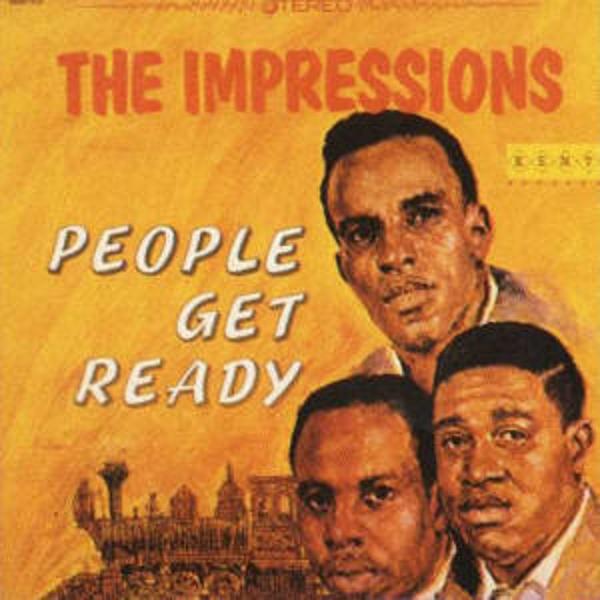
To my ears, this was always a hymn that doubled as a pop song. As smooth as you can get. After posting the Jerry Butler song this week, I wanted to hear some Impressions. It’s been covered by everyone from Jeff Beck and Rod Stewart to Bob Dylan, but the original remains untouchable.
The producer Johnny Pate understood that this song didn’t need horns blaring or big arrangements. The Impressions’ harmonies, Fred Cash and Sam Gooden’s voices around Curtis’s lead, were the orchestra, and it works perfectly. The roots of the song go back to Curtis’s church upbringing on Chicago’s North Side. He grew up playing guitar in gospel groups and listening to the Five Blind Boys of Alabama and the Soul Stirrers, where Sam Cooke had once stood at the mic.
The song was released just after the 1963 March on Washington and the Civil Rights Act of 1964. Dr. Martin Luther King Jr. often spoke of “the train of freedom,” and Mayfield picked up that imagery and carried it into the studio. The track would be used by King himself at some rallies. It was released in 1965 and peaked at #14 on the Billboard 100 and #3 on the Billboard R&B Charts.
Curtis Mayfield: “While I had written a few Gospel songs, what would be looked upon as Gospel, I called them more inspirational, such things as ‘People Get Ready, this is a perfect example of what I believe has laid in my subconscious as to the preaching of my grandmother, and most ministers when they reflect from the Bible.”
Curtis Mayfield:“It doesn’t matter what color or faith you have, I’m pleased the lyrics can be of value to anybody.”
Curtis Mayfield doing a live version.
People Get Ready
People get ready, there’s a train a comin’ You don’t need no baggage, you just get on board All you need is faith, to hear the diesels hummin’ Don’t need no ticket, you just thank the Lord
So people get ready, for the train to Jordan Picking up passengers coast to coast Faith is the key, open the doors and board ’em There’s hope for all, among those loved the most
There ain’t no room for the hopeless sinner Whom would hurt all mankind, just to save his own, believe me now Have pity on those whose chances grow thinner For there is no hiding place, against the kingdom’s throne
So people get ready there’s a train a comin’ You don’t need no baggage, you just get on board All you need is faith, to hear the diesels hummin’ Don’t need no ticket, you just thank the Lord
I like many of the Canadian bands and artists I’ve listened to. I’m not going to mention all the popular ones like The Guess Who, Neil Young, etc, but artists like Sloan, Tragically Hip, Blue Rodeo, 54.40, Art Bergmann, Blue Northern, Blue Shadows, and now Barney Bentall and the Legendary Hearts. Their songs sound earnest and full of hooks that still sound fresh today.
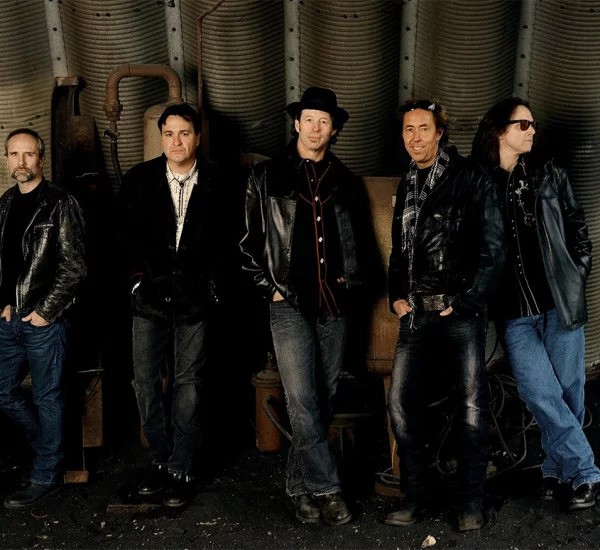
Barney Bentall was born in Toronto, but he made his musical mark in Vancouver. By the early 1980s, he’d already put together the band that would carry his name: the Legendary Hearts. The lineup included longtime friends and collaborators, Colin Nairne, Jack Guppy, Barry Muir, Cam Bowman, and David Reimer. They were a real road band, a grassroots effort, slowly building a reputation as one of the tightest rock bands around
Their name was a nod to Lou Reed’s 1983 album Legendary Hearts. In 1988, after years of touring, the band signed with Epic Records and released their self-titled debut. This single was the first song released from that album. It peaked at #17 on the Canadian Charts in 1988. It was soon followed by “House of Love (Is Haunted)” and “Come Back to Me,” tracks that got serious radio play and earned the band a Juno Award for Most Promising Group of the Year in 1989.
Barney Bentall isn’t a household name here, but up in Canada, he charted quite a few songs. He is one of those artists who never quite hit the MTV rotation, but stayed on the radio in Canada. What I liked about Bentall is that he has a Mellencamp/Petty/Springsteen-grounded sound to him. The track itself feels like a heartland rocker.
Give Barney Bentall a listen; Barney and his band are worth it. I’m including a bonus song…Living in the 90s from 1992.
Something To Live For
Woo Alright
Bobby drives a pickup For the corner store Four bucks an hour And he’s hoping for more
He’s twenty eight years old And he still lives at home Bobby’s got ideas But he ain’t alone
There’s a million Bobby’s across this land Everybody’s got Real big plans
He’s got something to live for Something so real He’s got something to live for That one, big deal
Bobby’s got an uncle He talks a mean streak Makes more in an hour Than Bobby in a week
He tells the boy Don’t waste your time Be useless like your father Nickel and dime
There’s a million Bobby’s across this land Everybody’s got Real big plans
He’s got something to live for Oh, something so real He’s got something to live for That one, big deal
Well Bobby could’a done it If he only tried Could’a been a contender Could’a been a big guy
But he didn’t rob a bank Or write a hit song Got a raise Married Yvonne
Yea Turn it on Turn it up now baby Let’s go
He’s got something to live for Something so real He’s got something to live for That one, big deal
He’s got something to live for That one sweet deal He’s got something to live for Ohh oh one sweet deal He’s got something to live for That one big deal He’s got something to live for Oh oh





 PowerPop... An Eclectic Collection of Pop Culture