I never get tired of 70’s soul music. This one and Ooh Girl by the Chi-Lites stay on my playlist. This song peaked at #3 in the Billboard 100 and #3 in the UK in 1971.
The Chi-Lites label Brunswick Records didn’t think much of this song and released three other songs as singles from the album. When R&B radio stations started playing “Have You Seen Her” off of the album, the label finally saw the hit potential and issued it as a single. It became the group’s first #1 on the R&B chart and their first Top 10 on the Hot 100.
From Songfacts
This was written by Barbara Acklin and Eugene Record (who was the frontman for The Chi-Lites). The spoken parts were inspired by the opening monologues on Isaac Hayes’ 1969 Hot Buttered Soul album, where Hayes would tell an often heartbreaking tale using his speaking voice before singing.
On “Have You Seen Her,” Record speaks the verses, explaining that ever since his girl left him, he hasn’t been able to enjoy the simple pleasures in life like going to the movies or playing with the neighborhood children. That’s because he can’t stop thinking about his girl, and he envisions her everywhere he goes, even though she’s not really there. He tell himself she’ll be back, but he knows deep down it’s a lie. Still, he asks anyone who will listen, “Have you seen her?”
Eugene Record had the “doo doo doo” intro for this song and the line, “Have you seen her? Tell me have you seen her?,” but didn’t know where to go with it until he sang it for Acklin, who helped complete the song.
Barbara Acklin and Eugene Record had dual careers as artists and songwriters. Acklin was a solo artist who had her biggest hit in 1968 with “Love Makes A Woman” (#15 US), which Record co-wrote. Record fronted The Chi-Lites and wrote most of their hits, including “(For God’s Sake) Give More Power to the People” and “Oh Girl.” As a team, Acklin and Record’s compositions include “Two Little Kids” for Peaches & Herb and several other Chi-Lites tracks, including “Stoned Out Of My Mind” and “We Are Neighbors.”
They wrote the first version of the song years earlier but thought it was too long to record. When Isaac Hayes released Hot Buttered Soul, which included an 18-minute song, they saw the song’s potential and decided to record it for The Chi-Lites third album, since they had some room. The track clocks in at 5:08 and was the last song recorded for the set.
The Chi-Lites followed this template of lovelorn spoken verses on a number of other songs, including their #33 hit in 1973, “A Letter To Myself.”
MC Hammer covered this song on his 1990 10-million-selling album, Please Hammer, Don’t Hurt ‘Em. It was released as the second single from the album, following “U Can’t Touch This,” and it reached #4 in the US.
Have You Seen Her
Ah…ah…ah…ah…ah…ah… Ooh…ooh…ooh…ooh…ooh…ooh…ooh…ooh… Ah…ah…ah…ah…ah…ah… Ooh…ooh…ooh…ooh…ooh…ooh…ooh…ooh… One month ago today I was happy as a lark But now I go for walks To the movies, maybe to the park I have a seat on the same old bench To watch the children play, huh You know tomorrow is their future But for me just another day They all gather ’round me, huh They seem to know my name We laugh, tell a few jokes But it still doesn’t ease my pain I know I can’t hide from a memory Though day after day I’ve tried I keep sayin’ she’ll be back But today again I’ve lied Oh, I see her face everywhere I go On the street and even at the picture show Have you seen her Tell me have you seen her Oh, I hear her voice as the cold winds blow In the sweet music on my radio Have you seen her Tell me have you seen her Why, oh, why Did she have to leave and go away? Oh…oh…oh…oh…oh… I’ve been used to havin’ someone to lean on And I’m lost, baby, I’m lost Oh, doo, doo, doo, doo, doo, doo, doo, doo Doo, doo, doo, doo, doo, doo, doo, doo Have you seen her Tell me have you seen her [Tell me have you seen her] Oh, doo, doo, doo, doo, doo, doo, doo, doo Doo, doo, doo, doo, doo, doo, doo, doo Have you seen her Tell me have you seen her [Tell me have you seen her] Oh, she left her kiss upon my lips But left that break within my heart Have you seen her Tell me have you seen her Oh, I see her hand reaching out to me Only she can set me free Have you seen her Tell me have you seen her Why, oh, why Did she have to leave and go away Oh…oh…oh…oh…oh… I’ve been used to havin’ someone to lean on And I’m lost, baby, I’m lost Oh, doo, doo, doo, doo, doo, doo, doo, doo Doo, doo, doo, doo, doo, doo, doo, doo Have you seen her Tell me have you seen her [Tell me have you seen her] As another day comes to an end I’m lookin’ for a letter or somethin’ Anything that she would send With all the people I know, hmm I’m still a lonely man You know it’s funny I thought I had her in the palm of my hand Have you seen her Tell me have you seen her [Tell me have you seen her] Oh (Oh, yeah…eah…eah…), doo, doo, doo, doo, doo, doo, doo, doo Doo, doo, doo, doo, doo, doo, doo, doo Have you seen her (Have you seen her) Tell me have you seen her (Have you seen her) Have you seen her Tell me have you seen her [Tell me have you seen her] Have you seen her Tell me have you seen her [Tell me have you seen her] Have you seen her Tell me have you seen her [Tell me have you seen her] Have you seen her Tell me have you seen her [Tell me have you seen her] Have you seen her Tell me have you seen her [Tell me have you seen her]
I’m on the second Peter Guralnick book about Elvis and I’m in the year of 1972…the jumpsuit, karate, Vegas Elvis. Though it had obvious hit potential, Elvis had just separated from his wife, Priscilla, and was not in the mood for a Rock n Roll number, so he wasn’t excited to record it. Elvis’ producer Felton Jarvis had to persuade him that the song was worth trying, and after 6 attempts, he recorded a suitable take. The song is great and Elvis’s performance is on the mark.
This song would peak at #2 in the Billboard 100 in 1972. Burning Love would his last top ten Billboard hit. The song was also released on an album titled Burning Love and Hits from his Movies: Volume 2… an album with this song and the rest very forgettable movie songs. This was another Colonel Tom Parker special. It was released on RCA’s budget label.
Album Covers… Elvis’s album packaging in the 1970s was just bland to me. Elvis…on stage…in the jumpsuit…in a karate pose and holding a mic. Since the sixties, album covers had been an important part of representing the artist. His covers were unmemorable and were put out cheaply to make a quick buck…very shortsighted and very Colonel Parker. The only one I remember well was the Aloha from Hawaii album with the satellite but it still didn’t compete with Pink Floyd, Led Zeppelin, and every other major act at the time. His album covers were interchangeable with each other for the most part. I’m not downing Elvis’s music but I just wish more thought would have been put into designing and marketing.
I’m not saying they had to be all works of art but a little more distinguishable.
When you see Abbey Road, Led Zeppelin II, Who’s Next, Dark Side of the Moon you know what songs are on them by just looking at them…Elvis albums?
From Songfacts
This was Elvis’ biggest hit single Stateside since “Suspicious Minds” in 1969 and his last Top 10 hit in the American Hot 100 or pop charts.
This song about the breakdown of a relationship had already featured on the self-titled 1972 album by Country-Soul pioneer Arthur Alexander.
In addition to making the original commercial recording of a song later covered by Elvis, Arthur Alexander has the claim of being the only songwriter in history to have his songs sung by The Beatles (“Anna (Go to Him))”), the Rolling Stones (“You’d Better Move On”) and Bob Dylan (“Sally Sue Brown”).
Dennis Linde, who wrote this song and also provided the guitar intro, was reclusive by nature and was at one time tagged “Nashville’s best-kept songwriting secret.” Apart from “Burning Love,” most of the successful songs he wrote were for Country stars, including,Roger Miller (“Tom Green County Fair” – 1970), Garth Brooks (“Callin’ Baton Rouge” – 1993) and The Dixie Chicks (“Goodbye Earl” – 1999.) In Britain, Welsh Rock and Roll revivalist Shakin’ Stevens recorded a #10 hit with his version of Linde’s “A Letter to You” in 1984.
In 2005, an Australian woman, who was evidently not a fan of this song, stabbed her partner in the back, thigh, and shoulder with a pair of scissors because “he played the song too many times.”
As part of a series of re-releases of Elvis songs in the UK in 2007 this re-entered the UK chart at #13.
Burning Love
Lord Almighty, I feel my temperature rising Higher higher It’s burning through to my soul
Girl, girl, girl You gonna set me on fire My brain is flaming I don’t know which way to go
Your kisses lift me higher Like the sweet song of a choir You light my morning sky With burning love
Ooh, ooh, ooh, I feel my temperature rising Help me, I’m flaming I must be a hundred and nine Burning, burning, burning And nothing can cool me I just might turn into smoke But I feel fine
‘Cause your kisses lift me higher Like a sweet song of a choir And you light my morning sky With burning love
It’s coming closer The flames are reaching my body Please won’t you help me I feel like I’m slipping away It’s hard to breath And my chest is a-heaving
Lord have mercy, I’m burning a hole where I lay ‘Cause your kisses lift me higher Like the sweet song of a choir You light my morning sky With burning love With burning love Ah, ah, burning love I’m just a hunk, a hunk of burning love Just a hunk, a hunk of burning love Just a hunk, a hunk of burning love Just a hunk, a hunk of burning love Just a hunk, a hunk of burning love Just a hunk, a hunk of burning love
I’ve heard this song so much that I know every nuance of it. The song was on the album of the same name. This song would be in my top 5 of Van Morrison. It’s a beautiful epic song. I’ve always noticed the lyrics are not Morrison’s best by any means. The melody is not complicated, in fact, it is reminiscent of The Weight…same chord pattern. Van’s voice and phrasing lift this song into a great song. Well, there is Connie Kay’s drumming also.
The song peaked at #47 in the Billboard 100 in 1972. The album peaked at #27 in 1971.
From Songfacts
“Tupelo Honey” is an unreserved typically mystic take on the domestic happiness Morrison had found since he’d married his wife Janet. They’d met during his time with the Irish R&B band Them. She’d already been his muse for several of Morrison’s earlier songs.
Tupelo honey is honey made from the sweet flowers of the tupelo tree, which grows abundantly in swampy areas of the Southern United States.
There are allusions to early America and the Boston Tea Party in this song:
You can take all the tea in China
Put it in a big brown bag for me
Sail right around the seven oceans
Drop it straight into the deep blue sea
And
You can’t stop us on the road to freedom
You can’t stop us ’cause our eyes can see
The Irish Troubles were still raging when this song was written, and it’s important to view it as the song of an artist who was a product of that situation. Freedom was surely heavy on Van’s mind.
This song plays at the conclusion of the 1997 film Ulee’s Gold, which stars Peter Fonda as a beekeeper who makes Tupelo Honey.
Tupelo Honey
You can take all the tea in China Put it in a big brown bag for me Sail right around all the seven oceans Drop it straight into the deep blue sea She’s as sweet as Tupelo honey She’s an angel of the first degree She’s as sweet as Tupelo honey Just like honey from the bee
You can’t stop us on the road to freedom You can’t keep us ’cause our eyes can see Men with insight, men in granite Knights in armor bent on chivalry She’s as sweet as Tupelo honey She’s an angel of the first degree She’s as sweet as Tupelo honey Just like honey, baby, from the bee
You can’t stop us on the road to freedom You can’t stop us ’cause our eyes can see Men with insight, men in granite Knights in armor intent on chivalry She’s as sweet as Tupelo honey She’s an angel of the first degree She’s as sweet as Tupelo honey Just like honey, baby, from the bee
You know she’s alright, oh she’s alright with me You know, you know, you know she’s alright, she alright with me You know, you know, you know you know You know she’s alright, alright with me She’s alright, she’s alright She’s alright with me She’s alright She’s alright with me She’s alright She’s alright with me
She’s al, she’s alright, she’s alright She’s alright with me She’s alright, she’s alright, she’s alright, she’s alright
You can take all the tea in China Put it in a big brown bag for me Sail it right around all these seven oceans Drop it smack dab in the middle of the deep blue sea Because, she’s as sweet as Tupelo honey, yes she is She’s an angel of the first degree She’s as sweet as Tupelo honey Just like honey, baby, from the bee
She’s as sweet as Tupelo honey She’s an angel of the first degree She’s as sweet as Tupelo honey Just like the honey, from the bee She’s alright, she’s alright with me She’s my baby, you know she’s alright She’s my baby, she’s my baby, she’s alright She’s my baby
Jimi Hendrix, Paul McCartney, Miles Davis, and jazz drummer Tony Williams.
This one would have been interesting. Jimi had sent a telegram to Paul in 1969. The telegram said:
“We are recording and LP together this weekend in NewYork [sic],” “How about coming in to play bass stop call Alvan Douglas 212-5812212. Peace Jimi Hendrix Miles Davis Tony Williams.”
Beatles aide Peter Brown responded the next day say that McCartney was on Holiday and was not expected back until 2 weeks.
Of the ones on this post…this would have been the most musically interesting to me.
Elvis Presley album produced by David Bowie
Dwight Yokum said in an interview that David Bowie told him that in 1977 Elvis heard “Golden Years” on the radio and he called Bowie and asked him to produce his next album. This is a “he said he said” but it would have been a unique combination…but Bowie was no stranger to that.
A Bob Dylan/Beatles/Rolling Stones Super Album
In 1969 Producer Glyn Johns met Bob Dylan and Dylan told Johns that he would like to make an album with the Beatles and Stones. Glyn went back to England very excited and told Keith Richards and George Harrison and they were all for it. Ringo, Charlie, and Bill said they would do it. John didn’t say no but Mick and Paul said absolutely not…leaves you to wonder what it would have sounded like…
Glyn also said “I had it all figured out. We would pool the best material from Mick and Keith, Paul and John, Bob and George, and then select the best rhythm section from the two bands to suit whichever songs we were cutting. Paul and Mick were probably, right, however, I would have given anything to have given it a go.”
XYZ Band
It would have been comprised of ex-Yes bassist and drummer, Chris Squire and Alan White, along with Jimmy Page of Led Zeppelin. XYZ was said to have stood for eX–Yes-&-Zeppelin. They had rehearsals and Robert Plant came to one to give it a try in 1981 but found the music too complex for his liking…he was also getting over the death of their drummer and his friend John Bonham.
This one didn’t excite me as much…now Chris Squire and Page does sound interesting and with Robert’s comment it looks like it was going to be a more Yes progressive path.
I admit that the part when the dog “up and died” it hits me.”Mr. Bojangles,” written by country music artist Jerry Jeff Walker.
It was based on a homeless man Jerry Walker met in a New Orleans jail. The man referred to himself as “Mr. Bojangles” and regaled Walker with various stories about his life and then created a depressing mood in the cell when he talked about his dog, who had died. When one of the other men requested for someone to cheer everyone up, “Mr. Bojangles” hopped up and performed a tap dance.
“Mr. Bojangles” was the nickname used by Bill Robinson, a black tap dancer who appeared in many movies in the 1930s, including with Shirley Temple in Rebecca of Sunnybrook Farm. After Robinson’s success, many black street dancers became known as “Bojangles.”
The song peaked at #9 in the Billboard 100 and #2 in Canada in 1971.
Some of the many artists to record this song include Bob Dylan, Harry Nilsson, John Denver, Nina Simone, Sammy Davis Jr., and Neil Diamond.
From Songfacts
This was written and originally released by the singer/songwriter Jerry Jeff Walker, who wrote the song in the mid-’60s and recorded it in 1968. Walker left his home in upstate New York and traveled the country playing music. He spent some time in New Orleans, where one day he was a bit tipsy and made a public display trying to convince a young lady that love, at first sight, was real. This landed him in jail, where his cellmate was an older black man who made a living as a street dancer and told Walker all about his life.
In his book Gypsy Songman, Walker tells the story: “One of the guys in the cell jumped up and said, ‘Come on, Bojangles. Give us a little dance.’ ‘Bojangles’ wasn’t so much a name as a category of itinerant street entertainer known back as far as the previous century. The old man said, ‘Yes, Hell yes.’ He jumped up and started clapping a rhythm, and he began to dance. I spent much of that long holiday weekend talking to the old man, hearing about the tough blows life had dealt him, telling him my own dreams.”
Walker moved on to Texas, where he sat down to write: “And here it came, just sort of tumbling out, one straight shot down the length of that yellow pad. On a night when the rest of the country was listening to The Beatles, I was writing a 6/8 waltz about an old man and hope. It was a love song. In a lot of ways, Mr. Bojangles is a composite. He’s a little bit of several people I met for only moments of a passing life. He’s all those I met once and will never see again and will never forget.”
Walker wrote another verse to the song but didn’t perform it because he couldn’t fit it all in. This verse was about the three wives the man in jail told him about.
The Nitty Gritty Dirt Band version starts with a spoken intro called “Uncle Charlie And His Dog Teddy.”
Jerry Jeff Walker told American Songwriter Magazine May/June 1988 that the success of this showed that songs needn’t conform to rules. He explained: “‘Bojangles’ broke all the rules. It was too long, was 6/9 time, about an old drunk and a dead dog. They had so many reasons why it didn’t fit anything. It would have never been a song if I had been living in Nashville and tried to take it through there. I recorded it in New York. I’ve always had my record deals through New York or L.A.”
According to Jerry Jeff Walker’s confrere Todd Snider, Jerry Jeff was known for a time as “Mr. Blowjangles” because of his raging cocaine habit. Todd quotes Jerry Jeff as saying: “A line of cocaine will make a new man out of you – and he’ll want some too.”
Mr. Bojangles
I knew a man, Bojangles and he danced for you In worn out shoes Silver hair, a ragged shirt and baggy pants The old soft shoe He jumped so high He jumped so high Then he’d lightly touch down I met him in a cell in New Orleans, I was Down and out He looked to me to be the eyes of age As he spoke right out He talked of life He talked of life He laughed, clicked his heels and stepped He said his name, Bojangles and he danced a lick Across the cell He grabbed his pants, a better stance Oh, he jumped so high Then he clicked his heels He let go a laugh He let go a laugh Pushed back his clothes all around Mr. Bojangles Mr. Bojangles Mr. Bojangles Dance He danced for those in minstrel shows and county fairs Throughout the south He spoke with tears of fifteen years how his dog and him Traveled about The dog up and died He up and died After twenty years he still grieves He said I dance now at every chance in honky tonks For drinks and tips But most the time I spend behind these county bars He said I drinks a bit He shook his head And as he shook his head I heard someone ask him please Please Mr. Bojangles Mr. Bojangles Mr. Bojangles Dance
Alex Chilton’s songwriting partner in power-pop legend Big Star, Chris Bell was an overlooked member of an overlooked band. In London, he teamed up with longtime Beatles’ engineer Geoff Emerick at AIR Studios, where the final touches and mix were completed. Bell would spend the next two years engaged in a frustrating attempt to get a record deal in the U.S. and Europe. With those prospects dimming, he eventually abandoned his career and took a job with his family’s fast-food chain back home.
Just another sad story that came from Big Star. In 1978, amid when Big Star started to get a cult following, “Cosmos” was released as a single by fan and fellow musician Chris Stamey, on his tiny North Carolina-based Car label. The song (backed with the “You and Your Sister”) would be the only solo work released during Bell’s life. Just a few months after the record was pressed, Bell would die in a late-night single-car accident near his home in East Memphis on December 27, 1978. He was 27.
The B side…You and Your Sister
I Am The Cosmos
Every night I tell myself, “I am the cosmos, I am the wind” But that don’t get you back again Just when I was starting to feel okay You’re on the phone I never wanna be alone Never wanna be alone I hate to have to take you home Wanted too much to say no, no, Yeah, yeah, yeah Yeah, yeah, yeah Never wanna be alone I hate to have to take you home Want you too much to say no, no Yeah, yeah, yeah Yeah, yeah, yeah My feeling’s always happening Something I couldn’t hide I can’t confide Don’t know what’s going on inside So every night I tell myself “I am the cosmos, I am the wind” But that don’t get you back again I’d really like to see you again I really wanna see you again I’d really like to see you again I really wanna see you again I’d really like to see you again I really wanna see you again I never wanna see you again Really wanna see you again
Ric Ocasek wrote this in a basement at a commune in Newton, Massachusetts where he lived. Benjamin Orr the bass player sang it. The 2-track demo recorded by the band became the most-requested song by a local band in the history of WBCN, a popular rock station in Boston.
The song peaked at #27 in the Billboard 100, #17 in the UK, and #35 in Canada in 1978. The song was on their self-titled debut album that peaked at #18 in the Billboard Album charts in 1979. The Cars set the bar high with their debut album with two songs (My Best Friends Girl, Just What I Needed) in the top 40 and one song (Let The Good Times Roll) just missing it at #41. At least 6 out of the 9 songs on the album is still being played on classic radio.
From Songfacts
This established The Cars as one of New Wave’s leading hitmakers and helped get them a deal with Elektra Records.
Lead vocals were by bass player Ben Orr, but it was written by lead singer/guitarist Ric Ocasek. Orr died of Pancreatic cancer in 2000.
This was the group’s first single. The Cars evolved from a trio called Milkwood.
The group’s manager took the Cars’ demo tape to two Boston radio stations and got it regular airplay before the group re-recorded it and released this as a single.
Seven years after it was first released, this made its second appearance on a single – this time as the B-side of the Cars’ last Top 10 hit, “Tonight She Comes.” >>
This song was used in the opening credits of the Oscar-winning film Boys Don’t Cry starring Hillary Swank.
This was used in Circuit City ads when the electronics store used the slogan, “Just What I Needed.”
Just What I Needed
I don’t mind you coming here And wasting all my time ’cause when you’re standing oh so near I kinda lose my mind It’s not the perfume that you wear It’s not the ribbons in your hair I don’t mind you coming here And wasting all my time I don’t mind you hanging out And talking in your sleep It doesn’t matter where you’ve been As long as it was deep You always knew to wear it well You look so fancy I can tell I don’t mind you hanging out And talking in your sleep I guess you’re just what I needed I needed someone to feed I guess you’re just what I needed I needed someone to bleed
Whenever I start reading about someone (In this case Elvis Presley) I usually dive deep into them. I’ve watched a few documentaries on youtube and the Comeback Special.
Last week Slightly Charming (I highly recommend checking out her blog) recommended this documentary on Elvis and it is the best one I’ve watched about him. It’s an HBO production with commentary by Priscilla Presley, Bruce Springsteen, Tom Petty, Robbie Robertson, and many others.
It is a two-part documentary around 3 hours long both combined. Much like the Peter Guralnick books I’ve been reading it is very even-handed but it doesn’t pull any punches.
Elvis was an interesting person. A poor southern boy who gained fame and fortune quickly and handled it well considering what he was going through until his mother passed away. After that came the Army stint in Germany and from there while his fortune and fame grew his artistic credibility went down. In the mid-sixties, while The Beatles, Dylan, and the Stones dominated the charts…Elvis, a big influence to all three was stuck in a cycle of bad movies and bad soundtracks that he didn’t want to do.
The documentary goes over Colonel Tom Parker his manager, The infamous Memphis Mafia, Las Vegas, and the failed marriage to Priscilla.
The one thing this film does is concentrate on his music and not the parody he turned into at the end of his life. I found myself rooting for him during the 1968 Comeback Special. He had the spark back again and his voice was the Elvis we heard in the fifties. After the dismal movie soundtracks, he made this great comeback special but then it slowly started to go down. There was still good music to come but the end was in sight.
This great documentary is worth the time to check out.
Just a beautiful song and it’s close to perfect. The song was obviously inspired by Vincent Van Gogh. Underneath the Van Gogh museum in Amsterdam, there is a time capsule that contains the sheet music to this song along with some of Van Gogh’s brushes. This song is often played at the museum.
The song peaked at #12 in the Billboard 100, #1 in the UK, and #3 in Canada. It was on the album American Pie.
Don McLean: “In the autumn of 1970 I had a job singing in the school system, playing my guitar in classrooms. I was sitting on the veranda one morning, reading a biography of Van Gogh, and suddenly I knew I had to write a song arguing that he wasn’t crazy. He had an illness and so did his brother Theo. This makes it different, in my mind, to the garden variety of ‘crazy’ – because he was rejected by a woman as was commonly thought. So I sat down with a print of Starry Night and wrote the lyrics out on a paper bag.”
McLean was going through a dark period when he wrote this song “I was in a bad marriage that was torturing me. I was tortured. I wasn’t as badly off as Vincent was, but I wasn’t thrilled, let’s put it that way.”
From Songfacts
The words and imagery of this song represent the life, work, and death of Vincent Van Gogh. A Starry Night is one of the Dutch impressionist’s most famous paintings.
The lyrics, “Paint your palette blue and gray” reflect the prominent colors of the painting, and are probably a reference to Vincent’s habit of sucking on or biting his paintbrushes while he worked. The “ragged men in ragged clothes” and “how you tried to set them free” refer to Van Gogh’s humanitarian activities and love of the socially outcast as also reflected in his paintings and drawings. “They would not listen/They did not know how” refers to Van Gogh’s family and some associates who were critical of his kindness to “the wretched.”
“How you suffered for your sanity” refers to the schizophrenic disorder from which Van Gogh suffered.
This song and Van Gogh’s painting reflect what it’s like to be misunderstood. Van Gogh painted “Starry Night” after committing himself to an asylum in 1889. He wrote that night was “more richly colored than the day,” but he couldn’t go outside to see the stars when he was committed, so he painted the night sky from memory.
Talking about the song on the UK show Songbook, McLean said: “It was inspired by a book. And it said that it was written by Vincent’s brother, Theo. And Theo also had this illness, the same one Van Gogh had. So what caused the idea to percolate in my head was, first of all, what a beautiful idea for a piece of music. Secondly, I could set the record straight, basically, he wasn’t crazy. But then I thought, well, how do you do this? Again, I wanted to have each thing be different.
I’m looking through the book and fiddling around and I saw the painting. I said, Wow, just tell the story using the color, the imagery, the movement, everything that’s in the painting. Because that’s him more than he is him.
One thing I want to say is that music is like poetry in so many ways. You have wit and drama and humor and pathos and anger and all of these things create the subtle tools that an artist, a stage artist, a good one, uses. Sadly, this has really gone out of music completely. So it makes someone like me a relic because I am doing things and people like me are doing things that utilize all the classic means of emotional expression.”
There could be some religious meaning in this song. McLean is a practicing Catholic and has written songs like “Jerusalem” and “Sister Fatima” that deal with his faith. The “Starry Night” could mean creation, with many of the other lyrics referring to Jesus. McLean has said that several of the songs on the American Pie album has a religious aspect to them, notably the closing track “Babylon.”
Josh Groban recorded the song for his self-titled debut album, which was released in 2001 when he was just 20 years old.
The British electronic artist Vincent Frank aka Frankmusik (check out “Better Off as Two”) was named after this song.
Irish singer Brian Kennedy sang this song at footballer George Best’s funeral.
According to the movie Tupac, the Resurrection, Gangsta rapper Tupac Shakur was influenced by Don McLean, and this was his favorite song. When he was fatally wounded in a drive-by shooting in 1996, his girlfriend put this tune into a player next to his hospital bed to ensure it was the last thing he heard.
This soundtracked the moment on the “‘Scuse Me While I Miss the Sky” episode of The Simpsons when Lisa becomes interested in astronomy.
Vincent (Starry, Starry Night)
Starry, starry night Paint your palette blue and gray Look out on a summer’s day With eyes that know the darkness in my soul Shadows on the hills Sketch the trees and the daffodils Catch the breeze and the winter chills In colors on the snowy linen land
Now I understand what you tried to say to me And how you suffered for your sanity How you tried to set them free They would not listen, they did not know how Perhaps they’ll listen now
Starry, starry night Flaming flowers that brightly blaze Swirling clouds in violet haze Reflect in Vincent’s eyes of china blue Colors changing hue Morning fields of amber grain Weathered faces lined in pain Are soothed beneath the artist’s loving hand
Now I understand what you tried to say to me And how you suffered for your sanity And how you tried to set them free They would not listen, they did not know how Perhaps they’ll listen now
For they could not love you But still your love was true And when no hope was left inside On that starry, starry night You took your life as lovers often do But I could have told you, Vincent This world was never meant For one as beautiful as you
Starry, starry night Portraits hung in empty halls Frameless heads on nameless walls With eyes that watch the world and can’t forget Like the strangers that you’ve met The ragged men in ragged clothes A silver thorn, a bloody rose Lie crushed and broken on the virgin snow
Now I think I know what you tried to say to me And how you suffered for your sanity And how you tried to set them free They would not listen, they’re not listening still Perhaps they never will
The guitar riff is worth it even if Bowie wouldn’t have sung on it. When I learned this on guitar…though not hard but it sounded great. When I’ve been in bands that played it live it never fails to get a good reaction. The song peaked at #64 in the Billboard 100, #5 in the UK, and #30 in Canada in 1974.
Bowie’s guitarist, Mick Ronson, quit in 1973 in order to pursue a solo career, so Bowie played guitar on this song… Bowie said this: “When I was high school, that was the riff by which all of us young guitarists would prove ourselves in the local music store. It’s a real air guitar thing, isn’t it? I can tell you a very funny story about that. One night, I was in London in a hotel trying to get some sleep. It was quite late, like eleven or twelve at night, and I had some big deal thing on the next day, a TV show or something, and I heard this riff being played really badly from upstairs. I thought, ‘Who the hell is doing this at this time of night?’ On an electric guitar, over and over [sings riff to ‘Rebel Rebel’ in a very hesitant, stop and start way]. So I went upstairs to show the person how to play the thing (laughs). So I bang on the door. The door opens, and I say, ‘Listen if you’re going to play…’ and it was John McEnroe! I kid you not (laughs). It was McEnroe, who saw himself as some sort of rock guitar player at the time. That could only happen in a movie, couldn’t it? McEnroe trying to struggle his way through the ‘Rebel Rebel’ riff.”
From Songfacts
This song is about a boy who rebels against his parents by wearing makeup and tacky women’s clothes. It was a defining song of the “Glam Rock” era. Characterized by feminine clothes and outrageous stage shows, Glam was big in England in the early ’70s. Bowie had the most mainstream success of the glam rockers.
Three years before this was released, Bowie admitted he was bisexual. The announcement seemed to help his career, as he gained more fans and wrote more adventurous songs.
Bowie did an episode of VH1 Storytellers in 1999 where he introduced this song with this yarn:
I can tell you about the time that I first met Marc Bolan who became a very, very good friend of mine. We actually met very early on in the ’60s before either of us were even a tad pole known. We were nothing; we were just two nothing kids with huge ambitions, and we both had the same manager at the time. And we met each other firstly painting the wall of our then manager’s office.
“Hello, who are you?”
“I’m Marc, man.”
“Hello, what do you do?”
“I’m a singer.”
“Oh, yeah, so am I. Are you a Mod?”
“Yeah, I’m King Mod. Your shoes are crap.”
“Well, you’re short.”
So we became really close friends. Marc took me dustbin shopping. At that time Carnaby Street, the fashion district, was going through a period of incredible wealth and rather than replace buttons on their shirts or zippers on their trousers, at the end of the day they’d just throw it all away in the dustbin. So, we used to go up and down Carnaby Street, this is prior to Kings Road, and go through all the dustbins around nine/ten o’clock at night and get our wardrobes together. That’s how life was, you see.
I could also tell you that when we used to play the working men’s clubs up north – very rough district – and I first went out as Ziggy Stardust, I was in the dressing room in one club and I said to the manager: “Could you show me where the lavatory is, please?”
And he said: “Aye, look up that corridor and you see the sink attached to the wall at the end? There you go.”
So, I tottered briefly on my stack-heeled boots and said: “My dear man, I’m not pissing in a sink.”
“He said: “Look son, if it’s good enough for Shirley Bassey, it’s good enough for you.”
Them were the days, I guess.
In 1972, Bowie produced “Walk On The Wild Side” for Lou Reed, which is another song celebrating transgender individuals.
An alternate version appears on Bowie’s compilation album Sound And Vision. On this version, Bowie plays all the instruments, bar the congas, which are played by Geoff MacCormack.
The Diamond Dogs tour was an enormous production. It featured moving bridges, catapults, and a huge diamond that Bowie emerged from.
The album cover was painted by Dutch artist Guy Peellaert. It shows Bowie as a dog in front of a banner that says “The Strangest Living Curiosities.” The cover caused some controversy because the Bowie dog had clearly not been neutered. An alternate cover was released with the appendages airbrushed out. Mick Jagger had shown Bowie artwork that Peellaert had done for the not yet released Rolling Stones album It’s Only Rock And Roll. Bowie quickly got a hold of Peelaert and had him design the cover for Diamond Dogs, which was unleashed to the public prior to the album by The Rolling Stones. Mick Jagger was none too happy about this. David Bowie has this to say about the incident: “Mick was silly. I mean, he should never have shown me anything new. I went over to his house and he had all these Guy Peellaert pictures around and said, ‘What do you think of this guy?’ I told him I thought he was incredible. So I immediately phoned him up. Mick’s learned now, as I’ve said. He will never do that again. You’ve got to be a bastard in this business.”
The lyric, “We like dancing and we look divine,” is a reference to the famous drag queen known as Divine, who starred in many John Waters films, including Pink Flamingos and Hairspray.
The transgender musician Jayne County claims Bowie based this on her song, “Queen Age Baby,” which was recorded a month before “Rebel Rebel.” County told Seconds magazine: “After one of his shows, me and Bowie were chatting. I had just signed to MainMan at the time and had all these great ideas kicking around, and I told David I had the best idea in the world. I told him I wanted to do a whole album of all British Invasion hits. Six months later he comes out with Pin-Ups [Bowie’s cover album]. I was flabbergasted! When I would say anything to anyone, they would just laugh and say I was paranoid. I said, ‘Something’s up here.’ They took me into the studio to record. I recorded ‘Wonder Woman,’ ‘Mexican City,’ ‘Are You Boy Or Are You A Girl?,’ ‘Queen Age Baby,’ all these incredible lyrics I had come up with. So I sent him all of my tapes and not long after that, Sherry is sitting at the house in Connecticut. Bowie called her up and said that he wrote this great song called ‘Rebel Rebel’ and plays her this demo. She listened to it and said, ‘This sounds like one of Wayne’s songs.’ Basically, ‘Queen Age Baby’ is the mother of ‘Rebel Rebel.’ If he had never heard ‘Queen Age Baby,’ he would have never written ‘Rebel Rebel.'”
This song was created in a spate of spontaneous inception. Alan Parker, the guitarist on “1984,” recalled to Uncut magazine: “He (Bowie) said, ‘I’ve got this list and it’s a bit Rolling Stonesy – I just want to piss Mick off a bit.'”
“I spent about three-quarters of an hour to an hour with him working on the guitar riff – he had it almost there, but not quite,” Parker continued. “We got it there, and he said, ‘Oh, we’d better do the middle…’ So he wrote something for the middle, put that in. Then he went off and sorted some lyrics. And that was us done.”
You’ve got your mother in a whirl She’s not sure if you’re a boy or a girl Hey babe, your hair’s alright Hey babe, let’s go out tonight You like me, and I like it all We like dancing and we look divine You love bands when they’re playing hard You want more and you want it fast They put you down, they say I’m wrong You tacky thing, you put them on
Rebel Rebel, you’ve torn your dress Rebel Rebel, your face is a mess Rebel Rebel, how could they know? Hot tramp, I love you so!
Don’t ya? Doo doo doo-doo doo doo doo doo
You’ve got your mother in a whirl ’cause she’s Not sure if you’re a boy or a girl Hey babe, your hair’s alright Hey babe, let’s stay out tonight You like me, and I like it all We like dancing and we look divine You love bands when they’re playing hard You want more and you want it fast They put you down, they say I’m wrong You tacky thing, you put them on
Rebel Rebel, you’ve torn your dress Rebel Rebel, your face is a mess Rebel Rebel, how could they know? Hot tramp, I love you so!
Rebel Rebel, you’ve torn your dress Rebel Rebel, your face is a mess Rebel Rebel, how could they know? Hot tramp, I love you so!
You’ve torn your dress, your face is a mess You can’t get enough, but enough ain’t the test You’ve got your transmission and your live wire You got your cue line and a handful of ludes You wanna be there when they count up the dudes And I love your dress You’re a juvenile success Because your face is a mess So how could they know? I said, how could they know?
So what you wanna know Calamity’s child, chi-chile, chi-chile Where’d you wanna go? What can I do for you? Looks like you’ve been there too ‘Cause you’ve torn your dress And your face is a mess Ooo, your face is a mess Ooo, ooo, so how could they know? Eh, eh, how could they know? Eh, eh
The song is appropriately named because it’s hard to get it out of your head after you listen to it. The song peaked at #9 in the Billboard 100 in 1975. The song was on the Eldorado album that peaked at #16 in 1975.
Jeff Lynne recalled that he found inspiration for the song in the unfulfilled duties of an everyday guy. “It’s about a guy in a dream who sees this vision of loveliness and wakes up and finds that he’s actually a clerk working in a bank,” he said. “And he hasn’t got any chance of getting her or doing all these wonderful things that he thought he was going to do.”
From Songfacts
This is one of several fan favorites from the Eldorado, considered by many to be Jeff Lynne’s best album. The album cover shows what appears to be the scene from the movie The Wizard Of Oz, as the Wicked Witch tries to snatch Dorothy’s Ruby Red Slippers.
This was Electric Light Orchestra’s first Top 40 hit in the US, however, it did not chart in their native UK, despite their four previous Top 40 hits there.
Jeff Lynne wrote this track. Lynne had previously led The Idle and later co-founded The Move with Roy Wood and Bev Bevan before creating ELO. The album Eldorado sold gold, becoming the sixteenth Best-Selling Album in 1974 in the US.
“Can’t Get It Out Of My Head” was featured on the 1977 soundtrack of the film Joyride.
This song was later covered live by Fountains of Wayne on their 2005 Out of States Plates album and in 2007 by Velvet Revolver on their 2007 set Libertad.
Jeff Lynne revealed during an interview with Uncle Joe Benson on the Ultimate Classic Rock Nights radio show that he wrote the song to prove a point to his dad. He explained that they were arguing about something when his father said, “That’s the trouble with your tunes… They’ve got no bloody tune!'”
So Lynne said to himself, I’ll show you a tune then, and wrote “Can’t Get It Out Of My Head,” “just to show him I could write a tune!”
Can’t Get It Out Of My Head
Midnight, on the water I saw the ocean’s daughter Walking on a wave’s she came Staring as she called my name
And I can’t get it out of my head No, I can’t get it out of my head Now my whole world is gone for dead ‘Cause I can’t get it out of my head
Breakdown on the shoreline Can’t move, it’s an ebbtide Morning, don’t get here tonight Searching for her silver light
And I can’t get it out of my head No, I can’t get it out of my head Now my whole world is gone for dead ‘Cause I can’t get it out of my head, no how?
Bank job in the city Robin Hood and William Tell And Ivanhoe and Lancelot They don’t envy me Sitting ’til the sun goes down In dreams the world keeps going ’round and ’round
And I can’t get it out of my head No, I can’t get it out of my head Now my whole world is gone for dead ‘Cause I can’t get it out of my head
And I can’t get it out of my head No, I can’t get it out of my head Now my whole world is gone for dead ‘Cause I can’t get it out of my head, no how, no now
Loved this song as a student. I would make sure to fire it up on that last day in May and most of my friends would be shouting it. Cooper (Vincent Damon Furnier) wrote this song with his guitarist Michael Bruce. At the time, “Alice Cooper” was the name of the band, not just the lead singer, and all members contributed to their songwriting. Bruce also wrote the group’s songs “Caught In A Dream” and “Be My Lover,” and co-wrote “No More Mr. Nice Guy” with Cooper.
I’ve always liked Alice Cooper. He wasn’t just a show (uh…Kiss) he had some good hard rock and even pop music. I saw him open for the Rolling Stones in 2006 in Churchill Downs and I’m not saying he was better than the Stones but the sound was much better for his set. With his makeup…he doesn’t age.
The song peaked at #7 in the Billboard 100, #1 in the UK, and #3 in Canada in 1972.
From Songfacts
The title (and song) were inspired by a warning often said in Bowery Boys movies in which one of the characters declares to another, “School is out,” meaning “to wise up.” The Bowery Boys were characters featured in 48 movies that ran from 1946-1958. They were young tough guys in New York City who were always finding trouble. The movies ran on American TV throughout the ’60s and ’70s, eating up a lot of air time on independent stations. It was one of these TV viewings that Cooper saw. In the film, the character Sach (Huntz Hall) did something dumb, which prompted one of the other guys to say, “Hey, Sach, School’s Out!” Cooper like the way the phrase sounded and used it as the basis for this song.
This is a fixture at Cooper’s concerts. He says the difference between him and guys like Marilyn Manson is that he leaves the crowd in a good mood. His shows are meant to be fun, not depressing.
This was released in the summer of 1972, when school really was out. It’s since become an anthem for summer vacation.
This was Cooper’s biggest hit; it was especially popular in the UK where it topped the chart for three weeks. A concert staple, it is usually the last song he plays at his shows.
The chorus of children who sing on this was put together by producer Bob Ezrin. In 1979, Ezrin used another kid’s chorus when he produced “Another Brick In The Wall (part II)” for Pink Floyd. He liked the idea of hearing children’s voices on songs about school. In this song, they sing the children’s rhyme “No more pencils, no more books, no more teachers’ dirty looks.”
In a 2008 Esquire interview, Cooper said: “When we did ‘School’s Out,’ I knew we had just done the national anthem. I’ve become the Francis Scott Key of the last day of school.”
The album opened like a school desk and contained a pair of paper panties. This is the kind of “added value” you just don’t get with CDs.
Soul Asylum covered this for the 1998 movie The Faculty.
Cooper recorded a new version of this with Swedish pop group The A-Teens in 2002. It was an odd pairing, but the A-Teens claimed Cooper did not scare them. Cooper said that was because they had never seen his stage show. The lyrics of the new version were altered from “School’s been blown to pieces” to “I’m bored to pieces.”
Cooper starred in a TV commercial for Staples where a young girl is forced to shop for school supplies while a Muzak version of this song plays. She looks at Cooper and says, “I thought you said School’s out forever.” He replies, “No, the song goes, ‘School’s out for summer. Nice try, though.” At this point, the real version of the song kicks in.
On May 13, 2009, Cooper performed this song at the Arizona State University graduation ceremonies with his son Dash’s band, Runaway Phoenix. Alice wore his varsity letter sweater from Cortez High (Class of ’66) for the performance, which preceded a speech by US President Barack Obama. Cooper’s son Dash was attending the ASU journalism school.
This was slated for the 1992 film Wayne’s World, where Cooper was to perform it before meeting Wayne and Garth backstage. Shortly before filming began, Cooper’s manager Shep Gordon changed the playbook and told the film’s producers that Alice would be performing a new song instead: “Feed My Frankenstein.”
Schools Out
Well we got no choice All the girls and boys Makin’ all that noise ‘Cause they found new toys Well we can’t salute ya can’t find a flag If that don’t suit ya that’s a drag School’s out for summer School’s out forever School’s been blown to pieces
No more pencils no more books No more teacher’s dirty looks yeah Well we got no class And we got no principals And we got no innocence We can’t even think of a word that rhymes School’s out for summer School’s out forever My school’s been blown to pieces
No more pencils no more books No more teacher’s dirty looks Out for summer Out till fall We might not come back at all School’s out forever School’s out for summer School’s out with fever School’s out completely
One of Ringo’s best songs. This one and It Don’t Come Easy is at the top of my list of Ringo’s solo songs. The song fits Ringo perfectly. Photograph was off of what is Ringo’s best album “Ringo” that peaked at #2 in the Billboard album charts, #7 in the UK and #1 in Canada. Ringo wrote this with George Harrison. Ringo was the lead vocalist and drummer for the track, while Harrison sang harmony vocals and played 12-string guitar.
The song peaked at #1 in the Billboard 100, #1 in Canada, and #8 in the UK in 1973. I saw a John Lennon interview where he said he used to worry about Ringo and what he would do after the Beatles. Suddenly Ringo was on top of the world and John jokingly said he telegrammed Ringo and asked Ringo would he “write me a hit?”
From Songfacts
In this song, the singer laments the loss of his girl. The pain is made more intense by a photograph he has that keeps reminding him of the good times they had.
Ringo performed this song at the Grammy Awards in 2014. Despite the affliction described in the lyric, Ringo did a very joyful rendition, turning the song into one more about nostalgia – old photos from his days with The Beatles were projected on the backdrop to complement this interpretation.
Later in the broadcast, Ringo backed Paul McCartney on drums for Paul’s song “Queenie Eye.”
Photograph
Every time I see your face It reminds me of the places we used to go But all I’ve got is a photograph And I realize you’re not coming back anymore
I thought I’d make it the day you went away But I can’t take it ’til you come home again to stay
I can’t get used to living here While my heart is broke, my tears I cry for you I want you here to have and hold As the years go by, and we grow old and gray
Now you’re expecting me to live without you But that’s not something that I’m looking forward to
I can’t get used to living here While my heart is broke, my tears I cry for you I want you here to have and hold As the years go by, and we grow old and grey
Every time I see your face It reminds me of the places we used to go But all I’ve got is a photograph And I realize you’re not coming back anymore
Every time I see your face It reminds me of the places we used to go But all I’ve got is a photograph And I realize you’re not coming back anymore
I remember when I was 5-6 years old and listening to this song. The verses I ignored at the time and enjoyed the chorus immensely going around singing it and being told to shut up already by my sister. I guess a six-year-old singing Bye, bye Miss American Pie Drove my Chevy to the levee but the levee was dry, And them good ole boys were drinking whiskey and rye, Singin’ this’ll be the day that I die, This’ll be the day that I die… Would get old but hey…I had good taste anyway (better than my sister).
Where do I begin with this one? The song has so many references that it acts as a pop culture index by itself. We do know the song was inspired by Buddy Holly… What does it all mean? While being interviewed in 1991, McLean was asked for probably the 1000th time “What does the song ‘American Pie’ mean to you?,” to which he answered, “It means never having to work again for the rest of my life.” Now that is a great and honest answer by Mclean.
In 2015 he opened up about the song and sold the original lyrics for 1.2 million dollars. This time he answered the question seriously. “It was an indescribable photograph of America that I tried to capture in words and music.”
“People ask me if I left the lyrics open to ambiguity,” McLean said “Of course I did. I wanted to make a whole series of complex statements. The lyrics had to do with the state of society at the time.”
In later years I would buy the single and try to figure out who he was talking about. Some of the lyrics include references to Karl Marx; Vladimir Ilyich Lenin (or John Lennon), the Beatles, Bob Dylan, Buddy Holly, The Byrds; James Dean; Charles Manson; the Rolling Stones; the “widowed bride,” Jackie Kennedy, the Vietnam War and more.
This song peaked at #1 in the Billboard 100, #1 in Canada, and #2 in the UK in 1972
If you want more… here is a website PDF that breaks down line by line of their interpretation.
From Songfacts (A lot of info here)
According to McLean (as posted on his website), this song was originally inspired by the death of Buddy Holly. “The Day The Music Died” is February 3, 1959, when Holly, Ritchie Valens, and The Big Bopper were killed in a plane crash after a concert. McLean wrote the song from his memories of the event (“Dedicated to Buddy Holly” was printed on the back of the album cover).
The Beatles Sgt. Pepper album was also a huge influence, and McLean has said in numerous interviews that the song represented the turn from the innocence of the ’50s to the darker, more volatile times of the ’60s – both in music and politics.
McLean was a 13-year-old paperboy in New Rochelle, New York when Holly died. He learned about the plane crash when he cut into his stack of papers and saw the lead story.
Talking about how he composed this song when he was a guest on the UK show Songbook, McLean explained: “For some reason, I wanted to write a big song about America and about politics, but I wanted to do it in a different way. As I was fiddling around, I started singing this thing about the Buddy Holly crash, the thing that came out (singing), ‘Long, long time ago, I can still remember how that music used to make me smile.’
I thought, Whoa, what’s that? And then the day the music died, it just came out. And I said, Oh, that is such a great idea. And so that’s all I had. And then I thought, I can’t have another slow song on this record. I’ve got to speed this up. I came up with this chorus, crazy chorus. And then one time about a month later I just woke up and wrote the other five verses. Because I realized what it was, I knew what I had. And basically, all I had to do was speed up the slow verse with the chorus and then slow down the last verse so it was like the first verse, and then tell the story, which was a dream. It is from all these fantasies, all these memories that I made personal. Buddy Holly’s death to me was a personal tragedy. As a child, a 15-year-old, I had no idea that nobody else felt that way much. I mean, I went to school and mentioned it and they said, ‘So what?’ So I carried this yearning and longing, if you will, this weird sadness that would overtake me when I would look at this album, The Buddy Holly Story because that was my last Buddy record before he passed away.”
This song made the 26-year-old McLean very famous very quickly, which was difficult for the songwriter. McLean was prone to depression, losing his father at age 15 and dealing with a bad marriage when recording the album. So when the song hit, it thrust him into the spotlight and took the focus away from the body of his work. In a 1973 interview with NME, he explained: “I was headed on a certain course, and the success I got with ‘American Pie’ really threw me off. It just shattered my lifestyle and made me quite neurotic and extremely petulant. I was really prickly for a long time. If the things you’re doing aren’t increasing your energy and awareness and clarity and enjoyment, then you feel as though you’re moving blindly. That’s what happened to me. I seemed to be in a place where nothing felt like anything, and nothing meant anything. Literally, nothing mattered. It was very hard for me to wake up in the morning and decide why it was I wanted to get up.”
Contrary to rumors, the plane that crashed was not named the “American Pie” – Dwyer’s Flying Service did not name their planes. McLean made up the name.
McLean admits that this song is about Buddy Holly, but has never said what the lyrics are about, preferring to let listeners interpret them on their own. In these next few Songfacts, we’ll take a look at some logical interpretations: “The Jester” is probably Bob Dylan. It refers to him wearing “A coat he borrowed from James Dean,” and being “On the sidelines in a cast.” Dylan wore a red jacket similar to James Dean’s on the cover of The Freewheeling Bob Dylan and got in a motorcycle accident in 1966 which put him out of service for most of that year. Dylan also made frequent use of jokers, jesters or clowns in his lyrics. The line, “And a voice that came from you and me” could refer to the folk style he sings, and the line, “And while the king was looking down the jester stole his thorny crown” could be about how Dylan took Elvis Presley’s place as the number one performer.
The line “Eight miles high and falling fast” is likely a reference to The Byrds’ hit “Eight Miles High.” Regarding the line, “The birds (Byrds) flew off from a fallout shelter,” a fallout shelter is a ’60s term for a drug rehabilitation facility, which one of the band members of The Byrds checked into after being caught with drugs.
The section with the line “The flames climbed high into the night” is probably about the Altamont Speedway concert in 1969. While the Rolling Stones were playing, a fan was stabbed to death by a member of The Hells Angels who was hired for security.
The line “Sergeants played a marching tune” is likely a reference to The Beatles’ album Sgt. Pepper’s Lonely Hearts Club Band.
The line “I met a girl who sang the blues and I asked her for some happy news, but she just smiled and turned away” is probably about Janis Joplin. She died of a drug overdose in 1970.
The lyric “And while Lenin/Lennon read a book on Marx” has been interpreted different ways. Some view it as a reference to Vladimir Lenin, the communist dictator who led the Russian Revolution in 1917 and who built the USSR, which was later ruled by Josef Stalin. The “Marx” referred to here would be the socialist philosopher Karl Marx. Others believe it is about John Lennon, whose songs often reflected a very communistic theology (particularly “Imagine”). Some have even suggested that in the latter case, “Marx” is actually Groucho Marx, another cynical entertainer who was suspected of being a socialist, and whose wordplay was often similar to Lennon’s lyrics.
“Did you write the book of love” is probably a reference to the 1958 hit “Book of Love” by the Monotones. The chorus for that song is “Who wrote the book of love? Tell me, tell me… I wonder, wonder who” etc. One of the lines asks, “Was it someone from above?” Don McLean was a practicing Catholic, and believed in the depravity of ’60s music, hence the closing lyric: “The Father, Son, and the Holy Ghost, they caught the last train for the coast, the day the music died.” Some, have postulated that in this line, the Trinity represents Buddy Holly, Ritchie Valens, and the Big Bopper. >>
Some more interpretations:
“And moss grows fat on our rolling stone” – Mick Jagger’s appearance at a concert in skin-tight outfits, displaying a roll of fat, unusual for the skinny Stones frontman. Also, the words, “You know a rolling stone don’t gather no moss” appear in the Buddy Holly song “Early in the Morning,” which is about his ex missing him early in the morning when he’s gone.
“The quartet practiced in the park” – The Beatles singing at Shea Stadium.
“And we sang dirges in the dark, the day the music died” – The ’60s peace marches.
“Helter Skelter in a summer swelter” – The Manson Family’s attack on Sharon Tate and others in California.
“We all got up to dance, Oh, but we never got the chance, ’cause the players tried to take the field, the marching band refused to yield” – The huge numbers of young people who went to Chicago for the 1968 Democratic Party National Convention, and who thought they would be part of the process (“the players tried to take the field”), only to receive a violently rude awakening by the Chicago Police Department nightsticks (the commissions who studied the violence after-the-fact would later term the Chicago PD as “conducting a full-scale police riot”) or as McLean calls the police “the marching band.”
Madonna covered this in 2000 for the movie The Next Best Thing. Her version topped the UK charts and peaked at #29 in the US. It was her friend, the English actor Rupert Everett, who suggested Madonna record a cover of this song and sang backup on her version.
On January 29, 2007 Madonna’s recording was voted the worst ever cover version in a poll by BBC 6 Music. Despite the critical derision, McLean had good things to say about Madonna’s cover, and he released this statement: “Madonna is a colossus in the music industry and she is going to be considered an important historical figure as well. She is a fine singer, a fine songwriter and record producer, and she has the power to guarantee success with any song she chooses to record. It is a gift for her to have recorded ‘American Pie.’ I have heard her version and I think it is sensual and mystical. I also feel that she’s chosen autobiographical verses that reflect her career and personal history. I hope it will cause people to ask what’s happening to music in America. I have received many gifts from God but this is the first time I have ever received a gift from a goddess.”
Madonna was supposed to perform her version at the Super Bowl in 2001, but backed out, claiming she did not have enough time to prepare. No one was too upset.
At 8 minutes 32 seconds, this is the longest song in length to hit #1 on the Hot 100. The single was split in two parts because the 45 did not have enough room for the whole song on one side. The A-side ran 4:11 and the B-side was 4:31 – you had to flip the record in the middle to hear all of it. Disc jockeys usually played the album version at full length, which was to their benefit because it gave them time for a snack, a cigarette or a bathroom break.
In 1971, a singer named Lori Lieberman saw McLean perform this at the Troubadour theater in Los Angeles. She claimed that she was so moved by the concert that her experience became the basis for her song “Killing Me Softly With His Song,” which was a huge hit for Roberta Flack in 1973. When we spoke with Charles Fox, who wrote “Killing Me Softly” with Norman Gimbel, he explained that when Lieberman heard their song, it reminded her of the show, and she had nothing to do with writing the song.
McLean (from his website): “I’m very proud of the song. It is biographical in nature and I don’t think anyone has ever picked up on that. The song starts off with my memories of the death of Buddy Holly. But it moves on to describe America as I was seeing it and how I was fantasizing it might become, so it’s part reality and part fantasy but I’m always in the song as a witness or as even the subject sometimes in some of the verses. You know how when you dream something you can see something change into something else and it’s illogical when you examine it in the morning but when you’re dreaming it seems perfectly logical. So it’s perfectly okay for me to talk about being in the gym and seeing this girl dancing with someone else and suddenly have this become this other thing that this verse becomes and moving on just like that. That’s why I’ve never analyzed the lyrics to the song. They’re beyond analysis. They’re poetry.” >>
This song did a great deal to revive interest in Buddy Holly. Says McLean: “By 1964, you didn’t hear anything about Buddy Holly. He was completely forgotten. But I didn’t forget him, and I think this song helped make people aware that Buddy’s legitimate musical contribution had been overlooked. When I first heard ‘American Pie’ on the radio, I was playing a gig somewhere, and it was immediately followed by ‘Peggy Sue.’ They caught right on to the Holly connection, and that made me very happy. I realized that it was actually gonna perform some good works.”
In 2002, this was featured in a Chevrolet ad. It showed a guy in his Chevy singing along to the end of this song. At the end, he gets out and it is clear that he was not going to leave the car until the song was over. The ad played up the heritage of Chevrolet, which has a history of being mentioned in famous songs (the line in this one is “Drove my Chevy to the levee”). Chevy used the same idea a year earlier when it ran billboards of a red Corvette that said, “They don’t write songs about Volvos.”
Weird Al Yankovic did a parody of this song for his 1999 album Running With Scissors. It was called “The Saga Begins” and was about Star Wars: The Phantom Menace written from the point of view of Obi-Wan Kenobi. Sample lyric: “Bye, bye this here Anakin guy, maybe Vader someday later but now just a small fry.”
It was the second Star Wars themed parody for Weird Al – his first being “Yoda,” which is a takeoff on “Lola” by The Kinks. Al admitted that he wrote “The Saga Begins” before the movie came out, entirely based on Internet rumors.
The line “Jack be nimble, Jack be quick, Jack Flash sat on a candle stick” is taken from a nursery rhyme that goes “Jack be nimble, Jack be quick, Jack jump over the candlestick.” Jumping over the candlestick comes from a game where people would jump over fires. “Jumpin’ Jack Flash” is a Rolling Stones song. Another possible reference to The Stones can be found in the line, “Fire is the devils only friend,” which could be The Rolling Stones “Sympathy For The Devil,” which is on the same Rolling Stones album. >>
McLean wrote the opening verse first, then came up with the chorus, including the famous title. The phrase “as American as apple pie” was part of the lexicon, but “American Pie” was not. When McLean came up with those two words, he says “a light went off in my head.”
In the liner notes to the 2003 reissue of the album, McLean said: “A month or so later I was in Philadelphia and I wrote the rest of the song. I was trying to figure out what this song was trying to tell me and where it was supposed to go. That’s when I realized it had to go forward from 1957 and it had to take in everything that has happened. I had to be a witness to the things going o, kind of like Mickey Mouse in Fantasia. I didn’t know anything about hit records. I was just trying to make the most interesting and exciting record that I could. Once the song was written, there was no doubt that it was the whole enchilada. It was clearly a very interesting, wonderful thing and everybody knew it.”
When the original was released at a whopping 8:32, some radio stations in the United States refused to play it because of a policy limiting airplay to 3:30. Some interpret the song as a protest against this policy. When Madonna covered the song many years later, she cut huge swathes of the song, ironically to make it more radio friendly, to 4:34 on the album and under 4 minutes for the radio edit. >>
This song was enshrined in the Grammy Hall of Fame in 2002, 29 years after it was snubbed for the four categories it was nominated in. At the 1973 ceremony, “American Pie” lost both Song of the Year and Record of the year to “First Time Ever I Saw Your Face.”
Regarding the lyrics, “Jack Flash sat on a candlestick, ’cause fire is the devil’s only friend,” this could be a reference to the space program, and to the role it played in the Cold War between America and Russia throughout the ’60s. It is central to McLean’s theme of the blending of the political turmoil and musical protest as they intertwined through our lives during this remarkable point in history. Thus, the reference incorporates Jack Flash (the Rolling Stones), with our first astronaut to orbit the earth, John (common nickname for John is Jack) Glenn, paired with “Flash” an allusion to fire, with another image for a rocket launch, “candlestick,” then pulls the whole theme together with “’cause fire is the Devil’s (Russia’s) only friend” (as Russia had beaten us to manned orbital flight. >>
Fans still make the occasional pilgrimage to the spot of the plane crash that inspired this song. It’s in a location so remote that tourists are few.
The song starts in mono, and gradually goes to stereo over its eight-and-a-half minutes. This was done to represent going from the monaural era into the age of stereo.
Contrary to local lore, McLean neither wrote “American Pie” on cocktail napkins at the Tin and Lint in Saratoga Springs, New York, nor debuted it on stage at Caffe Lena, a famous coffeehouse around the corner from the bar. Speaking to Saratoga newspaper The Post-Star in November 2011, McLean disclosed that he penned the song in Philadelphia and performed it for the first time at Temple University, where he was billed to perform with Laura Nyro. “I have heard this for years. I guess you can’t really control these things, but these are both not true. That is from the horse’s mouth that’s exactly what happened,” McLean said. “Unfortunately Caffe Lena or Saratoga Springs – neither of those places can lay claim to anything with regard to ‘American Pie.'”
This song was a forebear to the ’50s nostalgia the became popular later in the decade. A year after it was released, Elton John scored a ’50s-themed hit with “Crocodile Rock; in 1973 the George Lucas movie American Graffiti harkened back to that decade, and in 1978 the movie The Buddy Holly Story hit theaters.
One of the more bizarre covers of this song came in 1972, when it appeared on the album Meet The Brady Bunch, performed by the cast of the TV show. This version runs just 3:39.
This song appears in the films Born on the Fourth of July (1989), Celebrity (1998) and Josie and the Pussycats (2001).
Don McLean’s original manuscript of “American Pie” was sold for $1.2 million at a Christie’s New York auction on April 7, 2015. McLean wrote for the catalog description:
“Basically in ‘American Pie’ things are heading in the wrong direction… It is becoming less idyllic. I don’t know whether you consider that wrong or right but it is a morality song in a sense. I was around in 1970 and now I am around in 2015… there is no poetry and very little romance in anything anymore, so it is really like the last phase of ‘American Pie’.”
Despite the critical flack that Madonna received for her version, Don McLean was impressed with the Queen of Pop’s interpretation. “I think it is sensual and mystical,” he told the Mail on Sunday’s Event magazine. “I also feel that she’s chosen autobiographical verses that reflect her career and personal history.”
American Pie
A long long time ago I can still remember how That music used to make me smile And I knew if I had my chance That I could make those people dance And maybe they’d be happy for a while
But February made me shiver With every paper I’d deliver Bad news on the doorstep I couldn’t take one more step
I can’t remember if I cried When I read about his widowed bride Something touched me deep inside The day the music died So
Bye, bye Miss American Pie Drove my Chevy to the levee but the levee was dry And them good ole boys were drinking whiskey and rye Singin’ this’ll be the day that I die This’ll be the day that I die
Did you write the book of love And do you have faith in God above If the Bible tells you so? Do you believe in rock and roll? Can music save your mortal soul? And can you teach me how to dance real slow?
Well, I know that you’re in love with him ‘Cause I saw you dancin’ in the gym You both kicked off your shoes Man, I dig those rhythm and blues
I was a lonely teenage broncin’ buck With a pink carnation and a pickup truck But I knew I was out of luck The day the music died I started singin’
Bye, bye Miss American Pie Drove my Chevy to the levee but the levee was dry And them good ole boys were drinking whiskey and rye Singin’ this’ll be the day that I die This’ll be the day that I die
Now, for ten years we’ve been on our own And moss grows fat on a rolling stone But, that’s not how it used to be
When the jester sang for the king and queen In a coat he borrowed from James Dean And a voice that came from you and me
Oh and while the king was looking down The jester stole his thorny crown The courtroom was adjourned No verdict was returned
And while Lennon read a book on Marx The quartet practiced in the park And we sang dirges in the dark The day the music died We were singin’
Bye, bye Miss American Pie Drove my Chevy to the levee but the levee was dry Them good ole boys were drinking whiskey and rye And singin’ this’ll be the day that I die This’ll be the day that I die
Helter skelter in a summer swelter The birds flew off with a fallout shelter Eight miles high and falling fast
It landed foul on the grass The players tried for a forward pass With the jester on the sidelines in a cast
Now the half-time air was sweet perfume While sergeants played a marching tune We all got up to dance Oh, but we never got the chance
‘Cause the players tried to take the field The marching band refused to yield Do you recall what was revealed The day the music died? We started singin’
Bye, bye Miss American Pie Drove my Chevy to the levee but the levee was dry Them good ole boys were drinking whiskey and rye And singin’ this’ll be the day that I die This’ll be the day that I die
Oh, and there we were all in one place A generation lost in space With no time left to start again
So come on Jack be nimble, Jack be quick Jack Flash sat on a candlestick ‘Cause fire is the devil’s only friend
Oh and as I watched him on the stage My hands were clenched in fists of rage No angel born in Hell Could break that Satan’s spell
And as the flames climbed high into the night To light the sacrificial rite I saw Satan laughing with delight The day the music died He was singin’
Bye, bye Miss American Pie Drove my Chevy to the levee but the levee was dry Them good ole boys were drinking whiskey and rye Singin’ this’ll be the day that I die This’ll be the day that I die
I met a girl who sang the blues And I asked her for some happy news But she just smiled and turned away
I went down to the sacred store Where I’d heard the music years before But the man there said the music wouldn’t play
And in the streets the children screamed The lovers cried, and the poets dreamed But not a word was spoken The church bells all were broken
And the three men I admire most The Father, Son, and the Holy Ghost They caught the last train for the coast The day the music died And they were singing
Bye, bye Miss American Pie Drove my Chevy to the levee but the levee was dry And them good ole boys were drinking whiskey and rye Singin’ this’ll be the day that I die This’ll be the day that I die
They were singing Bye, bye Miss American Pie Drove my Chevy to the levee but the levee was dry Them good ole boys were drinking whiskey and rye Singin’ this’ll be the day that I die
The great Al Green. I never tire of hearing his voice. This song almost wasn’t released because Al Green hated the thin sound of his falsetto in it. Producer Willie Mitchell said: “The only fight I ever had with him was about ‘Let’s Stay Together,’ because he thought ‘Let’s Stay Together’ was not a hit.” It did pretty well for a song that Green didn’t think was a hit.
The song peaked at #1 in the Billboard 100, #7 in the UK, and #14 in Canada in 1972. Let’s Stay Together also spent nine straight weeks at the top of the Billboard Hot Soul Singles chart.
It was selected by the Library of Congress as a 2010 addition to the National Recording Registry, which selects recordings annually that are “culturally, historically, or aesthetically significant.
From Songfacts
This song is about an unconditional love where you are determined to stick it out through good times and bad. It’s a very popular wedding song.
Al Green wrote the lyrics to this song; the music was written by Al Jackson Jr., and Willie Mitchell. Jackson is a legendary soul drummer who recorded with Booker T. & the MG’s; Mitchell was Green’s producer. Green did about 100 takes before he got one he liked, and even then he wasn’t sure the song was any good. It was Mitchell who set him straight, telling him it “had magic on it.”
This has appeared in such movies as The Ladies’ Man, On the Line, How to Lose a Guy in 10 Days, and Munich. Perhaps the most famous cinematic use of the song was in the scene from the film Pulp Fiction, where it is playing in the background. It’s on the stereo in the bar, where we first confront Bruce Willis’ poker face while Ving Rhames gives him the “pride only hurts” speech. It’s a relatively quiet scene, so the song really has a chance to set the mood.
According to Rolling Stone magazine’s Top 500 songs, after Willie Mitchell gave Al Green a rough mix of a tune he and drummer Al Jackson had developed, Green wrote the lyrics in 5 minutes. However, Green didn’t want to record the song and for two days he argued with Willie Mitchell before finally agreeing to cut it.
Tina Turner’s 1983 cover of this song revitalized her career, returning her to the charts in both the UK and US for the first time for over a decade. After divorcing Ike Turner in 1976 she jumped on the disco trend with solo albums in 1978 and 1979 that went nowhere. In 1982, she released a cover of The Temptations “Ball Of Confusion” that was produced by the B.E.F. production team, which comprises Heaven 17 members Martyn Ware and Ian Craig Marsh. Turner and her manager Roger Davies liked this direction and enlisted them for more help.
In our interview with Martyn Ware, he recalled: “They said, ‘Would you be interested in writing a song for Private Dancer?’ And I said, ‘Well, we don’t really write for other people.’ We felt a bit self-conscious because we thought that what we did was our particular thing. It wasn’t just an arrogance thing; it was, like, ‘God, how would we start writing a song for Tina Turner?’ Seriously. She was a legend in our eyes. I said, ‘Well, I don’t really feel confident with that, but I really would like to do a cover version, or a couple of cover versions, so we ended up drawing up a shortlist.”
“She was staying in London at the time,” Ware continued, “and the one track I really wanted to do with her was ‘Let’s Stay Together’ because I thought she had turned her back a little bit on her soul roots – she clearly wanted to be a rock singer. I said, ‘Look, as far as I’m concerned Tina, you are still one of the greatest soul singers in the world.’ And I said, ‘What were your influences when you were growing up?’ And she said, ‘Otis Redding, Sam Cooke.’ And I said, ‘How would you feel about “Let’s Stay Together” by Al Green?’ And she jumped at the idea.”
Turner had just signed to Capitol Records, which released her version of “Let’s Stay Together” in the UK. With backing vocals by Glenn Gregory and Martyn Ware of Heaven 17 and a modern production touch supplied by B.E.F., the song took off, rising to #6 in December 1983. Issued in the US, the song became a favorite in New York dance clubs and rose to #26 in March 1984. After it hit in the UK, Capitol commissioned a full album, giving Turner two weeks to record what became [b]Private Dancer[/b], which returned Turner to stardom.
This was used in a television commercial for Tide laundry detergent.
After explaining how he idolized Al Green growing up in Tennessee, Justin Timberlake sang this with the Reverend at the Grammy awards in 2009 with Boyz II Men and Keith Urban joining in the song. This performance was a last-minute addition to the show, as Rihanna and Chris Brown, who were both scheduled to perform, canceled after an altercation the night before.
Barack Obama sang a couple of lines of the song during an appearance on January 19, 2012 at the Apollo Theater in Harlem for a fund-raising event. Al Green was the opening act and as the American president took to the stage, he noted the soul legend’s presence in the audience and surprised his staffers close by with an impromptu spot of crooning. “Those guys didn’t think I would do it,” he joked. “I told you I was going to do it. The Sandman did not come out.”
It wouldn’t be the last time Obama sang in public during his term: In 2015 he sang part of “Amazing Grace” when he delivered the eulogy for Rev. Clementa Pinckney, who was killed by a gunman at his church.
When the track at was cut at Royal, Mitchell brought in a group of neighborhood winos who used to linger outside the studio, to serve as Green’s audience. “Willie wanted Al to have people here,” recalled the song’s organist Charles Hodges to Mojo magazine. “Sometimes, when you sing about something, if you look at people, you can relate with the song a little more compassionately. You’d be surprised what you can project from that. You feed on what you’re looking at.”
Let’s Stay Together
Let’s stay together
I, I’m I’m so in love with you
Whatever you want to do
Is all right with me
Cause you make me feel so brand new
And I want to spend my life with you
Let me say that since, baby, since we’ve been together
Loving you forever
Is what I need
Let me, be the one you come running to
I’ll never be untrue
Oh baby
Let’s, let’s stay together (gether)
Lovin’ you whether, whether
Times are good or bad, happy or sad
Oh, oh, oh, oh, yeah
Whether times are good or bad, happy or sad
Why, why some people break up
Then turn around and make up
I just can’t see
You’d never do that to me (would you, baby)
Staying around you is all I see
(Here’s what I want us do)
Let’s, we oughta stay together (gether)
Loving you whether, whether
Times are good or bad, happy or sad
Come on
Let’s stay,(let’s stay together) let’s stay together
Loving you whether, whether times are good or bad


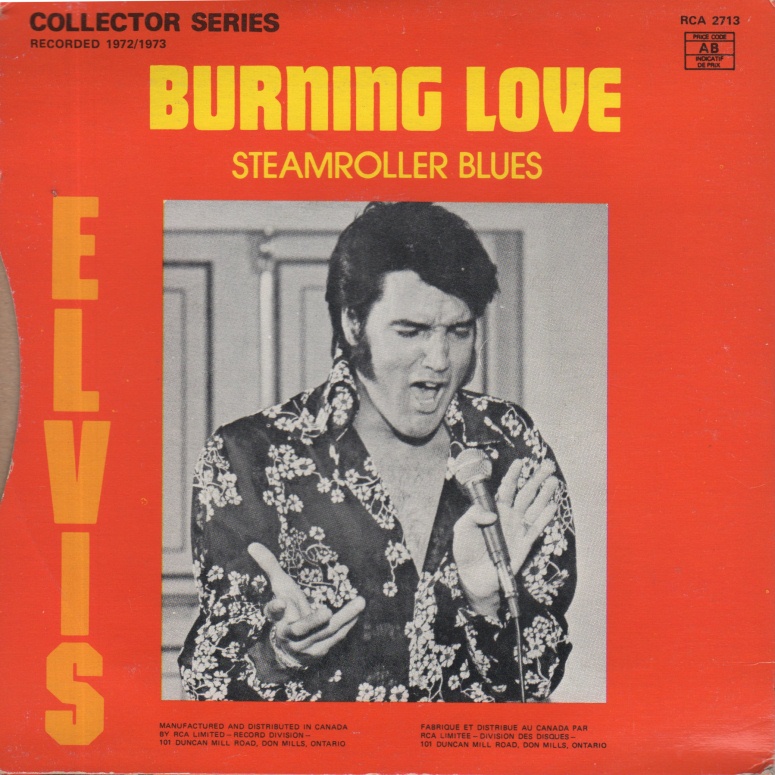


:format(jpeg):mode_rgb():quality(40)/discogs-images/R-4616619-1370052238-2255.jpeg.jpg)

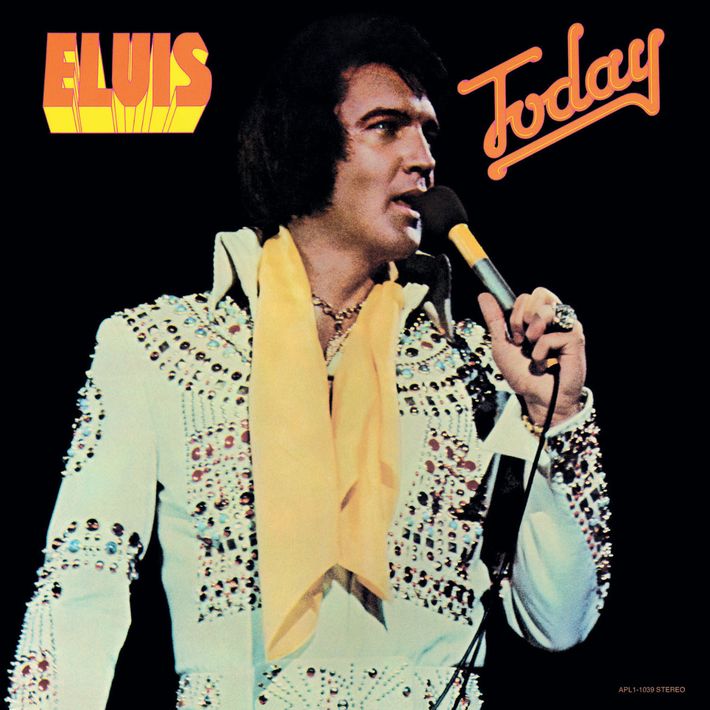


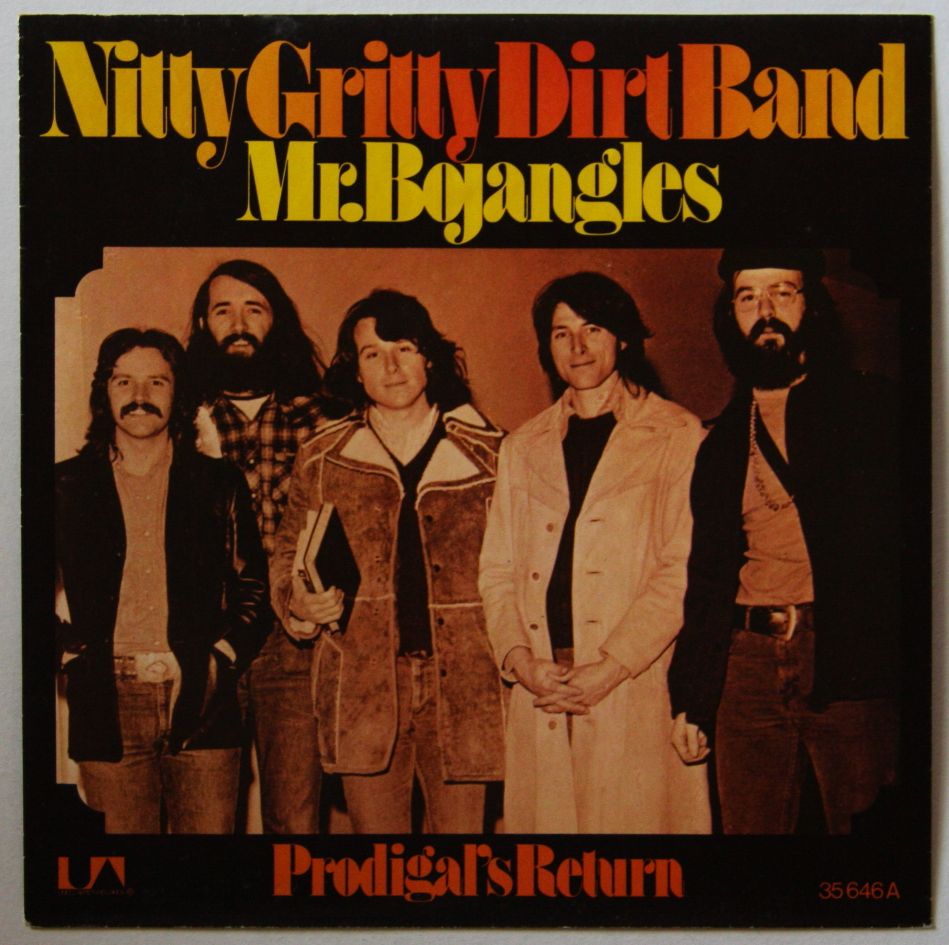
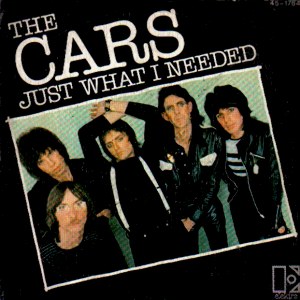

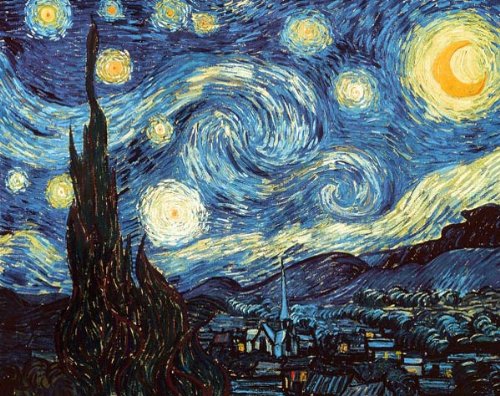


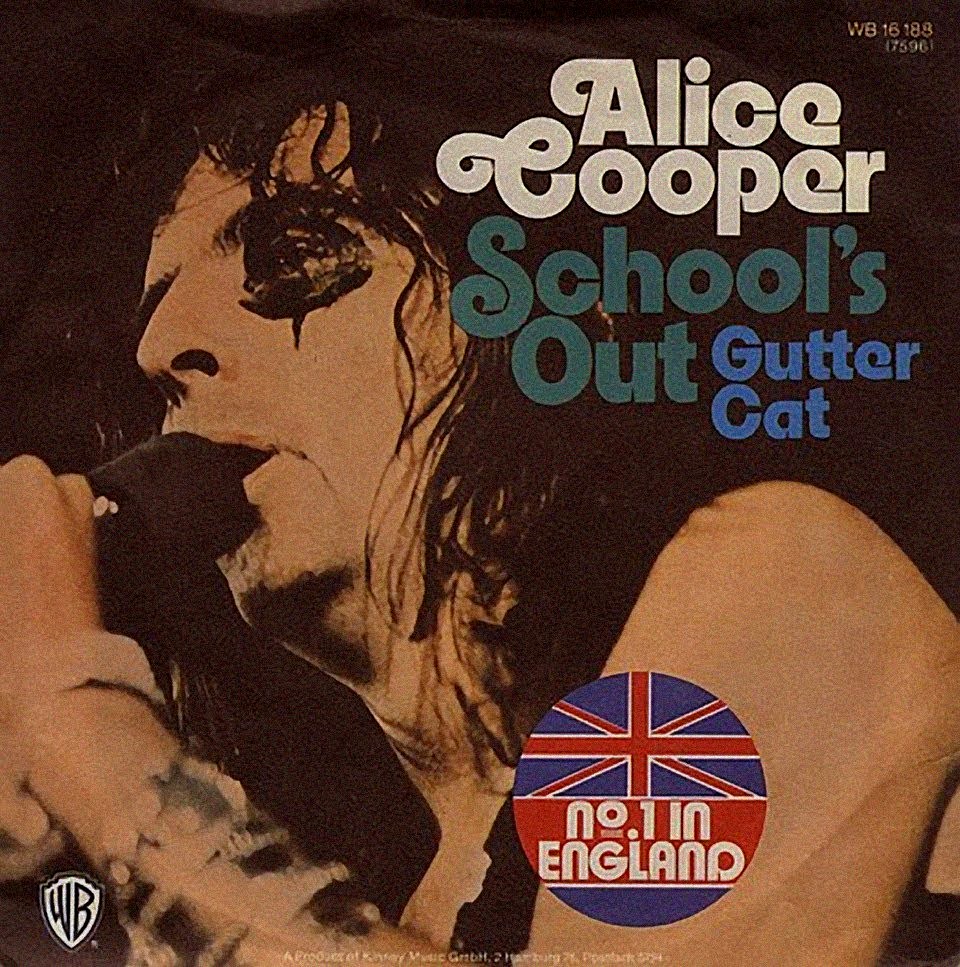

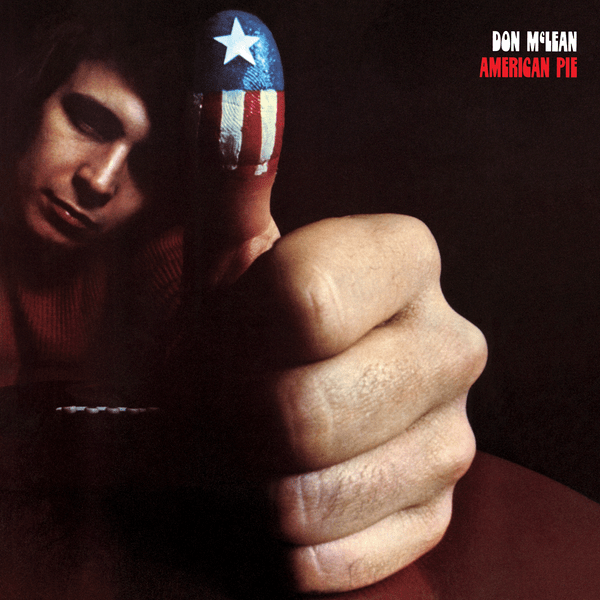

 PowerPop... An Eclectic Collection of Pop Culture