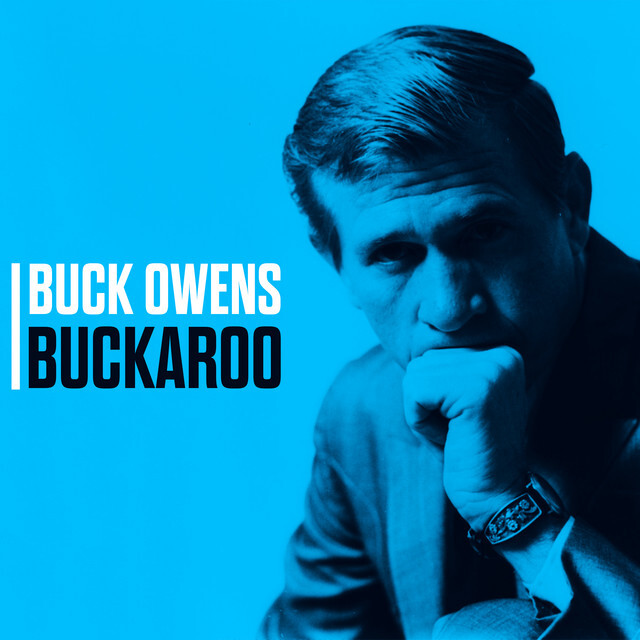
I remember watching Buck Owens and his red, white, and blue guitar on Hee Haw on Saturday nights. He wasn’t the musician that Roy Clark was…but who is? Owens had a great band and he was a really good musician to boot. This song is a cool instrumental. I want to thank Run-Sew-Read for suggesting this one. It’s probably my favorite song by Owens.
And for those to whom this applies… Happy Labor Day!
In the 1950’s and 60’s Bakersfield California became an unlikely birthplace for a new sound…The Bakersfield Sound. Universally recognized as ‘The Country Music Capital of the West Coast’ and “Nashville West”, Bakersfield is the birthplace of what would become known worldwide as the Bakersfield Sound.
Who are some of the examples of this sound? Buck Owens and Merle Haggard. Both artists cut their teeth at the bars and honkytonks around Bakersfield before gaining international success. Later on, Dwight Yoakam carried on this sound with outstanding results.
Buck’s genre of country music was different. It was the Bakersville style of country. He didn’t have that exaggerated Southern voice with tractor lyrics. Well in this song…he didn’t have a voice at all! It’s an instrumental from 1965 and you can hear the British invasion seeping in Buck’s country song.
Buck Owen’s guitar player was a man named Don Rich. He was an excellent guitar player and helped Buck become successful. Not only was he a great guitarist but he was Buck’s best friend also. He died tragically in a 1974 motorcycle accident after leaving the studio. Owens pleaded with Rich to stop riding it but Rich kept on. Buck Owens refused to talk about it until the late nineties. He said: “He was like a brother, a son, and a best friend. Something I never said before, maybe I couldn’t, but I think my music life ended when he died. Oh yeah, I carried on and I existed, but the real joy and love, the real lightning and thunder is gone forever.”
This song peaked at #1 on the Billboard Country Charts and #60 on the Billboard 100 in 1965. In the video below…Don Rich is on the left.
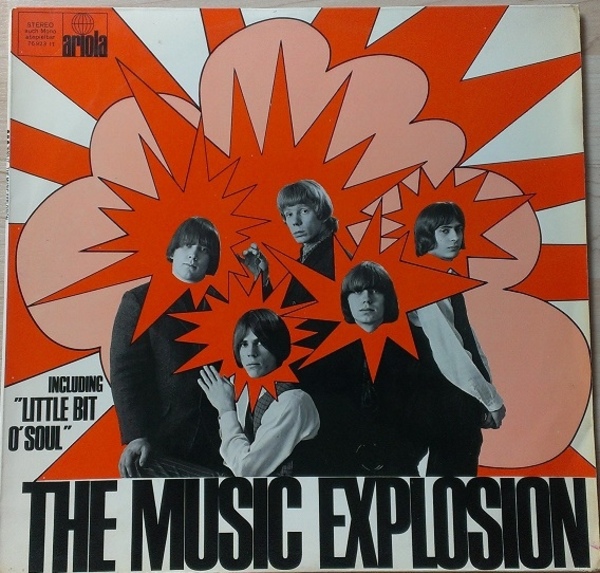
This is a good song for a beginner on guitar plus it’s a cool 60s pop/rock song. I bought the single when I was a kid after I heard it on AM radio. The Music Explosion was an American garage rock band from Mansfield, Ohio. It’s one of those songs that will stick in your head all day…in a good way.
Their record company Laurie didn’t like the song and was reluctant to release it. They finally did and it became a local hit in Ohio. After that, they got some promotion in California and the song took off.
Songs like this were important to rock music. One-hit wonders gave the stage to many garage bands not named Stones, Beatles, and Who. Many times they played simple melodies with a variation of Louie Louie chord pattern like this one. After they were released…many unknown artists like the future Allman Brothers, Tom Petty, and others were playing these songs in clubs, parties, and well…garages.
The Music Explosion disbanded in 1969. Their only other hit on the Hot 100 was 1967’s “Sunshine Games,” which peaked at #63 on the Billboard 100. It was written by John Carter and Ken Lewis.
The song peaked at #1 in Canada and #2 on the Billboard 100 in 1967. I sometimes hear this song in shows…it was featured in The Wire in the 2004 episode “Middle Ground.”
Their other hit…Sunshine Games
Little Bit Of Soul
Now when you’re feelin’ low and the fish won’t bite
You need a little bit o’ soul to put you right
You gotta make like you wanna kneel and pray
And then a little bit of soul will come your way
Now when your girl is gone and you’re broke in two
You need a little bit o’ soul to see you through
And when you raise the roof with your rock’n’roll
You’ll get a lot more kicks with a little bit o’ soul
And when your party falls ’cause ain’t nobody groovin’
A little bit o’ soul and it really starts movin’, yeah
And when you’re in a mess and you feel like cryin’
Just remember this little song of mine
And as you go through life tryin’ to reach your goal
Just remember what I said about a little bit o’soul
The good thing about Star Trek being over is…I can start posting a couple of music things on Saturday and Sunday.
I grew up near Nashville so it did leave its imprint on me but I don’t listen to modern country music. I do include some songs that are more country/rock but they fit what I like. They are in no particular order…well my favorite admittedly is the top one.
Hope you enjoy the small sample platter of country songs.
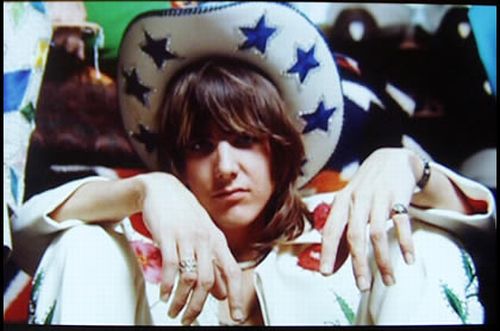
This song is my favorite of the Flying Burrito Brothers. It came off their great album The Gilded Palace of Sin. It didn’t chart at the time. Parsons wrote this song with Burrito bass player Chris Ethridge while the band was living in their San Fernando Valley house that was dubbed “Burrito Manor.”
Merle Haggard was a constant on the radio here with my parents. He wrote so many classic songs and this is one of them…Mama Tried.
Merle Haggard wrote this song while serving time in San Quentin prison for robbery. The song is based on his life, and how his mother tried to help him but couldn’t… Mama Tried came out in 1968 and peaked at #1 on the Country Charts and #1 in the Canada Country Charts in 1968.
The man had 38 number-one hits, 71 top-ten hits, and 101 songs in the top 100 in the country charts. Merle is one of my favorite country artists. If only the new ones would listen and learn.
Hank Williams is one of my favorite country artists. He could write songs of great quality but the ironic thing is…this one is one of the few he didn’t write. His nickname…The Hillbilly Shakespeare is true to form. Hank Williams released this song in 1949 and it peaked at #12 on the Country Charts. It was written by Leon Payne.
Loretta Lynn is my favorite female country singer with apologies to Dolly Parton. This is a song that she did with Jack White called Portland Oregon. If the modern country was like this…I would listen. Their voices go really well with each other. Country radio would not play it but the album still peaked at #2 on the Country Charts and #24 on the Billboard Album Charts and #1 on the UK Country Charts in 2004.
They didn’t win any country music awards but came away with two Grammys.
I love the build-up to this song…Jack White builds this up and Loretta starts singing around 1:40.
Now to finish it out with 5 songs…I thought I would add Dwight Yoakam who was inspired by Buck Owen’s Bakersville Sound. The song peaked at #2 on the Billboard Country Charts and at #3 in Canada in 1993. It was written by Yoakam and produced by Pete Anderson.
The song was on Dwight’s album ThisTime. The album peaked at #4 in the Billboard Country Album Charts, #1 in the Canada RPM Album Charts, and #25 in the Billboard Album Charts.
I’ve never been a huge fan of Phil Spector. He did produce some classic songs that I really like but sometimes he went crazy with the Wall of Sound and reverb a little too much. This one to me, is one of his greatest recordings.
The song has an epic and massive feel to it. It was written by Ellie Greenwich, Jeff Barry, and Phil Spector. Greenwich and Barry were married from 1962-1965 but kept working together after their divorce. They were one of the most successful songwriting teams of the sixties. The song was written for Tina Turner because her strong-as-hell voice would cut through.
Phil Spector put everything he could into this song. The song was, Spector thought, destined to be his masterpiece. He didn’t want Ike Turner around trying to change things so he gave Ike 20,000 dollars to NOT show up at the studio. Phil wanted to hand-pick the musicians that backed Tina Turner. The song would still have his name but Ike happily counted his money and stayed at home. Ike Turner knew he won either way. If it was a hit he would prosper and if not…he would take charge again…which he did.
Spector hadn’t had a hit for eighteen months and he was obsessed with the production of this one song for around six months. It was going to be his masterpiece. Some thought it was. George Harrison called it a perfect record. Brian Wilson was floored. But the masses had moved on. “River Deep Mountain High” was a hit in England — and a total flop in America.
The song peaked at #88 on the Billboard 100, #3 in the UK, and #62 in Canada in 1966. After the failure of the song in America, Phil Spector was devastated and went into seclusion and didn’t produce anything for a few years.
Phil Spector:“I just wanted to go crazy for four minutes on wax.”
River Deep – Mountain High
When I was a little girl
I had a rag doll
Only doll I’ve ever owned
Now I love you just the way I loved that rag doll
But only now my love has grown
And it gets stronger, in every way
And it gets deeper, let me say
And it gets higher, day by day
And do I love you, my oh my
Yeah river deep, mountain high, yeah yeah yeah
If I lost you would I cry
Oh how I love you baby, baby, baby, baby
When you were a young boy, did you have a puppy?
That always followed you around
Well I’m gonna be as faithful as that puppy
No I’ll never let you down
‘Cause it grows strong, like a river flows
And it gets bigger baby, and heaven knows
And it gets sweeter baby, as it grows
And do I love you, my oh my
Yeah river deep, mountain high, yeah yeah yeah
If I lost you would I cry
Oh how I love you baby, baby, baby, baby
I love you baby like a flower loves the spring
And I love you baby, like a robin loves to sing
And I love you baby, like a school boy loves his pet
And I love you baby, river deep, mountain high
Baby baby baby oh baby
Awh awwwwwwwwwww
Do I love you my oh my, yeah
River deep, mountain high
If I lost you would I cry
Oh how I love you baby, baby, baby, baby
Let’s drink to the hard-working people Let’s drink to the lowly of birth Raise your glass to the good and the evil Let’s drink to the salt of the earth
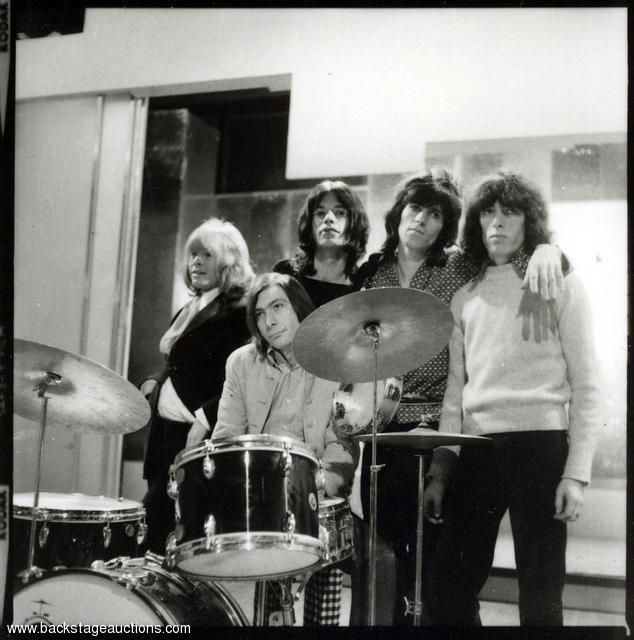
This song is on my favorite Rolling Stones album, Beggars Banquet. There is not a bad song on the LP. This one and Prodigal Son I always liked. The album peaked at #5 on the Billboard Album Charts, #3 in the UK, and #3 in Canada in 1969.
I played this album to death. As with most Stones albums, you get what you get…rock, blues, and a little country thrown in the mix. I got this album when I was 12 and it opened my eyes wide to the Stones…much more than a collection of their hits would ever do.
This album is not considered up there with Sticky Fingers or Exile On Main Street but I have the strongest connection to it. I’ve always related Beggars Banquetto the White Album. They were both released in 1968 and were raw and honest. No studio trickery to either…a big departure from the psychedelic era of 1967 for both bands. I think the Stones and Beatles also owe a nod to The Band’s rootsy music (Music From Big Pink) which was influencing everyone around this time.
I learned that a greatest hits package from The Beatles and Rolling Stones was NOT enough. Those two bands taught me to buy albums and not just rely on the “hits” which even at that time were worn out. You never got the really good songs that lay hidden like this one. The two well-known songs off of the album were great like Sympathy for the Devil and Street Fighting Man but I liked some of the others just as much. Now with certain artists…yes, a Greatest Hits package is fine but not with the Beatles, Stones, Who, Kinks, Bob Dylan, Van Morrison, and a few more.
I don’t think Jimmy Miller gets enough credit for their sound. That is not a knock against the Stones but the Miller-produced albums are special. He produced them during their 5 album stretch golden period. Keith and Mick Jagger both sing on this with the Los Angeles Watts Street Gospel Choir singing background…Nicky Hopkins is on piano. It was written by Keith Richards and Mick Jagger.
The title refers to the working class…they are “The salt of the Earth.” Jagger later said: “The song is total cynicism. I’m saying those people haven’t any power and they never will have.”
Speaking of albums. My friend Paul has a massive site with album reviews called The Punk Panther Music Reviews. I can almost promise you he will have what you are looking for.
Also, Graham has a wide selection of albums that he reviewed…it’s called Aphoristic Album Reviews. When I want to see album reviews I go to those two sites. I hardly ever do album reviews because frankly, I’m not that good at it but I still try once in a while.
Salt Of The Earth
Let’s drink to the hard working people Let’s drink to the lowly of birth Raise your glass to the good and the evil Let’s drink to the salt of the earth
Say a prayer for the common foot soldier Spare a thought for his back breaking work Say a prayer for his wife and his children Who burn the fires and who still till the earth
And when I search a faceless crowd A swirling mass of gray and Black and white They don’t look real to me In fact, they look so strange
Raise your glass to the hard working people Let’s drink to the uncounted heads Let’s think of the wavering millions Who need leaders but get gamblers instead
Spare a thought for the stay-at-home voter His empty eyes gaze at strange beauty shows And a parade of the gray suited grafters A choice of cancer or polio
And when I look in the faceless crowd A swirling mass of grays and Black and white They don’t look real to me Or don’t they look so strange
Let’s drink to the hard working people Let’s think of the lowly of birth Spare a thought for the rag taggy people Let’s drink to the salt of the earth
Let’s drink to the hard working people Let’s drink to the salt of the earth Let’s drink to the two thousand million Let’s think of the humble of birth
This may be the best year ever in pop music. So many choices but as Ricky Nelson said “You Can’t Please Everyone…” so here it goes.
There are so many Beatles songs this year like Day Tripper, Eleanor Rigby, Paperback Writer, and more. My two favorite Beatles songs of this year would be And Your Bird Can Sing and this one…the B side to Paperback Writer…Rain. The bass in this song is incredible. The song was credited to Lennon/McCartney but it’s more of a Lennon song.
Now we have The Beatles arch-rivals…just kidding. Actually, they were friends who worked together and made sure their releases didn’t overlap each other. The Rolling Stones in Paint It Black. Personally, I like this one better than Satisfaction. Paint It Black was written by Mick Jagger and Keith Richards.
Wild Thing…you make my heart sing. That’s all that needs to be said by this band. They were not a one-hit wonder though. I’ve been a fan of The Troggs since I bought their single as a kid in the late seventies. Their hits included Wild Thing, With a Girl Like You, and the song that has been covered many times…Love Is All Around. They were punk rock before punk rock. The song was written by Chip Taylor.
Let’s go to the American band The Lovin Spoonful who scored huge with this single. The song was written by John Sebastian, Mark Sebastian, and Steve Boone.
This man would change rock guitar forever and some still consider him the best. Hey Joe was released in December of 1966. The Jimi Hendrix Experience was making its debut. The song’s songwriting credits have been disputed. Here is what Wiki said: Public Domain (1st pressing), Dino Valenti a.k.a. Chet Powers (2nd & 3rd pressings), and Billy Roberts (copyrighted)
I got ten forward gears and a sweet Georgia overdrive I’m taking little white pills and my eyes are open wide
I love this song so much. The first time I remember hearing it was in the Gimme Shelter film and the Flying Burrito Brothers were playing it before all hell broke loose. This is country music that I can get into.
I’ve heard this song by dozens of other artists. I’ve heard country and rock versions…and country/rock versions of it. This song was originally written by Carl Montgomery and Earl Green, and originally performed by Dave Dudley, becoming Dudley’s first hit at #2 on the Country chart. It is often referenced as one of the first trucker songs.
In 1963 the Grand Ole Opry star Jimmy C. Newman let Dudley hear a demo for ‘Six Days on the Road’. It was an up-tempo song, it was a departure from the ballads Dudley had specialized in, and he was initially reluctant to record it. At the session in 1963 for ‘Six Days on the Road’, produced by Shelby Singleton at Kay Bank Studios, in Minneapolis, MN, the song was recorded unrehearsed and nailed on the second take. The release, on the independent Minneapolis label Golden Wing Records, led Mercury Records to sign him in Nashville.
The studio version came out on Hot Burritos Anthology released in 2000. A live version came out in 1972 that was on the Last of the Red Hot Burritos live album. By this time Gram Parson had left for a solo career and Bernie Leadon left for The Eagles. Chris Hillman was the only original member left. He left in late 1971 and A&M released this album and dropped the band.
According to Secondhandsongs.com …the song has 126 versions. Not too bad for a truck driver country song.
Dave Dudley on the recording session: “I went to make three songs, it took all the money I had to do it. We weren’t planning on a fourth song, but we found out we had 35 or 40 minutes of time left. So I gave the lyrics to the girl, and while she was typing it, we were learning it. We practiced it once, and on the second time through we got it.”
Six Days On The Road
Well, I pulled out of Pittsburgh rolling down the Eastern seaboard
I got my diesel wound up and she’s a running like never before
There’s a speed zone ahead alright but
I don’t see a cop in sight
Six days on the road and I’m gonna make it home tonight
I got ten forward gears and a George Overdrive
I’m takin’ little white pills and my eyes are opened wide
I just passed a Jimmy and White
I been passing everything in sight
Six days on the road and I’m gonna make it home tonight
Well, it seems like a month since I kissed my baby goodbye
I could have a lotta women but I’m not like some other guys
I could find me one to hold me tight
But I could never make believe it’s alright
Six days on the road and I’m gonna make it home tonight
The FBI is checkin’ on down the line
Well, I’m a little overweight but my log books way behind
But nothing bothers me tonight
I’m gonna dodge all the scales alright
Six days on the road and I’m gonna make it home tonight
My rigs a little old but that don’t mean she’s slow
There’s a good flame blowing from her smoke stack
Black as coal
Well, my home town’s coming in sight
And if you think I’m happy you’re right
Six days on the road and I’m gonna make it home tonight
This song starts off with organ and bass and then…then the guitar comes in with a slight tremolo power chord that makes it. This was right before The Animals split and Eric Burdon formed a new version of the Animals. Their drummer in this is Barry Jenkins and he replaced original member John Steel.
The original lineup only recorded three albums, yet nevertheless managed to break out eight Top 40 hits between 1964 and 1966. Alan Price left in 1965, and John Steel the following year. Also in 1966, Chandler left to start managing artists, and he discovered Jimi Hendrix in Greenwich Village. Now a very different group, they were known as Eric Burdon & The Animals and had six additional Top 40 hits before finally disbanding in 1968.
The biggest difference between the Animals and The Beatles, Stones, Kinks, and The Who was that the Animals didn’t write many of their songs. They kept looking at the Brill Building for songs. This one was written by Gerry Goffin and Carole King. Those two wrote a lot of the sixties soundtrack on their own.
That would change soon. In 1966, The Animals changed labels to Decca and started writing their own material in the following years. They would release songs such as San Franciscan Nights, Monterey, and Sky Pilot.
Don’t Bring Me Down peaked at #12 on the Billboard 100, #3 in Canada, and #6 in the UK in 1966.
Eric Burdon: “I didn’t realize that it was a Goffin, King song until I was in a doctor’s office in Beverly Hills and Ms. King came in and sat next to me. I didn’t know it was her, I was just reading a magazine and she turned to me and said, ‘You know, I hated what you did to my song.’ I didn’t know what to say, so all I said was, ‘well, sorry.’ and then as she got up to go into the doctor’s office, she turned around and said, ‘but I got used to it.'”
Eric Burdon:“I’ve always viewed myself as a punk. The Animals could have evolved that way. We had the energy and the anger, but we didn’t stick together. When the punk scene became commercial, I was all for the politics of the movement, but the music didn’t really stand up and ultimately, it was self destructive.”
Don’t Let Me Down
When you complain and criticize
I feel I’m nothing in your eyes.,
It makes me feel like givin’ up
Because my best just ain’t good enough.
Girl I want to provide for you and
Do the things you want me to!
But oh, oh, no, don’t bring me down!
Oh, baby you know!
Oh, oh, no, don’t bring me down!
Sacrifices I will make,
I’m ready to give as well as take,
One thing I need is your respect,
One thing I can’t take is your neglect,
More than anything I need your love
Then trouble’s easy to rise above.
But oh, oh, no, don’t bring me down!
Oh, baby you know!
Oh, oh, no, don’t bring me down!
When you complain and criticize
I feel I’m nothing in your eyes.,
It makes me feel like givin’ up
Because my best just ain’t good enough.
Girl I want to provide for you and
Do the things you want me to!
But oh, oh, no, don’t bring me down!
Oh, baby you know!
Oh, oh, no, don’t bring me down!
Oh, oh, no, don’t bring me down!
Oh, oh, no, don’t bring me down!
Oh, oh, no, don’t bring me down!
If you want to see where we are…and you missed a few…HERE is a list of the episodes in my index located at the top of my blog.
This show was written by Gene Roddenberry and Arthur Singer
This is IT! The last episode of the last season. Because the original series was canceled instead of coming to a natural end, and the idea of a series finale was not as popular in the 1960s, “Turnabout Intruder” was close to a normal episode and did not have the “finale” touches. The remastered version of “Turnabout Intruder” ended with the Enterprise flying toward a colorful nebula, to artistically signify the episode as being the last of the original series.
First of all, I want to thank all of you for reading all of these posts or just dropping back by once in a while. I know I narrow my audience doing these television shows so I am so thankful that some of you who really never watched it jumped in and I hope some of you come away watching a few of them. Some of you like Lisa, Obbverse, and Liam re-watched the shows as we went along and I thank you for it and the rest that did.
This episode is basically “Freaky Friday” in space.
Kirk’s body gets kidnapped by his former lover Janice Lester (played by Sandra Smith) who has gone jealously insane over the fact that Starfleet apparently doesn’t allow women captains (Roddenberry regretted this in the script). While the script may have been intended as a social commentary on the 1960s, it doesn’t quite work for a Star Trek series that was supposedly set in the 23rd century.
Surely by then, women would have risen up the ranks to become captains of starships! While it seems implausible that Kirk would allow his body to be kidnapped on Camus II by an alien device, this cannot be dismissed outright. As Spock rightly notes, the Enterprise has been to many new places and witnessed many strange events. Moreover, Kirk was once cloned in ‘What Are Little Girls Made of?’ and even split into two in ‘The Enemy Within.’
I think Shatner does a fair acting job in this one. He is much more emotional because Lester is in his body. I think this one is an average episode of the third season. Not one of the greats but not bad.
From IMDB:
William Shatner had a severe case of ‘flu’ during filming of this episode. At one point, he had to lift Sandra Smith in his arms, carry her to a couch and put her on it: during the first take, he got as far as the couch and dropped her. Fortunately, it was well padded, and Smith bounced several times; according to Joanie Winston, who was visiting the set, Shatner looked down at Smith and said, “You know I love you, baby, but you’ve got to lose about six inches off that ass.”
Leonard Nimoy is the only actor to appear in every episode of the series. William Shatner appeared in every episode with the exception of the first pilot, The Cage (1966).
Gene Roddenberry regretted the line about the Federation supposedly not allowing female captains, as he felt it was sexist.
The transposition sequence was the last footage shot for The Original Series.
This episode is subtly referenced in Legacy (1990). Jean-Luc Picard mentions that they are bypassing an archaeological survey on Camus II, the same planet that this episode begins on. This was mentioned because, with the airing of its 80th episode “Legacy”, Star Trek: The Next Generation officially became longer than TOS.
Leonard Nimoy (Spock) and Majel Barrett (Nurse Christine Chapel and Number One) are the only actors to appear in both the series finale and the first pilot The Cage (1966).
Nurse Chapel’s (Majel Barrett) hair color is brown for this episode, not its usual blonde color.
This episode was originally scheduled for broadcast on March 28, 1969. Special network coverage of the death of Dwight D. Eisenhower pre-empted it, and it didn’t air until June 3.
Lieutenant Galloway reappears in this episode, despite being killed by Ronald Tracey in The Omega Glory (1968). He was credited as Galloway (misspelled as “Galoway”) even though actor David L. Ross had been recast as Lieutenant Johnson in Day of the Dove (1968) after the character of Galloway was killed off.
Although this was the last episode of the Original Series to be filmed and aired, this episode has a lower stardate than the previous episode, All Our Yesterdays (1969).
The production crew nicknamed this episode “Captain Kirk: Space Queen”.
Though her voice is muffled, Dr. Lester protests to Dr. Coleman, “Go to Hell!” a rare case of a “swear” sneaking past the network censors.
According to Harry Landers, he was very fatigued during this episode because he had just had his upper right lung removed due to an infection. He wanted to turn the role down but did it as a favor to producer Fred Freiberger.
After two years on the series, Roger Holloway finally gets to speak dialogue, all of two words. His character’s name (Lemli) was the same as William Shatner’s license plate at the time, a mixture of his daughters’ (Leslie, Melanie, Lisabeth) names.
Summary
On the planet Camus II, Kirk meets his old flame, Janice Lester, who is supposedly dying of radiation poisoning. She is a woman scorned and is out to get her revenge on Kirk with whom she was in love many years ago. She has discovered an alien process that will allow her to transfer her essence into Kirk’s body and vice versa. Returning to the Enterprise in Kirk’s body, she now has command of the Enterprise. Kirk on the other hand is now in Lester’s body and can get no one to believe that he is really Kirk. It soon becomes obvious that Lester is incapable of command, leading Spock to accept that she has, in fact, taken over Kirk’s body.
THANKS AGAIN! One final message…Live Long and Prosper.
CAST
William Shatner … Captain James Tiberius ‘Jim’ Kirk Leonard Nimoy … Mister Spock DeForest Kelley … Dr. McCoy Sandra Smith … Janice Lester Harry Landers … Dr. Coleman James Doohan … Scott George Takei … Sulu Walter Koenig … Chekov Majel Barrett … Nurse Chapel Barbara Baldavin … Communications Officer David L. Ross … Lt. Galoway John Boyer … Guard Tom Anfinsen … Medical Technician (uncredited) Bill Blackburn … Lieutenant Hadley (uncredited) James Drake … Security Guard (uncredited) Roger Holloway … Lt. Lemli (uncredited)
This is one of the great songs in pop history. I know I’m in the minority but I’ve always favored John Lennon’s version but…the two versions of the same song are apples and oranges. Lennon changed it and made it choppy. King’s version is as smooth as you can get…both are great to me.
King recorded this after he left the Drifters. Charles Albert Tindley wrote “Stand By Me” but it was a gospel hymn. He did copyright it but some say it goes back a century early.
The Staple Singers covered it in 1955 and King tried to get the Drifters to cover it but they rejected it. Now… let’s back it up a little…this version of Stand By Me really didn’t sound like the version we know. King took this song to songwriters Jerry Leiber and Mike Stoller and they modernized it and made it into the song we know today with King’s help.
The bassline was the innovation the track has been missing. It gave what had been a mournful gospel hymn the uplifting rhythm it needed. King also had the idea of asking the drummer to turn over his snare and scrape across the skin with a brush – creating that infectious groove.
Leiber, Stoller, and King were credited but they left off Tindley’s name who came up with the version of the song they heard.
The song peaked at #4 on the Billboard 100, #1 in the UK, #45 in New Zealand, and #16 in Canada (Chum Hit Parade) in 1961.
Some 25 years after the song first became a hit, it was given a new lease of life by Rob Reiner, who asked to use King’s original arrangement for a movie he was working on called Stand By Me (same version). It peaked at #1 in Canada, #9 on the Billboard 100, #45 in New Zealand, and #1 in the UK in 1986-87. It also was included in a Levi’s commercial in the UK.
A side personal note… Our band played this song when we were the house band for a club…more like the John Lennon version and I did the vocals. I had an “idea” for this song. I would look for a girl between songs and ask her…” Would you want to slow dance in a minute?” The first one I ever asked said yes. So I started the song and I did a couple verses and chorus and then I put my guitar on its stand and walked off the stage while the other guitar player played a long solo straight to the girl… and I continued to slow dance her. Sometimes the song would last 10-15 minutes much to the band’s dismay and frustration…but finally, I would come back up and finally finish it with another verse and chorus. After the first time I did this…I had volunteers the next night. I was never a lady’s man at all…but this worked out for me… I dated a few of my dance partners…and I’m no dancer.
Jerry Leiber:“Ben E. is not a songwriter, he’s a singer, he might have written two songs in his whole career. I would guess that this comes out of church. The whole ‘stand by me’ and the way the release takes out, it sounds like a gospel-type song.”
Stand By Me
When the night has come
And the land is dark
And the moon is the only light we’ll see
No I won’t be afraid, oh I won’t be afraid
Just as long as you stand, stand by me
So darlin’, darlin’, stand by me
Oh stand by me
Oh stand
Stand by me, stand by me
If the sky that we look upon
Should tumble and fall
Or the mountain should crumble to the sea
I won’t cry, I won’t cry, no I won’t shed a tear
Just as long as you stand, stand by me
And darlin’, darlin’
Stand by me, oh stand by me
Whoa, stand now
Stand by me, stand by me
Darlin’, darlin’, stand by me
Oh, stand by me
Oh, stand now
Stand by me, stand by me
Whenever you’re in trouble, won’t you stand by me?
Oh, stand by me
Whoa, just stand now
Oh, stand, stand by me
Well it’s evil, wicked, mean and nasty (Don’t step on the grass, Sam) And it will ruin our fair country (Don’t be such an ass, Sam) It will hook your Sue and Johnny (You’re so full of bull, Sam)
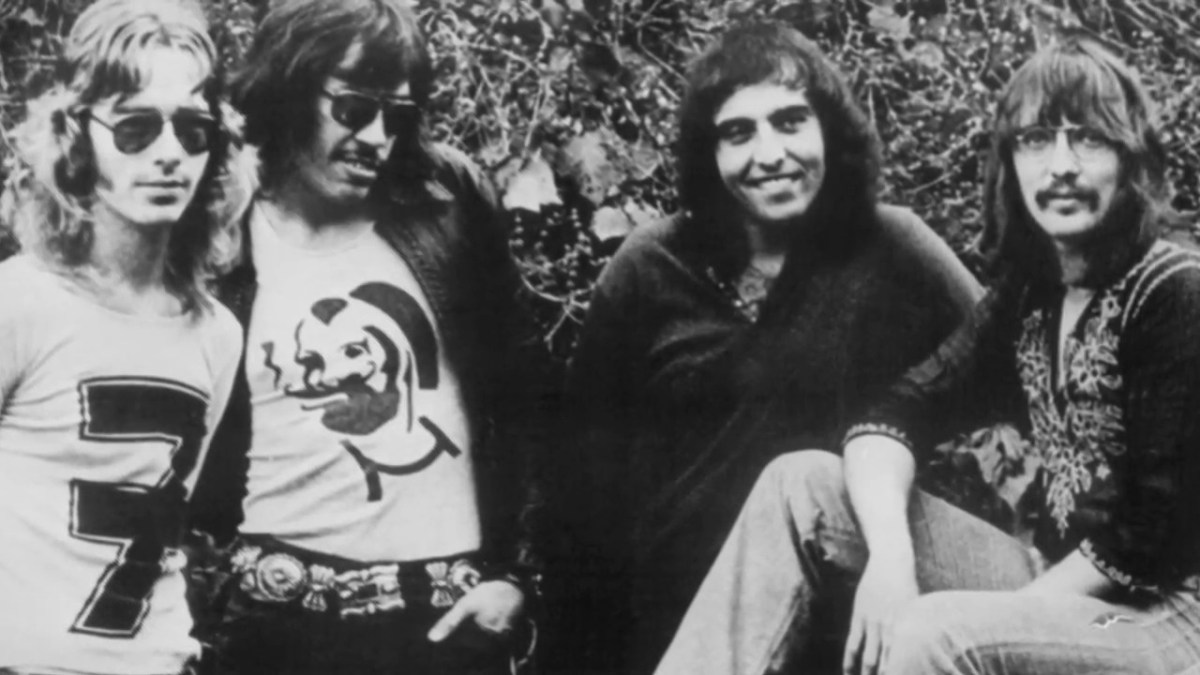
Hmmm, wonder what this song was about? When I was 18 I had a Steppenwolf compilation tape that I would play driving around and this song will stick in your head. I probably listened to it more than any other song on that cassette. Love the riff and the build-up. I really get into this song when it kicks in.
With edibles and pot legal in some states…this song shows how some things have changed. In 1968 the government had a full-blown war on drugs and just having pot could get you in serious trouble. In that year the government created The Bureau of Narcotics and Dangerous Drugs. A lot of the laws were made in the 50s and included a first-offense marijuana possession carried a minimum sentence of 2-10 years with a fine of up to $20,000.
In 1970, some of the mandatory laws were repealed when Congress saw it wasn’t doing anything to cut the drug culture. This song was banned for a period for obvious reasons in 1968.
John Kay the singer for Steppenwolf advocated for marijuana legalization during his band’s heyday in the late 1960s. The ‘Sam’ mentioned in the title of course refers to Uncle Sam and Harry Anslinger who was the commissioner of TheU.S. Treasury Department’s Federal Bureau of Narcotics who helped make some of those strict laws early on. Kay wrote this song.
I don’t want anyone to think I’m advocating drugs…but come on… 2-10 years mandatory on possession of pot? Personally…I never smoked pot…not because I had anything against it but because I just cannot inhale smoke (Sorry Bill C.) of any kind. I’ll take that back…I did try in 2006 on my way to a Stones concert but I just couldn’t deal with the smoke. As a musician, it was all around me constantly so I did have plenty of contact highs.
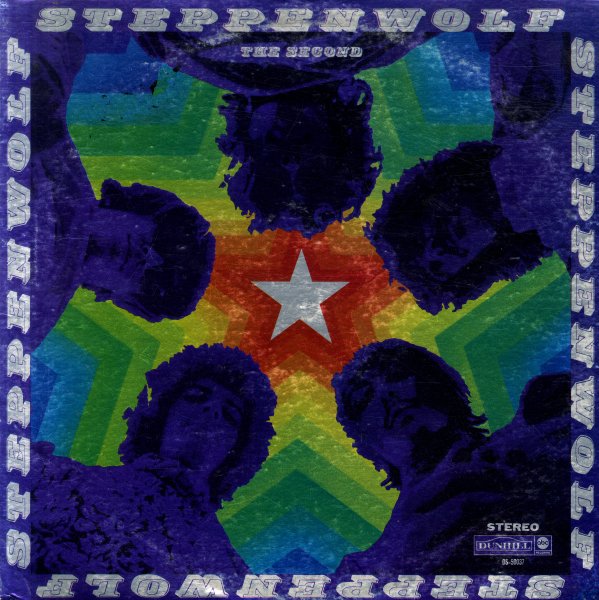
Don’t Step On The Grass Sam was off of their second album…appropriately named The Secondin 1968. The album peaked at #3 on the Billboard 100 and #2 in Canada in 1968.
The song suddenly stops and then….after pounding on the door, a group of actors playing policemen storm in saying, “Alright you guys, you’re under arrest for possession of marijuana.”…then you hear flushing.
Don’t Step On The Grass, Sam
Starin’ at the boob tube, turnin’ on the big knob
Tryin’ to find some life in the waste land
Finally found a program, gonna deal with Mary Jane
Ready for a trip into hate land
Obnoxious Joe comes on the screen
Along with his guest self-righteous Sam
And one more guy who doesn’t count
His hair and clothes are too far out
While pushin’ back his glasses Sam is sayin’ casually
“I was elected by the masses”
And with that in mind he starts to unwind
A vicious attack on the finest of grasses
Well it’s evil, wicked, mean and nasty
(Don’t step on the grass, Sam)
And it will ruin our fair country
(Don’t be such an ass, Sam)
Well it will hook your Sue and Johnny
(You’re so full of bull, Sam)
All will pay that disagree with me
(Please give up you already lost the fight, alright)
Misinformation Sam and Joe
Are feeding to the nation
But the one who didn’t count counted them out
By exposing all their false quotations
Faced by a very awkward situation
This is all he’d say to save the day
Well it’s evil, wicked, mean and nasty
(Don’t step on the grass, Sam)
And it will ruin our fair country
(Don’t be such an ass, Sam)
It will hook your Sue and Johnny
(You’re so full of bull, Sam)
All will pay that disagree with me
(Please give up you already lost the fight alright)
You waste my coin Sam, all you can
To jail my fellow man
For smoking of the noble weed
You need much more than him
You’ve been telling lies so long
Some believe they’re true
So they close their eyes to things
You have no right to do
Just as soon as you are gone
Hope will start to climb
Please don’t stay around too long
You’re wasting precious time
Well it’s evil, wicked, mean and nasty
(Don’t step on the grass, Sam)
And it will ruin our fair country
(Don’t be such an ass, Sam)
It will hook your Sue and Johnny
(You’re so full of bull, Sam)
All will pay that disagree with me
(Please give up you already lost the fight alright)
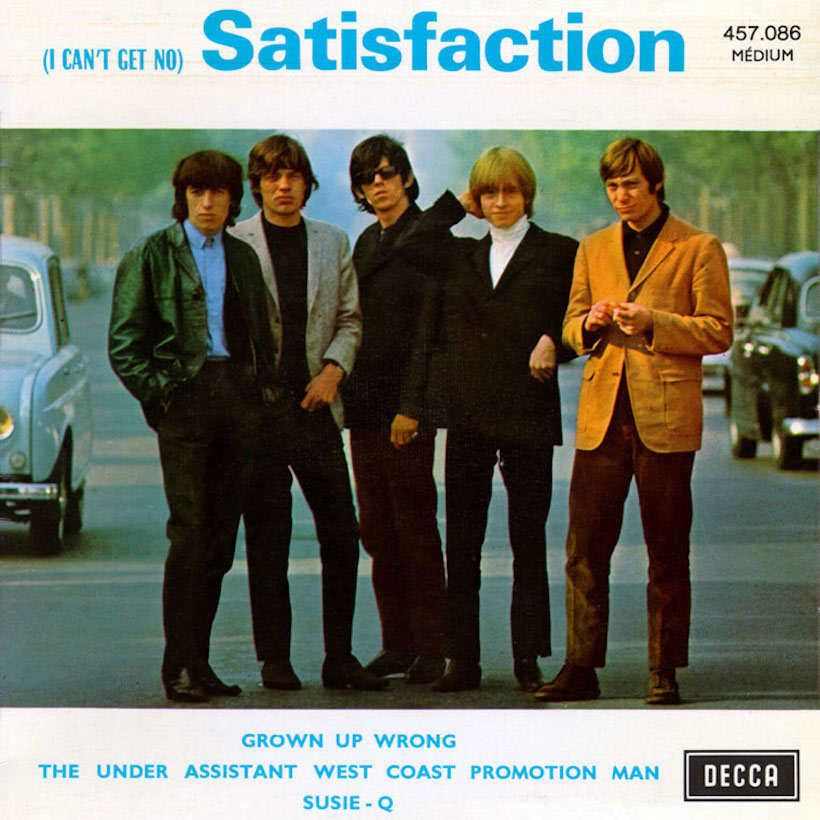
All of these songs are stone-cold classics. The first two are probably the best-known in their catalog by their respective artist…and that statement is saying a lot. These are in no order but we will kick it off with the song that Keith Richards wrote the riff in bed and then turned over and went to sleep. Luckily he had his tape recorder running and the next morning he listened to his riff and him snoring for hours. The Rolling Stones‘s Satisfaction.
Bob Dylan has his mega vindictive hit Like A Rolling Stone. It’s been voted in some polls as the best rock single ever. I picked a live version backed by the future Band at the Royal Albert Hall the following year.
The Beatles released their second soundtrack album in 1965. The album would bridge Beatlemania to Mid Beatles. It was one of John Lennon’s personal favorite songs he wrote. How they did those great backup vocals without proper monitors is beyond me.
The Who released My Generation in 1965. It wasn’t a top seller in America but it would become one of their best-known songs. They would release brilliant singles throughout the 60s and then help to invent arena rock in the 70s. A band we will be hearing more from.
This fifth spot was hard. I’m being open and honest…it was between Smokey Robinson and the Miracles and The Byrds. This whole thing is based on what I like the most…well, I like Tracks of My Tears and Mr. Tambourine Man around the same. I’m going to include Smokey coming up.
I loved those glasses that Mcguinn wore so much that in 1987 I tracked a pair down. No, they were not easy to find in the eighties. Parachute pants? One white glove? Hair spray? yes…but not the out-of-style small rectangle glasses.
If want to see where we are…and you missed a few…HERE is a list of the episodes in my index located at the top of my blog.
This show was written by Gene Roddenberry, Jean Lisette Aroeste, and Arthur H. Singer
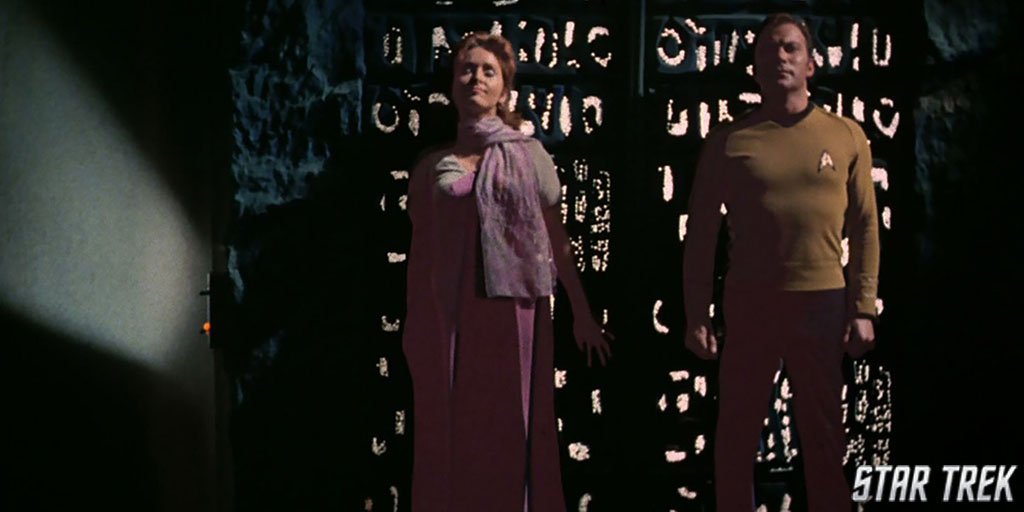
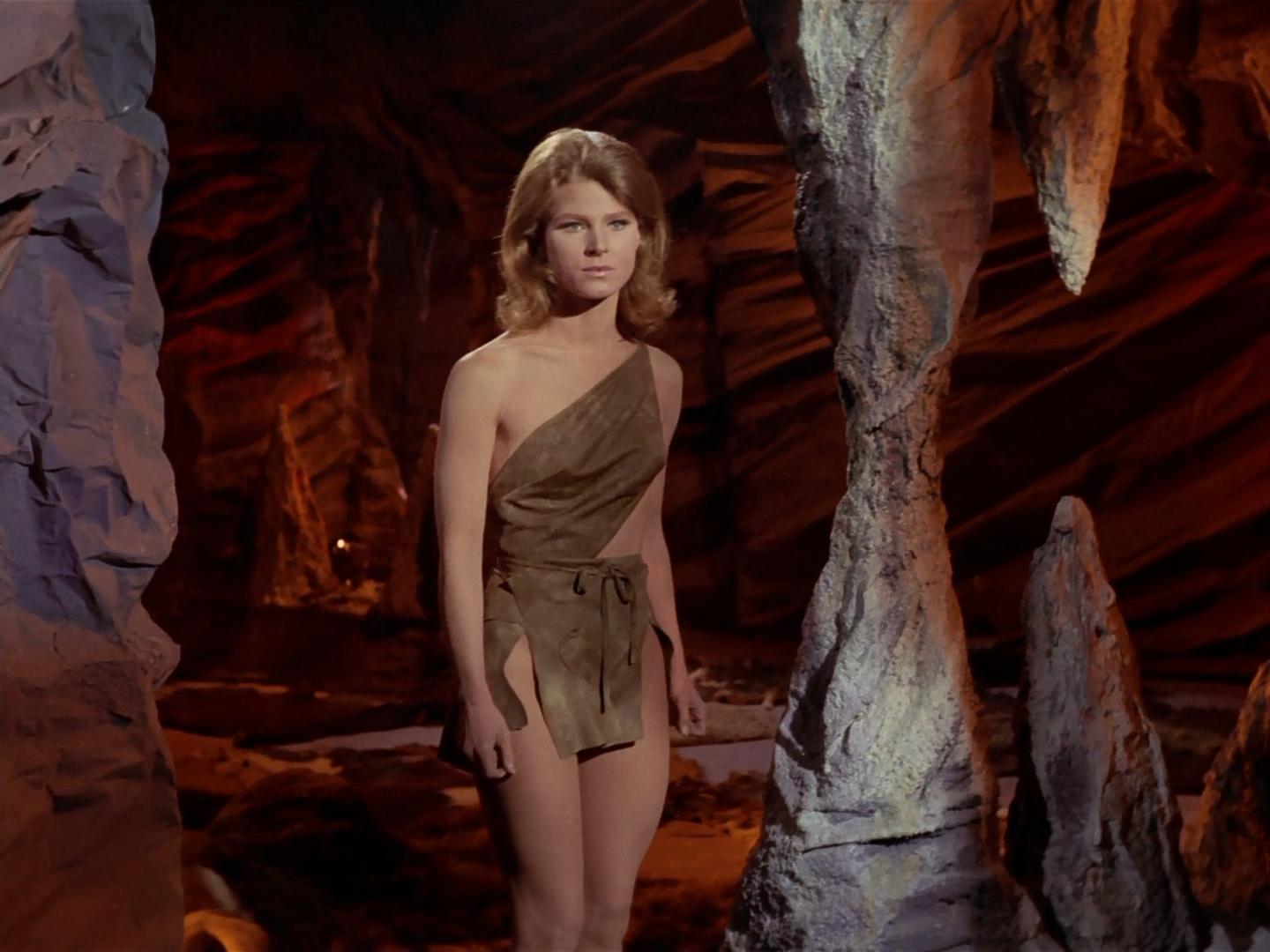
Only one more episode after this one. This is one that you see Spock fall for a lady named Zarabeth who is played beautifully by Mariette Hartley. You see Spock revert back to the time before Vulcan developed the logical way of life. Personally, I think Spock could have been happy there in the cold with Zarabeth…I know I would! This is one of my favorite episodes of the third season. They don’t spend hardly any time in the Enterprise.
Kirk and crew land on a lonely planet where the sun is about to explode. They intend to evacuate the inhabitants but find the place deserted except for Mr. Atoz who operates some sort of high-tech library. Despite trying to get a straight answer from him about everyone’s whereabouts, Atoz is indifferent to their questions and insists they must quickly ‘make a selection while there is still time. The reason for the short time is a star is about to nova, and the three arrive on the planet, hoping to help evacuate the population
They have no idea what he’s talking about but wander about looking at the hand mirror-like disks on the viewers and they see images of the planet’s past. Then, while a disk is in the viewer, Kirk runs through the doorway and is magically transported back in time to what on Earth would look like the time of Louis XIV (the 1660s). When McCoy and Spock follow, a different disk is in the viewer and they are sent to an ice-age hell. All too late they realize that the library is a time travel machine and repository.
While Kirk’s visit is pretty short and not all that exciting, Spock and McCoy’s is much more eventful, as Spock falls head over heels for Mariette Hartley–who was sent to this awful place as a punishment. The scenes with Spock are exceptionally interesting and very atypical of the normally logical Vulcan. McCoy almost freezes to death but Spock looks after him but that doesn’t mean we don’t get some verbal jabs from each of them to each other.
One of the best episodes of the 3rd season in my opinion. I do like Time Travel also so that played a part.
From IMDB:
The name of the librarian Mr. Atoz is a play on the phrase “A to Z”. Author Jean Lisette Aroeste was a UCLA librarian at the time she wrote this script.
Sulu, Uhura, and Chekov do not appear in this episode. Scotty does not appear on screen but has several voice-over lines. In no other episode are only three regular members of the crew seen in person.
The title is taken from “Macbeth” by William Shakespeare, Act 5, Scene 5: The title character speaks “Tomorrow and tomorrow and tomorrow, / Creeps in this petty pace from day to day / To the last syllable of recorded time, / And all our yesterdays have lighted fools / The way to dusty death.”
The name of the device, the Atavachron, is quite a descriptive one. “Atavus” is Latin for “… (an) ancestor or ancestral type from which a character is assumed to be inherited”, and “chron” is from the Greek “chronos” (“time”), so, an Atavachron is a device which can send you to an ancestral place of any time period.
According to the stardate, this episode is chronologically the last of the series, even though its production number and air date are earlier than Turnabout Intruder (1969). This is therefore the last voyage of the USS Enterprise in the original series. This is also the last time-travel episode of the original series.
Part of the set depicting the surface of the ice age planet where Spock and McCoy are transported was recycled from the MGM film Ice Station Zebra (1968), made the previous year.
There is no footage aboard the Enterprise in this story. Only three crew members (Kirk, Spock & McCoy) are seen and only one stock footage shot of the exterior is used. This was a deliberate attempt to cut costs and to film this episode quickly by using a minimal number of sets. Sets from previous episodes were reused as well.
The Atavachron computer used by Mr. Atoz is the same one as used by Gary Seven in Assignment: Earth (1968).
Mariette Hartley (Zarabeth) was not allowed to show her belly-button in this episode, despite the appearances of other women’s navels in previous episodes. To comment on this censorship, Gene Roddenberry gave Hartley’s character two navels in his pilot Genesis II (1973), stating that “the network owed me one.”
There were two highly successful sequel books, “Yesterday’s Son” and “Time for Yesterday”, both by A.C. Crispin.
The stock footage showing the endless snow fields on the disc McCoy watches was also used as the surface of Exo III in What Are Little Girls Made Of? (1966).
The sound effect used for the Atavachron is the experimental time code broadcast by radio stations WWV and WWVH in the 1960s. A time code seems appropriate for a time machine.
Summary
Kirk, Spock, and McCoy beam down to the planet Sarpeidon to learn what has happened to its population. The planet, which will be completely destroyed when its sun goes supernova in a few hours’ time, once had a thriving population but has now been reduced to one person, the librarian Mr. Atoz. It would appear that the planet’s entire population has gone back in time to a period of their choice in the planet’s history. When the three crewmen unknowingly have gone through the time portal, Kirk ends up in a society similar to 17th-century Earth while McCoy and Spock end up in a frozen ice age. With Kirk arrested and accused of witchcraft and the others having to survive the harsh Arctic-like climate, they have only a short time to find their way back and return to the Enterprise before the planet explodes. For Mr. Spock, he finds a time from before the existence of Vulcan and he’s regressing to an emotional state.
CAST
William Shatner … Captain James Tiberius ‘Jim’ Kirk Leonard Nimoy … Mister Spock DeForest Kelley … Dr. McCoy Mariette Hartley … Zarabeth Ian Wolfe … Mr. Atoz Kermit Murdock … The Prosecutor Ed Bakey … The First Fop James Doohan … Scott (voice) Anna Karen … Woman Albert Cavens … Second Fop (as Al Cavens) Stan Barrett … The Jailor Johnny Haymer … The Constable
If you want to see where we are…and you missed a few…HERE is a list of the episodes in my index located at the top of my blog.
This show was written by Gene Roddenberry, Arthur Heinemann, and Arthur H. Singer
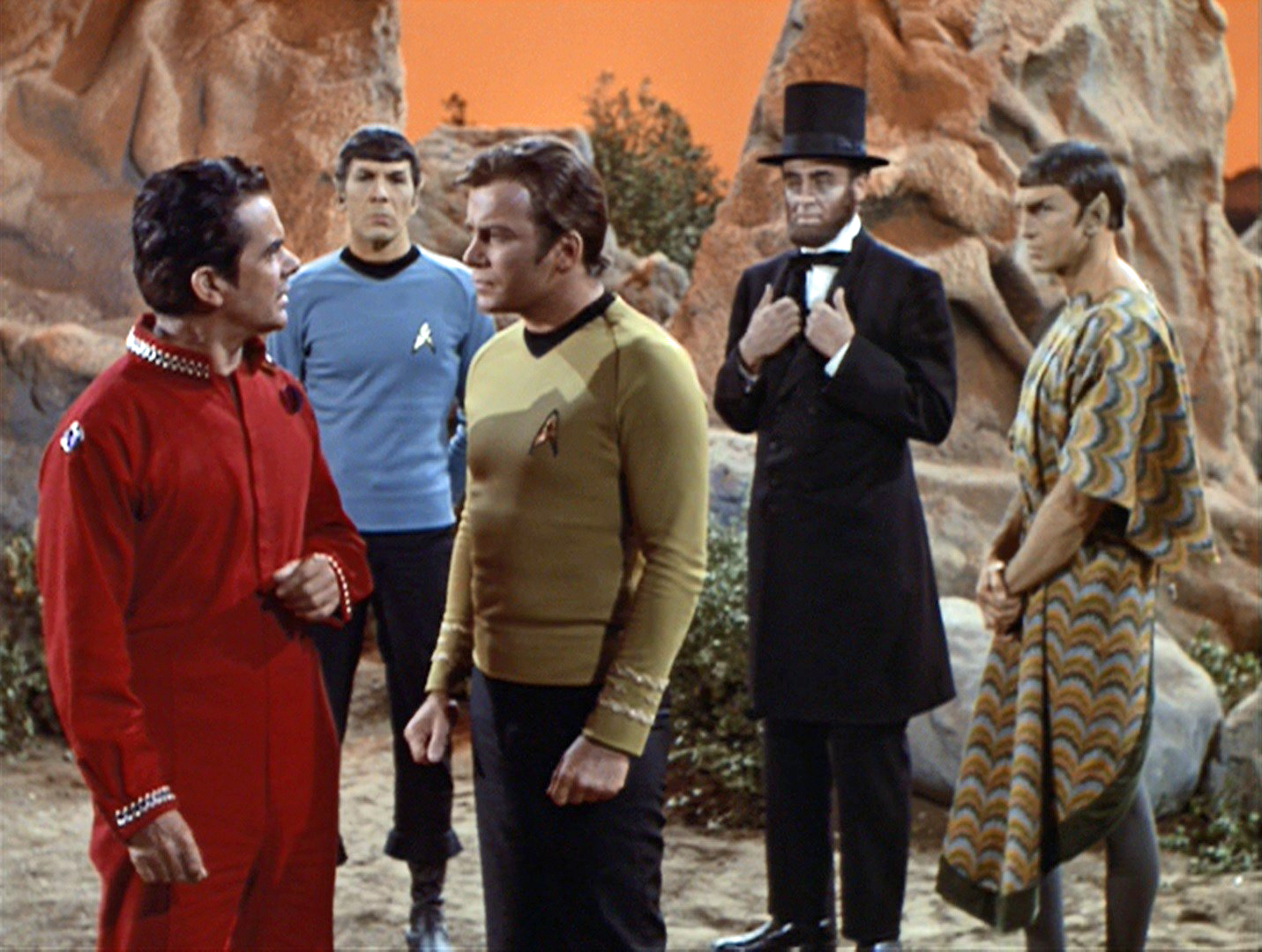
This is a bizarre episode…even for Star Trek. I like the episode more than some Trek fans. When you see Abraham Lincoln materialize in space and talk to you…you know you are in for a different kind of episode. I will say this… it works because of the actor playing Lincoln… he is exactly what I would picture Lincoln.
The Enterprise crew once again encounters highly advanced/highly evolved aliens, who, in this case, wish to study the concepts of good and evil and use crew members as pawns in their inquiries. This episode, a morality tale, borrows elements from some of the better episodes of the past.
Apparently Lincoln (Lee Bergere) was a boyhood hero to Captain Kirk, while everyone on the planet Vulcan revered the legendary Surak (Barry Atwater). The two heroes are teamed up with Kirk and Spock to do physical battle with the galaxy’s most notorious outlaws, with a mute Genghis Khan representing ancient Earth history. This, all in the name of defining good versus evil, life versus death
I simply love the improbable idea of a stunning recreation of Abraham Lincoln and “father of Vulcan civilization/peace/logic”, Surak from the minds of Kirk and Spock (it is established how much admiration and respect Kirk and Spock have for these historical figures) forced into combat with evil historical figures representing the worst kind of lot as rock beings on a planet primarily of lava want to study good vs. evil and judge the results.
From IMDB:
This is the final episode of the series to feature the entire ensemble cast of Kirk, Spock, McCoy, Scotty, Uhura, Sulu, and Chekov. This episode also marks the final appearance of Nichelle Nichols (Uhura) in the series.
This marks the second time TOS encounters a silicon-based life form. The first time is in The Devil in the Dark (1967). Janos Prohaska played both lifeforms, with Bart La Rue supplying the Excalbian’s voice.
Lincoln tells Kirk, “There is no honorable way to kill, no gentle way to destroy. There is nothing good in war, except its ending.” This speech, written by the Star Trek screen writers, has become so popular that some people mistakenly believe it to be something the real Abraham Lincoln said.
“The Savage Curtain” introduces Klingon founding father Kahless and Vulcan founding father Surak to the Star Trek universe. Kahless’ history played an important role in several episodes of Star Trek: The Next Generation (1987) and Star Trek: Deep Space Nine (1993) (where he is regarded as a force for good, contrary to the sentiments expressed here), and Surak’s history was crucial to the final season of Star Trek: Enterprise (2001) which also gave a little bit of backstory to Colonel Phillip F. Green. Zora of Tiburon is the only “historic” figure introduced here who was not further developed in a later Star Trek series.
Colonel Green’s uniform was recycled into the spacesuit worn by Mork in his appearances on Happy Days (1974) and Mork & Mindy (1978).
Tiburon, homeland of the cruel scientist Zora, is named after the Spanish word for shark, and was also the homeland of Doctor Sevrin, the villain-of-the-week of The Way to Eden (1969).
The first choice for the role of Lincoln was Mark Lenard, best known for playing Sarek, but prior commitments prohibited him from taking the part.
The characters of Zora and Genghis Khan have no lines. This is probably due to budget constraints, as actors with speaking parts were paid significantly more than background actors.
The war that included Colonel Phillip Green’s atrocities was later decided to be World War III in the mid-21st century, which served as an important macguffin in later Trek productions such as Encounter at Farpoint (1987), Star Trek: First Contact (1996), and a number of Star Trek: Enterprise (2001) episodes.
This is the second and final mention in a TOS episode that it may be possible to separate the nacelles from the ship, in this case by specifically jettisoning them.
A Star Trek trading card set gave Colonel Green’s full name as Edward Featherstone Green, but this was superseded by the last few episodes of Star Trek: Enterprise (2001) where he was spoken of as Phillip Green.
Kahless is seen here in the Klingon style typical of TOS. It would seem to contradict the explanation given in Divergence (2005) for the change in physical appearance of the Klingons, since Kahless lived long before those events. However, since the image of Kahless was drawn from Kirk’s and Spock’s minds, not from “fact”, this is not necessarily a contradiction.
The appearances of Kahless and Surak mark the final respective appearances of a Klingon and (full) Vulcan in The Original Series.
The budget cuts imposed by the network for series three are noticeable here. Although, at first glance, this appeared to have a number of guest actors, at least two of them were actor/stunt performers with no lines of dialogue. The planet surface was the Desilu set with fiber-glass rocks that had been used in previous stories or borrowed from the recently canceled CBS show Lost in Space (1965), Genghis Khan’s outfit had been used at least once previously, in The Omega Glory (1968), and Kahless’ Klingon outfit had also been used previously. Note that both Kirk and Spock materialize on the planet surface without their tricorders or phasers, meaning that money could be saved by not requiring any additional visual effects. Also, many of the planet surface props, such as spears, had been used previously. In fact, the only significant spend was on commissioning the molten rock creature costume (which was connected to a smoke machine).
This episode marks the final appearance of dress uniforms in the original series.
Scott’s kilt is the 1826 Scott black and white tartan, which “..was produced for his own use by Sir Walter Scott in 1822, and that he wore it in private, in the form of a Lowland shepherd’s plaid.” In Scotland, the patterns are referred to as ‘tartan’ as opposed to ‘plaid’ preferred in America. The one exception is the design known, in Scotland, as Shepherd’s Plaid.
William Shatner struggled to keep weight off during the show’s run and found the pounds piling on as filming dragged on over the course of a season. His weight gain is particularly noticeable in this story in comparison to episodes earlier in season three.
In the teaser, McCoy says, “There is no intelligent life here.”, and is quickly proven wrong. This is the only time anybody actually says this oft-quoted phrase on the original Star Trek series.
This is one of three productions in which Genghis Khan and Abraham Lincoln appear together as characters, in spite of the fact that Lincoln was born 582 years after the Khan’s death. The others are Bill & Ted’s Excellent Adventure (1989) and Clone High (2002).
Summary
When someone purporting to be Abraham Lincoln asks them to beam down to the planet below, Kirk and Spock agree to join him. Soon Surak, the greatest Vulcan of all time, is with them. They are told by a rock-like creature that they are there to do battle against four of history’s most evil characters. The rock creature’s society does not understand the concepts of good and evil and the battle between the two groups will determine which has the greatest merit. They are free to use any materials available to them on the planet and Kirk soon realizes that there are weapons to be made.
CAST
William Shatner … Captain James Tiberius ‘Jim’ Kirk Leonard Nimoy … Mister Spock DeForest Kelley … Dr. McCoy Lee Bergere … Lincoln Barry Atwater … Surak Phillip Pine … Col. Green James Doohan … Scott George Takei … Sulu Nichelle Nichols … Uhura Walter Koenig … Chekov Arell Blanton … Chief Security Guard Carol Daniels … Zora (as Carol Daniels DeMent) Bob Herron … Kahless (as Robert Herron) Nathan Jung … Ghengis Khan Bill Blackburn … Lieutenant Hadley (uncredited) Roger Holloway … Lt. Lemli (uncredited) Bart La Rue … Yarnek (voice) (uncredited) Janos Prohaska … Yarnek (uncredited)
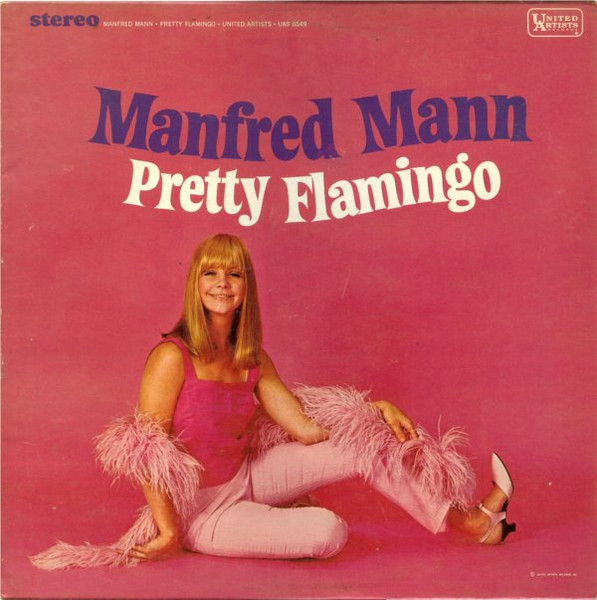
Sometimes I need a British mid-sixties pop song and voila here we are with Manfred Mann’s Pretty Flamingo. I know most of the English invasion bands plus American acts from my friend’s dad’s record collection that we went through as teenagers. Roy Orbison, The Beatles, The Stones, Kinks, Animals, and more. I don’t remember many Mandred Mann singles except Do Wah Diddy Diddy. Maybe we missed this one but it’s a good one.
One of the most interesting footnotes about this song is the bass player. No other than Jack Bruce was playing bass on this song. It was the only number 1 song he ever played on. He had briefly joined Manfred Mann. He soon would leave and joined Cream.
Pretty Flamingo was written by Mark Barkan from a Philadelphia band called The Deep. Barkan also wrote songs for many other artists including The Archies and The Monkees. The song peaked at #1 in the UK, #2 in Canada, #1 in New Zealand, and #29 on the Billboard 100. It was released as a non-album single in 1966.
Manfred Mann’s record producer John Burgess: “‘Pretty Flamingo’ was the first song that was brought to the band from someone other than ourselves. I didn’t like it much as it didn’t have a black flavour, but I see now that it could have been done by The Drifters. Ben E King could have done a great job on it.”
This video will take you on a trip to the sixties.
On our block all of the guys call her flamingo
‘Cause her hair glows like the sun
And her eyes can light the skies
When she moves she walks so fine like a flamingo
Crimson dress that clings so tight
She’s out of reach and out of sight
When she walks by, she brightens up the neighborhood
Oh, every guy would make her his if he just could
If she just would
Some sweet day, I’ll make her mine, pretty flamingo
Then every guy will envy me
‘Cause paradise is where I’ll be
Pretty flamingo
Pretty flamingo
When she walks by she brightens up the neighborhood
Oh, every guy would make her his if he just could, ha
If she just would
Some sweet day, I’ll make her mine, pretty flamingo
Then every guy will envy me
‘Cause paradise is where I’ll be
Sha, la, la, la, la, la, la, la, pretty flamingo
Some day, I’ll make her mine (sha, la, la, la, la, la, la, la, pretty flamingo)
Yes I will, yes I will, I’ll make her mine (sha, la, la, la, la, la, la, la, pretty flamingo)










 PowerPop... An Eclectic Collection of Pop Culture