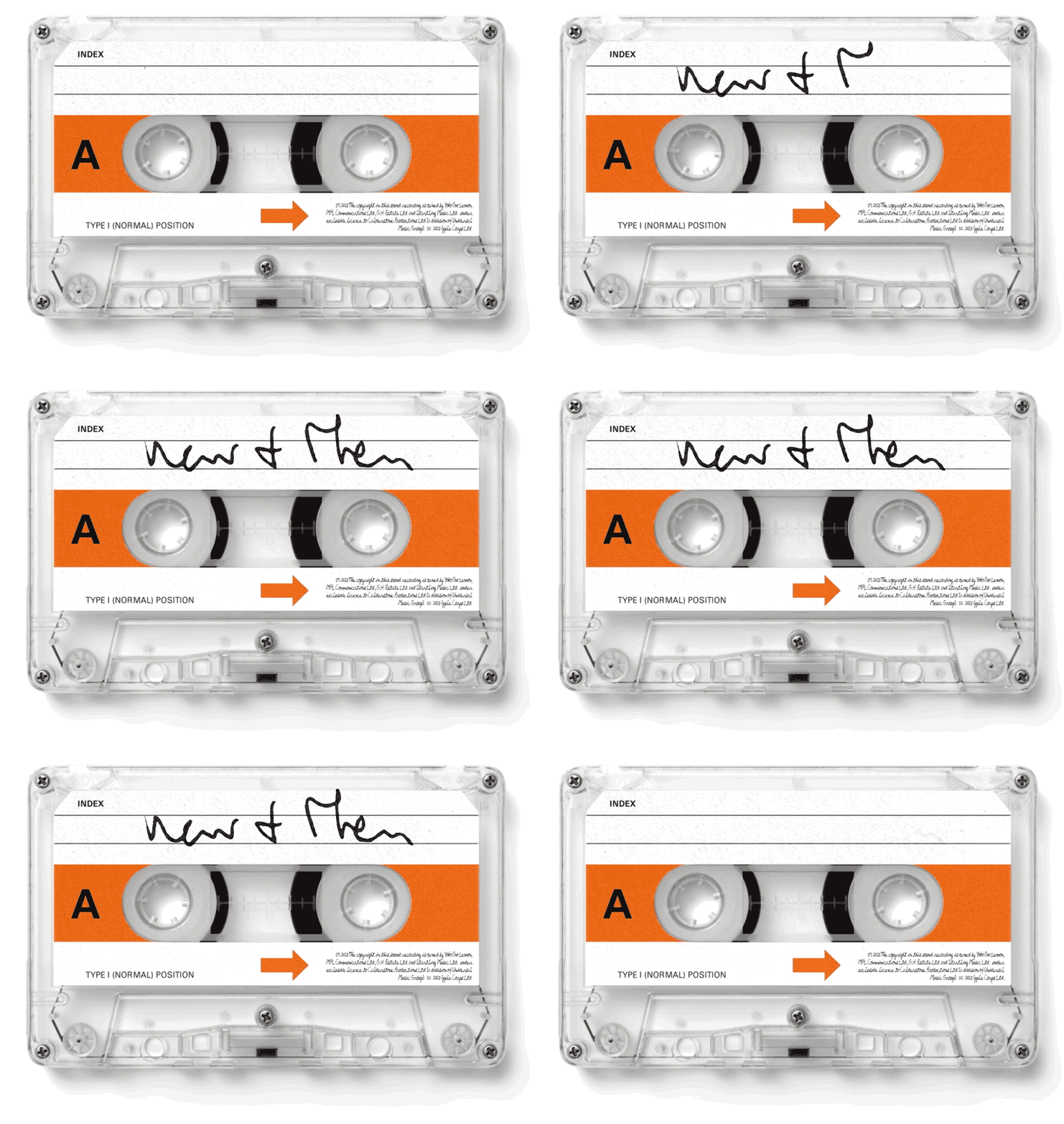
So the Beatles and Stones released something new…this is pretty cool. I wasn’t around when the Beatles were together…I was 3 when they broke up. Like 1995 and 96 I am looking forward to hearing it.
The song will be paired with Love Me Do…appropriately the first single they released and now the last.
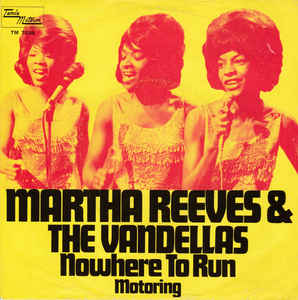
This is another song I remember from Good Morning Vietnam. It has so many good songs on it plus is a great movie to me. The soundtrack to that movie is the soundtrack to the sixties. Martha and the Vandellas had a tough edgy sound.
A frightening story was going on at the time. Lamont Dozier said that one of the inspirations was a teenager who was frightened because he was about to go to Vietnam. Lamont threw a party for him but the boy was quiet because he said he would never make it back from Vietnam.
Dozier tried to cheer him up but it didn’t work. The nineteen-year-old didn’t make it back alive, he was killed after only two months. He said he felt trapped with nowhere to run. That really puts an awful spin on that song.
The song peaked at #8 on the Billboard 100 in 1965. The song was written by the songwriting team of Lamont Dozier and brothers Brian and Eddie Holland.
The backing band on this one was “The Funk Brothers” who were the studio band for Motown at the time. During this session, they used snow chains that went on tires as part of the percussion. They would get inventive at Motown.
This song was a favorite of High School marching bands everywhere because of its sound and chorus.
Lamont Dozier: “His friends asked if I would throw a party for him at my house before he was shipped out. We had the party, but he was very solemn, just sitting with his girlfriend. He had a premonition that he wouldn’t be coming back. I told him to be positive, but he was adamant. I found myself thinking about how he was feeling trapped – nowhere to run. Sure enough, two months later they shipped his body back. I think he stepped on a land mine. Nineteen years old.”
Nowhere to Run
Nowhere to run to, baby, nowhere to hide
Got nowhere to run to, baby, nowhere to hide.
It’s not love, I’m a running from,
It’s the heartbreak I know will come.
‘Cause I know you’re no good for me, but you’ve become a part of me.
Ev’rywhere I go, your face I see, ev’ry step I take, you take with me yeah
Nowhere to run to, baby, nowhere to hide
Got nowhere to run to, baby, nowhere to hide.
I know you’re not good for me, but free of you I’ll never be, no.
Each night as I sleep, into my heart you creep.
I wake up feelin’ sorry I met you, hoping soon that I’ll forget you.
When I look in the mirror to comb my hair
I see your face just a smiling there.
Nowhere to run, nowhere to hide from you baby,
Got nowhere to run to, baby, nowhere to hide.
I know you’re no good for me, but you’ve become a part of me,
How can I fight a lover, that shouldn’t be, when it’s so deep,
So deep, deep inside of me
My love reaches so high I can’t get over it
It’s so wide I can’t get around it, no
Nowhere to run, nowhere to hide from you baby
Just can’t get away from you baby, no matter how I try to
I know you’re no good for me, but free of you I’ll never be,
Nowhere to run to baby, nowhere to hide, got nowhere to run to baby.
Once in a while, I’ll listen to a song that is so good that it’s beyond a normal song. It happens when lyrics can tell a story just right..in a real down-to-earth way. Few fit in this category…this song does. Townes said it was the first song he ever wrote. If so…that would be like painting the Mona Lisa on your first try.
He lived in an apartment with his first wife Fran and he converted a walk-in closet into a studio. Fran said that he wrote the song in there and she was disappointed that he didn’t write a happy or a love song.
“Waitin’ Around to Die” was first recorded for Van Zandt’s 1968 studio debut called For the Sake of the Song. It’s a dark song that encapsulates the pain, despair, and struggle that can engulf a person’s life. It also foretold Van Zandt’s life and ending in a lot of ways.
Townes was diagnosed with depression in his sophomore year of college. His father, Harris Williams Van Zandt, was a corporate lawyer. Townes tried to follow in his footsteps but dropped out of school to become a musician. Earlier in grade school, his friend Guy Clark said that Van Zandt found out that the sun was slowly burning out. Clark thinks that after that he didn’t take much seriously in life.
He was born John Townes Van Zandt in Fort Worth, Texas, into a wealthy oil family whose prestige was known throughout the state. His great-great-grandfather Khleber Miller Van Zandt became president of both a construction company and a bank, the Fort Worth National Bank. Khleber’s own dad, Isaac Van Zandt, was a leader of the Republic of Texas. Van Zandt County, located in the northeastern part of the state, was named for Isaac in 1848.
Townes Van Zandt died on New Year’s Day in 1997 at age 52, exactly 44 years after the death of his idol, Hank Williams.
Townes Van Zandt: “I talked to this old man for a while, and he kinda put out these vibrations. I was sitting at the bar of the Jester Lounge one afternoon drinking beer, thinking about him, and just wrote it down …..Sometimes I don’t know where this dirty road is taking me/Sometimes I can’t see the reason why/But I guess I’ll keep rambling/Lots of booze and lots of gambling/Well, it’s easier than waitin’ round to die.”
Townes Van Zandt: “I have a few others like that that I don’t play all the time. I have to watch that when I do shows. I have to stay away from that side because nobody wants to hear blues on blues on blues.”
Waiting Around To Die
Sometimes I don’t know where
This dirty road is taking me
Sometimes I don’t even know the reason why
But I guess I keep a-gamblin’
Lots of booze and lots of ramblin’
Well it’s easier than just a-waitin’ around to die
One time, friends, I had a ma
I even had a pa
Well he beat her with a belt once ’cause she cried
She told him to take care of me
Headed down to Tennessee
Well it’s easier than just a-waitin’ around to die
Well I came of age and I found a girl in a Tuscaloosa bar
She cleaned me out and hit in on the sly
I tried to hide the pain, I bought some wine and hopped a train
Well it’s easier than just waitin’ around to die
A friend said he knew
Where some easy money was
We robbed a man, and brother did we fly
The posse caught up with me
And drug me back to Muskogee
Two long years waitin’ around to die
Well, now I’m out of prison
I got me a friend at last
Well he don’t drink or steal or cheat or lie
His name’s codeine
He’s the nicest thing I’ve seen
Yah, together we’re gonna wait around and die
Yah together we’re gonna wait around and die
I was introduced to Ray Charles’ music by my mom. She would play Georgia on My Mind nonstop. This was a country song that Ray Charles kicked some soul into and it worked more than anyone would have thought.
Willie Nelson said that Ray Charles did more for country music than anyone did at that time. This song was a massive hit worldwide in 1962.
The song was written by Don Gibson and this was the B side to his Oh Lonesome Me. Ray Charles finally got artistic control over his albums so he decided to shock everyone…an album full of Country and Western music with his own unique touch on it. The album was called Modern Sounds In Country And Western Music and it peaked at #1 on the Billboard Album Charts.
Ray Charles’ record company (ABC Records) didn’t release this as a single when the album came out. It was only when Tab Hunter heard this version and released a single…that ABC Records finally edited the song down to just over 4 minutes and released it after radio stations were playing it off the album. Charles was not happy when he heard Hunter’s version.
The song peaked at #1 on the Billboard 100, #1 in Canada, and #1 in the UK in 1962. I Can’t Stop Loving You won the Grammy for Best Rhythm and Blues Recording.
I Can’t Stop Loving You
(I can’t stop loving you)
I’ve made up my mind
To live in memories of the lonesome times
(I can’t stop wanting you)
It’s useless to say
So I’ll just live my life in dreams of yesterday
(Dreams of yesterday)
Those happy hours that we once knew
Though long ago, they still make me blue
They say that time heals a broken heart
But time has stood still since we’ve been apart, yeah
(I can’t stop loving you)
I’ve made up my mind
To live in memories of the lonesome times
(I can’t stop wanting you)
It’s useless to say
So I’ll just live my life in dreams of yesterday
(Those happy hours)
Those happy hours
(That we once knew)
That we once knew
(Though long ago)
Though long ago
(Still make me blue)
Still make me blue
(They say that time)
They say that time
(Heals a broken heart)
Heals a broken heart
(But time has stood still)
Time has stood still
(Since we’ve been apart)
Since we’ve been apart
(I can’t stop loving you)
I said I made up my mind
To live in memories of the lonesome times (sing the song, children)
(I can’t stop wanting you)
It’s useless to say
So I’ll just live my life of dreams of yesterday
(Of yesterday)
This song never gets old to me. It’s full of soul and pure Dusty. I will say, I always thought Dusty Springfield was from Memphis or somewhere like that. Never did I think that she was born in London.
Mary O’Brien was the daughter of a tax consultant who grew up in Hampstead in North London. In 1958 she became the third member of a short-lived girl group known as the Lana Sisters. She started to go by Dusty Springfield, she then joined her brother Dion (stage name Tom Springfield) in the British country-music trio the Springfields, who achieved moderate success in the early 1960s.
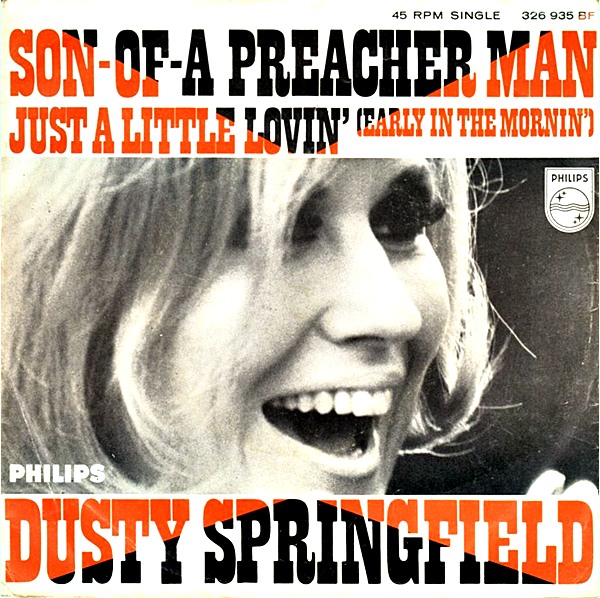
She signed with Atlantic Records in 1968 and recorded her Dusty in Memphis album in the famed American Sound Studios with producers Jerry Wexler and Arif Mardin. The album brought her critical acclaim and this international hit Son of a Preacher Man.
The song was originally offered to Aretha Franklin (who is a preacher’s daughter), but she turned it down because she thought it was disrespectful. She then changed her mind and did a cover version of it.
The song was released in 1968 and peaked at #10 on the Billboard 100, #11 in Canada, and #9 in the UK. The song was written by John Hurley and Ronnie Wilkins. The backup vocals were by a female group called the Sweet Inspirations, who were made up of Cissy Houston, Sylvia Shemwell, Myrna Smith, and Estelle Brown. Later on, they would tour with Elvis Presley.
Elton John: “I’m biased, but I just think she was the greatest white singer there ever has been … every song she sang, she claimed as her own.”
Son of a Preacher Man
Billy-Ray was a preacher’s son
And when his daddy would visit he’d come along
When they gathered round and started talkin’
That’s when Billy would take me walkin’
A-through the backyard we’d go walkin’
Then he’d look into my eyes
Lord knows to my surprise
The only one who could ever reach me
Was the son of a preacher man
The only boy who could ever teach me
Was the son of a preacher man
Yes he was, he was
Ooh, yes he was
Being good isn’t always easy
No matter how hard I try
When he started sweet-talkin’ to me
He’d come and tell me everything is all right
He’d kiss and tell me everything is all right
Can I get away again tonight?
The only one who could ever reach me
Was the son of a preacher man
The only boy who could ever teach me
Was the son of a preacher man
Yes he was, he was
(Ooh…) Lord knows he was
Yes he was
How well I remember
The look that was in his eyes
Stealin’ kisses from me on the sly
Takin’ time to make time
Tellin’ me that he’s all mine
Learnin’ from each other’s knowing
Lookin’ to see how much we’ve grown
And the only one who could ever reach me
Was the son of a preacher man
The only boy who could ever teach me
Was the son of a preacher man
Yes he was, he was
Ooh, yes he was
The only one who could ever reach me
He was the sweet-talking son of a preacher man
The only boy who could ever teach me
I kissed the son of a preacher man
The only one who could ever move me
The sweet-lovin’ son of a preacher man
The only one who could ever groove me
Ahh, ooh, ahh….
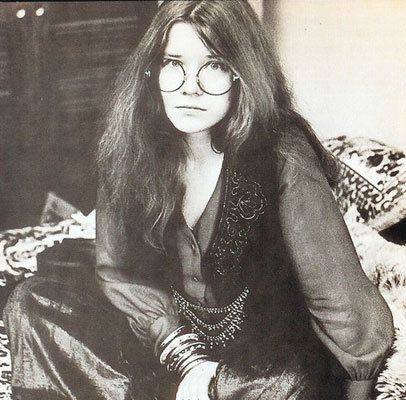
As of yesterday, she has been gone for 53 years. She dedicated this song to her dad. It was on her last studio album Pearl released in 1971 right after Joplin died.
Janis’s voice is gold on this one… a pure blues voice. I’m convinced Janis had a built-in dynamic. She had one of the best dynamics in her songs based purely on her building up to the choruses of her songs. Her influences were Bessie Smith, Billie Holiday, and last but not least…Otis Redding. She saw Otis a few months before he died and copped some of his stage mannerisms.
This was written by Jerry Ragovoy and Mort Shuman. Shuman’s credits include Teenager In Love and Let’s Live For Today. Ragovoy also wrote Joplin’s songs Piece Of My Heart and Try. The song was first released by Garnet Mimms in 1966.
I have included the studio version and a live version she did on the Dick Cavett show. Cavett talks about her as if he had somewhat fallen for her. It was an odd combination…Cavett attended Yale and here was Janis…a loud brash blues singer from Port Arthur Texas.
Cavett tells a story about Janis and him eating at a restaurant and the song “Down On Me” is playing while they are at the table. Cavett said to Janis…I bet they don’t play that song on the radio because of it’s sexual nature…Janis then leaned in and told Cavett…Dick…uh it’s a gospel song.
Cavett later credited Joplin for sending so many other major rock stars his way after her first appearance on his show in 1968. She told her fellow musicians that Cavett wasn’t a dreary television personality like many. The fact is…Cavett was different from other talk show hosts…especially now. He would dedicate entire shows to one person and he had conversations with them, not interviews. He also mixed and matched people that you would not see in everyday life. Janis for instance, was on a show with Raquel Welch and Gloria Swanson. Three completely different women but he had all of them in a conversation.
If you see the Cavett DVD’s…get them…if not many of them are on youtube.
The biography I read on Janis was by Holly George-Warren. It was released in 2019 and it is one of the best books about her I’ve read. Here are a few quotes from that author.
Holly George-Warren: You can look to two major influences that Janis had that I think affected her sexuality and the way she expressed it on stage. One was, of course, the great Bessie Smith, whose lyrics Janis knew by heart. She started out singing Bessie Smith songs way before we ever saw her, these images of her with Big Brother and the Holding Company. She started performing Bessie Smith songs around 1963. And those kind of lyrics of sexuality, of sexual longing, sexual betrayal, those very much informed Janis’ own songwriting and the songs that she chose to sing.
The other major influence was Otis Redding. She was a huge Otis fan until the day she died. And she got to see him perform live three nights in a row at The Fillmore back in 1966, and it transformed her because he was a very sexual performer. And he was able to emit this heat on stage that Janis herself was able to do through her own way of manifesting these feelings that she had while singing these songs. And I mean, Janis herself, she compared singing on stage to having an orgasm. She blew some journalists’ minds when she used that expression, but she – it was a very sexual experience for her.
The original version of this song was by Garnet Mimms.
My Baby
And when I work hard all day long
I tell you what, it don’t bother me nohow,
‘Cause how could anything ever go wrong
When I got my baby, Lord, yes,
When I got my baby, oh Lord!
And when they tell me love is pain
I said it might be true for you, honey,
But not for Janis no more, no no no no.
All I’ve ever got to do is call my daddy?s name
Yeah and I got m-my baby, Lord, yeah,
Yes I got my baby, good good God,
Honey, I want to tell you something that I do.
Deep down, h-honey, in the dark of the night,
When I lay my head down, I want to go to sleep,
And I know everything is gonna be alright,
Yeah I got my baby, Lord yeah,
‘Cause I got m-my baby, oh yeah.
And when I want to call the names
Or the things to be that want to be to you.
And when I want to reach out my hand
It always seems you hold me, dear,
Love, don’t you know how long I looked for you
Daddy, daddy, daddy.
Love, don’t you know how hard I tried,
But now I got my baby, Lord, yeah,
Now I got my baby, yeah.
My favorite era in rock/pop music is probably the mid-sixties British singles that were released. Between The Who, Stones, Beatles, and Kinks you had some of the best rock/pop singles ever. Along with the other bands, it was a very creative time.
The Action was formed in North West London in 1963. After some member changes, they were signed to Parlophone to work with no other than George Martin. Despite that, they never had a hit. They did release four singles…a cover of A Land Of a 1000 Dances with the B side of “In My Lonely Room” in 1965.
They started off as a Mod band similar to The Who and Small Faces. The band released a second single “I’ll Keep on Holding On” b/w “Hey Sah-Lo-Ney.” That was released in 1966. There is not a lot of info on the band so I emailed my UK friend Colin who is involved in two blogs Once Upon A Time In The Seventies and LOUD HORIZON. So a quick thank you to Colin… Also thanks to CB who sent me a link to the song that neither one of us had heard before.
I’ve added Colin’s research at the bottom for their original discography. This band sounded great but couldn’t get a foothold in the UK charts. That would be their last single. The song Brain was recorded in 1967-1968.
George Martin finally had to let them go because they could not get charting songs. They turned to more psychedelic in 1967 and they continued to record demos and shop the tapes. No other record company ever signed them so they went their separate ways.
In the 1980s a collection of their songs were released with the liner notes written by Paul Weller who was a huge fan. There was also a collection released in 2002 called Rolled Gold… take a listen. In 2018 everything they ever recorded was released in a set called Shadows and Reflections: The Complete Recordings 1964-1968.
The Action reunited in 1998 because of renewed interest… they played to a gathering of mods on the Isle of Wight. It went so well that they continued to play shows for the next few years, their last one being 2004’s Madstock.
Land of 1,000 Dances / In My Lonely Room .. Parlophone R5354 …. 1965 (Rare / Very Rare)
I’ll Keep on Holding On / Hey Sah-Lo-Ney ….Parlophone R 5410 ….1966 (Very Rare)
Baby You’ve Got It / Since I Lost My Baby……Parlophone R 5474……1966 (Very Rare)
**Never Ever / Twenty Fourth Hour Shadows & Reflection / Something Has Hit Me ….Parlophone R 5610 … 1967 (Very Rare)
** Also released as a Promo in the US ( Capitol P 5949)
They were then subsequently released again in 1981 / 82
(Thanks Colin!)
I’m going to include another song by them called Strange Roads. I like the intro and the lead guitar to this one.
Brain
Take Your Brain, Its Time To Go
And You Dont Have Long To Go
Remember Me, Remember Me
Cuz Im The One Who Made You See
Remember Me
Hang Your Brain, Up In The Sky
Hang It Up, Hang It High
Remember Me, Remember Me
Cuz Im The One Who Made You See
Remember Me
Take Your Brain, Its Time To Go
And You Dont Have Long To Go
Remember Me, Remember Me
Cuz Im The One Who Made You See
Remember Me
Take Your Brain, Its Time To Go
And You Dont Have Long You Know
Remember Me, Remember Me
Cuz Im The One Who Made You See
Remember Me
And I’ve got swinging doors a jukebox and a barstool And my new home has got a flashing neon sign
This is country music I love. I’ve always been a bit jealous of the Country music genre in one area. I’m not sure they still have this but at certain times of year the musicians and artists are out and about and you can meet them. It was really big in Nashville through the years.
It was called Fan Fair. It’s basically like a job fair but with country stars. Can you imagine Mick Jagger, Paul McCartney, Eric Clapton, and others in a building meeting and talking to their fans? How about going up to Bob Dylan and slapping him on the back…” Hey Bob” how are ya? No that would not happen.
I remember this happening in Nashville where you could go and meet Merle Haggard, Loretta Lynn, and more. Rock and Roll doesn’t have anything like that. Maybe it’s because Country is centered in Nashville where Rock is spread throughout the world? I think it was a great way to spread their music.
In 1966 Merle Haggard traveled to Nashville to record his first-ever collaboration project with The Strangers. They would later on become his backing band. At first, it just didn’t work but Haggard and the band continued. The album ended up with 12 tracks and Swinging Doors was the title track. Haggard wrote all of the tracks on the album. The album peaked at #1 on the Billboard Country Charts. His first number-one album. He would go on to record 66 studio albums and 8 live ones.
The song peaked at #5 on the Billboard Country Charts in 1966. Another song off of this album peaked at #5…The Bottle Let Me Down.
This song takes me back to being a kid. Early morning rides with my dad and him having a country station on.
Swinging Doors
This old smoke-filled bar is something I’m not used to
But if gave up my home to see you satisfied
And I just called to let you know where I’ll be living
It’s not much but I feel welcome here inside
And I’ve got swinging doors a jukebox and a barstool
And my new home has got a flashing neon sign
Stop by and see me anytime you want to
Cause I’m always here at home till closing time
I’ve got everything I need to drive me crazy
I’ve got everything it takes to lose my mind
And in here the atmosphere’s just right for heartaches
And thanks to you I’m always here till closing time
And I’ve got swinging doors a jukebox and a barstool
And my new home has got a flashing neon sign
Stop by and see me anytime you want to
Cause I’m always here at home till closing time
The Yardbirds had three of Rock’s greatest guitar players pass through them. Eric Clapton, Jeff Beck, and Jimmy Page. They had such a raw edge to them with Jeff Beck so that is the version I like best.
Heart Full of Soul peaked at #9 in the Billboard 100, #2 in the UK, and #2 in Canada in 1965. From the opening, it hooks you.
The lead guitarist Jeff Beck used an early version of a fuzz box on his lead part. They tried a sitar in the intro but they instead opted for Beck’s sitar-sounding guitar. “Heart Full of Soul” was the second of three Yardbirds singles written by non-member Graham Gouldman (the first was “For Your Love,” the other was “Evil Hearted You”).
This was the Yardbirds’ first single after Jeff Beck replaced Eric Clapton as lead guitarist. Released only three months after “For Your Love.” The song is interesting because it contains Eastern and Western musical influences.
Jeff Beck gave the song an Eastern feel by the way he played the intro. When Jeff Beck joined the Yardbirds he didn’t have a guitar.
Jeff Beck: I actually didn’t have a guitar of my own, I was so hard up. The Yardbirds sort of sneaked Eric’s guitar out. He’d finished using the red Tele (Fender Telecaster) and was using a Les Paul, so he didn’t care about the red Tele. The bands manager, said well, ‘You’d better use Eric’s guitar—we can’t afford to go out and buy one now.’ So I borrowed Eric’s for the first couple of gigs”.
Drummer Jim McCarty: “‘Heart Full of Soul,’ which was very moody, gave us the ability to play the riff in sort of an Eastern way, give it an Oriental touch. Another very good song.”
Heart Full Of Soul
Sick at heart and lonely, deep in dark despair
When you want her only, tell me where is she where?
And if she says to you, that she don’t love me
Just give her my message, tell her of my plea
And I know, if I could have her back again, I would never make her sad
I got a heart full of soul I got a heart full of soul
She’s been gone such a long time, longer than I can bear
But if she says she wants me, tell her I’ll be there
And I know, if I could have her back again, I would never make her sad
I got a heart full of soul I got a heart full of soul
Sick at heart and lonely, deep in dark despair
When you want her only, tell me where is she where?
And if she says to you, that she don’t love me
Just give her my message, tell her of my plea
And I know, if I could have her back again, I would never make her sad
I got a heart full of soul I got a heart full of soul
I got a heart full of soul!
I grew up with this single…I’ll never forget the orange Roulette Label going round and round. It’s a mystical and magical song to me. I fell in love with the tremolo effect that is throughout the entire song.
The song peaked at #1 on the Billboard 100, #1 in Canada, and #1 in New Zealand, in 1968. I still am shocked that it either wasn’t released in the UK or it just failed to chart there. Joan Jett’s version peaked at only #60 in the UK. My friend at the UK Number Ones blog and I talked about it. Their song Mony Mony peaked at #1 in the UK earlier…maybe that was enough for them.
On this song…Tommy James is playing all the instruments except drums and they were played by Pete Lucia. James and Lucia wrote the song.
Bo Gentry was writing most of their hits until this point. He didn’t feel like he was getting paid enough from Roulette Records (which was partly run by the mob) so he quit. Tommy James was told that he better get someone to write songs for him or his career would sink since Bo Gentry refused. The record executives told him that he could not write a hit song and to find someone. Tommy James showed them all… he and his drummer wrote this massive hit song.
Around this time James got involved with politician Hubert Humphrey and they were trying to turn from a singles band to an album band. This song helped them. Below is a very long quote by Tommy James about that time. It does say a lot about the business in the late sixties.
Tommy James: “They were just two of my favorite words that came together. Actually, it was one morning as I was getting up out of bed, and it just came to me, those two words. And it sounded so poetic. I had no idea what it meant, or if it meant anything. They were just two of my favorite words. And Mike Vale and I – bass player – actually wrote another song called ‘Crimson and Clover.’ And it just wasn’t quite there. And I ended up writing ‘Crimson and Clover’ with my drummer, Pete Lucia, who has since passed away.”
Tommy James: ‘Crimson and Clover’ was so very important to us because it allowed us to make that move from AM Top 40 to album rock. I don’t think there’s any other song that we’ve ever worked on, any other record that we made, that would have done that for us quite that way. And it came out at such a perfect moment because we had been out with Hubert Humphrey on the presidential campaign for several months in 1968. And we met up with him right after the convention. The convention where all the kids got beat up. And we met up with him the following week in Wheeling, West Virginia, and of course we didn’t know where all the rallies were gonna be, like the convention. What have we gotten ourselves into? We had been asked to join him. And this really was the first time, I think, a rock act and a politician ever teamed up. But it was an incredible experience.
But when we left in August, all the big acts were singles acts. It was the Association, it was Gary Puckett, it was the Buckinghams, the Rascals, us, I’m leaving several people out. But the point was that it was almost all singles. In 90 days, when we got back, it was all albums. It was Led Zeppelin, Crosby, Stills and Nash, Blood, Sweat and Tears, Joe Cocker, Neil Young. And there was this mass extinction of all of these other acts.
It was just incredible. Most people don’t realize that that was sort of the dividing line where so many of these acts never had hit records again. And we realized while we were out on the campaign that if our career was gonna continue, we had to make a move. We had to sell albums, which is something Roulette had never really done. The album, up to that point, had been whatever wasn’t the single. And then it was usually named the single, which I thought was a great idea. Morris (Levy) usually would name the album the same title as the single, so it would get kind of a head start. But the point was we knew we had to sell albums. Also that year the industry went from 4-track to 24-track in about the same period of time. So if we were gonna sell albums, we had to completely reinvent ourselves. And so it was a very dramatic moment. And the record we just happened to be working on at that moment, at the end of the campaign, was ‘Crimson and Clover.'”
Crimson and Clover
Ah, now I don’t hardly know her
But I think I could love her
Crimson and clover
Ah when she comes walking over
Now I’ve been waitin’ to show her
Crimson and clover over and over
Yeah, my, my such a sweet thing
I wanna do everything
What a beautiful feeling
Crimson and clover over and over
In May of 1960, Stuart Sutcliffe was a brilliant young artist with a bright career ahead of him when he sold one of his paintings and his friend John Lennon talked him into buying a bass. He didn’t know how to play bass but was taught by John, Paul, and George because like George said…it was better to have a bass player that couldn’t play than no bass player at all.
Stuart Sutcliffe 1960
Stuart did learn to play bass and had a lot of stage time in Hamburg. He was never a great bass player but good enough to hold the position down. Stuart and John came up with the band name Beatles. Stuart wanted it to be Beatals but John stuck with Beatles. He quit art college to go on tour with The Silver Beatles to help back up a performer named Johnny Gentle in Scotland. After that they went to Hamburg and that changed their career. John also quit art college but he didn’t have the talent that Stuart did.
After a year or so he wasn’t at the other Beatles level and Paul never let him forget it. Paul was jealous of Stuart because of him being so close to Lennon. George also was a little jealous but not like Paul. John was basically hero-worshiped by Paul and George. In Hamburg, Paul said something about his girlfriend Astrid and tiny Stuart tackled Paul while they were on stage…they rolled around a bit and then it was finally over. Paul still talks about how he feels bad for the way he treated him.
He probably would have never got to their level musically because although he was good friends with John… his heart was in art not music. He was with them from May 1960 to August of 1961.
Many art experts say Stuart would have been a major artist had he lived… with or without the Beatle connection. He was indeed a sought-after artist when he quit the Beatles. He was the James Dean of the Beatles…He was the Artist…the Stylish one who attracted new friends in Germany that forever changed the Beatles. Some pictures of him make him look ahead of his time.
While playing in Hamburg Germany he met Astrid Kirchherr who would become the love of his life. Astrid would take some of the most famous early photographs of the Beatles.
Astrid’s soon-to-be ex-boyfriend Klaus Voormann would befriend the Beatles and later designed the Revolver cover and play bass for John, George, and Ringo at different times in their career. Jürgen Vollmer, a photographer in the circle of Astrid’s friends would end up cutting John and Paul’s hair into the famous haircut …after Astrid had already cut Stuart’s hair in that fashion first. Stuart was of course laughed at by the rest until they got theirs cut. Pete Best refused and did his own thing.
Stuart’s influence went beyond playing bass. Without Stuart, things may have turned out differently for The Beatles.
Stuart finally quit The Beatles to concentrate on art and to marry Astrid. He got a scholarship while living with Astrid in Germany, at the Hamburg College of Art in 1961. He produced a lot of paintings in the last year of his life. He started to lose weight, got terrible headaches, and had trouble walking. He kept going to college and kept painting in Astrid’s attic. They wanted to marry in May but on April 10, 1962, he had a ruptured aneurysm and passed away on the way to the hospital in Astrid’s arms.
If Stuart had lived he would have almost certainly stayed in the Beatles circle although not playing…he may have been remembered more as an artist than a one-time bassist of the Beatles that happened to be an artist.
For the Beatles part…he was a major influence in coming up with the name, helped bring on the haircuts, and gave them a more sophisticated style other than leather jackets and boots.
John Lennon would remember his friend in his song “In My Life.”
George Harrison: “He wasn’t really a very good musician. In fact, he wasn’t a musician at all until we talked him into buying a bass, we taught him to play 12-bars, like ‘Thirty Days’ by Chuck Berry. That was the first thing he ever learnt. He picked up a few things and he practiced a bit until he could get through a couple of other tunes as well. It was a bit ropey, but it didn’t matter at that time because he looked so cool. We never had many gigs in Liverpool before we went to Hamburg, anyway.” John Lennon: “I looked up to Stu. I depended on him to tell me the truth, Stu would tell me if something was good and I’d believe him. We were awful to him sometimes. I used to explain afterwards that we didn’t dislike him, really.”
More about Stuart and his Art…thank you for reading this.
It would take a lot of work not to like this song. It’s very meaningful and it’s catchy. They even shared a line from a new cartoon…Scooby Doo “And so on and so on and scooby dooby dooby.” The song was written by Sly Stone.
Sly & the Family Stone was a great band. This song was released in 1968 and it peaked at #1 in the Billboard 100, #2 in Canada, and #36 in the UK Charts in 1969. Sly arranged this song perfectly with great dynamics for the chorus. A great piece of songwriting and arranging. It would have been a hit whenever it was released.
It was this song that broke them into a larger audience and Stone into stardom. Billboard later ranked it as the #5 song of 1969, and the single’s success helped power the album Stand! to sales of three million copies.
Sly and the Family Stone really made their presence known at Woodstock with a great set. Carlos Santana has remarked that they were the standout band. They recorded songs in many genres, including funk, psychedelic soul, rock, soul, pop, funk rock, and R&B.
Billy Preston played organ on this single and the song has been used in many movies, TV shows, and commercials.
Everyday People
Sometimes I’m right and I can be wrong
My own beliefs are in my song
The butcher, the banker, the drummer and then
Makes no difference what group I’m in
I am everyday people, yeah, yeah
There is a blue one
Who can’t accept the green one
For living with a fat one
Trying to be a skinny one
Different strokes
For different folks
And so on and so on
And scooby dooby dooby
Oh sha sha
We got to live together
I am no better and neither are you
We are the same, whatever we do
You love me, you hate me, you know me and then
You can’t figure out the bag I’m in
I am everyday people, yeah yeah
There is a long hair
That doesn’t like the short hair
For being such a rich one
That will not help the poor one
Different strokes
For different folks
And so on and so on
And scooby dooby dooby
Oh sha sha
We got to live together
There is a yellow one
That won’t accept the black one
That won’t accept the red one
That won’t accept the white one
Different strokes
For different folks
And so on and so on
And scooby dooby dooby
Oh sha sha
I am everyday people
I wasn’t there but this song equals Woodstock to me. Every time I hear this song I think of a field full of hippies with bubbles. Alan “Blind Owl” Wilson wrote this song based on an old blues song called Bull Doze Blues. It peaked at #11 in the Billboard 100 and #5 in Canada in 1969.
Alan Wilson moved to Los Angeles and met Bob “The Bear” Hite and in 1965 started Canned Heat. The group took their name from “Canned Heat Blues,” an obscure 1928 track by bluesman Tommy Johnson that described the drug high achieved through drinking the household product Sterno.
In 1967, after appearing at the Monterey Pop Festival, Canned Heat signed with Liberty Records. They made a self-titled album that year and it peaked at #76 on the Billboard Charts. In 1968 they released “Boogie with Canned Heat” which made it to number 16. They followed that album with “Living the Blues”(#18) and in 1969 released the album Hallelujah(#37).
Their appearance at Woodstock raised their stock higher. They had two hit singles both sung by Alan Wilson, this song released in 1968, and On The Road Again released in 1969. Alan wasn’t the regular lead singer of Canned Heat but he did sing the two best-known singles by them. They were both written by him and based on old blues songs. His unusual voice came from him trying to mimic the voice of old blues singers. Bob Hite was the lead singer of the band.
Alan Wilson is a forgotten figure who was a gifted musician. He died in 1970 under strange circumstances outdoors in a sleeping bag near his band’s lead singer’s (Bob Hite) house. He was dead at the age of 27. Jimi Hendrix would die in a couple of weeks and Janis Joplin would follow a month later…all of them were age 27.
Going Up Country was heavily influenced by an old and obscure Blues song called “Bull Doze Blues” by Henry Thomas. The song caught on in the summer of 1969 and was very popular among Hippies who appreciated the nature theme.
Going Up Country
I’m goin’ up the country, baby don’t you want to go?
I’m goin’ to some place, I’ve never been before
I’m goin’ I’m goin’ where the water tastes like wine
I’m goin’ where the water tastes like wine
We can jump in the water, stay drunk all the time
I’m gonna leave this city, got to get away
All this fussin’ and fightin’ man, you know I sure can’t stay
So baby pack your leavin’ trunk
You know we’ve got to leave today
Just exactly where we’re goin’ I cannot say
But we might even leave the U.S.A.
It’s a brand new game, that I want to play
No use in your runnin’, or screamin’ and cryin’
‘Cause you got a home as long as I’ve got mine
Back when I was dating…Whenever I broke up with a girl…I would drag the Temptation’s greatest hits out. I would play them for at least two weeks and wallow in self-pity…just a phase I had to go through. After that, I was ready for the next one.
In the mid-eighties, they came to Nashville when the theme park Opryland was still open. They had a theater inside the part but it was sold out. No problem…I had a friend who worked there and we borrowed his sister’s work ID that worked there also. All you had to do was flash the card really quickly so they never saw that I wasn’t a Sarah. He took me the back way and we snuck into the theater and saw the Temptations. I’m not proud of it…but I did get to see the Temptations. It was the only concert that I never got a ticket stub from.
The song was off on their album Puzzle People. which peaked at #5 on the Billboard Album Charts, #1 on the R&B Charts, #8 in Canada, and #20 in the UK in 1969. The Punk Panther reviewed this and some of their other albums. On this one, he said: First off I Can’t Get Next To You has a super intro in the opening door and “wait a minute” vocal before it kicks into a magnificent piece of lively, funky, punchy Motown pop.
The song was written by Barrett Strong and Norman Whitfield. They also wrote Cloud Nine for the group. I like how all 5 Temptations trade verses on this song…everyone got a turn. I also like the party atmosphere of the song.
The song peaked at #1 on the Billboard 100, #1 on the Billboard R&B Charts, #11 in Canada, and #13 in the UK in 1969. It knocked off “Sugar, Sugar” by the Archies and was replaced by “Suspicious Minds” by Elvis Presley.
There have been numerous covers of the song. Other versions include those by The Osmonds, Al Green, Savoy Brown, The Jess Roden Band, Annie Lennox, Toto, and David Cassidy.
I Can’t Get Next To You
Hold it, everybody
Hold it, hold it, listen
I can turn the gray sky blue
I can make it rain whenever I want it to
Oh, I can build a castle from a single grain of sand
I can make a ship sail, huh, on dry land
But my life is incomplete and I’m so blue
‘Cause I can’t get next to you (I can’t get next to you, babe)
Next to you (I can’t get next to you)
I just can’t get next you (I can’t get next to you, babe)
(I can’t get next to you)
I can fly like a bird in the sky
Hey, and I can buy anything that money can buy
Oh, I can turn a river into a raging fire
I can live forever if I so desire
Unimportant are all the things I can do
‘Cause I can’t get next to you (I can’t get next to you, babe)
No matter what I do (I can’t get next to you)
Uh-yah
I can turn back the hands of time, you better believe I can
I can make the seasons change just by waving my hand
Oh, I can change anything from old to new
The things I want to do the most, I’m unable to do
Unhappy am I with all the powers I possess
‘Cause, girl, you’re the key to my happiness
And I, oh I can’t get next to you
Girl, you’re blowing my mind
‘Cause I can’t get (next to you)
Can’t you see these tears I’m crying?
I can’t get (next to you)
Girl, it’s you that I need
I gotta get (next to you)
Can’t you see these tears I’m crying?
I can’t get (next to you)
I, I, I, I, I can’t get (next to you)
I, I, I, I, I can’t get, now (next to you)
Girl, you’re blowing my mind
‘Cause I can’t get…
Happy Monday everyone…if that is possible. I hope you all had a good weekend.
This simple riff is raw and cutting like Louie, Louie, and Wild Thing…and became a staple of garage bands forever.
The sound of the guitar was revolutionary. Dave Davies got the dirty guitar sound by slashing the speaker cone on his amplifier with a razor blade. The vibration of the fabric produced an effect known as “fuzz,” which became common as various electronic devices were invented to distort the sound. At the time, none of these devices were available to Dave, so Davies would mistreat his amp to get the desired sound, often kicking it.
The song peaked at #7 on the Billboard 100, #4 in Canada, #5 in New Zealand, and #2 in the UK in 1964. It’s punk…raw rock and roll to the core. The guitar was really distorted and hard for the time.
The record executives in their wisdom didn’t like this song when they heard it. They said the guitar sounded like a barking dog. Later on, the Doors would borrow this melody for Hello I Love You.
One of my favorite things about these early Kinks singles is Dave Davies’s solos. They were always driving and exciting…and yes Dave played on this song, not studio musician Jimmy Page.
The Kinks would revisit this melody with the song “Destroyer” off of the “Give The People What They Want” album.
James Hetfield from Metallica: “schooled on early riff-rock by this man [Ray Davies] and his band – The Kinks”.
Ray Davies:“I cranked up my guitar more than on ‘You Really Got Me’, when we went into the studio, everybody knew what they were doing. I think we did it in three takes… the first time the band heard it was when I ran through it with them at the soundcheck, afterwards we drove back down to London, got up in the morning, and finished the song by midday”.
Ray Davies getting the truth out…this is what he said about the rumor of Jimmy Page playing on this record: “I remember Page coming to one of our sessions when we were recording ‘All Day And All Of The Night.’ We had to record that song at 10 o’clock in the morning because we had a gig that night. It was done in three hours. Page was doing a session in the other studio, and he came in to hear Dave’s solo, and he laughed and he snickered. And now he says that he played it! So I think he’s an asshole, and he can put all the curses he wants on me because I know I’m right and he’s wrong.”
Ray Davies: ” I was a rebellious, angry kid anyway, but that had a profound effect on me. I was full of rage.” That anger was coupled with the frustration that The Kinks song ‘You Really Got Me’ just wasn’t translating in a studio setting. “I could easily have slashed my wrists,” but I had a little green amplifier, an Elpico, that was sounding crap. I thought, ‘I’ll teach it’ – and slashed the speaker cone. It changed the sound of my guitar. Then, when I wired that amp up to another, a Vox AC30, it made it a lot, lot louder”.
Dave Davies: “A little later, I was very depressed and fooling around with a razor blade. I could easily have slashed my wrists, but I had a little green amplifier, an Elpico, that was sounding crap. I thought, “I’ll teach it” – and slashed the speaker cone. It changed the sound of my guitar. Then, when I wired that amp up to another, a Vox AC30, it made it a lot, lot louder.“
All Day and All of the Night
I’m not content to be with you in the daytime
Girl I want to be with you all of the time
The only time I feel alright is by your side
Girl I want to be with you all of the time
All day and all of the night
I believe that you and me last forever
Oh yeah, all day and nighttime yours, leave me never
The only time I feel alright is by your side
Girl I want to be with you all of the time
All day and all of the night
Oh, come on
I believe that you and me last forever
Oh yeah, all day and nighttime yours, leave me never
The only time I feel alright is by your side
Girl I want to be with you all of the time
All day and all of the night
All day and all of the night-time
All day and all of the night