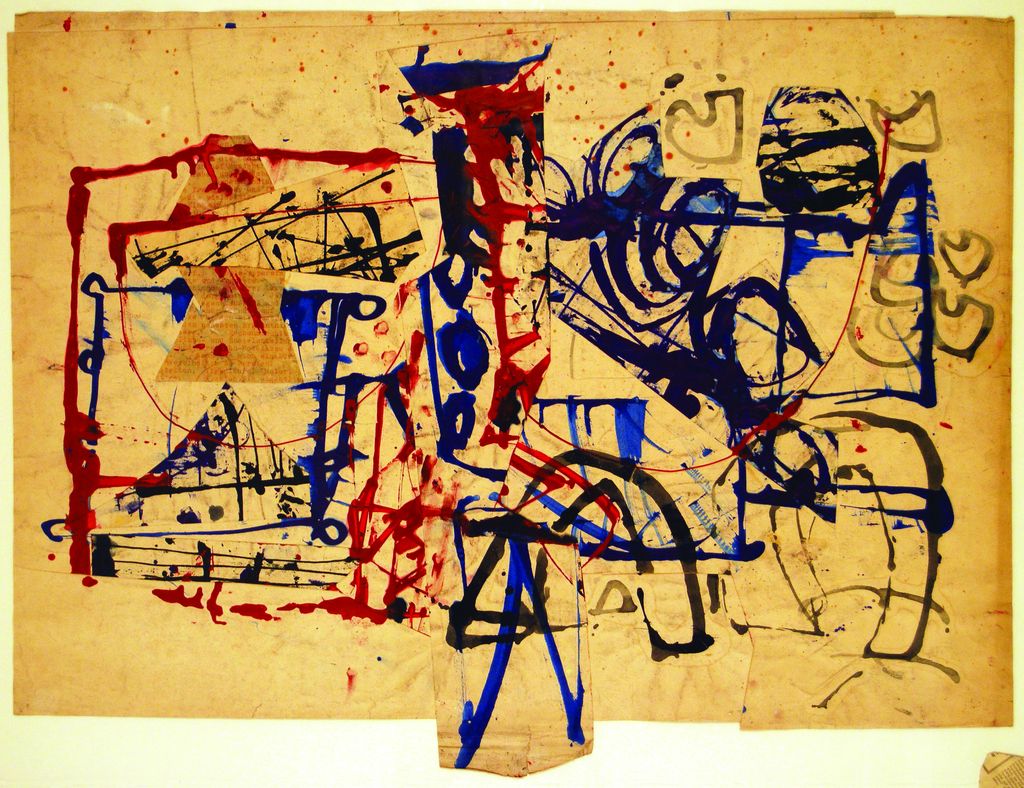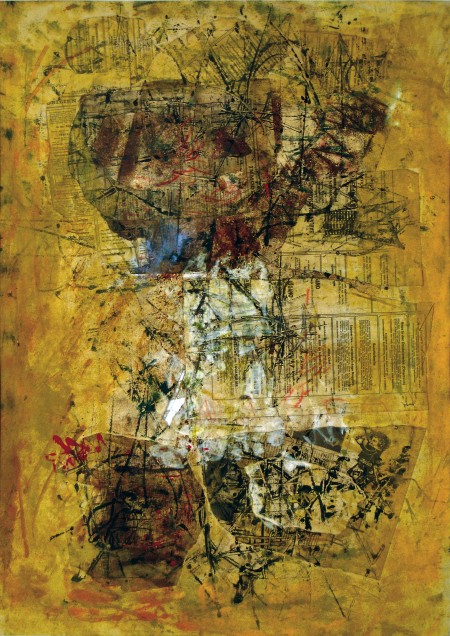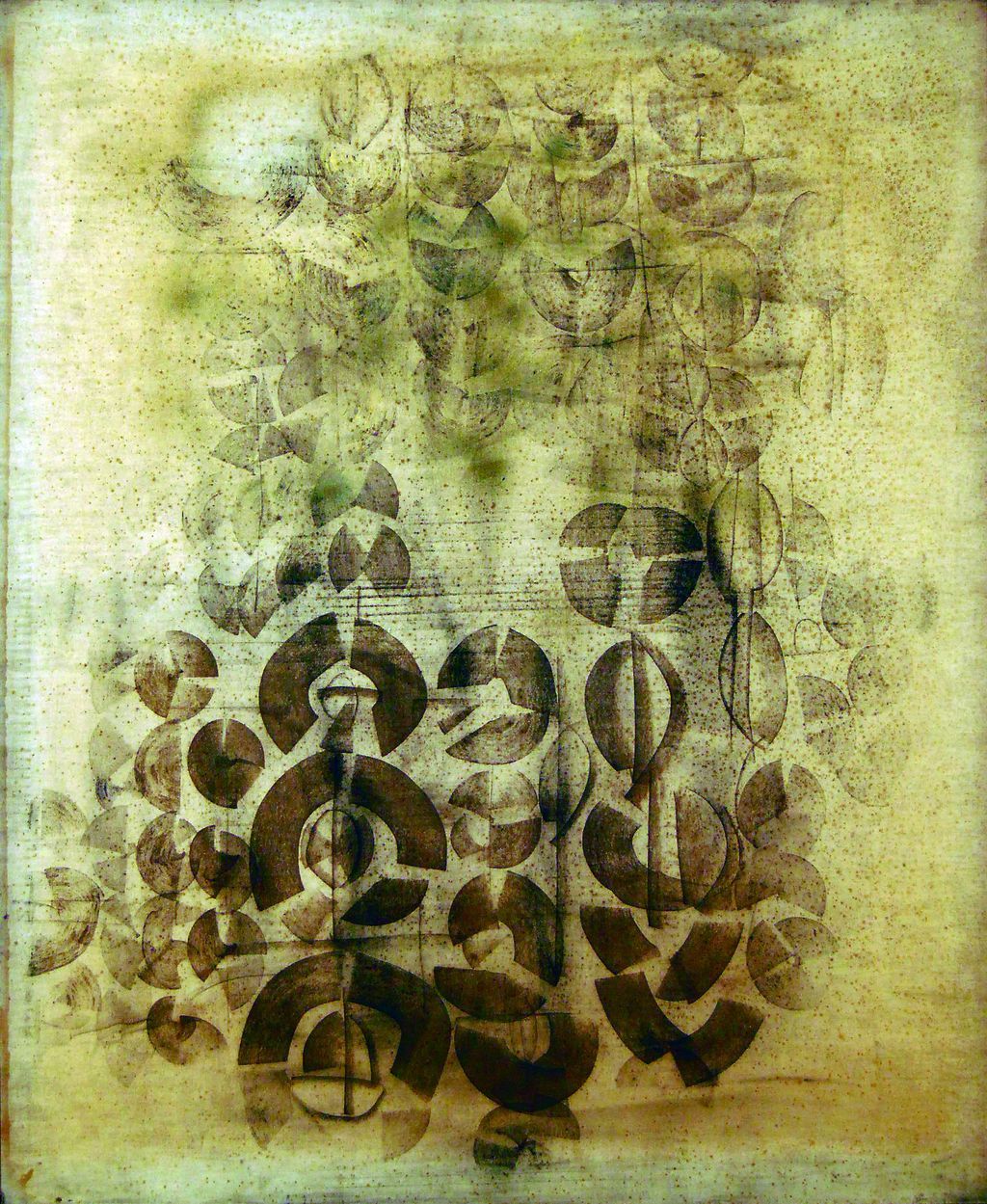
Stuart Sutcliffe – The Forgotten Artist

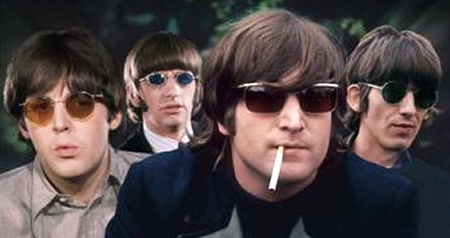
In May of 1960, Stuart Sutcliffe was a brilliant young artist with a bright career ahead of him when he sold one of his paintings and his friend John Lennon talked him into buying a bass. He didn’t know how to play bass but was taught by John, Paul, and George because like George said…it was better to have a bass player that couldn’t play than no bass player at all.

StuSutcliffe

Stuart Sutcliffe 1960

Stuart did learn to play bass and had a lot of stage time in Hamburg. He was never a great bass player but good enough to hold the position down. Stuart and John came up with the band name Beatles. Stuart wanted it to be Beatals but John stuck with Beatles. He quit art college to go on tour with The Silver Beatles to help back up a performer named Johnny Gentle in Scotland. After that they went to Hamburg and that changed their career. John also quit art college but he didn’t have the talent that Stuart did. 

After a year or so he wasn’t at the other Beatles level and Paul never let him forget it. Paul was jealous of Stuart because of him being so close to Lennon. George also was a little jealous but not like Paul. John was basically hero-worshiped by Paul and George. In Hamburg, Paul said something about his girlfriend Astrid and tiny Stuart tackled Paul while they were on stage…they rolled around a bit and then it was finally over. Paul still talks about how he feels bad for the way he treated him.

He probably would have never got to their level musically because although he was good friends with John… his heart was in art not music. He was with them from May 1960 to August of 1961. 

Many art experts say Stuart would have been a major artist had he lived… with or without the Beatle connection. He was indeed a sought-after artist when he quit the Beatles. He was the James Dean of the Beatles…He was the Artist…the Stylish one who attracted new friends in Germany that forever changed the Beatles. Some pictures of him make him look ahead of his time.

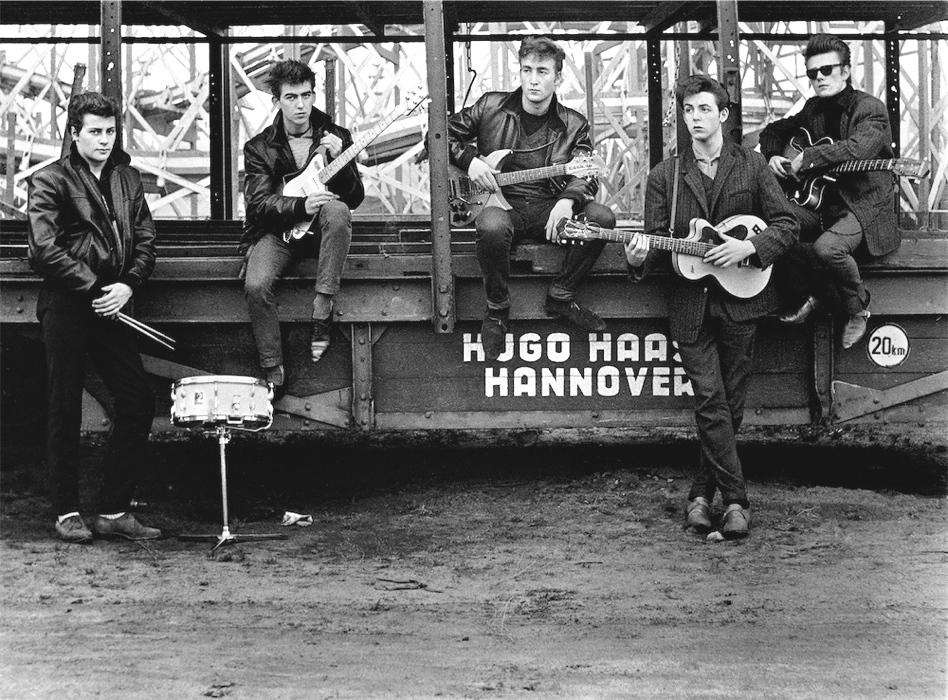
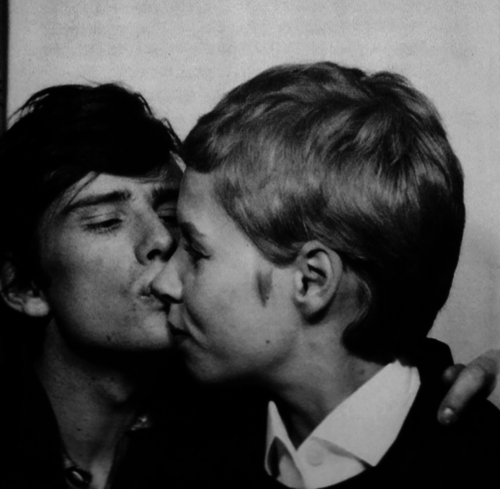
While playing in Hamburg Germany he met Astrid Kirchherr who would become the love of his life. Astrid would take some of the most famous early photographs of the Beatles.

astrid beatles.JPG

Astrid’s soon-to-be ex-boyfriend Klaus Voormann would befriend the Beatles and later designed the Revolver cover and play bass for John, George, and Ringo at different times in their career. Jürgen Vollmer, a photographer in the circle of Astrid’s friends would end up cutting John and Paul’s hair into the famous haircut …after Astrid had already cut Stuart’s hair in that fashion first. Stuart was of course laughed at by the rest until they got theirs cut. Pete Best refused and did his own thing. 

Stuart’s influence went beyond playing bass. Without Stuart, things may have turned out differently for The Beatles.

Stuart finally quit The Beatles to concentrate on art and to marry Astrid. He got a scholarship while living with Astrid in Germany, at the Hamburg College of Art in 1961. He produced a lot of paintings in the last year of his life. He started to lose weight, got terrible headaches, and had trouble walking. He kept going to college and kept painting in Astrid’s attic. They wanted to marry in May but on April 10, 1962, he had a ruptured aneurysm and passed away on the way to the hospital in Astrid’s arms.

If Stuart had lived he would have almost certainly stayed in the Beatles circle although not playing…he may have been remembered more as an artist than a one-time bassist of the Beatles that happened to be an artist. 

For the Beatles part…he was a major influence in coming up with the name, helped bring on the haircuts, and gave them a more sophisticated style other than leather jackets and boots. 

John Lennon would remember his friend in his song “In My Life.”

George Harrison: “He wasn’t really a very good musician. In fact, he wasn’t a musician at all until we talked him into buying a bass, we taught him to play 12-bars, like ‘Thirty Days’ by Chuck Berry. That was the first thing he ever learnt. He picked up a few things and he practiced a bit until he could get through a couple of other tunes as well. It was a bit ropey, but it didn’t matter at that time because he looked so cool. We never had many gigs in Liverpool before we went to Hamburg, anyway.”
John Lennon: “I looked up to Stu. I depended on him to tell me the truth, Stu would tell me if something was good and I’d believe him. We were awful to him sometimes. I used to explain afterwards that we didn’t dislike him, really.”

More about Stuart and his Art…thank you for reading this. 

http://www.anothermag.com/art-photography/8556/a-five-point-guide-to-the-art-and-style-of-stuart-sutcliffe

astrid stu.png

stu1.jpg

stu 2.jpg

Stu 3.jpg

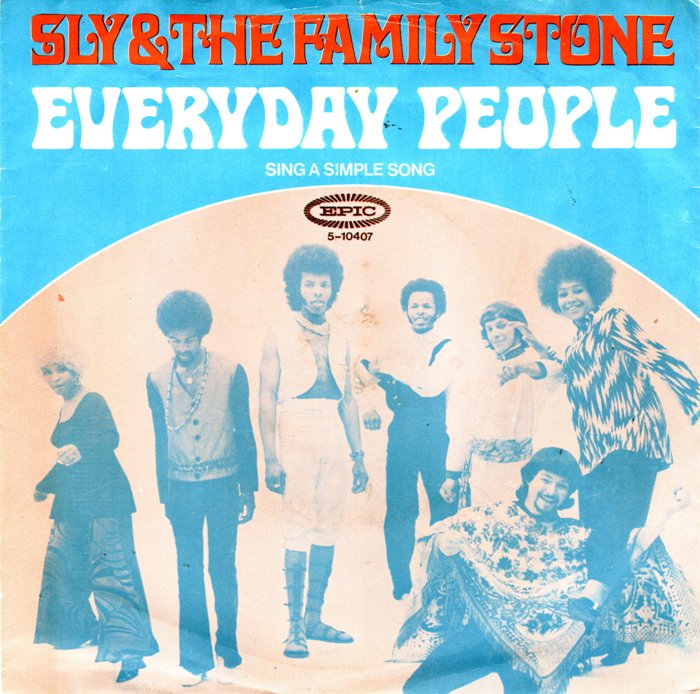
Sly and The Family Stone – Everyday People

It would take a lot of work not to like this song. It’s very meaningful and it’s catchy. They even shared a line from a new cartoon…Scooby Doo “And so on and so on and scooby dooby dooby.” The song was written by Sly Stone. 

Sly & the Family Stone was a great band. This song was released in 1968 and it peaked at #1 in the Billboard 100, #2 in Canada, and #36 in the UK Charts in 1969. Sly arranged this song perfectly with great dynamics for the chorus. A great piece of songwriting and arranging. It would have been a hit whenever it was released.

It was this song that broke them into a larger audience and Stone into stardom. Billboard later ranked it as the #5 song of 1969, and the single’s success helped power the album Stand! to sales of three million copies.

Sly and the Family Stone really made their presence known at Woodstock with a great set. Carlos Santana has remarked that they were the standout band. They recorded songs in many genres, including funk, psychedelic soul, rock, soul, pop, funk rock, and R&B.

Billy Preston played organ on this single and the song has been used in many movies, TV shows, and commercials.

Everyday People

Sometimes I’m right and I can be wrong
My own beliefs are in my song
The butcher, the banker, the drummer and then
Makes no difference what group I’m in
I am everyday people, yeah, yeah

There is a blue one
Who can’t accept the green one
For living with a fat one
Trying to be a skinny one
Different strokes
For different folks

And so on and so on
And scooby dooby dooby
Oh sha sha
We got to live together

I am no better and neither are you
We are the same, whatever we do
You love me, you hate me, you know me and then
You can’t figure out the bag I’m in
I am everyday people, yeah yeah

There is a long hair
That doesn’t like the short hair
For being such a rich one
That will not help the poor one
Different strokes
For different folks

And so on and so on
And scooby dooby dooby
Oh sha sha
We got to live together

There is a yellow one
That won’t accept the black one
That won’t accept the red one
That won’t accept the white one
Different strokes
For different folks

And so on and so on
And scooby dooby dooby
Oh sha sha
I am everyday people

Canned Heat – Going Up Country

I wasn’t there but this song equals Woodstock to me. Every time I hear this song I think of a field full of hippies with bubbles. Alan “Blind Owl” Wilson wrote this song based on an old blues song called Bull Doze Blues. It peaked at #11 in the Billboard 100 and #5 in Canada in 1969.

Alan Wilson moved to Los Angeles and met Bob “The Bear” Hite and in 1965 started Canned Heat. The group took their name from “Canned Heat Blues,” an obscure 1928 track by bluesman Tommy Johnson that described the drug high achieved through drinking the household product Sterno.

In 1967, after appearing at the Monterey Pop Festival, Canned Heat signed with Liberty Records. They made a self-titled album that year and it peaked at #76 on the Billboard Charts. In 1968 they released “Boogie with Canned Heat” which made it to number 16. They followed that album with “Living the Blues”(#18) and in 1969 released the album Hallelujah(#37).

Their appearance at Woodstock raised their stock higher. They had two hit singles both sung by Alan Wilson, this song released in 1968, and  On The Road Again released in 1969. Alan wasn’t the regular lead singer of Canned Heat but he did sing the two best-known singles by them. They were both written by him and based on old blues songs. His unusual voice came from him trying to mimic the voice of old blues singers. Bob Hite was the lead singer of the band.

Alan Wilson is a forgotten figure who was a gifted musician. He died in 1970 under strange circumstances outdoors in a sleeping bag near his band’s lead singer’s (Bob Hite) house. He was dead at the age of 27. Jimi Hendrix would die in a couple of weeks and Janis Joplin would follow a month later…all of them were age 27.

Going Up Country was heavily influenced by an old and obscure Blues song called “Bull Doze Blues” by Henry Thomas. The song caught on in the summer of 1969 and was very popular among Hippies who appreciated the nature theme.

Going Up Country

I’m goin’ up the country, baby don’t you want to go?
I’m goin’ to some place, I’ve never been before
I’m goin’ I’m goin’ where the water tastes like wine
I’m goin’ where the water tastes like wine
We can jump in the water, stay drunk all the time
I’m gonna leave this city, got to get away
All this fussin’ and fightin’ man, you know I sure can’t stay
So baby pack your leavin’ trunk
You know we’ve got to leave today
Just exactly where we’re goin’ I cannot say
But we might even leave the U.S.A.
It’s a brand new game, that I want to play

No use in your runnin’, or screamin’ and cryin’
‘Cause you got a home as long as I’ve got mine

Temptations – I Can’t Get Next To You

Back when I was dating…Whenever I broke up with a girl…I would drag the Temptation’s greatest hits out. I would play them for at least two weeks and wallow in self-pity…just a phase I had to go through. After that, I was ready for the next one.

In the mid-eighties, they came to Nashville when the theme park Opryland was still open. They had a theater inside the part but it was sold out. No problem…I had a friend who worked there and we borrowed his sister’s work ID that worked there also. All you had to do was flash the card really quickly so they never saw that I wasn’t a Sarah. He took me the back way and we snuck into the theater and saw the Temptations. I’m not proud of it…but I did get to see the Temptations. It was the only concert that I never got a ticket stub from.

The song was off on their album Puzzle People. which peaked at #5 on the Billboard Album Charts, #1 on the R&B Charts, #8 in Canada, and #20 in the UK in 1969.  The Punk Panther reviewed this and some of their other albums. On this one, he said: First off I Can’t Get Next To You has a super intro in the opening door and “wait a minute” vocal before it kicks into a magnificent piece of lively, funky, punchy Motown pop.

The song was written by Barrett Strong and Norman Whitfield.  They also wrote Cloud Nine for the group. I like how all 5 Temptations trade verses on this song…everyone got a turn. I also like the party atmosphere of the song.

The song peaked at #1 on the Billboard 100, #1 on the Billboard R&B Charts, #11 in Canada, and #13 in the UK in 1969.  It knocked off “Sugar, Sugar” by the Archies and was replaced by “Suspicious Minds” by Elvis Presley.

There have been numerous covers of the song. Other versions include those by The Osmonds, Al Green, Savoy Brown, The Jess Roden Band, Annie Lennox, Toto, and David Cassidy.

I Can’t Get Next To You

Hold it, everybody
Hold it, hold it, listen

I can turn the gray sky blue
I can make it rain whenever I want it to
Oh, I can build a castle from a single grain of sand
I can make a ship sail, huh, on dry land

But my life is incomplete and I’m so blue
‘Cause I can’t get next to you (I can’t get next to you, babe)
Next to you (I can’t get next to you)
I just can’t get next you (I can’t get next to you, babe)
(I can’t get next to you)

I can fly like a bird in the sky
Hey, and I can buy anything that money can buy
Oh, I can turn a river into a raging fire
I can live forever if I so desire

Unimportant are all the things I can do
‘Cause I can’t get next to you (I can’t get next to you, babe)
No matter what I do (I can’t get next to you)
Uh-yah

Ooh
Ooh
Chicka boom, chicka boom
Chicka boom, boom, boom

I can turn back the hands of time, you better believe I can
I can make the seasons change just by waving my hand
Oh, I can change anything from old to new
The things I want to do the most, I’m unable to do

Unhappy am I with all the powers I possess
‘Cause, girl, you’re the key to my happiness
And I, oh I can’t get next to you

Girl, you’re blowing my mind
‘Cause I can’t get (next to you)
Can’t you see these tears I’m crying?
I can’t get (next to you)
Girl, it’s you that I need
I gotta get (next to you)
Can’t you see these tears I’m crying?
I can’t get (next to you)
I, I, I, I, I can’t get (next to you)
I, I, I, I, I can’t get, now (next to you)
Girl, you’re blowing my mind
‘Cause I can’t get…

Kinks – All Day and All of the Night

Happy Monday everyone…if that is possible. I hope you all had a good weekend.

This simple riff is raw and cutting like Louie, Louie, and Wild Thing…and became a staple of garage bands forever.

The sound of the guitar was revolutionary. Dave Davies got the dirty guitar sound by slashing the speaker cone on his amplifier with a razor blade. The vibration of the fabric produced an effect known as “fuzz,” which became common as various electronic devices were invented to distort the sound. At the time, none of these devices were available to Dave, so Davies would mistreat his amp to get the desired sound, often kicking it.

The song peaked at #7 on the Billboard 100, #4 in Canada, #5 in New Zealand, and #2 in the UK in 1964. It’s punk…raw rock and roll to the core. The guitar was really distorted and hard for the time.

The record executives in their wisdom didn’t like this song when they heard it. They said the guitar sounded like a barking dog. Later on, the Doors would borrow this melody for Hello I Love You.

One of my favorite things about these early Kinks singles is Dave Davies’s solos. They were always driving and exciting…and yes Dave played on this song, not studio musician Jimmy Page.

The Kinks would revisit this melody with the song “Destroyer” off of the “Give The People What They Want” album.

James Hetfield from Metallica: “schooled on early riff-rock by this man [Ray Davies] and his band – The Kinks”.

Ray Davies:“I cranked up my guitar more than on ‘You Really Got Me’, when we went into the studio, everybody knew what they were doing. I think we did it in three takes… the first time the band heard it was when I ran through it with them at the soundcheck, afterwards we drove back down to London, got up in the morning, and finished the song by midday”.

Ray Davies getting the truth out…this is what he said about the rumor of Jimmy Page playing on this record: “I remember Page coming to one of our sessions when we were recording ‘All Day And All Of The Night.’ We had to record that song at 10 o’clock in the morning because we had a gig that night. It was done in three hours. Page was doing a session in the other studio, and he came in to hear Dave’s solo, and he laughed and he snickered. And now he says that he played it! So I think he’s an asshole, and he can put all the curses he wants on me because I know I’m right and he’s wrong.”

Ray Davies: ” I was a rebellious, angry kid anyway, but that had a profound effect on me. I was full of rage.” That anger was coupled with the frustration that The Kinks song ‘You Really Got Me’ just wasn’t translating in a studio setting. “I could easily have slashed my wrists,” but I had a little green amplifier, an Elpico, that was sounding crap. I thought, ‘I’ll teach it’ – and slashed the speaker cone. It changed the sound of my guitar. Then, when I wired that amp up to another, a Vox AC30, it made it a lot, lot louder”.

Dave Davies: “A little later, I was very depressed and fooling around with a razor blade. I could easily have slashed my wrists, but I had a little green amplifier, an Elpico, that was sounding crap. I thought, “I’ll teach it” – and slashed the speaker cone. It changed the sound of my guitar. Then, when I wired that amp up to another, a Vox AC30, it made it a lot, lot louder.“

All Day and All of the Night

I’m not content to be with you in the daytime
Girl I want to be with you all of the time
The only time I feel alright is by your side
Girl I want to be with you all of the time
All day and all of the night

I believe that you and me last forever
Oh yeah, all day and nighttime yours, leave me never
The only time I feel alright is by your side
Girl I want to be with you all of the time
All day and all of the night
Oh, come on

I believe that you and me last forever
Oh yeah, all day and nighttime yours, leave me never
The only time I feel alright is by your side
Girl I want to be with you all of the time
All day and all of the night
All day and all of the night-time
All day and all of the night

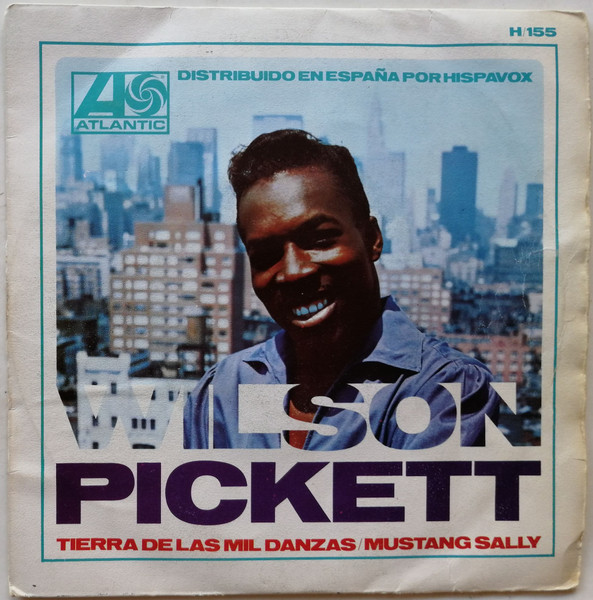
Wilson Pickett – Mustang Sally

Motown and Stax were vital to the 1960s and 70s. This is just my opinion… but Motown had more hits but Stax had an edge that was hard to beat. I always thought their music had more of a groove to it.

This is a song that our band never officially learned…it’s one of those songs where if you have played for a few years…you just know by instinct. We did this one from a request and also Midnight Hour we would play loud and intense.

The music is in groove mode, but Pickett’s explosive voice drives it home. Mustang Sally was recorded at FAME studios in Muscle Shoals, Alabama. The studio had a unique sound plus some of the best musicians anywhere. It started to get the attention of Atlantic Records and they sent Pickett to record there. Later on, a guitar player known as Duane Allman would end up as a studio musician and talked Pickett into recording Hey Jude.

As soon as they finished this take… the tape flew off the reel and broke into pieces everywhere. Producer Tom Dowd cleared the room and told everyone to return in half an hour. Dowd pieced the tape back together and saved what became one of the coolest songs of the decade.

It was written by Mark Rice. In 1950, he moved with his family to Detroit, where he graduated from high school. After he served in the Army, he joined a group called The Falcons. He soon began singing with the Falcons, whose other members included Wilson Pickett, Joe Stubbs, and Eddie Floyd. But he would find real fame as a songwriter.

“Mustang Sally” began as “Mustang Mama,” which he was inspired to write by the newly introduced Ford Mustang sports car. It was Aretha Franklin, the pianist on Rice’s demo of the song, who persuaded him to rename it.

He recorded “Mustang Sally” as Sir Mack Rice in 1965, and it peaked at #15 on the Billboard R&B chart. Rice did a nice job but the song needed Wilson Pickett’s powerful voice.

Pickett’s version peaked at #23 on the Billboard 100, #6 on the R&B Charts, #28 in the UK, and #4 in Canada.

Mustang Sally

Mustang Sally, huh, huh, guess you better slow your Mustang down
Oh Lord, what I said now?
Mustang Sally, now baby, oh Lord, guess you better slow your Mustang down
Huh oh yeaah
You been running all over the town now
Oh! I guess I’ll have to put your flat feet on the ground
Huh, what I said now?

Listen
All you want to do is ride around Sally, ride, Sally, ride
All you want to do is ride around Sally, ride, Sally, ride. Huh
All you want to do is ride around Sally, ride, Sally, ride

One of these early mornings, baby, you gonna be wiping your weeping eyes
Huh, what I said now?

Look it here.
I bought you a brand new mustang nineteen sixty five. Huh
Now you come around signifying a woman, you don’t wanna let me ride
Mustang Sally, now baby, oh Lord, guess you better slow that mustang down
Huh, oh Lord. Look here
You been running all over the town
Oh! I got to put your flat feet on the ground. Huh, What I said now?

Let me say it one more time ya’ll
All you want to do is ride around Sally, ride, Sally, ride

Hank Williams – I’m So Lonesome I Could Cry

You can’t do better in country or music period… than with The Hillbilly Shakespeare. I always thought his songs express many feelings we feel in life but we just don’t say them.

One of the most beautiful gut-wrenching songs ever written. The lyrics can be read without music and still work. The silence of a falling star lights up a purple sky, and as I wonder where you are I’m so lonesome I could cry. Songwriters work all of their lives trying to come up with a line like that… Williams had a career of them.

The song was released on November 8, 1949…as a 78-RPM single with “My Bucket’s Got A Hole In It.” The song quickly became a favorite on Country radio and a staple of Williams’ live shows. The song peaked at #2 on the Country Charts.  The song was rereleased in 1966 and peaked at #43 on the Hot Country Charts and #109 on the Billboard Charts.

When he wrote this song he was going to do it as a spoken word bit but his friends and musicians urged him to put music to it. He wrote it about his first wife Audrey Sheppard who seemed to love one another but had a tumultuous relationship.

Everyone knows how I feel about Bob Dylan’s songwriting. It’s incredible and to me…Hank Williams is right up there beside Bob.  The artists that covered this one include Johnny Cash, Ray Charles, Dean Martin, Al Green, Freddy Fender, Bob Dylan, Little Richard, Cowboy Junkies, and Elvis Presley.

If you are interested in Hank Williams and great music I suggest you check out this song by The Blasters…Long White Cadillac. The song is about the night Hank Williams died in the back of a car. He died somewhere between Bristol, Tenn., and Oak Hill on the way to a New Year’s Day 1953 show in Canton, Ohio.

Rolling Stone ranked it #111 in the list of 500 greatest songs of all time.

Bob Dylan: “Even at a young age, I identified with him. I didn’t have to experience anything that Hank did to know what he was singing about. I’d never heard a robin weep, but could imagine it, and it made me sad.”

K.D. Lang: “‘I think ‘I’m So Lonesome I Could Cry’” is one of the most classic American songs ever written, truly. Beautiful song.”

Kasey Chambers: “It’s totally heartbreaking but you don’t want to stop listening to it. Oh God, it just makes you want to crawl into a hole. It has that combination of making you feel good and bad at the same time, which is what all great country music does.”

I’m So Lonesome I Could Cry

Hear that lonesome whippoorwill,
He sounds too blue to fly.
That midnight train is whining low,
I’m so lonesome I could cry.

I’ve never seen a night so long
When time goes crawling by.
The moon just went behind a cloud
To hide its face and cry.

Did you ever see a robin weep,
When leaves begin to die?
That mean he’s lost the will to live,
I’m so lonesome I could cry.

The silence of a falling star
Lights up a purple sky.
And as I wonder where you are
I’m so lonesome I could cry.

Beatles – And Your Bird Can Sing

This guitar riff is incredibly hard to learn. I’ve learned some difficult riffs before but this one I finally gave up on. It’s doable but not one you can just pick up quickly. How John came up with this unorthodox riff is beyond me. John came up with some great riffs. Daytripper, I Dig a Pony, I Feel Fine, Yer Blues, I Want You (She’s So Heavy), Cold Turkey, and more.

I’ve always remembered the Joe Walsh story about this song…He said he worked for weeks to master this song by himself. Only to find out later that it was two guitars playing the riff, not one… after Ringo told him.

The song was never released as a single. One of the things I like about the Beatles is the songs that they never released as singles would be milestones for other bands. I think it perfectly encapsulates the mid-sixties pop sound. You can also hear early power pop in this song. I always thought this would have fit better on Rubber Soul but I don’t care…great song.

John or Paul never said what the song was about or what inspired it. Some have speculated that the “bird” was Mick Jagger’s then-girlfriend Marianne Faithfull. Others say it was about an interview that Frank Sinatra gave and he kept using the phrase “How’s your bird?” What caught John’s attention was the press release from Sinatra’s PR firm that read: “If you happen to be tired of kid singers wearing mops of hair thick enough to hide a crate of melons… ‘Tell me that you’ve heard every sound there is ‘and your bird can swing.

Sinatra was not a fan of rock music when it came out. He said “Rock and roll smells phoney and false. It is sung, played, and written, for the most part, by goons. It is the most brutal, ugly, desperate, vicious form of expression it has ever been my displeasure to hear.”

Frank did soften up a bit as the sixties went along. He covered “Something” written by George Harrison and said it was the greatest love song written in the last 50 years.

Some songs I have to listen to a few times to like and some the first time. This one was love at first listen. It’s not a Beatle’s masterpiece but if you like catchy guitar riff-driven songs then you can’t go wrong with this one. The song was written primarily by John. The song was released on the UK version of Revolver and the “Yesterday and Today” compilation in America in 1966. The dual guitar solo rates at #69 on the “100 Greatest Guitar Solos” list by Rolling Stone magazine.

George Harrison: “I think it was Paul and me, or maybe John and me, playing in harmony,” it’s “quite a complicated little line that goes through the middle-eight.” 

Paul McCartney: “George and I would work out a melody line, then I would work out the harmony to it. So we’d do it as a piece, ‘And Your Bird Can Sing’ – that’s what that is. That’s me and George both playing electric guitars. It’s just the two of us live. It’s a lot easier to do with two people, believe me. It’s another one of our little tricks!”

And Can Your Bird Can See

You say you’ve got everything you want
And your bird can sing
But you don’t get me
You don’t get me

You say you’ve seen the seven wonders
And you bird is green
But you can’t see me
You can’t see me

When your prized possessions
Start to weigh you down
Look in my direction
I’ll be round, I’ll be round

When your bird is broken
Will it bring you down
You may be awoken
I’ll be round, I’ll be round

You tell me that you’ve heard every sound there is
And your bird can swing
But you can’t hear me
You can’t hear me

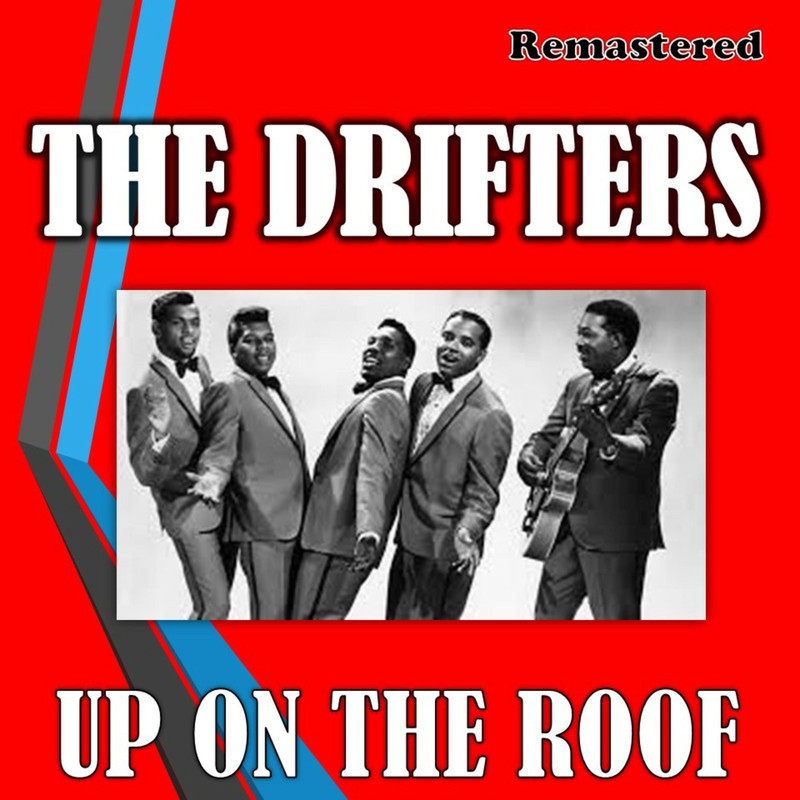
Drifters – Up On The Roof

It’s one of those songs that relax you while listening and just get lost in.  What a mood it gives you. There are worse places to be than on a roof with peace and quiet.

This song was first recorded by Little Eva but then owned by The Drifters. The song was written by  Gerry Goffin and Carole King. King would later revisit this song on her album Writer in 1970. The lead singer for The Drifters on this song was Rudy Lewis. The Drifters would have a lot of hits in the 50s and 60s. Save The Last Dance For Me, Under The Boardwalk, There Goes My Baby, On Broadway, and many more.

The Drifters were formed in 1953 by George Treadwell and Clyde McPhatter.  George Treadwell managed the group and laid the foundation of what would give them a distinctive sound.  Clyde McPhatter was the lead singer of the group that also saw numerous members over the years but two others stood out above the rest.  Johnny Moore and Ben E King. Rudy Lewis was also an outstanding singer but he died in 1964.

They took their gospel background and channeled it into wonderful R&B arrangements. This song peaked at #5 on the Billboard 100 and #4 on the R&B Charts in 1962.

They were elected into the Rock and Roll Hall of Fame in 1988…up on the roof indeed.

Up On The Roof

When this old world starts getting me down
And people are just too much for me to face
I climb way up to the top of the stairs
And all my cares just drift right into space

On the roof, it’s peaceful as can be
And there the world below can’t bother me
Let me tell you now

When I come home feelin’ tired and beat
I go up where the air is fresh and sweet (up on the roof)
I get away from the hustling crowd
And all that rat race noise down in the street (up on the roof)

On the roof, the only place I know
Where you just have to wish to make it so
Let’s go up on the roof (up on the roof)

At night the stars put on a show for free
And darling, you can share it all with me
I keep a-tellin’ you

Right smack dab in the middle of town
I’ve found a paradise that’s trouble proof (up on the roof)
And if this world starts getting you down
There’s room enough for two

Up on the roof (up on the roof)
Oh, come on, baby (up on the roof)
Oh, come on, honey (up on the roof)
Everything is all right (up on the roof)

Manfred Mann – Quinn The Eskimo (Mighty Quinn)

Some songs are just fun…and this is one of them. Yes, I like the Manfred Mann version a bunch and I also like Bob Dylan’s released version. It’s a live version with The Band at the Isle of Wight. Bob’s voice fits this song so well…he is over the top, sloppy, and loud but it works. It’s an irresistible melody and hook that Bob wrote in this song. Bob’s version is the only version I knew for a long time.

Bob Dylan wrote this song and I first heard it through his Greatest Hits II album, and then the Basement Tapes of him and The Band. Some time later I heard the Manfred Mann version of it. Something different though…Manfred Mann was the first to release it. This usually didn’t happen but Mike D’abo from Manfred Mann explains it:  “We met in a publisher’s house as Bob Dylan was making some new material available to other artists, we heard about 10 songs and I thought ‘This Wheel’s On Fire’ would be the one to do, but Manfred liked The Mighty Quinn, which was called ‘Quinn The Eskimo’ then. It was sung in a rambling monotone but Manfred had recognized its potential. He sold me on the idea of doing this song, but I had to make up some of the words as I couldn’t make out everything he was saying. It was like learning a song phonetically in a foreign language. I have never had the first idea what the song is about except that it seems to be ‘Hey, gang, gather round, something exciting is going to happen ’cause the big man’s coming.’ As to who the big man is and why he is an Eskimo, I don’t know.” 

The Basement Tapes version is much more mellow. This is probably the demo that Manfred Mann received.

It is thought that Bob Dylan came up with the song after seeing the 1959 movie The Savage Innocents. In that movie, Anthony Quinn plays an Eskimo named Inuk…that would explain Quinn and why he mentions an Eskimo in a pop song.  That film also was the screen debut of Peter O’Toole.

Bob released the song in 1970 on his Self Portrait album… a live version recorded at the Isle of Wight Festival on August 31, 1969, with The Band backing him. His voice is great on this…it fits the song. The “heeyyyyyyyys” and the “whooooaaaas”s are perfect for it. 

Manfred Mann released this in 1968 and it was a huge hit for them. The song peaked at #1 in the UK, #3 in Canada, #1 in New Zealand, and #10 on the Billboard 100 in 1968.

A little trivia for Beatle fans…Klaus Voormann who drew the Revolver cover, was on this song, he played the flute part on the Manfred Mann version. I also believe he played bass but I can’t verify…that is what instrument he played.

Having turned down offers from bands like the Hollies and the Moody Blues, Voormann agreed to become a part of Manfred Mann. He got to know the Beatles when they arrived in Germany. When Stuart Sutcliffe quit playing bass…McCartney took over and a little while later Stuart volunteered…if he had spoken up sooner…you never know what could have happened.

Ron Cornelius who played on the Self Portrait album: “There’s everybody and his brother flying into Nashville to play on that thing. If you look at the credits, it’s amazing how many people were delighted to come and play on it. Out of everybody I’ve worked with, I don’t know of anyone who’s been any nicer than Bob Dylan.”

The Mighty Quinn

Come all without, come all within
You’ll not see nothing like the mighty Quinn
Come all without, come all within
You’ll not see nothing like the mighty Quinn

Everybody’s building ships and boats
Some are building monuments
Others jotting down notes
Everybody’s in despair
Every girl and boy
But when Quinn the Eskimo gets here
Everybody’s gonna jump for joy

Come all without, come all within
You’ll not see nothing like the mighty Quinn

I like to go just like the rest, I like my sugar sweet
But jumping queues and making haste
Just ain’t my cup of meat
Everyone’s beneath the trees feeding pigeons on a limb
But when Quinn the Eskimo gets here
All the pigeons gonna run to him

Come all without, come all within
You’ll not see nothing like the mighty Quinn
Come all without, come all within
You’ll not see nothing like the mighty Quinn

Let me do what I wanna do, I can’t decide ’em all
Just tell me where to put ’em and I’ll tell you who to call
Nobody can get no sleep, there’s someone on everyone’s toes
But when Quinn the Eskimo gets here, everybody’s gonna wanna doze

Come all without, come all within
You’ll not see nothing like the mighty Quinn
Come all without, come all within
You’ll not see nothing like the mighty Quinn

Come all without, come all within
You’ll not see nothing like the mighty Quinn
Come all without, come all within
You’ll not see nothing like the mighty Quinn

Roy Orbison – (Oh) Pretty Woman

I’ve talked about Smokey Robinson and how his voice was iconic. Roy Orbison…the same thing. His voice was ridiculous and I mean that in the best possible way. It’s a voice that is so unique that copying it would be almost impossible.

This song was written for Orbison’s first wife, Claudette. One day, she left for the store by “walking down the street” and by the time she returned, Orbison had written what would become one of his biggest hits.

There was a quote that Tom Petty gave…that when he joined the Wilburys he called his mom and told her “Mom, I’m in a band with Roy Orbison!” Not Mom I’m in a band with Bob Dylan or a Beatle George Harrison…no it was Roy. That voice was golden and magical but he paid for his success dearly as you will read below.

This one has become a rock and roll standard. It was released in 1964 and he would have rough times to come. In 1957, Orbison married his sweetheart, Claudette Frady. She was 17 at the time and he was 21. As the young couple’s romance was soon thrust into jeopardy given Orbison’s rapid rise to fame, cracks began to appear. In November 1964, Orbison divorced Claudette over her alleged infidelities. However, within ten months, the pair had reconciled their differences and were once more in a loving relationship. They had three children.

It started on June 6, 1966, when Claudette and Roy were riding motorcycles. Claudette hit the door of a pickup truck and was killed instantly. Orbison poured himself into his work after that. He wrote and toured but was out of step with the mid to late-sixties music.  It was in Birmingham, England in September 1968 when catastrophe struck once more. News reached Orbison that a fire had broken out at his home in Tennessee and that his two eldest sons had tragically passed away. His younger child went to live with his grandparents.

His career stalled but he did come back in the 1980s with Jeff Lynn producing his new album Mystery Girl. He also was in the Wilburys and that thrilled the rest of the group. Roy died suddenly on December 6, 1988.  Mystery Girl would be released around a month and a half after Roy passed away. The album was hugely successful peaking at #5 in America and #4 in Canada.

(Oh) Pretty Woman peaked at #1 on the Billboard 100, in Canada, New Zealand, and the UK. This was during the height of the British Invasion which makes it even more significant.

In 1982 Van Halen covered Oh Pretty Woman. They did a great job on the song and introduced Roy and his song to a new generation. I bought the single when it was released. Roy’s vocals can’t be matched but they did their own arrangement and it worked.

Per songfactsIn 1964, Orbison was the only American artist to have a #1 UK hit, and he did it twice – with “(Oh) Pretty Woman” and “It’s Over.”

Bob Dylan: “He [Roy Orbison] could sound mean and nasty on one line and then sing in a falsetto like Frankie Valli in the next. With Roy, you didn’t know if you were listening to mariachi or opera. He kept you on your toes. With him, it was all about fat and blood. He sounded like he was singing from an Olympian mountaintop and he meant business.”

(Oh )Pretty Woman

Pretty woman, walkin’ down the street
Pretty woman the kind I like to meet
Pretty woman I don’t believe you, you’re not the truth
No one could look as good as you, mercy

Pretty woman won’t you pardon me
Pretty woman I couldn’t help but see
Pretty woman that you look lovely as can be
Are you lonely just like me

Pretty woman stop awhile
Pretty woman talk awhile
Pretty woman give your smile to me
Pretty woman yeah, yeah, yeah
Pretty woman look my way
Pretty woman say you’ll stay with me
‘Cause I need you, I’ll treat you right
Come with me baby, be mine tonight

Pretty woman don’t walk on by
Pretty woman don’t make me cry
Pretty woman don’t walk away, hey, okay
If that’s the way it must be, okay
I guess I’ll go on home, it’s late
There’ll be tomorrow night, but wait
What do I see?
Is she walkin’ back to me?
Yeah, she’s walkin’ back to me
Oh, oh, pretty woman

Blind Faith – Well All Right

This song came up during the comments of the 1969 Max Picks…and I wanted to cover it.

Blind Faith was a supergroup composed of Eric Clapton, Ginger Baker, Steve Winwood, and Ric Grech. This song was not written by one of those gentlemen…it was written by Norman Petty, Buddy Holly, Jerry Allison, and Joe B. Mauldin…a Buddy Holly song.  Blind Faith used this as the flip side to Can’t Find My Way Home.

Clapton wanted a  more low-keyed band than Cream. Clapton and Winwood thought about asking Duck Dunn and Al Jackson of Booker T and the MGs to be the rhythm section but when Ginger Baker showed up at rehearsals…the band was set. Winwood became enthusiastic about being in a band with Baker… Clapton was hesitant but went ahead with it. Finally, the group was completed when the bassist for Family… Ric Grech joined the trio to make it a quartet.

When they first started to rehearse, Steve Winwood was playing the bass lines on his organ but he came to the conclusion they needed a real bass player. Clapton admired Rick Grech since the days when that band was known as The Farinas. Winwood said “I knew he was a good singer and could play great, and that was the guy we wanted. We didn’t even consider any other bass players. Once Rick was around – and he seemed like a nice guy – it was just very casually accepted that he was in the band.”

The first Blind Faith concert was a big one. It was in Hyde Park London, with around 100,000 people watching. They all thought they weren’t prepared enough for the concert. They also did a tour in the US but Eric started to hang out with Delaney and Bonnie more during the tour. He and George Harrison would play with them frequently.

Their discography is brief…one album but it’s a great one.

Ginger Baker: “We got to Stevie’s cottage in the middle of a field, and I settled down at Jim Capaldi’s drum kit and we just played for hours. Musically, Stevie and I got along wonderfully. He was one of the greatest musicians I’ve ever worked with. What I didn’t know then was that Eric would probably rather have worked with Jim Capaldi. It’s a curious thing with me and Eric. I regard him as the nearest thing I’ve got to a brother, but we always found it difficult to talk about personal things. He never explained, for example, that he wanted it all to be a much more low-key affair than Cream had been.”

Steve Winwood on recording the album: “They were full of people hanging out, Eric had a lot of bohemian friends and liked to record with people around. The only thing I remember not being very pleased with was ‘Can’t Find My Way Home.’ It was only when I heard it again later that I realized how good it was.”

Well All Right

Well all right, so I’ve been foolish.
Well all right, let people know
About the dreams and wishes that you wish
In the night when lights are low.

Well all right, well all right,
You know we live and love with all our might.
Well all right, well all right,
You know our lifetime love will be all right.

Well all right, so I’m not working.
Well all right, let people say
That those foolish kids can’t be ready
For the love that comes their way.

Well all right, well all right,
You know we live and love with all our might.
Well all right, well all right,
You know our lifetime love will be all right.

Well all right, so I’ve been foolish.
Well all right, let people know
About the dreams and wishes that you wish
In the night when lights are low.

Well all right, well all right,
You know we live and love with all our might.
Well all right, well all right,
You know our lifetime love will be all right.

Zager and Evans – In the Year 2525 ….One Hit Wonder Week

If you want to break up a party…play this song…it will clear a room with quickness. So enjoy the post and song!

To say it’s bleak is an understatement. I’ve always been interested in it though. It was released in 1969 and the other chart songs around it were happy…Sugar Sugar, Dizzy, the cool Crystal Blue Persuasion, and Aquarius/Let The Sunshine In… this one seems out of place in that bunch. The duo was Denny Zager and Rick Evans. Rick Evans wrote this song.

It peaked at #1 on the Billboard 100, #1 in Canada, #1 in the UK, and yes #1 in New Zealand. It was number one around a week before the Apollo Space Mission. This doom and gloom song was recorded in a studio in the middle of a cow pasture in Odessa, Texas in 1968.

The line that I noticed was Everything you think, do and say Is in the pill you took today. Hmmm, kind of reminds me of a thousand pills made now to control your illnesses or just make you feel better. Also if you really want to read into it… In the year 5555, Your arms hangin’ limp at your sides Your legs got nothin’ to do, Some machine’s doin’ that for you. That machine today would be a phone or a computer doing about everything. Buying your groceries, playing your music, and reading Max’s blog about that.

The other line I think about… You’ll pick your son, pick your daughter too, From the bottom of a long glass tube. Well, that happened on July 25, 1978, with the first test tube baby.

You probably guessed it by looking at the names but this was Zager and Evans, only hit. What are they doing today? The author, Rick Evans, sadly passed away in February 2018 in Santa Fe, New Mexico at the age of 75. Denny Zager is a highly acclaimed Guitar maker who makes his home in Nebraska. Nebraska is where both of them were from.

Their follow-up song was “Mr. Turnkey,” a song about a rapist who nails his wrist to his prison cell because he is sorry for his crime? Yeah, I wonder why that one didn’t hit? I admire the ambition but maybe a little too much inspiration was going on.

I have a quote from Zager at the bottom but here is another one and it’s interesting….Denny Zager: Before John Denver was discovered, he used to write to me all the time asking how we knew about “test tube babies” and things that hadn’t even been discovered yet. Rick used to tell him he had been abducted by aliens and “saw into the future.”

Denny Zager:  Rick (Evans) said he wrote the lyrics in 10 minutes in the back of a Volkswagen van after a night of partying and a lot of Mary Jane. He tried the song with a few bands he was playing with at the time, but the music wasn’t right and it wasn’t working. I thought the lyrics were intriguing, so I rewrote the music so it blended better with the lyrics. The first night we played it live we knew it was special because the crowd looked stunned and wanted to hear it again and again. 

Denny Zager: Like any band Rick and I had our squabbles, but there was a point in time that I felt we could have written some of the best music of the century. I miss him.

The follow-up!

In The Year 2525

In the year 2525, if man is still alive
If woman can survive, they may find
In the year 3535
Ain’t gonna need to tell the truth, tell no lie
Everything you think, do and say
Is in the pill you took today
In the year 4545
You ain’t gonna need your teeth, won’t need your eyes
You won’t find a thing to chew
Nobody’s gonna look at you
In the year 5555
Your arms hangin’ limp at your sides
Your legs got nothin’ to do
Some machine’s doin’ that for you
In the year 6565
You won’t need no husband, won’t need no wife
You’ll pick your son, pick your daughter too
From the bottom of a long glass tube

In the year 7510
If God’s a coming, He oughta make it by then
Maybe He’ll look around Himself and say
Guess it’s time for the judgment day
In the year 8510
God is gonna shake His mighty head
He’ll either say I’m pleased where man has been
Or tear it down, and start again

In the year 9595
I’m kinda wonderin’ if man is gonna be alive
He’s taken everything this old earth can give
And he ain’t put back nothing

Now it’s been ten thousand years
Man has cried a billion tears
For what, he never knew, now man’s reign is through
But through eternal night, the twinkling of starlight
So very far away, maybe it’s only yesterday

In the year 2525, if man is still alive
If woman can survive, they may find

Every Mother’s Son – Come On Down To My Boat

Obbverse and I were commenting the other day and this song came up. I had this single from a relative of mine when I was a kid and I would play this and Eleanor by the Turtles over and over again. The band had a really cool name. The song is pure bubblegum but enjoyable.

Every Mother’s Son was short-lived, consisting of brothers Dennis (guitars) and Larry Larden (lead vocals, guitars), along with Bruce Milner (keyboards), Schuyler Larsen (bass), and Christopher Augustine (drums). They were formed in New York City, New York in 1967.

The band’s clean image was a perfect foil to the “hippie invasion” groups of that time, and that clean image was the very reason why MGM signed them. By 1967 though the squeaky clean image didn’t help…well…their image.

The group recorded their self-titled debut album, which was released in 1967. The album mostly contained a collection of songs written by Jerry Goldstein and Wes Farrell. Not only did the band look like the Beach Boys, but Every Mother’s Son‘s sound had echoes of the Beach Boys too.

This was their first single and they hit pay dirt. It peaked at #6 on the Billboard 100 and #3 in Canada in 1967. They were making appearances and enjoying being in the top 10 and they did try to follow up this song. They released four more singles in 1967 and 68 trying to push another one up the charts…but it didn’t work.

They would fall into the One Hit Wonder file…but it’s better than the No Hit Wonder file. The bubblegum band The Rare Breed also released this song before Every Mother’s Son but it wasn’t a hit.

Come On Down To My Boat

She sits on the dockA fishin’ in the water uh, huhI don’t know her nameShe’s the fisherman’s daughter uh, huh

Come on down to my boat babyCome on down where we can playCome on down to my boat babyCome on down we’ll sail away

She smiled so niceLike she wants to come with me uh, huhBut she’s tied to the dockAnd she can’t get free

Come on down to my boat babyCome on down where we can playCome on down to my boat babyCome on down we’ll sail away

Fish all day sleep all nightFather never lets her out of his sightSoon I’m gonna have to get my knifeAnd cut that rope, cut that rope

So we can go fishin’ in my little red boatMake you happy in my little red boat, so

Come on down to my boat babyCome on down where we can playCome on down to my boat babyCome on down we’ll sail away

Come on down to my boat babyCome on down where we can playCome on down to my boat babyCome on down we’ll sail away

Max Picks …songs from 1969

1969

I will be in a meeting today…so I’ll be late in commenting.

I’m so sad that we are leaving the 60s. I do love the 70s but the 60s I think were rock/pop’s best decade.

Great year… Led Zeppelin had arrived the year before and The Beatles released Abbey Road, which was the year of George. I could have flipped a coin on Something or Here Comes The Sun. This is the last year I’ll be able to include the Holy Trinity of Rock…The Beatles, The Who, and The Rolling Stones while they were all still together.

Something was written about his then-wife Pattie Boyd. This one moved his songwriting abilities up in the eyes of his bandmates Lennon and McCartney and the world. George had written some good songs before like Taxman, If I Needed Someone, and While My Guitar Gently Weeps but this one…this one placed him in another league. George had two of the highlights on Abbey Road with Something and Here Comes The Sun. Something tells me we will be seeing Mr. Harrison next year…just a hunch!

So many Led Zeppelin songs I could have had here off the second album…or the Brown Bomber. I picked Ramble On over Whole Lotta Love because it has that light-heavy feel.

Creedence Clearwater Revival was rising in 1969. They ended up being one of the best American bands ever. They only had a short window but they took advantage of it. If you want proof that life isn’t fair… Green River was kept from #1 because of the bubblegum song “Sugar, Sugar” by The Archies.

The song was written by John Fogerty.

I always thought The Who was the best pure rock band out there…and I still do. They released Tommy in 1969 and although I never thought it was their best…it was and is still iconic.

It has many classic rock songs that we know and this one included…this is the Who playing We’re Not Going To Take It. It was written by Pete Townshend.

Blind Faith was a Supergroup made up of Eric Clapton, Steve Winwood, Ginger Baker, and Ric Grech. They released just one album. Winwood wrote Can’t Find My Way Home and sang lead. Many critics thought that Blind Faith sounded a lot more like Traffic than Clapton’s Cream, which is what Clapton was going for.