Sister Wynona Carr – The Ball Game

One of my great loves in life is baseball. It lends itself to music and movies better than any other sport, in my opinion. I’ve been asked what are my favorite baseball songs. This one is in my top 5. It uses baseball as a metaphor, but I count it.  Some other songs are Centerfield by John Fogerty, Talkin’ Baseball by Terry Cashman, Did You See Jackie Robinson Hit That Ball?, and so many more. Also, the Baseball Project, which has Mike Mills from REM as a member. I first heard this song in Ken Burns’ documentary “Baseball” in the mid-nineties. It was also in the movie about Jackie Robinson called 42. 

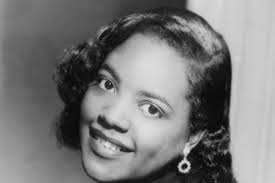
Sister Wynona Carr had such a powerful, soulful voice. This song is also known as Life Is A Ballgame. It’s a gospel song recorded by Sister Wynona Carr in 1952. The song uses baseball as a metaphor for life’s challenges, depicting Jesus as the coach and Satan as the opposing pitcher, with bases representing stages of temptation, sin, and tribulation.

Wynona Carr started her musical career in gospel, forming the Carr Singers around 1945. She later signed with Specialty Records, where she recorded around twenty gospel tracks between 1949 and 1954, including this song. Despite its initial success, Carr moved to popular music in the mid-1950s, exploring R&B and rock and roll genres.

She was influenced by Sister Rosetta Tharpe in bringing in jazz, gospel, and blues influences. Sister Wynonna Carr also wrote this song, which is incredible. I think it’s one of the best songs to use baseball as the subject. 

The Ball Game

Life is a ball game

Bein’ played each day

Life is a ball game

Everybody can play


Yes you know, Jesus standing at the home plate

He is waiting for you there

You know, the life is a ball game

But you’ve got to play it fast


The first base is temptation

You know the second base is sin

The third base tribulation

If you pass, you can make it in


Old man Solomon is the umpire

And Satan pitchin’ a game

He’ll do his best, strike you out

He playin’ just the same


You know, Daniel’s up to bat first

You know, he pray three times a day

Yes Satan pitched him a fast ball

But he hit it anyway


Yes you know, Job is up to bat next

Satan’s struck him in every way

But Job hit a home run

And he came on in that day


Yes you know, prayer is a strong bat

To hit at Satan’s ball

And when you start to swing it

You got to give it your all and all


Yes you know, the priest gonna be your catcher

And on him you can depend

Oh Jesus standing at the home plate

And He is waiting for you to come in


Yes you know, Moses is on the sidelines

Waiting to be called

You know, the day he parted the Red Sea

Little price all and all


Then John came in the ninth inning

And the game was almost done

Then God gave John a vision

And he knew we’d already won


Yes you know life is a ball game

Being played each day

You know life is a ball game

Each and everybody can play


Yes you know, Jesus is standing at the home plate

He is waiting for you there

Well you know, life is a ball game

But you’ve got to play it fast

Ronnie Hawkins and The Hawks – 40 Days

I’ve never posted a song on Ronnie Hawkins, and it was about time. I always loved his aggression on stage. I see these old clips of him, and he is everywhere. 

He was born in Huntsville, Arkansas, and became an important in the U.S. and Canadian music scenes. The guy could appear unhinged live, and I love that fact. From the film clips I’ve seen, he was all over the place. In the clip at the bottom, you will see a young blonde-headed Levon Helm on drums. 

In 1958, Hawkins toured Canada with The Hawks and decided to settle there, where he found a huge music scene. He became a Canadian citizen and remained in the country for much of his career. His decision to stay in Canada played a huge part in its rock and roll development.

Chuck Berry wrote 30 Days or Thirty Days (To Come Back Home) in 1955. Ronnie rewrote it as 40 days. Ernest Tubb, Cliff Richard, and The Tractors have covered it. It did really well in Canada, peaking at #4 and #45 on the Billboard 100 in 1959. 

A young Robbie Robertson, then a member of the Suedes, opened for Hawkins and the Hawks at the Dixie Arena in Toronto. He was impressed by Hawkins’ dynamic performance, and Robertson was eager to contribute material when he overheard Hawkins expressing a need for new songs for an upcoming recording session. He stayed up all night to write Someone Like You and Hey Boba Lu, both of which Hawkins recorded for his album Mr. Dynamo. He would join the Hawks in 1961. 

Ronnie is best known for the latter Hawks. In 1961, Robbie Robertson, Levon Helm, Rick Danko, Richard Manuel, and a 24-year-old kid named Garth Hudson would be the Hawks…and eventually break away from Hawkins and form The Band. 

40 Days

I’m gonna give you 40 daysTo get back homeI done called up a gypsy woman on the telephoneI’m gonna send out a world-wide who-do-thatAnd do the very thing that I should, yeahI’m gonna sentence you to be back home in 40 days

Whew! 40 days! (40 days)Whew! 40 days! (40 days)I’m gonna sentence you to be back home in 40 days(40 days)

I’m gonna send out a world-wide who-do-thatAnd do everything that I should, yeahI’m gonna sentence you to be back home in 40 days (40 days)

I heard ’em talkin’ to the judge in privateEarly this mornin’I heard they took it to the SherriffOffice to signed a warnin’

They’re gonna go and call a charge against youThat’d be the very thing that I’ll send youI’m gonna sentence you to be back in 40 days

Whew! 40 days! (40 days)Whew! 40 days! (40 days)I’m gonna sentence you to be back home in 40 days (40 days)

I’m gonna send out a world-wide who-do-thatAnd do everything that I shouldI’m gonna sentence you to be back home in 40 days (40 days)

Whoa, 40 days (40 days)Whew! 40 days(40 days)I’m gonna sentence you to be back home in 40 days(40 days)

I’m gonna go and call a charge against youThat’ll be the very thing that I send youI’m gonna sentence you to be back home in 40 days(40 days)

Diablos – The Wind

I’m reading Peter Wolf’s autobiography, and he mentioned this song being his and his first love’s song. I listened to it and instantly liked the guitar’s haunting mood and slight tremolo. It’s a doo-wop song from 1954, and it sounds heavenly. Many of the slow 50s doo-wop songs do sound haunting now. I think it was the production that helped as well. 

The record also mentioned “featuring Nolan Strong” on the record, and it’s posted as Nolan Strong and the Diablos. He was an outstanding singer.  The Diablos were a Detroit-based doo-wop group formed in the early 1950s. They had tight harmonies and Strong’s falsetto at the time set them apart. They recorded for Fortune Records, a label known for its gritty, cheap, and raw production style.

This was their biggest song and a cult classic. While it didn’t chart nationally, it became a staple on jukeboxes and a huge influence in Detroit. Nolan Strong became well-known among other musicians. Smokey Robinson said, “There was a guy who lived in Detroit and had a group called the Diablos. His name was Nolan Strong. They were my favorite vocalists at that time.” When Smokey Robinson says that…I automatically listen. Lou Reed added: “If I could really sing, I’d be Nolan Strong.” 

Berry Gordy had wanted to bring the Diablos into his growing Motown complex and is said to have offered Jack & Devora Brown $5,000 for the Diablos contract, but the deal never transpired, much to the disappointment of the group, who felt that Motown could have done a better job in promoting and recording them.

The song has been covered a few times, most notably by Laura Nyro in 1971 and a live version by her was released in 2002. The Chenille Sisters also covered it in 1991. 

Bobby Rogers (A Miracle Member): Smokey and I used to go see Nolan all the time at the Warfield Theater over on Hastings, He was a great singer. I don’t know, some people are just ahead of their time.’

The Wind

Wind, wind blow
Wind, wind blow
Wind, wind blow
Wind, wind blow
Wind, wind blow

When the cool summer breeze
Sends a chill down my spine
When I long for my love’s sweet caress
I know she has gone, but my love lingers on
In a dream that the winds bring to me
I remember as we kissed in the cool summer breeze
As she lay warm and tender in my arms

Darling, when a star falls, I wish for you
And, darling, when I see lover’s making love
Then I long for you
And when the sun and her stars are shimmering across the mountains and the valleys
Then, darling, I look for you
And even until the Heavens above can no longer exist
Even until then, shall I still love you

I know she has gone, but my love lingers on
In a dream that the winds bring to me

Big Joe Turner – Flip Flop and Fly

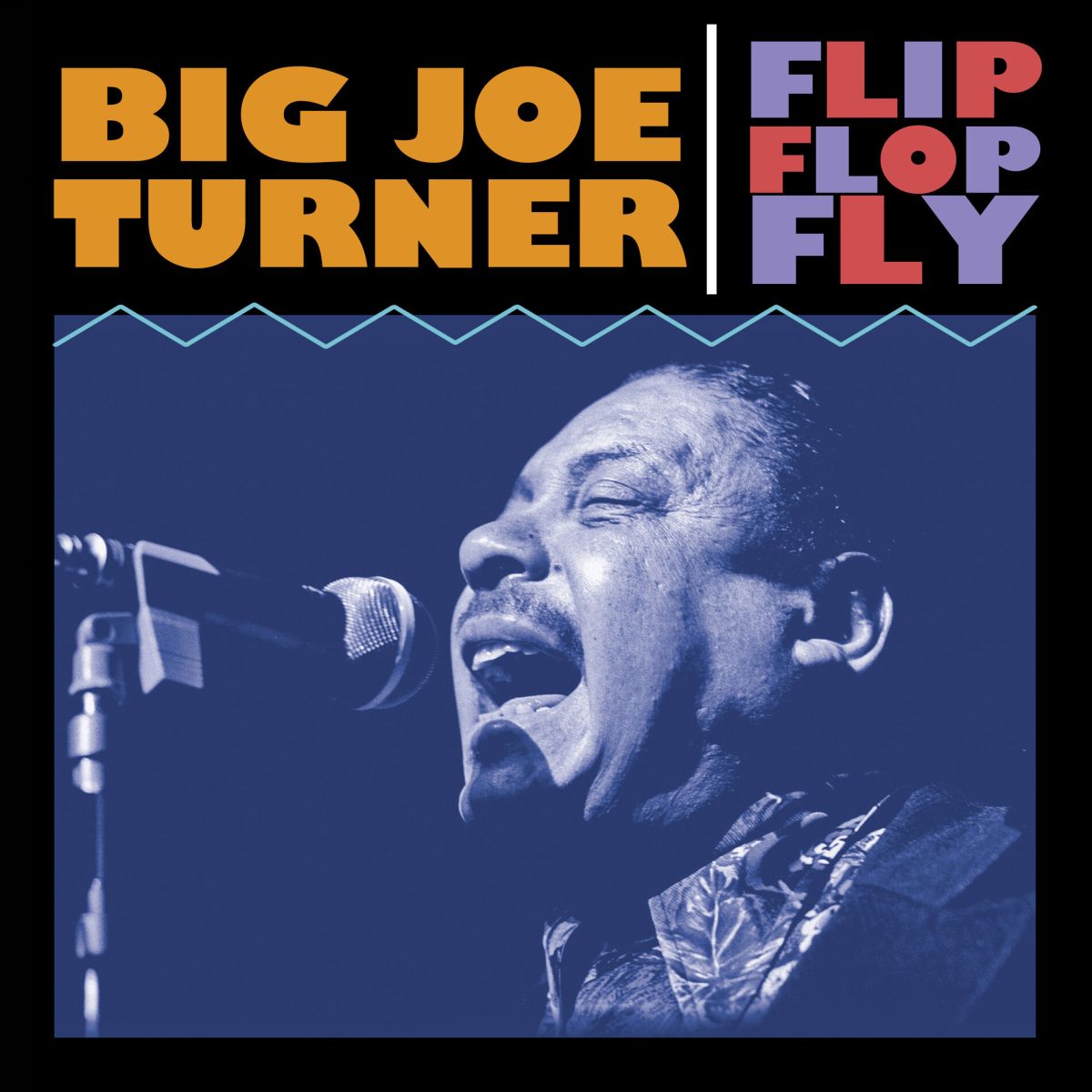
A lot of 1950s songs still get played today and we remember them but this one doesn’t get the attention although Elvis Presley, Jerry Lee Lewis, Johnnie Ray, Blues Brothers, Van Morrison, and Bill Haley covered it as well. It’s hard to beat something this simple…it just works. You don’t need a think tank… it’s just a fun song. 

Big Joe Turner (Joseph Vernon “Big Joe” Turner Jr. ) grew up in Kansas City, a major hub for jazz and blues in the early 20th century. His father passed away when he was young, leaving his mother to raise him and his siblings. Turner never formally learned to play an instrument, but he developed his booming, unmistakable voice by singing in church and later performing on street corners.

He was thriving in the Kansas City Blues Scene. He left school at age 14 (1925) to work in those Kansas Blues Clubs in the 20s and 30s. He would cook or perform as a singing waiter. In 1936 he moved to New York City. 

Signed with Atlantic Records in the 1950s and had a string of rhythm & blues hits. His upbeat jump blues style helped transition R&B into early rock & roll. He wrote and recorded songs like  Shake, Rattle and Roll (1954)… One of the first songs that bridged blues and rock & roll. It was later covered by Bill Haley & Elvis Presley. Probably one of the most important songs in Rock and Roll history. 

His success proved that older blues artists could thrive in the rock & roll era. This song was released in 1955 and has been covered 91 times. 

Flip Flop and Fly

Now when I get the blues, I get me a rockin’ chair
When I get the blues, I get me a rockin’ chair
Well, if the blues overtake me gonna rock right away from here

Now when I get lonesome, I jump on the telephone
When I get lonesome, I jump on the telephone
I call my baby, tell her I’m on my way back home

Now flip, flop and fly
I don’t care if I die
Now flip, flop and fly
I don’t care if I die
Don’t ever leave me, don’t ever say goodbye

Give me one more kiss, hold it a long long time
Now love me baby, till the feelin’ hits my head like wine

Here comes my baby, flashin’ her new gold tooth
Well she’s so small, she can mambo in a pay phone booth

Now flip, flop and fly
I don’t care if I die
Now flip, flop and fly
I don’t care if I die
Ah, don’t ever leave me, don’t ever say goodbye

I’m like a mississippi bullfrog, sittin’ on a hollow stump
I got so many women, I don’t know which way to jump

Now flip, flop and fly
I don’t care if I die
Now flip, flop and fly
I don’t care if I die
Now, don’t ever leave me, don’t ever say goodbye
Oh my!

Magic 8 Ball

I was told as a kid that a Magic 8 Ball could predict the future. I bought it hook line and sinker…I was also told by my older sister (8 years older) that snakes bite the second person in a line while I was merrily leading the way hiking in the woods as a 5-year-old…so I caught on pretty quick after I stepped on a snake…didn’t get bit though…but I never let her forget it.

I bugged my mom till she got me the mysterious Magic 8 Ball. I was amazed at this toy…well it wasn’t a toy to me. I thought this was great. So being 5-6 years old I thought I would put it to use… Oh, Magic 8 Ball should I color in the encyclopedias with my crayons? I shook it up and waited for the triangle to give me the answer… “signs point to yes”…those signs must have pointed in a different direction than my Mom… she wasn’t a fan of the Magic 8 ball after that.

Abe Bookman invented the Magic 8 Ball, a fortune-telling toy currently manufactured by Mattel.

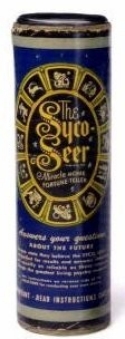
During World War II, a man named Alfred Carter in Cincinnati created a tube-like fortune-telling toy. To help him he got his brother-in-law to help…that would be Abe Bookman. they created a 7″ tube device with glass on both ends with a pair of floating dice with responses. It was sold as the “Syco-Seer: The Miracle Home Fortune Teller.” Their company was called Alabe Crafts.

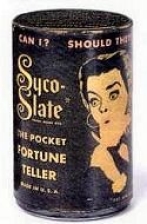
The original Magic 8 Ball was tubular and went by the name Syco-Seer. The Magic 8 Ball above. The Syco-Seer metal cylindar above. The Syco-Slate Pocekt Fortune-Teller at right.

Carter died in 1948 and Bookman revised it into a crystal ball but it still didn’t sell really well. Then the Brunswick Billiards company commissioned Bookman to make them one shaped like an 8 ball as a promotional giveaway.

After the giveaway was finished Bookman kept producing them shaped like an 8 ball.

The Magic 8 Ball that we have known since then has contained a 20-sided polygon inside a hollow plastic ball, floating in a liquid-filled, 3-inch diameter tube. The liquid largely consists of dark blue ink and alcohol. The predictions, yes, no, or non-committal, appear on each triangular face of the polygon.

Bookman marketed it as a conversation piece, a paperweight and then a toy.

Ideal Toys bought Alabe Crafts in 1971. Next, Tyco Toys bought the ball in ’87. Mattel owns it today and sells one million units a year.

Here are the magical statements of the Magic 8 Ball

  • As I see it, yes
  • Ask again later
  • Better not tell you now
  • Cannot predict now
  • Concentrate and ask again
  • Don’t count on it
  • It is certain
  • It is decidedly so
  • Most likely
  • My reply is no
  • My sources say no
  • Outlook good
  • Outlook not so good
  • Reply hazy, try again
  • Signs point to yes
  • Very doubtful
  • Without a doubt
  • Yes
  • Yes, definitely
  • You may rely on it.

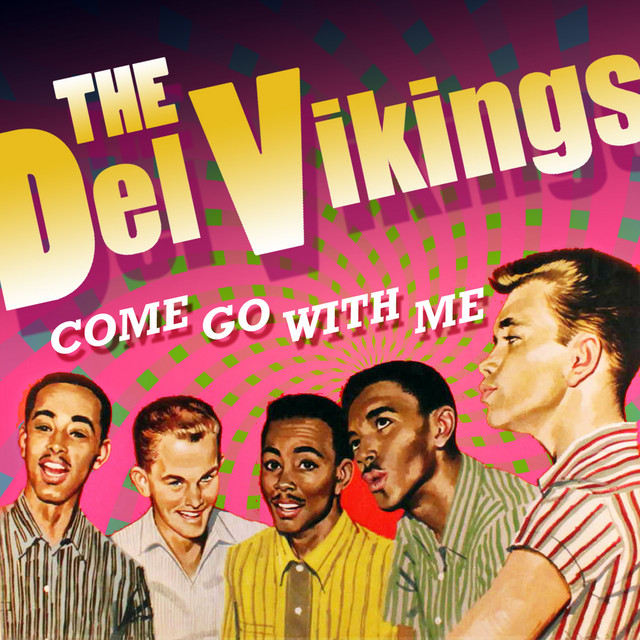
Del-Vikings – Come Go With Me

This is one of those songs that is a mile marker for the 1950s. When I think of the 1950s I think of dairy dips, sock hops, and Come Go With Me. I always feel better after hearing this song. It’s one of the most famous doo-wop songs ever. 

They were formed in 1955 by a group of U.S. Air Force servicemen stationed at the Pittsburgh Air Force Base. The original lineup included Cornell Gunter, Clarence Quick, Kripp Johnson, Don Jackson, Bernard Robertson, and Norman Wright. Clarence Quick, the group’s bass singer, also served as their main songwriter. He wrote the song while still in the U.S. Air Force, where the original members of The Del-Vikings were stationed. 

With their name…there are different answers. Some say Clarence Quick knew a basketball team out of New York and they used the Vikings name. Some say the group was reading about Vikings and took that name…and the books were the company Viking Press. The “Del” or “Dell” part happened because they wanted to add a bit of mystery to the name. Some say it was because some of them had been stationed in Delaware and that might be where they got the name. Either way the Del-Vikings came up with a signature song of the 1950s. 

Due to contract disputes, some members later formed a separate group called The Dell Vikings (with two “L”s), while others continued under the original Del-Vikings name. Despite this, both versions of the group were recorded and performed in the late 1950s.

Clarence Quick wrote this song for his band and it was their debut single. The song was released on the small Fee Bee label before being picked up by Dot Records. The song peaked at #5 on the Billboard 100 in 1957… and it became one of the most recognizable doo-wop songs of all time. That same year they would have two more top twenty hits with Whispering Bells and Cool Shake

It’s been featured in classic films such as “American Graffiti” (1973) and “Stand by Me” (1986). It’s been covered by several artists, including Dion, Cliff Richard,  The Beach Boys, and The Excellents.

Come Go With Me

Well I love, love you darlin’Come and go with meCome home with meWay beyond the seaI need you darlin’So come go with me

Come, come, come, comeCome into my heartTell me darlin’We will never partI need you darlin’So come go with me

Yes, I need youYes, I really need youPlease say you’ll never leave meWell, say you neverYes, you really neverYou never give me a chance

Come, come, come, comeCome into my heartTell me darlin’We will never partI need you darlin’So come go with me(Yeah)

Yes, I need youYes, I really need youPlease say you’ll never leave meWell, say you neverYes, you really neverYou never give me a chance

Love you darlin’Come and go with meCome home with meWay beyond the seaI need you darlin’So come go with me

Come on go with meCome on go with meCome on go with me

Hank Williams – Hey, Good Lookin’

I got a hot rod ford and a two dollar bill
And I know a spot right over the hill
There’s soda pop and the dancin’s free
So if you want to have fun come along with me

 If you had told me that Chuck Berry wrote those lyrics I would have completely believed you. I have to wonder how often this line has been used in the history of dating since this song came out?

Little Jimmy Dickens said that Williams wrote the song in just 20 minutes while on tour with Dickens and Minnie Pearl. He intended the song for Dickens but decided to keep it for himself after realizing its potential.

The song was released in 1951. It was recorded at Castle Studio in Nashville with his backing band The Drifting Cowboys. After the release, he was on the Kate Smith Evening Show to debut it. The video is at the bottom and the girl beside him is June Carter…later to be June Carter Cash. 

Williams was making inroads into a more crossover audience. He was the first country star to make an appearance on the Perry Como show at the time. He was wildly popular in the early 1950s. He probably would have helped broaden country music’s popularity had he lived longer. 

This song is very popular, to say the least. It has been covered 252 times and more than once by his son as well.  Johnny Cash, Carl Perkins, and Gene Vincent all tackled it in 1958. Other versions have included those by George Jones (1959), Ray Charles (1962), Del Shannon (1964), Roy Orbison (1970), and Waylon Jennings (1985). A 1973 live version by Van Morrison was on the expanded 2016 reissue of his It’s Too Late To Stop Now set.

Hank Williams took 12 songs to #1 and had 55 charted singles in his career, which ended too soon when he died on Jan. 1, 1953, at the age of only 29. He is listed as the writer or co-writer of 167 songs in his lifetime. 

The song peaked at #1 on the Billboard Hot Country Singles at the time. In 2004 it peaked at #8 on the Billboard Hot Country Songs chart with Jimmy Buffet singing and also #63 on the Billboard 100. 

The man lived hard…look at the bottom video. He is just 27 years old in that clip…he could be easily mistaken for much older. He was one of the best songwriters in the 20th Century. 

Hank Williams:  “If a song can’t be written in 20 minutes, it ain’t worth writing.”

Hey Good Lookin’

Say hey, good lookin’ whatcha got cookin’?
How’s about cookin’ something up with me?
Hey, sweet baby don’t you think maybe
We can find us a brand new recipe?

I got a hot rod ford and a two dollar bill
And I know a spot right over the hill
There’s soda pop and the dancin’s free
So if you want to have fun come along with me

Hey, good lookin’ whatcha got cookin’?
How’s about cookin’ something up with me?

I’m free and ready so we can go steady
How’s about saving all your time for me
No more lookin’ I know I been cookin’
How’s about keepin’ steady company?

I’m gonna throw my date book over the fence
And find me one for five or ten cents
I’ll keep it ’til it’s covered with age
‘Cause I’m writin’ your name down on every page

Say hey, good lookin’ whatcha got cookin’?
How’s about cookin’ something up with me?

Elvis Presley – Blue Moon Of Kentucky

How I love this song. I’ve heard it so many times and now I think of Planes, Trains, and Automobiles when Martin and Candy are singing it in a burntout car they were driving. 

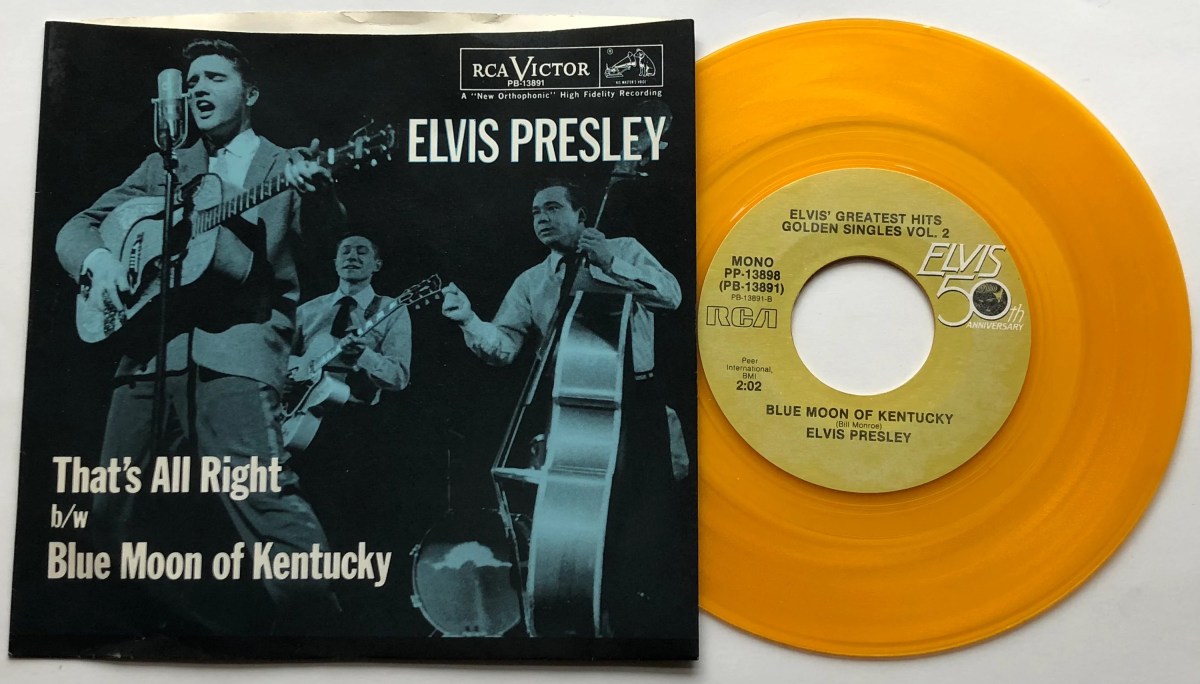
Elvis Presley recorded this song as the B-side to That’s All Right in 1954, marking his debut single with Sun Records. It was recorded during his second session with the label on July 6, 1954. Elvis, guitarist Scotty Moore, and bassist Bill Black reimagined the song in a faster, upbeat, rockabilly style. This transformation gave the song a fresh, raw feel that differed greatly from its bluegrass origins.

Presley’s recording became the best-known version of the song and is an early example of what was to become known as Rockabilly, a combination of Blues and Country together with an uptempo beat. The single was very popular locally, helping to build Elvis’s reputation in the Memphis area and laying the groundwork for his later success. DJ’s have said they would play the single multiple times over and over again when it was released. 

Bill Monroe wrote this song in 1946 and recorded the first version playing mandolin backed by his band, the Blue Grass Boys. After the Presley version was released, Monroe recut the song and added both styles to it.

Elvis Presley got an invite to the Grand Ole Opry soon after this, and he was fearful of Monroe’s reaction to his version of the song. He sought out the older Opry star backstage and apologized to him for taking such liberties. Monroe reacted with generosity. Monroe later admitted Presley’s version of “Blue Moon of Kentucky” gave him very big songwriter royalty checks. This song is very important in history… celebrated as a groundbreaking moment where country music met rock and roll with a resounding success. 

The state of Kentucky made this their official bluegrass song. Now let’s listen to the song and listen to the flip side performed by Elvis fan Paul. 

Paul McCartney recorded the Arthur Crudup blues classic, That’s All Right, Mama, with Elvis Presley’s original band members, Scotty Moore (guitar) and DJ Fontana (drums). 

Blue Moon of Kentucky

Blue moon, blue moon, blue moon,
keep shining bright.
Blue moon, keep on shining bright,
You’re gonna bring me back my baby tonight,
Blue moon, keep shining bright.

I said blue moon of Kentucky
keep on shining,
Shine on the one that’s gone and left me blue.
I said blue moon of Kentucky
keep on shining,
Shine on the one that’s gone and left me blue.

Well, it was on one moonlight night,
Stars shining bright,
Wish blown high
Love said good-bye.

Blue moon of Kentucky
Keep on shining.
Shine on the one that’s gone and left me blue.

Well, I said blue moon of Kentucky
Just keep on shining.
Shine on the one that’s gone and left me blue. 
I said blue moon of Kentucky
keep on shining.
Shine on the one that’s gone and left me blue.

Well, it was on one moonlight night,
Stars shining bright,
Wish blown high
Love said good-bye.

Blue moon of Kentucky
Keep on shining.
Shine on the one that’s gone and left me blue.

Head Cat – Fool’s Paradise… album review

I don’t do many album reviews, but this one, I had to write something. I spent this weekend totally locked in on this 2006 album, having it on my computer and phone. It’s a fun rockabilly album well done, and the song selection is terrific. I was going to review another artist, but I got stuck on this one, so I’ll post him next weekend. After the Motörhead post on Friday, CB brought up a rockabilly band that Lemmy was in. I was surprised, to say the least, because I didn’t remember this from the documentary but it’s been a while. I love what I heard. 

I don’t skip tracks because one is as good as the other. There is a bounciness to this album…if that is a word. I could have written a one-word review… FUN

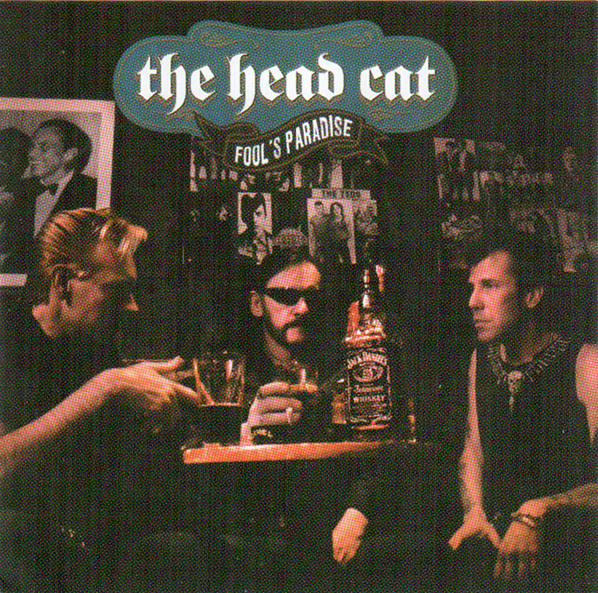
Let’s get with the members of this band. On drums, you have Slim Jim Phantom from the Stray Cats. This man pops up everywhere by the way. On Guitar and piano, you have a rockabilly guitarist named Danny B. Harvey. On bass you have Lemmy Kilmister taking a break from Motörhead to play some rockabilly. His voice fits this music well. 

The origins of The Head Cat trace back to a casual collaboration. Lemmy Kilmister, Slim Jim Phantom, and Danny B. Harvey teamed up in 1999 to record a tribute album to Elvis Presley, titled Swing Cats: A Special Tribute to Elvis. The band’s name? Can you guess? Combining Motörhead and The Stray Cats. They released 6 studio and live albums combined. 

They didn’t always pick the most popular rockabilly songs which I love. You have Buddy Holly, Eddie Cochran, Jimmy Reed, and The Crickets songs on this album. Rather than covering Peggy Sue, they cover Peggy Sue Got Married instead which personally I like more. You have a Buddy Holly title cut Fool’s Paradise. You also have Crying, Waiting, Hoping, Not Fade Away, and one of my favorite Holly songs in Well…All Right. 

The reason this and other similar rockabilly albums work is because 1:  The musicians love this type of music and…that damn word again…FUN. 2: The songs are simple and that is not a put-down but they don’t have 12 chords and studio tricks. The songs sound good on backyard porches and would sound great in the Royal Albert Hall or Ryman Auditorium. I think music has moved too far away from this style. 3: When I said these songs were simple I was NOT implying they are easy to play right…on the contrary because you have no distortion box or tricks to hide behind. It takes pure musicians and a love for this music to play it right. These guys grew up with this music so they pour their heart into it. 

I’ll get off my soapbox now but how I wish I would have had this music growing up. I didn’t grow up in this era when the songs were real time but I see why all of the great artists I like… cling to this music. Everyone from The Beatles, Led Zeppelin, The Who, Stones, Springsteen, Dylan, and The Kinks spent their career trying to recapture the spirit in these wonderful songs. The Head Cat did a great job!

Here is the tracklist:

1 Fool’s Paradise
2 Tell Me How
3 You Got Me Dizzy
4 Not Fade Away
5 Cut Across Shorty
6 Lawdy Miss Clawdy
7 Take Your Time
8 Well…All Right
9 Trying To Get To You
10 Learning The Game
11 Peggy Sue Got Married
12 Crying, Waiting, Hoping
13 Love’s Made A Fool To You
14 Big River
15 Matchbox

If you want the complete album on YouTube…here is the link

Well…All Right

Well, alright, so I’m being foolish
Well, alright, let people know
About the dreams I know that you wish
In the night when lights are low

Well, alright, well, alright
We’ll live and love with all our might
Well, alright, well, alright
Our lifetime love will be alright

Well, alright, so I’m going steady
It’s alright, let people say
That those foolish kids can’t be ready
For the love that comes their way

Well, alright, well, alright
We’ll live and love with all our might
Well, alright, well, alright
Our lifetime love will be alright

Well, alright, well, alright
You know we’ll live and love with all our might
Well, alright, well, alright
You know our lifetime love will be alright

….

Fats Domino – I Want To Walk You Home

This man could take any song and make it his own. He must have loved walking… he had hits with I’m Walkin’, Did You Ever See A Dream Walking?, Walking To New Orleans, and this song I Want To Walk You Home. It was written by Fats Domino and produced by his long-time collaborator Dave Bartholomew. It peaked at #8 on the Billboard 100 and #1 on the Billboard R&B Charts. 

Antoine “Fats” Domino Jr. was not flashy and wild like some of his 1950s peers such as Elvis, Little Richard, and Jerry Lee Lewis. The first I heard of Fats Domino was on “Happy Days” and the song Blueberry Hill. I was at a relative’s yard sale when I was a kid and was given his and Chuck Berry’s greatest hits. My Aunt never knew how much those two records would influence me. 

Domino was the youngest of eight children in a musical family, he spoke Creole French before learning English. At age 7 his brother-in-law taught him how to play the piano. By the time he was 10, he was already performing as a singer and pianist.

Fat’s first hit in the Billboard 100 was the great “Aint That A Shame” in 1955 written by  Fats Domino and Dave Bartholomew which peaked at #16 and his last charting song was a cover of the Beatles’s “Lady Madonna”(great version) that peaked at #100 in 1968. He had 45 songs in the top 100 and 4 top 10 hits…many more top 10 hits in the R&B Charts.

He lived in New Orleans During Hurricane Katrina, he lost most of his possessions and he and his family were rescued by the Coast Guard. He unselfishly made many personal appearances to raise money for the hurricane relief. His house was hit hard and he lost his National Medal and gold records but George Bush gave him another medal to replace the lost one and the RIAA gave him replacement gold records.

To raise money for repairs for his own home, friends and fellow musicians recorded a tribute album, Goin’ Home: A Tribute to Fats Domino, featuring Robert Plant, Elton John, Paul McCartney, and more. He was living in New Orleans at the time of his death on October 24, 2017.

He was a huge influence on The Beatles, Elton John, Robert Plant, and Randy Newman. Elvis even called Fats “The King”…a well-deserved title. 

I Want To Walk You Home

I want to walk you homePlease let me walk you homeI wants to walk you homePlease let me walk you homeYou look so good to me, oh-ooh-eeI wish I was the lucky guy who could walk you right on down the aisle

I love the way you walkI love to hear you talkI love the way you walkI love to hear you talkI’m not tryin’ to be smart, I’m not tryin’ to break your heartBut if I ask you for a date, will you tell me that I’m not too late

I want to hold your handPlease let me hold your handI want to hold your handPlease let me hold your handYou look so good to me, oo-ooee

I saw you walking all alone, that’s why I want to walk you home

So let me walk you homePlease let me walk you homeI want to walk you homePlease let me walk you homeYou look so good to me, oh-ooh-eeI saw you walking all alone, that’s why I want to walk you homeThat’s why I want to walk you home, that’s why I want to walk you homeThat’s why I want to walk you home

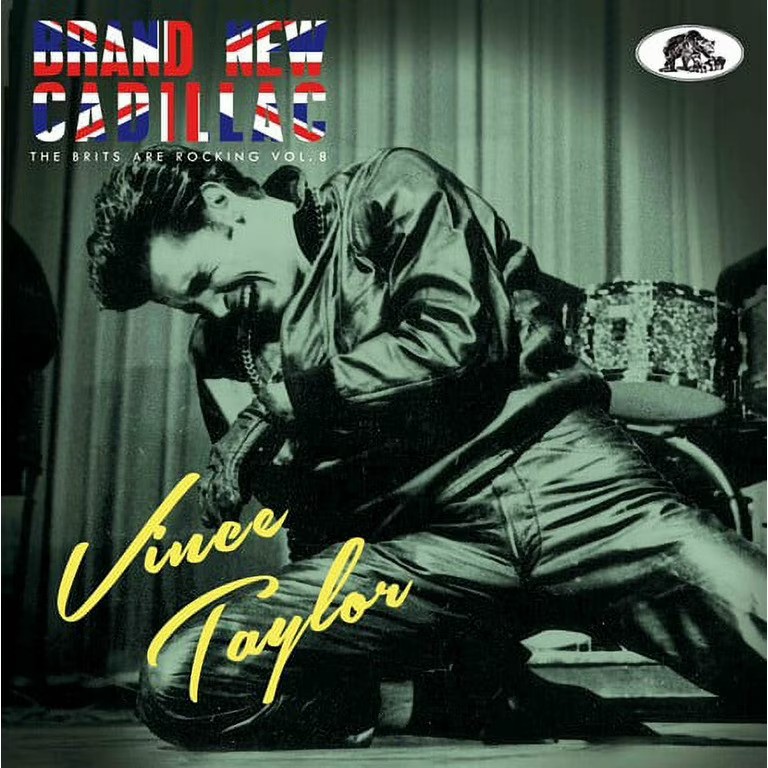
Vince Taylor – Brand New Cadillac

How you find new music can sometimes be surprising. I was looking for a guy with the nickname of Prince Stash, his name is Stanislaus Klossowski de Rola. He hung out with a lot of sixties rock stars and I found out he played in Vince Taylor’s band. I started to listen to Vince Taylor and his rockabilly is really good. I knew I heard his name before and it was when I covered the Clash’s version of this song. 

Vince was born in England but his family emigrated to the United States in the early 1950s, settling in New Jersey, where Taylor was exposed to the new rock and roll scene. While living here he became exposed to the greats like Presley, Little Richard, and Gene Vincent. In the late 1950s, Taylor returned to the UK, where he adopted the stage name Vince Taylor inspired by American culture. It was probably the smart thing to do at the time. The UK treated the 50s rock stars much better than America did. 

Brand New Cadillac was released in 1959. It was the B side to a song called Pledging My Love. Taylor wrote the song but Tony Sheridan is credited with the cool guitar riff running through the song. The song’s riff reminds me of the original Batman riff…or really the other way around.

In the mid-sixties, he and his band The Playboys co-headlined a tour with the Rolling Stones with “Prince Stash” Stanislaus Klossowski de Rola playing percussion. Jimmy Page and others were also at one time part of the Playboys. I’ve been reading about his live performances and watching some concert footage…and he was a hell of a performer. I can see why he built a following for his live performances. 

Bowie has said that Vince Taylor was a huge influence on Ziggy Stardust. He said in the early seventies his name was coming up again as in Golden Earring’s song “Just Like Vince Taylor.”

 Taylor had some problems with drugs in the sixties and his career started to go downhill as he became unstable. In the 1970s, he briefly attempted comebacks in Europe, but he could not recapture his earlier success. He lived a nomadic life, working odd jobs, including as a mechanic in Switzerland.

He passed away in 1991 from cancer. 

David Bowie: “I met him in Gioconda one day and the guy was right out of his tree. I mean, this guy was bonkers, absolutely the genuine article. I can’t remember if he said he was an alien or the Son of God but he might have been a bit of both. And then one time we were on Tottenham Court Road… He dragged out this world map and we were crouching on all fours outside Tottenham Court Road Tube Station and he was showing me where all the aliens had their bases throughout: under the Arctic and in this mountain… And business people stepping over our map. I think: what the hell am I doing in the middle of Russia with this bonkers American looking at the map of the world and I thought there’s something in this, I’m gonna remember this. This is just too good.”

Clips of Taylor live

Brand New Cadillac

Well my baby drove off in a brand new Cadillac
Ooh, my baby drove off in a brand new Cadillac
Well she looked at me, daddy, I ain’t never comin’ back

I said baby-baby-baby won’t you listen to me
Come on sugar, come on hear my plea
Well she looked at my Ford, we’ll never agree
Cadillac car! Oh yeah!

Well the Caddy’s rollin’ and going ’bout ninety-five
Well me and my Ford, we’re right by here side

I said baby-baby-baby won’t you listen to me
Come on baby, come on hear my plea
Turn that big car around, come on back to me
Hangin’ on Scotty, here we go!

Well my baby took off in a brand new Cadillac
Ooh, my baby took off in a brand new Cadillac
Well she looked at me, daddy, I ain’t never comin’ back

I ain’t never comin’ back


Flamingos – I Only Have Eyes For You

I hope you all had a wonderful Christmas/Holiday. Now, we are back to our regularly scheduled programming. 

I don’t feature enough ballads and this is one of the best The song is the ultimate date song.  I’ve heard this in countless movies and I still listen all the way through. I would have loved hearing this coming out of an AM speaker in the 1950s and 60s. I sometimes use the word beautiful but only when I mean it and with this song I do. 

This is the only top-20 hit they had in America. My dad had their greatest hits so I know more than just this one. I do get in moods where I like good doo-wop. It peaked at #11 on the Billboard 100 and #3 on the Billboard R&B Chart in 1959. 

They formed in 1953 and went through a series of names like The Swallows, El Flamingos, The Five Flamingos to simply The Flamingos. They were successful in the 1950s and on the pop and R&B charts. 

As music changed in the 1960s, the Flamingos struggled to maintain their commercial success, though they continued to record and perform. Members of the group went through several changes, with different lineups carrying on the Flamingos’ name over the decades.

The Flamingos were inducted into the Vocal Group Hall of Fame in 2000, the Rock and Roll Hall of Fame in 2001, and the Doo-Wop Hall of Fame in 2004

I Only Have Eyes For You

My love must be a kind of blind loveI can’t see anyone but you(Sha bop sha bop)(Sha bop sha bop)(Sha bop sha bop)(Sha bop sha bop)(Sha bop sha bop)

Are the stars out tonight (sha bop sha bop)I don’t know if it’s cloudy or bright (sha bop sha bop)I only have eyes for you dear(Sha bop sha bop)

The moon may be high(Sha bop sha bop)But I can’t see (sha bop sha bop) a thing in the skyI only have eyes for you

I don’t know if we’re in a gardenOr on a crowded avenue(Sha bop sha bop)

You are here(Sha bop sha bop)And so am I(Sha bop sha bop)

Maybe millions of people (sha bop sha bop) go byBut they all disappear from viewAnd I only have eyes for you

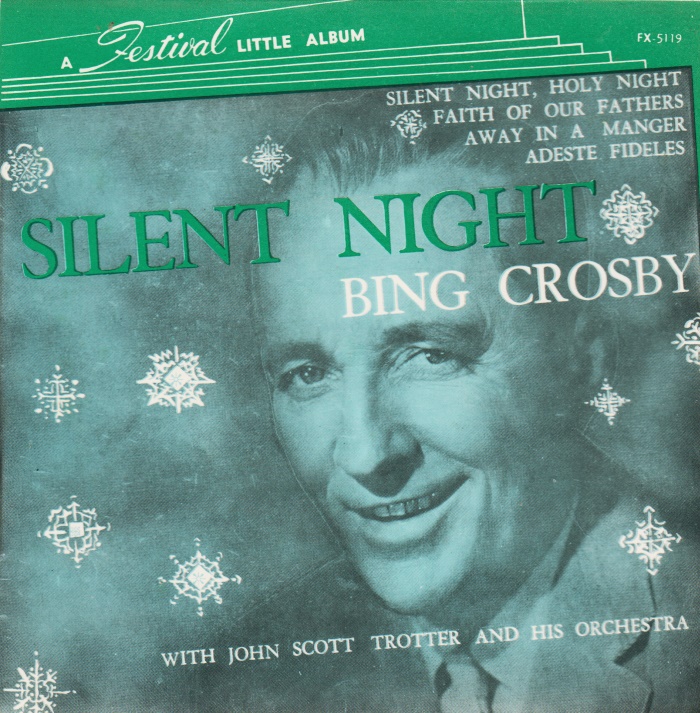
Bing Crosby – Silent Night

This song is not only my favorite Christmas Carol… I think it’s up there with the best songs ever written. I hope everyone has a great Christmas/Holiday. This will close out my Christmas Marathon. I wish you all the very best. 

Randy wrote a great article yesterday on the top 10 most-covered Christmas songs. Silent Night did very well!

There are over 26,000 different versions of “Silent Night” on Spotify, meaning you could listen to a different rendition of the carol every night for 72 years.

Halfway through December 1818, the church organ in St. Nicholas in Oberndorf, 11 miles north of Salzburg in what is now Austria, broke (a popular version of the story claims that mice had eaten out the bellows).

The curate, 26-year-old Josef Mohr, realized it couldn’t be repaired in time to provide music on Christmas Eve. He told his troubles to his friend, a headmaster and amateur composer named Franz Gruber, while giving him as a present a poem he had written two years earlier. Gruber was so taken by the rhythm of the poem that he set it to music, and on Christmas Eve there was music after all. Mohr played his guitar while the pair sang the song. It was the first public performance of “Stille Nacht” or as we know it “Silent Night.”

It is believed that Silent Night has been translated into over 300 languages around the world, and it is one of the most popular carols of all time.

From Songfacts

Bing Crosby’s version became his best-seller of the 1930s.

Music licensing company PPL announced in December 2010 that this carol tops the list of Britain’s “most recorded Christmas song of all time.” Said Mike Dalby, Lead Reporting Analyst at PPL: “Silent Night is a beautiful carol which encapsulates the feeling of Christmas entirely. Everyone from punk band The Dickies right through to Sinead O’Connor has recorded it, which exemplifies just how much it resonates with all different types of artists.”

According to PPL, Sinead O’Connor’s 1991 recording was the most popular version of the carol in Britain.

When the organ builder finally did show up to repair the St. Nicholas organ, he was given a copy of the “Silent Night” composition and brought it home. From there, traveling folk singers got a hold of it and began incorporating the carol into their repertoire. It didn’t make its way to America until 1839.

As the song gained traction throughout Europe, Franz Gruber composed several different orchestral arrangements. He donated all profits from the carol to local charities for children and the elderly, and eventually died penniless.

According to Steve Sullivan’s Encyclopedia of Great Popular Song Recordings, Crosby, a devout Catholic, refused to record the religious song, arguing it would be “like cashing in on the church or the Bible.” Crosby met with Father Richard Ranaghan, a priest trying to raise money for overseas missions, and decided to donate the royalties to the cause. But Ranaghan died in a car accident later that year, so the money went to several charities throughout the US and abroad.

This song lends itself to interpretation because the first four bars are all on the same chord. Jim Brickman explains: “There’s room to treat it dynamically in a different way: in the tempo, in the sounds and silences, in the time signature.”

The first English Version…Thanks Randy!

Silent Night

Silent night, holy night.
All is calm, all is bright.
‘Round yon virgin mother and child.
Holy infant so tender and mild.
Sleep in heavenly peace,
Sleep in heavenly peace.

Silent night, holy night.
All is calm, all is bright.
‘Round yon virgin mother and child.
Holy infant so tender and mild.
Sleep in heavenly peace,
Sleep in heavenly peace.

A Christmas Carol (1951)

I will be watching this movie this week. It gets me in the mood for Christmas. Alastair Sim is such a pleasure to watch and he is why this is my favorite interpretation of  A Christmas Carol. 

There have been countless takes on A Christmas Carol, but the 1951 version is something special. It’s not just a holiday movie—it’s a haunting, moving, and uplifting journey that brings home the power of compassion and redemption. Whether it’s your first time watching or your fiftieth, this is the version that truly captures the heart of Dickens’ story. When I think of Scrooge…I think of Alastair Sim.

The movie is in black and white which turns some people off but it makes it that much better to me. They do have a color version but trust me…watch the black-and-white version. It gives the movie a darker feeling. The effects they use are obviously not CGI but they get the point across well and serve the story very well. I like the scene where the ghost of Jacob Marley is warning Ebenezer of being greedy…the two were not on the set at the same time…it looked really good for being 1951…or anytime for that matter.

The film feels like you are stepping into Victorian London…gritty, cold, and yet somehow magical. Scrooge’s transformation feels real, earned, and deeply satisfying. In 1971 Sim voiced the same character in an animated version of A Christmas Carol and it’s great as well. 

So get some hot butter rum, sit back, and watch this great movie. The recipe for Hot Buttered Rum is here, or you can go to the bottom of the post. I haven’t tried this recipe but I want to this year. When I was younger I would go to TGI Fridays…they had great hot buttered rum. 

From IMDB…spoilers

Ebenezer Scrooge (Alastair Sim) is a greedy businessman who thinks only of making money. For him, Christmas is, in his own words, a humbug. It has been seven years since his friend and partner, Jacob Marley (Sir Michael Hordern), died and on Christmas Eve. Marley’s ghost tells him he is to be visited during the night by three spirits. The Ghost of Christmas Past (Michael Dolan) revisits some of the main events in Scrooge’s life to date, including his unhappy childhood, his happy apprenticeship to Mr. Fezziwig (Roddy Hughes), who cared for his employees, and the end of his engagement to a pretty young woman due to a growing love of money. The Ghost of Christmas Present (Francis De Wolff) shows him how joyously is nephew Fred (Brian Worth) and his clerk, Bob Cratchit (Mervyn Johns), celebrate Christmas with those they love. The Ghost of Christmas Yet to Come (Czeslaw Konarski) shows him what he will leave behind after he is gone. Scrooge awakens on Christmas morning, a new man intent on doing good and celebrating the season with all of those around him.

Cast

  • Alastair Sim (Ebenezer Scrooge)
  • Kathleen Harrison (Mrs. Dilber)
  • Mervyn Johns (Bob Cratchit)
  • Hermione Baddeley (Mrs. Cratchit)
  • Michael Hordern (Jacob Marley)
  • Glyn Dearman (Tiny Tim)

Ingredients

  • 2 quarts hot water

  • 2 cups brown sugar

  • ½ cup unsalted butter

  • 1 pinch salt

  • 6 whole cloves

  • 3 cinnamon sticks 

  • 2 cups rum

  • 1 cup sweetened whipped cream

  • ground nutmeg to taste

  1. Combine hot water, brown sugar, butter, and salt in a 5-quart slow cooker. Add cloves and cinnamon sticks.

     
  2. Cover slow cooker; cook on Low for 5 hours. Stir in rum.

     
  3. Ladle buttered rum into mugs. Top with whipped cream; dust with nutmeg.


Twilight Zone – The Night of the Meek

★★★★★  December 23, 1960 Season 2 Episode 11

If you want to see where we are…HERE is a list of the episodes

I haven’t re-run any of my Twilight Zone reviews but since it’s Christmas…I thought I would post this one. It’s a very touching episode and you get Art Carney and some great character actors in this one like John Fiedler, Robert P. Lieb, and Val Avery. 

This one is a sentimental, touching, and timeless, episode of the Twilight Zone. I watch this every year around Christmas. One of the reasons Rod Serling wrote this episode is to see Art Carney play Santa Claus. This is a genuinely funny episode, with the humor feeling natural and enhancing the characters. There are no big laughs but rather many great moments.

John Fiedler plays Mr. Dundee does a great job and has good comedic moments with Robert P. Lieb who plays Flaherty. Fielder would appear on the Bob Newhart Show later on in the seventies. It was taped just three weeks before Christmas, it had a special effect on the cast and crew, and especially on the many children on the set. Production assistant Lillian Gallo later said more children were performing on that show as extras than on the other tape shows, and she remembers their excitement and their joy. Sometimes, it was difficult for them to contain themselves during the times that you had to be quiet during the show.

One sour viewer was so enraged at the blasphemy of presenting a drunk as Santa Claus that he sent outraged letters to Serling, the network, and several newspapers. Can’t Santa have a cheery night?

This show was written by Rod Serling

Rod Serling’s Opening Narration: 

This is Mr. Henry Corwin, normally unemployed, who once a year takes the lead role in the uniquely popular American institution, that of the department-store Santa Claus in a road-company version of ‘The Night Before Christmas’. But in just a moment Mr. Henry Corwin, ersatz Santa Claus, will enter a strange kind of North Pole which is one part the wondrous spirit of Christmas and one part the magic that can only be found… in the Twilight Zone.

Summary

Henry Corwin is a down and outer who is normally unemployed and who definitely drinks too much. Every year he works as a department store Santa Claus. This year however, he’s spent just a little too much time in the bar and is quite drunk by the time he shows up for work. He’s fired of course and deeply regrets what he’s done. In fact, Henry has a big heart and worries not only about the children he’s disappointed at the store but about all of those children who will not get what they’ve asked for Christmas. When he comes across a large bag of gifts, everything changes for the kids and for himself as well.

Rod Serling’s Closing Narration:

A word to the wise to all the children of the twentieth century, whether their concern be pediatrics or geriatrics, whether they crawl on hands and knees and wear diapers or walk with a cane and comb their beards. There’s a wondrous magic to Christmas and there’s a special power reserved for little people. In short, there’s nothing mightier than the meek. And a Merry Christmas to each and all.

CAST

Rod Serling … Narrator / Self – Host (uncredited)
Art Carney … Henry Corwin
John Fiedler … Mr. Dundee
Robert P. Lieb … Flaherty
Val Avery … The Bartender
Meg Wyllie … Sister Florence
Kay Cousins Johnson … Irate Mother (as Kay Cousins)
Burt Mustin … Old Man
Steve Carruthers … Bar Patron (uncredited)
Andrea Darvi … Kid with Santa (uncredited)
Jimmy Garrett … Street Child (uncredited)
Larrian Gillespie … Elf (uncredited)
Jack Kenny … Man in Mission (uncredited)
Caryl Lincoln … Store Customer (uncredited)
Mathew McCue … Man in Mission (uncredited)
Frank Mills … Man in Mission (uncredited)
Mike Morelli … Man in Mission (uncredited)
Nan Peterson … Blonde in Bar (uncredited)
Ray Spiker … Man in Mission (uncredited)
Glen Walters … Store Customer (uncredited)