AC/DC – Hells Bells…Happy Halloween!!!

HAPPY HALLOWEEN!!! Have a safe one.

This is song by the one and only AC/DC called Hells Bells.

AC/DC recorded this a few months after lead singer Bon Scott died of acute alcohol poisoning after a night of heavy drinking. The album is a tribute to him, with new singer, Brian Johnson, on vocals.

This is the first track on Back In Black, AC/DC’s biggest album. In tribute to Bon Scott, it starts off with the bell tolling four times before the guitar riff comes in. The bell rings another nine times, gradually fading out. When played live, Brian Johnson would strike the bell.

Back In Black peaked at #4 in the Billboard 100, #1 in Canada and The UK in 1980.

Brian Johnson on writing the song: “I don’t believe in God or Heaven or Hell. But something happened. We had these little rooms like cells with a bed and a toilet, no TVs. I had this big sheet of paper and I had to write some words. I was going, ‘oh f–k.’ and I’ll never forget, I just went (scribbles frantically as if his hand is possessed). I started writing and never stopped. And that was it, hells Bells. I had a bottle of whisky and I went (generous gulps). I kept the light on all night, man.”

From Songfacts

You don’t honor Bon Scott’s memory with a bell from a sound effects reel, so the band needed a real bell, and a big one. The first attempt to record the bell took place in Leicestershire, England at the Carillon and War Memorial Museum. This proved insufficient, so the band commissioned a one-ton bronze bell from a local foundry that they would also use on stage.

The bell wasn’t ready in time for recording, however, so the manufacturer (John Taylor Bellfounders) arranged for them to record a similar bell at a nearby church. According to engineer Tony Platt, that didn’t go well, as there were birds living in the bell, so when they rang it they also got the fluttering of wings (the birds would retreat back inside the bell after the toll).

They decided to use the bell that was in production, so they borrowed a mobile recording unit owned by Ronnie Laine and wheeled it into the foundry. The bell was hung on a block and tackle and struck by the man who built it.

Because of the harmonics, bells are not easy to record, so Platt placed about 15 microphones with various dynamics in different locations around the foundry to record the sounds. Once it was on tape, Platt brought the recordings to Electric Lady Studios in New York, where he and producer Mutt Lange chose the right combination of bell sounds, put a mix together, and slowed it down to half speed so the one-ton bell would sound like a more ominous two-ton bell. This was integrated into the mix, and the song was completed. Listeners with very sharp ears will notice that the bell when chimed live is an octave higher than than it is on the recording.

This was one of the first songs regularly played as entrance music for a Major League Baseball relief pitcher. In the ’90s, the bells signaled the entrance of San Diego Padres relief pitcher Trevor Hoffman. This bit of home team intimidation was copied throughout the league, most famously by the New York Yankees, who appropriated Metallica’s “Enter Sandman” as Mariano Rivera’s entrance music.

The concept of relief pitcher entrance music was introduced in the 1989 movie Major League, where Charlie Sheen’s character comes in to “Wild Thing” by The Troggs. A few years later, The Philadelphia Phillies played that song when their pitcher Mitch Williams would come in from the bullpen.

There is an all-female AC/DC tribute band in Seattle called Hell’s Belles.

The term “Hell’s Bells” is an exclamation of surprise, although in the context of this song, it is used to conjure up images of the underworld and the feeling of raising hell – something Bon Scott was known for.

The album was produced by John “Mutt” Lange, who also helmed the previous AC/DC album, Highway to Hell. Lange went on quite a run after Back In Black, producing the Foreigner album 4 (1981) and the Def Leppard albums High ‘N’ Dry (1981) and Pyromania (1983).

At University of North Carolina football games, this song is played at the start of the fourth quarter. 

Johnson told Q magazine how this song played a part in rescuing imprisoned Black Hawk Down pilot Michael Durant following the Battle of Mogadishu in Somalia in 1993. He recalled: “That was the best one. He was shoved in prison, his back was broken. They were kicking him, shooting bullets into him and he was terrified. His pals knew that AC/DC was his favorite band so they hooked up a speaker to the skid of one of the Black Hawks and they were playing ‘Hells Bells’ over the rooftops. He took his shirt off and- cos his legs were broken- he crawled up to the windows and waved his shirt. That’s how they got him out. Ain’t that amazing!”

Since this song specifically is a tribute to the late Bon Scott, it’s probably a good idea to mention that a statue of him was unveiled in 2008 in Fremantle, Western Australia. Here’s a little video tour of the statue.

At the same time, as soon as the first lyric is heard, it is unmistakable that the band could not have found a better replacement than Brian Johnson. Johnson puts a manic rage into every syllable and an unearthly howl on the chorus, making a song with scarily sacrilegious lyrics even scarier. By the way, that hat he wears onstage was his brother’s idea, to help Brian Johnson keep the sweat out of his eyes. His brother loaned it to him and never got it back.

Four years after this song, Metallica released “For Whom The Bell Tolls,” which also opens with a bell. Theirs came from a sound effects library.

Hells Bells

I’m a rolling thunder, a pouring rain
I’m comin’ on like a hurricane
My lightning’s flashing across the sky
You’re only young but you’re gonna die

I won’t take no prisoners, won’t spare no lives
Nobody’s putting up a fight
I got my bell, I’m gonna take you to hell
I’m gonna get you, Satan get you

Hell’s bells
Yeah, hell’s bells
You got me ringing hell’s bells
My temperature’s high, hell’s bells

I’ll give you black sensations up and down your spine
If you’re into evil you’re a friend of mine
See my white light flashing as I split the night
Cause if good’s on the left,
Then I’m stickin’ to the right

I won’t take no prisoners, won’t spare no lives
Nobody’s puttin’ up a fight
I got my bell, I’m gonna take you to hell
I’m gonna get you, Satan get you

Hell’s bells
Yeah, hell’s bells
You got me ringing hell’s bells
My temperature’s high, hell’s bells

Yeow

Hell’s bells, Satan’s comin’ to you
Hell’s bells, he’s ringing them now
Hell’s bells, the temperature’s high
Hell’s bells, across the sky
Hell’s bells, they’re takin’ you down
Hell’s bells, they’re draggin’ you around
Hell’s bells, gonna split the night
Hell’s bells, there’s no way to fight, yeah

Ow, ow, ow, ow

Hell’s bells

The Paul Lynde Halloween Special

 I love watching this from time to time. Yes, it’s bad…really bad but it’s so bad it’s good. All the celebrities who are in different phases of their careers, cross paths in this epic of a show. First, let’s go through all of the stars. It’s probably remembered most for KISS’s first television appearance. 

Paul Lynde of course,

Billie Hayes (Witchiepoo from H.R. Pufnstuf)

Margaret Hamilton (The witch from Wizard of Oz)

Tim Conway (No seventies variety show was right without Tim Conway)

Florence Henderson (Brady Bunch mom)

KISS (their first TV show appearance)

Billy Barty (was in many films)

Betty White (and still going)

Roz Kelly (Pinky Tuscadero from Happy Days)

Donny and Marie Osmond! (just to top it off)

The plot… which really doesn’t matter.

I always thought Paul Lynde was wickedly funny. In this, he was watered-down and could not be his Hollywood Squares best. He had a quick campy wit at times and the writers probably toned it down for prime time. I first noticed Lynde on Bewitched as Uncle Arthur and he was great in that role. It was his delivery that made everything work in his comedy.

This special has comedy bits and music…oh yes the music. You have KISS, you have the disco and you have Florence Henderson singing “That Old Black Magic…” Most of the comedy bits fail but the real comedy is how bad it is… The only thing missing from this extravaganza was a guest appearance from Harvey Korman and/or Don Knotts.

The main reason many people have watched it since it aired is it was KISS’s first TV show appearance…not including concert material.

It is a train wreck but one I like watching over and over again. At no other time could a show like this have been aired. It only aired once…for good reason.

What other show does Paul Lynde play a trucker who wants to marry Pinky Tuscadero?

The complete show is second one down.

If you have time…here is the complete show


Beatles – Norwegian Wood (This Bird Has Flown)

This song made me look for a sitar to buy for a time…unfortunately I never could find one in Nashville at the time. You just don’t see them hanging up in pawn shops.

This was the first pop song to use a sitar…George Harrison played it. Harrison was new to the sitar and attempted many takes until it was right. He bought a cheap sitar and and taught himself to play. Later on Harrison studied the instrument with the Indian musician Ravi Shankar, who helped Harrison explore Eastern music and religion.

The song was on the Rubber Soul album released in 1965. The album peaked at #1 in the Billboard Album Charts, Canada, and the UK. The song was not released as a single in America.

John Lennon: “I was trying to write about an affair without letting my wife know I was having one. I was sort of writing from my experiences – girl’s flats, things like that. I was very careful and paranoid because I didn’t want my wife, Cyn, to know that there really was something going on outside of the household. I’d always had some kind of affairs going on, so I was trying to be sophisticated in writing about an affair, but in such a smoke-screen way that you couldn’t tell. But I can’t remember any specific woman it had to do with.” 

John Lennon: “I think it was at the studio. George had just got the sitar and I said ‘Could you play this piece?’ We went through many different sort of versions of the song, it was never right and I was getting very angry about it, it wasn’t coming out like I said. They said, ‘Well just do it how you want to do it’ and I said, ‘Well I just want to do it like this.’ They let me go and I did the guitar very loudly into the mike and sang it at the same time and then George had the sitar and I asked him could he play the piece that I’d written, you know, dee diddley dee diddley dee, that bit, and he was not sure whether he could play it yet because he hadn’t done much on the sitar but he was willing to have a go, as is his wont, and he learned the bit and dubbed it on after. I think we did it in sections.”

From Songfacts

There are not many lyrics in this song, but they tell the story of a man who gets invited to a girl’s house. When she won’t let him into her bed, he sleeps in the tub. When she leaves the next morning, he sets the place on fire. It was one of the first songs Lennon wrote that told a complete story.

Norwegian Wood is a fake wood that was used to make cheap furniture. John Lennon claimed he had no idea where the title came from, but Paul McCartney said he came up with it, inspired by the Norwegian Wood in the Asher household, where he was staying. McCartney was dating Jane Asher, and was good friends with her brother, Peter Asher from the duo Peter & Gordon.

The Beatles recorded this on October 12, 1965, the first day of the Rubber Soul sessions. The first take of the song, which is included on the Anthology 2 CD and includes George’s sitar much more prominently, was originally going to be put on Rubber Soul until a remake was made a week or two later. The notes in the Anthology 2 album verify this. 

Ringo played the finger cymbals on this track.

Bob Dylan wrote a parody of sorts to this song called “Fourth Time Around,” which appears on his 1966 album Blonde On Blonde. His song uses a similar melody; it also tells a story about a strange encounter with a girl.

It was Paul McCartney who came up with the album title Rubber Soul. Lennon told Rolling Stone that he supposed it was a pun meaning English Soul. He added: “There is no great mysterious meaning behind all of this, it was just four boys working out what to call a new album.”

Some of the many artists to cover this song include José Feliciano, Herbie Hancock and Buddy Rich. The mellow rap group P.M. Dawn also did a version on their 1993 The Bliss Album, and Cornershop covered it on their 1997 album When I Was Born for the 7th Time – the one with their #1 UK hit “Brimful Of Asha.”

Norwegian Wood

I once had a girl
Or should I say she once had me
She showed me her room
Isn’t it good Norwegian wood?

She asked me to stay
And she told me to sit anywhere
So I looked around
And I noticed there wasn’t a chair

I sat on a rug biding my time
Drinking her wine
We talked until two and then she said
“It’s time for bed”

She told me she worked
In the morning and started to laugh
I told her I didn’t
And crawled off to sleep in the bath

And when I awoke I was alone
This bird had flown
So I lit a fire
Isn’t it good Norwegian wood?

The Clarks – Better Off Without You ….Power Pop Friday

This band keeps popping back up in my playlist. Lately in power pop I’ve been listening to Sloan and The Clarks. They complement each other well.

This is a local band out of Pittsburgh that formed in  the mid 80s at  Indiana University of Pennsylvania where most of them were enrolled. They started out as a cover band and soon began playing original songs.

The song was on Let It Go, the fifth studio album by The Clarks, released on June 20, 2000. The album outsold many major national releases in the Pittsburgh area and generated huge local radio hits.

The band still has all of the original members and are going strong.

Better Off Without You

You are sultry, dirty, soft and hard
You are close to me and you’re so far
And I’m thinking of the time we spent together
Now I’ll bury this in my backyard
Sometimes I sit and wonder
But I’ll never dial your number ’cause

I’m having fun looking out for number one
And I’m doing all the things I like to do
I’m having fun ’cause I knew it all along
I’d be better off without you

You are guilty, pretty, high and low
You’re a place to stay and a time to go
And I’m searching through the things you left behind here
Now it’s time for me to let it go
Sometimes I sit and wonder
But I’ll never dial that number ’cause

I’m having fun looking out for number one
And I’m doing all the things I like to do
I’m having fun ’cause I knew it all along
I’d be better off without you

Late at night you pick up the telephone
Call me up and cry ’cause you’re all alone I don’t care
Apologize for taking my cigarettes
Now it’s time to feel all the side effects
Missing the life you had

Talking Heads – Take Me To The River

Take Me To the River was written by Al Green with his guitarist, Teenie Hodges, “Take Me To The River” first appeared on Green’s 1974 album Al Green Explores Your Mind. It wasn’t a hit, but attracted lots of cover versions.

The song is about a baptism, a topic that makes sense with Al Green, who later became an ordained minister and has his own church in Memphis Tennessee.

I never knew this was a cover song until this past year. The Talking Heads make this song their own.

Brian Eno, known for his work in Roxy Music and David Bowie, produced this track. Eno was was a great fit for the Talking Heads. The song was on the album More Songs About Buildings and Food. 

The album peaked at #29 in the Billboard Album Charts, #27 in Canada, #4 in New Zealand, and #21 in the UK.

Take Me To The River peaked at #26 in the Billboard 100, #37 in Canada, and #20 in New Zealand in 1978…I thought it would have peaked higher in the US…I’ve heard this song more than a lot of their others.

From Songfacts

Green and Johnson’s versions were well known in R&B circles, but the Talking Heads brought it to the New Wave rock crowd and had the highest charting version of the song, reaching #26 in the US.

 You wouldn’t think a New York City-based art-rock band could pull off a gospel-tinged song by a Southern soul singer, but Talking Heads kept the spiritual feel of the song while putting their own spin on it – lead singer David Byrne doesn’t sound like a traditional vocalist and could inhabit a character quite believably. His version of preaching on “Take Me To The River” foreshadowed a later Talking Heads hit, “Once In A Lifetime.”

A key element that set Talking Heads’ version of this song apart from the other covers is the tempo. They had been playing the song live for a while and had a good feel for it when they entered the studio, but when they recorded it, they played it as slowly as they could without losing the groove. This gave the song a seductive feel that set it apart.

A track from Talking Heads’ second album, More Songs About Buildings And Food, “Take Me To The River” was their biggest hit to this point and the only single from the album. It earned them a spot on American Bandstand, getting them on national TV for the first time. The group didn’t strive for hits and didn’t rack up huge sales numbers, but they pushed musical boundaries throughout their career to end up with a very impressive discography that landed them in the Rock and Roll Hall of Fame in 2002.

The More Songs About Buildings And Food album was one of the first recorded at Compass Point Studios in Nassau, Bahamas. The studio was set up by Island Records owner Chris Blackwell, who cut the Talking Heads a deal because he needed to get some big acts in there to establish it. According to Talking Heads drummer Chris Frantz, Blackwell ringed the perimeter of the grounds with chicken blood to keep evil spirits away. This voodoo worked: The band had a great experience at Compass Point and recorded their next two albums there.

This was the only cover song Talking Heads ever recorded. “David [Byrne] resented that it wasn’t one of his songs that was the hit,” Chris Frantz told Songfacts. “So he said, ‘I’m not doing any more cover songs.'”

Take Me To The River

I don’t know why I love her like I do
All the changes you put me through
Take my money, my cigarettes
I haven’t seen the worst of it yet
I wanna know that you’ll tell me
I love to stay
Take me to the river, drop me in the water
Take me to the river, dip me in the water
Washing me down, washing me down

I don’t know why you treat me so bad
Think of all the things we could have had
Love is an ocean that I can’t forget
My sweet sixteen I would never regret

I wanna know that you’ll tell me
I love to stay
Take me to the river, drop me in the water
Push me in the river, dip me in the water
Washing me down, washing me

Hug me, squeeze me, love me, tease me
Till I can’t, till I can’t, till I can’t take no more of it
Take me to the water, drop me in the river
Push me in the water, drop me in the river
Washing me down, washing me down

I don’t know why I love you like I do
All the troubles you put me through
Sixteen candles there on my wall
And here am I the biggest fool of them all

I wanna know that you’ll tell me
I love to stay
Take me to the river and drop me in the water
Dip me in the river, drop me in the water
Washing me down, washing me down.

ZZ Top – I Thank You

I love the sound of those earlier ZZ Top recordings.

I Thank You was a hit for Sam and Dave in 1968 and it peaked at #4 in the Billboard 100…It was also a hit for ZZ Top

Sam and Dave released this song on January 8, 1968. Stax would soon go through various business problems and their sound fell out of favor. “I Thank You” was the last big hit for Sam & Dave…none of their subsequent releases made the US Top 40.

This song was written and produced by the Stax Record Isaac Hayes and David Porter, who were Sam & Dave’s main songwriters.

ZZ Top decided to do the song when they found themselves recording at Ardent Studios in Memphis. Billy Gibbons had heard the song on his car radio and mentioned it. Turns out, the very same clavinet Isaac Hayes played on the original recording was in the studio, so they decided to give it a go.

ZZ Top covered this song on their 1979 album Deguello. Released as a single, it peaked to #34 in the Billboard 100 in 1980.

I Thank You

You didn’t have to love me like you did
But you did, but you did.
And I thank you.
You didn’t have to love me like you did
But you did, but you did.
And I thank you.
But you took your love to someone else
I wouldn’t know what it meant to be loved to death

You made me feel like I’ve never felt
Kisses so good I had to holler for help
You didn’t have to squeeze it but you did
But you did but you did
And I thank you.
You didn’t have to hold it but you did
But you did but you did
And I thank you.

Every day was something new,
You put on your bag and your fine to-do
You got me trying new things too
Just so I can keep up with you.

You didn’t have to shake it but you did
But you did but you did
And I thank you.
You didn’t have to make it like you did
but you did but you did
And I thank you.

All my life I’ve been shortchanged
Without your love baby it’s a crying shame
But now I know what the fellas talking about
Hear me say that they been turned out
I want to thank you
I want to thank you
I want to thank you
Yes, I want to thank you

Creedence Clearwater Revival – Who’ll Stop The Rain

I love CCR…what a band they were…they didn’t have the resources the Beatles, Stones, and The Who as in a big record company, managers, and producers but they kept up with their British counterparts.

John Fogerty wrote this song. The song has been dissected a lot and some say it was a protest of the Vietnam War like “Fortunate Son”. Fogerty has said that when he was  at Woodstock, He watched the festival goers dance in the rain, muddy, naked, cold, huddling together, and it just kept raining.

So when he got back home after that weekend, he sat down and wrote “Who’ll Stop the Rain,” making it not a Vietnam protest at all, but a recounting of his Woodstock experience.

Another great single by CCR…the B side to this song was Travelin’ Band.

The song was on what was perhaps their best album Cosmo’s Factory. The album peaked at #1 in the Billboard 100, The UK, and Canada.

Who’ll Stop The Rain peaked at #4 in the Billboard 100, #4 in Canada, and #8 in the UK in 1970.

John Fogerty: When interviewed by Rolling Stone magazine, John Fogerty was asked, “Does ‘Who’ll Stop The Rain’ contain lyrically specific meanings besides the symbolic dimension?” His response: “Certainly, I was talking about Washington when I wrote the song, but I remember bringing the master version of the song home and playing it. My son Josh was four years old at the time, and after he heard it, he said, ‘Daddy stop the rain.’ And my wife and I looked at each other and said, ‘Well, not quite.'” 

From Songfacts

This was used in the 1978 motion picture of the same name starring Nick Nolte as a Vietnam veteran. The movie was going to be called Dog Soldiers, but when the producers got the rights to use this song, they changed the title to Who’ll Stop The Rain.

This was released as the B-side to “Travelin’ Band.” It’s one of the many CCR singles to stall at #2. Creedence Clearwater Revival never had a #1 hit in the US.

The line, “I went down Virginia, seekin’ shelter from the storm” gave Bob Dylan the idea for the title of his 1975 song “Shelter From The Storm.”

This is one of many rain-themed CCR songs, including “Have You Ever Seen the Rain?”

Bruce Springsteen opened with this song during his summer stadium tour of 2003 whenever it was raining

During the lockdown John and his family has played a lot of Creedence’s songs for fans… This is one. 

Who’ll Stop The Rain

Long as I remember The rain been coming down.
Clouds of mystery pouring Confusion on the ground.
Good men through the ages, Trying to find the sun;
And I wonder, Still I wonder, Who’ll stop the rain.

I went down Virginia, Seeking shelter from the storm.
Caught up in the fable, I watched the tower grow.
Five year plans and new deals, Wrapped in golden chains.
And I wonder, Still I wonder Who’ll stop the rain.

Heard the singers playing, How we cheered for more.
The crowd had rushed together, Trying to keep warm.
Still the rain kept pouring, Falling on my ears.
And I wonder, Still I wonder Who’ll stop the rain.

Bruce Hornsby – The Way It Is

Bruce Hornsby is an excellent musician. I remember him breaking out in the mid eighties. He also played keyboards for the Grateful Dead off and on in the early nineties after the Dead’s keyboardist Brent Mydland. died.

It’s a strange song to become a #1 because it doesn’t have a big catchy chorus…instead it has a jazz feel that carries the song. When I heard it a couple of times I loved it.

Bruce Hornsby said this song deals with the Civil Rights Movement in the United States. The line in the lyrics that mentions “The law passed in ’64” is the Civil Rights Act of 1964. The law was supposed to prohibit discrimination in public places, the government and employment.

The song peaked at #1 in the Billboard 100, in Canada, #15 in the UK, and #23 in New Zealand in 1986. The song came off the album of the same name and it peaked at #3 in the Billboard Album Charts.  the album produced 3 songs in the top twenty.

Bruce Hornsby on growing up in Virginia: “My mother came from the New England area, and she was a little more enlightened about racial subjects than a lot of people in the South. So I had a different attitude to a lot of my friends whose parents were more conservative.”

When I was brought up, the vibe I got of Martin Luther King in my town was that he was a real evil man – just the vibe in the air, that he was terrible. And if you grow up in that environment you can’t help but be affected by it a little bit. Luckily, I came from a family that guarded us against that conservatism, but sure, I grew up in the thick of all that bad feeling.”

From Songfacts

The lyrics in this song deal with the need to resist complacency and never resign yourself to racial injustice as the status quo.

With a consistent tempo and a jazz-inflected sound, it appealed to a more adult audience and added a welcome diversity to Top 40 playlists that were dominated by uptempo, synth-driven songs. It was a song grown-ups loved and their kids could tolerate, reaching the top of both the Hot 100 and Adult Contemporary charts.

Hornsby had been working as a staff songwriter for years with no luck getting a record deal. With his attempts to appeal to popular taste falling short, he decided to make a demo of songs in his own style – ECM jazz – and included this track. He sent the demo to a new label called Windham Hill, which specialized in vocal groups. They offered him a deal, but so did some major labels that also got a hold of it. Hornsby signed with RCA because they offered him creative freedom. They were rewarded when this song and the album became huge hits.

The conservative radio host Sean Hannity used an instrumental portion of this song as his show’s theme for many years. Hornsby, a liberal democrat, had vastly different political views, but there was nothing he could do about Hannity using the song as long as royalties were paid.

The Way It is

Standing in line, marking time
Waiting for the welfare dime
‘Cause they can’t buy a job
The man in the silk suit hurries by
As he catches the poor old ladies’ eyes
Just for fun he says, “get a job”

That’s just the way it is
Some things will never change
That’s just the way it is
Ah, but don’t you believe them

Said, hey little boy you can’t go where the others go
‘Cause you don’t look like they do
Said, hey old man how can you stand
To think that way
Did you really think about it
Before you made the rules?

He said, “son
That’s just the way it is
Some things will never change
That’s just the way it is
Ah, but don’t you believe them”

Oh yeah

(That’s just the way it is)

(That’s just the way it is) well, they passed a law in ’64
To give those who ain’t got a little more
But it only goes so far
Because the law don’t change another’s mind
When all it sees at the hiring time
Is the line on the color bar, no, no

That’s just the way it is
And some things will never change
That’s just the way it is
That’s just the way it is, it is, it is, it is

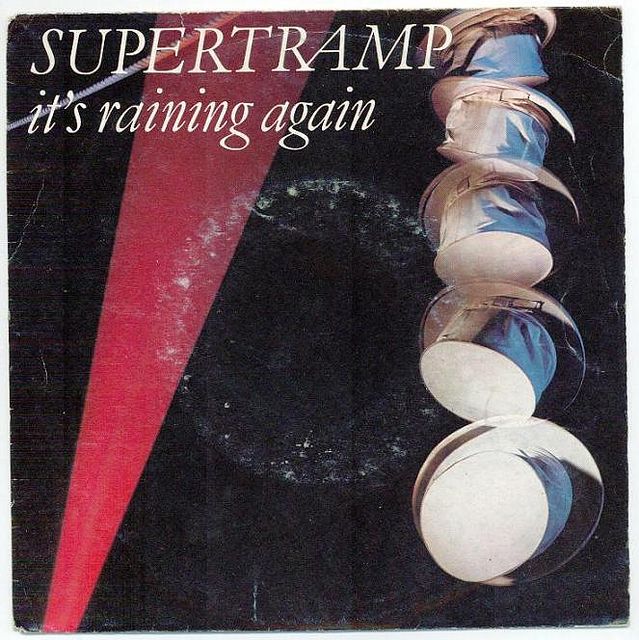
Supertramp – It’s Raining Again

I heard this song in Jr High and couldn’t help but like it. It has a very good melody and is a really good pop song.

The song was written by Rick Davies and Roger Hodgson and was on the album Famous Last Words in 1982. The album peaked at #5 in the Billboard album charts, #1 in Canada, and #6 in the UK in 1982.

The song peaked at #11 in the Billboard 100, #4 in Canada, and #26 in the UK

At the end of the song they repeat a nursery rhyme called “It’s Raining, It’s Pouring”.

Roger Hodgson: I wrote It’s Raining Again on a day when I was feeling sad because I’d lost a friend. I was in England looking outside the window and it was pouring rain and literally, the song came to me. I started playing these chords on this pump organ and I just started singing It’s Raining Again.

The first version of it was much slower and more melancholy and then when I recorded it with Supertramp I decided to increase the tempo and it was more upbeat. So it’s another of my songs with a sad lyric set to up upbeat melody.

The five members of Supertramp all appear in the video. At the beginning, John Helliwell is a street musician playing an alto saxophone. Before the first chorus, Dougie Thomson appears as the bus driver (this was the last filmed video where Thomson would appear with his then trademark moustache and beard). Hodgson plays the guitar-playing bus passenger. Lastly, Rick Davies and Bob Siebenberg play the two pickup truck rednecks.

It’s Raining Again

It’s raining again
Oh no, my love’s at an end.
Oh no, it’s raining again
and you know it’s hard to pretend.
Oh no, it’s raining again
Too bad I’m losing a friend.
Oh no, it’s raining again
Oh will my heart ever mend.
Oh no, it’s raining again
You’re old enough some people say
To read the signs and walk away
It’s only time that heals the pain
And makes the sun come out again
It’s raining again
Oh no, my love’s at an end.
Oh no, it’s raining again
Too bad I’m losing a friend.

C’mon you little fighter
No need to get uptighter
C’mon you little fighter
And get back up again
Oh get back up again
Fill your heart again…

https://en.wikipedia.org/wiki/It%27s_Raining_Again

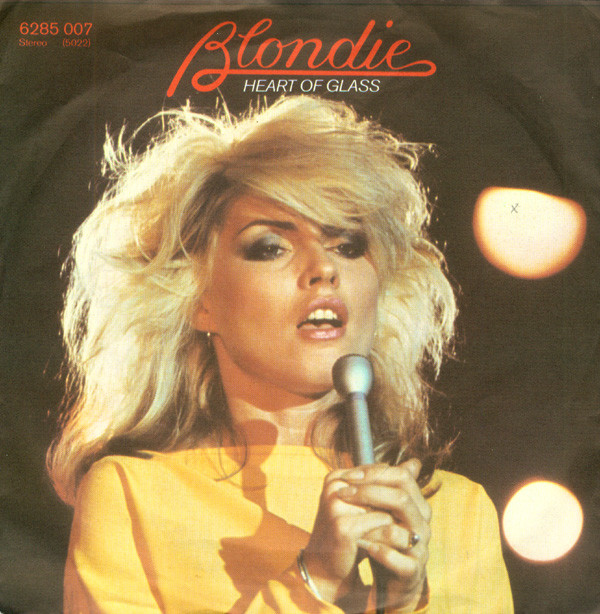
Blondie – Heart Of Glass

Off all the Blondie songs I’ve covered I never touched this one…I thought I would correct that today.  It’s probably their biggest hit…it peaked at #1 in the Billboard 100, Canada, the UK, and New Zealand.

The song did cause some problems for the band. The rock crowd thought they sold out and the disco crowd thought they were punks. For a while they were outcasts from both crowds.

Blondie members Debbie Harry and Chris Stein wrote the first version of this song in early 1974, shortly after they first met. They didn’t have a proper title for the song, and would refer to it as “The Disco Song.”

Evidently finding words to rhyme to “glass” that fit in a song were… a pain in the ass. American radio at that time frowned on that rhyme. To ensure airplay stations were sent an edited version with the offending line replaced with “soon turned out I had a heart of glass.”

John Lennon was a fan of the song. He wrote Ringo Starr a postcard advising him to write more songs like “Heart of Glass.” Debbie Harry found out about that and said “It was totally wonderful knowing that.”

Debbie Harry : “Lyrically, it was about a stalker who was pursuing me, and Chris saved me from him.”

Debbie Harry: “When we did Heart Of Glass it wasn’t too cool in our social set to play disco. But we did it because we wanted to be uncool. It was based around a Roland Rhythm Machine and the backing took over 10 hours to get down.”

Keyboardist Jimmy Destri:“These new wave kids think they know everything about rock and roll, but they won’t accept anything else. They should listen to the album and realize that we haven’t changed our direction that radically. We haven’t become the Bee Gees.”

An early version of this song called “Once I Had a Love (aka The Disco Song)” was included in the 2001 reissue of the Parallel Lines album…I have it below in one of the videos.

From Songfacts

It wasn’t until they recorded this song in 1978 that Stein came up with the title “Heart Of Glass.” He didn’t know that it was also the title of a 1976 German movie directed by Werner Herzog.

According to Rolling Stone magazine’s Top 500 Songs, Harry and Stein wrote the song in their dingy New York apartment and keyboardist Jimmy Destri provided the synthesizer hook. The result brought punk and disco together on the dance floor. Said Destri, “Chris always wanted to do disco. We used to do ‘Heart Of Glass’ to upset people.”

Chris Stein added, “We didn’t expect the original to be that big. We only did it as a novelty item to put more diversity into the album.”

Blondie re-recorded this in 1978 in a reggae style, but their producer Mike Chapman suggested reggae didn’t sell in America. As Harry and Stein had a fascination with the disco sound that was then sweeping the country, so they adopted a sound that was an amalgamation of their New Wave background and Eurodisco.

In the last chorus, following “Once I had a love and it was a gas,” Debbie Harry takes a different tack, singing “Soon turned out to be a pain in the ass.” This is a key line in the song, since the singer has now realized that this relationship is more trouble than it’s worth, and that her heart of glass might be more durable than she thought.

The sound of the CR-78 drum machine was merged with that of drummer Clem Burke’s real drums, which was no easy task in the analog age. Burke took his inspiration from the groove of one of his favorite songs: The Bee Gees’ “Stayin Alive.”

The song’s lyric turns the traditional heartbreak theme on its head. Debbie Harry explained in Q magazine: “I was tired of hearing girl singers write or sing about being beaten by love. So I said, Well listen, there are also a lot of girls who just walk away.”

The success of “Heart of Glass” launched Parallel Lines and Blondie into mainstream success, but it caused a lot of friction with some of their original fan base, which felt Blondie had sold out.

In a 1979 Los Angeles Times piece, Richard Cromelin observed, “‘Death To Disco’ T-shirts weren’t an uncommon sight among the new wave audience that formed Blondie’s first base of support. But, as it turns out, it’s disco that’s given life to Blondie.”

Blondie guitarist Chris Stein responded, “We probably have alienated some of that original audience, but I really don’t have sympathy for anybody that says we’ve sold out.”

Miley Cyrus performed a cover of the song at the 2020 iHeartRadio Music Festival on September 19, 2020. Her version impressed fans and colleagues alike and an audio recording of the live performance was released to streaming services 10 days later.

Blondie’s official Twitter account re-tweeted a video of Cyrus’ iHeartRadio performance and wrote, “We think Miley Cyrus nailed it. Check it out.”

Cyrus’ version returned the song to the UK Top 40.

Heart Of Glass

Once I had a love and it was a gas
Soon turned out had a heart of glass
Seemed like the real thing, only to find
Mucho mistrust, love’s gone behind

Once I had a love and it was divine
Soon found out I was losing my mind
It seemed like the real thing but I was so blind
Mucho mistrust, love’s gone behind

In between
What I find is pleasing and I’m feeling fine
Love is so confusing there’s no peace of mind
If I fear I’m losing you it’s just no good
You teasing like you do

Once I had a love and it was a gas
Soon turned out had a heart of glass
Seemed like the real thing, only to find
Mucho mistrust, love’s gone behind

Lost inside
Adorable illusion and I cannot hide
I’m the one you’re using, please don’t push me aside
We coulda made it cruising, yeah

Yeah, riding high on love’s true bluish light

In between
What I find is pleasing and I’m feeling fine
Love is so confusing there’s no peace of mind
If I fear I’m losing you it’s just no good
You teasing like you do

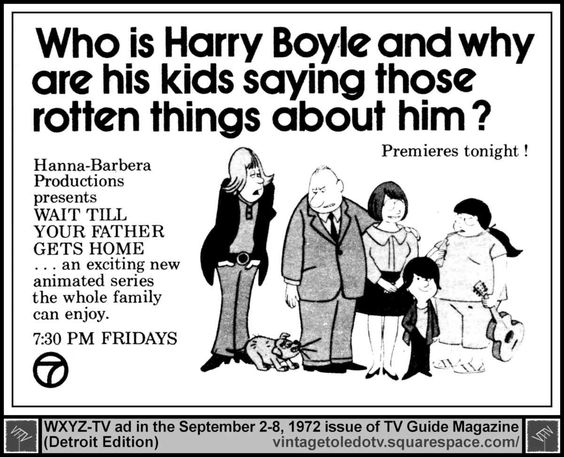
Wait Til Your Father Gets Home…

An adult primetime cartoon in the early seventies. The father is voiced by Tom Bosley who is better known as Mr. C or Mr. Cunningham. In this show, he voices Harry Boyle.

This program was about the Boyle family who had a common-sense father, a loyal wife (Irma), a lazy hippie son (Chet), a progressive thinking daughter (Alice) and a younger more conservative son (Jaime) who predated Michael J Fox on Family Ties.

Harry has conservative views from the fifties but he is not overboard while his two oldest children have no intention of following the rules and morals of their father’s generation. The youngest son is just out for money.

The show also features an ultra-right winged conspiracy-minded McCarthy influenced neighbor (Ralph Kane) who resembled Richard Nixon (to me anyway) and he is always thinking the communists are out to get him and his neighbors.

The show ran 3 seasons from 1972-1974 with a total of 48 episodes.

If you lived in the seventies or if you are a student of that time… you might enjoy it. What I remember most about it was the theme song. I was too young to get the references…I just remember, hey it’s a cartoon and it’s not Saturday morning or a Disney special.

One thing that struck me about this show was the minimalist animation. The backgrounds were simple but effective.

The show is topical just like the show that inspired it…All In The Family.

It is a fun time capsule…and I still watch it from time to time.

wait til adver.jpg

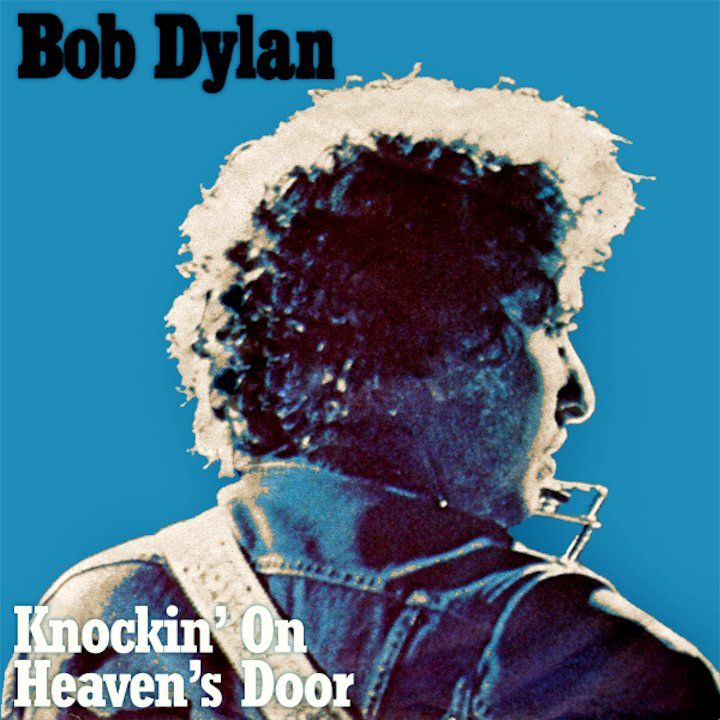
Bob Dylan – Knocking On Heaven’s Door

This song is one of Bob Dylan’s best known songs. There has been many covers but I’ll take this one over all. I read a review Thursday of the soundtrack of Pat Garrett and Billy the Kid by Bob Dylan written by Cincinnati Babyhead.

Dylan  wrote the lyrics of the song from the perspective of a dying sheriff living his last moments played by Slim Pickens. The song plays beautifully to that scene in the movie

Last night I decided to watch the movie again. It’s a great movie and if you get a chance… watch it. Dylan had a part in the movie as the character, Alias. Knocking On Heavens Door peaked at #12 in the Billboard 100, #14 in rhe UK, and #12 in Canada in 1973.

Booker T. Jones (musician on the album): “He [Dylan] lived over in Paradise Cove and I lived on Winding Way in Malibu. I bought Lana Turner’s old house and I’m not sure where he lived, but he had a house just across the road there and he would come over and pick up my guitar and work on songs and stuff. They were working on the movie with Jason Robards late one night, and for some reason [Dylan] just called me up and asked me to come over to the studio and to play on the song, and I played bass on it.”

The other musicians on “Knockin’ On Heaven’s Door” are:

Vocals, Guitar: Dylan
Guitar: Roger McGuinn
Drums: Jim Keltner
Harmonium: Carl Fortina
Flute: Gary Foster
Backup Vocals: Brenda Patterson, Carol Hunter, Donna Weiss

From Songfacts

Dylan wrote it for the 1973 Western film, Pat Garrett And Billy The Kid. It plays while Sheriff Colin Baker is dying from his gunshot wounds. 

Guns N’ Roses covered this on their 1991 album, Use Your Illusion II. They played it in 1992 at a tribute concert for Freddie Mercury, the lead singer of Queen, who had died of AIDS. 72,000 people attended the concert, which was held in London’s Wembley Stadium. In case you’re wondering, towards the end of the end of this version, the man on the telephone says, “You just better start sniffin your own rank subjugation Jack, ’cause it’s just you and your tattered libido, the bank and the mortician, forever man and it wouldn’t be luck if you could get out of life alive.”

In 1996, Bob Dylan allowed the Scottish musician Ted Christopher to record a new verse for “Knockin’ on Heaven’s Door” which Christopher had written in memory of the schoolchildren and teacher killed in the Dunblane massacre. This is one of the rare times Dylan has officially permitted someone to add to or change the lyrics to one of his songs. Christopher’s version reached #1 in the UK.

One of the few times Dylan authorized a sample was when he let the British singer Gabrielle use this song as the basis of her 1999 track “Rise,” which went to #1 in the UK. According to Gabrielle, Dylan not only allowed it, but waived some of the royalties he was entitled to.

Warren Zevon recorded this for his 2003 album The Wind. Zevon was dying of lung cancer when he recorded the track, and died shortly after the album was released.

This song has been covered in reggae style by multiple artists including G.T. Moore & The Reggae Guitars, Arthur Louis and Eric Clapton.

Other artists to have covered this song include Avril Lavigne, Dolly Parton, Bruce Springsteen, Bon Jovi, Cold Chisel, Neil Young and Aretha Franklin.

The title of the song was used as the original title for the Cowboy Bebop movie. Cowboy Bebop is a popular Japanese Anime that made a big hit in America when the dubbed version (done in the late ’90s) was broadcast on Cartoon Network in 2001. Bebop was known for taking influences from pop culture (example: The title of episode 6 is “Sympathy for the Devil,” obviously a take off of the Rolling Stones Song). When a full length Bebop movie was made in Japan, it was titled Cowboy Bebop: Knockin’ on Heaven’s Door. When it was dubbed and brought to theaters in America for a short time, they changed it to Cowboy Bebop: The Movie so Dylan wouldn’t take any legal action against them. 

This song is musically similar to Neil Young’s “Helpless,” which was recorded in 1969 and features on the Crosby, Stills, Nash and Young album, Déjà Vu.

In October 2007, 1,730 guitarists in Shillong, India strummed this song for five minutes to set a world record for the largest ever guitar ensemble.

Knocking On Heavens Door

Mama, take this badge off of me
I can’t use it anymore
It’s gettin’ dark, too dark to see
I feel I’m knockin’ on heaven’s door

Knock, knock, knockin’ on heaven’s door

Mama, put my guns in the ground
I can’t shoot them anymore
That long black cloud is comin’ down
I feel I’m knockin’ on heaven’s door

Knock, knock, knockin’ on heaven’s door

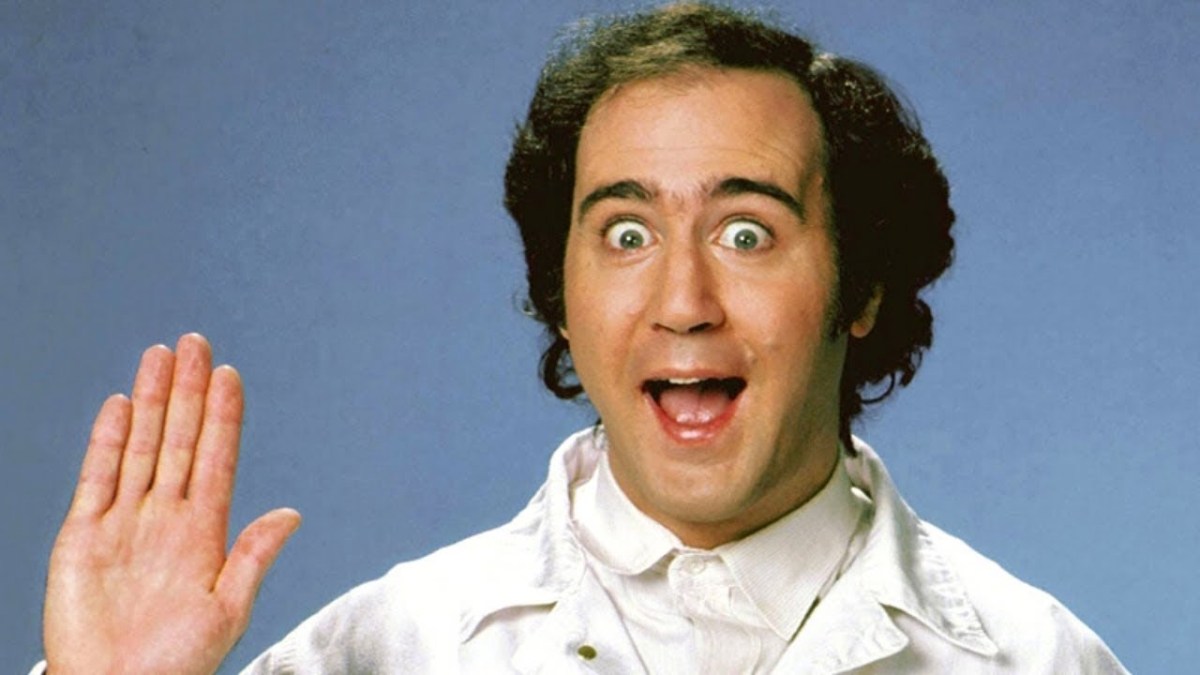
Andy Kaufman…An Original to Remember

I like original people…Andy was that completely. This post is a little long…for me.

He covered the bases…Mighty Mouse, Foreign Man, wrestling women, Elvis Impersonator (I think the best), Tony Clifton, bongo player, Great Gatsby reader and generally pissing people off, boring them or making them laugh. He was a performance artist – a comedian who sometimes was uncomfortable to watch but great as well. He was not a joke comedian…not remotely close.

I remember seeing him on a clip from the Tonight Show… as the very innocent childlike foreign man talking for a while and doing terrible celebrity impersonations and then suddenly shedding that character like a used coat and did Elvis impersonation…no, he WAS Elvis… I’ve read where Elvis said that Andy was his favorite impersonator but whether that is true or not I don’t know.

His first SNL performance… All he did was to get on stage with a record player playing the “Mighty Mouse” theme and mime along in certain spots. He made it work. He was only doing what he did growing up alone in his room as a child…he translated that to a national audience.

He loved to be the bad guy… At his performances, he would sometimes threaten to read the Great Gatsby…the complete book…just to piss everyone off…He would read a chapter or so and then ask the crowd if they wanted to hear some music from his record player….the audience, thinking of Mighty Mouse would applaud and he then would start playing a record of him reading The Great Gatsby from where he left off right before.

Andy grew up loving wrestling. After he achieved his fame he started to wrestle…wrestle women. I’m sure many people at the time were baffled.

That led to the infamous guest shot on The David Letterman Show with wrestler Jerry Lawler in 1982. Jerry slapped Andy off a chair who had a neck brace on already…at the time people really bought into it. Lawler says he still gets hate mail to this day from people who think he caused Andy’s death. Of course, both planned this and they were friends.

A couple of years before his death he made a film with Fred Blassie… a wrestler Andy admired. He filmed it at a restaurant and called it “Breakfast with Blassie.”

Andy once played Carnegie Hall and took the entire audience out afterward for milk and cookies. Being Andy, some probably didn’t believe it but he had 20 buses waiting outside for them and they all went to have milk and cookies.

He will be remembered best for Taxi and his character Latka Gravas. It amazes me that he was on Taxi…that he was on any normal show…though Taxi was great…It worked out well that they found a place for Andy’s foreign man character…but Andy wasn’t always happy being on the show.

He also had an alter ego character he played called Tony Clifton. Tony was a loud, obnoxious. sleazy lounge singer that would rip the audience. Usually, the person getting ripped was Andy’s writing partner and friend Bob Zmuda. Later on, to really mess with people’s minds…Andy had Bob to play Tony Clifton and they would appear together. “Tony Clifton” even got himself thrown off of the Taxi set.

Some people loved Andy, some hated him, some thought he was irritating and some all three. I just appreciated the fact he was different.

Andy died in 1984…or did he? Bob Zmuda has said that Andy did say he was going to fake his death and said that he actually helped Andy plan it. More people have come forward saying the same thing. Every few years we get an Andy sighting in Albuquerque or somewhere else. No, I don’t believe he did fake it…but hey I would love if he popped up well and alive anytime in the future. The world needs original people. You know he would be loving the rumors about him being alive…if he is alive or not.

REM had a song that was based on Andy called Man on the Moon. It was about questioning everything like the Moon landing, Elvis dying, religion, Andy dying and etc… from REM’s bassist Mike Mills “He’s the perfect ghost to lead you through this tour of questioning things. Did the moon landing really happen? Is Elvis really dead? He was kind of an ephemeral figure at that point so he was the perfect guy to tie all this stuff together as you journey through childhood and touchstones of life.”

In 1999 a movie called Man on the Moon starring Jim Carrey was released about Andy’s life. I went to see it when it came out and enjoyed it. I’m not sure how close Carrey got to Andy’s non-public side because of course, I didn’t know him. Marilu Henner said that he was a warmer person than the movie portrayed and Judd Hirsch said that while not performing, Andy was a very normal, quiet guy but Judd admits he really didn’t know him. I do think Carrey did a good job portraying him.

I like one of a kind people like Andy Kaufman and Keith Moon. Expect the unexpected…it keeps life interesting.

First SNL Appearance

Andy on Letterman

Milk and Cookies

Elvis

REM…Man on the Moon

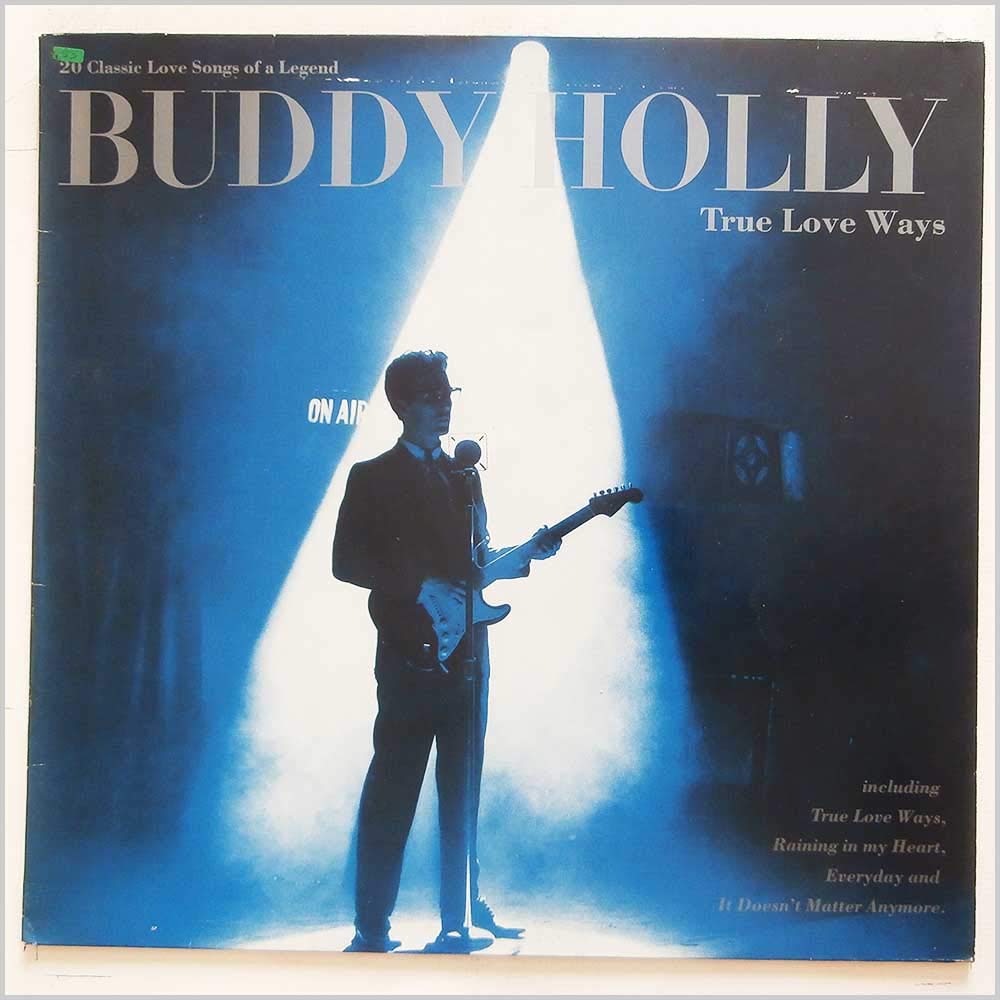
Buddy Holly – True Love Ways

Without Buddy rock music could have been drastically different. Buddy was a self contained artist who wrote, arranged, and recorded his own songs. His chord changes and melodies were different from fellow rockers Jerry Lee Lewis, Little Richard, and Chuck Berry.

True Love Ways was co-written by Buddy and Norman Petty and recorded in October 1958. Petty was Buddy Holly’s first producer and owned the studio in Clovis, New Mexico where all of Buddy’s first recordings were made…Lubbock did not have a recording studio at the time.

The song’s haunting melody was inspired by one of Buddy’s favorite black gospel hymns, “I’ll Be Alright,” which was recorded by The Angelic Gospel Singers. This song was likely inspired by his wife Maria Elena.

The song peaked at #25 in the UK in 1960…a year after he died in a plane crash.

From Songfacts

This and “It Doesn’t Matter Any More” were Buddy’s first recordings to use orchestral string arrangements, which accentuated his vocal mannerisms. The strings were arranged by Dick Jacobs. 

Notable covers include versions by Mickey Gilley, Peter & Gordon, and The Royal Philharmonic.

This wasn’t released until after Holly’s death in 1959. After he died in a plane crash, the album The Buddy Holly Story was released, which contained many of his early hits. This album came out a few months later and included many of his lesser-known or never released songs.

True Love Ways

Just you know why
Why you and I
Will bye and bye
Know true love ways

Sometimes we’ll sigh
Sometimes we’ll cry
And we’ll know why
Just you and I
Know true love ways

Throughout the days
Our true love ways
Will bring us joys to share
With those who really care

Sometimes we’ll sigh
Sometimes we’ll cry
And we’ll know why
Just you and I
Know true love ways

Throughout the days
Our true love ways
Will bring us joys to share
With those who really care

Sometimes we’ll sigh
Sometimes we’ll cry
And we’ll know why
Just you and I
Know true love ways

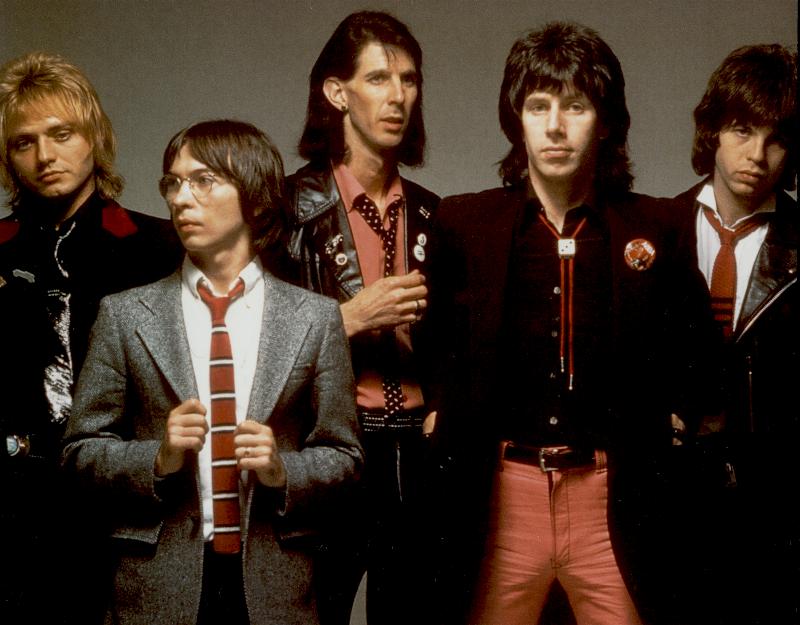
Cars – You’re All I’ve Got Tonight ….Power Pop Friday

I started this post and it’s still hard to believe Ric Okasek is gone…him and The Cars left behind some great songs and history.

The band’s guitarist Elliot Easton was one of the most underrated guitarists of his generation. The guy played perfect pop/rock/country guitar fills and solos.

This song like many other of their best known songs was on their debut album The Cars. To these ears it hast to be one of the best debut albums by a pop/rock band. The album was released on June 6, 1978.

The album featured 3 charting songs Let The Good Times Roll, My Best Friend’s Girl, and Just What I Needed. It also contained songs that would remain staples on rock radio such as Bye, Bye, Love and You’re All I’ve Got Tonight.

The Cars sold one million copies by the end of 1978 and remained on the charts for nearly three years. It only peaked at number 18, Billboard ranked it number 4 on their “Top Albums of the Year” countdown. Critically, the album has been labeled “a genuine rock masterpiece”.

In the next decade the Cars would climb higher in the charts with singles and albums before they disbanded in the late eighties.

You’re All I’ve Got Tonight

I don’t care if you hurt me some more
I don’t care if you even the score
You can knock me and I don’t care
You can mock me and I don’t care
You can rock me just about anywhere
It’s alright

‘Cause you’re all I’ve got tonight
You’re all I’ve got tonight
I need you tonight
I need you tonight

I don’t care if you use me again
I don’t care if you abuse me again
You can make me I don’t care
You can fake me I don’t care
You can love me just about anywhere
It’s alright

Cause you’re all I’ve got tonight
You’re all I’ve got tonight
I need you tonight
Said I need you tonight

I don’t want to feel sorry for you
You don’t have to make believe it’s you
You can pump me I don’t care
You can bump me I don’t care
You can love me just about anywhere
It’s alright

You’re all I’ve got tonight
I need you tonight
Said I need you tonight

You’re all I’ve got tonight
I need you tonight
I need you tonight
I need you tonight