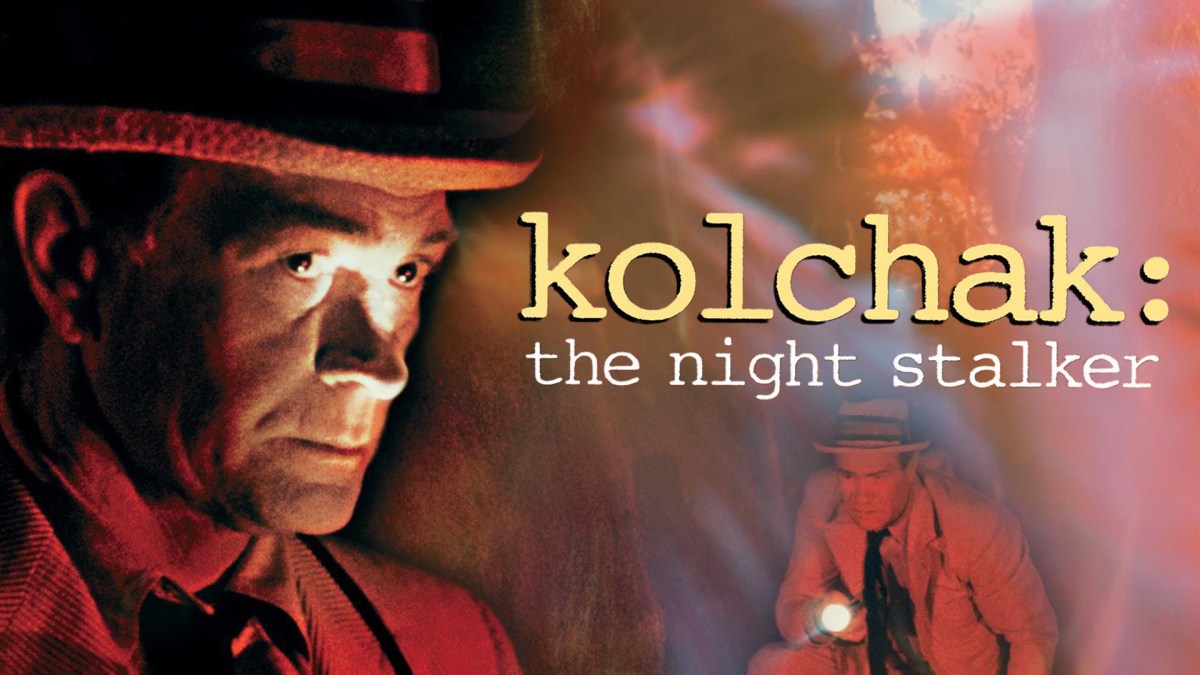
I guess this is like a trailer or a commercial for coming attractions. I’m going to tackle this series in a few weeks, with each episode getting a post. There are only 20 episodes plus two movies, so this won’t be a year and a half of The Twilight Zone or Star Trek like I did a few years back. I hope some of you readers are fans. It was totally different for its time and really for now. We will follow Carl Kolchak (Darren McGavin) as he chases monsters in the seventies.
Music posts will not be interrupted…this will be on Thursday, and I may sneak one in earlier in the week if possible. I hope you will enjoy it. I’m going to write up a few before I start posting. Also, Thanks to Lisa, who brought up this series when I told her I was watching The Night Gallery. I have watched this series over the years, but I don’t know the episodes as well as I do The Twilight Zone and Star Trek, so this will be a fun learning experience for me. I had watched The Twilight Zone and Star Trek so much that I didn’t need to research many of them when I covered their episodes.
I hope you will enjoy them. I will start them sometime in September. Also, I think most of the episodes are on YouTube.
Here is a fan-made trailer of the TV movie that spawned the show.
I went home with a waitress the way I always do How was I to know she was with the Russians, too?
This song is for Song Lyric Sunday for Jim Adams’s blog. This week’s prompt is (drum roll please…) A song with a great opening line suggested by Max of PowerPop.
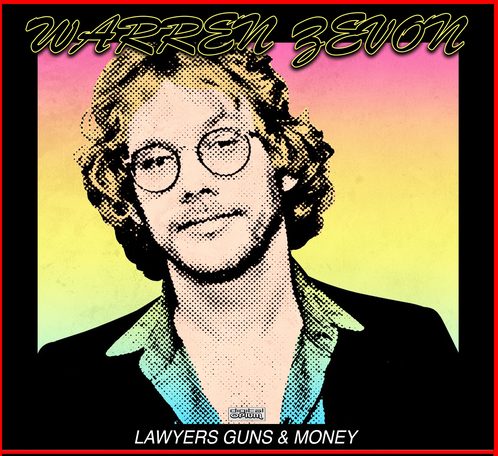
By the time Zevon was recording Excitable Boy in late 1977, he’d already built up a reputation in Los Angeles as a brilliant but different character. He’d been Linda Ronstadt’s piano player, he was pals with Jackson Browne, and he was that rare songwriter who could write a melody that would stick, but it would have a line that would make you laugh nervously. The sessions were stacked with heavy hitters—Danny Kortchmar on guitar, Waddy Wachtel as the sonic glue, Russ Kunkel on drums, and Leland Sklar on the bass. Basically, the best of the 1970s L.A. session scene.
Zevon wanted grit, menace, and the feeling that the whole thing could go off the rails at any second. That’s exactly why this song ended up as the closer; it wasn’t made for a radio single, but it was played quite a bit. The track closes the record with a bang after the short story songs of Roland the Headless Thompson Gunner and Werewolves of London. Where those songs work like short stories, Lawyers, Guns, and Money plays like a situation in escalating panic.
Zevon once stated in an interview that this was based on a true story. Zevon and his manager were partying in Mexico when the party decided to take to the road, and it looked like it was “about to hit the fan.” Zevon’s manager feigned a phone call: “Send lawyers.” Zevon jumped in: “And guns… and money.”
I’ve always liked Zevon’s dark songs with a sense of humor. His universe contains a lot of colorful characters. Zevon would go on to write subtler, more introspective songs, but this one, like Werewolves of London, made sure no one could ever mistake him for another singer-songwriter.
This song is on the great album Excitable Boy, released in 1978. The album peaked at #8 on the Billboard Album Charts and #12 in New Zealand. It was Zevon’s highest-ranking album.
Lawyers, Guns, and Money
I went home with a waitress the way I always do How was I to know she was with the russians, too?
I was gambling in havana, I took a little risk Send lawyers, guns, and money Dad, get me out of this, hiyah!
An innocent bystander Somehow I got stuck between a rock and a hard place And I’m down on my luck Yes, I’m down on my luck Well, I’m down on my luck
I’m hiding in Honduras, I’m a desperate man Send lawyers, guns, and money The shit has hit the fan
Send lawyers, guns, and money Send lawyers, guns, and money
Send lawyers, guns, and money, hiyah! Send lawyers, guns, and money, ow!
I’ve never been a huge Billy Joel fan, but I do like a lot of his music. I had the Songs In The Attic album, and this is one of the songs that stood out. This is early 1970s Billy, restless and writing about disillusionment, very different from Uptown Girl Billy. I would even say this might be one of the most important songs of his career because of what followed.
Captain Jack is the drug dealer who breaks up the humdrum life of the narrator. Joel didn’t try to hide that in the lyrics at all. Some stations wouldn’t touch it, but others couldn’t stop spinning it. Joel later said the song wasn’t a glamorization, just an observation of what he’d seen in the Long Island neighborhoods where he grew up.
His debut album, Cold Spring Harbor, had been released with a massive technical flaw; the entire thing was mastered at the wrong speed, making Joel’s voice sound unnaturally high. Promotion was minimal, sales were bad, and Joel was locked into a contract that basically gave him pennies per record. He then did the only thing he could do…tour.
The song had quite an effect on Joel. Philadelphia’s WMMR-FM invited Joel to perform a live concert in their tiny Sigma Sound Studios space, just him, drummer Rhys Clark, and bassist Larry Russell. The station’s program director, Michael Tearson, and DJ Ed Sciaky were championing singer-songwriters, and Joel’s Cold Spring Harbor tracks had caught their ear despite the bad pressing.
Joel played an eight-song set, mixing early album cuts with unreleased songs. One of those was Captain Jack. The live performance of this song was rawer and darker than the album tracks he’d been promoting. Listeners lit up the station’s phones, demanding to know where they could buy the song.
Here’s the thing: they couldn’t. Captain Jack wasn’t on Cold Spring Harbor. It wasn’t on any record. WMMR started playing the tape of that live performance regularly, and soon it was one of the station’s most requested tracks, sometimes more than the current hits by Elton John or the Stones.
The WMMR Captain Jack proved Joel had an audience and that he could connect on FM radio without a hit single. By 1973, Columbia had signed him, sent him to Los Angeles with producer Michael Stewart, and Piano Man was born. This was the closing song on the album that included Piano Man and The Ballad of Billy the Kid.
Captain Jack
Saturday night and you’re still hangin’ around Tired of living in your one horse town You’d like to find a little hole in the ground For a while, hmm
So you go to the village in your tie-dye jeans And you stare at the junkies and the closet queens It’s like some pornographic magazine And you smile, hmm
Captain Jack will get you high tonight And take you to your special island Captain Jack will get you by tonight Just a little push, and you’ll be smilin’ Oh, yeah
Your sister’s gone out, she’s on a date And you just sit at home and masturbate Your phone is gonna ring soon But you just can’t wait for that call, hmm
So you stand on the corner in your New English clothes And you look so polished from your hair down to your toes Oh, but still your fingers gonna pick your nose after all, hmm
But Captain Jack will get you high tonight And take you to your special island Captain Jack will get you by tonight Just a little push, and you’ll be smilin’, oh Oh, yeah-yeah
So you decide to take a holiday You got your tape deck and your brand-new Chevrolet Ah, there ain’t no place to go anyway What for? Hmm
So you got everything, ah, but nothing’s cool They just found your father in the swimming pool And you guess you won’t be going back to school anymore
But Captain Jack will get you high tonight And take you to your special island Oh, Captain Jack will get you by tonight Just a little push and you’ll be smilin’, oh yeah
So you play your albums, and you smoke your pot And you meet your girlfriend in the parking lot Oh, but still you’re aching for the things you haven’t got What went wrong? Hmm
And if you can’t understand why your world is so dead Why you’ve got to keep in style and feed your head Well, you’re 21 and still your mother makes your bed And that’s too long, whoa, yeah-yeah
But Captain Jack will get you high tonight And take you to your special island Well, now Captain Jack will get you by tonight Just a little push and you’ll be smilin’
Oh, Captain Jack will get you high tonight And take you to your special island Well, now Captain Jack will make you to high tonight Just a little push and you’ll be smilin’
Yeah, Captain Jack will get you high tonight And take you to your special island Captain Jack will get you by tonight Well, now Captain Jack will make you to high tonight
I’ve known this song since the 1980s, when I heard it many times on oldies channels at work. This Doug Sahm-written song has stuck with me through the decades. I thought about it recently when I ran across an ’80s or ’90s live version that he and keyboard player Augie Myers played.
This song is a blend of Tex-Mex and garage rock, one of the best examples of 1960s garage rock. It’s bigger than the chart position suggests. It paved the way for the Tex-Mex sound to seep into rock, a little taste inside a pop single. Sixty years on, it still works.
It was 1964, the height of Beatlemania, and producer Huey P. Meaux had an idea. The British Invasion was cleaning up the charts, so why not package a bunch of Texas guys to look like they’d just flown in from England, but still sound like San Antonio? He slapped the name Sir Douglas Quintet on Doug Sahm’s new band, dressed them in matching suits, and let people assume they were another English import.
The band cut this song in Houston’s Gold Star Studios in late ’64. It was a fast, live-in-the-room recording session. Sahm had the riff for a while, but the groove came together when the drummer, Johnny Perez, locked into that hypnotic drum beat, pushing the song forward.
Augie Meyers’ organ was the hook. Huey Meaux knew the song’s repetitive, almost trance-like quality would make it stand out on the radio. The song peaked at #13 on the Billboard 100 and #15 in the UK in 1965. The song was named the number one Texas song by Texas Monthly.
Doug’s voice has a Ray Charles-like sound, and they ended up with 3 top 40 songs and 4 songs in the Billboard 100.
I usually try to add live versions of the song in the era it came from, but I could not pass this one up…it’s just TOO good. Doug Sahm and Augie Meyers are doing their thing in Austin, Texas, in 1975. I can’t stop listening to this version. Sahm had a great stage presence.
She’s About a Mover
She was walking down the street Looking fine as she could be, hey, hey She was walking down the street She’s looking fine as she could be, hey, hey You know I love you, baby Oh hear what is say, hey, hey
She walked right up to me Said, “Hey, big boy, what’s your name?” She walked right up to me Said, “Hey, big boy, what’s your name?” Hey, hey We had love and conversation Oh yeah, what I say, hey hey
She’s about a mover She’s about a mover She’s about a mover She’s about a mover Hey, hey
She’s about a mover She’s about a mover You know I love you, baby Oh yeah, what I say, yeah, hey
Now, she walked right up to me, talkin’ about me She said, “Hey, big boy, what’s your name?” Well, she walked right up to me Said, “Hey, big boy, what’s your name?” We had love and conversation Oh yeah, what I say, hey hey
She’s about a mover She’s about a mover She’s about a mover She’s about a mover, hey
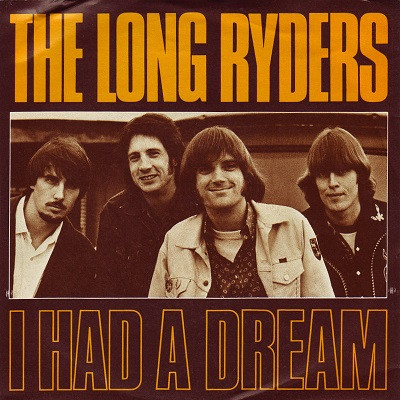
When I was discovering the Paisley Underground Scene from the 1980s, this was one of the bands that jumped out at me. I did a post on them a few years ago with a song called Looking for Lewis and Clark. I still can’t believe this was released in the 1980s because it lacked big production and a Casio-sounding keyboard. To me, this sounds like grounded roots music, and reminiscent of the Byrds, and I love the sound. It’s both country twang and chiming power chords.
If you’re going to kick off your first proper album, you may as well come out swinging, and the Long Ryders do just that here. This song wastes no time; the guitar riff is a jangle straight out of the Byrds’ Rickenbacker playbook, but it’s dirtied up with a garage-band growl that says these guys were listening to as much Crazy Horse as Mr. Tambourine Man.
The Long Ryders cut their debut album Native Sons in early 1984 at A&M Studios in Hollywood, with Henry Lewy, Joni Mitchell’s longtime collaborator, behind the board. He understood space and warmth, two qualities the Ryders wanted in spades. The sessions were quick; they were on an indie budget, so this song went down live in the studio, the band feeding off each other’s energy.
The album was praised by critics, Melody Maker saying ” “a modern American classic” and Allmusic has praised the album, writing that it “established their eclectic mixture of Byrds/Clash/Flying Burrito Brothers’ influences … while turning in an original sound that became the banner for both the paisley underground and cowpunk styles in the mid-’80s.”
The album peaked at #1 on the UK Indie Chart in 1984.
I Had A Dream
Tried so hard to explain The way things are and how quick they can change But you never listened you just turned your head Never even heard a single word that he said While it’s true now that I’m not a saint I felt pain when you live to hate Said it before and I’ll say it again Leave me alone man or treat me like a friend
I had a dream last night Everybody’s laughing and everything was alright Still some hope in sight, that was last night
I had a dream last night Nobody’s crying, nobody’s frightened Still some hope in sight, that was last night
Well if it seems like I sound like the rest We’re trying hard not to be too depressed Once they take everything I’ve left, it’s so easy So if you’re dreaming I hhope that you do Wish for the best and hope that it comes true Who knows what they’ll leave when they’re through
I had a dream last night Everybody’s laughing and everything was alright Still some hope in sight, that was last night
I had a dream last night Nobody’s crying, nobody’s frightened Still some hope in sight, that was last night
Another song that I found while listening to an oldies channel in the 1980s. This song reminds me of the Yardbirds in texture and feel.
This band was a true one-hit wonder in 1966. When the singer-guitarist John Byrne was a freshman in college, his friend told him Psychotic Reaction would be a great name for a song. John had a melody in his head that day and wrote the song, but all of The Count Five contributed.
It was released in the summer of 1966 on the tiny Double Shot label. The single started getting airplay in California and then went national, climbing up the charts. Suddenly, these kids were lip-syncing on American Bandstand and touring with the Beach Boys and The Hollies, off-the-wall stuff for a bunch of guys who had barely been out of San Jose.
As fast as it blew up, it was over. The follow-up singles didn’t chart, the album (also called Psychotic Reaction) was rushed out and padded with covers, and by 1969, the band had quietly dissolved. Byrne went back to civilian life, and the rest scattered into day jobs. You know what, though? Of all the years I played, I would have gladly taken the role of a one-hit wonder.
It peaked at #5 on the Billboard 100 and #3 in Canada in 1966. It is garage rock, psychedelic with some punk thrown in. The songwriting credits were Kenn Ellner, Roy Chaney, Craig “Butch” Atkinson, John “Sean” Byrne, and John “Mouse” Michalski.
Psychotic Reaction
I feel depressed, I feel so bad ‘Cause you’re the best girl that I ever had I can’t get your love, I can’t get a fraction Uh-oh, little girl, psychotic reaction (Shouted) And it feels like this!
I feel so lonely night and day I can’t get your love, I must stay away I need you girl, by my side Uh-oh, little girl, would you like to take a ride, now I can’t get your love, I can’t get satisfaction Uh-oh, little girl, psychotic reaction
This song is a hell of an album opener. I wrote this last weekend, and I was going to post it for Jim’s SLS Sunday great album openers but I didn’t get to post it. This era was probably the pinnacle of the Stones’ career, both in the studio and live.
By the summer of 1971, the band had officially become British tax exiles. Facing crippling tax rates back home, they scattered across Europe, with Keith Richards renting Villa Nellcôte, a grand 19th-century mansion in Villefranche-sur-Mer, on the French Riviera. When I say renting, I mean turning it into a 24-hour rock ‘n’ roll asylum. The basement, humid, airless, and filled with cigarette smoke, became the main recording space. Mobile studio trucks parked outside ran cables through windows and stairwells.
Despite the drug use and long hours, they got it done. It would be hard to replicate this album because of how it was recorded. Many of the songs sound low-fi and make them even dirtier-sounding. The vocals on this song are not steady in volume, but that adds to it. This, to me, is how the Stones should sound. If they are too clean-sounding, it just doesn’t work for me in the studio or live. Mick Taylor’s guitar is a huge reason this album sounds so good as well.
This song opened their great Exile On Main Street album. Part of the charm is the muddiness of the recordings. It was recorded in the middle of heavy drugs, hangers-on, and a band fleeing from the taxes of England. It’s a wonder they got a song out of it, much less an album that some consider their best.
What you hear in those opening moments, Keith’s ragged riff tumbling down the stairs like it’s late for work, completely works. This song is sloppy yet tight and a bit menacing. It was a great opener for this album. It clearly told you what was coming next.
Exile On Main Street peaked at #1 on The Billboard Album Charts, Canada, and the UK in 1972. This was released as a single in Japan only.
Rocks Off
I hear you talking when I’m on the street Your mouth don’t move but I can hear you speak
What’s the matter with the boy? He don’t come around no more Is he checking out for sure? Is he gonna close the door on me?
And I’m always hearing voices on the street I want to shout, but I can hardly speak
I was making love last night To a dancer friend of mine I can’t seem to stay in step ‘Cause she come ev’ry time that she pirouettes over me
And I only get my rocks off while I’m dreaming (Only get them off, only get them off, only get them off) I only get my rocks off while I’m sleeping (Only get them off, only get them off, only get them off)
I’m zipping through the days at lightning speed Plug in, flush out and fire the fuckin’ feed
Heading for the overload Splattered on the nasty road Kick me like you’ve kicked before I can’t even feel the pain no more
And I only get my rocks off while I’m dreaming (Only get them off, only get them off, only get them off) I only get my rocks off while I’m sleeping (Only get them off, only get them off, only get them off)
Feel so hypnotized, can’t describe the scene It’s all mesmerized all that inside me
The sunshine bores the daylights out of me Chasing shadows moonlight mystery
Heading for the overload Splattered on the dirty road Kick me like you’ve kicked before I can’t even feel the pain no more
And I only get my rocks off while I’m dreaming (Only get them off, only get them off, only get them off) I only get my rocks off while I’m sleeping (Only get them off, only get them off, only get them off)
And I only get my rocks off while I’m dreaming (Only get them off, only get them off, only get them off) I only get my rocks off while I’m sleeping (Only get them off, only get them off, only get them off)
And I only get my rocks off while I’m sleeping (Only get them off, only get them off, only get them off) (Only get them off, only get them off, only get them off)
I like Queen every once in a while, but I have to take them in doses. Queen is over the top, and they went out of their way to do that, which is fine, but in this song, they keep it more simple. I first got into them when my friend Paul, brought the News Of The World album cover to school, as we all loved the cool robot. Before he did that, I do remember this song on the radio. Out of all of their well-known hits, this one is a little different, more pure pop-sounding.
In the hands of another band, this song could have turned into a bland pop song. The harmonies and the arrangement by Queen lifted this song up. It was written by the bass player John Deacon. All members of Queen encouraged each other to write, and each one of them wrote at least one hit. Deacon wrote this one, I Want To Break Free, and the huge Another One Bites The Dust.
It was written for his wife, Veronica, while the couple were newly married. That explains the warmth in the lyrics, which never dip into rock-star bombast. Musically, it stands out in Queen’s catalog because of that Wurlitzer electric piano. Deacon played it and made it the song’s signature sound, even though Freddie Mercury didn’t like that instrument at all. Well, Freddie was wrong here because it fit the song perfectly. You cannot get that sound from a grand piano.
The song came off the A Night at the Opera album. This is one of the two albums that Queen named after Marx Brothers movies…the other one is Day at the Races. They were watching the A Night at the Opera movie while making the album. They became friends with Groucho Marx in the mid-seventies.
It peaked at #16 on the Billboard 100, #7 in the UK, and #2 in Canada in 1976.
Freddie Mercury: I refused to play that damn thing, It’s tiny and horrible and I don’t like them. Why play those when you have a lovely superb piano.
You’re My Best Friend
Ooh you make me live Whatever this world can give to me It’s you you’re all I see Ooh you make me live now honey Ooh you make me live
Ooh you’re the best friend that I ever had I’ve been with you such a long time You’re my sunshine and I want you to know That my feelings are true I really love you Oh you’re my best friend
Ooh you make me live
Ooh I’ve been wandering round But I still come back to you In rain or shine You’ve stood by me girl I’m happy at home You’re my best friend
Ooh you make me live Whenever this world is cruel to me I got you to help me forgive Ooh you make me live now honey Ooh you make me live
You’re the first one When things turn out bad You know I’ll never be lonely You’re my only one And I love the things I really love the things that you do Ooh you’re my best friend
Ooh you make me live
I’m happy at home You’re my best friend Oh you’re my best friend Ooh you make me live You’re my best friend
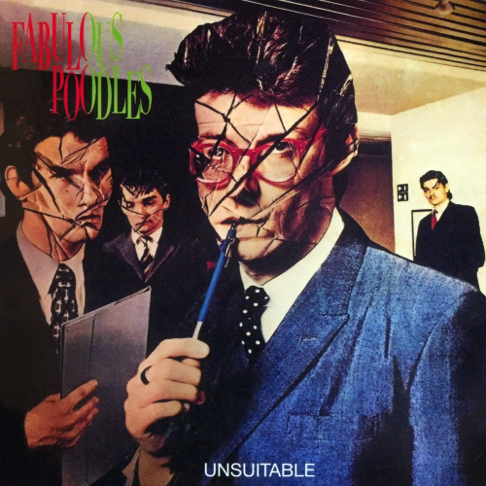
Hanspostcard recommended this song to me, and it stuck with me. I guess I’ll never forget the name of this band. I heard of the band before because I remember reading about them opening for The Kinks and Tom Petty. John Entwistle played on a few tracks on their first album and produced it. On this second album, Muff Winwood produced it. This song and Chicago Boxcar (Boston Back) are probably their best-known songs.
The band was influenced by The Who and The Kinks, and you can tell. After listening to them a little, they have some pub rock, the punch of it, combined with really good pop songwriting. They formed in London in 1975, with Tony de Meur (vocals/guitar), Richie Robertson (bass/vocals), Bobby Valentino (violin/vocals), and Bryan Wernham (drums). From the start, they had a knack for mixing good pop songwriting with theatrical humor, with some British music hall thrown in. This song was written by Tony De Meur and John Parsons.
Like a lot of late ’70s UK pop/rock, Mirror Star didn’t tear up the charts, but it found a loyal following, especially when the band opened for The Kinks on their U.S. tours. American audiences who were expecting another punk band got this odd pop/rock band.
They released 3 albums between 1977 and 1979. This one was on their second album, Unsuitable, released in 1978. I’ve searched, and they didn’t seem to chart in the UK, which surprised me. This song did peak at #81 on the Billboard 100 in 1979.
Mirror Star
He was a lonely boy, no good at sports He couldn’t run, his legs were short He walked the streets inside his head And spent a lot of time in bed
He practiced on his way to school His friends all said, you’re off the wall He played a tight elastic band His mic was just his empty hand
Mirror, mirror, mirror star He posed in front of every car They all called him crazy kid He ran up to his room and hid
He greased his hair with Vaseline And practiced looking really mean He saw a face that’s going far He posed right there with his guitar
Head’s in the clouds on school reports He’s always lost in other thoughts Made no difference, shut them out He’d be a star someday, no doubt
Mirror, mirror on the wall You never treat him like a fool Here in his room, he is the king The wild applause is deafening
You see his face on every wall From Camden Town to Liverpool He lays a groupie when he’s down And rents the best hotel in town
The kids hang round to see his face And wish that they were in his place Reflections paid, the mirror made ‘Cause posing’s helped him make the grade
Mirror, mirror on the wall You never treat him like a fool Here in his room, he is the king The wild applause is deafening
Mirror, mirror, mirror star Mirror star Mirror, mirror star Mirror, mirror, mirror star Mirror, mirror star Mirror, mirror
I was never a huge Pink Floyd fan, but I did start liking them more and more through the years. My favorite era was the Syd Barrett era, before they became massive. Syd Barrett was a co-founder of Pink Floyd. He is credited with coming up with the band’s name, which was inspired by blues musicians Pink Anderson and Floyd Council. Their debut album has really grown on me and there are some gems on there.
By the time this was recorded in late 1969, Syd was already something of a rock ‘n’ roll ghost story. The man who led Pink Floyd through UFO Club acid nights and their first album (The Piper at the Gates of Dawn) had flamed out under the weight of mental illness. Octopus was the lead single from his 1970 album The Madcap Laughs, his first solo album. Yes, it is worth checking out.
A track that sounds like it was part nursery rhyme and English psychedelia mixed together into a surreal song. In just under two years since his short-lived run as Pink Floyd’s original frontman, Barrett had all but disappeared into erratic behaviour. I’m glad EMI decided to let him try again in 1969; it wasn’t out of commercial ambition because they had to know better. I like this album though, and I would recommend it.
The sessions were chaotic. Producers came and went: Peter Jenner tried first, then Malcolm Jones. When things still weren’t gelling, Barrett’s old bandmates David Gilmour and Roger Waters were drafted in to finish the job. Between all of them, they managed to pull the album together. Uncut placed this in their 200 Greatest Albums of all time. In 2015, NME (New Musical Express) placed this album at number 7 on a list of best albums recorded at Abbey Road.
The album peaked at #40 on the UK charts in 1970.
Octopus
Trip to heave and ho Up down, to and fro’ You have no word Trip, trip to a dream dragon Hide your wings in a ghost tower Sails cackling at every plate we break
Was cracked by scattered needles The little minute gong Coughs and clears his throat Madam you see before you stand Hey ho, never be still The old original favorite grand Grasshoppers green Herbarian band And the tune they play is “In Us Confide”
So trip to heave and ho Up down, to and fro’ You have no word Please, leave us here Close our eyes to the octopus ride
Isn’t it good to be lost in the wood? Isn’t it bad so quiet there, in the wood? Meant even less to me than I thought With a honey plough of yellow prickly seeds Clover honey pots and mystic shining feed
The madcap laughed at the man on the border Hey ho, huff the Talbot The winds they blew and the leaves did wag They’ll never put me in their bag The raging seas will always seep So high you go, so low you creep The wind it blows in tropical heat The drones they throng on mossy seats The squeaking door will always squeak Two up, two down we’ll never meet
Please, leave us here Close our eyes to the octopus ride
Please, leave us here Close our eyes to the octopus ride
I missed this song in Graham Parker’s discography. This is a good one and a cover of the Trammps song they released in 1975. The Trammps would later have some huge disco hits. This one was more Philly soul-sounding. Parker had already been bending R&B and soul into his own style with his first two albums, Howlin’ Wind and Heat Treatment.
It was released on the EP The Pink Parker in late ’77 (a live version was tacked onto the U.S. version of The Parkerilla in 1979). Graham’s version is raw and raucous, much more than the original. The Pink Parker peaked at #24 in the UK Charts and #58 on the Billboard 100 in 1977. He recorded this with his great backup band called The Rumour.
The Rumour would be Graham’s backing band for years. They also recorded their own albums separately and did three in all. They broke up in 1980 and then reformed and started to back Parker up again in 2011 and remain his backup band to this day.
The Pink Parker was an EP, and it basically functioned as a stealth single for Hold Back the Night. The track started getting serious airplay and attention.
Hold Back The Night
Hold back the night Turn on the light Don’t wanna dream about you baby Hold back the night Turn on the light Don’t wanna dream about you baby
When you left You took the sun Right out of my sky Yes you did Wonder why You went away And never told me why
When the sun go down The moon is near I’m scared to death ‘Cause your face appear
Hold back the night Turn on the light Don’t wanna dream about you baby Hold back the night Turn on the light Don’t wanna dream about you baby
Loneliness Holding me When I go to bed yes it is Like a character In a book That I have read
When the sun go down The moon is near I’m scared to death ‘Cause your face appear
Hold it hold it hold it hold it
Hold back the night Turn on the light Don’t wanna dream about you baby I said hold back the night Turn on the light Don’t wanna dream about you baby
Hold back the night Turn on the light Don’t wanna dream about you baby Hold back the night Turn on the light Don’t wanna dream about you baby Hold back the night Turn on the light Don’t wanna dream about you baby Hold back the night Turn on the light Don’t wanna dream about you baby Hold back the night Turn on the light Don’t wanna dream about you baby Hold back the night Turn on the light Don’t wanna dream about you baby Hold back the night Turn on the light Don’t wanna dream about you baby
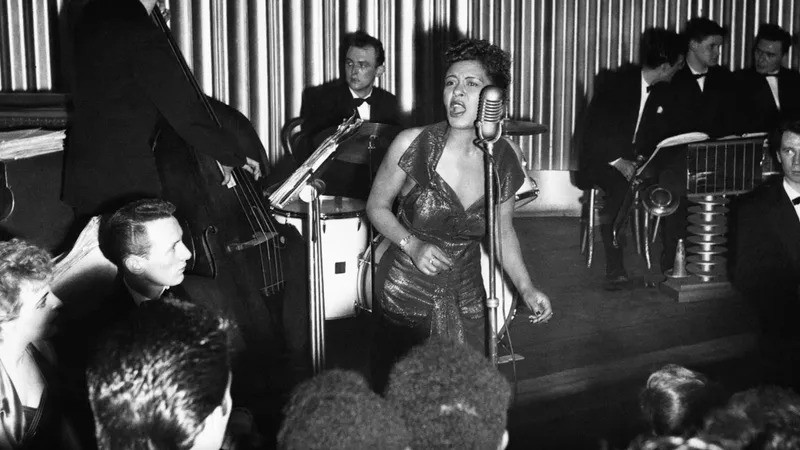
I’m not a huge jazz aficionado, but sometimes it hits the spot. On Christian’s blog on Sundays, he usually features a jazz song on his Sunday Six. I often enjoy that more than the rock songs. I was looking through YouTube, and I instantly fell for this song. I picture a smoky black and white bar at 3am in the 40s or 50s, with Holiday giving her all for each song.
I’ve heard other versions of this song, and some are slick and radio-friendly. Holiday’s is not slick, it’s real and as close to authentic as you can get. What I hear in this song is a weariness in Billie’s voice that feels older than the song itself. She doesn’t belt it, and she doesn’t show off. She just leans into the melody like someone savoring the last dance of the night.
When I listen to her songs, I have a feeling like I’m eavesdropping on something intimate. Only a few singers have made me feel that way; she will always be special. In this song, she gave pain a voice, and it’s still being felt.
This song was released in 1936 and peaked at #11 on the Billboard Hot 100. One stat that I found floored me. Out of the 38 singles she released, 35 of them were in the top 20. It was written by Ralph Rainger and Howard Dietz in 1929. popularized in the revue The Little Show, where it was sung by Libby Holman. It’s been covered 66 times by artists such as Dinah Shore to Hot Sugar Band & Nicolle Rochelle in 2020.
The live version below is near the end of her tragically short life, but like always, she gives her all.
Moanin’ Low
Moanin’ low, my sweet man, I love him so Though he’s mean as can be He’s the kind of man needs the kind of a woman like me
Gonna die if my sweet man should pass me by If I die where’ll he be He’s the kind of a man needs the kind of a woman like me
Don’t know any reason why he treats me so poorly What have I gone and done? Makes me troubles double with his worries When surely, I ain’t deserving of none
Moanin’ low, my sweet man is gonna go When he goes, oh Lordy He’s the kind of a man needs the kind of a woman like me
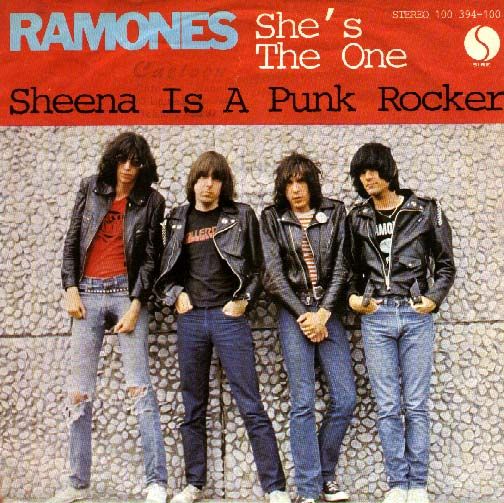
I so love the Ramones. They cut through the BS and got down to business. No solos, no lengthy anything…just songs that rock and leave you wanting more. This song peaked at #81 on the Billboard 100 and #22 in the UK in 1977. This was supposedly the first punk song in the Billboard 100. This was the sound of punk going pop, and not in the sellout sense. It would become one of their most popular songs.
If you were standing outside CBGB in the summer of 1977, the street noise wasn’t just the usual loud feedback anymore; it had a melody with the Ramones. They had a lot of influences, but one of them was Bubblegum rock, and it shows. Most of their songs are very catchy.
This song was Joey Ramone’s attempt to write a 1960s-style teenage rebellion song for the late 1970s crowd, and he nailed it. The name was borrowed from Sheena, Queen of the Jungle, a pulp heroine with a loincloth and a machete. But in the Ramones’ world, she trades her safari clothes for a leather jacket and heads to the rock clubs.
Tommy Ramone helped produce this track. He is credited on the album under his real name, Tommy Erdelyi. They were more popular years after they broke up than they were when they were together. It’s a shame they didn’t get as popular when they were a working band.
Joey Ramone: “‘Sheena Is A Punk Rocker’ first came out as a single. I played it for (Sire Records President) Seymour Stein. He flipped out and said ‘We gotta record that song now.’ It was like back in the ’50s; you’d rush into the studio because you thought you had a hit, then put it right out. To me ‘Sheena’ was the first surf/punk rock/teenage rebellion song. I combined Sheena, Queen of the Jungle with the primalness of punk rock. Then Sheena is brought into the modern day: ‘But she just couldn’t stay/she had to break away/well New York City really has it all.’ It was funny because all the girls in New York seemed to change their name to Sheena after that. Everybody was a Sheena.”
Sheena Is A Punk Rocker
Well the kids are all hopped up and ready to go They’re ready to go now they got their surfboards And they’re going to the discotheque Au Go Go But she just couldn’t stay she had to break away Well New York City really has is all oh yeah, oh yeah
Sheena is a punk rocker Sheena is a punk rocker Sheena is a punk rocker now Sheena is a punk rocker Sheena is a punk rocker Sheena is a punk rocker now Well she’s a punk punk, a punk rocker Punk punk a punk rocker Punk punk a punk rocker Punk punk a punk rocker
Well the kids are all hopped up and ready to go They’re ready to go now they got their surfboards And they’re going to the discotheque Au Go Go But she just couldn’t stay she had to break away Well New York City really has is all oh yeah, oh yeah
Sheena is a punk rocker Sheena is a punk rocker Sheena is a punk rocker now Sheena is a punk rocker Sheena is a punk rocker Sheena is a punk rocker now Well she’s a punk punk, a punk rocker Punk punk a punk rocker Punk punk a punk rocker Punk punk a punk rocker
Sheena is a punk rocker Sheena is a punk rocker Sheena is a punk rocker now Sheena is a punk rocker Sheena is a punk rocker Sheena is a punk rocker now Sheena is a punk rocker Sheena is a punk rocker Sheena is a punk rocker now
Well this finishes up my solo Beatles favorite songs. We had George, John, and Paul, and now last but not least…Mr Richard Starkey or Ringo Starr, whichever way you want to go. John Lennon was initially worried about Ringo when the Beatles broke up. He wondered how Ringo would make his way…he needed not to worry. In the early seventies, he had more hits than John or Paul did at that time. Plus, Ringo found a career in acting.
Lennon jokingly sent a telegram to Ringo after the success of the Ringo album and said, “Congratulations. How dare you? And please write me a hit song.”
Before I get on with the list. Ringo has had some really good songs on albums since the 1980s, but these I grew up with and are forever linked to him. Also now drummers and many other people are coming around to see just how great a drummer Ringo is.
Back Off Boogaloo – Many think a few of the verses are about Paul, and at this time, I can see that. Paul was suing the other Beatles, which turned out to be a good thing for all parties except Allen Klein. It was inspired by Marc Bolan because he frequently used the word “Boogaloo,” which stuck with Ringo.
2. Oh My My -This is an overlooked Ringo song that is really good. I had this single as a kid from a cousin. The song was on the 1973 Ringo album, which was his most successful album. Three of his former bandmates helped contribute to this album. It contained Photograph, You’re Sixteen, and this one, which were hits. Ringo and Vini Poncia wrote this one.
3. It Don’t Come Easy – A great pop single that fits Ringo’s voice perfectly. If you dig on YouTube, you can hear a version in which George Harrison sings. George Harrison is on guitar, Gary Wright on piano, Mal Evans on tambourine, and Pete Ham and Tom Evans from Badfinger on backup vocals. Klaus Voormann, a Hamburg fan, plays bass. It was credited to Ringo and George Harrison.
4. Photograph – Photograph and It Don’t Come Easy were probably the best straight-out pop singles Ringo released, and they are both excellent AM radio hits. George Harrison and Ringo wrote this one.
5. Early 1970 – Why is this song so high on my list? It’s a Ringo written song, and he has verses about each of the Beatles. Is it technically a great song? No, but it has a lot of meaning behind it, and it shows where Ringo was with the other Beatles at this time. He was really close to George, a friend to John, and with Paul, it was up in the air.
The first verse is about Paul… he talks about his farm, and his new wife Linda, and Paul was very quiet around this time and he stopped coming to Apple. He also told Ringo to get out of his house when Ringo delivered a message from the 3 Beatles for McCartney to delay releasing his debut album because of Let It Be releasing at the same time. They finally gave in to Paul. Ringo was wondering if Paul would play music with him when he came by again. And when he comes to town, I wonder if he’ll play with me.
The second verse is about John. Ringo sings about John and Yoko doing the bed in, and what I thought was “Cocaine” as a kid was really a lesser drug…”Cookies.” He also references Yoko with “With his mama by his side, she’s Japanese.” At the end of the verse…unlike Paul, he knows John will play music with him. And when he comes to town, I know he’s gonna play with me.
The third verse is about George. Ringo and George were extremely close in the Beatles and afterward. Things did pop up between them through the years but they remained friends. He describes George in the first line, Pattie Boyd Harrison in the second, and George’s famous mansion Friar Park in the 3rd. Ringo and George wrote together, and George hung out with Ringo more than the other Beatles. He’s a long-haired, cross-legged guitar picker, um-um. With his long-legged lady in the garden picking daisies for his soup. A forty acre house he doesn’t see, ‘Cause he’s always in town playing for you with me.
6. No No Song – Ok…it’s a pure novelty song but…it’s Ringo. If John, Paul, or George had done this, it wouldn’t be in my top 100…but…again…it’s Ringo. He can get by with it. This was the last of his big hits in America. This one was by Hoyt Axton.
7. Your Sixteen – I had his single as a kid…another one off of the Ringo album. The Ringo album is almost Ringo’s Greatest Hits.
8. Only You – Ringo did a nice cover of this song.
9. I’m The Greatest – Lennon wrote this one for Ringo as well. It was on the huge Ringo album. Lennon knew he could not get by with singing this.
10. Grow Old With Me – John Lennon wrote this song for Ringo, but Ringo waited until 2019 to do it because John gave it to him right before he was murdered.
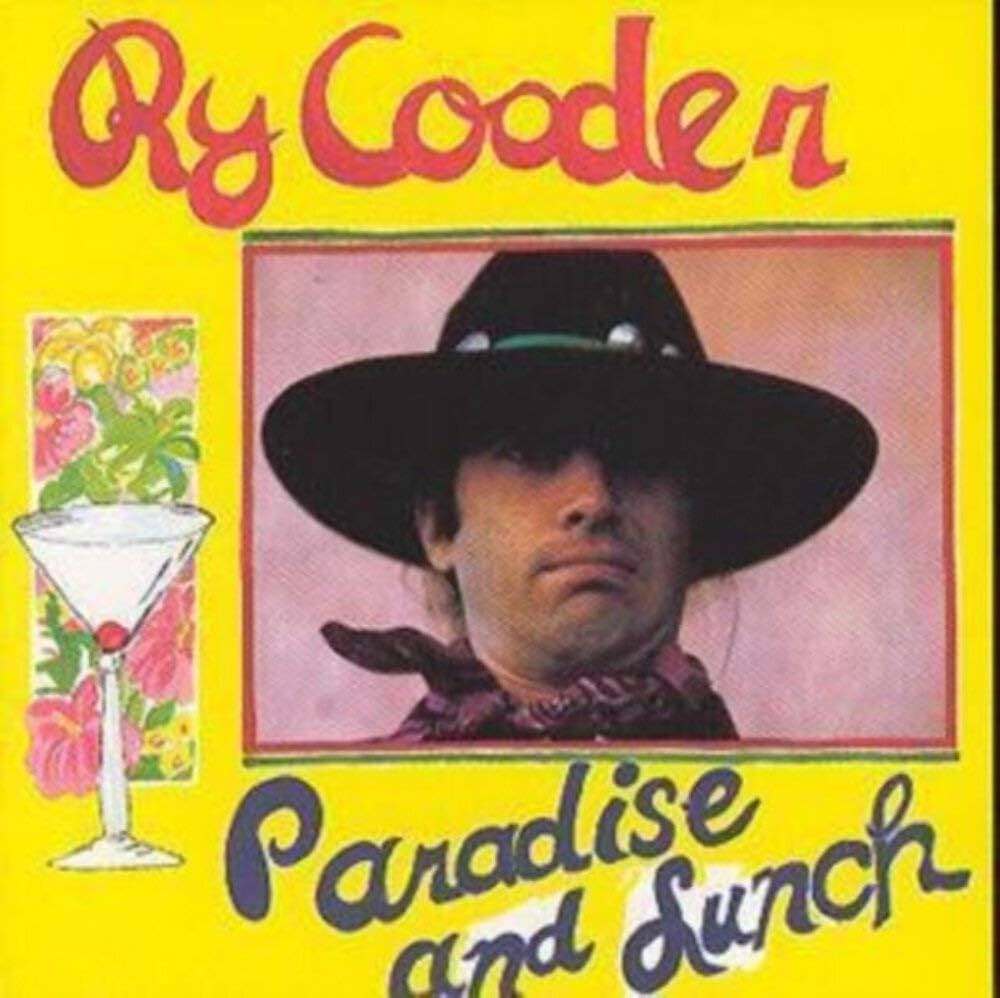
I had another Ry Cooder song written up and scheduled to go today, but in a conversation, halffastcyclingclub played me this song while we were talking about something else. I decided to try to write this one up for Sunday. I love the spirit and soulfulness of this song. I’ll post the other Cooder song soon. Halffastcyclingclub posted this song on Ry Cooder’s 75th Birthday here.
This song was on his 1974 Paradise and Lunch album. This isn’t a solo showcase or a guitar clinic. Cooder doesn’t treat roots music like a museum exhibit; he has fun with it. You can hear the respect, but you can also hear the joy. It’s a song that, after a minute, I fell in love with.
He sent me the live version, which I would recommend. It’s an old spiritual, passed down and passed around, sung in churches and on chain gangs, more often associated with Sunday salvation. The writer of this beautiful song is unknown, but has been in the American folk and gospel circles for years. Mavis Staples also did a great version of this one. Cooder’s version is almost like a tent revival crossed with a Muscle Shoals jam session.
Cooder’s guitar is wonderful as always in this, but his voice lifts the whole thing skyward with that gospel chorus. This is the kind of song that you don’t just listen to, you get in and ride with it. The album peaked at #174 on the Billboard Album Charts in 1974.
Jesus On The Mainline
I know Jesus is on that mainline Tell Him what you want Jesus is on that mainline Tell Him what you want Jesus is on that mainline Tell Him what you want Call Him up and tell Him what you want
Well, the line ain’t never busy Tell Him what you want Wo, that line ain’t never busy Tell Him what you want Well, the line ain’t never busy Tell Him what you want Keep on calling Him up And tell Him what you want
Well, if you want His kingdom Tell Him what you want If you want His kingdom Tell Him what you want If want His kingdom Tell Him what you want Call Him up, call Him up, call Him up, call Him up You can call Him up and tell Him what you want Well, if you’re sick and want to get well Tell Him what you want Well, if you’re sick and you want to get well Tell Him what you want If you’re sick and you want to get well Tell Him what you want Call Him up and tell Him what you want
And if you’re feeling down and out Tell Him what you want And if you’re feeling down and out Tell Him what you want And if you’re feeling down and out Tell Him what you want Call Him up and tell Him what you want
I know Jesus is on that mainline Tell Him what you want Jesus is on that mainline Tell Him what you want Jesus is on that mainline Tell Him what you want Call Him up, call Him up, call Him up, call Him up Call Him up and tell Him what you want









 PowerPop... An Eclectic Collection of Pop Culture