Taj Mahal – Leaving Trunk

The harmonica intro to this song is dirty as hell. You can hear the slide cutting in like a knife while the rhythm is chugging along. The song was written by Sleepy John Estes, son of a Tennessee sharecropper and blind in one eye, in 1930. He wrote it as Milk Cow Blues. It was recorded in Memphis with piano, mandolin, and Este’s guitar.

Leaving Trunk was on Taj Mahal’s self-titled debut album released in 1968. Like Ry Cooder two years after…he had a great band backing him up. On slide guitar and harmonica is Taj Mahal. The great Jesse Ed Davis is on slide guitar also on this album as well as Ry Cooder on rhythm guitar.

He covered songs written by Estes, Robert Johnson, himself, Sonny Boy Williamson II, and Blind Willie McTell. Leaving Trunk is a song that has been covered by many artists over the years, and it continues to be a favorite among blues fans. Secondhandsongs.com says it has 39 different versions to date. Everyone from Bob Willis to The Black Keys has covered this song. This album played a big part in influencing Duane Allman with Statesboro Blues.

I’ve listened to this album in the past few days I’ve been off of work. I’ve been rotating this one and the debut album of Ry Cooder. The slide guitar work on this album is blistering. I can’t state the importance of this album enough. I can see why Duane Allman was so inspired by it. I won’t go through the complete story but Duane was sick with a cold and his brother Gregg gave him a bottle of Coricidin and this album for Duane’s birthday. Below Gregg Allman tells it.

Gregg Allman: And then I looked on the table and all these little red pills, the Coricidin pills, were on the table. He had washed the label off that pill bottle, poured all the pills out. He put on that Taj Mahal record, with Jesse Ed Davis playing slide on “Statesboro Blues,” and starting playing along with it. When I’d left those pills by his door, he hadn’t known how to play slide. From the moment that Duane put that Coricidin bottle on his ring finger, he was just a natural.

Looking back on it, I think that learning to play slide was a changing moment in his life, because it was like he was back in his childhood—or maybe not his childhood, because it never seemed to me like Duane was a child, so it was more like going back to his first days of playing the guitar. He took to the slide instantly and mastered it very quickly. He practiced for hours and hours at a time, playing that thing with a passion—just like he did when he first learned to play the guitar.

Leaving Trunk

I went upstairs to pack my leavin’ trunk
I ain’t see no blues, whiskey made me sloppy drunk
I ain’t never seen no whiskey, the blues made me sloppy drunk
I’m going back to Memphis babe, where I’ll have much better luck

Look out mama you know you asked me to be your king
She said, “You kiddin’ man, if you want it, keep it hid
But please don’t let my husband, my main man catch you here
Please don’t let my main man, my husband catch you here”

The blues are mushed up into three different ways
One said, “Go the other”, two said, “Stay”
I woke up this mornin’ with the blues three different ways
You know one say, “Go baby, I want to hang up”
The other two said, “Stay”

Wake up mama, I got something to tell you
You know I’m a man who loves to sing the blues
Now you got to wake up baby, mama now
I got something, I got something to tell you
Well, you know I’m the man, I’m the man
Oh yes, and I love to sing the blues

Come on Davis
Come on, come on

I went upstairs to pack my leavin’ trunk, you know
I ain’t see no blues or whiskey made me sloppy drunk
I never seen no whiskey, the blues made me sloppy drunk
I go home baby and I lay down on the lawn
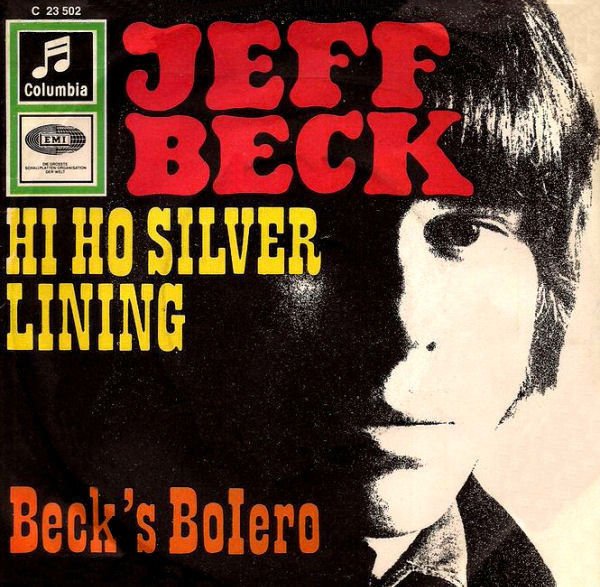
Jeff Beck – Beck’s Bolero

This song is for Song Lyric Sunday for Jim Adams’s blog. This week’s prompt is Gone But Not Forgotten. We lost Jeff Beck this year and he was a huge loss.

I hardly ever post instrumentals but this one is special. Keith Moon on drums, John Paul Jones on bass, Nicky Hopkins on keyboard, and Jimmy Page,  on 12-string guitar along with Jeff Beck on slide guitar. John Paul Jones said the group that played on Beck’s Bolero was kicking around the idea of touring. They also were thinking about trying to get the Small Faces singer Steve Marriott but his management would not go for that.

Beck’s Bolero was recorded over one day on May 16th, 1966. At this point, Moon was unhappy in The Who, and this impromptu band did initially plan to record and release a full album, but contractual obligations…amongst other things, prevented them from ever doing it.

John Entwistle, who originally agreed to play bass in the session, pulled out at the last minute and was replaced with session ace John Paul Jones. Personally, I’m glad this didn’t gel because The Who would have stopped dead most likely.

When you listen to the song…there isn’t a doubt who was playing drums. Jeff Beck later claimed that Pete Townshend “glared like daggers at me” after he found out about the recording sessions.

Jimmy Page is credited with writing the song but Jeff has said no… that he worked more of it out. Instead of me writing out the differences…I’ll let Beck and Page do it below.

Jimmy Page: “On the ‘Beck’s Bolero’ thing I was working with that, the track was done, and then the producer just disappeared. He was never seen again; he simply didn’t come back. Napier-Bell, he just sort of left me and Jeff to it. Jeff was playing and I was in the box (recording booth). And even though he says he wrote it, I wrote it. I’m playing the electric 12-string on it. Beck’s doing the slide bits, and I’m basically playing around the chords. The idea was built around (classical composer) Maurice Ravel’s ‘Bolero.’ It’s got a lot of drama to it; it came off right. It was a good lineup too, with Keith Moon, and everything.”

Jeff Beck: “No, Page didn’t write that song, we sat down in his front room once, this tiny, pokey room, and he was sitting on the arm of a chair and he started playing that Ravel rhythm. He had a 12-string, and it sounded so full, really fat and heavy. And I just played the melody. And I went home and worked out the other bit [the up-tempo section].”

This song was the B side to Hi Ho Silver Lining which peaked at #14 in the UK in 1967. The song was later on Jeff Beck’s Truth album.

Jeff Beck: Me and Jim Page arranged a session with Keith Moon in secret, just to see what would happen. But we had to have something to play in the studio because Keith only had a limited time — he could only give us like three hours before his roadies would start looking for him. So I went over to Jim’s house a few days before the session, and he was strumming away on this 12-string Fender electric that had a really big sound. It was the sound of that Fender 12-string that really inspired the melody. And I don’t care what he says, I invented that melody, such as it is. I know I’m going to get screamed at because in some articles he says he invented it, he wrote it. I say I invented it. This is what it was: He hit these Amaj7 chords and the Fm7 chords, and I just started playing over the top of it. We agreed that we would go in and get Moonie to play a bolero rhythm with it. That’s where it came from, and in three or four takes it was down. John Paul Jones on the bass. In fact, that group could have been a new Led Zeppelin.

Ry Cooder – How Can A Poor Man Stand Such Times and Live?

Last week I was talking to CB about the song Prodigal Son by the Reverend Robert Wilkins and The Stones. It turns out that Ry Cooder has a song with the exact name but a different song entirely. That got me listening to Cooder this week and this title alone drew me in.

This song was written by Blind Alfred Reed and was first recorded in 1929, a protest song about the Great Depression, prohibition, and poverty. Blind Alfred Reed was, in fact, born blind as was another sibling. He played the fiddle on street corners throughout West Virginia and Virginia. This song is considered an early example of a protest song.

This song holds some relevance today. It was on Ry Cooder’s self-titled debut album released in 1970. He is joined, amongst other long-time friends like producer Van Dyke Parks, percussionist Milt Holland, country rock bassist Chris Ethridge, and Little Feat’s drummer Richie Hayward and bassist Roy Estrada.

Cooder is an excellent musician and one of the great slide players of our time. Cooder also contributed to the Rolling Stones albums Let It Bleed and Sticky Fingers and was looked at briefly as a replacement for Brian Jones. Some say he wrote the riff to “Honky Tonk Woman.”

Bruce Springsteen covered it on his nightly Seeger Sessions Tour in 2006 and as a bonus track on the American Land edition of his We Shall Overcome: The Seeger Sessions album.

How Can a Poor Man Stand Such Times and Live?

Well, the doctor comes around with his face all brightAnd he says, “In a little while you’ll be all right!”All he gives is a humbug pill,Dose of dope and a great big billTell me, how can a poor man stand such times and live?

Well, there once was a time when everything was cheapBut now prices nearly put a man to sleepWhen we get our grocery bill,We just feel like making our willTell me, how can a poor man stand such times and live?

Prohibition’s good if it’s conducted rightThere’s no sense in shooting a man ’til he shows flightOfficers kill without a cause,Then they complain about the funny lawsTell me, how can a poor man stand such times and live?

Otis Redding and Carla Thomas – New Year’s Resolution

This song is a great way to start a year! Anytime you can hear Otis…you are on the right path! Have a Happy New Year! Get ready for 2024. Their voices sound amazing. They complimented each other very well. I just wished they would have had time to do more.

Stax’s house band, Booker T & the MGs, provides the backing.  Note Booker T’s subtle but effective organ lending the song a spiritual element, while Donald “Duck” Dunn’s bass and Steve Cropper’s tasteful guitar licks ground the track’s rhythm

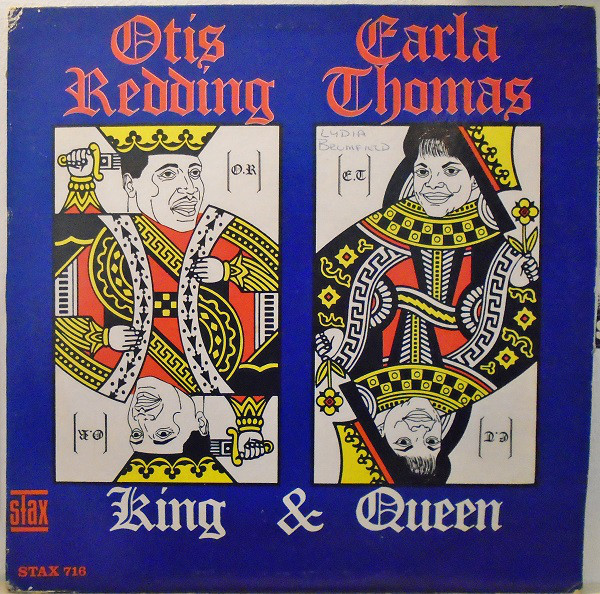
Stax was hoping to replicate the success of Marvin Gaye and Tammi Terrell. Stax paired two of their greatest stars for the 1967 album King & Queen, which produced the hit “Tramp.” The album featured their takes on classics such as “Knock on Wood,” “When Something Is Wrong with My Baby,” “Bring It on Home to Me,” and “It Takes Two”

This song was on the King and Queen album released in 1967. This is the only album they got to make because Otis died in a plane crash on December 10, 1967. Carla Thomas would go on to a successful career with 2 top 20 hits plus many top 20 R&B hits.

I’m adding the song Tramp off of the album. This song peaked at #26 on the Billboard 100, #2 on the R&B Charts, and #1 on the UK R&B Charts in 1967.

New Year’s Resolution

I hope it’s not too late
Just to say that I’m sorry, honey
All I want to do
Is just finish what we started, baby

Let’s turn over a new leave
And baby let’s make promises
That we can keep
And call it a New Year’s resolution, hmmm

Oh, I’m a woman
And woman makes mistakes too
But will you, will you forget the changes
That I put you through

let’s try it again
Just you and me
And, baby, let’s see how happy honey, yeah
That we can be
And call it a New Year’s resolution, yeah, yeah, yeah

Many times we had our ups and downs
And times you needed me I couldn’t be found
I’m sorry
And I’m sorry too
I’ll never, never do it again, no, no, no
So baby before we fall out
Let’s fall on in, yeah, yeah
Oh, and we’re gonna try harder
Not to hurt each other again, oh
Love me baby, huh
Week after week
And baby let’s make promises
That we can keep
And call it a New Year’s resolution, yeah, oh
I know we can do it Carla
I’m gonna keep my promises
I’m gonna hold on that we can do it, baby
Oh, it’s not too late
You’re gonna love me
Nobody else
Oh Otis let’s finish what we started
Talk no mean

Jethro Tull – Bungle In The Jungle

This is one of my favorite Jethro Tull songs.

Some people thought that this came from the Muhammad Ali and George Foreman fight which was called Rumble in the Jungle. Ian Anderson confirmed that this was thought of way before that. Now it is very possible that Rumble in the Jungle was taken from this song as it was on the radio at that time. The song was released on October 14, 1974…so it was 49 years ago today! The Rumble in the Jungle boxing match was held on October 30, 1974.

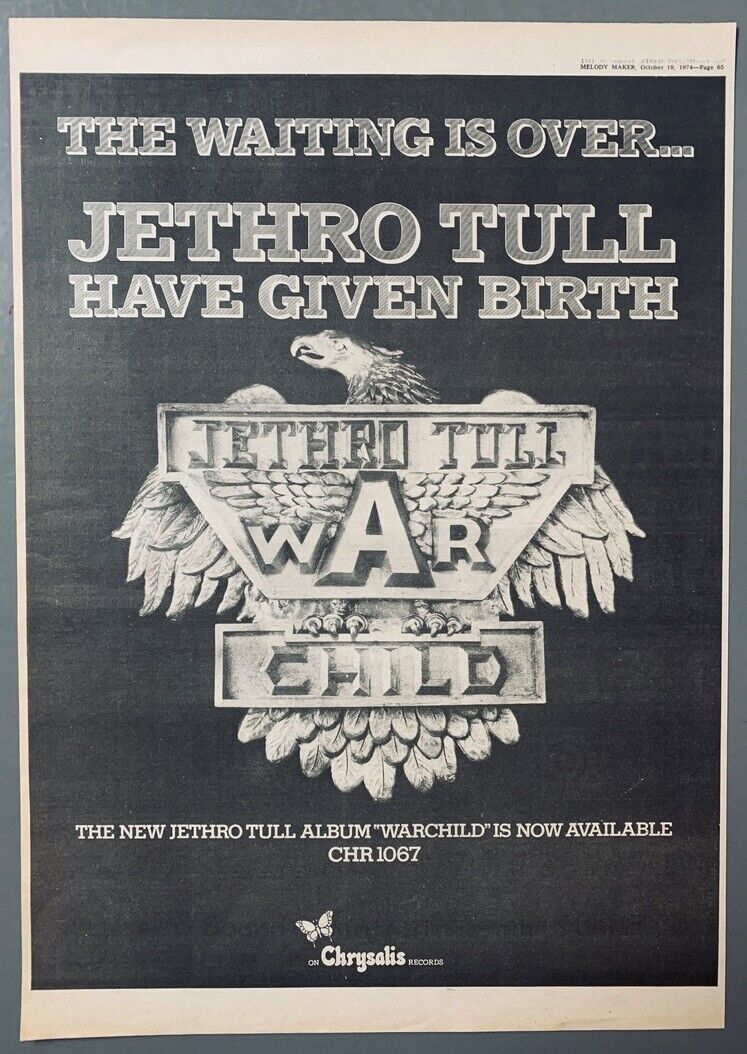
Jethro Tull poster

The song was written for a soundtrack for a film that never got made. Ian Anderson as also has suggested that the lyrics are a metaphor for the chaos and corruption that were rampant in the music business in the early 1970s. The jungle environment represents the cut-throat world of the music industry, where bands were struggling to compete for attention and record deals.

The song peaked at #12 on the Billboard 100 and #4 in Canada in 1974. The album War Child peaked at #2 on the Billboard Album Charts, #3 in Canada, and #14 in the UK. Anderson has said that despite its success, he’s never been particularly fond of the song. “It’s never been one that’s really honestly been one of my favorites… It’s okay.” It was written by Ian Anderson.

Ian Anderson: “It was actually late ’72 or early ’73 when I was in Paris recording an album that never got released, although one or two of the tracks made it out in 1974, but that was at a time when I was writing an album that was exploring people, the human condition, through analogies with the animal kingdom. And that particular song was perhaps the more obvious and the more catchy of the tunes. Eventually it was finished and saved in time for the War Child album, sometime later.”

Bungle In The Jungle

Walking through forests of palm tree apartments
Scoff at the monkeys who live in their dark tents
Down by the waterhole
Drunk every Friday
Eating their nuts
Saving their raisins for Sunday.
Lions and tigers
Who wait in the shadows
They’re fast but they’re lazy, and sleep in green meadows

Let’s bungle in the jungle
Well, that’s all right by me
I’m a tiger when I want love
But I’m a snake if we disagree

Just say a word and the boys will be right there
With claws at your back to send a chill through the night air
Is it so frightening to have me at your shoulder?
Thunder and lightning couldn’t be bolder
I’ll write on your tombstone,I thank you for dinner
This game that we animals play is a winner

Let’s bungle in the jungle
Well, that’s all right by me
I’m a tiger when I want love
But I’m a snake if we disagree

The rivers are full of crocodile nastiest
And He who made kittens put snakes in the grass
He’s a lover of life but a player of pawns
Yes, the King on His sunset lies waiting for dawn
To light up His Jungle as play is resumed
The monkeys seem willing to strike up the tune

Let’s bungle in the jungle
Well, that’s all right by me
I’m a tiger when I want love
But I’m a snake if we disagree

Small Faces – Itchycoo Park

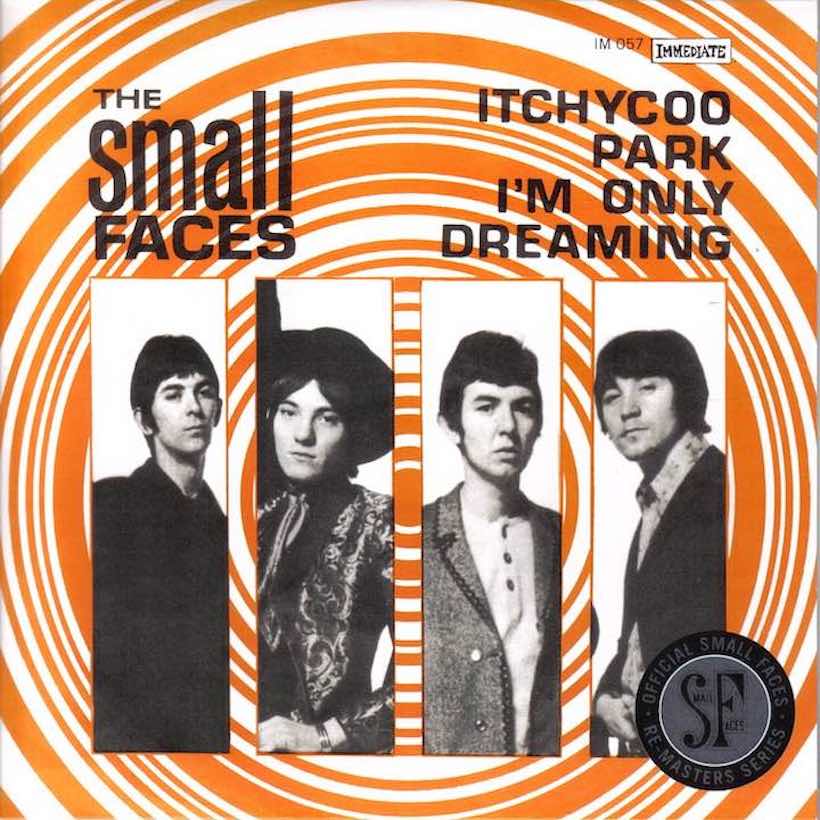
This song was released in 1967 by The Small Faces and it peaked at #16 on the Billboard 100, #1 in Canada, and #3 in the UK. I was born in 1967 and cannot remember a thing but this song makes me feel like I was there. It was written by Ronnie Lane and Steve Marriott. A psychedelic song that hit on both sides of the ocean which was rare for the Small Faces who never toured America.

Ronnie Lane had been reading a leaflet on the virtues of Oxford University which mentioned its dreaming spires. Several sources claim the song’s name is derived from the nickname of Little Ilford Park, on Church Road in the London suburb of Manor Park where Small Faces’ singer and songwriter  Steve Marriott grew up.

The park is Manor Park’s Itchycoo Park (officially Little Ilford Park) in London. An “Itchycoo” is slang for a flower found in the park called a “Stinging Nettle,” which can burn the skin if touched. Ronnie Lane said “It’s a place we used to go to in Ilford years ago. Some bloke we know suggested it to us because it’s full of nettles and you keep scratching.”

Producer Glynn Johns used a new technique of phasing in the drum breaks. He got credit for doing that but it was his assistant that came up with it. The flange effect could be made by placing a finger on the supply reel creating drag, causing the machine to slow down, which increased the delay and lowered the pitch of the notches. The sound could be swept upward by doing the opposite…touching the take-up reel and speeding it up slightly.

Glyn Johns: I have often been given credit for this, but in fact the method used to achieve it was discovered by my assistant at the time, George Chkiantz, who demonstrated it to me as I arrived for the session. I thought it was a fantastic effect and decided to use it on the track we cut that afternoon. This happened to be “Itchycoo Park,” a song about taking LSD, as coincidence would have it, and if you listen you will see why it was so effective.

Glyn Johns: This was one hell of a band. They had a massive amount of energy that was unleashed on their audiences from the minute they hit the stage until they left it. If they had ever made it to America, they would undoubtedly have been as successful as any of the British bands that took it by storm in the sixties. That was not to be, as they broke up in 1969 before ever going there.

Ian McLagan: “I never liked ‘Itchycoo Park’ because me and Ronnie had to sing, ‘It’s all too beautiful,’ and you sing that a few times, and you think… It’s not. The ‘bridge of sighs’ is the one in Cambridge. The ‘dreaming spires’ are a reference to Oxford. Then ‘to Itchycoo Park… That’s where I’ve been,’ Ronnie was saying, ‘I didn’t need rich privilege or education. Found beauty in a nettle patch in the East End of London.”

Itchycoo Park

Over bridge of sighs
To rest my eyes in shades of green

Under dreaming spires
To Itchycoo Park, that’s where I’ve been

(What did you do there?) I got high
(What did you feel there?) well, I cried
(But why the tears there?) tell you why
It’s all too beautiful, it’s all too beautiful

I feel inclined to blow my mind
Get hung up, feed the ducks with a bun
They all come out to groove about
Be nice and have fun in the sun

I’ll tell you what I’ll do (what will you do?) I’d like to go there now with you
You can miss out school (won’t that be cool?) why go to learn the words of fools?

(What will we do there?) we’ll get high
(What will we touch there?) we’ll touch the sky
(But why the tears there?) I’ll tell you why
It’s all too beautiful, it’s all too beautiful

I feel inclined to blow my mind
Get hung up, feed the ducks with a bun
They all come out to groove about
Be nice and have fun in the sun
It’s all too beautiful, it’s all too beautiful
It’s all too beautiful, hah

It’s all too beautiful, it’s all too beautiful

Max Picks …songs from 1981

1981

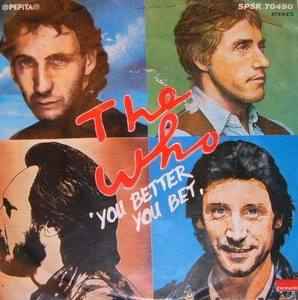
The Who – You Better You Bet..I always thought of this song as the sister song to Who Are You. You Better You Bet was on the album Face Dances. This was the first album without Keith Moon and with Kenney Jones on drums.

Pete Townshend has said he wrote it “over several weeks of clubbing and partying” while the still-married guitarist was dating a younger woman. He said: “I wanted it to be a great song because the girl I wrote it for is one of the best people on the planet.”

Rolling Stones – Start Me Up…I was over at my friend Kenny’s house and I heard this song. Kenny loved animals and had a tarantula, piranha, and other sorts of fun animals. I think it was his radio alarm that went off but I heard this song and knew exactly who it was and I was hooked. This was before it was worn completely out. The opening riff is straight out of the 5-string open G tuning for all of you guitarists. That tuning helped Keith come up with all of those great riffs.

All the news at the time was on their tour. They were called old and over the hill…funny now thinking back…they were only in their late 30s and early 40s. Nowadays that is a young band. I went out and bought the album and loved it. The next year I bought the live (from that tour) Time is On My Side and Going To A Go-Go singles. I then broke down and bought the Still Life live album they came from. This video is amusing…it’s a video a high school band would make with one take but it worked for them. Charlie’s expressions are worth watching alone.

Kim Carnes – Bette Davis Eyes – More than any other song at that time…this one seemed so different and I knew music was changing in the 80s. I still liked it and I bought the single. Just like with Bonnie Tyler and It’s A Heartache…my first thought when hearing this was Rod Stewart. I really like Carne’s raspy voice more than the pop singers at the time…and now. Now I’d love to hear a duet with Kim Carnes and Bonnie Tyler.

“Bette Davis Eyes” was originally recorded by Jackie DeShannon on her 1975 album New Arrangement. DeShannon wrote the song with the songwriter Donna Weiss. According to DeShannon, she got the idea after watching the 1942 Bette Davis movie Now Voyager. It was Donna Weiss who submitted the demo to Carnes, who along with her band and producer Val Garay, came up with the hit arrangement for the song.

Rick James – Super Freak..Me being a bass player…this song is impossible to resist. The movie Little Miss Sunshine used this song to great effect. When James exclaims, “Blow, Danny!,” he’s talking to his sax player Daniel LeMelle just before his solo.

The song featured backup vocals by The Temptations.  You will hear James point it out in the song when he says: “Tempations sing.” Temptation member Melvin Franklin was Rick James’ uncle.

One story bout Rick James… He dodged the Vietnam War draft by heading across the Canadian border from his hometown of Buffalo. But as soon as he got into Toronto, three drunk guys tried to beat him up for going AWOL. Some other guys came over to help Rick out… Two of those guys were Garth Hudson and Levon Helm, then playing backup for Ronnie Hawkins…later The Band. He also became friendly with Joni Mitchell and she introduced him to Neil Young…Rick and Neil would soon form a band called the Mynah Birds.

Talking Heads – Once in a Lifetime… David Byrne at his visual performance best with this video. According to David Byrne’s own words, this song is about how we, as people, tend to operate half-awake or on autopilot. Or perhaps a better way of explaining that statement is that we do not actually know why we engage in certain actions that come to define our lives.

The members of Talking Heads…David Byrne, Tina Weymouth, Chris Frantz and Jerry Harrison – all contributed to the writing of this song along with the track’s producer, Brian Eno. And “Once in a Lifetime” itself originated from jam sessions. With this album the band wanted a more democratic process instead of Byrne writing all of the songs.

Blog Recommendation

I discovered a new blog site and I wanted to share it with everyone. I hardly ever do this…but this one I do recommend. I have a baseball blog site and there I met a young lady who is 18 years old and wants to be a Baseball Writer. That is not the most common goal of a teenager and she introduced herself and her blog to me a few weeks back. Sophia is a fantastic writer. Baseball needs more female writers and she IS a really good one.

I realize not many of you are baseball fans but if you know any…please send them her way. I only post on my baseball site every now and then but she handles her site professionally. I just post on mine when something happens.

Her site is: https://sophiakd4.wordpress.com/ and her name is Sophia.

Sophia is mentioned in this article at the bottom…not by name but the author talked to her. You can click the link at the bottom for the full article.

Anything else you’d like to share?

“A few months ago, a young woman and her job coach reached out to me and a handful of other writers who cover the Phillies, including Allie Foster, Alex Coffey, and Todd Zolecki. This young woman writes her own Phillies’ blog with the goal of someday covering the Phillies for a major publication.

I had the privilege of chatting with her for about an hour about writing. She faces neurologic challenges, but she’s a determined young lady and I’m honored to be able to help someone on their writing journey. The opportunity to meet and help people like her would not be possible if not for Ethan giving me the chance to write for TGP.

I love researching players and the history of this franchise, and it’s incredible to work alongside and learn from the incredibly intelligent and welcoming staff at TGP, but by far the best part is the opportunity to interact with so many more fans of Philadelphia baseball.

https://www.thegoodphight.com/2023/12/23/24012575/tgp-writer-interview-brian-mcquilkin?fbclid=IwAR0jYc3N1W6K_MtPWj4swHYgAq7JOgTTxOdneFxwQpa15o7ek0KEd2PrkOQ

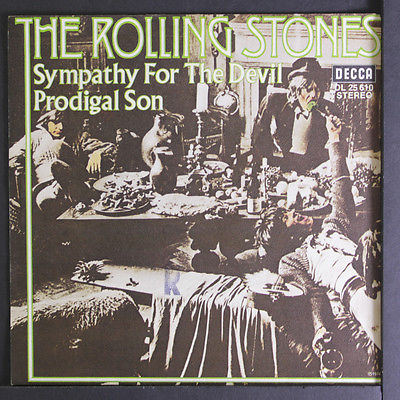
Rolling Stones – Prodigal Son

It’s nice to be back to normal… no holiday is mentioned in this song!

When I bought Beggars Banquet I knew about Sympathy for the Devil and Street Fighting Man… this song drew me into the rest of the album. I love the acoustic blues played by Keith. It sounds old…really old. This album doesn’t have a bad track on it to me.

This sounds like what influenced the Stones in the first place. This album is one of the Stones’ great ones and the first one produced by Jimmy Miller. Prodigal Son has remained one of my favorite Stones tracks.

Beggars Banquet peaked at #5 in the Billboard Album Charts, #3 in the UK, and #3 in Canada in 1969.

This song was written by Robert Wilkins, a reverend who recorded Delta Blues in the 1920s and 1930s. Keith Richards enjoyed Blues music and admired the work of Wilkins in the ’60s, which is how The Stones came across this song. Robert Wilkins’ original version was titled “That’s No Way To Get Along.” The Stones gave their version the title “Prodigal Son.”

The Prodigal Son is a story told in the Bible (Luke 15: 11-32) about a father who has two sons. The younger son asks for his inheritance early and goes off to spend the money on hedonistic pursuits. After wasting all the money, he comes home repentant, and the father welcomes him with a feast in his honor. This doesn’t go over well with the older son, who feels that he should be rewarded for good behavior, but the father stresses the value of forgiveness.

Prodigal Son

Well a poor boy took his father’s bread and started down the road
Started down the road
Took all he had and started down the road
Going out in this world, where God only knows
And that’ll be the way to get along

Well poor boy spent all he had, famine come in the land
Famine come in the land
Spent all he had and famine come in the land
Said, “I believe I’ll go and hire me to some man”
And that’ll be the way I’ll get along

Well, man said, “I’ll give you a job for to feed my swine
For to feed my swine
I’ll give you a job for to feed my swine”
Boy stood there and hung his head and cried
Cause that is no way to get along

Said, “I believe I’ll ride, believe I’ll go back home
Believe I’ll go back home
Believe I’ll ride, believe I’ll go back home
Or down the road as far as I can go”
And that’ll be the way to get along

Well, father said, “See my son coming home to me
Coming home to me”
Father ran and fell down on his knees
Said, “Sing and praise, Lord have mercy on me”
Mercy

Oh poor boy stood there, hung his head and cried
Hung his head and cried
Poor boy stood and hung his head and cried
Said, “Father will you look on me as a child?”
Yeah

Well father said, “Eldest son, kill the fatted calf,
Call the family round
Kill that calf and call the family round
My son was lost but now he is found
Cause that’s the way for us to get along”
Hey

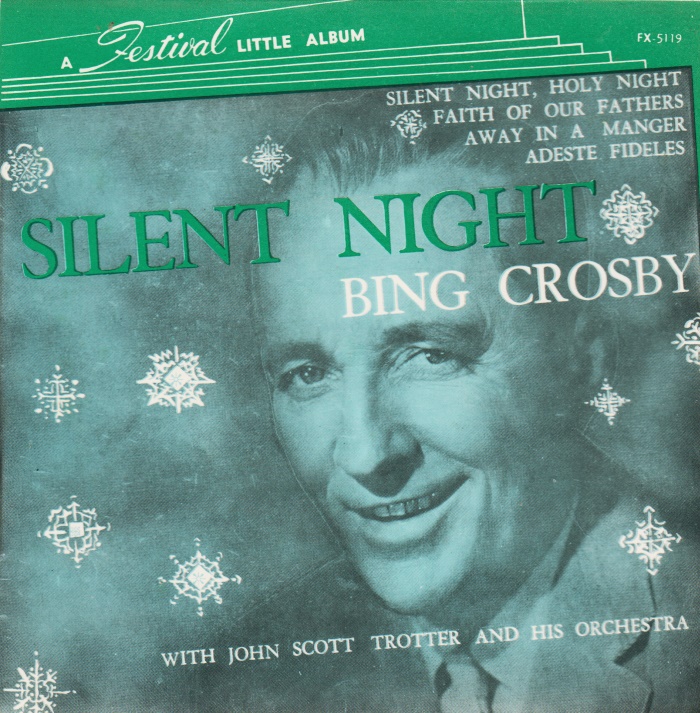
Bing Crosby – Silent Night

This will be the last Christmas post of 2023. I’m sure a lot of you are relieved!

This song is not only my favorite Christmas Carol… I think it’s up there with the best songs ever written. I hope everyone has a great Christmas/Holiday this year…not only that but have a Happy New Year in 2024.

There are over 26,000 different versions of “Silent Night” on Spotify, meaning you could listen to a different rendition of the carol every night for 72 years.

Halfway through December 1818, the church organ in St. Nicholas in Oberndorf, 11 miles north of Salzburg in what is now Austria, broke (a popular version of the story claims that mice had eaten out the bellows). The curate, 26-year-old Josef Mohr, realized it couldn’t be repaired in time to provide music on Christmas Eve. He told his troubles to his friend, a headmaster and amateur composer named Franz Gruber, while giving him as a present a poem he had written two years earlier. Gruber was so taken by the rhythm of the poem that he set it to music, and on Christmas Eve there was music after all. Mohr played his guitar while the pair sang the song. It was the first public performance of “Stille Nacht” or as we know it “Silent Night.”

It is believed that Silent Night has been translated into over 300 languages around the world, and it is one of the most popular carols of all time.

From Songfacts

Bing Crosby’s version became his best-seller of the 1930s.

Music licensing company PPL announced in December 2010 that this carol tops the list of Britain’s “most recorded Christmas song of all time.” Said Mike Dalby, Lead Reporting Analyst at PPL: “Silent Night is a beautiful carol which encapsulates the feeling of Christmas entirely. Everyone from punk band The Dickies right through to Sinead O’Connor has recorded it, which exemplifies just how much it resonates with all different types of artists.”

According to PPL, Sinead O’Connor’s 1991 recording was the most popular version of the carol in Britain.

When the organ builder finally did show up to repair the St. Nicholas organ, he was given a copy of the “Silent Night” composition and brought it home. From there, traveling folk singers got a hold of it and began incorporating the carol into their repertoire. It didn’t make its way to America until 1839.

As the song gained traction throughout Europe, Franz Gruber composed several different orchestral arrangements. He donated all profits from the carol to local charities for children and the elderly, and eventually died penniless.

According to Steve Sullivan’s Encyclopedia of Great Popular Song Recordings, Crosby, a devout Catholic, refused to record the religious song, arguing it would be “like cashing in on the church or the Bible.” Crosby met with Father Richard Ranaghan, a priest trying to raise money for overseas missions, and decided to donate the royalties to the cause. But Ranaghan died in a car accident later that year, so the money went to several charities throughout the US and abroad.

This song lends itself to interpretation because the first four bars are all on the same chord. Jim Brickman explains: “There’s room to treat it dynamically in a different way: in the tempo, in the sounds and silences, in the time signature.”

Silent Night

Silent night, holy night.
All is calm, all is bright.
‘Round yon virgin mother and child.
Holy infant so tender and mild.
Sleep in heavenly peace,
Sleep in heavenly peace.

Silent night, holy night.
All is calm, all is bright.
‘Round yon virgin mother and child.
Holy infant so tender and mild.
Sleep in heavenly peace,
Sleep in heavenly peace.

David Bowie & Bing Crosby – Peace On Earth / The Little Drummer Boy

Merry Christmas Everyone!

I love unions like this…I will start to have some holiday posts mixed in on the way to Christmas as a second post like this one. In 1977 Bowie released his album Low at the beginning of the year and he toured as Iggy Pop’s keyboardist that year.

I know what I was doing on November 30, 1977. I was watching Merrie Olde Christmas special as a kid. I didn’t appreciate the weirdness of the combination of Bing Crosby and David Bowie at the time. Something that the seventies did well…was to intersect generations on variety shows. This one was a great combination. In fact…this could have only happened in the 1970s.

This special had guest stars  Twiggy, David Bowie, Ron Moody, Stanley Baxter, and The Trinity Boys Choir. It was the duet with Bing Crosby and David Bowie that has been remembered. I remember watching this knowing that Bing Crosby had died the month earlier. The duet was taped on September 11, 1977, and Crosby died on October 14, 1977.

David Bowie’s mother was a huge Bing Crosby fan and Bing Crosby’s children were big David Bowie fans…so the two agreed to sing together. It was questionable at first if it would work out.

Mary Crosby: “The doors opened and David walked in with his wife, They were both wearing full-length mink coats, they have matching full makeup and their hair was bright red. We were thinking, ‘Oh my god.'” Nathaniel Crosby, Bing’s son, added: “It almost didn’t happen. I think the producers told him to take the lipstick off and take the earring out. It was just incredible to see the contrast.”

Another possible hitch happened with Bowie. He didn’t like The Little Drummer Boy and refused to sing it. The writers then wrote a revised version of the song that he liked. They wrote a counterpart section for Bowie to sing. Crosby liked the challenge of his part. The rest is history and one of the most unusual pairings you will ever see…

One funny part is Bowie’s idea of “older fellas” at the time is John Lennon and Harry Nilsson.

Here is the complete show if you want to give it a try

The Little Drummer Boy (Peace On Earth)

Come they told me pa-rum-pum-pum-pum
A newborn king to see pa-rum-pum-pum-pum
Our finest gifts we bring pa-rum-pum-pum-pum
Rum-pum-pum-pum, rum-pum-pum-pum

[Verse 2: Bowie and Crosby]
Peace on Earth can it be?
Come they told me pa-rum-pum-pum-pum
Years from now, perhaps we’ll see?
A newborn king to see pa-rum-pum-pum-pum
See the day of glory
Our finest gift we bring pa-rum-pum-pum-pum
See the day, when men of good will
To lay before the king pa-rum-pum-pum-pum
Live in peace, live in peace again
Rum-pum-pum-pum, Rum-pum-pum-pum
Peace on Earth
So to honour him pa-rum-pum-pum-pum
Can it be
When we come

[Bridge: Bowie and Crosby in unison]
Every child must be made aware
Every child must be made to care
Care enough for his fellow man
To give all the love that he can

[Verse 4: Bowie and Crosby]
I pray my wish will come true
Little baby pa-rum-pum-pum-pum
For my child and your child too
I stood beside him there pa-rum-pum-pum-pum
He’ll see the day of glory
I played my drum for him pa-rum-pum-pum-pum
See the day when men of good will
I played my best for him pa-rum-pum-pum-pum
Live in peace, live in peace again
Rum-pum-pum-pum, rum-pum-pum-pum
Peace on Earth
Me and my drum
Can it be

Can it be

Seymour Swine And The Squealers – Blue Christmas

You might regret listening to this one. Some people absolutely hate this song with an undying passion. They say it ruins her favorite Elvis Presley Christmas song. With that in mind, I keep it in heavy rotation at Christmas!!!! Just to see their face light up! WARNING…once you hear this…you cannot un-hear it. I haven’t heard Elvis’s version of Blue Christmas the same again since I heard this.

“Seymour Swine” is voice actor Denny Brownlee. He recorded this parody in 1985 for the John Boy and Billy radio show. Brownlee channels his inner Porky Pig by singing Blue Christmas sticking to the Elvis version. I was starting my work career at the time mixed in with college and I remember this taking off. I’ve heard it every year since then. I have to say…the kazoo in the middle was a nice touch.

The song Blue Christmas was written by Billy Hayes and Jay W. Johnson… but I bet they didn’t count on this cover. There have been many who have covered this song…such as Ringo Starr, Celine Dion, The Beach Boys, Sheryl Crow, Smash Mouth, Brooks and Dunn, Vince Gill, Face to Face, Bette Midler, Harry Connick Jr., Shakin’ Stevens, Bill Haley, and the Comets, Eilert Pilarm, Mary Margaret O’Hara, Misfits, Freddy Fender, Collective Soul, and many more.

This version is either loved or hated it seems. It can make you laugh and get on people’s nerves at the same time…win win! Merry Christmas!

Blue Christmas

I’ll have a blue Christmas
Without you
I’ll be so blue just thinkin’
About you
Decorations of red
On a green Christmas tree
Won’t be the same, dear
If you’re not here with me

And when those blue snowflakes
Start fallin’
That’s when those blue mem’ries
Start callin’
You’ll be doin’ all right
With your Christmas of white
But I’ll have a blue
Blue
Blue
Blue Christmas

Bob Dylan – Must Be Santa

I would never bet against Bob doing anything. When one of my friends told me at the time that Dylan released a Christmas album…I thought he was kidding. No, he wasn’t…and I liked it when I heard it. This song was based on a German drinking game, with the lyrics taking on a ‘call and answer’ structure… “Who’s got a beard/That’s long and white?/Santa’s got a beard/That’s long and white.”

Must Be Santa” was written by Hal Moore and Bill Fredericks. The song was first released in 1960 by Mitch Miller. In 2009, Bob Dylan covered Brave Combo’s arrangement as part of his holiday album, Christmas in the Heart.

All of the profits from this album went towards Feeding America Crisis, and the World Food Program. In 2009, Dylan told Bill Flanagan that he had intended to make a Christmas record for some time: “Yeah, every so often it has crossed my mind. The idea was first brought to me by Walter Yetnikoff, back when he was President of Columbia Records.”

If you want to know what Dylan considers to be a great Christmas meal… it would consist of “Mashed potatoes and gravy, roast turkey and collard greens, turnip greens, biscuit dressing, cornbread and cranberry sauce.”

Bob Dylan: “This version comes from a band called Brave Combo. Somebody sent their record to us for our radio show [Theme Time Radio Hour]. They’re a regional band out of Texas that takes regular songs and changes the way you think about them. You oughta hear their version of ‘Hey Jude.'”

Bob Dylan – Must Be Santa

Who’s got a beard that’s long and white?
Santa’s got a beard that’s long and white
Who comes around on a special night?
Santa comes around on a special night

Special Night, beard that’s white

Must be Santa
Must be Santa
Must be Santa, Santa Claus

Who wears boots and a suit of red?
Santa wears boots and a suit of red

Who wears a long cap on his head?
Santa wears a long cap on his head

Cap on head, suit that’s red
Special night, beard that’s white

Must be Santa
Must be Santa
Must be Santa, Santa Claus

Who’s got a big red cherry nose?
Santa’s got a big red cherry nose

Who laughs this way: “HO HO HO”?
Santa laughs this way: “HO HO HO”

HO HO HO, cherry nose
Cap on head, suit that’s red
Special night, beard that’s white

Must be Santa
Must be Santa
Must be Santa, Santa Claus

Who very soon will come our way?
Santa very soon will come our way

Eight little reindeer pull his sleigh?
Santa’s little reindeer pull his sleigh

Reindeer sleigh, come our way
HO HO HO, cherry nose
Cap on head, suit that’s red
Special night, beard that’s white

Must be Santa
Must be Santa
Must be Santa, Santa Claus

Dasher, Dancer, Prancer, Vixen
Eisenhower, Kennedy, Johnson, Nixon
Dasher, Dancer, Prancer, Vixen
Carter, Reagan, Bush and Clinton

Reindeer sleigh, come our way
HO HO HO, cherry nose
Cap on head, suit that’s red
Special night, beard that’s white

Must be Santa
Must be Santa
Must be Santa, Santa Claus
Must be Santa
Must be Santa
Must be Santa, Santa Claus

Band – Christmas Must Be Tonight

Today is Christmas Eve. This is when our family has our Christmas. My parents were divorced when I was 5 and after that…Christmas Eve was the only day of the year that my Mom, Dad, Sister, and yours truly would be together and they would get actually along. So, because of that, Christmas has always meant a lot to me. My mom and dad are gone now but as corny as it sounds… the magic of Christmas stays with me. My son is in Germany with his girlfriend this year but we will have a good time and I will think back at all of Christmas Eve’s past. Sort of like a good ghost that tells me I have a lot to be thankful for.

Robbie Robertson’s Christmas gift to his new son Sebastian during the sessions for Northern Lights-Southern Cross album never became a seasonal favorite but it should have been. It wasn’t released until the Islands album in 1977.

Rick Danko sings this song from a Shepherd’s point of view. It’s pure and down to earth like only the Band can be. No sleigh bells or other Christmas trappings…just pure music. Maybe that is the reason it never got picked up.

Robbie Robertson re-recorded this song after he left the group. And he did for the soundtrack of Bill Murray’s Scrooged. That version is very good but I still like The Bands version much more…it’s hard to beat Rick Danko.

Christmas Must Be Tonight

Come down to the manger, see the little stranger
Wrapped in swaddling clothes, the prince of peace
Wheels start turning, torches start burning
And the old wise men journey from the East

How a little baby boy bring the people so much joy
Son of a carpenter, Mary carried the light
This must be Christmas, must be tonight

A shepherd on a hillside, where over my flock I bide
Oh a cold winter night a band of angels sing
In a dream I heard a voice saying “fear not, come rejoice
It’s the end of the beginning, praise the new born king”

I saw it with my own eyes, written up in the skies
But why a simple herdsmen such as I
And then it came to pass, he was born at last
Right below the star that shines on high

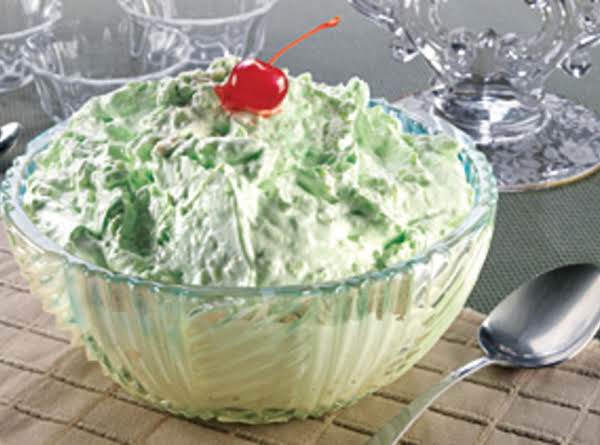
1970’s Watergate Salad

I haven’t posted this in years! This one is indeed a true 1970s dessert. Kraft is having problems with their website so I found one of many who offer it.

I’ve never had recipes on my blog but since it’s almost Christmas I thought I would stick with my usual theme and post this dessert that is associated with the 1970s.

Here is a link to Watergate Salad

The Original Watergate Salad

Watergate Salad

DESCRIPTION

A delicious light and fluffy salad or dessert made with pistachio pudding, crushed pineapple, miniature marshmallows, nuts, and cool whip. It can be whipped up in a snap. Perfect for potlucks! A taste of heaven on earth.


INGREDIENTS

  • 1 (3.4-ounce) box instant pistachio pudding mix
  • 1 (20-ounce) can crushed pineapple with juice
  • 1 (8-ounce) container of cool whip thawed
  • 1 (heaping) cup of miniature marshmallows
  • ½ cup chopped pecans
  • Stemmed maraschino cherries for garnish if desired

INSTRUCTIONS

  1. In a glass serving bowl, mix crushed pineapple and juice with pistachio pudding mix. Stir pudding is completely dissolved and mixture is smooth.
  2. Next, fold in the thawed cool whip. Gently fold until pudding and cool whip is completely blended.
  3. Add miniature marshmallows and pecans. Cover and chill until salad is set. About 25 minutes or until ready to serve.
  4. When ready to serve, garnish with stemmed cherries and extra chopped pecans if desired.

NOTES

Do ahead tip: Watergate Salad can be made up 2 days ahead. Cover with plastic wrap and keep refrigerated until ready to serve.