I love this band, and I need to post more by them. Today, I have a theme going: alt-country, with one of the pioneers and one that picked up the mantle a little longer down the line. Like Little Feat, this band was more popular with other musicians than with the public. So the public missed something special here.
This was the opening song on the album The Gilded Palace of Sin. They didn’t ease you in… they hit you hard with this country song with rock attitude. It’s built around a cool rhythm and sharp harmonies. I like how it had a Bakersfield sound mixed with rock’s drive. It was written by Gram Parsons and Chris Hillman.
This song showed how country music could carry an edge without losing its roots. What makes it work is how natural it sounds, blending those two styles. Pedal steel in the background while the rhythm section drives like a rock band. It set the tone for the whole Burritos sound.
This song, like the album, barely made a dent in the music world of 1969. They developed a cult following upon its release that included Bob Dylan and The Rolling Stones. Over time, it turned into a blueprint for country-rock.
Christine’s Tune (Devil in Disguise)
She’s a devil in disguise You can see it in her eyes She’s telling dirty lies She’s a devil in disguise In disguise Now a woman like that all she does is hate you She doesn’t know what makes a man a man She’ll talk about the times that she’s been with you She’ll speak your name to everyone she can She’s a devil in disguise You can see it in her eyes She’s telling dirty lies She’s a devil in disguise In disguise
Unhappiness has been her close companion Her world is full of jealousy and doubt It gets her off to see a person crying She’s just the kind that you can’t do without She’s a devil in disguise You can see it in her eyes She’s telling dirty lies She’s a devil in disguise In disguise
Her number always turns up in your pocket Whenever you are looking for a dime It’s all right to call her but I’ll bet you The moon is full and your just wasting time
She’s a devil in disguise You can see it in her eyes She’s telling dirty lies She’s a devil in disguise In disguise (in disguise) In disguise (in disguise) In disguise (in disguise) In disguise
I’ve heard of this guy for so long, associated with Taj Mahal and solo Beatles tracks. He played on over 80 albums of other artists. His guitar playing was top shelf and was truly one of the guitar greats. He doesn’t get the attention he deserves. My admitted lack of knowledge of him led me to think he could only play guitar. Much like last week’s Link Wray post, who I didn’t know could sing, he had a really good voice. I also want to thank Lisa from Tao-Talk for posting a Davis song last Friday.
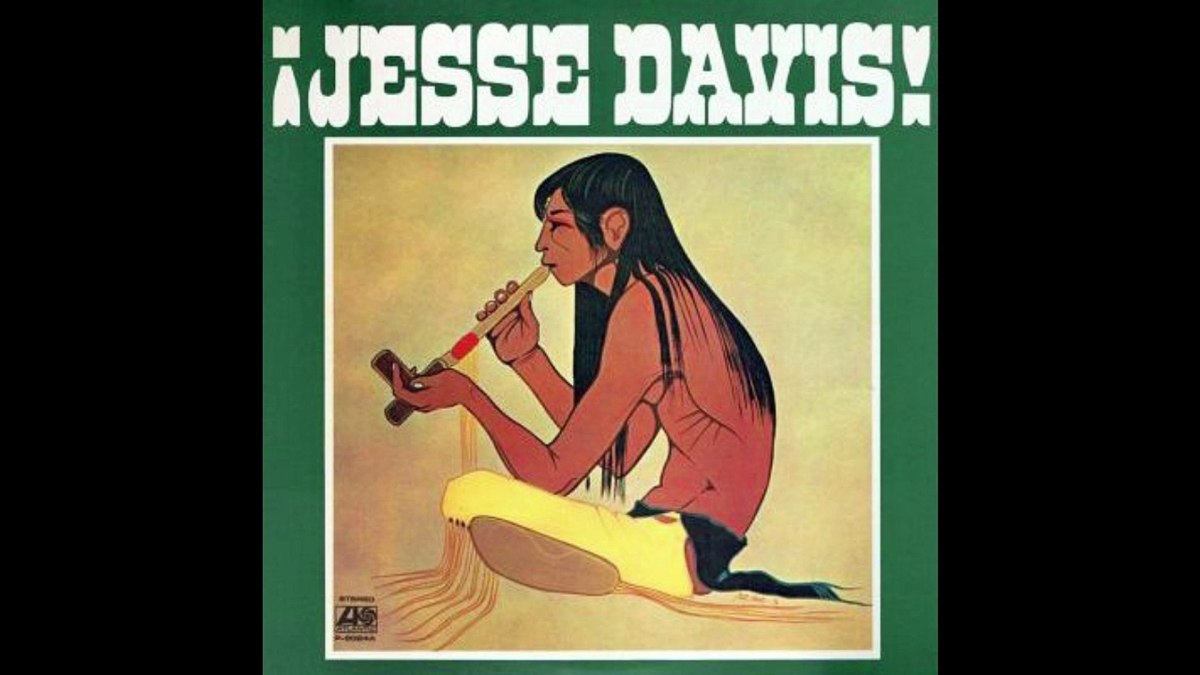
Jesse Ed Davis was Kiowa, Comanche, and Muscogee (Creek) on his father’s side, while his mother was of Kiowa and Cherokee descent with a small strand of European ancestry. In other words, he was overwhelmingly Native American, with family roots braided through several Plains and Southeastern tribes. He grew up connected to that identity, not as a stage costume, but as him. His dad painted the cover for this album.
I started to go through his albums like ¡Jesse Davis!, Ululu, and Keep Me Comin or Keep On Coming. He has a couple more, which I still have to get to. I’m totally impressed by his rootsy music. Again, instead of just picking a song, I wanted to feature the album. There is no #1 hit on the album, nor do I think he was trying for that. Just really good, solid songs.
When Jesse Ed Davis stepped into a studio to record his 1971 debut album ¡Jesse Davis!. He had already carved out a reputation as the guitarist you called when you wanted soul and a heavenly guitar tone, and most importantly, zero ego. He’d played with Taj Mahal, recorded with Gene Clark, and done sessions with everyone from Albert King to Earl Hooker, Jackson Browne, John Lennon, and a ton of other artists. Jesse was the go-to guitarist of the 1970s.
How respected was he? On this album, he had some incredible guests. Eric Clapton, Leon Russell, Gram Parsons, Alan White, and the Gimme Shelter singer Merry Clayton. This album sounds like a loose jam session that worked all the way around. My favorite song on the album is Washita Love Child. It just hit me and has stuck. I found myself hitting the play button again and again. The band around him cooks with an irresistible looseness. You can hear Clapton on his track loud and clear. After researching for this post, I found out it was featured on the TV show Reservation Dogs.
The album works because it stays out of its own way. Lou Adler keeps the production loose and moving. Leon Russell arranged some of the songs and added his unique touch. The songs drift between blues, roots rock, and a kind of West Coast soul. Reno Street Incident floats in like someone cracked open a window at two in the morning. Every Night Is Saturday Night for Me comes alive with Leon’s piano, rolling forward like only Leon can do. And when Gram Parsons or Eric Clapton pop up, they don’t hijack the song; they simply join in.
What really holds everything together is Jesse’s guitar, a voice unto itself. He never shows off, he never “shreds,” he simply plays for the song. His solos feel lived in and warm. He didn’t shout to be heard; he just played. Hearing him play and sing on this album is like slipping into a holey, comfortable favorite shirt.
The album doesn’t scream commercial…it doesn’t scream at all. It’s an album you put on and listen to all the way through, and sit back and enjoy some great music. Jesse Ed Davis passed away in 1988 at the young age of 43.
I added a 10-minute documentary clip.
Washita Love Child
I was born on the bank in the Washitaw river in a Kiowa Comanche teepee
Daddy had a hard time Mama made his eyes shine Lord, it was just us three Well they weaned me riding bareback And I’d tie my hair back And i did that pow wow thang Daddy showed up with his stand up guitar and then we rocked it i believe
I’m a love child and I’m running wild hope it don’t take too long I’m a love you I’m a try to make you happy you got to let me sing my song
Mama said to son Said what about your school books? Baby baby what about the draft? Daddy said honey don’t you worry about this boy he’s headed somewhere Got a guitar and a van to ride
He’s a love child He’s gonna be running wild Hope he don’t take too long He’s gonna love you He’s in love with me too So we got to let him sing his song
Well i got myself together And i’ve been rolling down the road Gonna boogie down down down down If i ever get a chance to boogie woogie you Ha, you can’t sit down
This song is on the Dr. Byrds & Mr. Hyde album by the Byrds. It’s a really good song and the song’s origin is interesting. It was written in response to an on-air argument with Ralph Emery, who was an all-night country DJ on a country radio station at the time. It was written by Roger McGuinn and Gram Parsons. The song was an open letter to Emery.
Before I get into the song which I really like…I want everyone to know I’m not downing Emery because of this. I grew up with Ralph Emery on television in the 1970s. I was never a fan because his show wasn’t in my age group. To be fair to Ralph…he did invite Roger McGuinn on his show in 1985 when Vern Gosdin covered Turn, Turn, Turn and Roger played guitar. He was on there more than once so it was all in the past by that time. Times had changed so much by the 80s…rock and country went together by then but in the 60s Buck Owens touched on it but not many people were doing both…the Byrds with Gram Parsons were pioneers in a way with Sweetheart Of The Rodeo.
In 1968 The Byrds were in Nashville promoting their new country album Sweetheart of the Rodeo and got a cool reception at the Grand Ole Opry. They got into an argument with Emery on air when he said that “You Ain’t Going Nowhere” wasn’t country and then proceeded to call them long-haired hippies and would not play the record. He also didn’t understand what the song meant and Roger told him that Dylan wrote it…well that didn’t help!
Ralph Emery would not budge…It was the 1960s in a very fifties Nashville and Ralph could not get past the hair although they didn’t have excessively long hair. It would open up a bit in the early seventies with Outlaw country music by Willie Nelson, Kris Kristofferson, and Waylon Jennings. That movement would soon join traditionalists and the outlaw crowd together. They Byrds helped, in their own way, to make that happen.
The lyrics were about the narrow-mindedness of then certain segments of the country music industry. Lines like “He’s the all-American boy” and “he don’t like the way we play” reflect the hate that McGuinn and Parsons felt from some in Nashville. The title, “Drug Store Truck Drivin’ Man,” is a dig at Emery, suggesting that he was more of a conventional figure who could not appreciate or understand the Byrds’ approach to country music. But I’m glad it happened because we got a good country-rock song out of it.
Chris Hillman: “There was the funny story with Ralph Emery, the DJ in Nashville, where he had The Gilded Palace Of Sin tacked on the wall outside of his office, and with a big red pen it said, ‘This is not country music.’ Roger and Gram had gone to do an interview with him when we were all still with the Byrds, and Ralph was such a jerk to them then that they wrote that song “Drug Store Truck Driving Man”. A classic! I wish I’d written a part of that. But later, whenever I’d go on his show with the Desert Rose Band, Ralph would ask, “Did you write that song?” Finally, I had to say, “No, but I wish I had!” So when Roger was on later, Ralph would say, “Well, how is Gram doing?” and Roger would answer, “He’s still dead.” McGuinn was pretty darned quick in those situations!”
I’m adding a live version and a hell of a story by Jason and the Scorchers…on how they played this song and it found a spot on Ralph Emery’s TV show in the early 80s.
Ralph Emery when he invited McGuinn on his show in 1985
Drug Store Truck Drivin’ Man
He’s a drug store truck-drivin’ man
He’s the head of the Ku Klux Klan
When summer rolls around
He’ll be lucky if he’s not in town
Well, he’s got him a house on the hill
He plays country records till you’ve had your fill
He’s a fireman’s friend he’s an all-night DJ
But he sure does think different from the records he plays
He’s a drug store truck-drivin’ man
He’s the head of the Ku Klux Klan
When summer rolls around
He’ll be lucky if he’s not in town
Well, he don’t like the young folks I know
He told me one night on his radio show
He’s got him a medal he won in the War
It weighs five-hundred pounds and it sleeps on his floor
He’s a drug store truck drivin’ man
He’s the head of the Ku Klux Klan
When summer rolls around
He’ll be lucky if he’s not in town
He’s been like a father to me
He’s the only DJ you can hear after three
I’m an all-night musician in a rock and roll band
And why he don’t like me I can’t understand
He’s a drug store truck-drivin’ man
He’s the head of the Ku Klux Klan
When summer rolls around
He’ll be lucky if he’s not in town
I was talking to a friend of mine who is reading a Gram Parsons book and I learned something from him that I didn’t know about this song. This song is a tragic song about three friends. Linda Ronstadt also appears on this one. The song is credited to Parsons and Harris.
The song is structured as a series of verses recounting the stories of three real individuals, each meeting a tragic end. The first verse of this song is about actor/musician Brandon deWilde. Parsons was friends with deWilde in the sixties and early seventies. He was in films and TV shows such as Shane, The Virginian TV Series, Hawaii Five-O, and many others. He started a music career and Gram Parsons helped him out in the sixties. Some have said no one could sing harmony better with Gram than deWilde excluding Harris.
In 1972 he was in Denver doing a stage production of Butterflies Are Free and he was killed in a camper van that hit a guardrail, truck, and then rolled. He was 30 years old.
The second verse was about Byrds’ extremely gifted guitar player Clarence White. An incredible country guitar player who co-invented with Gene Parsons the B-Bender that Telecasters use. He joined the Byrds around the time that Gram was leaving. He and his brother Roland White were loading equipment in their car and a drunk driver killed Clarence but Roland survived.
The third person was Sid Kaiser, a talent agent and producer in Los Angeles. He died of a heart attack a few days after Clarence White. Gram would pass on a few months after Keiser.
The sessions for “Grievous Angel” took place in 1973, primarily at Wally Heider Studios in Los Angeles. Parsons worked with renowned musicians, including members of Elvis Presley’s TCB Band: James Burton (guitar), Glen D. Hardin (piano), and Ronnie Tutt (drums), among others.
Rock critic Ben Fong-Torres: “Because Gram never lived to see through the details of the album including the order of songs…’Darkness’ was placed at the end of the second side, partly because it made sense, and partly because it could easily be read as a song about Gram himself, in particular, the lines he wrote for Clarence:”
In My Hour of Darkness
In my hour of darkness In my time of need Oh Lord, grant me vision Oh Lord, grant me speed
Once I knew a young man Went driving through the night Miles and miles without a word With just his high beam lights Who’d have ever thought they’d build Such a deadly Denver bend To be so strong, to take so long As it would ’til the end
In my hour of darkness In my time of need Oh Lord, grant me vision Oh Lord, grant me speed
Another young man safely strummed His silver string guitar And he played to people everywhere Some say he was a star But he was just a country boy His simple songs confess And the music he had in him So very few possess
In my hour of darkness In my time of need Oh Lord, grant me vision Oh Lord, grant me speed
Then there was an old man Kind and wise with age And he read me just like a book And he never missed a page And I loved him like my father And I loved him like my friend And I knew his time would shortly come But I did not know just when
In my hour of darkness In my time of need Oh Lord, grant me vision Oh Lord, grant me speed
This song has been covered many times. The one that is probably the most popular is by the hard rock band Nazareth. This version was the one that Nazareth heard to base their version on. It was written and composed by the American songwriter Boudleaux Bryant, who was a very prolific and successful songwriter for other artists throughout the 1950s and beyond.
Gram and Harris’s version is my favorite version of the song now. It was on Parson’s Grievous Angel album released in 1974. Parsons and Harris had a great musical partnership. You can hear it in this song on how their voices weaved together.
On the album… James Burton played electric lead guitar, Herb Pederson on rhythm, and Al Perkins on pedal steel. Bernie Leadon played dobro, and Byron Berline added some fiddle and mandolin. Linda Ronstadt always contributed vocals to a Harris-Parsons song that I will cover next.
Harris was talking about the making of the Grievous Angel Album: “Gram was in really good shape for that album, and we were really tight from working on the road together. The band knew what they were doing and we had the charts together by the time we got into the studio. We went in and, man, it was really fast – we did the tracks in five days and then a second five days for the vocals which were nearly all first or second takes. For all extent and purposes ist should be regarded as a ‘live’ album.”
“We didn’t really write songs together. He always carried those songs around in his head. He just needed a little prodding to get them out. That’s all I did. I helped him with a line here and there. I’d suggest something but those were his songs. I didn’t dispute the credit on ‘In My Hour Of Darkness’, which he gave to me. I think that was probably because at the same time, there was this big thing about that stupid album cover.”
What Harris was referring to about the cover was that it made Gram’s wife upset. It was originally a cover of Parson and Harris that Gram picked out. Parson’s manager was Phil Kaufman and he said that Gretchen Parsons, Gram’s wife, found out about the picture and fought with Parsons. So, she had the picture removed when it was released because Gram had passed away in September of 1973 and this album was released in 1974.
The Everly Brothers were the first to cover it, but they never released the song as a single. They planned to release this as a single, but industry politics got in the way. Their version is very good as well but Harris and Parson’s voices just sounded so good together for this particular song.
Emmylou Harris: “I really liked working with Gram, it was a completely new experience for me. I was a little weary at first because of Los Angeles and Hollywood and all, and I was very much East Coast orientated. I was very much on my guard but Gram was a very real person and, whenever I went out there, I always felt that I was in some kind of protective bubble. It was never Los Angeles itself, but always working with Gram and the music, and I kept myself in a very small circle.”
“It was the first time to have ever lost a close friend. I’m sure that all people have lost someone who is very dear to them, but Gram was young and so full of life. There are people who say ‘well, it was bound to happen’… but not to me because Gram was the most alive person I ever knew and breathed a whole lot into me and into my life. So he still remains very much alive in my heart.”
“Eventually Gram will find his place in history. He had a real creative vision of his own as a writer. Perhaps there is a shadow of that inspiration on my records but it’s not the gut level thing.”
Here is a live version from Gram and Emmylou from 1973.
Love Hurts
Love hurts, love scars Love wounds and mars Any heart not tough Nor strong enough To take a lot of pain Take a lot of pain Love is like a cloud Holds a lot of rain
Love hurts Mmm-mm, love hurts
I’m young, I know But even so I know a thing or two I’ve learned from you
I’ve really learned a lot Really learned a lot Love is like a stove Burns you when it’s hot Love hurts Mmm-mm, love hurts
Some fools think of happiness Blissfulness, togetherness Some fools fool themselves, I guess But they’re not fooling me
I know it isn’t true Know it isn’t true Love is just a lie Made to make you blue
A song I heard many many years ago. This is about as genuine as you can get.
What a beautiful song. Country or whatever you want to call it…it’s a great one. Gram Parsons and poet Tom Brown wrote this song. This song was on his last solo album Grievous Angel. Gram was not a country wanna-be…he was country. Keith Richards has said that Gram taught him everything he knows about country music. After hearing Gram Parsons…Merle Haggard wanted to produce him.
After leaving the Byrds, Parsons made a series of albums… Grievous Angel completes the cycle. Beginning with the Flying Burrito Brothers’ The Gilded Palace of Sin, the work progressed through Burrito Deluxe and Parsons’ earlier solo effort, GP.
I have not mentioned his singing partner yet. The wonderful and beautiful Emmylou Harris. Emmylou Harris was an unknown singer in her early twenties when Gram Parsons saw her perform at a folk club in Washington, D.C. in 1971. He recruited her the following year to sing on 1973’s classic album GP and the subsequent tour. She ended up on the GP album and this one…Grievous Angel.
Grievous Angel peaked at #195 on the Billboard Album Charts. If Parsons had survived it’s no telling what he and Emmylou would have done together. His voice wasn’t strong like Johnny Cash or Merle Haggard but it was so emotional that you were in the story with him.
This song describes the vision of home and love that haunts a wanderer through his travels across America.
Emmylou Harris: “I would say until I had met Gram and started working with him I didn’t really understand or have a real love or feel for country music. Like most of my generation, you know, country music was politically incorrect for us at that point. It was associated with Republicans and Right Wing and that sort of thing. He taught me the beauty and the poetry, the simplicity, the honesty in the music. And the love of harmony came from really singing with him.”
Emmylou Harris: Well, we got fired after our first gig. We had two weeks of rehearsal. And I was just in the band. I never worked with a band. I didn’t know how you did things. So I just recorded things as we went down. But Gram didn’t focus on the material from the record; he just wanted to play songs. So we sat around and played all these songs, but we never worked up a beginning, middle, and end. It was such a train wreck that first night. But actually, before we got fired, the club got closed down because Weather Report had played there a few days earlier, and they were so loud that an injunction was put against the club. So, technically, we really didn’t get fired.
Emmylou Harris: “I discovered my own voice singing in harmony with Gram, there is something about the uniqueness of two voices creating a sound that does not come when they are singing solo, and I have always been fascinated by that. That song, and our harmony, is kind of a pinnacle of our duet-singing together.”
Return of the Grievous Angel
Won’t you scratch my itch, sweet Annie Rich
And welcome me back to town?
Come out on your porch or step into your parlor
And I’ll tell you how it all went down
Out with the truckers and the kickers and the cowboy angels
And a good saloon in every single town
Oh, and I remembered something you once told me
And I’ll be damned if it did not come true
Twenty thousand roads I went down, down, down
And they all lead me straight back home to you
‘Cause I headed west to grow up with the country
Across those prairies with the waves of grain
And I saw my devil
And I saw my deep blue sea
And I thought about a calico bonnet
From Cheyenne to Tennessee
We flew straight across that river bridge
Last night a half past two
The switchman waved his lantern goodbye and good day
As we went rolling through
Billboards and truckstops pass by the grievous angel
And now I know just what I have to do
Take it for me, James
And the man on the radio won’t leave me alone
He wants to take my money
For something that I’ve never been shown
And I saw my devil
And I saw my deep blue sea
And I thought about a calico bonnet
From Cheyenne to Tennessee
The news I could bring, I met up with the king
On his head an amphetamine crown
He talked about unbuckling that old bible belt
And lighted out for some desert town
Out with the truckers and the kickers and the cowboy angels
And a good saloon in every single town
Oh, but I remembered something you once told me
And I’ll be damned if it did not come true
Twenty thousand roads I went down, down, down
And they all lead me straight back home to you
Twenty thousand roads I went down, down, down
And they all lead me straight back home to you
The good thing about Star Trek being over is…I can start posting a couple of music things on Saturday and Sunday.
I grew up near Nashville so it did leave its imprint on me but I don’t listen to modern country music. I do include some songs that are more country/rock but they fit what I like. They are in no particular order…well my favorite admittedly is the top one.
Hope you enjoy the small sample platter of country songs.
This song is my favorite of the Flying Burrito Brothers. It came off their great album The Gilded Palace of Sin. It didn’t chart at the time. Parsons wrote this song with Burrito bass player Chris Ethridge while the band was living in their San Fernando Valley house that was dubbed “Burrito Manor.”
Merle Haggard was a constant on the radio here with my parents. He wrote so many classic songs and this is one of them…Mama Tried.
Merle Haggard wrote this song while serving time in San Quentin prison for robbery. The song is based on his life, and how his mother tried to help him but couldn’t… Mama Tried came out in 1968 and peaked at #1 on the Country Charts and #1 in the Canada Country Charts in 1968.
The man had 38 number-one hits, 71 top-ten hits, and 101 songs in the top 100 in the country charts. Merle is one of my favorite country artists. If only the new ones would listen and learn.
Hank Williams is one of my favorite country artists. He could write songs of great quality but the ironic thing is…this one is one of the few he didn’t write. His nickname…The Hillbilly Shakespeare is true to form. Hank Williams released this song in 1949 and it peaked at #12 on the Country Charts. It was written by Leon Payne.
Loretta Lynn is my favorite female country singer with apologies to Dolly Parton. This is a song that she did with Jack White called Portland Oregon. If the modern country was like this…I would listen. Their voices go really well with each other. Country radio would not play it but the album still peaked at #2 on the Country Charts and #24 on the Billboard Album Charts and #1 on the UK Country Charts in 2004.
They didn’t win any country music awards but came away with two Grammys.
I love the build-up to this song…Jack White builds this up and Loretta starts singing around 1:40.
Now to finish it out with 5 songs…I thought I would add Dwight Yoakam who was inspired by Buck Owen’s Bakersville Sound. The song peaked at #2 on the Billboard Country Charts and at #3 in Canada in 1993. It was written by Yoakam and produced by Pete Anderson.
The song was on Dwight’s album ThisTime. The album peaked at #4 in the Billboard Country Album Charts, #1 in the Canada RPM Album Charts, and #25 in the Billboard Album Charts.
I got ten forward gears and a sweet Georgia overdrive I’m taking little white pills and my eyes are open wide
I love this song so much. The first time I remember hearing it was in the Gimme Shelter film and the Flying Burrito Brothers were playing it before all hell broke loose. This is country music that I can get into.
I’ve heard this song by dozens of other artists. I’ve heard country and rock versions…and country/rock versions of it. This song was originally written by Carl Montgomery and Earl Green, and originally performed by Dave Dudley, becoming Dudley’s first hit at #2 on the Country chart. It is often referenced as one of the first trucker songs.
In 1963 the Grand Ole Opry star Jimmy C. Newman let Dudley hear a demo for ‘Six Days on the Road’. It was an up-tempo song, it was a departure from the ballads Dudley had specialized in, and he was initially reluctant to record it. At the session in 1963 for ‘Six Days on the Road’, produced by Shelby Singleton at Kay Bank Studios, in Minneapolis, MN, the song was recorded unrehearsed and nailed on the second take. The release, on the independent Minneapolis label Golden Wing Records, led Mercury Records to sign him in Nashville.
The studio version came out on Hot Burritos Anthology released in 2000. A live version came out in 1972 that was on the Last of the Red Hot Burritos live album. By this time Gram Parson had left for a solo career and Bernie Leadon left for The Eagles. Chris Hillman was the only original member left. He left in late 1971 and A&M released this album and dropped the band.
According to Secondhandsongs.com …the song has 126 versions. Not too bad for a truck driver country song.
Dave Dudley on the recording session: “I went to make three songs, it took all the money I had to do it. We weren’t planning on a fourth song, but we found out we had 35 or 40 minutes of time left. So I gave the lyrics to the girl, and while she was typing it, we were learning it. We practiced it once, and on the second time through we got it.”
Six Days On The Road
Well, I pulled out of Pittsburgh rolling down the Eastern seaboard
I got my diesel wound up and she’s a running like never before
There’s a speed zone ahead alright but
I don’t see a cop in sight
Six days on the road and I’m gonna make it home tonight
I got ten forward gears and a George Overdrive
I’m takin’ little white pills and my eyes are opened wide
I just passed a Jimmy and White
I been passing everything in sight
Six days on the road and I’m gonna make it home tonight
Well, it seems like a month since I kissed my baby goodbye
I could have a lotta women but I’m not like some other guys
I could find me one to hold me tight
But I could never make believe it’s alright
Six days on the road and I’m gonna make it home tonight
The FBI is checkin’ on down the line
Well, I’m a little overweight but my log books way behind
But nothing bothers me tonight
I’m gonna dodge all the scales alright
Six days on the road and I’m gonna make it home tonight
My rigs a little old but that don’t mean she’s slow
There’s a good flame blowing from her smoke stack
Black as coal
Well, my home town’s coming in sight
And if you think I’m happy you’re right
Six days on the road and I’m gonna make it home tonight
I did a post earlier on Infamous Rock and Roll Locations and I wanted to do a follow-up on it. If you don’t want to click on the link…I mentioned the Riot/Hyatt House, The Edgewater Inn, The Rainbow Bar and Grille, Villa Nellcôte, and Rodney Bingenheimer’s English Disco.
To be honest….a few are infamous but the other are just cool. I love reading rock music bios and there are some places I would love to visit one day. A warning though…a few are very morbid.
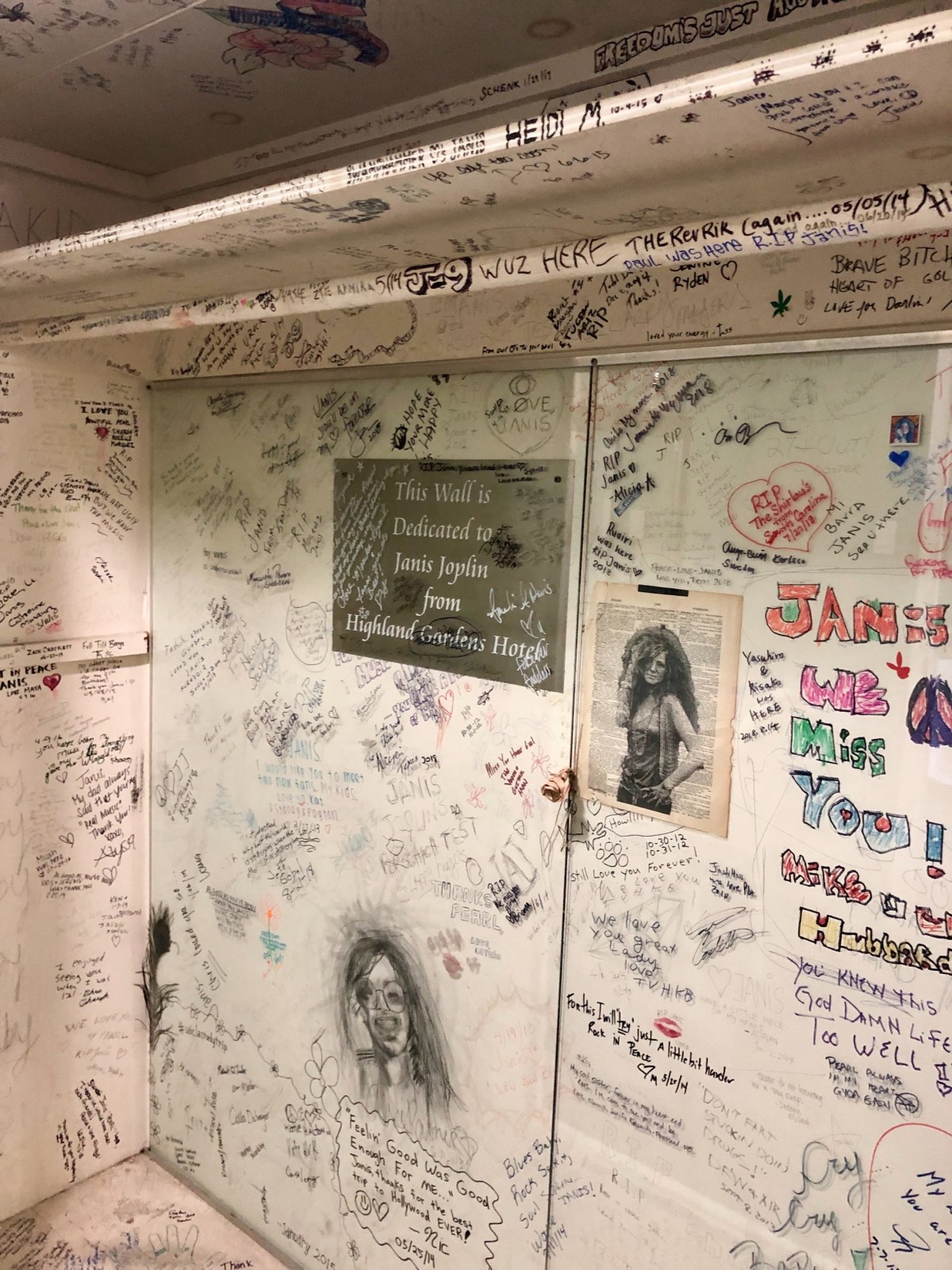
The Highland Gardens Hotel…Ok…this one is a little morbid…well a lot morbid. On October 4, 1970, Janis Joplin stayed here and it was called The Landmark Motor Hotel. She died in room #105 of a suspected heroin overdose. The same hotel stands but it’s called The Highland Gardens Hotel now. Yes, you can rent room #105. She lived there for months while working on her last album Pearl. The closet has handwriting by visitors but the rest of the room is normal. Yes, I would love to go.
Big Pink in Saugerties/Woodstock: This is the house where The Band and Bob Dylan recorded The Band’s debut album…Music From Big Pink…this house was pink then and is now. Now you can rent the house but you cannot go down to the basement where they recorded…what’s the fun in that?
Whisky a Go-Go on the Sunset Strip: The one on the Sunset Strip opened in 1964. So many bands played and visited there. The Doors, Van Morrison, Buffalo Springfield, Alice Cooper, The Byrds, The Flying Burrito Brothers, Chicago, Germs, Elton John, Oasis, Buffalo Springfield, Steppenwolf, Van Halen, Johnny Rivers, X, Led Zeppelin, Fleetwood Mac, KISS, Guns N’ Roses, Death, AC/DC, Linkin Park, Metallica, Mötley Crüe Stryper, and many many more.
The Whiskey is still open now.
The Joshua Tree Inn – Another morbid one but I would stay there. On September 18, 1973, Gram Parsons purchased liquid morphine on that night from an unknown girl and died of an overdose. This all happened in Room 8 of this Inn. Yes, you can rent room 8 today in fact..it’s decorated with posters of Gram.
Mayfair…Curzon Square – This apartment was owned by Harry Nilsson at the time. It was in this building, in the same apartment that both Cass Elliot (Mama Cass) and Keith Moon died 4 years apart. Nilsson liked the location because it was near Apple Records and nightclubs. It was decorated by ROR…Ringo and Robin (Ringo Starr and designer Robin Cruikshank).
On July 29, 1974 after a performance…Mama Cass died of a heart attack. In 1978 Keith Moon wanted to rent it from Nilsson but he was afraid to rent it again because Nilsson remembered what happened to Cass. He ended up talking to Pete Townshend and Townshend told him that ‘lightning does not strike in the same place twice’ so he let Keith rent it. On September 7, 1978, Keith Moon died because of an overdose of clomethiazole…a prescription drug for combating alcoholism in the same bedroom.
This song is my favorite of the Flying Burrito Brothers. It came off their great country album The Gilded Palace of Sin. It didn’t chart at the time. It probably would have helped if they would have given it a proper name but regardless… it’s a great song.
Parsons wrote this song with Burrito bass player Chris Ethridge while the band was living in their San Fernando Valley house that was dubbed “Burrito Manor.”
This song, like the album The Gilded Palace of Sin, barely made a dent on the music world of 1969. They did develop a cult following after this albums release that included Bob Dylan and The Rolling Stones. The band was more popular with other musicians than the public.
Gram joined the Flying Burrito Brothers after leaving the Byrds in 1968.
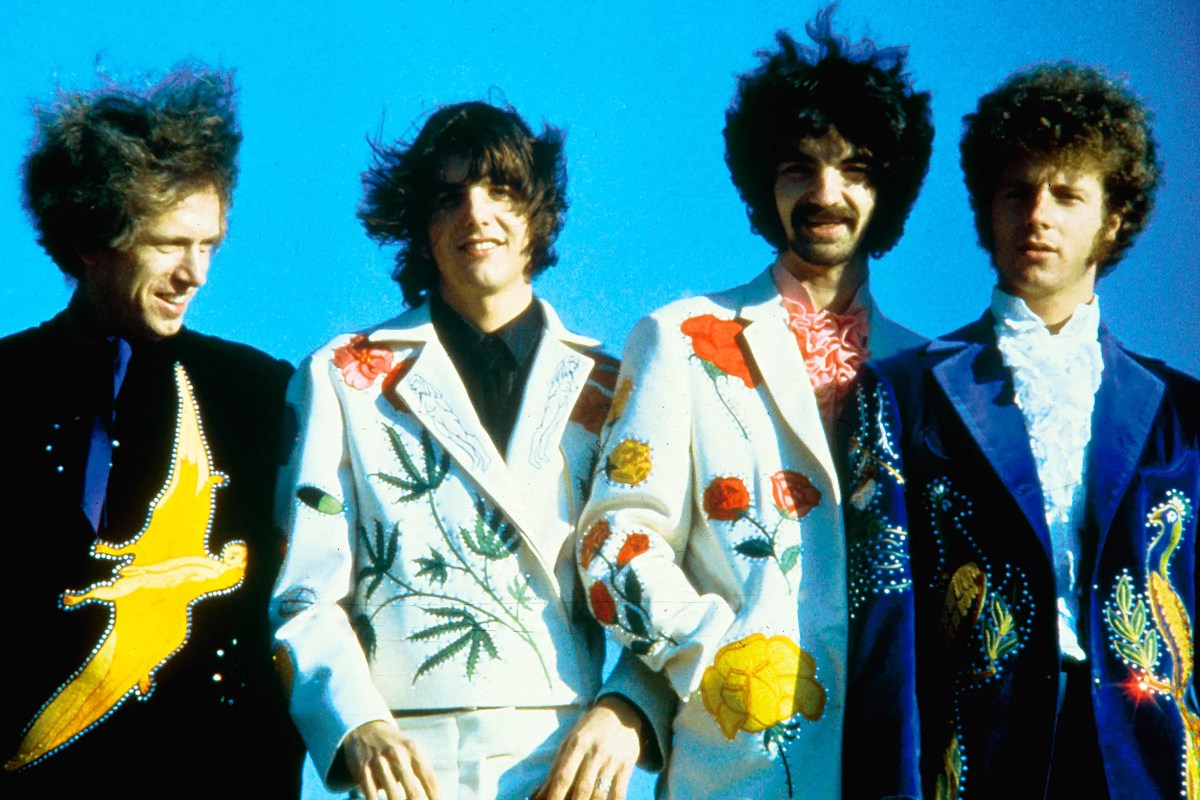
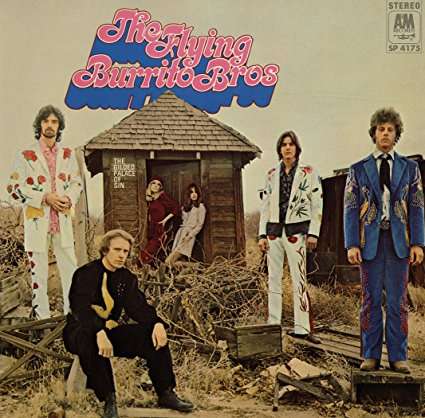
The Gilded Palace of Sin. One thing you notice are the “Nudie” suites on the front cover. Nudie Cohn was an American tailor who designed decorative rhinestone-covered suits. Parsons’ suit was hand-stitched by Manuel Cuevas, Nudie Cohen’s protégé, who has called the suit “a map for him to follow to his death.”
The green leaves featured in the design on the front of the jacket are a marijuana plant, and the red-petaled flowers above them are poppies, the natural source of morphine, opium, and heroin. Gram Parsons would die in 1973 and the cause of death was an overdose of morphine and alcohol
This album was a major influence on the Eagles, Travis Tritt, Vince Gill, Alan Jackson, Clint Black, and Randy Travis.
Hot Burrito #1
You may be sweet and nice But that won’t keep you warm at night ‘Cause I’m the one who showed you how To do the things you’re doing now He may feel all your charms He might hold you in his arms But I’m the one who let you in I was right beside you in the end Once upon a time You let me feel you deep inside But nobody knew, nobody saw Do you remember the way we cried? I’m your toy I’m your old boy But I don’t want no one But you to love me No, I wouldn’t lie You know I’m not that kind of guy Once upon a time You let me feel you deep inside But nobody knew, nobody saw Do you remember the way we cried? I’m your toy I’m your old boy But I don’t want no one But you to love me No, I wouldn’t lie You know I’m not that kind of guy
After I graduated, I purchased the Byrds Greatest Hits and this one caught my attention immediately. It continued to build my love for the Rickenbacker 12 string electric guitar.
Now, this is some cool hype. The release of the single was accompanied by a spoof press announcement from the Byrds’ co-manager, Eddie Tickner, stating that he had taken out a one-million-dollar insurance policy with Lloyd’s of London against his clients being kidnapped by extraterrestrial visitors.
This song was on their Fifth Dimension album. With this song, you could almost hear Sweetheart of the Rodeo coming around the corner. Mr. Spaceman was written by Roger McGuinn. This was their third album, and it was recorded shortly after Gene Clark left the band. When he left, it left a songwriting hole in the band. McGuinn and David Crosby tried to step up and fill the void, but they still had to have four cover songs on the album.
The album peaked at #24 in the Billboard Album Charts and #27 in the UK in 1966. Mr. Spaceman peaked at #36 in the Billboard 100.
Despite its country-style backing with a touch of psychedelia…it was called “space rock” in the press. Some critics have said it was one of the earliest examples of country rock.
The first video below has Gram Parsons who didn’t join the band until 2 years after this song was released. It was filmed at the Roman Colosseum while the Byrds were in town to play the first International European Pop Festival in 1968.
In that video, we see original Byrds Roger McGuinn and Chris Hillman joined by new members Gram Parsons, Kevin Kelley, and Douglas Dillard.
Roger McGuinn: “I was interested in astronomy and the possibility of connecting with extraterrestrial life and I thought that it might work the other way round, if we tried to contact them. I thought that the song being played on the air might be a way of getting through to them. But even if there had been anybody up there listening, they wouldn’t have heard because I found out later that AM airwaves diffuse into space too rapidly.”
The Byrds with Gram Parsons video
Mr. Spaceman
Woke up this morning with light in my eyes And then realized it was still dark outside It was a light coming down from the sky I don’t know who or why
Must be those strangers that come every night Those saucer shaped lights put people uptight Leave blue green footprints that glow in the dark I hope they get home alright
Hey, Mr. Spaceman Won’t you please take me along I won’t do anything wrong Hey, Mr. Spaceman Won’t you please take me along for a ride
Woke up this morning, I was feeling quite weird Had flies in my beard, my toothpaste was smeared Over my window, they’d written my name Said, “So long, we’ll see you again”
Hey, Mr. Spaceman Won’t you please take me along I won’t do anything wrong Hey, Mr. Spaceman Won’t you please take me along for a ride
Hey, Mr. Spaceman Won’t you please take me along I won’t do anything wrong Hey, Mr. Spaceman Won’t you please take me along for a ride
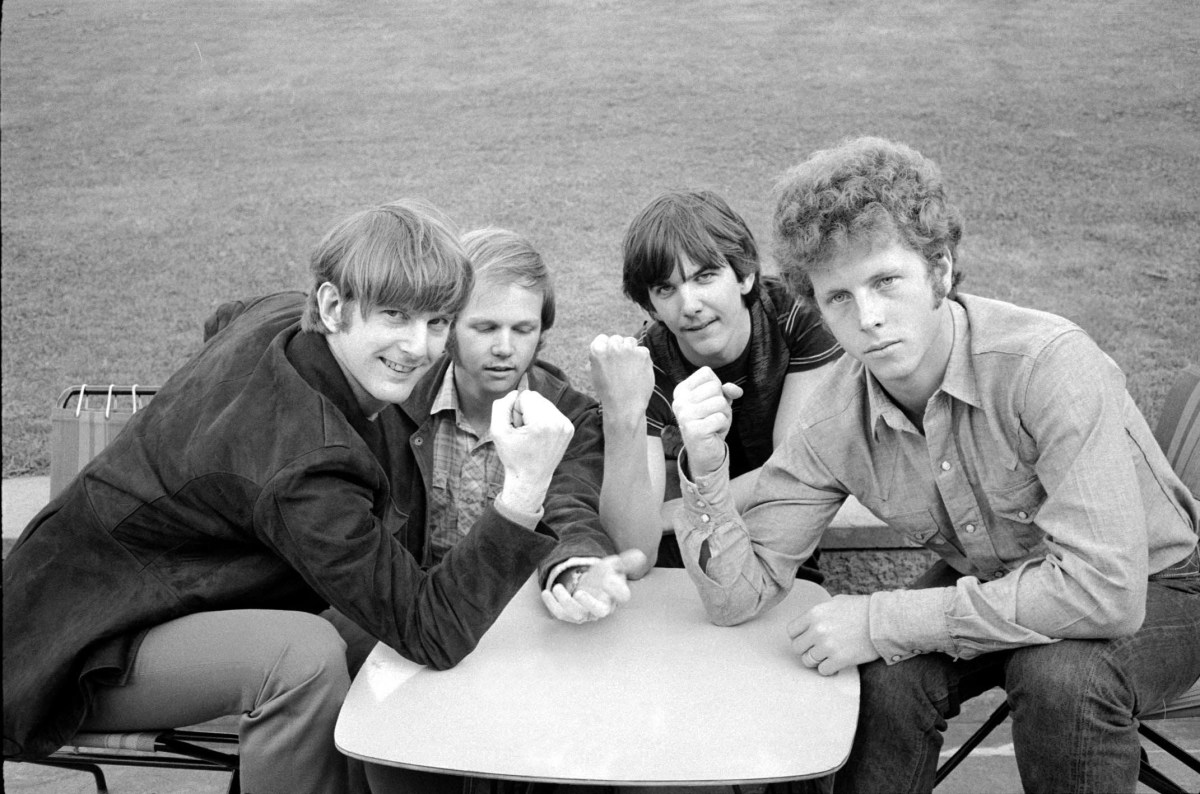
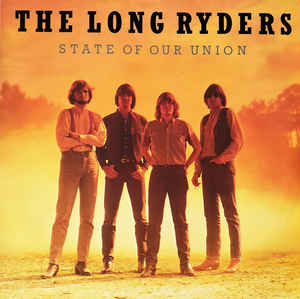
How can you not like a band who counts Gram Parsons and Punk Rock as their biggest influences? They have a great raw sound. This American band was very successful in the UK in the mid 80s. They had a chance to break big but broke up before they took an offer from one of their label mates.
The Long Ryders were formed Thanksgiving 1981 in west Los Angeles, California and fell in with the ’80s Paisley Underground scene (Red on Green, the Bangles, the Dream Syndicate, the Rain Parade), and widely considered as one of the forerunners of the alt-country genre.
They made their debut with the EP 10-5-60 in 1983, which had a strong garage folk-rock sound. After that they released 3 studio albums in the 80s and then they released Psychedelic Country Soul in 2019 after numerous reunions.
In 1986 they were in Spain headlining the Barcelona festival to over 100,000 which was broadcast live on national radio. In Canada, the Toronto Daily Mail called them “the best thing to happen to roots rock since The Band.” Then in Italy they played eighteenth century opera houses and the press and rock critics loved them.
They built a dedicated following…especially in Europe. However band members Tom Stevens and Stephen McCarthy left the band in 1987 despite the offer of an opening spot on tour with Island Records labelmates U2. The Long Ryders then broke up.
They released their second album State of Our Union in 1985 and Looking For Lewis and Clark became their signature song. It was written by guitarist Sid Griffin. Griffin also wrote books on Gram Parsons, Bob Dylan, and Bluegrass music.
Looking for Lewis and Clark peaked at #2 in the UK Country Chart and #59 in the UK pop chart in 1985.
Looking For Lewis and Clark
I thought I saw some diplomat hawking secret plans in the park I thought I saw my President walking through Harlem late after dark In a world of love where they burn like Nero You write them a check and you then add zero In a world of love where they burn like Nero You write them a check and you then add zero Looking For Lewis And Clark
I was standing alone in Mabuhay Gardens (looking for Lewis and Clark!) I was thinking about the late Tim Hardin Well, when Tim get to heaven hope he told Gram About the Long Ryders and just who I am Yeah, no one gave Tim reason to believe So he just packed his bags to leave
Looking for Lewis and Clark Looking for Lewis and Clark Looking for Lewis and Clark
I thought I saw my government running away with my heart I thought I heard Mubute anthems in Johannesburg after dark You can find them in the yellow pages, baby That’s where you get your kickbacks from the Navy Looking for Lewis and Clark Looking for Lewis and Clark Looking for Lewis and Clark
I said a Louie-Louie Lou… Looking for Lewis and Clark Looking for Lewis and Clark Looking for Lewis and Clark
This song is on the Dr. Byrds & Mr. Hyde album by the Byrds. It’s a really good song and the song’s origin is interesting. It was written in response to an on-air argument with Ralph Emery, who was an all-night country DJ on a country radio station at the time. It was written by Roger McGuinn and Gram Parsons. The song was an open letter to Emery.
Before I get into the song which I really like…I want everyone to know I’m not downing Emery because of this. I grew up with Ralph Emery on television in the 1970s. I was never a fan because his show wasn’t in my age group. To be fair to Ralph…he did invite Roger McGuinn on his show in 1985 when Vern Gosdin covered Turn, Turn, Turn and Roger played guitar. He was on there more than once so it was all in the past by that time. Times had changed so much by the 80s…rock and country went together by then but in the 60s Buck Owens touched on it but not many people were doing both…the Byrds with Gram Parsons were pioneers in a way with Sweetheart Of The Rodeo.
In 1968 The Byrds were in Nashville promoting their new country album Sweetheart of the Rodeo and got a cool reception at the Grand Ole Opry. They got into an argument with Emery on air when he said that “You Ain’t Going Nowhere” wasn’t country and then proceeded to call them long-haired hippies and would not play the record. He also didn’t understand what the song meant and Roger told him that Dylan wrote it…well that didn’t help!
Ralph Emery would not budge…It was the 1960s in a very fifties Nashville and Ralph could not get past the hair although they didn’t have excessively long hair. It would open up a bit in the early seventies with Outlaw country music by Willie Nelson, Kris Kristofferson, and Waylon Jennings. That movement would soon join traditionalists and the outlaw crowd together. They Byrds helped, in their own way, to make that happen.
The lyrics were about the narrow-mindedness of then certain segments of the country music industry. Lines like “He’s the all-American boy” and “he don’t like the way we play” reflect the hate that McGuinn and Parsons felt from some in Nashville. The title, “Drug Store Truck Drivin’ Man,” is a dig at Emery, suggesting that he was more of a conventional figure who could not appreciate or understand the Byrds’ approach to country music. But I’m glad it happened because we got a good country-rock song out of it.
Chris Hillman: “There was the funny story with Ralph Emery, the DJ in Nashville, where he had The Gilded Palace Of Sin tacked on the wall outside of his office, and with a big red pen it said, ‘This is not country music.’ Roger and Gram had gone to do an interview with him when we were all still with the Byrds, and Ralph was such a jerk to them then that they wrote that song “Drug Store Truck Driving Man”. A classic! I wish I’d written a part of that. But later, whenever I’d go on his show with the Desert Rose Band, Ralph would ask, “Did you write that song?” Finally, I had to say, “No, but I wish I had!” So when Roger was on later, Ralph would say, “Well, how is Gram doing?” and Roger would answer, “He’s still dead.” McGuinn was pretty darned quick in those situations!”
I’m adding a live version and a hell of a story by Jason and the Scorchers…on how they played this song and it found a spot on Ralph Emery’s TV show in the early 80s.
Ralph Emery when he invited McGuinn on his show in 1985
Drug Store Truck Drivin’ Man
He’s a drug store truck-drivin’ man
He’s the head of the Ku Klux Klan
When summer rolls around
He’ll be lucky if he’s not in town
Well, he’s got him a house on the hill
He plays country records till you’ve had your fill
He’s a fireman’s friend he’s an all-night DJ
But he sure does think different from the records he plays
He’s a drug store truck-drivin’ man
He’s the head of the Ku Klux Klan
When summer rolls around
He’ll be lucky if he’s not in town
Well, he don’t like the young folks I know
He told me one night on his radio show
He’s got him a medal he won in the War
It weighs five-hundred pounds and it sleeps on his floor
He’s a drug store truck drivin’ man
He’s the head of the Ku Klux Klan
When summer rolls around
He’ll be lucky if he’s not in town
He’s been like a father to me
He’s the only DJ you can hear after three
I’m an all-night musician in a rock and roll band
And why he don’t like me I can’t understand
He’s a drug store truck-drivin’ man
He’s the head of the Ku Klux Klan
When summer rolls around
He’ll be lucky if he’s not in town













 PowerPop... An Eclectic Collection of Pop Culture