

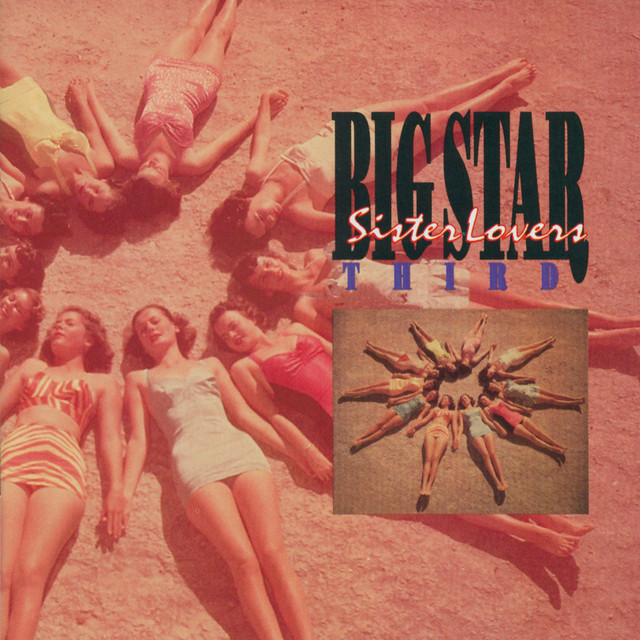
This was written for Dave’s Tuntable Series. The topic is Going out on a High Note. We all have seen artists who stick around long after they should have exited gracefully. For this round, pick a musical artist who you think ended their career on a high note, a great final album, or a triumphant concert tour before they grew stale.
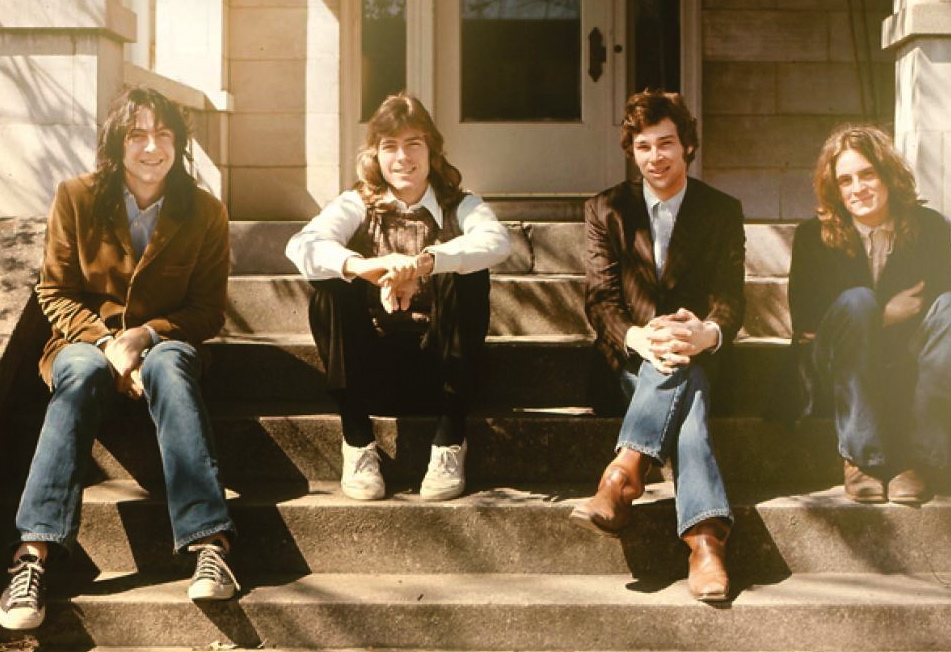
I could have picked The Beatles, probably one of the best examples of going out on top with Abbey Road, but as usual, I wanted to go down the path less travelled. I wanted to feature Big Star’s last album, recorded in 1974. Parts of the band did release an album in 2005 under the Big Star name, but I’m not counting that one. This album was on Rolling Stone Magazine’s 500 Greatest Albums list at #285.
If there’s an album that feels like the final curtain was lowered, it’s Big Star’s Third/Sister Lovers album. Recorded in late 1974, it dribbled out years later in different forms; the record doesn’t just mark the end of Big Star, it feels like the end of Alex Chilton’s patience with power pop itself. This album had test pressings in 1975, but didn’t get officially released until 1978
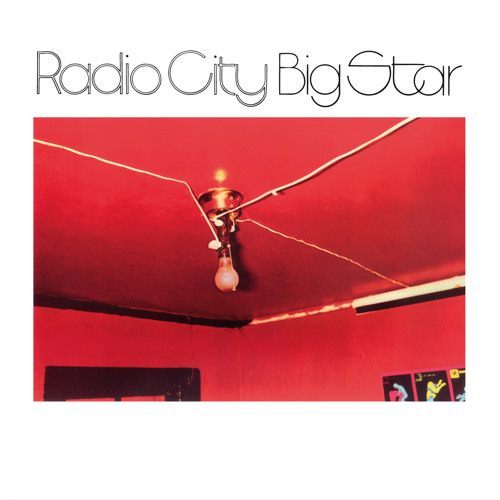
Unlike #1 Record and Radio City, which had power-pop perfection, Third/Sister Lovers is messy and sometimes unsettling. It sounds less like a polished album and more like a band trying everything while the tape keeps rolling. Jim Dickinson’s production at Ardent Studios only added to the loose, haunted feel, he let Chilton and whoever else showed up throw down takes that feel unfinished and unfiltered.
Songs like Kizza Me, Jesus Christ, and Thank You Friends have some of Big Star’s old jangle, but the edges are jagged. Then you get Holocaust and Kanga Roo, two of the most desolate tracks they ever did. Holocaust is not something you hum; it’s something that stays with you afterward.
Part of the mythology of this album is that no one really knows the “real” tracklist. Different labels sequenced it differently when it trickled out in the late 70s and early 80s. By the time Rykodisc issued it on CD in the 90s and Omnivore Recordings gave us the expanded Complete Third box, it was clear… this wasn’t one neatly tidy album, it was choppy, uneven, and brilliant.
For all its chaos, this album became a blueprint for generations of indie and alternative bands. You hear its fingerprints in REM., Replacements, and Wilco, artists who weren’t afraid to experiment with pop and let it stand on its own. For a band that never could catch a break, Big Star ended with an album that was seldom properly released, yet somehow became arguably their most influential. That’s Big Star in a nutshell: tragedy, beauty, and magic all together.
Thank You Friends
Thank you, friendsWouldn’t be here if it wasn’t for youI’m so grateful for all the things you helped me do.
All the ladies and gentlemenWho made this all so probable
Thank you, friendsI rejoice to the skiesDear ones like you do the best I doAs far as can see my eyes
All the ladies and gentlemenWho made this all so probable
Without my friends I got chaosI’m often a bead of light.Without my friends I’d be swept up high by the wind
do, do…
All the ladies and gentlemen (I said all)All the ladies and gentlemen (I said all)All the ladies and gentlemenWho made this all so probable
Thank you friends (thank you again)Thank you friends (thank you again)Dear, dear friends (thank you again)Thank you friends (thank you again)And again, and again…Never too late to start
…


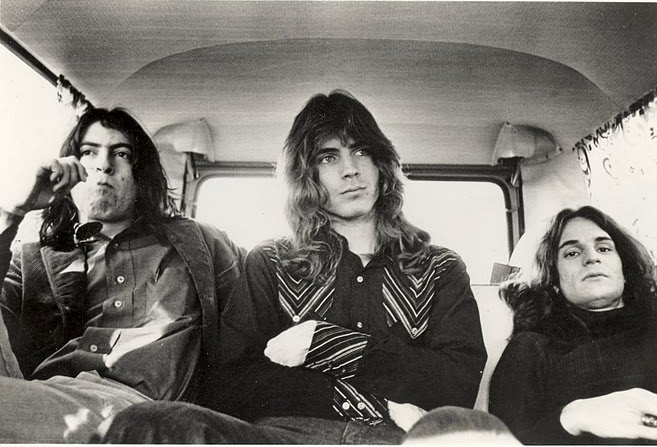
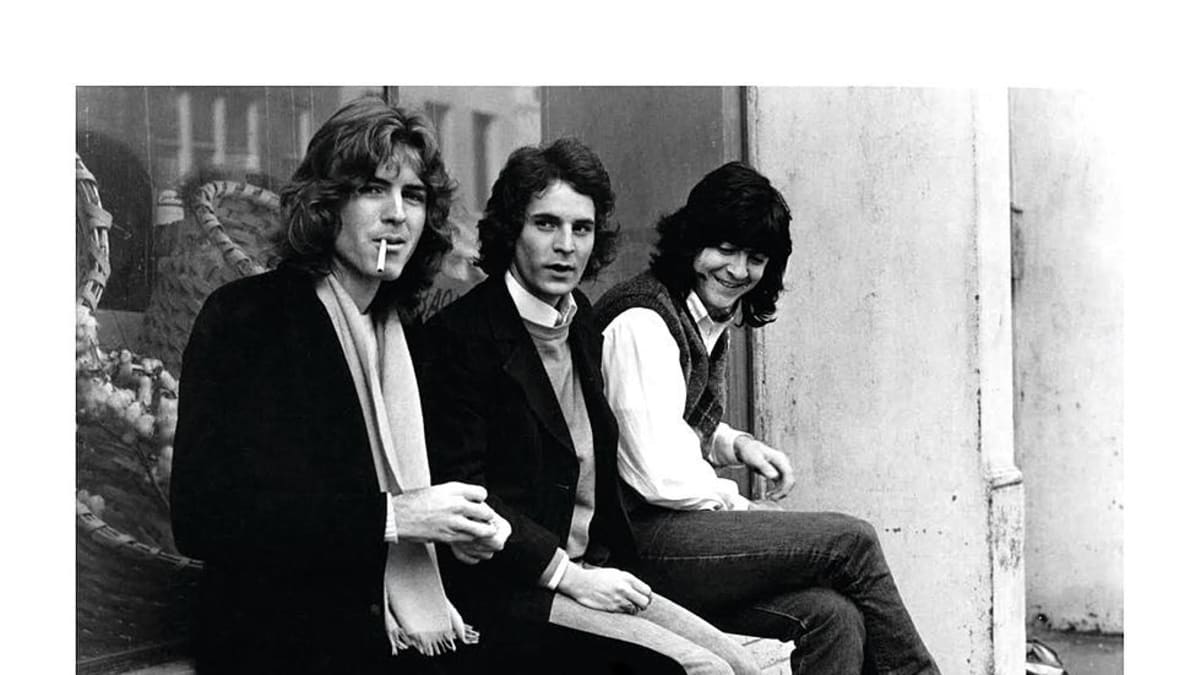
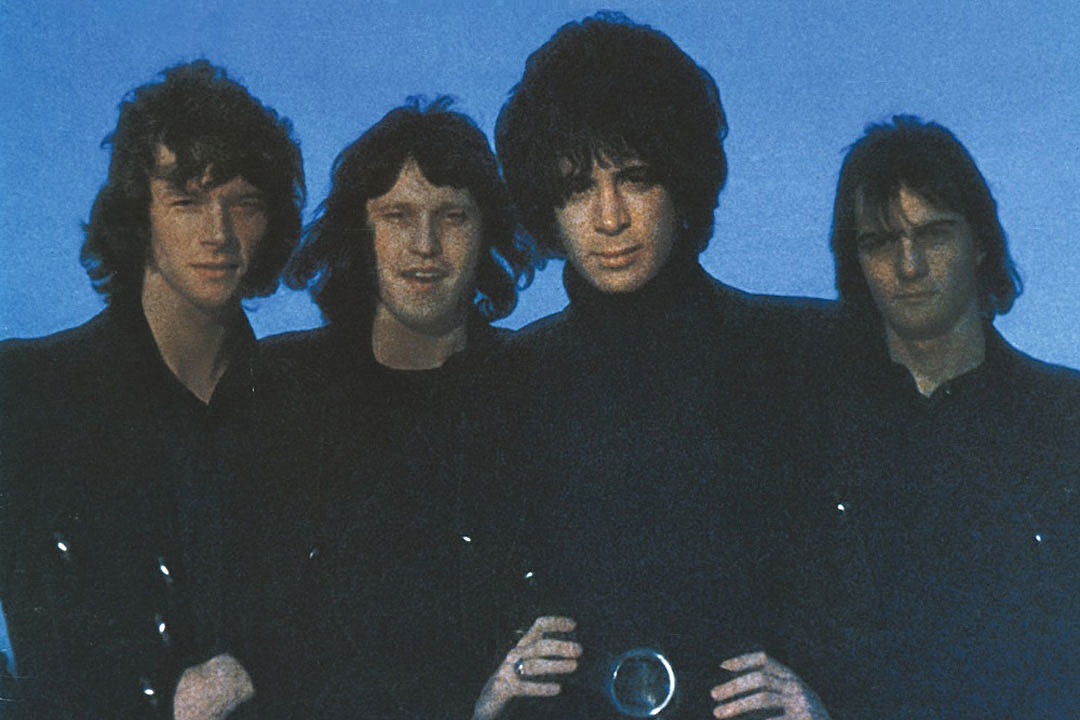
 After the failure of their first album, singer/songwriter guitar player Chris Bell quit Big Star. Alex Chilton didn’t know if Big Star was going to make another album. He continued making demos because he could always do a solo album. The two other members, drummer Jody Stephens and bass player Andy Hummel weren’t sure either what was going to happen. They had talked about ending the band.






 PowerPop... An Eclectic Collection of Pop Culture