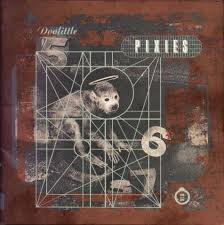
I started following this band in the 1990s after hearing the song “Here Comes Your Man,” which caught my power-pop ear. It was on their 1989 album, Doolittle. I love the dynamics in this one and the harder style.
By 1989, Pixies were no longer an underground surprise. After Surfer Rosa, they went into the studio to make a tighter, more direct record. That record became Doolittle. The sessions took place in late 1988 in Boston, with Gil Norton producing. Norton pushed the band toward precision. He said he focused on structure and dynamics. Gouge Away benefited from that approach.
Black Francis brought the song in with its biblical reference; he drew from the story of Samson and Delilah. But in the studio, the band worked on feeling more than sticking strictly to that concept. The verses were kept restrained on purpose, so the chorus would hit harder. That is where the dynamics came into play. I like the sound of Kim Deal’s driving bass in this one. Also, I have to mention, the guitar solo is very unique to me. I love the way they fit that solo in with the sustain.
Unlike some of the raw edges on Surfer Rosa, Doolittle was built with layering in mind. Multiple vocal takes were tracked to get Francis’s half-whisper right before the explosion of the refrain. The final mix keeps plenty of space in the verses, then opens up when the band surges. As the closing track, Gouge Away was put there to leave a mark. It ends the album the way the Pixies often worked in the studio at that point, controlled and sharp.
The album peaked at #98 in the Billboard Album Charts, #8 in the UK, and #18 in New Zealand in 1989.
Gouge Away
Gouge away You can gouge away Stay all day If you want to
Missy aggravation Some sacred questions You stroke my locks Some marijuana If you got some
Gouge away You can gouge away Stay all day If you want to
Sleeping on your belly You break my arms You spoon my eyes Been rubbing a bad charm With holy fingers
Gouge away You can gouge away Stay all day If you want to
Chained to the pillars A three day party I break the walls And kill us all With holy fingers
Gouge away You can gouge away Stay all day If you want to
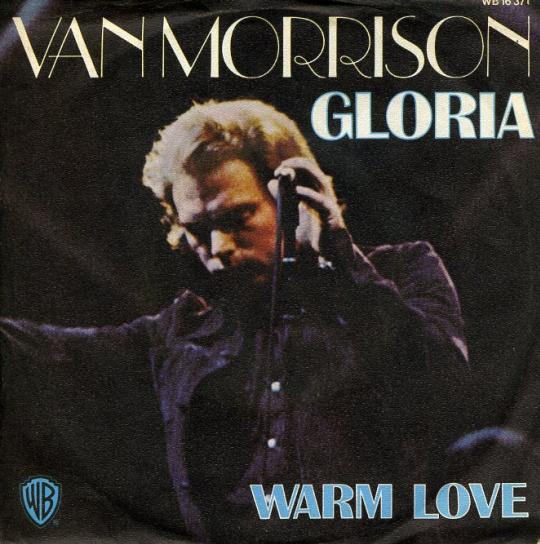
Dave posted this on his TurnTable Talk on February 19. The topic that he gave us was simple enough…a song with the word love in it. This song and Crazy Love came to mind from Van so I went with this one, you don’t hear this one as often.
In 1986-87 I bought the Van Morrison album Hard Nose the Highway, and this song, among others, caught my attention. The album is not up there with Moondance or Astral Weeks, but it’s a good album. When I heard this song on the album, I got the feeling I’d heard it before. It did peak at #66 in Canada in 1973. I’m sure I heard it on AM radio when I was a kid. It sounds like a hit. I just fell and am still over his wide-open songs, such as the title track, the previous album track, and “Saint Dominic’s Preview.”
When I got into Van…I really got into him. I ended up buying his first 9 albums (not counting the early Bang years), from the 1968 album Astral Weeks to the 1978 Wavelength album. I also ordered a hard-to-find Them album from England. An album I still have with me, one of the very few that survived my many moves in my younger days.
I always thought Warm Love was the sister song to Crazy Love off his Moondance album from 3 years before. Coming off the open sound of Saint Dominic’s Preview, Van Morrison went into Hard Nose the Highway in 1973 in a different headspace. The sessions were very successful, and they recorded over 30 songs. Morrison originally wanted to make it a double album, but the record company talked him into a single one.
The songs that caught my attention on first listen were this song, the title track, and a song called The Great Deception. He also did a cover of Kermit! Yes, Van covered Being Green on this album. It’s a good album and always a joy to listen to. Van had a band at this time called The Caledonia Soul Orchestra, and they were tight. Some of them played on this album.
The Caledonia Soul Orchestra was the road band that powered Van Morrison through one of the strongest stretches of his career, roughly 1972 to 1974. After the success of Moondance and the more reflective albums that followed, Morrison wanted a band that could move between jazz, R&B, folk, and soul without losing momentum. He found it in a large ensemble built around horns, a tight rhythm section, and backing vocalists who could follow his changes in real time.
A huge talent of Van is to make songs that feel off the cuff but polished at the same time. As with most of the album, it was built around live takes, with horns and backing vocals added only where they felt natural.
The album peaked at #27 on the Billboard Album Charts, #18 in Canada, and #22 in the UK in 1973. This live version is the best one I’ve heard, but it won’t let me embed it here.
Van Morrison: It is just a boy and girl song, walking on the beach. It’s a young song. I can’t really add to that, except to note that this is a musical love affair, with the girl bringing her guitar.
Warm Love
Look at the ivy on the old clinging wall Look at the flowers and the green grass so tall It’s not a matter of when push comes to shove It’s just a hour on the wings of a dove
It’s just warm love It’s just warm love
I dig it when you’re fancy dressed up in lace I dig it when you have a smile on your face This inspiration’s got to be on the flow But these invitation’s got to see it and know
It’s just warm love It’s just warm love
And it’s ever present everywhere And it’s ever present everywhere Warm love And it’s ever present everywhere And it’s ever present everywhere That warm love
To the country I’m going Lay and laugh in the sun You can bring your guitar along We’ll sing some songs, we’ll have some fun
The sky is crying and it’s time to go home And we shall hurry to the car from the foam Sit by the fire and dry out our wet clothes It’s raining outside from the skies up above
Inside, it’s warm love Inside, it’s warm love
And it’s ever present everywhere And it’s ever present everywhere That warm love And it’s ever present everywhere And it’s ever present everywhere That warm love, I can feel it
And it’s ever present everywhere And it’s ever present everywhere That warm love, hey And it’s ever present everywhere And it’s ever present everywhere That warm love, hey And it’s ever present everywhere And it’s ever present everywhere That warm love
I first heard of Wilco from the song Secret of the Sea by Billy Bragg and Wilco for the album Mermaid Avenue Volume II. I started to follow them more closely and learned a lot from bloggers about them.
Wilco was formed in 1994 in Chicago, Illinois, following the breakup of Uncle Tupelo. The band was founded by Jeff Tweedy, along with former Uncle Toledo members John Stirratt, Ken Coomer, and Max Johnston. Over the years, Wilco evolved from an alternative country sound into a more experimental and genre-blending style. After this album, their sound changed from the alt-country sound they had with Uncle Tupelo.
What first jumps out with this song is the acoustic in front with a small amount of reverb. It takes me back a little to John Lennon’s version of Stand By Me. I can’t get enough of that sound. The song started with Tweedy at the piano. It was written around a repeating chord pattern and a vocal line that doesn’t try to do too much.
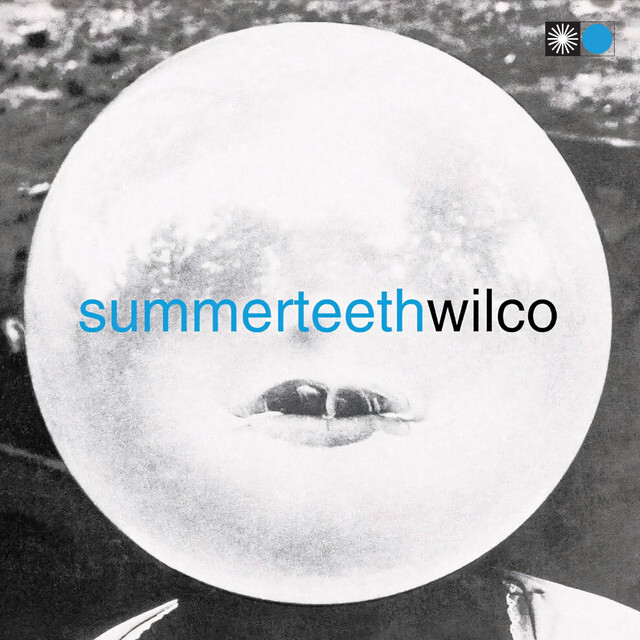
This was on the album Summerteeth, released in 1999. It was their 3rd studio album. From listening to them recently, Wilco had already moved past the alt-country tag that followed them after Uncle Tupelo. Being There opened the door. Summerteeth walked through it and didn’t look back. I really like this album.
From what I’ve read, there was tension during the making of the album. Jay Bennett’s role grew, and he and Tweedy wrote most of the album. So did the friction. Multi-tracking replaced some of the earlier live feel. Drummer Ken Coomer has said parts were built in sections rather than full takes. The band was evolving in real time, and not everyone was comfortable with the shift. Still, the focus was on getting the songs right, even if that meant reworking them again and again, and they did a great job.
The album peaked at #78 on the Billboard Album Charts and #38 in the UK in 1999.
How To Fight Loneliness
How to fight loneliness Smile all the time Shine you teeth til meaningless Sharpen them with lies
And whatevers going down Will follow you around Thats how you fight loneliness You laugh at every joke Drag your blanket blindly Fill your heart with smoke And the first thing that you want Will be the last thing you ever need Thats how you fight it
Just smile all the time Just smile all the time Just smile all the time Just smile all the time
Yes, I posted Sahm recently, but here he is leading the way with Uncle Tupelo. What a great and natural combination. Running across this was just fantastic! I can’t put into words how much I love the down-home sound of this. One more legend is on this album that I will reveal at the bottom of the post…no skipping or peaking!
When Uncle Tupelo teamed up with Doug Sahm on this song, it felt less like a guest spot and more like a handoff between two generations. Sahm had already lived a lifetime in Texas blues, country, and rock and roll. Uncle Tupelo were still mapping out what roots rock could sound like in the early ’90s. The song sits right in the middle of that meeting point.
Sahm sounds relaxed, like he’s telling a story on a porch. Jay Farrar and Jeff Tweedy hang back just enough to let the song lead. I always liked Uncle Tupelo anyway, but add Doug Sahm? Oh hell yes! I could listen to this type of music all day and twice on Sunday, as the saying goes. It gives me a great feeling, and it just fits all together so well. The backup vocals are on target, but also riding around the edges; it’s such a lived-in sound that I love. There is no overdubbing or big production…just back porch sounding goodness.
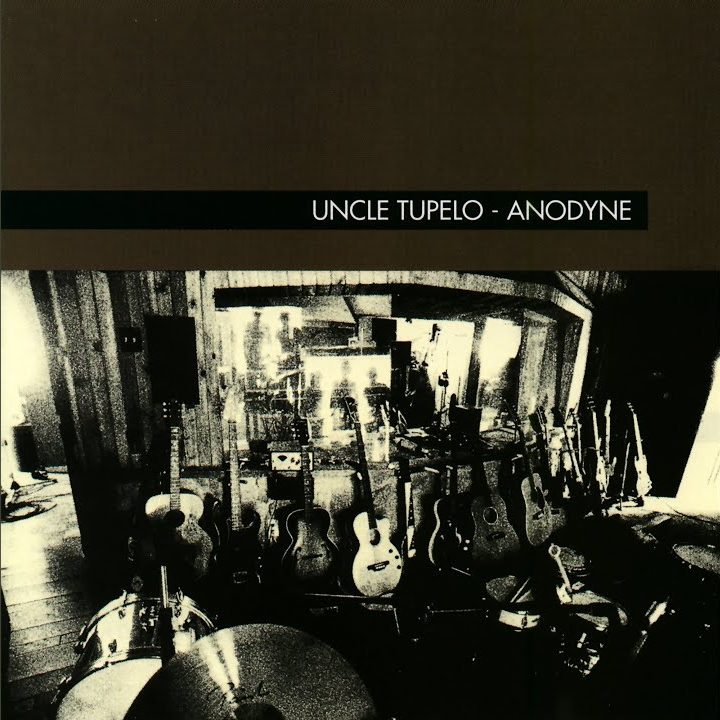
This track shows what Uncle Tupelo were always good at, connecting past and present without making it sound like a museum piece. Doug Sahm doesn’t feel like a legend that was just dropped in for credibility. He feels like part of the band, which in this he is. Doug Sahm wrote this song, and it was on the Uncle Tupelo album called Anodyne, released in 1993. He first released it as Sir Doug and the Texas Tornados in 1976.
There is one more legend on this album doing some vocals…the one and only Joe Ely. He did the lead vocals on Are You Sure Hank Done It This Way?
Give Back The Key To My Heart
Take my picture off the wall It don’t matter to me at all Said I was headed for a fall But you wanted me to crawl
Give back my TV It don’t mean that much to me While you’re giving back my things Give me back the key to my heart
Give back the key to my heart Give back the key to my heart And let my love flow like a river Straight into your heart, dear
Well, you say I was the one To blame for the wrong that’s been done Well, you got a friend named cocaine And to me, he is to blame
He has drained life from your face He has taken my place While you’re alone in San Antone Give me back the key to my heart
Give back the key to my heart Give back the key to my heart And let my love flow like a river Straight into your heart, dear
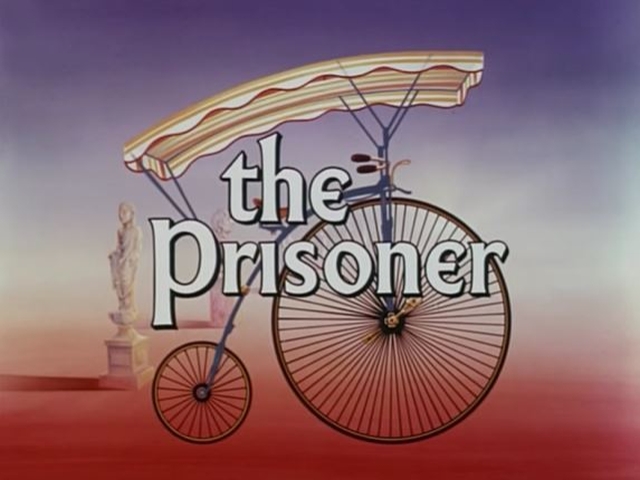
“I will not make any deals. I’ve resigned. I will not be pushed, filed, stamped, indexed, briefed, debriefed, or numbered. My life is my own.”… Number 6
“I must have individuality in everything I do. I question everything. I don’t accept anything on face value. I argue because by arguing, something good often comes from the results.”… Patrick McGoohan
This introductory post is quite long, but I’ll keep the episodes within a 1-2 minute read, I promise, because I have most of them written. There is SO much to say about this show. I started this post in January and have been adding to it ever since. Next Friday we start the episodes with Episode 1…Arrival.
Original, experimental, very surreal, still totally relevant today, ahead of its time, who is number 1? Where or what is The Village? Struggles with individualism, conformity, authority, and the nature of freedom, set within a mysterious, idyllic village. Surrealism? Yes, this one has it in spades! Salvador Dali could have directed some of the episodes. Also…the color of these shows! They beat modern movie colors with a stick. The brightness and distinct color just pop off the screen, a selling point for color TV back then, creating a surreal, pop-art feel. McGoohan even banned the word “television” on the set. He wanted everyone to have a cinematic view.
The word “allegory” comes up frequently in descriptions of this series. People are still trying to figure out what it means, and we all have our interpretations. Patrick McGoohan was a very successful actor, but he was questioned the rest of his life about this 17-episode series. It was a British show in 1967-1968. In Canada and the US, college classes have been taught about this show to try to get the meaning out of it.
I’m going to post this series episode by episode. It’s only 17 episodes this time, so it won’t take long. I wanted another sci-fi show, and this one fits that bill without a hundred episodes. This is one of the most interesting television shows I’ve ever seen, bar none. It’s like James Bond meets The Twilight Zone…heavy on the Twilight Zone. They only had 17 episodes, but it was enough to go on a trip into the bizarre. I watched this a decade ago, and I just watched it again in the past two weeks. Number 6 is my hero in his fight against a forced society.
A British spy resigns, and he goes home. At home, you see sleeping gas coming through the keyhole, and after that, he wakes up in a new home. He wakes up in a place called “The Village” with no name, a small microcosm of a perfect community where people are issued numbers instead of using names. Escape is made nearly impossible, enforced by a gang of thugs and a bizarre white sphere (called Rover) that smotheres people to death or brings them back to the village after an escape attempt. Cordless phones, constant surveillance, manipulative organisations, people reduced to numbers, and so on. Rover seemed laughable at the time with the effects, but now drones perform exactly that function, so it was a question of the technology not being available when the show was made.
A map (title is Your Village) says “The Mountains,” “The Sea,” and other generic names. Individualism is gone in this place. It’s quite a nightmare. He does not have his name when he is there; he is called Number 6. You never know his real name. The main question the Village leaders want to know is the reason WHY he resigned. He has a lot of secrets in his head, important to both sides. He just will not disclose the reason for his resignation. One reason is that he doesn’t know which side got him. The other reason is that he just didn’t want to because his life is his own.
He doesn’t resist using weapons or gadgets, but with wit and stubbornness. Each episode tests him in a different way: psychological games, manufactured communities, false friendships, and shifting authority figures. The Village looks pleasant, almost cheerful, which makes its constant surveillance more unsettling. The question is never just who is in charge, but why submission is expected at all. They mess with his mind constantly to the point where they bring a double in and convince him he is someone else. But, I’m happy to say, he messes with them as well, like in the episode Hammer Into Anvil. He usually turns the tables on them. He is the only independent thinker in the village, or the only one who admits it.
What separates The Prisoner from standard spy television shows (or other shows, for that matter) is its willingness to abandon logic for an idea. That’s the best way I know of putting it. Some episodes are like satire, others like dreams that do not explain themselves. The rotating cast of Number Twos keeps power unstable, reinforcing the sense that the system matters more than any individual running it. It’s a show that requires your attention, and they counted on that to keep the audience engaged. Number 6 is not a nice guy in this. He doesn’t want to be there, and some of the good citizens were in the know, and some were like Number 6. You cannot trust anyone, and he refuses to conform.
This show was the brainchild of “Danger Man” actor Patrick McGoohan. In The Prisoner, he was also director/co-producer/creator, and his allegorical tale concerned the retirement/imprisonment of a spy who knew too much.
Historians have long argued whether he was retiring his character John Drake from Danger Man, and if this was John Drake character, it’s never said. Patrick denied it, but others say it was probably the character he played before, but wouldn’t mention him because of royalties that would have to be paid tothe creator of Danger Man. It doesn’t really matter if this is John Drake or not; we know him now by Number 6.
If you want to see where we are…HERE is a list of the episodes.
First of all, thank you all for following this series. This is the final episode, unfortunately. It’s been a fun trip down this lane! It was a lot of fun watching these again after at least a decade for me. Sometimes older shows, even 5 years old, don’t hold up as well. These really do, and even the weaker episodes have something to offer. Not many times can I say I watched a complete series without one clunker. I can see why this series is a cult favorite.
What were you doing on March 28, 1975? I was 8 and probably in bed when this came on, but now I’m catching up. In this one, we have Kathie Browne (Star Trek, Wink of an Eye episode, Gunsmoke, etc, 93 acting credits) as Lieutenant Irene Lamont. She was also Darren McGavin’s real-life wife. Their chemistry is evident, and it strengthens this episode. She knows how to handle Kolchak, about as well as you can anyway. If the show had gone on to another season, it would have been smart to bring her in to play Lieutenant Irene Lamont for good. Unlike the other reporters, Kolchak is not charmed by a pretty face like the other reporters were.
Tom Bosley (Mr. C on Happy Days) also guest stars as Jack Flaherty, who works at an underground data-storage facility where the trouble begins. The data storage was there in case of nuclear war. Companies can have all their records stored safely, and for personal items.
This episode started at the end with a flashback, with Kolchak racing down a long corridor in a golf cart. He is being chased by something, and then the story begins as he talks into his recorder. Before this, a wave of violent attacks in the data storage center tunnels happened in Chicago. Victims are found torn apart, and police believe a large animal may be responsible. Carl Kolchak notices the injuries don’t match any known animal in the area and begins tracing the incidents to locations connected by buried passageways beneath the city.
Kolchak impersonates a doctor to be there for an autopsy and an insurance man to get information out of a data storage worker. Just a typical day for him. Conning his way into the underground facility, Kolchak sees a large, reptilian creature, and when he tries to tell the police, he discovers what appears to be a government and military cover-up. He also realizes that the exciting geologic find, which appears to be rock are actually a nest of eggs.
In the final moments, Kolchak follows the creature into the tunnels and comes face-to-face with it again. He finishes his report, aware it will likely never be published, yet again.
Anyone familiar with Star Trek will recognize this plot as a close remake of the classic episode, “The Devil In The Dark” in which a creature with the ability to travel through solid rock kills miners who have mistakenly destroyed its eggs.
So long, Carl, we thank you for being such a truly iconic character.
Closing Narration
I know what’s gonna happen now. As far as the authorities are concerned, the events of April twentieth and twenty-first will never have occurred. They-They’re gonna tell me that if I ever breathe a word of this, they’re gonna break me like a straw man. Now what about the sentry? Will its eggs hatch in the warm, dark dank dampness of its nesting place? Who knows? Maybe the government will find the nest, maybe they won’t. We’ll probably never know. But if you’re in the subway or in a pedestrian tunnel underneath a ballpark and you think you hear something moving in the walls, it may not be your imagination. Take my advice, don’t walk, run to the nearest exit.
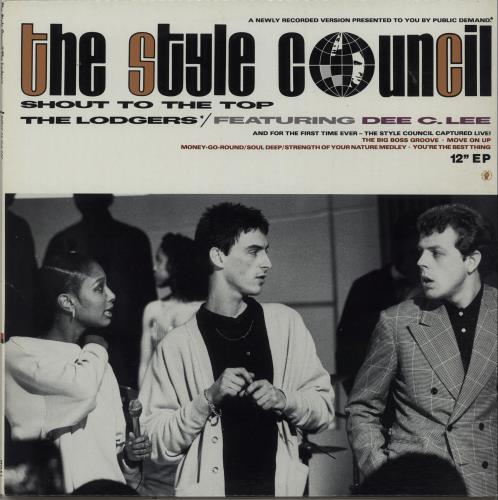
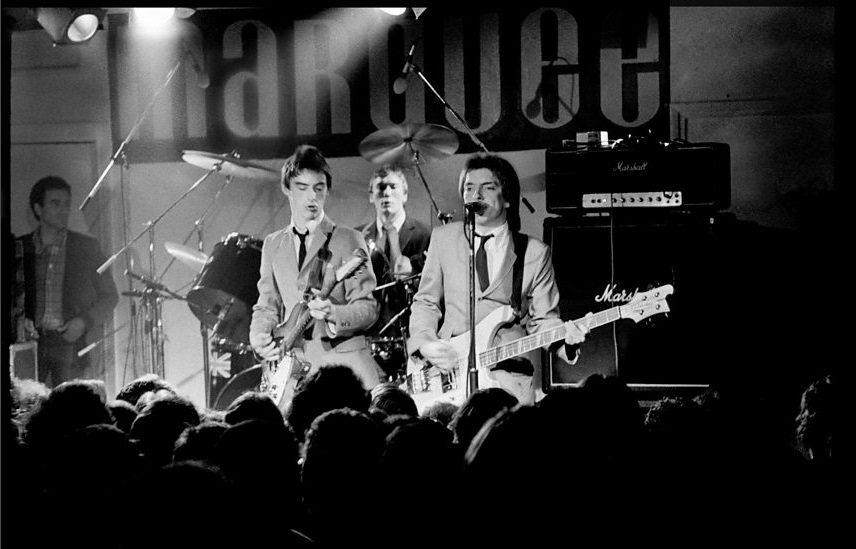
I am a Paul Weller fan, and it’s nice to see what he did after he left The Jam in 1982. Some really good soul pop songs and excellent songwriting, as you would expect from Weller. I mostly know his Jam songs but I’m learning more about him.
Paul Weller and Mick Talbot built the song around a bright keyboard riff and a gospel-type groove that is more Curtis Mayfield than punk. It was a stand-alone single. It was later added to the 1984 album Our Favourite Shop CD release, and it became one of their biggest hits in the UK and a club favorite. It was on the US album Internationalists, a version of this album.
This song is a great example of a perfect blend of soul history and modern pop. It’s built for radios and dance floors…and anyone needing a push through their day. Instead of stacking layers of guitars, the band focused on the rhythm and let the groove carry everything.
The song peaked at #7 in the UK and #6 in New Zealand in 1984-85. The album peaked at #1 in the UK, #6 in New Zealand, #123 in the Billboard Album Charts, and #53 in Canada.
Should It To The Top
I was half in mind, I was half in need And as the rain came down I dropped to my knees and I prayed I said, “Oh heavenly thing, please cleanse my soul I’ve seen all on offer and I’m not impressed at all”
I was halfway home, I was half insane And every shop window I looked in just looked the same I said, “Now send me a sign to save my life ‘Cause at this moment in time there is nothing certain in These days of mine”
You see it’s a frightening thing when it dawns upon you That I know as much as the day I was born And though I wasn’t asked, I might as well stay And promise myself each and every day
That when you’re knocked on your back and your life’s a flop And when you’re down on the bottom there’s nothing else But to shout to the top Well we’re gonna shout to the top We’re gonna shout to the top We’re gonna shout to the top Hey, we’re gonna shout to the top
You see it’s a frightening thing when it dawns upon you That I know as much as the day I was born And though I wasn’t asked, I might as well stay And promise myself each and every day
We’re gonna shout to the top (shout) We’re gonna shout to the top (shout) We’re gonna shout to the top (shout) We’re gonna shout to the top (shout) We’re gonna shout to the top (shout) We’re gonna shout to the top (shout)
So when you’re knocked on your back and your life’s a flop And when you’re down on the bottom there’s nothing else But to shout to the top (shout) Well, we’re gonna shout to the top (shout) We’re gonna shout to the top (shout) We’re gonna shout to the top (shout)
And when you’re knocked on your back and your life’s a flop And when you’re down on the bottom there’s nothing else But to shout to the top (shout) We’re gonna shout to the top (shout) We’re gonna shout to the top (shout) We’re gonna shout to the top (shout)
Hey, yeah, shout to the top (shout) We’re gonna shout to the top (shout) We’re gonna shout to the top (shout) Shout to the top (shout) Shout to the top (shout)
We’re gonna shout to the top (shout) We’re gonna shout to the top (shout) We’re gonna shout to the top (shout) Shout to the top (shout) Shout to the top (shout)
We’re gonna shout to the top (shout) Shout to the top (shout) Shout to the top (shout) Shout to the top (shout) Shout to the top (shout)
A few months ago, around September, I met Arthur when he was commenting on my blog. He is better known as purplegoatee2684b071ed. We have had some wonderful conversations, and I told him if you ever want to post a music post…I would be honored to do it. He took me up on my offer, and he wrote up a post about The Desert Rose Band. I do appreciate Arthur writing this up. Here is Arthur!
I am Purplesomething or other. My name is Art Schaak. I have no idea where WordPress got the name for me. When I found this incredible blog I signed up for WordPress and they told me my e-mail, which is fairly unique, was already assigned to this Purple guy. purplegoatee2684b071ed, that’s what they call me. For years I had a full beard, now I am clean shaven (when I shave) and I’ve never sported a goatee. I have been called an old goat, and old other things, and I honestly find it hard to deny.
I have been reading and commenting on this blog since September of 2025, a relative newcomer. I am much more impressed with the community and its individual members than you should be of me.
I am 72 years old. I have been a big music fan as long as I can remember. I skirted the peripheries of the music industry in the mid 70s until I realized I was not a follower of fashion, dedicated or not. I know a little about this stuff, am horribly opinionated, and have very eclectic tastes.
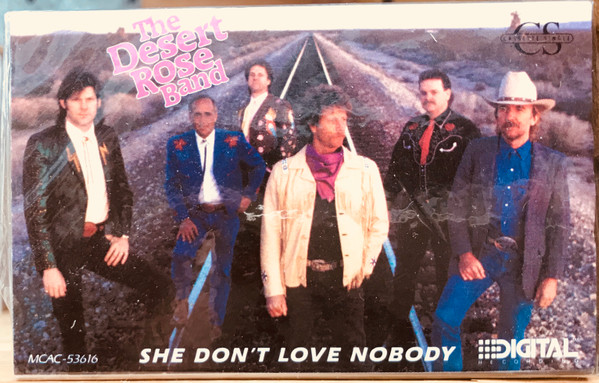
The Desert Rose Band was Chris Hillman, Herb Pedersen, John Jorgenson, Bill Bryson, Jay Dee Maness, and Steve Duncan. This song, written by John Hiatt, reached #3 on Billboard’s US Hot Country Songs and was awarded the 1989 Best Country Performance by a Duo or Group Grammy. It wasn’t their biggest hit, but it is my favorite.
The magic lies in the music. Give it a listen. It is the energy. The harmonies are tight. The performance is together. It might be too perfect, considering some of the opinions offered elsewhere on this blog, but I can’t call that a problem. This tune just delightfully pops along.
Hiatt’s lyrics are a lot of fun. Yes, I am a fan and have been since his Hanging Around The Observatory debut on Epic way back in the 70’s. By the way, Hiatt did two songs on the second White Duck album on Uni that I was amazed I found at a 25-cent parking lot sale at Rhino Records; I played it once, and that was more than it deserved.
Jorgeson continues to play, but his recent performances in the Los Angeles area have been with his bluegrass ensemble and his hot jazz ensemble. A long way from the Desert Rose Band or his tenure with the Elton John band. He is a great guitar player with an even greater sense of the overall music he is producing, kind of like Ry Cooder, where one can groove on his expertise or just be amazed at the incredible music he is putting out.
By the way, the web says the last performance of the Desert Rose Band, Live at the Country Music Hall of Fame CMA Theater, October 2, 2022, is due to be released in March of 2026.
And Chris Hillman seems extremely active (considering his age and such), according to his website, chrishillman.com.
Like I said, give it a listen.
She Don’t Love Nobody
From my humble point of view She don’t love nobody Nothin’ borrowed, nothin’ blue She don’t love nobody
Behind the green eyes I detect She don’t love nobody Her heart no kiss could resurrect She don’t love nobody
All of her life She’s been told to hang on tight There’s a man who’d make her his wife But she’s not interested in anything mama said
She throws passion to the wind She don’t love nobody She don’t give out but she don’t give in She don’t love nobody
And if I could I’d make her mine But she don’t love nobody And she would never walk that line She don’t love nobody
All of my life I’ve been told to hang on tight There’s a girl who’d be my wife But I’m not interested in anything mama said
I want the girl who does not need She don’t love nobody
She’s the one my heart receives She don’t love nobody
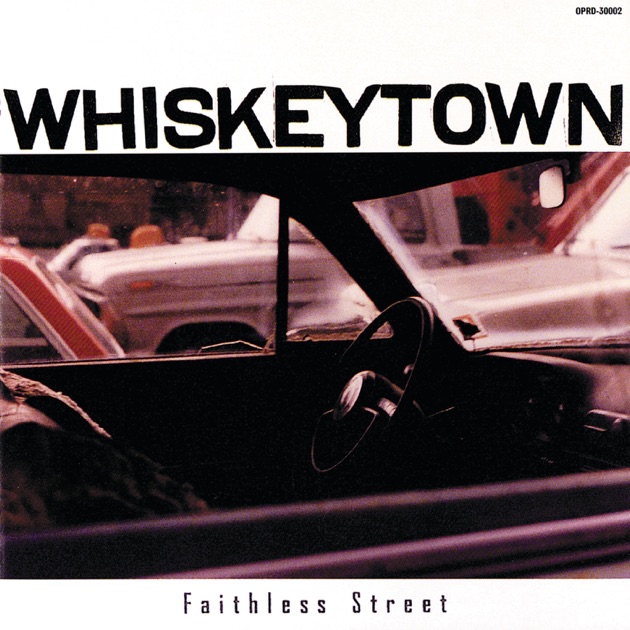
I really like this band. I spent the week living with their album Faithless Street, and what a tight album. Not just musically but vocally. It’s a true album, one song blends into another smoothly, and like I said, tight but loose in just the right spots.
Whiskeytown had one member that you might know. They were an alternative country band from Raleigh, North Carolina. They were active from 1994 to 2000. The band was led by Ryan Adams, who played a role in popularizing the alt-country genre in the 1990s. He blended traditional country with rock and indie influences. They fit in well with The Jayhawks and Wilco in that era.
Faithless Street was made fast and cheap, with a band that was still figuring itself out. It was recorded in North Carolina in 1994, and the sessions were about capturing what Whiskeytown sounded like in real time. They were limited on studio hours, so songs were often tracked live with only a few overdubs. If something felt right, it stayed, even if it wasn’t clean.
Ryan Adams was writing constantly and pushing the group to cut new material almost as quickly as it came together. Some songs had been played on stage for months. Others were nearly brand new. That mix gave the album its loose feel. You can hear moments where the band sticks to a groove and others where they’re holding it together by instinct, off the cuff.
The record opens with Midway Park, and right away, you get the blueprint. Country structure with rock volume. I love that welcoming opening riff that drives that song. Songs like 16 Days and Excuse Me While I Break My Own Heart Tonight ” go into classic barroom sound with the pedal steel and open choruses. There’s also Houses on the Hill, which would later become one of Adams’ calling cards. Even in this early version, the melody sticks.
Songs like Lo-Fi Tennessee Mountain Angel (For Kathy Poindexter) and Too Drunk to Dream go back to roots country. You also have acoustic-driven songs like Factory Girl that to me is as close to perfect as you can get.
The production is spare. Guitars are up front. The drums don’t dominate. The vocals aren’t smoothed out, but they are tight. That raw edge became the album’s identity. Within a few years, Whiskeytown would shift lineups, and Adams would get more well-known.
He has a successful solo career and has also produced albums for Willie Nelson and collaborated with the Counting Crows, Weezer, Norah Jones, America, Minnie Driver, Cowboy Junkies, and Toots & the Maytals. He has written a book of poems, Infinity Blues, and Hello Sunshine, a collection of poems and short stories.
I love this band, and I need to post more by them. Today, I have a theme going: alt-country, with one of the pioneers and one that picked up the mantle a little longer down the line. Like Little Feat, this band was more popular with other musicians than with the public. So the public missed something special here.
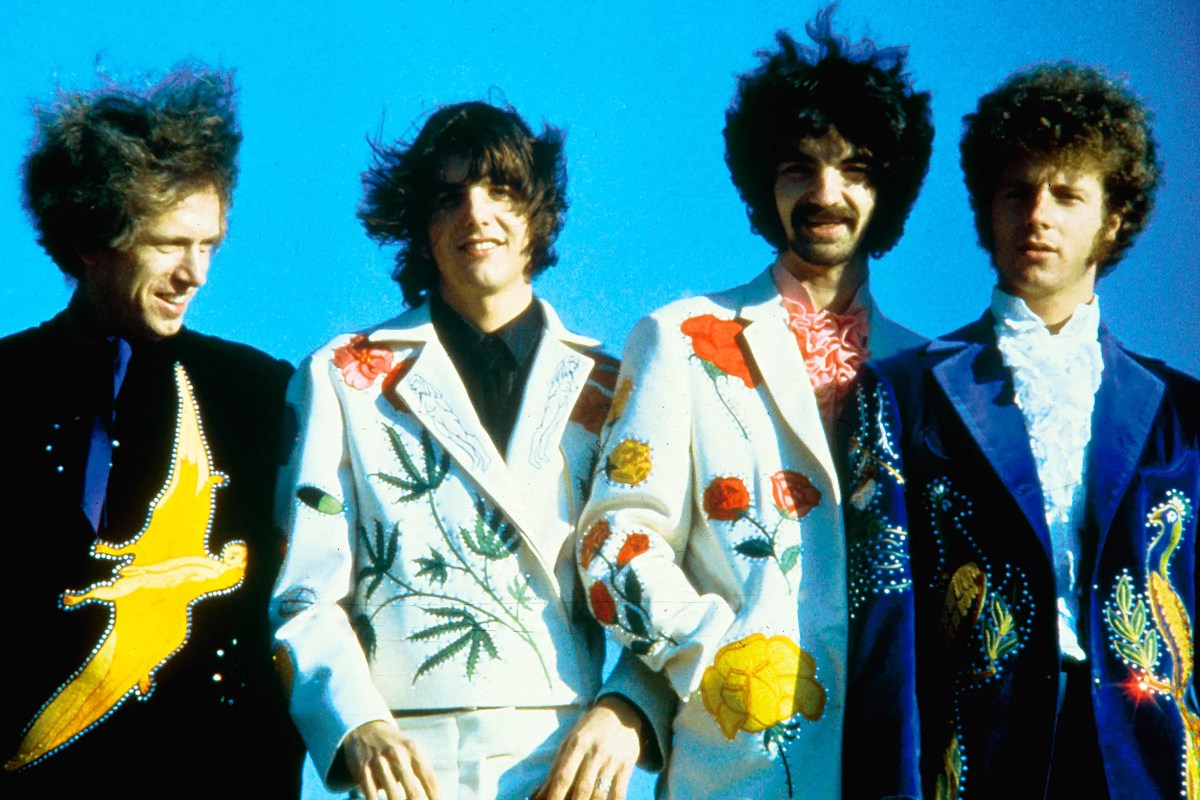
This was the opening song on the album The Gilded Palace of Sin. They didn’t ease you in… they hit you hard with this country song with rock attitude. It’s built around a cool rhythm and sharp harmonies. I like how it had a Bakersfield sound mixed with rock’s drive. It was written by Gram Parsons and Chris Hillman.
This song showed how country music could carry an edge without losing its roots. What makes it work is how natural it sounds, blending those two styles. Pedal steel in the background while the rhythm section drives like a rock band. It set the tone for the whole Burritos sound.
This song, like the album, barely made a dent in the music world of 1969. They developed a cult following upon its release that included Bob Dylan and The Rolling Stones. Over time, it turned into a blueprint for country-rock.
Christine’s Tune (Devil in Disguise)
She’s a devil in disguise You can see it in her eyes She’s telling dirty lies She’s a devil in disguise In disguise Now a woman like that all she does is hate you She doesn’t know what makes a man a man She’ll talk about the times that she’s been with you She’ll speak your name to everyone she can She’s a devil in disguise You can see it in her eyes She’s telling dirty lies She’s a devil in disguise In disguise
Unhappiness has been her close companion Her world is full of jealousy and doubt It gets her off to see a person crying She’s just the kind that you can’t do without She’s a devil in disguise You can see it in her eyes She’s telling dirty lies She’s a devil in disguise In disguise
Her number always turns up in your pocket Whenever you are looking for a dime It’s all right to call her but I’ll bet you The moon is full and your just wasting time
She’s a devil in disguise You can see it in her eyes She’s telling dirty lies She’s a devil in disguise In disguise (in disguise) In disguise (in disguise) In disguise (in disguise) In disguise
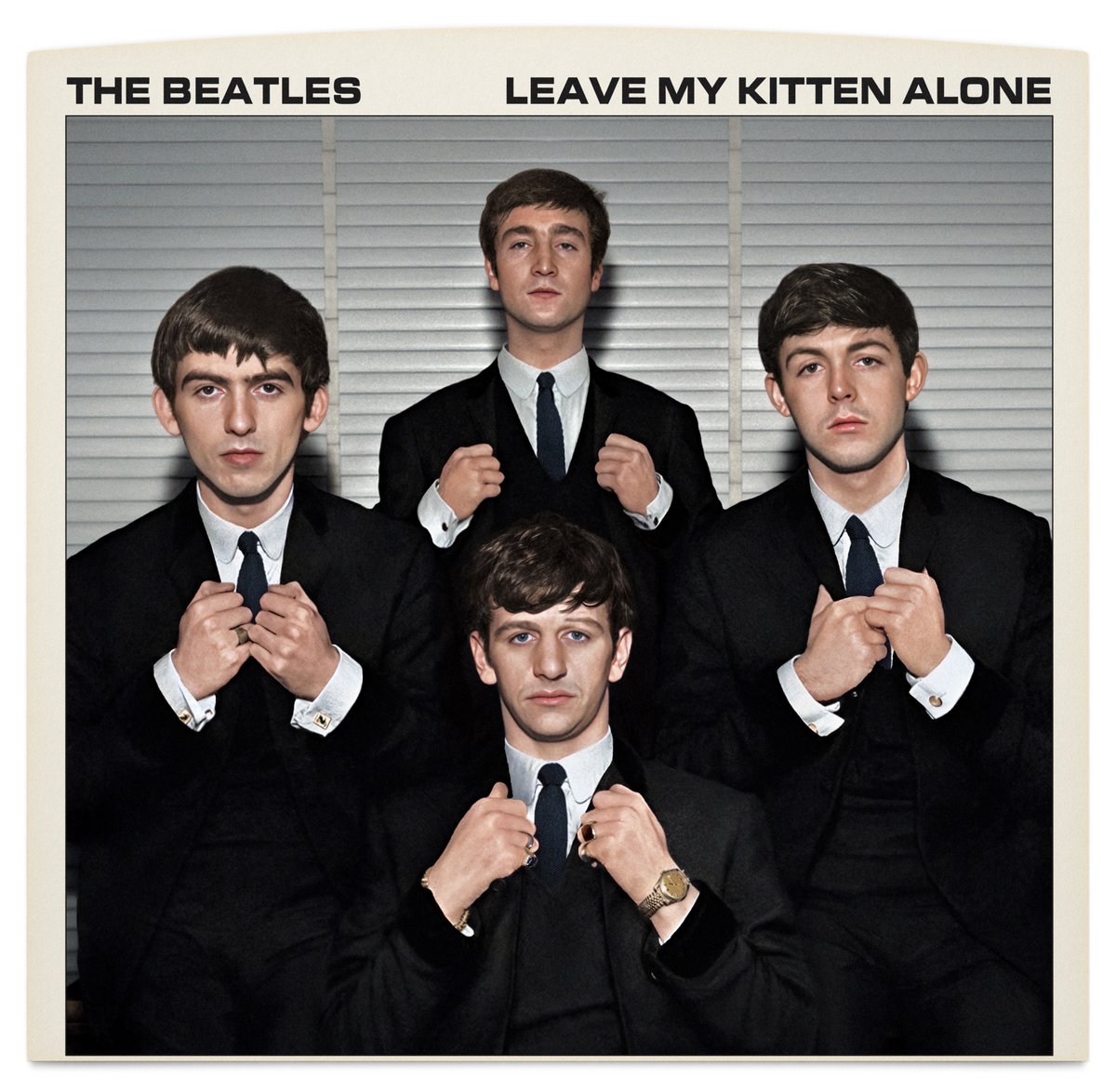
It’s one of those Beatles covers that I read about but never heard until the Anthology came out. This song belongs in their pre-early period, as far as playing it. They played this in Hamburg and The Cavern.
This was recorded during the Beatles for Sale sessions in 1964; it captures the band hard into their early rock and R&B roots. John Lennon takes the lead with a sharp vocal that cuts through the song like all of his other vocals. It’s the kind of song that feels like it could’ve torn up the stage at the Cavern Club and Hamburg. It was excluded from the album at that time.
The Beatles were huge fans of that early American R&B and rock ’n’ roll, and this one fit right into their club repertoire, tough, fast, and built to move a crowd. Their version keeps that same bite, just filtered through their Liverpool interpretation. They don’t go raw like Bad Boy (one of my favorite covers they did), but it’s good.
Beatles For Sale was made when they were just plain worn out (look at their faces above, on the album cover). Beatlemania was getting on their nerves, what nerves they had left. George Harrison said Beatlemania was an attack on their nervous system. He explained it well; he said that they didn’t change as much, but the people all around, plus the public, went nuts. They lived inside this bubble until 1966, when they finally said no more touring after that year. It was probably, in some ways, the best decision they ever made. It might have prolonged the band’s life a little.
I looked up the reason why this song was excluded from Beatles For Sale. The only thing I could find is that George Martin thought there were too many covers on the album already. I would agree with that, but why not leave off “Mr. Moonlight” instead of this? This is a totally personal opinion, but Mr. Moonlight (besides Lennon’s vocal, which is special in it) is in the top 5 of my most disliked Beatles songs, not just covers, which it is, but all Beatles songs.
They just didn’t have the time to write more originals. Everyone was waiting for “the bubble to burst” on their success, but it never did. Hell, I’m still posting about them 60 years later. They only had 8 original songs on this album, and filled out the rest with covers they did in Hamburg and Liverpool. Leave My Kitten Alone was not an original; it was written by Little Willie John, Titus Turner, and James McDougal and released in 1959 by Little Willie John.
Leave My Kitten Alone
You better leave my kitten all alone You better leave my kitten all alone Well, I told you, big, fat bulldog You better leave her alone
You better leave my kitten all alone You better leave my kitten all alone This dog is gonna get you If you don’t leave her alone
Well, Mister Dog I’m gonna hit you on the top of your head That child is gonna miss you You’re gonna wish That you were dead
If you don’t leave my kitten all alone Well, I told you, big, fat bulldog You better leave her alone
Well, alright!
Well, Mister Dog I’m gonna hit you on the top of your head That gal is gonna miss you You’re gonna wish That you were dead
If you don’t leave my kitten all alone, oh yeah Well, I told you, big, fat bulldog You better leave her alone
Hey, hey You better leave You better leave You better leave Yeah, you better leave You better leave Oh, you got to leave Yeah, hey Well, I told you, big, fat bulldog
If you want to see where we are…HERE is a list of the episodes.
We have the very lovely Cathy Lee Crosby in this episode as Helen Surtees. She runs the Max-Match Corporation, a dating service. It also had John Fiedler, whose voice is very thin and right above a whisper. His voice was probably more well-known than he was. John Fiedler voiced Piglet in Disney’s Winnie the Pooh franchise for 37 years, from 1968 to 2005. He was on Star Trek and guested on The Bob Newhart Show many times as one of Bob’s patients. George Savalas, Telly’s brother, played Demosthenes, which, funny enough, was his real middle name. A nice support from a funny Kathleen Freeman as Bella Sarkof, a matchmaker hoping to find Kolchak a wife (she may, in fact, still be waiting for Kolchak’s return call).
This episode opens with a string of murders where older men and women are found with their bodies showing signs of extreme aging in a short time. Police think it is a normal homicide case with strange medical results, but Kolchak notices that every victim had recently crossed paths with the same young person.
He uncovers records going back decades showing the same face connected to deaths. Doctors confirm the victims lost years of life in hours. Kolchak realizes the killer is not just murdering but absorbing life itself, using it to stay young. The trail leads to Max-Match.
In the final stretch, Kolchak confronts the problem and forces a showdown that reveals the truth and stops the killing. Kolchak files another report that will likely be buried, while the city moves on as if nothing unusual happened. It’s an odd episode. It has some very funny and entertaining scenes in this one, but overall, it’s not one of the top episodes.
I first heard about The Jam in the 80s, around the same time I found Big Star, The Replacements, The Clash, and REM. When I listen to The Jam, I think of the Kinks and The Who right away, and that is always a good thing.
When people talk about the British punk explosion of the late ’70s, The Jam always stand a little apart. While others were known for being abrasive and loud, The Jam drew influence from 1960s Mod culture. Paul Weller had a knack for crafting sharp, pop-infused songwriting about everyday British life. They were formed in Woking in the early ’70s by Paul Weller, bassist Bruce Foxton, and drummer Rick Buckler. The band was a trio that was tight and direct.
They went from pub stages to one of the biggest bands in Britain, leaving behind a catalog that is very strong. There is not much information on this song out there. It wasn’t on a studio album, nor was it a B-side. It was released in 1997 for the first time on their Direction Reaction Creation album, which covered all the studio albums, non-album singles, and demos. They broke up in 1982 after releasing 6 albums in all.
From what I found, it was recorded around 1978 for the album All Mod Cons, but never made the album. I’m sure that is the case because it was also included on the All Mod Cons (Deluxe Edition) that was released in 2002. They were an incredible band, being a tight full trio. Direction Reaction Creation peaked at #8, fifteen years after they broke up in 1997.
Worlds Apart
Worlds apart, you and I, we’re worlds apart
The difference between every day I can’t think of the words to say
Worlds apart, you and I, we’re worlds apart
I’ve been in some clubs where the music’s loud ‘cos I see your face in every crowd But it’s not really you
It’s like having a cold on a summers day Something ain’t right and I want you to stay You must know that
Each tongue is a world, each eye is an ocean Of every child, woman, man here in living motion Now who’ll protect us, who’ll pеrfect us Who’ll live to see the day whеn love connects us
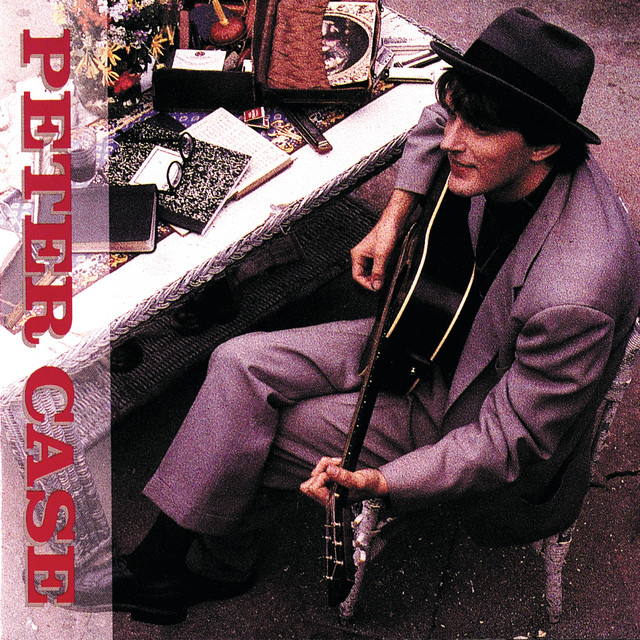
I just started to listen to Peter Case recently, although I like the Plimsouls, I never knew much about Case. This song and its history intrigued me. First of all, it’s a great song, but Case started this song by reminiscing about when he was a kid and shook hands with John Kennedy at a county fair that Kennedy had appeared at. So by total coincidence, this again fits into the book I’m reading. I had a playlist of his songs, and I heard this one, and I thought…what hand did he shake? I then read his quote about shaking hands with JFK.
He first broke out with The Nerves, a tight power pop band that was popular on the early LA power-pop scene. Though they never found major commercial success, they did have the song Hanging on the Telephone, later covered by Blondie. The Nerves showed Case’s gift for melodic songwriting and short three-minute power pop songs.
After that came The Plimsouls, who blended power pop with roots rock and harder edges. Tracks like A Million Miles Away made them cult favorites and briefly pushed them into the mainstream. The band toured constantly, but music industry pressure and burnout pulled them apart just as they were gaining traction.
This song is off of Peter’s self-titled debut album, released in 1986. The musicians he gathered, I’m a huge fan of. Roger McGuinn on his 12-string Rickenbacker, Jim Keltner on drums, Van Dyke Parks on keyboards, T-Bone Burnett producing, and acoustic guitar and more. He was on Geffen Records at the time and also released a UK EP called Steel Strings that contained many of these songs. He also released another EP called Selections from Peter Case. That one had two different versions of the song Steel Strings on it.
The album was largely recorded live in the room, with players reacting to each other instead of building tracks layer by layer. I say this a lot in my reviews, but it’s true in this case as well. The band played to each other, and there were minimal overdubs. He kept small imperfections that made the performances feel real. The goal wasn’t to overproduce the album; it was to capture the way these songs worked when he played them alone or in small rooms.
He has been productive as a solo artist. 14 studio albums, 4 EPs, 3 compilations, and 11 singles. A tribute album was also released in 2006, A Case for Case, with various artists.
Peter Case: I wrote this one in 1984, on the Amtrak train down to San Antonio, where I was meeting the rest of the Plimsouls to start a tour. It’s about meeting JFK on his trip to the Erie County Fair, when I was five, though I was also thinking about MLK and RFK.
I Shook His Hand
I was a kid out behind the fair His words were like lightning in the summer air His eyes were wild with the truth he told Holding back the rain while the thunder rolled
I was too young to understand I was proud to say I shook his hand
He took command on a winter’s day All across the land, spring was on its way He struck fear into the hearts of fools Breaking up the gangs, breaking all their rules
Too young not to understand I was proud to say I shook his hand
Each tongue is a world, each eye is an ocean Of every child, woman, man here in living motion Now who’ll protect us, who’ll pеrfect us Who’ll live to see the day whеn love connects us Who’ll take a step out in this land I’ll be proud to say I shook his hand I shook his hand, well I shook his hand
For years they tried to kill him, he finally died I still remember how I felt when my mama cried I grew up with a bullet in my breast If you knew it or not, so did all the rest
I’ve posted a few of Sahm’s tracks in the past 4-5 months. I was inspired this time to post again. I have been reading 11.22.63 by Stephen King, and it’s about a man who was told about a time portal that takes you to September 9, 1958. He walked through and was going back to stop Oswald from killing JFK if Oswald was the one. The book is interesting because of the time he has to kill between 1958 and 1963, and the side trips he takes.
One of them is in Texas in a fictional town called Jodie. He is at a picnic, and this is the paragraph that caught my attention: I got my beer in a paper cup and walked closer to the bandstand. The kid’s voice was familiar. So was the keyboard, which sounded like it desperately wanted to be an accordion. And suddenly it clicked. The kid was Doug Sahm, and not so many years from now he would have hits of his own: “She’s About a Mover” for one, “Mendocino” for another. That would be during the British Invasion, so the band, which basically played Tejano rock, would take a pseudo-British name: The Sir Douglas Quintet.
Hey, inspiration may come from anywhere for a post. After reading that…I’ve been in a Doug Sahm mood. The recording blends country, soul, and Texas rhythm in a way that was natural for Sahm. The groove leans on a steady beat, light horns, and a melody that sticks without trying too hard. It came out during a period when he was working under his own name after years with Sir Douglas Quintet, and it showed how easily he could move between styles. The song had crossed over to country charts and pop audiences, which wasn’t common at the time.
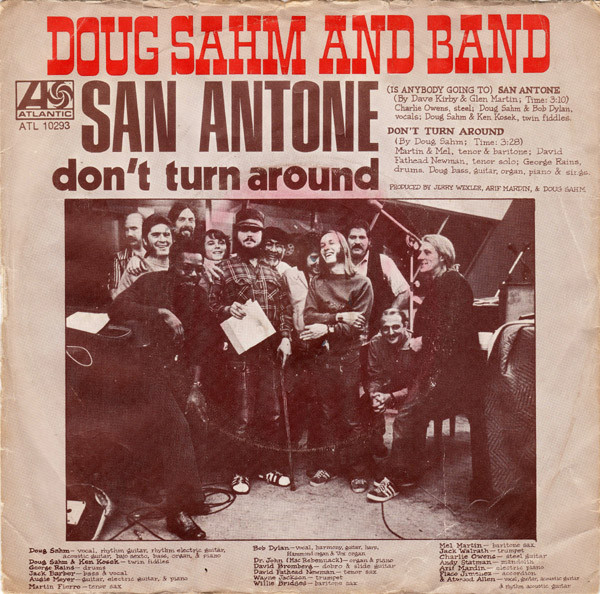
You may remember the version by Charley Pride that peaked at #1 on the Country Charts in 1970. Sahm recorded this for his 1973 album Doug Sahm and Band. Something about Sahm’s version just sounds so authentic that I had to post his version. That is something about Sahm I’ve realized, everything he does sounds authentic. It was written by Glenn Martin and Dave Kirby. The first version was by Bake Turner in 1970.
Doug Sahm and Band peaked at #125 on the Billboard Album Charts and #54 in Canada in 1973. This is another artist where the charts don’t tell the story. His albums are accessible and are full of good songs.
Is Anybody Goin’ to San Antone
Rain drippin’ off the brim of my hat It sure is cold today Here I am walkin’ down 66 Wish she hadn’t done me that way
Sleepin’ under a table in a roadside park A man could wake up dead But it sure seems warmer than it did Sleepin’ in our king-sized bed
Is anybody goin’ to San Antone Or Phoenix, Arizona? Any place is alright as long as I Can forget I’ve ever known her
Wind whippin’ down the neck of my shirt Like I ain’t got nothin’ on But I’d rather fight the wind and rain Than what I’ve been fightin’ at home
Yonder comes a truck with the U.S. Mail People writin’ letters back home Tomorrow, she’ll probably want me back But I’ll still be just as gone
Is anybody goin’ to San Antone Or Phoenix, Arizona? Any place is alright as long as I Can forget I’ve ever known her



 PowerPop... An Eclectic Collection of Pop Culture