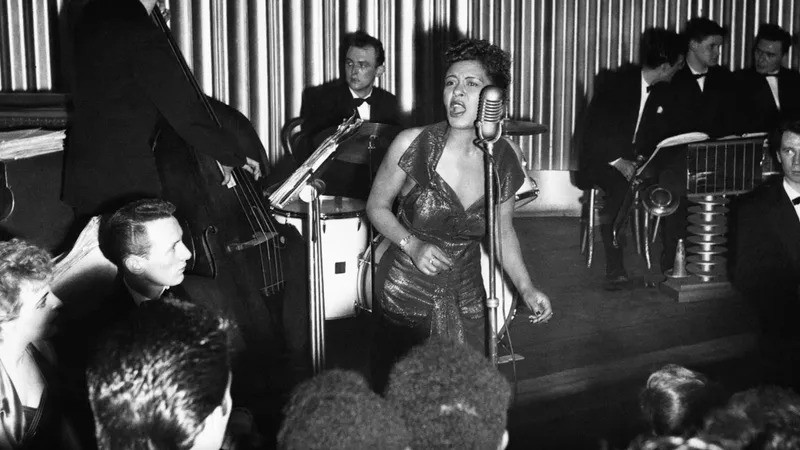
I’m not a huge jazz aficionado, but sometimes it hits the spot. On Christian’s blog on Sundays, he usually features a jazz song on his Sunday Six. I often enjoy that more than the rock songs. I was looking through YouTube, and I instantly fell for this song. I picture a smoky black and white bar at 3am in the 40s or 50s, with Holiday giving her all for each song.
I’ve heard other versions of this song, and some are slick and radio-friendly. Holiday’s is not slick, it’s real and as close to authentic as you can get. What I hear in this song is a weariness in Billie’s voice that feels older than the song itself. She doesn’t belt it, and she doesn’t show off. She just leans into the melody like someone savoring the last dance of the night.
When I listen to her songs, I have a feeling like I’m eavesdropping on something intimate. Only a few singers have made me feel that way; she will always be special. In this song, she gave pain a voice, and it’s still being felt.
This song was released in 1936 and peaked at #11 on the Billboard Hot 100. One stat that I found floored me. Out of the 38 singles she released, 35 of them were in the top 20. It was written by Ralph Rainger and Howard Dietz in 1929. popularized in the revue The Little Show, where it was sung by Libby Holman. It’s been covered 66 times by artists such as Dinah Shore to Hot Sugar Band & Nicolle Rochelle in 2020.
The live version below is near the end of her tragically short life, but like always, she gives her all.
Moanin’ Low
Moanin’ low, my sweet man, I love him so Though he’s mean as can be He’s the kind of man needs the kind of a woman like me
Gonna die if my sweet man should pass me by If I die where’ll he be He’s the kind of a man needs the kind of a woman like me
Don’t know any reason why he treats me so poorly What have I gone and done? Makes me troubles double with his worries When surely, I ain’t deserving of none
Moanin’ low, my sweet man is gonna go When he goes, oh Lordy He’s the kind of a man needs the kind of a woman like me
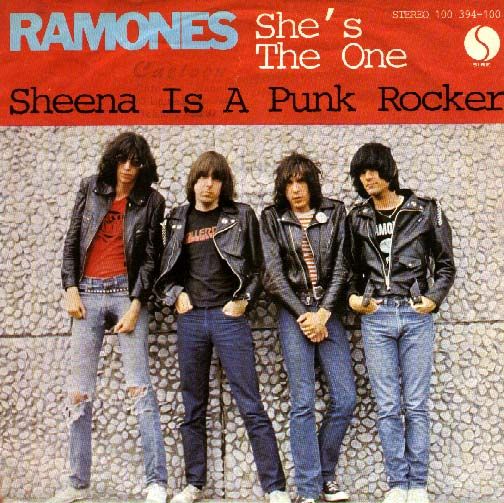
I so love the Ramones. They cut through the BS and got down to business. No solos, no lengthy anything…just songs that rock and leave you wanting more. This song peaked at #81 on the Billboard 100 and #22 in the UK in 1977. This was supposedly the first punk song in the Billboard 100. This was the sound of punk going pop, and not in the sellout sense. It would become one of their most popular songs.
If you were standing outside CBGB in the summer of 1977, the street noise wasn’t just the usual loud feedback anymore; it had a melody with the Ramones. They had a lot of influences, but one of them was Bubblegum rock, and it shows. Most of their songs are very catchy.
This song was Joey Ramone’s attempt to write a 1960s-style teenage rebellion song for the late 1970s crowd, and he nailed it. The name was borrowed from Sheena, Queen of the Jungle, a pulp heroine with a loincloth and a machete. But in the Ramones’ world, she trades her safari clothes for a leather jacket and heads to the rock clubs.
Tommy Ramone helped produce this track. He is credited on the album under his real name, Tommy Erdelyi. They were more popular years after they broke up than they were when they were together. It’s a shame they didn’t get as popular when they were a working band.
Joey Ramone: “‘Sheena Is A Punk Rocker’ first came out as a single. I played it for (Sire Records President) Seymour Stein. He flipped out and said ‘We gotta record that song now.’ It was like back in the ’50s; you’d rush into the studio because you thought you had a hit, then put it right out. To me ‘Sheena’ was the first surf/punk rock/teenage rebellion song. I combined Sheena, Queen of the Jungle with the primalness of punk rock. Then Sheena is brought into the modern day: ‘But she just couldn’t stay/she had to break away/well New York City really has it all.’ It was funny because all the girls in New York seemed to change their name to Sheena after that. Everybody was a Sheena.”
Sheena Is A Punk Rocker
Well the kids are all hopped up and ready to go They’re ready to go now they got their surfboards And they’re going to the discotheque Au Go Go But she just couldn’t stay she had to break away Well New York City really has is all oh yeah, oh yeah
Sheena is a punk rocker Sheena is a punk rocker Sheena is a punk rocker now Sheena is a punk rocker Sheena is a punk rocker Sheena is a punk rocker now Well she’s a punk punk, a punk rocker Punk punk a punk rocker Punk punk a punk rocker Punk punk a punk rocker
Well the kids are all hopped up and ready to go They’re ready to go now they got their surfboards And they’re going to the discotheque Au Go Go But she just couldn’t stay she had to break away Well New York City really has is all oh yeah, oh yeah
Sheena is a punk rocker Sheena is a punk rocker Sheena is a punk rocker now Sheena is a punk rocker Sheena is a punk rocker Sheena is a punk rocker now Well she’s a punk punk, a punk rocker Punk punk a punk rocker Punk punk a punk rocker Punk punk a punk rocker
Sheena is a punk rocker Sheena is a punk rocker Sheena is a punk rocker now Sheena is a punk rocker Sheena is a punk rocker Sheena is a punk rocker now Sheena is a punk rocker Sheena is a punk rocker Sheena is a punk rocker now
Well this finishes up my solo Beatles favorite songs. We had George, John, and Paul, and now last but not least…Mr Richard Starkey or Ringo Starr, whichever way you want to go. John Lennon was initially worried about Ringo when the Beatles broke up. He wondered how Ringo would make his way…he needed not to worry. In the early seventies, he had more hits than John or Paul did at that time. Plus, Ringo found a career in acting.
Lennon jokingly sent a telegram to Ringo after the success of the Ringo album and said, “Congratulations. How dare you? And please write me a hit song.”
Before I get on with the list. Ringo has had some really good songs on albums since the 1980s, but these I grew up with and are forever linked to him. Also now drummers and many other people are coming around to see just how great a drummer Ringo is.
Back Off Boogaloo – Many think a few of the verses are about Paul, and at this time, I can see that. Paul was suing the other Beatles, which turned out to be a good thing for all parties except Allen Klein. It was inspired by Marc Bolan because he frequently used the word “Boogaloo,” which stuck with Ringo.
2. Oh My My -This is an overlooked Ringo song that is really good. I had this single as a kid from a cousin. The song was on the 1973 Ringo album, which was his most successful album. Three of his former bandmates helped contribute to this album. It contained Photograph, You’re Sixteen, and this one, which were hits. Ringo and Vini Poncia wrote this one.
3. It Don’t Come Easy – A great pop single that fits Ringo’s voice perfectly. If you dig on YouTube, you can hear a version in which George Harrison sings. George Harrison is on guitar, Gary Wright on piano, Mal Evans on tambourine, and Pete Ham and Tom Evans from Badfinger on backup vocals. Klaus Voormann, a Hamburg fan, plays bass. It was credited to Ringo and George Harrison.
4. Photograph – Photograph and It Don’t Come Easy were probably the best straight-out pop singles Ringo released, and they are both excellent AM radio hits. George Harrison and Ringo wrote this one.
5. Early 1970 – Why is this song so high on my list? It’s a Ringo written song, and he has verses about each of the Beatles. Is it technically a great song? No, but it has a lot of meaning behind it, and it shows where Ringo was with the other Beatles at this time. He was really close to George, a friend to John, and with Paul, it was up in the air.
The first verse is about Paul… he talks about his farm, and his new wife Linda, and Paul was very quiet around this time and he stopped coming to Apple. He also told Ringo to get out of his house when Ringo delivered a message from the 3 Beatles for McCartney to delay releasing his debut album because of Let It Be releasing at the same time. They finally gave in to Paul. Ringo was wondering if Paul would play music with him when he came by again. And when he comes to town, I wonder if he’ll play with me.
The second verse is about John. Ringo sings about John and Yoko doing the bed in, and what I thought was “Cocaine” as a kid was really a lesser drug…”Cookies.” He also references Yoko with “With his mama by his side, she’s Japanese.” At the end of the verse…unlike Paul, he knows John will play music with him. And when he comes to town, I know he’s gonna play with me.
The third verse is about George. Ringo and George were extremely close in the Beatles and afterward. Things did pop up between them through the years but they remained friends. He describes George in the first line, Pattie Boyd Harrison in the second, and George’s famous mansion Friar Park in the 3rd. Ringo and George wrote together, and George hung out with Ringo more than the other Beatles. He’s a long-haired, cross-legged guitar picker, um-um. With his long-legged lady in the garden picking daisies for his soup. A forty acre house he doesn’t see, ‘Cause he’s always in town playing for you with me.
6. No No Song – Ok…it’s a pure novelty song but…it’s Ringo. If John, Paul, or George had done this, it wouldn’t be in my top 100…but…again…it’s Ringo. He can get by with it. This was the last of his big hits in America. This one was by Hoyt Axton.
7. Your Sixteen – I had his single as a kid…another one off of the Ringo album. The Ringo album is almost Ringo’s Greatest Hits.
8. Only You – Ringo did a nice cover of this song.
9. I’m The Greatest – Lennon wrote this one for Ringo as well. It was on the huge Ringo album. Lennon knew he could not get by with singing this.
10. Grow Old With Me – John Lennon wrote this song for Ringo, but Ringo waited until 2019 to do it because John gave it to him right before he was murdered.
I had another Ry Cooder song written up and scheduled to go today, but in a conversation, halffastcyclingclub played me this song while we were talking about something else. I decided to try to write this one up for Sunday. I love the spirit and soulfulness of this song. I’ll post the other Cooder song soon. Halffastcyclingclub posted this song on Ry Cooder’s 75th Birthday here.
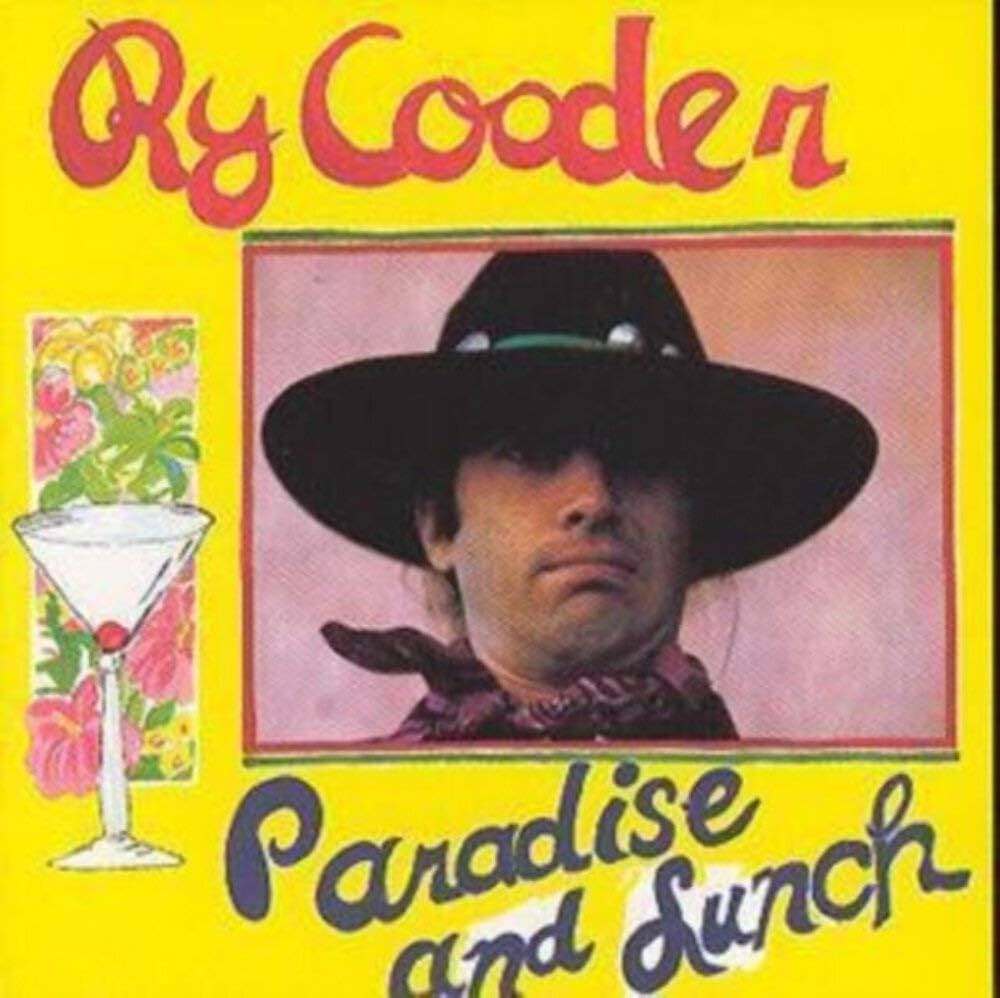
This song was on his 1974 Paradise and Lunch album. This isn’t a solo showcase or a guitar clinic. Cooder doesn’t treat roots music like a museum exhibit; he has fun with it. You can hear the respect, but you can also hear the joy. It’s a song that, after a minute, I fell in love with.
He sent me the live version, which I would recommend. It’s an old spiritual, passed down and passed around, sung in churches and on chain gangs, more often associated with Sunday salvation. The writer of this beautiful song is unknown, but has been in the American folk and gospel circles for years. Mavis Staples also did a great version of this one. Cooder’s version is almost like a tent revival crossed with a Muscle Shoals jam session.
Cooder’s guitar is wonderful as always in this, but his voice lifts the whole thing skyward with that gospel chorus. This is the kind of song that you don’t just listen to, you get in and ride with it. The album peaked at #174 on the Billboard Album Charts in 1974.
Jesus On The Mainline
I know Jesus is on that mainline Tell Him what you want Jesus is on that mainline Tell Him what you want Jesus is on that mainline Tell Him what you want Call Him up and tell Him what you want
Well, the line ain’t never busy Tell Him what you want Wo, that line ain’t never busy Tell Him what you want Well, the line ain’t never busy Tell Him what you want Keep on calling Him up And tell Him what you want
Well, if you want His kingdom Tell Him what you want If you want His kingdom Tell Him what you want If want His kingdom Tell Him what you want Call Him up, call Him up, call Him up, call Him up You can call Him up and tell Him what you want Well, if you’re sick and want to get well Tell Him what you want Well, if you’re sick and you want to get well Tell Him what you want If you’re sick and you want to get well Tell Him what you want Call Him up and tell Him what you want
And if you’re feeling down and out Tell Him what you want And if you’re feeling down and out Tell Him what you want And if you’re feeling down and out Tell Him what you want Call Him up and tell Him what you want
I know Jesus is on that mainline Tell Him what you want Jesus is on that mainline Tell Him what you want Jesus is on that mainline Tell Him what you want Call Him up, call Him up, call Him up, call Him up Call Him up and tell Him what you want
Hooker only needed a guitar and that voice to make any song interesting. If you ever needed proof that less really is more, play this song.
There’s a reason John Lee Hooker didn’t need a band on this song. He was the band. A one-man rhythm machine with a foot that kept better time than some drummers I’ve seen on stage. In a way, this song is blues stripped to its bones. No solos. No pyrotechnics. Just mood, repetition, and that unmistakable voice. He doesn’t shout to get your attention; he commands, and you come running.
The song was recorded in Detroit, Michigan, where Hooker had relocated in the late 1940s. It was released in 1951 on Modern Records. It features Hooker on guitar and vocals, accompanied by minimalistic instrumentation.
He was fresh off the success of Boogie Chillen, and while that earlier hit was electric blues, this song was something different; smokier and more intimate.
This 1951 song was his first R&B #1 since Boogie Chillen in 1948. It also peaked at #30 on the US Hot 100 that year. It was a hit in the juke joints and on jukeboxes. It made people lean in, not turn up. And it cemented Hooker’s place as something far more than a bluesman.
I’m In The Mood
I’m in the mood, baby I’m in the mood for love I’m in the mood, baby I’m in the mood for love I’m in the mood, in the mood Babe, I’m in the mood for love
I say, nighttime is the right time, to be with the one you love You know when the night come, baby got no use so far away
I’m in the mood I’m in the mood, babe I’m in the mood for love I’m in the mood, in the mood, baby In the mood for love
I said, yes my mama told me, “Don’t leave that girl alone” But my mama didn’t know, God know, yeah, I wouldn’t put it down
I’m the mood I’m in the mood, baby, mood for love I’m in the mood, I’m in the mood Babe, in the mood for love
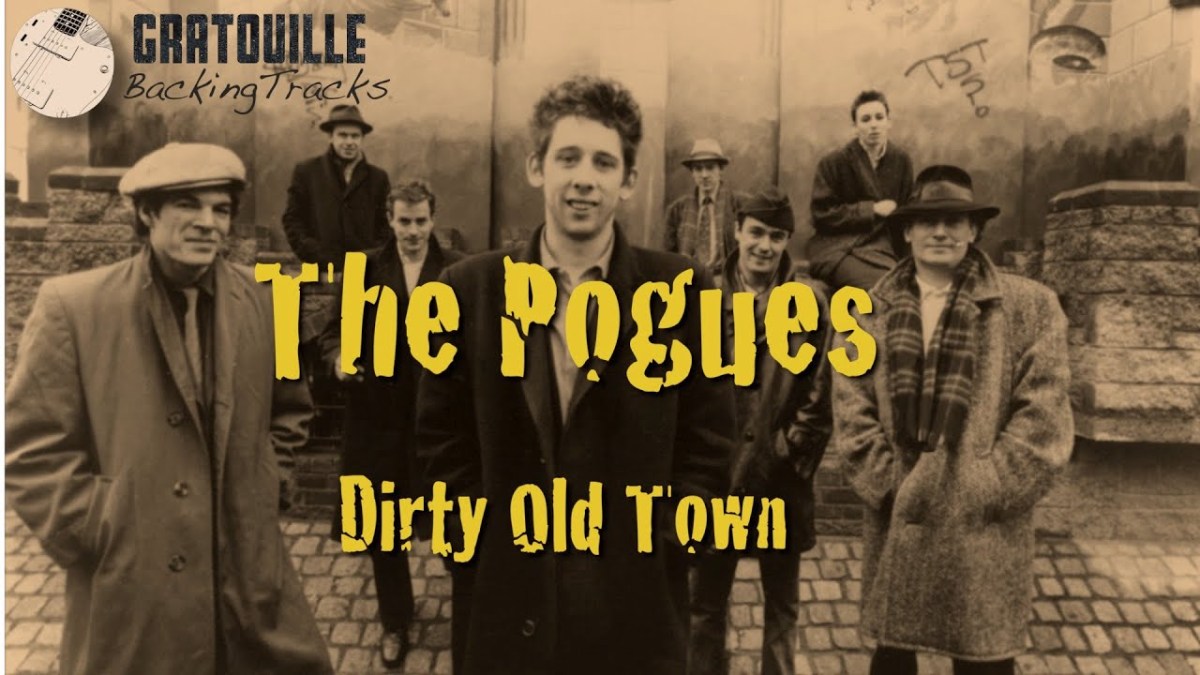
It’s always a pleasure listening to their music. I guess the Waterboys primed me for this band. This song is more bare bones, which I really like. You can smell the smoke and feel the soot in this song.
I thought for sure that Shane MacGowan wrote this one, but no, it was folk singer Ewan MacColl, the father of Kirsty MacColl. It was written back in 1949. Kirsty entered the Pogues’ orbit two years later with the timeless Fairytale of New York.
The Pogues’ version on their 1985 album Rum Sodomy & the Lash is sparse and haunting. With this song, they tapped into something universal: every working-class kid’s longing to burn the place they grew up in, even if they love it too much to leave. The song is about Salford, a city in Greater Manchester, England, but after the Pogues were done with it, it could have been about Pittsburgh or anywhere else.
Where other bands might have polished the song into oblivion, the Pogues played it rustic, and it works. This isn’t a punk song in sound, but it is in spirit. When MacGowan sings these dismal lyrics, you believe every word. The song peaked at #27 in Ireland and #62 in the UK. The album peaked at #13 in the UK, and #17 in New Zealand in 1985.
Dirty Old Town
I met my love by the gas works wall Dreamed a dream by the old canal I kissed my girl by the factory wall
Dirty old town Dirty old town
Clouds are drifting across the moon Cats are prowling on their beat Spring’s a girl from the streets at night
Dirty old town Dirty old town
I heard a siren from the docks Saw a train set the night on fire I smelled the spring on the smoky wind
Dirty old town Dirty old town
I’m gonna make me a good sharp axe Shining steel tempered in the fire I’ll chop you down like an old dead tree
Dirty old town Dirty old town
I met my love by the gas works wall Dreamed a dream by the old canal I kissed my girl by the factory wall
Dirty old town Dirty old town Dirty old town Dirty old town
Ever since I heard his growling voice singing the Devil with the Blue Dress On / Good Golly Miss Molly medley, I’ve been a fan of Mitch Ryder. Even his name is cool. He has released more than 25 albums as a solo artist and with the Detroit Wheels. He was born William Sherille Levise Jr. Outside of the medley, I didn’t know much about him, so I spot listened to his songs on albums through the years. He gives a big variety to pick from and some catchy songs.
This should have been a classic rock song from the ’80s. It doesn’t get played much, but it sounds great, and it captures both the producer’s and Mitch’s sound. The producer of this song was John Mellencamp. John was influenced by Mitch, along with Bob Seger and Bruce Springsteen. It was written by Keith Sykes in 1980 and has been covered by George Thorogood and the Destroyers as well. I do remember hearing this song in the early eighties, as it got some play here in Nashville.
Lyrically, the song is about making it or wanting to make it. Ryder doesn’t use a metaphor here. He spells it out, literally, because that’s what ambition sounds like when you’re clawing your way up from a bar stage to something bigger. It was on the 1983 album Never Kick a Sleeping Dog at the height of Mellencamp’s career. At times in rocking songs, and I’m going to use a phrase I read some critic use years ago, his voice sounded like sandpaper dipped in gasoline. I mean that in the best way.
He also does a cover of Prince’s When You Were Mine, and Mitch owns it. I have included the video of that one from MTV. Great song as well.
B.I.G. T.I.M.E.
Well when you hear the bell it’s nine o’clock That’s the time when you start to rock Gonna push the hair up outta my face We gonna rock the rafters right offa this place
Yeah, it’s alright You and me Yeah, we gonna have a B.I.G.T.I.M.E
Goin’ out tonight we gonna rock, rock, rock And we don’t care if they call the cops, ha ha Gonna get my girl we gonna dance dance dance And later go home and make romance
Yeah, it’s alright You and me Yeah, we gonna have a B.I.G.T.I.M.E
Yeah, it’s alright You and me Yeah, we gonna have a B.I.G.T.I.M.E
Well, my mama told me when I left home She said “Boy you were born to roam But you better remember just one thing, son You gotta always try to have some fun.” See upcoming pop shows Get tickets for your favorite artists
You might also like Be Bop Grandma George Thorogood & The Destroyers As Long as I Have You George Thorogood & The Destroyers Bad to the Bone George Thorogood & The Destroyers
So, it’s alright You and me Yeah, we gonna have a B.I.G.T.I.M.E
Great documentary about motorcycle racing of all kinds. I still drool over these vintage motorcycles. For the early seventies, it gives you some fantastic footage of what it was like racing on a motorcycle.
I love documentaries, but I wasn’t sure this one would interest me…but it did. I’m not a motorcycle guy, and I only rode some when I was a teenager, but this 1971 documentary kept me glued. I would recommend this to anyone, young or old. The longer I watched, the more I got hooked.
Steve McQueen is in this film, and he helped finance it because he believed in it so much. He is not in it a lot, but he was a gearhead. It was made by Bruce Brown, the same filmmaker who made “Endless Summer,” an excellent documentary about Surfing. Again, I’m not a surfer by any means, but it was also very interesting. I saw the surfing one first, and I got hooked, so I went to this one. It swapped out surfboards for motocross bikes, waves for dirt trails, and sandy blond beach bums for sunburned gearheads with calloused hands and battered helmets.
This film follows about every kind of motorbike competition you can think of… it centers on off-road competition rather than road riding. While Steve McQueen was the draw and provided a lot of the backing to the film, the two main motorcyclists they follow are today’s leaders in their field. The two were Mert Lawwill and Malcolm Smith.
Mert was one of the early pioneers in the off-road bicycling world, having introduced the first production mountain bike. He also developed prosthetic limbs for amputees.
Malcolm owns a dealership and runs Malcolm Smith Racing, a producer of off-road rider equipment. Smith was inducted into the Off-road Motorsports Hall of Fame in 1978, the Motorsports Hall of Fame of America in 1996, and the Motorcycle Hall of Fame in 1998.
I gained a lot of respect for these men who gave their lives to this sport they loved. They traveled around the country with broken vehicles, raced with broken arms and backs to do something they loved without much pay. Brown didn’t over-explain anything. He just showed it. And that’s the charm. On Any Sunday, it doesn’t try to sell you the sport; it invites you to ride with them.
This documentary helped change the image of motorcyclists. There was a “sequel” to this documentary called On Any Sunday: The Next Chapter in 2014.
After watching it, I wanted a motorcycle really bad…But I let the thought pass by and got a Jeep instead.
The most commercially successful of the Beatles. Paul was so blessed with huge musical talent. Undoubtedly, he was the most talented musician in the Beatles. That’s not to say he hasn’t written some bad songs, but as a musician, he could have played with anyone. There is a story that Miles Davis and Jimi Hendrix wanted to collaborate on a project and attempted to recruit Paul on bass.
He has had so many hits that it would be impossible to not leave one off. Paul is known for his pop hits, but when the mood struck, he could rip out rock and roll with the best of them. I always liked it when Paul would write something with loud guitars. In a stretch in the early 70s, he had quite a few of them. One of them I liked but didn’t make this list was Hi, Hi, Hi.
Junior’s Farm – This one doesn’t get played as much as some others, but it’s my favorite Paul song.
Let Me Roll It – I always thought this one could have been written and performed by John Lennon.
3. Band On The Run – One of Paul’s masterpieces. He pretty much stuck 3 short songs together on this, like he did on Abbey Road.
4. Picasso’s Last Words (Drink To Me) – The Spanish artist Pablo Picasso died at the age of 91 on April 8, 1973. News of his passing reached Paul McCartney when he was in Jamaica.
While having dinner there with Paul McCartney, Dustin Hoffman told the story of the death of Pablo Picasso and his famous last words, “Drink to me, drink to my health. You know I can’t drink anymore.” Picasso then went to bed and died in his sleep.
Paul had a guitar with him and immediately played an impromptu chord progression while singing the quote. Thus, “Picasso’s Last Words” was born, later recorded and added to the album Band On The Run in 1973. Hoffman later said of Paul writing the song in front of him, the experience was “right under childbirth in terms of great events of my life.”
5. Sally G -I’ve always liked B-Sides… Let’s listen to some Liverpudlian Country Music. I cannot hear this song without thinking of my grandmother. Her name was Sally, and yes, her last name started with G. She lived to the ripe old age of 96.
6. Nineteen Hundred and Eighty Five – This song was on arguably McCartney’s best album, Band On The Run. It didn’t chart, but it was released as the B side to the song Band on the Run, and it was played quite a bit on the radio. One of my favorite McCartney album tracks.
Nineteen Hundred And Eighty-Five was never performed live by Wings, and only became part of McCartney’s live set in 2010.
7. Uncle Albert/ Admiral Halsey – I remember hearing this before I knew who Paul McCartney was…it was unbelievably catchy, but I had no clue what it was about…still don’t.
Paul combined pieces of various unfinished songs to create this… in the later years of The Beatles, he helped do this for the Abbey Road Medley. As a result, Uncle Albert – Admiral Halsey contains 12 different sections over the course of its 4:50 running time.
8. Jet – It was a terrific single…I like the B side (Let Me Roll It) more, but I love this song. Tony Visconti, who did a lot of production work for David Bowie and Thin Lizzy, did the orchestration on this song.
9. Listen to What the Man Said – It’s far from his best song, but it’s a good pop hit. It was recorded for the album Venus and Mars. It was a song that McCartney had high hopes for, but early recordings did not live up to the song’s potential. The missing ingredient was Jazz musician Tom Scott’s sax solo. They ended up keeping the first take that Tony Scott played on.
10. Maybe I’m Amazed – I’ve always liked the original version of this song the best. The studio version of this song was never released as a single (no tracks on the album were), but it is one of the most remembered songs on McCartney’s first solo album McCartney. “Maybe I’m Amazed” was written in 1969, just after The Beatles broke up, about Linda.
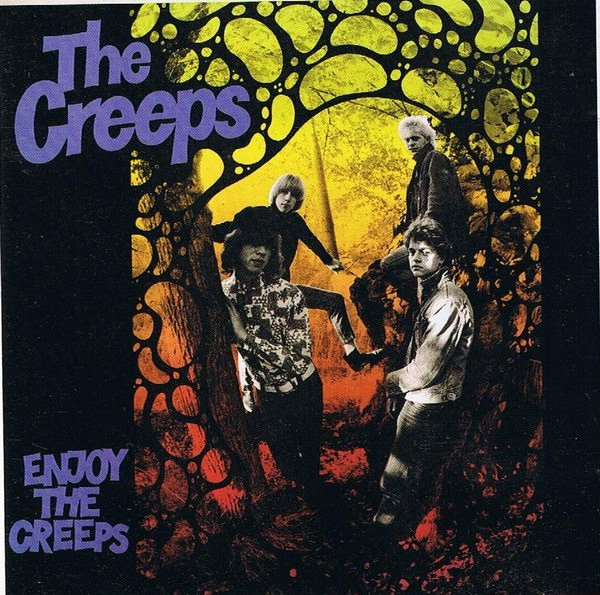
Four years ago, I posted a song by this band that I have loved ever since. It’s called Down At The Nightclub (I’m including it as well at the bottom). It was during the mid-1980s, and I so wish I knew about them then. This would have been what I would have listened to rather than the Top 40 in 1986. This is one band I found that I keep coming back to.
They were fueled by Vox amps and a steady diet of Nuggets and Stax singles. This Swedish band is one of those rare bands you stumble across on a late-night college radio show. It’s the kind of band that never broke into the mainstream but somehow managed to bottle a sound so cutting that it demands rediscovery every few years.
In the mid-’80s, while the rest of the world was drowning in synths and drum machines, The Creeps doubled down on garage soul. It’s a reminder that sometimes, all you really need is a fuzz pedal, an organ, and a chorus you can shout at the top of your lungs.
This song is on their debut album, Enjoy The Creeps, and it was released in 1986. Critics have said that they never managed to translate the excitement of their live show to records, but this one is an exception. They released it on a small label named Tracks on Wax, which was a Swedish Garage Rock label in the 80s.
They formed in Sweden in 1985. They were influenced heavily by the Animals and Yardbirds, Robert Jelinek (vocals, guitar), Hans Ingemansson (Hammond organ), Anders Olsson (bass), and Patrick Olson (drums). Whenever I think of music from Sweden, I think of Abba… This is not Abba by any stretch of the imagination.
After a few years, the band dropped the dirty sound of their debut album and went more for an ’80s funk dance sound.
Here is the song I posted earlier…Down in the Nightclub which is one of my favorite 1980s songs.
Yes, I wish that for just one time you could stand inside my shoes, You’d know what a drag it is to see you
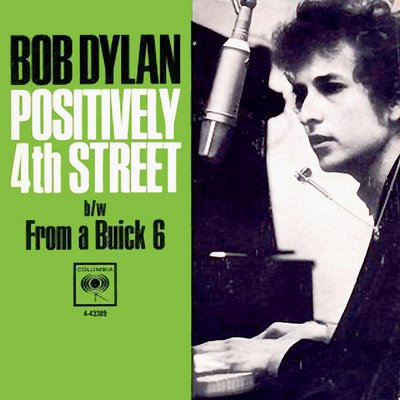
This song sent me down the path of being a Dylan fan. The raw, angry, emotional way Dylan spits out the lyrics sounds true. There’s no chorus. No bridge. Just verse after verse of contempt, all wrapped in a breezy organ and guitar.
The song never lets up…Bob just keeps hammering away at someone relentlessly. The song was rumored to be about people rather than one person. We will probably never know because I don’t see Dylan opening up about it. I always thought of this song as the sister song to Like a Rolling Stone. It, in fact, was the follow-up song to Like A Rolling Stone. It was a stand-alone single.
But where Like A Rolling Stone is grand and sweeping, this song is really petty in the best possible way. This is a man lashing out at a specific circle of coffeehouse artists and Greenwich Village gatekeepers, likely in the folk community that once kissed his feet but now curses his loud amplifiers.
The beauty of this song is that it’s a protest song, but a personal one. It’s about betrayal, the smiling face that masks a knife in the back. It’s a story as old as you can get, and sung by a guy who was about to leave the folk scene in the rearview mirror.
There is a kind of glee to be had in hearing Dylan go full scorched-earth. This isn’t peace-and-love Bob, or even cryptic-poet Bob. This is “I-know-you-and-I-see-right-through-you” Bob. He’s less interested in making sense than in making you squirm. It’s brutal.
The song peaked at #1 in Canada, #7 on the Billboard 100, and #8 in the UK in 1965.
Positively 4th Street
You’ve got a lotta nerve to say you are my friend When I was down you just stood there grinnin’ You’ve got a lotta nerve to say you got a helping hand to lend You just want to be on the side that’s winnin’
You say I let you down, ya know its not like that If you’re so hurt, why then don’t you show it? You say you’ve lost your faith, but that’s not where its at You have no faith to lose, and ya know it
I know the reason, that you talked behind my back I used to be among the crowd you’re in with Do you take me for such a fool, to think I’d make contact With the one who tries to hide what he don’t know to begin with?
You see me on the street, you always act surprised You say “how are you?”, “good luck”, but ya don’t mean it When you know as well as me, you’d rather see me paralyzed Why don’t you just come out once and scream it
No, I do not feel that good when I see the heartbreaks you embrace If I was a master thief perhaps I’d rob them And tho I know you’re dissatisfied with your position and your place Don’t you understand, its not my problem?
I wish that for just one time you could stand inside my shoes And just for that one moment I could be you Yes, I wish that for just one time you could stand inside my shoes You’d know what a drag it is to see you
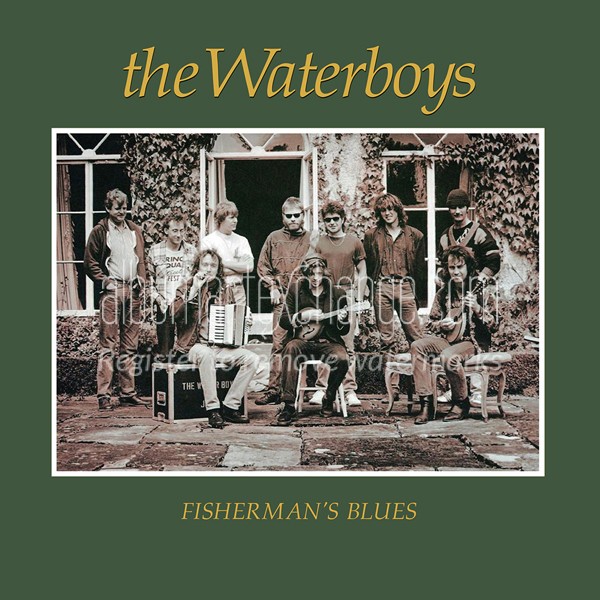
I’ve listened to this album before, but this week I had it on constantly, and I went through it many times. Not one clunker on this album. It’s one of those albums that is hard to pick just one song off and go with it. It needs to be listened to as a whole. I was just going to go with the song World Party but I kept listening to track after track and decided to go with the entire album. You have all kinds of musical styles on this album, including a tribute song about Hank Williams called Has Anybody Here Seen Hank?. It has something for everyone, but blended into one cohesive album voice.
The impression I get from this album is The Basement Tapes by Dylan and The Band. Not comparing songs, no, just the freedom feel of the entire album. It sounds like they didn’t plan anything, and it just happened. When you pull that off, it’s pure magic. Not many albums are truly spontaneous, but when you get that feeling, bottle it quickly, because it doesn’t come often.
The Waterboys were formed in 1983 by Scottish musician Mike Scott, the band’s leader and primary songwriter. Over the years, their music has evolved through various phases, blending elements of rock, folk, and Celtic influences. Fisherman’s Blues was the title track of their album released in 1988.
Mike Scott recorded over 100 songs during this period. Only 13 made the cut for this album, and he made a good selection. This album helped inspire a wave of folk-rock revivalists in the late ’80s and early ’90s, and later on bands like Mumford and Sons. Mike Scott has said that Fisherman’s Blues was not one sound but a voyage, not a destination, but a process.
The album had a little of everything, like spirit, freedom, risk, and reinvention. It’s the sound of a band trying something new and getting lost in something older, wilder, and more timeless. It’s one of those rare albums where you feel like you’ve lived with the band. I’m going to go song by song…just listen to this album!
All the songs except for two covers (Sweet Thing by Van Morrison and This Land Is Your Land by Woody Guthrie) and a song called Dunford’s Fancy written by violinist Steve Wickham were either written or co-written by Mike Scott.
Karl Wallinger, who co-wrote World Party and was a key part of the early Waterboys, left during these sessions to form his own band, named World Party. I picked that song “World Party” below to highlight, plus the entire album on Spotify. What caught me was that it explodes out of the speakers with a honky-tonk style piano and a fiddle sawing like a buzzsaw through a barn wall. It’s hard not to like that. The song just makes me feel good.
The album peaked at #15 in New Zealand, #76 on the Billboard Album Charts, and #13 in the UK in 1988.
Mike Scott: We started recording our fourth album in early ’86 and completed it 100 songs and 2 years later. There was a lot of indecision. I got too involved in the album and I lost perspective. We had blues songs, gospel songs, country songs, rock songs and ballads. I didn’t know where to take it. It could’ve been a gospel or country album. It could’ve sounded more like This Is the Sea or it could’ve been a traditional album. It could’ve been anything.”
The tracklist to the original album
Fisherman’s Blues (Mike Scott, Steve Wickham) We Will Not Be Lovers (Scott) – 7:03 Strange Boat (Scott, Anthony Thistlethwaite) World Party (Scott, Trevor Hutchinson, Karl Wallinger) Jimmy Hickey’s Waltz (Scott, Wickham, Thistlethwaite) And a Bang on the Ear (Scott, Wickham, Thistlethwaite) Has Anybody Here Seen Hank? (Scott) When Will We Be Married? (Traditional, adapted: Scott, Thistlethwaite) When Ye Go Away (Scott) Dunford’s Fancy (Wickham) The Stolen Child (Words: W.B. Yeats, Music: Scott) This Land Is Your Land (Woody Guthrie)
World Party
Well it’s got nothing to do with anything that is real you just believe in it and it’s true You can sooth like an angel or sigh like a saint you can dream it and see it through You will live to see a sea of lights sparking on the face of a pearl Climb your own peak find a new streak
Get yourself along to the world party (party!)
Now you’ve been building for yourself a cool place in the sand you’re thinking that it’s mighty fine You’ve got dust in your eyeballs, you got mud in your mouth but it’s your head, it ain’t mine I’ve got a madman of my own to contend with cursing in the cave of my skull Turn the other cheek find a new streak
Get yourself along to the world party (party!)
Well I heard a rumour of a golden age somewhere back along the line Maybe I dreamed it in a whisper or heard it in a spell It was something to do with the sign of the times and the only thing that I remember Is a summer like a pretty girl who shimmers and shines Moving in time shaking to the beat of the heart of the world
Party (party! party! party! party! party! party! party! party! party!)
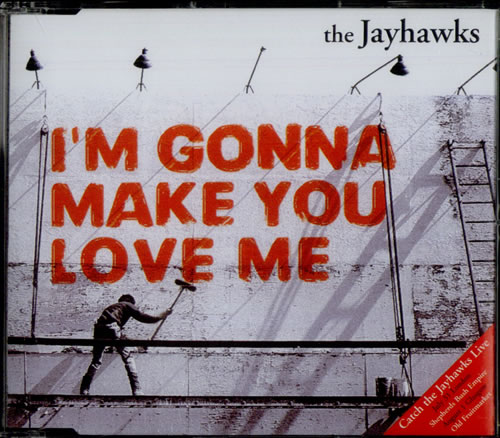
I first found out about this group in 2000 with this song. When I heard it I knew I had to find out more about this band. The Jayhawks formed in Minneapolis–Saint Paul in 1985 and played alternative country-rock. They have released 10 studio albums and are worth checking out.
The song peaked at #5 in the Billboard Triple A Chart in 2000. It was off the album Smile, and The Jayhawks took a more pop approach to this album than their earlier alt-country albums. Gary Louris… guitar player, singer, and songwriter, when this album was released: “I grew up listening to pop music, and that was my love. I loved the Beatles and I loved Big Star.”
There is a difference between this and their earlier music. They stuck on the alt-country for a long time. I would call this their “power pop move,” but there’s still that unmistakable Jayhawks DNA, those rich vocal harmonies, the bittersweet chord changes, and Louris’s yearning delivery in the vocals.
The evolution of the song was interesting… Gary Louris: “I wrote that song when my ex-girlfriend walked out the door… I had a different chorus that was a little more subtle, a little more of an artist’s song that you wouldn’t even know is a chorus maybe but it was cool.”
The record label and producer Bob Ezrin wanted a better chorus to make it more accessible. “And that became the thorn in my side, y’know, because I had written a song I liked and it seemed like that’s what it was. This was the beginning of a long process where I wrote with a lot of different people… And I saw a lot of people I respected write many different ways on the same song.”
A suggestion from songwriter Taylor Rhodes helped Louris find the hook he needed. “So that was definitely a lot of hard work on that song. Now I love it, but for awhile I just wanted to be left alone. I didn’t want to ever hear that song again.”
They recently backed Ray Davies on his albums Americana and Our Country – Americana Act II. Their 2016 album Paging Mr. Proust was produced by Peter Buck of REM.
I’m Gonna Make You Love Me
The world never ends It’s only the beginning And we can’t pretend To discover it’s meaning
We talked for hours at a time Then I came to my senses You’re more than a friend You’re my perfect lover
I’ll never be all you want me to But that’s all right
I’m gonna make you love me I’m gonna dry your tears And we’re gonna stay together For a million years
It’s the least I can do Just to make you my baby No words could describe Oh, pinch me I’m dreaming
Your hair’s long and black As it lays ‘cross my pillow When I stare in your eyes I get lost in your glory
I’ll never be all you want me to But that’s all right
I’m gonna make you love me I’m gonna dry your tears And we’re gonna stay together For a million years
When you were a little girl Your great big world came tumbling down So sad
Yeah, the river it bends But it flows to the ocean And baby here I am I’m your sea of devotion
I’ll never be all you want me to But that’s all right
I’m gonna make you love me I’m gonna dry your tears And we’re gonna stay together For a million years
This song brings back memories. It was released in 1966, but I heard it first in 1985 when I graduated and life was great…so it’s a ’60s song that reminds me of 1985. It was prom time, and after we left, with my white tuxedo with tails and a purple cummerbund, this came on the radio. It will forever be linked to that moment in time for me.
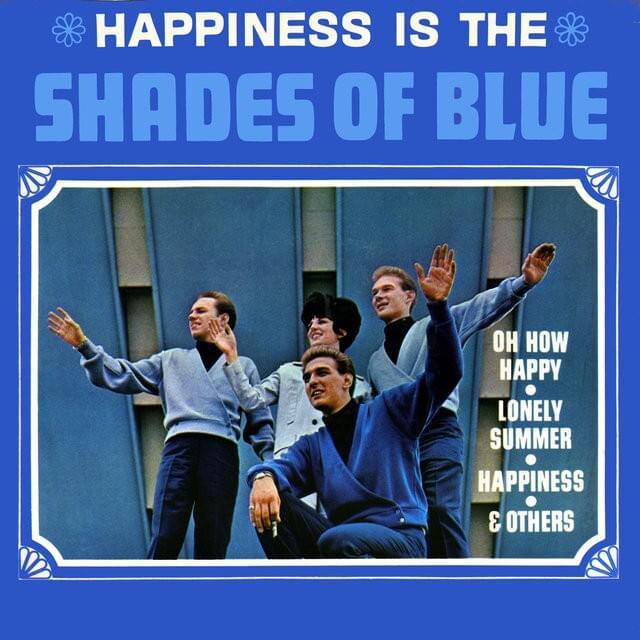
There’s a certain kind of record that arrives like a grinning stranger at your doorstep, all sunshine and tambourines and no agenda. This was written by the great Edwin Starr. This song is pure pop joy with a Motown sound. When he wrote this song, Starr was working for a Detroit record label that was eventually bought out by Motown. The song peaked at #12 on the Billboard 100 in 1966.
It doesn’t mess around. It goes straight to the chorus, like the song can’t wait to get to the part that matters. The lead vocal is flanked by a chorus of voices that sound like the world’s friendliest pep squad… cheering on a romance that actually worked out for once.
This was the only top ten hit for The Shades of Blue, who were a white Soul band from Detroit. The song came at a time when American Soul music influenced the British music industry, creating a genré called Northern Soul.
The lyrics won’t remind you of Bob Dylan or John Prine, but that doesn’t matter. They’d go on to release more singles, but none stuck like this one. Oh! How Happy is their legacy, and what a legacy to have: a song that never tries to be cool, only kind.
Oh How Happy
Do roo, do roo, do roo, do roo do…
Oh how happy (you have made me) Oh how happy (you have made me) I have kissed your lips A thousand times And more times than i can count I have called you mine You have stood by me In my darkest hours Sing Oh how happy (you have made me) Oh how happy (you have made me) Oh how happy (you have made me) Oh how happy (you have made me) In our years together We’ve got stormy weathers But our love has been so strong For some how we carry on Sing Oh how happy (you have made me) Oh how happy (you have made me), ooh, ooh You brought joy To my empty life, yeah And all that was wrong You made it right Our love (our love) Our love (our love) Our love, yeah, yeah, yeah, yeah… Oh how happy (you have made me) Oh how happy (you have made me) Oh how happy (oh how happy) Oh how happy (oh how happy) Oh how happy, ooh… You… You have made me (you have made me) You have made me (you have made me) You have made me (you have made me)
Since I listed George’s songs…I have to finish what I started. This one is the hardest to write of any of them because I’m leaving off a lot of great songs.
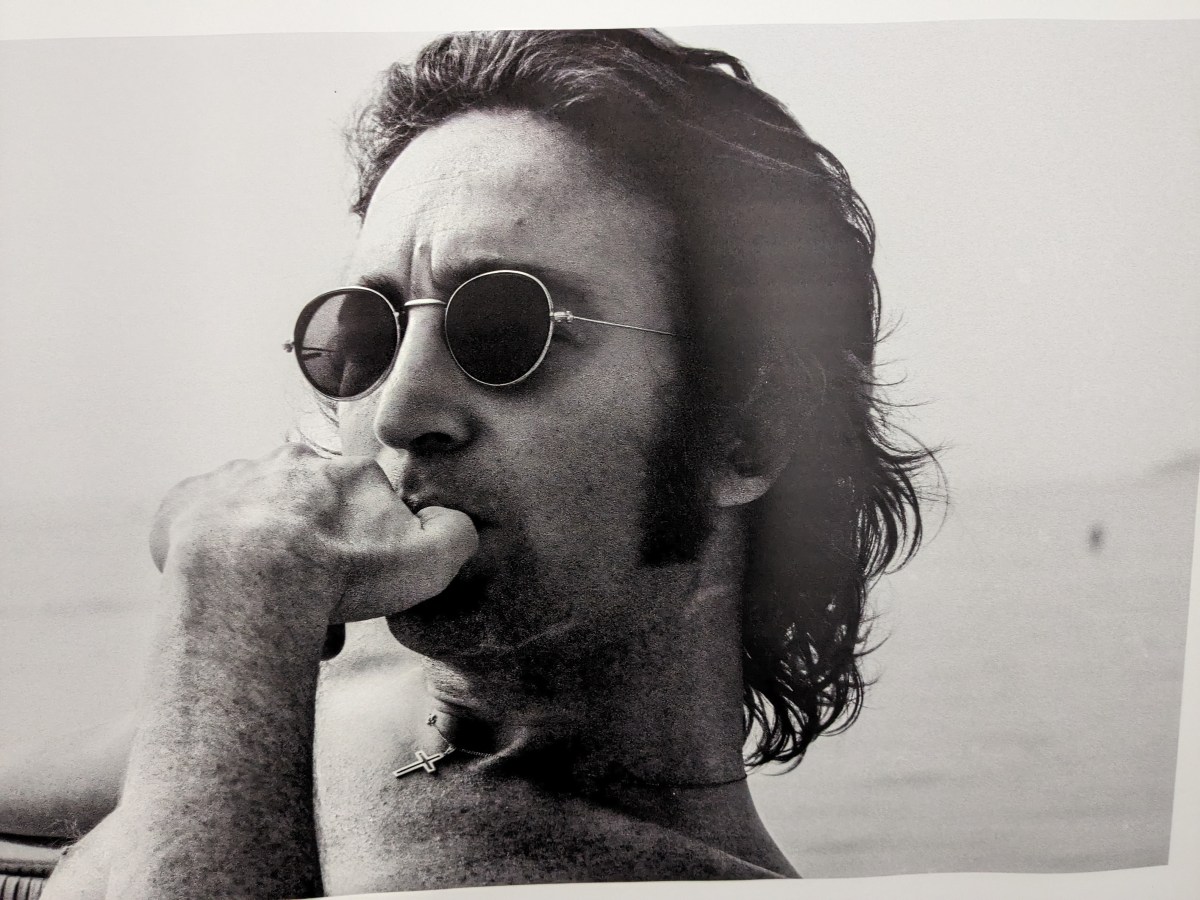
John is the Beatle I favor; on the surface, the reasons are many. The man’s voice was one of the best rock voices I’ve ever heard. I preferred his voice to that of McCartney, Harrison, and Starr. He probably could write better pure rock songs than the other Beatles, and he also had a great sense of melody that could keep up with Paul and, at times, surpass him on ballads. Yes, he could be witty, sharp, and downright hateful at times, but he was the truth guy for them.
One of the worst days in my teen years was December 9, 1980. I was 13, and that morning I found out that John Lennon was murdered on the 8th. It really hit me hard and changed me in many ways. At that age, this showed me that the world could be an awful place.
When John was murdered, a very unfair thing happened. John was elevated almost as a Saint, which he would have readily admitted he was not. Paul became the sidekick and sank lower in people’s perception of the band. John became the cool one and Paul the square, which was totally unfair to both of them. It didn’t start changing until the Anthology came out in the mid-90s. People started to see Paul as an equal, which he was, and George started to get recognized more and more, as I said last week. And, most people loved Ringo anyway.
My favorite John songs won’t include The Beatles, as I explained last week in the George Harrison post. This will be just solo John. My favorite albums by him were the first two official albums he released. Plastic Ono Band and Imagine. His Mind Games and Steel and Glass albums are great as well, but he had an edge on those first two that he didn’t have on the rest.
Instant Karma! (We All Shine On) – This song is so damn fresh-sounding. It sounds like it was recorded yesterday. It’s so electric-sounding and live.
2. Working Class Hero – This song was a favorite of mine of John Lennon when I was younger. He took some flak about this one, and also the song Imagine. When it came to being a Working Class Hero and having all of his possessions. His answer was
“What would you suggest I do? Give everything away and walk the streets? The Buddhist says, “Get rid of the possessions of the mind.” Walking away from all the money would not accomplish that. It’s like the Beatles. I couldn’t walk away from the Beatles. That’s one possession that’s still tagging along, right?”
3. Mind Games – This is around the time Lennon started to mellow out a bit musically and personally. I bought this single in 1979…6 years after it was released.
4. I Know (I Know) – Yep…this one is not as well known, but it was reportedly about either Yoko or Paul. It was released on the 1973 album Mind Games.
5. GOD – He pours out his feelings on the Beatles and everything else.
6. Watching the Wheels – When listening to Double Fantasy, I like it, but not as well as his early seventies output. This one, though, fits in nicely with his best songs.
7. Jealous Guy – He wrote this melody with the Beatles, but later added some more words to describe himself.
8. How? – What makes “How?” stand out for me is its vulnerability. Lennon doesn’t pretend to know the answers; instead, he shares the questions most of us keep to ourselves. That honesty is what drew me to music in the first place.
9. Nobody Told Me – This one he wanted Ringo to do and had planned to give it to him. I think Ringo would have done a great job of it but I’m glad we have John’s version.
10. Mother – It seems John was looking for a mother for all of his life. His real mother left him with his aunt Mimi, and years later, when he finally started to get to know his mother, she was killed in a hit-and-run accident.
*Bonus! – How Do You Sleep? – It’s the song about Paul when both were angry at each other. Forget that for a minute…it’s a great melody and song on its own. It’s a brilliant piece of rock and roll with George’s snarling slide guitar and an irresistible groove, but its venom can be hard to swallow. Lennon’s line “The sound you make is muzak to my ears” still makes me wince.






 PowerPop... An Eclectic Collection of Pop Culture