This was the second single from their self-titled Weezer album in 2001, but it almost didn’t make the album producer Ric Ocasek fought for it and the song ended up being a radio hit in the UK. I remember listening to it on an alternative station here in Nashville.
The song peaked at #8 on the Billboard Alternative chart and #31 in the UK.
This is the most-licensed track in the Weezer catalog. Frontman Rivers Cuomo said: “The funny thing is, the song wasn’t a real radio hit. I can only speculate that it’s because the song has a cleaner guitar sound, which makes it easier for a more mainstream audience.”
From Songfacts
Weezer started recording this on January 1, 2001 at Cello Studios in Los Angeles, which used to be a part of Western Studios, where Frank Sinatra, The Mamas And The Papas and The Beach Boys all recorded. Sometime in April 2001, someone stole a copy of the master tapes and leaked the album on the Internet in unfinished form. >>
Two different videos were made for this song. One shows the band playing at a Mexican wedding, and the other, more popular version shows the band cavorting with different wild animals. This version was directed by Spike Jonze.
In 2006, Emma Roberts covered this for the soundtrack of Aquamarine.
In late 2001, the band began playing this in concert with a reworked version of the solo. In 2005, Rivers Cuomo would play this by himself on an acoustic guitar to open their encores.
Island In The Sun
hip hip hip hip hip hip hip hip
When you’re on a holiday You can’t find the words to say All the things that come to you And I wanna feel it too
On an island in the sun We’ll be playing and having fun And it makes me feel so fine I can’t control my brain
hip hip hip hip
When you’re on a golden sea You don’t need no memory Just a place to call your own As we drift into the zone
On an island in the sun We’ll be playing and having fun And it makes me feel so fine I can’t control my brain
We’ll run away together We’ll spend some time forever We’ll never feel bad anymore
hip hip hip hip hip hip
On an island in the sun We’ll be playing and having fun And it makes me feel so fine I can’t control my brain
We’ll run away together We’ll spend some time forever We’ll never feel bad any more
Hip hip
We’ll never feel bad anymore (hip hip) (hip hip) No no (hip hip) (hip hip) We’ll never feel bad anymore (hip hip) In a island in the sun
I thought this song charted higher than it did in America…because I heard it constantly back in the 80s. The song peaked at #36 in the Billboard 100 in 1980. It did peak at #3 in the UK, #6 in Canada, #9 in New Zealand and #1 in Australia.
When asked about this song the Vapors explained that it is a love song about someone who lost their girlfriend and was going slowly crazy. Lead singer Dave Fenton said: “Turning Japanese is all the clichés about angst and youth and turning into something you didn’t expect to.”
The Vapors would be a true one-hit-wonder…this was their only song in the Billboard 100.
From Songfacts
One of the more misinterpreted songs of all time, one rumor was that “Turning Japanese” refers to the Asian facial features people get at the moment of climax during masturbation.
That recognizable opening riff repeated a few places in the song is actually called “the oriental riff” (example here). It is often used when a Western song wants to invoke the Far East; other popular examples are Carl Douglas’ “Kung Fu Fighting” and Siouxsie and the Banshees’ “Hong Kong Garden.”
The Vapors were a British pub-rock group formed by David Fenton (vocals), Edward Bazalgette (guitar), Steve Smith (bass) and Howard Smith (drums). They were discovered and managed by Bruce Foxton of the Jam. Ironically The Vapors enjoyed a bigger hit in America with this song than The Jam would ever have. The Vapors’ did not chart again in the US, however they had a couple of other minor hits in the UK. After releasing another album in 1981 they called it quits. After the band disbanded Fenton retired from creating music and went to work in the music industry as a lawyer. Bazalgette became a television producer at the BBC.
This song turns up in the weirdest places, like in an episode of Bill Nye: The Science Guy where it was Weird-Al’d into a song about electricity. A Dr. Pepper commercial uses the tune, as does a commercial for KFC restaurants where it’s sung on karaoke. The song also featured in the films Romy And Michele’s High School Reunion (1997) and Charlie’s Angels (2000).
This song topped the Australian charts for two weeks. It was also a minor hit in Japan.
A commonly misheard lyric is at the end of the bridge, “Everyone avoids me like a psyched lone ranger.” It is not “Everyone avoids me like a psycho ranger.”
Kirsten Dunst recorded this song for a video that was shown at a 2009 exhibition in London called Pop Life: Art In A Material World. The video was directed by McG (Charlie’s Angels, Terminator Salvation) and shot in Tokyo, where Dunst performs as a Japanese schoolgirl.
Turning Japanese
I’ve got your picture Of me and you You wrote “I love you” I wrote “me too” I sit there staring and there’s nothing else to do
Oh it’s in color Your hair is brown Your eyes are hazel And soft as clouds I often kiss you when there’s no one else around
I’ve got your picture, I’ve got your picture I’d like a million of you all ’round my cell I want the doctor to take your picture So I can look at you from inside as well You’ve got me turning up and turning down, I’m turning in, I’m turning ’round
I’m turning Japanese, I think I’m turning Japanese, I really think so Turning Japanese, I think I’m turning Japanese, I really think so I’m turning Japanese, I think I’m turning Japanese, I really think so Turning Japanese, I think I’m turning Japanese, I really think so
I’ve got your picture, I’ve got your picture I’d like a million of them all ’round my cell I want a doctor to take your picture So I can look at you from inside as well You’ve got me turning up and turning down, I’m turning in, I’m turning ’round
I’m turning Japanese, I think I’m turning Japanese, I really think so Turning Japanese, I think I’m turning Japanese, I really think so I’m turning Japanese, I think I’m turning Japanese, I really think so Turning Japanese, I think I’m turning Japanese, I really think so
No sex, no drugs, no wine, no women No fun, no sin, no you, no wonder it’s dark Everyone around me is a total stranger Everyone avoids me like a cyclone ranger Everyone
That’s why I’m turning Japanese, I think I’m turning Japanese, I really think so Turning Japanese, I think I’m turning Japanese, I really think so I’m turning Japanese, I think I’m turning Japanese, I really think so Turning Japanese, I think I’m turning Japanese, I really think so Turning Japanese, I think I’m turning Japanese, I really think so Turning Japanese, I think I’m turning Japanese, I really think so Turning Japanese, I think I’m turning Japanese, I really think so (Think so think, so think so, think so) Turning Japanese, I think I’m turning Japanese, I really think so
This song launched the Knack into temporary stardom and the song would last much longer than their stardom would. When they first came out I read some articles stating the kiss of death phrase “the next Beatles.” Their second album made it to #15 and after that their popularity declined.
Lead singer Doug Fieger wrote this song about a girl named Sharona Alperin (more of the full story is below in song facts) and they were together for around 4 years. Alperin was with Fieger the last week of his life; he died of cancer on February 14, 2010.
The song peaked at #1 in the Billboard 100, #6 in the UK, #1 in Canada and #3 in New Zealand… in 1979…. The album Get The Knack also peaked at #1 in 1979.
From Songfacts
The Knack lead singer Doug Fieger wrote the lyrics to this song, which is about a girl he fancied. Doug was in a long-term relationship when he walked into the clothing store where a high school student named Sharona Alperin (who had a boyfriend), was working. The age difference (he was about eight years older) and relationship status didn’t deter Fieger, who was immediately lovestruck. With his girlfriend looking on, he invited Sharona to a show. Not long after, he broke up with the girlfriend and professed his love for Sharona, creating a weird dynamic where he would come on to her even though she had a boyfriend who often attended Knack concerts with her. It got pretty heavy when Fieger started writing songs about her – they weren’t together when he composed “My Sharona.”
About a year after they first met, Sharona gave in and they started dating. She joined the band on tour and watched as the song Fieger wrote about her elevated them to stardom. The couple were together for about four years (and engaged at one point) before the rock and roll lifestyle and Fieger’s alcoholism became too much for Sharona, and they called it off. In the aftermath, Sharona answered questions about the breakup by saying that she needed to become her own Sharona, not someone else’s.
After a cooling-off period, Alperin and Fieger became friends.
In the US, this was the best-selling single of 1979.
Sharona Alperin became a high-end real estate agent in California, specializing in celebrity clientele. After the passing of Fieger, Alperin wrote on her website: “From the time Doug and I first met, both of our lives changed forever. It’s very rare for two people to have such an impact on each other. The bond we shared is something that I will treasure as long as I live, he will always have a special place in my heart.”
Doug Fieger wrote this song with Knack guitarist Berton Averre, who co-wrote many songs for the band with Fieger.
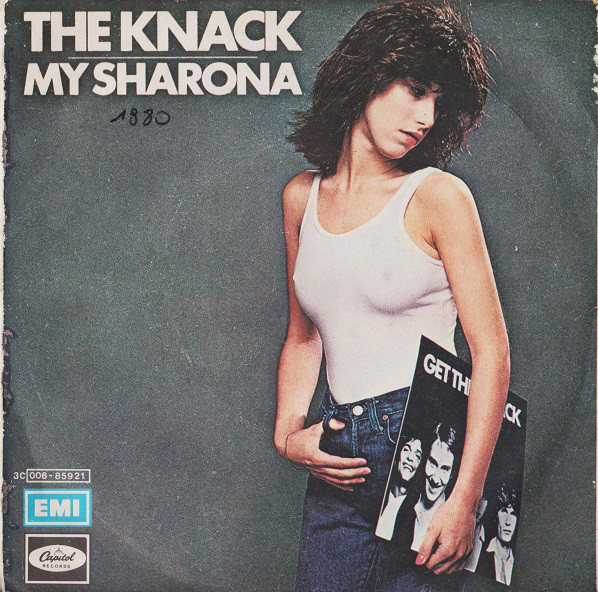
That’s Sharona Alperin on the cover of the single holding the Get The Knack album. She posed for the art even though she and Doug Fieger weren’t yet dating.
In an interview with the Washington Post, Doug Fieger said: “I was 25 when I wrote the song. But the song was written from the perspective of a 14-year-old boy. It’s just an honest song about a 14-year-old boy.”
The Chicago DJ Steve Dahl (of disco demolition fame) did a parody of this during the Iran hostage crisis, changing Sharona to “Ayatollah.” The single was a hit in Chicago, and The Knack sang it with Dahl at the International Amphitheater in 1980.
This song returned to the UK singles chart in 2009, peaking at #59 thanks to its use in a TV advert for Oatibix.
This wasn’t the only song on the album that was about Sharona and Fieger’s feelings for her. The songs “That’s What the Little Girls Do” and “(She’s So) Selfish” were also inspired by her.
Sharona is a Hebrew name, which is how Sharona Alperin ended up with it – her parents sent her to Hebrew school. It’s also the name of a small area in Israel.
In America, it’s very uncommon; in the years leading up to the song only about 10 Sharonas were born each year. In 1980 though, about 70 American Sharonas entered the world, a spike attributed to this song.
The album version runs 4:52, but the single version was edited down to 3:58. The victim of this cut was Knack guitarist Berton Averre, whose much-admired solo was chopped.
Doug Fieger of The Knack was the younger brother of famed attorney Geoffrey Fieger, who defended Dr. Jack Kervorkian.
Weird Al Yankovic did a parody of this called “My Bologna.” It was the song that kickstarted his career in song parody and his first single.
Al (before he was “weird”) recorded a few song parodies as a high school student, including a takeoff on “You Don’t Bring Me Flowers” called “You Don’t Take Your Showers.” He sent some to the popular syndicated radio host Dr. Demento, who wrote back, informing Al that he had potential.
This potential was realized when Yankovic was a 19-year-old student at Cal Poly San Luis Obispo, where he was studying architecture. He was a DJ on the school radio station, where “My Sharona” was the most-requested song. Many of Al’s parodies had to do with food, so he wrote one called “My Bologna” and recorded it in the bathroom across the hall from the station. He sent it to Dr. Demento, who played it on his show to wide acclaim, making #1 on his “Funny Five” countdown for two weeks.
When The Knack played a show at the college, Al went backstage and introduced himself as the man behind “My Bologna.” As Al tells it, Doug Fieger said he loved the song and introduced him to the vice president of The Knack’s label, Capitol Records, who was standing nearby. The Capitol exec signed Al to a deal to release the single, which they did, but with minimal effort: instead of re-recording the song they just issued Al’s bathroom version (in mono) and gave it little promotion. That was the end of Al’s association with Capitol, but he had success on other labels with “I Love Rocky Road” and “Ricky,” and hit paydirt with his Michael Jackson parody, “Eat It.”
“My Bologna” wasn’t the only parody of this Knack song. Others include “Ayatollah” by the radio personality Steve Dahl, and “Babylona” by the parody band ApologetiX.
Quentin Tarantino wanted to use this in Pulp Fiction during the scene where Bruce Willis and Ving Rhames are being set upon by Zed and his brother (and the chained submissive). Fieger ended up nixing the request and the song appeared in the 1994 movie Reality Bites instead. Stacey Sher, a producer who was working on both films, recalled why Fieger chose the gas-station singalong over the basement dungeon with The Gimp. “He loved the notion of this sweet moment commemorating the person that he always loved very much,” she said. >>
The song was produced by Mike Chapman and recorded at MCA Whitney Recording Studios in Glendale, California. Chapman, who had produced Blondie and Suzi Quatro, says he told the band it would be a #1 hit the first time they played it for him.
Run-D.M.C. used the guitar riff for their 1986 song “It’s Tricky.” The Rogue Traders UK #33 hit “Watching You” in 2006 was based around this song’s melody.
My Sharona
Ooh, my little pretty one, my pretty one When you gonna give me some time, Sharona Ooh, you make my motor run, my motor run Got it coming off o’ the line, Sharona
Never gonna stop, give it up, such a dirty mind I always get it up, for the touch of the younger kind My, my, my, aye-aye, whoa! M-m-m-my Sharona
Come a little closer, huh, a-will ya, huh? Close enough to look in my eyes, Sharona Keeping it a mystery, it gets to me Running down the length of my thigh, Sharona
Never gonna stop, give it up, such a dirty mind I always get it up, for the touch of the younger kind My, my, my, aye-aye, whoa! M-m-m-my Sharona M-m-m-my Sharona
When you gonna give to me, a gift to me Is it just a matter of time, Sharona? Is it d-d-destiny, d-destiny Or is it just a game in my mind, Sharona?
Never gonna stop, give it up, such a dirty mind I always get it up, for the touch of the younger kind My, my, my, aye-aye, whoa! M-m-m-m-m-m-m-my, my, my, aye-aye, whoa! M-m-m-my Sharona M-m-m-my Sharona M-m-m-my Sharona M-m-m-my Sharona
Ooooooo-ohhh, my Sharona Ooooooo-ohhh, my Sharona Ooooooo-ohhh, my Sharona
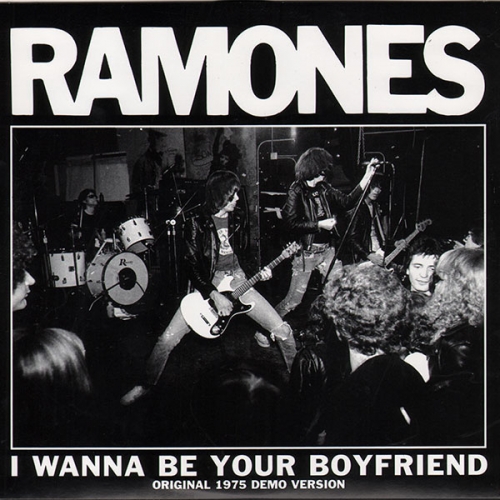
I could post a Ramone song every day and be happy. This song was on the Ramone’s first album, the self-titled Ramones album in 1976. Tommy Ramone the drummer wrote this song.
Tommy Ramone: “I wrote ‘I Wanna Be Your Boyfriend’ because we had all these other songs with ‘I Don’t Wanna’ – ‘I Don’t Wanna Walk Around With You,’ ‘I Don’t Wanna Go Down To The Basement.’ The only other positive song we had was ‘Now I Wanna Sniff Some Glue.’
One thing we all had in common was we were frustrated. We escaped from our anger with humor. A lot of that came from Dee Dee’s sensibility, this Dada sensibility that got squeezed into ‘I Don’t Wanna.'”
The song was released as a single but didn’t chart.
From Songfacts
There were some unusual instruments used on this song, including 12-string guitars, tubular bells and a glockenspiel. Studio musicians were brought in to play them.
A track from the first Ramones album, this was their second single, following “Blitzkrieg Bop.” Like “I Remember You,” it’s a love song, just a very straightforward one.
Per Gessle of Roxette recorded this for the 2001 Ramones tribute album The Song Ramones the Same. Released as a single in his native Sweden, the song made #44.
I Wanna Be Your Boyfriend
Hey, little girl I want to be your boyfriend
Sweet little girl I want to be your boyfriend
Do you love me babe?
What do you say?
Do you love me babe?
What can I say?
Because I want to be your boyfriend
Hey, little girl I want to be your boyfriend
Sweet little girl I want to be your boyfriend
Uuu uuu uuu uuu-au
Because I want to be your boyfriend
Hey, little girl I want to be your boyfriend
Sweet little girl I want to be your boyfriend
Do you love me babe?
What do you say?
Do you love me babe?
What can I say?
Because I want to be your boyfriend
Hey, little girl I want to be your boyfriend
Sweet little girl I want to be your boyfriend
Hey, little girl I want to be your boyfriend
Trailer for sale or rent Rooms to let… fifty cent No phone, no pool, no pets I ain’t got no cigarettes Ah, but..two hours of pushin’ broom Buys an eight by twelve four-bit room I’m a man of means by no means King of the road
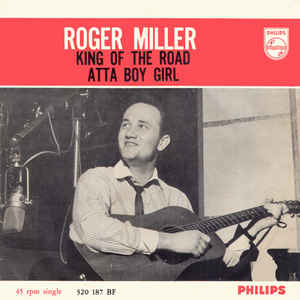
I love the lyrics and the feel of this song. This peaked at #4 in the Billboard 100, #1 in the UK, #1 in the Billboard Country Charts, and #1 in Canada in 1965.
The song won 1965 Grammy awards for Best Contemporary Rock ‘N Roll Single, Best Contemporary Vocal Performance, Best Country & Western Recording, Best Country Vocal Performance, and Best Country Song.
I remember the song because in Nashville they opened a King Of The Road Hotel…Miller opened two “King of the Road” Motor Inns in the early ’70s – one in Nashville, and another in Valdosta, Georgia. Unlike the cheap digs Miller sings about in his song, however, these Motels were billed as “luxury accommodations” and had a very modern motif. At the Nashville location, a music club on the top floor became a popular spot for many local musicians to perform. Ronnie Milsap played there many times, and Miller would often play as well.
From Songfacts
The title of this song is an allusion to hoboes and tramps, who were known as “knights of the road.” The song tells of the happy hobo lifestyle, with few creature comforts but plenty of freedom.
On Roger Miller’s website, it explains that Miller wrote this song over a 6-week span, beginning on a 1964 Midwest TV tour. He wrote the first verse when he saw a “Trailers for Sale or Rent” sign on the road outside Chicago. A few weeks later, he bought a statuette of a hobo in Boise, Idaho airport gift shop and stared at it until he had completed the song.
Miller has given at least one other explanation for how he came up with the song, however. When he was the co-host on the Mike Douglas Show August 11, 1969, he revealed that the idea for “King Of The Road” came when he was driving in Indiana and saw a sign offering trailers for sale or rent, and it stuck in his mind. Said Miller, “I was doing a show in a place you have probably never heard of called Kitchener, Ontario, Canada, and I saw a statue of a hobo in a cigar shop were I was staying. I purchased it and took it to my room and wrote the song.”
So we know there was a sign and a hobo statue, but where they came from is unclear. Miller would sometimes introduce the song by saying, “Here’s a song I wrote on a rainy night in Boise, Idaho,” which is much more identifiable for American listeners (especially in Nashville) than Kitchener, Ontario. Miller’s widow says that she’s not sure, and the Kitchener story could very well be true.
To further complicate matters, Nashville lore has it that Miller drew inspiration from the “Trailers for sale or rent” sign at Dunn’s Trailer Court, where he lived when he moved from Amarillo to Nashville with his wife and three kids. This was a popular place for aspiring Country singers on tight budgets: Hank Cochran and Willie Nelson both stayed there as well.
MIller’s scribbling of King of the Road now hangs in a shadowbox at the Country Music Hall of Fame.
The song won 1965 Grammy awards for Best Contemporary Rock ‘N Roll Single, Best Contemporary Vocal Performance, Best Country & Western Recording, Best Country Vocal Performance, and Best Country Song.
This is the most popular song to mention the state of Maine in the lyric (“destination Bangor, Maine”). A contender for #2 is the 2009 hit “Out Last Night” by Kenny Chesney, where he sings:
There were girls from Argentina and Arkansas
Maine, Alabama, and Panama
King Of The Road
Trailer for sale or rent Rooms to let… fifty cent No phone, no pool, no pets I ain’t got no cigarettes Ah, but..two hours of pushin’ broom Buys an eight by twelve four-bit room I’m a man of means by no means King of the road
Third boxcar, midnight train Destination… Bangor, Maine Old worn out clothes and shoes, I don’t pay no union dues, I smoke old stogies I have found Short, but not too big around I’m a man of means by no means King of the road
I know every engineer on every train All of their children, and all of their names And every handout in every town And every lock that ain’t locked When no one’s around
I sing, Trailers for sale or rent Rooms to let, fifty cents No phone, no pool, no pets I ain’t got no cigarettes Ah, but, two hours of pushin’ broom Buys an eight by twelve four-bit room I’m a man of means by no means King of the road
Ginger Baker passed away Sunday, October 6th… Ginger was one of the best drummers in rock history.
Paul McCartney:Ginger Baker, great drummer, wild and lovely guy. We worked together on the ‘Band on the Run’ album in his ARC Studio, Lagos, Nigeria. Sad to hear that he died but the memories never will. X Paul
Mick Jagger:Sad news hearing that Ginger Baker has died, I remember playing with him very early on in Alexis Korner’s Blues Incorporated. He was a fiery but extremely talented and innovative drummer.
John Densmore:A drumming force of nature, Ginger Baker has broke on through. Emblematic of his influence, I put 2 bars of his reverse-beat in “Hello, I Love You.”
Pete Brown wrote the lyrics and Jack Bruce wrote the music to White Room. He was inspired by a cycling tour that he took in France. The “white room” was a literal place: a room in an apartment where Pete Brown was living. It was not, as some suspected, an institution.
The music was written first. Pete Brown’s first attempt at a lyric was something about a doomed hippie girl – the song was called “Cinderella’s Last Goodnight.” Jack Bruce didn’t like it, so he scrapped that idea and pulled up an eight-page poem he had written earlier, which he reworked into White Room.
Pete Brown: “It was a miracle it worked, considering it was me writing a monologue about a new flat.”
The song peaked at #6 in the Billboard 100 in 1968.
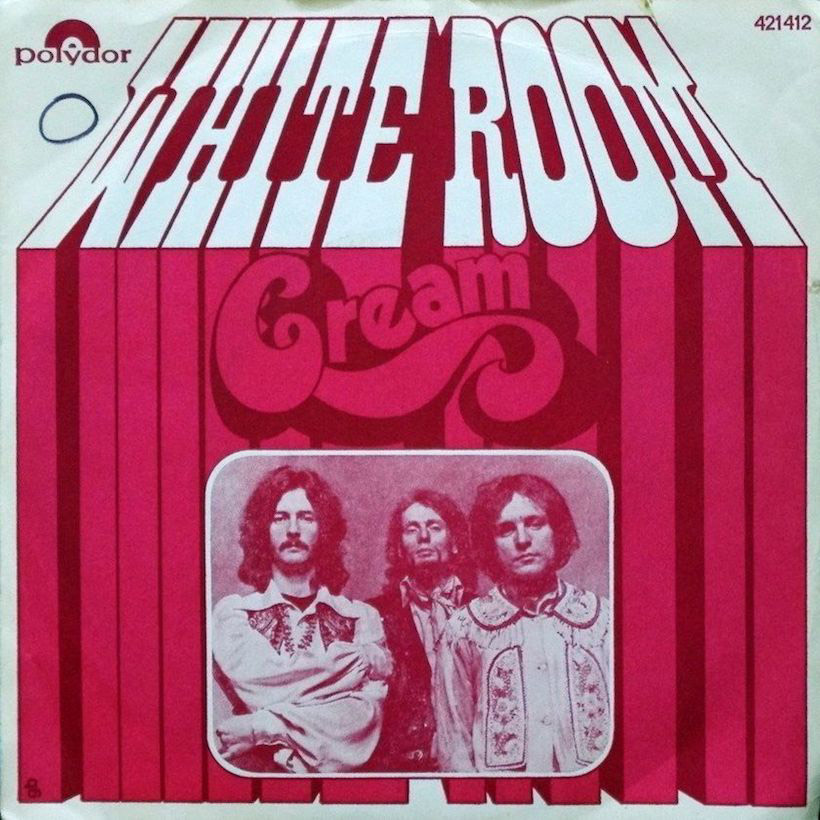
Cream in the 1970s… Pattie Boyd took the photo.
From Songfacts
This song is about depression and hopelessness, but the setting is an empty apartment. The lyrics were written by a poet named Pete Brown, who was a friend of Cream bass player Jack Bruce, the lead vocalist on the track. Brown also wrote the words for “Sunshine Of Your Love,” “I Feel Free” and “SWLABR.”
In a Songfacts interview with Pete Brown, he told the story: “It was a meandering thing about a relationship that I was in and how I was at the time. It was a kind of watershed period really. It was a time before I stopped being a relative barman and became a songwriter, because I was a professional poet, you know. I was doing poetry readings and making a living from that. It wasn’t a very good living, and then I got asked to work by Ginger and Jack with them and then started to make a kind of living.
And there was this kind of transitional period where I lived in this actual white room and was trying to come to terms with various things that were going on. It’s a place where I stopped, I gave up all drugs and alcohol at that time in 1967 as a result of being in the white room, so it was a kind of watershed period. That song’s like a kind of weird little movie: it changes perspectives all the time. That’s why it’s probably lasted – it’s got a kind of mystery to it.”
Upon its release, Wheels Of Fire was given a terrible review by Rolling Stone magazine. They claim that “White Room” has “The exact same lines for guitar, bass and drums” as “Tales Of Brave Ulysses.” If you listen to both songs, they are somewhat similar, but nowhere near the level they claim.
Eric Clapton used a wah-wah pedal on his guitar. He got the idea from Jimi Hendrix.
Clapton’s solo earned the #2 spot on Guitar World’s greatest wah solos of all time in 2015. The #1 spot? Hendrix’ “Voodoo Child (Slight Return).”
Why are the starlings tired? Because the pollution in London was killing them. Pete Brown also told us: “The ‘tired starlings’ is also a little bit of a metaphor for the feminine in a way, as well. It was women having to put up with rather a lot – too much pressure on them at the time.”
More lyric interpretation courtesy of Pete Brown:
“Goodbye Windows” – “Just people waving goodbye from train windows.”
“Black-roof Country” – “That was the kind of area that I lived in. There were still steam trains at one point around that area, so the roofs were black. It was black and sooty. It’s got that kind of a feel to it.”
On their last tour before the band broke up, Cream opened most of their shows with this song. When Cream did a reunion tour in 2005, they played it near the end of the sets.
Clapton refused to play this after leaving Cream until 1985, when Paul Shaffer urged him to play it while he was sitting in with the band on Late Night With David Letterman. That same year, Clapton played it at Live Aid.
This was released as a single after Cream had broken up. It did better in the US than in England, since Cream had caught on in the States.
In 2000, Apple Computer used this in commercials for their white iMacs. While the song does have the word “white” in the title, the subject matter is not good for selling computers.
Jack Bruce recorded a new, Latin-influenced version on his 2001 album Shadows In The Air. Clapton played on this as well as his new recording of “Sunshine Of Your Love.”
Clapton performed this in 1999 for the album Sheryl Crow and Friends: Live From Central Park. Clapton and Crow were an item for a time in the ’90s.
White Room
In the white room with black curtains near the station Black roof country, no gold pavements, tired starlings Silver horses ran down moonbeams in your dark eyes Dawnlight smiles on you leaving, my contentment
I’ll wait in this place where the sun never shines Wait in this place where the shadows run from themselves
You said no strings could secure you at the station Platform ticket, restless diesels, goodbye windows I walked into such a sad time at the station As I walked out, felt my own need just beginning
I’ll wait in the queue when the trains come back Lie with you where the shadows run from themselves
At the party she was kindness in the hard crowd Consolation for the old wound now forgotten Yellow tigers crouched in jungles in her dark eyes She’s just dressing, goodbye windows, tired starlings
I’ll sleep in this place with the lonely crowd Lie in the dark where the shadows run from themselves
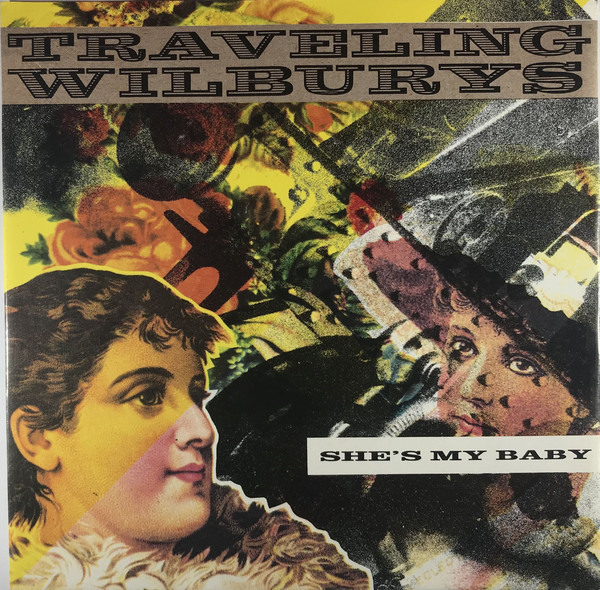
This was the lead single off of Traveling Wilburys Vol. 3 released in 1990..The song was written by the four members George Harrison, Jeff Lynne, Bob Dylan, and Tom Petty…Roy Orbison had passed away by this time. The song peaked at #2 on the Billboard Mainstream Rock Songs Charts in 1990.
The Traveling Wilburys Vol. 3 peaked at #11 in 1990. The Vol 3 album was really their 2nd album and it was good but not great like the first one. Roy being gone left a big hole because you cannot just replace Roy’s voice.
She’s My Baby
She’s got her pudding in the oven And it’s gonna be good She better not leave me And go out to Hollywood She got the best pudding in the neighborhood She’s my baby
She can drive a truck She can drive a train (My baby, m-my my baby) She can even drive an aeroplane She’s so good to look at in the rain She’s my baby
She’s comin’ down the sidewalk She’s stumblin’ through the door She’s coming home from places She’s never been before She sits down on the sofa She pours herself a drink Says, honey, honey, honey, ain’t no time to think
My baby My baby
My baby
She’s got a body for business Got a head for sin She knocks me over like a bowling pin She came home last night and said Honey, honey, honey, it’s hard to get ahead
My baby My baby
She can build a boat She can make it float (My baby, m-my my baby) She can play my guitar Note for note She likes to stick her tongue right down my throat She’s my baby My baby My baby My baby
I’ve always liked Sly Stone’s music…most of the radio hits were positive like this one and Everyday People. He was huge during his heyday but has been neglected since.
This was released as a double-A-side single with “Thank You (Falettinme Be Mice Elf Agin).” The single peaked at #1 in the Billboard 100 in 1970, the chart position is attributed to both songs combined.
All together Sly Stone put 17 songs in the Billboard 100, 5 top 10 hits and 3 number 1 songs all between 1968 and 1975.
From Songfacts
This song is about how everyone is equal and how people try to change themselves to be what the media wants them to be. For black individuals, it can be about how we try to change ourselves to “act white” but in the end the system brings us down, yet we bring ourselves back up with the help of our people.
Like many Sly & the Family Stone songs of this era – “Everyday People” and “Stand!” among them – “Everybody Is A Star” has a message of togetherness and self-worth. These songs were set against joyful melodies that kept them from sounding preachy. They went over very well at live shows where a sense of community formed.
The nonsense chorus (“ba pa-pa-pa ba…”) actually makes a lot of sense – it’s about the power of music, which can speak without words. In this case, the rhythmic syllables play against horn lines in a very similar fashion to Otis Redding’s 1966 track “Fa-Fa-Fa-Fa-Fa (Sad Song).”
Everybody Is A Star
Everybody is a star Who the rain, chase the dust away Everybody wants to shine Ooh, come out on a cloudy day ‘Til the sun that loves you proud When the system tries to bring you down Every hand to shine tonight You don’t need darkness to do what you think is right, hee hee
Ba pa-pa-pa ba pa-pa ba ba ba pa-pa ba pa-pa ba pa-pa ba ba ba, Ba-pa ba-pa ba ba, ooh, ooh, ooh, ooh, ooh Ba pa-pa-pa ba pa-pa ba ba ba pa-pa ba pa-pa ba pa-pa ba ba ba, Ba-pa ba-pa ba ba, ooh, ooh,
Everybody is a star I can feel it when you shine on me I love you for who you are Not the one you feel you need to be Ever catch a falling star Ain’t no stopping ’til it’s in the ground Everybody is a star One big circle going round and round
Ba pa-pa-pa ba pa-pa ba ba ba pa-pa ba pa-pa ba pa-pa ba ba ba, Ba-pa ba-pa ba ba, ooh, ooh, ooh, ooh, ooh
Ba pa-pa-pa ba pa-pa ba ba ba pa-pa ba pa-pa ba pa-pa ba ba ba, Ba-pa ba-pa ba ba, ooh, ooh, ooh, ooh, ooh
Ba pa-pa-pa ba pa-pa ba ba ba pa-pa ba pa-pa ba pa-pa ba ba ba, Ba-pa ba-pa ba ba, shine, shine, shine, shine
Ba pa-pa-pa ba pa-pa ba ba ba pa-pa ba pa-pa ba pa-pa ba ba ba, Ba-pa ba-pa ba ba, shine, shine, shine, shine
Ba pa-pa-pa ba pa-pa ba ba ba pa-pa ba pa-pa ba pa-pa ba ba ba, Ba-pa ba-pa ba ba, ooh, ooh, ooh, ooh, ooh
Ba pa-pa-pa ba pa-pa ba ba ba pa-pa ba pa-pa ba pa-pa ba ba ba, Ba-pa ba-pa ba ba, ooh, ooh, ooh, ooh, ooh
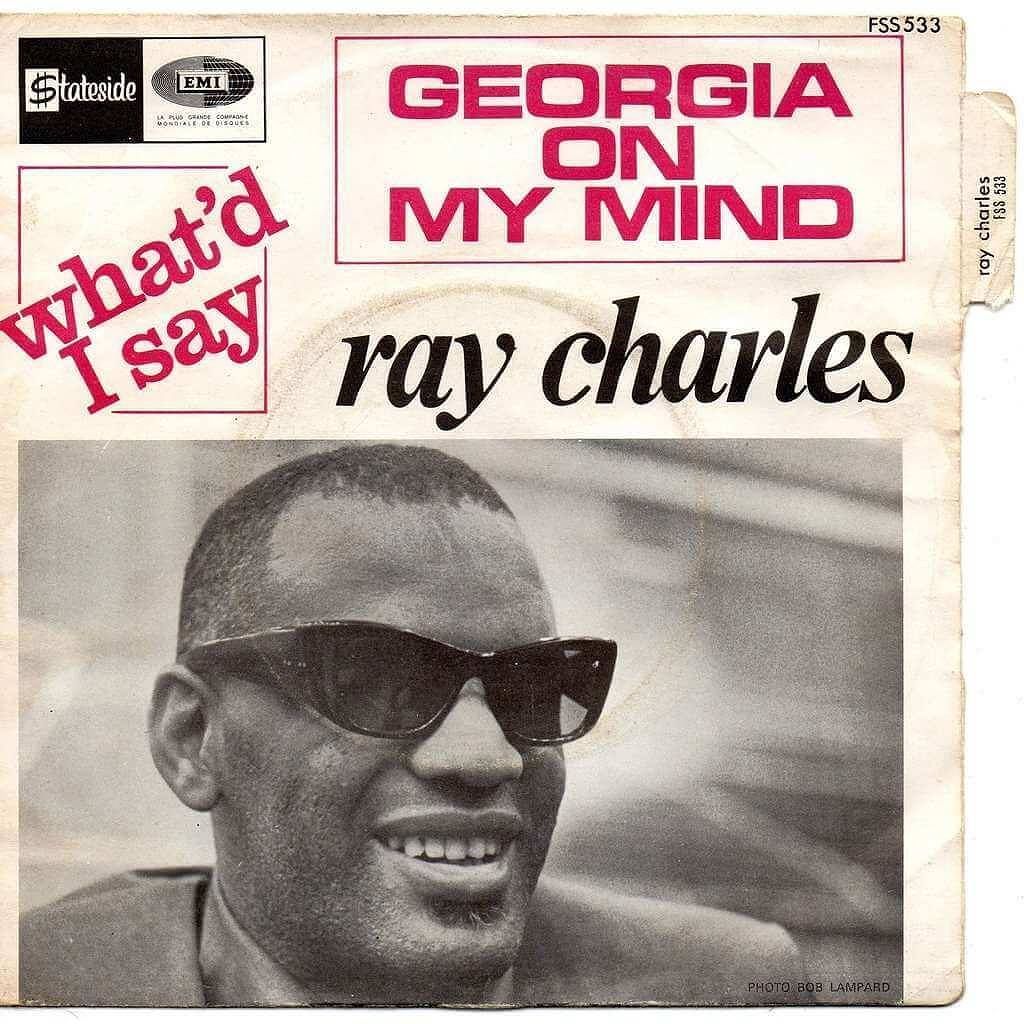
I first heard this at home because my mom had Ray Charles’s greatest hits. One of the most beautiful songs ever…and Ray’s voice made it that much better.
This was written by Hoagy Carmichael and Stuart Gorrell in 1930. Carmichael was an actor, performer, and popular songwriter, some of his other compositions include “Stardust” and “Winter Moon.” Gorrell was a banker living in New York City, and he wrote the lyrics.
The song peaked at #1 in the Billboard 100 in 1960. Mr. Charles had an incredible 75 songs in the top 100, 11 top 10 hits, and 3 number 1 hits.
On April 24, 1979, this became the official state song of Georgia.
From Songfacts
It’s possible that this was written about a woman, not the state. Carmichael and Gorrell didn’t live in Georgia, but Carmichael did have a sister named Georgia.
This was a #10 hit for a jazz saxophone player named Frankie Trumbauer in 1931. Many artists have recorded it over the years, including Louis Armstrong, James Brown (a Georgia native), Django Reinhardt, and Willie Nelson. Charles’ version is by far the most famous.
Charles decided to record this song after his driver suggested it, since Ray kept singing it while riding in the car.
Ray Charles was born in Albany, Georgia. His family moved to Florida when he was still a baby.
The orchestra was arranged by Ralph Burns, Woody Herman’s pianist.
This was recorded quickly in New York City – it took only four takes to complete (compared to Charles’ usual 10-12 takes).
This won Grammy awards for Best Male Vocal Recording and Best Pop Song Performance. The album also won for Best Male Vocal Performance Album, and another song on the album, “Let the Good Times Roll,” won for Best R&B Performance, giving Charles a total of four Grammys in 1960.
Five different versions of this song have made the US Hot 100. Here the four that came after Charles’ recording:
This was the first of three #1 singles on the US Hot 100 for Ray Charles. “Hit the Road, Jack” and “I Can’t Stop Loving You” are his others.
The song “Georgia on My Mind,” with lyrics by Mr. Stuart Gorrell and music by Mr. Hoagy Carmichael, has an enduring quality that has made it one of the best-loved songs in America for many years.
Although “Georgia on My Mind” describes a Georgian’s love for his state, its beautiful melody and lyrics have given the song a worldwide appeal.
“Georgia on My Mind” has been recorded by many outstanding artists, but the rendition by Mr. Ray Charles, a native Georgian, which was first recorded in 1958, has been greatly enjoyed by music lovers throughout the world.
It is appropriate that the official State song should be a beautiful song that has wide appeal throughout the country, and “Georgia on My Mind” is an outstanding example of these qualities.
Willie Nelson sang this at Charles’ funeral in 2004.
Charles won eight awards at the 2005 Grammy Awards, including Record of the Year and Album of the Year (for Genius Loves Company). He was honored throughout the show; Alicia Keys and Jamie Foxx performed this as part of the tribute. Foxx had recently portrayed Charles in the movie Ray.
Nelson’s version was recorded for his 1978 album, Stardust, a collection of pop standards. Rick Blackburn, an executive at CBS Records Nashville who went on to become president of Atlantic Records, thought Nelson was nuts for taking on the project, thinking it would alienate his growing fanbase. Blackburn recalled Nelson’s response in the 1988 biography Willie: “Willie said, ‘Great songs are great songs no matter when they’re written. The other thing is, my audience right now is young, college age, and mid-twenties. They’ll think these are new songs, and at the same time we’ll get the sentiment of the older audience who grew up with these songs but don’t necessarily know the artist. We will bridge that gap.”
Nelson was right. The album went to #1 on the country albums chart and stayed on the chart for ten years. His rendition of “Georgia On My Mind” was also a #1 hit on the country singles chart and earned him the Grammy Award for Best Male Country Vocal Performance in 1979.
Georgia On My Mind
Georgia, Georgia The whole day through Just an old sweet song Keeps Georgia on my mind (Georgia on my mind)
I said Georgia Georgia A song of you Comes as sweet and clear As moonlight through the pines
Other arms reach out to me Other eyes smile tenderly Still in peaceful dreams I see The road leads back to you
I said Georgia Ooh Georgia, no peace I find Just an old sweet song Keeps Georgia on my mind (Georgia on my mind)
Other arms reach out to me Other eyes smile tenderly Still in peaceful dreams I see The road leads back to you
Whoa, Georgia Georgia No peace, no peace I find Just this old, sweet song Keeps Georgia on my mind
I said just an old sweet song Keeps Georgia on my mind
This was from my favorite era of Bowie. After Bowie appeared on the Top of the Pops in 1972 performing this song…the song and Ziggy took off.
The song peaked at #65 in the Billboard 100 and #10 in the UK in 1972. The song was on the album The Rise and Fall of Ziggy Stardust and the Spiders from Mars which peaked at #75 in the Billboard Album Charts in 1972 and #21 in 2016.
Woody Woodmansey the drummer in Bowie’s backing band, The Spiders From Mars: “I love ‘Starman’ as it’s the concept of hope that the song communicates. That ‘we’re not alone’ and ‘they’ contact the kids, not the adults, and kind of say ‘get on with it.’ ‘Let the children boogie’: music and rock ‘n’ roll! It lifted the attention away from the depressing affairs in the ’70s, made the future look better. ‘Starman’ was the first Bowie song since ‘Space Oddity’ with mass appeal. After ‘Starman,’ everything changed.”
From Songfacts
This forms part of the Ziggy Stardust story, in which the end of the world lingers just five years away. This song tells of salvation waiting in the sky, as revealed through Starman’s messenger, Ziggy Stardust. The song is told from the perspective of a person listening to Ziggy on the radio.
In 1972, Bowie performed this song on the British TV show, Top of the Pops. Bowie appeared as the flame-haired Ziggy Stardust dressed in a multicolored jump suit. Bowie strummed a blue guitar while he moved flirtatiously alongside his guitarist, Mick Ronson. It was the first time many had seen Bowie and people were fascinated by his stage presence. This performance would catapult Bowie to stardom and prove wildly influential on the next generation of English rockers.
Among the many who have cited this specific appearance as a transformative moment is Lol Tolhurst of The Cure, who writes in his memoir, “I remember sitting on my couch at home with my mother, watching this spectacle unfold, and at the point where Bowie sang the line, ‘I had to phone someone so I picked on you,’ he pointed directly at the camera, and I knew he was singing that line to me and everyone like me. It was a call to arms that put me on the path that I would soon follow.”
Bowie was influenced by the song “Over The Rainbow,” which is most obvious during the chorus (“There’s a Starman…”).
This was the last song written for The Rise and Fall of Ziggy Stardust and the Spiders from Mars, supposedly because nobody had heard a potential single on the album. It became Bowie’s first UK hit in three years. His only previous chart entry had been “Space Oddity” in 1969.
“We’d finished recording the Ziggy Stardust album at that time and it went into the record company. They said: ‘We can’t release this. It doesn’t have a single on it!'” Woody Woodmansey recalled to The Quietus. “So, we came out of the studio and in about a month he had written ‘Starman’ and we were back in the studio by January. It was an obvious single! I think Mick and I went out in the car after David played it for us the first time, and we were already singing it, having only heard it only once.”
“At the time, we thought it might be a bit too poppy, a bit too commercial,” he continued. “It might seem strange, but we just hadn’t done anything that commercial before. I always thought Bowie had that ability, that any time he felt like it, he could write a hit single. He just had that about him. I think he chose not to right through his career. If he felt like it, he would write one, and if he didn’t, he wouldn’t. That was just the impression of working with him. It’s not a fluke to be able to write all those amazing tunes.”
This is also the title of John Carpenter’s 1984 sci-fi movie, starring Jeff Bridges as an alien who takes the form of a woman’s (Karen Allen) dead husband and needs her help to get home. The song is not used in the movie.
This was used in a 2016 commercial for the Audi R8 that first aired during the 2016 Super Bowl about two months after David Bowie died. In the spot, a retired astronaut has lost his passion for life, but gets it back after his son presents with the car and he goes for a drive under a moonlit sky. The end panel pays tribute to Bowie, stating, “In memory of the Starman.”
Starman
Didn’t know what time it was and the lights were low I leaned back on my radio Some cat was layin’ down some rock ‘n’ roll ‘lotta soul, he said Then the loud sound did seem to fade Came back like a slow voice on a wave of phase That weren’t no D.J. that was hazy cosmic jive
There’s a starman waiting in the sky He’d like to come and meet us But he thinks he’d blow our minds There’s a starman waiting in the sky He’s told us not to blow it ‘Cause he knows it’s all worthwhile He told me Let the children lose it Let the children use it Let all the children boogie
I had to phone someone so I picked on you Hey, that’s far out so you heard him too! Switch on the TV we may pick him up on channel two Look out your window I can see his light If we can sparkle he may land tonight Don’t tell your poppa or he’ll get us locked up in fright
There’s a starman waiting in the sky He’d like to come and meet us But he thinks he’d blow our minds There’s a starman waiting in the sky He’s told us not to blow it ‘Cause he knows it’s all worthwhile He told me Let the children lose it Let the children use it Let all the children boogie
There’s a starman waiting in the sky He’d like to come and meet us But he thinks he’d blow our minds There’s a starman waiting in the sky He’s told us not to blow it ‘Cause he knows it’s all worthwhile He told me Let the children lose it Let the children use it Let all the children boogie
La, la, la, la, la, la, la, la La, la, la, la, la, la, la, la
I beg your pardon I never promised you a rose garden
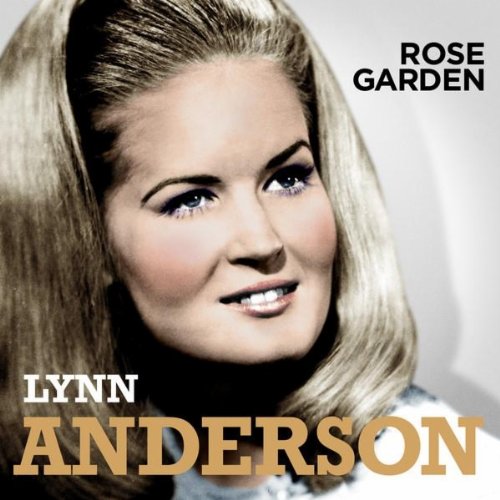
I heard this so many times on country and pop radio around my parents. The song is still played today. It was the rare country cross over hit. It peaked at #1 in the Billboard Country Charts in 1970 and #3 in the Billboard 100 in 1971.
Joe South wrote this for his 1969 debut album, Introspect. It was covered by artists like Freddy Weller, Billy Joe Royal, and Dobie Gray before Lynn Anderson made it an international crossover hit in 1971.
This earned Anderson a Grammy Award for Best Female Country Vocal Performance in 1971.
From Songfacts
“I never promised you a rose garden” is another way of saying “I never said it would be easy.” The singer encourages her lover to enjoy the good times in their relationship because the bad times are inevitable (“Along with the sunshine there’s gotta be a little rain sometime”).
Because of lyrics like “I could promise you things like big diamond rings,” Anderson’s producer (and husband) Glenn Sutton considered this a man’s song and tried to dissuade her from covering it. Only when they had some extra studio time left did he consider it for an album cut, but with some changes. They reworked the track with an uptempo arrangement that included a string section and mandolin. When Columbia Records’ exec Clive Davis heard it, he insisted it be released as a single.
“It was popular because it touched on emotions,” Anderson told the Associated Press of the song in 1987. “It was perfectly timed. It was out just as we came out of the Vietnam years and a lot of people were trying to recover. This song stated that you can make something out of nothing. You take it and go ahead.”
(I Never Promised You A) Rose Garden
I beg your pardon I never promised you a rose garden Along with the sunshine There’s gotta be a little rain some time When you take you gotta give so live and let live Or let go oh-whoa-whoa-whoa I beg your pardon I never promised you a rose garden
I could promise you things like big diamond rings But you don’t find roses growin’ on stalks of clover So you better think it over Well if sweet-talkin’ you could make it come true I would give you the world right now on a silver platter But what would it matter So smile for a while and let’s be jolly Love shouldn’t be so melancholy Come along and share the good times while we can
I beg your pardon I never promised you a rose garden Along with the sunshine There’s gotta be a little rain some time
I beg your pardon I never promised you a rose garden
I could sing you a tune and promise you the moon But if that’s what it takes to hold you I’d just as soon let you go But there’s one thing I want you to know You better look before you leap, still waters run deep And there won’t always be someone there to pull you out And you know what I’m talkin’ about So smile for a while and let’s be jolly Love shouldn’t be so melancholy Come along and share the good times while we can
I beg your pardon I never promised you a rose garden Along with the sunshine There’s gotta be a little rain some time, I beg your pardon I never promised you a rose garden
My son walked into his first college Music Appreciation class in August. The Professor was waiting for everyone and played this piece by The Beatles. He turned around and asked the class…Is this considered music or not?
Bailey wasn’t the only one who knew this strange piece and in the end…the Professor said yes it was music…like art, music can come in different forms.
I went to youtube to see some of the comments…I’m going to list a few.
“This is what it feels like to have anxiety.” “I use this song to test my sanity” “Terrifying for sure, but it’s kind of beautiful in an abstract way” “I listened to She Loves You right before this. I can’t believe it’s the same band” “Still better than Justin Bieber”
And last but not least: “Listened to this blind drunk and by the end, I swear I saw John wearing Ringo’s skin as an overcoat”
I remember listening to this at 2 in the morning alone in the dark in around 1981…scared me to death. The memory has stayed with me to this day. I have grown to appreciate this sound collage. They were trying something new…and it is interesting.
John Lennon wrote this with contributions from Yoko and George Harrison. It’s a highly experimental piece, which Lennon once called “The music of the future.” It is the most controversial and bizarre track on the album.
John Lennon: “an unconscious picture of what I actually think will happen when it happens; that was just like a drawing of revolution.” “All the thing was made with loops, I had about thirty loops going, fed them onto one basic track. I was getting classical tapes, going upstairs and chopping them up, making it backward and things like that, to get the sound effects. One thing was an engineer’s testing tape and it would come on with a voice saying ‘This is EMI Test Series #9.’ I just cut up whatever he said and I’d number nine it. Nine turned out to be my birthday and my lucky number and everything. I didn’t realize it; it was just so funny the voice saying ‘Number nine’; it was like a joke, bringing number nine into it all the time, that’s all it was.”
From Songfacts
This was made by layering tape loops over the basic rhythm of “Revolution.” Lennon was trying to create an atmosphere of a revolution in progress. The tape loops came from EMI archives, and the “Number 9” voice heard over and over is an engineer testing equipment.
Paul McCartney and Beatles producer George Martin hated this and tried to keep it off the album.
This is the longest Beatles song – it runs 8:15. It also took longer to complete than any other track on album.
This helped fuel the “Paul is dead” rumors. If played backwards, you were supposed to hear the car crash where Paul died, and a voice saying “Turn me on, dead man.” Also, playing the line, “I’m not in the mood for wearing clothing” in reverse eventually becomes a rather odd but clear reversal, “There were two, there are none now.”
This is referencing the rumor that Paul McCartney died in a car with “Lovely Rita” and that the two were burned away after the wreck.
The rumor took off in October 1969 when a listener called the radio station WKNR in Detroit and told the DJ Russ Gibb about the backward message. When Gibb played it backwards on his show, listeners went wild and spent the next week calling in and offering their own rumors. The story quickly spread, and McCartney helped it along by laying low and letting it play out.
Lennon felt the number 9 was quite significant. He was happy that, after he changed his name to John Ono Lennon, his and Yoko’s names collectively contained 9 O’s. >>
According to the book The Beatles, Lennon And Me, by John Lennon’s childhood friend Pete Shotton, One evening, Lennon was with Shotton in the attic of his Kenwood home, tripping on LSD and smoking a few joints. They messed about with John’s Brunnel recorders, fiddling with feedback, running recordings backwards and creating tape loops. Opening the windows for some fresh air, John and Pete began to shout whatever was on their minds at the trees outside, the recorder running. This night’s lark was to later captured on “Revolution 9.” >>
Marilyn Manson released their own version of this on the B-side of the single for “Get Your Gunn.” It was called “Revelation 9” and ran 12:57. >>
This was parodied on an episode of The Simpsons. When the guys for a group called The B-Sharps, Barney meets a girl during recording. He exclaims at the studio that he’s making the music of all time. The song is Barney’s girl friend (with striking resemblance to Yoko Ono) saying “Number 8” and Barney burping. >>
Charles Manson thought that when they screamed the words “Right!” it was actually “Rise!” meaning the black community rising over the white people. Charles Manson was of course crazy, and thought The Beatles were warning about a race war.
Revolution 9
lyrics?… Oh, yea…Number 9, Number 9…then the madness starts.
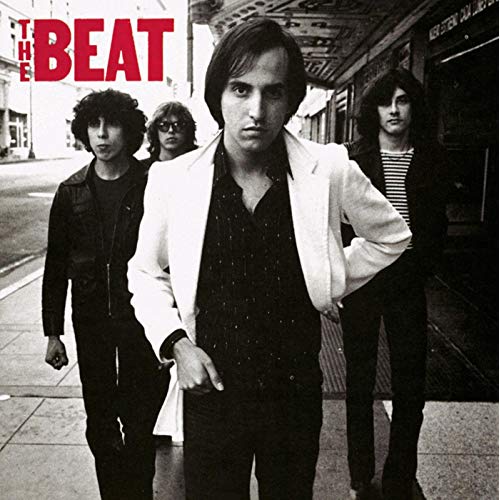
This song is full of great little guitar hooks. “Rock ‘n’ Roll Girl” is from The Beat’s first album, titled The Beat from 1979.
Paul Collins formed The Beat in 1979, recruiting members of various rock bands including Steven Huff, Larry Whitman, and Michael Ruiz. He studied at the prestigious Julliard Music School and eventually moved to San Francisco where he joined songwriter Jack Lee and bassist Peter Case to form The Nerves in 1974.
The Nerves proved to be one of the pioneers of the burgeoning US punk rock scene, independently releasing their own 4 song EP which included the classic “Hanging on the Telephone,” later to become a hit for Blondie.
Rock N Roll Girl
I went down to check out the local disco show. I saw the people dancing on the floor. I wish there was an easier way To meet the girls of today. And if I had a chance, this is what I’d say: I want to be with a rock and roll girl. I want to be with a rock and roll girl. I want to be with a rock and roll girl. I pick up the phone and get a dial tone. I call up the number, but nobody is home. But I saw it on my TV. They said they have someone for me. I wish she would answer and give me her name. I want to be with a rock and roll girl. I want to be with a rock and roll girl. I want to be with a rock and roll girl. I see them walking one by one. I hear them talking, then they are done. I wish there was an easier way, hey hey! To meet the girls of today. I really want to talk, but what can I say? I want to be with a rock and roll girl. I want to be with a rock and roll girl. I want to be with a rock and roll girl.
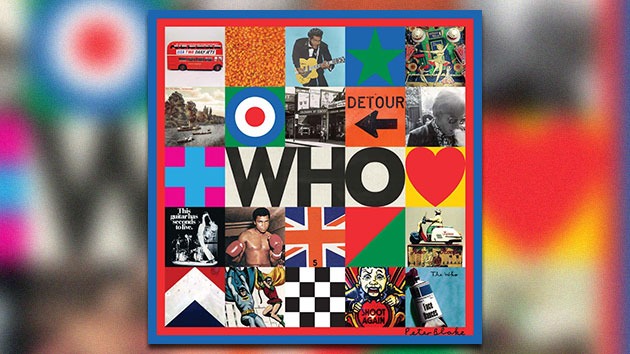
Fifty-five years after first forming in London, The Who is back with an album of brand-new songs. WHO, due out December 16th, will be the band’s 12th studio record. It includes the first single, “Ball & Chain,” a gritty swamp-rock critique of the Guantanamo Bay detention camp and the powers that have kept it open.
“Down in Guantanamo,” Roger Daltrey sings, “We still got that ball and chain. That pretty piece of Cuba designed to cause men pain.”
The track features a number of classic Who sounds, including an arpeggiated piano line that opens the song in the spirit of “Baba O’Riley,” as well as windmill power chords from Pete Townshend.”Roger and I are both old men now, by any measure,” Townshend says in a statement announcing the record. “So I’ve tried to stay away from romance, but also from nostalgia if I can. … Some of the songs refer to the explosive state of things today.”Townshend and Daltrey are joined on the album by drummer Zak Starkey and bassist Pino Palladino.
Ball and Chain
Down in Guantanamo We still got the ball and chain Down in Guantanamo We still got the ball and chain
That pretty piece off Cuba Designed to cause men pain Whoa, when you light up in Cuba You won’t feel the same again
Down in Guantanamo Whew, still waiting for the big cigars Down in Guantanamo Whew, still waiting for the big cigars
Been a breach of promise Still guilty with no charge There’s smoke in the forest And the tumor is getting large
Down in Guantanamo We still got the ball and chain Down in Guantanamo We still got the ball and chain
There’s a long road to travel For justice to make its claim So let’s bring down the gavel Let the prisoner say his name
Mmm, still waiting for the big cigars Still waiting for the Still waiting for the big cigars
I can’t say a lot about this song because it is new. Thank you runsewread for pointing out this new release. They have released two tracks off the new album WHO being released on December 16th. Ball and Chain and All This Music Must Fade are the two new songs being previewed. Ball and Chain will be the Next Post.
Roger’s voice sounds really strong and the song sounds like vintage Who to me.
Townshend and Daltrey are joined on the album by drummer Zak Starkey and bassist Pino Palladino.
The Who have shared their contemplative new song “All This Music Must Fade,” the latest single off the rockers’ long-awaited new LP WHO, out December 6th.
The opening track on WHO, the new song takes a tongue-in-cheek attitude about originality in music as well as the band’s own legacy.
Pete Townshend said in a statement that the song is “dedicated to every artist who has ever been accused of ripping off someone else’s song. Seriously? Our musical palette is limited enough in the 21st century without some dork claiming to have invented a common chord scheme.”
“I don’t care / I know you’re gonna hate this song / And that said / We never really got along,” Roger Daltrey sings in the opening verse. “It’s not new, not diverse / It won’t light up your parade / It’s just simple verse / All this music will fade / Just like the edge of a blade.”
All This Music Must Fade
(What’s mine is mine What’s yours is yours, and what’s mine is mine What’s yours is yours, and what’s mine is mine What’s yours is yours, and what’s mine is mine)
I don’t care I know you’re gonna hate this song And that’s it We never really got along It’s not new, not diverse It won’t light up your parade It’s just simple verse
All this music will fade Just like the edge of a blade All this music will fade Just like the edge of a blade
I’m long gone And I ain’t never coming back [?] I’ve never really quite gone bland I’m not blue, I’m not pink I’m just grey, I’m afraid And it seems in a blink
All this music will fade (All this music will fade) Just like the edge of a blade (Just like the edge of a blade) All this music will fade (All this music will fade) Just like the edge of a blade (Just like the edge of a blade)
What’s yours is yours, and what’s mine is mine What’s mine is yours, and what’s yours is mine What’s mine is yours, and what’s yours is mine What’s yours is yours, and what’s mine is mine
I don’t mind Other guys ripping off my song I’d be a liar If I said I never done no wrong Oh, this sound that we share Has already been played And it hangs in the air
All this music will fade (All this music will fade) Just like the edge of a blade (Just like the edge of a blade) All this music will fade (All this music will fade) Just like the edge of a blade
I don’t care I know you’re gonna hate this song And that’s it ‘Cause we never really got along It’s not new, not diverse It won’t light up your parade It’s just simple verse
All this music will fade Just like the edge of a blade All this music will fade Just like the edge of a blade All this music will fade
What’s yours is yours, and what’s mine is mine What’s mine is yours, and what’s yours is mine What’s mine is yours, and what’s yours is mine What’s yours is yours
(Yours is yours, and what’s mine is mine And what’s mine is mine, and what’s mine is yours Who gives a fuck?)







 PowerPop... An Eclectic Collection of Pop Culture