Lynyrd Skynyrd – I Know A Little

The reason I like this song is caught in the intro. The guitar in this is a lot of fun. Unlike most Lynyrd Skynyrd songs this one was not partly written by Ronnie Van Zant. The new guitar player Steve Gaines wrote this before he joined them.

Gaines replaced Ed King as the band’s guitarist in 1976, but died in the 1977 plane crash that also claimed the lives of lead singer Ronnie Van Zant and Gaines’ sister Cassie, who was a backup singer for the group. This song provides a glimpse of songwriting and guitar talent.

Steve Gaines was a special talent. I personally believe he would have gone far in music outside of that band. There is guitar playing on Street Survivors that you never heard with that band before. Very sophisticated chord patterns and riffs with songs like “I Never Dreamed.”

This song was the B side to What’s Your Name.

From Songfacts

You won’t find diatribes on the complexities of interpersonal relationships in the Skynyrd catalog, but you will find simple explanations. This song is a great example.

Why do people get the blues? From digging what they can’t use. And if you want to hold on to a man, a good way to do it is through commitment. You only need to know a little about love – the rest you can guess.

This is a great example of Skynyrd guitarist Steve Gaines’ contributions to the band. He wrote the song himself, and also wrote or co-wrote three other songs on the album. as Van Zant sings about a guy who has a strong feeling that his girl is cheating on him.

Skynyrd guitarist Gary Rossington told Guitar School magazine, July 1993, that he’d never heard anybody, including the current guitarists in the band, play the picking on this song quite right – the way Steve Gaines did.

This is one of many Skynyrd songs that was never released as a single but endured as a classic track in their catalog. It earned lots of airplay on Classic Rock radio and became one of their most popular live songs, performed at most of their shows when they re-grouped after the plane crash.

Steve Gaines recorded this before he joined Lynyrd Skynyrd.

I Know A Little

Yes sir

Well the bigger the city, well the brighter the lights
The bigger the dog, well the harder the bite
I don’t know where you been last night
But I think mama, you ain’t doin’ right

Say I know a little
I know a little about it
I know a little
I know a little ’bout it
I know a little ’bout love
And baby I can guess the rest

Well now I don’t read that daily news
‘Cause it ain’t hard to figure
Where people get the blues
They can’t dig what they can’t use
If they stick to themselves
They’d be much less abused

Say I know a little
Lord I do know a little about it
I know a little
I know a little ’bout it
I know a little ’bout love
Baby I can guess the rest
Play me a little, oh yeah
Yeah

Well if you want me to be your only man
Said listen up mama, teach you all I can
Do right baby, by your man
Don’t worry mama, teach you all I can

Say I know a little
Lord I do know a little about it
I know a little
I know a little ’bout it
I know a little ’bout love
Baby I can guess the rest
Well I know a little ’bout love
Baby I want your best

Talking Heads – Psycho Killer

There are bands that are hard to tell apart from other bands…and then there are bands like Devo and The Talking Heads that sound like no one else.

Psycho Killer is a song from their 1977 album Talking Heads: 77. It was the only song from the album to appear on the Billboard charts, peaking at #92 in the Billboard 100.

Part of the chorus and the bridge are in French. The verse translates to “What I did, that evening, what she said, that evening fulfilling my hope I throw myself towards glory.” The chorus lyric “Qu’est-ce que c’est?” means “What is this?”

The lyrics were said to be inspired by the character Norman Bates in the movie Psycho.

David Byrne: “Chris and Tina helped me with some of the French stuff. I realized, ‘That holds up. That’s a song.’ I may have been inspired by other things when I was writing it, but I hadn’t heard anything quite like it before. I was also writing completely from the character’s point of view. We played it. People liked it. I thought, ‘Oh, I can do more.'”


From Songfacts

This was the result of lead singer David Byrne trying to write an Alice Cooper song, but it came out much more introspective. It ended up being about the thoughts of a murderer.

The “Fa Fa” part comes from an Otis Redding song called “Fa-Fa-Fa-Fa-Fa (Sad Song).” Redding and other Soul singers were a big influence on Talking Heads.

Byrne wrote this two years before it was recorded. It was Talking Heads’ first album.

Byrne never thought this would be a hit. He considered it a “silly song” at the time, and was surprised when it took off.

The Tom Tom Club, a group led by former Talking Heads Tina Weymouth and Chris Frantz, often plays this at their concerts with Tina singing the lead vocal.

This is the first song played in the Talking Heads movie Stop Making Sense.

An acoustic version was the flip side of the single.

This appears on the live albums Stop Making Sense and The Name Of This Band Is Talking Heads.

Artist to cover this song include Barenaked Ladies, Phish, Brand New, Local H and Velvet Revolver.

The 2017 Selena Gomez hit “Bad Liar” samples the bassline from this track. David Byrne has no problem with it. “I would have an issue if somebody took, say, ‘This Must Be The Place,’ which is a very personal love song,” he told Rolling Stone. “Other than that, yeah, repurpose the stuff.”

Psycho Killer

I can’t seem to face up to the facts
I’m tense and nervous and I can’t relax
I can’t sleep ’cause my bed’s on fire
Don’t touch me I’m a real live wire

Psycho Killer
Qu’est-ce que c’est
Fa-fa-fa-fa-fa-fa-fa-fa-fa-far better
Run run run run run run run away oh oh
Psycho Killer
Qu’est-ce que c’est
Fa-fa-fa-fa-fa-fa-fa-fa-fa-far better
Run, run, run, run, run, run, run, away oh oh oh
Yeah yeah yeah yeah!

You start a conversation you can’t even finish it
You’re talking a lot, but you’re not saying anything
When I have nothing to say, my lips are sealed
Say something once, why say it again?

Psycho Killer
Qu’est-ce que c’est
Fa-fa-fa-fa-fa-fa-fa-fa-fa-far better
Run run run run run run run away oh oh oh
Psycho Killer
Qu’est-ce que c’est
Fa-fa-fa-fa-fa-fa-fa-fa-fa-far better
Run, run, run, run, run, run, run, away oh oh oh oh!
Yeah yeah yeah yeah!

Ce que j’ai fais, ce soir la
Ce qu’elle a dit, ce soir la
Realisant mon espoir
Je me lance, vers la gloire, OK
Yeah yeah yeah yeah yeah yeah yeah yeah yeah yeah
We are vain and we are blind
I hate people when they’re not polite

Psycho Killer
Qu’est-ce que c’est
Fa-fa-fa-fa-fa-fa-fa-fa-fa-far better
Run run run run run run run away oh oh oh
Psycho Killer
Qu’est-ce que c’est
Fa-fa-fa-fa-fa-fa-fa-fa-fa-far better
Run, run, run, run, run, run, run, away oh oh oh
Yeah yeah yeah yeah oh!

Who – I’m Free

After reading the John Entwistle biography I’ve been listening to the Who for the past week and a half. Tommy is not my favorite Who album…but the album does contain a lot of good songs. Tommy did make a huge mark in pop culture…a movie and Broadway play has been made from the story.

The riff is simple and powerful. A very good song that adds to Tommy. Like some of the other songs…I’m Free was written before Tommy was thought of but Pete fit what songs he had with the new ones to make the story.

Tommy was the breakthrough album for the Who in America. A concept album about a deaf, dumb, and blind boy who…you guessed it…loves pinball. On the album the Who’s sound is subdued but on tour, they presented it loud and aggressive as only the Who could be.

The album peaked at #4 in the Billboard Album Charts in 1970. I’m Free peaked at #37 in the Billboard 100 in 1969.

Pete Townshend: ‘I’m Free’ came from ‘Street Fighting Man.’ This has a weird time/shape and when I finally discovered how it went, I thought ‘well blimey, it can’t be that simple,’ but it was and it was a gas and I wanted to do it myself.

The guitar sound in this version sends shivers down my spine. Compare it to the album version below this one.

I’m Free

I’m free
I’m free
And freedom tastes of reality
I’m free
I’m free
An’ I’m waiting for you to follow me

If I told you what it takes
To reach the highest high
You’d laugh and say ‘nothing’s that simple’
But you’ve been told many times before
Messiahs pointed to the door
And no one had the guts to leave the temple!

I’m free
I’m free
And freedom tastes of reality

I’m free
I’m free
An’ I’m waiting for you to follow me

How can we follow?
How can we follow?

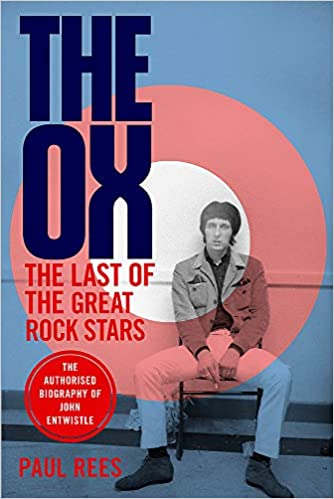
The Ox: The Authorized Biography of The Who’s John Entwistle…. by Paul Rees

When I see the word “authorized” I get really skeptical that they will not tell the complete story. This one proved me wrong. John’s son Christopher had said that this book was going to be warts and all. He was correct in that. I was super excited to read this. In the past year, I re-read Pete Townshend’s autobiography, Roger Daltrey’s autobiography, and re-read Keith Moon’s biography by Tony Fletcher and to top it off the Kenney Jones biography.

John actually wrote 4 chapters himself in 1990 when he wanted to write his own book. He soon grew tired of it and just stored it away. Rees did manage to incorporate some of what he wrote that included stories about him and Moon I never heard. John Entwistle is the least written about of the four. Any info on him is nice and a lot of this was new to me. Rees goes over the highlights and you don’t get dragged down at any point. The only thing I didn’t like was…like Daltrey’s autobiography it’s short…only 320 pages long.

The book goes through the history of the Who that Who fans know but with a lot of anecdotes. I found out more about John’s life than I ever knew. You see where he developed his black humor and he was probably the best pure musician in that band. I would recommend this book to any rock music fan. You get some funny stories also…

One about the Who opening up for the Beatles and listening to them through monitors in the dressing room rolling on the floor laughing hearing The Beatles sing obscene words to their songs “I Want To Hold Your ****”…A Hard Day’s ****. because the screaming was so loud and they couldn’t be heard out front.

Why I looked forward to this book…

___________________________________________________________________________________________

John was a bass hero of mine growing up. I started off learning trying to learn the riffs he did by slowing Who albums with my finger so the riffs would be slower…but they were still fast. Most bass players fill in the empty space but with the Who, there wasn’t much empty space because of Moon’s playing. He played what amounted to lead bass and it worked well…his harmonics made up for the lack of other instruments.

Keith Altham (journalist): John was an enigma. That he was the best bass guitarist of his generation is not in dispute, but because of the peculiar demands placed upon him by The Who he wasn’t a bass player in the accepted sense of the term because he didn’t play bass like anyone else, any more than Keith Moon played the drums like anyone else or, for that matter, Pete Townshend the guitar. “His playing was so dextrous and inventive that he was often indistinguishable from a second guitar.”

Lemmy: “He’s the best player in Rock and Roll ever…no contest”

John Entwistle: “I just wanted to play louder than anyone else …

Bill Wyman: John was the Jimi Hendrix of bass players

The Like – I Can See It In Your Eyes —-Powerpop Friday

I featured this band a few months ago. Elizabeth Anne “Z” Berg  the singer and guitarist wrote this song. It’s on the album Release Me which was released in 2010.

The band has some cool power pop songs. They were formed in Los Angeles in 2001 and unfortunately have been on an indefinite hiatus since 2013.

The Like’s lineup consisted of Z Berg (vocals and guitar), Tennessee Thomas (drums), Laena Geronimo (bass), and Annie Monroe (organ). The band released three extended plays (EPs) and two studio albums.

Their influences were The Kinks, Beatles, Dylan, Motown, and The Who. Also the Motown sound of the 60s.

Now the lead singer “Z Berg” is fronting a band called the Phases.

Z Berg interview in 2005: We timed this band perfectly so we’d never have to get a job. We started the band when we were all 15, and once we started, we were in school for the next three years and worked on the band during the summer and weekends. There was no real way to argue with it because we were playing shows, touring, and working a lot. So the worse day job I’ve ever had is being in a band, which is pretty lucky so far.


I Can See It In Your Eyes

Knock knock knock, you’re knocking
On my window last night
This fire’s been out for some time
You told me it was over with her
That’s not quite right
You said I was your life
So be min, so be mineThings are rough enough
Won’t you toughen up
Please just make up your mind
How could I be so blindI can see it in your eyes
I can see it in your eyes
When you lie
I see it in your eyesYou’ll never leave her will you, baby? I understand
You’ll never grow up, or be a man
And I’d wait a thousand years for you
But this I demand
Just tell me where I stand
Take my hand, I know you canShe keeps calling me
I can’t take it
She thinks I’m really her friend
I think we’re near in the endI can see it in your eyes
I can see it in your eyes
When you lie
I see it in your eyes

So crooked mouths speak crooked words
That ruin you for other girls
I don’t know how to conjugate a lie
My crooked eyes have crooked tears,
You turned the tables on me, dear
I was so shocked I couldn’t even cry

I can see it in your eyes
Yes, I see it in your eyes
When you lie
I see it in your eyes
Yeah, I see it in your eyes
I can see it in your eyes


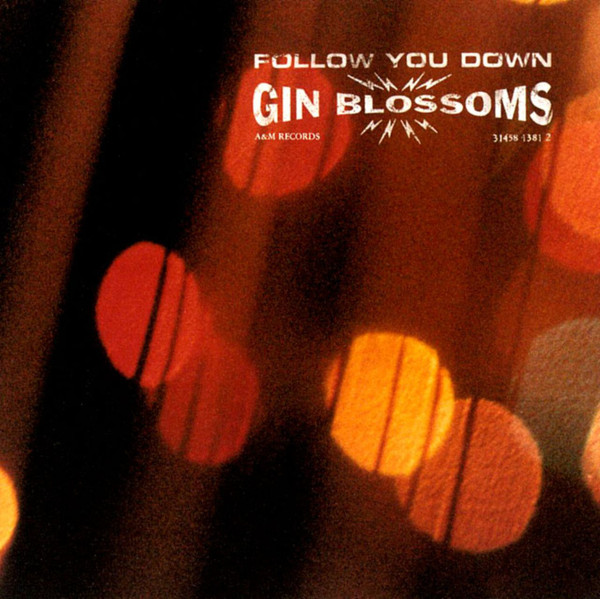
Gin Blossoms – Follow You Down —-Powerpop Friday

The Gin Blossoms made some good power pop in the 90s.

This song was released in 1996 and was part of a double A-side with Til I Hear It From You. The song peaked at #7 in the Billboard 100, #1 in Canada, and #30 in the UK in 1996. Billboard lists the song as Follow You Down/Til I Hear It From You. It did hit #1 in the Billboard Alternative Charts.

The song was on the album Congratulations… I’m Sorry and it peaked at #10 in the Billboard Album Charts in 1996.

The song was written by D. Scott Johnson, Jesse M. Valenzuela, Phillip Rhodes, Phillip N. Rhodes, Robin Wilson,  and William Leen.

The Gin Blossoms broke up in early 1997 but reunited in 2002. They still perform to this day but with some personnel changes.

Follow You Down

Did you see the sky?
I think it means that we’ve been lost
Maybe one last time is all we need
I can’t really help it
If my tongue’s all tied in knots
Jumping off a bridge is just the farthest
That I’ve ever been

Anywhere you go, I’ll follow you down
Anyplace but those I know by heart
Anywhere you go, I’ll follow you down
I’ll follow you down, but not that far

I know we’re headed somewhere
I can see how far we’ve come
But still I can’t remember anything
Let’s not do the wrong thing
And I’ll swear it might be fun
It’s a long way down
When all the knots we’ve tied have come undone

Anywhere you go, I’ll follow you down
Anyplace but those I know by heart
Anywhere you go, I’ll follow you down
I’ll follow you down, but not that far

How you gonna ever find your place
Running in an artificial pace
Are they gonna find us lying face down in the sand
So what the hell now we’ve already been forever damned

Anywhere you go, I’ll follow you down
Anyplace but those I know by heart
Anywhere you go, I’ll follow you down
I’ll follow you down, but not that far

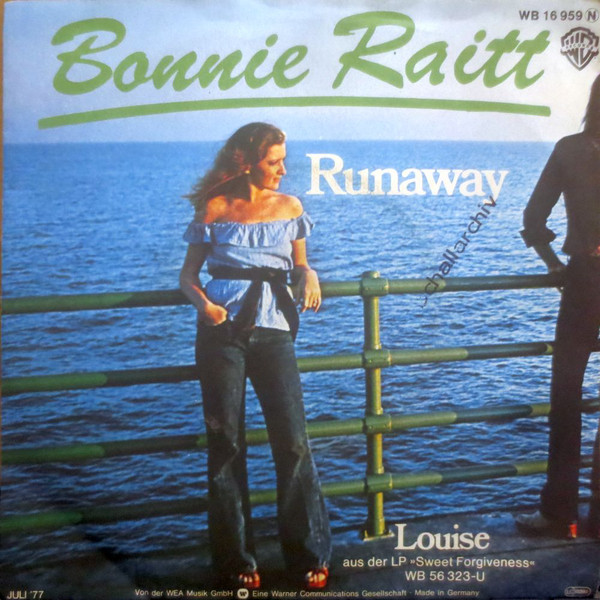
Bonnie Raitt – Runaway

A couple of weeks ago we looked at Bonnie Raitt in the late 80s…Here she is in the 70s putting a new bluesy twist on Runaway. It was her breakthrough in the Singles Charts. It would be 12 more years before she broke through big with the album Nick of Time.

Del Shannon and his keyboard player, Max Crook, wrote with this while they were playing a club in their hometown of Battle Creek, Michigan. Crook played a keyboard called a “Musitron” on Del’s version of the song.

The Raitt version of Runaway peaked at #57 in the Billboard 100 and #79 in Canada. It was on the Sweet Forgivness album released in 1977 which peaked at #25 in the Billboard Album Charts.

Runaway

As I walk along I wonder what went wrong
With our love, a love that was so strong
And as I still walk on I think of the things
We’ve done together while our hearts were young
I’m a walking in the rain, to the bone I feel the pain
Wishing you were here by me to end this misery
And I wonder, I w-w-wonder, why, you ran away
And I wonder if you will stay, my little runaway, my runaway
I’m a walking in the rain, to the bone I feel the pain
Wishing you were here by me to end this misery
And I wonder, I w-w-wonder baby yeah, you know why, you ran away
And I wonder if you will stay, my little runaway, my little runaway
Come back baby
(Run, run, runaway)
You left me standing in the rain
(Run, run, runaway)
Come back baby
(Run, run, runaway)
Standing in the rain
(Run, run, runaway)

Babys – Every Time I Think of You

The Babys had a brief career in the spotlight and had some hits. Back On My Feet Again, Isn’t It Time, and this one. They were a good opening act for many bands at that time but although having a few top 40 hits never did breakthrough big.

Internal conflicts led to the founder, guitarist, and keyboard player Michael Corby being removed from the group by Chrysalis Records in 1978. The three remaining members of the Babys…John Waite, Wally Stocker, and Tony Brock completed the album for a January 1979 release. Jonathan Cain would join in 1980 and his membership would be shortlived.

During a performance in Cincinnati on December 9, 1980 (the day after John Lennon had been murdered), John Waite was pulled from the stage by an overzealous fan during an encore and seriously injured his knee. Following a subsequent final performance by the group in Akron, Ohio, the remainder of the tour was canceled, and the group disbanded following the tour.

They broke up in 1981 and John Waite went solo and had a number 1 hit… and Jonathan Cain joined Journey. Wally Stocker and Tony Brock would later play in Rod Stewart’s band.

Every Time I Think Of You was written by Jack Conrad and Ray Kennedy and released in 1979 as the lead single from The Babys’ third studio album Head First. 

The song peaked at #13 in the Billboard 100, #8 in Canada, and #41 in New Zealand in 1979.

Every Time I Think Of You

Every time I think of you
It always turns out good
Every time I’ve held you
I thought you understood

People say a love like ours
Will surely pass
But I know a love like ours
Will last and last

But maybe I was wrong not knowing how our love should go
(How our love, how our love should go)
But I wasn’t wrong in knowing how our love would grow
(How our love, how our love would grow)

And every time I think of you (every time)
Every time I think of you (every single time)
It always turns out good

Seasons come and seasons go
But our love will never die
Let me hold you, darlin’
So you won’t cry

‘Cause people say that our love affair
Will never last
But we know a love like ours
Will never pass

But maybe I was wrong not knowing how our love should go
(How our love, how our love should go)
But I wasn’t wrong in knowing how our love would grow
(How our love, how our love would grow)

And every time I think of you (every time)
Every time I think of you (every single time)
It always turns out good

People say a love like ours
Will surely pass
But I know a love like ours
Will last and last

But maybe I was wrong not knowing how our love should go
(How our love, how our love should go)
But I wasn’t wrong in knowing how our love would grow
(How our love, how our love would grow)

And every time I think of you
Every time I think of you
It always turns out good

Every time I think of you

Every time I think of you

Every time I think of you

Rod Stewart – I Don’t Want to Talk About It

Rod Stewart has gone through many phases of his career. He started off as a rocker and his voice was one of the best around in an era of great voices in the late 60s and early 70s. I liked the Faces era and his early solo acoustic-based songs a lot. His Mercury albums are for the most part very good.

This song was on the B side of the UK single of The First Cut Is The Deepest in 1977 and it peaked at #1 in the UK…In America, it wasn’t released until 1979 and it peaked at #46 in the Billboard 100 in 1980. I didn’t’ hear the song until I got the Greatest Hits.

Danny Whitten wrote this song while he was in Crazy Horse.  Danny was a creative force in the group as their rhythm guitarist and lead vocalist. Whitten was battling a heroin addiction at the time and died a year later when on November 18, 1972 he overdosed and died. Crazy Horse released a self-titled album with this song included.

Rod Stewart recorded this song for his 1975 album Atlantic Crossing, which was produced by Tom Dowd.

One interesting note…

The Sex Pistols topped the charts of most major British music publications with “God Save The Queen,” which mocked the monarchy and the celebrations. The Sex Pistols’ song suspiciously stalled at #2 on the official chart, placing behind Rod Stewart’s version of “I Don’t Want To Talk About It.” There were many accusations that the chart was rigged to avoid embarrassment in the week of the jubilee.

From Songfacts

Nils Lofgren, who was also in Crazy Horse, recalls in the book 1000 UK #1 Hits by Jon Kutner and Spencer Leigh: “Danny was a very soulful man and a good man and he was the one who got me in Crazy Horse. I loved his song, ‘I Don’t Want To Talk About It,’ and I think it is one of the greatest ballads ever. It has a very haunting lyric and put two lines into the song because Danny was so ill when he recorded it. He could still sing and play but he wasn’t bothered with much else. We said, ‘Danny, we’ve got to do this song, it’s a great song’ and he said, ‘It needs a second verse’ and this went on for months. He never could get it together and then we were in the studio and got in an argument, and he said, ‘Okay, well, one of you write it.’ I left the studio and wrote a couple of lines quickly and I said,’What about these” and he said, ‘Fine, let’s do it’. Danny and I sat opposite each other with acoustic guitars and Ry Cooder was playing slide on his lap and it came out beautifully.”

The Crazy Horse album was an assemblage of top-tier musicians and producers. Along with Danny Whitten and Nils Lofgren, Jack Nitzsche, Ry Cooder, Billy Talbot and Ralph Molina played on it, and it was produced by Nitzsche and Bruce Botnick.

It enjoyed just modest sales, but was adored by critics, including John Mendelsohn, who called this song an “unexaggerably lovely ballad” in his Rolling Stone review.

Whitten never got to perform the song with Crazy Horse, as his addiction pushed him out of the group. He was replaced by George Whitsell, who played on the group’s next album, Loose, released in 1972. Whitten picked up again with Neil Young’s band, but again his addiction led to his dismissal.

However, at the Christmas concerts Stewart gave in London that year, he was taken aback when his fans started singing the chorus to “I Don’t Want To Talk About It” along with him – continuing even when he dropped out to watch them. Because of their obvious enthusiasm for this song, Stewart’s label decided to issue it as his next single. Since so many of Rod’s followers already had Atlantic Crossing, a track from Night On The Town, “The First Cut Is The Deepest,” was included on the flip side and issues as a double-A side disc. The single went to #1 for four weeks in the UK.

In 1988 the duo Everything But The Girl recorded a cover version which bought them their first UK Top 10 hit when it climbed to #3.

They recorded the song at a time when they were frustrated with the lack of success from their first three albums and the constant criticism revolving around their change of sound with every record. Ben Watt of the duo explained to Q in 1996 that covering this song was in response to never being able to please everyone, stating: “When we did ‘I Don’t Want To Talk About It,’ we were almost trying to say, ‘F–k you then! We’ll do a cover version, that’s what you really meant.'” Watt angrily continued, “And of course it went to #3, and completely backfired again!”

EBTG vocalist Tracey Thorn echoed Watt’s thoughts in 2012 to The Quietus when asked about the annoyance of the song being added to the beginning of their album Idlewild when it became an unexpected success. Said Thorn: “Obviously the trouble with having a hit with something like a cover of a ballad, you attract a whole new set of listeners. Which is great, but on the other hand they start to pigeonhole you a little bit, and there was a period around that time where for a few years after where we did pick up an audience that began to get older and expect certain things from us.”

Stewart sang this song as a duet in his concert One Night Only! Live at Royal Albert Hall, with Amy Belle. Stewart told the audience, “A week ago this girl was busking the streets of Glasgow,” and he felt that it was his right to bring her into the limelight because “I was discovered busking at a train stop.”

Nils Lofgren recorded a new version of this song for his 2015 solo album UK2015 Face the Music Tour.


I Don’t Want To Talk About It

I can tell by your eyes
That you’ve probably been cryin’ forever
And the stars in the sky
Don’t mean nothin’ to you, they’re a mirror

I don’t wanna talk about it
How you broke my heart
If I stay here just a little bit longer
If I stay here, won’t you listen to my heart?
Whoa, heart

If I stand all alone
Will the shadow hide the color of my heart?
Blue for the tears, black for the night’s fear, heart
And the stars don’t mean nothin’ to you, they’re a mirror

I don’t wanna talk about it
How you broke my heart
If I stay here just a little bit longer
If I stay here, won’t you listen to my heart?
Whoa, heart, my heart, whoa, heart

I don’t wanna talk about it
How you broke my heart
If I stay here just a little bit longer
If I stay here, won’t you listen to my heart?
Whoa, heart, my heart, whoa, heart
My heart, whoa, heart, my heart, whoa, heart

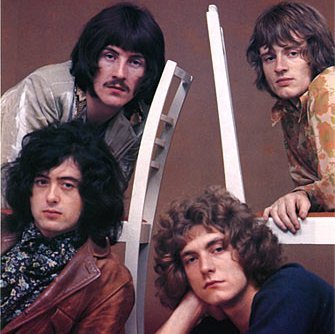
Led Zeppelin – Ramble On

What I like about Zeppelin is change. Every album took a step in another direction. It wasn’t just the bombardment of hard guitars like the first album. They stepped into folk, reggae, rockabilly, soul, blues, country, and rock and roll. The fans and critics complained at times especially over Led Zeppelin III.

I’ve always liked this song. John Paul Jones’s bass stands out in this song. His bass in some Zeppelin songs is back in the mix a bit. The lyrics were inspired by J. R. R. Tolkien and similar themes appeared on subsequent Led Zeppelin albums. In this song they did what they did best…light and dark…soft and hard. The dynamics they worked on would later culminate into Stairway to Heaven.

This song was on Led Zeppelin II that they recorded all over in different studios on their first tour. They recorded this song in New York.

The album Led Zeppelin II peaked at #1 in the Billboard Album Charts, #1 in Canada, and #1 in the UK.

From Songfacts

Some of Robert Plant’s lyrics in this song were inspired by the work of J.R.R. Tolkien, author of The Lord of The Rings. The references are to the adventures of the Hobbit, Frodo Baggins, as he goes to “the darkest depths of Mordor” and encounters “Gollum and the evil one.” Plant later admitted in an audio documentary that he was embarrassed by the Tolkien references, as they don’t make all that much sense – a fair maiden wouldn’t be found in Mordor, and Gollum would want nothing to do with her anyway, since his only concern is the precious ring.

This is one of Led Zeppelin’s most enduring songs, but they never performed it live from start to finish while the band was active. It was in their set when Zeppelin reunited for a one-off concert at the O2 Arena in London on December 10, 2007. John Bonham’s son Jason filled in on drums at that show.

What John Bonham played as percussion to supplement his drums on this song is not clear. It sounds like bongos, but has been reported to be a plastic garbage pail or a guitar case.

The concept of the troubadour “rambling on” – going from place to place and constantly moving forward – is one Robert Plant embraced. In his post-Zeppelin career, he went from one project to the next, refusing to fall back on nostalgia. It was Plant who kiboshed the proposed Led Zep reunion tour in 2007.

The group Train covered this on their 2001 Midnight Moon album. Their lead singer, Pat Monahan, was once in a band that did entire sets of Zeppelin songs. Producer Brendan O’Brien heard Train’s version and agreed to produce their second album.

This was sampled by the Insane Clown Posse for the song “50 Bucks” on their rare album Psychopathics From Outer Space and was also the single that accompanied The Pendulum #7, a 12-comic series of the group done by Chaos! Comics.

Along with “Going To California,” this is one of two Led Zeppelin songs used in the 2019 indie film The Friend. The band agreed to license the songs at a much lower rate than usual after hearing pleas from the filmmakers. The movie tells the true story of Nicole Teague, a woman with terminal cancer. The songs were part of her story and played an important role in the narrative.

Ramble On

Leaves are falling all around
It’s time I was on my way
Thanks to you I’m much obliged
For such a pleasant stay
But now it’s time for me to go
The autumn moon lights my way
For now I smell the rain
And with it pain
And it’s headed my way

Ah, sometimes I grow so tired
But I know I’ve got one thing I got to do

Ramble on
And now’s the time, the time is now
To sing my song
I’m goin’ ’round the world, I got to find my girl
On my way
I’ve been this way ten years to the day
Ramble on
Gotta find the queen of all my dreams

Got no time for spreadin’ roots
The time has come to be gone
And thoough our health we drank a thousand times
It’s time to ramble on

Ramble on
And now’s the time, the time is now
To sing my song
I’m going ’round the world, I got to find my girl
On my way
I’ve been this way ten years to the day
I gotta ramble on
I gotta find the queen of all my dreams

I ain’t tellin’ no lie
Mine’s a tale that can’t be told
My freedom I hold dear
How years ago in days of old
When magic filled the air
‘T was in the darkest depths of Mordor
I met a girl so fair
But Gollum, and the evil one
Crept up and slipped away with her
Her, her, yeah
Ain’t nothing I can do, no

I guess I keep on rambling
I’m gonna, yeah, yeah, yeah
Sing my song (I gotta find my baby)
I gotta ramble on, sing my song
Gotta work my way around the world baby, baby
Ramble on, yeah
Doo, doo, doo, doo, doo, my baby
Doo, doo, doo, doo
Doodoo doodoo doodoo doodoo doodoo

I gotta keep searching for my baby
(Baby, baby, baby, baby, baby, baby)
I gotta keep-a-searchin’ for my baby
(My, my, my, my, my, my, my baby)
Yeah yeah, yeah yeah, yeah yeah yeah
Yeah yeah yeah yeah yeah yeah yeah
I can’t find my bluebird
I listen to my bluebird sing
I can’t find my bluebird
I keep rambling, baby


Otis Redding – Love Man

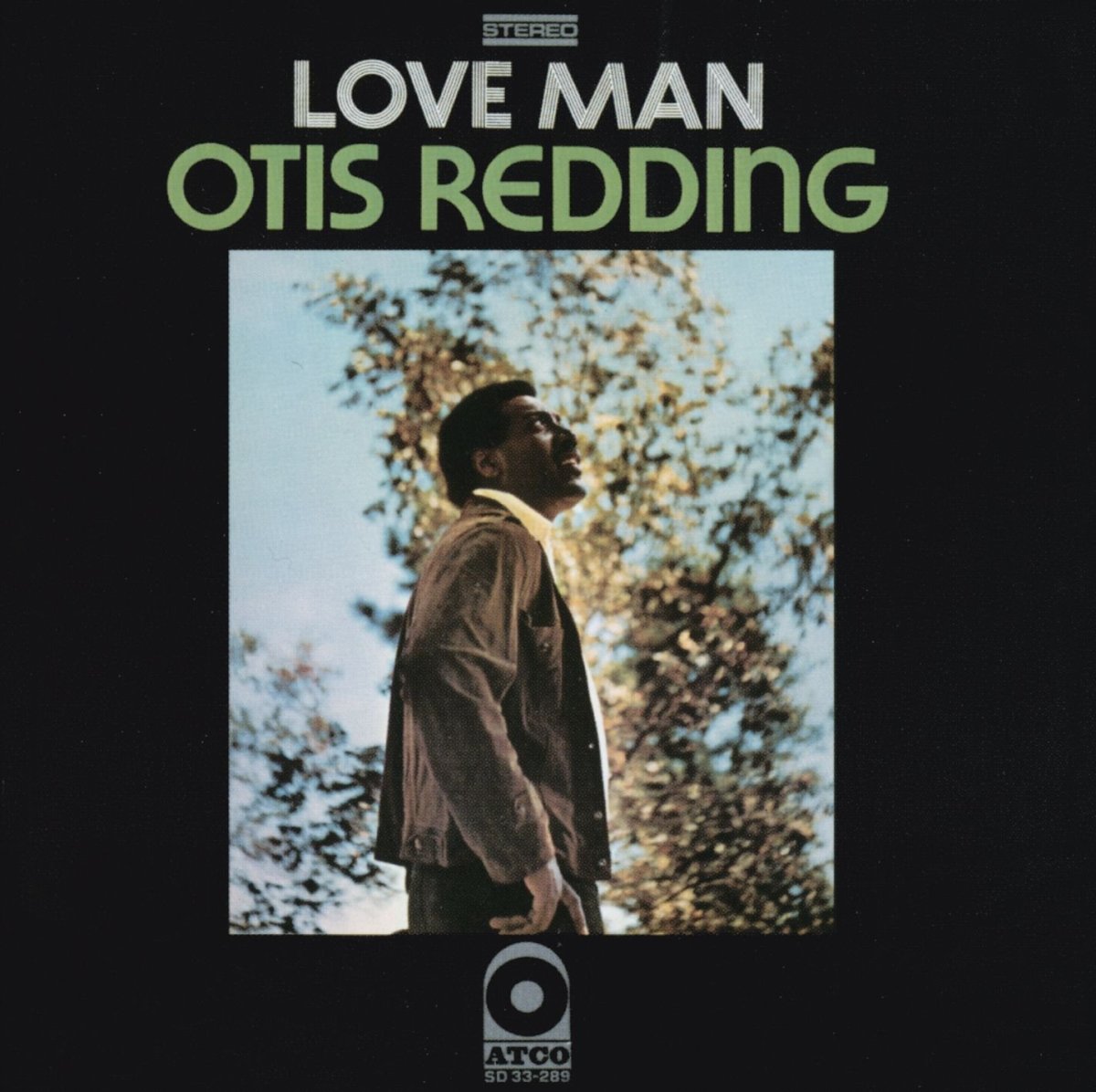
I was watching WKRP and Johnny Fever was playing this song. I heard a few of the lyrics and found it. Although Johnny Fever is a fictional character…he has great taste. This song was released after Otis had died in an airplane crash in1967.  Love Man was released in June 1969 and featured songs Redding had recorded in 1967. The album was produced by Steve Cropper, and featured Booker T. and the M.G.’s.It was on the album of the same name.

Matthew Greenwald of Allmusic said that apart from “(Sittin’ On) The Dock of the Bay”, the album’s title track was “one of Otis Redding’s finest and most commercial sides that he cut at the end of his brief career.”

The song peaked at #72 in the Billboard 100, #17 in the Billboard R&B Charts, and #43 in the UK.

The album peaked at #8 in the Billboard R&B Charts in 1969.


Love Man

I’m a Love Man
Call me the Love Man
Oooh, baby I’m the Love Man
That’s what they call me I’m a Love Man
Six feet one weigh two hundred and ten
A Long hair… Real fair skin
A long legs and I’m-a out-a sight
There ain’t no doubt I’m gonna take you out,
‘Cause I’m a love man
That’s what they call me I’m the Love Man
Make love to you in the mornin’
Make love to you at night now
Make love to when you think about it
I’ gonna bet you Everything’s alright
‘Cau…’Cau…’Cau…’Cau…’Cause I’m a love man
Ooh baby I’m a love man
That’s what they call me I’m a Love Man
Say there goes a love man
Six feet one weigh two hundred and ten
Long hair… Real fair skin
I’m long legged and I’m-a out-a sight
My, my babe I’m gonna take you out
‘Cause I’ a love man
Ooh baby I’m a love man
Take your hand; let me holler one time…AAWW!

Love man that’s all I am now
I’m just a love man
Ooh baby call me a love man
Yes I am, I’m just a love man
Let me tell you somethin’
Which one of you girls want me to hold you?
A Which one of you girls want me to kiss you?
Which one of your girls wants me to take you out?
Go on I got you, gonna knock you all night
‘Cause baby I’m a love man
All right, Ooh, baby I’m a love man
Let me tell ya!
I’m sayin’ I’m just a love man, good ol’ man
I’m just a love man, fancy man
I’m just a love man, good ol’ man
I’m just a…..

Neil Young – The Needle and the Damage Done

This is a powerful song by Neil. This song was the B side of Old Man. It’s gotten a lot of airplay through the years and serves as a cautionary tale for drug use. The lyric “every junkie’s like a settin’ sun” says it all.

Neil Young wrote this one about Danny Whitten, one of the original members of his band Crazy Horse. In 1971, Young went on tour and hired Crazy Horse and Nils Lofgren as backup. During rehearsals, Whitten was so high on heroin that he couldn’t even hold up his guitar. Young fired him, gave Whitten 50 bucks (for rehab) and a plane ticket back to Los Angeles. Upon reaching LA, Whitten overdosed on alcohol and Valium, which killed him.

This wouldn’t be Young’s only loss from heroin. Longtime friend and roadie Bruce Berry would also overdose on heroin just months after Whitten. Berry’s song is “Tonight’s The Night,” on the album of the same name.

The song was on Harvest which peaked at #1 in the Billboard Album Charts.

Neil Young on Danny Whitten: “I felt responsible. But really there was nothing I could do. I mean, he was responsible. But I thought I was for a long time. Danny just wasn’t happy. It just all came down on him. He was engulfed by this drug. That was too bad. Because Danny had a lot to give. boy. He was really good.”


From Songfacts
Danny Whitten was one of the founding members of Crazy Horse and was very influential on much of Young’s work preceding his heroin addiction. His influence is particularly noticeable on Young’s second album, 1969’s Everybody Knows This is Nowhere. Leading up to Whitten’s dismissal from the band and overdose, Young even attempted daily one-on-one lessons to try and rehabilitate his old friend.

As quoted in Neil Young: Long May You Run: The Illustrated History, Neil Young says of the tragic death of Whitten: 

The song’s first line mentions a “cellar door.” Young and Crazy Horse, with Whitten, had played Washington DC’s Cellar Door club in 1969.

Young’s famous version was recorded live at the University Of California in January 1971, a year before it appeared on his Harvest album.

A solo, acoustic performance of this song by Young from Massey Hall in Toronto on January 19, 1971 features on his 2007 Live at Massey Hall 1971 album. He introduces it with a short explanation: “Ever since I left Canada, about five years ago or so and moved down south… found out a lot of things that I didn’t know when I left. Some of ’em are good, and some of ’em are bad. Got to see a lot of great musicians before they happened, before they became famous – y’know, when they were just gigging. Five and six sets a night, things like that. And I got to see a lot of great musicians who nobody ever got to see, for one reason or another. But, strangely enough, the real good ones that you never got to see was… ’cause of, ahhm, heroin. An’ that started happening over an’ over. Then it happened to someone that everyone knew about. So I just wrote a little song.”

This was one of the songs that Young performed at Live Aid in 1985.

Young made this succinct statement about the song in the liner notes to his album Decade: “I am not a preacher, but drugs killed a lot of great men.”

Flea, famed bassist of The Red Hot Chili Peppers, played the song frequently on a 1993 tour following the singer John Frusciante’s temporary departure due to heroin addiction.

The song has struck a long-lived chord with broad range of musicians. Over the years, it’s also been covered by Pearl Jam’s Eddie Vedder, Dave Matthews, and Jewel.

At Young’s 1995 Bridge School benefit concert, the Pretenders sang this in honor of Blind Melon frontman Shannon Hoon, who died a week earlier from a drug overdose. Blind Melon was scheduled to play the event but canceled after Hoon’s death.

The Needle and the Damage Done

I caught you knockin’ at my cellar door,
I love you baby can I have some more?
Oh, the damage done.

I hit the city and I lost my band,
I watched the needle take another man.
Gone, gone, the damage done.

I sing the song because I love the man,
I know that some of you don’t understand.
Milk blood to keep from runnin’ out.

I’ve seen the needle and the damage done,
a little part of it in everyone,
but every junkie’s like a settin’ sun.

Ronettes – Baby, I Love You

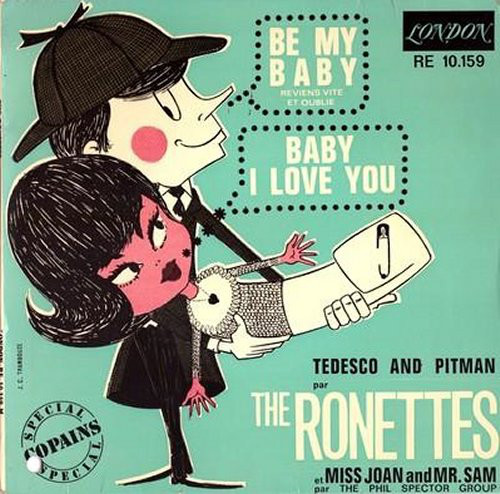
This was the follow-up to The Ronettes hugely successful debut single “Be My Baby.” Like “Be My Baby,” this was written by Jeff Barry and Ellie Greenwich, and produced by Phil Spector using his famous “Wall Of Sound” technique. Be My Baby is hard to beat but Ronnie is fantastic in this one also.

The song was released not long after the assassination of US President John F. Kennedy, which put a damper on sales of upbeat singles. The Ronettes were never able to match the success of “Be My Baby.”

The song peaked at #24 in the Billboard 100 in 1964.

From Songfacts

Cher sang backup on The Ronettes version, and later recorded it on her own in a much slower, more dramatic style. Her version was produced by Phil Spector, and was released as the B-side of “A Woman’s Story,” which was Spector’s first production for Warner-Spector Records, his collaboration with Warner Brothers.

Twice, covers of this song peaked at #8 in the UK chart, bettering The Ronettes’ version. The first came in 1973 when the Welsh singer/guitarist Dave Edmunds recorded it as a homage to Phil Spector. Then in 1980, the American rock group the Ramones had their only UK Top 20 hit when their cover, which was produced by Spector, also reached #8. Edmunds’ version was the first single released on the Rockfield label, available through RCA.

Jeff Barry’s protégé Andy Kim took this song to #9 in the US with this 1969 version. Kim, who co-wrote the massive Archies hit “Sugar, Sugar” with Barry, grew up in Montreal and had never heard the song when he stumbled across it in Barry’s office and started playing it. “I see this sheet music and the chords,” Kim said in a Songfacts interview. “I pick up the guitar and I’m playing this song, and I’m singing this song that I had never heard of. Jeff walks in, and he says, ‘Hey man, I heard you through the door. I love what you’re playing, but that’s not how the song goes.'”

“We went in the studio and the idea was for us to make this record together, because it really sounded great in the office,” he continued. “To work with Jeff that way was the magic of it all. We went to A&R Studios – Studio A or 1, whatever they called it at the time. A huge room. Sat in the middle of this huge recording space with a microphone next to the guitar. Jeff went into the booth, and was kind of the metronome. He just clapped and hummed along the way – what he needed from me was to get one guitar down from beginning to end. I was able to do that five more times on separate tracks, and it would bounce back and forth. And if you do that, there are overtones and there is a sound without drums or anything. So that’s how the song was built – one instrument at a time. Drums were played by hand, percussion. Then Chuck Rainey came in to put bass on the song, and everything just glued together.”

Kim’s version was #1 for two weeks in his native Canada and earned him a Juno Award as his country’s Top Male Vocalist.


Baby, I Love You

Woa-oh, woa-oh oh oh
Have I ever told you
How good it feels to hold you?
It isn’t easy to explian
And though I’m really trying
I think I may start crying
My heart can’t wait another day
When you kiss me I’ve just got to say

(Baby, I love you) come on, baby
(Baby, I love you) ooh-ee baby
(Baby, I love only you)

Woa-oh, woa-oh oh oh

I can’t live without you
I love everything about you
I can’t help it if I feel this way
Oh, I’m so glad I found you
I want my arms around you
I love to hear you call my name
Oh, tell me that you feel the same

(Baby, I love you) come on, baby
(Baby, I love you) ooh-ee baby
(Baby, I love only you)

Woa-oh, woa-oh oh oh

Come on, baby (baby, I love you) come on, baby
(Baby, I love you) ooh-ee baby
(Baby, I love you) come on, baby
(Baby, I love you) ooh-ee baby
(Baby, I love you) oh, oh

ELO – Evil Woman

This is the first ELO song I remember being really popular on radio. The piano intro hooks me every time.

This song was recorded at Musicland Studios in Munich, Germany in 1975. Jeff Lynne wrote the song on a piano in the studio on the last days of recording, writing it very quickly.

The band’s recording for all of the other songs for the Face The Music album had been completed when Jeff needed another song. One morning, while the rest of the band was out, he sat at the piano and played the opening piano riff, which became the basis of the song. Later that same day, the rest of the band came in and recorded the backing track. The lyrics were written and recorded the next day at Musicland.

The line “There’s a hole in my head where the rain comes in,” was inspired by the Beatles song, “Fixing a Hole.”

The song peaked at #10 in the Billboard 100, #6 in Canada, #10 in the UK, and #8 in New Zealand in 1976.

Evil Woman

You made a fool of me
But them broken dreams have got to end

Hey, woman, you got the blues
‘Cause you ain’t got no one else to use
There’s an open road that leads nowhere
So just make some miles between here and there
There’s a hole in my head where the rain comes in
You took my body and played to win
Ha, ha, woman, it’s a cryin’ shame
But you ain’t got nobody else to blame

Evil woman
Evil woman
Evil woman
Evil woman

Rolled in from another town
Hit some gold, too hard to settle down
But a fool and his money soon go separate ways
And you found a fool lyin’ in a daze
Ha, ha, woman, what you gonna do
You destroyed all the virtues that the Lord gave you
It’s so good that you’re feelin’ pain
But you better get your face on board the very next train

Evil woman
Evil woman
Evil woman
Evil woman (hey hey hey)

Evil woman
Evil woman
Evil woman
Evil woman

Evil woman, how you done me wrong
But now you’re tryin’ to wail a diff’rent song
Ha, ha, funny, how you broke me up
You made the wine, now you drink a cup
I came runnin’ ev’ry time you cried
Thought I saw love smilin’ in your eyes
Ha, ha, very nice to know
That you ain’t got no place left to go

Evil woman
Evil woman
Evil woman (evil woman)
Evil woman

Evil woman (what an evil woman)
Evil woman (such an evil woman)
Evil woman (what an evil woman)
Evil woman (such an evil woman)

Evil woman (what an evil woman)
Evil woman (such an evil woman)
Evil woman (what an evil woman)
Evil woman (such an evil woman)


Band – Long Black Veil

I’ve heard many versions of this song but when I heard Rick Danko sing it with the Band…that was it.

Long Black Veil was written in 1959 by Danny Dill with Marijohn Wilkin. Dill called it an “instant folk song.” One of Dill’s inspirations was a newspaper story about a mysterious woman who, wearing a black veil, repeatedly visited the grave of film star Rudolph Valentino.

Long Black Veil tells a compelling story from an unusual perspective. It is told from the grave by a man who was hanged for a murder he did not commit. He could have saved himself but chose not to because his alibi carried a terrible price: “I’d been in the arms of my best friend’s wife.”

It was originally recorded in Nashville by Lefty Frizzell, produced by Don Law. The peaked #6 on the Country Music Charts.

The Band’s version was on Music from Big Pink. The album peaked at #30 in the Billboard Album Charts and #18 in Canada in 1968.

Now considered a standard, it has been covered by many artists including Johnny Cash, Joan Baez, Dave Matthews, Emmylou Harris, Bruce Springsteen, Bruce Hornsby, and many other artists.

Long Black Veil

Ten years ago on a cool dark night
There was someone killed ‘neath the town hall light
There were few at the scene and they all did agree
That the man who ran looked a lot like me

The judge said “Son, what is your alibi?
If you were somewhere else then you won’t have to die”
I spoke not a word although it meant my life
I had been in the arms of my best friend’s wife

She walks these hills in a long black veil
She visits my grave where the night winds wail
Nobody knows, no, and nobody sees
Nobody knows but me

The scaffold was high and eternity neared
She stood in the crowd and shed not a tear
But sometimes at night when the cold wind moans
In a long black veil she cries over my bones