Love Valley Rock Festival…1970

Today is the 44th anniversary of this Rock Festival at Love Valley.

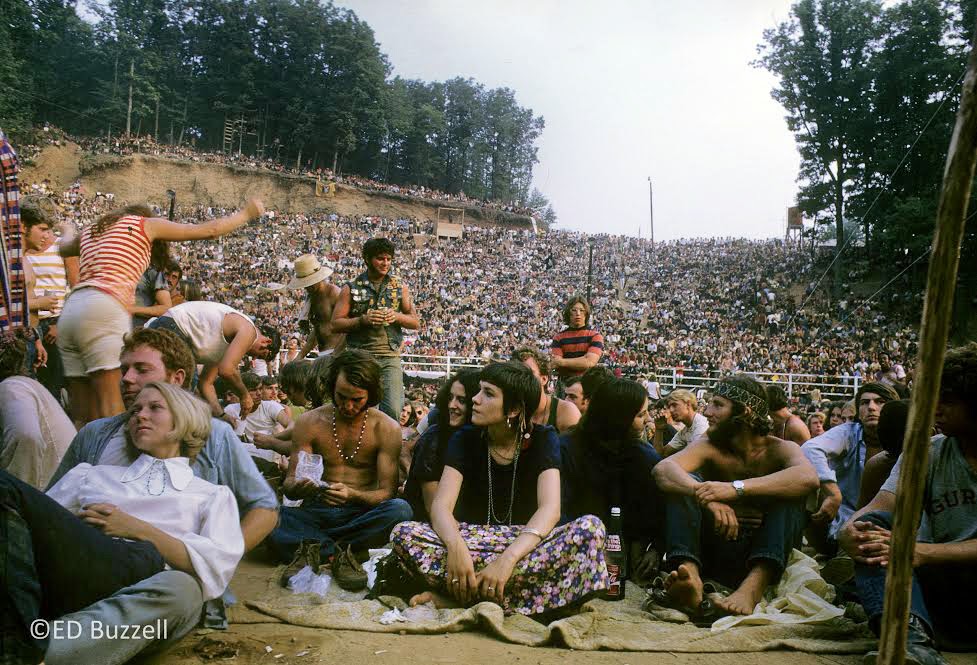
What a festival this was and what a town it still is. It happened in Love Valley North Carolina. The headliners were The Allman Brothers who at that time only had one album out and were largely unknown to the masses. This huge festival was soon known as Woodstock South.  Between 100,000-200,000 showed up.

A man named Andy Barker always wanted to live in a western town. When he was 29 years old he bought some land in 1954 and moved his family there. The land was in Iredell County and he he built the town and it was chartered in 1963. It has a saloon, hitching posts, a small church, and more. No cars are allowed in town…you can walk or ride a horse through.

It’s the place for riding horses, rodeos, and hiking trails with 2000 acres to cover. The population of Love Valley is right now at 96. Through the years it seems to stay around 100.
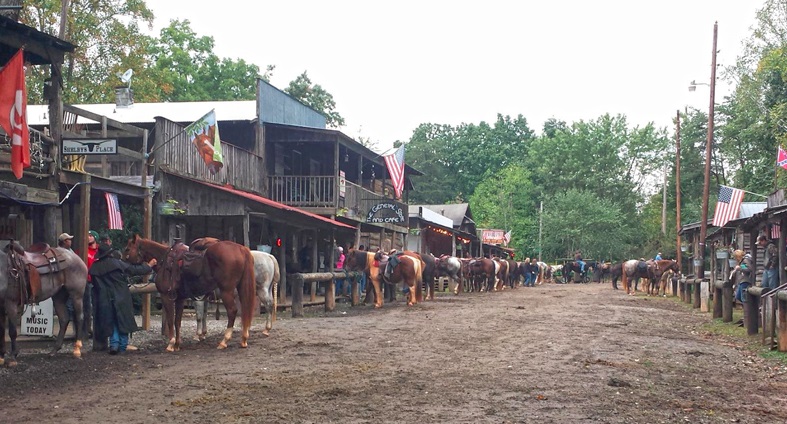
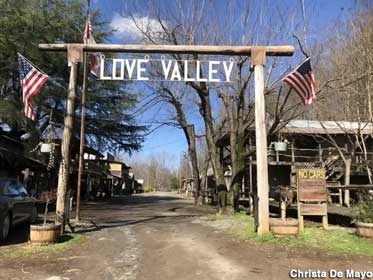
Love Valley: The Town Where Cars Aren't Allowed, Only HorsesLove Valley, NC - Town With No Cars, Only Horses

In 1969 Andy’s daughter Tonda wanted to go to Woodstock but he thought she was too young. So he asked her and her 16-year-old brother Jet Barker to organize a festive concert in Love Valley. While in college she had worked with an entertainment coordinator at college and knew the ropes. She managed to secure the Allman Brothers Band who at the time were known in the south but that is about it. They also got some more local bands to fill it out…it was a large bill. It took place Thursday, July 16-18, 1970.

One interesting thing that happened was that the Hell’s Angels and Outlaws showed up to battle each other. According to witnesses, Andy Barker stopped them, confiscated a chain and ax from each, and told them there would be no trouble there. They seemed to respect this man because after that the gangs dispersed and some camped out with no reported trouble. The festival went off without any major hitch.

Tonda: “It was perfect, it was like a dream. We had worked so hard and we could finally just sit down and enjoy it.”

Andy planned to make a documentary of it but it didn’t happen. All we have to look at is some grainy footage but that grainy footage shows Duane Allman a year before At Fillmore East was released. They were finishing up their second album Idlewild South at this time. Some very nice bootlegs are out there from their multiple sets.

Along with the Allman Brothers, the lineup consisted of these bands: Big Brother and the Holding Company (without Janis), Radar, Peace Core, Wet Willie, Johnny Jenkins, Tony Joe White, Hampton Grease Band, Donnydale, Catfish Freedom, Sundown, Chakra, Hot Rain, Kallabash, Warm Stone Blind, Captain John’s Fishmarket. There were over 40 bands over that weekend.

Some like Wet Willie would go on to have a few hits. Tony Joe White had a top ten hit with Polk Salad Annie the year before.

Ed Buzzell was a UPI stringer and took these photographs...they are amazing. They don’t show many bands…just the people…you feel like you are there.

WHO – The Real Me

Jim Adams invited me to participate in Song Lyric Sunday for his blog. This week’s prompt is…”a song that features a great bass line.” I knew it was going to be a Who song…and I changed it at the last minute from My Generation to this. This song has some incredible bass. 

I have played music since I was around 14-15 and bass since I was around 15. I started out with an acoustic guitar with 2 strings. I could play Smoke on the Water, Down on the Corner, and other songs with those two strings. Soon I graduated to 6 strings and learned chords. A buddy of mine played guitar and he was more advanced than I was at the time.

We decided I would play bass and he would play guitar. I got a job cleaning up a vacant lot that had a massive mess for two days and earned around 50 bucks…and in the early 1980s…that could get you a decent bass guitar in a pawn shop. I learned by ear. We would listen to a record…slow it down to the slowest speed on the turntable and start figuring it out. I’m glad I learned that way because I can pick things out by listening.

Hearing this song around 8 years after it was released for the first time was exciting for me. It was a huge influence on how I played. I always made sure in any band I was in…the bass was heard. You could feel it in your chest… I made sure of that. I would hear some say…”Max is on 11 again.”

Where do I start with this song?

One of the most exciting songs of The Who. It was on the Mod concept album Quadrophenia. Roger and Pete are excellent in this song but John and Keith really stand out. The bass and drums do the heavy lifting in this song. It peaked at #92 in 1974. 

I have sat for hours with a bass in my hand trying to get the runs right to this song. One of John’s best bass parts. I usually tie my fingers into knots trying to get this right. It wasn’t one of their huge hits but it was absolutely perfect for me.

I’ve never heard a hard rock band this tight yet carry a great melody underneath it all. John’s bass playing in this song is so good and he makes it sound almost normal. That is why I’ll always be in awe of The Who. Give me their rhythm section of Entwistle and Moon and I could rule the world. The word “revolutionized” is overused at times…but yes Entwistle did revolutionize the bass guitar as Moon did the drums.

The album told the story of a young mod named Jimmy. This song is about Jimmy’s inner turmoil and his quest to understand who he really is. He seeks answers and validation from his mother, a psychiatrist, and God, but finds no clear resolution.  The album explores themes of identity, rebellion, and disillusionment. Pete Townshend wrote this and put a little of each band member’s personality in the character. 

John Entwistle: “The Real Me” was the first take. I was joking when I did that bass part. The band said, “Wow, that’s great, that’s great!” And I was just messing around. They just loved the song. I was sitting on top of my speaker cabinet playing a silly bass part and that’s the one they liked. 

John Entwistle: I think if you listen to my bass parts on their own, they sound unbelievably disjointed, but when you play them with the other instruments on the track, they fit. That’s what comes from playing with Keith.

Speaking of my favorite rhythm section…here is an isolated recording of JUST the bass and drums. 

The Real Me

I went back to the doctor
To get another shrink
I sit and tell him ’bout my weekend
But he never betrays what he thinks

Woo
Can you see the real me, doctor?
Doctor?
Can you see the real me, doctor?
Woah, doctor

I went back to my mother
I said I’m crazy ma, help me
She said I know how it feels son
‘Cause it runs in the family

Can you see the real me, mama?
Mama?
Can you see the real me, mama?
Woah, mama

Can you see
Can you see the real me?
Can you see
Can you see the real me
The real me
The real me

The cracks between the paving stones
Look like rivers of flowing veins
Strange people who know me
Peeping from behind every window pane
The girl I used to love
Lives in this yellow house
Yesterday she passed me by
She doesn’t want to know me now

Can you see the real me?
Can ya?
Can ya?
Can you see the real me?
Can ya?
Woah, yeah

I ended up with a preacher
Full of lies and hate
I seemed to scare him a little
So he showed me to the golden gate

Can you see the real me, preacher?
Preacher?
Can you see the real me, preacher?

Can you see
Can you see
Can you see
Woah

Can you see the real me, doctor?

Can you see the real me, ma?

Can you see the real me (me, me, me, me, me, me, me, me, me, me, me)?


Band – Acadian Driftwood

Everlasting summer filled with ill-content
This government had us walkin’ in chains
This isn’t my turf
This ain’t my season
Can’t think of one good reason to remain

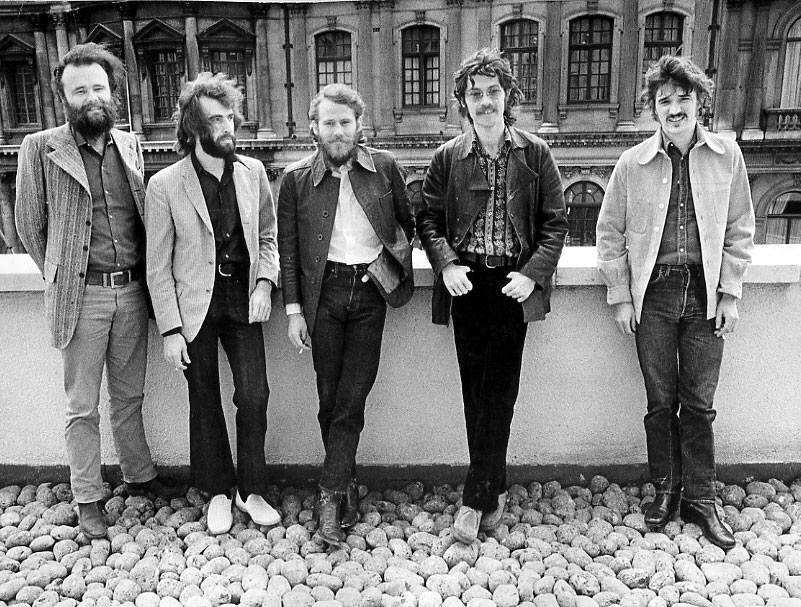
I will say that my favorite Canadian export is The Band. Combine the 4 Canadians with one southern American and you have gold…no scratch that… you have diamonds. Something I will confess about this band… after I’ve heard songs like The Weight, all of my life, sometimes I don’t realize or forget…wow that is great songwriting! I guess because those songs are so ingrained in my head and I don’t give them as much notice but I want to say something about that now. After posting Daniel and the Sacred Harp and now Acadian Driftwood…my respect for Robbie Robertson’s songwriting knows no bounds. This is songwriting at its best. Don’t get me wrong…I always knew those popular songs were great but I took The Band for granted for a while.

Robertson was inspired by the history of the Acadians, a group of French settlers in Canada who were forcibly removed from their land during the Great Expulsion (Le Grand Dérangement) between 1755 and 1764. This event scattered the Acadians across various regions, including Louisiana, where they became known as Cajuns. He was also influenced by Henry Wadsworth Longfellow’s 1847 poem Evangeline, which describes the deportation of Acadians

Just like with Daniel And The Sacred Harp this song showcases the vocals of Rick Danko, Levon Helm, and Richard Manuel. Each takes a turn singing different parts of the song, contributing to the narrative’s depth and meaning. There were some other Americana bands but none sounded like The Band.

Who would even think about writing a song about this subject? The song was on the Northern Lights – Southern Cross album released in 1975. The album peaked at #27 in Canada and #26 on the Billboard Album Charts.

Anyway…now when I listen to The Weight, Cripple Creek, The Night They Drove Old Dixie Down, and the other well-known Band songs…I will stop and listen a little more carefully.

Acadian Driftwood

The war was over and the spirit was broken
The hills were smokin’ as the men withdrew
We stood on the cliffs
Oh, and watched the ships
Slowly sinking to their rendezvous
They signed a treaty and our homes were taken
Loved ones forsaken
They didn’t give a damn
Try’n’ to raise a family
End up the enemy
Over what went down on the plains of Abraham

Acadian driftwood
Gypsy tail wind
They call my home the land of snow
Canadian cold front movin’ in
What a way to ride
Oh, what a way to go

Then some returned to the motherland
The high command had them cast away
And some stayed on to finish what they started
They never parted
They’re just built that way
We had kin livin’ south of the border
They’re a little older and they’ve been around
They wrote a letter life is a whole lot better
So pull up your stakes, children and come on down

Fifteen under zero when the day became a threat
My clothes were wet and I was drenched to the bone
Been out ice fishing, too much repetition
Make a man wanna leave the only home he’s known
Sailed out of the gulf headin’ for Saint Pierre
Nothin’ to declare
All we had was gone
Broke down along the coast
But what hurt the most
When the people there said
“You better keep movin’ on”

Everlasting summer filled with ill-content
This government had us walkin’ in chains
This isn’t my turf
This ain’t my season
Can’t think of one good reason to remain
We worked in the sugar fields up from New Orleans
It was ever green up until the floods
You could call it an omen
Points ya where you’re goin’
Set my compass north
I got winter in my blood

Acadian driftwood
Gypsy tail wind
They call my home the land of snow
Canadian cold front movin’ in
What a way to ride
Ah, what a way to go

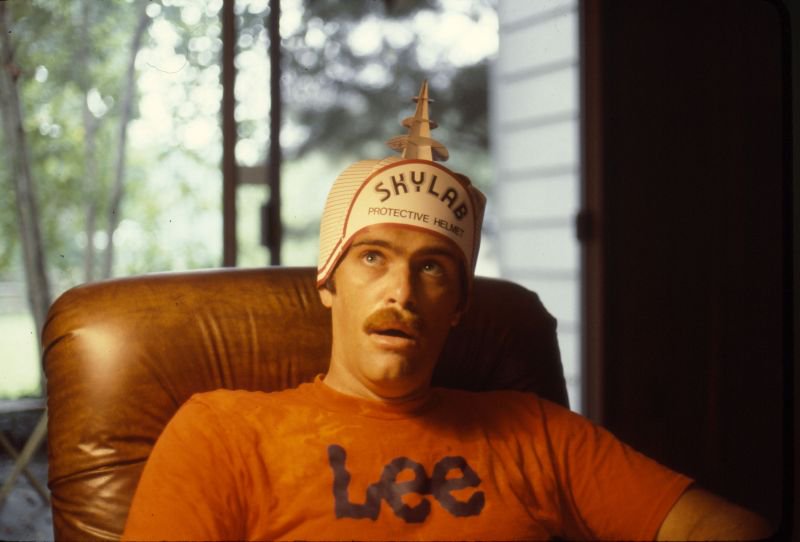
Skylab was Falling! 45 Years Ago Today

On July 12, 1979, Skylab fell back to the earth. Today is the anniversary. I would have never dreamed I would remember it years on.

In 1979 I was twelve and heard the news that a space workstation named Skylab was falling to Earth. It was exciting for me…I was hoping that a piece of it would fall near so I could touch something that had been flying through space. When you are a kid that is a big deal. Well, it still would be to me.

That didn’t happen because unless I was Australian I wasn’t going to see any debris. In school, our science teacher went over the event and I do remember people wearing Skylab t-shirts, hats, and buttons. Everyone was looking up hoping to see something…anything. Some kids were scared they were going to get crushed…that is when I learned that what goes up must go down.

Watching the news… some people were panicking and…some partying. This is from Newsweek in 1979

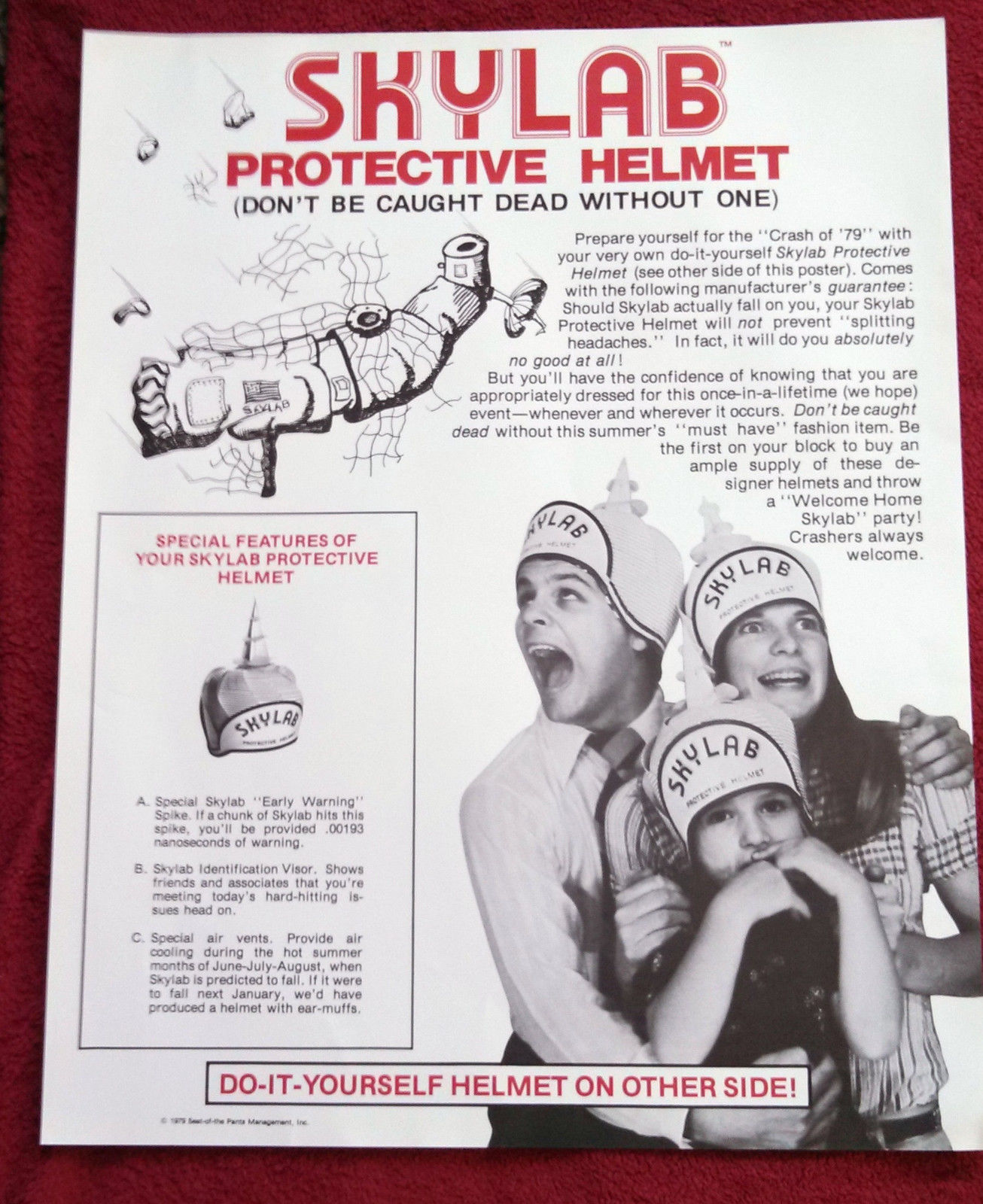
In various parts of the country, wags painted X’s on their neighbors’ roofs or sported T-shirts with targets on the back. Entrepreneurs sold plastic helmets and Skylab survival kits compete with bags for collecting stray parts of the spacecraft and letters suing NASA for damages. “I don’t know how much we’re making, but we’re having fun,” said Steven Danzig, 25, of Bloomington, Ind., who sold more than 20,000 such kits. In Washington, a bar called Mr. Smith’s sold a concoction dubbed the Chicken Little Special.

Around the U.S., there were Skylab parties to coincide with the crash, and betting pools on precisely when or where the debris would come streaking back to earth.

skylabshirt.jpgskylabhelmet.jpg

Skylab was designed to go up but not come back down. It was launched in 1973 and was occupied for almost 24 weeks. There was a lot of time and money spent on how to get it up there but not much time on how to get it down. It only had a 9-year life span, to begin with. In 1979 it was clear that Skylab was rapidly descending orbit.

On July 12, 1979, Skylab came back to earth in the Indian Ocean and in Western Australia. No one was injured by the falling debris.

The San Francisco Examiner offered a $10,000 ($45,309.60 today) reward for anyone bringing a part of Skylab to their office. They knew it wasn’t going to hit America so it was a safe bet they would not have to pay…but Stan Thornton…an Australian truck driver heard about the reward, grabbed a piece of debris, and jumped on a plane to San Francisco and got the reward.

stan thornton.jpg
Stan Thornton collecting his $10.000

skylabadvertistment.jpg

skylabfalling.png

David Bowie – Moonage Daydream

I like all the eras of the ever-changing David Bowie but his early to mid-seventies is my favorite. Love this song with its loud intro with Bowie as Ziggy Stardust. I knew a lot of his music as a kid because my sister liked Ziggy Stardust.

It was on the album The Rise and Fall of Ziggy Stardust and the Spiders From Mars released in 1972. Read that review if you have time…the album was one of his best to me. He wrote the song after meeting Fred Burrett a fashion designer in the early 70s. The album peaked at #5 in the UK, #21 on the Billboard Album Charts, #20 in New Zealand, and #59 on the Canadian Charts.

The original version of Moonage Daydream was released in 1971 under the name Arnold Corns, a side project Bowie used to test new material. Bowie formed Arnold Corns in early 1971. The name was inspired by the Pink Floyd song Arnold Layne. He combined Fred Burrett and Arnold Corns and wrote songs for the test band.

From Wiki…Arnold Corns included: David Bowie, Freddie Burretti (he changed his name), Mick Ronson, Mark Carr-Pritchard, Trevor Bolder, and Mick Woodmansey.

This song helped inspire Jack and Meg White to form The White Stripes. Jack was playing it on guitar and Meg started to play along and they formed their band.

Moonage Daydream

I’m an alligator, I’m a mama-papa coming for you
I’m the space invader, I’ll be a rock ‘n’ rollin’ bitch for you
Keep your mouth shut, you’re squawking like a pink monkey bird
And I’m busting up my brains for the words

Keep your ‘lectric eye on me, babe
Put your ray gun to my head
Press your space face close to mine, love
Freak out in a moonage daydream, oh yeah

Don’t fake it, baby, lay the real thing on me
The church of man, love, is such a holy place to be
Make me baby, make me know you really care
Make me jump into the air

Keep your ‘lectric eye on me, babe
Put your ray gun to my head
Press your space face close to mine, love
Freak out in a moonage daydream, oh yeah

Keep your ‘lectric eye on me, babe
Put your ray gun to my head
Press your space face close to mine, love
Freak out in a moonage daydream, oh yeah

Keep your ‘lectric eye on me, babe
Put your ray gun to my head
Press your space face close to mine, love
Freak out in a moonage daydream, oh yeah

Freak out, far out, in out

Max’s Drive-In Movie – Dirty Harry

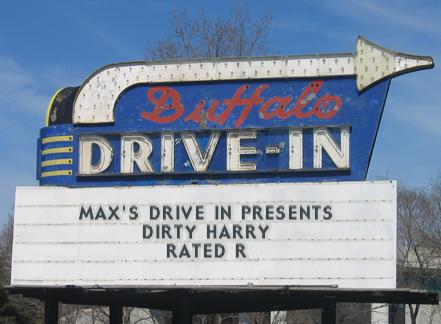
Maxs Drive In Dirty HarryDrive your car up to my place and find your spot….and we won’t even check the trunks for free stowaways (which I was a lot). Sit back while we watch some movies. I will keep each of these as short as possible. 
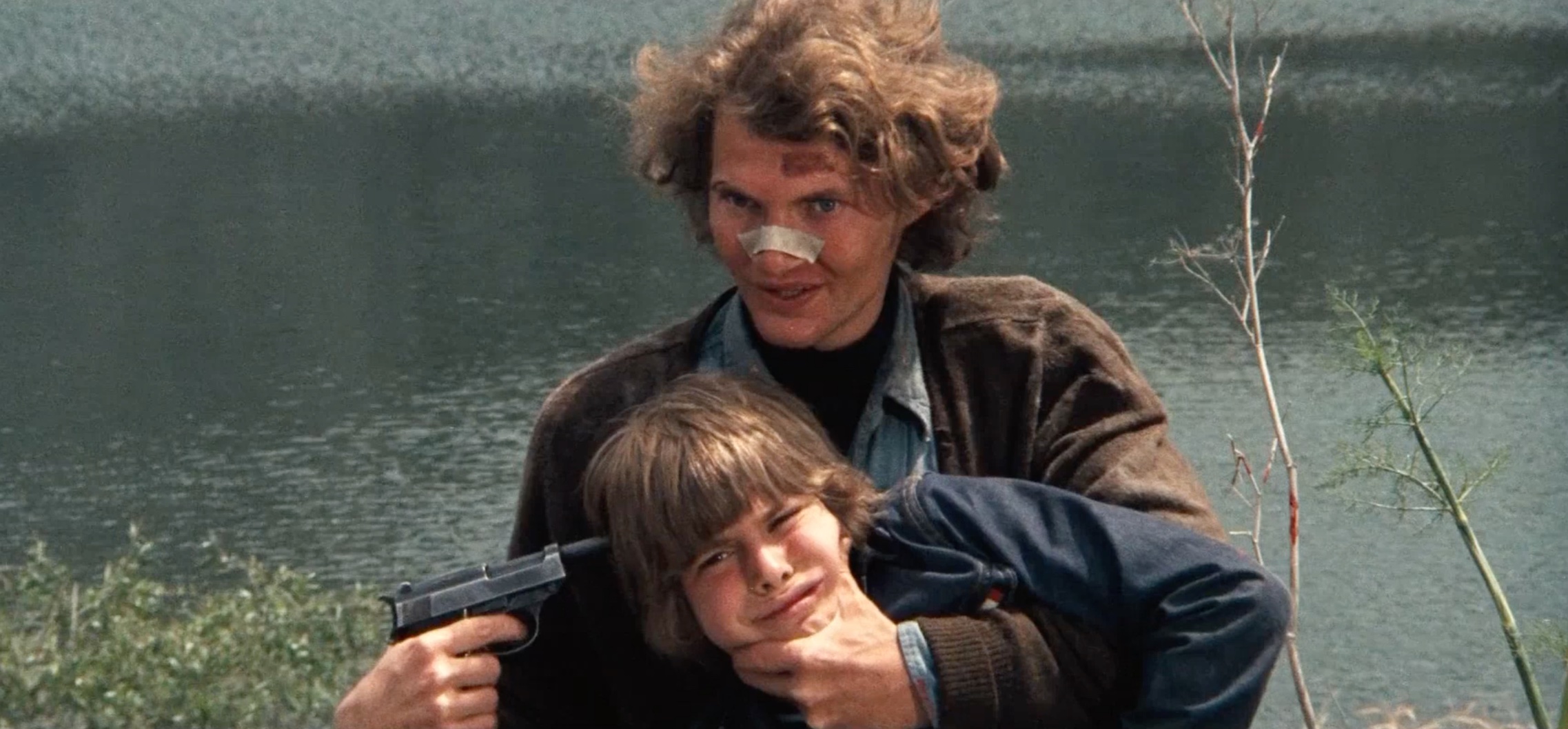
CB sparked this idea…I wanted to review more movies and what better movies than 1960s – 1970s drive-in flicks? I love these movies because they are mostly gritty and realistic looking…you never know what you will see or hear. I will try not to give away the ending of these films because many might not have seen them.

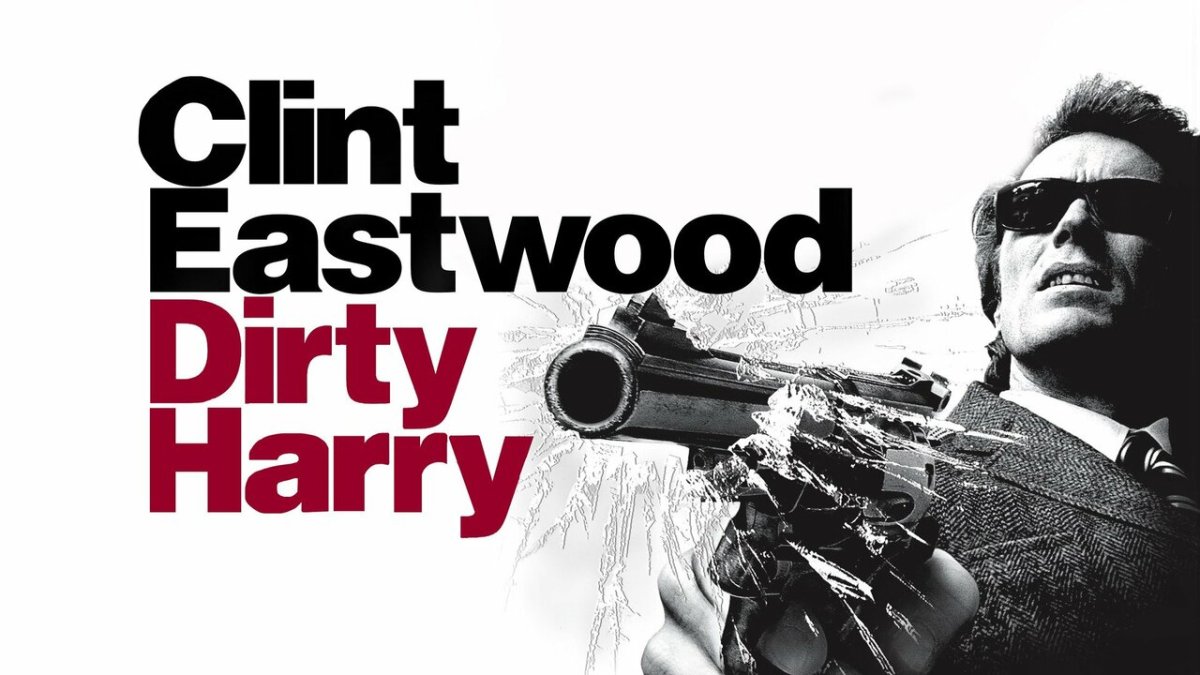
The quotes from this movie alone could fill up a book. This movie and The French Connection helped start the antihero movies of the seventies. I like many Eastwood films especially the Trilogy made in the sixties. In this movie, Dirty Harry has a tough, no-nonsense approach to law enforcement. He is willing to bend or break the rules to get the job done, which often puts him at odds with his superiors and the legal system. His most famous line, “Do you feel lucky, punk?” has become iconic. 

The movie is based out of San Francisco and the characters are really tangible. You have the mayor and police chief fighting with Harry over regulations and Harry is single-minded going after the killer. The film was well-received by critics for the most part. It highlights both vigilante justice and the large bureaucracy that holds everything back. It gives you a view of both.  

Dirty Harry - Killer

As good as Eastwood is in this movie, it’s Andrew Robinson who really got my attention. Some bad guys are like cartoon caricatures but not this one. He played The Scorpio Killer in this movie. He based some of it off the real Zodiac Killer of the 60s and 70s. Robinson played that part so well that he was stereotyped after the movie’s release. When you saw him on the screen he personified a killer. This is not Jason or slasher films bad guys…this one hit home because he was so real. 

Director Don Siegel did a hell of a job directing this movie. “I enjoy the controversy because if you make a film that’s safe, you’re in trouble. I’m a liberal; I lean to the left. Clint is a conservative; he leans to the right. At no point in making the film did we ever talk politics. I don’t make political movies. I was telling the story of a hard‐nosed cop and a dangerous killer. What my liberal friends did not grasp was that the cop is just as evil, in his way, as the sniper.”

My favorite scene… Harry is eating a hotdog and notices a bank getting robbed. He takes action and single-handedly stops the robbers. He teases one robber that he shot. 

I’m lifting the short storyline out of IMDB

“Dirty Harry” follows San Francisco Police Inspector Harry Callahan, a tough, rule-bending officer known for his unorthodox methods and willingness to confront criminals head-on. The film’s central antagonist is the Scorpio Killer, a sadistic serial murderer who taunts the police with cryptic messages and demands ransom money in exchange for stopping his killing spree.

Callahan’s pursuit of Scorpio takes him through the streets of San Francisco, leading to intense confrontations and moral dilemmas. As the body count rises, Callahan’s relentless quest for justice puts him at odds with his superiors, who are more concerned with following protocol than stopping the killer by any means necessary.

Favorite Quotes

  • The Mayor: Callahan… I don’t want any more trouble like you had last year in the Fillmore district. You understand? That’s my policy.
  • Harry Callahan: Yeah, well, when an adult male is chasing a female with intent to commit rape, I shoot the bastard – that’s my policy.
  • The Mayor: Intent? How’d you establish that?
  • Harry Callahan: When a naked man is chasing a woman through a dark alley with a butcher knife and a hard on, I figure he isn’t out collecting for the Red Cross.
  • The Mayor: I think he’s got a point.
  • Harry Callahan: Uh uh. I know what you’re thinking. “Did he fire six shots or only five?” Well to tell you the truth in all this excitement I kinda lost track myself. But being this is a .44 Magnum, the most powerful handgun in the world and would blow your head clean off, you’ve gotta ask yourself one question: “Do I feel lucky?” Well, do ya, punk?

The success of Dirty Harry led to four sequels: “Magnum Force” (1973), “The Enforcer” (1976), “Sudden Impact” (1983), and “The Dead Pool” (1988).

Quentin Tarantino talks about Dirty Harry

Kinks – Dead End Street

There’s a crack up in the ceilingAnd the kitchen sink is leakingOut of work and got no moneyA Sunday joint of bread and honey

I’ve posted a lot by The Kinks but there are always more great songs I never covered and this is one of them. I like this one more than some of their huge hits…it’s a great song…catchy and meaningful.

Another Ray Davies song on the struggles of working-class life in Britain during the 1960s, focusing on themes of poverty, social inequality, and hopelessness. Not only in Britain in the 60s but extends to now as well all over. The title of the song says it all of being in a vicious cycle. This is just another example of Ray Davies’s brilliant songwriting. When you read the Ray Davies quotes at the bottom you will see where he was coming from.

Dead End Street was released in 1966 as a non-album single. It was quite successful peaking at #5 in the UK, #4 in New Zealand, #28 in Canada, and #73 on the Billboard 100. At that time, Ray, Dave, Pete Quaife, and Mick Avory were the Kinks. Also joining them was again…super session piano player Nicky Hopkins. It would be easier to list the songs Hopkins didn’t play on during the sixties. Quaife did not play bass on this song because of a scooter accident but John Daulton subbed for him.

Ray Davies said that Shel Talmy produced the song but he wanted more of a pop beat so they tricked Talmy. Ray Davies said:  “He finished the track and said, ‘That’s great,’ and went home. Then we pretended to leave but came back to the studio and re-recorded the song. We played it to him the next day and he said, ‘See what I mean, there’s nothing wrong with it.’ He thought we were playing him his version.”

The video of this song shows the boys dressed as undertakers and it was directed by Ray himself.

Ray Davies: I wrote it around the time I had to buy a house and I was terrified. I never wanted to own anything because my dad had never owned property. He’d inherited from his dad that he had to rent all his life. So I still have inbuilt shame of owning anything. It’s guilt.”

Ray Davies: “My whole feeling about the ’60s was that it’s not as great as everyone thinks it is. Carnaby Street, everybody looking happy, that was all a camouflage. That’s what Dead End Street was about.

Dave Davies: “A song full of character, pathos, yet containing an underlying sense of hope. Reflecting a fondness for the past but at the same time expressing a determination and yearning for change.

“Anguished voices calling to a heartless world. A world where the plight of the ordinary person mattered little. “

Dead End Street

There’s a crack up in the ceilingAnd the kitchen sink is leakingOut of work and got no moneyA Sunday joint of bread and honey

What are we living for?Two-roomed apartment on the second floorNo money coming inThe rent collector’s knocking, tryna get in

We are strictly second classWe don’t understand

Why we should be on dead end street(Dead end!) People are living on dead end street(Dead end!) I’m gonna die on dead end streetDead end street (yeah!)Dead end street (yeah!)

On a cold and frosty morningWipe my eyes and stop me yawningAnd my feet are nearly frozenBoil the tea and put some toast on

What are we living for?Two-roomed apartment on the second floorNo chance to emigrateI’m deep in debt and now it’s much too late

We both want to work so hardWe can’t get the chance

People live on dead end street(Dead end!) People are dying on dead end street(Dead end!) I’m gonna die on dead end streetDead end street (yeah!)Dead end street (yeah!)

People live on dead end street(Dead end!) People are dying on dead end street(Dead end!) I’m gonna die on dead end streetDead end street (yeah)Dead end street (yeah)

Dead end street (yeah)Head to my feet (yeah)Dead end street (yeah)Dead end street (yeah)Dead end street (yeah)

How’s it feel? (Yeah)How’s it feel? (Yeah)Dead end street (yeah)Dead end street (yeah)Dead end street (yeah)

Yeah, yeahYeah, yeahYeah, yeahYeah, yeahYeah, yeahYeah, yeahYeah, yeahYeah, yeah

Jimi Hendrix – The Star Spangled Banner… Happy 4th of July

Happy Independence Day!

American Flag 2

This is the second year I’ve posted this on the 4th. I hope you liked the previous post on The Blasters.  Hendrix did a great version of The Star Spangled Banner in my opinion. He had served as a paratrooper in the 101st Airborne Division at Fort Campbell in Clarksville Tennessee in the early 60s.

Jimi Hendrix - Star Spangled Banner B

Yes, this is my favorite version of the song. The poem that formed the basis of the lyrics was penned in 1814 during the War of 1812 by Francis Scott Key, a 35-year-old lawyer who was sent to negotiate with the British in an attempt to gain the release of an American prisoner they were holding.

Later, Key watched the bombardment of Fort McHenry from a ship he was on. The next morning he saw the Americans take down the battle-torn US flag at the fort and replace it with a larger one.

Key’s poem was published on September 17, 1814, the day after he returned to Baltimore. The poem was sung to the music of a popular British drinking song called “To Anacreon in Heaven, ” attributed to John Stafford Smith.

Any time someone does an unusual approach to this song…there is always a lot of complaining from people. Once when Jose Feliciano did the song in Game 5 of the MLB World Series in 1968 on guitar and singing…all hell broke loose. Some listeners thought he had “desecrated” and disrespected the national anthem but when asked about it, Feliciano explained that the reason he offered a non-traditional rendition of the anthem was to get people to pay attention to it. It was a great version of the song.

Jimi Hendrix - Star Spangled Banner

Hendrix took the stage at Woodstock at 8am…only around 30,000 were left out of the huge crowd there. He had been warned not to do the anthem when he toured but did it anyway. He even recorded a studio version and after his death, the takes were put together and released but the Woodstock performance is the one that is best known. What amazes me is when he is imitating bombs dropping…he suddenly goes right back in on time and doesn’t miss a lick.

He didn’t get as much flack as Feliciano did…I think because it wasn’t on prime time during a World Series.

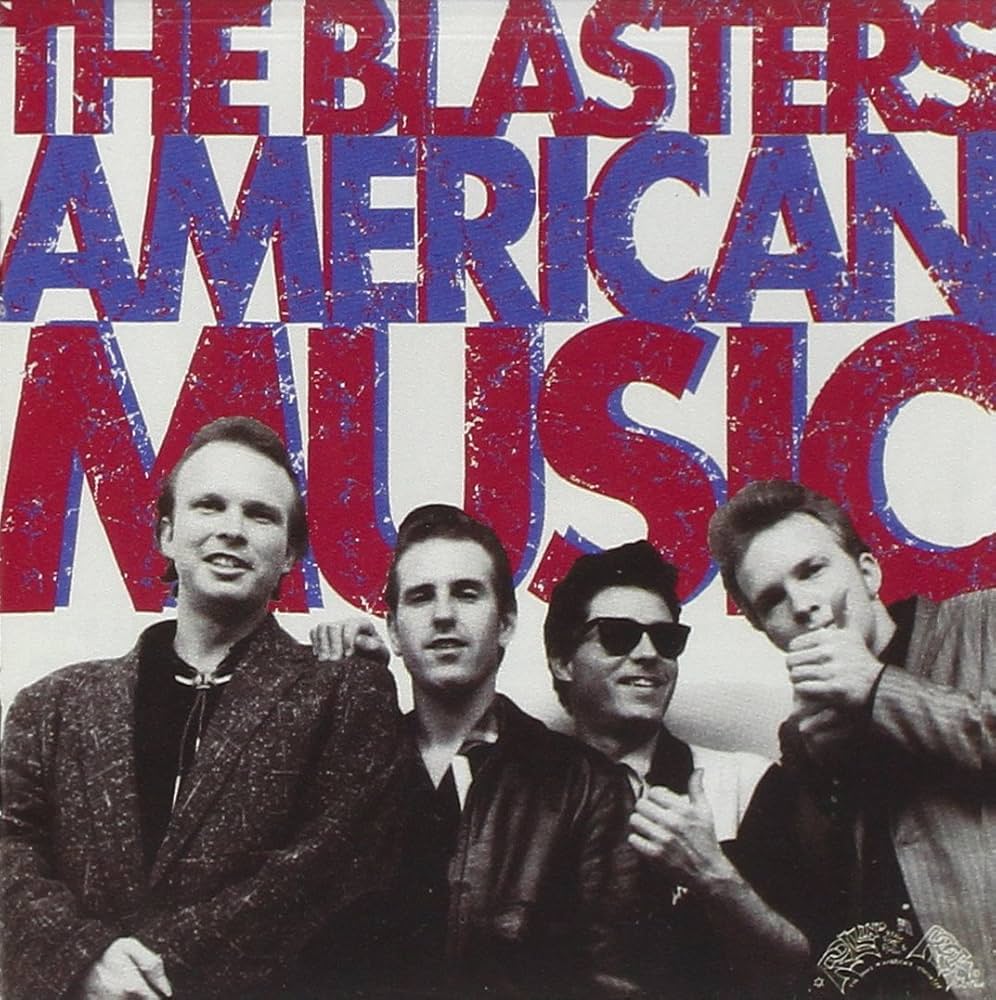
Blasters – American Music

The Blasters play what I would call rockabilly with some Americana thrown in. Some of the descriptions I found were rockabilly, blues, early rock and roll, punk rock, mountain music,  rhythm and blues, and country…but in short…they rock.

American Music was first released on the band’s 1980 debut album, the self-titled American Music. The album was independently produced and helped establish The Blasters as a force in the roots rock movement. They recorded 22 songs, and many covers, whittling it down to 13 for the final product. Released in February 1980, it sold out but only 2000 were pressed then.

The Blasters never had mainstream success…but mainstream radio back in the 80s would have been greatly improved by these guys. They were a rock and roll band formed in 1979 in Downey, California, by brothers Phil Alvin (vocals and guitar) and Dave Alvin (guitar), with bass guitarist John Bazz and drummer Bill Bateman.

This sounds like a homage to the American musical heritage, it reflects the band’s influences from blues, rockabilly, and early rock ‘n’ roll. Its lyrics and upbeat tempo celebrate the rich tapestry of American music genres.

Below I have a long quote from Dave Alvin on recording an album that an unknown truck driver complimented the album and meant the world to them.

Dave Alvin: Phil, Bill, John, and I were working day jobs, rehearsing at night in a factory in Garden Grove and trying desperately to find any steady gig that paid more than free beer. Our friends, James Harman and Mike Foresta, had recorded a demo tape of us and we’d taken copies to every “cool” nightclub in the Hollywood/West LA area, but no one was interested in a roots band, especially one from Downey, California, with no hip credentials.

I read somewhere about “Rockin” Ronny Weiser and his small rockabilly label (Rollin’ Rock), so Phil called him about the possibility of recording us. Ronny was skeptical until Phil sang and played guitar over the phone and within an hour Phil and I were sitting in Ronny’s living room playing him our tape. Ronny dug the tape, but still wouldn’t make a commitment to record us because we’d only played in biker and country bars on the decidedly untrendy southeast side of LA County. We knew none of the Hollywood scenesters and tastemakers and they definitely didn’t know us. That is until this truck driver came by Ronny’s to pick up boxes of records to be shipped.

“Who’s this playing?” he asked Ronny.

“It’s us,” Phil said.

“Is this what these records are? If it is, I’ll buy a copy. My wife and I dig this kind of music. You can’t find music like this anymore.”

We couldn’t have asked for more even if we’d paid him a million bucks. Once he left, Ronny quickly discussed when we’d record our first album and within a few weeks we were in Ronny’s garage/studio. James and Mike were with us for moral support. We drank a lot of beer. Phil, the most experienced, led us patiently and sang his heart out. James let me record with a white Fender Stratocaster that he swore once belonged to Magic Sam. I made mistakes I’ll spend the rest of my life trying to forget, but Ronny kept pushing us to quit thinking too much and just keep it rockin’ (and with a rhythm section like John and Bill, that was no problem). After that first day of recording, we drove back to our side of town punching each other in excitement and jumping up and down in the car seats like little boys. we yelled at strangers in passing cars that we’d made a record and we were gonna be famous. I remember at one point all four of us had our heads out the car windows, laughing cursing, screaming, and howling at the moon.

American Music

Well, a U.S. soldier boy on leave in West-Berlin
No music there that rocks, just a thousand violins
They wanna hear some American music
American music
They wanna hear that sound right from the U.S.A

Well, it can be sweet and lovely, it can be hard and mean
One thing’s for sure, it’s always on the beam
They wanna hear some American music
American music
They wanna hear that sound right from the U.S.A

Well, it’s a howl from the deserts, a scream from the slums
The Mississippi rollin’ to the beat of the drums
They wanna hear some American music
American music
They wanna hear that sound right from the U.S.A

We got the Louisiana boogie and the delta blues
We got country, swing and rockabilly, too
We got jazz, country-western and Chicago blues
It’s the greatest music that you ever knew
It’s American music
It’s American music
It’s American music
It’s that crazy sound right from the U.S.A
See pop shows near Nashville
Get tickets as low as $5

Dirty Mary, Crazy Larry

In 1974 I was 7 years old and my aunt…who was watching me for the night took me to see Dirty Mary, Crazy Larry, and Gone in Sixty Seconds (the original of course). Car chase movies were popular at the time and this was a good one. The cast includes Peter Fonda, Susan George, Adam Roarke, Roddy McDowall, and Vic Morrow. Kenneth Tobey was in the movie also…not a huge part but really good.

This movie always stuck with me because it is so real. It took a British director named John Hough to film this Americana car movie and he used the low budget to great effect – no studio sets, no process shots, no fakery…

It is a B movie but a fun B movie. Larry Rayder (Peter Fonda) is an aspiring NASCAR driver, Deke Sommers (Adam Roarke) is a mechanic. As they feel they collectively are the best, the only thing that is holding them back is money to build the best vehicle possible. They decide to rob a supermarket and are successful as they steal 150,000 dollars.

Larry’s one-night stand, Mary Coombs (Susan George) talks them into letting her go with them. The best part for me is when they steal a 1969 Dodge Charger R/T from a Flea Market. Fonda lives up to his name in this movie for the most part. Susan George’s character starts to realize this and starts to think that Adam Roarke is the one she should have liked.

Vic Morrow is fantastic in this movie as he always is in his films. A very tangible character that seems real. He was one actor who seemed completely natural in his roles. It was like he wasn’t acting at all.

I love cars and this was a time when cars actually looked different. They used three cars in this movie for the Charger. Two for the stunts and the main one for the normal shots. The color of them was Citron Yellow. A yellow car with a green tint. In the original movie, the car looked banana-yellow because of someone doing a wrong color correction. In the blue ray version, the car is like it was…Citron Yellow.

Dirty Mary Crazy Larry car yellow
This is one I found of the color of the car with the original movie after the “color correction.”

The car's original color
The car’s original color before color correction

A lot of the stunts were done by Peter Fonda. Susan George and Fonda both said that in the chase scenes, Fonda would be going over 100 mph with cars bumping into them. George has said that many of her screams were in fact real. The other stunts were done by stunt driver Carey Loftin. All without the aid of CGI, adding to the film’s excitement. That is why it looks so real…because it is.

The budget was 1.4 million and made over 28 million dollars (178 million today) back in 1974. When it was released, the film received mixed reviews from critics. However, it has since gained a cult following, particularly among fans of car chase films and 1970s cinema. It does have a great car chase. My favorite car chase in a movie is a 40-minute one in Gone in Sixty Seconds also released in 1974.

If you are bored and want to watch an entertaining car chase movie, you might like this one. Citizen Kane, it’s not but it’s a fun movie in which Peter Fonda made a fortune from a percentage deal he made. It really caught fire with Drive-In Theaters. If you have seen the movie and want to see a really good film locations video…watch this.

The filming locations were around Stockton California.

Cream – N.S.U.

Looking through my index…I can’t believe I’ve never posted this one by Cream before. I’m rectifying that mistake today! The song was born from a riff they played in their first rehearsal.

You probably will ask yourself…what did NSU stand for? That would be courtesy of Eric Clapton. He had a venereal disease at the time that was called Non-Specific Urethritis. They thought it would be fun to name the song with the initials.

How this band must have sounded to ears when they first got played. Compared to what was going on it must have sounded like aliens. I would also include Jimi Hendrix with this wash of hard rock psychedelic music.

Cream was formed in 1966 and consisted of Eric Clapton (guitar, vocals), Jack Bruce (bass, vocals), and Ginger Baker (drums). They were one of the first supergroups, with members already having successful careers. Eric had played with The Yardbirds, Bluesbreakers,  John Mayall & the Bluesbreakers, Powerhouse, and more. Jack Bruce played with Manfred Mann,  Blues Incorporated, and helped form The  Graham Bond Organisation. Ginger Baker played with Blues Incorporated, Johnny Burch Octet, and The  Graham Bond Organisation before Cream.

The song was on their debut album Fresh Cream released in 1966. The album peaked at #39 on the Billboard Album Charts and #6 in the UK. I can’t find a reliable source but one source has it peaking at #39 in Canada.

This song was written by bassist Jack Bruce.

N.S.U.

Driving in my car, smoking my cigar,
The only time I’m happy’s when I play my guitar.

Singing in my yacht, what a lot I got,
Happiness is something that just cannot be bought.

I’ve been in and I’m out, I’ve been up and down,
I don’t want to go until I’ve been all around.

What’s it all about, anyone in doubt,
I don’t want to go until I’ve found it all out.

Godzilla Minus One

I was reading the Master Mix Movie blog and this movie was featured. I have to say it’s very different from the modern Godzilla movies we have had.

I’m a huge Godzilla fan and as far as movies go…but it’s not a monster movie…it’s a movie with a monster in it. The plot is well done and Godzilla never looked better. Toho Studios in Japan made this movie and it even won an Academy Award for Best Visual Effects.

Godzilla is back to being Godzilla. He is not the American anti-hero in this film. He is back to being a massive monster of rage. For one of the few times, I cared about the characters in a Godzilla movie. The original movie came out in 1954. Less than a decade after the atomic bombings of Hiroshima and Nagasaki, a new genre of movies was created. The first movie was a response to the fear of nuclear attack and the trauma suffered by those who were directly affected by the bombs.

I watched this movie with English subtitles and the people in the movie were more than cardboard cutouts. There have been some very good Godzilla movies like the 2014 Godzilla and the 1954 original version was great. This movie I would recommend like I would a normal movie. Godzilla looked so real, not cartoonish like the Hollywood version lately.

I talked to fellow blogger Mitch Teemley about it and he was right about something…a little overacting in this one but that is normal for many Japanese movies.

Something different that the Japanese did that Hollywood forgets…they used CGI as a tool, not as the complete movie. It’s not a buddy movie like the latest Godzilla and King Kong movie of the Monsterverse but a real movie with Godzilla in it. The story would have been great for a movie without the big guy appearing.

If you get a chance…watch this movie. It has a color and black and white version…personally, I think the black-and-white version captures it best.

Here is a short storyline from IMDB.

Feeling as if he unfairly cheated death too many times, Shikishima, a surviving Kamikaze pilot, is attacked on Odo Island along with many war plane engineers by a gargantuan monster. After the engineers die because of Shikishima failing to distract the monster, an overwhelming amount of guilt weighs on him, especially after a homeless woman and a baby move into his home when he returns. Shikishima, now on a personal mission, teams up with a large group of veterans to try to finally take down the monster known as Godzilla.

Steve Miller / Paul McCartney – My Dark Hour

I really like this song and the pre-hit Steve Miller Band as well. I do like many of his hits but his early catalog is filled with great songs and musicianship. This one has a lot of history. I think Miller’s hits has been a huge victim of radio overplay but I realize that is not his fault…doesn’t mean “Jet Airliner” is not any good…we just have sometimes have heard those songs too much. I have songs like that…but give it some time and I can listen to them again.

His earlier songs have more of a blues feel. The former members of his band has included Boz Scaggs, Nicky Hopkins, Doug Clifford (CCR drummer), Ross Valory, Lonnie Turner, and about a page more of names.

Steve Miller wrote this tune and Paul McCartney played drums, bass, some guitar, and backing vocals. You will also catch the future riff to Fly Like An Eagle in this song. Paul would be credited as Paul Ramone. Paul went by that name on their first tour and that is where the Ramones got their name.

When I read the story of this recording the title would probably match what McCartney was feeling. Allen Klein had just suckered John, George, and Ringo into signing a management contract and he wanted Paul. It was on a Friday afternoon and Paul refused. I’m not always on Paul’s side but in this case…oh yes. He told the other 3 something I find quite funny. Klein wanted 20% of the Beatles earnings and Paul told them wait…The Beatles are kinda big and let him have 10% but John would have none of it. Paul never signed and later on John, George, and Ringo would regret the decision as they all sued Klein and Klein sued them.

On that day, Steve Miller walked into the studio after a giant fight with only Paul left there. I’ll let Paul McCartney tell it: Steve Miller happened to be there recording, late at night, and he just breezed in. ‘Hey, what’s happening, man? Can I use the studio?’ ‘Yeah!’ I said. ‘Can I drum for you? I just had a fucking unholy argument with the guys there.’ I explained it to him, took ten minutes to get it off my chest. So I did a track, he and I stayed that night and did a track of his called My Dark Hour. I thrashed everything out on the drums. There’s a surfeit of aggressive drum fills, that’s all I can say about that. We stayed up until late. I played bass, guitar and drums and sang backing vocals. It’s actually a pretty good track.

It was a very strange time in my life and I swear I got my first grey hairs that month. I saw them appearing. I looked in the mirror, I thought, I can see you. You’re all coming now. Welcome.

The song was on The Steve Miller Band’s album Brave New World released in 1969. The album peaked at a respectable #22 on the Billboard Album Charts and #38 in Canada.

Steve Miller: I got John Lennon’s Epiphone Casino and played through his amp, Paul got on the drums. It was like we’d been playing together forever.

Here is a snippet of Badfinger covering this song live. They were expanding their sound live with longer jams.

My Dark Hour

My dark hourMy dark hourYou know it’s drivin’ me wild

Well, well, I went to see the doctorAnd I had my fortune readAnd you know, the doctor told me“Son, you better stay in bed”

Who’s that comin’ down that roadLooks like he’s carryin’ a heavy loadWhat’s that word that he started to say?Wanna come with me on my way?

My dark hour, a mother nature’s childMy dark hour, oh, it’s drivin’ me wild

Well, I went (to see the doctor)Just to have (my fortune read)Well, well, well, well, well(The doctor told me)“Son, stay in bed”

So do you think these sinners will fallOr do you think they’ll survive us all?Well, well, well, well, a-down this roadWon’t you help me carry my load?

My dark hour, mother nature’s childMy dark hour, oh-oh, it’s drivin’ me wild

Oh-oh-oh, mother nature’s childOh, yeah, oh, oh, yeahOh, oh, oh, oh, yeah

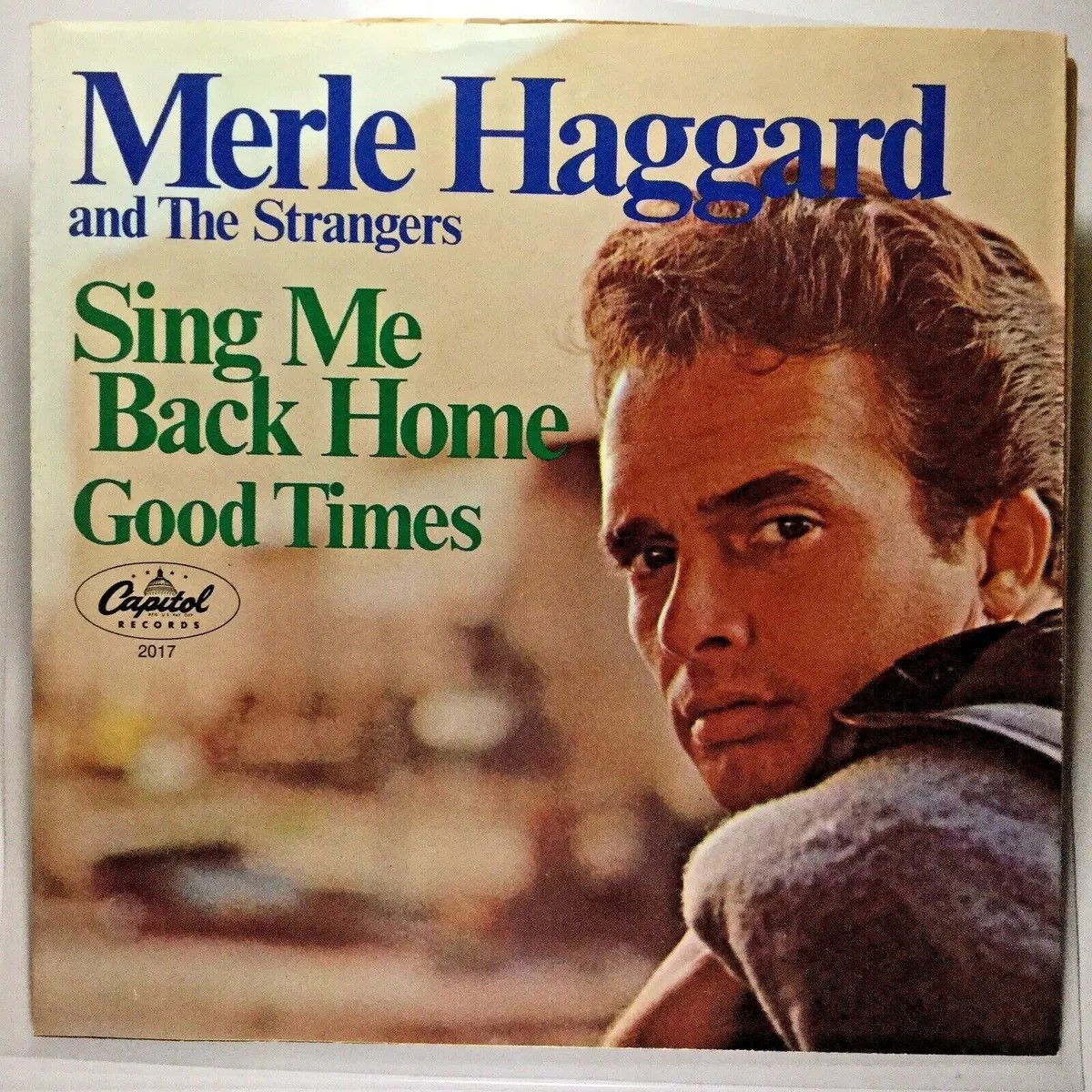
Merle Haggard – Sing Me Back Home

One of the many Haggard songs that my dad would play. This one along with a song called Sam Hill I heard a lot when I was a child. Sing Me Back Home was released in 1967, and it became one of Haggard’s most enduring hits.

Most people know that he spent his early adulthood behind bars for a failed attempt at robbery. While in San Quentin State Prison, Haggard wrote many songs while dreaming of freedom and life beyond the bars of a cell.

Sing Me Back Home was inspired by his fellow inmates James Rabbit and Caryl Chessman. Rabbit was executed in 1961 for killing a California Highway Patrolman, and Chessman was the first modern American executed for a non-lethal kidnapping.

Haggard and James Rabbit hatched a plan one night to escape (they would hide inside a desk he was building in the prison furniture factory), though at the last moment, Rabbit advised Haggard not to take part in the plan. Rabbit escaped, was recaptured, killed an officer, and was brought back to San Quentin to be executed. It was the first of many events to change something in Haggard’s criminal ways.

It is an incredibly sad song and you get it with the first two lines of the song. The warden led a prisoner down the hallway to his doom, I stood up to say goodbye like all the rest.  The song was on his Sing Me Back Home album released in 1968. The album peaked at #1 on the Billboard Country Album Charts. The song peaked at #1 on the Billboard Country Charts and #7 on the Canadian Country Charts.

Merle Haggard: “Something happened to me there, I came to the fork in the road and took it, you might say. And I kind of started back in the other direction, trying to make something out of myself rather than to dig myself in a deeper hole.”

Sing Me Back Home

The warden led a prisoner down the hallway to his doomI stood up to say goodbye like all the restAnd I heard him tell the warden just before he reached my cellLet my guitar playing friend, do my request

Let him sing me back home with a song I used to hearMake my old memories come aliveTake me away and turn back the yearsSing me back home before I die

I recall last Sunday morning a choir from ‘cross the streetCame to sing a few old gospel songsAnd I heard him tell the singersThere’s a song my mama sangCan I hear once before we move along?

Sing me back home, the song my mama sangMake my old memories come aliveTake me away and turn back the yearsSing me back home before I die

Sing me back home before I die

….

Wilson Pickett – Land of 1000 Dances

This song has to have a world record attached to it… song most used in pep rallies. I heard the na na na parts from elementary to high school. It was high school before I heard the actual song.

The original version was by Chris Kenner, a New Orleans R&B singer and songwriter, first recorded and released “Land of 1000 Dances” in 1962 and it only made it to #77 on the Billboard 100. Kenner wrote the song as well. He promised Fats Domino a writing credit if he recorded it…Fats did but it didn’t go anywhere. On some copies, he is listed as a co-writer.

This song has been covered a lot. Secondhandsongs says it has 150 cover versions which is very good. Cannibal and The Headhunters covered it in 1965 and they peaked at #30 on the Billboard 100 but Wilson Pickett had the highest charting position for the song. It’s no telling how many times it’s been played live by famous and nonfamous artists.

Land of 1000 Dances peaked at #6 on the Billboard 100, #6 in Canada, and #22 in the UK in 1966 for Pickett. The sound of this record is great…it has a raw edge that only Stax had at the time.

Land of 1000 Dances

One, two, three
One, two, three
Ow! Uh! Alright! Uh!

Got to know how to Pony
Like Bony Moronie
Mash Potato
Do The Alligator
Put your hand on your hips, yeah
Let your backbone slip
Do the Watusi
Like my little Lucy

Ow! Uh!
Na, na-na na-na
Na-na na-na
Na-na na-na na-na
Na-na na-na
Need somebody help me say it one time!
Na, na-na na-na
Na-na na-na
Na-na na-na na-na
Na-na na-na

Wow!
Ow!
Uh!
You know I feel alright?
Hah!
Feel pretty good, y’all
Uh-hah!

Na, na-na na-na
Na-na na-na
Na-na na-na na-na
Na-na na-na
C’mon y’all, let’s say it one mo’ time!
Na, na-na na-na
Na-na na-na
Na-na na-na na-na
Na-na na-na

Ohh!

Dancin’ in the alley
With Long Tall Sally
Twistin’ with Lucy
Doin’ the Watusi
Roll over on your back
I like it like that
Do that Jerk, oh
Watch me work, y’all

Ow! Do it!
Wow! Do it!
Watch me do it
Ohh, help me!
Ohh, help me!
Ohh, help me!
Ohh, help me!