Power Pop fan, Baseball, Beatles, Alternative music, old movies, and tv show fan. Also anything to do with pop culture in the 60s and 70s... I'm also a songwriter, bass and guitar player. Not the slightest bit interested in politics at all.
Always loved this song. It has a great groove and a dynamic chorus. I also like the repeated backups. This is one soul song our band played and we loved every minute of it. That guitar is simple yet so effective in the verses. It’s a very powerful song live. This is high on my list of soul songs.
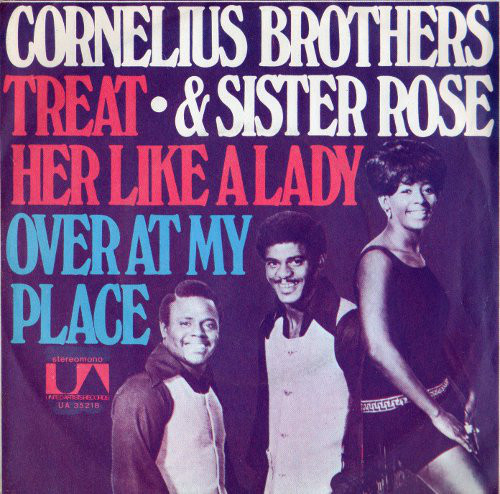
The group was formed in Dania Beach, Florida, and consisted of three siblings… Carter Cornelius, Eddie Cornelius, and Rose Cornelius. Later, they were joined by their sister, Billie Jo Cornelius, completing the lineup. The group started performing in the late 1960s and quickly gained a reputation for their smooth harmonies and soulful performances.
1971 was a big year for the band…they released this song and it peaked at #3 on the Billboard 100 and #10 in Canada in 1971. The group would also hit the following year with Too Late to Turn Back Now and it peaked at #1 in Canada and #2 on the Billboard 100 in 1972. Both songs were off their debut album Cornelius Brothers and Sister Rose. The song was written by Eddie Cornelius.
These two songs would be their last top 20 hits in America. They did have two more top-40 hits but nothing that lasted. The group broke up in 1976.
Treat Her Like a Lady
All my friends had to ask me Something they didn’t understand How I get all the women In the palm of my hand
And I told them to treat her like a lady (Treat her like, you got to, got to treat her like) Do the best you can do (Treat her like, you got to, got to treat her like) You got to treat her like a lady and she’ll give in to you Lord you can see, you know what I mean
I know you’ve heard (Treat her like) That the woman (Got to treat her like) Will soon take advantage of you (Treat her like, got to treat her like) Let me tell you (Treat her like) My friend (Got to treat her like) There just ain’t no substitute (Treat her like)
You ought to treat her like a lady (Treat her like, you got to, got to treat her like) Do the best you can do (Treat her like, you got to, got to treat her like) You got to treat her like a lady and she’ll give in to you Lord you can see, you know what I mean
Oh, you got to love her (Love her) And tease her (Tease her) But most of all you got to please her (Please her) You got to hold her (Hold her) And want her (Want her) And make her feel you’ll always need her (Need her) You know a woman (Woman) Is sentimental (Woman) And so easy to upset (Woman, woman) So make her feel (Feel) That she’s for real, yeah (Feal) And she’ll give you happiness
Whoa, strange as it seems (Treat her like, you got to, got to treat her like) You know you can’t treat a woman mean (Treat her like, you got to, got to treat her like) So my friend, there you have it I said it’s the easy, simple way If you fail to do this, don’t blame her if she looks my way
‘Cause I’m gonna treat her like a lady (Treat her like, you got to, got to treat her like) So affectionately (Treat her like, you got to, got to treat her like) I’m going to treat her like a lady And she’ll give in to me Lord you can see, you know what I mean
Oh, you got to treat her like a lady (Treat her like, got to, got to treat her like) Do the best you can do (Treat her like, you got to, got to treat her like) You got to treat her like a lady
This is a good song that got lost in the 1980s shuffle. I had known about Edmunds in 1983 because of three things…seeing Stardust and the single I Hear You Knocking that was given to me. I also remembered him with Rockpile in The Concert for Kampuchea film with Robert Plant.
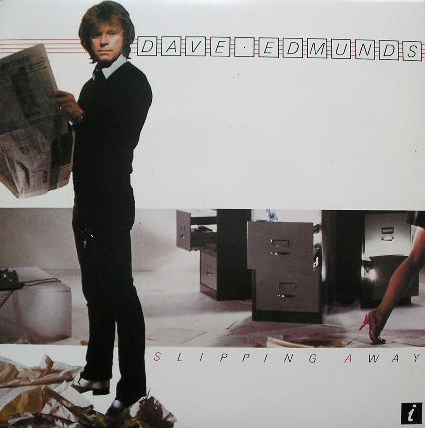
Dave Edmunds released this song in 1983. I remember hearing it and something about it reminded me of ELO…there is a reason for that. Jeff Lynne produced and wrote the song. It peaked at #39 in the Billboard 100. MTV also played it in a heavy rotation.
Edmunds wanted to do something different and he tried working with Phil Collins but Collins was busy so he connected with Jeff Lynne. Lynne left his mark on the recording but it still has some of the rockabilly elements that Edmunds will bring.
It got a lot of airplay in my region at the time so I was surprised it only went to #39. Very different from his 1970 hit I Hear You Knocking I think this song showed he was able to adapt to the 80s and still retain his rock roots sound.
Dave Edmunds: “Then I thought of Jeff Lynne, because he was Mr. Techno back then and he used to make great-sounding records, although now I listen to them and they sound a bit dated. I’m a bit puzzled why I was so enamored with Jeff, but he is very creative in the studio. He can go in with nothing and right on the spot make a record. I was taken with that. This being 1983, synthesizers were coming into vogue, especially in Edmunds’ native UK. For Jeff Lynne, this was a natural progression, but for Edmunds, it was out of step with his sound – he specialized in rock guitar and simplified productions (he had recently produced the Stray Cats first album). So when “Slipping Away” emerged, featuring a prominent synth played by Lynne, many of Edmunds’ fans were nonplussed.
Edmunds did more work with Lynne on his next album, Riff Raff, but soon returned to his rock roots.
Slipping Away
I can feel you slipping away from me. A little bit further now every day. I’m holding on, but I can’t believe This is how you want it to be.
It feels like walking down a long, dark road. You never talk to me the way you did before. You ride through the city with your head held high. And all I can do is watch you go by.
I’m gonna give it all I’ve got to give. I’ve got to hold on, see what tomorrow brings. You’re slipping away, but give me one more try. One more chance to wipe these tears from my eyes. You’re slipping away. Oh, you’re slipping away
When I first saw this video it highly amused me. Seeing Bon Scott in pigtails caught me off guard. They did a great version of this song…I will always turn to Van Morrison’s Them as my definite version, but this one is a lot of fun.
This song appeared on their debut album High Voltage released in 1974. Bon Scott was an excellent singer. He was in a pop band called The Valentines and it’s odd, to say the least seeing him singing in this band. He adapted well to what was asked of him with AC/DC.
The band toured relentlessly in the mid to late seventies and when they released Highway To Hell, it was a milestone for them. They set themselves up for a huge payday on the next album. Scott died in 1980 as they were starting on their new album which turned out to be the mega-selling Back In Black. I think if Scott had lived they would have had just as big of an album. The Highway To Hell album was the key to getting them known worldwide.
Blues great Big Joe Williams is credited with writing this song, but it was developed from a folk song titled “Long John,” which was recorded in 1934 by John and Alan Lomax for the Library of Congress. That recording captures the song sung by black prisoners at Darrington State Prison Farm in Texas. It was a popular tune because “Long John” was about an escaped prisoner on the run from authorities.
Baby Please Don’t Go
Baby please don’t go Baby please don’t go Baby please don’t go down to New Orleans You know I love you so Baby please don’t go
When the man done gone When the man done gone When the man done gone down to the county farm He got the shackles on Baby please don’t go Don’t leave me
I’ll be a dog I’ll be a dog woah I’ll be a dog kiss your way down there When you walk along Baby please don’t go
Baby please don’t go Baby please don’t go Baby please don’t go down to New Orleans You know I love you so Baby please don’t go
No baby please don’t leave me Why must you go away and do this to me baby I want to suffer for you, suffer, suffer Oh baby please don’t go No!
Baby, baby, baby, please don’t go, please don’t go Don’t go and leave me, please don’t go Baby, humm Baby, ahah Oh don’t go, no don’t go Oh don’t go, no don’t go Ah don’t go, don’t go so slow Oh don’t go, no don’t go
Why must you leave me lying on my back Going across left side of the track Found yourself a new man I know So baby please don’t go Baby please don’t go
No no no no Oh please, please don’t leave me I don’t want to be left alone baby Ah don’t go, don’t go, don’t go No!
I love this genre of music. I really could put these songs in any order I wanted and it would work. I had to leave so many off…I could easily make this list with 100 different artists but I wanted the page to actually load so you could read it. This is just a partial list…if you like it I could do a part II one day.
James Carr – Pouring Water On A Drowning Man
No…his name is not a household name like the rest of the list but this song just gets to me every single time I listen to it. If you don’t listen to any other song on this post…give this one a try. I dropped Sam Cooke from this list because of Carr but I like this song that much.
His voice and that wonderful guitar. Pouring Water on a Drowning Man charted at #85 on the Billboard 100 and #23 on the R&B Chart in 1966. This song is so easy to listen to. Great guitar sound and Carr’s voice is wonderful. The small intro is worth it. The guitar can sound can seem so deceptively easy but it’s not to be right. He lived in Memphis and was called “the world’s greatest Soul Singer” but he had a bipolar disorder and that made it hard for him to tour because of the depression.
At one time he was mentioned along with Otis Redding and they had the same manager for a while. The guy had a great voice. Check his other music out.
Arthur Conley – Sweet Soul Music
Otis Redding believed in Conley’s talent. In January 1967 Redding and his managers, Phil Walden (future ABB manager) and his brother Alan Walden (future Lynyrd Skynyrd manager) brought Conley to producer Rick Hall’s FAME Studios in Muscle Shoals, Alabama. Conley recorded two singles at FAME Studios but they were not successful and Hall did not want to work with Conley anymore.
By this time Otis was fed up and took Conley himself to FAME and used his own band. With Jimmy Johnson Engineering they recorded Sweet Soul Music. It was a million-selling single. It peaked at #2 on the Billboard 100, #2 in the R&B Charts, and #7 in the UK in 1967.
It was written by Conley and Otis Redding. It was based on “Yeah Man” by Sam Cooke and was a tribute to soul singers. The songs mentioned in this song are “Going To A Go-Go,” “Love’s a Hurtin’ Thing,” “Hold On I’m Coming,” “Mustang Sally” and “Fa-Fa-Fa-Fa-Fa (Sad Song).” The artists mentioned are Otis, Wilson Pickett, Sam and Dave, James Brown, and Lou Rawls.
Marvin Gaye – Let’s Get It On
I never checked the statistics…but I have to think there had to be a baby explosion nine months after “Let’s Get It On” was released in 1973. Anyone born in 1974 may owe their very existence to this song.
This song’s co-writer Ed Townsend also produced the album with Marvin and co-wrote the three other songs on the first side of the disc, including “Keep Gettin’ It On.” He wrote with Marvin again on songs for Marvin’s 1978 album Here, My Dear.
This song peaked at #1 in the Billboard 100, The guitar and voice are excellent in this song. There is no guessing what this song is about.
Otis Redding – Shake
This song was a highlight when watching the Monterey Pop Festival. Otis had the voice, charisma, and loads of talent. Shake was written and originally recorded by Sam Cooke. Cooke’s version reached #7 on the Billboard 100. Cooke was a huge influence on Otis Redding; along with Shake, Redding also recorded covers of Cooke’s A Change Is Gonna Come, Chain Gang, Cupid, Nothing Can Change This Love, Wonderful World, and You Send Me.
The song peaked at #47 on the Billboard 100 in 1967. Otis was on his way to superstardom. Otis made a huge impact at the 1967 Monterey Pop Festival along with The Who, Jimi Hendrix, and Janis Joplin.
The Reverend Al Green – Let’s Stay Together
I never tire of hearing his voice. This song almost wasn’t released because Green hated the thin sound of his falsetto. Producer Willie Mitchell said: “The only fight I ever had with him was about ‘Let’s Stay Together,’ because he thought ‘Let’s Stay Together’ was not a hit.” It did pretty well for a song Green didn’t think was a hit.
The song peaked at #1 in the Billboard 100, #7 in the UK, and #14 in Canada in 1972. Let’s Stay Together also spent nine weeks at the top of the Billboard Hot Soul Singles chart.
It was selected by the Library of Congress as a 2010 addition to the National Recording Registry, which selects recordings annually that are “culturally, historically, or aesthetically significant.
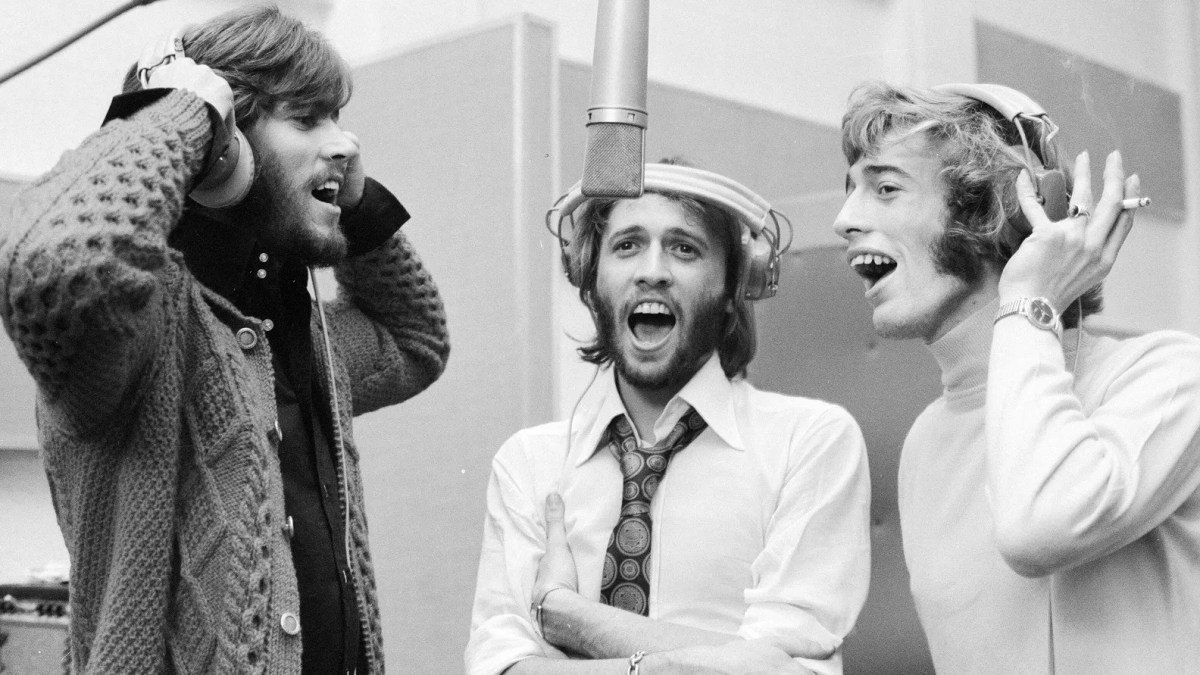
We all know the great album Brothers in Arms from Dire Straits, but sometimes those brothers are “at arms” rather than in them. In this part of the mini-series Randy, from mostlymusiccovers.com, talks about the “Rock ‘Em Sock ‘Em” Siblings of the Bee Gees.
“To Love Somebody” was written by Robin and Barry Gibb. It was released as a single in 1967 and reached #41 in their native UK. The song did better elsewhere making several top 10s and #17 on the Hot 100. It would be a cover by Michael Bolton released in 1992 that put it at #1 on the Adult Contemporary charts in Canada and the US. It has endured to become a classic with over 210 versions of the song.
Formed in 1958 with brothers Barry, Robin and Maurice. After the family’s move to Australia they found their first success, just the three boys returned to their native UK in 1967. They would go on to sell an estimated 200 million records, post nine #1s on the Hot 100 and entered the top five of the most successful bands in history.
Life was not so easy, with an unreliable father they became the bread winners for the family at a very young age. Despite the pressures the boys got on quite well, until the dreaded “S” word enter in. Success. Their first #1 in the UK was “Massachusetts” in 1967. Robin sang lead on it and it was a position he was not willing to give up. The in-fighting began.
This is not perhaps the level of fighting on the same scale as some of our other brother groups, but they were not producing any hits and Robin was really at the heart of a split up in 1969. The reconciliation produced their first US #1 Hot 100 hit, “How Can You Mend a Broken Heart” in 1971. It was very much an autobiographical song. Success is fleeting in the music business and another downturn followed as their next album was a flop. By 1975 they had all moved to the US. Both Robin and Maurice struggled mightily with addiction problems. Robin seemed to tolerate the more democratic Barry becoming the defacto leader, but there were tensions. Not enough though to stop them from reinventing themselves yet again.
The Disco era and Saturday Night Fever saw them rise to incredible worldwide success with eight Hot 100 #1 hits in the mid to late 1970s. Younger brother Andy would join in the success. Everyone knows the rise and fall of Disco, and no one paid a heavier price than the Bee Gees. All of a sudden no one wanted to hear a Bee Gees song. In fact, they were and are still hated by some. I was not a disco fan, but I was a Bee Gees fan, and I took my fair share of ribbing for it.
Despite all this turmoil surrounding them, only minor tensions erupted, and Barry, Maurice and Robin would discover other people respected their songwriting abilities. First came “Woman in Love” by Barbra Streisand, and then “Islands in the Stream” by Dolly Parton and Kenny Rogers, both worldwide #1 smash hits. And also, songs for Dionne Warwick, Diana Ross and others. So, the brothers Gibb had risen from the ashes for yet a third time but as songwriters. And then remarkably a fourth time, as recording success returned once again and they placed four more songs in the top 10 in the UK in the 90s.
Maurice would die at age 53 in 2003 and despite attempts to regroup, the band that was the Bee Gees were effectively no more. Younger brother Andy had died in 1988 and Robin in 2012. Barry the oldest, has continued to record and perform.
I had skin like leather and the diamond-hard look of a cobra I was born blue and weathered but I burst just like a supernova I could walk like Brando right into the sun, then dance just like a Casanova
What an opening that is…nothing like early Springsteen. The line I could walk like Brando right into the sun makes me get a chill every time. This song was on his debut album and still one of my favorite Springsteen albums, Greetings From Ashbury Park. This was the first song Springsteen played for John Hammond (who signed Bob Dylan and Springsteen) at his audition for Columbia Records in 1972. What was to be a short meeting turned into a 2-hour audition and earned him a record deal and this album was made.
I think of this as a street song…very organic and the words just flow perfectly. Springsteen and Dylan had wordy songs out of the gate for both artists. They both stopped with these kinds of songs a few years into their career. Personally, I love these early wordy songs that take you on a journey with vivid descriptions with a minimum amount of music…as they let the lyrics drive.
The imagery flows like water with Greetings From Ashbury Park, Bruce’s debut album in 1973… It’s not very polished but that adds to it. The songs have a stream-of-consciousness feel to them. It was critically praised but did not have huge sales. The album only peaked at #60 in the Billboard Album Charts.
The song has been covered by various artists, including David Bowie, who recorded a version during the sessions for his Young Americans album but wasn’t released at that time. It can be found on his 1989 rarities box setSound + Vision.
I always felt this song what have fit in the movie Mean Streets.
It’s Hard To Be A Saint In The City
I had skin like leather and the diamond-hard look of a cobra
I was born blue and weathered but I burst just like a supernova
I could walk like Brando right into the sun, then dance just like a Casanova
With my blackjack and jacket and hair slicked sweet
Silver star studs on my duds, just like a Harley in heat
When I strut down the street, I could feel its heart beat
The sisters fell back and said, “Don’t that man look pretty”
The cripple on the corner cried out, “Nickels for your pity”
Then gasoline boys downtown sure talk gritty
It’s so hard to be a saint in the city
I was the king of the alley, Mama, I could talk some trash
I was the prince of the paupers, crowned downtown at the beggar’s bash
I was the pimp’s main prophet, I kept everything cool
Just a backstreet gambler with the luck to lose
And when the heat came down it was left on the ground
The devil appeared like Jesus through the steam in the street
Showin’ me a hand I knew even the cops couldn’t beat
I felt his hot breath on my neck as I dove into the heat
It’s so hard to be a saint when you’re just a boy out on the street
And the sages of the subway sit just like the living dead
As the tracks clack out the rhythm, their eyes fixed straight ahead
They ride the line of balance and hold on by just a thread
But it’s too hot in these tunnels, you can get hit up by the heat
You get up to get out at your next stop, but they push you back in your seat
Your heart starts beatin’ faster as you struggle to your feet
Then you’re outa that hole and back up on the street
And then South Side sisters sure look pretty
The cripple on the corner cries out, “Nickels for your pity”
And then downtown boys, they sure talk gritty
It’s so hard to be a saint in the city
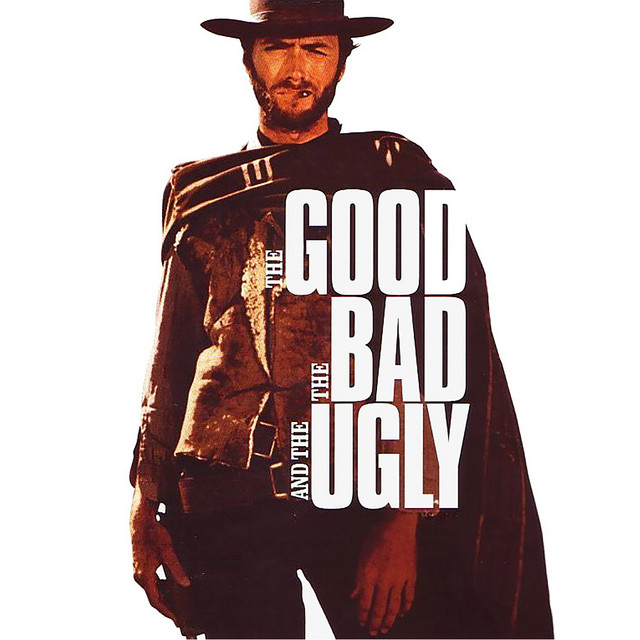
I love Spaghetti Westerns and this is one of the very best. Let’s see…great writing, great acting, and great music. The Good (Clint Eastwood – Blondie), The Bad (Lee Van Cleef -Angel Eyes or Sentenza), and The Ugly (Eli Wallach – Tuco) is a classic movie with a great film score by Ennio Morricone.
While I was re-watching the movie my son Bailey came in and asked me…so you are watching the best movie ever again? Where do I begin with this movie? I like the story and the atmosphere draws me in for repeat viewings. In 1964 Sergio Leone started his trilogy of westerns starring Clint Eastwood. It’s sometimes called the Dollars Trilogy. A Fistful of Dollars (1964), For A Few More Dollars More (1965), and finally this one…The Good, The Bad, and The Ugly (1966).
This is not your typical John Wayne-style Hollywood western…although I love a lot of his movies. Funny, in the early 2000’s I never thought much about Westerns or really liked them…but this one changed my mind about the entire genre…it’s that good.
This film has an epic scope and therefore covers a lot of ground. There is not a dull spot in this film. From the beginning, we are guessing and it all leads up to one of the very best suspenseful endings ever filmed. As much of an Eastwood fan as I am…Eli Wallach grabbed my attention before anyone did. His character is such a wild card. I can’t say enough about his acting in this. He IS Tuco. All three leads were fantastic.
What exactly is a Spaghetti Western? I was asked this before when I would talk about them to different people about Westerns. I think the biggest difference between a regular Western and these would be the realism and the grittiness of the Spaghetti Western. Also with regular Westerns, you have good vs evil…Spaghetti Westerns often feature the in-between anti-heroes, huge stark landscapes, and a more cynical tone. But that is just my opinion.
These films were primarily made in Italy (hence the term “Spaghetti”) during the 1960s and 1970s. They were often directed by Italian filmmakers like Sergio Leone and featured international casts, including American actors.
There is one more thing I would like to say about the movie. On top of everything else…the cinematography is some of the best I’ve ever seen. You also have Eastwood in probably his most iconic role. Out of all of the movies I’ve featured…I have probably watched this one the most.
My favorite scene was the last bit between Blondie and Tuco.
Plot from IMDB
During the American Civil War, three men set off to find $200,000.00 in buried gold coins. Tuco and Blondie have known each other for some time now, having used the reward on Tuco’s head as a way of earning money. They come across a dying man, Bill Carson, who tells them of a treasure in gold coins. By chance, he reveals the name of the cemetery and the name of the grave where the gold is buried. Now rivals, the two men have good reason to keep each other alive. The third man, Angel Eyes, hears of the gold stash from someone he’s been hired to kill. All he knows is to look for someone named Bill Carson. The three ultimately meet in a showdown that takes place amid a major battle between Confederate and Union forces.
Quotes:
Blondie: You see, in this world there’s two kinds of people, my friend: Those with loaded guns and those who dig. You dig.
______
[Tuco is in a bubble bath. The One Armed Man enters the room]
One Armed Man: I’ve been looking for you for 8 months. Whenever I should have had a gun in my right hand, I thought of you. Now I find you in exactly the position that suits me. I had lots of time to learn to shoot with my left.
[Tuco kills him with the gun he has hidden in the foam]
Tuco: When you have to shoot, shoot. Don’t talk.
______
Tuco: I’m very happy you are working with me! And we’re together again.
[pause]
Tuco: I get dressed, I kill him and be right back.
Blondie: Listen, I forgot to mention… He’s not alone. There’s five of ’em.
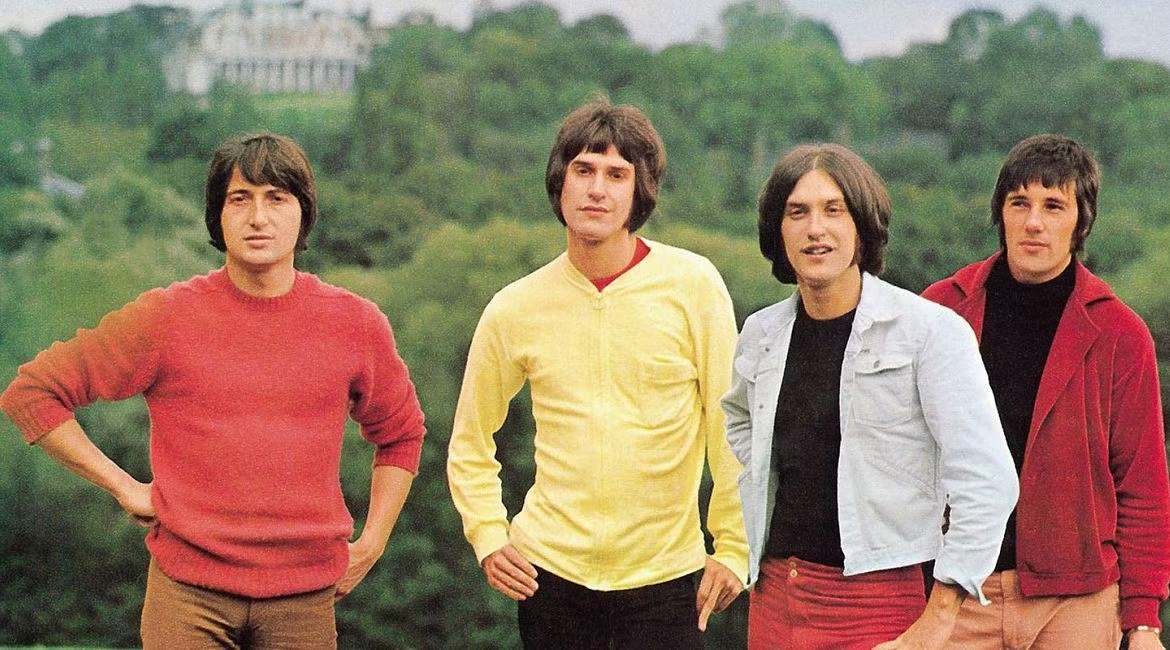
Welcome to the Powerpop.blog! I thought about renaming it to PowerKink.blog lately… but we are back to normal business again. I’m sad because there are so many more Kinks songs to explore. I have one ready to go soon. Anyway…
I’ve always liked this song and even more when it was on the Jackie Brown soundtrack. Not only on the soundtrack but it became part of the plot. Jackie Brown is one of my top Quentin Tarantino movies. Pam Grier is super (or any glorious adjective you can think of) in that movie. The song is a quintessential date song.
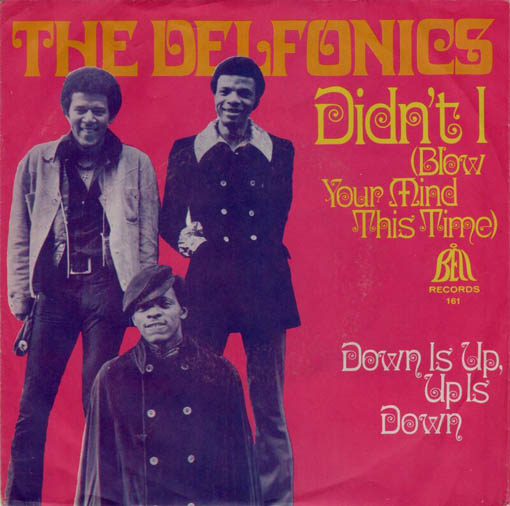
Thom Bell, one of the pioneers of the Philadelphia soul sound, co-wrote and produced the song along with William Hart. Bell’s orchestral arrangements and Hart’s falsetto vocals created a great sound soul sound. It became one of the group’s most successful hits and is widely regarded as an example of early Philadelphia soul sound.
A little history on them. Thom Bell also produced for The Stylistics, Chubby Checker, and Elton John. But his main focus was the Philly sound, which is soul music characterized by funk influences and lush instrumental arrangements.
The Delfonics were known as The Five Guys and played their own instruments. Bell cut them down to a trio and made them a vocal group, with Bell playing most of the instruments himself. He recorded three albums with the group and this song was their biggest hit. Bell then joined Philadelphia International Records, run by Kenny Gamble and Leon Huff, where he worked with The Stylistics.
Didn’t I (Blow Your Mind This Time) peaked at #10 in the Billboard 100, #12 in Canada, and #22 in the UK in 1970. Their first hit was La-La Means I Love You which charted in 1968 and was a top ten hit as well.
Great song from a great period.
I don’t care much about awards but Didn’t I (Blow Your Mind This Time) won a Grammy Award for Best R&B Performance by a Duo or Group with Vocal in 1971.
Didn’t I (Blow Your Mind This Time)
I gave my heart and soul to you, girl
Didn’t I do it baby, didn’t I do it baby
Gave you the love you never knew, girl
Didn’t I do it baby, didn’t I do it baby
I’ve tried so many times and that’s no lie
It seems to make you laugh each time I cry
Didn’t I blow your mind this time, didn’t I
Didn’t I blow your mind this time, didn’t I
Listen
I thought that heart of yours was true, girl
Now didn’t I think it baby, didn’t I think it baby
But this time I’m really leavin’ you, girl
Hope you know it baby, hope you know it baby
Ten times or more, yes, I’ve walked out that door
Get this into your head, there’ll be no more
Didn’t I blow your mind this time, didn’t I
Didn’t I blow your mind this time, didn’t I
Didn’t I do it baby, didn’t I do it baby
Didn’t I do it baby, didn’t I do it baby
Ten times or more, yes, I’ve walked out that door
Get this into your head, there’ll be no more
Didn’t I blow your mind this time, didn’t I
Didn’t I blow your mind this time, didn’t I
I got to live you, baby
Didn’t I blow your mind this time, didn’t I
Didn’t I blow your mind this time, didn’t I
This is the last Kinks day. I’m going to finish up with one of my favorite Kinks songs. I want to thank everyone who wrote and everyone who read the posts! I thought I would be lucky to get 10-12 people to do this… so I was shocked with 18 Kinks songs. I’ll be listening to The Kinks for months now. I did this song back in 2018 or 19 but I wanted to make sure it got covered during this Kinksathon so I revamped it.
We are the Sherlock Holmes English-speaking Vernacular. God save Fu Manchu, Moriarty, and Dracula. We are the Office Block Persecution Affinity. God save little shops, china cups, and virginity.
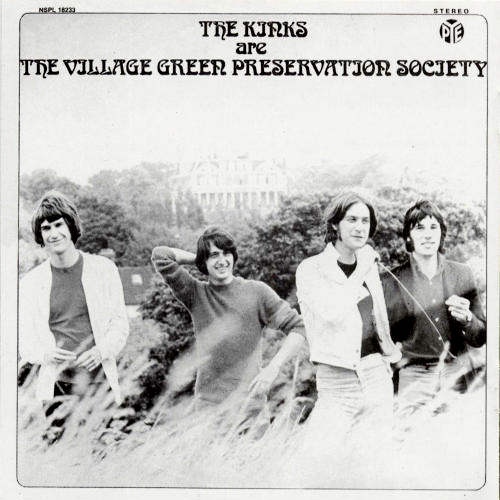
Some songs can be written by anyone and some can be very popular but generic. Some can only be written by certain songwriters. This would be one of those songs. Ray Davies’s songs have their own DNA. This was on the great 1968 album The Kinks Are the Village Green Preservation Society. The album is a concept album reflecting on the loss of the old England that Ray remembered, he captures older village life, tradition, and the impact of the rapid changes happening in British society during the 1960s.
One thing that makes this song and many Kinks songs stand out is Dave Davies…I’m not talking about his highly underrated guitar playing. It’s his high-pitched harmony singing with Ray that compliments the songs so well. Without Dave’s voice, the Kinks would not sound like The Kinks.
This nostalgic song is a favorite of mine. This is a big jump from You Really Got Me to…”We are the Sherlock Holmes English-speaking Vernacular, God save Fu Manchu, Moriarty, and Dracula.”
I learned a lot about older British Culture with this song. Desperate Dan, Mrs. Mopp, and Mother Riley… he fits the words like a jigsaw puzzle that magically falls into place. There are no forced lyrics and with these lyrics…that is not easy. This song to me, is up there with their best songs.
Ray Davis: “The people in it are all characters I liked as a kid or people my family could relate to, like Old Mother Riley and Mrs Mopp. Because I used to love listening to the BBC Light Programme on Sundays, like Round The Horne with Kenneth Williams. A time when the population was allowed to be trivial.”
Ray Davies: “You have to remember that North London was my village green, my version of the countryside. The street and district I grew up in was called Fortis Green, and then there was Waterlow Park and the little lake. I sang in the choir at St James’s Primary School until I was about 10, then I trained myself to sing out of tune so I could hang around with a gang called the Crooners instead. Our Scottish singing teacher Mrs. Lewis said, ‘Never mind, Davies – I hear crooners are making a lot of money these days.'”
Pete Townshend: “The Kinks were much more quintessentially English. I always think that Ray Davies should be one day, be Poet Laureate. You know, he invented a new kind of poetry. A new kind of language for Pop writing, which I think, influenced me from the very, very beginning. (It was) very strange that I should be so directly influenced because it was from sideways. We were moving forward together. But I was very influenced by him.”
“I think that Dave Davies is also very underestimated. When we started, I used to feel that. Well, it’s obvious that Dave couldn’t have done the kind of innovation that I did. Because I was with Jim Marshall building the bloody amplifiers. Somehow The Kinks adopted some of that as well. They didn’t actually use the Marshall-size amps that we used. But they were loud, they were raucous. The guitar sound was similar, there was feedback there.”
I added a live version which for me is superior to the studio cut but that is just me. This is a rare time when I liked the live over the studio. I heard this live version before the studio recording. The horns add a lot to this song.
We are the Draught Beer Preservation Society.Amen, Ray…
Village Green Preservation Society
We are the Village Green Preservation Society.
God save Donald Duck, vaudeville and variety.
We are the Desperate Dan Appreciation Society.
God save strawberry jam and all the different varieties.
Preserving the old ways from being abused.
Protecting the new ways, for me and for you.
What more can we do?
We are the Draught Beer Preservation Society.
God save Mrs. Mopp and good old Mother Riley.
We are the Custard Pie Appreciation Consortium.
God save the George Cross, and all those who were awarded them.
Oooh…
We are the Sherlock Holmes English-speaking Vernacular.
God save Fu Manchu, Moriarty and Dracula.
We are the Office Block Persecution Affinity.
God save little shops, china cups, and virginity.
We are the Skyscraper Condemnation Affiliates.
God save Tudor houses, antique tables, and billiards.
Preserving the old ways from being abused.
Protecting the new ways, for me and for you.
What more can we do?
We are the Village Green Preservation Society.
God save Donald Duck, vaudeville and variety.
We are the Desperate Dan Appreciation Society.
God save strawberry jam and all the different varieties.
Today we have CB from https://cincinnatibabyhead.wordpress.com/ who is posting his Kinks song. Go visit his site for some cool music and movies. I’ve been influenced by all of you bloggers. You opened my eyes and ears to new music and styles. CB has been one of those influences by getting me out of my former comfort zone and enjoying new/old music that I wouldn’t have heard otherwise… Take it away CB…
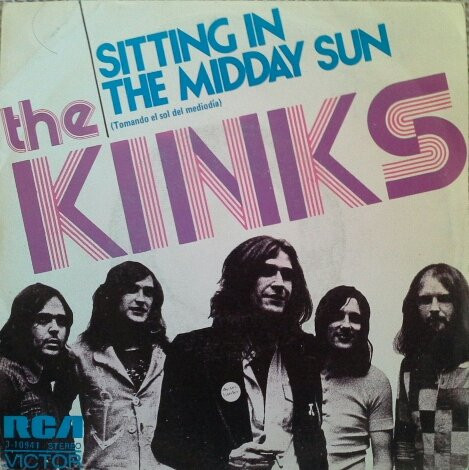
Six Kinks songs popped into my head right away when Max ran this idea by me. I stuck a pin in this one.
One of those everyman songs Ray sings. The song’s character (From Preservations Act I) observing the world as he sees it. He’s happy and that makes the listener happy. Kind of a Sunny Afternoon vibe. Ray did like certain themes and summer/sunshine was one of them. This song has been in regular rotation in my head for a long time. It just puts me in a good mood and reminds me to chill out.
“I’ve got no home
I’ve got no money
But who needs a job when it’s sunny”
I just love the lyrics and the music that goes with it. Sets the mood. CB wants to be the character in this song. Just watching the world go by.
Lets live in the moment with the Kinks and celebrate one of life’s pleasures. Soaking up some rays and taking it easy. I’m in. No one does it better than the Kinks.
So sing along
“So I’m just sitting in the midday sun
Just soaking up that currant bun
With no particular purpose or reason
Sitting in the midday sun”
Note: My son (Big Earl) was over for a visit. I told him I was taking part in a discussion on Kinks songs. I asked him if he had a couple favorites and without hesitation he said “Waterloo Sunset and “Till The End Of The Day” The Kinks are still reaching new ears.
Note 2: For years I thought “currant Bun” has something to do with the sun. I finally found out it does “The Sun” a tabloid in England. There you go Max, I did some homework for you.
Note 3: I’m a big fan of the Kinks concept albums Soap Opera, Preservations Acts I and II, Schoolboys In Disgrace. Not well received commercially but they were full of really good stuff.
Note 4: I’ve enjoyed opening these takes everyday and seeing what all you good people have to say on the Kinks. I was not disappointed. Great stuff. Max is a beauty.
I thought I would have some fun today and list some of my crushes growing up. Women who I would watch every time they were on television, in movies, or look at when they were in magazines.
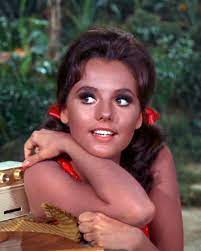
Growing up with Gilligans Island and that baffling question. Mary Ann or Ginger? I vote for Mary Ann every time. I met Dawn Wells in Nashville at a Jerry Lewis MD Telethon. I was 9 years old and I could hardly speak. She wasn’t too much taller than I was…and I never saw someone that tanned. My mom had to make me wash my hands after I shook hers.
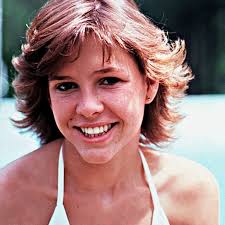
One of the first then current celebrities I had a crush on was Kristy McNicol. Why I don’t know but when I was 10 years old she was the one I really zeroed in on. She is 5 years older than me and I noticed her on Battle of the Network Stars.
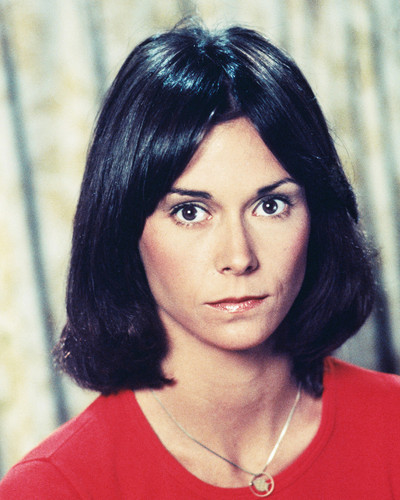
I moved up to mature women with this crush. Yeah, I liked Charlie’s Angels like every other 10-18-year-old at that time. Kate Jackson was the one for me for some reason…
I was smitten when I saw Debbie Harry in a video for Heart Of Glass at 12 years old. Probably my second blonde crush.
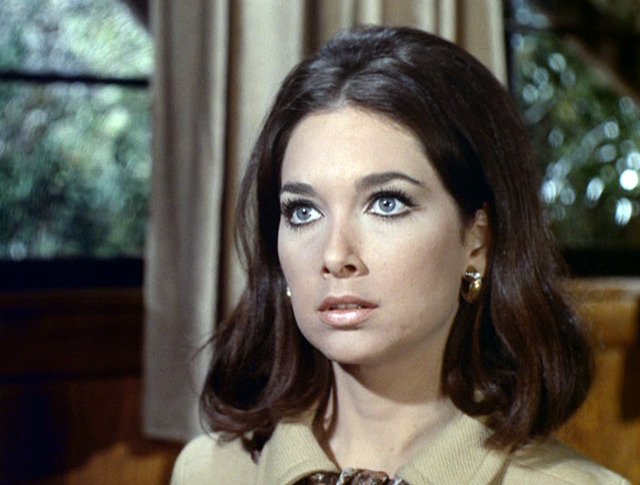
Suzanne Pleshette… that is one of the reasons I kept watching The Bob Newhart Show…and still do!
The ultimate girl next door… I saw her on the Midnight Special when I was 8 years old. So…Olivia Newton-John would be the first blonde crush.
I started watching sports in 1977…and she started to pop up on football telecasts. She made football much more interesting to this baseball fan.
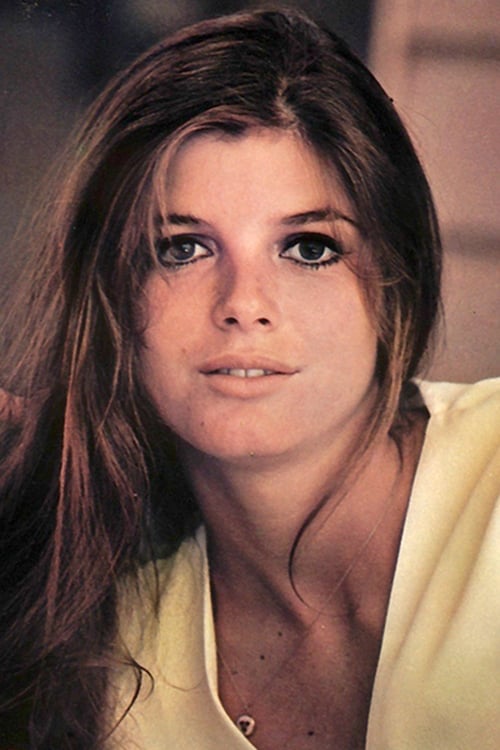
Katherine Ross, I watched first in the Graduate. I liked everything she did.
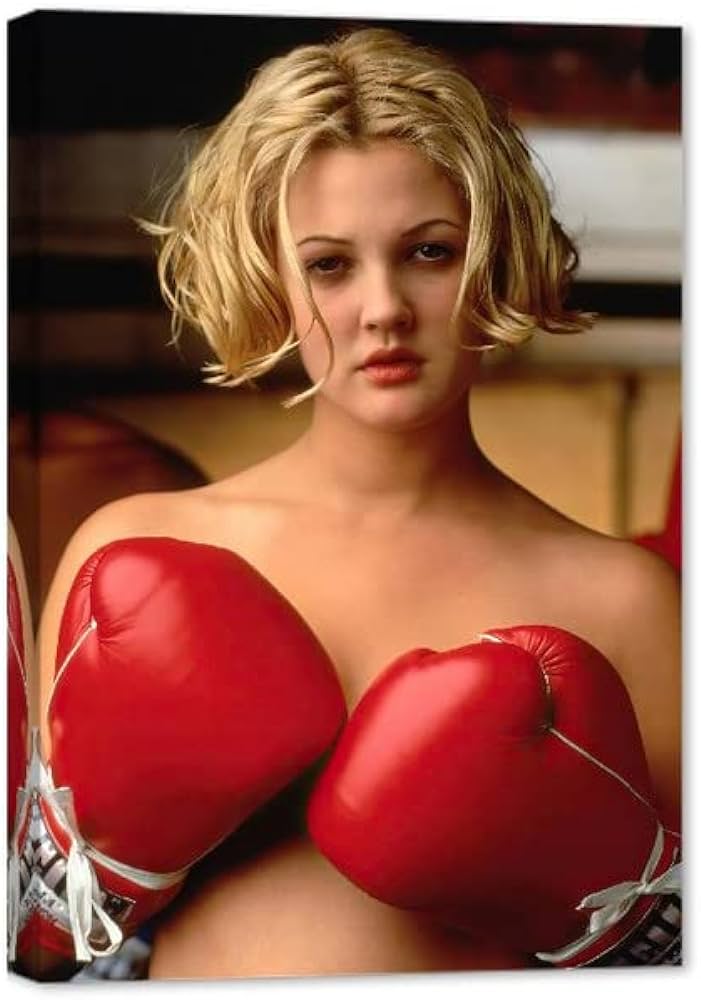
When I was much older…in my twenties…Drew Barrymore was on my radar.
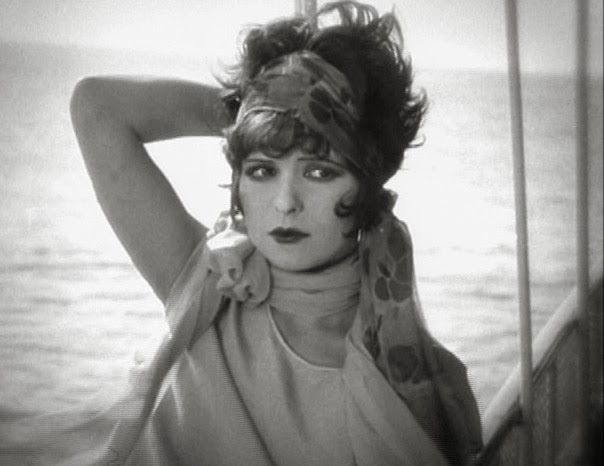
When I was in my teens I read a book on Clara Bow and I’ve been hooked to this day. Her looks, her drive, and the obstacles she had to overcome to be successful.
He started the blog halffastcycling.club to chronicle a coast-to-coast bike trip and I’ll let him tell you the rest. Recently retired from a series of careers (in co-ops, plumbing, and health care), I spend my time riding my bike (once across the continent wasn’t enough so I quit working to do it again), paddling, writing about bikes and whatever pops into my head, and sitting on the front porch in a rocking chair. I’m old enough that I remember this music when it was new, not from oldies stations. The first hit records I remember hearing were by Little Richard (78 RPM). (I have older siblings.) My intro to live music (besides high school dances) was through BB King (followed quickly by Willie Dixon, Muddy Waters, Luther Allison, Bonnie Raitt, Pete Seeger, and the Grateful Dead, among others). I wrote a high school term paper on the Beatles (after reading the new Hunter Davies bio in 1968) and got a D.
Muswell Hillbilly
The Buddha said that life is suffering and suffering arises from desire.
Pop culture, one could argue, is the packaging and selling of fantasy. Hell, one could argue that all of capitalism involves packaging and selling fantasy. And by fantasy, I mean the objects of desire.
One of the more insidious forms of fantasy is nostalgia…a desire for what was or, more commonly, what never was but what we imagine to have been.
Make America Great Again sells us the fantasy that there once was a time that the USA was great and that it is no longer. When was it great? That’s never specified, but maybe it was 1776 or maybe 1956. When did it stop being great? That’s implied, but might be when folks other than white, property-owning men wanted their share.
Carol Hanisch wrote a paper that was published in 1970 with the title “The Personal is Political”. She argued that “There are no personal solutions at this time. There is only collective action for a collective solution.”
What does this have to do with The Kinks? In 1964 they released “You Really Got Me” and “All Day and All of the Night”, two songs that led some 11 year olds I know to think we could be rock and rollers. The Beatles were unreachable to us, but we thought we could be The Kinks. Some of us only fantasized. Some went out and bought instruments. None of us became rock and roll musicians. (At least not that particular group of 11 year olds.)
By the time “Muswell Hillbillies” was released in 1971, rock music had gained sophistication, musically and lyrically. It was no longer enough to sing “I wanna hold your hand” or “Girl, I want to be with you in the daytime”, even if we added “nighttime” (“nudge-nudge, wink-wink, say no more”).
A critique of mainstream society was an element of rock by then. In 1969 The Jefferson Airplane sang:
We are forces of chaos and anarchy. Everything they say we are we are. And we are very Proud of ourselves.
The world of rock music had moved on from selling 2 minute singles to selling albums. Albums then became more than a collection of singles and filler. The Kinks had already embraced that by 1968’s “The Kinks are the Village Green Preservation Society” as well as 1970’s “Lola Versus Powerman and the Moneygoround, Part One”. “Lola” was both a critique of the music industry and an exploration of sexuality and gender. I hope this series will cover both of these songs or albums. (If not, check out this and this from Powerpop five years ago.)
Muswell Hill is a suburban district of North London, the childhood home of Ray and Dave Davies. It is also the location of St Luke’s Woodside Hospital for Functional Nervous Disorders, a branch of the former St. Luke’s Hospital for Lunatics (1751-1916).
Muswell Hillbillies
explores alienation and mental illness. “Acute Schizophrenia Paranoia Blues” is sung from the viewpoint of a man who is “too terrified to walk out of my own front door”.
He sings:
They’re watching my house and they’re tapping my telephone. I can’t trust nobody, but I’m much too scared to be on my own. And the income tax collector’s got his beady eye on me. Oh, there ain’t no cure for acute schizophrenia disease.
In “Catch-22″ (1961), Joseph Heller wrote, “Just because you’re paranoid doesn’t mean they aren’t after you.”
In the US, COINTELPRO (1956-71) targeted anyone the FBI considered subversive. That originally meant suspected communists, then mostly Black people but also the New Left. They aimed to disrupt organizations via planting false information, creating conflict, infiltration; in short, by making people paranoid. MKUltra (1953-73), a CIA program, dosed people with LSD and other psychedelics without their knowledge. So is the protagonist of Muswell Hillbillies crazy, or does he just think he is, or is there no difference?
In “20th Century Man”, he sings:
This is the age of machinery, A mechanical nightmare, The wonderful world of technology, Napalm, hydrogen bombs, biological warfare.
He has confirmed Hanisch’s assertion that “the personal is political”. He is paranoid but the solution is not an individual one because the problem is not an individual one. Therapy is not going to fix this.
In the title track (you knew we’d get to that eventually, right?) the singer is nostalgic for a USA that he has never seen. US culture is dominant so he knows “Oklahoma” the musical, he knows roots music, and it sounds like he listened to “Rocky Raccoon” for some of his US education, or maybe it was cowboy movies:
Cos I’m a Muswell Hillbilly boy, But my heart lies in old West Virginia, Never seen New Orleans, Oklahoma, Tennessee, Still I dream of the Black Hills that I ain’t never seen.
He’s headed for the mental hospital:
They’ll move me up to Muswell Hill tomorrow, Photographs and souvenirs are all I’ve got, They’re gonna try and make me change my way of living, But they’ll never make me something that I’m not.
He knows he doesn’t fit in but he’s not certain that that is his problem. He recognizes that this is bigger than he is but feels powerless to stop it:
They’re putting us in identical little boxes, No character just uniformity, They’re trying to build a computerised community, But they’ll never make a zombie out of me.
But maybe he can resist individually, even if he can’t stop the train. He doesn’t have the power to change society but maybe he can maintain some personal integrity. He is a little bit RP McMurphy from “One Flew Over the Cuckoo’s Nest” (1962, Ken Kesey). [Spoiler Alert: They make a zombie out of RP McMurphy via frontal lobotomy. Of note, the novel was written under the influence of LSD when Ken Kesey was a voluntary subject of MKUltra and working nights in a VA hospital psychiatric unit. He didn’t know it was a CIA project but did know he was getting free LSD.]
By 1971, the Left in the US was in disarray. By 1971, the Left in the US was in disarray. The 1970 bombing of the Army Math Research Center (AMRC), in the wake of the National Guard killing of students at Kent State and Jackson State, had brought the war home in a way no one expected, as someone was accidentally killed in the bombing. The Kent State killings had galvanized mainstream opposition to the war. [Killing people of color was a long-standing US tradition.] After Army Math, revolution no longer seemed to be just around the corner; and this shit was getting serious. Were we still, like the Jefferson Airplane, “very proud of ourselves”?
COINTELPRO and MKUltra had not yet been exposed and were still active. The American Dream seemed to be a nightmare. Paranoia is no fun. [Many in Madison, WI – home of AMRC – feared that the Grand Jury investigation would be a fishing expedition into the New Left and “We Won’t Talk” bumperstickers appeared around town. Were we paranoid? Were they after us?] Nostalgia began to look good – certainly in the US, probably equally in the UK.
The Muswell Hillbilly is paranoid, but that doesn’t mean they aren’t after him. He wants to live in a nostalgic fantasy world where life is simpler
But in her dreams, she is far away In Oklahoma, USA.
– but instead he is being packed off to a mental hospital. He feels the alienation of modern life and continues to resist in any way that he can. When faced with a world we don’t want, what are our choices? We can capitulate, we can resist, we can escape to a fantasy world. We can organize, but even that looks hopeless to him.
This post is by John from https://thesoundofonehandtyping.com . John’s blog has different subjects and he will post songs that I had completely forgot about. I like talking guitars with John also…He is an internet disc jockey, lover of old TV (especially the commercials), inveterate wise guy.
I’m not a huge Kinks fan, as I told Max, but there is one song I’m familiar with that I’m rather fond of…
Back in the late 1960’s and early 1970’s, Warner Brothers Records would advertise sample albums on the inner sleeves of their albums. They were cheap as chips (maybe $2 for a double album), and had songs from albums they were trying to sell. That’s where I first heard this song, “When I Turn Off The Living Room Light.” At the time, the song was marked as “unreleased,” but it later appeared on the band’s 1973 Reprise album, The Great Lost Kinks Album. Wikipedia (https://en.wikipedia.org/wiki/The_Great_Lost_Kinks_Album), which, as everyone knows, is The Blogger’s Best Friend (trademark), tells the story of that album…
On 2 July 1969, Ray Davies and manager Robert Wace delivered numerous tracks to Reprise Records’s offices. Most of them were for the Kinks’ 1969 studio album, Arthur, as well as a potential Dave Davies solo album. They delivered an extra reel of twelve songs, marked as “spare tracks” and not assigned a master tape number, indicating they were likely not planned for an immediate release. Author Doug Hinman suggests the additional songs’ delivery was likely due to a contractual obligation that the Kinks provide the label a set number of songs over a scheduled period. Ray Davies later expressed he was hesitant to deliver them because he did not feel they were up to standard and wanted to include a note explaining, “please, we’re just fulfilling our contract, just put it in a vault somewhere.”
In 1971, the Kinks’ seven-year contract with Reprise was set to expire. Disappointed with several clauses in the band’s contract, Davies opted to instead sign the band with RCA Records. The same year, Reprise rejected the Percy soundtrack album for US release, finding it lacked commercial potential in the American market. Because they did not release Percy, executives at Reprise determined that the Kinks contractually owed the label one more album.
All that said, here’s the song. I will warn you that the first line implies that Jewish women aren’t attractive. At the time, I was in high school where a significant number of my classmates were Jewish girls, many of whom were VERY attractive, so I don’t know what he was talking about… Anyway, the lyrics are in the video…
A huge Thank You to Randy from mostlymusiccovers.com for publishing all of these that him and I wrote.
We all know the great album Brothers in Arms from Dire Straits, but sometimes those brothers are “at arms” rather than in them. In this part of the mini-series Max (that’s me!), from PowerPop, talks about the “Rock ‘Em Sock ‘Em” Siblings of Noel and Liam Gallagher of the legendary band Oasis. Randy from https://mostlymusiccovers.com originally posted this post here.
The feud between the Gallagher brothers, Noel (left) and Liam (right), of the British rock band Oasis is one of the most toxic in music history.
Their volatile relationship has been marked by public spats, physical altercations, and a war of words in the media. The brothers have different personalities, with Noel often seen as the more reserved and serious musician, and Liam as the more volatile and outspoken lead singer. The Gallagher brothers are cultural icons in the UK, known as much for their music as for their childish spats.
“Wonderwall” (1995)
Noel was born on May 29, 1967, and Liam was born on September 21, 1972, in Manchester, England. The Gallagher family faced a troubled home life, with an abusive father, which led to their mother Peggy eventually leaving with her sons. Both got interested in music in their teens. Noel worked as a roadie for The Inspiral Carpets, which gave him insight to the music industry and songwriting. In Liam’s teen years he got interested and formed a band called The Rain.
In 1991, Liam’s band, The Rain, was struggling when Noel joined after returning from touring with The Inspiral Carpets. Noel agreed to join only if he could take creative control. The band was renamed Oasis, and with Noel as the principle songwriter. In 1994 Oasis released their debut album, Definitely Maybe, which became the fastest-selling debut album in the UK at the time.
“Don’t Look Back in Anger” (1995)In 1996 Liam pulled out of an MTV Unplugged performance at the last minute due to a claimed sore throat, forcing Noel to perform alone. Liam then heckles Noel from the audience. In 2000, Noel temporarily quits the band after a backstage fight with Liam but then returns. In 2009, Noel quits the band after another backstage fight with his brother. Noel cites his inability to work with Liam as the reason. Oasis was done but the fighting kept going. Their documentary Oasis: Supersonic in 2017 consists of the brothers insulting each other in separate interviews. They moved the show to Twitter in 2018 with Liam blaming Noel of blocking an Oasis reunion. Liam also accuses Noel of not being allowed to see his niece. Liam then insulted Noel’s wife…and the hits just keep coming to this day.
It’s a shame because Oasis was one of the UK’s biggest bands.
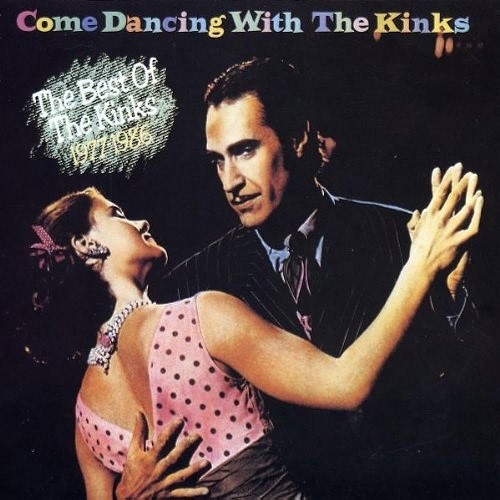
Here is my good friend Keith from https://nostalgicitalian.com/ giving a great post on Come Dancing. Keith and I have texted, emailed, and talked on the phone for a few years now. I like asking him questions about his radio DJ days and life…If you heard his voice you would understand why Keith was a DJ. He is a great guy. Go visit his site!
When my buddy Max from the PowerPop blog reached out to me and asked if I would like to take part in his “Kinks Week” feature, I naturally said yes. He told me that I should pick a specific Kinks song and write a bit about it. Easy enough, right? Well, sort of…
They band was formed in London in 1963 by Ray and Dave Davies. The were part of a sort of British R&B and Merseybeat thing that was happening there. Technically, they were part of the British Invasion here in the US, too. They certainly had plenty of hits that still get airplay today.
My introduction to the Kinks came from my dad and from listening to his oldies station. I heard All Day and All of the Night, You Really Got Me, Lola, and Tired of Waiting for You a lot growing up and when I worked in radio. But it was MTV and Casey Kasem’s American Top 40 that I heard them in a way I was unfamiliar with.
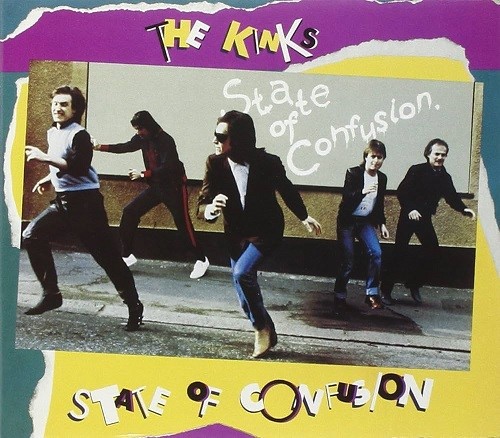
In 1983, the Kinks released their State of Confusion album. One of the tracks, Come Dancing, is undeniably an “80’s” song. It has that distinct sound of the early 80’s. When I heard that the song was the Kinks, I actually thought that maybe it was a different band. This song is so different and distant from what I’d call the “classic Kinks” sound. Not to mention that Ray’s accent is very obvious. I suppose that is why it stood out to me.
In one interview, Ray stated that this song was an attempt to return to the “warmer” style that the group had before they became the “arena rock act.” He said, “I wanted to regain some of the warmth I thought we’d lost, doing those stadium tours. Come Dancing was an attempt to get back to roots, about my sisters’ memories of dancing in the ’50’s.”
On the surface, the song sounds fun, but the inspiration for the song and the lyrical content came from a real life tragedy and nostalgia. Davies hints a both of those things in the quote above.
As I began to research the story behind the song the word “nostalgia” came up many times. I suppose it was reinforcing that the Nostalgic Italian had chosen the right song to write about. Rolling Stone magazine called the song “delightfully nostalgic.” Another article says that the song is basically “the 1980’s nostalgia for the 1950’s” and goes on to say how Davies tapped into that nostalgia as he was inspired by his sisters as young adults going to dance halls in the 1950’s.
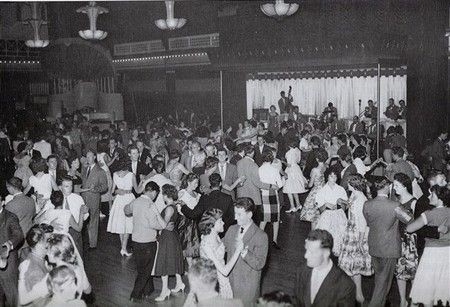
The real life tragedy involved Ray’s sister Rene. As a child she had rheumatic fever, which led to some heart issues. She lived in Canada with her abusive husband and would come home to London to visit with her family annually. In 1957, Rene (then 37 years old) surprised Ray with a Spanish guitar on his 13th birthday. He had been trying to get his parents to buy it for them, but to no avail. He was thrilled to receive the gift from her. His joy would be replaced with sadness later that evening, however, as his sister would have a heart attack while dancing at the Lyceum ballroom.
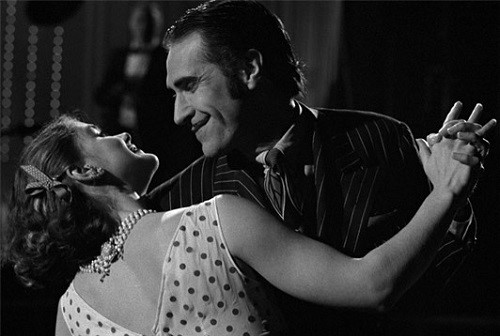
Ray took inspiration from his memories of his sisters dancing at the local dance halls to the music of big bands and wrote Come Dancing. The song is written from the point of view of what he called an “East End barrow boy” watching his sister going out on dates. It speaks of the nostalgia of how they are building a parking lot on the spot where the supermarket used to be. Before that it was
where the bowling alley was. Still before that, it was the spot where the local “palais” (French for Palace) dance hall used to be.
Ray said that the song was an easy song to write, because the idea had been in his head for some time. He didn’t start writing it, though, until March of 1982 while on a flight home from Japan. He had just purchased a new Casio keyboard and used it to write the song.
In his book, You Really Got Me: The Story of the Kinks, author Nick Hasted claims that the song was written in an attempt “to reach out to the Kinks’ lost British audience.” This is probably why Ray sang with his British accent despite being asked to sing it with an American one. He has been quoted as saying that he “tried to retain the Englishness” of the song.
The “Englishness” almost prevented the song from being released. Well respected record man and founder of Arista records, Clive Davis really didn’t want to released the song in the US. He didn’t think that the American public would be able to relate to the English subject matter of dance halls. It didn’t help that the song had already been released in the UK in 1982 and did not chart.
In the end, the song was released in the US in April of 1983 and was a Top 10 hit (reaching #6). The video for the song played often on MTV which also helped the radio performance. Come Dancing would go on to be the highest charting US single of their career (tying with 1965’s Tired of Waiting for you). Naturally, because it did so well in the States, it was re-released in the UK and this time it reached #12 on the British charts.
The Kinks would have one more Top 40 single in the US and that was also on the State of Confusion album. That song was Don’t Forget to Dance, which peaked at #29. So I guess it is fair to say that Come Dancing was the last big hit for the band. Ray wasn’t done with the song, though.
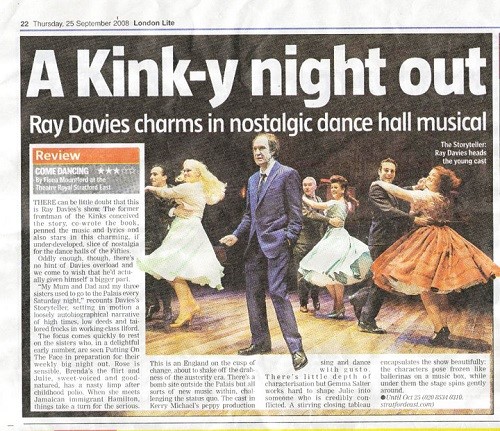
In 1997, he wrote a musical play with the title Come Dancing. It was set in a 1950’s dance hall and included some Kinks songs and original songs. The play opened in September of 2008, and sadly only ran through the end of October 2008. Ray appeared as the narrator in the play. The show was brought back in 2010 but quickly canceled again.
As I listen to all of the nostalgia presented in the lyrics of Come Dancing, it makes it feel like a perfect swan song for the Kinks. First of all, it has a happy feel to it that passes from the music to its listener. It is much like Walking on Sunshine, in that I cannot hear it without smiling.
Then you have a picture of life progressing. The “out with the old, in with the new” kind of thing. You reach a point in your life or career where you look back on where you’ve been nostalgically. In a sense, that is what’s happening here. Despite where we are currently, we look back at many fond and happy memories. Isn’t that really what Ray and the Kinks are doing here? I suppose that’s the way I see it anyway.
Thanks to Max for asking me to participate and and contribute to his look at one of the greatest, and often overlooked bands in history. Thank you for reading. Now let’s give it a listen …..
Come Dancing
They put a parking lot on a piece of land Where the supermarket used to stand Before that they put up a bowling alley On the site that used to be the local palais That’s where the big bands used to come and play My sister went there on a Saturday
Come dancing All her boyfriends used to come and call Why not come dancing? It’s only natural
Another Saturday, another date She would be ready but she’s always make them wait In the hallway, in anticipation He didn’t know the night would end up in frustration He’d end up blowing all his wages for the week All for a cuddle and a peck on the cheek
Come dancing That’s how they did it when I was just a kid And when they said “come dancing” My sister always did
My sister should have come in at midnight And my mum would always sit up and wait It always ended up in a big row When my sister used to get home late
Out of my window, I could see them in the moonlight Two silhouettes saying goodnight by the garden gate
The day they knocked down the palais My sister stood and cried The day they knocked down the palais Part of my childhood died, just died
Now I’m grown up and playing in a band And there’s a car park where the palais used to stand My sister’s married and she lives on an estate Her daughters go out, now it’s her turn to wait She knows they get away with things she never could But if I asked her, I wonder if she would
Come dancing Come on, sister, have yourself a ball Don’t be afraid to come dancing It’s only natural
Come dancing Just like the palais on a Saturday And all her friends would come dancing While the big bands used to play







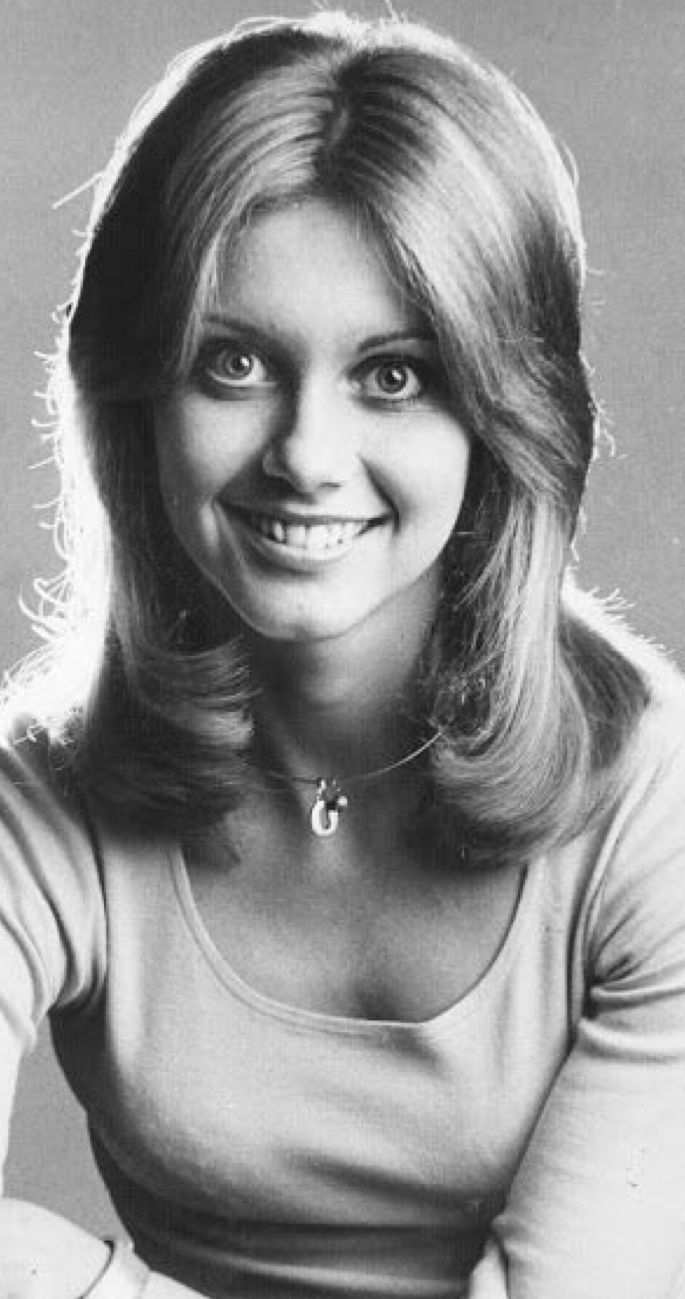 The ultimate girl next door… I saw her on the Midnight Special when I was 8 years old. So…Olivia Newton-John would be the first blonde crush.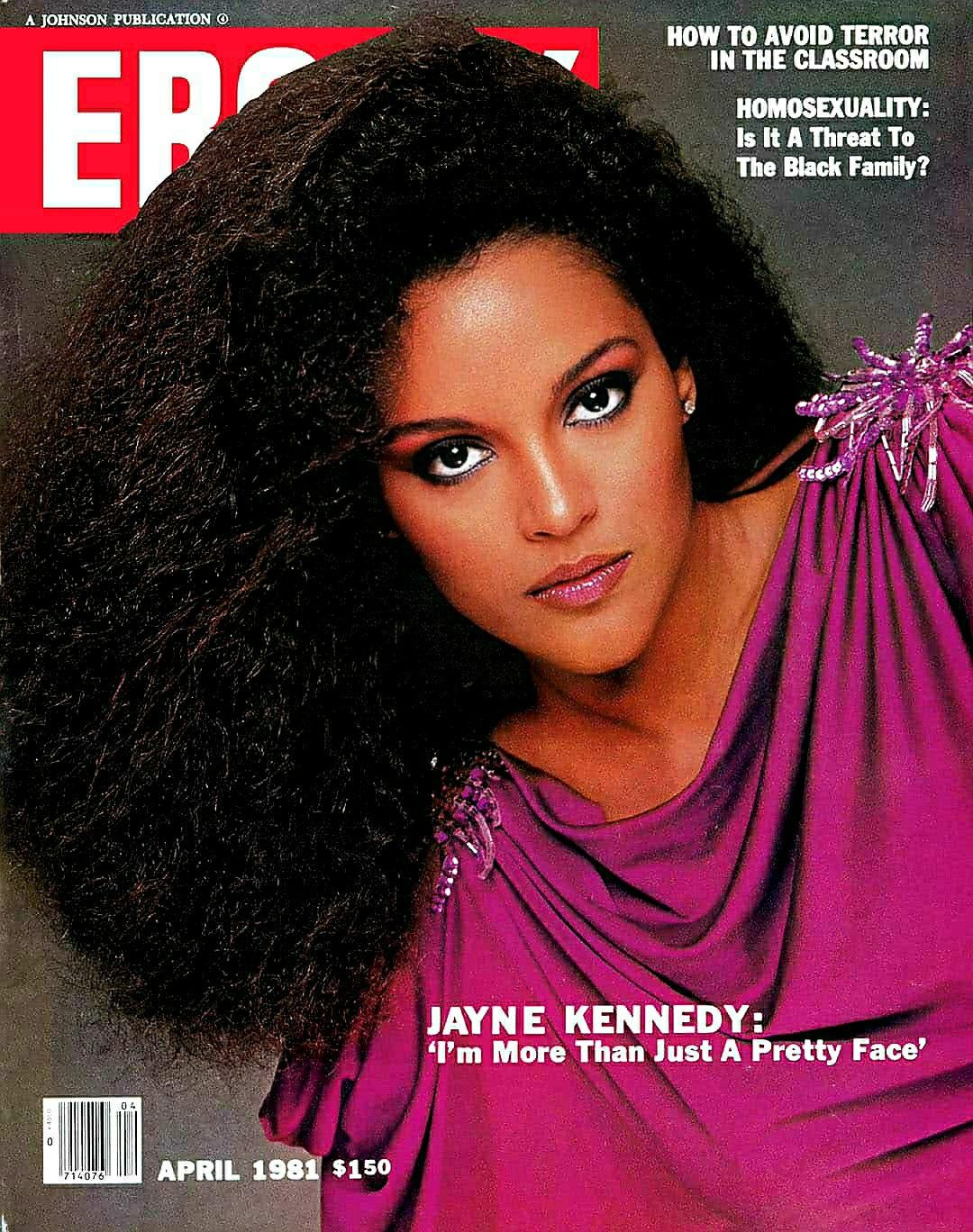



 PowerPop... An Eclectic Collection of Pop Culture