Power Pop fan, Baseball, Beatles, Alternative music, old movies, and tv show fan. Also anything to do with pop culture in the 60s and 70s... I'm also a songwriter, bass and guitar player. Not the slightest bit interested in politics at all.
I’ve been listening to the Rain Parade’s album Emergency Third Rail Power Trip and I’ve heard influences from Buffalo Springfield to Rubber Soul. The Rain Parade were part of the Paisley Underground scene in Los Angeles in the early 80s. The Paisley Underground scene contained bands such as The Bangles, Green on Red, and The Long Ryders.
They were another band formed in Minnesota by college roommates Matt Piucci (guitar, vocals) and David Roback (guitar, vocals) in 1981, while they were attending Carleton College. David’s brother Steven Roback (bass, vocals) joined.
Their roots were in punk music but in this band…instead of the Sex Pistols and the Clash they went for the Byrds jangly guitars. The critics were mixed on this band…some saying they copied the psychedelic era too much and others saying they were ahead of their time. The Roback brothers were the main writers. After this album Dave Roback left the band.
From Wiki: Critic Jim DeRogatis would later write in his book Turn on Your Mind: Four Decades of Great Psychedelic Rock (2003) that “Emergency Third Rail Power Trip is not only the best album from any of the Paisley Underground bands, it ranks with the best psychedelic rock efforts from any era”, with uplifting melodies offset by themes that were “dark and introspective.”
They were together from 1981 to 1986. They broke up in 1986 and reformed in 2012 and have been touring since. Dave Roback passed away in 2020.
Daveid Roback: “Rain Parade was very much a recasting of our punk interests in more musical terms, inspired by our fascination with music history.”
One Half Hour Ago
What’s the point of looking back?
All you see is an empty track
Of lives you’ve lived
And things you tried to love
What’s the use of anything
That brings you down?
You can’t believe it for an hour
You’re in here just a while
Half an hour from an hour ago
From a half an hour from an hour ago
Call me early on Saturday
It’s my favorite day
I’ll come out to play
That is only, I go to bed
So that I can rest
I can leave my head behind
Disappointing everyone
I’m so much fun
Until I’m lost
Things we do are the way we choose to live
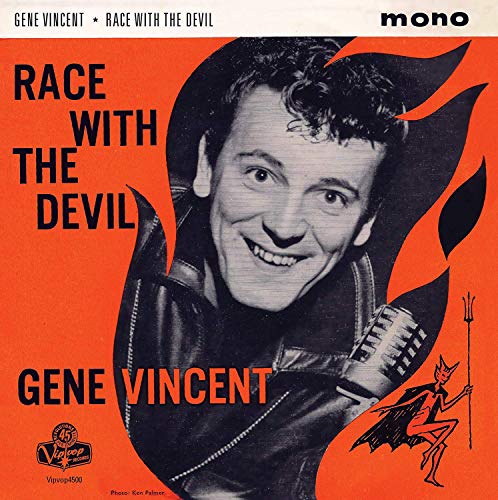
Gene Vincent’s voice and slap back echo go together perfectly. Every rock artist after Gene Vincent has went after that sound.
Cliff Gallup played some great guitar on this recording. He recorded 35 tracks with Vincent including Be-Bop-A-Lula. Gallup was ranked 79th by Rolling Stone magazine’s David Fricke in his list of 100 Greatest Guitarists. He ended up influencing many guitarists including Eric Clapton, Brian Setzer, and Jeff Beck.
This song was released in 1956 and it peaked at #96 in the Hot 100 and #28 in the UK.
He continued to record and tour and remained popular in Britain, where in 1960 he reinjured his leg in the automobile accident in which fellow rockabilly singer Eddie Cochran was killed. Elvis Presley was influenced by Vincent, and bands such as The Beatles played with Vincent in Hamburg in the early sixties.
…but forget who influenced who and enjoy the song.
Race With The Devil
Well I’ve led an evil life, so they say But I’ll hide from the devil on judgement day, I said Move, hot-rod, move man Move, hot-rod, move man Move hot-rod, move me on down the the line, oh yeah
Well me and the devil, at a stop light He started rollin’, I was out of sight, I said Move, hot-rod, move man Move, hot-rod, move man Move hot-rod, move me on down the the line, oh yeah
Well, goin’ pretty fast, looked behind A-hear come the the devil doin’ ninety-nine, I said Move, hot-rod, move man Move, hot-rod, move man Move hot-rod, move me on down the the line, oh yeah
Well thought I was smart, the race was won A-hear come the devil doin’ a-hundred and one Move, hot-rod, move man Move, hot-rod, move man Move hot-rod, move me on down the the line
Well, goin’ pretty fast, looked behind A-hear come the the devil doin’ ninety-nine, I said Move, hot-rod, move man Move, hot-rod, move man Move hot-rod, move me on down the the line, oh yeah!
Well I’ve led an evil life, so they say But I’ll hide from the devil on judgement day, I said Move, hot-rod, move man Move, hot-rod, move man Move hot-rod, move me on down the the line
I’ve always liked this episode. It takes place at the end of the Civil War. James Gregory plays the Sergeant and he would later appear on Barney Miller. Joanne Linville played Lavinia Godwin later appeared as a Romulan commander on Star Trek. Godwin is a lonely widowed southern woman watching the soldiers come home.
The Sergeant comes wandering by and just wants some water from Godwin. He spends some time with her and he finds out something that he didn’t expect. Again the acting is very good in this and there is not only a twist but a cameo at the very end.
From IMDB: Another Twilight Zone featuring multiple actors from Star Trek: The Original Series (1966). James Gregory portrayed Dr. Tristan Adams in Season One’s Star Trek: The Original Series: Dagger of the Mind (1966). Joanne Linville was the Romulan Commander in Star Trek: The Original Series: The Enterprise Incident (1968) and Rex Holman played Morgan Earp in Star Trek: The Original Series: Spectre of the Gun (1968), both from Season Three. In addition, Rex Holman later appeared in Star Trek V: The Final Frontier (1989) as J’onn.
This show was written by Rod Serling
Rod Serling’s Opening Narration:
As the episode starts, a group of Civil War soldiers are walking down a road as Rod Serling narrates:
This road is the afterwards of the Civil War. It began at Fort Sumter, South Carolina, and ended at a place called Appomattox. It’s littered with the residue of broken battles and shattered dreams.
After a brief opening dialogue between the Sergeant and Lavinia Godwin, Rod Serling resumes:
In just a moment, you will enter a strange province that knows neither North nor South, a place we call—The Twilight Zone.
Summary
In April 1865, at the end of the American Civil War, a Confederate Sergeant with other wounded Union and Confederate soldiers, stops to ask the Lavinia Godwin for some water. He asks to rest for a while and they talk about the damages of war as she now lives in her destroyed mansion.
Rod Serling’s Closing Narration:
Incident on a dirt road during the month of April, the year 1865. As we’ve already pointed out, it’s a road that won’t be found on a map, but it’s one of many that lead in and out of the Twilight Zone.
CAST
Rod Serling…Narrator / Self – Host (uncredited)
James Gregory…The Sergeant
Joanne Linville…Lavinia Godwin
Warren Kemmerling…Jud Godwin
Rex Holman…Charlie Constable
David Garcia…Union Lieutenant
Austin Green…Abraham Lincoln
Jamie Farr…oldier (uncredited)
I was really happy when I saw Mike’s choice of the Replacements song Can’t Hardly Wait in the draft. I had that one in the back of my mind but had this one ready to go later. I decided to go ahead and get this one in.
I could have picked a more instantly likable song like Skyway, Here Comes a Regular, or Alex Chilton but this song…was a great anthem that kicks you in the shins when it starts. It was recorded in the eighties but it has no giant production…it’s raw and honest about youthful uncertainty and alienation.
I recently visited Aphoristic’s site and he had his top ten songs of the 1980’s. I thought about it and I included this song on my list in the comment section. In popularity would it be there? No… but this is a lost anthem of the eighties that should have been taken up by that generation. Just because a song isn’t heard and embraced by the masses doesn’t mean it isn’t great.
Westerberg’s songwriting in the 1980s rivaled any artist in that decade.
Everyone who knows me… knows I’m not a huge fan of the top 40 in the 1980s but alternative rock is a different story. In my opinion, the two best alternative rock bands to come out of the 80s were The Replacements and R.E.M.
R.E.M played the music business game much more than The Replacements. The Replacements didn’t play at all until the very end. That hurt them on not being heard on the radio or MTV. If it weren’t for their penchant for self-destruction they would have been known more by the masses.
This song was on their album “Tim” released in 1985. Why was the album called Tim? There was no reference to the name on the album. The band’s manager said that he asked Paul Westerberg what the name of the album would be. Paul told him “Tim” and the manager asked why? Paul said “because it’s such a nice name.”
“Tim” was placed 136th on Rolling Stone’s 2003 list of the 500 greatest albums of all time, and 137 in a 2012 revised list. The album peaked at #186 in the Billboard Album Chart in 1986.
Paul Westerberg:“To me, a part of that song is about my sister who felt the need … to be something by going somewhere else. It is sort of the Replacements feeling the same way … not knowing where we fit. It’s our way of reaching a hand out and saying, ‘We are right along with you. We are just as confused.'”
They also played this song on SNL and got banned for life for being drunk and a certain swear word slipping out….supposedly by accident. This is the only video I can find of it. Westerberg eventually appeared on SNL in the 90s as a solo artist. The studio version is the second video.
Bastards of Young
God, what a mess, on the ladder of success Where you take one step and miss the whole first rung Dreams unfulfilled, graduate unskilled It beats pickin’ cotton and waitin’ to be forgotten
We are the sons of no one, bastards of young We are the sons of no one, bastards of young The daughters and the sons
Clean your baby womb, trash that baby boom Elvis in the ground, no waitin’ on beer tonight Income tax deduction, what a hell of a function It beats pickin’ cotton and waitin’ to be forgotten
We are the sons of no one, bastards of young We are the sons of no one, bastards of young Not the daughters and the sons
Unwillingness to claim us, ya got no war to name us
The ones who love us best are the ones we’ll lay to rest And visit their graves on holidays at best The ones who love us least are the ones we’ll die to please If it’s any consolation, I don’t begin to understand them
We are the sons of no one, bastards of young We are the sons of no one, bastards of young Daughters and the sons
Young Young Young Young Young
Take it, it’s yours Take it, it’s yours Take it, it’s yours Take it, it’s yours Take it, it’s yours Take it, it’s yours Take it, it’s yours Take it, it’s yours Take it, it’s yours
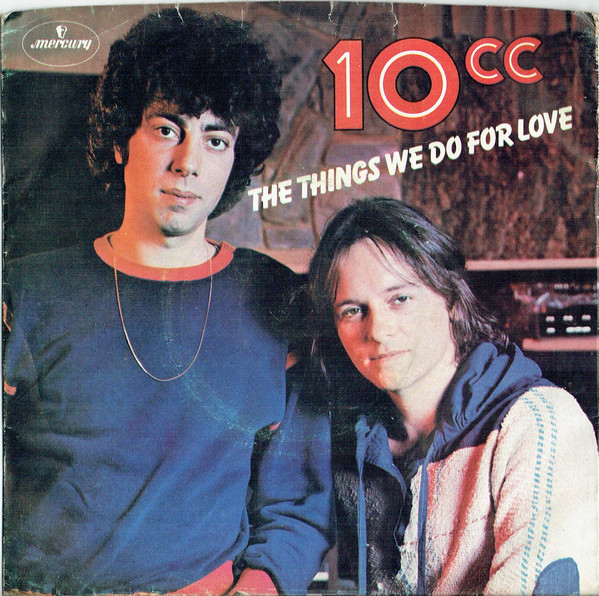
A very good pop song. These guys were good song craftsmen.
It was written by Eric Stewart and Graham Gouldman. This song was released as a single in 1976 and later on their next album.. The song peaked at #1 in Canada, #5 in the Billboard 100, and #6 in the UK.
This was the first singe from the band’s fifth album, Deceptive Bends, their first without founding members Lol Creme and Kevin Godley, who became a top music video directing team. It was an amicable parting, with all members going on to further success. Stewart and Gouldman kept scoring hits with 10cc; their next album contained the #1 UK hit “Dreadlock Holiday.”
Erik Stewart:“I remember walking through the rain and the snow when I lived in Manchester and we didn’t have a telephone,” he said in a BBC Radio Wales interview. “I had to go and find a phone box to ring the girl who was about to become my wife. The phones were down, and it was snowing, and these, these vivid pictures are there. If you put them in a song, a lot of people identify with a similar situation.”
From Songfacts
Love songs tend to be either giddy with joy or tinged with heartbreak, but this one is much more grounded, championing compromise and communication.
The guy in the song decides to man up and call his girl, but the phone lines are down because of weather. Undeterred, he walks through the rain and the snow – just one of the things he’ll do for love.
In a Songfacts interview with Graham Gouldman, he talked about writing this song with Eric Stewart. “When we started writing that, we had some of the music and he wanted to write a song about suicide,” Gouldman said. “I told him that was not a good idea and fortunately he agreed. He came up with the title ‘The Things We Do For Love,’ which is very up and a great title really. What are the things we do for love? What do you do? What should we do for love?”
Gouldman sees chords in colors – this one is “sort of light blue.” He told Songfacts: “Although it starts off in a minor key, there are certain parts that are in a major key as well. It’s a very multi-colored song.”
This is the only 10cc song released in both territories to chart higher in America than the UK. The group had 11 Top 10 hits in the UK, but all but two of them – “The Things We Do For Love” and “I’m Not In Love” – had much impact in the States.
The Things We Do For Love
Too many broken hearts have fallen down the river Too many lonely souls have drifted out to sea You lay your bets and then you pay the price The things we do for love (the things we do for love)
Communication is the problem to the answer you’ve got her number and your hand is on the phone The weather?s turned and all the lines are down The things we do for love (the things we do for love)
Like walking in the rain and snow When there’s nowhere to go And you’re feeling like a part of you is dying And you’re looking for the answer in her eyes You think you want to break up Then she says she wants to make up
Ooh, you make me love you Ooh, you’ve got a way Ooh, you’ve had me crawling up the wall
Like walking in the rain and snow When there’s nowhere to go And you’re feeling like a part of you is dying And you’re looking for the answer in her eyes You think you want to break up Then she says she wants to make up
Ooh, you make me love you Ooh, you’ve got a way Ooh, you’ve had me crawling up the wall
A compromise would surely help the situation Agree to disagree, but disagree to part Well after all it?s just a compromise For the things we do for love (the things we do for love) the things we do for love (the things we do for love) the things we do for love (the things we do for love)
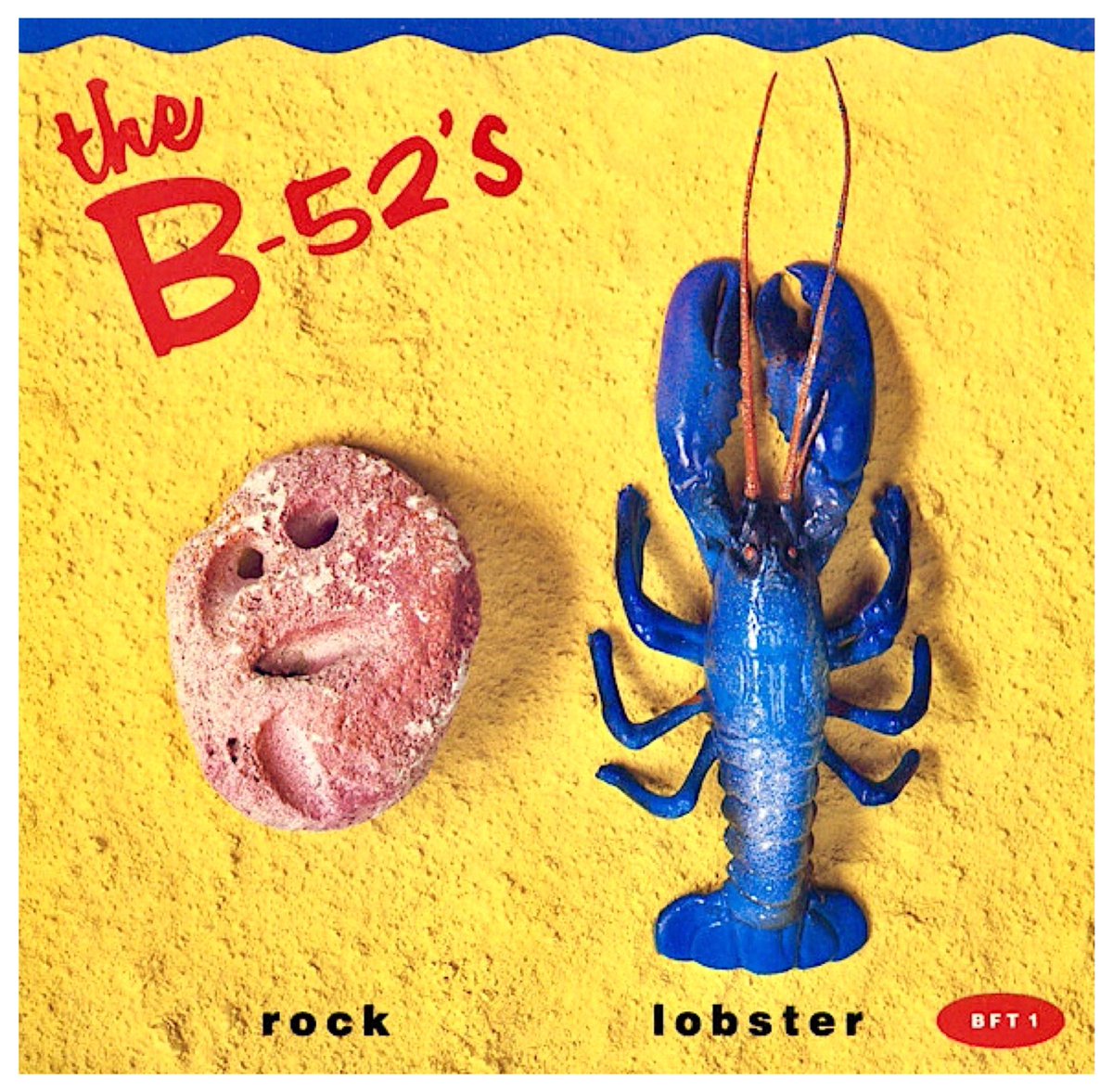
I couldn’t continue these underground Mondays without featuring the B-52s. I always smile when I hear this band. I could not listen to them for hours on end but once in a while is great.
I like the sixties sound of this. It sounds that way because of the Farfisa organ played by Kate Pierson and the surf guitar sound that Ricky Wilson created.
Fred Schneider and B-52s guitarist Ricky Wilson were listed as the writers on this track, but at some point the other three band members – Kate Pierson, Cindy Wilson and Keith Strickland were added to the credits.
Canada really responded Rock Lobster. The song peaked at #1 in Canada, #56 in the Billboard 100, and #37 in the UK, and #38 in New Zealand in 1978.
Cindy Wilson and Kate Pierson’s fish noises on this song are an homage to Yoko Ono, whose work is filled with these kind of screams and blurts. Yoko performed these parts when she joined the band at their 25th Anniversary concert at Irving Plaza in New York City in 2002.
John Lennon noticed the The Yoko Ono influence on this song when he heard it in 1979. It reminded him of Yoko’s music so much that it inspired him to return to the recording studio after a five-year retirement, resulting in the 1980 album Double Fantasy.
Yoko Ono:“Listening to the B-52s, John said he realized that my time had come. So he could record an album by making me an equal partner and we won’t get flack like we used to up to then.”
Fred Schneider: “We jammed on it for hours and hours and miles and miles of reel-to-reel tape. Keith and Ricky went and spliced ideas together, brought them to Kate, Cindy and I, and we put in our six cents and we came up with this six minute and forty-eight second song. We have a hard time editing ourselves, but who cares?”
From Songfacts
Many B-52s songs have fun, whimsical lyrics, and this is one of them. It’s about a beach party where someone encounters a rock lobster (which is also known as a crayfish, but that wouldn’t sound as good), and hijinx ensue.
Fred Schneider of The B-52s stopped eating crustaceans at the age of four after going crabbing with his family in New Jersey and watching the crabs get boiled alive. He explained in a video he narrated for People for the Ethical Treatment of Animals that he got the idea for this song when he was at an Atlanta disco called 2001 where a projector displayed images of lobsters on a grill. He thought, “Rock this, rock that… rock lobster!” The band jammed on the title and “Rock Lobster” was created.
The B-52s’ guitarist, Keith Strickland, recalled to Q magazine that at the end of the song, “Cindy does this scream that was inspired by Yoko Ono. John heard it in some club in the Bahamas, and the story goes that he calls up Yoko and says, Get the axe out – they’re ready for us again! Yoko has said that she and John were listening to us in the weeks before he died.”
This was the first single the B-52s released. They recorded it on a shoestring budget at Mountain Studios in Atlanta in February 1978, and released the track as a single on DB Records in April. Danny Beard, who owned the label, recalls spending about $700 on the single in a session where a key on Pierson’s Farfisa organ didn’t work. The recording was rough but effective: it earned airplay and established the band as quirky, innovative, thrift-store punk rockers with pop appeal. Warner Bros. Records signed them and had them record a full album, complete with a new version of “Rock Lobster,” in Nassau, Bahamas, with producer Chris Blackwell. The album was issued in 1979 along with the single, which reached its US chart peak of #56 in May 1980. In the UK, where the band initially had a stronger following, it reached #37 in August 1979. When the song was re-issued in the UK in 1986, it reached #12.
In 1985, Wilson became one of the first celebrities to die from AIDS-related causes. He was 32.
This song has one of the most famous bass lines of all time, but it wasn’t done with a bass guitar. Guitarist Ricky Wilson came up with the riff, and Kate Pierson played it on Korg SB-100 Synthe-Bass, a little machine with a big sound that can also be heard on early Soft Cell recordings, including “Tainted Love.”
The original 1978 version runs 4:37; the album version released in 1979 goes 6:49, with the single edited down to 4:52.
Fred Schneider mentions several unusual sea creatures near the end of the song, including a narwhal, which is a rarely seen whale-like creature with a horn that makes it look like some kind of aquatic unicorn (one appears in cartoon form in the movie Elf). To the best of our knowledge, “Rock Lobster” is the only Hot 100 hit where a narwhal shows up in the lyric.
Other creatures mentioned: sting ray, manta ray, jellyfish, dogfish, catfish, sea robin, piranha, bikini whale. As Schneider sings, Wilson and Pierson approximate their calls with some impressive vocalizations.
“We always just did things our own way,” he continued. “You don’t have any preconceived notions. I was writing lyrics with Keith on the way into the studio, but then I changed my lines and stuff and then the girls added their noises at the end.”
This reached #1 on the Canadian charts in 1980, following Blondie’s “Call Me” and preceding The Pretenders’ “Brass In Pocket.” It held the pole position for one week. >>
This is one of the great cowbell songs; drummer Keith Strickland is credited with playing it on the recording, but when performed live, Fred Schneider would play it.
A video was made for this song in 1979 by combining stock footage with various band antics. MTV was still two years away, but the video helped promote the song throughout Europe. The group got their star turn on MTV a decade later when “Love Shack” became one of the most popular clips on the network.
The song appeared in the movies One-Trick Pony (1980), Lobster Man from Mars (1989) and Knocked Up (2007); it was used in episodes of My Name Is Earl (“Joy in a Bubble” – 2008) and Glee (“The Hurt Locker: Part 1” – 2015).
The song is also a favorite on the show Family Guy, where the character Peter Griffin performs it on guitar in two episodes, first in a 2005 episode where he plays it (inappropriately) to cheer up Cleveland, then in a 2011 episode where it plays to a lobster with the lyrics changed to “Iraq Lobster.”
The B-52s performed this on Saturday Night Live, January 26, 1980. This gave the song a big boost; in May, it reached its US peak of #56.
Ricky Wilson didn’t have high expectations for the riff when he came up with it. His sister Cindy Wilson told the CBC: “I came home one day, and Ricky was just working on his guitar, and he was just laughing to himself. He says, ‘I just made up the stupidest riff there ever was.'”
Panic! at the Disco sampled the famous “Rock Lobster” riff on their 2016 track “Don’t Threaten Me With A Good Time.” Panic! frontman Brendon Urie is a big fan of the B-52s; he was thrilled when he found out the sample cleared.
Rock Lobster
Ski-doo-be-dop Eww Ski-doo-be-dop Eww (Ski-doo-be-dop) We were at a party (Eww) (Ski-doo-be-dop) His ear lobe fell in the deep (Eww) (Ski-doo-be-dop) Someone reached in and grabbed it (Eww) (Ski-doo-be-dop) Was a rock lobster (Eww)
Aaaah Rock lobster Aaaah Rock lobster
Eww Eww We were at the beach (Eww) Everybody had matching towels (Eww) Somebody went under a dock (Eww) And there they saw a rock (Eww) It wasn’t a rock (Eww) Was a rock lobster (Eww)
Aaaah Rock lobster Aaaah Rock lobster
Rock lo-o-obster Rock lo-o-obster
Motion in the ocean (Ooh ah) His air hose broke (Hoo ah) Lots of trouble (Ooh ah) Lots of bubble (Hoo ah) He was in a jam (Ooh ah) He’s in a giant clam! (Hoo ah)
Rock, rock Rock lobster! (Aaaaaaaaah) Down, down! (Aaaaaaah)
Lobster Rock Lobster Rock Let’s rock!
Boys and bikinis Girls and surfboards Everybody’s rockin’ Everybody’s frugin’
Twistin’ round the fire Havin’ fun
Bakin’ potatoes Bakin’ in the sun
Put on your noseguard Put on the lifeguard Pass the tanning butter
Here comes a stingray (ooh wok ooh wok) There goes a manta ray (ah ah ah) In walked a jellyfish (huah) There goes a dogfish (rea-owr) Chased by a catfish (geh geh geh geh geh geh geh geh geh geh) In flew a sea robin (Laaaaa) Watch out for that piranha (eh rek eh rek ah hoo) There goes a narwhal (eeeeh) Here comes a bikini whale! (Aaaaah!)
(Lobster rock lobster-ster) Rock lobster (Lobster) Rock lobster (Ah-ah-ah-ah-ah) (Lobster rock lobster-ster) Rock lobster (Lobster) Rock lobster (Ah-ah-ah-ah-ah) (Ah-ah-ah-ah-ah) (Ah-ah-ah-ah-ah)
This is human nature driven story with no supernatural things happening. This is a great episode. It is similar to “The Monsters Are Due on Maple Street” and looks like it could have been on the same street. Unlike that more well known episode though… this one has no alien pulling the strings…man pulls his own strings in this harsh look at human nature.
Larry Gates portrays Dr. Bill Stockton, a man who built a bomb shelter for him and his family. In 1961 a bomb shelter was not an uncommon addition to a house. A manufacturing industry grew up around the fact that the world could be destroyed by a push of a couple of buttons.
The actor that is the most noticeable among all of these great character actors is Jack Albertson of Willy Wonka and the Chocolate Factory, Chico and the Man and many other shows. He plays Jerry Harlowe who becomes very interested in the Doctor’s bomb shelter along with the neighborhood. It is a powerful story.
Rod Serling described the inspiration for the episode as stemming from his own family’s interest in building a fallout shelter. Serling stated that the episode received 1,300 letters and cards over a two day period after the initial broadcast.
Sandy Kenyon’s character mentions going over to Bennett Avenue to get a pipe for a battering ram. Bennett Avenue is where creator Rod Serling grew up as a child in New York.
This show was written by Rod Serling
Rod Serling’s Opening Narration:
What you are about to watch is a nightmare. It is not meant to be prophetic, it need not happen, it’s the fervent and urgent prayer of all men of good will that it never shall happen. But in this place, in this moment, it does happen. This is the Twilight Zone.
Summary
Dr. Bill Stockton has prepared well for any eventuality. He’s built a bomb shelter for himself, his wife and his child. His neighbors on the other hand have done nothing to prepare. During a dinner party, there is an emergency announcement on the radio that unidentified objects have been sighted en route to the US and they may be under attack. As the Stockton’s prepare to use their shelter their neighbors panic asking to be let into the shelter with them. Stockton refuses leading to an angry confrontation.
No moral, no message, no prophetic tract, just a simple statement of fact: for civilization to survive, the human race has to remain civilized. Tonight’s very small exercise in logic from the Twilight Zone.
CAST
Rod Serling…Narrator / Self – Host (uncredited)
Larry Gates…Dr. Bill Stockton
Jack Albertson…Jerry Harlowe
Sandy Kenyon…Frank Henderson
Peggy Stewart…Grace Stockton
Michael Burns…Paul Stockton
Joseph Bernard…Marty Weiss
Jo Helton…Martha Harlowe
Moria Turner…Mrs. Weiss
Mary Gregory…Mrs. Henderson
John McLiam…Man
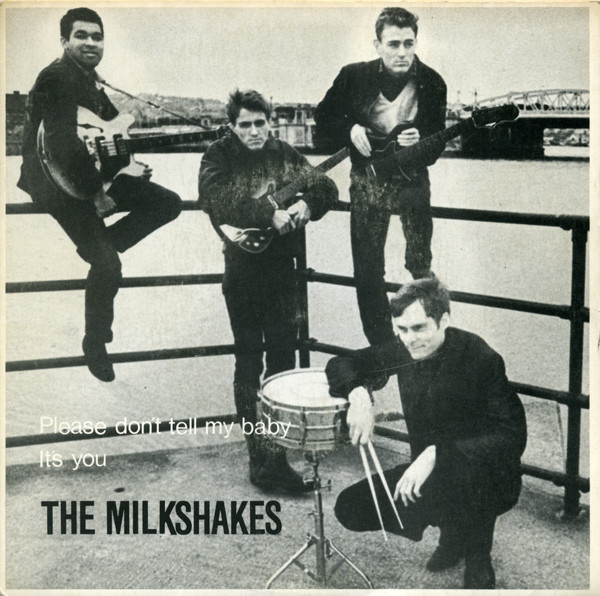
Their sound is a little more tougher than their name. I hear the early Kinks and the British invasion in these two songs that I posted.
This song was the B side to It’s You released in 1982 (both are posted at the bottom of the post).
The Milkshakes formed in 1980 in Chatham, Kent, England, after Billy Childish’s band… Pop Rivets broke up. Childish teamed up with former roadie Mickey Hampshire, who’d been fronting Mickey and the Milkshakes.
The Milkshakes were a prolific band, recording nine albums in their four years together, and the band was very much a blend of Childish raw writing and Hampshire’s more melodic songs.
The A side It’s You
The B side Please Don’t Tell My Baby
Please Don’t Tell My Baby
Please don’t tell my baby I saw her last night Please don’t tell my baby I saw her last night I saw her kiss that boy I saw her kiss that boy I saw her kiss that boy
Please don’t tell her that I know ’cause when I catch her gonna get it all I’m gonna put it on the line That I’ll take her…all her lying She made me very mad I’m gonna treat her bad She gonna wish she never told the lie she had
I saw her kiss that boy I saw her kiss that boy I saw her kiss that boy Last night
Please don’t tell my baby Please don’t tell my baby Please don’t tell my baby
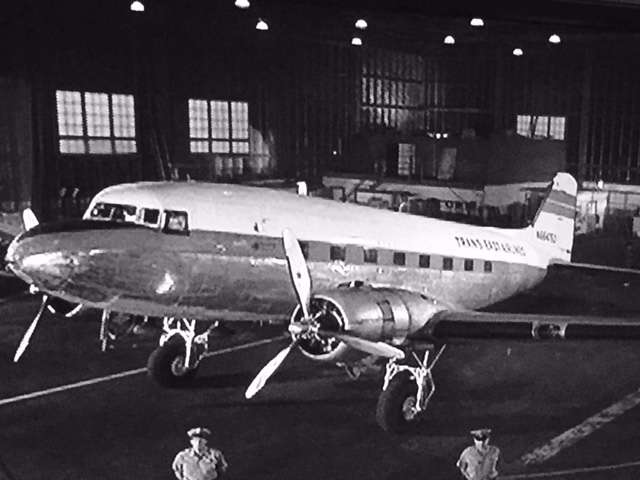
This is a good episode. It’s not a 5 star episode but it’s a good mystery. The plot is a perfect setup for a Twilight Zone. A plane arrives and there is only one thing missing from it…the passengers! Harold J. Stone portrays Grant Sheckly who is determine to unravel this mystery.
Flight 107 out of Buffalo lands and taxis to a perfect stop, with no luggage, no passengers, no crew and no pilot. Sheckly, an FAA investigator with a record of no unsolved incidents in twenty-two years is on the case. One case comes back to haunt him in this episode…as the names of the would be passengers seem familiar to him.
A similar incident actually happened several years earlier in Missouri in 1957. A US Air Force DC-3 – the same type as used in the show – ran out of fuel while carrying people, who all bailed out to safety. The plane glided itself, landing on an empty cornfield, intact.
The exterior shots and hangar scenes were filmed at Santa Monica Airport in California. All other scenes were filmed on an MGM sound stage.
This show was written by Rod Serling
Rod Serling’s Opening Narration:
This object, should any of you have lived underground for the better parts of your lives and never had occasion to look toward the sky, is an airplane, its official designation a DC-3. We offer this rather obvious comment because this particular airplane, the one you’re looking at, is a freak. Now, most airplanes take off and land as per scheduled. On rare occasions they crash. But all airplanes can be counted on doing one or the other. Now, yesterday morning this particular airplane ceased to be just a commercial carrier. As of its arrival it became an enigma, a seven-ton puzzle made out of aluminum, steel, wire and a few thousand other component parts, none of which add up to the right thing. In just a moment, we’re going to show you the tail end of its history. We’re going to give you ninety percent of the jigsaw pieces and you and Mr. Sheckly here of the Federal Aviation Agency will assume the problem of putting them together along with finding the missing pieces. This we offer as an evening’s hobby, a little extracurricular diversion which is really the national pastime in the Twilight Zone.
Summary
A commercial airliner makes a normal landing at an airport and taxis to its normal stop. The only problem is that when the doors are opened, there are no passengers and no pilots. An experienced FAA investigator, Grant Sheckly. is assigned to the case. Sheckly has a good reputation and good track record at solving crashes but this case is a difficult one explain. It all begins to get clearer when he realizes that not everyone is seeing exactly the same thing. For some the seats are blue, others see brown and others see red. They all see different registration numbers on the aircraft. Sheckly can only come to one conclusion: what they are seeing is an illusion
Picture of a man with an Achilles’ heel, a mystery that landed in his life and then turned into a heavy weight, dragged across the years to ultimately take the form of an illusion. Now, that’s the clinical answer that they put on the tag as they take him away. But if you choose to think that the explanation has to do with an airborne Flying Dutchman, a ghost ship on a fog-enshrouded night on a flight that never ends, then you’re doing your business in an old stand in the Twilight Zone.
CAST
Rod Serling…Narrator / Self – Host (uncredited)
Harold J. Stone …Grant Sheckly
Fredd Wayne…Paul Malloy
Noah Keen…Airline Executive Bengston (as Noah Keene)
Robert Karnes…Robbins
Bing Russell…George Cousins
Jim Boles…Dispatcher
Robert Brubaker…Tower Operator (uncredited)
Blind Faith…a supergroup with Eric Clapton, Steve Winwood, Ric Grech, and Ginger Baker.
I was listening to Blind Faith’s self titled debut album last week while deep in work and this song was one caught my attention. I’ve heard this song before but this time it really hit me. I repeated it a few times for good measure. What a talented band they were and we are lucky to get that album.
Their one and only album, the self titled Blind Faith album, peaked at #1 in the Billboard Album Charts, Canada, and the UK in 1969. They toured one time for the album and then soon broke up.
After Cream broke up in late 1968…Blind Faith evolved out of informal jamming at Eric Clapton’s home with Steve Winwood. Winwood suggested adding Ginger Baker to the lineup. Rick Grech joined on bass. The band spent February to June 1969 in the studio jamming and recording.
Clapton didn’t want Baker in the band…he wanted to leave Cream behind but Winwood didn’t know the history until later on.
Steve Winwood:“I had begun to realize what a problem Ginger was, and I saw why Eric had been against having him in the group.” “Ginger did a drum solo and they thought it was Cream, so we chucked in an old Cream song,” Winwood said. “Then I put in a Traffic song, and the identity of the band was killed stone dead. If you have 20,000 people out there, and you know you only have to play one song for them to be on their feet, you do it. We were only human.”
Eric Clapton:Steve and I were at the cottage smoking joints and jamming when we were surprised by a knock at the door,” “It was Ginger. Somehow he had gotten wind of what we were doing and had tracked us down. Ginger’s appearance frightened me because I felt that all of a sudden we were a band, and with that would come the whole [manager Robert] Stigwood machine and the hype that had surrounded Cream.”
Steve Winwood wrote this song and took the lead.
Sea Of Joy
Following the shadows of the skies Or are they only figments of my eyes? And I’m feeling close to when the race is run Waiting in our boats to set sail Sea of joy
Once the door swings open into space And I’m already waiting in disguise Is it just a thorn between my eyes? Waiting in our boats to set sail Sea of joy
Having trouble coming through Through this concrete blocks my view And it’s all because of you
Oh, is it just a thorn between my eyes? Waiting in our boats to set sail Sea of joy
I like this bouncy story song by Lloyd Cole. His hiccupping style of singing is appealing. I first posted a song by Cole and his Commotions back in June and I’ve been listening to them ever since.
This song was on their album Easy Pieces released in 1985. This band was a success in the UK but didn’t do much in America.
Easy Pieces would enter the UK album charts at number five, and sold over one-hundred thousand copies within a month. Two successful singles were taken from the album. Brand New Friend reached number nineteen and Lost Weekend reached number seventeen.
They released three studio albums total and all were successful. Rattlesnakes in 1984, Easy Pieces in 1985, and Mainstream in 1987. All were in the top twenty in the UK. In 1989, the band decided to break up and released a best of compilation, 1984-1989.
Lost Weekend
It took a lost weekend in a hotel in Amsterdam And double pneumonia in a single room And the sickest joke was the price of the medicine Are you laughing at me now? May I please laugh along with you?
This morning I woke up from a deep, unquiet sleep With ashtray clothes and this lonely heart’s pen With which I wrote for you a love song in tattoo upon my palm ‘Twas stolen from me when Jesus took my hand
You see I, I wouldn’t say it if I didn’t mean it Drop me and I’ll fall to pieces So easily
I was a king bee with a head full of attitude Wore my heart on my sleeve like a stain And my aim was taboo, you Could we meet in the marketplace? Did I ever hey please, did you wound my knees?
You see I, I wouldn’t say it if I didn’t mean it Drop me, and I’ll fall to pieces Yeah too easily
There’s nobody else to blame I hang my head in a crying shame There is nobody else to blame Nobody else except my sweet self
It took a lost weekend in a hotel in Amsterdam Twenty four gone years to conclude in tears And the sickest joke was the price of the medicine Are you laughing at me now? May I please laugh along?
I was a king bee with a head full of attitude An ashtray heart on my sleeve, wounded knees And my one love song was a tattoo upon my palm You wrote upon me when you took my hand
You see I, I wouldn’t say it if I didn’t mean it Drop me and I’ll fall to pieces too easily Too easily Too easily
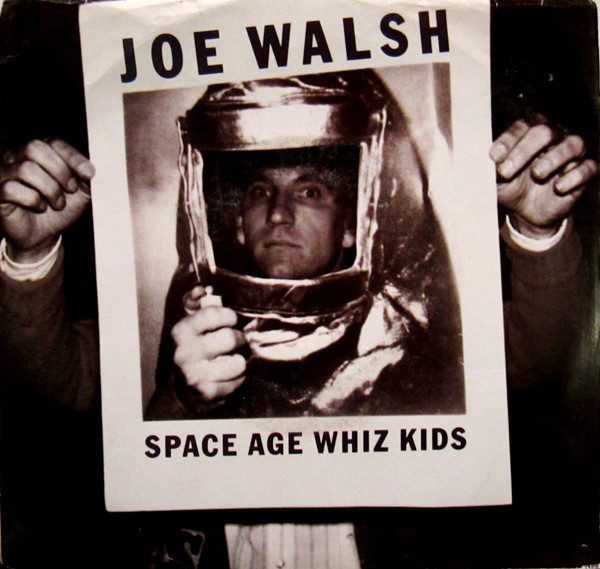
I was a sophomore in high school when this was released. I was surprised because it was a big departure from what we were accustomed to from Joe Walsh. To my surprise this was the last song of Joe Walsh to chart in the Billboard 100. It peaked at #52 and #21 in the Mainstream Rock Charts.
Space Age Whiz Kids was released in 1983 as a lead single from his sixth studio solo album, You Bought It – You Name It. Something about Joe Walsh, he had some of the best names for albums ever.
The video is classic as Walsh jumps from the pinball era to the video game era with his mocking of the stereotypical kids who played games featured in the video like Donkey Kong and Pac Man at the time.
The album peaked at #48 in the Billboard Album Charts. The album contains rock songs such as “I Can Play That Rock & Roll” and a cover of the Dick Haymes track, “Love Letters”.
Space Age Whiz Kids
I used to play that pinball, I used to go outside I had to spend my money, get on your bus and ride I used to go out dancing, put on my high-heeled shoes Get in my short black chevy, go on a downtown cruise I feel a little bit mixed up, maybe I’m obsolete All us pinball pool sharks, we just can’t compete
Space age whiz kids kids Leaders in the field Pioneers of research Space age whiz kids
Arcade mothership monsters, laserbeam blastshield eyes Full on space age madness, make-believe satellite skies Alien ships approaching, there’s trouble in sector five Left hand on the joystick, right hand hyperspace drive
Space age whiz kids kids, Space age whiz kids
Space age whiz kids kids, Space age whiz kids Space age whiz kids Space age whiz kids Space age whiz kids Space age whiz kids
They got nothing to do, put another quarter in Pay those space age dues Donkey Kong high score, Pac Man’s on a roll Klingons on the warpath, whiz kids on patrol
Space age whiz kids, Space age whiz kids Space age whiz kids, Space age whiz kids Space age whiz kids, Space age whiz kids Space age whiz kids, Space age whiz kids I like space age whiz kids I like…I need…I need quarters…quarters! Give me quarters! I like quarters!
On this one I do give spoilers away…this one is hard not to…
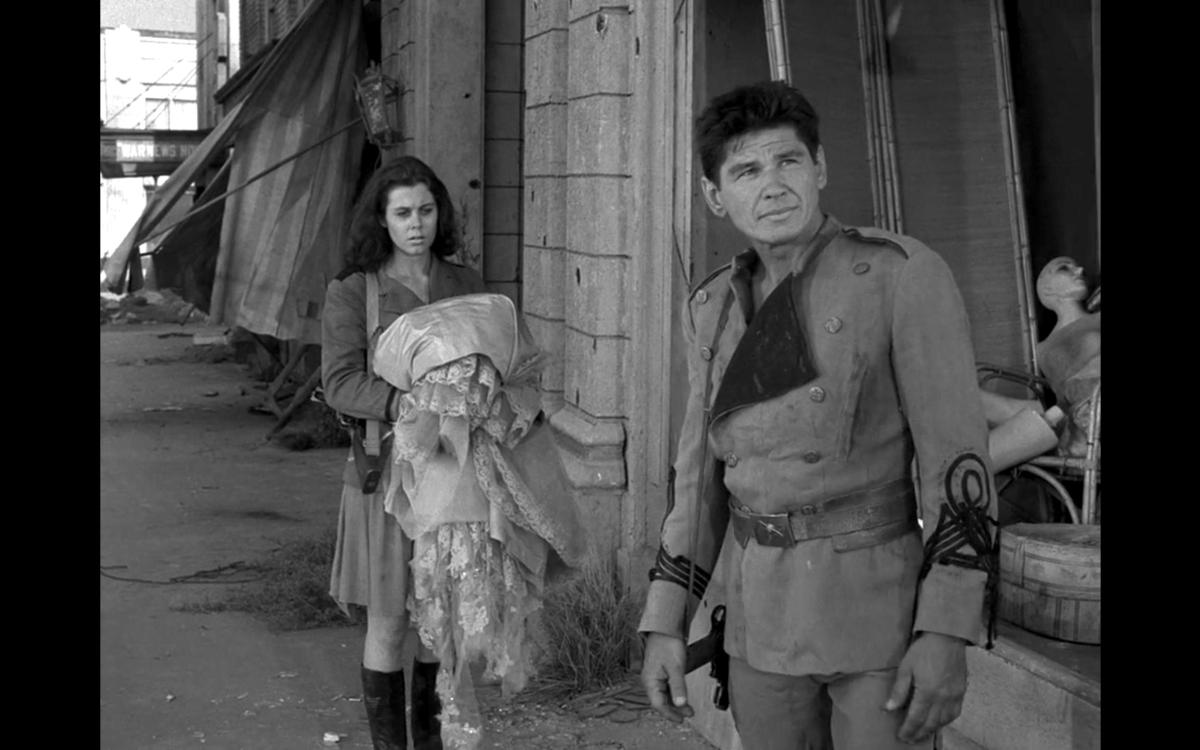
Like the closing narration says…it is a love story of two on different sides of a war…in the Twilight Zone. The cast was small but brilliant. Elizabeth Montgomery and Charles Bronson. They were known, but not stars…Bewitched and Death Wish was still in the future for both at this time.
This episode is an optimistic story set in an extremely bleak world. The time is presumably after World War III, the setting a devastated town inhabited only by the dead, with the exception of two enemy soldiers. Bronson seems to represent an American soldier and Montgomery a Russian.
Her single line (Prekrasny) is Russian for pretty. This is a gritty and realistic story, told without much dialogue with the emphasis always on characters. In this Bronson is more of a pacifist and Montgomery is suspicious and quick to violence.
Before season 3 was starting…Rod Serling had this to say. I’ve never felt quite so drained of ideas as I do at this moment. Stories used to bubble out of me so fast I couldn’t set them down on paper quick enough but in the last two years I’ve written forty-seven of the sixty-eight Twilight Zone scripts, and I’ve done thirteen of the first twenty-six for next season. I’ve written so much I’m woozy.
This show was written by Montgomery Pittman and Rod Serling
Rod Serling’s Opening Narration:
This is a jungle, a monument built by nature honoring disuse, commemorating a few years of nature being left to its own devices. But it’s another kind of jungle, the kind that comes in the aftermath of man’s battles against himself. Hardly an important battle, not a Gettysburg, or a Marne, or an Iwo Jima; more like one insignificant corner patch in the crazy quilt of combat. But it was enough to end the existence of this little city. It’s been five years since a human being walked these streets. This is the first day of the sixth year, as man used to measure time. The time: perhaps 100 years from now, or sooner—or perhaps it already happened 2 million years ago. The place: the signposts are in English so that we may read them more easily, but the place is the Twilight Zone.
Summary
In a futuristic world a man and a woman, from opposing sides in a devastating war, meet in a deserted city. They don’t share a common language and she is quite wary of her opponent, though he doesn’t appear aggressive in any way. When she attempts to kill him, he goes off on his own. It’s obvious that society and civilization has been destroyed and she begins to reconsider.
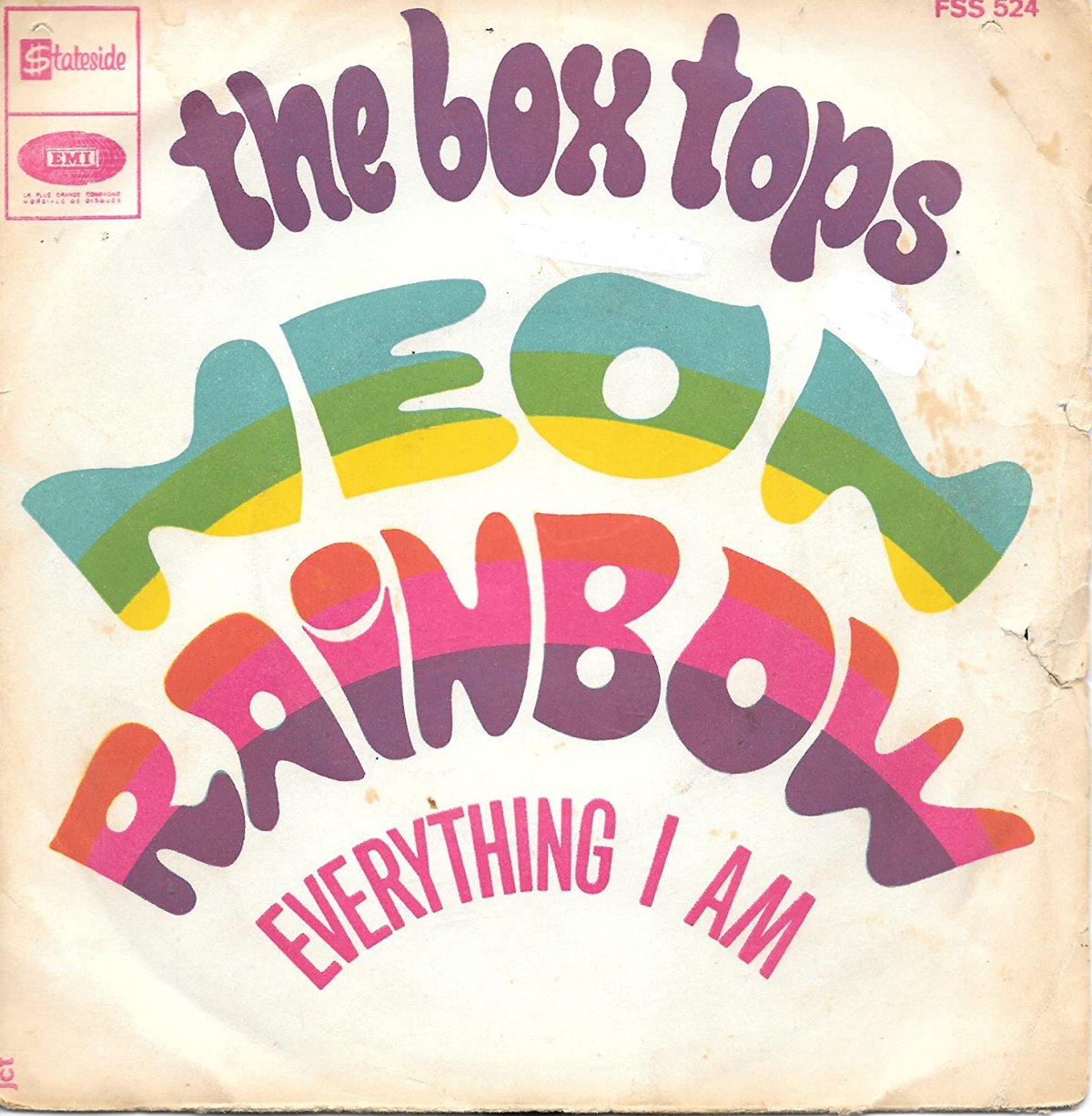
When you think of the Box Tops you think of The Letter, Cry Like A Baby, Soul Deep, and this one…which wasn’t as well known but it was their attempt at psychedelia.
The song was written by Wayne Carson Thompson and released in 1967. The track is featured on The Letter/Neon Rainbow. The song peaked at #24 in the Billboard 100 and #17 in Canada.
In 1970 Alex Chilton would walk away from the Box Tops. He lived in New York for a while after that and then moved to Memphis and joined Chris Bell’s band Big Star.
***Personal Story I’ve told in a post when I started: A bizarre personal story…a one in a million shot…Back in the 90s, I was trying to call a musician that was recommended but I dialed a wrong number and talked to Gary Talley the guitar player for the Box Tops for a good 45 minutes. He laughed and told me that I at least reached a guitar player but in Nashville, my odds were good getting one with any number. He was really cool and we talked about guitars and his touring etc… He was giving guitar lessons at the time. He told me that other people have called him looking for Garry Tallent the bass player for Bruce Springsteen.
Talley recorded, wrote, and toured with some of the best country musicians around.
Willie Nelson, Tammy Wynette, Waylon Jennings, Sam Moore (of the duo Sam and Dave), and others. He has written songs recorded by Keith Whitley…and many more.
Gary if you are reading…thanks for the encouragement and the tips.
Neon Rainbow
The city lights, the pretty lights They can warm the coldest nights All the people going places Smiling with electric faces What they find the glow erases And what they loose the glow replaces, and life is love
In a neon rainbow, a neon rainbow
Moving lines, flashing signs Blinking faster than the minds Leading people with suggestions Leaving no unanswered questions You can live without direction And it don’t hav’ to be perfection, and life is love
In a neon rainbow, a neon rainbow
But in the daytime everything changes Nothing remains the same No one smiles anymore And no one will open his door Until the night time comes And then the…
City lights, the pretty lights They can warm the coldest nights All the people going places Smiling with the electric faces What they find the glow erases And what they loose the glow replaces, and life is love
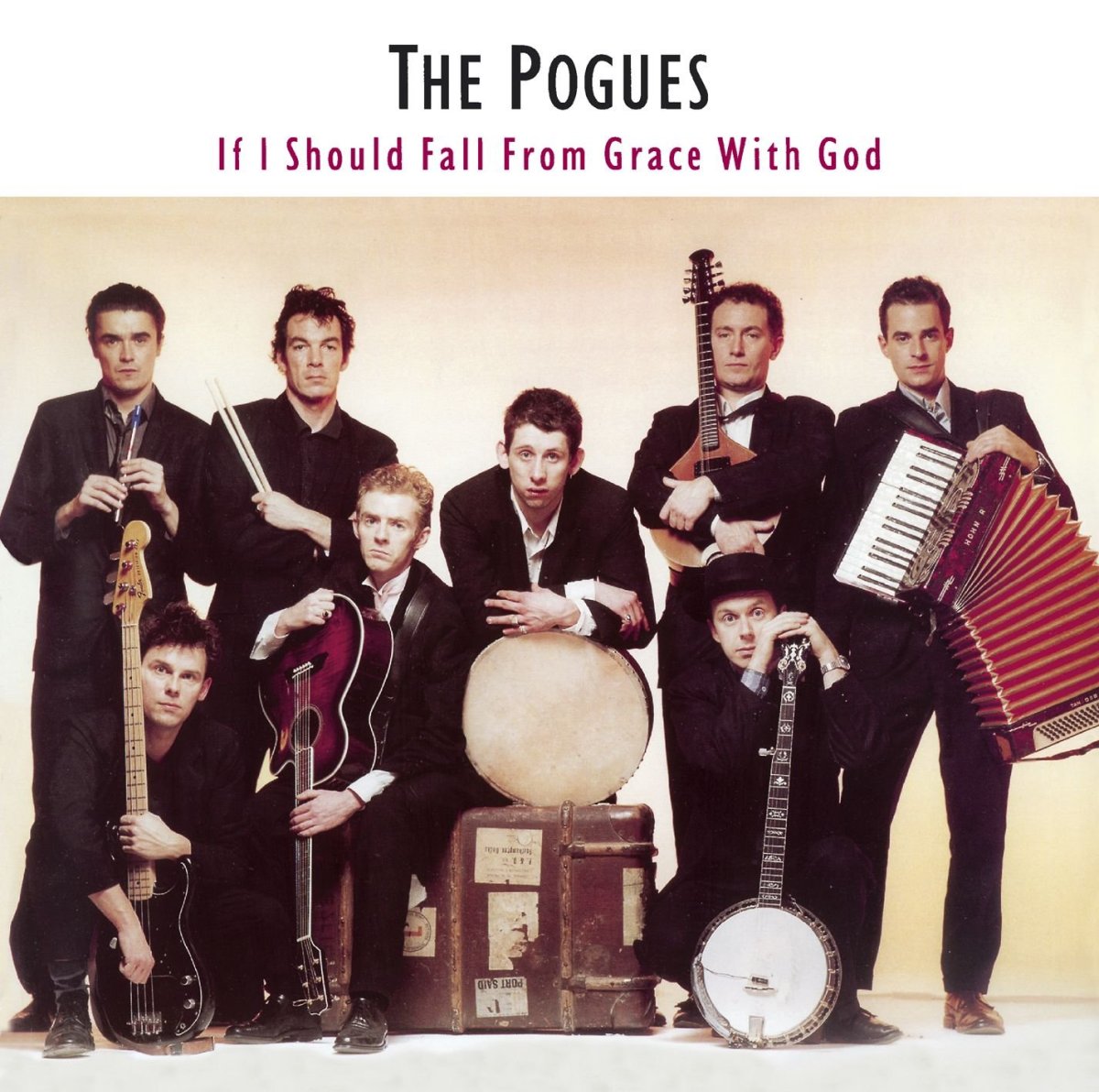
This great song is listed under Celtic Punk. This song was on an album with the same name released in 1988. Its been called the Pogues best album and it peaked at #3 in the UK and #4 in New Zealand in 1988. This song was was originally recorded for the “Straight Too Hell” soundtrack
This is such pure music and I’m a sucker for a well placed accordion.
The Pogues formed in Ireland in 1982 by Shane MacGowan. The band reached international prominence in the 1980s and early 1990s. MacGowan left because of drinking problems and was replaced for a time with Joe Strummer and then with Spider Stacy on vocals before breaking up in 1996.
They reformed with MacGowan in 2001 and are still together and playing. The band was awarded the life-time achievement award at the annual Meteor Ireland Music Awards in February 2006.
If I Should Fall From Grace with God
If I should fall from grace with god Where no doctor can relieve me If I’m buried ‘neath the sod But the angels won’t receive me
Let me go boys Let me go boys Let me go down in the mud Where the rivers all run dry
This land was always ours Was the proud land of our fathers It belongs to us and them Not to any of the others
Let them go boys Let them go boys Let them go down in the mud Where the rivers all run dry
Bury me at sea Where no murdered ghost can haunt me If I rock upon the waves No corpse can lie upon me
It’s coming up three boys Keeps coming up three boys Let them go down in the mud Where the rivers all run dry
If I should fall from grace with god Where no doctor can relieve me If I’m buried ‘neath the sod And still the angels won’t receive me
Let me go boys Let me go boys Let me go down in the mud Where the rivers all run dry








 PowerPop... An Eclectic Collection of Pop Culture