Songs That Were Banned: Neil Young – This Note’s For You

This video was banned by MTV because they feared it would upset their sponsors. So, being Neil being Neil…wrote a letter to MTV that stated:

MTV, you spineless twerps.
You refuse to play “This Note’s For You” because you’re afraid to offend your sponsors.
What does the “M” in MTV stand for: music or money?
Long live rock and roll.

This parody of commercial rock was banned by MTV for its critique of the music industry’s cozy relationship with corporate America. The song and video mocked advertisements and did not shy away from dropping company names– the title itself is a jab at Budweiser’s ad campaign of “This Bud’s For You.” The song also made fun of pop artists such as Michael Jackson and Whitney Houston. Jackson’s legal threats prompted MTV to ban the video. They changed their minds when the song became a hit on Canada’s MuchMusic channel…the same as the BBC did with My Generation when it became a hit.

He has stuck to his policy of refusing to license his music out for commercials, let alone appear in them himself.

Now the music business…if there is still a music business…promotes their music being in commercials to expand their audience.


From Songfacts

This song is Neil Young’s critique of artists who “sell out” and allow their songs to be used in commercials, something he has never done. The title is a play on Budweiser’s venerable ad campaign, “This Bud’s For You.” In addition to Bud, Young mentions Coke, Pepsi, and Miller in the lyric.

Artists like Young and Bruce Springsteen have never let their songs be used in commercials, feeling it cheapens their artistic integrity. Many other artists, like The Who and The Rolling Stones, have made lots of money by letting companies use their songs. Some classic rock artists like John Mellencamp resisted for years, but allowed their songs to be used for commercial purposes when they realized it was the best way to get them exposure. A band with a particularly interesting take on the subject is Devo, who feel it is part of their art.

The line, “I got the real thing, baby,” is a reference to the Coke slogan, “It’s the Real Thing,” which was introduced in 1969.

The line, “Ain’t singin’ for Spuds” refers to Spuds MacKenzie, the spokesdog for Bud Light. Introduced in 1987, Spuds was a bull terrier who appeared in their ad campaigns until 1989. Billed as “the original party animal,” Spuds became wildly popular and boosted sales of Bud Light significantly.

Directed by Julien Temple, the video is a parody of various ad campaigns. The opening noir is a sendup of the Michelob campaign that starred “practicing alcoholic” Eric Clapton. Michael Jackson, who was ripe for parody at the time, shows up in impersonator form for the line “ain’t singing for Pepsi” – later in the video his hair catches fire as it did when Jackson was shooting a commercial for the sugary beverage in 1984. Whitney Houston, who shilled for Diet Coke, gets a lookalike for the line “ain’t singing for Coke.”

Next up for mockery are the Calvin Klein “Obsession” commercials, one of the most memorable and baffling campaign’s of the ’80s. There were no rock stars associated with this one, but The Rolling Stones did have a tour sponsored by Jovan. Young’s video turns it into “Concession,” with a dialogue break in the style of the ads:

“Members of the jury, this man is on trial for his smell.”
“Forgive me, but I am prettier than all of you.”
“Liar, give me back my shoes.”

A faux-Spuds MacKenzie also shows up to mock Budweiser.

At the end of the clip, Young turns his beer around to reveal his own slogan: “Sponsored by Nobody.”

There was lots of raunchy debauchery on MTV around this time, but they had a strict policy against product placement, refusing to air videos where products were mentioned by name. This was designed to protect their advertisers and make their commercials more valuable (why would Pepsi buy airtime when they could put a can in a Duran Duran video?). Citing this policy, MTV banned the video, which generated a great deal of controversy and also proved Young’s point about corporate interests infiltrating music. The ban happened in early July 1988; Young sent an open letter to MTV stating:

Forced to admit they were refusing to air an excellent video to protect their sponsors, MTV went into damage control mode and agreed to air the video. They made it into an event, debuting the video on August 21 as part of a 30-minute special about the controversy. Then they awarded it Video of the Year at the 1989 MTV Video Music Awards. Young showed up to accept it.

Young discussed his reasons for accepting the award despite it being originally banned in an interview with Village Voice Rock and Roll Quarterly: “I dunno – must be the Perry Como in me. I could do the hard-line Marlon Brando thing, not accept the award, give it to the Indians. But that’s almost the predictable thing to do. You can’t get money to make videos if MTV won’t play them. In accepting the award I thought I’d be able to make more videos and get ’em played.”

MTV at the time was about as permissive as the cable landscape got – at least in terms of bawdy behavior. That’s why it was surprising anytime they deemed something not suitable for air. In 1992, Paul McCartney recorded a concert for MTV for their Up Close series, but the network edited out his song “Big Boys Bickering,” which was about politics and the environment. MTV claimed that the song was excised because of curse words in the lyrics, although it would have been easy enough to bleep them.

This wasn’t the first single from the album: “Ten Men Workin'” was. That song made inroads on rock radio and reached #6 on Billboard’s Album Rock Tracks chart in May 1988. “This Note’s For You,” predictably, had a harder time getting airplay because of the product mentions. It garnered the most attention during the video controversy, but still only reached #19 on that chart as radio stations continued to shy away from it.

This is the title track to the only album Young recorded with The Bluenotes as his backup band, members of which included Chad Cromwell on drums and Frank Sampedro on keyboards and a six-piece horn section. Befitting their name, This Note’s For You is a blues album.

This was released as a single with the A-side a live version recorded at The Palace in Los Angeles on April 14, 1988 and the B-side a studio cut from the album.

This Note’s For You

Don’t want no cash
Don’t need no money
Ain’t got no stash
This note’s for you.

Ain’t singin’ for Pepsi
Ain’t singin’ for Coke
I don’t sing for nobody
Makes me look like a joke
This note’s for you.

Ain’t singin’ for Miller
Don’t sing for Bud
I won’t sing for politicians
Ain’t singin’ for Spuds
This note’s for you.

Don’t need no cash
Don’t want no money
Ain’t got no stash
This note’s for you.

I’ve got the real thing
I got the real thing, baby
I got the real thing
Yeah, alright.
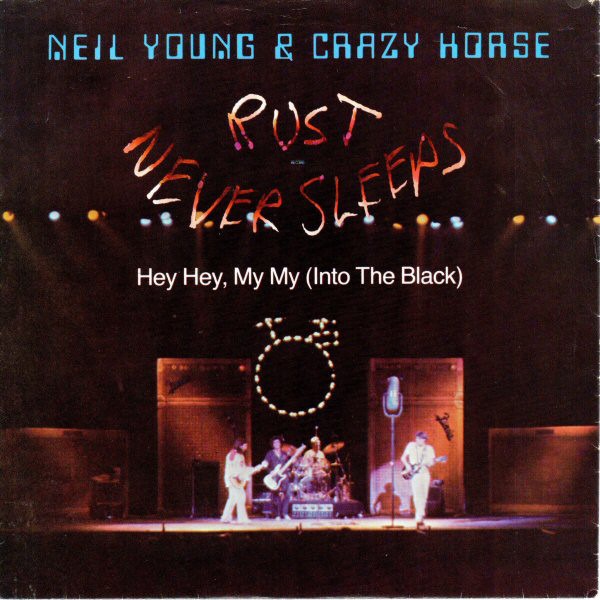
Neil Young – Hey Hey, My My (Into The Black) and… My My, Hey Hey (Out Of The Blue)

If death could be translated into a tone…Neil had it with his guitar when he played the Hey Hey, My My (Into The Black) intro. It’s one of the darkest, nastiest, ominous and distorted tones ever.

This is an alternate version of Young’s song “My My, Hey Hey (Out Of The Blue).” The lyrics are slightly different, and “Hey Hey, My My” is electric, while “My My, Hey Hey,” is acoustic. (At the bottom)

The two songs we are covering today are on Rust Never Sleeps. The album peaked at #8 on the Billboard album chart in 1979.

Ok… Now My My, Hey Hey (Out Of The Blue)… This song has the line (It’s better to burn out than to fade away) which I see is still being talked about to this day.

John Lennon expressed his disagreement with the “burn out or fade away” sentiment in this song: “I hate it. It’s better to fade away like an old soldier than to burn out. If he was talking about burning out like Sid Vicious, forget it. I don’t appreciate the worship of dead Sid Vicious or of dead James Dean or dead John Wayne. It’s the same thing. Making Sid Vicious a hero, Jim Morrison – it’s garbage to me. I worship the people who survive.”

Neil Young responded to the quote, saying that he was describing the paradoxical nature of the rock-and-roll lifestyle, not advocating it.

The line got responses from many rock stars and was included in Kurt Cobain’s suicide note.

From Songfacts

Young recorded this with the band Crazy Horse. It was the first time Young recorded with them since Zuma in 1975.

In the biography of Neil Young, Shakey by Jimmy McDonough, Neil points out that this song came about when he was jamming with the band Devo. The phrase, “Rust never sleeps” was uttered by Mark Mothersbaugh, and Neil, loving the impromptu line, acquired it. 

The lyrics refer to “The King” and Johnny Rotten as rockers whose legacies live on. The king is Elvis Presley and Johnny Rotten was the lead singer of The Sex Pistols.

In The Complete Guide to the Music of Neil Young, Young explains why the line “rust never sleeps” appealed to him. “It relates to my career; the longer I keep on going the more I have to fight this corrosion. And now that’s gotten to be like the World Series for me. The competition’s there, whether I will corrode and eventually not be able to move anymore and just repeat myself until further notice or whether I will be able to expand and keep the corrosion down a little.”

The song has become a standby of Young’s live performances, being played at nearly every live show throughout his career, often as a closing song.

This was included on Live Rust, a concert album and video featuring Young playing against a backdrop of comically enormous amps and microphones.


Hey Hey, My My (Into the Black)

Hey hey, my my
Rock and roll can never die
There’s more to the picture
Than meets the eye.
Hey hey, my my.

Out of the blue and into the black
You pay for this, but they give you that
And once you’re gone, you can’t come back
When you’re out of the blue and into the black.

The king is gone but he’s not forgotten
This is the story of Johnny Rotten
It’s better to burn out ’cause rust never sleeps
The king is gone but he’s not forgotten.

Hey hey, my my
Rock and roll can never die
There’s more to the picture
Than meets the eye.

My My, Hey Hey (Out Of The Blue)

My my, hey hey
Rock and roll is here to stay
It’s better to burn out
Than to fade away
My my, hey hey.

Out of the blue and into the black
They give you this, but you pay for that
And once you’re gone, you can never come back
When you’re out of the blue and into the black.

The king is gone but he’s not forgotten
This is the story of a johnny rotten
It’s better to burn out than it is to rust
The king is gone but he’s not forgotten.

Hey hey, my my
Rock and roll can never die
There’s more to the picture
Than meets the eye.
Hey hey, my my.

Neil Young – Campaigner ——— Songs that reference Richard Nixon

I hardly slept the night you wept, Our secret’s safe and still well kept, Where even Richard Nixon has got soul., Even Richard Nixon has got Soul.

Campaigner has a more sympathetic take on the former president. This song was inspired by Richard Nixon’s wife Pat when she had a stroke in 1976. Cameron Crowe, then a Rolling Stone magazine writer remembered:  Neil Young is on tour. Young and his son, Zeke, are sitting on a hotel bed watching television. A news bulletin interrupts the broadcast. Pat Nixon, the wife of the disgraced former president, had suffered a stroke. The report has an announcer talking over a film clip of a distraught Richard Nixon moving through the hospital’s revolving doors. Young took it all in and after some time passed, headed for his bus in the hotel’s parking lot. There he wrote a song, “Campaigner,” and played it in concert a few hours later.

The song was on the Decade, a triple album set that was released in 1977. It’s also on Songs For Judy, a live album recorded in November 1976 that was released in 2018.


Campaigner

I am a lonely visitor.
I came to late to cause a stir,
Though I campaigned all my life
towards that goal.

I hardly slept the night you wept
Our secret’s safe and still well kept
Where even Richard Nixon has got soul.
Even Richard Nixon has got
Soul.

Traffic cops are all color blind.
People steal from their own kind.
Evening comes to early for a stroll.
Down neon streets the streaker streaks.
The speaker speaks,
but the truth still leaks,

Where even Richard Nixon has got soul.
Even Richard Nixon has got it,
Soul.

The podium rocks in the crowded waves.
The speaker talks of the beautiful saves
That went down long before
he played this role
For the hotel queens and the magazines,
Test tube genes and slot machines
Where even Richard Nixon got soul.
Even Richard Nixon has got it,
Soul.

Hospitals have made him cry,
But there’s always a freeway in his eye,
Though his beach just got
too crowded for his stroll.
Roads stretch out like healthy veins,
And wild gift horses strain the reins,
Where even Richard Nixon has got soul.
Even Richard Nixon has got
Soul.

I am a lonely visitor.
I came to late to cause a stir,
Though I campaigned all my life
towards that goal.

My Favorite Guitarists

Here are some of my favorite guitarists. Being fast is not something I care about… I’ve always liked guitarists who play with feel more than finger tapping.


Roger McGuinn, Byrds – He will not rip off lightning licks but he plays the Rickenbacker 12 string like no one else. I like the tone and his understated style.

Image result for roger mcguinn playing guitar byrds

Neil Young – This may seem like an odd choice but when Neil plays the electric guitar…anything that can happen will. He plays by feel and feedback and God bless him for that.

Related image

Brian May, Queen– You can hum his solos. One of the most melodic lead guitar players I’ve ever heard.

Image result for brian may playing guitar young

Pete Townsend, Who – The king of the power chord. Pete does not have blinding speed but every note he plays is for a purpose.

Related image

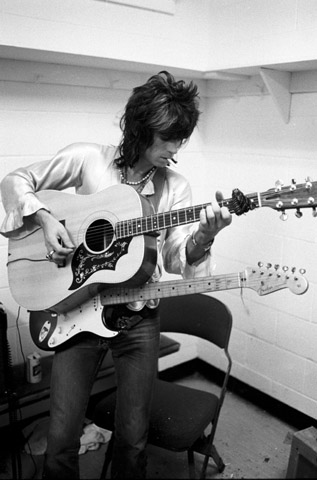
Keith Richards, Stones – The Human Riff… When Keith found G tuning the Stones sound changed forever and it may have been the key to their longevity.

Related image

George Harrison, Beatles – After the Beatles, he reinvented himself into a great slide guitar player. Guitar players are still trying to find that tone. He had a great touch and taste in whatever he played.

Related image

Buddy Guy – For electric blues and the tone he gets Buddy Guy is the man. Below is a picture of Buddy at the Festival Express playing a great version of Money.

Image result for buddy guy festival express

Jimi Hendrix – Like Keith Moon…many musicians have tried to copy him but none have. It is controlled chaos but I like it.

Image result for jimi hendrix 1970

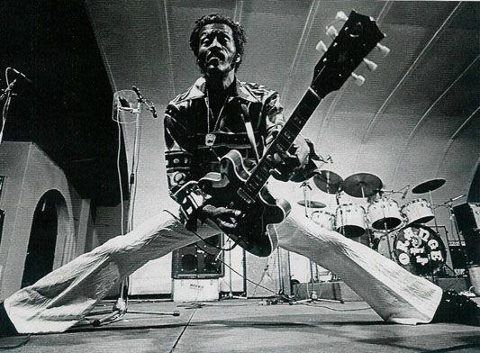
Chuck Berry – Rock and roll owes a lot to him…he has been copied more than anyone.

Related image

Scotty Moore, Elvis – The guitar player backing Elvis on his great 50s hits. Keith Richards said of Moore… Everyone else wanted to be Elvis, I wanted to be Scotty.

Image result for scotty moore 1955

Also

Robert Johnson, Eric Clapton, Duane Allman, Peter Green, Lindsey Buckingham, BB King, Joe Walsh, Jimmy Page


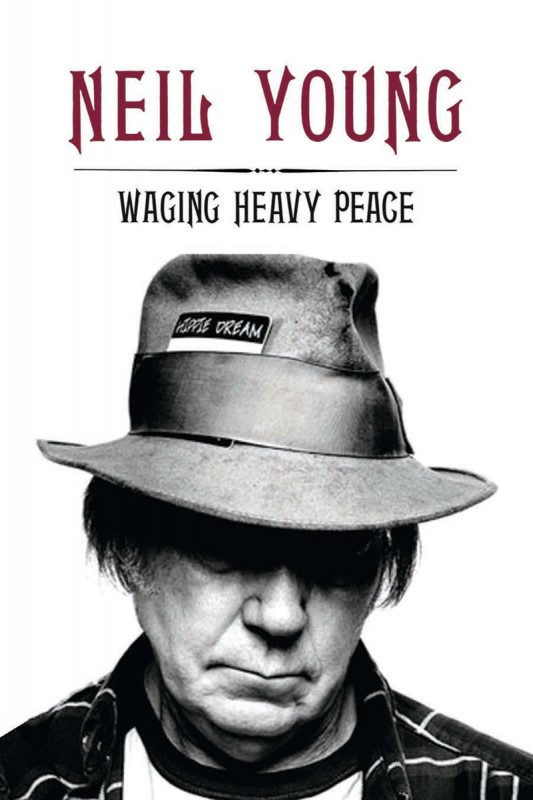
Waging Heavy Peace

An Autobiography by Neil Young. Neil is one of my favorite artists. He tells some history about Buffalo Springfield and CSNY and also the Mynah Birds with Rick James. Neil Young and Rick James in a band together…its just hard for me to imagine that.

He gets into how he started his music career with his first band and how he loves Crazy Horse.

Now all of these stories are great but… this is during the period he came up with PONO music… a high-end music player that plays music with much more quality than CDs or mp3s. This venture eventually failed years later but he is very excited about it in the book. That is great but sometimes it seems forced. I honestly don’t think he was plugging PONO…I think he was just that excited about it. His enthusiasm is unquestionable.

Cars…the man loves cars. I admire that in him but again he talks A LOT about electric cars and hybrids. Then he combines the two…PONO music systems being installed into…fuel efficient cars. I will admit it is interesting and you get to see what makes the man tick.

Some of it reads like a diary because that is the way he wrote a lot of it. He will say he is going to Hawaii and then a page or two later…he will tell you he made it there. It’s like being in conversation with someone who will just switch subjects on a whim. Neil tends to ramble.

He is part owner in Lionel Trains and you can feel his love of trains coming through the pages. He also talks about his quadriplegic son and the Lionel Train control he designed for his son to operate the trains. That I found really heart touching. He really tries to connect with his son and that is what the album Trans is all about.

He goes through his drug and drinking problems, medical problems, marriage problems, and every single car or bus he has had in his life…which again he just loves any kind of vehicle.

The disappointment for me was Neil didn’t talk enough about the music. Yes, you will learn more about Neil Young. I did learn many things about him that I didn’t know. The problem is he spreads the music sections out and just when he gets on a roll, you are thinking… cool he is writing about playing with Buffalo Springfield and also where they hung out…here comes the PONO Music bit or more car information.

I guess the best way to sum it up is yes you will get a lot of the musical info you are looking for but you have to wade through a lot of rambling.

Overall if you can find this book 2nd hand, get it. If you are looking for a definitive Neil Young bio this is not the one… He does have great things to say about the members of CSNY, Buffalo Springfield, and Crazy Horse. Maybe I wanted another Testimony or My Cross to Bear…this wasn’t it…but what did I expect? It’s Neil Young and he is going to do what he wants to do… that is the reason we love him.

I will admit this…after he mentions all the vintage cars and busses he has owned his enthusiasm rubs off…I started to look these models up and reading about them… but it wasn’t what I had in mind going into the book.

Neil Young and John Fogerty Lawsuits

In the eighties, two lawsuits popped up pertaining to these two artists.

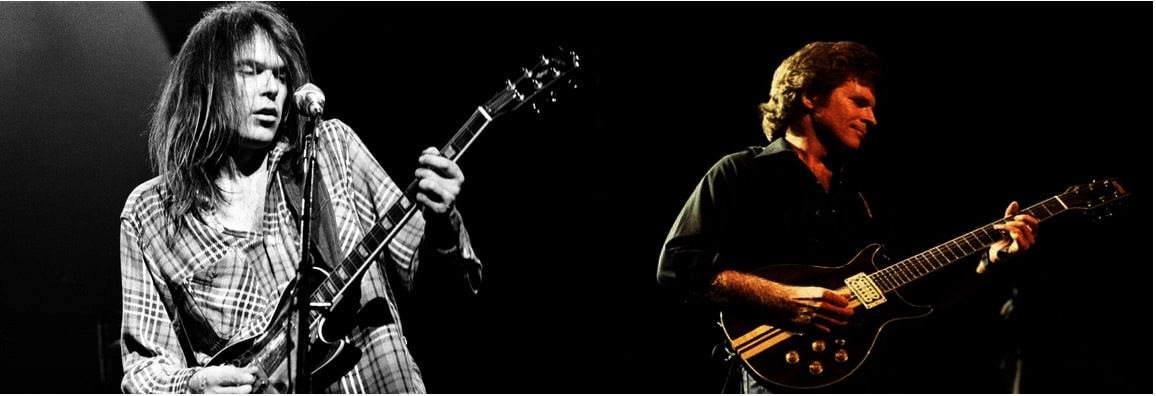
Neil Young was basically sued for NOT sounding like himself by David Geffen and John Fogerty was sued for sounding too MUCH like himself by Saul Zaentz and Fantasy Records.

In the early eighties, David Geffen signed Neil Young to a huge contract to Geffen Records. Neil who will do his own thing no matter what or when…released an album called “Trans” his foray into electronic music. Geffen wanted another “Harvest” with another Heart of Gold or Old Man…instead he got “Computer Age” and “We R in Control” with Neil singing through a Vocoder. After that Neil was asked to do more rock and roll by a Geffen record company executive…the record company was thinking more of the lines of the harder rock Rust Never Sleeps…so Neil gave them rock and roll all right… “Everybody’s Rockin” an album full of early fifties Doo-wop and rockabilly sounding songs. The record company was not amused…he then released an album full of country music… In his contract, Neil had full artistic freedom.

Geffen had claimed the new albums were  “unrepresentative” of Neil’s music.

Geffen sued him for 3.3 million dollars but the case was settled and Geffen had to apologize to Neil.

In 1985 John Fogerty finally broke his silence with the album Centerfield. He had not released anything since 1975. He was involved with legal hassles and could not make music. Centerfield was a good album that signaled to the world John was back. He then was sued by Fantasy Records owner Saul Zaentz who signed the great Creedence Clearwater Revival to a terrible contract with Fantasy Records that kept John…the main songwriter and singer under contract forever. On top of that John gave up his copyrights to his CCR songs to Saul and Fantasy just to get out of that contract. The first single off of the Centerfield album “Old Man Down the Road” shot up the charts. Saul sued claiming it sounded too much like an old Creedence song that John wrote and sang called “Run Through the Jungle”. So he was being sued for plagiarizing himself. John would take his guitar to court to demonstrate how he wrote the two songs.

John won the case in 1988 and a lot of other musicians breathed a sigh of relief because other artists could have been sued for sounding like their younger selves if John would have lost. John countersued Fantasy Records for legal fees and it went to the Supreme Court in 1994…. they ruled in favor of Fogerty.