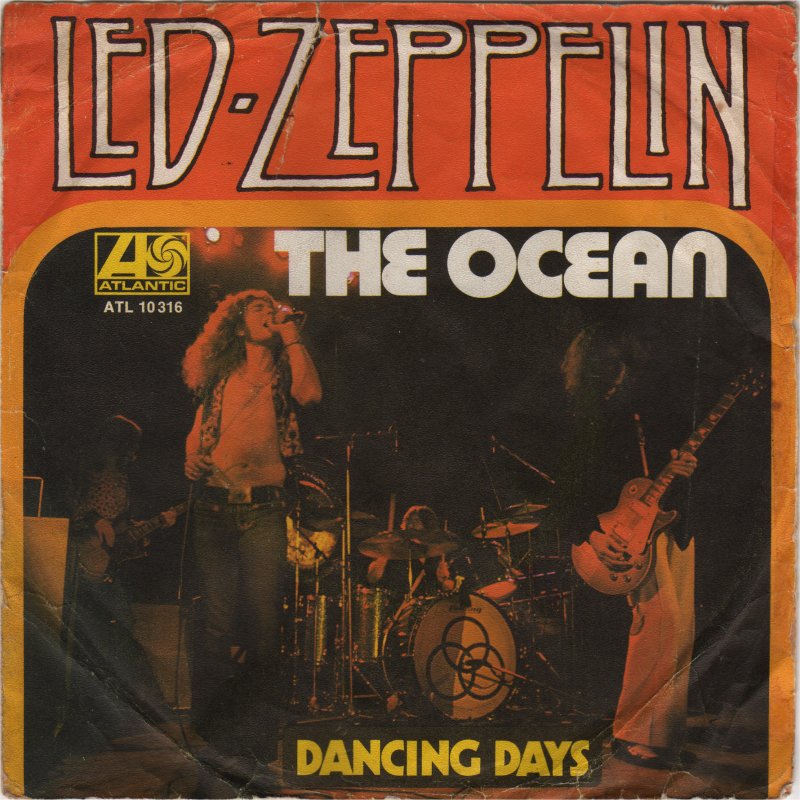
Led Zeppelin – The Ocean

“We’ve done four already but now we’re steady and then they went: One, two, three, four”

This song has a great guitar riff that carries the song along with the drums. It’s been said that the Ocean referred to was the fans as they were seen by the band on the stage. In the last line, the Girl who won my heart is Robert Plant’s daughter Carmen, who was 3 years old at the time.

This song was off of the Houses of the Holy album released in 1973. The album peaked at #1 in the Billboard Charts, #1 in the UK, and #1 in Canada. The band didn’t release many singles but this one was released and managed to peak at #8 in Germany.

Bonham and Jones make a rare appearance on backing vocals for the outro.

This song was #14 on Rolling Stones 40 greatest Led Zeppelin songs.

From Songfacts

The voice on the intro is drummer John Bonham. When he says, “We’ve done four already, but now we’re steady and then they went, 1… 2… 3… 4…,” he is referring to the takes. They had tried to record it 4 times prior but couldn’t get it right, so as a pep talk he said his famous line. 

This is one of the few Zeppelin songs where all four members shared the writing credit.

Robert Plant used parts of this for his solo song “Tall Cool One.”

The Beastie Boys sampled this on “She’s Crafty.” It wasn’t their first use of Zeppelin – they took some of Bonham’s drums from “When The Levee Breaks” for “Rhymin’ And Stealin’.”

It can barely be heard due to all the guitar overdubs, but during the last minute or so, John Paul Jones and John Bonham sing for one of the only times on a Zeppelin album. They are harmonizing the phrase “Doo wop.” 

If you listen carefully, you can hear a phone ringing in the studio at 1:37-1:38 and again (second ring) around 1:41. 

The lyrics about “The Hellhound” refer to Blues musician Robert Johnson, who according to legend, sold his soul to the devil. On the lyrics sheet that came with the album, the word “hellhound” was replaced with “high hopes hailla.” 

https://www.youtube.com/watch?v=e2CZhzjOXMQ

The Ocean

“We’ve done four already but now we’re steady
And then they went: One, two, three, four”

Singing in the sunshine, laughing in the rain
Hitting on the moonshine, rocking in the grain
Got no time to pack my bags, my foots outside the door
I got a date, I can’t be late, for the high hopes hailla ball, uh uh, uh uh, yeah

Singing to an ocean, I can hear the ocean’s roar
Play for free, I play for me and play a whole lot more, more!
Singing about the good things and the sun that lights the day
I used to sing on the mountains, has the ocean lost its way

I don’t know, oh oh, yeah’

Ooh, yeah

Sitting round singing songs ’til the night turns into day
Used to sing about the mountains but the mountains washed away
Now I’m singing all my songs to the girl who won my heart
She is only three years old and it’s a real fine way to start

Oh yeah!

It sure is fine!
Ah blow my mind!
When the tears are goin’ down! 
Yeah! Yeah, yeah

Oh so, oh so, oh so good!
Oh so good!
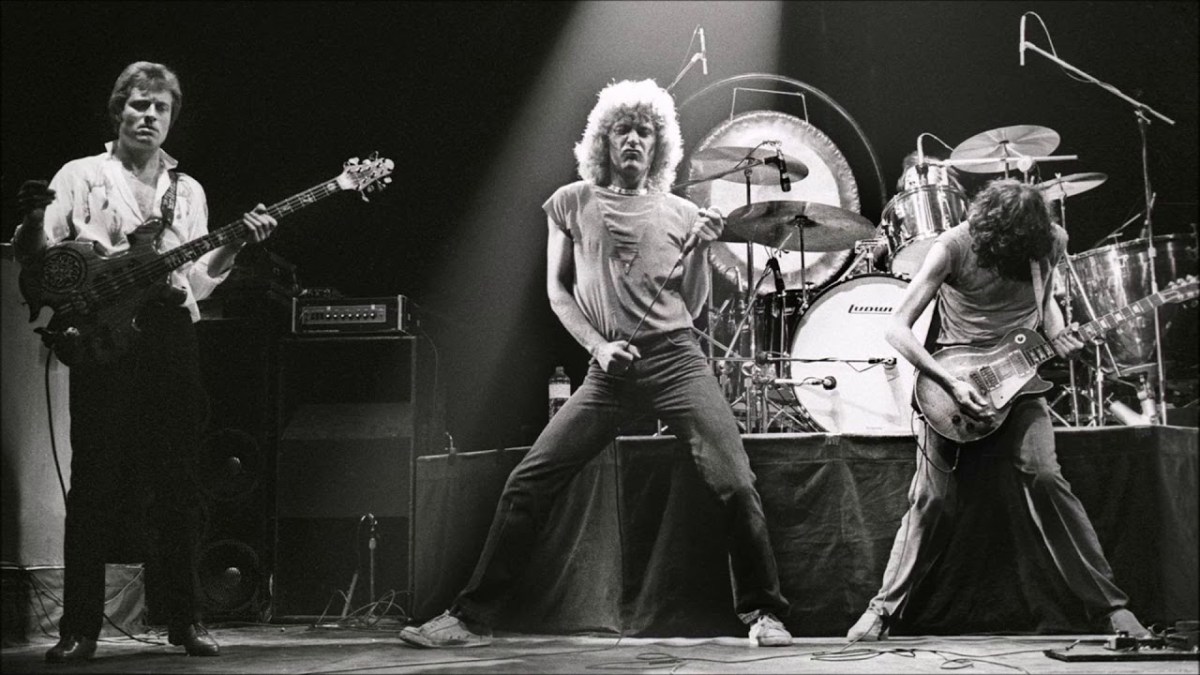
Led Zeppelin – Ozone Baby

This was on the album Coda it was released two years after John Bonham’s death and features outtakes from sessions throughout their career. I heard this one more than the others on the album.

Recorded in 1978 at a studio in Sweden owned by Abba, this song was intended for the Led Zeppelin album In Through the Out Door, but it didn’t make the cut. Ozone Baby peaked at #14 in the Mainstream Rock Songs Charts in 1982. Coda was released in 1982 and peaked at #6 in the Billboard Album Charts in 1983.

Coda is by no means a great album but it does have some enjoyable tracks like Wearing and Tearing and Darlene. It’s not like they set out to record an album… it was released to honor contractual commitments to Atlantic Records.

From Songfacts

The entire band’s instrumentals come in right at the opening with Robert Plant’s vocals starting in soon after. This was Zeppelin’s typical style, a straightforward “get it done” 12-bar-blues attitude without very much pretension. It shows something of their character that they were consistent in doing this on one of the last songs done by the classic lineup.

Another telling sign of Zeppelin’s character: How many drummers do most bands go through? Next to the bass, the drummer is usually the most-rotated spot. Not Zeppelin! Lose the drummer, and that’s it, the band calls it quits – but to be fair, growing tensions within the band could have broken them up anyway.

A bit of rock history trivia: Led Zeppelin today is remembered as practically having walked on water. One easily forgets that back when these albums were coming out, while they had a huge fan base, rock critics panned them almost unanimously. Rolling Stone raspberried every single Zep album.


Ozone Baby

I hear ya knock on my door 
I ain’t been saving this scene for ya honey 
Don’t wantcha ringin’ my bell 
It’s too late for you to be my honey 

Oh, it’s my love 
Oh, it’s my own true love 

Oh, it’s my love 
Oh, it’s my own true love 

Don’t want you wasting my time 
Tired of ya doing the things that you do 
It’s no use standing in line 
Follow the line, you better follow queue 

I say, oh, it’s my love 
Oh, it’s my own true love 

Oh, it’s my love 
Oh, it’s my own true love, my my own

I could sail a river run dead, but I know it’s dead
I could I wish for a million, yeah but I know it’s dead
I could cry within the darkness, I sail away 
I save a lifetime forever?
But you know, you know, you know what I say 

And I say oh, it’s my love 
Oh, it’s my own true love 

Oh, it’s my love 
Oh, it’s my own true love, my my own 

Oh, it’s my love 
Oh, it’s my own true love

Oh, it’s my love 
Oh, it’s my own true love, my own true love
My own true love, my own true love
My own true love
I said Oh, it’s my love 
Oh, it’s my own true love
Oh, it’s my love 
Oh, it’s my own true love, my own

Led Zeppelin – Wearing and Tearing

This was on the album Coda it was released two years after John Bonham’s death and features outtakes from sessions throughout their career.

the song was supposed to be released as a single to coincide with their 1979 tour, but it was delayed because of production problems. This was Zeppelin’s answer to the Punk Rock groups at the time. It was recorded during the making of the In Through The Out Door album.

I don’t think it would have fit well on In Through The Out Door but it is too bad they didn’t release it as a single at the time.

From Songfacts

John Bonham died before this could be released. It was included on Coda, an album of unreleased tracks.

They planned to release this under the name of a fake band so it would not be judged as a Zeppelin song and could compete against the popular Punk bands.

Led Zeppelin never performed this live, but in 1990, Page and Plant played it at the Knebworth Festival in England.


Wearing and Tearing

It starts out like a murmur 
Then it grows like thunder 
Until it bursts inside of you 
Try to hold it steady 
Wait until you’re ready 
Any second now will do 
Throw the door wide open 
Not a word is spoken 
Anything that you want to do 

Ya know, ya know, ya know

Don’t you feel the same way? 
But you don’t know what to do 
No time for hesitatin’ 
Ain’t no time for hesitatin’ 
All you got to do is move 
They say you’re feeling blue, well 
I just found a cure 
It’s a thing you gotta do, yeah 

(Ya know, ya know, ya know)

Now listen, when you say your body’s aching? 
I know that it’s aching 
Chill bumps come up on you 
Yeah, the funny fool 
I love the funny fool 
Just like foolin’ after school? 
And then you ask for medication 
Who cares for medication 
When you’ve worn away the cure 

(Ya know, ya know, ya know)

(Hey, hey)
Go back to the country yeah, go back to the country 
Feel a change is good for you 
When you keep convincin’ 
Ah, don’t keep convincin’ 
What’s that creeping up behind a you? 
It’s just an old friend, it’s just an old friend 
And what’s that he’s got for you? 

(Ya know, ya know, ya know)

Yeah, yeah, yeah I can feel it, I can feel it ?
Oh, medication, medication, medication

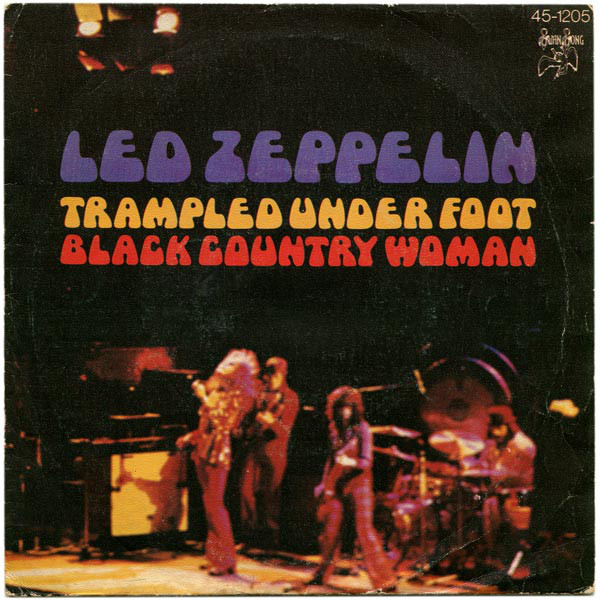
Led Zeppelin – Trampled Under Foot

A bit different of a song for Led Zeppelin. This was on their great Physical Graffiti album…which was to me their last great album. This song peaked at #38 in the Billboard 100 in 1975. Led Zeppelin really was not a singles band but they did have 10 songs in the top 100 and 1 top ten song.

Led Zeppelin wasn’t a funk band but on this track they had something going. John Paul Jones played clavinet on this song that is just outstanding. Jones was the utility player for the band and probably the most underrated member.

The guitar had a great sound…Jimmy Page: It’s sort of backward echo and wah-wah. I don’t know how responsible I was for new sounds because there were so many good things happening around that point, around the release of the first Zeppelin album, like Hendrix and Clapton.

From Songfacts

The lyrics were based on Robert Johnson’s 1936 “Terraplane Blues.” A Terraplane is a classic car, and the song uses car parts as metaphors for sex: “pump your gas,” “rev all night,” etc.

This evolved out of a jam session. It became a concert favorite and a popular song on rock radio. When Led Zeppelin played it live, they would often jam on it, extending it with guitar and keyboard solos. 

This is one of Robert Plant’s favorite Zeppelin songs. He sang it on his 1988 Now and Zen tour.

Led Zeppelin performed this at Carmen Plant’s 21st birthday party in 1989 with Jason Bonham on drums. Carmen is Robert’s daughter.

The “Talkin ’bout love” part was most likely nicked from the song “Love” by Curtis Knight and Jimi Hendrix. 

Led Zeppelin did not release any singles in the UK until 1997 when “Whole Lotta Love” was released 18 years after it was written. In 1975, Zeppelin’s Swan Song label sent 5000 pressings of “Trampled Underfoot” to UK record stores as incentive to stock the Physical Graffiti album. These were labeled “Special Limited Edition” and became collectors’ items.

At Earls Court in 1975, Robert Plant introduced the song like this: “If you like the motor cars and the parts of the human body, then sometimes… you can get trrrrrampled under foot!” 

“Trampled Underfoot” was probably named after the bassline being a repetitive boom, played with a Moog pedal.

Trampled Under Foot

Greasy slicked-down body, Groovy leather trim
I like the way you hug the road, Mama it ain’t no sin
Talkin’ ’bout love, Talkin’ ’bout love, Talkin’ ’bout
Ooh, trouble-free transmission, helps your oil’s flow
Mama, let me pump your gas, mama, let me do it all
Talkin’ ’bout love, huh, Talkin’ ’bout love, ooh, Talkin’ ’bout
Take that heavy metal underneath your hood
Baby, I could work all night, leave a big pile of tubes
Talkin’ ’bout lo-ove, Talkin’ ’bout lo-ove, Talkin’ ’bout
Automobile club-covered, really built in style
Special is tradition, mama, let me feast my eyes
Talkin’ ’bout love, Talkin’ ’bout love, Talkin’ ’bout
Factory air-conditioned, wind begins to rise
Guaranteed to run for hours, mama, and brand-new tires
Talkin’ ’bout love, Talkin’ ’bout love, Talkin’ ’bout
Groovin’ on the freeway, blazes on the road
From now on my gasoline is even gonna conk your hair
Talkin’ ’bout love, Talkin’ ’bout love, Talkin’ ’bout
I can’t stop talkin’ about, I can’t stop talkin’ about
Ooh, yeah-yeah, yes, ah, drive on
Ooh, yeah-yeah-yeah-yeah-yes, I’m comin’ through
Come to me for service every hundred miles
Baby, let me check your valves, fix your overdrive
Talkin’ ’bout love, Talkin’ ’bout love, Talkin’ ’bout
Ooh, yes, fully automatic, comes in any size
Makes me wonder what I did, before I got synchronized
Talkin’ ’bout lo-ove, Talkin’ ’bout love, Talkin’ ’bout
Ooh, feather-light suspension, coils just couldn’t hold
I’m so glad I took a look inside your showroom doors
Talkin’ ’bout love, Talkin’ ’bout lo-oo-oh-ove, Talkin’ ’bout
Oh yeah, oh yeah, Oh, I can’t stop talkin’ about love
I can’t stop talkin’ about love
Ooh, let me go in down, go in down, go in down, go in down, go in down, yes, I
can’t stop talkin’ about
I can’t stop talkin’ about lo-oh’, baby
I can’t stop talkin’ about love, or my baby
I can’t stop talkin’ about love, my baby, uh, my baby, 
my baby, yeah, Unnh, push, push, push it, push, push
Ounheahhonhouh

Led Zeppelin – Over the Hills and Far Away

When I learned this riff on guitar I felt like I won the lottery. It’s easy but sounds impressive. This is a great song from Led Zeppelin with their light-heavy approach. It starts off with an acoustic and works itself up to hard electric guitar.

The song peaked at #51 in the Billboard 100 in 1973. It was on the Houses of the Holy album.

From Songfacts.

This evolved from the Yardbirds song “White Summer,” an acoustic solo by Jimmy Page. Many of the same riffs and chords are in it. After The Yardbirds broke up, Led Zeppelin continued to play “White Summer” live. >>

This was one of the few Led Zeppelin songs released as a single in the US. It made it only to #51.

The music was inspired by Jimmy Page’s Celtic ancestry.

This began as an instrumental. Robert Plant came up with backing tracks and then lyrics.

Plant’s lyrics were inspired by the J.R.R. Tolkien book The Hobbit, and to Tolkein’s 1915 poem of the same name. “Over The Hills And Far Away” describes the adventure the Hobbits embark on.

Over the Hills and Far Away

Hey lady, you got the love I need
Maybe more than enough
Oh darling, darling, darling 
Walk a while with me
Ohh, you’ve got so much, so much, so much

Many have I loved, and many times been bitten
Many times I’ve gazed along the open road

Many times I’ve lied, and many times I’ve listened
Many times I’ve wondered how much there is to know

Many dreams come true, and some have silver linings
I live for my dream, and a pocket full of gold

Mellow is the man who knows what he’s been missing
Many, many men can’t see the open road

Many is a word that only leaves you guessing
Guessing ’bout a thing you really ought to know, oh, oh, oh, oh
Really ought to know
I really ought to know
Oh
You know I should, you know I should, you know I should, you know I should

Ranking Led Zeppelin Albums #1 – #5

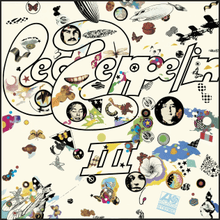
Led_Zeppelin_-_Led_Zeppelin_III.png

5. Led Zeppelin III – 1970

This album was a disappointment to some fans when it was released because it wasn’t as hard as the previous album. This record leaned heavy on acoustic and mixed with hard that Led Zeppelin IV would have to perfection. My favorite songs off this album are Tangerine, Immigrant Song and Since I’ve Been Loving You.

Tracklist

Immigrant Song
Friends
Celebration Day
Since I’ve Been Loving You
Out On The Tiles
Gallows Pole
Tangerine
That’s The Way
Bron-Y-Aur Stomp
Hats Off To (Roy) Harper


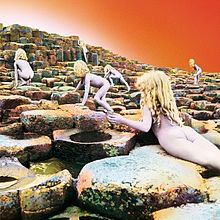
Houses_of_the_Holy.jpg

4. Houses of the Holy – 1973

The band was determined not to repeat themselves after the success of IV. This album is diverse with songs Over The Hills and Far Away, The Ocean, The Rain Song and the funk of The Crunge. This album was a perfect gateway into their next album.

Tracklist

The Song Remains The Same
The Rain Song
Over The Hills And Far Away
The Crunge
Dancing Days
D’yer Mak’er
No Quarter
The Ocean

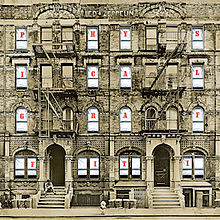
Physical_Graffiti.jpg

3. Physical Graffiti – 1975

It’s big, bloated, self indulgent…and great. This album had a big variety with the classic rock Kasmir (possibly their best song), the funky Trampled Under Foot and a song that would have fit on a Stones album…Night Flight.

Tracklist
Custard Pie
The Rover
In My Time Of Dying
Houses Of The Holy
Trampled Under Foot
Kashmir
In The Light
Bron-Yr-Aur
Down By The Seaside
Ten Years Gone
Night Flight
The Wanton Song
Boogie With Stu
Black Country Woman
Sick Again


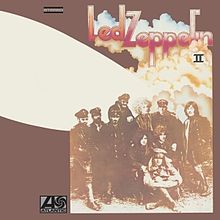
Led_Zeppelin II.jpg

2. Led Zeppelin II – 1969

Nicknamed the “Brown Bomber” this album is explosive. The album was recorded in sections while on tour. It has a live feel to it. Classic songs such as Heartbreaker, Whole Lotta Love, Livin’ Lovin’ Maid, and the album never lets up. After this album, the band starts to change into more of their famous light heavy feel.


Tracklist

Whole Lotta Love
What Is And What Should Never Be
The Lemon Song
Thank You
Heartbreaker
Livin’ Lovin’ Maid (She’s Just A Woman)
Ramble On
Moby Dick
Bring It On Home


Led_Zeppelin_IV.jpg

1. Led Zeppelin IV – 1971

No suspense here. This album is nearly perfect. The light and heavy were perfectly balanced. If I never hear Stairway to Heaven again I’ll be happy but I could listen to just the drums to When The Levee Breaks… all day. A Great album at the peak of their career.

Tracklist 

Black Dog
Rock And Roll
The Battle Of Evermore
Stairway To Heaven
Misty Mountain Hop
Four Sticks
Going To California
When The Levee Breaks

Ranking Led Zeppelin Albums #6 – #10

Led Zeppelin has produced some of the best albums in the history of rock. I will include the original live album of “The Song Remains the Same”… Not the remastered version of that one. Below is the way I would rank them. Ten albums in all including Coda released after John Bonham died. 1-5 coming tomorrow.


The_Song_Remains_the_Same.jpg

10. The Song Remains The Same – 1976

This was recorded at the end of their 1973 American tour but was not released until 1976. They sound tired. It’s a good history marker looking back, but far from their best live performance. Not until long after the band broke up though nothing was officially released except this. I still prefer this over the movie of the same name.

Tracklist

Rock And Roll
Celebration Day
The Song Remains The Same
Rain Song
Dazed And Confused
No Quarter
Stairway To Heaven
Moby Dick
Whole Lotta Love


Coda.jpg

9.  Coda – 1982

The album spans the band’s entire career, from live performances just after their debut album to unused songs from In Through the Out Door sessions. My favorites are Ozone Baby, Wearing and Tearing and Walter’s Walk. Personally, I like this album more than Presence but the playing is not as tight.

Tracklist

We’re Gonna Groove
Poor Tom
I Can’t Quit You Baby
Walter’s Walk
Ozone Baby
Darlene
Bonzo’s Montreaux
Wearing and Tearing

Presence.jpg

8.  Presence – 1976

This album was made when Robert Plant was recuperating from injuries he and his wife suffered in a car wreck. He was singing from a wheelchair. Jimmy Page was keeping the band busy recording this since they could not tour. The playing on this album is great and tight but the songs are not as strong as their predecessors. After Physical Graffiti, this one paled in comparison. Technically this could be one of Jimmy Pages best performance on an album. It was recorded and mixed in 18 days.

Tracklist

Achilles Last Stand
For Your Life
Royal Orleans
Nobody’s Fault But Mine
Candy Store Rock
Hots On For Nowhere
Tea For One

In_Through_the_Out_Door.jpg

7.  In Through The Out Door – 1979

It was not the typical Led Zeppelin album. Page and Bonham were having substance difficulties during this album. Plant and Jones wrote much of the album and Jones used his new synthesizer. This was a change in direction and some Zeppelin fans hated it but it did foreshadow the synthesizer coming in the eighties. I liked a lot of songs on this album like In The Evening, Fool In the Rain, All of My Love and the fun Hot Dog.

Tracklist

In the Evening
South Bound Suarez
Fool In the Rain
Hot Dog
Carouselambra
All My Love
I’m Gonna Crawl

Led_Zeppelin.png

6.  Led Zeppelin – 1969

One of the best debut albums of any band. The classic Dazed and Confused, Good Times Bad Times, etc… The album went to #7 in the Billboard 100, #6 in the UK and #11 in Canada. Some people wonder why the band didn’t like critics…this is what Rolling Stone said about the album.

The latest of the British blues groups so conceived offers little that its twin, the Jeff Beck Group, didn’t say as well or better three months ago, and the excesses of the Beck group’s Truth album (most notably its self-indulgence and restrictedness), are fully in evidence on Led Zeppelin’s debut album.

In their willingness to waste their considerable talent on unworthy material the Zeppelin has produced an album which is sadly reminiscent of Truth. Like the Beck group they are also perfectly willing to make themselves a two- (or, more accurately, one-a-half) man show. It would seem that, if they’re to help fill the void created by the demise of Cream, they will have to find a producer (and editor) and some material worthy of their collective attention.”

The album is hard-hitting as it is fused Rock and Blues…it was very heavy and had a great sonic quality…

Tracklist

Good Times Bad Times
Babe I’m Gonna Leave You
You Shook Me
Dazed And Confused
Your Time Is Gonna Come
Black Mountain Side
Communication Breakdown
I Can’t Quit You Baby
How Many More Times

Led Zeppelin’s Ascent and Descent

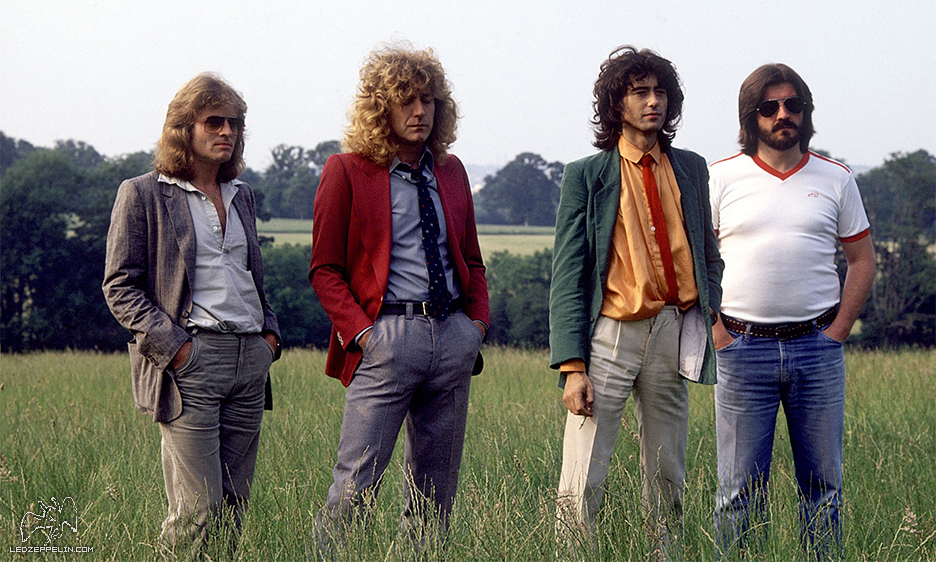
Led Zeppelin ruled the hard rock landscape of the 1970s. Critics didn’t like them and they didn’t like the press. They sold tons of records and their concerts were instant sellouts. They spawned a lot of bad imitators in their wake. By 1975 things started to go wrong for the band and soon by the start of the new decade they were done.

Led Zeppelin formed in 1968 while Jimmy Page was still with the Yardbirds but with only bass player Chris Dreja and he still left in the group. To fill other gig obligations Page formed the New Yardbirds with Robert Plant and his recommendation for drummer John Bonham. Chris Dreja dropped out so studio bassist John Paul Jones filled the bass position.

After a change of name, they were off and running. They made their first self-titled album and signed a huge deal with Atlantic Records. The album had bad reviews but sold very well. The band made their reputation off of live performances.

Their manager at this point was Peter Grant and with him made their mark on the industry. Peter made sure his band made money and no one would stand in the way. He told promoters the band was to get 90 percent of the gate…which was unheard of at the time. The promoters gave in because they would rather have ten percent of that than 100 percent of nothing.

The musicians were great. Robert Plant could sing and wail like no other. John Bonham was a groove extraordinaire who had his own style. John Paul Jones was a great underrated bass and keyboard player. Jimmy Page was one of the best studio guitarists there was at the time. Similar to The Who…it was like a Rock All-Star lineup.

Zeppelin’s first three albums were building up to the fourth. You can see it build with the first and second album’s electric hard edge to the third where the acoustic is introduced more and a more folk side is shown. It all peaked with the classic 1971 Led Zeppelin IV with the perfect combination of the two.

Songs that came off that album are classics like Stairway to Heaven, Black Dog, Four Sticks, Rock and Roll, Going to California, When the Levee Breaks, The Battle of Evermore, and my favorite Misty Mountain Hop. This album and the Who’s Who’s Next came out within months of each other and both of these albums are the foundation of classic rock radio.

More great albums were to follow like Houses of the Holy and Physical Graffiti though none would match the fourth album. After Physical Graffiti things started to go south for Zeppelin.

Their reputation kept growing and it was not all about their music. Wild stories about groupies, Peter Grant stopping at nothing if he perceived an injustice toward his band and there was the Jimmy Page strong occult interest that followed the band like a dark cloud. John Bonham was described as a nice family man until he started to drink. When drunk he would turn into “The Beast” (as bandmates called him) and could terrorize anyone near the band. They did a series of concerts in 1975 at Earl’s Court and after that The Zeppelin started to descend.

In 1975 Robert Plant and his wife were in a serious car wreck and it would take Plant a few months to recuperate and soon the band would record the album Presence with Plant still not able to walk without assistance. The band would not tour in 1976 because of Plants injuries but started an American tour beginning in April 1977.

When Zeppelin started in 1968 critics didn’t like them and Zeppelin didn’t trust the press. Critics thought their first two albums were the work of blues-ripoff artists. Led Zeppelin never forgot that. This was one set of rules in 1977 shared with the press covering the band.

1. Never talk to anyone in the band unless they first talk to you.
1a. Do not make any sort of eye contact with John Bonham. This is for your own safety.
2. Do not talk to Peter Grant or [Tour Manager] Richard Cole — for any reason.
3. Keep your cassette player turned off at all times unless conducting an interview.
4. Never ask questions about anything other than music.
5. Most importantly, understand this — the band will read what is written about them.

The tour was beset with problems with rowdy crowds, Pages increasing heroin intake, and Bonham’s drinking. Peter Grant had hired a British gangster named John Bindon to handle security. Zeppelin’s security crew and John Bonham attacked one of promoter’s Bill Graham’s staff after Grants 11-year-old son was pushed down… After that incident in Oakland, they flew to New Orleans for the next show and Plant received a phone call from back home informing him that his five-year-old son Karac died from a stomach infection. The entire tour was immediately canceled as Plant flew home to be with his family. The last Oakland concert was the last time they played in America.

In 1979 they would get back together and release “In Through the Out Door“, a softer more synthesizer-based album. Plant and Jones did the majority of the writing on the album. Zeppelin did two great shows at Knebworth in 1979 and a short European tour in 1980. While rehearsing for the American tour John Bonham died of asphyxiation in his sleep after a night of heavy drinking in Page’s home on September 25, 1980. Unlike the Who, who continued on without their one of a kind drummer, Led Zeppelin was no more.

The band regrouped three times for one-off concerts. Once in 1985 for Live Aid with two drummers (Phil Collins and Tony Thompson )and in 1988 for the Atlantic Records 40th Anniversary with Jason Bonham on drums. Neither of those turned out too well.
They did regroup in 2007 for a  concert with Jason Bonham drumming. This time they sounded comparable to their younger days and their fans clamored for a reunion and tour…Plant all but ruled that out.

I like most of their albums and consider them one of the biggest rock bands ever…They have made some of the best albums in Rock history. I just never got into them like The Who, Beatles, Stones, Cream, and Kinks. The more I learn about them the more distant they get. Their mystique and image became larger than their music at times.

I’m going to attempt to rank 10 of Led Zeppelin’s albums coming up this week.

Led Zeppelin 02.jpg


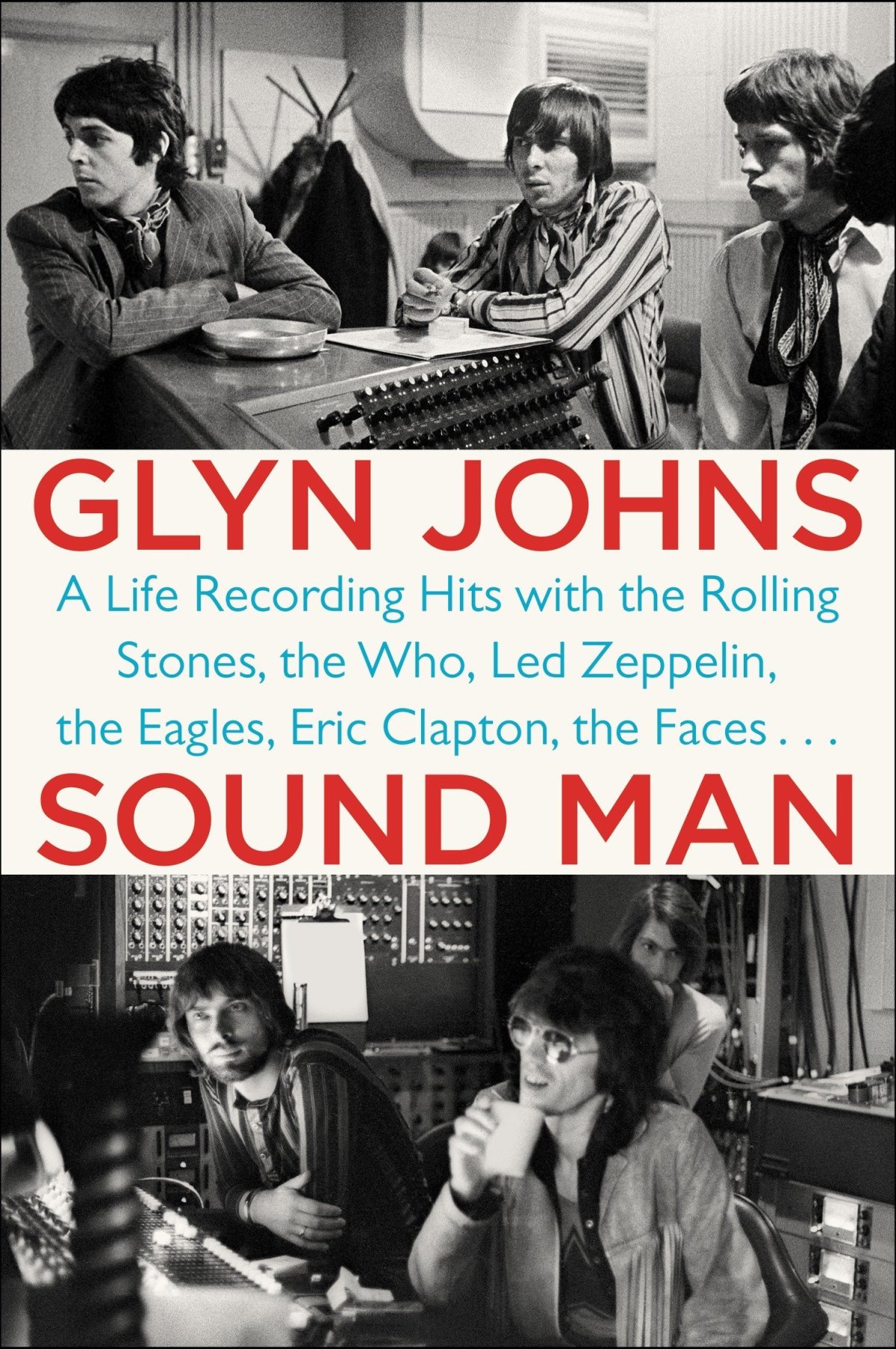
Glyn Johns: Sound Man

I read this book not knowing what to expect but I did know of Glyn Johns… so many of my albums had his name on it…A name that is known throughout the music industry as a great recording engineer, producer, and mixer. Glyn has worked with huge rock groups such as The Rolling Stones, Beatles, Who, Small Faces, Led Zeppelin, The Band and more.

Glyn is a no-nonsense guy and unlike most of the autobiographies of musicians in that era, he never did drugs and always did his job well. Glyn wanted to be a singer and did make a few records, he covered Rolling Stones Lady Jane,  but he stuck with engineering and gradually became a producer.

Back when Glyn started in the early sixties engineers did not graduate to producing. It was very much a British class system in the music industry. He became the first freelance engineer in the industry because of the clients he attracted. He was one of the first to record the Stones and he began a relationship with them that lasted for years. He knew the Stones because he was really good friends with Ian Stewart and even shared a flat with him.

The Beatles called him to engineer Let It Be and he also helped engineer some of Abbey Road. He worked on Led Zeppelin’s first album. He produced Steve Miller’s first albums and also the first couple of Eagles albums.

This book will be very interesting to classic rock fans. Many anecdotes about the Stones, Beatles, Who and others. Glyn minces no words and has a reputation for saying what is on his mind. He isn’t too technical about recording in the book, he keeps it at a fast enjoyable pace.

He worked on some of the most classic albums ever. The Stones 60’s albums and the classic stretch of albums the Stones released until Black and Blue. He worked on Who’s Next, Quadrophenia, Led Zeppelin, A Nod Is As Good As a Wink… to a Blind Horse, Who Are You, Slowhand, just to name a few.

One interesting thing that happened in 1969. Glyn met Bob Dylan and Dylan told Johns that he would like to make an album with the Beatles and Stones. Glyn went back to England very excited and told Keith Richards and George Harrison and they were all for it. Ringo, Charlie, and Bill said they would do it. John didn’t say no but Mick and Paul said absolutely not…leaves you to wonder what it would have sounded like…

At the bottom of the page, I copied his discography from Wikipedia…it is incredible.

Excerpt from Sound Man about the Stones.

While Keith, Charlie, and Bill drove the band rhythmically, Mick’s energy and intellect drove everything else. I was constantly amazed by his skill as a songwriter and by the extraordinary energy he managed to summon for his vocal performances in the studio.
Both Mick and Keith would take an active part in the mixing process and drove me nuts making me mix a track for hours when I felt I had got it in the first couple of passes. We certainly did not always agree. I guess it would have been even more boring if we had. There were a couple of occasions when finally putting the album together I would play back earlier mixes that I had done on my own, to compare with the one they had chosen after hours of farting around, and in the cold light of day they would agree that mine were better. Equally, there were many occasions when they insisted on me changing a mix quite drastically from the way I heard it, with great effect.
Working with the Stones for all those years certainly had some amazing moments and I am proud to have been associated with them during a period of time when their music was so influential. However, Charlie summed it up perfectly when asked in a recent interview his experience of being in the band for fifty years. He replied, “Ten years of working and forty years of hanging around.”

Excerpt about The Beatles Let It Be

I had been retained originally as an engineer and was quite happy with that, even when I realized that George Martin was not producing. He did come to Twickenham a couple of times to check us out. He had arranged for the gear to be loaned for the recording at Savile Row and turned up on the day we did the filming on the roof, but had nothing to do with the production of the music. At the outset I was quite embarrassed when I realized he was not going to be involved. A couple of days into the project I asked Paul where George Martin was, only to be told that they had decided not to use him. By the time we moved to Savile Row, George, realizing I was in an awkward position, was kind enough to take me to lunch in order to put my mind at rest, saying I was doing a great job, everything was fine, and I was not stepping on his toes in any way. What a gentleman he is.
Having delivered the mixed master of my version of Let It Be, I approached each member of the band separately, asking if I could have a production credit on the album when it was released. I made it quite clear that I was only asking for that and not a royalty. Paul, George, and Ringo had no objection to my request but John was suspicious and could not understand why I was not asking for a royalty. I explained that I felt, because of their stature, the sales of the album would not be affected by my involvement one way or another, so a credit would be a fair settlement for what I had done, as by association it could only be positive for my career in the future. I never got an answer from John.
As it turned out, none of this mattered, as in the end, after the group broke up, John gave the tapes to Phil Spector, who puked all over them, turning the album into the most syrupy load of bullshit I have ever heard. My master tape, perhaps quite rightly, ended up on a shelf in the tape store at EMI. At least my version of the single of “Get Back”/“Don’t Let Me Down” had been released in April 1969.

Below is Glyn’s discography…what a body of work.

Artist Year Album Producer Engineer Mixing
Georgie Fame 1964 Rhythm and Blues at the Flamingo Yes Yes
The Rolling Stones 1965 December’s Children co-eng.Yes co-mix.Yes
The Pretty Things 1965 Get the Picture? co-prod.Yes Yes Yes
The Rolling Stones 1965 Out of Our Heads co-eng.Yes co-mix.Yes
The Rolling Stones 1966 Aftermath co-eng.Yes co-mix.Yes
The Rolling Stones 1966 Got Live if You Want It! Yes Yes
Chris Farlowe 1966 The Art of Chris Farlowe Yes Yes
The Small Faces 1966 Small Faces (Decca) Yes Yes
Chris Farlowe 1966 14 Things to Think About Yes Yes
Twice as Much 1966 Own Up Yes Yes
The Small Faces 1967 From the Beginning Yes Yes
Rolling Stones 1967 Between the Buttons Yes Yes
The Small Faces 1967 Small Faces (Immediate) Yes Yes
The Rolling Stones 1967 Flowers co-eng.Yes co-mix.Yes
The Rolling Stones 1967 Their Satanic Majesties Request Yes Yes
Johnny Hallyday 1967 San Francisco (EP) Yes Yes
The Rolling Stones 1968 Beggars Banquet Yes Yes
The Steve Miller Band 1968 Children of the Future Yes Yes Yes
Twice as Much 1968 That’s All Yes
The Pentangle 1968 The Pentangle Yes Yes
The Move 1968 Something Else from the Move Yes Yes
Spooky Tooth 1968 It’s All About Yes Yes
The Small Faces 1968 Ogdens’ Nut Gone Flake Yes Yes
The Steve Miller Band 1968 Sailor Yes Yes Yes
Gerry Temple 1968 Burn Up! Yes
Procol Harum 1968 Shine on Brightly Yes Yes
The Move 1968 The Move Yes Yes
Easybeats 1968 Vigil Yes Yes
Traffic 1968 Traffic Yes Yes
Billy Nichols 1968 Would You Believe Yes Yes
The Steve Miller Band 1969 Brave New World Yes Yes Yes
Family 1969 Family Entertainment Yes Yes Yes
The End 1969 Introspection Yes Yes
The Beatles 1969 Abbey Road Yes
Joe Cocker 1969 Joe Cocker! Yes Yes
Johnny Hallyday 1969 Johnny Hallyday Yes Yes Yes
Led Zeppelin 1969 Led Zeppelin Yes
The Rolling Stones 1969 Let it Bleed Yes Yes
The Steve Miller Band 1969 Your Saving Grace Yes Yes Yes
Lambert and Nuttycombe 1970 At Home Yes Yes
Bob Dylan 1970 Self Portrait co-eng.Yes
The Rolling Stones 1970 Get Yer Ya-Ya’s Out! Yes Yes Yes
Humble Pie 1970 Humble Pie Yes Yes Yes
Philamore Lincoln 1970 The North Wind Blew South Yes
Billy Preston 1970 That’s the Way God Planned It Yes Yes
Leon Russell 1970 Leon Russell Yes Yes
The Beatles 1970 Let it Be Yes
Joe Cocker 1970 Mad Dogs & Englishmen Yes Yes
Delaney & Bonnie & Friends 1970 On Tour with Eric Clapton Yes
The Move 1970 Shazam Yes Yes
The Band 1970 Stage Fright co-eng.Yes
Spooky Tooth 1970 The Last Puff Yes Yes
McGuinness Flint 1970 McGuinness Flint Yes Yes Yes
The Faces 1971 A Nod Is As Good As a Wink… to a Blind Horse Yes Yes Yes
Boz Scaggs 1971 Boz Scaggs & Band Yes Yes Yes
Ben Sidran 1971 Feel Your Groove Yes Yes
McGuinness Flint 1971 Happy Birthday, Ruthie Baby Yes Yes Yes
Jesse Ed Davis 1971 ¡Jesse Davis! Yes Yes Yes
Leon Russell 1971 Leon Russell and the Shelter People Yes Yes
Boz Scaggs 1971 Moments Yes Yes Yes
Rita Coolidge 1971 Nice Feelin’ Yes
Howlin’ Wolf 1971 The London Howlin’ Wolf Sessions Yes
Humble Pie 1971 Rock On Yes Yes Yes
Graham Nash 1971 Songs for Beginners Yes
The Rolling Stones 1971 Sticky Fingers co-eng.Yes co-mix.Yes
Spooky Tooth 1971 Tobacco Road Yes Yes
The Who 1971 Who’s Next co-prod.Yes Yes Yes
Eagles 1972 Eagles Yes Yes Yes
The Rolling Stones 1972 Exile on Main St. co-eng.Yes co-mix.Yes
Rita Coolidge 1972 The Lady’s Not for Sale Yes Yes Yes
Neil Young 1972 Harvest co-eng.Yes
Nicky Hopkins, Ry Cooder, Mick Jagger, Bill Wyman, and Charlie Watts 1972 Jamming with Edward Yes Yes Yes
Chris Jagger 1973 Chris Jagger Yes
Eagles 1973 Desperado Yes Yes Yes
Eric Clapton 1973 Eric Clapton’s Rainbow Concert Yes
The Faces 1973 Ooh La La Yes Yes Yes
The Who 1973 Quadrophenia co-prod.Yes co-eng.Yes
Ric Grech 1973 The Last Five Years Yes Yes Yes
Paul McCartney and Wings 1973 Red Rose Speedway co-eng.Yes
Gallagher & Lyle 1973 Seeds Yes Yes Yes
The Ozark Mountain Daredevils 1973 The Ozark Mountain Daredevils co-prod.Yes Yes Yes
Gallagher & Lyle 1973 Willie and the Lapdog Yes Yes Yes
The Ozark Mountain Daredevils 1974 It’ll Shine When It Shines co-prod.Yes Yes Yes
The Rolling Stones 1974 It’s Only Rock ‘n’ Roll Yes
Eagles 1974 On the Border co-prod.Yes co-eng.Yes
Gallagher & Lyle 1974 The Last Cowboy Yes Yes Yes
Georgie Fame 1974 Georgie Fame Yes Yes Yes
Fairport Convention 1975 Rising for the Moon Yes Yes Yes
The Who 1975 The Who by Numbers Yes Yes Yes
Andy Fairweather Low 1976 Be Bop ‘n’ Holla Yes Yes Yes
Fools Gold 1976 Fools Gold Yes Yes Yes
Joan Armatrading 1976 Joan Armatrading Yes Yes Yes
Ron Wood & Ronnie Lane 1976 Mahoney’s Last Stand Yes Yes Yes
The Rolling Stones 1976 Black and Blue co-eng.Yes
Buckacre 1976 Moring Comes Yes Yes Yes
The Bernie Leadon—Michael Georgiades Band 1977 Natural Progressions Yes Yes Yes
Pete Townshend & Ronnie Lane 1977 Rough Mix Yes Yes Yes
Joan Armatrading 1977 Show Some Emotion Yes Yes Yes
Eric Clapton 1977 Slowhand Yes Yes Yes
Eric Clapton 1977 Backless Yes Yes Yes
Craig Nuttycombe 1977 It’s Just a Lifetime Yes Yes Yes
Joan Armatrading 1978 To the Limit Yes Yes Yes
Paul Kennerly and various Artists 1978 White Mansions Yes Yes Yes
The Who 1978 Who Are You co-prodYes co-eng.Yes Yes
Mark Benno 1979 Lost in Austin Yes Yes Yes
Joan Armatrading 1979 Steppin’ Out Yes Yes Yes
Live Wire (band) 1979 Pick it UP Yes
Lazy Racer 1980 Formula II Yes Yes Yes
Tim Renwick 1980 Tim Renwick Yes Yes Yes
Paul Kennerly 1980 Legend of Jessie James Yes Yes Yes
Danny Joe Brown 1981 Danny Joe Brown and the Danny Joe Brown Band Yes Yes Yes
Jools Holland 1981 Jools Holland and His Millionaires Yes Yes Yes
Midnight Oil 1981 Place Without a Postcard Yes Yes Yes
Nine Below Zero 1981 Don’t Point Your Finger Yes Yes Yes
Chris de Burgh 1981 Best Moves Yes Yes Yes
The Clash 1982 Combat Rock Yes
The Who 1982 It’s Hard Yes Yes Yes
Local Boys 1983 Moments of Madness Yes Yes Yes
Various artists 1984 ARMS Concert Yes Yes Yes
Jimmy Page, John Paul Jones, Albert Lee, 1984 No Introduction Necessary Yes
Téléphone 1984 Un Autre Monde Yes Yes Yes
Bob Dylan 1984 Real Live Yes Yes Yes
Immaculate Fools 1985 Hearts of Fortune Yes
Téléphone 1986 Le Live Yes Yes Yes
Roaring Boys 1986 Roaring Boys Yes Yes Yes
The Big Dish 1986 Swimmer Yes Yes Yes
New Model Army 1986 The Ghost of Cain Yes Yes Yes
Joolz 1987 Hex Yes
Spooky Tooth 1987 Spooky Tooth Yes Yes
Helen Watson 1987 Blue Slipper Yes Yes
Labi Siffre 1987 (Something Inside) So Strong Yes Yes Yes
John Hiatt 1988 Slow Turning Yes Yes
Nancy Griffith 1989 Storms Yes Yes
Green on Red 1989 This Time Around (Green on Red album) Yes Yes
John Hiatt 1990 Stolen Moments Yes Yes
Summerhill 1990 West of Here Yes
Del Shannon 1991 The Liberty Years Yes
Energy Orchard 1992 Stop the Machine Yes Yes
Ethan Johns 1992 Independent Years Yes Yes
David Crosby 1993 Thousand Roads Yes Yes Yes
Crosby, Stills, & Nash 1994 After the Storm Yes Yes Yes
The Subdudes 1994 Annunciation Yes Yes Yes
Jackopierce 1995 Bringing on the Weather Yes
Bruce Cockburn 1994 Dart to the Heart Yes
Joe Satriani 1995 Joe Satriani Yes Yes
The Beatles 1996 Anthology 3 co-eng.Yes
Eric Clapton 1996 Crossroads 2: Live in the Seventies Yes Yes
The Rolling Stones and various artists 1996 The Rolling Stones Rock and Roll Circus Yes Yes
Warm Jets 1997 Future Signs Yes Yes
Bill Wyman’s Rhythm Kings 1998 Struttin’ Our Stuff Yes
Linda Ronstadt 1998 We Ran Yes Yes
Bill Wyman’s Rhythm Kings 1999 Anyway the Wind Blows Yes
Emmylou Harris & Linda Ronstadt 1999 Western Wall: The Tucson Sessions Yes Yes Yes
Various artists 1999 Return of the Grievous Angel: A Tribute to Gram Parsons Yes Yes Yes
John Hiatt and various artists 20o2 Disney’s The Country Bears musical dir.
Bruce Cockburn 2005 Speechless Yes
Andy Fairweather Low 2006 Sweet Soulful Music Yes Yes Yes
The Clash 2008 Live at Shea Stadium Yes
Ian McLagan & the Bump Band 2008 Never Say Never Yes+ mastering
Ryan Adams 2011 Ashes & Fire Yes Yes Yes
Ben Waters 2011 Boogie 4 Stu: A Tribute to Ian Stewart Yes
The Rolling Stones 2012 Charlie is My Darling: Ireland 1965 Yes
The Staves 2012 Dead & Born & Grown Up & Live co-prod.Yes Yes Yes
The Rolling Stones 2012 GRRR! Yes
Band of Horses 2012 Mirage Rock Yes Yes Yes
Ethan Johns 2012 If Not Now Then When? Yes
Aaron Neville 2013 My True Story Yes
Patty Griffin 2013 Silver Bell Yes
Stephen Stills 2013 Carry On co-prod.Yes co-eng.Yes co-mixYes
Bob Dylan 2013 Another Self Portrait (1969-1971: The Bootleg Series, Vol. 10) co-eng.Yes
Benmont Tench 2014 You Should Be So Lucky Yes Yes Yes
Ian McLagan & the Bump Band 2014 United States Yes
Joe Satriani 2014 The Complete Studio Recordings Yes Yes
Bruce Cockburn 2014 Rumours of Glory (True North) Yes
David Bowie 2014 Nothing Has Changed co-eng.Yes
The Small Faces 2014 Here Come the Nice: The Immediate Years 1967-1969 Yes
The Small Faces 20.. Greatest Hits: The Immediate Years 1967-1969 Yes
The Faces 2015 You Can Make Me Dance, Sing or Anything: 1970-1975 Yes Yes
Various artists 2015 Truckers, Kickers, Cowboys Angels: The Blissed-Out Birth of Country-Rock , Vol. 7: 1974 Yes Yes Yes
Various artists 2015 Songs: The Very Best of Acoustic – The Collection co-prod.Yes
The Rolling Stones 2015 From the Vault: The Marquee Club Live in 1971 Yes
Paul McCartney 2016 Pure McCartney Yes
Eric Clapton 2016 I Still Do Yes Yes
Eagles 2017 Their Greatest Hits, Vols. 1 & 2 Yes Yes
Jesse Ed Davis 2017 Red Dirt Boogie: The Atco Recordings 1970-1972 Yes