Who – Anyway, Anyhow, Anywhere

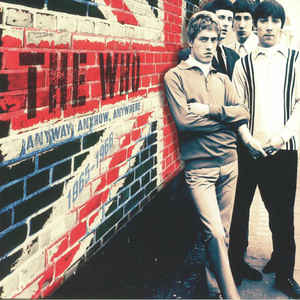
These sixties singles by the Who are so exciting. They sounded different from their peers and were cutting their own path. This was The Who’s second single. It was the follow-up to I Can’t Explain. When this was sent to their American record label to distribute, they sent it back, assuming the feedback meant there was something wrong with it.

Townshend turned what most engineers considered a mistake into an instrument. Those piercing squeals and roars mid-song weren’t accidents; they were the sound of pop music evolving in real time. The Who didn’t want to sound clean or polite; they wanted to sound like the inside of a jet engine, and they nailed it.

The Who’s early singles like Can’t Explain, The Kids Are Alright, Substitute, I’m A Boy, and A Legal Matter don’t get the airplay that their later music does. They were innovative at the time with feedback, distortion, and Moon’s aggressive drumming.

Townshend later said the song was about personal freedom, and that’s exactly what it feels like. The right to be loud, to be different, to not apologize for who you are. You can trace the line from this track straight through to everything that came after: The Jam, The Clash, The Raspberries, Big Star… all carrying that same spark of defiance.

This song was written by Pete Townshend and Roger Daltrey. It was one of the few times they wrote together. Super session man Nicky Hopkins was on the piano.

The song peaked at #10 in the UK in 1965.

Roger Daltrey: ‘Anyway, Anyhow, Anywhere’ was the first song when we attempted to get that noise onto a record and that was a good deal of time before Hendrix had even come to England, the American pressing plant sent it back thinking it was a mistake. We said, ‘No, this is the f—ing noise we want. CUT IT LOUD!'”

“We were doing this feedback stuff, even before that. We’d be doing blues songs and they’d turn into this freeform, feedback, jazzy noise. Pete was getting all these funny noises, banging his guitar against the speakers. Basically, the act that Hendrix is famous for came from Townshend, pre-‘I Can’t Explain.'”

Anyway, Anyhow, Anywhere

I can go anyway, way I choose
I can live anyhow, win or lose
I can go anywhere, for something new
Anyway, anyhow, anywhere I choose

I can do anything, right or wrong
I can talk anyhow, and get along
Don’t care anyway, I never lose
Anyway, anyhow, anywhere I choose

Nothing gets in my way
Not even locked doors
Don’t follow the lines
That been laid before
I get along anyway I dare
Anyway, anyhow, anywhere

I can go anyway, way I choose
I can live anyhow, win or lose
I can do anything, for something new
Anyway, anyhow, anywhere I choose

(Oooh) anyway
(Oooh) Anyway I choose, yeah
(Oooh) Anyway I want to go
(Oooh) I want to go ‘n do it myself
Do it myself
Do it myself, yeah
Anyway, way I choose
Anyway I choose
Yeah, yeah
Ain’t never gonna lose the way I choose
The way I choose
The way I choose
Fabulous Poodles – Mirror Star

Hanspostcard recommended this song to me, and it stuck with me. I guess I’ll never forget the name of this band. I heard of the band before because I remember reading about them opening for The Kinks and Tom Petty. John Entwistle played on a few tracks on their first album and produced it. On this second album, Muff Winwood produced it. This song and Chicago Boxcar (Boston Back) are probably their best-known songs. 

The band was influenced by The Who and The Kinks, and you can tell. After listening to them a little, they have some pub rock, the punch of it, combined with really good pop songwriting. They formed in London in 1975, with Tony de Meur (vocals/guitar), Richie Robertson (bass/vocals), Bobby Valentino (violin/vocals), and Bryan Wernham (drums). From the start, they had a knack for mixing good pop songwriting with theatrical humor, with some British music hall thrown in. This song was written by Tony De Meur and John Parsons.

Like a lot of late ’70s UK pop/rock, Mirror Star didn’t tear up the charts, but it found a loyal following,  especially when the band opened for The Kinks on their U.S. tours. American audiences who were expecting another punk band got this odd pop/rock band. 

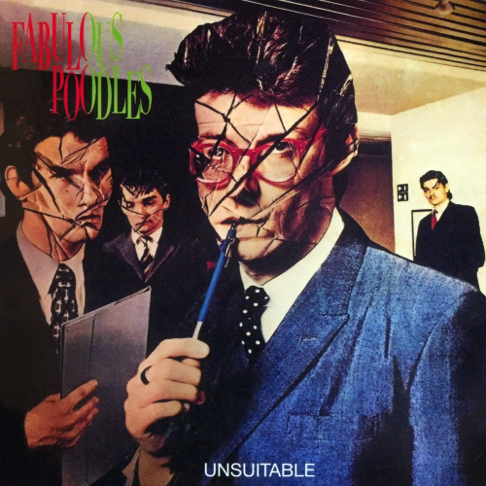
They released 3 albums between 1977 and 1979. This one was on their second album, Unsuitable, released in 1978. I’ve searched, and they didn’t seem to chart in the UK, which surprised me. This song did peak at #81 on the Billboard 100 in 1979. 

Mirror Star

He was a lonely boy, no good at sportsHe couldn’t run, his legs were shortHe walked the streets inside his headAnd spent a lot of time in bed

He practiced on his way to schoolHis friends all said, you’re off the wallHe played a tight elastic bandHis mic was just his empty hand

Mirror, mirror, mirror starHe posed in front of every carThey all called him crazy kidHe ran up to his room and hid

He greased his hair with VaselineAnd practiced looking really meanHe saw a face that’s going farHe posed right there with his guitar

Head’s in the clouds on school reportsHe’s always lost in other thoughtsMade no difference, shut them outHe’d be a star someday, no doubt

Mirror, mirror on the wallYou never treat him like a foolHere in his room, he is the kingThe wild applause is deafening

You see his face on every wallFrom Camden Town to LiverpoolHe lays a groupie when he’s downAnd rents the best hotel in town

The kids hang round to see his faceAnd wish that they were in his placeReflections paid, the mirror made‘Cause posing’s helped him make the grade

Mirror, mirror on the wallYou never treat him like a foolHere in his room, he is the kingThe wild applause is deafening

Mirror, mirror, mirror starMirror starMirror, mirror starMirror, mirror, mirror starMirror, mirror starMirror, mirror

Who – Meaty Beaty Big and Bouncy … album review

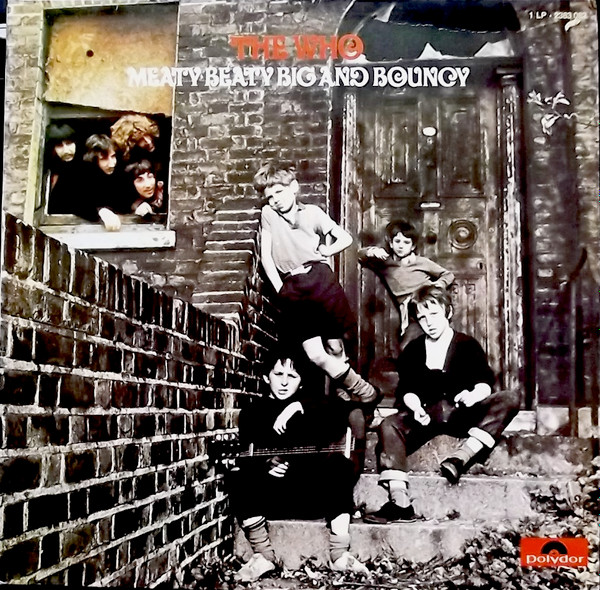
I bought this album right after I had bought Wholigans and Who’s Next. I wanted to know what their sixties output was like besides My Generation and I Can See For Miles. This compilation album was released in 1971; it wasn’t just a sampler of radio singles; it was a brash declaration of how The Who reached the top and what they broke along the way. Most of these songs did not reach the ears of Americans and Canadians in the 1960s. If Who’s Next was their grand gesture, Meaty Beaty was their rowdy scrapbook. The album is exciting!

In Canada and America, most people know the Who’s Next material and after as well. This album is the roots of the band. They stretched the limits of recording, trying new things in the studio, much like The Beatles did, but with a rawer result.

Rock in the mid to late sixties was changing, and what a diverse set of songs that you hear from that period. This is when Pete Townshend was turning teenage anxiety into rock mini-operas and Keith Moon was trying to demolish every drum kit in London. The title, reportedly referring to the four members themselves, Meaty (Roger), Beaty (Keith), Big (John), and Bouncy (Pete), is cheeky and self-mythologizing. And the tracklist? Nearly perfect. These singles are where Moon started to get his wild drumming reputation. He is everywhere in these songs, especially I Can’t Explain, making them different from other bands.

I have said that my favorite kind of band to watch live is the ones that you think will fall apart with any song they play, but they pull it between the lines without going over the cliff. They did that with these songs in the studio.

You’ve got I Can’t Explain, The Kids Are Alright, and Substitute up front, each one a case study in amphetamine, fueled mod rock. These aren’t songs that build; they explode right from the opening riff. Substitute, in particular, grabs your attention with the loud backing, but also the lyrics. Substitute could be The Who’s best single ever. And then I’m a Boy, Happy Jack, Pictures of Lily, you realize Pete was already leaning into story-song territory years before Tommy became a rock opera.

Magic Bus is a Bo Diddley-beat freakout that somehow makes a song about public transportation sound like a spiritual quest, or My Generation, the track that blew the doors off rock ’n’ roll. If that bass solo doesn’t rattle you, check your pulse. There’s a through-line here: Townshend’s fascination with identity, repression, rebellion, and guilt. These songs are electric in the best sense of the word.

Later Who albums might be deeper (Quadrophenia) or grander (Who’s Next), but this one is the sound of the band becoming The Who. Loud, brash, and already mythic. If you want to learn about The Who…this is a great starting point. 

Who – The Seeker

People tend to hate me
Coz I never smile
As I ransack their homes
They wanna’ shake my hand

Good Who song that was not as well known as some of their others. In 1999 it was featured in the movie “The Limey”. This was The Who’s first single released after Tommy. I first heard it in the early 80s and it helped me become a huge Who fan. 

Like most of Townshend’s songs around this time it was influenced by spiritual teachings and figures such as Meher Baba. It was recorded at IBC Studios in London during the sessions for Who’s Next but wasn’t included on that album. It’s been covered by Rush, The Smithereens, Joe Lynn Turner, Leslie West, and Nick Piunti.

The song was released as a single only at the time. After that, it was on the great album Meaty Beaty Big and Bouncy released in 1971.  It’s one of my favorite compilation albums. That album introduced me to pre-Who’s Next music. This one has a raw power to it and it’s pushed by Pete’s riff and Keith Moon driving the song along.

In 1970 The Seeker peaked at #44 in the Billboard 100, #19 in the UK and #21 in Canada.

Pete Townshend: “It sounded great in the mosquito-ridden swamp I made it up in – Florida at three in the morning, drunk out of my mind. But that’s where the trouble always starts, in the swamp.”

The Seeker

I’ve looked under chairs
I’ve looked under tables
I’ve tried to find the key
To fifty million fables

They call me The Seeker
I’ve been searchin’ low and high
I won’t get to get what I’m after
Till the day I die

I asked Bobby Dylan
I asked the Beatles
I asked Timothy Leary
But he couldn’t help me either

They call me The Seeker
I’ve been searchin’ low and high
I won’t get to get what I’m after
Till the day I die

People tend to hate me
Coz I never smile
As I ransack their homes
They wanna’ shake my hand

Focusing on nowhere
Investigating miles
I’m a seeker
I’m a really desperate man

I wont get to get what I’m after
Till the day I die

I learned how to raise my voice in anger
Yeah but look at my face ain’t this a smile

I’m happy when life’s good and when its bad I cry
I got values but I don’t know how or why

I’m lookin’ for me
You’re lookin’ for you
Were lookin’ at each other and we don’t know what to do

They call me The Seeker
I been searchin’ low and high
I wont get to get what I’m after
Till the day I die

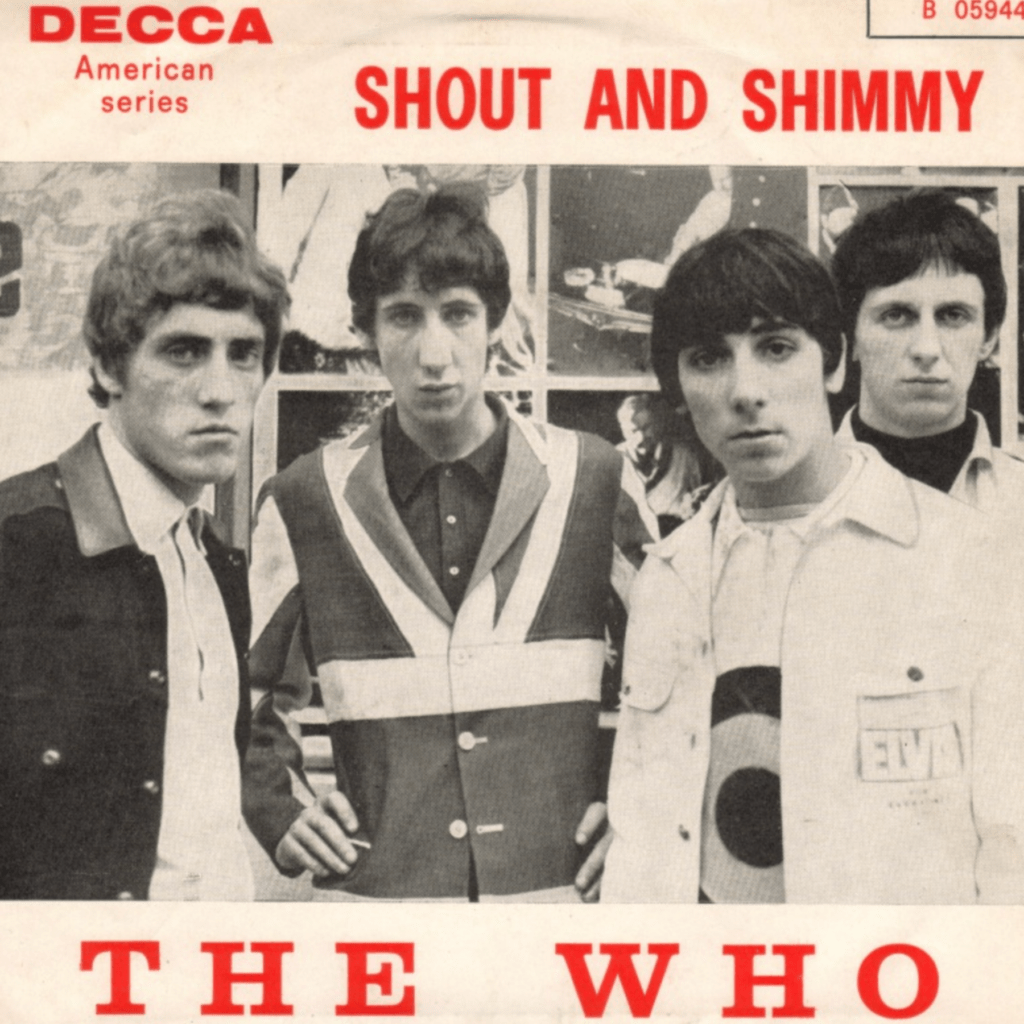
Who – Shout and Shimmy

If this song doesn’t get you up nothing will! I’ve probably covered The Who more than any other band but I’ve missed this excellent cover they did back in 1965. In this post, we will look at the song and the original drummer of The Who. 

This is a cover of a lively James Brown original from 1962. The Who recorded in 1965, it was on their My Generation album. It was also part of their appearance on the music show Ready, Steady, Go! alongside the song Anyway, Anyhow, Anywhere. Shout and Shimmy did not achieve widespread fame, it reflects the band’s devotion to R&B and soul, influences that heavily shaped their early sound. They also covered the Marvelettes song Heat Wave which was a part of the Mod culture. James Brown wrote and released Shout and Shimmy in 1962.

The Who’s rendition captures the raw energy of their early sound. Keith Moon in the live cut of this is a blur on drums. He was 19 years old and joined The Who the year before replacing The Who’s original drummer Doug Sandom.

Sandom was a good guy and a solid drummer but he was 34 in 1964 and considered far too old for The Who by the record company. Pete Townshend wrote a moving forward to Sandom’s book in 2014: Had we continued together back in 1964 with Doug on drums we may never have become as successful as we are today. Keith Moon was a born publicist as well as a highly eccentric performer. But I have no doubt that personally, I would have been happier as a young man. Partly because I think we would have continued to put music and friendship first in our band because that was Doug’s way. With Doug as my friend, I believe I could have been a better man.

Doug drummed for them as The Detours and The Who. He had this to say about The Detours changing to The Who: “We were setting up our gear when the Ox arrived and told us there was another band called The Detours and they’d already been on TV so we had to change our name. That night we all went back to a friend of Pete’s – a wonderful chap called Richard Barnes (an author and has worked with the Who for decades), or Barnsy, to try to find a new name.

Barnsy initially suggested The Group and Pete favoured The Hair. Someone else suggested No One until we imagined a compere on stage saying: ‘Ladies and gentlemen, please welcome No One.’ We’d have been a laughing stock. It was Barnsy who came up with The Who. Pete tried to compromise by suggesting The Hair And The Who until it was pointed out that it made us sound like a pub. Anyway, Roger came round to mine the next day and said it was to be The Who.”

On one of their recording dates, Townshend and Sandom were not in good moods and Sandom retold it: “He had a terrible go at me, snarling, ‘What’s wrong with you? If you can’t get it right then you’re out.’ I just got up from my stool and said, ‘That’s it, I quit.’ It was the biggest mistake of my life.

Sandom stayed in touch with the band until he passed in 2019 at the age of 89 years old. 

I always try to give a studio and live version…but in this case…live is the way to go. Around 1:29 is where Moon kicks in. 

Shout and Shimmy

Do you feel alright? Well do you feel alright children? Do you feel alright?You know you make me want to shout shimmy, oh yeah you gonna shout shimmy,Oh yeah you gonna shout shimmy, oh yeah you gonna shout shimmy,Oh yeah you know I walk up to the front, I try to do the flop,I walk up to the back, and I move on side to side,Then I stop, oh yeah and then I drop,Oh yeah and then I drop, oh yeah and then I do a little thing ?????,Do you feel alright? Do you feel so good? Do you feel so good?Do you feel alright? Do you feel alright? Tell me now, tell me now,Do you feel alright? Do you feel alright? Everybody do you feel so good?You know I feel alright, you know you make me want to shout shimmy,Oh yeah you gonna shout shimmy, oh yeah you gonna shout shimmy,Oh yeah you gonna shout a little bit soft, shout a little bit quieter,Shout a little bit soft, come on soft, shout a little bit soft,A little bit soft, cool down, cool down, come on, cool it down,I feel so good, I feel alright, drum on, drum on, drum on drummer,Everybody everybody everybody clap your hands, come on clap your hands,Clap your hands, a little bit harder, a little bit louder,A little bit harder, a little bit louder, a little bit louder,Come on and shout, everybody, come on and shout, come on and shout baby,Come on and shout baby, do you feel alright? Do I feel so good?Do you feel alright? Do I feel so good? Call a doctor, call a doctor,Do you feel alright? Do you feel alright? Do you feel alright?Do you feel alright? Do you feel alright?You know I feel so good I’m gonna shout and shimmy all night,I feel all, you know I feel alright.


Who – Sister Disco

The Who Are You album was not the best album The Who released but it has its bright spots. Pete Townshend wrote this song and he said The Who would never use any disco elements in their songs. To his credit, they never used any. At this time Pete was hanging around with some of the punk bands like The Clash…so that makes sense.

The Who Are You album peaked at #2 on the Billboard Album Charts, #2 in Canada, and  #6 in the UK in 1978.

Kenney Jones had the hardest job in the music world at the time. Replacing Keith Moon was an impossible task. He didn’t play in the same style, although not many did, but he did a good job. He was eventually forced out of the band 3 years later when Roger wanted something different. Roger said that Jones was a great drummer but didn’t fit The Who.

The Who after Moon’s passing was this… whether to get a Moon-styled drummer or get someone more traditional. If they’d gone with the former, Blondie’s Clem Burke or Mitch Mitchell would have fit the bill, as Zak Starr does now. But I doubt Clem was known enough to warrant consideration. That leaves a candidate who would not duplicate Moon’s frenetic approach…in Kenney Jones. Pete Townshend wanted stability and more of a straight beat. That is fine…but when they did that they didn’t sound like themselves as much…and Pete was probably happy about that fact.

I liked the Face Dances album a lot when it was released and I still do. Kenney did a great job on that album but with older Who fans…the drums were just as big of a part of the music as the singing and guitar. In other words, Kenney Jones could not win. He was more of a traditional drummer in a band that was not known for that. Entwistle also toned down his bass playing because he would play off of Moon and be all over the place.

Sometimes I wish they would have packed it up like Zeppelin did after Bonham died but I enjoyed a lot of the music that The Who released after Moon died. Jones was in a no-win situation.

Pete Townshend: With ‘Sister Disco’, I felt the need to say that the group would never, ever, in any way do anything like the Bee Gees. We stand over here and what we stand with is all right. They might say we’re boring old farts but we still feel more at home with the boring old farts than any of that crowd.

Pete Townshend: For this track I spent a lot of hours programming my analogue sequencers in my ARP 2500 studio synthesizer. It isn’t quite Kraftwerk, but in 1976 I don’t think they were doing much better. This is a perfect example of the progression I was making towards theatrical music writing. I was trying to evoke absurd Baron Munchausen musical textures. Roger sounds so seriously intent about everything that the pomposity becomes real and threatening rather than pictorial.

Pete Townshend: It’s got nothing to do with disco at all! It’s only a series of lines put together. The chorus ‘Goodbye Sister Disco, now I go where the music fits my soul’…that is not an indictment of disco music. I like a lot of disco music; I even like discos. It’s to do with saying goodbye to, I think, a sort of self-conscious poseur kind of thing The Who had been for such a long time.

Roger Daltrey: I really like ‘Sister Disco’ but I don’t necessarily understand what he’s saying. I do understand what he’s trying to say but I don’t know whether it comes off. It was a song about getting too old for discos and that whole line that Pete sings, ‘Goodbye Sister Disco, I go where the music fits my soul,’ is kind of operatic; it’s a bit pompous. That’s why I personally didn’t sing that line because I can’t…when Pete sings it he’s got enough kind of tongue-in-cheek quality to get away with it and it works, but if I sang it, it would be a total disaster.

This is a rehearsal version with Kenney Jones on drums getting ready for the 1979 tour. The first without Keith Moon.

Sister Disco

As I walked through that hospital door
I was sewn up like a coat
I got a smile from the bite of the wind
Watched the fresh fall of snow

I knew then that my life took a turn
I felt strong and secure
And with adhesive tape over my nose
I felt almost demure

Goodbye Sister Disco
With your flashing trash lamps
Goodbye Sister Disco
And to your clubs and your tramps

Goodbye Sister Disco
My dancing’s left you behind
Goodbye, now you’re solo
Black plastic; deaf, dumb and blind

Bye, goodbye Sister Disco, now I go
I go where the music the music fits my soul
And I, I will never let go, I’ll never let go
‘Til the echo of the street fight has dissolved

I will choose nightmares and cold stormy seas
I will take over your grief and disease
I’ll stay beside you and comfort your soul
When you are lonely and broken and old

Now I walk with a man in my face
Ooh, a woman in my hair
I’ve got you all lookin’ out though my eyes
My feet are a prayer

Goodbye Sister Disco
With your flashing trash lamps
Goodbye Sister Disco
And to your clubs and your tramps

Goodbye Sister Disco
My dancing’s left you behind
Goodbye, now you’re solo
Black plastic; deaf, dumb and blind

WHO – The Real Me

Jim Adams invited me to participate in Song Lyric Sunday for his blog. This week’s prompt is…”a song that features a great bass line.” I knew it was going to be a Who song…and I changed it at the last minute from My Generation to this. This song has some incredible bass. 

I have played music since I was around 14-15 and bass since I was around 15. I started out with an acoustic guitar with 2 strings. I could play Smoke on the Water, Down on the Corner, and other songs with those two strings. Soon I graduated to 6 strings and learned chords. A buddy of mine played guitar and he was more advanced than I was at the time.

We decided I would play bass and he would play guitar. I got a job cleaning up a vacant lot that had a massive mess for two days and earned around 50 bucks…and in the early 1980s…that could get you a decent bass guitar in a pawn shop. I learned by ear. We would listen to a record…slow it down to the slowest speed on the turntable and start figuring it out. I’m glad I learned that way because I can pick things out by listening.

Hearing this song around 8 years after it was released for the first time was exciting for me. It was a huge influence on how I played. I always made sure in any band I was in…the bass was heard. You could feel it in your chest… I made sure of that. I would hear some say…”Max is on 11 again.”

Where do I start with this song?

One of the most exciting songs of The Who. It was on the Mod concept album Quadrophenia. Roger and Pete are excellent in this song but John and Keith really stand out. The bass and drums do the heavy lifting in this song. It peaked at #92 in 1974. 

I have sat for hours with a bass in my hand trying to get the runs right to this song. One of John’s best bass parts. I usually tie my fingers into knots trying to get this right. It wasn’t one of their huge hits but it was absolutely perfect for me.

I’ve never heard a hard rock band this tight yet carry a great melody underneath it all. John’s bass playing in this song is so good and he makes it sound almost normal. That is why I’ll always be in awe of The Who. Give me their rhythm section of Entwistle and Moon and I could rule the world. The word “revolutionized” is overused at times…but yes Entwistle did revolutionize the bass guitar as Moon did the drums.

The album told the story of a young mod named Jimmy. This song is about Jimmy’s inner turmoil and his quest to understand who he really is. He seeks answers and validation from his mother, a psychiatrist, and God, but finds no clear resolution.  The album explores themes of identity, rebellion, and disillusionment. Pete Townshend wrote this and put a little of each band member’s personality in the character. 

John Entwistle: “The Real Me” was the first take. I was joking when I did that bass part. The band said, “Wow, that’s great, that’s great!” And I was just messing around. They just loved the song. I was sitting on top of my speaker cabinet playing a silly bass part and that’s the one they liked. 

John Entwistle: I think if you listen to my bass parts on their own, they sound unbelievably disjointed, but when you play them with the other instruments on the track, they fit. That’s what comes from playing with Keith.

Speaking of my favorite rhythm section…here is an isolated recording of JUST the bass and drums. 

The Real Me

I went back to the doctor
To get another shrink
I sit and tell him ’bout my weekend
But he never betrays what he thinks

Woo
Can you see the real me, doctor?
Doctor?
Can you see the real me, doctor?
Woah, doctor

I went back to my mother
I said I’m crazy ma, help me
She said I know how it feels son
‘Cause it runs in the family

Can you see the real me, mama?
Mama?
Can you see the real me, mama?
Woah, mama

Can you see
Can you see the real me?
Can you see
Can you see the real me
The real me
The real me

The cracks between the paving stones
Look like rivers of flowing veins
Strange people who know me
Peeping from behind every window pane
The girl I used to love
Lives in this yellow house
Yesterday she passed me by
She doesn’t want to know me now

Can you see the real me?
Can ya?
Can ya?
Can you see the real me?
Can ya?
Woah, yeah

I ended up with a preacher
Full of lies and hate
I seemed to scare him a little
So he showed me to the golden gate

Can you see the real me, preacher?
Preacher?
Can you see the real me, preacher?

Can you see
Can you see
Can you see
Woah

Can you see the real me, doctor?

Can you see the real me, ma?

Can you see the real me (me, me, me, me, me, me, me, me, me, me, me)?


Who – Pictures of Lily

Starting with The  Who’s Tommy album…everything after that gets noticed. Their brilliant early singles sometimes get criminally overlooked. Personally, and I know I am in the minority, I think many of their early singles trump both the Beatles’ and Stones’s early singles. The Who and Kinks didn’t have the quality of the sound of those bigger bands…but that was the point. Those singles were exciting and raw…a few experimental. Paul McCartney was influenced heavily by The Who when he wrote Paperback Writer and Helter Skelter.

On July 8, 1989, I traveled to Atlanta Georgia to see The Who for the first time. Nashville at that time had no place really big enough for them to play. Vanderbilt wasn’t allowing rock concerts at their stadium at that time. I’ll never forget when The Who played this song that night. Roger forgot the words to it and said “I don’t know the bloody words to this song.” I found the clip and I’ll have it below.

The only part of that concert that bothered me was the volume or the lack of really. Entwistle had to turn down his volume and they carried a brass section with them because of Pete’s tinnitus. It sounded great of course but not as in your face as when I saw them in Nashville in 2016. My only guess is now the PA equipment is better because The Who were much louder in 2016 than when I heard them in 1989.

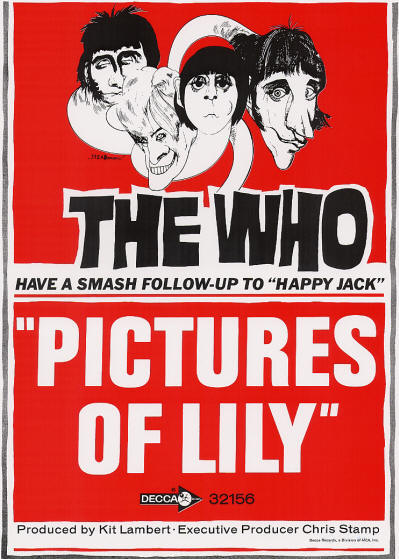
Describing The Who’s next new single (Pictures of Lily)…Pete Townshend coined the term “Power Pop” to describe this song before it was released. It made it to #4 in the UK Charts, #60 on the Billboard 100, and #36 in Canada in 1967. The song tells the story of a father giving his son risque pictures of a woman taken in the 1920s…and after a while, the son finds out that she had died many years ago.

It is a song about the lust of a teenage boy…we will keep it at that. John Entwistle played the French Horn on this that he later didn’t like.

Pete Townshend: On Karen’s (his future wife) bedroom wall were three Victorian black-and-white postcard photographs of scantily dressed actresses. One was the infamous Lily Langtry, mistress of Prince Edward, later King Edward VII, and one sunny afternoon while Karen was at work I scribbled out a lyric inspired by the images and made a demo of ‘Pictures of Lily’. My song was intended to be an ironic comment on the sexual shallows of show business, especially pop, a world of postcard images for boys and girls to fantasise over. ‘Pictures of Lily’ ended up, famously, being about a boy saved from burgeoning adolescent sexual frustration when his father presented him with dirty postcards over which he could masturbate.

John Entwistle:  “The thing I hate about ‘Pictures Of Lily’ is that bloody elephant call on the French horn. I also hated the backing vocals, the mermaid voices, where we’d sing all the ‘oooooohs.’ I hated ‘oooooohs.'”

Below is the concert I was at when Roger forgot the words. It’s around the 1:36 mark. 

Pictures Of Lily

I used to wake up in the morningI always feel so gladI got so sick of having sleepless nightsI went and told my dad

He said, “Son, now here’s some little somethings”And stuck them on my wallAnd now my nights ain’t quite so lonelyIn fact I don’t feel bad at all (I don’t feel bad at all)

Pictures of Lily that make my life so wonderfulPictures of Lily that let me sleep at nightPictures of Lily that solved my childhood problemPictures of Lily, they make me feel alright

Pictures of Lily (pictures of Lily)Pictures of Lily (Lily, oh Lily)Pictures of Lily (Lily, oh Lily)Pictures of Lily (pictures of Lily)Pictures of Lily, pictures of LilyPictures of Lily, pictures of Lily

And then one day things weren’t so fineI fell in love with LilyI asked my dad where Lily I could findHe said, “Don’t be silly”

“She’s been dead since 1929”Oh, how I cried that nightIf only I’d been born in Lily’s timeIt would have been alrightThere were always pictures of Lily to help me sleep at nightPictures of Lily to help me feel alright

‘Cause me and Lily are together in my dreams (my mind)And I was wonderin’, mister, have you ever seen?

Pictures of Lily to help you sleep at nightPictures of Lily to help you feel alright

‘Cause me and Lily are together in my dreamsAnd I was wonderin’, mister, have you ever seenPictures of Lily?

Who – Substitute

I was born with a plastic spoon in my mouth
The north side of my town faced east, and the east was facing south

America missed out on The Who’s great early singles. Some didn’t hear their 60’s singles until after they hit with Tommy and released Meaty Beaty Big and Bouncy in 1971. It’s one of my favorite compilation albums. This one has a raw power to it and it’s pushed by John Entwistle and Keith Moon driving the song along.

Great song by The Who. The song peaked at #5 in the UK charts in 1966. The twelve-string guitar opening riff kicks into one of The Who’s best singles. This was a flop in the US, partly because it wasn’t promoted well. It was the only Who song released on Atco Records.

Townshend’s favorite song at the time was “Tracks of My Tears” by Smokey Robinson & The Miracles. Townshend loved the way Smokey sang the word “substitute” so perfectly “Although she may be cute she’s just a substitute ‘Cause you’re the permanent one” that he decided to celebrate the word with a song all its own. The song was also influenced by 19th Nervous Breakdown by the Rolling Stones. Townshend admitted to getting the riff from that song. Townshend also got his trademark windmill from watching Keith Richards warm up with his arms going above his head.

This was the first single The Who released after breaking their contract with their manager and producer, Shel Talmy. As part of the deal, Talmy got royalties from this and the other Who records over the next 5 years, which turned out to be albums that old-time producer Shel Talmy would never have produced. The albums were Tommy, Who’s Next, and  Quadrophenia.

After listening to a recording of the song, Keith Moon began to become paranoid, insisting that it wasn’t him drumming and that the band had gone behind his back and gotten another drummer. John Entwistle refuted this paranoia as ridiculous – he could hear Keith screaming on the recording as he did a difficult fill.

Substitute

You think we look pretty good together
You think my shoes are made of leather

But I’m a substitute for another guy
I look pretty tall but my heels are high
The simple things you see are all complicated
I look pretty young, but I’m just back-dated, yeah

(Substitute) your lies for fact
(Substitute) I can see right through your plastic mac
(Substitute) I look all white, but my dad was black
(Substitute) my fine linen suit is really made out of sack

I was born with a plastic spoon in my mouth
The north side of my town faced east, and the east was facing south
And now you dare to look me in the eye
Those crocodile tears are what you cry
It’s a genuine problem, you won’t try
To work it out at all you just pass it by, pass it by

(Substitute) me for him
(Substitute) my coke for gin
(Substitute) you for my mum
(Substitute) at least I’ll get my washing done

I’m a substitute for another guy
I look pretty tall but my heels are high
The simple things you see are all complicated
I look pretty young, but I’m just back-dated, yeah

I was born with a plastic spoon in my mouth
The north side of my town faced east, and the east was facing south
And now you dare to look me in the eye
Those crocodile tears are what you cry
It’s a genuine problem, you won’t try
To work it out at all you just pass it by, pass it by

(Substitute) me for him
(Substitute) my coke for gin
(Substitute) you for my mum
(Substitute) at least I’ll get my washing done

(Substitute) your lies for fact
(Substitute) I can see right through your plastic mac
(Substitute) I look all white, but my dad was black
(Substitute) My fine-looking suit is really made out of sack

Who – Relay

This was a non-album single released in 1972. It was released between Who’s Next (1971) and Quadrophenia (1973).

Pete Townshend wrote this… it was part of his “Lifehouse” project, which was a film script featuring The Who in a future world where rock ‘n’ roll saves the masses. The Who scrapped plans for the concept double album and released most of the songs on Who’s Next…pretty much agreed their best album and one of the best in rock period.

Townshend’s use of the ARP synthesizer on Who’s Next was groundbreaking. He didn’t just add texture to it but the ARP became part of the structure of the songs. This was not like today’s synthesizer where you just took it out of the box. It had to be programmed and connected together…and not many people knew how to do it. He took a risk using it because technology in general always moving ahead, Who’s Next could have sounded dated a few years afterward but it still sounds fresh and interesting today…unlike some other synth music.

They played this song on the Russell Harty Show and Harty looked terrified of The Who. Harty was a gay man which was secret in the 1970s… Keith knew this and you could tell he thought Keith Moon was going to say something out loud in an interview but of course Keith didn’t. He was messing with Harty and the interview is both funny and demented to watch. I keep thinking….an interview like this would not happen today. What makes the interview funnier is how Daltrey and Entwistle just chill in the background while Moon and Townshend torment Harty.

Who is The Who? The History of the Legendary Band - Backstage Stories -  Page 2 of 31

They were joking around with Harty and you could see Harty tense up a bit when Moon stripped down to his underwear. Moon and Townshend then preceded to rip and tear each other’s shirt off.

Harty asked them some questions and if they were all married. That was when Moon started to talk about messing with Harty’s sleeves (as Pete and Keith did to each other) he said to Harty “You leave his sleeves alone… personal them ay…Can’t touch the interviewer can we? Hey he is in command isn’t he? You can make everyone else look like a right twit as long as you don’t have a go at him. How long have you been happily married? ” You have to wonder by the look on Harty’s face if he thought Moon was going to say something out loud…he did know Harty was gay…but of course, Moon didn’t…he was just having fun with him.

Someone put all the Rusell Harty short interview segments together from the documentary The Kids Are Alright…I have it below.

Anyway…a good song and it peaked at #21 in the UK, #50 in Canada, and #39 on the Billboard 100 in 1972.

Relay

You can hear it in the street, see it in the dragging feet
The word is gettin’ out about control
Spies they’ve come and gone, the story travels on
The only quiet place is inside your soul

From tree to tree, from you to me
Travelin’ twice as fast as on any freeway
Every single dream, wrapped up in the scheme
They all get carried on the relay

Relay, things are brewin’
Relay, something’s doin’
Relay, there’s a revolution
Relay, relay
(Hand me down a solution, yeah)
Pass it on, come on, a relay

Someone disapproves, what you say and do
I was asked to see what I could really learn you
Don’t believe your eyes, they’re tellin’ only lies
What is done in the first place don’t concern you

From tree to tree, from you to me
Travelin’ twice as fast as on any freeway
Every single dream wrapped up in the scheme
They all get carried on the relay

Relay, things are brewin’
Relay, something’s doin’
Relay, there’s a revolution
Relay, relay
(Hand me down a solution, yeah)
Pass it on, pass it on, pass it on, hey you, pass it on

We’re on the relay, get a movin’
Get on a movin’ on
The relay, the relay

Who – Mary Anne With The Shaky Hand

This song was on the album called The Who Sell Out. I’ve said before that titles sometimes grab my attention and this one certainly did. This one has had many covers from other bands and artists.

The Who Sell Out is A Pop Art album that was fashioned after Pirate radio. The Who created spoof promo slots for Radio London, Premier Drums and Rotosound Strings, recorded in the brash ad-speak of 60s pirate radio. John Entwistle wrote two commercial jingles for Heinz Beans and Medac spot pimple cream.

Pete Townshend: “I’d already written two songs for [co-manager] Kit Lambert for the American Cancer Society – Little Billy and Kids! Do You Want Kids? – and I had Odorono, about a girl who loses a record contract. It wasn’t meant to be a commercial, it was just a song about body odor.”

I always thought it was a brilliant idea and remains a great satirical take on 60s consumerism.

The song would be the B side in America to I Can See For Miles.

The album was released on December 16, 1967. It peaked at #13 in the UK and #48 in the Billboard Album Charts. Their album Tommy would be released 2 years after this one and it would be their breakthrough all over the world.

Critic Dave Marsh called it “the greatest rock and roll album of its era” and “the Who’s consummate masterpiece, the work that holds together most tightly as concept and realization”.

Pete Townshend on the album: I’d demoed ‘Tattoo’ in my hotel room in Las Vegas during our three-day vacation, and a song called ‘Odorono’, named after a deodorant stick. ‘Odorono’ led us to the most perfect pop idea of all time: we would make our next record a vehicle for advertising. When we called Kit to explain, he was as excited as we were. I suggested we link the gaps between songs with jingles like those on commercial pirate radio.

John and Keith leapt on the idea, and, inspired by ‘Odorono’, began making up advertising jingles for all kinds of things, like Medac spot cream, Premier Drums and Heinz Baked Beans. But when the album was ready to be put together we were still short of tracks. John’s track didn’t feel right either, so he quickly produced a demo for another song called ‘Silas Stingy’, which, to be honest, was equally eccentric. But this was obviously going to be a very eccentric record.

Who – Mary Anne With The Shaky Hand

I danced with Linda
I danced with Jean
I danced with Cindy
Then I suddenly see

Mary-Anne with the shaky hands
What they’ve done to her man
Those shaky hands

Mary is so pretty
The prettiest in the land
Guys come from every city
Just to shake her shaky hands

Linda can cook
Jean reads books
Cindy can sew
But I’d rather know

Mary-Anne with the shaky hands
What they’ve done to her man
Those shaky hands

Mary-Anne with the shaky hands
What they’ve done to her man
Those shaky hands

Mary-Anne with the shaky hands
What they’ve done to her man
Those shaky hands

Who – Getting In Tune

This song was originally on the Who’s Next album released in 1971…my favorite album of that year and maybe of the seventies. That year was an incredible time for albums. Led Zeppelin would release their most remembered album Led Zeppelin IV a few months after Who’s Next.

There is not a bad song on the album. Roger excels on this song and it builds up in the middle for good dynamics. In 2016, Rolling Stone ranked Getting In Tune number 8 on its list of the 50 greatest songs by The Who. Nicky Hopkins plays piano on this song.

The Who’s Next album is one of the most sonic-sounding albums I’ve ever heard. Glyn Johns produced it and said this: “I have a residing memory of sitting in the truck, my hair being parted by what was coming out of the speakers, a massive amount of adrenaline coursing through my veins. There have been a few occasions over the years when I have been completely blown away, believing without a doubt that what I was listening to would become much more than just commercially successful but also a marker in the evolution of popular music, and this was one of those moments.”

Pete Townshend originally wrote this about a character in his “Lifehouse” project, which was going to be a film similar to The Who’s Tommy and Quadrophenia. Townshend never finished “Lifehouse,” but the songs ended up on the great album Who’s Next.

Pete Townshend wrote this as part of his “Lifehouse” project. He wanted to release a film about a futuristic world where the people are enslaved… but saved by a rock concert. Pete couldn’t get enough support to finish the project, but most of the songs he wrote were used on the Who’s Next album.

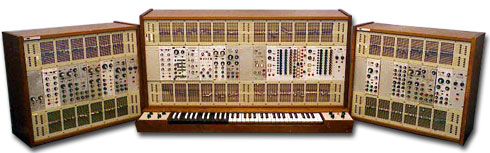
ARP Synth

Townshend’s use of the ARP synthesizer on Who’s Next was groundbreaking. He didn’t just add texture to it but the ARP became part of the structure of the songs. This was not like today’s synthesizer where you just took it out of the box. It had to be programmed and connected together…and not many people knew how to do it. He took a risk using it because technology in general always moving ahead, Who’s Next could have sounded dated a few years afterward but it still sounds fresh and interesting today…unlike some 1980s synth music.

The album peaked at #4 on the Billboard Album Charts, #1 in the UK, and #5 in Canada in 1971. It also peaked at #7 on the US Billboard Top Pop Catalog in 2014.

Getting In Tune

I’m singing this note ’cause it fits in well with the chords I’m playing
I can’t pretend there’s any meaning hidden in the things I’m saying

But I’m in tune
Right in tune
I’m in tune
And I’m gonna tune
Right in on you
Right in on you
Right in on you

I get a little tired of having to say
“Do you come here often?”
But when I look in your eyes, I see the harmonies
And the heartaches soften

I’m getting in tune
Right in tune
I’m in tune
And I’m gonna tune
Right in on you (right in on you)
Right in on you

I got it all here in my head
There’s nothing more needs to be said
I’m just bangin’ on my old piano
I’m getting in tune to the straight and narrow
(Getting in tune to the straight and narrow)
Getting in tune to the straight and narrow
(I’m getting in tune to the straight and narrow)
Yeah, I’m getting in tune to the straight and narrow
(I’m getting in tune to the straight and narrow)

I’m singing this note ’cause it fits in well with the way I’m feeling
There’s a symphony that I hear in your heart, sets my head a-reeling

But I’m in tune
Right in tune
I’m in tune
And I’m gonna tune
Right in on you (right in on you)
Right in on you

Baby, with you
(Baby, with you)
Baby, with you
(Baby, with you)
Baby, with you

I’ve got it all here in my head
There’s nothing more needs to be said
I’m just bangin’ on my old piano
I’m getting in tune to the straight and narrow

Getting in tune to the straight and narrow
I’m getting in tune to the straight and narrow
Getting in tune to the straight and narrow
I’m getting in tune to the straight and narrow
(Getting in tune to the straight and narrow)
Yeah, I’m getting in tune to the straight and narrow
(Getting in tune to the straight and narrow)
Yeah, I’m getting in tune to the straight and narrow
(Getting in tune to the straight and narrow)
Yeah, I’m getting in tune to the straight and narrow, yeah
(Getting in tune to the straight and narrow)
(I’m getting in tune to the straight and narrow)
Yeah, I’m getting in tune to the straight and narrow
(I’m getting in tune to the straight and narrow)

Who – Live At Leeds

My friend Dave first posted this article I wrote here on an episode of Turntable Talk. For those who didn’t see it…here it is.  Cincinnati Babyhead also reviewed this on Hanspostcard’s site. 

Dave asked a question:  Is there an act that actually comes out better on live releases than studio ones?

First, let me say…overall I’m more of a record guy…I usually like the studio version of songs but yes there are some bands that can come off better. I would say The Who, Allman Brothers, Cream, The Grateful Dead, Aerosmith, The Stones (1969-1972), and Bob Dylan’s “1966 tour.” However, there is one condition to this.

I think you have to take into consideration the era you are talking about with each band or artist. If we are talking about the peak years then yes. The Rolling Stones for instance…for me it would be 1969 through 1974. When they had Mick Taylor on guitar…they had a huge raw sound live they haven’t had since. With Dylan, the 66 tour for me was the top and I could listen to those versions all day. The Who it would be 1969 through 1976 when they were untouchable live. But I’m not saying I don’t like other years with these artists…but those are known as the peak years.

When the Who took Tommy on tour I think the live recordings beat the studio album by a long shot. That leads me to…my favorite live rock album of all time.

From Classic Rock website ranking Who albums:We usually don’t include live albums in our rankings, but ‘Live at Leeds’ is no ordinary live album. Like ‘Live at the Apollo,’ ‘At Fillmore East,’ ‘At Folsom Prison’ and a handful of other classic concert records, it transcends the genre, turning a quick record-company cash turnaround into a statement of purpose.”

The Who: Live at Leads. If you are a rock and roll fan, a rock fan, or even a heavy metal fan…everyone can find something on that album. This is guitar rock at its best. Listening to the sound of that record, it’s no telling how loud they played. They weren’t the loudest in the Guinness Book of World Records for nothing! When Pete hit a power chord you could almost feel your eardrums retract in and out like a speaker.

It’s not being loud though that makes it so great. Personally, I’ve never heard a band as tight as they were during this tour. They wanted to release a live album and soundman Bob Pridden had 38 shows taped. Pete wanted Pridden to go through all shows and tell him which one was best. Because of constant touring Pridden could never get through all of the shows. The day came and Pete asked him ok…which shows. He couldn’t give Pete an answer.

They had a show at Leeds and Hull coming up on the schedule. In a move he’d later label one of the stupidest decisions of my life,” Townshend told Pridden to burn the tapes so that they’d never wind up in the hands of bootleggers. So, instead of more shows from that era…we have very few.

So…now the tapes were burned and the Leeds and Hull concert was coming up. They had a lot of pressure to get it right for the live album.

Pete Townshend: “I played more carefully than usual and tried to avoid the careless bum notes that often occurred because I was trying to play and jump around at the same time. The next day we played a similar set in City Hall in Hull. This was another venue with good acoustics for loud rock, but it felt less intense than the previous night.”

They played most of the Tommy album and their “oldies” on this tour, which was songs only around 5-6 years old. The original Live at Leeds didn’t have any Tommy songs on it. This album was like a marker for the pre-Tommy Who coming to an end. The deluxe re-released version had the complete show full of Tommy material

The recordings had a few clicks in the tape and Townshend tried to maneuver around them.

Townshend tried slicing out the clicks with a razor blade and quickly realized it would be impossible to get all of them. But subpar-sounding bootlegs were flooding the market at this time, so the band just added a note to the label saying the clicks were intentional! The album cover was a faded stamp reading “The Who: Live at Leeds” on brown paper, mirroring the look of illegal vinyl bootlegs of the era. Later on, Aerosmith had a similar live bootleg album cover.

What impresses me is the only overdubbing on the album was the backup vocals because they were poorly recorded. John Entwistle and Pete did the backup vocals in one take in the studio to stay true to the live album. What you hear on the album is what the good people at Leeds heard that night. No massive overdubbing to tighten anything up.

By 1970 The Who had been touring almost non-stop since 1964 and it showed on this album. After the album, the band didn’t tour as much as before. They worked in the studio on more complex albums Who’s Next and Quadrophenia. Their tours were not the marathon tours of the sixties.

This was before Won’t Get Fooled Again, Baba O’Riley, and  Quadrophenia’s complex music that required backing tapes live. This album was The Who as nature intended… a very loud tight rock band and possibly the best live rock album.

BTW…Bob Pridden worked as The Who’s soundman until 2016 when he retired.

Here are three examples. Young Man Blues. Listen to Moon and Entwistle intertwine with each other. You also have Summertime Blues and A Quick One, While He’s Away.

The Who : Maximum R&B at it’s best.

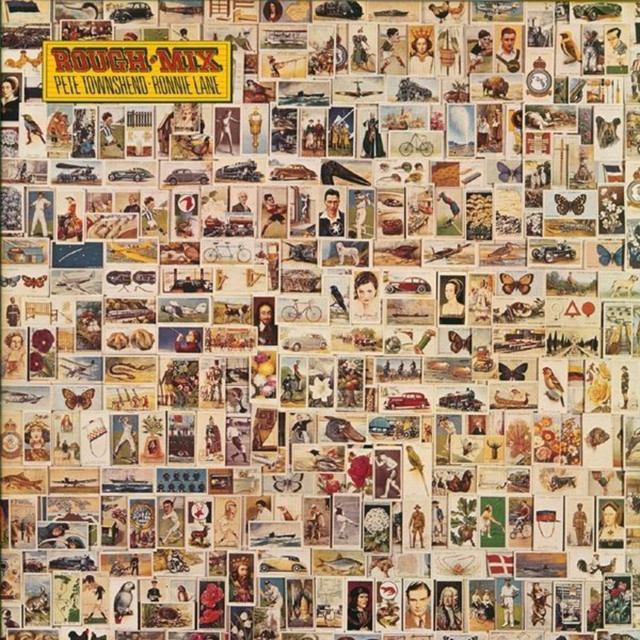
Pete Townshend and Ronnie Lane – My Baby Gives It Away

I have often wondered why this album wasn’t more popular. It features The Who’s Pete Townshend and The Small Faces/Faces Ronnie Lane who then was leading his own band, Slim Chance. The album is full of great songs and is worth a listen. The guest musicians include Eric Clapton, Charlie Watts, John Entwistle, Ian Stewart, John “Rabbit” Bundrick, and more.

In October of 1976, the Who closed a North American tour in Toronto, a show that would be the last with Keith Moon before a paying audience. The band took a break to pursue individual projects. Ronnie Lane had wanted Townshend to produce his album but he then wanted Townshend to collaborate writing on the songs. Townshend declined because he had never written with anyone before but they did manage to write the title track, Rough Mix, together.

The album ended up with Townsend songs and Lane songs. They did do a cover of a Don Williams song called Till All The Rivers Run Dry. Rough Mix didn’t draw a lot of attention at the time but is now considered a lost gem. Townshend has said in his book that there was a big argument where he shoved Ronnie Lane. He said it felt like he didn’t know his own strength because Lane felt like he was made out of paper. Later Pete found out about Lane’s multiple sclerosis.

Lane was already showing the early symptoms of multiple sclerosis (tremors, slurred speech), which others sometimes interpreted as a sign he was drunk. He didn’t tell Townshend, or very many others, about his medical diagnosis.

Townshend’s liner notes eventually read, “Ron and Pete play various acoustic & electric guitars, mandolins & bass guitars, banjos, ukuleles & very involved mind games.”

The album peaked at #44 in the Billboard Album Charts, #70 in Canada, and #45 in the UK in 1977.

Pete Townshend: The recording of Rough Mix with Ronnie is now a blur, but I remember some special moments. I played live guitar with a large string orchestra for the first time, my father-in-law Ted Astley arranging and conducting on ‘Street in the City’. I was surprised at the respect given me by the orchestral musicians. Playing with Charlie Watts on ‘My Baby Gives It Away’ was also very cool, making me aware that his jazz-influenced style was essential to the Stones’ success, the hi-hat always trailing the beat a little to create that vital swing.

Meeting John Bundrick (Rabbit) was also an important event in my life as a musician. He wandered into the Rough Mix studio one day looking for session work. Here was a Hammond player who had worked with Bob Marley, and could play as well as Billy Preston. Offstage he could be reckless and impulsive, drinking too much, asking for drugs and telling crazy stories, but musicians of his calibre didn’t come around very often.

My Baby Gives It Away

My baby wakes in the deep of the nightShe doesn’t need itBut she says it’s all rightMy baby digs it, just a Rollin’ away

My baby gives it up every dayMy baby gives it, she gives it awayMy baby gives it up every dayMy baby She just gives it away

When you’re alone in some city hotelYou can get company by ringing a bellYou might go pick up a girlOn the street

But my baby gives it up totally freeMy baby’s counting’ on, ’cause you aloneMy baby’s brother never break a your armMy baby ha, ha, I love her

She’s cheepOoh yeahMy babyMy baby

My babyMy babyMy baby

You better buy yourself an new pair of shoesAnd walk for a lifetime on that bad newsYou better buy an electric guitarThere’s no better way to beat the blues, I beat ’em

My babyMy babyMy babyMy baby

My babyMy babyMy babyMy baby

She give it way, every day, every wayMy baby just gives it away

My baby’s momma is a singular girlShe brought up her daughter and brought her up wellI’m breathing no more‘Cause she took it away

My baby gives it up every dayMy baby gives itShe gives it awayMy baby gives it up every day

My babyMy babyMy babyMy baby

My babyMy babyMy babyMy baby

My babyMy baby

How I love her, yeahMy baby, my baby, she just gives it awayMy baby, my baby, she just gives it awayMy baby, my baby, gives it away

Let me tell you, my baby, she just give it awayMy baby, every dayMy baby gives it up every dayMy baby give itJust gives it away

Who – Love Ain’t For Keeping

The Who’s Next album was released in 1971 and is one of the greatest classic rock albums ever released. This song is a song one clocking in at a short 2:11 and unlike most of the album…this one is softer. Pete Townshend originally wrote this for his Lifehouse project, where the character of Ray, a Scottish farmer, was intended to sing the song, which expresses the sentiment that love is meant to be shared.

The song was originally recorded several months prior to Who’s Next, as a four-minute electric version with Townshend singing lead and playing rhythm guitar, and the lead solos performed by Leslie West, the guitarist for New York power trio Mountain. The Who was recording at the Record Plant in New York, and Townshend reportedly didn’t want to spend time on overdubs, so West was called in to play on the track.

After a falling out with producer Kit Lambert, the band recorded an acoustic version that was used on the album. The Who often played the harder Rock version at their concerts. This version can be heard on their 1974 Odds & Sods album.

If two versions weren’t enough…  Townshend’s original demo of the song appears on the six-disc Lifehouse Chronicles, songs from Townshend’s never fully-completed Lifehouse rock opera. This demo clocks in at 1:31, with no solo and Townshend taking advantage of the then-novel oscillator bank on his Arp synthesizer.

The album peaked at #4 in the Billboard Album Charts, #5 in Canada, and #1 in New Zealand in 1971.

Love Ain’t For Keeping

Layin’ on my back
In the newly mown grass
Rain is coming down
But I know the clouds will pass
You bring me tea
Say “the babe’s a-sleepin'”
Lay down beside me
Love ain’t for keeping

Black ash from the foundry
Hangs like a hood
But the air is perfumed
By the burning firewood
The seeds are bursting
The spring is a-seeping
Lay down my darling
Love ain’t for keeping
Lay down beside me
Love ain’t for keeping

Lay down beside me
Love ain’t for keeping
Lay down my darling
Love ain’t for keeping