If you want to see where we are…HERE is a list of the episodes.
Episode 10 is the halfway point! By the time “The Energy Eater” aired, Kolchak: The Night Stalker had already faced vampires, swamp monsters, and ancient spirits, but this one took a turn into urban mythology with a sci-fi twist. The setting is a newly built hospital in Chicago, plagued by strange power failures, mysterious deaths, and collapsing foundations. Kolchak, sensing something supernatural, soon discovers that the hospital was built on the site of an ancient Native American burial ground, never a good idea in 1970s horror or in real life, for that matter.
This episode is not as good as the previous episode, The Spanish Moss Murders, or the next superb one, Horror in the Heights, but it offers something different. What makes this episode different is that for the first and last time, Kolchak has a real team behind him. He has not one but two sidekicks in this episode. It was nice to see Kolchak get support instead of just being thrown out of meetings by the police.
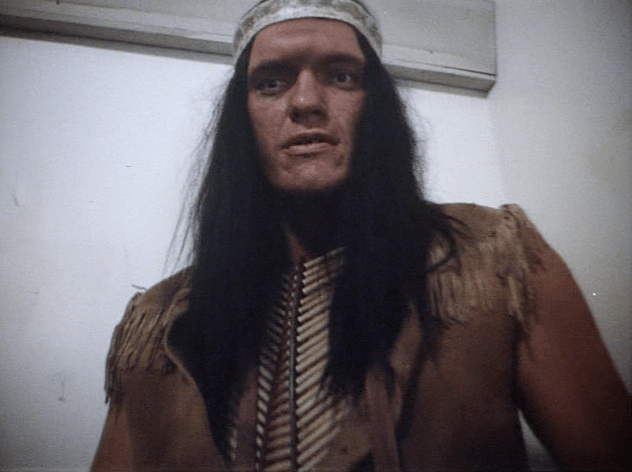
One was a tough but helpful construction boss and Native American shaman Jim Elkhorn (a marvelously warm and engaging performance by B-movie William Smith), who assists Kolchak in combating a powerful ancient Native American spirit called the Matchemonedo (This creature is based on a spirit from Potawatomi lore) that’s terrorizing a newly opened hospital built over its resting place. The other was Nurse Janis Eisen (the beautiful Elaine Giftos, whom I remember from Barney Miller). Both are quality characters, and you can sense their camaraderie.
It’s creepy, clever, and grounded in the struggle between progress and the past. Just another night in Chicago for the reporter who always finds trouble that no one will believe. He’s the only reporter who can connect Indian folklore, power surges, and modern construction mishaps into one believable headline, if only anyone believed him. One scene I really liked is when Kolcahk mentions Matchemonedo to his boss. He was smart enough this time not to explain this because Tony would never believe it. Instead, he said that Matchemondo was a Cuban fighter.
If you want to see where we are…HERE is a list of the episodes.
This one begins with Kolchak looking the worst I’ve seen him. He had just gone through something terrible, and we were about to find out. This episode blends Cajun folklore and good old-fashioned monster mayhem into one of the show’s best stories. This episode includes another actor whom I have always liked. Keenan Wynn starred in a lot of movies and television shows and was a wonderful character actor. In this episode, he plays Police Chief Joe ‘Mad Dog’ Siska, who is trying to stay calm…not easy around Kolchak. Chicago must have gone through many Chiefs of Police!
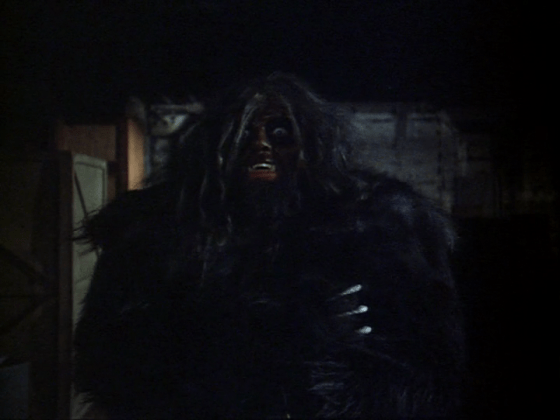
This time, Kolchak investigates a series of strange murders where the victims are covered in Spanish moss, crushed, and drowned far from any water. The culprit? The Père Malfait, a swamp monster from legend, a Cajun bayou boogeyman conjured up by an innocent street musician in a sleep study that takes away the ability to dream. People connected to the sleep subject (Don Mantooth) in unrelated ways are chosen as victims, so Kolchak will have to first discover who (or better, what) is killing them and figure out how to stop it.
The Père Malfait monster was played by Richard Kiel, who also played the Diablero the previous week in Bad Medicine. Producers liked him so much in both roles, they asked him to be available for a second season of the show. This one is highly thought of by The Night Stalker fans. I sound like a broken record, but again, this episode is smartly written and acted. Many times, McGavin would rewrite the scripts if he didn’t like them, and that happened a lot. He got no credit for that. That is probably the reason that no clunkers exist in this series. It also could have contributed to him asking out of his contract at the end of the season.
Kolchak starts digging, and, naturally, finds strange things. Kolchak’s journey in this episode takes him from sleep labs to recording studios, to morgues, to warehouses, snapping photos and ticking off cops the whole way. Watching Kolchak rant his way through bureaucracy and disbelief is golden. It’s folklore meets journalism, and in Kolchak’s world, that always makes for one hell of a story.
If you want to get ahead…here is NEXT WEEK’S Episode!
If you want to get ahead…here is NEXT WEEK’S Episode!
If you want to see where we are…HERE is a list of the episodes.
I am over halfway through this series, and I still haven’t run across a clunker. I see why IMDB has this series rated so high. This episode opens with a string of bizarre robberies where victims are found drained of life and valuables by what appears to be a high-society gentleman. The gentleman turns out to be something a lot less human and a lot more supernatural. The police think it’s a slick thief. Kolchak knows better; it’s a Manitou, a shape-shifting Native American spirit.
The newsroom scenes are pure entertainment, Kolchak clashing with Tony Vincenzo (Simon Oakland) as he tries to explain that an ancient spirit is behind the heists. This episode captures what made the show great: the contrast between Carl’s curiosity and everyone else’s refusal to believe anything beyond the police blotter. Kolchak is always two steps ahead of the next headline.
The evil spirit is played by Richard Kiel, yes, the same actor who would later be “Jaws” in the James Bond films, and the spirit is both eerie and tragic. He’s not your typical TV creature feature villain; there’s a sense of melancholy to his transformation, as he is trapped by his curse.
There is a chase through the hotel at the end, filled with dim lights and flickering shadows, that feels straight out of an old Universal horror flick. That’s not the first time I’ve said that about this series. Although it’s a seventies network series, they manage to keep an eerie feel to the show.
If you want to see where we are…HERE is a list of the episodes.
This episode stands out as one of the most polished and eerie episodes of Kolchak: The Night Stalker. It blended political ambition with supernatural horror in a way that worked. The episode follows Carl Kolchak (Darren McGavin), the Chicago reporter who never backs down from a strange lead, as he investigates a string of mysterious deaths, all linked to a political figure, Robert Palmer (played by a favorite actor of mine, Tom Skerritt). Palmer’s charm and clean-cut image make him the perfect candidate for office, except for one detail: he’s literally made a deal with the Devil.
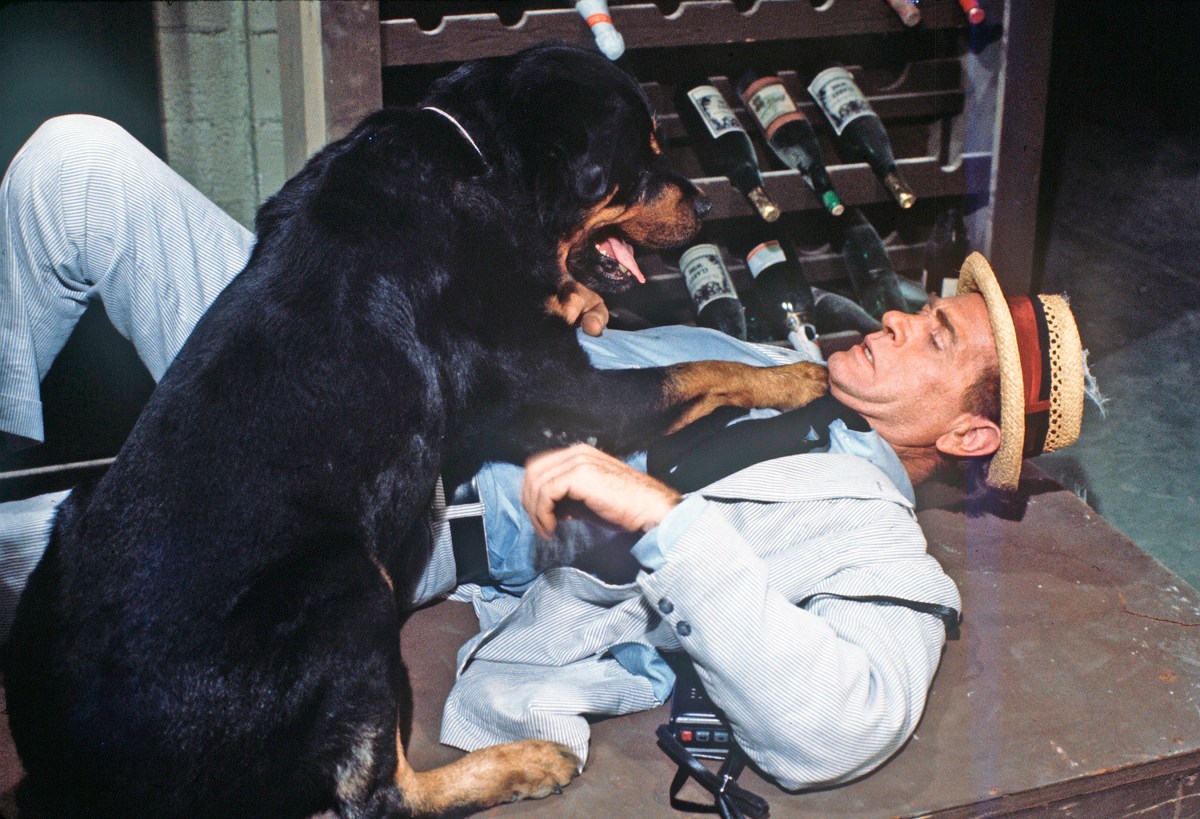
What makes this story memorable is how grounded it feels. The murders are bad enough, but the real horror comes from the suggestion that evil often hides behind respectability. Kolchak’s investigation takes him through a web of corruption and secrecy, from a reporter’s curiosity to outright disbelief that someone could strike a deal with the devil in modern Chicago. Yet as always, Kolchak’s sense for the bizarre proves right, and the evidence, mysterious paw prints, unexplained fires, and a black dog that appears and vanishes, points squarely toward the supernatural. The dog starts to follow Kolchack at the beginning. My guess is that this was influenced by The Exorcist, which was released a year earlier.
Skerritt plays Palmer as a man who seems almost too perfect, a slick politician whose every move is rehearsed. The scenes between McGavin and Skerritt are great, especially when Kolchak pushes too hard and Palmer’s mask slips just enough to reveal him. Tony Vincenzo (Kolchak’s boss) is more open in this one to Carl investigating this politician, although minus the he made a deal with the devil part. He is willing to go along with everything but that.
It remains one of Kolchak’s finest episodes so far, smartly written and unsettling. It captures everything that made the series unique. It’s a good commentary about power, ambition, and the price of selling one’s soul.
SPOILER
The climax, involving a showdown between Kolchak and Palmer, delivers both suspense and irony, as the Devil’s disciple realizes that even dark deals have expiration dates.
One line I loved, Kolchak’s boss, Tony Vincenzo, and Kolchak were arguing about Carl’s suit and hat. Kolchak asked him what bothered him so much about his hat? Vincenzo’s reply was classic: “What’s under it.”
***I have the next Kolchak written up, but I didn’t want to post two television shows in one day, so I’m going to go over the entire season of Star Trek Continues with this post, and I’ve scheduled Kolchak for next Friday! Sorry for the interruption. *** BTW… the link to next week’s episode is THIS.
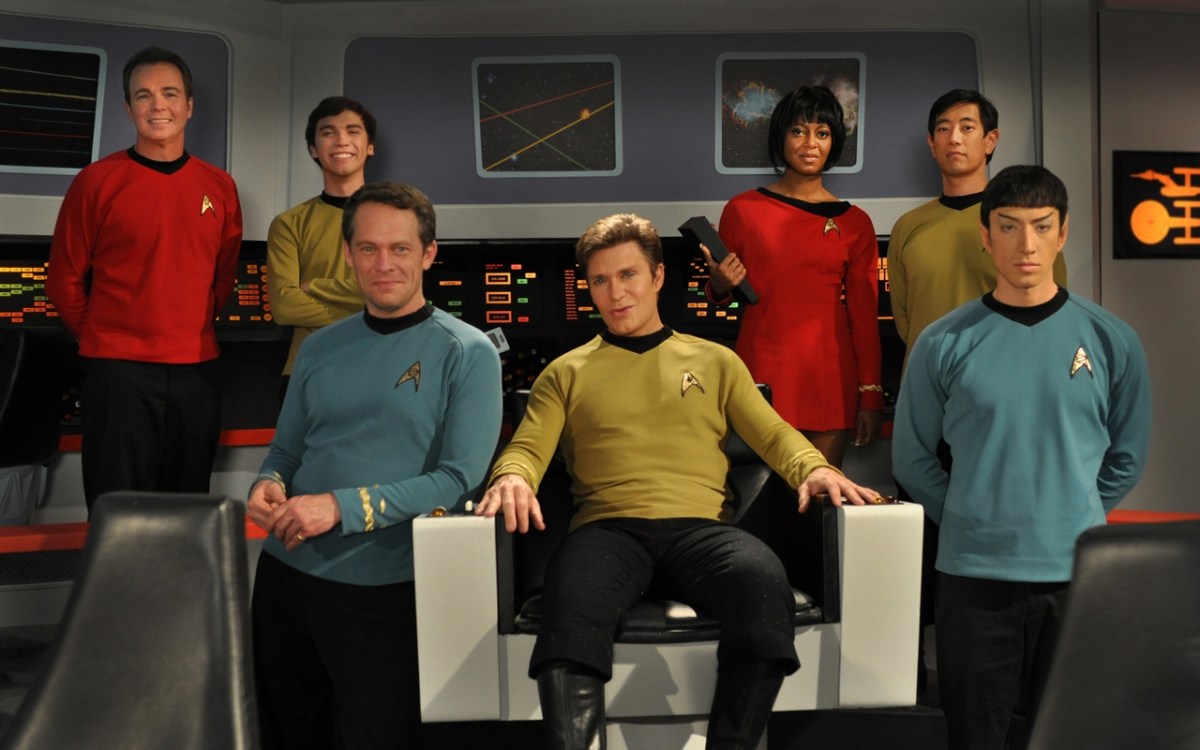
I can’t tell you how excited I was when I found this 11-episode Star Trek a few years ago. It’s called Star Trek Continues, and it’s so well done! That link gives you ALL the episodes on YouTube. I added an episode at the bottom so you can check out the look of this. The only non-consistent thing is…much like the original (another doctor in the pilot), one actor plays Dr. McCoy in the first two episodes and another (a better one) plays him in the rest of the series. The same characters: Spock, Captain Kirk, Dr. McCoy, Scotty, Sulu, Chekov, and Uhura. It’s as if they went back in time and took over the sets while the original stars were on break, then filmed this show.
When I did the Star Trek series, going over every episode, I meant to write this one up, but never did. This series was made between 2013 and 2017. They were professionally made but fan-made. When I say “fan-made,” what I mean is a Kickstarter drive with professional actors who are huge fans. They got it down almost perfectly. Good writing and a talented cast to bring the original characters to life. It’s such a labor of love with these Star Trek-obsessed actors. They went to great lengths to recreate the original atmosphere. The space scenes even look like the remastered original series.
This is not a “Star Trek: The Next Generation”; it’s a copy of the original with new stories. They have the lighting, look, feel, and everything pretty much on target. This show only has 11 episodes total. Some shows are continuations of the original shows. It was a 5-year mission, but the original series only got 3 years. So this picks up in the 4th year and goes through the 5th and even sets up the first movie, Star Trek: The Motion Picture.
When I watch Star Trek TOS and get through every episode, I wish there was more… then I found this. They have some guest stars from the original series, and Chris Doohan, son of Scotty (James Doohan), plays Scotty, and the rest of the cast is really good. The only one that is hard to get is Todd Haberkorn, who played Spock. That is probably the hardest role you could get, but he does make it work. I don’t think he got Leonard Nimoy’s toughness as much.
All of these were released straight on YouTube when made. If you like the original series and wish they had made more…this is for you. Rod Roddenberry, son of Gene Roddenberry, said the show was superb and should be in the canon.
Some of these episodes are great, especially the two-part ending. You do get one character that was made up just for this. That would be the ship’s counselor, Michele Specht, as Dr. Elise McKennah. They do explain in the last show why she isn’t in the movies.
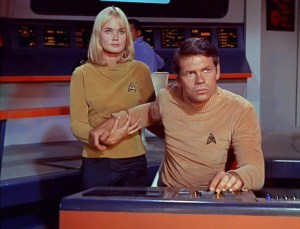
You also get a character named “Smith” played by Kipleigh Brown, which I think is super cool. The reason is there WAS a “Smith” in the original episode Where No Man Has Gone Before. She only had one line, but they used her in this series. She ties into the two-parter conclusion because of what happened in that original episode. This was brilliant to me. Getting a basically unknown character and making a story around her.
The original Barbara Smith is holding hands with Marshall in that episode.
The new Barbara Smith…same character
Pilgrim of Eternity: A direct sequel to the TOS episode “Who Mourns for Adonais?”, featuring the return of the character Apollo. Michael Forest played Apollo in the original AND in this one.
Lolani: Inspired by the portrayal of Orion slave girls (Green is my favorite color!) in the original series. Lou Ferrigno makes an appearance and is GREEN again.
Fairest of Them All: A continuation of the Mirror Universe, picking up from the events of “Mirror, Mirror“.
The White Iris: A head trip for Kirk that deals with the fates of women he met on previous missions, such as Rayna from “The Ultimate Computer” and Miramanee from “The Savage Curtain” and more women that Kirk was involved with. Even the Joan Collins character (Edith Keeler) from The City On The Edge Of Forever.
Divided We Stand: Kirk and McCoy are trapped in an incident from the American Civil War, inspired by the time travel episode “Tomorrow Is Yesterday“.
Come Not Between the Dragons: The Enterprise is threatened by a pursuing alien creature.
Embracing the Winds: Kirk is recalled to a starbase to face an ethical dilemma.
Still Treads the Shadow: The Enterprise discovers a lost starship and an unlikely passenger.
What Ships Are For: Kirk struggles to aid a society with a unique view of their world.
To Boldly Go, Part I: The Enterprise returns to the starting point of Kirk’s five-year mission. These last two episodes go back to Where No Man Has Gone Before.
To Boldly Go, Part II: The series finale concludes Kirk’s mission with a final battle. This episode takes you up to the movies.
Primary Cast Vic Mignogna as Captain James T. Kirk Todd Haberkorn as Mr. Spock Larry Nemecek as Dr. McCoy (Episodes 1 & 2) Chuck Huber as Dr. McCoy (Vignettes & Episodes 3-11) Chris Doohan as Mr. Scott Grant Imahara as Mr. Sulu Kim Stinger as Lt. Uhura Wyatt Lenhart as Ensign (Later Lt.j.g.) Pavel Chekov Michele Specht as Dr. Elise McKennah, ship’s Counselor Recurring Cast Steven Dengler as Lt. William C. Drake, Security chief Kipleigh Brown as Lt.j.g. Barbara Smith, relief Conn officer (formerly Ship’s Yeoman) Cat Roberts as Lt. Elizabeth Palmer, relief Communications officer Martin Bradford as Dr. Jabilo G. M’Benga, relief Medical officer/Vulcan specialist Reuben Langdon as Lt. Kubaro Dickerson, Security officer Liz Wagner as Ensign Lia Burke, nurse Marina Sirtis as ship’s Computer voice Amy Rydell as Romulan Commander
If you want to see where we are…HERE is a list of the episodes.
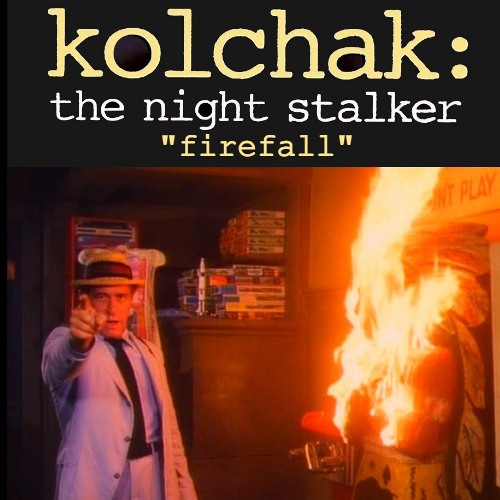
This episode brought to mind the Twilight Zone episode, Mirror Image. A much more deadly version, though. The noir type of narration helps in this one because of the unusual story. Kolchak gets more involved in this one than most… he is in the center of it.
This one has a very different storyline from the others so far. By the time Kolchak: The Night Stalker aired this episode, the series had already established itself as a mix of noir and dark humor. This episode presents one of the show’s more psychologically complex stories. Instead of a vampire, werewolf, or zombie, this one focuses on a ghost-like “doppelganger,” a mysterious double that stalks its victim until it kills him. The result is a haunting-filled hour that shows just how flexible the Kolchak format could be.
The story begins when Kolchak investigates a series of spontaneous combustions connected to a famous symphony conductor, Ryder Bond. People around Bond are dying in fiery, unexplained accidents, and Kolchak quickly suspects something supernatural. But this isn’t your standard ghost story. What sets this one apart is its odd concept: a ghostly twin, born out of a near-death experience, who appears whenever the conductor falls asleep, a sleeping phantom trying to take his place in the world.
Director Don Weis uses shadows, flickering lights, and slow zooms to heighten the tension. Also, he makes the Chicago nights look especially moody here. Darren McGavin’s performance is typically sharp; his Kolchak is funny yet genuinely frightened. He balances humor with desperation as he realizes he’s chasing something that can’t be photographed or fought. The episode also benefits from a solid supporting cast, including Fred Beir as Bond and Madlyn Rhue as his wife.
It stands out more than the Alien episode because it dives heavily into psychological horror rather than pure monster-of-the-week thrills. It’s about the fear of losing yourself and being replaced by something that looks like you but isn’t. For a 1970s network TV show, that’s surprisingly territory. While it doesn’t have the flashy monster effects of “The Werewolf” or “The Zombie,” it lingers in your mind long after it’s over.
If you want to see where we are…HERE is a list of the episodes.
I’m loving going through these episodes. Like the X-Files, this show has a monster and humor. Sometimes serious and sometimes camp. There is something for everyone. With Star Trek and Twilight Zone, I tried to hide what the monster or whatever was, but with the titles to this series, not much cause for that.
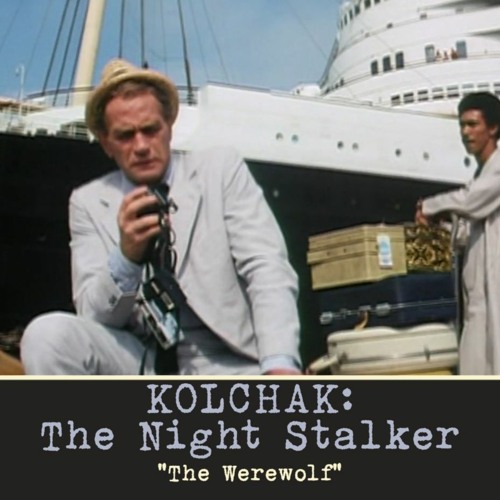
This is one of the great atmospheric episodes in the series. This time, our ever-skeptical reporter Carl Kolchak (played with perfect disheveled energy by Darren McGavin) finds himself aboard a cruise ship bound for New York, covering what should have been a puff piece about fun on the high seas. Naturally, things go sideways when passengers start turning up brutally mauled, and the only clues are shredded clothing and what look like animal bites. Kolchak’s sense for the bizarre kicks in, and soon he suspects that a werewolf might be loose on the ship, a premise that turns an already claustrophobic voyage into pure nightmare.
The episode cleverly uses its limited setting to heighten suspense. The cruise ship’s narrow hallways and locked cabins create a sense of entrapment — there’s nowhere to run when the full moon rises. The story also dips into old-school monster-movie tradition: silver bullets, cursed bites, and the doomed man who becomes the beast. The makeup effects, while modest by today’s standards, deliver a creepy punch, a classic, snarling wolf-man straight out of a Universal horror movie. Kolchak, armed only with his typewriter wit and some makeshift silver, must find a way to stop the creature before the ship reaches port.
This episode is a good example of the show’s formula: horror meets journalism, with humor and cynicism woven through. The episode’s director, Allen Baron, keeps the pacing tight, and the contrast between McGavin’s wisecracking performance and the grim killings maintains that strange Kolchak balance between camp and dread. It also helped solidify the series’s reputation for finding horror in everyday or unexpected places, in this case, a pleasure cruise turned into a deathtrap.
This episode feels like a monster-of-the-week done with a touch of humor and melancholy. This one has the feel of a late-night drive-in flick, half spooky and half funny, and it remains a fan favorite…per IMDB. Two standout guest stars were Nita Talbot as Kolchak’s cohort, Paula Griffin. She was no one’s fool and quite a match for Kolchak. Also, Eric Braeden as Bernhardt Stieglitz who plays the title role of the show.
The FULL EPISODE! The reason I don’t embed the video is that Dailymotion just keeps playing every time you pull up my site. It gets on your nerves and mine as well.
If you want to see where we are…HERE is a list of the episodes.
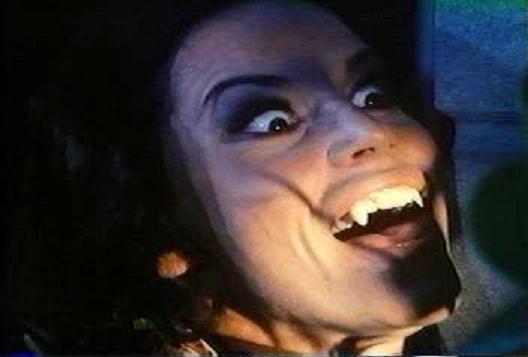
This show acted as a direct sequel to the original TV movie The Night Stalker. It’s a really good episode! This story has Kolchak chasing down Janos Skorzeny’s (the original vampire in the movie) “offspring,” a female vampire who rises in Los Angeles after a series of mysterious murders. Where the original movie thrived on Darren McGavin’s tense battles with a powerful vampire in Las Vegas, this time Kolchak is once again the only man connecting the dots as bodies begin piling up with familiar fang marks and drained blood.
We can always rely on Carl Kolchak to stubbornly pursue the strange stories even when under orders to pursue something decidedly more mundane. Carl is sent to Los Angeles to interview a young guru and instead becomes intrigued by a series of killings involving the draining of blood, first told to him by an old acquaintance named “Swede” (guest star Larry Storch). Kolchak is once again quick to jump to the most extravagant conclusion, and of course, he’s right: the culprit is a sexy female vampire unearthed from her slumber by a highway crew outside Las Vegas.
The climax is classic Kolchak. Armed with a cross, hammer, and stake, he hunts the vampire into her lair beneath the city. The episode builds tension with along the way with lighting, camera work, and McGavin’s energy as he fends off a supernatural predator. Unlike many horror shows of the era that shied away from violence, Kolchak goes into the dread of facing a creature of legend. The confrontation with the vampire feels unsettling, reminding viewers that Kolchak isn’t a superhero; he’s just a reporter willing to risk his life for the truth.
Watching McGavin shuffle around Los Angeles in his seersucker suit, trying to convince hardened cops that a vampire is on the loose, is both hilarious and chilling. For me, this one stands out because it proves Kolchak never gets an easy win, and he doesn’t even get peace of mind. But what he does get is the truth, and he’ll drive a stake through anything, or anyone, that tries to bury it.
The change of setting also works well for the episode, allowing Kolchak to comment on the nature of L.A. and demonstrating some ingenuity in the end when it comes to dispatching his unearthly foe; there’s some good imagery there.
If you want to see where we are…HERE is a list of the episodes.
I’m really liking this series. It’s a shame it only lasted 1 season, but I can see why. It was so different for the time.
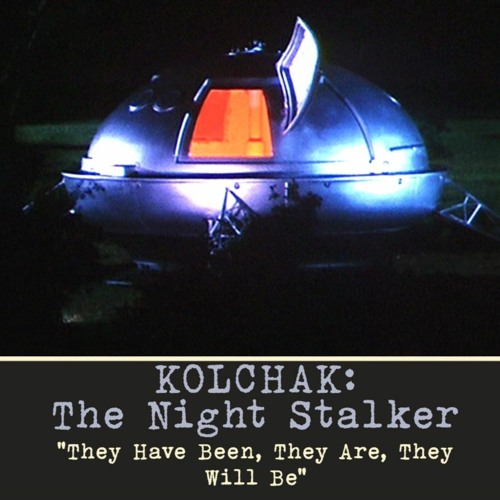
This episode isn’t as cut and dry as the others so far. Unlike the zombie, vampire, or werewolf stories that had clear monster traditions, here the writers took a sharp turn into sci-fi, giving us a story about mysterious cattle mutilations, vanishing zoo animals, and an unseen extraterrestrial presence wandering through Chicago. I have said before how this show influenced the X-Files, none more than this episode.
The episode begins with odd reports: animals in the zoo are vanishing, bones are found curiously stripped clean, and a trail of strange electromagnetic interference follows the incidents. Naturally, Carl Kolchak, with his nose for weird stories, senses a huge story. His digging leads him to discover that the culprit may not be human at all.
As always, Kolchak’s determined spirit and undeterred methods make for the typical conflict with authorities, but in this one, that conflict is much more subdued and believable as the police bosses are as much in the dark as he, and prone to benefit from what Kolchak learns on his own.
Written by Dennis Clark and directed by Allen Baron, the episode was praised for its eerie, almost minimalist approach. The producers intentionally avoided showing the alien much, knowing that the limited 1970s TV budget would probably betray the effect. In other words, they didn’t make the same mistake that Star Trek would make at times. The choice worked in their favor; what we don’t see is far scarier.
A funny subplot, as the hometown Cubs are battling the Boston Red Sox in the World Series (both would have to wait decades to end their respective droughts). Darren McGavin later cited this as one of his favorite episodes because it strayed from the usual monster formula and went for something more mysterious and unsettling.
If you want to see where we are…HERE is a list of the episodes.
This episode was written by David Chase, yes, the same David Chase who would go on to create The Sopranos; the script is one of the tightest of the entire run. You can already see Chase’s fascination with mobsters, moral issues, and revenge from beyond the grave.
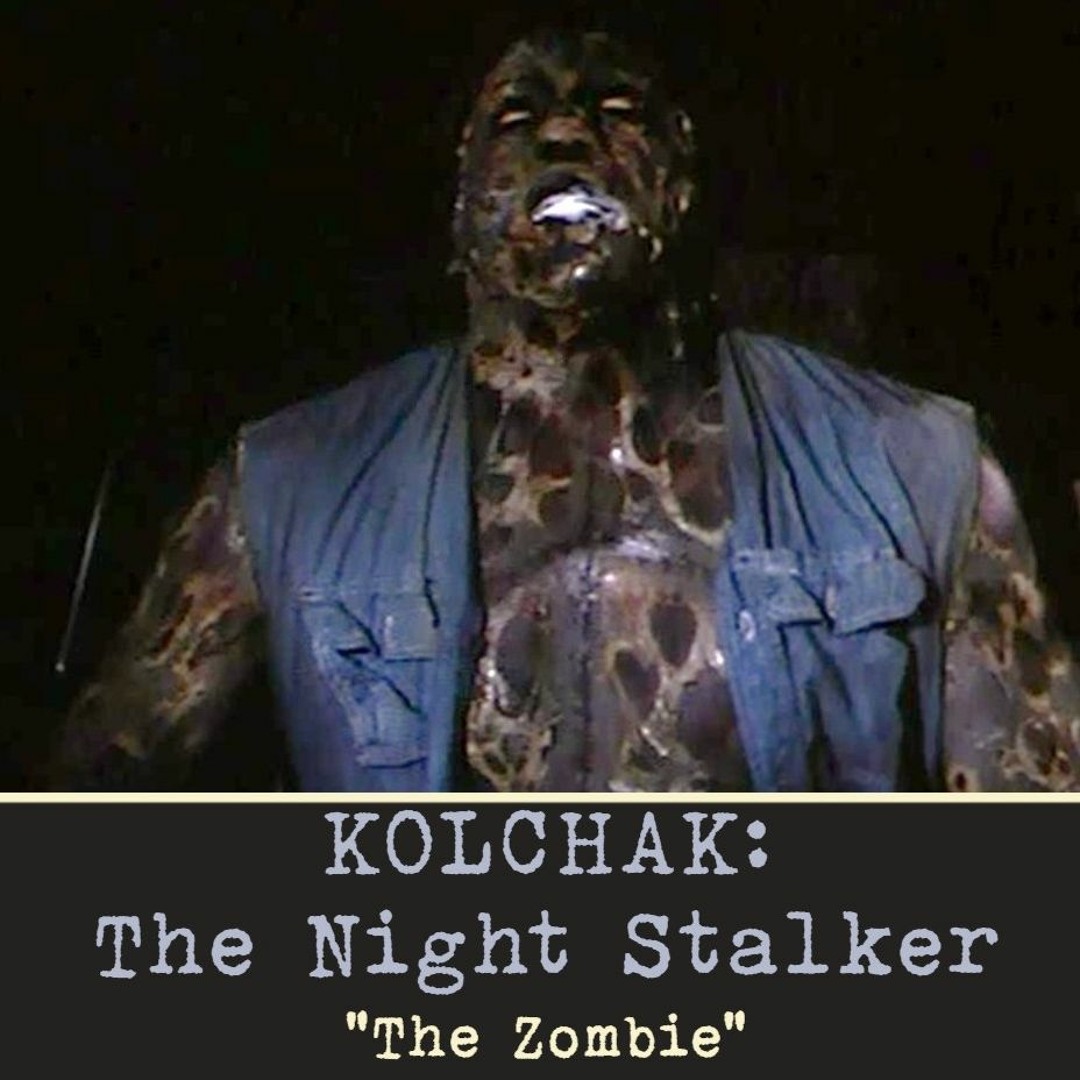
In the first two movies and the first episode, we have been visiting different cities in each one. This time, it opens with a string of mob-related murders and he is still in Chicago. At first, the killings look like standard gangland executions, but Kolchak quickly uncovers that something darker is at play: the mob has wronged a Haitian family, and in retaliation, a dead man has been raised from the grave to exact revenge.
This episode leans more on pure horror than the others. Where the pilot movies (The Night Stalker and The Night Strangler) established Kolchak’s mix of noir and horror, The Zombie proved the series could have frights. The scenes of the zombie slowly rising in the mortuary are classic TV horror, low budget, yes, but brilliantly lit and paced.
When this was aired, blaxploitation movies were all the rage, and this does borrow some from them. One actor in this one was Antonio Fargas, who would later become widely known to television audiences as restaurant owner and informant Huggy Bear on Starsky & Hutch.
In a comedy subplot, Vincenzo wants Kolchak to show an executive’s niece from New York the ropes of journalism. Little does she know that it will involve seeing the mangled corpses of mob enforcers lying in the street. This was creepy, moody, and more disturbing than network TV usually allowed in the mid-1970s. A must-watch for fans of horror television.
Well, I had found a full episode of this one, but they took it down. Most of them I will be able to supply, but I struck out on this one. If any of you find it, please tell me.
Here is a video of someone talking about the show, but it plays a lot of the show. I would put my version here, but I know I would violate some copyright.
To view our current progress, click here for a list of episodes.
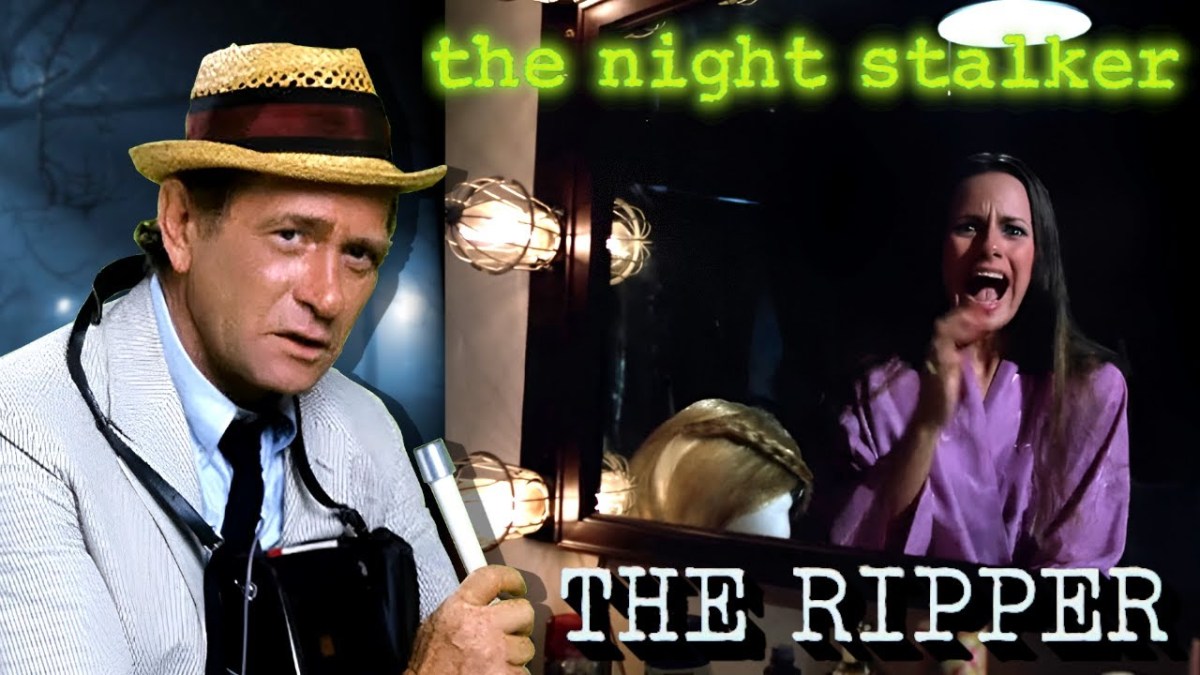
What better way to kick this series off than by dragging one of history’s most infamous villains out of the fog and dropping him right in 1970s Chicago? The pilot episode, The Ripper, set the tone for the whole series: a mix of supernatural, dark humor, and the persistence of Mr. Carl Kolchak.
Carl Kolchak, now in Chicago working for INS (International News Service) with his old boss Tony Vincenzo (Simon Oakland), is still involved in supernatural cases. This first episode deals with a rash of murders that have all the trademarks of the London murderer, Jack the Ripper. It has to be a copycat killer, right? Don’t ever count anything out in this series.
The direction and atmosphere are strong here, with nighttime chases through shadowy alleys, and grim murders are more suggestion rather than gore. It’s shot in a way that feels both television-tight and surprisingly cinematic; it shows how much the show did with a limited budget. The Ripper character himself is handled with restraint, making him scarier: he’s often seen in fleeting glimpses, an unstoppable figure who seems both human and otherworldly.
This is one of the best examples of why this show became such a cult classic. It combines a timeless horror with Kolchak’s pursuit of the truth, all wrapped in that 1970s mix of camp and creepiness. That’s the thing about this show: it can be very creepy. While some of the effects may feel dated today, it still works; the suspense and Darren McGavin’s performance more than carry it. For fans of horror television, this episode remains a must-watch, a great marriage of folklore and late-night chills.
*Sorry, I’m late on this post, but work was chaotic this week and looks to be for a while. So, I’ll probably do this post on Fridays instead. I’m sorry about changing it mid-stream, but Fridays will be the best day.
The entire episode is in the link below. It’s on Daily Motion, and if I embed it, it plays automatically and will drive people crazy when they open their browser.
I wanted to post this first before I start posting the movies and television shows starting on Thursday, September 4. This is to provide a little history to the two movies and the twenty episodes of the television series. The reviews for the movies are going to be a little longer than the TV episode reviews. I’ll try to keep those brief.
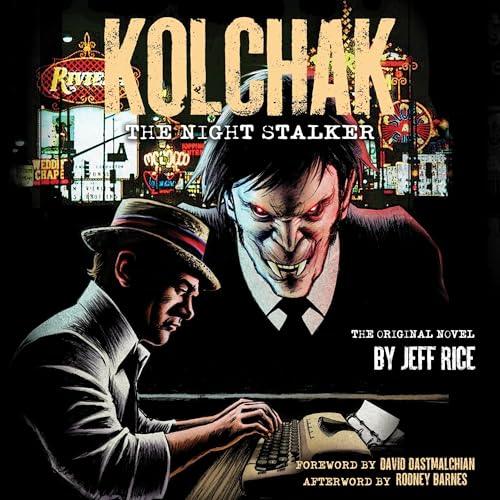
It all started with a writer named Jeff Rice, who in 1970 finished a novel called The Kolchak Papers. It told the story of a wisecracking reporter investigating a string of murders in Las Vegas, murders that turned out to be the work of a real vampire. Networks weren’t sure what to do with it; horror on TV wasn’t exactly safe material at the time. But producer Dan Curtis (of Dark Shadows) saw the potential, and ABC bit and ran with it.
Richard Matheson, the legendary writer behind I Am Legend and many Twilight Zone episodes, was brought in to adapt Rice’s manuscript into a teleplay. He smoothed over some of Rice’s rough edges and made some tight structure and sharp dialogue changes. And Darren McGavin, already a seasoned character actor, was cast as Carl Kolchak.
The result was The Night Stalker, a TV movie that aired in January 1972. It pulled in a staggering 33.2 rating and a 48 share, at the time, the highest-rated TV movie ever, beating out 1971’s Brian’s Song. Viewers were glued to the sight of a driven reporter chasing a vampire through neon-lit Vegas while the cops were pummeled by this thing. It was funny, scary, and unique.
With ratings like that, ABC wanted more. In 1973 came The Night Strangler, also penned by Matheson and directed by Curtis. This time, Kolchak was in Seattle chasing an immortal doctor who needed to kill every 21 years to survive. It wasn’t as tight as the first, but it gave McGavin more space to talk and cemented Kolchak’s character. Once again, the audience tuned in big numbers. A third TV movie was planned, The Night Killers, involving androids in Hawaii, but ABC passed. They wanted a full series.
In 1974, Kolchak: The Night Stalker hit ABC’s Friday night lineup. Each week, Kolchak stumbled into another supernatural situation: werewolves on a cruise ship, a lizard monster in the sewers, a headless motorcyclist, an Aztec mummy, aliens, you name it. It was part horror, part comedy, part newsroom. The production values weren’t up to movie standards, but McGavin’s energy sold it. He made Kolchak more than just a reporter; he was a lovable pest who wouldn’t stop until he uncovered the truth.
It has since developed a huge cult following. Without this show, we may not get the X-Files and many shows to follow.
Next week I’ll feature The Night Stalker TV movie in 1972.
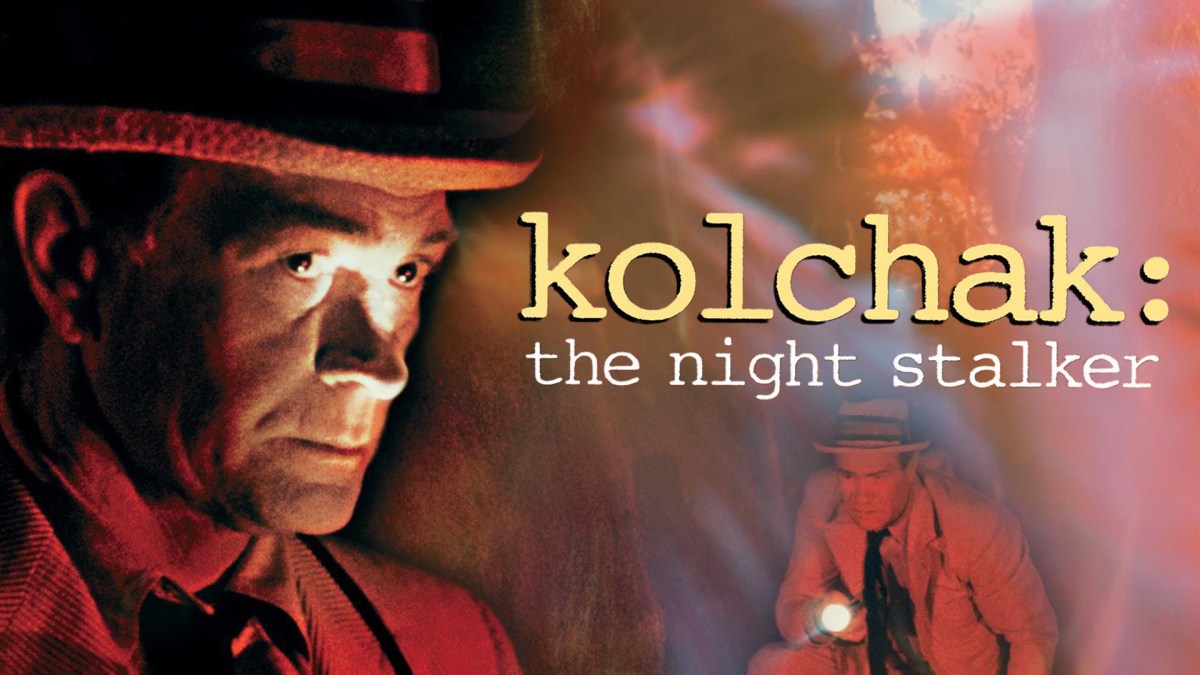
I guess this is like a trailer or a commercial for coming attractions. I’m going to tackle this series in a few weeks, with each episode getting a post. There are only 20 episodes plus two movies, so this won’t be a year and a half of The Twilight Zone or Star Trek like I did a few years back. I hope some of you readers are fans. It was totally different for its time and really for now. We will follow Carl Kolchak (Darren McGavin) as he chases monsters in the seventies.
Music posts will not be interrupted…this will be on Thursday, and I may sneak one in earlier in the week if possible. I hope you will enjoy it. I’m going to write up a few before I start posting. Also, Thanks to Lisa, who brought up this series when I told her I was watching The Night Gallery. I have watched this series over the years, but I don’t know the episodes as well as I do The Twilight Zone and Star Trek, so this will be a fun learning experience for me. I had watched The Twilight Zone and Star Trek so much that I didn’t need to research many of them when I covered their episodes.
I hope you will enjoy them. I will start them sometime in September. Also, I think most of the episodes are on YouTube.
Here is a fan-made trailer of the TV movie that spawned the show.
Many of the reboots of the Twilight Zone in the 80s were weak, but there were a few that hit the mark. The one I remembered the most is this one. An eight-minute episode of Ron Harris (Barney Miller) and Sherman Hemsley (The Jeffersons). It’s quick and straight to the point, and I thought written and acted brilliantly. The perfect task to send the devil on.
Thanks, Keith, for hosting this and coming up with this great idea! Today, we go back to Saturday mornings. This was when we sat in front of the TV with our favorite cereal and watched hours of cartoons. So I asked my guests to write about their favorite cartoon or cartoon character growing up.
When I was growing up, we kids had two prime times for cartoons. Saturday mornings were our Super Bowl, packed with classics from Warner Bros. and Hanna-Barbera. Even Land of the Lost—though live-action—was a can’t-miss favorite. But not all the best cartoons aired on Saturdays. Every weekday morning, from 6 to 7 a.m. before school, we had another dose of animated fun, with shows like Rocky and Bullwinkle and Courageous Cat and Minute Mouse keeping us entertained.
Underdog debuted October 3, 1964, on the NBC network under the primary sponsorship of General Mills, and continued in syndication until 1973 (although production of new episodes ceased in 1967, for a run of 124 episodes.
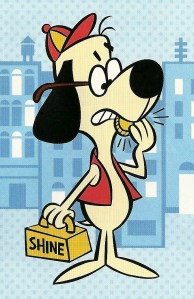
Underdog’s secret identity was Shoeshine Boy. He was in love with Sweet Polly Purebred, who was a news reporter. I would watch this cartoon before going to school in 1st and 2nd grade. Underdog would use his secret ring to conceal pills that he would take when he needed energy. NBC soon put an end to that.
For many years, starting with NBC’s last run in the mid-1970s, all references to Underdog swallowing his super energy pill were censored, most likely out of fear that kids would see medication that looked like the Underdog pills (red with a white “U”) and swallow them. Two instances that did not actually show Underdog swallowing the pills remained in the show. In one, he drops pills into water supplies; in the other, his ring is damaged, and he explains that it is where he keeps the pill—but the part where he actually swallows it was still deleted.
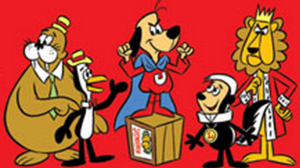
The shows introduced such characters as King Leonardo, Tennessee Tuxedo, Commander McBragg, Klondike Kat, and more. Underdog was voiced by Wally Cox. Underdog always talked in rhyme and I’m a sucker for that in this and Dr Seuss. Two of the villains every week were Simon Bar Sinister and Riff Raff.
W. Watts Biggers teamed with Chet Stover, Treadwell D. Covington, and artist Joe Harris in the creation of television cartoon shows to sell breakfast cereals for General Mills. The shows introduced such characters as King Leonardo, Tennessee Tuxedo, and Underdog. Biggers and Stover contributed both scripts and songs to the series.
When Underdog became a success, Biggers and his partners left Dancer Fitzgerald Sample to form their own company, Total Television, with animation produced at Gamma Studios in Mexico. In 1969, Total Television folded when General Mills dropped out as the primary sponsor (but continued to retain the rights to the series until 1995; however, they still own TV distribution rights.
Underdog became a pop culture icon, with reruns airing for decades. The character was featured in toys, comics, and even a 2007 live-action film starring Jason Lee as the voice of Underdog. The theme song remains one of the most recognizable in cartoon history.







 PowerPop... An Eclectic Collection of Pop Culture