Ya’ know, their turnin’ on in the classroom ain’t the point. It’s when you’re missin’ out teacher teach ya’ how to roll a joint.
I’ve pulled the album out and I’ll type the liner notes on this song… Mighty Like A Rose:
“Remember Brown Eyed Girl? (It’s not here) Well it’s father, Mighty Like a Rose is one elegant slice of raunch and it’s here in spades. It’s a simmering summer song about a nympha and her sugar cubes. “
This song was not a B side… it was never released when the band was together. I first heard it when I bought an old import album called Them Featuring Van Morrison – Backtrackin’ that was released in 1974. I found it in a cutout bin in the mid 80s.
It has the sound of Brown Eyed Girl. Van Morrison has said that this was just a demo…not a finished song but it sounds really good. It does predate Brown Eyed Girl…after he left Them he recorded for Bert Burns and released Brown Eyed Girl.
Them was a very good sixties band. Some of their songs were Stones like…in many cases a little tougher and raunchier…and I mean that in a good way. Mighty Like A Rose is one of my favorite Them songs.
I doubt the song would have passed the censors back then…it probably would have been blacklisted immediately.
Mighty Like A Rose
You have drowned a thousand sorrows all in one, and mixed with mugs, (?) and millionaires you have done. Ya’ been and gone and done it for a quid, and just what you don’t know, up there you got hid.
Lord, you’re only fourteen summers and God knows, yeah, child, you’re gettin’ mighty like a rose.
You got pulled (?) for tryin’ to straighten up this town, and looked bashful bribin’ old, bent Barrister Brown.
Ya’ know, their turnin’ on in the classroom ain’t the point. It’s when you’re missin’ out teacher teach ya’ how to roll a joint.
Lord, hey, while you’re down there lookin’ up my nose, yeah, child you’re gettin’ mighty like a rose.
Next time they try to fire me, ya’ make the scene. You’re gettin’ sugar cubes for breakfast. Ya’ know what I mean.
And the, the hazard old, (?) the wind blows through you’ ears. Ya’ haven’t got enough of those what ya’ haven’t got for years.
Yeah, but never mind steppin’ on my toes. Yeah, child, you’re gettin’ mighty like a rose.
Yeah, hey, hey, you’re mighty like a rose. Uh-huh, aww, aww, aww, aww, aww, aww, mmm-mm, mmm-mm, mmm-mm, mmm-mm…
This song made me look for a sitar to buy for a time…unfortunately I never could find one in Nashville at the time. You just don’t see them hanging up in pawn shops.
This was the first pop song to use a sitar…George Harrison played it. Harrison was new to the sitar and attempted many takes until it was right. He bought a cheap sitar and and taught himself to play. Later on Harrison studied the instrument with the Indian musician Ravi Shankar, who helped Harrison explore Eastern music and religion.
The song was on the Rubber Soul album released in 1965. The album peaked at #1 in the Billboard Album Charts, Canada, and the UK. The song was not released as a single in America.
John Lennon:“I was trying to write about an affair without letting my wife know I was having one. I was sort of writing from my experiences – girl’s flats, things like that. I was very careful and paranoid because I didn’t want my wife, Cyn, to know that there really was something going on outside of the household. I’d always had some kind of affairs going on, so I was trying to be sophisticated in writing about an affair, but in such a smoke-screen way that you couldn’t tell. But I can’t remember any specific woman it had to do with.”
John Lennon:“I think it was at the studio. George had just got the sitar and I said ‘Could you play this piece?’ We went through many different sort of versions of the song, it was never right and I was getting very angry about it, it wasn’t coming out like I said. They said, ‘Well just do it how you want to do it’ and I said, ‘Well I just want to do it like this.’ They let me go and I did the guitar very loudly into the mike and sang it at the same time and then George had the sitar and I asked him could he play the piece that I’d written, you know, dee diddley dee diddley dee, that bit, and he was not sure whether he could play it yet because he hadn’t done much on the sitar but he was willing to have a go, as is his wont, and he learned the bit and dubbed it on after. I think we did it in sections.”
From Songfacts
There are not many lyrics in this song, but they tell the story of a man who gets invited to a girl’s house. When she won’t let him into her bed, he sleeps in the tub. When she leaves the next morning, he sets the place on fire. It was one of the first songs Lennon wrote that told a complete story.
Norwegian Wood is a fake wood that was used to make cheap furniture. John Lennon claimed he had no idea where the title came from, but Paul McCartney said he came up with it, inspired by the Norwegian Wood in the Asher household, where he was staying. McCartney was dating Jane Asher, and was good friends with her brother, Peter Asher from the duo Peter & Gordon.
The Beatles recorded this on October 12, 1965, the first day of the Rubber Soul sessions. The first take of the song, which is included on the Anthology 2 CD and includes George’s sitar much more prominently, was originally going to be put on Rubber Soul until a remake was made a week or two later. The notes in the Anthology 2 album verify this.
Ringo played the finger cymbals on this track.
Bob Dylan wrote a parody of sorts to this song called “Fourth Time Around,” which appears on his 1966 album Blonde On Blonde. His song uses a similar melody; it also tells a story about a strange encounter with a girl.
It was Paul McCartney who came up with the album title Rubber Soul. Lennon told Rolling Stone that he supposed it was a pun meaning English Soul. He added: “There is no great mysterious meaning behind all of this, it was just four boys working out what to call a new album.”
Some of the many artists to cover this song include José Feliciano, Herbie Hancock and Buddy Rich. The mellow rap group P.M. Dawn also did a version on their 1993 The Bliss Album, and Cornershop covered it on their 1997 album When I Was Born for the 7th Time – the one with their #1 UK hit “Brimful Of Asha.”
Norwegian Wood
I once had a girl Or should I say she once had me She showed me her room Isn’t it good Norwegian wood?
She asked me to stay And she told me to sit anywhere So I looked around And I noticed there wasn’t a chair
I sat on a rug biding my time Drinking her wine We talked until two and then she said “It’s time for bed”
She told me she worked In the morning and started to laugh I told her I didn’t And crawled off to sleep in the bath
And when I awoke I was alone This bird had flown So I lit a fire Isn’t it good Norwegian wood?
This band keeps popping back up in my playlist. Lately in power pop I’ve been listening to Sloan and The Clarks. They complement each other well.
This is a local band out of Pittsburgh that formed in the mid 80s at Indiana University of Pennsylvania where most of them were enrolled. They started out as a cover band and soon began playing original songs.
The song was on Let It Go, the fifth studio album by The Clarks, released on June 20, 2000. The album outsold many major national releases in the Pittsburgh area and generated huge local radio hits.
The band still has all of the original members and are going strong.
Better Off Without You
You are sultry, dirty, soft and hard You are close to me and you’re so far And I’m thinking of the time we spent together Now I’ll bury this in my backyard Sometimes I sit and wonder But I’ll never dial your number ’cause
I’m having fun looking out for number one And I’m doing all the things I like to do I’m having fun ’cause I knew it all along I’d be better off without you
You are guilty, pretty, high and low You’re a place to stay and a time to go And I’m searching through the things you left behind here Now it’s time for me to let it go Sometimes I sit and wonder But I’ll never dial that number ’cause
I’m having fun looking out for number one And I’m doing all the things I like to do I’m having fun ’cause I knew it all along I’d be better off without you
Late at night you pick up the telephone Call me up and cry ’cause you’re all alone I don’t care Apologize for taking my cigarettes Now it’s time to feel all the side effects Missing the life you had
I love the sound of those earlier ZZ Top recordings.
I Thank You was a hit for Sam and Dave in 1968 and it peaked at #4 in the Billboard 100…It was also a hit for ZZ Top
Sam and Dave released this song on January 8, 1968. Stax would soon go through various business problems and their sound fell out of favor. “I Thank You” was the last big hit for Sam & Dave…none of their subsequent releases made the US Top 40.
This song was written and produced by the Stax Record Isaac Hayes and David Porter, who were Sam & Dave’s main songwriters.
ZZ Top decided to do the song when they found themselves recording at Ardent Studios in Memphis. Billy Gibbons had heard the song on his car radio and mentioned it. Turns out, the very same clavinet Isaac Hayes played on the original recording was in the studio, so they decided to give it a go.
ZZ Top covered this song on their 1979 album Deguello. Released as a single, it peaked to #34 in the Billboard 100 in 1980.
I Thank You
You didn’t have to love me like you did But you did, but you did. And I thank you. You didn’t have to love me like you did But you did, but you did. And I thank you. But you took your love to someone else I wouldn’t know what it meant to be loved to death
You made me feel like I’ve never felt Kisses so good I had to holler for help You didn’t have to squeeze it but you did But you did but you did And I thank you. You didn’t have to hold it but you did But you did but you did And I thank you.
Every day was something new, You put on your bag and your fine to-do You got me trying new things too Just so I can keep up with you.
You didn’t have to shake it but you did But you did but you did And I thank you. You didn’t have to make it like you did but you did but you did And I thank you.
All my life I’ve been shortchanged Without your love baby it’s a crying shame But now I know what the fellas talking about Hear me say that they been turned out I want to thank you I want to thank you I want to thank you Yes, I want to thank you
I love CCR…what a band they were…they didn’t have the resources the Beatles, Stones, and The Who as in a big record company, managers, and producers but they kept up with their British counterparts.
John Fogerty wrote this song. The song has been dissected a lot and some say it was a protest of the Vietnam War like “Fortunate Son”. Fogerty has said that when he was at Woodstock, He watched the festival goers dance in the rain, muddy, naked, cold, huddling together, and it just kept raining.
So when he got back home after that weekend, he sat down and wrote “Who’ll Stop the Rain,” making it not a Vietnam protest at all, but a recounting of his Woodstock experience.
Another great single by CCR…the B side to this song was Travelin’ Band.
The song was on what was perhaps their best album Cosmo’s Factory. The album peaked at #1 in the Billboard 100, The UK, and Canada.
Who’ll Stop The Rain peaked at #4 in the Billboard 100, #4 in Canada, and #8 in the UK in 1970.
John Fogerty:When interviewed by Rolling Stone magazine, John Fogerty was asked, “Does ‘Who’ll Stop The Rain’ contain lyrically specific meanings besides the symbolic dimension?” His response: “Certainly, I was talking about Washington when I wrote the song, but I remember bringing the master version of the song home and playing it. My son Josh was four years old at the time, and after he heard it, he said, ‘Daddy stop the rain.’ And my wife and I looked at each other and said, ‘Well, not quite.'”
From Songfacts
This was used in the 1978 motion picture of the same name starring Nick Nolte as a Vietnam veteran. The movie was going to be called Dog Soldiers, but when the producers got the rights to use this song, they changed the title to Who’ll Stop The Rain.
This was released as the B-side to “Travelin’ Band.” It’s one of the many CCR singles to stall at #2. Creedence Clearwater Revival never had a #1 hit in the US.
The line, “I went down Virginia, seekin’ shelter from the storm” gave Bob Dylan the idea for the title of his 1975 song “Shelter From The Storm.”
This is one of many rain-themed CCR songs, including “Have You Ever Seen the Rain?”
Bruce Springsteen opened with this song during his summer stadium tour of 2003 whenever it was raining
During the lockdown John and his family has played a lot of Creedence’s songs for fans… This is one.
Who’ll Stop The Rain
Long as I remember The rain been coming down. Clouds of mystery pouring Confusion on the ground. Good men through the ages, Trying to find the sun; And I wonder, Still I wonder, Who’ll stop the rain.
I went down Virginia, Seeking shelter from the storm. Caught up in the fable, I watched the tower grow. Five year plans and new deals, Wrapped in golden chains. And I wonder, Still I wonder Who’ll stop the rain.
Heard the singers playing, How we cheered for more. The crowd had rushed together, Trying to keep warm. Still the rain kept pouring, Falling on my ears. And I wonder, Still I wonder Who’ll stop the rain.
Bruce Hornsby is an excellent musician. I remember him breaking out in the mid eighties. He also played keyboards for the Grateful Dead off and on in the early nineties after the Dead’s keyboardist Brent Mydland. died.
It’s a strange song to become a #1 because it doesn’t have a big catchy chorus…instead it has a jazz feel that carries the song. When I heard it a couple of times I loved it.
Bruce Hornsby said this song deals with the Civil Rights Movement in the United States. The line in the lyrics that mentions “The law passed in ’64” is the Civil Rights Act of 1964. The law was supposed to prohibit discrimination in public places, the government and employment.
The song peaked at #1 in the Billboard 100, in Canada, #15 in the UK, and #23 in New Zealand in 1986. The song came off the album of the same name and it peaked at #3 in the Billboard Album Charts. the album produced 3 songs in the top twenty.
Bruce Hornsby on growing up in Virginia: “My mother came from the New England area, and she was a little more enlightened about racial subjects than a lot of people in the South. So I had a different attitude to a lot of my friends whose parents were more conservative.”
When I was brought up, the vibe I got of Martin Luther King in my town was that he was a real evil man – just the vibe in the air, that he was terrible. And if you grow up in that environment you can’t help but be affected by it a little bit. Luckily, I came from a family that guarded us against that conservatism, but sure, I grew up in the thick of all that bad feeling.”
From Songfacts
The lyrics in this song deal with the need to resist complacency and never resign yourself to racial injustice as the status quo.
With a consistent tempo and a jazz-inflected sound, it appealed to a more adult audience and added a welcome diversity to Top 40 playlists that were dominated by uptempo, synth-driven songs. It was a song grown-ups loved and their kids could tolerate, reaching the top of both the Hot 100 and Adult Contemporary charts.
Hornsby had been working as a staff songwriter for years with no luck getting a record deal. With his attempts to appeal to popular taste falling short, he decided to make a demo of songs in his own style – ECM jazz – and included this track. He sent the demo to a new label called Windham Hill, which specialized in vocal groups. They offered him a deal, but so did some major labels that also got a hold of it. Hornsby signed with RCA because they offered him creative freedom. They were rewarded when this song and the album became huge hits.
The conservative radio host Sean Hannity used an instrumental portion of this song as his show’s theme for many years. Hornsby, a liberal democrat, had vastly different political views, but there was nothing he could do about Hannity using the song as long as royalties were paid.
The Way It is
Standing in line, marking time Waiting for the welfare dime ‘Cause they can’t buy a job The man in the silk suit hurries by As he catches the poor old ladies’ eyes Just for fun he says, “get a job”
That’s just the way it is Some things will never change That’s just the way it is Ah, but don’t you believe them
Said, hey little boy you can’t go where the others go ‘Cause you don’t look like they do Said, hey old man how can you stand To think that way Did you really think about it Before you made the rules?
He said, “son That’s just the way it is Some things will never change That’s just the way it is Ah, but don’t you believe them”
Oh yeah
(That’s just the way it is)
(That’s just the way it is) well, they passed a law in ’64 To give those who ain’t got a little more But it only goes so far Because the law don’t change another’s mind When all it sees at the hiring time Is the line on the color bar, no, no
That’s just the way it is And some things will never change That’s just the way it is That’s just the way it is, it is, it is, it is
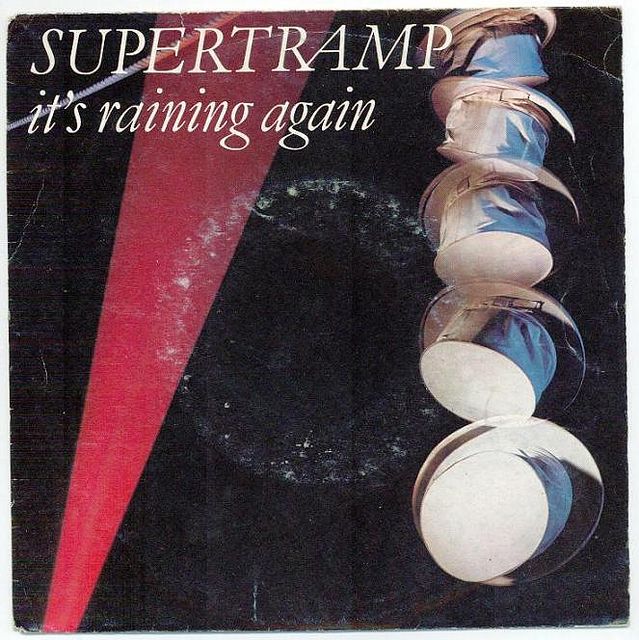
I heard this song in Jr High and couldn’t help but like it. It has a very good melody and is a really good pop song.
The song was written by Rick Davies and Roger Hodgson and was on the album Famous Last Words in 1982. The album peaked at #5 in the Billboard album charts, #1 in Canada, and #6 in the UK in 1982.
The song peaked at #11 in the Billboard 100, #4 in Canada, and #26 in the UK
At the end of the song they repeat a nursery rhyme called “It’s Raining, It’s Pouring”.
Roger Hodgson: I wrote It’s Raining Again on a day when I was feeling sad because I’d lost a friend. I was in England looking outside the window and it was pouring rain and literally, the song came to me. I started playing these chords on this pump organ and I just started singing It’s Raining Again.
The first version of it was much slower and more melancholy and then when I recorded it with Supertramp I decided to increase the tempo and it was more upbeat.So it’s another of my songs witha sad lyric set to up upbeat melody.
The five members of Supertramp all appear in the video. At the beginning, John Helliwell is a street musician playing an alto saxophone. Before the first chorus, Dougie Thomson appears as the bus driver (this was the last filmed video where Thomson would appear with his then trademark moustache and beard). Hodgson plays the guitar-playing bus passenger. Lastly, Rick Davies and Bob Siebenberg play the two pickup truck rednecks.
It’s Raining Again
It’s raining again Oh no, my love’s at an end. Oh no, it’s raining again and you know it’s hard to pretend. Oh no, it’s raining again Too bad I’m losing a friend. Oh no, it’s raining again Oh will my heart ever mend. Oh no, it’s raining again You’re old enough some people say To read the signs and walk away It’s only time that heals the pain And makes the sun come out again It’s raining again Oh no, my love’s at an end. Oh no, it’s raining again Too bad I’m losing a friend.
C’mon you little fighter No need to get uptighter C’mon you little fighter And get back up again Oh get back up again Fill your heart again…
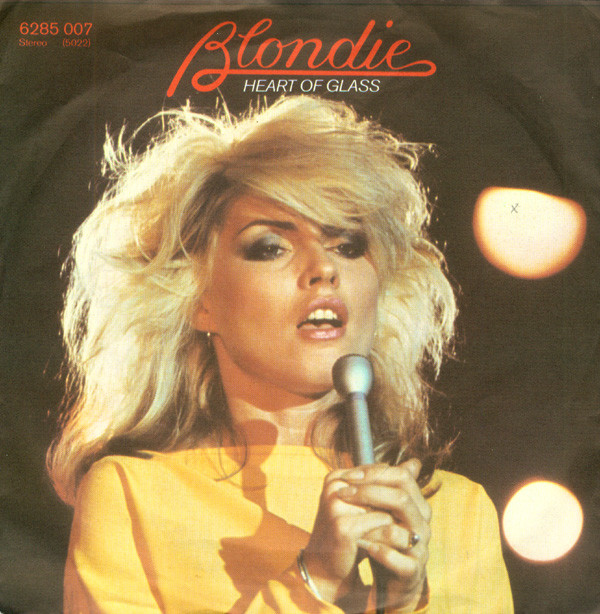
Off all the Blondie songs I’ve covered I never touched this one…I thought I would correct that today. It’s probably their biggest hit…it peaked at #1 in the Billboard 100, Canada, the UK, and New Zealand.
The song did cause some problems for the band. The rock crowd thought they sold out and the disco crowd thought they were punks. For a while they were outcasts from both crowds.
Blondie members Debbie Harry and Chris Stein wrote the first version of this song in early 1974, shortly after they first met. They didn’t have a proper title for the song, and would refer to it as “The Disco Song.”
Evidently finding words to rhyme to “glass” that fit in a song were… a pain in the ass. American radio at that time frowned on that rhyme. To ensure airplay stations were sent an edited version with the offending line replaced with “soon turned out I had a heart of glass.”
John Lennon was a fan of the song. He wrote Ringo Starr a postcard advising him to write more songs like “Heart of Glass.” Debbie Harry found out about that and said “It was totally wonderful knowing that.”
Debbie Harry : “Lyrically, it was about a stalker who was pursuing me, and Chris saved me from him.”
Debbie Harry: “When we did Heart Of Glass it wasn’t too cool in our social set to play disco. But we did it because we wanted to be uncool. It was based around a Roland Rhythm Machine and the backing took over 10 hours to get down.”
Keyboardist Jimmy Destri:“These new wave kids think they know everything about rock and roll, but they won’t accept anything else. They should listen to the album and realize that we haven’t changed our direction that radically. We haven’t become the Bee Gees.”
An early version of this song called “Once I Had a Love (aka The Disco Song)” was included in the 2001 reissue of the Parallel Lines album…I have it below in one of the videos.
From Songfacts
It wasn’t until they recorded this song in 1978 that Stein came up with the title “Heart Of Glass.” He didn’t know that it was also the title of a 1976 German movie directed by Werner Herzog.
According to Rolling Stone magazine’s Top 500 Songs, Harry and Stein wrote the song in their dingy New York apartment and keyboardist Jimmy Destri provided the synthesizer hook. The result brought punk and disco together on the dance floor. Said Destri, “Chris always wanted to do disco. We used to do ‘Heart Of Glass’ to upset people.”
Chris Stein added, “We didn’t expect the original to be that big. We only did it as a novelty item to put more diversity into the album.”
Blondie re-recorded this in 1978 in a reggae style, but their producer Mike Chapman suggested reggae didn’t sell in America. As Harry and Stein had a fascination with the disco sound that was then sweeping the country, so they adopted a sound that was an amalgamation of their New Wave background and Eurodisco.
In the last chorus, following “Once I had a love and it was a gas,” Debbie Harry takes a different tack, singing “Soon turned out to be a pain in the ass.” This is a key line in the song, since the singer has now realized that this relationship is more trouble than it’s worth, and that her heart of glass might be more durable than she thought.
The video for this song showed the band performing it in an empty discotheque, and was very popular, thanks to the many close-ups of Debbie Harry. Blondie was one of the few American bands that made videos in the years before MTV. They did so because they were very popular in Australia and Europe, and by producing videos, they could be featured on shows in those continents when they couldn’t travel there.
The sound of the CR-78 drum machine was merged with that of drummer Clem Burke’s real drums, which was no easy task in the analog age. Burke took his inspiration from the groove of one of his favorite songs: The Bee Gees’ “Stayin Alive.”
The song’s lyric turns the traditional heartbreak theme on its head. Debbie Harry explained in Q magazine: “I was tired of hearing girl singers write or sing about being beaten by love. So I said, Well listen, there are also a lot of girls who just walk away.”
The success of “Heart of Glass” launched Parallel Lines and Blondie into mainstream success, but it caused a lot of friction with some of their original fan base, which felt Blondie had sold out.
In a 1979 Los Angeles Times piece, Richard Cromelin observed, “‘Death To Disco’ T-shirts weren’t an uncommon sight among the new wave audience that formed Blondie’s first base of support. But, as it turns out, it’s disco that’s given life to Blondie.”
Blondie guitarist Chris Stein responded, “We probably have alienated some of that original audience, but I really don’t have sympathy for anybody that says we’ve sold out.”
Miley Cyrus performed a cover of the song at the 2020 iHeartRadio Music Festival on September 19, 2020. Her version impressed fans and colleagues alike and an audio recording of the live performance was released to streaming services 10 days later.
Blondie’s official Twitter account re-tweeted a video of Cyrus’ iHeartRadio performance and wrote, “We think Miley Cyrus nailed it. Check it out.”
Cyrus’ version returned the song to the UK Top 40.
Heart Of Glass
Once I had a love and it was a gas
Soon turned out had a heart of glass
Seemed like the real thing, only to find
Mucho mistrust, love’s gone behind
Once I had a love and it was divine
Soon found out I was losing my mind
It seemed like the real thing but I was so blind
Mucho mistrust, love’s gone behind
In between
What I find is pleasing and I’m feeling fine
Love is so confusing there’s no peace of mind
If I fear I’m losing you it’s just no good
You teasing like you do
Once I had a love and it was a gas
Soon turned out had a heart of glass
Seemed like the real thing, only to find
Mucho mistrust, love’s gone behind
Lost inside
Adorable illusion and I cannot hide
I’m the one you’re using, please don’t push me aside
We coulda made it cruising, yeah
Yeah, riding high on love’s true bluish light
In between
What I find is pleasing and I’m feeling fine
Love is so confusing there’s no peace of mind
If I fear I’m losing you it’s just no good
You teasing like you do
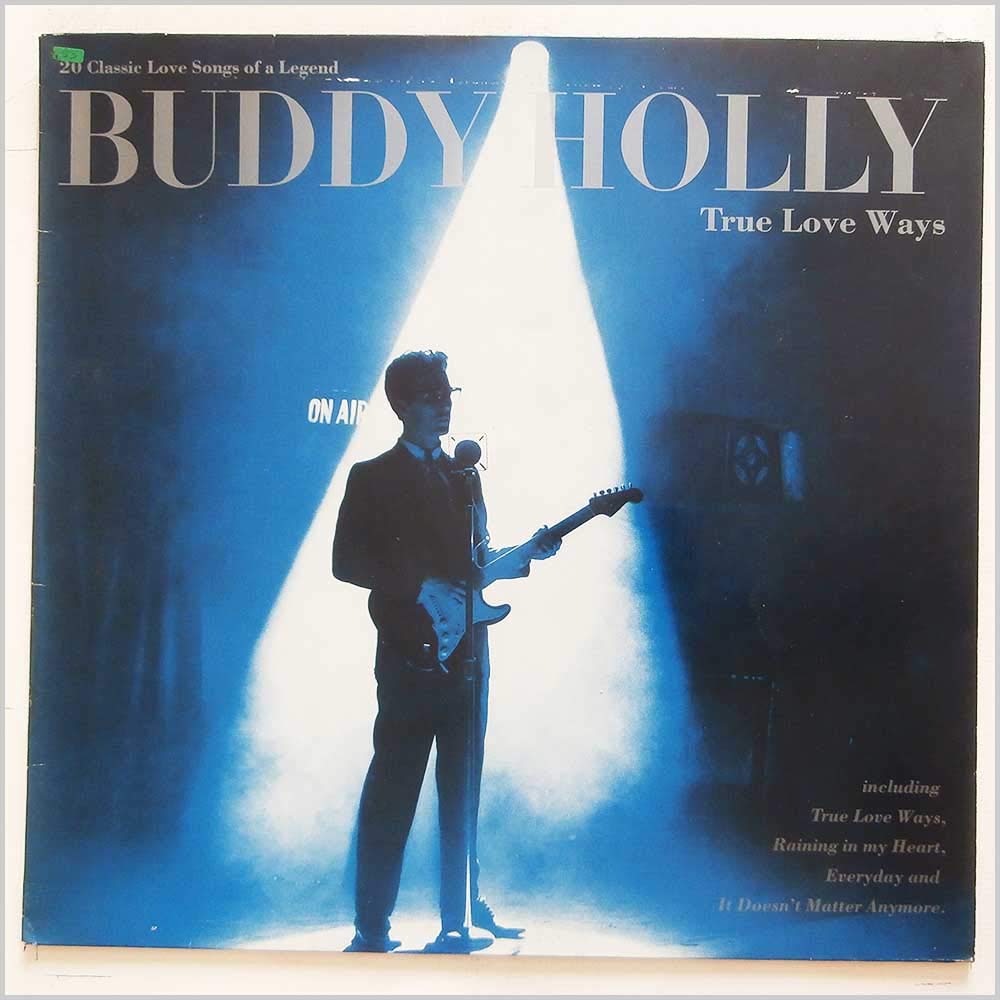
Without Buddy rock music could have been drastically different. Buddy was a self contained artist who wrote, arranged, and recorded his own songs. His chord changes and melodies were different from fellow rockers Jerry Lee Lewis, Little Richard, and Chuck Berry.
True Love Ways was co-written by Buddy and Norman Petty and recorded in October 1958. Petty was Buddy Holly’s first producer and owned the studio in Clovis, New Mexico where all of Buddy’s first recordings were made…Lubbock did not have a recording studio at the time.
The song’s haunting melody was inspired by one of Buddy’s favorite black gospel hymns, “I’ll Be Alright,” which was recorded by The Angelic Gospel Singers. This song was likely inspired by his wife Maria Elena.
The song peaked at #25 in the UK in 1960…a year after he died in a plane crash.
From Songfacts
This and “It Doesn’t Matter Any More” were Buddy’s first recordings to use orchestral string arrangements, which accentuated his vocal mannerisms. The strings were arranged by Dick Jacobs.
Notable covers include versions by Mickey Gilley, Peter & Gordon, and The Royal Philharmonic.
This wasn’t released until after Holly’s death in 1959. After he died in a plane crash, the album The Buddy Holly Story was released, which contained many of his early hits. This album came out a few months later and included many of his lesser-known or never released songs.
True Love Ways
Just you know why Why you and I Will bye and bye Know true love ways
Sometimes we’ll sigh Sometimes we’ll cry And we’ll know why Just you and I Know true love ways
Throughout the days Our true love ways Will bring us joys to share With those who really care
Sometimes we’ll sigh Sometimes we’ll cry And we’ll know why Just you and I Know true love ways
Throughout the days Our true love ways Will bring us joys to share With those who really care
Sometimes we’ll sigh Sometimes we’ll cry And we’ll know why Just you and I Know true love ways
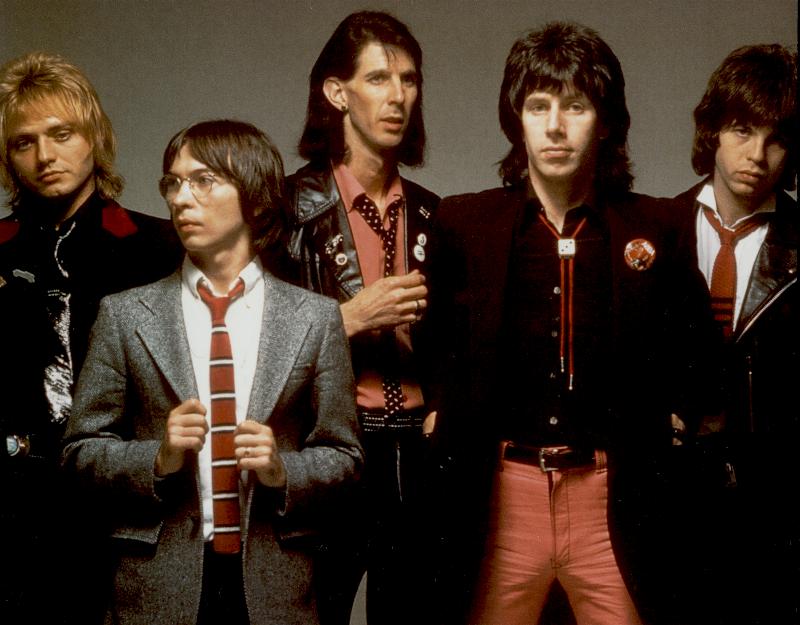
I started this post and it’s still hard to believe Ric Okasek is gone…him and The Cars left behind some great songs and history.
The band’s guitarist Elliot Easton was one of the most underrated guitarists of his generation. The guy played perfect pop/rock/country guitar fills and solos.
This song like many other of their best known songs was on their debut album The Cars. To these ears it hast to be one of the best debut albums by a pop/rock band. The album was released on June 6, 1978.
The album featured 3 charting songs Let The Good Times Roll, My Best Friend’s Girl, and Just What I Needed. It also contained songs that would remain staples on rock radio such as Bye, Bye, Love and You’re All I’ve Got Tonight.
The Cars sold one million copies by the end of 1978 and remained on the charts for nearly three years. It only peaked at number 18, Billboard ranked it number 4 on their “Top Albums of the Year” countdown. Critically, the album has been labeled “a genuine rock masterpiece”.
In the next decade the Cars would climb higher in the charts with singles and albums before they disbanded in the late eighties.
You’re All I’ve Got Tonight
I don’t care if you hurt me some more I don’t care if you even the score You can knock me and I don’t care You can mock me and I don’t care You can rock me just about anywhere It’s alright
‘Cause you’re all I’ve got tonight You’re all I’ve got tonight You’re all I’ve got tonight I need you tonight I need you tonight
I don’t care if you use me again I don’t care if you abuse me again You can make me I don’t care You can fake me I don’t care You can love me just about anywhere It’s alright
Cause you’re all I’ve got tonight You’re all I’ve got tonight You’re all I’ve got tonight I need you tonight Said I need you tonight
I don’t want to feel sorry for you You don’t have to make believe it’s you You can pump me I don’t care You can bump me I don’t care You can love me just about anywhere It’s alright
You’re all I’ve got tonight You’re all I’ve got tonight You’re all I’ve got tonight I need you tonight Said I need you tonight
You’re all I’ve got tonight You’re all I’ve got tonight You’re all I’ve got tonight I need you tonight I need you tonight I need you tonight
Lime and limpid green, a second scene Now fights between the blue you once knew
I’m loving this early Pink Floyd music.
This was the opening song on The Piper At The Gates Of Dawn…which was Pink Floyd’s first album; the title came from a chapter heading in The Wind In The Willows, a children’s book written by Kenneth Grahame and published in 1908.
The song was written by founding member and original band leader Syd Barrett. The song starts with some Morse Code and it turns out to be a catchy pop tune. You can hear the future of Pink Floyd in parts of this song.
In the UK, the album was a hit, reaching #6 in 1967. Pink Floyd got some attention when they toured with Jimi Hendrix in 1967.
Pink Floyd drummer Nick Mason: “This is such a great drum track in an interesting time signature. It’s a fantastic bit of ’60s philosophy mixed with a sort of psychedelic lyric.”
From Songfacts
“Astronomy” is the study of celestial bodies, and to “domineer” is to control something in an arrogant way. So “Astronomy Domine” means to control space for personal needs. This probably represents the space race between the United States of America and the Union of Soviet Socialist Republics during the Cold War era.
This was written by Syd Barrett, who was the group’s primary songwriter at the time. A founding member of Pink Floyd, his mental health started deteriorating a short time after this was released, and by 1972 he was out of the band, doing gardening instead of leading one of the foremost bands in Britain. Pink Floyd went on to far greater success without him, but the songs he wrote represent some of the more adventurous music of the era and show sparks of the genius many believe he could have become.
Oberon, Miranda and Titania” are all moons of Uranus and are also characters in Shakespeare’s plays (Oberon and Titania, King and Queen of the Fairies in A Midsummer Night’s Dream; Miranda, daughter of Prospero in The Tempest). “Titan” is the largest moon of Saturn.
Regarding the lyrics, “Stairway scare, Dan Dare, who’s there?” Dan Dare is a British science fiction comic hero created by illustrator Frank Hampson, and is referenced in this song with obvious references to Space, planets, and their moons. Syd Barrett’s guitar is also suggestive of the brass motif from “Mars, the Bringer of War” in Gustav Holst’s The Planets.
There is some Morse code at the beginning of this song, which was a way to transmit messages using a series of long and short tones. Plenty of people tried to decipher the code in this song, only to realize it was just a random series of tones with no meaning.
Astronomy Domine
Lime and limpid green, a second scene Now fights between the blue you once knew Floating down, the sound resounds Around the icy waters underground Jupiter and Saturn, Oberon, Miranda and Titania Neptune, Titan, stars can frighten
You better stop, look around Here it comes Here comes your nineteenth nervous breakdown Here comes your nineteenth nervous breakdown
I like this period in Rolling Stones history. Between 1964-67 they released some great music. Brian Jones added a lot of texture to this period.
The song was written by Mick Jagger and Keith Richards during their 1965 tour of the United States. The song was recorded during the Aftermath sessions. They got the title from Mick Jagger in the middle of the tour.
During the song Brian Jones is playing a lick that he got from Diddley Daddy…an old Bo Diddley song.
This song peaked at #2 in the Billboard 100, #9 in Canada, and #2 in the UK in 1966.
Mick Jagger:“We had just done five weeks hectic work in the States and I said, ‘Dunno about you blokes, but I feel about ready for my nineteenth nervous breakdown.’ We seized on it at once as a likely song title. Then Keith and I worked on the number at intervals during the rest of the tour. Brian, Charlie and Bill egged us on – especially as they liked having the first two words starting with the same letter.”
Mick Jagger:“Things that are happening around me – everyday life as I see it. People say I’m always singing about pills and breakdowns, therefore I must be an addict – this is ridiculous. Some people are so narrow-minded they won’t admit to themselves that this really does happen to other people besides pop stars.”
From Songfacts
There are some drug references in this song:
On our first trip I tried so hard to rearrange your mind
But after awhile I realized you were disarranging mine
Many turned on listeners picked up on this, but most didn’t, especially since the lines are mixed low into the background. Over the next few years, the Stones drug use became more apparent, and it was reflected in their songs. British authorities took note, leading to a series of arrests and run-ins among band members and their associates.
Mick Jagger: “That’s a very Los Angeles period, I remember being in the West Coast a lot then. 19th Nervous Breakdown is a bit of a joke song, really. I mean, the idea that anyone could be offended by it really is funny. But I remember some people were. It’s very hard to put yourself back in that period now – popular songs didn’t really address anything very much. Bob Dylan was addressing it, but he wasn’t thought of as a mainstream Pop act. And anyway, no one knew what he was talking about. Basically his songs were too dense for most people. And so to write about anything other than the normal run-of-the-mill love clichés was considered very outre and it was never touched. Anything outside that would shock people. So songs like “19th Nervous Breakdown” were slightly jarring to people. But I guess they soon got used to it. A couple years after that, things took a sort of turn and then saw an even more dark direction. But those were very innocent days, I think.”
This was one of three songs The Stones performed on their Ed Sullivan Show appearance on February 13, 1966, the first time they were broadcast in color on US television.
Mick Jagger had been dating an English model named Chrissie Shripton when he wrote this song. Theirs was a tumultuous relationship that began in 1963 and ended three years later amid allegation of Mick’s philandering (he began seeing Marianne Faithfull). According to Philip Norman’s biography of Mick Jagger, Shrimpton overdosed on sleeping pills in December 1966 after Jagger stood her up when they were supposed to go on vacation together. While Jagger didn’t write this song about Shrimpton, her overdose drew parallels to the pill-popping character in the song. It was rumored that the line “On our first trip” is a reference to the first time Jagger dropped acid with Shrimpton.
19th Nervous Breakdown
You’re the kind of person you meet at certain dismal, dull affairs Center of a crowd, talking much too loud, running up and down the stairs Well, it seems to me that you have seen too much in too few years And though you’ve tried you just can’t hide your eyes are edged with tears
You better stop, look around Here it comes, here it comes, here it comes, here it comes Here comes your nineteenth nervous breakdown
When you were a child you were treated kind But you were never brought up right You were always spoiled with a thousand toys but still you cried all night Your mother who neglected you owes a million dollars tax And your father’s still perfecting ways of making sealing wax
You better stop, look around Here it comes, here it comes, here it comes, here it comes Here comes your nineteenth nervous breakdown
Oh, who’s to blame, that girl’s just insane Well nothing I do don’t seem to work It only seems to make matters worse, oh please
You were still in school when you had that fool who really messed your mind And after that you turned your back on treating people kind On our first trip I tried so hard to rearrange your mind But after a while I realized you were disarranging mine
You better stop, look around Here it comes, here it comes, here it comes, here it comes Here comes your nineteenth nervous breakdown
Oh, who’s to blame, that girl’s just insane Well nothing I do don’t seem to work It only seems to make matters worse, oh please
When you were a child you were treated kind But you were never brought up right You were always spoiled with a thousand toys but still you cried all night Your mother who neglected you owes a million dollars tax And your father’s still perfecting ways of making sealing wax
You better stop, look around Here it comes Here comes your nineteenth nervous breakdown Here comes your nineteenth nervous breakdown Here comes your nineteenth nervous breakdown Here comes your nineteenth nervous breakdown Here comes your nineteenth nervous breakdown Here comes your nineteenth nervous breakdown
I love to feature a Byrd’s song because it’s time to break out the Rickenbacker 12 string guitar and hear the magical jangle and ringing tone.
This was written by Pete Seeger, an influential folk singer and activist. He recorded a demo of the song around 1961, and included a live version on his 1962 album The Bitter And The Sweet with just voice and guitar.
The lyrics were taken from a passage from the book of Ecclesiastes (3:1-8) in The Bible. They were rearranged and paired with Seeger’s music to make the song.
When The Byrds started working on this song, McGuinn and David Crosby devised a new arrangement of Seeger’s original, but it took the band over 50 tries to get the sound right. The song was released on the Turn, Turn, Turn album in 1965. The album peaked at #17 in the Billboard Album Charts and #11 in the UK.
The song peaked at #1 in the Billboard 100, #26 in the UK, and #3 in Canada in 1965.
Ecclesiastes (3:1-8)
To every thing there is a season, and a time to every purpose under the heaven:
2 A time to be born, and a time to die; a time to plant, and a time to pluck up that which is planted; 3 A time to kill, and a time to heal; a time to break down, and a time to build up; 4 A time to weep, and a time to laugh; a time to mourn, and a time to dance; 5 A time to cast away stones, and a time to gather stones together; a time to embrace, and a time to refrain from embracing; 6 A time to get, and a time to lose; a time to keep, and a time to cast away; 7 A time to rend, and a time to sew; a time to keep silence, and a time to speak; 8 A time to love, and a time to hate; a time of war, and a time of peace.
From Songfacts
Seeger: “I got a letter from my publisher, and he says, ‘Pete, I can’t sell these protest songs you write.’ And I was angry. I sat down with a tape recorder and said, ‘I can’t write the kind of songs you want. You gotta go to somebody else. This is the only kind of song I know how to write.’ I pulled out this slip of paper in my pocket and improvised a melody to it in fifteen minutes. And I sent it to him. And I got a letter from him the next week that said, ‘Wonderful! Just what I’m looking for.’ Within two months he’d sold it to the Limelighters and then to the Byrds. I liked the Byrds’ record very much, incidentally. All those clanging, steel guitars – they sound like bells.” (this appears in Zollo’s book Songwriters On Songwriting)
A folk trio called The Limeliters released an upbeat, banjo-based version in 1962.
Before he recorded this song with The Byrds, Jim McGuinn (who later went by Roger) played acoustic 12-string guitar on Judy Collins’ 1963 version, which appears on her album Judy Collins #3. He also worked up the arrangement with Collins.
Judy Collins’ version was released as a single in 1969 when it was included on her album Recollections. It reached #69 in the US, the only Hot 100 appearance of the song besides The Byrds’ rendition.
Dolly Parton covered this on her 1984 album of cover songs The Great Pretender, and again in 2005 on Those Were The Days.
Roger McGuinn teamed up with country artist Vern Gosdin, who was once a member of Chris Hillman’s bluegrass band The Hillman and one half of The Gosdin Brothers (who occasionally opened for The Byrds), for a cover of this song on Gosdin’s 1984 album There Is A Season. McGuinn played the same 12-string Rickenbacker that he used on The Byrds’ recording of the song. In 1994 a previously unreleased version that was originally remixed in 1984 for an anticipated single was included on the The Truly Great Hits Of Vern Gosdin.
This was used in the movie Forrest Gump as Forrest says goodbye to Jenny, who is leaving for Berkeley.
I love Roger’s glasses…I did track down a pair of them in the 80s…I then lost them and bought some off of Ebay…they are not easy to find.
Turn Turn Turn
To everything (turn, turn, turn) There is a season (turn, turn, turn) And a time to every purpose, under heaven
A time to be born, a time to die A time to plant, a time to reap A time to kill, a time to heal A time to laugh, a time to weep
To everything (turn, turn, turn) There is a season (turn, turn, turn) And a time to every purpose, under heaven
A time to build up, a time to break down A time to dance, a time to mourn A time to cast away stones, a time to gather stones together
To everything (turn, turn, turn) There is a season (turn, turn, turn) And a time to every purpose, under heaven
A time of love, a time of hate A time of war, a time of peace A time you may embrace, a time to refrain from embracing
To everything (turn, turn, turn) There is a season (turn, turn, turn) And a time to every purpose, under heaven
A time to gain, a time to lose A time to rend, a time to sew A time for love, a time for hate A time for peace, I swear it’s not too late
I found out long ago
It’s a long way down the holiday road
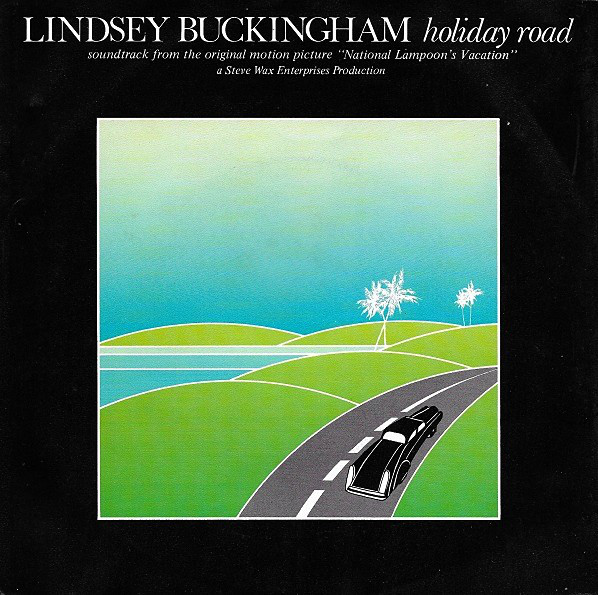
This song is super likable…when I hear it..it makes me want to see Vacation…again. It’s hard to believe this wasn’t a larger hit.
This is a great road song, Lindsey Buckingham wrote “Holiday Road” for the 1983 Chevy Chase movie National Lampoon’s Vacation, where it plays over the opening credits.
This song was used in all of the Vacation sequels… National Lampoon’s European Vacation (1985), Vegas Vacation (1997) and Vacation (2015). In 2015 movie, three different versions are used: the original, and a cover by Matt Pond, and a version by The Zac Brown Band.
The song peaked at #82 in the Billboard 100 in 1983.
Lindsey Buckingham:Obviously, I knew it had to be somewhat uplifting and a little bit funny, which it is, but somehow we nailed it beyond his expectations certainly. He was like, “Holy crap.” A lot of that was just luck. Then when I got asked to do the title song for Ghostbusters, I said, “Nah, you know, I did this really well once. It’s not something I want to get into as a repetitive part of my identity.”
From Songfacts
National Lampoon’s Vacation follows the misadventures of the Griswold family as they set out from Illinois to California in the trusty station wagon en route to Wally World. The film did very well, helping to popularize this song.
In his work with Fleetwood Mac and as a solo artist, Buckingham wrote songs of depth and meaning. “Holiday Road” allowed him to step outside of these constraints to compose a simple, jaunty song with no relation to his other work. He kept it simple; the chorus is simply the words “holiday road” repeated four times, and the verses are very basic:
I found out long ago
It’s a long way down the holiday road
Jack be nimble, Jack be quick
Take a ride on the West Coast kick
I found out long ago
It’s a long way down the holiday road
Buckingham could come off as serene (as he was portrayed on Saturday Night Live), but this song showed he had a healthy sense of humor.
Fleetwood Mac was on hiatus when Buckingham released this song. He had already released one solo album, Law and Order (1981), which contains the #9 hit “Trouble.” His next album, Go Insane, was released in 1984 with a title track that reached #23. But ask just about anyone to name one of his solo songs, and they will likely recall “Holiday Road,” which thanks to the Vacation movies became his most popular song.
In 2015, this was used in a commercial for the Infinity QX60 that spoofs a scene where Chevy Chase ogles Christie Brinkley who drives past him in a convertible. In the spot, Brinkley is a passenger in the family car, and she chastises her husband for checking out a girl who drives past him. “Honey, a blonde in a convertible, seriously?,” she says.
Holiday Road
I found out long ago It’s a long way down the holiday road Holiday road Holiday road
Jack be nimble, Jack be quick Take a ride on the West Coast kick Holiday road Holiday road Holiday road Holiday road
I found out long ago It’s a long way down the holiday road Holiday road Holiday road Holiday road Holiday road
This song was released in 1976 on the Ramones debut album. I first heard this album in the early 80’s…and was struck by the economical way they produced their songs. Rapid fire songs one after the other…
I would NOT recommend what the Ramones are stating here. Bass player Dee Dee Ramone wrote this song, which is about sniffing glue, a cheap and easy way to… well to kill some brain cells. This is a pastime of bored teenagers with very bad judgment.
Running just 1:34, no one will accuse the Ramones of ripping off Bob Dylan. The song consists of these lyrics repeated, rinsed and washed.
Now I wanna sniff some glue
Now I wanna have somethin’ to do
All the kids wanna sniff some glue
All the kids want somethin’ to do
The Ramones didn’t really want folks to sniff glue. Tommy Ramone said: “I have a feeling Dee Dee was talking about his childhood, how he actually thought it was some kind of release when he was a kid. I thought of it as a parody. He might have been a little more serious.”
Johnny Ramone: “We couldn’t write about love or cars, so we sang about this stuff, like glue sniffing. We thought it was funny. We thought we could get away with anything.”
This is one of the tracks on the Ramones debut album. On their follow-up, they included a song called “Carbona Not Glue,” which is about graduating to cleaning solvent for a cheap high.
Now I Wanna Sniff Some Glue
Now I want to sniff some glue Now I want to have somethin’ to do All the kids want to sniff some glue All the kids want somethin’ to do
1-2-3-4 Now I want to sniff some glue Now I want to sniff some glue Now I want to have somethin’ to do All the kids want to sniff some glue All the kids want somethin’ to do One-two-three-four-five-six-seven-eight
Now I want to sniff some glue Now I want to have somethin’ to do All the kids want to sniff some glue All the kids want somethin’ to do Now I want to sniff some glue Now I want to have somethin’ to do All the kids want to sniff some glue All the kids want somethin’ to do







 PowerPop... An Eclectic Collection of Pop Culture