George Thorogood – Move It On Over

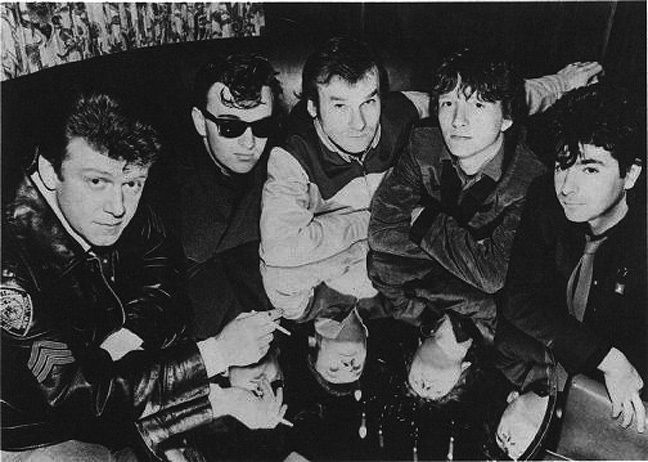
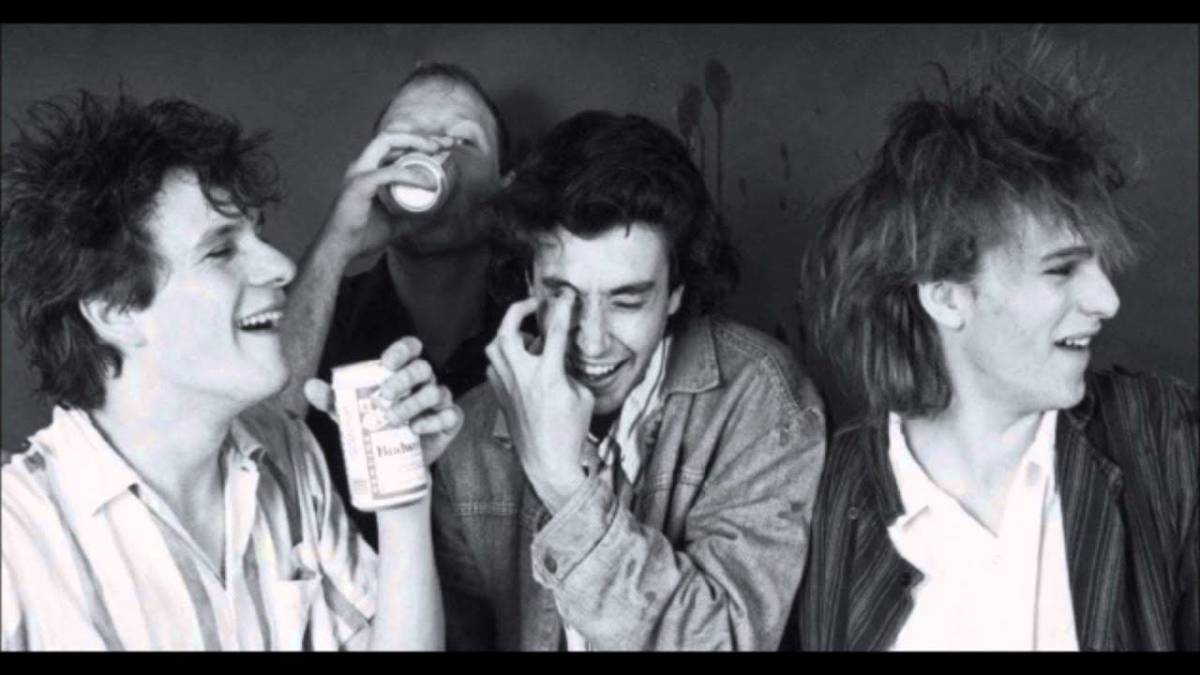
I first heard of George Thorogood when I watched the movie Christine back in the 1980s and the song Bad to the Bone. This song is what a grimy bar (not a dance club) in the 1980s sounded like…trust me. I forgot to thank Matt, who posted this Hank Williams song yesterday.

In this song, George rewires an old Hank Williams song and gives it some kick.  It leaves plenty of space for Thorogood’s overdriven slide guitar to bark and growl. The Destroyers keep things locked in, drums steady, bass walking just enough to keep the floor moving. There’s nothing fancy here, and that’s the point. Thorogood has always understood that blues rock works best when it sounds like it could fall apart at any second but never quite does.

In 1978, they were still an underground band, a hard-working bar band with national hopes and a deep love for old blues and boogie records. The album was only their second album, but it’s the record where everything fell into place. It was recorded quickly and cheaply; the album captured the band in near-live form, loud amps, and minimal overdubs. Thorogood had said he wanted energy, and the sessions matched that request.

The song was written by Hank Williams. This song was his first big hit. The song was written by the man himself. He released this song in 1947. Two years later, he received his invitation to join the Grand Ole Opry. This song was the title track for the album, released in 1978. The album peaked at #33 on the Billboard Album Charts, #29 in Canada, and #10 in New Zealand.

Move It On Over

I come in last night about half past tenThat baby of mine wouldn’t let me inSo move it on over, rock it on overMove over little dog, a mean, old dog is movin’ in

She told me not to mess aroundBut I done let the deal go downMove it on over, rock it on overMove over nice dog, a big, fat dog is movin’ in

She changed the lock on my back doorNow my key won’t fit no moreMove it on over, rock it on overMove over nice dog, a mean, old dog is movin’ in

She threw me out just as pretty as she pleasedPretty soon I’ve been scratchin’ fleasMove it on over, slide it on overMove over nice dog, a mean, old dog is movin’ in

Yeah, listen to me dog before you start to whineThat side’s yours and this side’s mineSo move it on over, rock it on overMove over little dog, a big, old dog is movin’ in

Yeah, she changed the lock on my back doorNow my key won’t fit no moreMove it on over, rock it on overMove over little dog, a big, old dog is movin’ in

Move it on overMove it on overMove it on over, won’tcha rock it on over?Move over cool dog, a hot dog’s movin’ in

Jason and the Scorchers – Absolutely Sweet Marie

I first heard this band in the 1980s in Nashville. A rock band that even hit the MTV playlists. When I first posted them years ago I didn’t think I would get a huge response. People from outside of Nashville and the surrounding states had probably never heard of them, or so I thought. People from New Zealand, UK, and around the world had heard of this band. They were big on college radio and they had many ties with Nashville and played here quite often. I can’t really explain how much of a powerful band they were in a live setting.

I first heard them do a live version of “The Race Is On”…the old George Jones song, and it won me over. They were really a big deal in the southeast in the mid-eighties and should have spread more. Their music seemed to have a kinship to the Georgia Satellites and The Blasters, but they were a little more country. They did have some MTV play with  Golden Ball and Chain. The best way to describe them is they lived in a place where country met punk, where Hank Williams shook hands with the Ramones. This is before I found The Replacements, so this excited me to hear real rock and roll on the radio and live. 

They turned Dylan’s Absolutely Sweet Marie into a barn burner of a song. What I love most is how natural it feels. They didn’t force a punk edge onto Dylan; they exposed one that was there all along. Jason Ringenberg charges into the lyrics like a man trying to outrun a tornado on an open highway. 

This song came out in 1983 and was on their Fervor EP. It was released by a small label called Praxis, but they were signed by EMI, and they re-released the EP the following year. Jason had to convince his bandmates to cover this, and I’m thankful they agreed. They broke up in 1989 but have reunited off and on since then. The last time was in Nashville last year. Jason continues to release solo albums. 

In the video of the song, you can see them going into Tootsies Orchid Lounge, a famous place in Nashville that I’ve haunted a few times in the 1980s and 90s. 

Well, your railroad gate, you know I just can’t jump itSometimes it gets so, so hard, you see.I’m just sitting here beating on my trumpet,With all these promises you left for me.So where are you tonight?Where are you tonight, sweet Marie?

Well, I waited for you when I was-a half sickWell, I waited for you when you hated me.Well, I waited for you inside the frozen traffic,When you knew I had some other place to be.

Where are you tonight?Where are you tonight, sweet Marie?Well, I don’t know how it happenedBut the riverboat captain, he knows my fate.Let’s do this baby, even you maybe, It’s just gonna have to wait, wait, wait- Yeah!

Where are you tonight?Where are you tonight, sweet Marie?Well, anybody can be just like me, obviouslyThen again not any of them are like you, fortunately… fortunately!Six white horses, that you did promiseWere finally delivered to the penitentiaryBut to live outside the law, you must be honest, darling.I know you will always say that you agree.So, where are you tonight?Where are you tonight, sweet Marie? Alright!Where are you tonight? Where are you tonight?Where are you tonight, sweet Marie?

North Mississippi Allstars – Meet Me In The City

I had never heard of this band until recently. What a rootsy down to earth band. I had some headphones listening to this band. Fantastic is what I’ll say about them.

The North Mississippi Allstars formed in 1996 in Hernando, Mississippi. Brothers Luther and Cody Dickinson grew up immersed in Hill Country blues through their father and legendary producer and musician Jim Dickinson. He worked with everyone from the Rolling Stones and Bob Dylan to Big Star and Alex Chilton. Blues was not something the Dickinson brothers discovered later; it was already in there. The brothers are credited with guitar, vocals, cigar box guitar, drums, bass,  drums, percussion, vocals, guitar, and synthesizer.

The band took its name from the North Mississippi Hill Country blues style, a cousin to Delta blues, associated with artists like Fred McDowell, R.L. Burnside, Junior Kimbrough, and Otha Turner. Unlike the regular 12-bar structures of Chicago or Delta blues, Hill Country blues leans heavily on repetition and groove that builds as it goes.

This song was written by Junior Kimbrough in 1992. It’s been covered by The Black Keys and others. The North Mississippi Allstars released it on their album World Boogie Is Coming. It has a groove that is irresistible. Luther Dickinson’s guitar is the engine that makes it run, sliding around that beat like it’s got its own ideas on what it’s about. Cody Dickinson locks in underneath with a drum pattern that’s less about fills and more about being hypnotic. It’s just plain out cool.

This is some cool blues going on here with that groove. This sounds like it came out of a bar somewhere while slightly rattling the glasses. I’m going to give you a bonus song called Peaches that I liked on the first listen. Peaches came off the album Up and Rolling, released in 2019.

Meet Me In The City

Meet me over in the city
In the city, things so fine
We’ll get together, ah yes we will girl
Oh yes, we will
We’ll make everything alright now, honey don’t, oh honey don’t
So please, please don’t leave me right now girl
‘Cause right now, right now, oh no no no

You got me baby, you got me girl
You got me where you want me, whoa ho-ho-ho yeah
Now girl I know you are satisfied baby
So please, please don’t leave me right now girl
‘Cause right now, right now, oh no no no

Sometimes I think I will baby
Then again my, my-my-my-my-my-my mind will change
Now tell me don’t do it no more
So please, please don’t leave me right now girl
‘Cause right now, right now, oh no no no

Who – Anyway, Anyhow, Anywhere

These sixties singles by the Who are so exciting. They sounded different from their peers and were cutting their own path. This was The Who’s second single. It was the follow-up to I Can’t Explain. When this was sent to their American record label to distribute, they sent it back, assuming the feedback meant there was something wrong with it.

Townshend turned what most engineers considered a mistake into an instrument. Those piercing squeals and roars mid-song weren’t accidents; they were the sound of pop music evolving in real time. The Who didn’t want to sound clean or polite; they wanted to sound like the inside of a jet engine, and they nailed it.

The Who’s early singles like Can’t Explain, The Kids Are Alright, Substitute, I’m A Boy, and A Legal Matter don’t get the airplay that their later music does. They were innovative at the time with feedback, distortion, and Moon’s aggressive drumming.

Townshend later said the song was about personal freedom, and that’s exactly what it feels like. The right to be loud, to be different, to not apologize for who you are. You can trace the line from this track straight through to everything that came after: The Jam, The Clash, The Raspberries, Big Star… all carrying that same spark of defiance.

This song was written by Pete Townshend and Roger Daltrey. It was one of the few times they wrote together. Super session man Nicky Hopkins was on the piano.

The song peaked at #10 in the UK in 1965.

Roger Daltrey: ‘Anyway, Anyhow, Anywhere’ was the first song when we attempted to get that noise onto a record and that was a good deal of time before Hendrix had even come to England, the American pressing plant sent it back thinking it was a mistake. We said, ‘No, this is the f—ing noise we want. CUT IT LOUD!'”

“We were doing this feedback stuff, even before that. We’d be doing blues songs and they’d turn into this freeform, feedback, jazzy noise. Pete was getting all these funny noises, banging his guitar against the speakers. Basically, the act that Hendrix is famous for came from Townshend, pre-‘I Can’t Explain.'”

Anyway, Anyhow, Anywhere

I can go anyway, way I choose
I can live anyhow, win or lose
I can go anywhere, for something new
Anyway, anyhow, anywhere I choose

I can do anything, right or wrong
I can talk anyhow, and get along
Don’t care anyway, I never lose
Anyway, anyhow, anywhere I choose

Nothing gets in my way
Not even locked doors
Don’t follow the lines
That been laid before
I get along anyway I dare
Anyway, anyhow, anywhere

I can go anyway, way I choose
I can live anyhow, win or lose
I can do anything, for something new
Anyway, anyhow, anywhere I choose

(Oooh) anyway
(Oooh) Anyway I choose, yeah
(Oooh) Anyway I want to go
(Oooh) I want to go ‘n do it myself
Do it myself
Do it myself, yeah
Anyway, way I choose
Anyway I choose
Yeah, yeah
Ain’t never gonna lose the way I choose
The way I choose
The way I choose

Chuck Prophet – Bobby Fuller Died For Your Sins

Since I posted Chuck Prophet, I haven’t stopped listening. This song is probably one of the catchiest songs I’ve heard in a long time. All of his songs are so melodic. This one is like a sermon wrapped in a three-minute rock song. I’ve been waiting to post this since I posted my first song by him in August.

Bobby Fuller had a giant hit with I Fought the Law before dying under suspicious circumstances. Fuller was found dead in the front seat of his mother’s car shortly after I Fought The Law became a huge hit. His death was ruled a suicide, but there were signs of foul play.  The investigation was tainted, leaving the circumstances of his death a mystery, and rumors continue to this day.

Prophet uses Fuller as a symbol for anyone hurt by the music industry or just random bad luck. He made a mixture of homage and a warning. When he recorded this song, he wanted nothing too polished. He and co-producer Brad Jones focused on capturing energy instead of perfection.

Prophet said he wrote it in a stream-of-consciousness style, from his own frustration with the American culture eating its young. He kept coming back to the idea that stories like Fuller’s get swept under the rug. They have been filed away as a kind of trivia instead of a tragedy.

The song was the title track to his 2017 album. The album peaked at #24 on the US Top Alternative Album Sales Charts, #6 on the Heatseekers Album Charts, and #2 on the UK Americana Album Charts.

Bobby Fuller Died For Your Sins

Cruising through El Paso, carrying a heavy load
Bobby Fuller died for your sins
And a cop shoots a kid on a hot summer morn
Bobby Fuller died for your sins

I could be anywhere when I hear that sound
Take me back, pretty baby
Oh your daddy, he’s so alone

I hear the record crackle, the needle skips and jumps
Bobby Fuller died for your sins
And I ain’t never seen a movie that moved me half as much
Bobby Fuller died for your sins

I could be anywhere when I hear that sound
Take me back, pretty baby
Oh your daddy, he’s so alone

Together we stand, divided we fall
Bobby Fuller died for your sins
And I wish my little sister she could be here now
Bobby Fuller died for your sins

They say that someone’s gonna have to pay the price of love
Bobby Fuller died for your sins
I don’t know why they gotta pay it or who they gotta pay it to, but
Bobby Fuller died for your sins

I could be anywhere when I hear that sound
Take me back, pretty baby
Oh your daddy, he’s so alone

Bobby Fuller died for your sins

Meteors – Shout So Loud

How would I describe this band in one word? FUN. That sums it up perfectly, plus a really tight trio. The Meteors are a perpetual Halloween. They combine rockabilly, monsters, SciFi, and punk, with an energetic and fun vibe. The band called it psychobilly, and they weren’t kidding. If you ever wondered what would happen if Gene Vincent rose and decided to visit the punk clubs of London, you’d get something like The Meteors. 

I had forgotten about this band. Years ago, I remember stumbling across Shout So Loud on an old cassette that looked like it had survived a fire. The label was half-melted, but when it kicked in overdrive, I knew I’d found something great here. This wasn’t Dad’s rockabilly. The Meteors took the twang and swing of the 1950s and drove it through a wall. This band has released 24 studio albums, 29 singles and LPs, 15 live albums, and 21 live albums. They are still releasing albums; in 2024, they released 40 Days a Rotting. This song was on their debut album In Heaven released in 1981.

The band was formed in 1980 and was one of the founders of “psychobilly.” The band was founded by P. Paul French on guitar, Nigel Lewis on electric and upright bass, and Mark Robertson on drums. They released their first album in 1981 and continue to this day. P. Paul French is the only original member still with the band. There was also a Dutch new wave band called The Meteors that was active from 1977 to 1982..but you won’t get them confused because they were power pop.

If you want something different, this is the band to listen to. You have rockabilly as the root of this tree, but it has that punk vibe stamped all over it. Below is their debut album.

I couldn’t find a good live version of this song, so I’m posting a short clip of them live.

Shout So Loud

Well they let me out that place I was
I was being good because
There ain’t nothing to do from night till noon
Then sit here in my nice soft room
The doctor said he’d fix my head
I’m gonna shout so loud I’m gonna wake up the dead

Well those great minds the can’t be wrong
Though I’ve been crazy all along
Now I’m normal just like you
Tell you what I’m gonna do
Find a wall and bang my head
Then I’ll shout so loud I’m gonna wake up the dead

I’m gonna find a bar and a woman to
And have a real good time
Gonna jump and shout and knock myself out
Yeah really lose my mind
Get so crazy out of head
And shout so loud I’m gonna wake up the dead

Then they take me back again
But you said that I was sane
Take be back and lock me up
And make sure that the doors tight shut
The walls are soft I can’t hurt my head
But I can shout so loud I’m gonna wake up the dead

….

John Fogerty – I Saw It On TV

The coon-skin caps, Yankee bats, the Hound Dog man’s big start
The A-Bomb fears, Annette had ears, I lusted in my heart

When I bought the Centerfield album in 1985, this was one of the first songs that I listened to. Despite the hits like Centerfield and Old Man Down the Road, the pop culture gold in this song drew me in. That shouldn’t surprise any of my readers about me, even in 1985.

This is the song that broke Fogerty’s writer’s block he had for a decade. He wrote the rest of the album after this song. It chronicles history from the 50s to the 70s. While fishing, he started to think about the things he’s seen on TV as a young boy: the Eisenhower inauguration, the Yankees, the Mickey Mouse Club, Elvis Presley, The Beatles on the Ed Sullivan Show, etc. The story continued on through the sixties, Vietnam, and then Watergate.

Musically, it is classic John Fogerty with acoustic guitars underneath that golden voice. There is no clutter or overproduction, just the songwriter and the story. The track moves like a scrapbook, each verse turning another page. Fogerty always had a knack for pulling feelings out of memories. He does it here like he is sitting across from you around the kitchen table.

I Saw It On TV was not a hit but a very good album track. The song concludes with the riff of the intro of “Who’ll Stop the Rain.” The Centerfield album peaked at #1 in the Billboard Album Charts, #2 in Canada, #13 in New Zealand, and #48 in the UK in 1985. The song was recorded at The Plant Studios in San Francisco.

Robert Hilburn from The Los Angeles Times:  “The album’s most affecting tune, however, may be “I Saw It on T.V,” a look at the way television has programmed so many shared emotions into the post-’50’s generation. In the song, Fogerty traces the liberating effect of Presley’s arrival, the idealism of the Kennedy years, the loss of innocence after his assassination, the celebration of the Beatles, the tragedy of Vietnam and the corruption of Watergate.”

I Saw It On TV

They sent us home to watch the show comin’ on the little screen
A man named Ike was in the white house, big black limousine
There were many shows to follow, from ‘Hooter’ to Doodyville
Though I saw them all, I can’t recall which cartoon was real

The coon-skin caps, Yankee bats, the Hound Dog man’s big start
The A-Bomb fears, Annette had ears, I lusted in my heart
A young man from Boston set sail the new frontier
And we watched the Dream dead-end in Dallas
They buried innocence that year

I know it’s true, oh so true
‘Cause I saw it on TV

We gathered round to hear the sound comin’ on the little screen
The grief had passed, the old men laughed, and all the girls screamed
‘Cause four guys from England took us all by the hand
It was time to laugh, time to sing, time to join the band

But all too soon, we hit the moon, and covered up the sky
They built their bombs, and aimed their guns, and still I don’t know why
The dominoes tumbled and big business roared
Every night at six, they showed the pictures and counted up the score

I know it’s true, oh so true
‘Cause I saw it on TV

The old man rocks among his dreams, a prisoner of the porch
“The light” he says
“At the end of the tunnel was nothin’, but a burglar’s torch”
And them that was caught in the cover are all rich and free
But they chained my mind to an endless tomb
When they took my only son from me

I know it’s true, oh so true
‘Cause I saw it on TV
I know it’s true, oh so true
‘Cause I saw it on TV

Tubes – Talk To Ya Later

I first found out about the Tubes through MTV in the mid-80s. The song was She’s A Beauty and MTV loved that video. It was in their rotation for a long long time. Just like radio, they could wear out a song as well.

It’s hard to describe this band. Prog, art, theatrical, rock, pop, and everything in between. In 1981, The Tubes were tightening their sound, paring back the theatrical music, and letting producer David Foster make the music sound more commercially viable. The album was Completion Backward Principle, and it was their fifth album. This is when their popularity started to rise.

The Tubes formed in 1973 and were a band with a cult following and a reputation for the most elaborate live shows around. But they weren’t exactly making any money with expenses. When Capitol Records wanted to talk to them, the band saw a chance to remake themselves. What they didn’t expect was the full corporate makeover that awaited them, complete with producer David Foster, determined to rebuild The Tubes.

The concept album The Completion Backward Principle actually began as a joke. Capitol’s marketing department gave the band an old corporate sales-training pamphlet. The Tubes built an entire album around it. Slogans, uniforms, everything boiled down to the idea that rock and roll could pretend to be a corporate product and still be good. It was satire, but it was also radio-friendly.

The album produced the band’s biggest hit to date, Don’t Want to Wait Anymore, and gave them a new touring identity built around that corporate feel. The band reinvented itself by streamlining its songs.

Toto’s Steve Lukather lent a hand on this song by playing guitar and bass. That guy was everywhere in the 1980s, playing on practically every hit you heard. Yes, I exaggerated, but not by much (over 1500 different records). Their keyboard player is known to Grateful Dead fans. Vince Welnick played with The Tubes from 1973 to 1989 and then joined the Dead in 1990.

The album peaked at #36 on the Billboard album charts, #26 in Canada, and #4 in New Zealand in 1981. This song peaked at #7 on the Billboard Mainstream Rock Charts.

Talk To You Later

As I mentioned near the close of the last recordThis record you are now playingIs another example of the completion backward principleIf you can possibly manage the timePlease play both sides at one meeting

I met her on the stripIt was another lost weekendThe band was too slickAnd the people were twisted

So I asked her for a dateShe reluctantly agreedThen we went to my placeAnd she never did leave

She won’t even miss me when she’s goneBut that’s OK with me, I’ll cry later on

It’s been six monthsShe hasn’t shut up onceI’ve tried to explainShe’s driving me insane

She won’t even miss me when she’s goneBut that’s OK with me, I’ll cry later on

Talk to ya laterDon’t wanna hear it again tonightI’ll talk to ya laterJust save it for another guyOh, talk to ya laterDon’t wanna hear it again tonightI’ll just see you around

Get outI’m telling you nowDo you catch my drift?What could be plainer than this?

Nothing more to be saidWrite me a letter insteadI don’t mean to be cruelBut I’m finished with you

She won’t even miss me when she’s goneBut that’s OK with me, I’ll cry later on

I’ll talk to ya laterDon’t wanna hear it again tonightI’ll talk to ya laterJust save it for another guyI’ll talk to ya laterDon’t wanna hear it again tonightI’ll just see you around

I’ll talk to ya laterDon’t wanna hear it again tonightI’ll talk to ya laterJust save it for another guyI’ll talk to ya laterDon’t wanna hear it again tonightI’ll just see you around

I’ll talk to ya laterDon’t wanna hear it again tonightI’ll talk to ya laterJust save it, save it for another guy

Little Village – Don’t Bug Me When I’m Working

All I had to do was read off the members, and I knew I would like this band. Who were the members? Ry Cooder, John Hiatt, Nick Lowe, and Jim Keltner. Each one of them is a legend, but when they teamed up in 1992, they made music that felt effortless.. This song plays like an anthem for anyone who has ever tried to get something done while the world keeps knocking at the door.

When Little Village came together in the early 1990s, it wasn’t a typical supergroup situation. Ry Cooder, John Hiatt, Nick Lowe, and Jim Keltner had already worked together in the studio. They worked on Hiatt’s 1987 album Bring the Family, a record cut in just four days. This album would be called Little Village. 

Around 1991, discussions began about whether those four players could try something more equal and together as a band. Nick Lowe summed up the vibe when he said, “We only needed a name and a reason.” The name came from a 1930s reference, but the reason was simply that they liked working with each other. This wasn’t a record-company idea, and it wasn’t nostalgia.

While the sessions were friendly, the band admitted that being equals instead of backups slowed things down. Decisions took longer, and sometimes a song would go in five directions before landing on one. Lowe joked that it was like “four people in the passenger seat reaching for the wheel.” Critics generally liked it, although some expected another John Hiatt album and were surprised by its humor and different musical turns. Fans of any one member found something to enjoy. The album even received a Grammy nomination for Best Rock Performance by a Duo or Group.

Nick Lowe did say it wasn’t as good as it could have been. He blamed it on having too much time to record it. The album peaked at #22 in the UK and #66 on the Billboard Album Charts in 1992. Over time, this album has developed a cult following, especially among fans of Hiatt and Cooder.

This next video has a bonus live song, She Runs Hot. Enjoy Ry Cooder’s slide before they break into Don’t Bug Me When I’m Working.

Don’t Bug Me When I’m Working

Don’t bug me when I’m working
I’m working, I’m working
Don’t bug me when I’m working
Got a job to do

Don’t bug me when I’m working
I’m working, I’m working
Don’t bug me when I’m working
I don’t work for you

If you bug me at work I can’t get it done
Too tired, baby to have any fun
You got complaints, better keep ’em hid
Don’t come ’round here mess with the kid

Don’t bug me when I’m sleepin’
I’m sleepin’, I’m sleepin’
Don’t bug me when I’m sleepin’
‘Cause I need my rest
Don’t bug me when I’m

Don’t bug me when I’m got to buzz awhile
I said don’t bug me when I’m working
I’m working, I’m working
Don’t bug me when I’m working
Got a job to do

Now you bug me at home when I’m tired and beat
Can’t even stand on my own two feet
You call on the phone, you make me uptight
And I can’t even work with my baby at night

Don’t bug me when I’m working
I’m working, I’m working
Don’t bug me when I’m working
Got a job to do

Don’t bug me when I’m working
I’m working, I’m working
Don’t bug me when I’m working
I don’t work for you

Don’t bug me
‘Cause I don’t work for you
Don’t bug me
Mister I don’t work for you

Don’t bug me, don’t bug me
‘Cause I don’t work for you
Don’t bug me, don’t bug me
‘Cause I don’t work for you
At the sound of the tone
Better hang up the phone
If you want to be my friend
Don’t bug me when I’m working

Pretenders – Kid

I’ve been a Pretenders fan since I heard Brass in Pocket when it was released. Although I would spend a long time tracking down the name of it. In the 1980s, you could count on them to release something good and not the standard top 40 music. Chrissie Hynde had more grit in her singing than most of her male and female peers. She wasn’t here to sing you a pretty song; she meant business.

The original band was something special. The members were James Honeyman-Scott (lead guitar, backing vocals, keyboards), Pete Farndon (bass guitar, backing vocals), and Martin Chambers (drums, backing vocals, percussion)…and of course Chrissie Hynde. To convince guitarist James Honeyman-Scott to join The Pretenders, Chrissie Hynde hired one of his favorite recording artists, Nick Lowe, to produce the song Stop Your Sobbing, an album cut of The Kinks. Chris Thomas would go on to produce all the other songs on the album.

When the Pretenders burst onto the scene in 1979, they didn’t arrive with punk guitars (although the spirit was there). They were armed with mostly Hynde’s melodic songs. Chrissie Hynde was a new kind of female rock vocalist, vulnerable and dangerous all at once. She was/is a badass but still relatable. This song was the band’s second single in 1979 and was included on their 1980 debut album. It is a great slice of power pop that blends jangly guitars, melodic melancholy. I love James Honeyman-Scott’s intro guitar run; it makes the song for me. It’s very obvious why Chrissie wanted him in the band.

Hynde has stated the song is about a woman who works in “the game” (prostitution) to get by, and her sadness when her child learns the truth about what she does. Following the 1981 Pretenders album Pretenders II, two of the four band members, Pete Farndon and James Honeyman-Scott, died of drug overdoses, leaving just Hynde and drummer Martin Chambers, who remained the mainstays in the band amongst a rotating cast of guitarists and bass players through the 1980s.

The song peaked at #33 in the UK in 1979.

Kid

Kid, what changed your mood?You got all sad, so I feel sad tooI think I knowSome things you never outgrow

You think it’s wrongI can tell you doHow can I explainWhen you don’t want me to?

Kid, my only kidYou look so small, you’ve gone so quietI know you know what I’m aboutI won’t deny it

But you forgetYou don’t understandYou’ve turned your headYou’ve dropped my hand

All my sorrowAll my bluesAll my sorrow

Shut the lightGo awayFull of graceYou cover your face

Kid, precious kidYour eyes are blue, but you won’t cry, I knowAngry tears are too dearYou won’t let them go

Parliament Funkadelic – Give Up The Funk (Tear The Roof Off the Sucker)

Ow, we want the funk
Give up the funk

I’ve always liked funk music, but I haven’t heard a lot of it as much as other types of music. Posting the Meters a few weeks ago gave me the urge to listen to more. Where else would I go other than to follow fellow bassist Bootsy Collins? He most certainly brought the funk and runs on the bass that were incredible. 

The opening alone feels like a giant neon sign flickering to life: FUNK DELIVERED HERE, with Bootsy Collins’ bass out walking and running amok. George Clinton started this band, but when I hear them, I can’t help but think of Collins. Maybe it’s the bass player in me. 

Before the stage costumes, before Bootsy’s star-shaped bass, George Clinton was running a humble doo-wop group out of a New Jersey barbershop. That is where the so-called P-Funk universe first sparked to life. In the late 1950s Clinton worked as a hairdresser in Plainfield, New Jersey, and formed a vocal group called The Parliaments. Inspired by groups like Frankie Lymon & The Teenagers, their sound leaned closer to street-corner harmonies and teenage heartbreak rather than spaced-out funk. They spent their early years cutting singles for small labels, chasing a hit, and stacking harmonies with tight choreography.

Their first real breakthrough came in 1967 with the single “(I Wanna) Testify“, which scraped the charts and gave the group national attention. But success came tangled in bad contracts, which would later force Clinton to get creative with band names. After hearing Psychedelic Soul, Clinton began to shift toward that kind of music in the late 1960s under the name Funkadelic, as he had temporarily lost the rights to the name Parliaments. Funkadelic allowed Clinton to push into psychedelic territory, influenced by Hendrix, Sly Stone, and Cream. The debut Funkadelic album arrived in 1970, and suddenly the group had two separate identities. Later on, after he got the name back, he combined the bands, and they were known as P-Funk. 

What really sparked this band was former James Brown bass player Bootsy Collins, when he joined in 1972. His brother, guitarist, Phelps “Catfish” Collins, was already in the band. This guy is a fantastic bass player, and there isn’t much better than him. This song became Parliament’s first million-selling single and remains one of the most recognizable funk tracks ever cut. It was played in discos, block parties, roller rinks, sports arenas, on the radio, and later, hip-hop sampling culture.

This album was called The Mothership Connection (Clinton was a huge Star Trek fan) peaked at #13 on the Billboard Album Charts and #4 on the R&B album charts. The song peaked at #15 on the Billboard 100 in 1975. 

Give Up The Funk (Tear The Roof Off the Sucker)

Tear the roof off, we’re gonna tear the roof off the mother sucker
Tear the roof off the sucker
Tear the roof off, we’re gonna tear the roof off the mother sucker
Tear the roof off the sucker
Tear the roof off, we’re gonna tear the roof off the mother sucker
Tear the roof off the sucker
Tear the roof off, we’re gonna tear the roof off the mother sucker
Tear the roof off the sucker

You’ve got a real type of thing going down, gettin’ down
There’s a whole lot of rhythm going round
You’ve got a real type of thing going down, gettin’ down
There’s a whole lot of rhythm going round

Ow, we want the funk
Give up the funk
Ow, we need the funk
We gotta have that funk
Ow, we want the funk
Give up the funk
Ow, we need the funk
We gotta have that funk

You’ve got a real type of thing going down, gettin’ down
There’s a whole lot of rhythm going round
You’ve got a real type of thing going down, gettin’ down
There’s a whole lot of rhythm going round

Ow, we want the funk
Give up the funk
Ow, we need the funk
We gotta have that funk
Ow, we want the funk
Give up the funk
Ow, we need the funk
We gotta have that funk

We’re gonna turn this mother out

You’ve got a real type of thing going down, gettin’ down
There’s a whole lot of rhythm going round
You’ve got a real type of thing going down, gettin’ down
There’s a whole lot of rhythm going round
You’ve got a real type of thing going down, gettin’ down
There’s a whole lot of rhythm going round
You’ve got a real type of thing going down, gettin’ down
There’s a whole lot of rhythm going round

Ow, we want the funk
Give up the funk
Ow, we need the funk
We gotta have that funk
Ow, we want the funk
Give up the funk
Ow, we need the funk
We gotta have that funk

Ow, we want the funk
Give up the funk
Ow, we need the funk
(Let us in, we’ll tear this mother out)
We gotta have that funk
Ow, we want the funk
Give up the funk
Ow, we need the funk
(Let us in, we’ll tear this mother out)
We gotta have that funk

Ow, we want the funk
Give up the funk
Ow, we need the funk
We gotta have that funk
Ow, we want the funk
Give up the funk
Ow, we need the funk
We gotta have that funk
Ow, we want the funk
Give up the funk
Ow, we need the funk
We gotta have that funk

(We’re gonna turn this mother out)
Ow, we want the funk
Give up the funk
(We’re gonna turn this mother out)
Ow, we need the funk
We gotta have that funk
(We’re gonna turn this mother out)
Ow, we want the funk
Give up the funk
(We’re gonna turn this mother out)
Ow, we need the funk
We gotta have that funk

Ow, we want the funk
Give up the funk
Ow, we need the funk
(Let us in, we’ll tear this mother out)
We gotta have that funk
Ow, we want the funk
Give up the funk
Ow, we need the funk
(Let us in, we’ll tear this mother out)
We gotta have that funk

We want the funk
Give up the funk
We need the funk
We gotta have that funk
We want the funk
Give up the funk
We need the funk
We gotta have that funk
We want the funk
Give up the funk
We need the funk
We gotta have that funk

(You’ve got a real type of thing going down, gettin’ down)
(There’s a whole lot of rhythm going round)
You’ve got a real type of thing going down, gettin’ down
There’s a whole lot of rhythm going round
You’ve got a real type of thing going down, gettin’ down
There’s a whole lot of rhythm going round

Ow, we want the funk
Give up the funk
Ow, we need the funk
(Let us in we’ll tear this mother out)

BoDeans – When the Love Is Goob (I Mean Good)

I like this band and most of the songs I’ve heard from them. They had a few hits, but for the most part, they were huge on college radio and unfortunately didn’t hit the masses like they should have. This song is fantastic, and the title is brilliant to me. Many musicians have come from Wisconsin. There is Steve Miller, Al Jarreau, Steve Miller, Les Paul, Violent Femmes, Liberace, The BoDeans, and many more.

In 1977, Sophomores Sam Llanas and Kurt Neumann met in a study hall at Waukesha South High School in Wisconsin and bonded over a shared love of music. The two later end up playing music together. In 1980, at Neumann’s urging, Llanas dropped out of college to pursue music full-time. The group pursues gigs at small bars, clubs, dances, and events. Llanas comes up with the name, Da BoDeans. Llanas and Neumann added drummer Guy Hoffman (Oil Tasters, Confidentials, later the Violent Femmes) and bass player Bob Griffin (The Agents) to fill out their sound in 1983.

By the time the BoDeans released the album Home in 1989, they had already carved out their niche as Midwest roots artists, but this album pushed them further into pop-rock territory without losing their rootsy identity. The title is a great play on words, but the song plays it straight. Jangly electric guitars wrapped around acoustic strumming, a steady backbeat, and those harmonies between Kurt Neumann and Sam Llanas.

Jim Scott produced the album. They met him in 1987, producing Robbie Robertson’s self-titled solo album. The BoDeans added some backup vocals to it, including the songs Somewhere Down the Crazy River and Showdown at Big Sky. If you are exploring Home, this track is a rewarding stop, a small reminder that even when love gets messy, misspelled, or just plain “goob,” it can still turn out pretty good.

The album peaked at #94 on the Billboard Album Charts in 1989.

Neumann: The second record, you have all of this critical acclaim but the record company wants to get you on the radio, which is a whole ‘nother ballgame, and Jerry Harrison was from our hometown of Milwaukee. We worked with Jim Scott [on the third album], another really fun record. 

Neumann: “There’s an installation about Midwestern rock bands and we’re one of those bands that are in the installation. As a band, music artist, whatever, it’s flattering that you’d ever get anything in the Hall of Fame. You go there and you look at Jimi Hendrix, Rolling Stones and all this stuff, and you’re like, ‘Wow, somebody heard my music and put a guitar of mine and some lyrics up as well?’ That’s quite a big compliment.”

When the Love Is Goob (I Mean Good)

Well, I work for the money but it takes my pride
It takes everything that I got down inside
Takes half a life just to break even
And it takes half my money just to have my fun
And I get so tired of love on the phone
I’m standin’ here when I should be at home
And the longest nights when I’m far away
You listen, pretty baby, to the words I say
“Hey lady, yes I can do anything, wanna be your man
Hey lady, yes I could do anything when the love is good.”
No tears will fall from this angel’s eyes
We’ll hold promises where the love never dies
Old memories, well, I ain’t got none
‘cuz soft, sweet angel, now, you’re the one
Well, I guess I’ll go find my way, get down on my knees and pray
All this talk ’bout love someday, when, baby, I’m just givin’ it away
Now, no tears gonna fall, no one’s gonna cry
We’ll hole up in heaven, let the world go by
Longest nights when I’m far away
You listen, pretty baby, to the words I say

Rank and File – Amanda Ruth

I first heard this song by the Everly Brothers in their comeback in the 1980s. It fit their style perfectly. I had assumed they wrote it, but I recently found out that Chip and Tony Kinman wrote it for their band, Rank and File. Two Brothers who started a punk band and then moved to Austin, where they transitioned to country-punk. Another performer who was a member of this band at one time was Alejandro Escovedo.

Rank and File were one of those bands that always felt born a decade too early. When most early 1980s acts were into synths, drum machines, and big production, the Kinman brothers were rewiring country music with punk and some power pop.

Chip and Tony Kinman first made music in the late 1970s with The Dils, a sharp-edged California punk band known for political lyrics, ragged guitars, and a take-no-prisoners attitude. When The Dils ran their course, the Kinmans stepped back and started exploring American roots music. They headed toward warmer tones and harmony.

In 1981, the brothers moved from California to Austin, Texas, a shift that changed everything. Austin was the hub of outlaw country, rockabilly revival, blues bars, and indie experimentation.  The perfect place for musicians who did not fit neatly into one box. They found guitarist Alejandro Escovedo, fresh out of The Nuns, another West Coast punk band. The three of them shared a love for classic country songwriting like Hank Williams, The Burrito Brothers, and the raw honesty of punk.

The band officially formed as Rank and File, a name that reflected their working-class roots and their desire to keep things grounded. They blended Telecaster twang, tight harmonies, and a pinch of punk to keep them honest.

What I love about this song is how free it feels. Listening to it today, you can hear the origins of what would become Uncle Tupelo, The Jayhawks, Old 97s, and the whole alt-country wave that swept in during the 90s. Rank and File never got the widespread attention they deserved, but Amanda Ruth remains a cool little gem.

This song was on their debut album Sundown, released in 1982.

Tony Kinman – “We’re brave, we’re not afraid to do stuff, most people are. They’re deathly afraid to do anything different. … [W]hen everybody else was talking about how stupid country music was, country music was the last thing to like, if you wore a cowboy hat you were a redneck, you know, we decided go say, ‘Yeah, we play country music, it’s fun.’

“Up in San Francisco, KUSF Wave, their magazine, did the first review Rank and File ever got, live review. They said we sucked, and then they said, ‘What are these guys trying to do, start a trend?’ Well, that’s the way it worked out, but only because we were brave enough and smart enough to do it first. That’s how you get to be influential—if you’re brave enough to do something different and you’re smart enough to do it right. Otherwise you’re just another dumb-ass band.”

Amanda Ruth

Amanda, Amanda Ruth
Amanda, Amanda Ruth

We read the paper and we pick the show,
I’d meet her there but my watch was slow
She came early and I came late
We never met
It was a hell of a date

Amanda, Amanda Ruth
Amanda, Amanda Ruth

The way we met, she was a friend of a friend,
They needed money and I had it to lend
She had five; she wanted ten.
I gave her all my money
So I got none to spend

Amanda, Amanda Ruth
Amanda, Amanda Ruth
Amanda, Amanda Ruth
Amanda, Amanda Ruth
Amanda, Amanda Ruth

She burns her biscuits and her gravy is strange,
Can’t fry a chicken in a microwave range.
Her salt’s tasty, her sugar’s sweet
No she can’t cook
But she’s got something to eat

Amanda, Amanda Ruth
Amanda, Amanda Ruth
Amanda, Amanda Ruth
Amanda, Amanda Ruth
Amanda, Amanda Ruth

Arc Angels – Arc Angels …album review

I started to listen to this album on a recommendation, and I was totally impressed. I started off with one song, but the hell with that, I went on to the complete album. Great rock and roll band with killer riffs and tones. Also, being produced by an E Street Band member doesn’t hurt either! Steven Van Zandt produced this album, and that right there is huge. Also, on keyboards, you have the Small Faces and Faces keyboard player, Ian McLagan. McLagan helped out on this recording, and he sounds great. They walk the line between rock, hard rock, blues, and even throw some funk in there in places. Great musicians on this album, and there is a reason for that.

The band formed right after the death of Stevie Ray Vaughan. Drummer Chris Layton and bassist Tommy Shannon, the backbone of Double Trouble (SRV’s backing band), found themselves without a frontman after Stevie’s passing in 1990. Instead of leaving the stage, they teamed up with two Austin guitarist-vocalists: Doyle Bramhall II and Charlie Sexton. Both were young, rising Texas guitar players with deep musical pedigrees. The name “Arc Angels” referenced the Austin Rehearsal Complex. Although the album was born out of Stevie Ray’s backing band, it sounded different and moved ahead. 

The album was recorded in Austin and at Ardent Studios in Memphis (Big Star, The Replacements), and it blended blues, alt-rock edges, and soulful songwriting. Throughout the record, Layton and Shannon play like a unit that has lived many lifetimes together, heavy but never heavy-handed. They aren’t just holding down rhythm, they’re pushing the music forward. Doyle Bramhall II, Charlie Sexton, Chris Layton, and Shannon did most of the writing, along with help from Tonio K

The opening song is Living In A Dream, and it’s bold and in your face, as the rest of the album is. The second song is Paradise Cafe, which is probably my favorite off the album. That guitar is raunchy as hell, and I love it. They did include a song they wrote in memory of their friend Vaughan called See What Tomorrow Brings. The track Good Times has some cool funk and blues to it. If you have some time, check this album ou.t. I think you will like it. The critical reaction was good for this album, but it got lost in the grunge shuffle that was going on at the time, unfortunately. 

 For anyone who loves Texas blues with bite, this is a great place to start. 

Living In A Dream

If you were mineI’d give you all the worldIf you were mineI’d take you higher girlBut you got me waitingOoh, you’re so coldIt kills me timeOoh and time is all we needBut god knows I’ve tried, I’ve triedTo get you close to me

But tonight when my eyes are closingYou’ll be with me

Just let me beAnd let me believe, you’re mineCause there’s nothin’ wrong hereI’m just livin’Livin’ in a dream

Without a signYou brought me to my kneesWithout a sign,I crossed the lineI beg for sleep

But tonight when my eyes are closin’You will be with me

Just let me beAnd let me believe, you’re mineJust let me beAnd let me believe, you’re mineCause there’s nothin’ wrong hereI’m just livin’Livin’ in a dream

Foghat – Slow Ride

This is a fun song to hear once in a while. This song was written by the group’s lead singer, David “Lonesome Dave” Peverett. Many air guitars have been played with this song. Peverett was different than most hard rock bands’ lead singers. He had a heavy blues influence that would show, and he was an excellent guitar player. This is arena rock at its finest. Listening to it as a kid, I had no idea what it meant, but it was so powerful with that guitar pumping out that rhythm.

This was released in 1975 on their album Fool for the City; it became Foghat’s signature song, the song that turned them from touring road warriors into FM radio staples. What has always fascinated me about Slow Ride is how something that simple, that groove-heavy, can hit so hard and stay so fresh nearly fifty years later.

Foghat was born out of the blues band Savoy Brown. Dave Peverett, the drummer, Roger Earl, and the bassist Tony Stevens quit that band and decided to form their own band in 1970. The band wanted to take the sound of Savoy Brown a step further and add a rock edge to its basic boogie blues.

I always liked their name, Foghat. It’s a name that sticks with you for better or worse. Foghat got their name when Peverett came up with the word while playing a Scrabble-like game with his brother. He convinced the band to go with it instead of Brandywine, and I have to agree with him. Some myths claim it is a slang term or that it meant something dirty, but the truth is simple: it was just a made-up word from Dave Peverett’s childhood.

Their bass player, Tony Stevens, quit and was replaced by their producer, Nick Jameson. Nick had played bass in his first band, so they asked him to join. They all jammed with each other for around 6 hours, and this song came out of it. Although it is credited to Peverett, it is said to be written by the entire band, with big contributions from Jameson.

This song peaked at #20 on the Billboard 100 and #14 in Canada in 1976. They were a British band that never had much success in the UK…but they did have a lot of success in America. The album peaked at #23 on the Billboard Album Charts and #85 in Canada in 1976.

Slow Ride

Woo!

Slow ride, take it easy

I’m in the mood
The rhythm is right
Move to the music
We can roll all night

Oh slow ride
Oh slow ride, take it easy
Slow ride, take it easy

Slow down, go down, got to get your lovin’ one more time
Hold me, roll me, slow ridin’ woman you’re so fine

Woo

I’m in the mood
The rhythm is right
Move to the music
We can roll all night, yeah

Oh
Slow ride, take it easy

Slow down, go down, got to get your lovin’ one more time
Hold me, roll me, slow ridin’ woman you’re so fine

Slow ride, easy, slow ride, sleazy
Slow ride, sleazy