Otis Redding – Try A Little Tenderness

Lets mellow out this morning and try a little tenderness by Otis Redding. I first heard this song by Three Dog Night who I like a lot but I have to go with Otis.

This song is a standard recorded by many artists, including crooners Frank Sinatra, Mel Torme and Bing Crosby. It was written by Jimmy Campbell, Reg Connelly and Harry Woods, and first published in 1933.

Otis recorded this song for Stax Records in Memphis. The  house band was Booker T. & the M.G.’s and they backed him up on this recording…

Redding did not want to record this song, but Stax Records executives and his friends wore him down with a constant barrage of requests.

When he finally recorded it, he did it with a pleading vocal that he was sure would not be released. The ploy didn’t work. Redding’s version of “Try a Little Tenderness” became his biggest selling record released before his death.

The song peaked at #25 in the Billboard 100 and #46 in the UK in 1966.

From Songfacts

Campbell and Connelly were a British songwriting team who often collaborated with a third composer, which in this case was the American Harry Woods.

In 1962, Aretha Franklin recorded the song, charting at #100 in the US at a time when most of her singles failed to get much higher. Her arrangement was similar to that of the previous crooner versions and her vocal relatively restrained; it was Otis Redding who did the definitive soulful version of the song, complete with horns, organ, and an uninhibited vocal that builds in intensity as the song progresses.

Sam Cooke’s version of this was a big influence on Redding. It was never released as a single but was one of high points of his live “Sam Cooke at the Copa” LP (1964) as part of a medley that started with “Tenderness” (followed by “Sentimental Reasons” and “You Send Me”). Redding idolized the man, particularly after Cooke’s death, but he did not want to record “Tenderness.” He caved in after tremendous pressure from his friends and (according to one source) a family member – but he didn’t want to record it like Cooke (in fact, he considered his version a “joke” to quiet the people who wanted him to record it). The rest is history.

Three Dog Night recorded this as a tribute to the late Otis Redding. Their version became their first Top 40 hit in 1968. Their first Top 10 hit, “One,” written and originally recorded by Harry Nilsson, soon followed.

For Three Dog Night, it was a staple of their live shows throughout the 1980s. They would often stretch the song to the 15-20 minute mark.

In the movie Bull Durham, erratic young pitcher Nuke LaLoosh, played by Tim Robbins, sings this on the team bus but butchers the lyrics, much to the dismay of Crash Davis, the veteran catcher played by Kevin Costner. Instead of “Young girls they do get wearied” he sang “Young girls they do get wooly.”

This was one of two songs Aretha Franklin performed when she made her TV debut on American Bandstand August 2, 1962. A cover by her peaked at #100 on the Hot 100 the same year.

Jon Cryer’s character Duckie lip-synchs this to Molly Ringwald’s character Andie in the 1986 movie Pretty In Pink. The film’s director Howard Deutch chose the song because he wanted something that would express the heartbreak Duckie feels as he tries to make inroads with Andie.

In 2015, Cryer re-created the scene on The Late Late Show with James Corden.

This was covered by Florence and the Machine for their 2012, MTV Unplugged – A Live Album. Speaking with Nicole Alvarez of LA radio station 106.7 KROQ, Florence Welch said it was hard choosing an acoustic cover for the show. “I almost didn’t do ‘Try A Little Tenderness’ because it’s my favorite song and I thought, ‘I can’t do this,'” she admitted. “I didn’t know how to do it the same, but I just thought, ‘I’ve got to slow it down.'”

The Otis Redding version was used in 2015 commercials for McDonald’s Chicken Select Tenders. Because, you know, “tender” is in the song title.

Try A Little Tenderness

Ooh, she may be weary
And young girls, they do get wearied
Wearing that same old shaggy dress, yeah
But when she gets weary
Try a little tenderness, yeah, yeah

You know she’s waiting
Just anticipating
The thing that she’ll never, never, never, never possess, yeah, yeah
But while she’s there waiting, and without them
Try a little tenderness
That’s all you gotta do

It’s not just sentimental, no, no, no
She has her grief and care, yeah yeah yeah
But the soft words, they are spoke so gentle, yeah

It makes it easier
Easier to bear, yeah

You won’t regret it, no no
Young girls, they don’t forget it
Love is their whole happiness, yeah

But it’s all so easy
All you got to do is try, try a little, tenderness yeah
All you’ve gotta do is, man
Hold her where you want her
Squeeze her, don’t tease her
Never leave her, get to her
Just try, try a little tenderness, y-y-yeah
You got to love and kiss her, man
Got to, got to, got to, don’t lose her, no, no
You got to love her, tease her, don’t you leave her
Got to try, now, now, now
Try, tru a little tenderness
Yeah, watch the groove now, you gotta know what to do, man

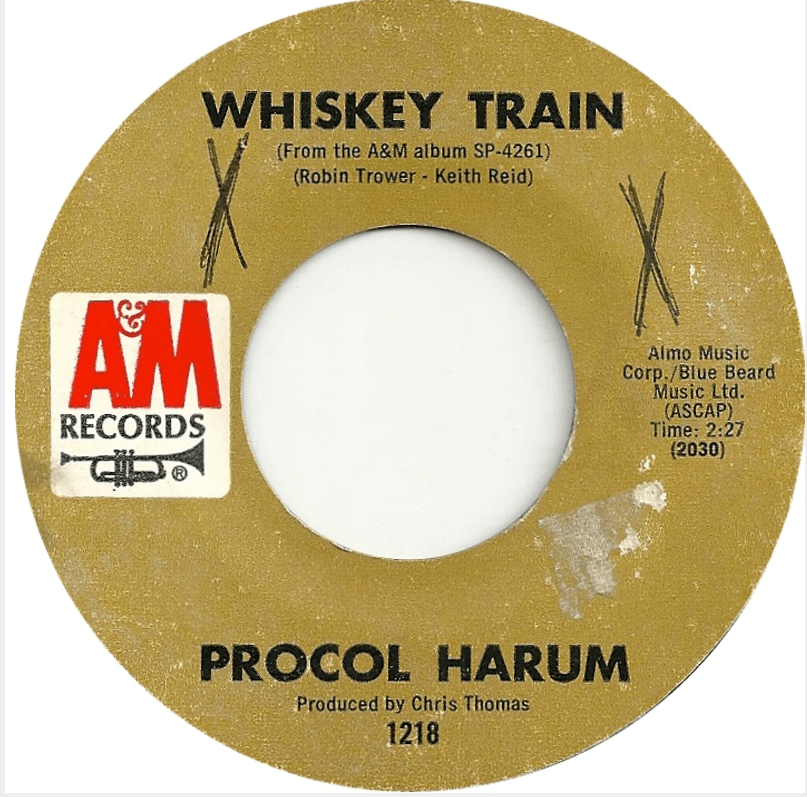
Procol Harum – Whiskey Train

I was lucky to see Robin Trower in Clarksville Tennessee in the early nineties. In a three week span I went to three concerts…Santana, Eric Clapton, and I wrapped it up Robin Trower in a club called the Cannery…three really good guitar players in that three week span.

This song was released in 1970 and the opposite of their best-known hit “A Whiter Shade Of Pale.” The band had some personnel changes by this time. This wasn’t a big hit or a hit at all but I’ve always loved it as a rock and roll song. The riff is a classic guitar riff.

The song was on the album Home released in 1970. The album peaked at #34 in the Billboard Album Charts and #49 in the UK.

Whiskey Train was written by guitarist Robin Trower and Keith Reid. Great rock and roll song. Leslie West and Blackfoot also covered this song but I’ll stick with the original.

Whiskey Train

Ain’t gonna ride that whisky train
Ain’t gonna burn up no more flame
Throw away my bottle down the drain
Ain’t gonna ride that whisky train
To think that I could be so wrong
To be so sick and still go on
The way I drink it’s been too long
Don’t see much point in carrying on
I’m gonna lose these drinking blues
I’m gonna find a girl to make me choose
Between lovin’ her and drinking booze
I’m gonna lose these drinking blues
Ain’t gonna ride that whisky train
I’m tired of burning in the flame
Throw away my bottle down the drain
Ain’t gonna ride that whisky train

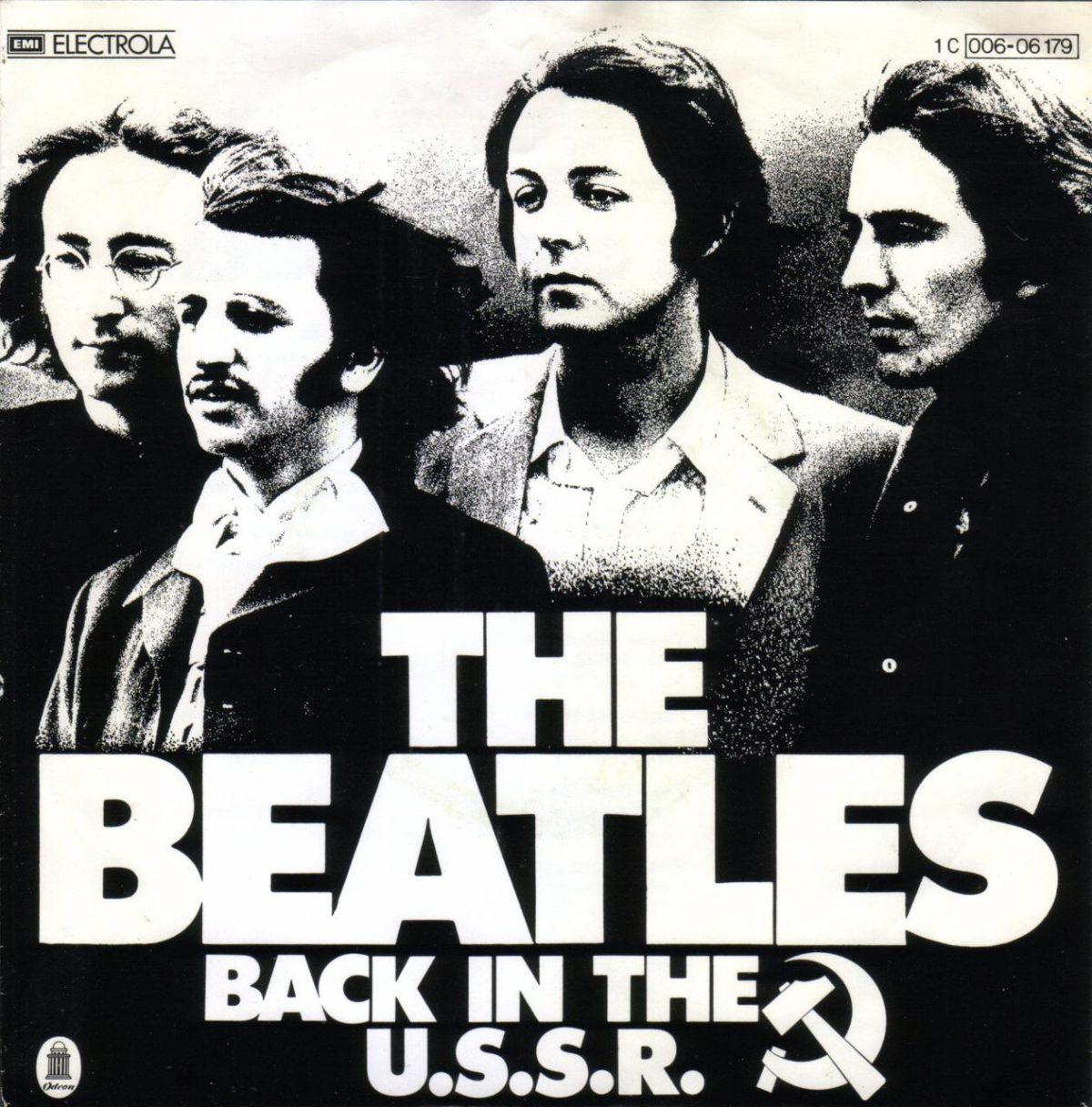
Beatles – Back In The U.S.S.R.

I always liked this rocking song by the Beatles. They threw a little Beach Boy feel in it also.

The song was written during the band’s visit to Rishikesh, India is early 1968, the intention being to study and practice Transcendental Meditation with the Maharishi.

In early 1968, the British government launched the “I’m Backing Britain” campaign to rally enthusiasm and boost their economy. McCartney was inspired by this and Chuck Berry’s Back In The U.S.A. The working title was I’m Backing the UK.

This song was on the double White Album released in 1968. The album peaked at #1 in the Billboard Album Chart, Canada, and the UK. There was tension between the members on this album.

Following an argument with McCartney over the drum part for this song, Ringo walked out on The Beatles. He flew to Sardinia for a holiday to consider his future. While there he received a telegram from his bandmates saying, ‘You’re the best rock ‘n’ roll drummer in the world. Come on home, we love you.’ On his return, he found his drum kit covered with flowers. A banner above read, ‘Welcome Back.’

Paul did end up playing drums on the track. It is credited to Lennon/McCartney but it is a McCartney written song.

This song caused some controversy with conservative America, because it came out during Vietnam and the Cold War and it appeared to be celebrating the enemy. The John Birch Society accused The Beatles with promoting communism.

Paul McCartney: “Chuck Berry once did a song called ‘Back In The U.S.A,’ which is very American, very Chuck Berry, you know. He was ‘serving in the army and, when I get back home, I’m gonna kiss the ground,’ you know, ‘can’t wait to get back to the States.’ It’s very much an American thing, I always thought. So, this one, ‘Back In The U.S.S.R.’ was about, in my mind, a spy who has been in America for a long, long time. Some fellow who’s been in America for a long time and he’s picked up and he’s very American, but he gets back to the U.S.S.R., and he’s, sort of, saying ‘Leave it till tomorrow, honey to disconnect the phone,’ and ‘come here, honey,’ with Russian women, and all that.”

From Songfacts

The story of this song begins in Hrishikesh, India, where The Beatles were on a retreat learning Transcendental Meditation from their guru, Maharishi Mahesh Yogi. Also on the retreat was Mike Love of The Beach Boys, who told us: “Paul (McCartney) came down to the breakfast table one morning saying, ‘Hey, Mike, listen to this.’ And he starts strumming and singing, ‘Back in the U.S.S.R.,’ the verses. And I said, ‘Well, Paul, what you ought to do is talk about the girls around Russia, Ukraine girls and then Georgia on my mind, and that kind of thing.’ Which he did.

So I think it was the fact I was there, which caused Paul to think in terms of Beach Boys, and then my suggestion for what to do on the bridge, he took that suggestion and crafted, like only Sir Paul can, a really great song.”

McCartney was impressed with the idea and used some Beach Boys’ elements in this song: Instead of “California Girls” it was “Moscow Girls.” Plus, the definitive Beach Boy “Oooeeeeoooo” in the background harmonies.

The title was inspired by Chuck Berry’s “Back In The U.S.A.” The Beach Boys had been influenced by that song and also “Sweet Little Sixteen” to come up with “California Girls” and “Surfin’ U.S.A.”

Things were tense when they were working on this album, and Ringo walked out during recording, briefly quitting the band. Paul McCartney played drums in his place.

The line “Georgia’s always on my mind” in a play on the Ray Charles song “Georgia On My Mind.” It has a double meaning, since Georgia was part of the U.S.S.R.

Elton John performed this song when he toured Russia in 1979, and he got a huge response. This was the year before Moscow hosted the Summer Olympics, which the United States boycotted. Elton told Q magazine: “The first night as an encore I did ‘Back In The U.S.S.R.’ And they went apes–t. It was like playing ‘Philadelphia Freedom’ in Philadelphia. You just noticed that the people there were as ordinary and as good as the people you’d notice anywhere else.”

Billy Joel got a similar reaction when he played the song in Moscow in 1987.

This opens with the sound of an airplane flying from left to right across the speakers. Stereo was relatively new, so this was very innovative for the time.

Paul McCartney told Mojo magazine October 2008 that the song’s middle-eight was a spoof of the Beach Boys leading up to Pet Sounds. He added: “The rest is (sings first bars of the melody line of the opening verse) more Jerry Lee (Lewis). And the title is Chuck Berry, Back In The U.S.A., and the song itself is more a take on Chuck. You’d get these soldiers back from Korea or Vietnam, wherever the hell, and Chuck was picking up on that. I thought it was a funny idea to spoof that with the most unlikely thing of way back in Siberia.”

There was a rumor in the Soviet Union that The Beatles had secretly visited the U.S.S.R. and given a private concert for the children of top Communist party members. They believed the song was written because of the concert. Actually, some fans still believe so. 

The wafer-thin actress and model Twiggy claimed that this song was written for her to sing on a tour of Russia that didn’t materialize. She and McCartney had met to discuss a film project, but it’s unlikely this song was written for her.

Paul McCartney used this as the title to an album he released only in Russia in 1989. In 2002, McCartney called his US tour the “Back In The US” tour.

In Stephen King’s 1979 novel The Dead Zone, a serial killer hums this tune as he contemplates his first murder.

Back In The U.S.S.R

Flew in from Miami Beach BOAC
Didn’t get to bed last night
On the way the paper bag was on my knee
Man, I had a dreadful flight
I’m back in the USSR
You don’t know how lucky you are, boy
Back in the USSR, yeah

Been away so long I early knew the place
Gee, it’s good to be back home
Leave it till tomorrow to unpack my case
Honey disconnect the phone
I’m back in the USSR
You don’t know how lucky you are, boy
Back in the US
Back in the US
Back in the USSR

Well the Ukraine girls really knock me out
They leave the west behind
And Moscow girls make me sing and shout
That Georgia’s always on my my my my my my my my my mind
Oh, come on
Hu hey hu, hey, ah, yeah
Yeah, yeah, yeah
I’m back in the USSR
You don’t know how lucky you are, boys
Back in the USSR

Well the Ukraine girls really knock me out
They leave the west behind
And Moscow girls make me sing and shout
That Georgia’s always on my my my my my my my my my mind

Oh, show me round your snow peaked
Mountain way down south
Take me to your daddy’s farm
Let me hear your balalaika’s ringing out
Come and keep your comrade warm
I’m back in the USSR
Hey, you don’t know how lucky you are, boy
Back in the USSR
Oh, let me tell you, honey

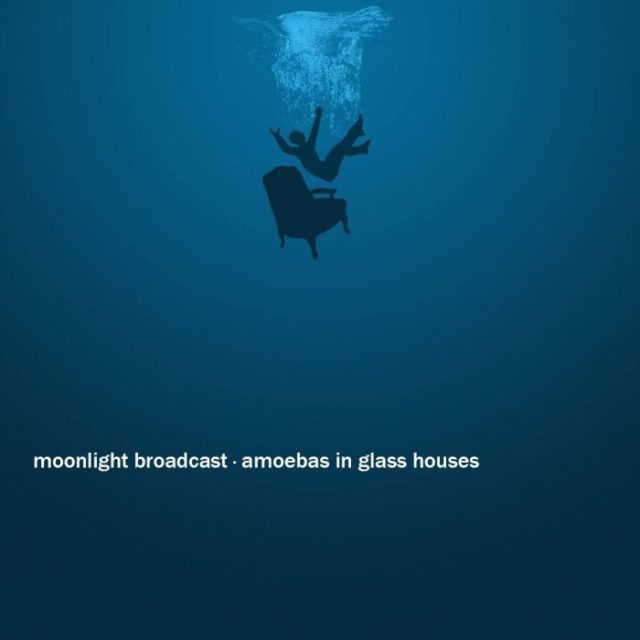
MOONLIGHT BROADCAST – Single Review: “Amoebas in Glass Houses”

I like to feature Power Pop on Fridays…here is one from blogger ECLECTICMUSICLOVER…It’s a great song by Moonlight Broadcast and the song is “Amoebas in Glass Houses” that I think you will like. It’s a great power pop song and an excellent writeup.

EclecticMusicLover's avatarECLECTIC MUSIC LOVER

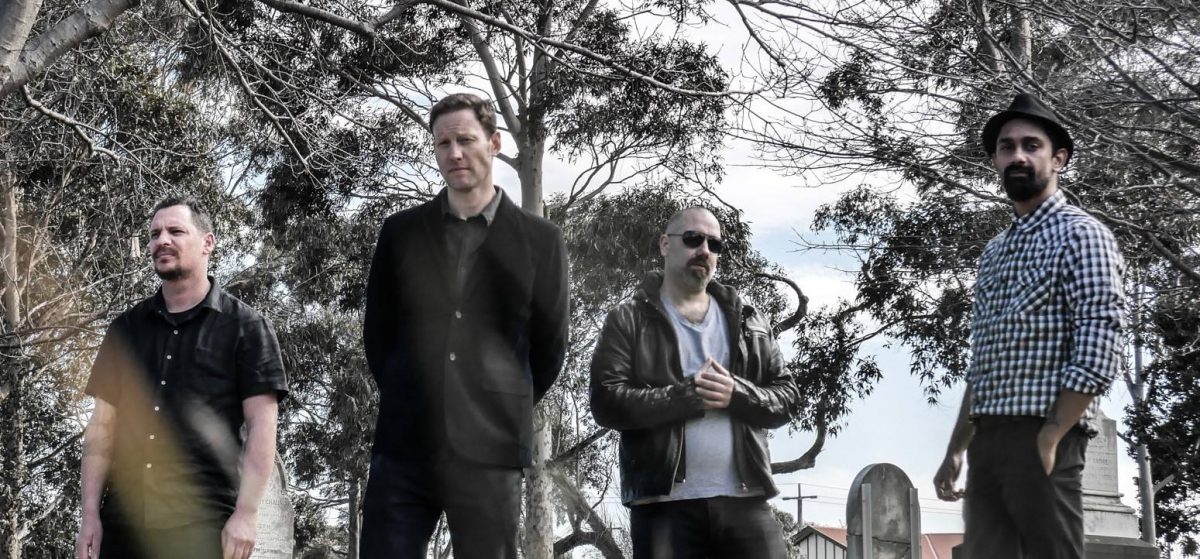
Moonlight Broadcast is an alternative rock band hailing from beautiful Melbourne, Australia. Influenced by such greats as Crowded House, The National and Death Cab for Cutie, they write songs with memorable guitar-driven melodies and poignant lyrics about (in their own words) “the winding, bumpy road we’re all travelling on.” The band is comprised of Cameron (lead vocals), Adi (guitar), Craig (bass, backing vocals) and Ash (drums & mojo). They released their excellent debut EP A Cynic’s Guide to Dying Happy in February 2018 (you can read my review here), and after a two and a half year break, the guys are back at last with a terrific new single “Amoebas in Glass Houses“.

The song has a bouncy melody and lively mix of jangly guitars, humming bass and punchy drumbeats, creating a pleasing, upbeat vibe that contrasts with the rather depressing and brutally honest lyrics. Cameron says…

View original post 223 more words

Rolling Stones – Before They Make Me Run

A great “Keith” song on the great Stone’s album Some Girls released in 1978. Some of the lyrics make me laugh because of how honest they are. Maybe one of the best lines in Rock “I wasn’t looking too good but I was feeling real well”… It doesn’t get much more straightforward than that.

Some of the others are not so fun such as “Booze and pills and powders, you can choose your medicine, Well here’s another goodbye to another good friend.” In the world Keith was living in, it rang true. I’ve read that this line was about Keith’s good friend Gram Parsons who had died of a heroin overdose in 1973.

Richards recorded the song in five days without sleeping in March of 1978, a year after he was busted for heroin in Canada.

This and Happy are my favorite Keith Richards songs with the Stones. You Got the Silver is up there also. This is a Jagger/Richards song but Keith wrote most if not all of this one.

Great raw Rock and Roll song.

Keith Richards: “For sheer longevity – for long distance – there is no track that I know of like ‘Before They Make Me Run.’ That song, which I sang on that record, was a cry from the heart. But it burned up the personnel like no other. I was in the studio, without leaving, for five days… I had an engineer called Dave Jordan and I had another engineer, and one of them would flop under the desk and have a few hours’ kip and I’d put the other one in and keep going. We all had black eyes by the time it was finished… That’s probably the longest I’ve done. There have been others that were close – ‘Can’t Be Seen’ was one – but ‘Before They Make Me Run’ was the marathon.”

From Songfacts

This is about the rock and roll lifestyle that got Keith Richards in trouble. The song was recorded while he was out on bail after getting caught with heroin and arrested for drug trafficking in Toronto in 1977. He was found guilty of the lesser charge of heroin possession, and sentenced to probation.
Richards sang lead and did the majority of the work on this song. With Keith’s drug charges pending, Mick Jagger took a lot of control on the album, but this song was pretty much all Keith.
The original title was “Rotten Roll.”
Richard’s vocals were double-tracked to make them stand out.
A member of The Byrds, Parsons died in 1973 at age 26 after taking an overdose of alcohol and morphine. His corpse was stolen and burned in the Mojave Desert.
An engineer named Dave Jordan helped mix this song. He went on to work with groups like The Specials and The Pogues.

Before They Make Me Run

Worked the bars and sideshows along the twilight zone
Only a crowd can make you feel so alone
And it really hit home
Booze and pills and powders, you can choose your medicine
Well here’s another goodbye to another good friend

After all is said and done
Gotta move while it’s still fun
Let me walk before they make me run
After all is said and done
I gotta move, it’s still fun
I’m gonna walk before they make me run

Watched my taillights fading, there ain’t a dry eye in the house
They’re laughing and singing
Started dancing and drinking as I left town
Gonna find my way to heaven, ’cause I did my time in hell, oh yeah
I wasn’t looking too good but I was feeling real well

Oh after all is said and done
I gotta move I had my fun
Let us walk before they make us run

After all is said and done
I did alright, I had my fun
But I will walk before they’ll make me
I will walk before they’ll make me (run)
I will walk before they’ll make me run

So if it’s all been said and done
I gotta move I had my fun
Let me walk before they make me run

So let me walk before they make me run
I want to walk before they’ll make me run

Teenage Head – Let’s Shake….Power Pop Friday

I remember hearing about this Canadian band but I didn’t start listening to them until recently. Deke and Dave my Canadian friends have mentioned them while following their blogs. Teenage Head was sometimes known as Canada’s answer to the Ramones.

They are from  Hamilton, Ontario and met in Hamilton Weston High school… friends Frank “Venom” Kerr and Gord Lewis formed the group in 1975 with bassist Steve Mahon (later changed his last name to Marshall) and Nick Stipinitz on drums. They took their name from a Flaming Groovies song title and quickly gained a loyal following on the Ontario club circuit for their raw energy, highlighted by Lewis’guitar work and front man Venom’s antics and natural charisma on stage.

Signing with Attic Records, Teenage Head issued their sophomore effort, Frantic City, in early 1980.

They played a show at the Ontario Place Forum, a prominent outdoor venue situated in a Toronto park. Over 15,000 people showed up but they venue wasn’t large enough to hold them. A drunken crowd tried to storm the entrances, sparking a battle with the police officers on hand…multiple injuries and arrests followed. The band woke up the next morning with their name in the papers. They lost some gigs but the publicity pushed “Frantic” up the charts and to gold status.

Teenage Head released Let’s Shake in 1980 and it made it to #88 in Canada.

Let’s Shake

OOH

Give me that opener, pass me that beer
C’mon move your ass on out of here
Well I guess you know I need some money
But you are just too fat and ugly

C’mon shake
Oop, Well let’s shake
C’mon shake
Yeah baby let’s shake

(music)

Well you can’t dance, can’t keep up the beat
Well that’s because you got size twelve feet
Well don’t make me run, well don’t make me blush
You’re just that girl I hate to touch

C’mon shake
Ooh baby let’s shake
Yeah c’mon shake
Well let’s shake

(Bop! We do the bop. Go… Push down. Woo! Yeppy. Yeppy. Yeah… Bla.)

Well every time I see you dance
Hey! Where’d you get those great big pants
Just one ear, well just one eye
Just one glance and I could die

So let’s shake
Mmm let’s shake
C’mon let’s shake
Yeah baby let’s shake

(Bop! We do the bop. I really lie. Act proud.)
(music)

Let’s shake
Let’s shake
Yow let’s shake
C’mon baby let’s shake
Let’s shake!

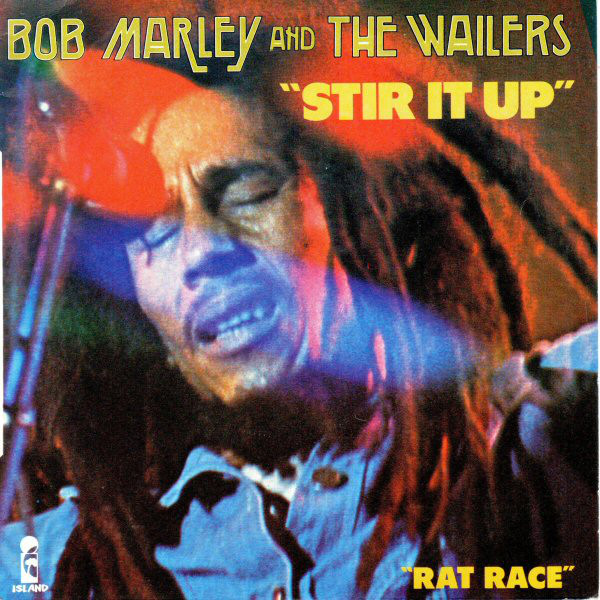
Bob Marley – Stir It Up

It’s hard to feel down when you hear this song. 

This song got me into Bob Marley. He wrote this song in 1967 and recorded it that year and released it as a single. It was later covered by Johnny Nash in 1972 and it peaked at #12 in the Billboard 100 for Johnny.

Bob Marley and the Wailers re-recorded it in 1973 for the “Catch the Fire” album. The Nash version was Bob’s first success outside of Jamaica.

It has been said that Bob Marley wrote this song for his wife Rita.

Bob Marley on Johnny Nash

“He’s a hard worker, but he didn’t know my music. I don’t want to put him down, but Reggae isn’t really his bag,” he said. “We knew of Johnny Nash in Jamaica before he arrived, but we didn’t love him that much: We appreciated him singing the kind of music he does – he was the first US artist to do reggae – but he isn’t really our idol. That’s Otis or James Brown or Pickett, the people who work it more hard.”

From Songfacts

Texas-born singer-songwriter Johnny Nash released his final US hit as a follow-up to his signature tune “I Can See Clearly Now.” Both singles were infused with the reggae sound he brought back from a 1967 trip to Jamaica, where he met up-and-comer Bob Marley. Not only was Marley an assistant producer on Nash’s album, but he also contributed a handful of tunes, including “Stir It Up,” a love song about stirring up desire that Marley wrote for his wife, Rita.

Nash’s version would become Marley’s first hit outside of Jamaica, but he originally recorded it with his own group, The Wailers. After Nash’s success, The Wailers recorded it again for their 1973 album, Catch a Fire. Marley’s version came to the forefront when it appeared on his greatest hits collection Legend in 1984, three years after his death.

In the UK, this was released as the first single, followed by the Nash-penned “I Can See Clearly Now.”

On this track, Nash is backed by the reggae band the Fabulous Five Inc.

A year before the album was released, Marley and Nash collaborated on the score for the Swedish film Vill sa garna tro, which cast Nash in a starring role – but things didn’t go as planned, mainly because no one could find Marley. John “Rabbit” Bundrick, Nash’s keyboardist and co-composer on the score, recalled in the liner notes for Marley’s Songs of Freedom: “I really don’t know what happened to Bob. All I do know is that his air ticket, Johnny’s guitar, and Johnny’s tape recorder all disappeared, along with Bob. Johnny never forgave him for taking his guitar. Bob disappeared as magically as he had arrived.”

Nash put his anger aside when “Stir It Up” became a hit, and invited Marley on a tour of the UK to promote the album.

Diana King covered this for the 1993 comedy Cool Runnings, about a Jamaican bobsled team competing in the Winter Olympics.

In the 2007 movie I Am Legend, Will Smith plays a Bob Marley-obsessed virologist who has survived a zombie apocalypse. When he finally meets another non-infected human, he is horrified to learn she’s never heard of Marley, so he puts on the Legend CD (note the album and movie titles), tells her it’s the best album ever made, and plays “Stir It Up.” Marley’s music is a theme throughout the film, as Smith’s character draws on it for faith. In the film, his daughter is named Marley.

“Stir It Up”

Stir it up; little darlin’, stir it up. Come on, baby.
Come on and stir it up: little darlin’, stir it up. O-oh!It’s been a long, long time, yeah!
(stir it, stir it, stir it together)
Since I got you on my mind. (ooh-ooh-ooh-ooh) Oh-oh!
Now you are here (stir it, stir it, stir it together), I said,
it’s so clear
There’s so much we could do, baby, (ooh-ooh-ooh-ooh)
Just me and you.


Come on and stir it up; …, little darlin’!
Stir it up; come on, baby!
Come on and stir it up, yeah!
Little darlin’, stir it up! O-oh!

I’ll push the wood (stir it, stir it, stir it together),
then I blaze ya fire;
Then I’ll satisfy your heart’s desire. (ooh-ooh-ooh-ooh)
Said, I stir it every (stir it, stir it, stir it together),
every minute:
All you got to do, baby, (ooh-ooh-ooh-ooh)
Is keep it in, eh!

(Stir it up) Oh, little darlin’,
Stir it up; …, baby!
Come on and stir it up, oh-oh-oh!
Little darlin’, stir it up! Wo-oh! Mm, now, now.

Quench me when I’m thirsty;
Come on and cool me down, baby, when I’m hot. (ooh-ooh-ooh-ooh)
Your recipe is, – darlin’ – is so tasty,
When you show and stir your pot. (ooh-ooh-ooh-ooh)

So: stir it up, oh!
Little darlin’, stir it up; wo, now!
Come on and stir it up, oh-ah!
Little darlin’, stir it up!

[Guitar solo]

Oh, little darlin’, stir it up. Come on, babe!
Come on and stir it up, wo-o-a!
Little darlin’, stir it up! Stick with me, baby!
Come on, come on and stir it up, oh-oh!
Little darlin’, stir it up. [fadeout]

Blind Faith – Can’t Find My Way Home

Blind Faith was a Supergroup made up of Eric Clapton, Steve Winwood, Ginger Baker, and Ric Grech. They released just one album… The album peaked at #1 in the Billboard Album Chart, Canada, and the UK in 1969.

It was written by Steve Winwood with acoustic guitar playing by Eric Clapton and percussion by Ginger Baker. Many artists have covered this song but I’ve never heard anyone that can match the original.

Winwood wrote this and sang lead. Many critics thought that Blind Faith sounded a lot more like Traffic than Clapton’s Cream, which is what Clapton was going for.

This song was on the “Blind Faith” album in 1969. Blind Faith was only together for this album, a debut concert in Hyde Park, a Scandinavia and USA tour and then broke up shortly afterwards.

In concert they performed Cream and Traffic songs, which delighted the crowd and annoyed Eric Clapton greatly. These audiences preferred their older material instead of the newer Blind Faith songs.

Clapton began spending more time with opener Delaney Bramlett and less time with his own band, which prompted a 21-year-old Steve Winwood to take a more driving role in the band. Eventually, Clapton left the group following their final show in Hawaii.

This song never gets old to me.

From Songfacts

Clapton played acoustic guitar on this track, which is something he rarely did. In his previous group, Cream, he played long, intense solos, something he wanted to get away from with Blind Faith.

The album was released in the UK with a cover photo of an 11-year-old girl named Mariora Goschen. The cover photo because as famous as the album itself, since it showed Goschen naked and holding a model spaceship (a different cover with a band photo was used in the US and for stores that wanted an alternative in the UK).

Bob Seidemann came up with the concept and took the photo, which represents humankind’s relationship with technology (this was when the mission to put a man on the moon was big news). The band wasn’t yet named, and when Seidemann took the photo, he called it “Blind Faith.” Clapton decided that should be the name of the band.

Clapton sometimes plays this at his concerts, with a member of his band singing. His bass player Nathan East would often sing it.

A common misconception is that Eric Clapton and Steve Winwood reunited at the Crossroads Guitar Festival, July 28, 2007, however, the first true live reunion occurred two months earlier at an event called Countryside Rocks at Highclere Castle, Hampshire, UK on May 19, 2007. Steve Winwood performed his set and Eric came on later as a guest. Together they played this song as well as “Watch Your Step,” “Presence of the Lord,” “Crossroads,” “Little Queen Of Spades,” “Had to Cry Today” and “Gimme Some Lovin’.”

The band House of Lords covered this on their 1990 album Sahara. Other artists to record it include Joe Cocker, Yvonne Elliman, Gilberto Gil and Widespread Panic.

Can’t Find My Way Home

Come down off your throne and leave your body alone
Somebody must change
You are the reason I’ve been waiting all these years
Somebody holds the key

Well, I’m near the end and I just ain’t got the time
And I’m wasted and I can’t find my way home

I can’t find my way home
But I can’t find my way home
Still I can’t find my way home

And I’ve done nothing wrong
But I can’t find my way home

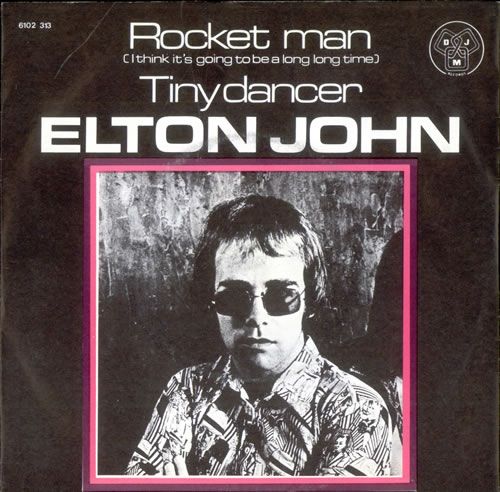
Elton John – Rocket Man

Great single by Elton John released in 1972. It was off of his album Honky Château. Like Bennie and the Jets there are some words that I had no clue in what he was singing. The most commonly misheard lyric in this song is “Rocket Man, burning out his fuse up here alone.” I would mumble words through that until I caught a word somewhere down the line.

The inspiration for Bernie Taupin’s lyrics was the short story The Rocket Man, written by Ray Bradbury. The sci-fi author’s tale is told from the perspective of a child, whose astronaut father has mixed feelings at leaving his family in order to do his job. It was published as part of the anthology The Illustrated Man in 1951.

This was produced by Gus Dudgeon, who worked with David Bowie on his 1969 song “Space Oddity.” Both songs have similar subject matter. Elton practically owned the early seventies.  Elton had 9 No. 1 Hits, 7 Top 10 Hits, and 67 Songs in the Billboard 100 so far.

The song peaked at #6 in the Billboard 100, #8 in Canada, and #2 in the UK in 1972. 

From Songfacts

Space exploration was big in 1972; the song came out around the time of the Apollo 16 mission, which sent men to the moon for the fifth time.

Bradbury’s story was the basis for another song called “Rocket Man,” which was released by the folk group Pearls Before Swine (fronted by Tom Rapp) in 1970. Taupin says that song gave him the idea for his own “Rocket Man” (“It’s common knowledge that songwriters are great thieves, and this is a perfect example,” he said). In the Pearls Before Swine song, a child can no longer look at the stars after his astronaut father perishes in space.

The opening lyrics came to Bernie Taupin while he was driving near his parents’ house in Lincolnshire, England. Taupin has said that he has to write his ideas down as soon as they show up in his head, or they could disappear, so he drove though some back roads as fast as he could to get to the house where he could write down his thought: “She packed my bags last night, pre-flight. Zero hour, 9 a.m., and I’m gonna be high as a kite by then.”

From there he came up with the song about a man who is sent to live in space as part of a scientific experiment.

The song can be interpreted as a symbol of how rock stars are isolated from their friends, family and from the real world by those with power in the music industry. Some lyric analysis as part of the rock star isolation theory:

“I’m burning out his fuse up here alone” – Rocketing through space on stage.

“Higher than a kite” – Feeling outside the box called normal.

“Mars” – “The place he is when he’s high; don’t need to be raising children when you’re an addict. It’s a “cold” place, being an addict and larger than life when you want to be “Normal” and a “Rocketman” at the same time.

Around the 2:20 mark, some synthesizer comes into the mix, accentuating the space motif. Elton didn’t dabble in synths, so a studio engineer named Dave Hentschel played it. Hentschel operated an ARP 2500 synthesizer at Trident Studios in London, where producer Gus Dudgeon did overdubs and mixing for the album. When Dudgeon found out they had the synth, which was introduced in 1971, he had Hentschel play it and ended up using it in the final mix.

Hentschel got the call again on the Goodbye Yellow Brick Road album when Dudgeon had him create the opening section to “Funeral For A Friend / Love Lies Bleeding” on the ARP. In the 1977 movie Close Encounters Of The Third Kind, an ARP 2500 plays the notes that summon the aliens.

When Elton played the Soviet Union in 1979, this was listed on the program as “Cosmonaut.”

This was Elton’s biggest hit to that point, outcharting his first Top 10 entry, “Your Song.” It had a huge impact on his psyche, as it gave him the confidence to know that he could sustain his career in music.

Baseball pitcher Roger Clemens’ nickname was “The Rocket,” which led to lots of highlight videos of him pitching in slow motion with this song playing in the background. He earned the nickname because of his outstanding fastball, but later came under scrutiny when the league learned that his rocket fuel may have been steroids. Clemens denied the allegations and was never convicted of steroid use.

Kate Bush covered this in 1991 for an Elton John tribute album called Two Rooms (a reference to John and Taupin writing separately). Her version hit #12 in the UK.

Bush told NME that this is one of her favourite songs of all time. “I remember buying this when it came out as a single by Elton John,” she said. “I couldn’t stop playing it – I loved it so much. Most artists in the mid seventies played guitar but Elton played piano and I dreamed of being able to play like him.”

When years Elton and Bernie Taupin asked Bush to record one of their songs for Two Rooms, she chose “Rocket Man.” They gave her complete creative control which was both exciting and a bit daunting for the singer. “I wanted to make it different from the original and thought it could be fun to turn it into a reggae version,” she said. “It meant a great deal to me that they chose it to be the first single release from the album.”

William Shatner performed a spoken-word version of this song at the 1978 Science Fiction Film Awards, for which he was the host. Bernie Taupin did the introduction. 

At a show in Anaheim, California on August 22, 1998, Jim Carrey joined Elton for a duet of this song. Carey gave a real performance before sitting at the piano and bashing his head into the keys. 

On an episode of the television show Family Guy, Stewie does a spoken version of this song. 

This was used in a 2017 commercial for Samsung’s Gear VR where an ostrich learns to fly after using the flight simulator on the device.

Speaking at the United Nations on September 19, 2017, American president Donald Trump excoriated North Korean leader Kim Jong Un, referring to him as “Rocket Man” because of his missile program. “Rocket Man is on a suicide mission for himself,” Trump declared. This song immediately began trending.

This wasn’t the first time the phrase was used in this context: The Economist put Kim Jong Un’s father, Kim Jong Il, on the cover of their July 8, 2006 issue with the headline “Rocket Man.”

American country group Little Big Town covered the song for the 2018 Elton John tribute album Restoration. Their version features sounds from NASA’s Mission Juno. The Juno project explored the planet Jupiter unlocking some of the secrets of the planet and the sounds from Juno’s Waves radio instrument were weaved throughout Little Big Town’s harmonies.

“One of the main reasons why we chose ‘Rocket Man’ was because we were so intrigued by not just, of course, Elton John, but by using the sounds from the Juno project so we had all these Jupiter noises,” said Little Big Town’s Karen Fairchild.

Rocket Man

She packed my bags last night pre-flight
Zero hour nine AM
And I’m gonna be high as a kite by then
I miss the earth so much I miss my wife
It’s lonely out in space
On such a timeless flight

And I think it’s gonna be a long long time
‘Till touch down brings me round again to find
I’m not the man they think I am at home
Oh no no no I’m a rocket man
Rocket man burning out his fuse up here alone

And I think it’s gonna be a long long time
‘Till touch down brings me round again to find
I’m not the man they think I am at home
Oh no no no I’m a rocket man
Rocket man burning out his fuse up here alone

Mars ain’t the kind of place to raise your kids
In fact it’s cold as hell
And there’s no one there to raise them if you did
And all this science I don’t understand
It’s just my job five days a week
A rocket man, a rocket man

And I think it’s gonna be a long long time
‘Till touch down brings me round again to find
I’m not the man they think I am at home
Oh no no no I’m a rocket man
Rocket man burning out his fuse up here alone

And I think it’s gonna be a long long time
‘Till touch down brings me round again to find
I’m not the man they think I am at home
Oh no no no I’m a rocket man
Rocket man burning out his fuse up here alone

And I think it’s gonna be a long long time

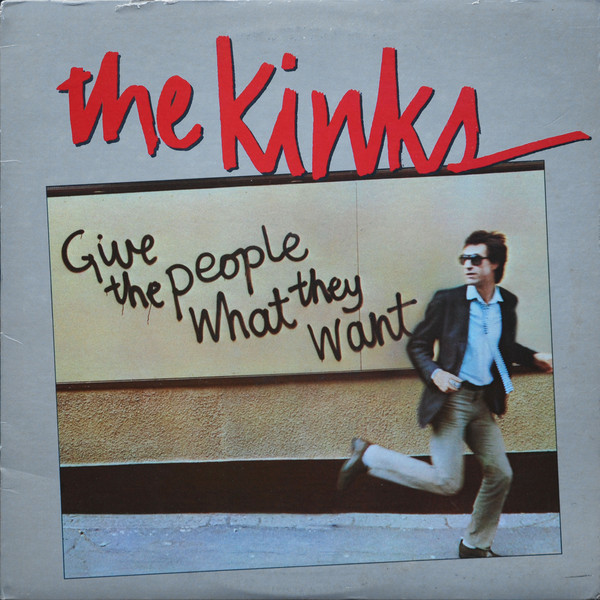
The Kinks – Give The People What They Want…Desert Island Albums

This is my eighth-round choice from Hanspostcard’s album draft…100 albums in 100 days.

2020 ALBUM DRAFT- ROUND 8- PICK 4- BADFINGER20 SELECTS- THE KINKS- GIVE THE PEOPLE WHAT THEY WANT

In 1981 I remember hearing Destroyer on the radio and was confused..Wait…is this a new version of All Day and All of the Night? I wanted that song so I bought the album. Give The People What They Want combines different styles. Punk, Rock, and a little New Wave was thrown in on a few of the songs. I had bought singles and a greatest hits by the Kinks but this was the first new Kinks album I purchased. It’s not considered among their best but I think it’s been underrated and the album still stands up today.

It didn’t get the recognition that their next album “State of Confusion” received because it didn’t have a huge hit single like Come Dancing. Songs like Better Things, Around The Dial,  and Destroyer did get radio play though.

Two years after I bought the album I saw the Kinks live at the Grand Ole Opry in Nashville. They opened with “Around The Dial,” the opener off of this album.. Ray started to write songs that played well in arenas during this time. The concert was right up there with The Stones concerts to me. I was lucky to see the Kinks while they still were still releasing new albums.

Their energy was off the charts. They were approaching middle age but they had more energy than their opening band (The White Animals) who were in their early 20s.

The album opener… Around The Dial is a song that I totally can relate to today because of pre-programmed radio shows. It’s about corporations taking over radio and getting rid of the free form local DJ’s who played songs that their audience actually wanted to hear. This was starting to get popular in the late seventies…now it’s standard.

The song Give The People What They Want is my favorite song off the album. While writing Low Budget, their previous album, Ray was watching American TV including “That’s Incredible” where people did dangerous and insane stunts. He writes a fair statement about the viewing public…now and then. Parts of it are crude but is true to life.  When Oswald shot Kennedy, he was insane, But still we watch the re-runs again and again, We all sit glued while the killer takes aim…

Ray borrowed his own riff from All Day And All Of The Night and repurposed it for Destroyer. He also revisits Lola in the song. Destroyer reached #3 on the Billboard Rock Top Tracks chart and #85 on the Billboard 100.

Better Things has a  new wave feel to it and one of the few optimistic songs on the record. It’s the closing song on the album and changes the dark cynical tone of the album to a little more hopeful.

I finally brought an album to the island that wasn’t released in the 60s or 70s. This 1981 album rocks. It’s probably the hardest rock album that the Kinks ever produced…but it’s still unmistakably Ray Davies.

  1. Around The Dial
  2. Give The People What They Want
  3. Killers Eyes
  4. Predictable
  5. Add It Up
  6. Destroyer
  7. Yo-Yo
  8. Back To Front
  9. Art Lover
  10. A Little Bit Of Abuse
  11. Better Things

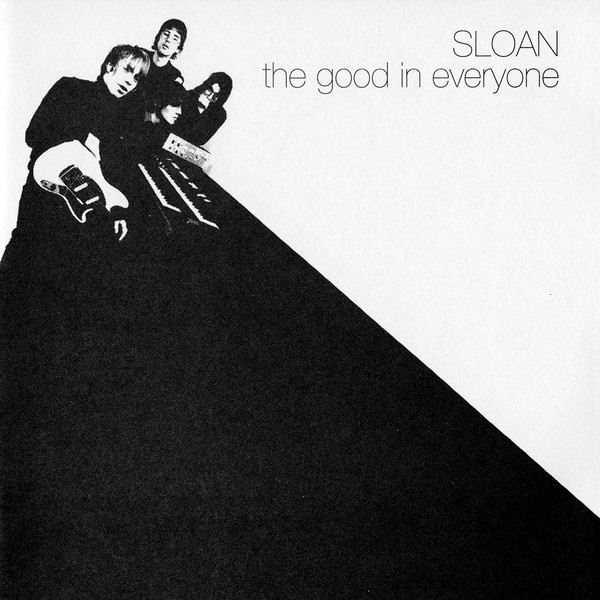
Sloan – The Good In Everyone

Jim told me about a Canadian theme coming up and I wanted to make sure I didn’t miss this one. Sloan is a great power-pop band that my two Canadian friends Deke and Dave told me about. The band never made a big impact on America and that was our loss. They formed in 1986 and still have the same band members. 

When I found this song…the song and video are great. The video is a takeoff…a very good takeoff on the movie Easy Rider…the part where they buy the drugs at the airport from the Phil Spector character.

The song peaked at #6 in Canada in 1996.

It was released as the lead single from the band’s third studio album, One Chord to Another.

The music video for “The Good In Everyone” was filmed at Toronto Pearson International Airport. Band members Andrew Scott playing Billy (Dennis Hopper), Chris Murphy playing Wyatt (Peter Fonda), Jay Ferguson playing Connection (Phil Spector) and Patrick Pentland playing the Bodyguard. The entire introductory scene before the music begins is longer than the song itself.

Sloan

First off, here’s what you do to me
You get rough, attack my self-esteem
It’s not much, but it’s the best I’ve got
And I thought you saw the good in everyone

Ooh, the good in everyone
You see the good in everyone

I close my eyes, I can’t give it up
I close my mind, I can’t get enough
I’m in no shape, I gotta turn it off
Just let it play The Good In Everyone

Ooh, the good in everyone
You see the good in everyone
Ooh, the good in everyone

https://en.wikipedia.org/wiki/The_Good_in_Everyone


All In The Family / Archie Bunker

A couple of years ago I was at Pam’s (All Things Thriller) site and read her character profiles on The Soprano’s characters…I liked it so much that when I thought about covering All In The Family…I asked Pam if she would consider covering Archie, Edith, Gloria, and Mike in the same way.

She not only agreed, but she has given me permission to post her writing on my site.

All In The Family changed the landscape of television and pop culture in the 70s.  Some have said All In The Family was essentially a mirror held up to America at the time. It ran from 1971 – 1979 on CBS. The show was based on Til Death Us Do Part, a British sitcom about a conservative father and his liberal son-in-law. All In The Family may have been the most important television show in the 20th century.

The series spent five consecutive years at number one in the Nielsen ratings.

We will do these in installments on a Saturday. Today will be featuring Archie Bunker. The next will be following in the coming weeks. Hope you enjoy.

Flourish Line Border - Free vector graphic on PixabayAll Things Thriller

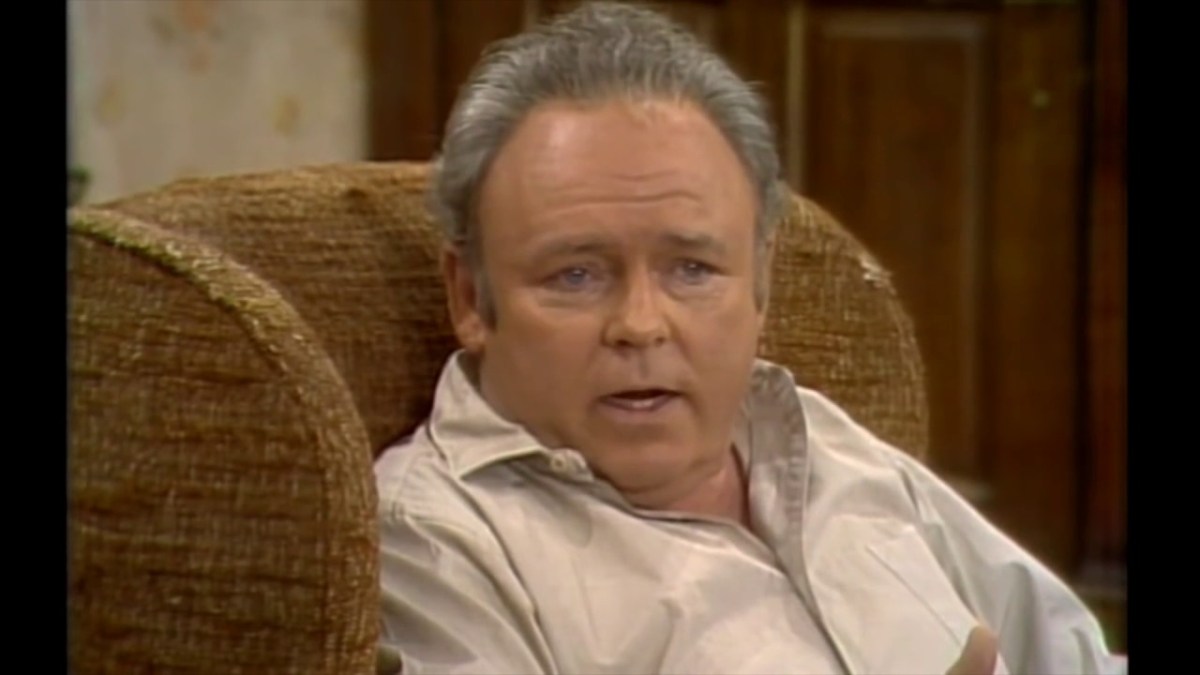
Remember Archie Bunker? If you’re around my age–mid forties to mid fifties–or older you do. And if you didn’t know him personally, you knew someone like him.

Your uncle…Your grandfather…The neighbor across the street.

The country was full of men like him back in the day.

Archie was a grumpy old man, except he really wasn’t that old. He was a middle aged guy stuck in a time warp of sameness…prematurely gray, paunchy, always in work pants, he looked the same when he was fifty as he did when he was thirty and vice versa

He enjoyed his paper, his beer…boxing and baseball on television….fat cigars and his chair. Especially his chair. Nobody could sit in that chair but Archie. Nobody.

And it wasn’t even that great of a chair…at least it was better than his wife’s. Edith. Her chair looked flat out uncomfortable.

Edith was a nice lady. And Archie loved her. He really did…Oh, he talked badly to her. Abusively… He was so domineering. And controlling.

I’m not saying that he cursed her, or, God forbid, raised his hand to her. He didn’t…He would have never done that, but the way he would tell her to stifle herself when she said something he didn’t like or if she was just getting on his nerves..

That kind of stuff wouldn’t fly today. And it shouldn’t.

Should have never flown then. Sadly, those attitudes weren’t that unusual in the 70s. There was a lot of backlash to the civil rights movement in the suburbs then…to women’s lib…to the intelligentsia…There were a lot more blue collar middle class people in the suburbs then.

The Bunkers lived in Queens, in a two bedroom, one bath, row house. They were probably about two rungs, on the plus side, from being lower middle-class. But they weren’t and that’s what counted.

Archie worked hard as a dock foreman to provide for his family. He really did. And he took good care of them.

It wasn’t easy for him either. He had to drop out of high school so he could work and take care of his mother when his dad died. From there he served in the Army Air Corps during WWII where he received the purple heart for being shot in the butt…

Yeah, that’s right. Archie got shot in the butt, but here’s the deal…he was on some cushy gig where he didn’t have to see combat, only he did see it. And when he saw it, he defended his country. And his friends. And himself.

He was a good father to Gloria, too. Of course, he wanted a boy, but from the moment she was born she had him wrapped around her finger.

Oh, he groused at her, too. A lot. But when Gloria miscarried her first baby–Archie’s grandson that he was so excited about–all he really cared about was her.

The way he sat on the side of her bed…and for the first time in his life, probably, he was speechless…the way he looked at her, so worried, just wanting her to be okay, said it all.

He was like that with Edith too. Very loyal to her.

And sometimes, ever so rarely, Edith would let him have it. She’d put her foot down and put him in his place. Those times were priceless.

But in the same way that Archie was misogynistic–because, make no mistake, he was–he was racist, too. He was unapologetically racist, though he would tell you that he wasn’t.

The fact is, Archie Bunker was so racist–it came so naturally to him–that he didn’t know the difference. To him, the Ku Klux Klan was racist, yes, but he was completely numb to the reality that they–the Ku Klux Klan–espoused 90% of his own political views…

That he was an equal opportunity insulter…he ribbed his son-in-law Mike, mercilessly about being Polish…he upbraided Catholics for being Catholic and Puerto Ricans for being Puerto Rican…that he believed there should be no violence and that there were some good people who were minorities was enough to keep him humane, but just barely.

Racism. Misogyny. Inexcusable then and inexcusable now.

Should it matter that he was a hard working, faithful husband and father that was wounded while serving his country during wartime? Are those enough attributes, enough mitigating factors to push Archie over the Mason/Dixon Line and onto the good side?…

That’s right, fellow Southerners, I said the good side. The South–during the Civil War–were the bad guys. Get over it..

I say yes.

Then again, I’m a middle aged white woman. I would say yes.

Joe Walsh – Ordinary Average Guy

Joe Walsh’s career was slowing down when this came out.  It was Walsh’s first album of entirely new music since Got Any Gum?

In 1990, Walsh reunited with former Barnstorm drummer Joe Vitale to co-produce Ordinary Average Guy. This album also features vocal and writing contributions by former Survivor lead vocalist Jimi Jamison as well as backing vocals by Ringo Starr.

This wasn’t Walsh’s best release by a long shot but the song was enjoyable. The song was written by Joe Walsh and Joe Vitale.

Walsh wrote this about his mid-life crisis. It deals with escaping the fame and fortune associated with the life of a rock star. This is a parody of Walsh’s previous release, “Life’s been Good to Me,” which is about rock star excess.

The song was off of Ordinary Average Guy and it peaked at #112 in the Billboard Album Charts in 1991. The song peaked at #3 in the Billboard Mainstream Rock Tracks.

Ordinary Average Guy

I’m just an ordinary average guy
My friends all are boring
And so am I
We’re just ordinary average guys

We all lead ordinary average lives
With average kids
And average wives
We all go bowling at the bowling lanes
Drink a few beers
Bowl a few frames
We’re just ordinary average guys
Ordinary average guys

And every Saturday we work in the yard
Pick up the dog doo
Hope that it’s hard (woof woof)
Take out the garbage and clean out the garage
My friend’s got a Chrysler
I’ve got a Dodge
We’re just ordinary average guys
Ordinary average guys

Ordinary average guy(3x)
Ordinary average average guys

Ordinary average guy(3x)
Ordinary average average average guys

Ordinary average guy(3x)
Ordinary average….

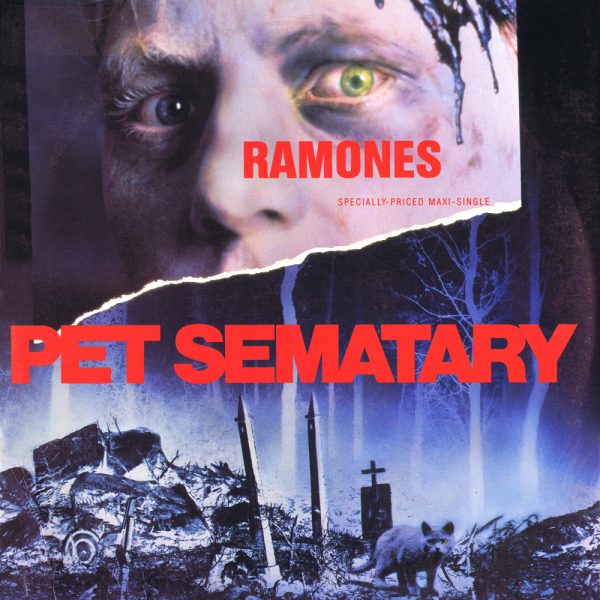
Ramones – Pet Sematary

The Ramones always seem to brighten my day. No pretentious songs or long drawn out solos. They get to the point and fast. This song is a little different their previous songs and it was one of their biggest hits.

Dee Dee Ramone and producer Daniel Rey wrote this song for the 1989 Stephen King movie Pet Sematary.  Another Ramones song, Sheena Is A Punk Rocker, also appears in the film.

Stephen King was a big Ramones fan and even mentioned them in the book.

The music video for Pet Sematary was filmed at the Sleepy Hollow Cemetery in New York village…it was filmed in 1989. The video features cameos by Debbie Harry and Chris Stein of Blondie.

The song peaked at #4 in the Billboard Modern Rock Charts in 1989. The  song was on the album Brain Drain.

Marky Ramone: “Stephen King is a big Ramones fan. … He’s a great guy, very tall, very intense-looking. His eyes are very intense, you can see he read a lot … and we hit it off. He asked us to do a song for the movie soundtrack. … He gave Dee Dee the book to read; he read the book and wrote the song in 40 minutes. I’m forever grateful I met the guy. He wrote a nice quote in the book about me. So thank you, Stephen.”

This is a link for more info on the song and video.

https://tidal.com/magazine/article/pet-sematary-an-oral-history/1-54455

Pet Sematary

Under the arc of a weather stain boards
Ancient goblins, and warlords
Come out the ground, not making a sound
The smell of death is all around
And the night when the cold wind blows
No one cares, nobody knows

I don’t want to be buried in a pet cemetery
I don’t want to live my life again
I don’t want to be buried in a pet cemetery
I don’t want to live my life again

Follow Victor to the sacred place
This ain’t a dream, I can’t escape
Molars and fangs, the clicking of bones
Spirits moaning among the tombstones
And the night, when the moon is bright
Someone cries, something ain’t right

I don’t want to be buried in a pet cemetery
I don’t want to live my life again
I don’t want to be buried in a pet cemetery
I don’t want to live my life again

The moon is full, the air is still
All of the sudden I feel a chain
Victor is grinning, flesh is rotting away
Skeletons dance, I curse this day
And the night when the wolves cry out
Listen close and you can hear me shout

I don’t want to be buried in a pet cemetery
I don’t want to live my life again
I don’t want to be buried in a pet cemetery
I don’t want to live my life again, oh, no, oh, no
I don’t want to live my life, not again, oh, no, oh, oh
I don’t want to live my life, not again, oh, no, no, no

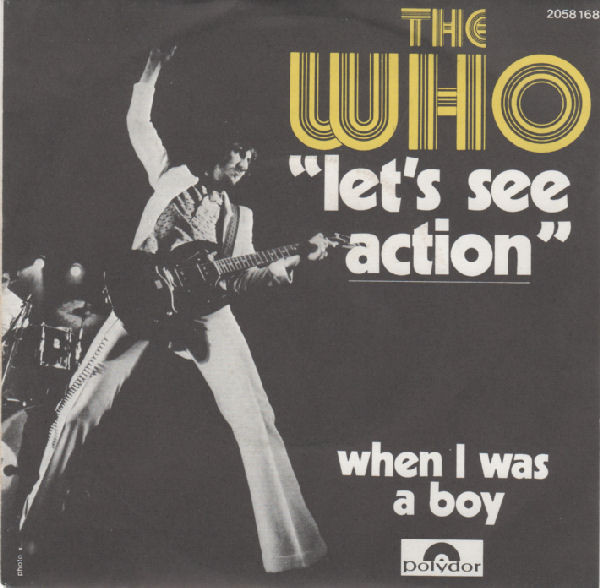
Who – Let’s See Action

Let’s see action
Let’s see people
Let’s see freedom
Let’s see who cares

I had the Hooligans greatest hits double album when I was 13 and I first heard this song then. Pete originally wrote this for the Lifehouse project. 

This was the first of three singles featuring material left over from the Lifehouse sessions. Let’s See Action’s working title was ‘Nothing Is Everything’ and features Nicky Hopkins on piano. 

This was originally written by Pete Townshend for his aborted Lifehouse project, which was intended to be a Rock Opera similar to The Who’s Tommy and Quadrophenia. Many of the songs Townshend wrote for Lifehouse ended up on the 1971 Who’s Next album.

“Let’s See Action” was recorded for the album, but didn’t make the cut. Instead, it was released as a single in the fall of 1971 in the UK peaking at #16. In the US it remained unreleased until its inclusion on the Hooligans compilation album in 1981.

Pete Townshend released a under the radar solo album in 1972 from his demos. One of songs was Let’s See Action. Townshend’s version from Who Came First, is both longer and more energetic than the version by the band.

Roger Daltrey: “Pete was going through a terrible bitterness about the fact that Kit Lambert and Chris Stamp hadn’t got behind making Lifehouse as a film. But the reason they didn’t get behind it was because they couldn’t get to grips with the narrative, and I still feel to this day…even though Pete’s done his Lifehouse Chronicles box and done it as a radio play – well, I’m sorry but though there’s some incredible music in there and some sparks of theoretical and theological ideas, I think the narrative thread of the story is about as exciting as a f—ing whelk (snail) race!

But I always liked ‘Let’s See Action.’ It’s got that texture of explosive rock’n’roll bits mixed in with a laid-back, almost country feel. I still love the sentiment behind it, too.”

Let’s See Action

Let’s see action
Let’s see people
Let’s see freedom
Let’s see who cares

Take me with you
When you leave me
And my shell behind us there

I have learned it
Known who burned me
Avatar has warmed my feet
Take me with you
Let me see you
Time and life can meet

Nothing is
Everything
Everything is
Nothing is
Please the people
Audiences
Break the fences
Nothing is

Let’s see action
Let’s see people
Let’s see freedom
In the air
Let’s see action
Let’s see people
Let’s be free
Let’s see who cares

Let’s see action
Let’s see people
Let’s see freedom
In the air
Let’s see action
Let’s see people
Let’s be free
Let’s see who cares

Give me a drink boy, wash my feet
I’m so tired of running from my own heat
Take this package and here’s what you do
Gonna get this information through

I don’t know where I’m going
I don’t know what I need
But I’ll get to where I’m gonna end up
And that’s alright by me

Let’s see action
Let’s see people
Let’s see freedom
In the air
Let’s see action
Let’s see people
Let’s be free
And see who cares

Let’s see action
Let’s see people
Let’s see freedom
In the air
Let’s see action
Let’s see people
Let’s be free
Let’s see who cares

Nothing, nothing, nothing
Every, every, every, every
Nothing, nothing, nothing
Nothing, nothing, every