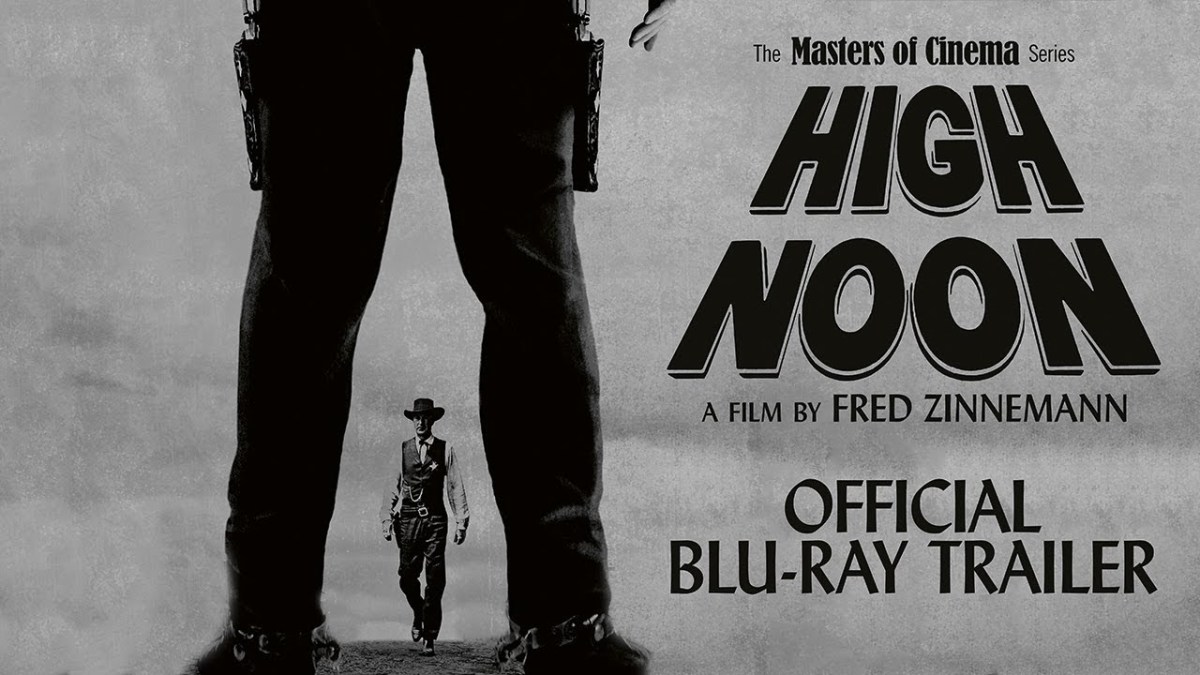
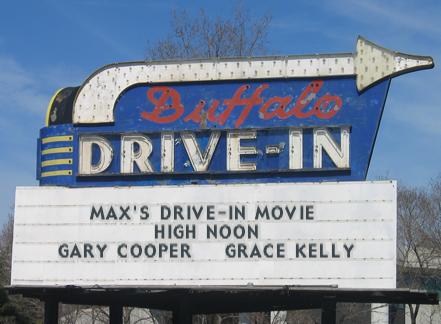
When I see Gary Cooper I think of one person…and that is Lou Gehrig because he did a great job portraying him in Pride of the Yankees. Gary Cooper plays Sheriff Will Kane in this western on his wedding day. Grace Kelly plays his Quaker’s new wife and she is stunning. Katy Jurado is also great in the role of Helen Ramírez, a beautiful and successful woman.
There are other excellent Westerns like The Unforgiven, Pat Garrett and Billy the Kid, The Eastwood Trilogy, The Searchers, and Tombstone…this is right up there with them. It’s very uncluttered and doesn’t have 20 plotlines going on at once…it’s simple but exciting. I’ve watched this movie around 5 times and I always find something I didn’t before.
The Killer Frank Miller is due on the noon train and his first order of business is to kill Kaine, a man who Kane helped send to prison five years ago and swore blood vengeance at the time. The three members of his gang are waiting at the depot. Miller escaped hanging, got a long sentence, and some idiots on the parole board turned him loose.
Cooper is a man’s man in this one…a badass but a laid-back one. He refuses to run away from a fight despite having no help from the town members who say he once saved the town. He visits the bar and The church and gets nothing. He takes them on himself.
The 40s and 50s had some great character actors. One in this movie I always have liked…Thomas Mitchell, was in some Capra films, including It’s A Wonderful Life. You have other actors that you have heard of. Harry Morgan of Dragnet and M*A*S*H. Future movie stars Lloyd Bridges and Lon Chaney Jr.
Give this one a watch…it’s only 85 minutes long and Cooper just oozes goodness in many roles including this one. He is not an anti-hero but a man who stands for what is right no matter the cost. This film explores the best and worst of mankind.
The fictional Tony Soprano : Let me tell ya something. Nowadays, everybody’s gotta go to shrinks, and counselors, and go on “Sally Jessy Raphael” and talk about their problems. What happened to Gary Cooper? The strong, silent type. That was an American. He wasn’t in touch with his feelings. He just did what he had to do.
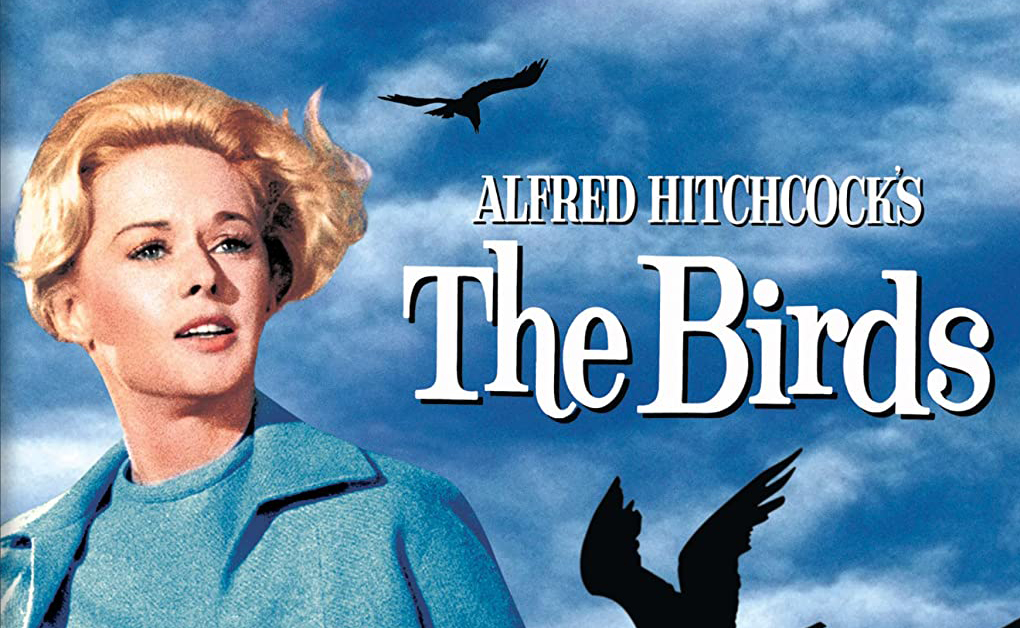
I watched this 1963 movie growing up and it scared the hell out of me. For a while when I passed a tree full of birds…I always did a second take. Alfred Hitchcock was the master of suspense and the movie works today. Tippi Hedren (Melanie), Rod Taylor (Mitch), Jessica Tandy (Mitch’s mom Lydia), and Suzanne Pleshette (Annie) starred in this movie.
Like The Shining…it’s a movie where you can find deeper meanings or just sit back and enjoy a great film. There is a lot of ambiguity in this movie…everything is not spelled out for you. Why are the birds so angry? Why are they attacking people?
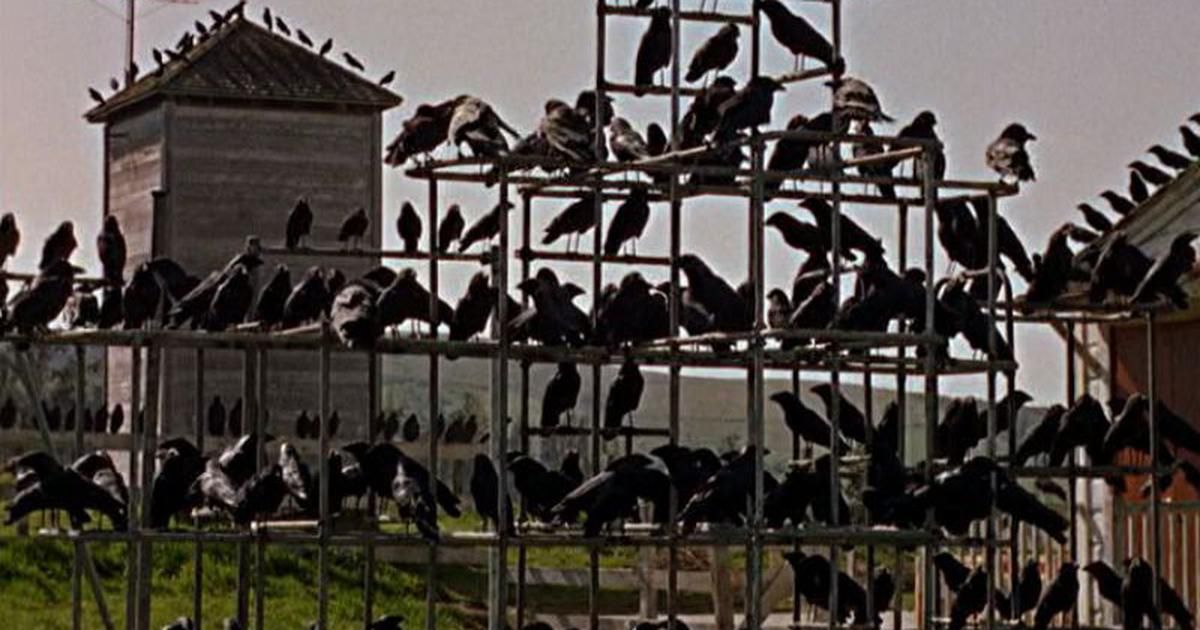
Hitchcock built suspense probably better than anyone. I’ll use this one scene for an example. In one scene you see Tippi Hedren waiting outside of the school. You hear the kids singing a song. She looks around and there are some Monkey Bars and you see one bird landing on them. She sits down on a bench and smokes. After a few drags she looks around and there are 3 birds on the bars…repeat this a few times and more and more birds are on them. Then the bars are full of Birds and this is when she gets concerned and asks Pleshette’s character to evacuate the school as birds start dive-bombing the kids. It goes from 0 to 100 in a matter of 2-3 minutes.
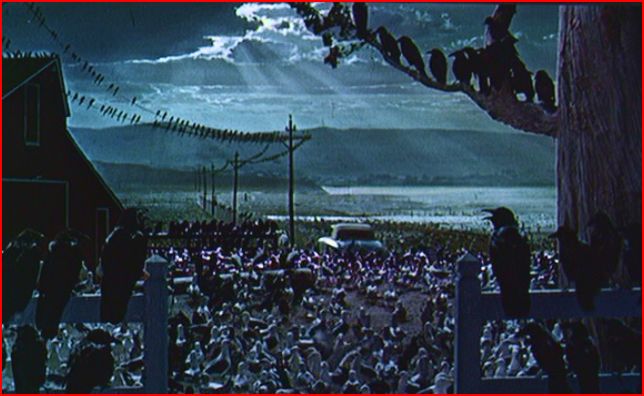
That scene set up the action in the cafe that followed soon after… when all hell broke loose in the town of Bodega Bay. No one really believed Hedren’s character Melanie when she told people about the birds attacking. That is until it started to happen outside and they all saw what was going on. This was after the kids from the school were attacked while running toward their homes.
Hitchcock used silence and stillness in scenes better than anyone else not named Buster Keaton. His scenes would draw out the tension and then he would strike. Sometimes he didn’t strike and it keeps you on the edge of your seat. The direction and the acting were great obviously. This movie is 61 years old this year and it still works.
Pleshette’s character Annie was an ex-girlfriend of Mitch and the dynamic between her and Melanie was fantastic. I also have to mention Lydia, Mitch’s possessive mom, who has a fear of being abandoned. You see the bond between her and Melanie grow as the film goes on.
Most of those birds were real and sometimes tied to Hedren by thread. Many of the cast had some injuries while making this movie.
The Plot from IMDB
Melanie Daniels is the modern rich socialite, part of the jet-set who always gets what she wants. When lawyer Mitch Brenner sees her in a pet shop, he plays something of a practical joke on her, and she decides to return the favor. She drives about an hour north of San Francisco to Bodega Bay, where Mitch spends the weekends with his mother Lydia and younger sister Cathy. Soon after her arrival, however, the birds in the area begin to act strangely. A seagull attacks Melanie as she is crossing the bay in a small boat, and then, Lydia finds her neighbor dead, obviously the victim of a bird attack. Soon, birds in the hundreds and thousands are attacking anyone they find out of doors. There is no explanation as to why this might be happening, and as the birds continue their vicious attacks, survival becomes the priority.
Quotes
Boy in Diner: Are the birds gonna eat us, Mommy?
______________________________________
Cathy Brenner: [crying] When we got back from taking Michele home, we – we heard the explosion and went – went outside to see what it was. All – all at once the the birds were everywhere. All at once, she pushed me inside – and they covered her. Annie! She pushed me inside!
Animal Trainer Ray Berwick: “We had about 12 or 13 crew members in the hospital in one day from bites and scratches,” he said. “The seagulls would deliberately go for your eyes. I got bitten in the eye region at least three times, and Tippi got a pretty nasty gash when one of the birds hit her right above the eye.”
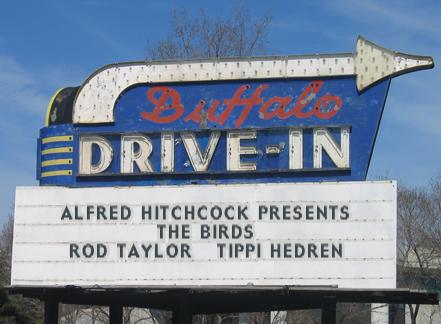
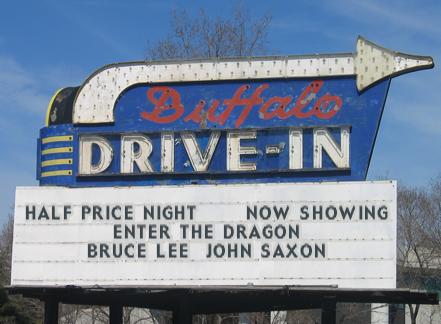
This one was released way before Drive-In Movies but yes it was shown as the second feature at many drive-ins in the day…and probably still is!
I loved this movie as a kid. This one along with The Wolfman, Dracula, and the original King Kong. I went to school the next day saying “It’s Alive It’s Alive It’s Alive!” This movie was directed by James Whale and produced by Universal Pictures, is one of the most iconic films in the horror genre and a cornerstone of early Hollywood cinema. Based loosely on Mary Shelley’s 1818 novel Frankenstein or The Modern Prometheus.
I always considered it one of the most iconic films ever made. The story moves fast and there are no slow moments. They said all they needed to say in this movie with an hour and eleven minute run time. Jack Pierce, a legendary makeup artist, created the Monster’s look, which included the now-iconic flat head, heavy brow, bolts in the neck, and large boots. This visual representation of the Monster is what we remember now when Frankenstein gets mentioned in pop culture.
The big guy in this movie is film legend Boris Karloff. This is the film he is best remembered for and the sequels. The role was originally offered to Bela Lugosi but he declined it. Karloff also was in The Mummy in 1932. Frankenstein was frightening and a big reason was his eyes. They were menacing along with his slow movements.
The monster could be gentle but Dr Frankenstein’s assistant Fritz (better known as Igor later on) accidentally drops the normal brain and the brain that the doctor used was an abnormal one. After the monster is alive, Fritz can’t help himself and tortures the poor guy with a torch…big mistake by the late Fritz.
I never had much sympathy for Dracula but for Frankenstein I do. He never asked to be born or reborn. The scene with the little girl showed that the monster had a good side but was also heartbreaking. She showed him flowers and how flowers floated in water. He really enjoyed that but he didn’t know any better and threw the girl in to see her float…she didn’t. After the girl, the village chases the monster down.
Making a human being from spare parts… I’m reminded of a quote from Jurassic Park… Yeah, yeah, but your scientists were so preoccupied with whether or not they could that they didn’t stop to think if they should.
Plot IMDB
Henry Frankenstein is a brilliant scientist who has been conducting experiments on the re-animation of lifeless bodies. He has conducted experiments on small animals and is now ready to create life in a man he has assembled from body parts he has been collecting from various sites such as graveyards or the gallows. His fiancée Elizabeth and friend Victor Moritz are worried about his health as he spends far too many hours in his laboratory on his experiments. He’s successful and the creature he’s made come to life is gentle but clearly afraid of fire. Henry’s father, Baron Frankenstein, brings his son to his senses, and Henry agrees that the monster should be humanely destroyed. Before they can do so, however, the monster escapes, and in its innocence, it kills a little girl. The villagers rise up intent on destroying the murderous creature.
I remember black velvet paintings in the 1970s. Two of the biggest subjects of those paintings were Elvis Presley and Bruce Lee and at one time I had a Bruce Lee painting. Lee was one of my non-musical and non-baseball childhood heroes. This guy was the MAN. Bruce Lee was Rambo, Rocky, and the Terminator rolled into one…but with one difference…he was real. He also had a coolness about him.
After watching his movies when I was young I also purchased some nunchucks when I was a teenager and konked my noggin enough times to realize I was no Bruce Lee. Lee was the first actor to bridge East and West. He understood how to speak to both audiences no one else ever had. Enter the Dragon was the first film co-produced in Hong Kong and Hollywood. Bruce greatly influenced the action movie genre from the 70s to now.
Bruce would run into nut cases at times. Some person idiot would call him out and want to challenge him to a fight while he would be walking down the street and Bruce would have to defend himself while teaching the person a lesson. Imagine being the dolt who saw Bruce Lee and thought it would be a good idea to fight him. A boxer who sparred with him said “Body of a lightweight with a hit stronger than a heavyweight.”
Bob Wall who appeared in some of Bruce Lee’s movies said this.
One day, while filming Enter the Dragon, an extra taunted Bruce Lee and challenged him to fight. The extra told Bruce he was just an actor, not a martial arts expert… The whole thing went won like this. This kid was good. He was no punk. He was strong and fast, and he was really trying to punch Bruce’s brains in. But Bruce just methodically took him apart.
I mean Bruce kept moving so well, this kid couldn’t touch him…Then all of a sudden, Bruce got him and rammed his ass into the wall and swept him, he proceeded to drop his knee into his opponent’s chest, locked his arm out straight, and nailed him in the face repeatedly.
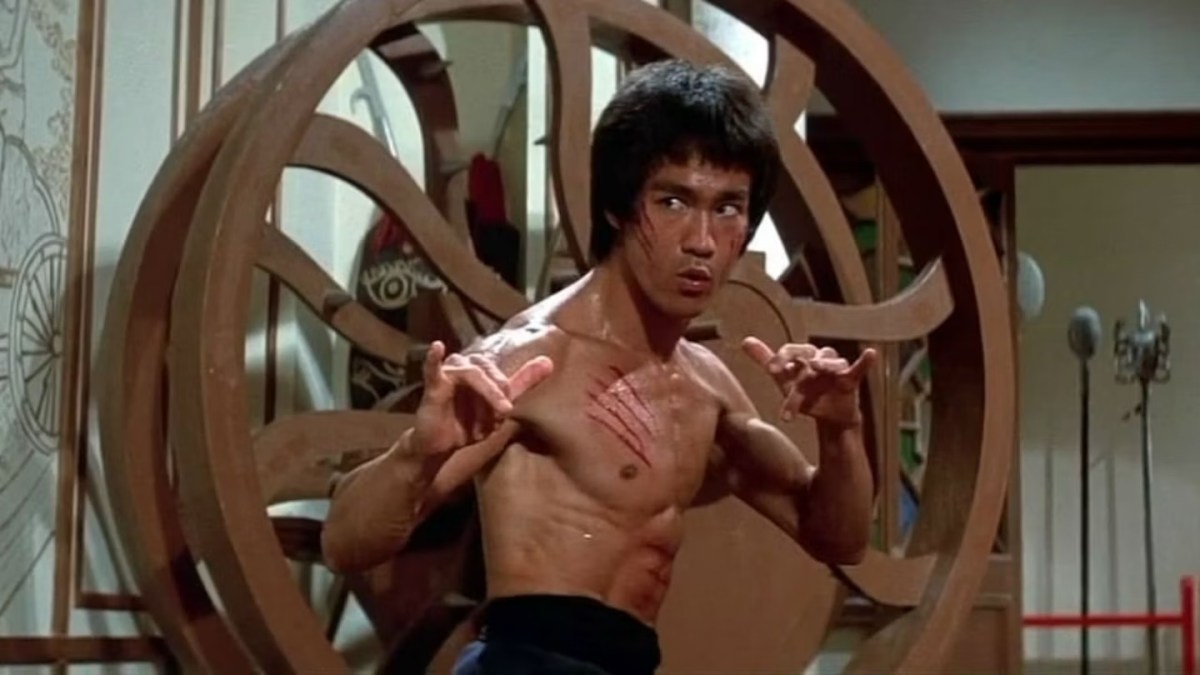
This 1973 movie was Bruce Lee’s final completed film before his death. The movie contributed to martial arts’s global popularity and helped make Bruce Lee’s legacy. I also want to include John Saxon in this. I’ve always been a fan of Saxon in whatever movie he was in. He plays a character named Roper in this flick. Saxon was also a student of Bruce Lee.
The movie’s plot is about a British intelligence agent named Braithwaite to participate in a martial arts tournament organized by the mysterious and reclusive crime lord named Han. Han is suspected of being involved in illegal activities such as prostitution, and human and drug trafficking, and the tournament is a cover for these operations. Lee’s mission is to gather evidence against Han and bring down his criminal empire.
It’s a good story movie with plenty of action scenes. I’ve seen some martial arts movies that dump the story and just go for action. This one is not like that…quality writing and acting throughout the film. It influenced many of the action films that came later. The film keeps the action, drama, and some comedy flowing. It’s worth it to see Bruce Lee with his almost balletic moves.
While filming Bruce in fight scenes Bruce had to slow down his movements so the camera would catch it. His training methods were legendary and some say he was the fastest human they had ever seen.
Before this, Bruce had problems finding acting jobs after the TV series The Green Hornet. He became a private instructor to the stars such as Steve McQueen, John Saxon, and more. He moved to Hong Kong in 1971 and made three Asian movies, Fists of Fury, The Chinese Connection, and Return the Dragon.
The next movie was a joint production between Hong Kong and US production companies. The movie was Enter the Dragon and it was Bruce’s breakthrough movie. Unfortunately, Bruce Lee died six days before the film’s Hong Kong release.
Quotes:
Lee: Teacher?
Shaolin Abbott: I see your talents have gone beyond the mere physical level. Your skills are now at the point of spiritual insight. I have several questions. What is the highest technique you hope to achieve ?
Lee: To have no technique.
Shaolin Abbott: Very good. What are your thoughts when facing an opponent?
Lee: There is no opponent.
Shaolin Abbott: And why is that ?
Lee: Because the word “I” does not exist.
Shaolin Abbott: So, continue…
Lee: A good fight should be like a small play, but played seriously. A good martial artist does not become tense, but ready. Not thinking, yet not dreaming. Ready for whatever may come. When the opponent expands, I contract. When he contracts, I expand. And when there is an opportunity, I do not hit. It hits all by itself.
Kareem Abdul-Jabbar: Bruce created a jambalaya of martial arts, adding and discarding moves that were less effective. No wasted movements I took it to heart, I dedicated myself to preparation by maintaining complete focus during basketball practice and my training with Bruce. As a result, I became stronger, faster and a much more intense player. Bruce was an innovator and caused martial arts to move forward. … The skyhook is the embodiment of an efficient shot that requires minimal movement but sudden speed.
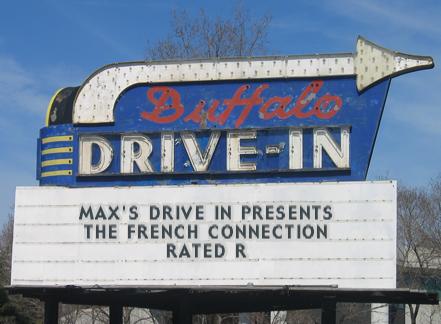
When the idea of the drive-in movie posts came up…this was one of the first ones I thought of. You get a glimpse of the 1970s drug dealing life in New York. I will eventually hit some other eras rather than just the early to mid-seventies.
I saw this movie at the Belcourt Theatre in Nashville in 2018. It was like being in a time warp and back in 1972. This movie has some padding and some wooden acting (but there is a reason) but you can tell where Quentin Tarantino was inspired. I’ve always liked the movie and seeing it on the big screen made it that much better. I do think Tarantino’s Jackie Brown was hugely influenced by this movie.
They filmed Superfly on the cheap with some real criminals in the movie to add authenticity. The character “KC” was a pimp in real life and the famous car from the movie is, in fact, KC’s car. The car is no longer with us…it was seized by the IRS when KC got into trouble.
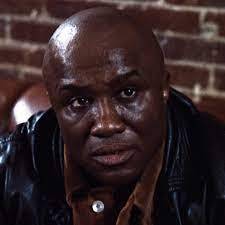
“Fat Freddie”(Charles McGregor) in real life was a reformed criminal. He helped the realism and went on to appear in more blaxploitation films in the 1970s. He also ended up going to schools and counseling children on the dangers of a life in crime.
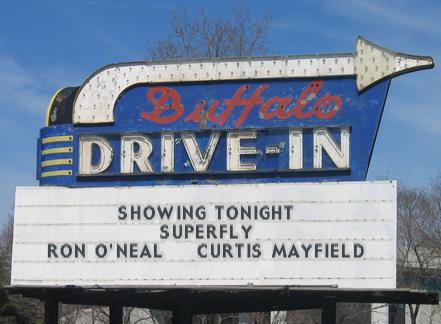
I had some sympathy for the lead character Youngblood Priest played by Ron O’Neal. He lived well financially but knew he was living on borrowed time. He was a cocaine dealer who knew the walls were closing in. He wanted out but was in a cycle that was almost impossible to break. He needed a great plan to get out of it. It reminds me of mafia members wanting out but are trapped.
The highlight of the movie, of course, is the music. Curtis Mayfield’s soundtrack is great. Curtis does appear in the movie playing in a bar. The movie’s budget was under 500,000 but grossed over 30 million at the box office. The film was shot in only 19 days! This led to some creative choices, like using a car’s headlights for lighting in certain scenes. The film was celebrated but also condemned by civil rights groups who said it glorified drug dealers. I didn’t see that as much. Yeah, Priest had a lot of money but at what cost?
One quote got a laugh from the 2018 audience…and it was because of the mention of an eight-track. You’re gunna give all this up? Eight Track Stereo, color T.V. in every room, and can snort a half a piece of dope everyday?! That’s the American Dream.” I’m glad they didn’t clean the film up too much. It had some grainy elements and it fit the atmosphere perfectly. It’s not a great, great movie but the story is good with a nice twist… and it did make a cultural impact.
Quotes:
Georgia (Priest’s Girlfriend): Look maybe you should get out now, now before something really bad happens. I could be happy with a plain life, a poor one if only you were.
Youngblood Priest: Look what would I do? With my record I can’t even work civil service or join the damn army. If I quit now, then I took all this chance for nothing and I go back to being nothing. Working some jive job for chump change day after day. Well if that’s all I’m supposed to do then they gonna have to kill me ’cause that ain’t enough.
From IMDB
The plot revolves around Youngblood Priest, an African-American cocaine dealer in New York City who is looking to make one last big score before getting out of the drug business for good. The film is a defining example of the blaxploitation genre and became iconic for its gritty portrayal of the urban drug trade and its anti-hero protagonist.
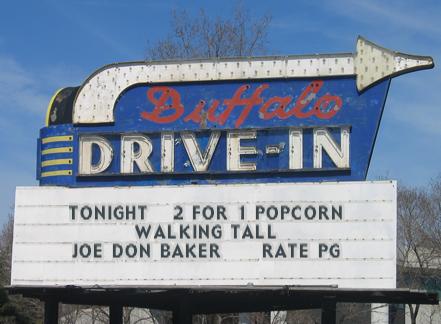
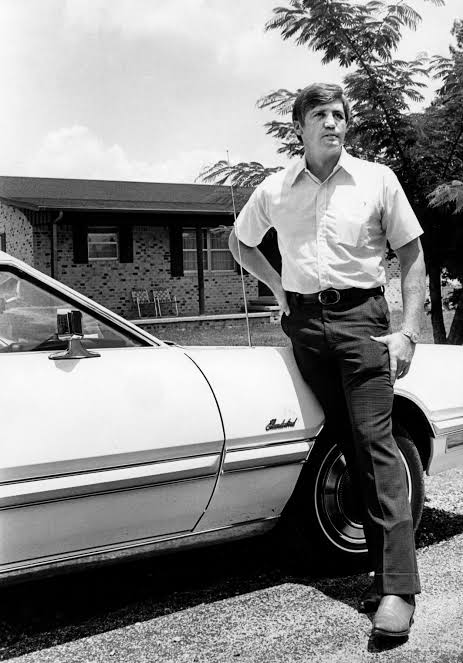
The movie is about what happened in McNairy County Tennessee with the big stick-carrying Sherriff named Buford Pusser. Don’t get this one mixed up with the modern version… you will not get the “Rock” in this one. It has more of a realistic feel than the latest remake. This movie is not slick or smooth…it was made on a small budget but it works well. I grew up hearing stories about Buford Pusser. A policeman friend of the family knew him well.
Before I get into the film. The movie stuck with me through the years and I have a personal story about ending up at his house.
My wife and I traveled to Memphis to visit Graceland in the late 90s. On the way back home we got lost (pre-GPS and I have no sense of direction) and ended up in McNairy County. I remembered the name and we looked saw Pusser’s old home which was turned into a museum. We walked in and the lady working there was super nice. We sat on his couch and looked at his car, badges, guns, and uniforms. Before I left I could not resist…I just had to buy one of those big sticks…which was just an ax handle with his name and also a VHS tape of the Sheriff’s story. I checked today…now they have his furniture behind glass.
It was pretty cool being able to touch and walk around freely after the “stay behind the rope!” mentality at Graceland…which I understand completely…Hey, it’s the home of the big E. If you ever go to Graceland and if you have a couple of hours to spare, drive to this museum it is interesting… it’s like going back in time to the mid-seventies…it was just a fluke that we found it but it was fun.
Ok back to the movie. It’s a vigilante drama and a revenge story that paces itself pretty well. Joe Don Baker is very believable in this movie. If you hate violence this is not for you because it’s loaded with it. The Sheriff almost single-handedly cleans up the town with the aid of a big stick and his loyal deputies. The film quality is cleaned up and not as grainy as I remembered. You will see the future 70s pinup singer Leif Garret as the Sheriff’s son…also future Rockford Files dad Noah Beery Jr. I watched the movie recently and it holds up very well.
A little about the history of Pusser. He was the son of Carl and Helen Pusser. His father was the police chief of Adamsville, Tennessee, which likely influenced Pusser’s future career in law enforcement. Before becoming a lawman, Pusser served in the United States Marine Corps and was also a professional wrestler.
He became the sheriff of McNairy County in 1964. The 26-year-old sheriff was fearless and wasted no time cracking down on mafia activity, concentrating on the state border between Tennessee and Mississippi, which was controlled by two separate gangs… the Dixie Mafia and the State Line Mob. The mob gangs made a lot of money off of moonshine, so Pusser’s crackdown was obviously not appreciated. His battle against all of this was intense and personal. His wife, Pauline, was killed in an ambush meant for him, which fueled his determination to clean up the county.
Did he bend the rules? Yes, sometimes into a pretzel but he was playing against a stacked deck. Despite his wife being killed, his family being terrorized, and numerous attempts on his life, he kept going. He was stabbed 7 times and shot 8 during his time as sheriff. I’m sure Hollywood massaged some truth, but it wasn’t cartoonish.
The movie grossed over $40 million at the box office and led to two sequels: Walking Tall Part 2 (1975) and Final Chapter: Walking Tall (1977), as well as a television series and a 2004 remake I told you about earlier starring The Rock (Dwayne Johnson).
Buford Pusser agreed to portray himself in Walking Tall Part II but, hours after signing the contract, he was killed when his car ran off the road near his home. Some believe his car was sabotaged in retribution for his stamping out the illegal activities of the Stateline mob on the Tennessee-Mississippi border.
Buford Pusser
Quotes:
Buford: There’s only two rules, and thats all… But don’t ever forget them. Number one we enforce the law equally. Number two, any man caught taking a bribe gets his head knocked off by me.
Plot from IMDB:
“Walking Tall” depicts Buford Pusser’s real-life crusade against the corruption that plagued his hometown. After being severely beaten by criminals, Pusser decides to run for sheriff and wins. He then begins a relentless campaign to rid the county of illegal activities, facing numerous threats and attempts on his life. His story is one of resilience, justice, and personal loss.
The cast included Joe Don Baker, Elizabeth Hartley, Leif Garrett, Dawn Lyn, and Noah Beery Jr.
I have a Jimmy Buffett and Buford Pusser story after the video. It’s well worth the read!
Off topic of the movie but Jimmy Buffet had a Buford Pusser story. I’ve heard this from different sources but this is from http://www.buffettworld.com… The movie was good but this would have been GREAT to see. Jimmy was on the wrong side of Pusser.
In 1974, Jimmy Buffett had a run-in with famed “Walking Tall” sheriff Buford Pusser. The story is referred to in “Presents To Send You” from the 1974 album A1A and also in “Semi-True Stories” from the 1999 album Beach House On The Moon. In both songs, few details are mentioned. But at a show in 1974 at the Exit Inn in Nashville, just a few months after the incident, Buffett took some time to tell the crowd about the altercation:
“There were a lot of rumors circling around that I had an encounter with this young man. Which are true. We finished doing our recording over at Woodland Studio, real happy that the album had come out so well. All the lightweights had went out to get a few bottles of champagne and celebrate. Sammy Creason and Chuck Nease and I decided to go out and get a bottle of Cuervo Gold Tequilla and 3 straws. We went at it and in 15 minutes we were just knee-crawlin’ drunk. So we proceeded to the flashiest night spot in town, the roof of the King of the Road Hotel.
We’re there dining and dancing. Ronnie Milsap was on vacation. Sammy Creason was with me, so we provided just a gala of entertainment. Me on acoustic guitar so drunk I couldn’t hit the chords and him just pounding the drums out in 3-quarter time. Ran everybody out. We got the screaming munchies and we were going to Charlie Nickens to eat. And I couldn’t find my rent-a-car, which was parked somewhere amidst thousands of cars in the parking lot of the fabulous, plush King of the Road hotel. It was a little bitty car. It was hiding among many big ones there. And there was a Tennessee Prosecutors convention going on there. If they had made it to room 819 they would’ve had a closed door case.
So I stood on the hood of this car with a pair of… actually, they were old Ra Ra’s that I bought in Miami for 2 bucks. They were white and brown old Ra Ra’s but they were golf shoes so I had to take the cleats out but they still had the posts in them so they clicked a lot. I was standing on the hood of this particular car and as fate would have it it belonged to a rather large man who came up behind me and threatened my life real quickly. And I hadn’t been in a fight since junior high school on the city bus in Mobile. He came up and said “Son you stay right there, you’re under arrest”. So I politely turned around and said “You kiss my ass”. He didn’t. Instead he followed me over to the car which Sammy had found. I got in the driver’s side and Sammy got in the passenger’s side. My window was up, his was down and this fellow poked his head in and said “Would you like for me to turn this car over?”.
I was not scared of this individual. I just thought he was some ex-football player turned counselor. And Sammy said “look whatever damage we did ABC will pay for everything” which was awfully generous of Sammy since he didn’t have the authority to say so. Being a good company man I took up for my company and said “No they won’t. I’m still gonna beat your ass if you don’t leave us alone”. With that he pulled up then stuck his big head and his hand in and grabbed me by my hair until it separated from my head. I had a big bald spot on the back of it and I looked like a monk for about 3 months. Then he punched Sammy right in the nose. We knew he wasn’t kidding. So Sammy defended himself bravely with a big pen. He starts stabbing at this man’s arm trying to get it out of the window because we couldn’t start the car because with the new modern features of ‘74 automobiles you can not start your car unless your seat belt’s buckled and we were too drunk to get ours hooked up.
So we sit there while this man pounded the hell out of both of us. I looked over at Creason and I said “Sammy I don’t wanna die in a Gremlin.” Eaten by a shark, killed in a plane crash, but what’s my mother gonna say? Smashed to death in a Gremlin in the parking lot of the plush King of the Road hotel. Nope. So I mustered all the courage and energy I had and all the coordination I had left in my poor body and got the seat belt buckled and went to Charlie Nickens. We ordered our barbecue and on the way back we hit the Jefferson St. Bridge. Luckily there was no one around so we just backed up and headed for the hotel.
Got back, and we decided that this man may be lurking in the bushes or else may have been snorkeling around in the pool trying to scoop up coins that people threw in. So we decided to defend ourselves with a classic southern weapon: a tire tool. So we destroyed the back end of the Gremlin looking for the tire tool, found it. Walked through the lobby of these prosecutors, and we had caused a turmoil by this time. And got up to the 8th floor where we were staying and figured we were all safe. But I had forgotten my key.
So I had to go back downstairs and Sammy said well you take this I’m not going back down there. And he gave me the weapon, which I stuck in my back pocket. Walked down into the plush lobby of the plush King of the Road hotel, walked up to the desk and asked for the key to my room. This man snuck up behind me and took the tire tool out of my back pocket. I whipped around and I said “look you, that was for my protection and you started this whole thing. I didn’t mean to get on your car and I’m still gonna beat your ass if you don’t quit bothering me.” At this point, two detectives seized me, drug me into the elevator and said “son, we would call the police and have you arrested. You’ve caused quite a disturbance here tonight. But we figure your just lucky to be alive because that was Buford Pusser.” And I went “Oh. 8th floor please.”
I like movies that are directed and written by the same person. That is the reason I like Buster Keaton and Charlie Chaplin movies. You won’t find this much anymore unless it’s an indie movie. Movies that are written by a committee are sometimes slick and predictable. We need more movies and music like this. I talked about this last Friday in the comments with different people about The Texas Chainsaw Massacre and remembered I wrote it about this one as well.
You will hear one word in many of these reviews…and that word is gritty. The 1970s movies set in New York have grit, filth, and realism. The way these were made looks like they were made on the fly. I mean that in the best way. The characters look as if they were lifted off the streets and filmed. There is a good reason for that. It had a small budget so they couldn’t afford a union-shot movie. Many scenes were shot with natural lighting, and guerrilla filmmaking techniques were employed to save costs. They shot it in 26 days and made excellent use of a handheld camera.
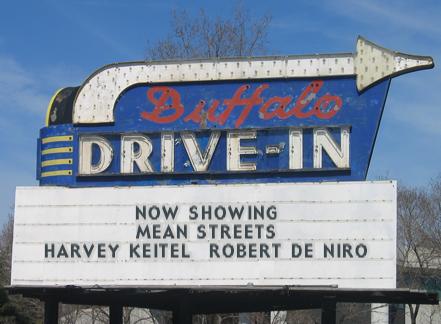
This 1973 film opens with a famous monologue by Charlie, played by Keitel, which sets the tone for the character’s internal conflict. This introspective voice-over became a signature element of Scorsese’s storytelling style. Mean Streets is set in New York City’s Little Italy and follows Charlie (Harvey Keitel), a small-time hood trying to make his way in the local Mafia, and his reckless friend Johnny Boy (Robert De Niro), who owes money all over town. The film explores the struggling street life and the demands of mob life…along with a lot of guilt.
It’s directed by Martin Scorsese and I think this is one of the best movies of its kind. He would later make other mob movies that are more well-known such as Goodfellas, Casino, and The Irishman but none of them are as, here is that word again, gritty as this. Scorsese knew the vibe well, growing up in his New York City neighborhood and dealing with a formative period in his life during the early 60’s. He shot this movie with Roger Corman’s crew with 6 days of location in New York and with most of the interiors done in Los Angeles. Scorsese edited much of the movie in his bedroom. It was written by Scorsese and his childhood friend Mardik Martin. What lends to the atmosphere is many of the film’s scenes were improvised. Scorsese encouraged his actors to ad-lib their lines to create a more authentic and natural feel.
The actors were fantastic. Harvey Keitel, De Niro, Amy Robinson, Victor Argo, and many more. Keitel stands out to me in this like he does in most of the films he made. Here he balances out toughness with vulnerability. He got this part because Jon Voight had dropped out.
Let’s talk about the music a little bit here. Not many directors are as good as Scorsese at placing music in movies. In the first few minutes of this movie, you hear two Stones songs and Derek and the Dominos as he fits the scenes beautifully.
The movie is not action-packed…it’s almost like a day in the life of these characters. You can see parts of Scorsese’s later movies in this one as well. Much like you can see Pulp Fiction in Reservoir Dogs for Quentin Tarantino.
Quotes:
Voice in Charlie’s Mind: You don’t make up for your sins in church. You do it in the streets. You do it at home. The rest is bullshit, and you know it.
Charlie: You know what the Queen said? If I had balls, I’d be King.
Charlie: It’s all bullshit except the pain. The pain of hell. The burn from a lighted match increased a million times. Infinite. Now, ya don’t fuck around with the infinite. There’s no way you do that. The pain in hell has two sides. The kind you can touch with your hand; the kind you can feel in your heart… your soul, the spiritual side. And ya know… the worst of the two is the spiritual.
I saw this review about a book on mobster films that talks about this movie.
Over time, Scorsese would make “slicker, better-crafted movies,” according to authors George Anastasia and Glen Macnow in The Ultimate Book of Gangster Movies, “but the nuts and bolts of who he is and what he’s about are here.” The authors rank Mean Streets No. 14 of the Top 100 gangster movies, just behind Léon: The Professional and ahead of Reservoir Dogs. “On one level, watching Mean Streets is like finding some old film of Joe DiMaggio and Mickey Mantle and Willie Mays during their first seasons in the big leagues,” the authors wrote. “The raw talent is there. There are sparks and smoldering potential.”
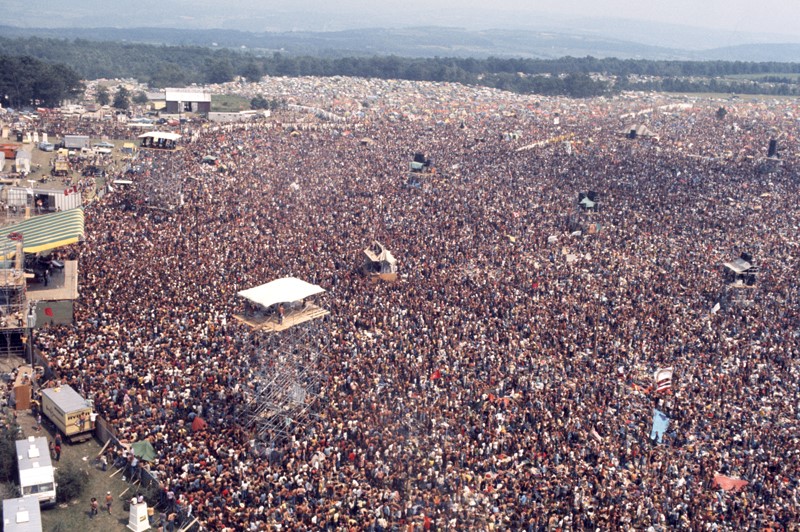
I would have loved to have gone to this concert. The Grateful Dead, The Band, and The Allman Brothers! How much more Americana could you get? Many people felt the same…I mean MANY. 51 years ago today this mammoth concert happened.
I would love to hear from you if you were at this concert. I have one person who did give me a comment.
I first read about this festival in a Grateful Dead biography… There is not much video footage from the concert. No professional film because The Dead didn’t want it to be a movie or soundtrack. I could never understand why this concert wasn’t as well known as The Atlanta Pop Festival and others. It drew more than any other festival including Woodstock with some others combined.
Fans who arrived early were treated to an impromptu soundcheck by the Grateful Dead on July 27, which essentially turned into an extra set…it lasted for hours. Despite the enormous crowd, the atmosphere was surprisingly peaceful and communal. Whether they knew it or not…they were part of something truly historic.
Some cars were abandoned and a few of them are still there! I have a video below that shows some of the rusted cars now that were left.
An estimated 600,000 people attended this concert on July 28, 1973, in Watkins Glen N.Y. 51 years ago. Below is a blogger who was there and a member from each band talking about the concert. I’ll let all of them do the talking.
Jim from Unique Title For Me wrote this about going to this concert. He was one of the lucky ones that got to see Summer Jam.
Jim: That was my favorite concert that I attended, and I have some great memories of being there. We drove into the concert with an ounce of pot on the dashboard and since it was sold out, they were no longer collecting tickets, so they just waved us through the gate. There was this spaced-out naked guy standing nearby Danny, Patty, Irene and I and Danny said that we had to move because he was ruining the show for us. He had a snake around his neck, and he kept drooling, but I liked the spot we had so I grabbed him by his arm and flung him into the mud pit in front of the stage where all the other naked weirdos were.
From the bands themselves, almost all agree the sound check on Friday was better than the concerts.
Perspective about the concert by a member from each band.
Robbie Robertson from his book Testimony
Then we got a request from Bill Graham, who was putting together a show “just up the highway from us” at the Watkins Glen Raceway. We’d be performing with the Allman Brothers and the Grateful Dead. Playing some gigs could help us get “back on the stick,” as they say. We went up to Watkins Glen the day before the show for the sound check. Bill Graham said that the Dead would go on first and play for three or four hours—that was part of their thing, giving the audience their money’s worth. “Until the drugs wear off,” said Bill, laughing. We’d go on in the late afternoon, and the Allmans would take over at sundown. As we were leaving the sound check, it looked like cars were heading toward the racetrack from every direction. Bill said he expected maybe a hundred thousand or more. When we came back the next day, we couldn’t believe our eyes. Hundreds of thousands of people had showed up, and more just kept coming and coming. The crowds mowed down the high chain-link fences around the racetrack and filled the area as far as the eye could see. Bill was running around trying to make people pay admission, but the mobs were out of control. When it came time for the Band to take the stage, it started pouring. As we waited, hoping it was going to let up, Bill came over. “They’ve determined there are 650,000 people here. It’s the biggest concert in history.” The news was somewhere between an incredible accomplishment and a huge disaster. The rain started letting up, and Garth played some churchy, rainy-day keyboard sounds out over the crowd. When it was safe to go on, we decided to start our set with Chuck Berry’s “Back to Memphis.” And wouldn’t you know, as Levon sang that baby, the sun came out.
Gregg Allman from My Cross to Bear
Right before Brothers and Sisters came out, we played the festival at Watkins Glen with the Band and the Grateful Dead, in front of six hundred thousand people—the biggest show in history to that point. People always talk about Woodstock. Watkins Glen was like three Woodstocks. I think actually it might’ve been a little too big. They should have had people all the way around the raceway, and maybe had the stage in the center revolving real slowly, do a revolution in a minute. That’s not that complicated. A show like Watkins Glen was uncomfortable, because you know that you’re getting the show across to this many people, but you still got two times that many behind them. You could finish a song, take your guitar off, put it in the case, and latch it up before the last guy heard the last note. Sound ain’t all that fast, not compared to light.
When you’re playing in that situation, you’re kind of thinking about the end. Not that you’re wishing it to be over, but you can’t even hear yourself—that was back before we had the in-ear monitors. Everything was so loud. You just walk out there and start to wince before you even start playing. It’s hard to get any kind of coziness, any kind of feel with the audience. I guess there’s something about that many people seeing you all at once that’s real nice, but it’s just too much. You’re just like a little squeak in the middle of a bomb going off. But it was interesting, and it was a pretty fun day. People were OD’ing all over the place. And of course, Uncle Bill was there, which cured everything. It was exciting to be there and see it—and to be able to make ’em stand up, now that was something else.
Bill Kreutzmann from Deal
We made some questionable business decisions and we couldn’t sell records, but we sure could sell tickets. We sold around 150,000 tickets for a single show at a racetrack in Watkins Glen, New York, on July, 28, 1973. Yes, and more than 600,000 people ended up coming out for it. The lineup was just us, the Allman Brothers, and the Band. That show, called the Summer Jam at Watkins Glen, made it into the Guinness Book of World Records for what, at the time, was the largest audience ever assembled at a rock concert. In fact, that record may still hold today, at least in the U.S., and some have even proposed that it was the largest gathering in American history. Originally, the bill was supposed to just be the Dead and the Allmans, but our respective camps fought with the promoter over which band would get headliner status. The solution was that both bands would co-headline and they’d add a third, “support” act. The friendly (“-ish”) competition between us and the Allman Brothers carried through to the event itself. And yet, the memory that I’m most fond of and hold most dear from that whole weekend was jamming backstage with Jaimoe, one of the Allman’s drummers. We were just sitting in the dressing room, banging out rhythms, and that was a lot of fun for me. Jaimoe backed Otis Redding and Sam & Dave before becoming a founding member of the Allman Brothers, where he remains to this day. He’s a soulful drummer and just an incredible guy who is impossible not to like. As for the show itself, it is a well-known fact that the Grateful Dead always blew the big ones. Watkins Glen was no exception. However, we still got a great night of music out of it—the night before. The show took place on a Saturday, but by Friday afternoon there were already about 90,000 people in front of the stage. I’ve heard others place that number closer to 200,000. Either way, the audience was already many times the size of any of our regular shows, and the show was still a full day away. The only duty we had on Friday was to do a soundcheck, and even that was somewhat optional. The Band soundchecked a couple of songs. The Allman Brothers soundchecked for a bit. Then, perhaps spurred on by our friendly rivalry, we decided to one-up both bands by turning our soundcheck into a full-on, two-set show. Naturally, without any of the pressure of the “official show” the next day, we really let loose and played a good one. There was an eighteen-minute free-form jam that eventually made it onto So Many Roads, one of our archival box sets. It’s good music, all right, and it still holds its own. On the day of the actual show, we had to fly into the venue via helicopter because the roads were all backed up, like what happened at Woodstock. People left their cars on the side of the road and walked for miles to the gig. I remember looking down from the helicopter and seeing the most incredible impressionist painting, a Monet of heads, shoulders, tie-dyes, baseball caps, and backpacks, packed front to back. You couldn’t see the ground for the crowd. To this day, I’ve never seen anything else like that. Nowadays at large music events and festivals, they have golf carts for artists and crews to get around, but back then they used little motor scooters. Early, during the day of our supposed “soundcheck,” I commandeered one of these scooters and, because the venue was an actual racetrack, I decided to do a lap. This was before the gates were opened. The scooter went maybe fifteen or eighteen miles an hour, something stupid like that, and it took forever just to do one lap. But I did it. And that’s when I first started to get a feel for the scale of the event and just how large it was. During the Summer Jam itself, I watched the other bands play and I honestly thought the Allman Brothers played better on the big day than we did. As for the Band, well, they always sounded great.
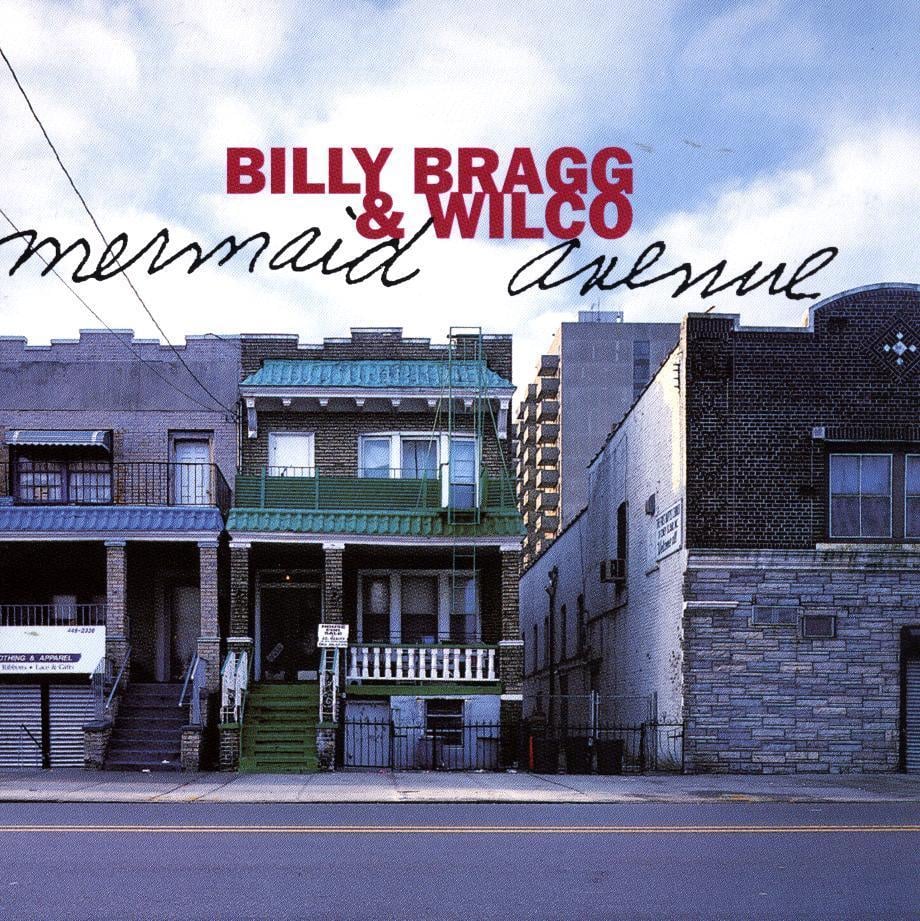
Since I did the Car Songs post and obbverse recommended Black Nova, I’ve been listening to Wilco much more. I first heard of Wilco when I heard the song “Secret of The Sea” which was on the album Mermaid Avenue Volume II. This song was on the first volume.
Mermaid Avenue was a collaborative album by the band Wilco and the British singer-songwriter Billy Bragg. It features previously unpublished lyrics by the legendary folk musician Woody Guthrie. The album was released in 1998 and is named after the street in Coney Island, New York, where Guthrie lived. There were 3 albums in all.
I can’t imagine the pressure Bragg and Wilco felt doing this. Having the legendary Woody Guthrie lyrics in front of you and writing melodies around them. They brought in a new generation of fans to Woody Guthrie. In this song, Jeff Tweedy wrote the music around Guthrie’s lyrics. Many of these lyrics were written in the 1930s – 1940s and finished in 1997.
The project was started by Woody Guthrie’s daughter, Nora Guthrie, who wanted to breathe new life into her father’s huge collection of unpublished lyrics. She invited Billy Bragg to set the lyrics to music, and Bragg, in turn, invited Wilco to join the project. They did a fantastic job on these albums.
The album was well-received by critics, who praised Bragg and Wilco for their ability to honor Guthrie’s legacy while bringing his lyrics into a modern musical context. Mermaid Avenue was nominated for a Grammy Award for Best Contemporary Folk Album.
The album peaked at #34 in the UK and #90 on the Billboard 100 in 1998.
Billy Bragg: I hate to draw comparisons, but it’s what Dylan and the Band were doing in the Basement Tapes. They took those old folk songs, that had deep roots, and they messed around with them and made a great record. We were able to apply that same idea to these songs, although we were perhaps more radical, because we had the whole history of rock music between when Woody wrote the songs, and us, whereas Dylan was quite early on in that tradition. That’s the trick with these Woody Guthrie compilations, is not to be too reverent to the material. Don’t worry about Woody’s words – they’re going to work. Bring yourself in – do what you think he would do. Do what you think you should do. Meet him half way.
There’s a hundred different ways to write a song. And every way is the right way, as long as you end up with a song. Some of those songs that Woody wrote, who knows what tunes he had for them? Maybe we were miles off, maybe we were close, I don’t know. But ultimately it’s what the guy was saying that matters – not the way he was saying it. And what he was saying is preserved. We were fortunate enough to put a frame around his artistic endeavors.
At My Window Sad and Lonely
At my window sad and lonely Oft times do I think of thee Sad and lonely and I wonder Do you ever think of me?
Every day is sad and lonely And every night is sad and blue Do you ever think of me, my darling As you sail that ocean blue?
At my window, sad and lonely I stand and look across the sea And I, sad and lonely wonder Do you ever think of me?
Will you find another sweetheart In some far and distant land? Sad and lonely now I wonder If our boat will ever land
Ships may ply the stormy oceans And planes may fly the stormy sky I’m sad and lonely but remember Oh, I will love you ’til I die
***I feel like this is an every other week announcement but lately, it has been crazy at work. I’m traveling on Sunday and won’t be back until Friday so I won’t be posting until I return. I’ll be too busy to comment back so I’ll hold off.***
Since I took a week and dedicated it to the UK a few months ago I’ve been listening to T-Rex quite a bit. The songs were commercial but very good commercial.
America missed the boat on T-Rex. The only substantial hit they had here was Bang a Gong. This song was their second release as T. Rex…it peaked at #1 in the UK, #7 in New Zealand, #47 in Canada, and #72 on the Billboard 100 in 1071. The song was a non-album single. It was written by Marc Bolan and produced by Tony Visconti who would go on to produce Bowie, Badfinger, Gentle Giant, The Moody Blues, and The Boomtown Rats among others. He also scored the orchestral arrangements for Band on the Run by McCartney.
This was the band’s second big hit single and it gave Marc Bolan what he had always dreamed of… his first No.1 hit. Bolan was influenced by Elvis Presley’s Heartbreak Hotel and the coda repeating structure from The Beatles Hey Jude. Bolan was smart with this song, he kept the rhythm simple and didn’t deviate from that.
T. Rex was huge in the UK starting around 1970 but then declining in 1974. They did have a documentary made about them produced and directed by Ringo Starr called Born to Boogie. Bolan has been credited with starting Glam Rock.
Bolan went on to host a musical TV show called Marc in which he hosted a mix of new and established bands and performed his own songs. Marc’s final show was recorded on September 7, 1977, with special guest David Bowie…who was a friend of Bolan. I have a video of this appearance at the bottom of the post.
Bolan would die in a car wreck 9 days later on September 16, 1977.
Marc Bolan: “I know it’s like a million other songs, but I hope it’s got a little touch of me in it too.”
Hot Love
Well, she’s my woman of gold And she’s not very old, a-ha-ha Well, she’s my woman of gold And she’s not very old, a-ha-ha I don’t mean to be bold, a-but a-may I hold your hand?
Well, she ain’t no witch And I love the way she twitch, a-ha-ha Well, she ain’t no witch And I love the way she twitch, a-ha-ha I’m a laborer of love in my Persian gloves, a-ha-ha
Well, she’s faster than most And she lives on the coast, a-ha-ha Well, she’s faster than most And she lives on the coast, a-ha-ha I’m her two penny prince and I give her hot love, a-ha-ha Take it out on me, mama
Aw! Aw! Oh!
Well, she ain’t no witch And I love the way she twitch, a-ha-ha Well, she ain’t no witch And I love the way she twitch, a-ha-ha I’m her two penny prince and I give her hot love, a-ha-ha
La la la, la-la-la la La la la, la-la-la la La la la, la-la-la la La la la, la-la-la la Ooh, oh, do what you do
La la la, la-la-la la La la la, la-la-la la La la la, la-la-la la La la la, la-la-la la Ooh, lay it all down
La la la, la-la-la la La la la, la-la-la la La la la, la-la-la la La la la, la-la-la la Ooh
La la la, la-la-la la La la la, la-la-la la La la la, la-la-la la La la la, la-la-la la Ooh, lay it all down
La la la, la-la-la la La la la, la-la-la la La la la, la-la-la la La la la, la-la-la la Ooh, jetzt kommt sie doch
La la la, la-la-la la La la la, la-la-la la La la la, la-la-la la La la la, la-la-la la Ooh, ba-ba-ba
La la la, la-la-la la La la la, la-la-la la La la la, la-la-la la (yeah) La la la, la-la-la la Ooh, yeah
This movie was based on a true story. A book was written by Robin Moore called The French Connection about two real detectives named Eddie Egan and Sonny Grosso. Their screen counterparts were Jimmy ‘Popeye’ Doyle and Buddy ‘Cloudy’ Russo. It wasn’t an exact retelling of the true events but much of it aligned with the truth.
One thing I love about this movie is no one looks like a movie star in it. The style of this movie was like someone filming real life. That will probably be a theme here in these drive-in movies. I won’t cover just classics like this one though but I love gritty movies.
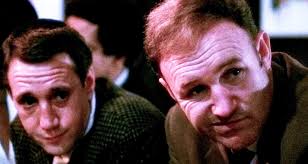
The plot is around two New York City cops who are trying to intercept a 32-million-dollar heroin shipment. They concentrate on ‘Popeye’ Doyle (Gene Hackman) who some would say is uncouth and doesn’t have a love for people. He is like a bulldog on a bone. There is nothing that will stop him. The main person they are chasing is Alain Charnier, a suave and urbane gentleman but is a supplier of pure heroin to America.
The Car Chase. Oh yes, this one is different and very intense. Popeye is chasing a train that is above the street. He stops a pedestrian and uses his car and it is unrelenting. A little trivia… it was shot with no permits and featured actual crashes with real New Yorkers. They did have a few policemen that controlled traffic for the shot but the chase then went into unpatrolled places. Gene Hackman did a lot of the driving but the dangerous stunts in the chase were performed by stuntman Bill Hickman.
The stars Gene Hackman and Roy Scheider patrolled with the real subjects… Eddie Egan and Sonny Grosso for a month. Hackman even helped restrain a subject at one stop.
Let’s go to the director now. Before this film, William Friedkin was best known as a documentary maker. That probably helped the realism in this movie. He had directed a few TV movies and movies before though. He would later direct The Exorcist.
Quotes
Jimmy ‘Popeye’ Doyle: All right! You put a shiv in my partner. You know what that means? Goddammit! All winter long I got to listen to him gripe about his bowling scores. Now I’m gonna bust your ass for those three bags and I’m gonna nail you for picking your feet in Poughkeepsie.
[a few scenes later:]
Walt Simonson: Popeye. You still picking your feet in Poughkeepsie?
The line “picking your feet in Poughkeepsie” was used in real life by real cop Eddie Egan while interrogating suspects. Grosso and Egan would play good cop and bad cop. It’s a phrase that Egan would sometimes use during interrogations to disorient and confuse suspects during interrogations, with the aim of Grosso getting them to open up by asking more direct queries actually related to the case.
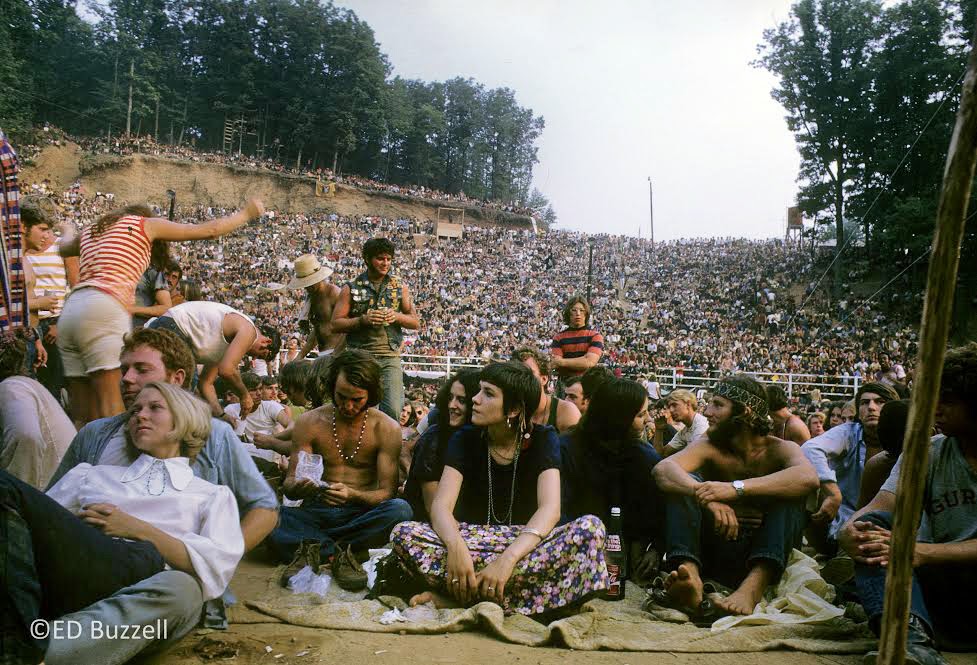
Today is the 44th anniversary of this Rock Festival at Love Valley.
What a festival this was and what a town it still is. It happened in Love Valley North Carolina. The headliners were The Allman Brothers who at that time only had one album out and were largely unknown to the masses. This huge festival was soon known as Woodstock South. Between 100,000-200,000 showed up.
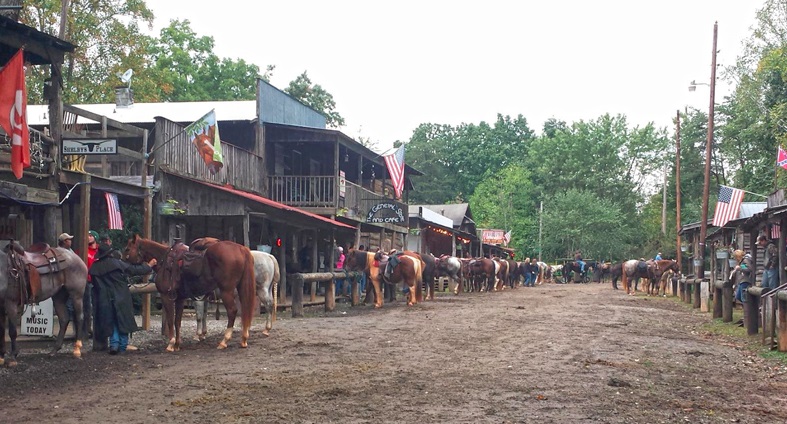
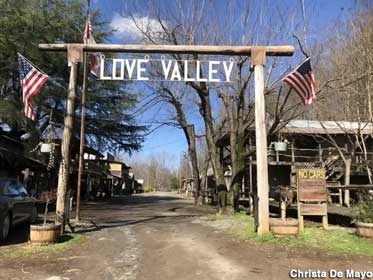
A man named Andy Barker always wanted to live in a western town. When he was 29 years old he bought some land in 1954 and moved his family there. The land was in Iredell County and he he built the town and it was chartered in 1963. It has a saloon, hitching posts, a small church, and more. No cars are allowed in town…you can walk or ride a horse through.
It’s the place for riding horses, rodeos, and hiking trails with 2000 acres to cover. The population of Love Valley is right now at 96. Through the years it seems to stay around 100.
In 1969 Andy’s daughter Tonda wanted to go to Woodstock but he thought she was too young. So he asked her and her 16-year-old brother Jet Barker to organize a festive concert in Love Valley. While in college she had worked with an entertainment coordinator at college and knew the ropes. She managed to secure the Allman Brothers Band who at the time were known in the south but that is about it. They also got some more local bands to fill it out…it was a large bill. It took place Thursday, July 16-18, 1970.
One interesting thing that happened was that the Hell’s Angels and Outlaws showed up to battle each other. According to witnesses, Andy Barker stopped them, confiscated a chain and ax from each, and told them there would be no trouble there. They seemed to respect this man because after that the gangs dispersed and some camped out with no reported trouble. The festival went off without any major hitch.
Tonda:“It was perfect, it was like a dream. We had worked so hard and we could finally just sit down and enjoy it.”
Andy planned to make a documentary of it but it didn’t happen. All we have to look at is some grainy footage but that grainy footage shows Duane Allman a year before At Fillmore East was released. They were finishing up their second album Idlewild South at this time. Some very nice bootlegs are out there from their multiple sets.
Along with the Allman Brothers, the lineup consisted of these bands: Big Brother and the Holding Company (without Janis), Radar, Peace Core, Wet Willie, Johnny Jenkins, Tony Joe White, Hampton Grease Band, Donnydale, Catfish Freedom, Sundown, Chakra, Hot Rain, Kallabash, Warm Stone Blind, Captain John’s Fishmarket. There were over 40 bands over that weekend.
Some like Wet Willie would go on to have a few hits. Tony Joe White had a top ten hit with Polk Salad Annie the year before.
Ed Buzzell was a UPI stringer and took these photographs...they are amazing. They don’t show many bands…just the people…you feel like you are there.
Jim Adams invited me to participate in Song Lyric Sunday for his blog. This week’s prompt is…”asong that features a great bass line.” I knew it was going to be a Who song…and I changed it at the last minute from My Generation to this. This song has some incredible bass.
I have played music since I was around 14-15 and bass since I was around 15. I started out with an acoustic guitar with 2 strings. I could play Smoke on the Water, Down on the Corner, and other songs with those two strings. Soon I graduated to 6 strings and learned chords. A buddy of mine played guitar and he was more advanced than I was at the time.
We decided I would play bass and he would play guitar. I got a job cleaning up a vacant lot that had a massive mess for two days and earned around 50 bucks…and in the early 1980s…that could get you a decent bass guitar in a pawn shop. I learned by ear. We would listen to a record…slow it down to the slowest speed on the turntable and start figuring it out. I’m glad I learned that way because I can pick things out by listening.
Hearing this song around 8 years after it was released for the first time was exciting for me. It was a huge influence on how I played. I always made sure in any band I was in…the bass was heard. You could feel it in your chest… I made sure of that. I would hear some say…”Max is on 11 again.”
Where do I start with this song?
One of the most exciting songs of The Who. It was on the Mod concept album Quadrophenia. Roger and Pete are excellent in this song but John and Keith really stand out. The bass and drums do the heavy lifting in this song. It peaked at #92 in 1974.
I have sat for hours with a bass in my hand trying to get the runs right to this song. One of John’s best bass parts. I usually tie my fingers into knots trying to get this right. It wasn’t one of their huge hits but it was absolutely perfect for me.
I’ve never heard a hard rock band this tight yet carry a great melody underneath it all. John’s bass playing in this song is so good and he makes it sound almost normal. That is why I’ll always be in awe of The Who. Give me their rhythm section of Entwistle and Moon and I could rule the world. The word “revolutionized” is overused at times…but yes Entwistle did revolutionize the bass guitar as Moon did the drums.
The album told the story of a young mod named Jimmy. This song is about Jimmy’s inner turmoil and his quest to understand who he really is. He seeks answers and validation from his mother, a psychiatrist, and God, but finds no clear resolution. The album explores themes of identity, rebellion, and disillusionment. Pete Townshend wrote this and put a little of each band member’s personality in the character.
John Entwistle: “The Real Me” was the first take. I was joking when I did that bass part. The band said, “Wow, that’s great, that’s great!” And I was just messing around. They just loved the song. I was sitting on top of my speaker cabinet playing a silly bass part and that’s the one they liked.
John Entwistle: I think if you listen to my bass parts on their own, they sound unbelievably disjointed, but when you play them with the other instruments on the track, they fit. That’s what comes from playing with Keith.
Speaking of my favorite rhythm section…here is an isolated recording of JUST the bass and drums.
The Real Me
I went back to the doctor To get another shrink I sit and tell him ’bout my weekend But he never betrays what he thinks
Woo Can you see the real me, doctor? Doctor? Can you see the real me, doctor? Woah, doctor
I went back to my mother I said I’m crazy ma, help me She said I know how it feels son ‘Cause it runs in the family
Can you see the real me, mama? Mama? Can you see the real me, mama? Woah, mama
Can you see Can you see the real me? Can you see Can you see the real me The real me The real me
The cracks between the paving stones Look like rivers of flowing veins Strange people who know me Peeping from behind every window pane The girl I used to love Lives in this yellow house Yesterday she passed me by She doesn’t want to know me now
Can you see the real me? Can ya? Can ya? Can you see the real me? Can ya? Woah, yeah
I ended up with a preacher Full of lies and hate I seemed to scare him a little So he showed me to the golden gate
Can you see the real me, preacher? Preacher? Can you see the real me, preacher?
Can you see Can you see Can you see Woah
Can you see the real me, doctor?
Can you see the real me, ma?
Can you see the real me (me, me, me, me, me, me, me, me, me, me, me)?
Everlasting summer filled with ill-content This government had us walkin’ in chains This isn’t my turf This ain’t my season Can’t think of one good reason to remain
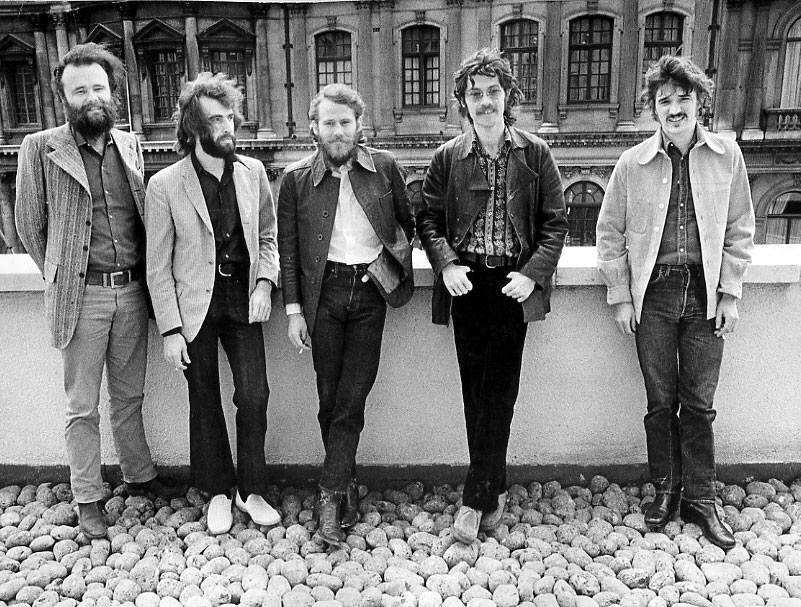
I will say that my favorite Canadian export is The Band. Combine the 4 Canadians with one southern American and you have gold…no scratch that… you have diamonds. Something I will confess about this band… after I’ve heard songs like The Weight, all of my life, sometimes I don’t realize or forget…wow that is great songwriting! I guess because those songs are so ingrained in my head and I don’t give them as much notice but I want to say something about that now. After posting Daniel and the Sacred Harp and now Acadian Driftwood…my respect for Robbie Robertson’s songwriting knows no bounds. This is songwriting at its best. Don’t get me wrong…I always knew those popular songs were great but I took The Band for granted for a while.
Robertson was inspired by the history of the Acadians, a group of French settlers in Canada who were forcibly removed from their land during the Great Expulsion (Le Grand Dérangement) between 1755 and 1764. This event scattered the Acadians across various regions, including Louisiana, where they became known as Cajuns. He was also influenced by Henry Wadsworth Longfellow’s 1847 poem Evangeline, which describes the deportation of Acadians
Just like with Daniel And The Sacred Harp this song showcases the vocals of Rick Danko, Levon Helm, and Richard Manuel. Each takes a turn singing different parts of the song, contributing to the narrative’s depth and meaning. There were some other Americana bands but none sounded like The Band.
Who would even think about writing a song about this subject? The song was on the Northern Lights – Southern Cross album released in 1975. The album peaked at #27 in Canada and #26 on the Billboard Album Charts.
Anyway…now when I listen to The Weight, Cripple Creek, The Night They Drove Old Dixie Down, and the other well-known Band songs…I will stop and listen a little more carefully.
Acadian Driftwood
The war was over and the spirit was broken
The hills were smokin’ as the men withdrew
We stood on the cliffs
Oh, and watched the ships
Slowly sinking to their rendezvous
They signed a treaty and our homes were taken
Loved ones forsaken
They didn’t give a damn
Try’n’ to raise a family
End up the enemy
Over what went down on the plains of Abraham
Acadian driftwood
Gypsy tail wind
They call my home the land of snow
Canadian cold front movin’ in
What a way to ride
Oh, what a way to go
Then some returned to the motherland
The high command had them cast away
And some stayed on to finish what they started
They never parted
They’re just built that way
We had kin livin’ south of the border
They’re a little older and they’ve been around
They wrote a letter life is a whole lot better
So pull up your stakes, children and come on down
Fifteen under zero when the day became a threat
My clothes were wet and I was drenched to the bone
Been out ice fishing, too much repetition
Make a man wanna leave the only home he’s known
Sailed out of the gulf headin’ for Saint Pierre
Nothin’ to declare
All we had was gone
Broke down along the coast
But what hurt the most
When the people there said
“You better keep movin’ on”
Everlasting summer filled with ill-content
This government had us walkin’ in chains
This isn’t my turf
This ain’t my season
Can’t think of one good reason to remain
We worked in the sugar fields up from New Orleans
It was ever green up until the floods
You could call it an omen
Points ya where you’re goin’
Set my compass north
I got winter in my blood
Acadian driftwood
Gypsy tail wind
They call my home the land of snow
Canadian cold front movin’ in
What a way to ride
Ah, what a way to go
On July 12, 1979, Skylab fell back to the earth. Today is the anniversary. I would have never dreamed I would remember it years on.
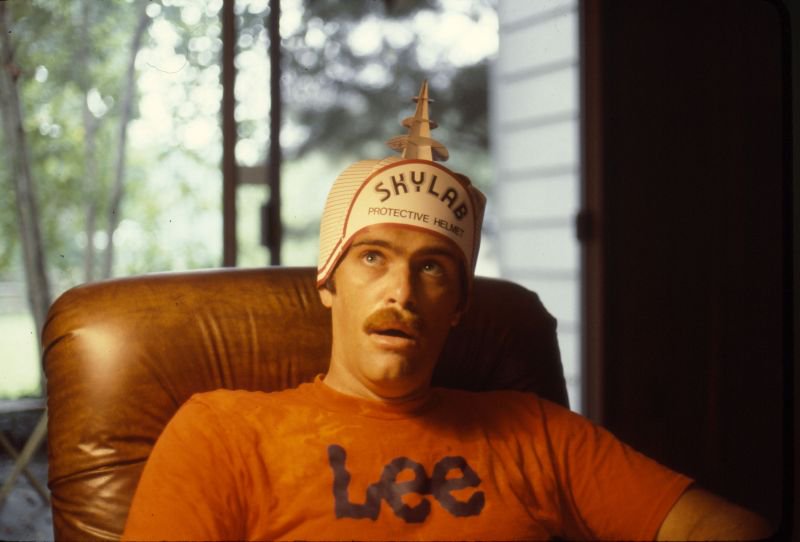
In 1979 I was twelve and heard the news that a space workstation named Skylab was falling to Earth. It was exciting for me…I was hoping that a piece of it would fall near so I could touch something that had been flying through space. When you are a kid that is a big deal. Well, it still would be to me.
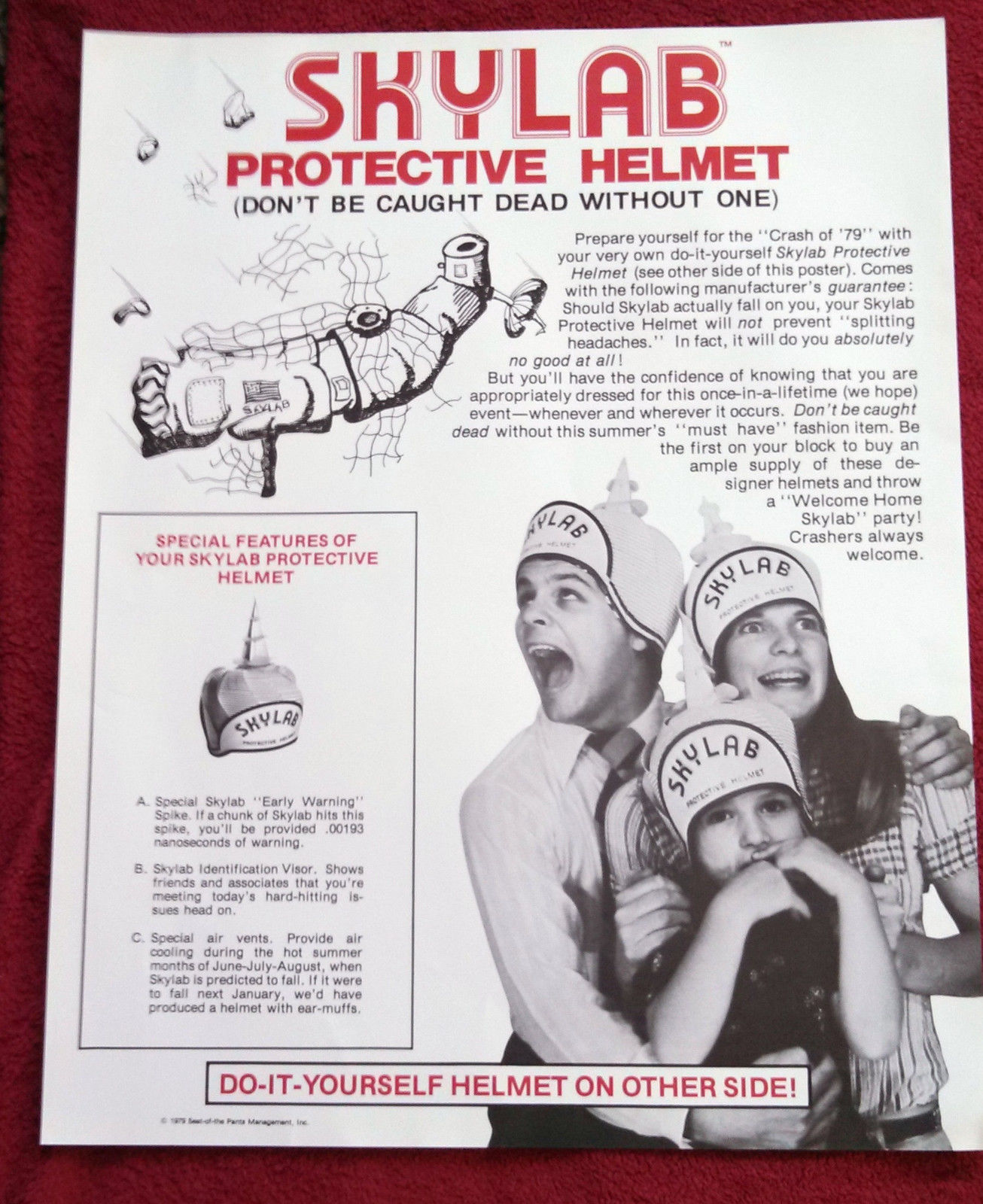
That didn’t happen because unless I was Australian I wasn’t going to see any debris. In school, our science teacher went over the event and I do remember people wearing Skylab t-shirts, hats, and buttons. Everyone was looking up hoping to see something…anything. Some kids were scared they were going to get crushed…that is when I learned that what goes up must go down.
Watching the news… some people were panicking and…some partying. This is from Newsweek in 1979
In various parts of the country, wags painted X’s on their neighbors’ roofs or sported T-shirts with targets on the back. Entrepreneurs sold plastic helmets and Skylab survival kits compete with bags for collecting stray parts of the spacecraft and letters suing NASA for damages. “I don’t know how much we’re making, but we’re having fun,” said Steven Danzig, 25, of Bloomington, Ind., who sold more than 20,000 such kits. In Washington, a bar called Mr. Smith’s sold a concoction dubbed the Chicken Little Special.
Around the U.S., there were Skylab parties to coincide with the crash, and betting pools on precisely when or where the debris would come streaking back to earth.
Skylab was designed to go up but not come back down. It was launched in 1973 and was occupied for almost 24 weeks. There was a lot of time and money spent on how to get it up there but not much time on how to get it down. It only had a 9-year life span, to begin with. In 1979 it was clear that Skylab was rapidly descending orbit.
On July 12, 1979, Skylab came back to earth in the Indian Ocean and in Western Australia. No one was injured by the falling debris.
The San Francisco Examiner offered a $10,000 ($45,309.60 today) reward for anyone bringing a part of Skylab to their office. They knew it wasn’t going to hit America so it was a safe bet they would not have to pay…but Stan Thornton…an Australian truck driver heard about the reward, grabbed a piece of debris, and jumped on a plane to San Francisco and got the reward.






 “Fat Freddie”(