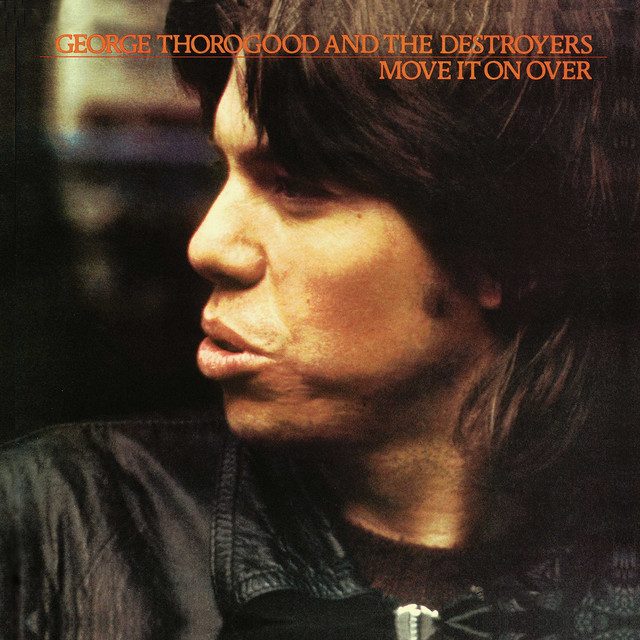
George Thorogood – Move It On Over

I first heard of George Thorogood when I watched the movie Christine back in the 1980s and the song Bad to the Bone. This song is what a grimy bar (not a dance club) in the 1980s sounded like…trust me. I forgot to thank Matt, who posted this Hank Williams song yesterday.

In this song, George rewires an old Hank Williams song and gives it some kick.  It leaves plenty of space for Thorogood’s overdriven slide guitar to bark and growl. The Destroyers keep things locked in, drums steady, bass walking just enough to keep the floor moving. There’s nothing fancy here, and that’s the point. Thorogood has always understood that blues rock works best when it sounds like it could fall apart at any second but never quite does.

In 1978, they were still an underground band, a hard-working bar band with national hopes and a deep love for old blues and boogie records. The album was only their second album, but it’s the record where everything fell into place. It was recorded quickly and cheaply; the album captured the band in near-live form, loud amps, and minimal overdubs. Thorogood had said he wanted energy, and the sessions matched that request.

The song was written by Hank Williams. This song was his first big hit. The song was written by the man himself. He released this song in 1947. Two years later, he received his invitation to join the Grand Ole Opry. This song was the title track for the album, released in 1978. The album peaked at #33 on the Billboard Album Charts, #29 in Canada, and #10 in New Zealand.

Move It On Over

I come in last night about half past tenThat baby of mine wouldn’t let me inSo move it on over, rock it on overMove over little dog, a mean, old dog is movin’ in

She told me not to mess aroundBut I done let the deal go downMove it on over, rock it on overMove over nice dog, a big, fat dog is movin’ in

She changed the lock on my back doorNow my key won’t fit no moreMove it on over, rock it on overMove over nice dog, a mean, old dog is movin’ in

She threw me out just as pretty as she pleasedPretty soon I’ve been scratchin’ fleasMove it on over, slide it on overMove over nice dog, a mean, old dog is movin’ in

Yeah, listen to me dog before you start to whineThat side’s yours and this side’s mineSo move it on over, rock it on overMove over little dog, a big, old dog is movin’ in

Yeah, she changed the lock on my back doorNow my key won’t fit no moreMove it on over, rock it on overMove over little dog, a big, old dog is movin’ in

Move it on overMove it on overMove it on over, won’tcha rock it on over?Move over cool dog, a hot dog’s movin’ in

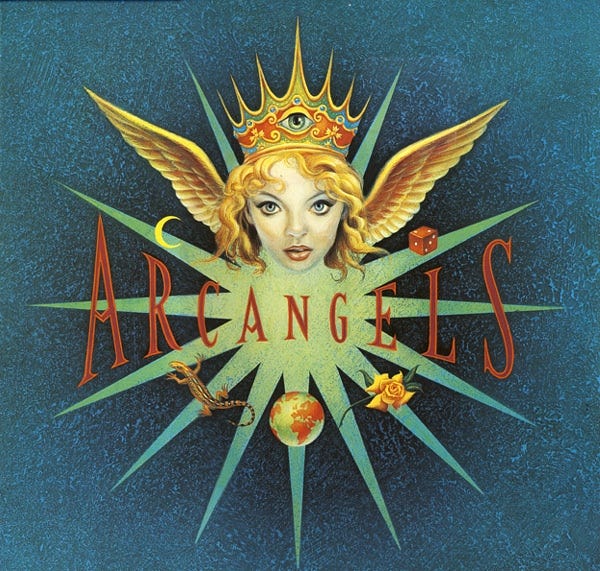
Arc Angels – Arc Angels …album review

I started to listen to this album on a recommendation, and I was totally impressed. I started off with one song, but the hell with that, I went on to the complete album. Great rock and roll band with killer riffs and tones. Also, being produced by an E Street Band member doesn’t hurt either! Steven Van Zandt produced this album, and that right there is huge. Also, on keyboards, you have the Small Faces and Faces keyboard player, Ian McLagan. McLagan helped out on this recording, and he sounds great. They walk the line between rock, hard rock, blues, and even throw some funk in there in places. Great musicians on this album, and there is a reason for that.

The band formed right after the death of Stevie Ray Vaughan. Drummer Chris Layton and bassist Tommy Shannon, the backbone of Double Trouble (SRV’s backing band), found themselves without a frontman after Stevie’s passing in 1990. Instead of leaving the stage, they teamed up with two Austin guitarist-vocalists: Doyle Bramhall II and Charlie Sexton. Both were young, rising Texas guitar players with deep musical pedigrees. The name “Arc Angels” referenced the Austin Rehearsal Complex. Although the album was born out of Stevie Ray’s backing band, it sounded different and moved ahead. 

The album was recorded in Austin and at Ardent Studios in Memphis (Big Star, The Replacements), and it blended blues, alt-rock edges, and soulful songwriting. Throughout the record, Layton and Shannon play like a unit that has lived many lifetimes together, heavy but never heavy-handed. They aren’t just holding down rhythm, they’re pushing the music forward. Doyle Bramhall II, Charlie Sexton, Chris Layton, and Shannon did most of the writing, along with help from Tonio K

The opening song is Living In A Dream, and it’s bold and in your face, as the rest of the album is. The second song is Paradise Cafe, which is probably my favorite off the album. That guitar is raunchy as hell, and I love it. They did include a song they wrote in memory of their friend Vaughan called See What Tomorrow Brings. The track Good Times has some cool funk and blues to it. If you have some time, check this album ou.t. I think you will like it. The critical reaction was good for this album, but it got lost in the grunge shuffle that was going on at the time, unfortunately. 

 For anyone who loves Texas blues with bite, this is a great place to start. 

Living In A Dream

If you were mineI’d give you all the worldIf you were mineI’d take you higher girlBut you got me waitingOoh, you’re so coldIt kills me timeOoh and time is all we needBut god knows I’ve tried, I’ve triedTo get you close to me

But tonight when my eyes are closingYou’ll be with me

Just let me beAnd let me believe, you’re mineCause there’s nothin’ wrong hereI’m just livin’Livin’ in a dream

Without a signYou brought me to my kneesWithout a sign,I crossed the lineI beg for sleep

But tonight when my eyes are closin’You will be with me

Just let me beAnd let me believe, you’re mineJust let me beAnd let me believe, you’re mineCause there’s nothin’ wrong hereI’m just livin’Livin’ in a dream

Charlie Rich – Midnight Blues

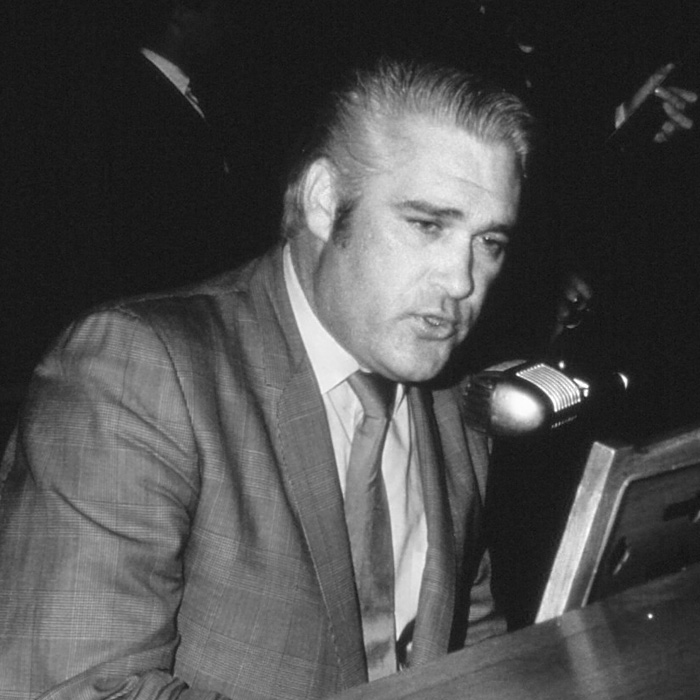
When I was growing up, I remember watching music shows from Nashville, and I saw this white haired man constantly. That white haired guy was Charlie Rich. I never knew much about his older music, but I am really getting into it.

After a stint in the Air Force, Rich started writing his own songs and playing around Memphis, the city that ended up shaping him more than anything else. Memphis in the 1950s was a blend of blues, country, gospel, and early rock and roll, and Rich fit right into the middle. He wasn’t a purist of any genre; he was a blender, and that would become his signature for the rest of his career.

His big break came when he walked into Sun Records, though it wasn’t exactly instant stardom. Sam Phillips didn’t quite know what to do with him because Rich didn’t fit the Sun mold. He wasn’t a raw rocker like Jerry Lee Lewis, and he wasn’t a rockabilly guy like Carl Perkins. He was smoother, jazzier, more complicated.

Before he became the “Silver Fox” singing Behind Closed Doors, he was a studio guy down in Memphis, searching for the sound that matched his style. Midnight Blues, recorded in 1960 for Sun, captures that in-between phase perfectly, smoky, late-night melancholy set to a subtle shuffle.

Some singers have a pain in their voice, such as Richard Manuel of the Band. Charlie Rich’s early Sun Records is like that as well. What always blows me away with Rich is that he could sound both heartbroken and confident at the same time. This song has a little bit of everything in it. He had one of those voices that could blend into anything, from country to soul, jazz, or blues.

He would go on to have nine country number ones in the 1970s. Lonely Weekends was his first US hit. It hit #27 on Cash Box in 1960.

Midnight Blues

Midnite, you know you’re doing me wrongMidnite, doing me wrongKeeping me up all night longAll night, all night longEverytime I feel a little bit freeI hear those blues, midnite bluesCommence to calling meMidnite, why don’t you leave me aloneLeave me, leave me aloneI’m trying my best to make a happy homeHappy, happy homeEverytime I feel a little bit freeI hear those blues, midnite bluesCommence to calling meI just can’t help to feel a little bit ashamedEverytime I hear you call my nameI’m blaming you for all the bad things I’ve doneBlame you for what I’ve doneStill I will admit that every once in a while it was fun

Yeah but midnite, don’t keep me running aroundDon’t keep running aroundI made up my mind, I’m gonna settle downAh ha, settle downEverytime I feel a little bit freeI hear those blues, midnite bluesBlues, midnite bluesI hear those blues, midnite bluesCommence to calling meThat blues is a calling meMidnite blues is a calling me

Rising Sons – Candy Man

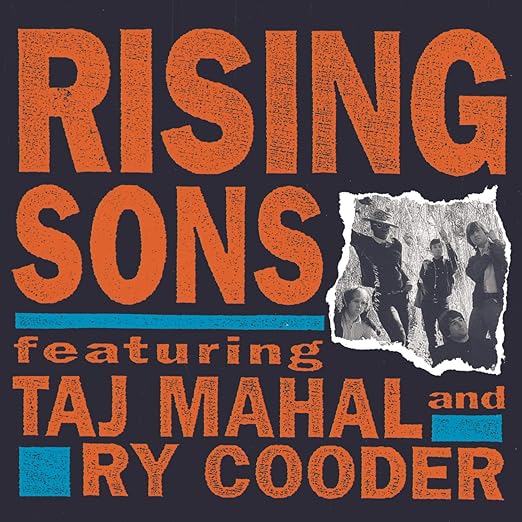
Just found this band. What a band, Ry Cooder and Taj Mahal in the same band. It doesn’t get much better than that. Some songs sound like they were born on the back porch, passed around from player to player, gathering different fingerprints and stories along the way. This is one of those songs. This is a traditional song arranged by the Rising Sons. 

The band formed around 1964 in Los Angeles, built on the partnership between two then unknown but soon to be legendary musicians, Taj Mahal and Ry Cooder. Taj had moved west from Massachusetts after studying agriculture and getting into the folk revival. Cooder was a teenage slide guitar prodigy growing up in Santa Monica who already had a reputation as the kid who could play anything with strings. They met in the LA clubs, places like the Ash Grove and Troubadour.

They quickly became a standout act on the LA scene. They were signed to Columbia Records in 1965, which tells you how much buzz they had, but the label didn’t really understand what to do with a group that wasn’t rock, wasn’t folk, and wasn’t blues, but somehow all three. Their album was shelved for decades. This is the same problem the Goose Creek Symphony had; the label didn’t know what box to put them in. 

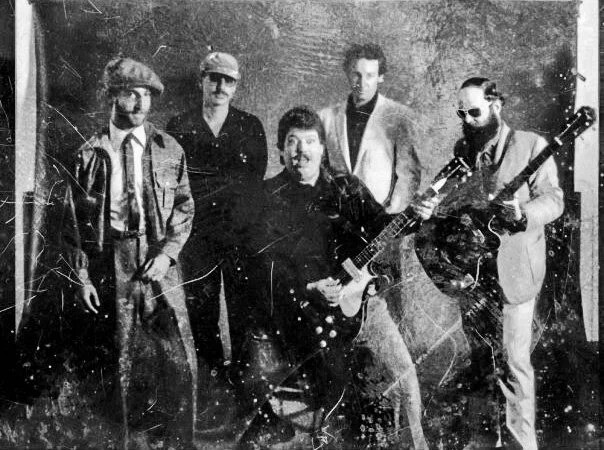
The real joy of their Candy Man is how it captures a moment in time right before American roots music exploded. This was before the Byrds went country, and The Band were still the Hawks backing up Bob Dylan. This short-lived 1965 band was a great one, featuring a young Taj Mahal, an even younger Ry Cooder, and future Byrds drummer Kevin Kelley (later on), who replaced Ed Cassidy, Jesse Lee Kincaid on vocals and guitar, and Gary Marker on bass. The Rising Sons didn’t last long, but recordings like this show just how special that little window was.

They recorded an album, and it was produced by Terry Melcher. The album wasn’t released, but this single was. The album was finally released in 1992. It’s blues meeting folk with a bit of country rock in there. I was reminded in the comments that this version was based on the Reverend Gary Davis version. Thank you, halffastcyclingclub and purplegoatee2684b071ed. 

I wanted to include these slang words and definitions that were given.

Salty DogIn blues songs, a “salty dog” is a slang term for a man, often an experienced sailor, who seeks a casual, non-committal sexual relationship. The phrase can also refer to a libidinous man more generally, or someone who is “salty” in the sense of being experienced, spicy, or unpredictable. 

Candy ManIn blues songs, a “Candy Man” is a term for a gigolo, ladies’ man, or dealer of drugs, often with a sexually suggestive connotation. While the literal interpretation is a seller of candy, the more common meaning in traditional blues songs refers to a charismatic and enticing man who sells a different kind of “sweet” product, like sexual favors or drugs. 

Gary Marker: “We were the problem; we had difficulties distilling our multiple musical agendas down to a product that would sell. We had no actual leader, no clear musical vision…. I think [Melcher] went out of his way to make us happy – within the scope of his knowledge. He tried just about everything he could, including the live, acoustic session that produced ‘2:10 Train.'”

Candy Man

Candy man, Candy man
Been and gone been and gone
Candy man, Candy man
Been and gone been and gone
Candy man, Candy man
Been and gone been and gone

Well, I wish I was down in New Orleans
Sitting on the candy stand
Candy gal through the candy stand
Oh yea, got stuck on the candy man
Candy gal through the candy stand
Oh yea, got stuck on the candy man
Candy gal through the candy stand
Oh yea, got stuck on the candy man

I love my candy gal
God knows I do
Little red light, little red light
Little green light, little green light
Little red light, little red light
Little green light, blue green light
Little red light, little red light
Little green light, little green light
The light’s stuck on red but when it goes to green don’t you mess with Mr. Inbetween

Went on down to the candy stand
Found my gal with the candy man
I went on down to the candy stand
Found my gal with the candy man
Took her hand from the candy man
I said I’d be her candy man now

I love my candy gal
God knows I do

Candy man Candy man
Salty dog, Salty dog
Candy man Candy man
Salty dog, Salty dog
Candy man Candy man
Salty dog, Salty dog

Well, I wish I was down in New Orleans
Sitting on the candy stand

Hollyood Fats Band – The Hollywood Fats Band …album review

This guy was mentioned in the comments last week (he was playing guitar with the Blasters in a video I posted), and I was listening. A blues band that swung like they were on a chandelier… what an incredible band this was. When I write posts, sometimes I think of the readers who would like them. Christian is the one I’m thinking of here…I’m not a blues aficionado, but when I hear something great, no matter what it is…I play it. Rarely would I review a blues album, but this one is certainly worth it. His guitar playing took me by surprise. 

I loved how they recorded this. The band recorded the album in Los Angeles, using vintage tube gear, ribbon microphones, and a minimalist mic setup to capture the warmth and air of those old 1950s records. They wanted it raw, live, and most importantly, human. No overdubs, no studio tricks, just five musicians facing each other and playing to each other.

If you were hanging around the Los Angeles blues scene in the mid-1970s, you might’ve seen a big fedora-wearing guitar phenom named Michael “Hollywood Fats” Mann. For a few short years, he led a group that reminded the world that the West Coast had some great blues. The band had a deep Chicago and Texas blues sound. The Hollywood Fats Band didn’t last long, but they left their mark.

Michael Mann was just out of his teens when he was already playing alongside blues legends. He was born in Los Angeles in 1954. He sat in with the likes of Muddy Waters, John Lee Hooker, and Albert King when they hit town. He had a tone straight out of Chess Records. By the time he met harmonica player Al Blake and pianist Fred Kaplan in the mid-1970s, the idea of forming a blues revival band that really sounded like the old days began to take shape.

The lineup was a dream team for blues purists: Hollywood Fats on guitar, Al Blake on harp and vocals, Fred Kaplan on piano, Larry Taylor (formerly of Canned Heat) on upright bass, and Richard Innes on drums. They were in the middle of the disco era, but they stuck stubbornly to jump blues, and it swung. The chemistry was electric. Fats’ guitar lines just rip off those recordings I’ve been listening to, and the entire band was just fantastic.

Their lone studio album, The Hollywood Fats Band (recorded in 1979 and released in 1980), sounded like it had been transported from a Chess Records session with better fidelity. Sadly, it didn’t end well. Hollywood Fats struggled with addiction, and just as his reputation was spreading beyond the clubs of L.A., he died in 1986 at only 32. The band members carried on, but it was never the same.

There is not much film on the guy…this is not a great quality video, but you take what you can.

Lee Allen – Walking With Mr. Lee

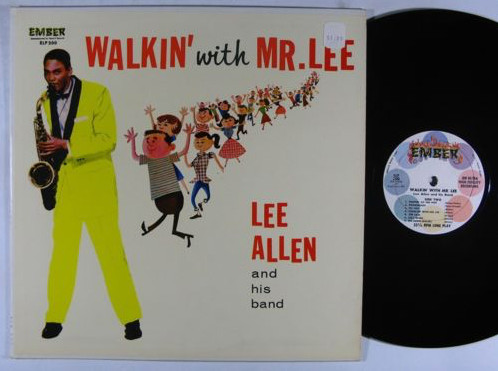
I’m sitting here with my headphones on and listening to this instrumental, Walking With Mr. Lee. This one makes me feel like I’m walking down a street in the 1950s, flushed with money. Not every classic needs a big chorus or a star singer; sometimes it’s a great musician taking a walk and inviting us all to follow…and follow I will. 

Allen grew up in Denver after being born in Pittsburg, Kansas, and headed to New Orleans on a combined athletics and music scholarship to Xavier University in the mid-1940s. He fell straight into the city’s music scene, working alongside Dave Bartholomew’s crew with Red Tyler, Earl Palmer, and company. He worked with the best, and that included Fats Domino (Allen played on many of his records), Lloyd Price, Huey “Piano” Smith, Professor Longhair, The Blasters, The Stray Cats, Allen Toussaint, The Rolling Stones, and, crucially, Little Richard’s 1955-1956 Specialty singles that were full of Allen’s saxophone.

So Mr. Allen wasn’t a guy who came out of nowhere. He rarely showed off; he guided the band, nudging Fats Domino forward, egging Little Richard on, and making every garage band probably think, “we need a sax.” As Chuck Berry’s guitar was so important to the 1950s, Lee Allen’s sax was in the thick of it as well.

I found a 1991 video featuring Lee Allen, Boots Randolph, Sil Austin, Hans & Candy Dulfer, and it’s definitely worth watching. Walking With Mr. Lee did become a minor hit, and it was played on American Bandstand constantly. The song passes my smile test…because when I hear it, I’m happy.

Lee Allen on sax with the Blaster.

No lyrics needed…just put some headphones on and enjoy.

Pete Johnson and Joe Turner – Roll ‘Em Pete

I want to thank a commenter named purplegoatee2684b071ed for recommending this song after reading my Joe Turner post. Just listen to the piano playing of Pete Johnson on this track and Joe Turner’s voice. It would raise the roof off any joint. Knowing it was made in 1938 makes it more special. Pete Johnson and Joe Turner were credited for writing this song. 

Pete Johnson had been playing in Kansas City joints with his percussive style, while Joe Turner worked as a bartender and occasional singer. When the two paired up, it was dynamite. Producer John Hammond heard about them and invited the duo to Carnegie Hall for his “Spirituals to Swing” concert in 1938. Joe and Pete’s performance of this song stunned the crowd and announced that the blues and boogie-woogie weren’t just barroom music; they were the foundation of a new kind of American sound.

Listening today, you can hear the roots of countless rock and R&B records hiding within this track. The drive, it’s Little Richard before Little Richard, it’s Jerry Lee Lewis before Jerry Lee Lewis. This 1938 song is a sign that says… rock and roll is on its way. This may not have been a chart single in the way we think of hits today, but its influence rolled (pun intended) across decades.

I’m going to include a live Blasters version because they knew Joe Turner. Dave and Phil Alvin knew and spent time with Big Joe Turner, whom they regarded as a friend and mentor. As teenagers in the 1960s, the brothers followed Turner around the Los Angeles area, going to his gigs and eventually befriending him. 

Roll ‘Em Pete

Well, I got a gal, she lives up on the hillWell, I got a gal, she lives up on the hillWell, this woman’s tryin’ to quit me, Lord, but I love her still

She’s got eyes like diamonds, they shine like Klondike goldShe’s got eyes like diamonds, they shine like Klondike goldEvery time she loves me, she sends my mellow soul

Well, you’re so beautiful, you’ve got to die somedayWell, you’re so beautiful, you’ve got to die somedayAll I want’s a little loving, just before you pass away

Pretty baby, I’m goin’ away and leave you by yourselfPretty baby, I’m goin’ away and leave you by yourselfYou’ve mistreated me, now you can mistreat somebody else

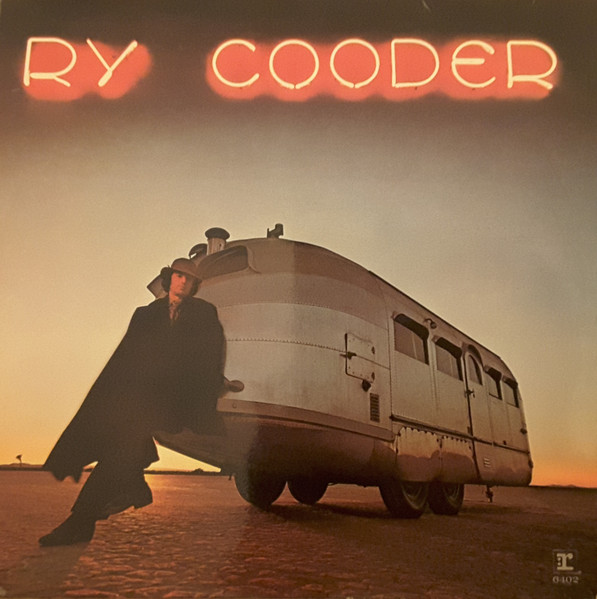
Ry Cooder – Do Re Mi

California is the garden of edenIt’s a paradise to live in or seeBut believe it or notYou won’t find it so hotIf you ain’t got the do re mi

Guitar player extraordinaire Ry Cooder… everything he plays has feeling and soul. This song just rolls and doesn’t skip a beat. I want to thank Clive for bringing Ry Cooder up a month or so ago, before I posted another Cooder song. I usually don’t post songs by the same artist so close together, but I made an exception in this case. 

Cooder is an excellent musician and one of the great slide players of our time. He contributed to the Rolling Stones’ albums Let It Bleed and Sticky Fingers and was briefly considered as a replacement for Brian Jones. Some say he wrote the riff to “Honky Tonk Woman.”

The song was written by Woody Guthrie as a warning to the Okie dreamers heading west during the Great Depression. It’s a cautionary folk tale wrapped in wit. But when Ry Cooder tackles it on his 1970 self-titled debut album, he swaps Woody’s acoustic for a blues groove that you won’t forget. 

I’ve talked about guitar tone here before, and this is great. It moans. It sings. It talks back. He plays like he’s got some blues legends in his hand. Each lick feels like it was pulled straight from the dirt.

What makes Cooder’s take so great isn’t just the craftsmanship, it’s the context. Coming out in 1970, on the heels of the Nixon unease and the Vietnam burnout, Ry drags this Depression-era ballad into a new kind of storm.

Do Re Mi

Lots of folks back east they sayLeaving home most every dayBeating the hot old dusty wayTo the California line

Across the desert sands they rollGetting out of that old dust bowlThink they’re coming to a sugar bowlBut here’s what they find

Police at the port of entry sayYou’re number fourteen thousand for today

Hey, if you ain’t got the do re mi, boyIf you ain’t got the do re miWell, you better go back to beautiful TexasOklahoma, Kansas, Georgia, Tennessee

California is the garden of edenIt’s a paradise to live in or seeBut believe it or notYou won’t find it so hotIf you ain’t got the do re mi

You want to buy a home or a farmThat can’t do nobody harmTake your vacation by mountains or seaDon’t swap your old cow for a carYou better stay right where you areBetter take this little tip from me

Well, I look through the want ads every dayThe headlines in the papers always say

Hey, if you ain’t got the do re mi, boyIf you ain’t got the do re mi…

California is the garden of edenIt’s a paradise to live in or seeBut believe it or notYou won’t find it so hotIf you ain’t got the do re mi

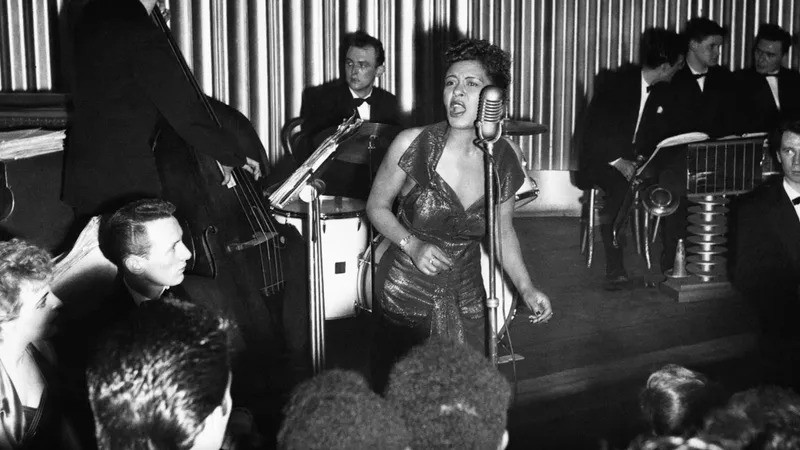
Billie Holiday – Moanin’ Low

I’m not a huge jazz aficionado, but sometimes it hits the spot. On Christian’s blog on Sundays, he usually features a jazz song on his Sunday Six. I often enjoy that more than the rock songs. I was looking through YouTube, and I instantly fell for this song. I picture a smoky black and white bar at 3am in the 40s or 50s, with Holiday giving her all for each song. 

I’ve heard other versions of this song, and some are slick and radio-friendly. Holiday’s is not slick, it’s real and as close to authentic as you can get. What I hear in this song is a weariness in Billie’s voice that feels older than the song itself. She doesn’t belt it, and she doesn’t show off. She just leans into the melody like someone savoring the last dance of the night. 

When I listen to her songs, I have a feeling like I’m eavesdropping on something intimate. Only a few singers have made me feel that way; she will always be special. In this song, she gave pain a voice, and it’s still being felt. 

This song was released in 1936 and peaked at #11 on the Billboard Hot 100. One stat that I found floored me. Out of the 38 singles she released, 35 of them were in the top 20. It was written by Ralph Rainger and Howard Dietz in 1929. popularized in the revue The Little Show, where it was sung by Libby Holman. It’s been covered 66 times by artists such as Dinah Shore to Hot Sugar Band & Nicolle Rochelle in 2020.

The live version below is near the end of her tragically short life, but like always, she gives her all. 

Moanin’ Low

Moanin’ low, my sweet man, I love him soThough he’s mean as can beHe’s the kind of man needs the kind of a woman like me

Gonna die if my sweet man should pass me byIf I die where’ll he beHe’s the kind of a man needs the kind of a woman like me

Don’t know any reason why he treats me so poorlyWhat have I gone and done?Makes me troubles double with his worriesWhen surely, I ain’t deserving of none

Moanin’ low, my sweet man is gonna goWhen he goes, oh LordyHe’s the kind of a man needs the kind of a woman like me

John Lee Hooker – I’m In The Mood

Hooker only needed a guitar and that voice to make any song interesting. If you ever needed proof that less really is more, play this song. 

There’s a reason John Lee Hooker didn’t need a band on this song. He was the band. A one-man rhythm machine with a foot that kept better time than some drummers I’ve seen on stage. In a way, this song is blues stripped to its bones. No solos. No pyrotechnics. Just mood, repetition, and that unmistakable voice. He doesn’t shout to get your attention; he commands, and you come running.

The song was recorded in Detroit, Michigan, where Hooker had relocated in the late 1940s. It was released in 1951 on Modern Records. It features Hooker on guitar and vocals, accompanied by minimalistic instrumentation.

He was fresh off the success of Boogie Chillen, and while that earlier hit was electric blues, this song was something different; smokier and more intimate.

This 1951 song was his first R&B #1 since Boogie Chillen in 1948. It also peaked at #30 on the US Hot 100 that year. It was a hit in the juke joints and on jukeboxes. It made people lean in, not turn up. And it cemented Hooker’s place as something far more than a bluesman.

I’m In The Mood

I’m in the mood, babyI’m in the mood for loveI’m in the mood, babyI’m in the mood for loveI’m in the mood, in the moodBabe, I’m in the mood for love

I say, nighttime is the right time, to be with the one you loveYou know when the night come, baby got no use so far away

I’m in the moodI’m in the mood, babeI’m in the mood for loveI’m in the mood, in the mood, babyIn the mood for love

I said, yes my mama told me, “Don’t leave that girl alone”But my mama didn’t know, God know, yeah, I wouldn’t put it down

I’m the moodI’m in the mood, baby, mood for loveI’m in the mood, I’m in the moodBabe, in the mood for love

J Geils Band – Love Stinks

When I’m reading a music bio, everyone knows what I’m reading by reading my blog. I just finished the Peter Wolf book, and I cannot recommend it enough. I have never posted this song before, and I’m shocked that I haven’t. I’ve always liked this song and was reminded of it when I watched the movie The Wedding Singer. I remember in the 70s listening to J Geils with Must Have Got Lost and Give It To Me on AM radio, and they sounded great.

Of all the songs that I did vocals onstage with…this one has to be the most fun I had with a song. The crowd always roared back in the chorus…you could count on it. I was going to post this on Valentine’s Day, but forgot about it. 

The J Geils Band started in 1967. They were originally called The J Geils Blues Band, and Peter Wolf saw them perform and joined with his band’s (The Hallucinations) drummer, Stephen Jo Bladd. A fan named Seth Justman soon joined on keyboards. Wolf and Justman soon became the two prominent songwriters of the band. The members were John Geils guitarist, Peter Wolf lead singer, Seth Justman keyboards, Danny Klein bass player, Richard Salwitz harp, trumpet, and saxophone. 

They signed a contract with Atlantic Records that was VERY friendly to Atlantic Records. They started to open up for The Allman Brothers, BB King, The Who, The Stones, The Byrds, and just about everyone on the music scene at the time. They built their live reputation up and had a loyal fanbase. They were constantly touring and were known for high-energy shows and music. Peter Wolf was one of the best, if not the best, frontmen in rock. You also had Richard Salwitz (Magic Dick) playing blues harp, trumpet, and saxophone and gave the band a sound.

By their third album, Bloodshot, released in 1973, scored a hit with Give It To Me and the album peaked at #10 on the Billboard 100 and #17 in Canada. The album that set that album up was Live Full House. That album is one of the best live albums I’ve ever listened to. It was released in 1972 and established their live reputation for the rest of their career. As the decade went on, they did have some hits like my favorite Must Of Got Lost. Their Atlantic record contract was up in 1977.

They signed with EMI, and their commercial fortunes turned around with the new label. Their first album with EMI was Sanctuary, and it had a hit called One Last Kiss. Then came the Love Stinks album, and although there were no top 10 hits, this album had two songs that hit and are still played today: Love Stinks and Come Back hit the top 40, and their audience started to grow.

It was their 10th studio album, Freeze Frame, that blew the lid off. Some songs were the #1 Centerfold, #4 Freeze Frame, top 40 Angel in Blue, and a popular dance track called Flamethrower. Their popularity was at an all-time high. They opened for the Stones’ massive tour that year. They had been headlining since Love Stinks…but then…it was all over.

Peter Wolf didn’t like the way they were going into synth pop and wanted to get back to their roots. They pretty much told him to go his way, and they would go their way. They kept rejecting songs he brought, and many of the songs they rejected ended up on his album Lights Out.  Listening to Freeze Frame now…you can hear the R&B in the song Freeze Frame and some of the others.

They decided to make an album called Even While I’m Gettin’ Odd, without Peter, and when I listen to it, I can see why Wolf didn’t want to go that way. They wanted to go much further into the 80s pop production than Freeze-Frame. The punch and live feeling of Freeze-Frame and Love Stinks was gone. The album failed and it would be their last. They have regrouped off and on through the years for live shows but never made another album.

The Love Stinks album was released in 1980 and peaked at #18 on the Billboard Album Charts and #4 in Canada. The title track peaked at #15 in Canada and #38 on the Billboard 100.

Peter Wolf on the breakup: Frank Barsalona, our agent, took me out for dinner after his final meeting with the other band members. In disbelief, he said, “After all these years, the band finally made it. It’s really quite unbelievable. I’ve dealt with the craziest of the crazies; the drugs, the girlfriends, the managers—nothing even comes close to this. Nothing as stupid, as senseless, and as wasteful in what these guys are insisting on doing. So, Peter, let’s start thinking about your solo career.”

Here is a version that I love…a bluegrass rendition of the song by Peter Wolf, and I like it. 

Here they are in the Netherlands in 1980, live. Peter Wolf has a black eye and broken ribs after being ambushed in a pub. They headlined the Pinkpop Festival. 

Love Stinks

You love herBut she loves himAnd he loves somebody elseYou just can’t winAnd so it goes‘Til the day you dieThis thing they call loveIt’s gonna make you cry

I’ve had the bluesThe reds and the pinksOne thing for sure(Love stinks)

Love stinks, yeah, yeah(Love stinks)Love stinks, yeah, yeah(Love stinks)Love stinks, yeah, yeah(Love stinks)Love stinks, yeah, yeah

Two by two, and side by sideLove’s gonna find you, yes, it isYou just can’t hideYou’ll hear it callYour heart will fallThen love will flyIt’s gonna soar

I don’t care for any casanova thingAll I can say is(Love stinks)

Love stinks, yeah, yeah(Love stinks)Love stinks, yeah, yeah(Love stinks)Love stinks, yeah, yeah(Love stinks)Love stinks, yeah, yeah

I’ve been through diamondsI’ve been through minksI’ve been through it all(Love stinks)

Love stinks, yeah, yeah(Love stinks)Love stinks, yeah, yeah

Love stinksLove stinks, yeah, yeah(Love stinks)Love stinks (love stinks), yeah, yeah(Love stinks)

Love stinks, yeah, yeah(Love stinks)Love stinks, yeah, yeah(Love stinks)Love stinks (love stinks), yeah, yeah(Love stinks)Love stinks (love stinks), yeah, yeah(Love stinks)Love stinks (love stinks)

Fanny

I want to thank Lisa for inviting me to write for her Women Music March. She posted this on March 20, 2025. She has been doing this for years and it gets better and better. Thanks, Lisa! She has had some great artists this month. 

Joe Elliott“I had no idea who they were, but this four minutes of music, and I was hooked.”

Kathy ValentineThey made 5 records.  The Go Gos get a lot of attention for what we did and we only made 3 records. 

Earl SlickIt’s always the ones that start it gets f**ked

David Bowie: They were one of the finest fucking rock bands of their time, they were extraordinary: They wrote everything, they played like motherfuckers, they were just colossal and wonderful, and nobody’s ever mentioned them. They’re as important as anybody else who’s ever been, ever; it just wasn’t their time.

When you hear about an all-female band…the Bangles, Runaways, and Go-Go’s come to mind but this band was completely different. These women rocked…not pop-rock but some hard blues rock. They were pioneers and had a huge impact on those other female bands, and those bands all cited Fanny as an influence. 

They had a blues edge about them and weren’t as commercial. They never got that one big hit single to break them to the masses. They had a few songs with a pop flavor that really should have made it, such as All Mine… that would get my vote.

Early Life and Musical Beginnings:

They were formed in the late sixties in Sacramento by two Filipina sisters (their family left the Philippines in 1961 while kids), Jean and June Millington. June Millington was the lead guitar player and her sister Jean was the bass player. They started out in high school with the name The Svelts and then Wild Honey but the band was then renamed Fanny, not with a sexual connotation but to denote a female spirit. 

Career

Fanny released their self-titled debut album in 1970, making them one of the first all-female bands to be signed to a major label and record a full album with complete creative control. Their blend of rock, funk, blues, and pop set them apart. They would be the first all-female band to release an album on a major label (Reprise) and land four singles on the Billboard Hot 100 and two in the top 40. 

Like any other band, they had to pay their dues. They opened up for artists such as Jethro Tull, Humble Pie, Slade, Leon Russell, Van Morrison, Chuck Berry, Deep Purple, and many more. When you are opening for artists of that caliber, you are very good. Their range was incredible. They played on Barbra Streisand’s 1971 album Barbra Joan Streisand. So they could play almost anything. 

They went on to release an album every year from 1970 to 1974, making it 5 studio albums in total in the 1970s, while touring relentlessly. By their third album,m Mother’s Pride, guitarist June Millington quit after it was released because she felt restrained by the band. After some changes, with her sister Jean still playing bass, the band released their last 1970s album, Rock and Roll Survivors. The album contained their highest charting single with Butter Boy, which charted at #29. 

Fanny broke up in 1975, reunited in 2018, and released an album titled Fanny Walked the Earth. I simply adore these women because they could keep up with anyone in any field. One night Deep Purple missed a gig and Fanny filled in for them for that night without complaints. 

Discography: (wiki)

Studio Albums

  • Fanny (1970)
  • Charity Ball (1971) (No. 150)
  • Fanny Hill (1972) (No. 135)
  • Mothers Pride (1973)
  • Rock and Roll Survivors (1974)
  • Fanny Walked the Earth (2018, as Fanny Walked the Earth)

Live Albums

  • Fanny Live (1998; recorded 1972) (reissued as Fanny: Live in 1972)
  • Live on Beat-Club ’71-’72 (2024)

Singles

  • “Ladies’ Choice” / “New Day” (1970)
  • “Nowhere to Run” / “One Step at a Time” (1970)
  • “Changing Horses” / “Conversation with a Cop” (January 1971)
  • “Charity Ball” / “Place in the Country” (September 1971) (No. 40)
  • “Ain’t That Peculiar” / “Think About the Children” (March 1972) (No. 85)
  • “Wonderful Feeling” / “Rock Bottom Blues” (July 1972)
  • “Young and Dumb” / “Knock on My Door” (October 1972)
  • “All Mine” / “I Need You Need Me” (January 1973)
  • “Last Night I Had a Dream” / “Beside Myself” (April 1973)
  • “I’ve Had It” / “From Where I Stand” (June 1974) (No. 79)
  • “Butter Boy” / “Beggar Man” (January 1975) (No. 29)

In recent years, Fanny has participated in reunion events, introducing their songs to new audiences. These performances have served both as a tribute to their historical impact and as a celebration of their music. They have a documentary out…watch it! It’s called FANNY: The Right To Rock that I placed at the top.

Bo Ramsey – Forget You

The other day CB and I were talking about music, and he sent me some links to this guy. I’ve listened to him this week and the first thing I noticed was that great guitar tone. I’ve listened to many parts of his career and the guy is a master of guitar tone.  A great guitar sound attracts me to songs sometimes more than the singing and lyrics. Once I hear a good opening riff, it usually hooks me. He has a mixture of blues, folk, rock, and Americana. I also enjoyed his songwriting and vocals, as he doesn’t stick in one place. 

He was born and raised in Iowa and started his music career around 1973. He originally fronted The Mother Blues Band in Iowa. His inspirations were Sun Records’ rockabilly and Chess Records’ blues artists of the 1950s. It’s hard to beat those two influences. 

During the 1970s and 1980s, he played with various bands and developed his sound. He took a break from music during the 1980s but came back strong. A turning point was when he heard a song by fellow Iowan Greg Brown on the radio. He recognized a kindred spirit, so he reached out to Brown, starting a collaboration that continues to this day

In 1994, he got his first big break by opening shows for Lucinda Williams. He worked with her producing and adding guitar to her albums, and also played in her band. He has played guitar with various artists. His production and guitar work extend to notable musicians like Joan Baez, Ani DiFranco, Iris DeMent, and Elvis Costello.

This song was on his album In The Weeds released in 1997. 

Tony Joe White – Polk Salad Annie

Down in Louisiana, where the alligators grow so meanLived a girl, that I swear to the worldMade the alligators look tame

This song is just plain badass. It could have been extremely corny, but it’s not at all. It’s that groove that is impossible to escape and the lyrics just follow so nicely. Amos Moses, a song by Jerry Reed, is in this vein as well. 

This song could very well be called Swamp Rock. It blends blues, rock, and country with a Southern feel. Tony Joe White, often called “The Swamp Fox,” built much of his career around this style, influencing later artists like Creedence Clearwater Revival and The Black Keys.

The song was on his 1969 album called Black and White. The album peaked at #51 on the Billboard 100, but the single did much better. Polk Salad Annie peaked at #8 on the Billboard 100 and #10 in Canada in 1969. 

White was what you would call a one-hit wonder, but he wrote many more hits than this one. He wrote A Rainy Night In Georgia, Willie and Laura Mae Jones, Steamy Windows, and others. Artists such as Willie Nelson, Elvis Presley (where I heard the song first), Ray Charles, and Tina Turner. 

Elvis Presley released the song in 1973. It wasn’t released as a single in America, but it did manage to peak at #23 in the UK. 

Polk Salad Annie

If some of ya’ll never been down south too muchSome y’all never been down s-I’m gonna tell you a little story so’s you’ll understand what I’m talkin’ aboutDown there we have a plant that grows out in the woods, and the fieldsAnd it looks somethin’ like a turnip greenEverybody calls it polk saladNow that’s polk saladUsed to know a girl lived down there and she’d go out in the evenings andPick her a mess of itCarry it home and cook it for supperBecause that’s about all they had to eatBut they did all right

Down in Louisiana, where the alligators grow so meanLived a girl, that I swear to the worldMade the alligators look tamePolk salad Annie, gators got your grannyEverybody said it was a shameBecause her momma was a workin’ on the chain gangA mean vicious woman

Everyday before supper time, she’d go down by the truck patchAnd pick her a mess of polk salad, and carry it home in a tow sackPolk salad Annie, the gators got your grannyEverybody says it was a shameBecause her momma was a workin’ on the chain gangA wretched, spiteful, straight-razor totin’ womanLord have Mercy, pick a mess of it

Sock a little polk salad to me

Her daddy was lazy and no-count, claimed he had a bad backAll her brothers were fit forWas stealin’ watermelons out of my truck patchPolk salad Annie, the gators got your grannyEverybody said it was a shameBecause her momma was a workin’ on the chain gang

Yeah, sock a little polk salad to me, you know I need me a mess of itSock a little

Sock a little polk salad to me, you know I need a real mess of it (chick-a-boom)Sock a little polk salad, you know I need a real (chick-a-boom)Ching-ching-ching-ching-a-ling (chick-a-boom)Ching-ching-ching-ching-a-ling (chick-a-boom)Ching-ching-ching-ching-a-ling (chick-a-boom)Ching-ching-ching-ching-a-ling (chick-a-boom)Ching-ching-ching-ching-a-ling (chick-a-boom)Ching-ching-ching-ching-a-ling (chick-a-boom)Ching-ching-ching-ching-a-ling (chick-a-boom)Ching-ching-ching-ching-a-ling (chick-a-boom)

Omar and The Howlers – Hard Times in the Land of Plenty

These guys don’t mess around. They get straight to the rock in a hurry. Omar Dykes voice is what stands out so much to me. CB sent me some links to these guys…and I enjoyed all of the songs I’ve heard. I also watched an entire live show (it’s only 27 minutes long…check it out!) with them on Austin City Limits. It was outstanding. The name of the band and the title of the song got my attention right away…and was a reason I picked this song as the first song I posted by them. I will do more in the future. 

I heard of this one before but I had no clue who did it. I sometimes use the term “working band” and this one works like crazy. They have almost 30 albums under their belt. Their first album Big Leg Beat came out in 1980 and they have been unstoppable since then. They just released an album in 2023 called What’s Buggin’ You. 

Omar Dykes wrote Hard Times in the Land of Plenty. It was released back in 1987 (I remember it on our rock station WKDF). The song peaked at #19 on the Billboard Rock Charts and was the title cut to the album. This album broke them through internationally because of the strength of this song. 

They were formed in Hattiesburg, Mississippi, in 1973 by lead vocalist and guitarist Omar Dykes. In 1976, the band later moved to Austin, Texas, where they became big in the blues and rock scene. That scene included Stevie Ray Vaughan, Eric Johnson, and The Fabulous Thunderbirds. They toured constantly and built an audience. The rest of the band left shortly after they got to Austin…back to home to Mississippi. Omar retooled the band and shortly after that released his debut album in 1980. 

They have released albums on big labels and small…their labels include Amazing, Austin, Columbia, Antone’s, Bullseye Blues, Watermelon, Black Top, Blind Pig, Provogue, Ruf Records, and their current record label, Big Guitar Music. His voice…it has a bit of John Fogerty and Brian Johnson…I love rough-edged voices in rock, pop, or country and Omar fits that perfectly. 

Another song, Rattlesnake Shake, by Omar and the Howlers.

Hard Times in the Land of Plenty

Some people have, some people have not;
Some got a little, and some got a lot.
Poor people cryin’ ’cause they ain’t got a dime,
They’re left standin’ in a welfare line…

Hard times in the land of plenty;
Some got it all and the rest… …Ain’t got any.

The taxman says you gotta pay mo’ money;
Ah when you’re already broke, you know that just ain’t funny.
You gotta rob Peter – pay back Paul;
Used ta stand up straight, but now you got to crawl.

Hard times in the land of plenty… (etc.)

Nobody knows you when your money’s gone;
Your future looks dark when your credit’s blown.
You got to hustle to stay alive;
You got to be on top if you wanna survive.

Hard times in the land of plenty;
Some got it all, and the rest…
Hard times in the land of plenty;
Some got it all, and the rest… 
…Ain’t got any.

Hard times in the land of plenty