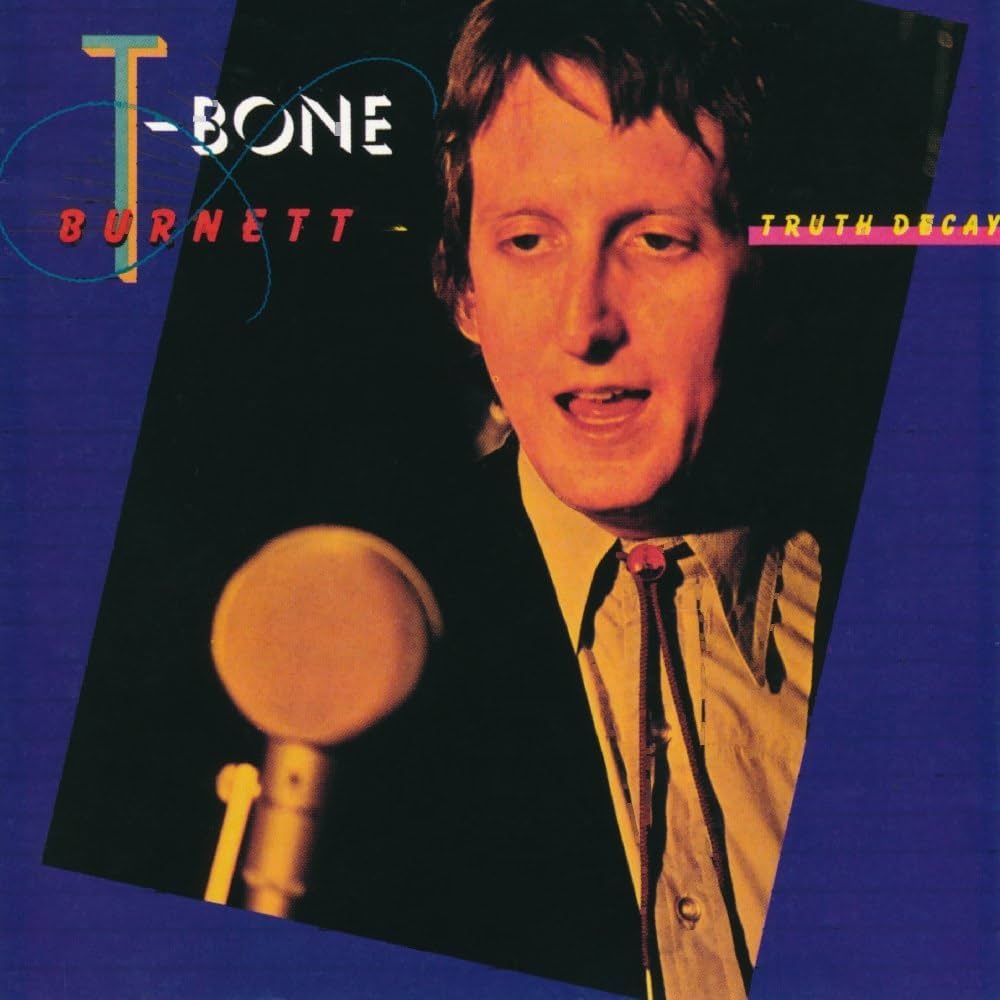
I hope all of you are doing well. While on break getting things done I have written up a few posts because I like to stay ahead. For the first time, I probably wrote up more movies than music. I was emailing CB and he mentioned this album to me by T-Bone Burnett which I’ve known more as a producer. He produced artists like Elvis Costello, John Mellencamp, Gregg Allman, Alison Krauss and Robert Plant, Elton John, Leon Russell, Los Lobos, Roy Orbison, The Counting Crows, and many more.
When I started to listen to the album it surprised me. I was expecting more of a straight blues feel but I got everything. Rock, country, blues, soul, rockabilly, and most of all…Americana. I’ve listened to the entire album around 5-6 times this week. CB doesn’t steer me wrong…an outstanding album. The song that really stood out at first was I’m Coming Home…that one hooked me. He wrote all the songs on the album and co-wrote two of them.
TruthDecay was his second album and it was released in 1980. He did release an album in 1972 under the name J. Henry Burnett called The B-52 Band & the FabulousSkylarks. He has released 15 albums in total and one this year called The Other Side. None of them were commercial blockbusters but his work received critical acclaim though…and it’s just flat-out great.
He was born in St Louis but was raised in Fort, Worth Texas. He began his career in the 1960s. His first big break came in the mid-1970s when he joined Bob Dylan’s Rolling Thunder Revue, a traveling concert tour that introduced him to a wider audience and connected him with other rising musicians.
Recently, Burnett has been involved in developing a new form of high-fidelity analog music recording technology, which he calls“Ionic Originals.” He wants to develop an alternative to digital formats for preserving and sharing music.
Give this album a listen. I’ll pick out a couple of songs that I like but here is the entire album on YouTube. Spotify doesn’t have this one. In order from the top there Boomerang, Pretty Girls, and my favorite I’m Coming Home.
I’m Coming Home
I been lost and all alone
Like a statue made of stone
But now I’m coming home
I fell for a painted face
Thought I’d fallen out of grace
But now I’m coming home
I’m coming home
Hold me to your breast
Let me stay and rest
In your tenderness
I’m coming home
Back where I belong
Still you’re love is strong
Roll away the stone
I’m coming home
I said my prayers, made my plan
Set out for the promised land
And now I’m coming home
I saw how you pay the price
For some distant paradise
And now I’m coming home
See pop shows near Nashville
Get tickets as low as $91
Jack Nicholson on Stanley Kubrick: Everyone pretty much acknowledges that he’s the man and I still feel that underates him.
This movie keeps you coming back. If you ask 15 people on what the movie meant…you would get 15 different answers. The movie is so much more than the quoted lines like REDRUM and Here’s Johnny! Every time I watch it I get something different out of it. This won’t be the last Kubrick movie I feature on here.
In 2016 or so…we saw this movie on the big screen on Halloween and it changed the movie completely for me. It made me appreciate it more than I did and that is saying a lot. The film drips with ambiguity. The Shining has to be one of the most dissected movies ever filmed. The cast was absolutely perfect. I also connect to the movie in different ways. It was released in 1980 and they filmed it in 1978 and 1979 and the hotel reminds me of that time so well.
Stanley Kubrick directed this movie and we see Jack Torrance slowly go insane and the drama builds throughout. There are no wasted scenes in The Shining…each scene has a purpose and it’s not wasted. The scenes are hard to explain. There is an open space of silence in many of them so you focus on what’s going on. The bathroom scene with Jack and Grady is careful and deliberate. Nothing else matters in the story except right now in each scene.
Stephen King wrote the book but did not like Kubrick’s interpretation of it. Usually 9/10 times I’m a book guy…on this movie/book, I’m not. I liked Stanley’s vision for the movie over the book. Kubrick didn’t explain everything to you and it’s stronger because of that. You also get isolation, madness, and the supernatural, leaving viewers with many questions about the true nature of the Overlook Hotel.
I have read complaints about Nicholson’s performance being too far over the top. I totally enjoyed his performance and I think Shelley Duvall is seriously underrated in this movie. I can’t imagine what she went through…she had to stay on edge and hysterical through half the movie. Danny Lloyd (5 years and turned 6 through filming) was great as Danny in the film. Kubrick kept Lloyd very reserved in the right spots and he doesn’t overact like some child actors do. The additional character actors fit their roles perfectly. Who would have thought Scatman Crothers would be cast in a movie like this? He was great at his role as was Philip Stone as Delbert Grady and Joe Turkel as Lloyd the Bartender.
Now the music…it makes it. Very few films I’ve seen where the music flows with the dialog. In one scene featuring Jack and Danny sitting on a bed…the orchestration goes up with a question and falls with an answer. The atmospheric synthesizer they used in this movie and A Clockwork Orange adds to the movie greatly. When you are watching the film you feel isolated like Jack, Wendy, and Danny and the music again adds to that.
The two scenes that still scare me when I see it in the movie? A simple scene really but when Wendy finds Jack’s novel she finds out what he’s been typing on a typewriter for a very long time. It sends chills up me when I see that. What a perfect way to show someone has gone insane without saying any dialogue.
The other one is when Danny is riding his Big Wheel or Trike down the hallways and you hear the wheels changing from carpet to hardwood floors…what will be around the next corner? Then the twins appear…that gives me the creeps…forever and ever and ever.
I’ve read a lot of Shining theories and all are all different. There are so many theories like… There were no ghosts at all, it was all in Jack’s head and what happened is what he wrote, it was all in Wendy’s head, the Hotel is really hell, it’s a reminder of the Holocaust, and even down to viewing the film forward and then backward. I think most (there are plenty more) of these are too far out there but that shows you what Kubrick built into this film…you WANT to watch it again and again. I watched it twice before writing this.
Plot IMDB
A psychological horror film centered around the Torrance family: Jack (Jack Nicholson), his wife Wendy (Shelley Duvall), and their son Danny (Danny Lloyd). The story follows them as they move into the isolated Overlook Hotel for the winter, where Jack takes a job as the hotel’s caretaker. The hotel’s eerie history, which includes murder and supernatural occurrences, begins to affect Jack, who is struggling with writer’s block and a history of alcoholism. Meanwhile, Danny, who has psychic abilities called “the shining,” starts experiencing terrifying visions of the hotel’s past, including the ghostly Grady twins and a river of blood flowing from an elevator.
As time passes, Jack descends into madness, influenced by the hotel’s malevolent forces. He becomes increasingly violent and erratic, eventually attempting to murder his family. The film culminates in a tense chase through the hotel’s hedge maze
Quotes:
Wendy Torrance: Well, I’m very confused, and I just need time to think things over!
Jack Torrance: You’ve had your whole fucking life to think things over, what good’s a few minutes more gonna do you now?
__________________________________________
Lloyd: Women: can’t live with them, can’t live without them.
Jack Torrance: Words of wisdom, Lloyd my man. Words of wisdom.
___________________________________________
Jack Torrance: Hi, Lloyd. Been away. Now, I’m back.
Lloyd: Good evening, Mr. Torrence. It’s good to see you.
Jack Torrance: It’s good to be back, Lloyd.
Lloyd: What’ll it be, sir?
Jack Torrance: Hair of the dog that bit me.
Lloyd: Bourbon on the rocks.
Jack Torrance: That’ll do ‘er!
I remember this trailer back in 1980…it’s one of the best trailers I’ve seen of any movie. Modern trailer makers should study this one.
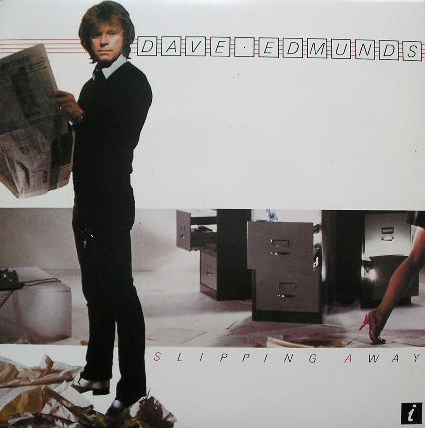
This is a good song that got lost in the 1980s shuffle. I had known about Edmunds in 1983 because of three things…seeing Stardust and the single I Hear You Knocking that was given to me. I also remembered him with Rockpile in The Concert for Kampuchea film with Robert Plant.
Dave Edmunds released this song in 1983. I remember hearing it and something about it reminded me of ELO…there is a reason for that. Jeff Lynne produced and wrote the song. It peaked at #39 in the Billboard 100. MTV also played it in a heavy rotation.
Edmunds wanted to do something different and he tried working with Phil Collins but Collins was busy so he connected with Jeff Lynne. Lynne left his mark on the recording but it still has some of the rockabilly elements that Edmunds will bring.
It got a lot of airplay in my region at the time so I was surprised it only went to #39. Very different from his 1970 hit I Hear You Knocking I think this song showed he was able to adapt to the 80s and still retain his rock roots sound.
Dave Edmunds: “Then I thought of Jeff Lynne, because he was Mr. Techno back then and he used to make great-sounding records, although now I listen to them and they sound a bit dated. I’m a bit puzzled why I was so enamored with Jeff, but he is very creative in the studio. He can go in with nothing and right on the spot make a record. I was taken with that. This being 1983, synthesizers were coming into vogue, especially in Edmunds’ native UK. For Jeff Lynne, this was a natural progression, but for Edmunds, it was out of step with his sound – he specialized in rock guitar and simplified productions (he had recently produced the Stray Cats first album). So when “Slipping Away” emerged, featuring a prominent synth played by Lynne, many of Edmunds’ fans were nonplussed.
Edmunds did more work with Lynne on his next album, Riff Raff, but soon returned to his rock roots.
Slipping Away
I can feel you slipping away from me. A little bit further now every day. I’m holding on, but I can’t believe This is how you want it to be.
It feels like walking down a long, dark road. You never talk to me the way you did before. You ride through the city with your head held high. And all I can do is watch you go by.
I’m gonna give it all I’ve got to give. I’ve got to hold on, see what tomorrow brings. You’re slipping away, but give me one more try. One more chance to wipe these tears from my eyes. You’re slipping away. Oh, you’re slipping away
I thought I would have some fun today and list some of my crushes growing up. Women who I would watch every time they were on television, in movies, or look at when they were in magazines.
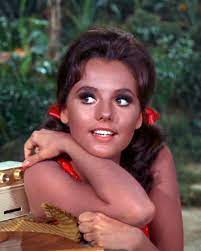
Growing up with Gilligans Island and that baffling question. Mary Ann or Ginger? I vote for Mary Ann every time. I met Dawn Wells in Nashville at a Jerry Lewis MD Telethon. I was 9 years old and I could hardly speak. She wasn’t too much taller than I was…and I never saw someone that tanned. My mom had to make me wash my hands after I shook hers.
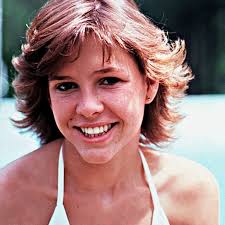
One of the first then current celebrities I had a crush on was Kristy McNicol. Why I don’t know but when I was 10 years old she was the one I really zeroed in on. She is 5 years older than me and I noticed her on Battle of the Network Stars.
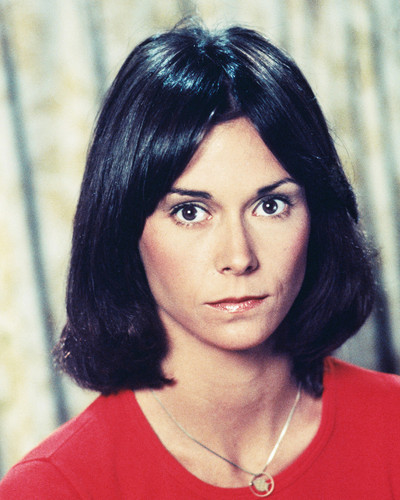
I moved up to mature women with this crush. Yeah, I liked Charlie’s Angels like every other 10-18-year-old at that time. Kate Jackson was the one for me for some reason…
I was smitten when I saw Debbie Harry in a video for Heart Of Glass at 12 years old. Probably my second blonde crush.
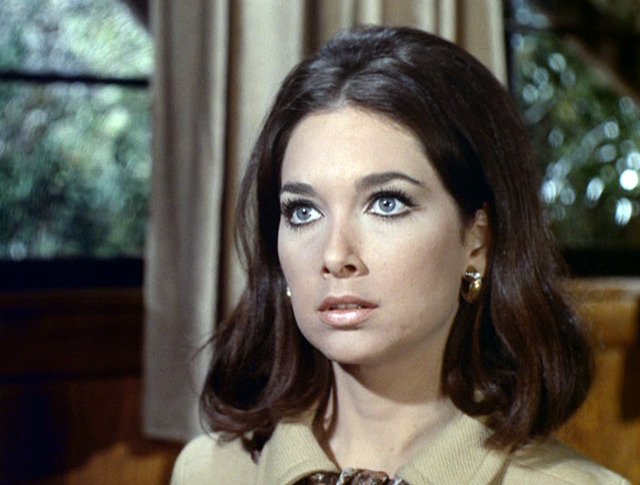
Suzanne Pleshette… that is one of the reasons I kept watching The Bob Newhart Show…and still do!
The ultimate girl next door… I saw her on the Midnight Special when I was 8 years old. So…Olivia Newton-John would be the first blonde crush.
I started watching sports in 1977…and she started to pop up on football telecasts. She made football much more interesting to this baseball fan.
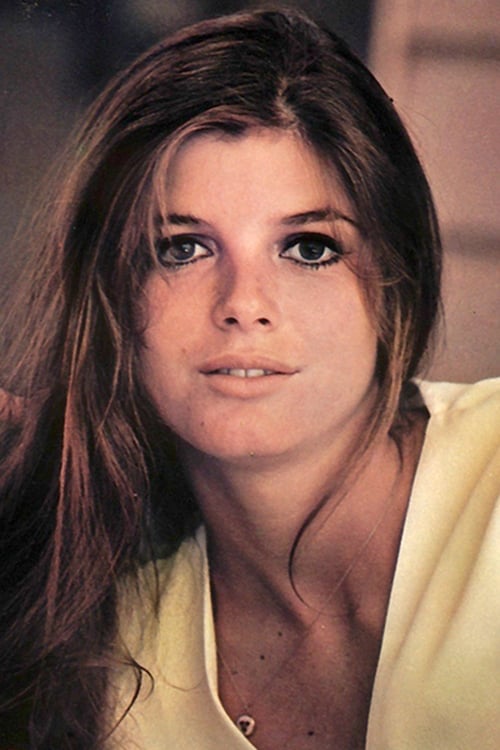
Katherine Ross, I watched first in the Graduate. I liked everything she did.
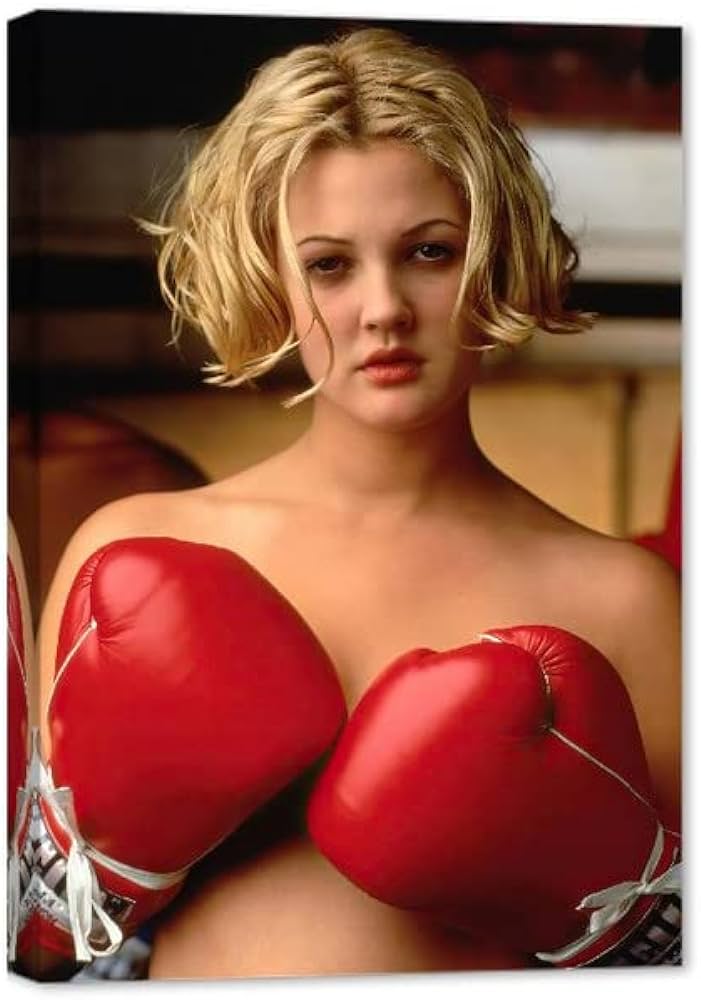
When I was much older…in my twenties…Drew Barrymore was on my radar.
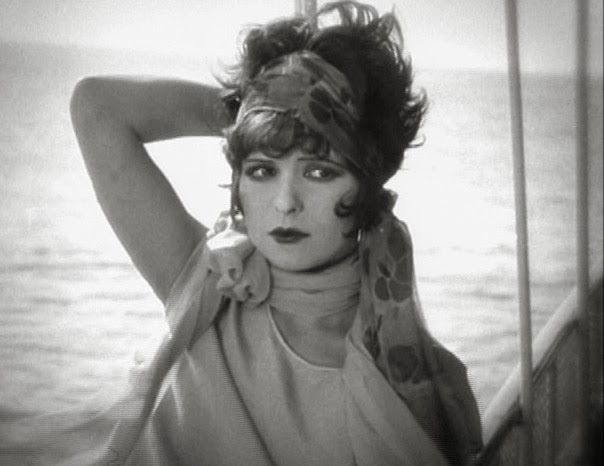
When I was in my teens I read a book on Clara Bow and I’ve been hooked to this day. Her looks, her drive, and the obstacles she had to overcome to be successful.
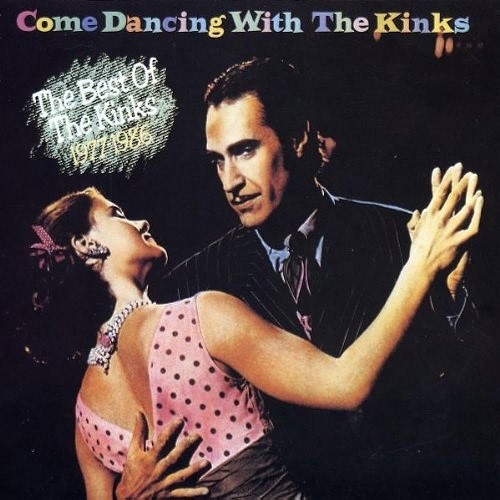
Here is my good friend Keith from https://nostalgicitalian.com/ giving a great post on Come Dancing. Keith and I have texted, emailed, and talked on the phone for a few years now. I like asking him questions about his radio DJ days and life…If you heard his voice you would understand why Keith was a DJ. He is a great guy. Go visit his site!
When my buddy Max from the PowerPop blog reached out to me and asked if I would like to take part in his “Kinks Week” feature, I naturally said yes. He told me that I should pick a specific Kinks song and write a bit about it. Easy enough, right? Well, sort of…
They band was formed in London in 1963 by Ray and Dave Davies. The were part of a sort of British R&B and Merseybeat thing that was happening there. Technically, they were part of the British Invasion here in the US, too. They certainly had plenty of hits that still get airplay today.
My introduction to the Kinks came from my dad and from listening to his oldies station. I heard All Day and All of the Night, You Really Got Me, Lola, and Tired of Waiting for You a lot growing up and when I worked in radio. But it was MTV and Casey Kasem’s American Top 40 that I heard them in a way I was unfamiliar with.
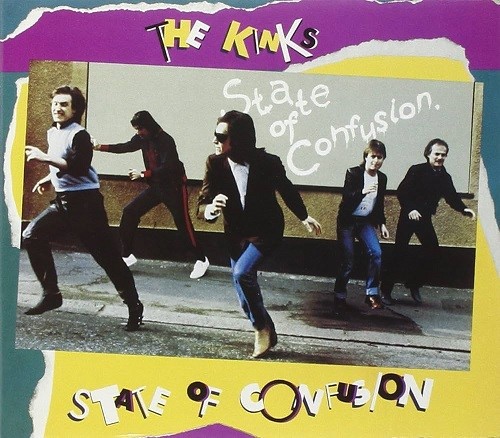
In 1983, the Kinks released their State of Confusion album. One of the tracks, Come Dancing, is undeniably an “80’s” song. It has that distinct sound of the early 80’s. When I heard that the song was the Kinks, I actually thought that maybe it was a different band. This song is so different and distant from what I’d call the “classic Kinks” sound. Not to mention that Ray’s accent is very obvious. I suppose that is why it stood out to me.
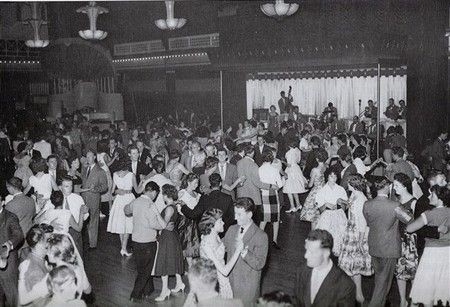
In one interview, Ray stated that this song was an attempt to return to the “warmer” style that the group had before they became the “arena rock act.” He said, “I wanted to regain some of the warmth I thought we’d lost, doing those stadium tours. Come Dancing was an attempt to get back to roots, about my sisters’ memories of dancing in the ’50’s.”
On the surface, the song sounds fun, but the inspiration for the song and the lyrical content came from a real life tragedy and nostalgia. Davies hints a both of those things in the quote above.
As I began to research the story behind the song the word “nostalgia” came up many times. I suppose it was reinforcing that the Nostalgic Italian had chosen the right song to write about. Rolling Stone magazine called the song “delightfully nostalgic.” Another article says that the song is basically “the 1980’s nostalgia for the 1950’s” and goes on to say how Davies tapped into that nostalgia as he was inspired by his sisters as young adults going to dance halls in the 1950’s.
The real life tragedy involved Ray’s sister Rene. As a child she had rheumatic fever, which led to some heart issues. She lived in Canada with her abusive husband and would come home to London to visit with her family annually. In 1957, Rene (then 37 years old) surprised Ray with a Spanish guitar on his 13th birthday. He had been trying to get his parents to buy it for them, but to no avail. He was thrilled to receive the gift from her. His joy would be replaced with sadness later that evening, however, as his sister would have a heart attack while dancing at the Lyceum ballroom.
Ray took inspiration from his memories of his sisters dancing at the local dance halls to the music of big bands and wrote Come Dancing. The song is written from the point of view of what he called an “East End barrow boy” watching his sister going out on dates. It speaks of the nostalgia of how they are building a parking lot on the spot where the supermarket used to be. Before that it was
where the bowling alley was. Still before that, it was the spot where the local “palais” (French for Palace) dance hall used to be.
Ray said that the song was an easy song to write, because the idea had been in his head for some time. He didn’t start writing it, though, until March of 1982 while on a flight home from Japan. He had just purchased a new Casio keyboard and used it to write the song.
In his book, You Really Got Me: The Story of the Kinks, author Nick Hasted claims that the song was written in an attempt “to reach out to the Kinks’ lost British audience.” This is probably why Ray sang with his British accent despite being asked to sing it with an American one. He has been quoted as saying that he “tried to retain the Englishness” of the song.
The “Englishness” almost prevented the song from being released. Well respected record man and founder of Arista records, Clive Davis really didn’t want to released the song in the US. He didn’t think that the American public would be able to relate to the English subject matter of dance halls. It didn’t help that the song had already been released in the UK in 1982 and did not chart.
In the end, the song was released in the US in April of 1983 and was a Top 10 hit (reaching #6). The video for the song played often on MTV which also helped the radio performance. Come Dancing would go on to be the highest charting US single of their career (tying with 1965’s Tired of Waiting for you). Naturally, because it did so well in the States, it was re-released in the UK and this time it reached #12 on the British charts.
The Kinks would have one more Top 40 single in the US and that was also on the State of Confusion album. That song was Don’t Forget to Dance, which peaked at #29. So I guess it is fair to say that Come Dancing was the last big hit for the band. Ray wasn’t done with the song, though.
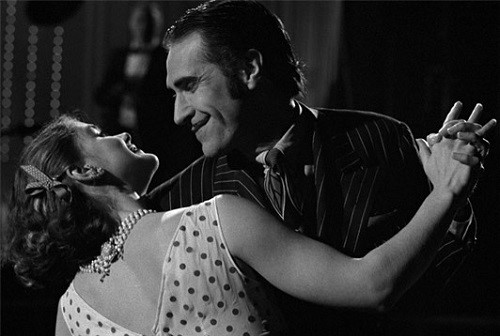
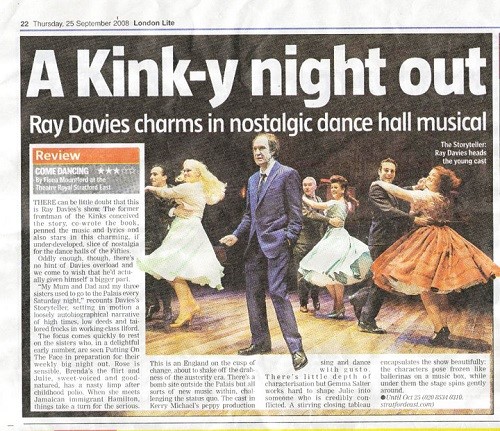
In 1997, he wrote a musical play with the title Come Dancing. It was set in a 1950’s dance hall and included some Kinks songs and original songs. The play opened in September of 2008, and sadly only ran through the end of October 2008. Ray appeared as the narrator in the play. The show was brought back in 2010 but quickly canceled again.
As I listen to all of the nostalgia presented in the lyrics of Come Dancing, it makes it feel like a perfect swan song for the Kinks. First of all, it has a happy feel to it that passes from the music to its listener. It is much like Walking on Sunshine, in that I cannot hear it without smiling.
Then you have a picture of life progressing. The “out with the old, in with the new” kind of thing. You reach a point in your life or career where you look back on where you’ve been nostalgically. In a sense, that is what’s happening here. Despite where we are currently, we look back at many fond and happy memories. Isn’t that really what Ray and the Kinks are doing here? I suppose that’s the way I see it anyway.
Thanks to Max for asking me to participate and and contribute to his look at one of the greatest, and often overlooked bands in history. Thank you for reading. Now let’s give it a listen …..
Come Dancing
They put a parking lot on a piece of land Where the supermarket used to stand Before that they put up a bowling alley On the site that used to be the local palais That’s where the big bands used to come and play My sister went there on a Saturday
Come dancing All her boyfriends used to come and call Why not come dancing? It’s only natural
Another Saturday, another date She would be ready but she’s always make them wait In the hallway, in anticipation He didn’t know the night would end up in frustration He’d end up blowing all his wages for the week All for a cuddle and a peck on the cheek
Come dancing That’s how they did it when I was just a kid And when they said “come dancing” My sister always did
My sister should have come in at midnight And my mum would always sit up and wait It always ended up in a big row When my sister used to get home late
Out of my window, I could see them in the moonlight Two silhouettes saying goodnight by the garden gate
The day they knocked down the palais My sister stood and cried The day they knocked down the palais Part of my childhood died, just died
Now I’m grown up and playing in a band And there’s a car park where the palais used to stand My sister’s married and she lives on an estate Her daughters go out, now it’s her turn to wait She knows they get away with things she never could But if I asked her, I wonder if she would
Come dancing Come on, sister, have yourself a ball Don’t be afraid to come dancing It’s only natural
Come dancing Just like the palais on a Saturday And all her friends would come dancing While the big bands used to play
I met deKE when I published a Georgia Satellites song and fellow blogger Graham told me about him after he posted a Satellites song a little earlier. Since then he has me listening to all sorts of music. I’m forever indebted to him for the introduction to the Canadian Power Pop band Sloan. Go visit his WordPress site. and he also has a youtube channel to visit. It’s worth subscribing to the YouTube channel. He has interviewed musicians, producers, and all sorts in the know. Ok, deKE…take it away…
Thanks to Mad Max for letting me be a part of this series. I’ve been reading everyone’s posts about The Kinks and I can honestly say I know the least about them and their history. Sure I know about Ray and Dave’s onstage/offstage antics as I read about some of it back in the day when I would pick up the monthly issue of Creem magazine.
The first time I ever heard of the band name ‘The Kinks’ was via ‘Van Halen’. Believe it or not it wasn’t VHs killer version of ‘You Really Got Me’ but Dave and Eddie’s muscled up version of ‘Where Have All The Good Times Gone’.
Now you’re probably thinking “say what?!” but it’s true. I discovered VH back in April 81 but I didn’t get the VH debut with ‘You Really Got Me’ on it until 1984.(if you’re a fan of VH, see what I did there). There was so much hard rock coming out between 1980 and 1985 (my teenage years) I had a hard time keeping up. My first two VH purchases were ‘Women & Children First’ and ‘Fair Warning’ in 1981 as previously mentioned. My third VH purchase was in 1982 when they dropped the half originals/half covers release ‘Diver Down’. One of the cover tunes featured was ‘Where Have All The Good Times Gone’.
If VH wanted to kick off their latest release with a loosey jam like vibe then this was the track to do just that with. Once you hear Alex Van Halen’s drums kick in, next thing you know Eddie Van Halen and Micheal Anthony are joining the party. Ringleader/vocalist David Lee Roth pulls down a good vocal on the song.
As a young rock fan and even as the years passed by and the decades started rolling by, I liked the fact that VH could take a cover tune and make it their own! Eddie’s guitar solo on the song is what air guitar is all about.
The great thing about YouTube is I pulled up The Kinks original of this song and holy moly Van Halen definitely rocked it up but you have to consider back when Ray and Dave cooked up this track that many years later VH took that cue and partied it up and put it out for the masses to devour.
By the way I’m sure Ray and Dave are still enjoying the royalty pay cheques thanks to Halen!
Christian and I share a lot of the same musical tastes. It’s odd because neither one of us grew up with The Beatles in real-time or that great 60s generation. We both grew up in the 80s but share a lot of the same likes. He has a very cool informative site that is a must if you are a music fan. He goes over older music and newer music much more than I do. Go see him at https://christiansmusicmusings.wordpress.com/
A Kinks Song I Dig: Living on a Thin Line
When Max, who writes the great PowerPop blog, came knocking to see whether I’d like to participate in a song series dedicated to The Kinks I replied, ‘sure!’ After all, next to The Beatles, The Rolling Stones and The Who, they are my favorite ‘60s band.
I also knew right away what my pick would be, which may seem a bit strange. After all, the British group has many great songs. As an ‘80s song, it’s also not the most obvious choice, especially considering I tend to favor the band’s ‘60s output over what they released in subsequent decades: Living on a Thin Line.
One distinct feature of Living on a Thin Line is that it was written by Kinks lead guitarist and backing vocalist Dave Davies instead of his older brother Ray Davies who penned most of the group’s songs. The track first appeared in November 1984 on the Kinks’ 21st studio album Word of Mouth. Two months later, it was also released separately as a 12-inch promotional radio single in the U.S., backed by Ray Davies track Sold Me Out.
Living on a Thin Line, one of two songs Dave wrote for the album, was a reflection on the Kinks’ long and difficult career, as well as his disdain for politicians, he noted in his 1997 biography Kink. Another influence was what he viewed as the deterioration of English identity in the 20th century and a sense of nostalgia for the old days.
In a July 2022 interview with UK paper The Independent, conducted in the wake of Dave’s memoir that’s also titled Living On a Thin Line, he gave a more narrow explanation of the song. “Living on a Thin Line is about us,” he said, meaning The Kinks. For context, the story notes at the time he wrote it, Dave had started to worry The Kinks had become Ray’s backing band and, quoting the article, poured his feelings about how their relationship had become an uneasy tightrope into lyrics ostensibly about the decline of England.
Here’s a live version of the song, which apparently was captured in 1984 during the Word of Mouth Tour in Frankfurt, Germany. Setlist.fmdocuments a concert The Kinks played at the city’s Festhalle on November 23, 1984. Damn, I wish I would have been there!
Living on a Thin Line has received praise from critics as one of the best songs written by Dave Davies who also penned some other Kinks songs, most notably the great Death of a Clown. “In ‘Living on a Thin Line’ – a dark variation on Ray’s own death-of-England’s-glory songs – brooding, goose-stepping chords and moping Pink Floyd synths underscore the desperate effectiveness of Dave’s nervous croon,” opined Rolling Stone’s David Fricke. Even Robert Christgau had something nice to say about the song, calling it the second-best on the Word of Mouth album after Come Dancing.
Living on a Thin Line also gained some exposure on TV. It was featured three times in a 2001 episode of The Sopranos titled University. According to Wikipedia, producer Terence Winter said it was the series’ most asked-about song. Living on the Thin Line was also used during the credits in the finale of HBO series Vice Principals.
Sources: Wikipedia; The Independent; Setlist.fm; YouTube
Dave grew up in Canada, now resides in Texas, and has been passionate about music for as long as he can remember. Unfortunately, a brief foray into buying keyboards during his high school years didn’t equate to making music people were passionate about doing anything with but avoiding! He writes a daily music blog, A Sound Day, looking at memorable music events from album releases to artist birthdays to important concerts and more. You can find Dave at https://soundday.wordpress.com.
Thanks Max, for inviting me to be a part of this “forum.” I look forward to seeing what other music fans come up with, what their reactions are to The Kinks and which songs from the band’s 25-or-so year run they choose to highlight.
It would be easier and more obvious to do the Beatles or Rolling Stones instead, but The Kinks are perhaps a more interesting choice since they’ve always been sort of on the periphery of major headline stardom and to many are an afterthought when discussing the ’60s and the British Invasion. I don’t put them on an even footing with the other two bands but the Kinks certainly deserve a bit more respect. A good chunk of their catalog is unknown to most, myself included.
My first thought when asked to write about a song of theirs was “Come Dancing”, their superb 1983 comeback hit, but that title had already been claimed. Which was actually good because it made me think a bit more and re-examine some more of their songs. Still, I knew I wanted to do something off State of Confusion, the album that put them back on hit radio after a fairly long absence, in North America at least. It was indeed the first album of theirs I bought and to date, still the only studio album – not a greatest hits sort of compilation – that I’ve had.
Though the Kinks showed up on the scene at approximately the same time as the Beatles and the Stones, they never quite matched their success and weren’t adopted nearly as much by “oldies” or “Classic Rock” radio stations. So as a kid growing up in the ’70s, I was aware of and quite liked some of their big hits – the quirky, scandalous for the times “Lola”, the rock staples like “All Day and All of The Night” and the nicely pop-py “Victoria” but they were never at the forefront of my musical thoughts.
I noticed and liked their hard-rocking “Destroyer” in 1981; think I even bought the 45. But I really only began to appreciate their real talent with State of Confusion. I heard enough of it on radio to go out and buy it, and when I did, I found myself liking almost all the tracks and playing it end to end quite often. I really became aware of what a great lyricist Ray Davies was – how he could paint such aural pictures, and match opposing feelings like joy and sorrow, optimism and realism so well in a song. Thus, how he captured the nuances of life!
Also clear to me was that the band, like most good ones, was varied. They put together both great fist-pumping rockers and beautifully melodic pop tunes. This, ironically, annoyed their label boss Clive Davis. For some reason he thought this would cause, well a “State of Confusion” among fans and limit their appeal. Instead, I think the opposite was true. However, he wanted to market them exclusively as a hard rock act and didn’t like songs like “Come Dancing” or “Don’t Forget to Dance” since they were hardly companion pieces to Ozzy Osbourne or AC/DC for radio.
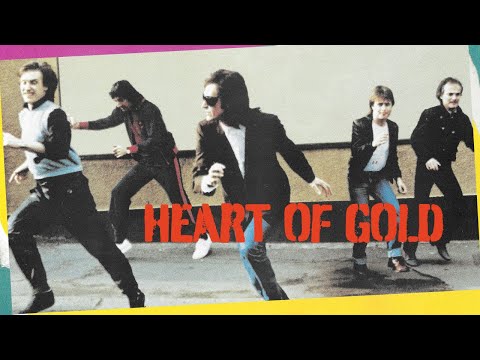
Many of their best tunes are rock; many are “pop”. But “Heart of Gold” falls somewhere in between, rather best described as “power pop” – so where better than the Power Pop Blog for it to show up!
The song tells of a young woman who is embittered and seems to have a tough demeanor, but he realizes has a “heart of gold” underneath that “tough exterior”. In the song she was “the apple of your father’s eye” until a younger sister came along and she found “all the affection suddenly gone.” Random, fictitious thoughts from Ray… or about someone he knew? Many think the latter.
Ray had been in a serious relationship with Chrissie Hynde for a couple of years or more at the time the song appeared. In fact, they’d just had a baby together, Natalie Hynde. Rather mirrored in the lyrics. However, all wasn’t rosy for the pair; soon after they split up and she married Jim Kerr from Simple Minds, making the song all the more poignant and an admirable expression if it was indeed about his soon-to-be ex, who certainly showed a tough exterior in public.
Musically, I love the upbeat song and especially the jangly playing of Ray’s brother Dave, the band’s lead guitarist. Despite being contentious as anything, the two brothers were always the core and heart of The Kinks. On this one they manage to pull off a very retro-’60s sound yet keep it modern with solid production (which Ray did himself). While mirroring their ’60s heyday, it also showed a keen ear-to-the-ground awareness of the new alternative rock sounds just beginning to show up – R.E.M., The Smiths and yes, The Pretenders. It was lost on me back then, but re-listening to “Heart of Gold”, the first thing that jumped out at me is how much it sounds like a Pretenders song. It is easy in fact to imagine Chrissie singing it instead of Ray. So similar are the stylings I went to the liner notes to see if any of The Pretenders were on the song. They aren’t, but I’m betting they were in Ray’s mind when he was putting the song down on paper. Indeed, Rolling Stone noted the same, saying it “has the jangly, quasi-folk rock sound of the present hit ‘Back on the Chain Gang’” by the Pretenders.
The song wasn’t released as a single, so like many other worthy Kinks songs, it was never widely known. A shame. I’ll give the last word over to Rolling Stone again, who at the time stated “nobody but The Kinks could have made such a record in 1983 and no band deserves more to be at the top.”
Randy has been writing a blog about Cover Songs, music genres, and artists since early 2018. He moved to WordPress in February of 2022 and has found a welcoming community of music enthusiasts. You can read about the origins of Rock and Roll, Blues, R&B, and Country Music. There are Cover Song and Chart statistics as well, all with a focus on the 1950s, 60s, and 70s at MostlyMusicCovers.com. He has also helped me out with blues artists and Canadian Charts in general!
This is the opening track on the 1981 album Give the People What They Want. It was written by Ray Davies of course. It was not one of the three singles they released off the album, but it may be my favorite track. Max told me this was the opening song when he saw them on tour in ’83. I have not made sufficient effort to see them. This does not mean I am not a fan, as we can’t attend many of the performances we would like to.
As you might guess the song is focused on the radio dial and the words are quite prophetic, I think. The lyrics speak of the protagonist’s frustration in not being able to find their favorite DJ. Hence going “Around the Dial” and searching in vain. While there are slightly differing interpretations, I had not read anywhere quoting Ray himself on what he was saying when he wrote it. From what I hear in the song and things I have read, this is my take on the song.
The protagonist’s speculation involves questions. Had the DJ said or done something to upset the ‘Corporation’? The song sets the theme for the album, as the lead track, it ties in nicely with the overall message of Give the People What They Want. In other words, don’t try and silence my favorite DJ just for telling it like it is. Let us listen to what we want to listen to.
I said prophetic because this was the beginning of increased pressure on the local DJ. While this was not the first such song, it is reminiscent of Elvis Costello who warned of corporate control over what we see and hear in his song “Radio, Radio” in 1978. Ray Davies took it to the grassroots level of the listener and the radio DJ. This was before (in the US) the Telecommunications Act in 1996 which saw the buying up/combining of stations and the closure of some 1,000 operations by 1999.
Meanwhile, soon to come we had Internet, Digital, and Satellite Radio. Not to mention Podcasts and Streaming Services. This all changed the way we listen worldwide.
Yet despite all this competition music radio stations have been surprisingly resilient. Stations don’t have to store thousands of records and CDs, everything is digital, and they can access anything. Ray asks us, “We’re going ’round the dial, (Are you listening) Around the dial”? Yes Mr. Davies we are still listening.
Around The Dial
The radios of the world are tuning in tonight
Are you on the dial? Are you tuned in right?
One of our D.J.’s is missing
Are you listening?
Are you listening to me?
Can you hear me?
Can you hear me clearly?
Around the dial
I’ve been around the dial so many times
But you’re not there
Somebody tells me that you’ve been taken off the air
Well, you were my favorite D.J.
Since I can’t remember when
You always played the best records
You never followed any trend
F.M., A.M.. Where are you?
You gotta be out there somewhere on the dial
On the dial
(Are you ready?) We’re going ’round the dial
(Are you listening?) Around the dial
(Are you tuned in?) Around the dial
(Are you searching?) Around the dial
F.M., A.M.. Where are you?
You gotta be out there somewhere on the dial
On the dial
Where did you go Mr. D.J.?
Did they take you off the air?
Was it something that you said to the corporation guys upstairs?
It wasn’t the pressure
You never sounded down
It couldn’t be the ratings
You had the best in town
Somehow I’m gonna find you, track you down
Gonna keep on searching
Around and around and ’round and ’round…
(They’re searching) Around the dial
(They’re listening) Around the dial
(Poor station) The best in town
(Poor D.J.) Who never let us down
While the critics kept on knocking you
You just kept on rocking ’round the dial
Around the dial
I’ve been searching for you on my radio
This time your station really must have gone underground
Somebody said you had a minor nervous breakdown
Was it something that you heard
Or something that you saw
That made you lose your mind
Did you lose control
Did you step out of line?
If you’re there, give us a sign
I can’t believe that you’ve been taken off the air
Think I’ll sell my radio now that you’re not there
You never gave in to fashion
You never followed any trends
All the record bums tried to hack you up
But you were honest to the end
Gonna keep my radio on
‘Til I know just what went wrong
The answer’s out there somewhere on the dial
On the dial
Can you hear me? (around the dial)
Are you listening? (around the dial)
Are you out there? (around the dial)
Can you hear me?
Around the dial
I thought this was appropriate today since tomorrow will kick off two weeks of Kinks songs. A huge Thank You to Randy from mostlymusiccovers.com for publishing all of these that him and I wrote.
We all know the great album Brothers in Arms from Dire Straits, but sometimes those brothers are “at arms” rather than in them. In part two of the mini-series Max (that’s me!), from PowerPop, talks about the “Rock ‘Em Sock ‘Em” Siblings of Ray and Dave Davies of the legendary band The Kinks.
Ray Davies was born in 1944 and Dave in 1947 in Muswell Hill, North London. One of the granddads of rock’s sibling rivalries starts with the Davies brothers. Ray Davies, as the lead vocalist and principal songwriter of The Kinks, often clashed with his younger brother Dave Davies, who played lead guitar in the band. Their tumultuous relationship was fueled by creative differences, sibling rivalry, and personal conflicts. The two have admitted coming to blows many times right before shows.
Ray Davies is known for being a perfectionist and prickly at the best times. Dave is known as a free spirit who likes to go with the flow. The Kinks were formed in 1963 by the brothers and included Peter Quaife and Mick Avory. Their first success came the following year with worldwide hits such as You Really Got Me, All Day and All of the Night, and Tired of Waiting for You all top 10 hits in the UK and America. The Kinks never got to the level of The Who, Beatles, or Stones. One of the reasons was because they were banned for 4 years from touring in America for using non-union roadies during a tour. Another rumor was bad behavior, but it seems the non-union help rings truer.
They were the youngest in a family with 6 sisters. At age 13 Ray was thrilled by being gifted a guitar by his 31-year-old sister Rene, but she died the same night. Dave, got an underage girl pregnant when they were both 15 and the parents kept the couple apart. Dave remembers fighting Ray and he knocked Ray down once and thought he seriously hurt him. He goes over to check on Ray and Ray pummeled him. Nice.
When Ray got married in 1964, he made Dave the best man, but Dave was smashed and could not function at the wedding. At Dave’s 50th birthday party…Ray came in and smashed the cake and left. In 2013 they got together again and wrote some songs in Ray’s kitchen in harmony. It only lasted a short time. They started an old argument over the song.
‘You Really Got Me”. Dave said that yes, his older brother wrote the riff and the song, but he cut a slit in the amp speaker to make that sound. Ray refused to acknowledge how important that sound was to the success of the song. Underneath it all though they do love each other and protect each other from other people. They are not above fighting with each other though. In 2021 there was a statement by the brothers that they were going to regroup and record again. We can only hope that they make it to the end and finish it.
I always thought Blaze was a Texan but I was wrong…but technically that is where he made his mark in music. Blaze Foley (Michael David Fuller) was born in Malvern, Arkansas, but grew to be an important figure in the Texas outlaw country music scene. I started to listen to Foley’s songs and the strength of the lyrics has won me over. This was an interesting man. A documentary was made about him called “Duct Tape Messiah: Blaze Foley.” If you have time at some point, watch it. This documentary is based on a hell of a story.
Foley grew up in a musical family, moving frequently throughout the South. His parents were part of a gospel band, and he was exposed to music from a young age. The family’s traveling lifestyle and deep-rooted religious beliefs influenced Foley’s music.
Foley became a fixture in the Austin music scene in the 1970s and 1980s, where he befriended and collaborated with other songwriters, including Townes Van Zandt (he wrote a song about Foley after his death called Blaze’s Blues). His music was deeply personal, often reflecting his struggles with homelessness, addiction, and relationships. Despite his talent, Foley struggled to gain commercial success during his lifetime, partly due to his unpredictable behavior and refusal to compromise his artistic integrity. I do have a Townes Van Zandt story at the bottom.
This song gained a wider audience after being covered by several artists, most notably John Prine, who included it on his 2005 album Fair & Square. Prine’s version introduced the song to a broader audience and solidified its place in the Americana and folk music canon.
On February 1, 1989, Foley was tragically shot and killed at the age of 39 in Austin, Texas. He was trying to defend a friend, Concho January, from his violent son. Foley accused him of stealing January’s checks. Foley’s death was a big loss to the music community, and his life story has since been the subject of many articles, documentaries, and films.
He didnt’ gain popularity until after his death. He only released one 1984 studio album before his death and those tapes were confiscated by the DEA when the executive producer was caught in a drug bust. He also recorded one in 1980 but the tapes were stolen out of his car. He did get some singles released during the 80s but a lot of live and some studio material came out after he died. Some tribute albums have come out as well with other artists covering his songs. Artists such as Townes Van Zandt, Calvin Russell, Merle Haggard, Willie Nelson, Lucinda Williams, Timbuk 3 and many more.
Now the Townes Van Zandt Blaze Foley story. Blaze was known as The Duct Tape Messiah for the strappings that held his boots together. His life was disorderly, to say the least. He had said that when he died he wanted Townes to have his guitar. When Foley died, Van Zandt and his friends went for the guitar but found out that the late singer/songwriter had pawned the guitar among other things. Van Zandt told the Pawn Shop clerk that the guitar had been left for him and he was there to collect it. However, the clerk insisted that without a pawn stub, that transaction was impossible. So, along with the rest of Foley’s friends, they searched every possession (which wasn’t much) that the late musician had left behind. The pawn slip was nowhere to be found.
They figured out it must be in Foley’s front pocket in the suit he was buried in. Townes then borrowed a backhoe and dug his friend up. He went through his pockets and there it was…the pawn ticket. Van Zandt went straight to the pawn shop with the freshly dug-up stub and collected Foley’s guitar that he kept in his possession until he, too, passed away.
Now whether this was true or not I don’t know… but that is what the documentary is all about that I mentioned in the first paragraph. Here is a picture of Townes Van Zandt with Foley’s guitar.
Clay Pigeons
I’m goin’ down to the Greyhound station Gonna get a ticket to ride Gonna find that lady with two or three kids And sit down by her side
Ride ’til the sun comes up and down around me ‘Bout two or three times Smokin’ cigarettes in the last seat Tryin’ to hide my sorrow from the people I meet And get along with it all
Go down where the people say y’all Sing a song with a friend Change the shape that I’m in And get back in the game and start playin’ again
I’d like to stay, but I might have to go To start over again Might go back down to Texas Might go to somewhere that I’ve never been
And get up in the mornin’ and go out at night And I won’t have to go home Get used to bein’ alone Change the words to this song And start singin’ again
I’m tired of runnin’ ’round Lookin’ for answers to questions that I already know I could build me a castle of memories Just to have somewhere to go
Count the days and the nights that it takes To get back in the saddle again Feed the pigeons some clay, turn the night into day And start talkin’ again when I know what to say
I’m goin’ down to the Greyhound station Gonna get a ticket to ride Gonna find that lady with two or three kids And sit down by her side
Ride ’til the sun comes up and down around me ‘Bout two or three times Smokin’ cigarettes in the last seat Try to hide my sorrow from the people I meet And get along with it all
Go down where the people say y’all Feed the pigeons some clay Turn the night into day And start talkin’ again when I know what to say
Thanks It’s called “Clay Pigeons” Anywhere I roam, there’s ask That’s right Road-hog did We have a lot of requests, so we’re gonna do it anyway Ain’t never had a lesson in his life, alright
My cousin had many of their albums including this one. He told me back in 1981 or so…hey you have to listen to this…he called it “science rock.” I thought how exciting can “science rock” be? This was one of the first songs he played for me by them. I was impressed…I was just beginning to play bass and I liked the song right off the bat.
When the track was finished, Geddy Lee didn’t like the track, he said: “I remember being disappointed in the studio, thinking we really didn’t capture the spirit of the song. We thought it was the worst song on the record at the time – but it all came together in the mix. Sometimes you don’t have the objectivity to know when you’re doing your best work.”
This was on their album Moving Pictures released in 1981. The band just got off a 10-month-long tour. They were going to release their second live album but Neil Peart was excited about the new ideas of songs developed at sound checks throughout the tour. They canceled plans for the live album and started to focus on making this one.
They were helping another Canadian band Max Webster by playing a song called Battlescar on their album Universal Juveniles. A lyricist named Pye Dubois was working with Max Webster on their songs and suggested some lyrics to Rush that were developed into Tom Sawyer. The track is credited to Rush and Pye Dubois.
Their intro to the song live on their 2007 tour was the animated South Park characters singing the song with Cartman making up words in their band Lil Rush. I’ll have the video above the studio version.
The song peaked at #24 in Canada, #44 on the Billboard 100, and #8 on the Billboard Mainstream Rock Charts in 1981. The album Moving Pictures peaked at #1 in Canada, #3 on the Billboard Charts, and #3 in the UK.
This song became one of Rush’s most popular songs and received a lot of radio play. Its success helped the Moving Pictures album achieve widespread acclaim and commercial success. This is about the time I found out about Rush.
Neil Peart: “Tom Sawyer was a collaboration between myself and Pye Dubois, an excellent lyricist who wrote the lyrics for Max Webster. His original lyrics were kind of a portrait of a modern day rebel, a free-spirited individualist striding through the world wide-eyed and purposeful. I added the themes of reconciling the boy and man in myself, and the difference between what people are and what others perceive them to be – namely me I guess.”
Geddy Lee: “The one song that we have to play for the rest of our lives. When we wrote it, we had no idea that it would touch such a nerve with people. In many ways, it’s the quintessential Rush song.”
Tom Sawyer
A modern-day warrior
Mean, mean stride
Today’s Tom Sawyer
Mean, mean pride
Though his mind is not for rent
Don’t put him down as arrogant
His reserve a quiet defense
Riding out the day’s events
The river
What you say about his company
Is what you say about society
Catch the mist
Catch the myth
Catch the mystery
Catch the drift
The world is, the world is
Love and life are deep
Maybe as his skies are wide
Today’s Tom Sawyer, he gets high on you
And the space he invades, he gets by on you
No, his mind is not for rent
To any god or government
Always hopeful, yet discontent
He knows changes aren’t permanent
But change is
And what you say about his company
Is what you say about society
Catch the witness
Catch the wit
Catch the spirit
Catch the spit
The world is, the world is
Love and life are deep
Maybe as his eyes are wide
Exit the warrior
Today’s Tom Sawyer
He gets high on you
And the energy you trade
He gets right on to
The friction of the day
Randy from mostlymusiccovers.com and I teamed up to write about different brothers in rock and roll through the years. This is the first one of the series. I combined the introduction with this first post. I will post these on Sunday mornings.
We all know the great album Brothers in Arms from Dire Straits, but sometimes those brothers are “at arms” rather than in them. In a periodic mini-series Randy, from mostlymusiccovers.com, and I will explore some “Rock ‘Em Sock ‘Em” Siblings. As it happens the Knopfler brothers are among many sets and while we can’t talk about all of them, we will feature some of the better-known sibling rivalries. Two, three, and sometimes even more brothers in a band, well, stop being a band of brothers. How many more cheesy puns can we come up with? Just some of the names Randy and I discussed were; The Everly’s, The Fogerty’s, The Gibb’s, to the Gallagher’s, Allmans, and the Davies.
For those of you who have not checked out Randy and his blog, you really need to. He has been writing a blog about Cover Songs, music genres, and artists since early 2018. He gets in-depth with many artists You can read about the origins of Rock and Roll, Blues, R&B, and Country Music. There are Cover Song and Chart statistics as well, all with a focus on the 1950s, 60s, and 70s at MostlyMusicCovers.com. He has also helped me out with blues artists and Canadian Charts in general.
While we can’t get too in-depth as literally books have been written, we can give a good thumbnail sketch of the bash ups and the break ups. A few days ago Randy mentioned that brothers Doug and Rusty Kershaw had split, but I did not read about it being that acrimonious, more of a creative differences situation. Our brother stories have a bit more ‘punch’ to them.
This is the first post in a periodic mini-series where Randy from mostlymusiccovers.com and I will explore some “Rock ‘Em Sock ‘Em” Siblings. The original post is here. Randy tells us about Don and Phil Everly.
“Bye, Bye, Love” The Everly Brothers first big hit from 1957.
Don was born in 1937 (2021) and Phil in 1939 (2014), raised in Kentucky, the brothers would move to Nashville in 1955 to pursue a recording career. As in the above clip it was “Bye, Bye, Love” in 1957 that sent the brothers skyrocketing. Written by Felice and Boudleaux Bryant it was #1 on the Country chart, #2 in the US and Canada, #6 in the UK and 14 in Australia, and #14 on the R&B chart. Their next song “Wake Up Little Susie” was #1 in the US and Canada, #2 in the UK, and #3 in Australia.
They toured with Buddy Holly in 1957 and 1958 and became very close, Buddy’s death, Feb. 3, 1959 would have a devastating impact on the pair. Don wrote their next and last #1 hit “Cathy’s Clown” in 1960. This was after a dispute with the record/publishing company, leaving Acuff/Rose and unfortunately songwriters Felice and Boudleaux Bryant.
Still, they had a busy schedule, the demands of touring and the pressures of performing and recording, the inevitable happened. The use of amphetamines was rampant in the business and they both got hooked.
By the mid 1960’s they fought over just about everything and of the two it was Don that had the most severe drug problem. Chart success was eluding them and the brothers were not getting along, but it was kept a closely guarded secret that they were able to hold for several years. Don attempted to go solo in 1970 but had no success. Things finally came to a head and in 1973 they agreed their July 14/15 show would be the last one.
Don was drunk before the show started, part way into the show Phil smashed his guitar and walked off stage. Don would finish the show and perform solo the next night. They did not speak for nearly ten years. They would reunite in 1983, had a great reunion concert, and released an album EB84, produced and named in his style 1 by Dave Edmunds that charted #38 on Billboard and #24 on the Country Album chart. They continued to perform periodically, and in 2003 they toured with Paul Simon. They remained close until Phil’s death at age 74 in 2014. Don passed in 2021 at age 84.
“On the Wings of a Nightingale” written for The Everly Brothers by Paul McCartney
Despite the battles and the hardship, they gave us some of the most remarkable harmonies ever-ly recorded.
Dave Edmunds released his 7th Studio album called D.E. 7th in 1982.
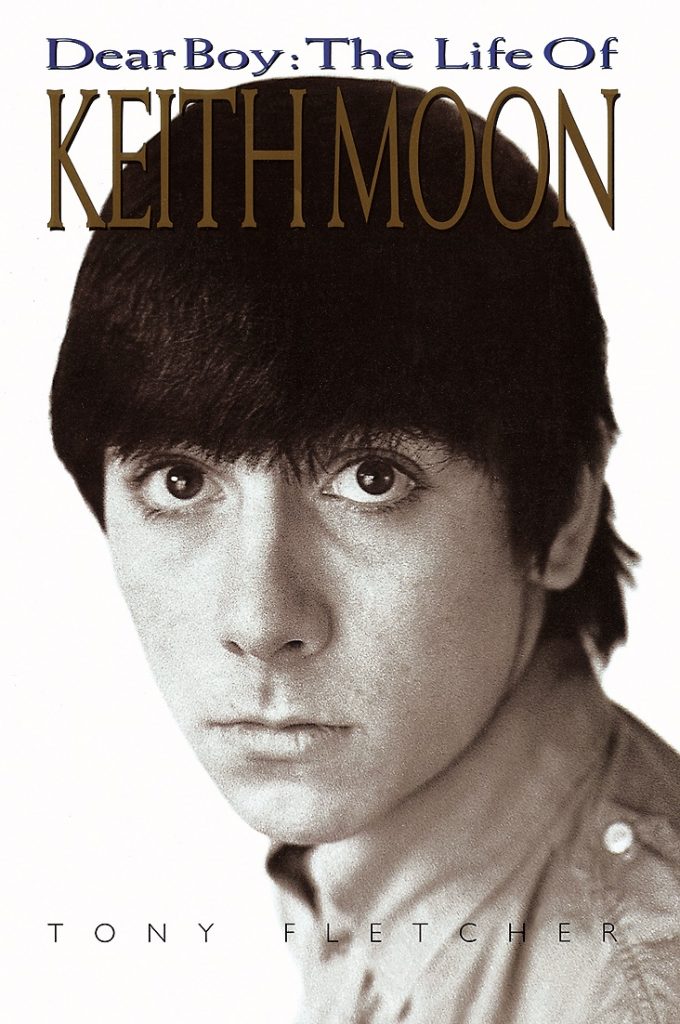
I didn’t think I would ever see an extensive book (nearly 600 pages) on Keith Moon. Tony Fletcher wrote this book and he thoroughly researched Keith and he had been a fan since his teenage years. As a teenager, he actually met Keith before he died.
Fletcher talks to everyone of importance in Keith’s life. The only disappointing thing for me and for Fletcher himself is he had to debunk some of the myths about Keith. The great story of him driving a car in the pool of a Flint Michigan Holiday Inn… didn’t happen… but the real story is just as interesting though.
The veil is drawn back on a lot of myths. It’s not a book full of Keith doing wild things like the book “Full Moon”. This one shows his ugly side also. Keith had one of the most dangerous traits you could have…the ability not to be embarrassed. Think about that…that keeps us in check at times. With Keith, anything could happen at any time.
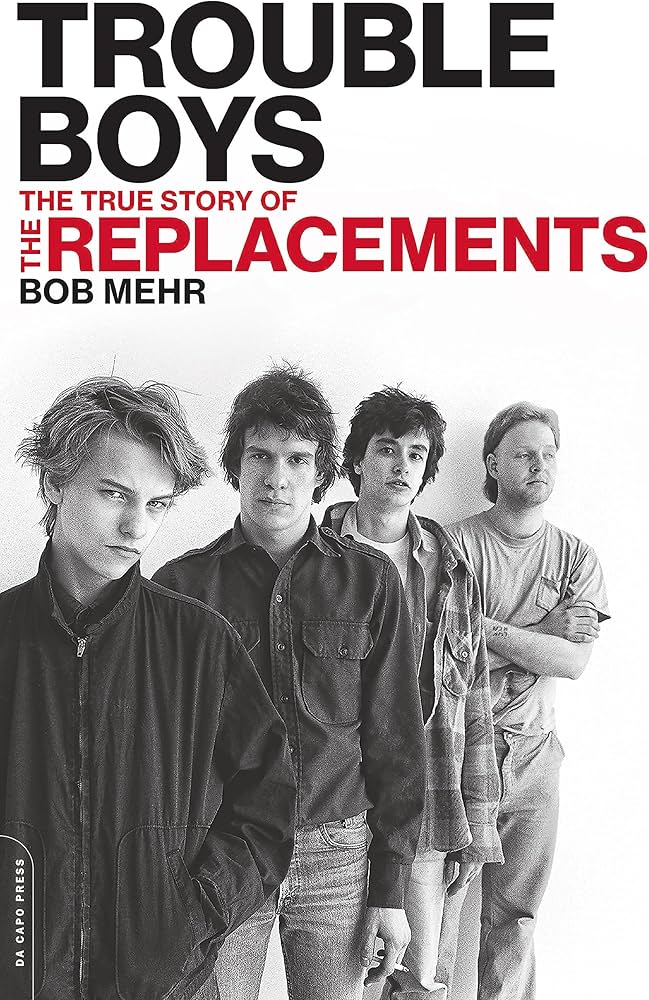
Trouble Boys – Bob Mehr
One of the only books about The Replacements. After this book, I started to understand the reckless and sabotaging behavior of the band. It also goes through the tough decision of Bob Stinson leaving the band only to die a few years later.
It was interesting to see the relationship they had with other bands such as REM at the time. They would goad each other into making better albums. I was a fan before I read it but it increased my interest by a bunch afterwards.
Up and Down with the Rolling Stones – Tony Sanchez
This was the first book I read on the Rolling Stones when I was around 13. It’s an easy but dark read. It’s written by Tony Sanchez, Keith’s drug dealer and sometimes partner in crime. Tony was also a photographer who took photos of the Stones and the Moody Blues. Spanish Tony, as he was called hung around with the Stones, Moody Blues and also knew the Beatles.
It’s full of wrecked cars, heroin, dead friends, sleazy characters, and some eventful journeys. At first, I would take some of the stories with a grain of salt but most of the events were verified by Keith’s book “Life.”
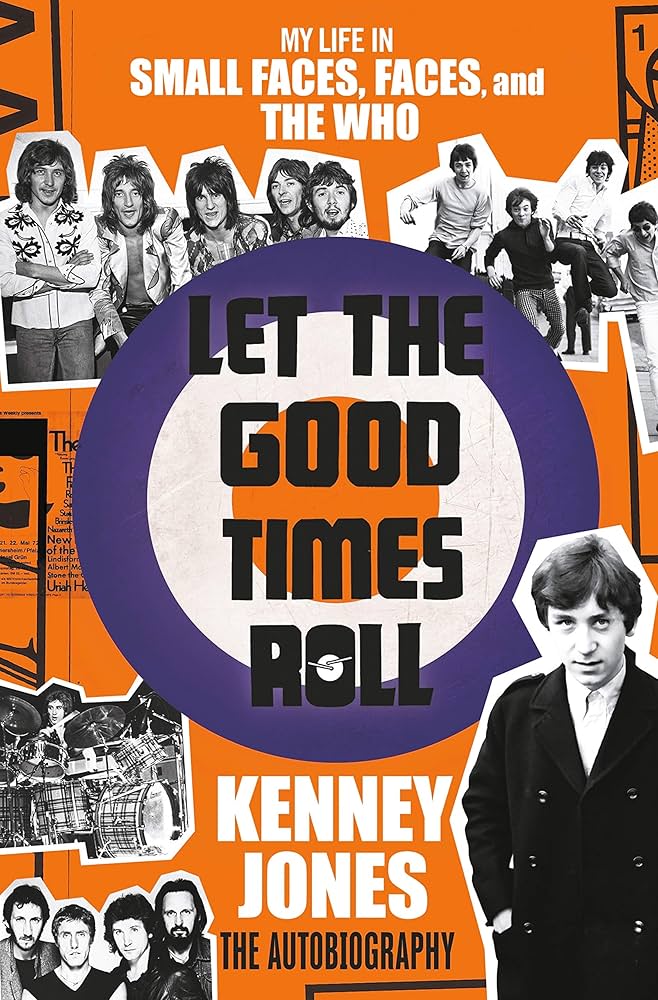
Let The Good Times Roll – Kenney Jones
Kenney Jones was the drummer of three of England’s most influential bands – The Small Faces, The Faces and for a few years The Who. I was pleasantly surprised by this book. Kenney keeps the book interesting from his childhood, teen years, swinging London, the Swinging Seventies, up til now.
I never knew much about the Small Faces and Faces and this book answered some questions I had about both bands. He gave much more information than Roger Daltrey did in his book about Jone’s tenure as the drummer of the Who and their difficulties. Personally, I don’t think Kenney was the right drummer for the Who but then again…I don’t think anyone could have taken Moon’s place. He does give an interesting perspective on it though.
I didn’t’ realize that Keith Moon and Kenney were as close as they were. Kenney had played with the Who before in sound checks when the Small Faces and Who were touring with each other and Moon couldn’t be found. After Moon died a few strange things happened to Kenney right before Bill Curbishley (The Who’s Manager) called to see if he would join. The strange events helped him make the decision.
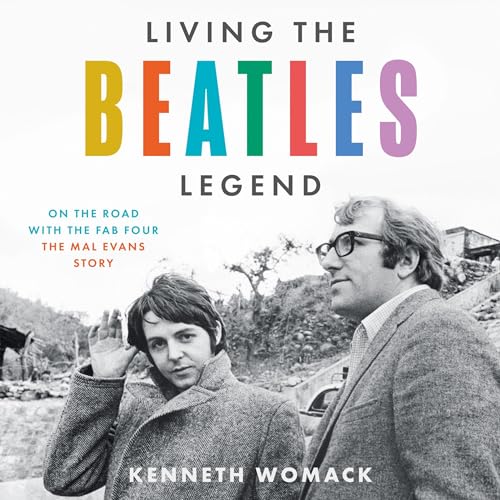
Living The Beatles Legend – Kenneth Womack
I did a review on this last year but I wanted to get it in here.
I’ve been waiting on this book since I read about the Beatles in the 70s as a kid. I knew the story…after a showdown with police Mal Evans was shot and killed on January 5, 1976. He was working on his autobiography at the time. Evans was the last person you would think would die that way…and in this case…he wanted it. Could the police have handled it better? Yes, but Mal had said that is how he wanted to go out. He forced the situation. He was only 40 years old.
Mal Evans along with Neil Aspinal were the roadies for the Beatles. Imagine that…2 roadies for the world’s biggest band. Mal worked at a telephone company in the early ’60s but he loved rock and roll…especially Elvis Presley. He would go see bands at the Cavern and struck up a friendship with George Harrison. George told him since he loved music…take a part-time job as a bouncer at The Cavern. The Beatles automatically liked him from the start. He was a big guy at 6’4″ but he never wanted to use violence. More times than not…he talked his way out of trouble. Aspinal was their only roadie and when Love Me Do and then Please Please Me came out…they needed another person because Aspinal was worn out.
I would highly recommend this book. Kenneth Womack had full access to his diaries and used many of the entries. This book turned up a lot of things about them that I had no clue about. It also gave a different look at their personalities on an everyday basis. Near the end, Mal went to the 2nd Beatles convention and spoke. He started to battle depression in the seventies after living in California and missing his wife and kids back in London. He picked up a girlfriend in California and that made his guilt worse. Drugs also affected him in the end.
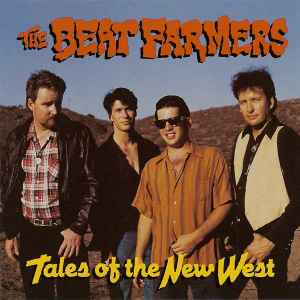
I started to listen to The Beat Farmer’s debut album Tales of the New West a few months ago. I came across this song and liked it with the first listen…it took me a second but I realized it was an old Velvet Underground song.
I can’t recommend this album enough. I first heard of the band through a more of a novelty song called Happy Boy. I just recently started to listen to them and they are fantastic.
The Beat Farmers formed in San Diego California in 1983. They went to a studio with a $4000 budget, and they recorded Tales Of The New West. The album was released in 1985. The members were Country Dick Montana, Jerry Raney on guitar, Rolle Dexter on bass, Buddy Blue on guitar, and Joey Harris on guitar. They did a tour opening up for the Blasters and then signed a 7 Record Deal with CURB Records…which turned out to be a mistake…they fought for years to get away from them.
Together they released 6 albums and 15 singles + EPs. The band came to a halt on November 8, 1995, when Country Dick Montana died on stage. They have occasionally got together since then.
This song was on the Velvet Underground debut album The Velvet Underground & Nico and was released in 1967. Lou Reed wrote There She Goes Again. The lyrics to this song must have sounded outrageous to the listeners in 1967. The album only charted at #129 in the Billboard 100 and that would be the best charting LP of all of their 5 original albums.
There She Goes Again
There she goes again (There she goes) Yeah, I see her walkin’ on down the streets again (There she goes) Well, she’s down on her knees again (There she goes) But she’ll never ask you please again (There she goes)
Now take a look, there’s no tears in her eyes She won’t take it from just any guy. What can you do?
Yeah, when you see her walkin’ on down the streets (There she goes) Yeah, I see her lookin’ at all the boys that she’s gonna meet (There she goes) If I see her messin’ ’round, I don’t know what I’m gonna do
Well, there she goes again (There she goes) Yeah, I see her walkin’ on down the streets again (There she goes) Well, she’s down on her knees again (There she goes) Yeah, but she’ll never ask me please (There she goes) again
Now take a look, there’s no tears in her eyes She won’t take it from just any guy. What can you do?
Yeah, when you see her walkin’ on down the streets (There she goes) Yeah I see her lookin’ at all the pretty boys that she’s gonna meet (There she goes) Oh, when I see that stuff, I just don’t know
Now take a look, there’s no tears in her eyes Like a bird, she’s a-gonna fly. What can you do?
Yeah, when you see her walkin’ on down the streets (There she goes) Yeah, I see her lookin’ at al the boys that she’s gonna meet (There she goes) Yeah, I know that she isn’t down on her feet (There she goes) Yeah, but she’ll never ask you please (There she goes) Oh-ho!






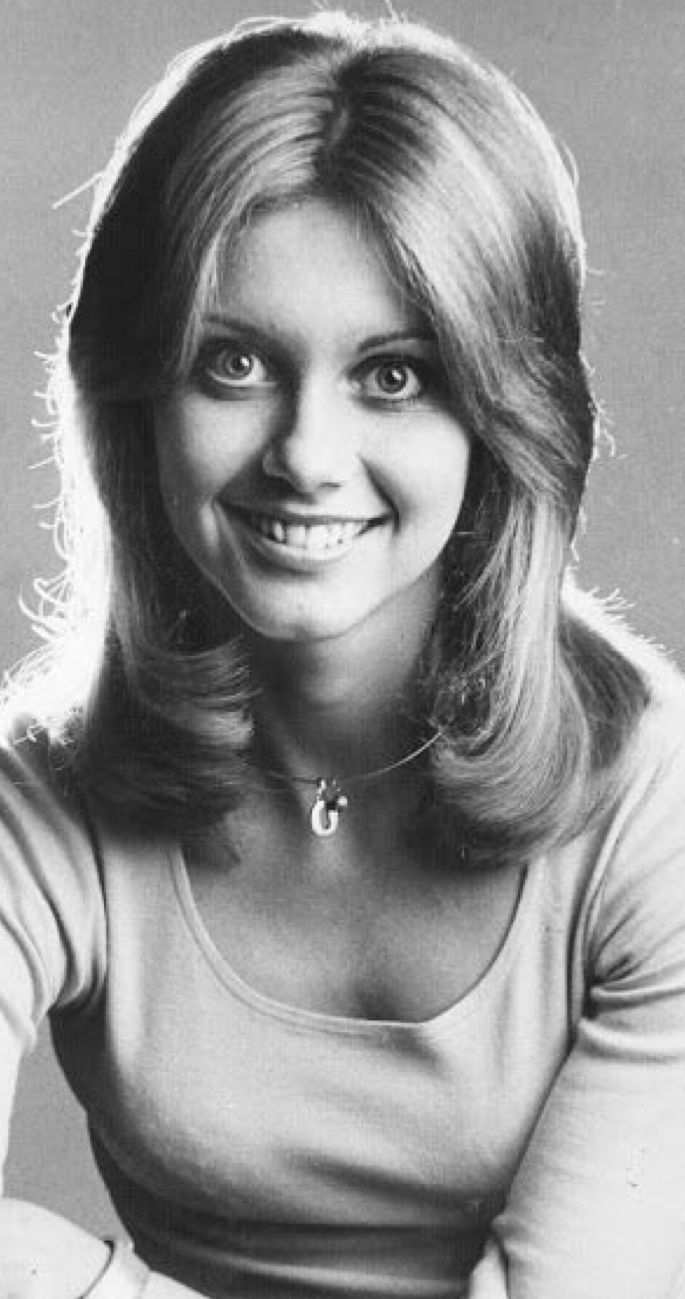 The ultimate girl next door… I saw her on the Midnight Special when I was 8 years old. So…Olivia Newton-John would be the first blonde crush.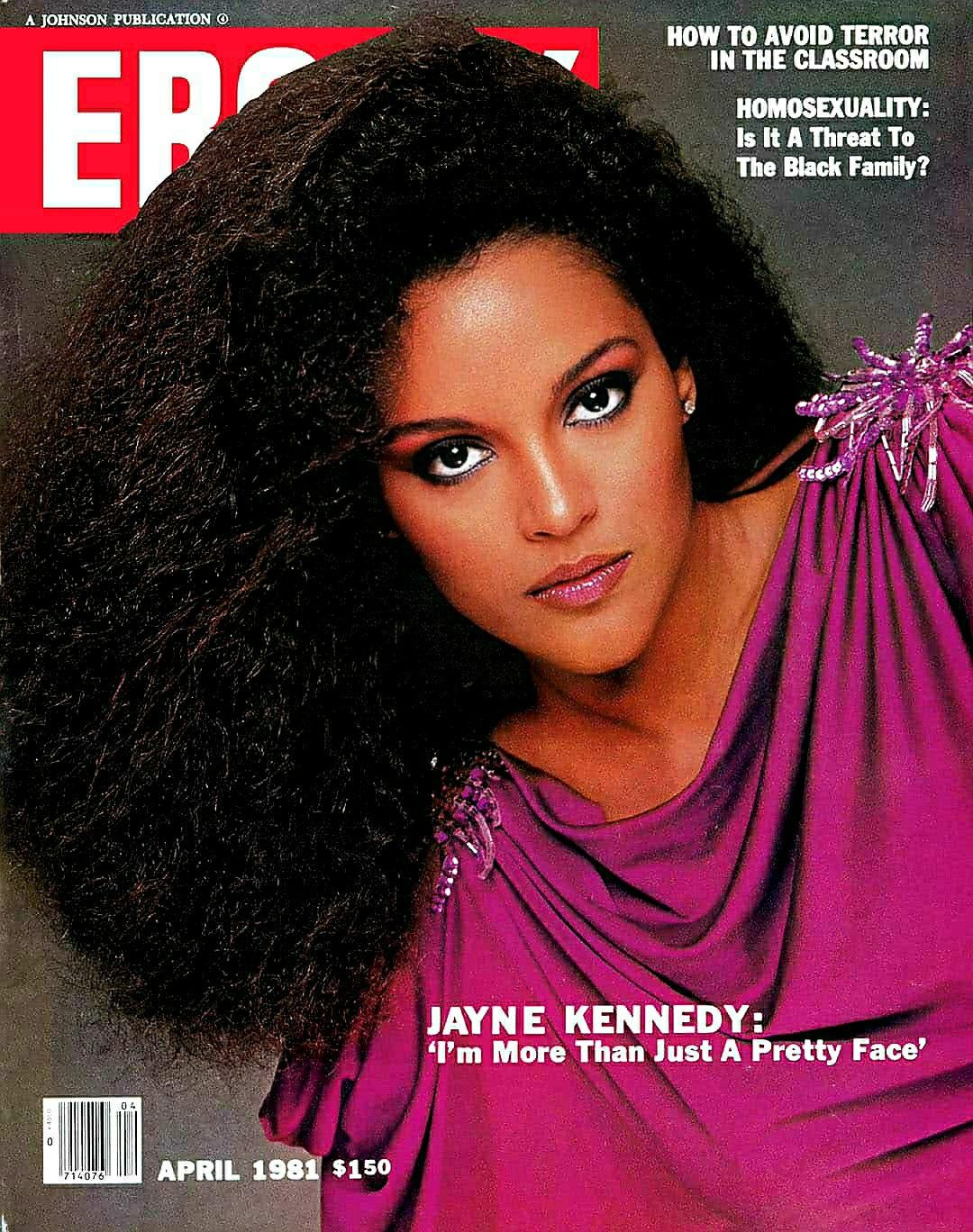







 PowerPop... An Eclectic Collection of Pop Culture