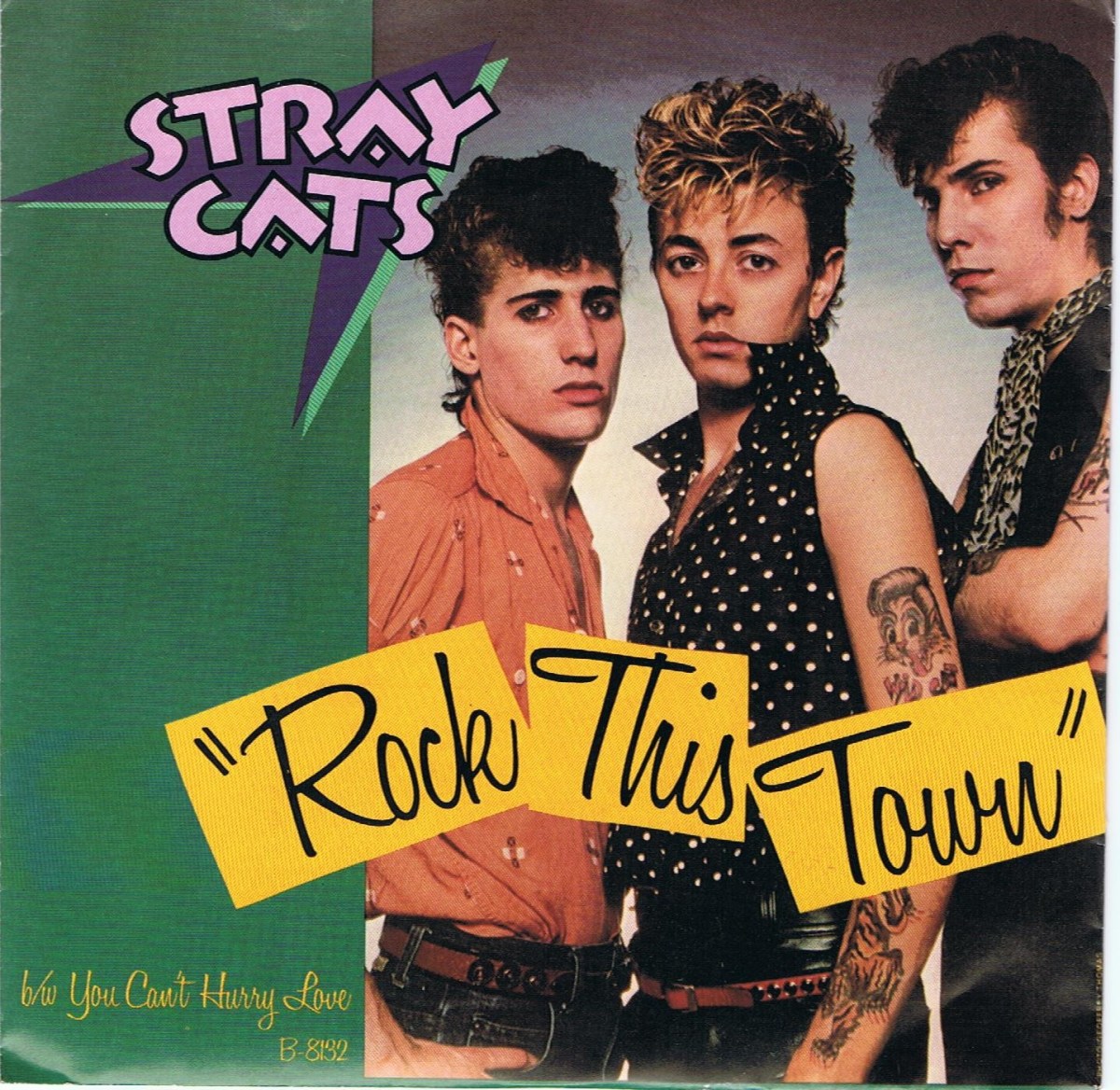
Stray Cats – Rock This Town

I can’t tell you how much I liked this band when it was released. Such a fun and great sound. A throwback to the 50s was not what I was expecting…I can’t believe it got so popular at the time because it was so out of left field with mainstream at the time. 

In the eighties, this was a fresh approach. A fifties-sounding band that featured guitar (Brian Setzer), double bass (Lee Rocker), and a snare drum (Slim Jim Phantom). No electronic drum in sight. This track is exciting because of the clear sharp guitar that sliced through. At the time, synthesizers reigned in popular music. The song peaked at  #9 in the Billboard 100, #6 in Canada, #18 in New Zealand, and #9 in the UK in 1982.

The band broke up in 1984 while they were still successful. Since then the Stray Cats have reunited a few times and toured. Brian Setzer has been known since the breakup and the other members have remained busy as well. The bass player Lee Rocker has worked with worked with a variety of artists, including Carl Perkins, George Harrison, and Ringo Starr.

Slim Jim Phantom has played with many rockabilly bands including The Head Cat with Lemmy and Danny B. Harvey. He and Earl Slick from David Bowie’s band have made music as well. Setzer has formed the Brian Setzer Orchestra as a swing revival band that has become well-known.

Around 1984 they broke up because Setzer wasn’t feeling it anymore and the band had internal conflicts. He later regretted by saying “It was silly to break up the Stray Cats at the peak of our success.”

Rock This Town

Well, my baby and me went out late Saturday night
I had my hair piled high and my baby just looked so right
Well-ell, pick you up at ten, gotta have you home at two
Mama don’t know what I got in store for you
But that’s all right, ’cause we’re looking as cool as can be

Well, we found a little place that really didn’t look half bad
I had a whiskey on the rocks, and changed half a dollar for the jukebox
Well-ell, I put a quarter right into that can, but all they played was disco, man
Come on, baby, baby, let’s get out of here right away

We’re gonna rock this town
Rock it inside out
We’re gonna rock this town
Make ’em scream and shout
Let’s rock, rock, rock, man, rock
We’re gonna rock till we pop
We’re gonna rock till we drop
We’re gonna rock this town
Rock it inside out
(Rock it, rock right in!)

(Whoa!)
(Whoo!)
(Oh my god)
Whoo!

Well, we’re having a ball just a-bopping on the big dance floor
Well, there’s a real square cat, he looks a 1974
Well-ell, he looked at me once, he looked at me twice
Look at me again and there’s a-gonna be fight
We’re gonna rock this town
We’re gonna rip this place apart

We’re gonna rock this town
Rock it inside out
We’re gonna rock this town
Make ’em scream and shout
Let’s rock, rock, rock, man, rock
We’re gonna rock till we pop
We’re gonna rock till we drop
We’re gonna rock this town
Rock this place apart

We’re gonna rock this town
Rock it inside out
We’re gonna rock this town
Make ’em scream and shout
Let’s rock, rock, rock, man, rock
We’re gonna rock till we pop
We’re gonna rock till we drop
We’re gonna rock this town
Rock it inside out

We’re gonna rock this town
Rock it inside out
We’re gonna rock this town
Rock it inside out
Whoo!
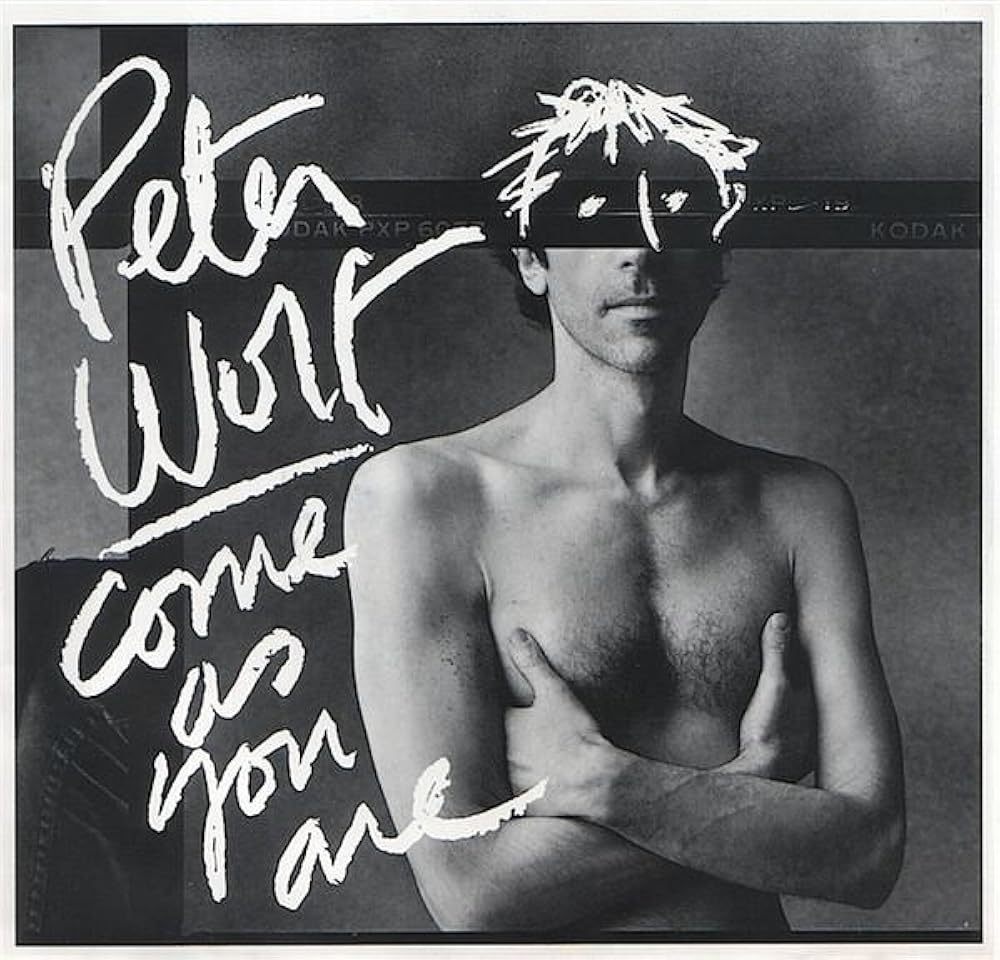
Peter Wolf – Come As You Are

Every single time I wrote about J Geils and now Peter Wolf, I always gush about how great of a frontman the man is. I would put him against anyone in rock. With the film clips I’ve seen, he is electric on stage. Wolf was the lead singer and songwriter of The J. Geils Band from 1967 to 1983. In 1983, Wolf and the J. Geils Band parted ways after the singer expressed his interest in returning to the band’s rock ‘n’ roll roots.

When the band was splitting up, he stepped out on his own.  I asked CB if he had any artists in mind, and he thankfully sent me a few, and Wolf was one of them. I remember this song from the 1980s. He always brings energy and a fun atmosphere to work with. I also remember Lights Out that I have at the bottom.

I also found some more songs of Wolf that I really like. He did some music with Merle Haggard and others that I will be posting soon. Wolf and Tim Mayer wrote this song, as well as many of the songs on the album. I listened to this album this week, and it’s what Peter Wolf is: fun and energetic. 

This song was on the album Come As You Are released in 1987. The song peaked at #15 on the Billboard 100, #29 in Canada, and #1 on the Mainstream Rock Charts. The album peaked at #53 on the Billboard Album Charts. 

He released his autobiography, called Waiting On The Moon, on the 11th of this month. It’s one that I just ordered from Amazon. Wolf has lived a full life, to say the least. A teaser for the book said this: He roomed with David Lynch in college and married Faye Dunaway. Drank his first real Irish Guinness with Mick Jagger. Smoked hash with Peter Sellers. Ate lamb chops with poet Robert Lowell.  Marilyn Monroe once handed him M&Ms.

Here is another song that came back to me . 

Come As You Are

They hung a sign outSign out at the sevenDown at the hive of such a busy beeSo sorry honey sign up for heavenThe guilt tonight is you and meCome as you are, now come onCome as you are and we’ll have a ballAin’t gonna be no masqueradeCome as you are, or don’t come at allHe’ll be a hot time, hot time at the lake sideBarry and the boys are filling in for freeWe’ll jump and move and take it for a joyrideI still get up there for you and meCome as you are, now come onCome as you are and we’ll have a ballAin’t gonna be no masqueradeCome as you are, or don’t come at all

I’m just a bluebird, bluebird at your windowAnd it’s for sure you’re a pretty sight to seeBut lives are short; I know what you’re intoCome on, it’s you and meCome as you are, now come onCome as you are, and we’ll have a ballAin’t gonna be no masqueradeCome as you are, or don’t come at allWhoa, whoa, whoaCome as you are now, come onCome as you are, and we’ll have a ballAin’t gonna be no masqueradeCome as you are, or don’t come at allCome as you are

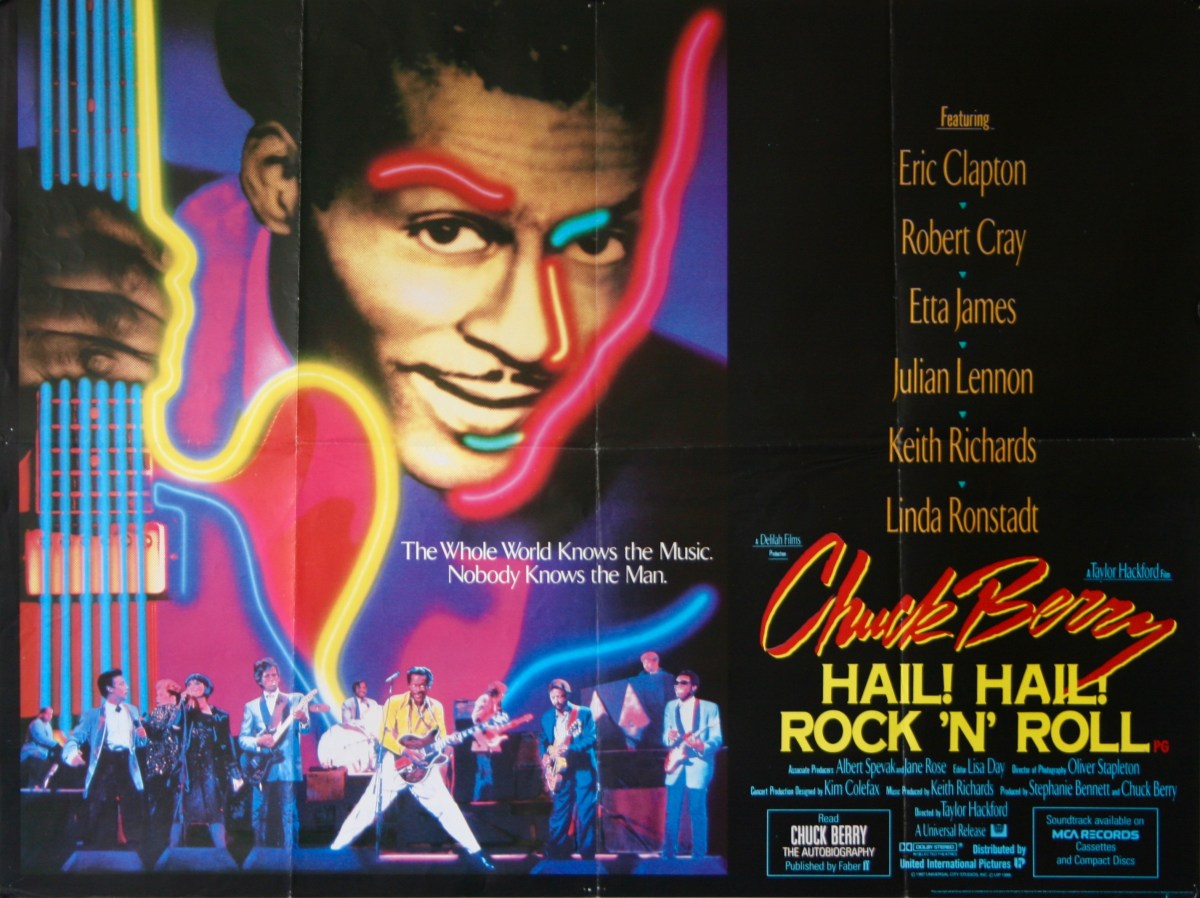
Hail! Hail! Rock ‘N’ Roll

This is one of the best rock and roll documentaries that’s out there. A great documentary and probably the best that Chuck has ever sounded. He had a hell of a band behind him, and his songs did the heavy lifting. Pure poetry-driven songs about life with a huge backbeat. The band was incredible… Keith Richards, Robert Cray, the great Johnnie Johnson (Chuck’s original piano player), Steve Jordan, Bobby Keys, Chuck Leavell, and Eric Clapton are guests on a few songs. More than Chuck or the band…  It’s a great showcase for those wonderful songs Chuck wrote for all of us. 

This documentary starts off in 1986 with Chuck Berry reminiscing about the Cosmopolitan Club, where he played in the earlier days. The film centers around Chuck Berry’s 60th birthday and Keith Richards assembling an All-Star Band to support Chuck in concert. Chuck had been touring since the 60s by traveling from town to town and playing with any pickup band he found. All he brought was his guitar. He would get paid with cash in a paper bag in many places. That was his motivation more than playing with a good band. Chuck could be very sloppy playing live, but he did keep that great feel.

Chuck could also be difficult, to say the least. Keith was determined that Chuck was going to be backed by a great band for this concert… Chuck was Keith’s idol, but Chuck seemed to want to give Keith as much trouble as possible. Richards says in the documentary that Chuck was the only man who hit him that he didn’t hit back. During the rehearsals for the song “Carol”, you can feel the tension in the air between the two.

Seeing Keith’s reaction to Chuck at times is worth the price of admission, and I’m glad Keith was persistent and patient and got this done. It’s great footage of Chuck playing his classics. The concert at the Fox Theatre ended up a success. Chuck sounded great, and so did the band. I will be forever grateful they did this show, and we get to see Chuck Berry at his best. 

During the documentary, there are some great comments by Little Richard, Bo Diddley, Bruce Springsteen, Jerry Lee Lewis, Willie Dixon, and more. Some of the artists that came on and sang were Etta James, Linda Ronstadt, and Julian Lennon. Chuck was a complicated man, but he was a poet as well. I can’t recommend this documentary enough. If you are a music fan you should like it. Chuck Berry may have influenced Rock and Roll more than anyone else.

My favorite story is from Bruce Springsteen. Bruce and the E Street Band volunteered to back up Chuck Berry for a show in the early seventies. Being Chuck’s temporary pickup band must have been nerve-wracking for musicians. Chuck didn’t tell them what songs he was playing or what key…this is Bruce’s quote “About five minutes before the show was timed to start, the back door opens and he comes in. He’s by himself. He’s got a guitar case, and that was it, I said ‘Chuck, what songs are we going to do?’ He says, ‘Well, we’re going to do some Chuck Berry songs.’ That was all he said!”

Below is the video. it’s not extremely clear but watchable.

Blue Northern – Can’t Make No Sense

The reason I enjoy the weekends so much on the blog is that I try to post new/old music that I like, which isn’t the most well-known. I go out searching for more music I missed real time. If I had heard of Blue Northern in the early 1980s, I would have bought them. The young Max would have connected with these guys, but better late than never. 

This band sounds like the Byrds, the Flying Burrito Brothers, and some power-pop mixed together. The songs are likable at first listen. They did have some success in Canada in the early eighties, and they recently re-released their first album under the name Tango!

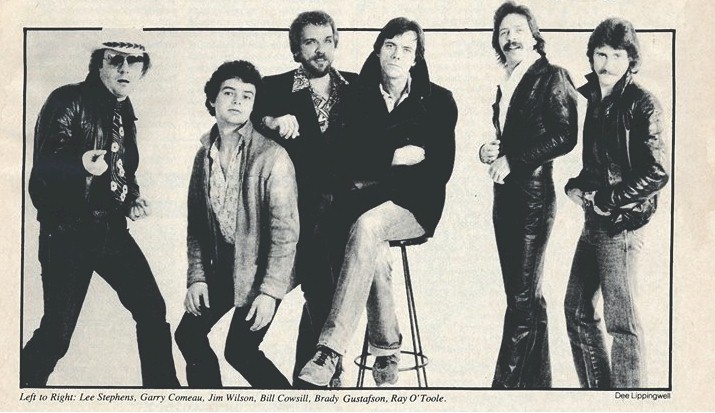
I couldn’t decide on which song to pick, so I just flipped a coin and picked one, but I’m featuring both. They were a country rock band from Vancouver, British Columbia. They were together between 1977 and 1983. I found this band by following Billy Cowsill around and his different bands. 

The band started out with Gary Comeau, Lee Stephens, Brady Gustafson, and Jimmy Wilson. They were later joined by guitarist Ray O’Toole and Billy Cowsill. Can’t Make No Sense was written by Ray O’Toole. He also wrote Too Late To Turn Back Now. 

They only released one album…Blue Northern in 1980 and an EP called Blue in 1979. Both of these songs were on the Blue Northern album, and both were singles. Too Late To  Turn Back peaked at #15 on the RPM Cancon singles charts, and Can’t Make No Sense peaked at #25 on the RPM Cancon singles charts in 1980-1981.

Can’t Make No Sense

You say we must end it, the feeling is gone
There just ain’t no reason to carry on
I say we should try it a day or two
And I can’t make no sense out of loving you

Wedding bells were ringing in my head
I could not hear what people might have said
You see we have different points of view
And I can’t make no sense out of loving you

You say you must break my heart
And I will understand
The hurt will go away so soon
Like castles in the sand
And it’s crazy crazy crazy what I’ll do
And I can’t make no sense out of loving you

You say you must leave me now
Closing all the doors
Does he mean that much to you
You can’t see me no more
And it’s crazy crazy crazy what I’ll do
And I can’t make no sense out of loving you

No no I said, I can’t make no sense out of loving you
I, I, I can’t make no sense out of loving you

____________________________

Too Late To Turn Back Down

Well your name’s all over town
Since you’ve been laying your favors round
Your reputation is going down down down the drain
I still remember awhile ago
When you had no place to go
Then your smile was just a show
You gave to a friend

Baby it’s too late
Too late to turn back
Well your money’s all gone
Friends are catching on to you

Baby it’s too late
Too late to turn back
You’ve been doing alright
Just fading out of site, baby

Well your name’s all over town
Since you’ve been laying your favors round
Your reputation is going down down down the drain
I still remember awhile ago
When you had no place to go
Then your smile was just a show
You gave to a friend

Baby it’s too late
Too late to turn back
Well your money’s all gone
Friends are catching on to you

Baby it’s too late
Too late to turn back
You’ve been doing alright now
Fading out of site, baby

Ah you’ve been doing alright
Been fading out of site, baby
Oh you’ve been doing alright
You’re fading out of site, baby

Jeff Healey – See The Light

I had another Jeff Healey song already written up called Angel Eyes. I still have it ready to go but then my friend Deke blew those plans all to hell (thanks Deke). He sent me this song by Healey on the Johnny Carson show. I knew Healey was a great guitar player and I say that in my Angel Eyes post that you will see one day…but I never knew he was THIS.

I sent the Carson clip to my friend Ronald. He is a guitar player that I have played with most of my life. He was as blown away as I was. He would be hard to copy because of the way he played. 

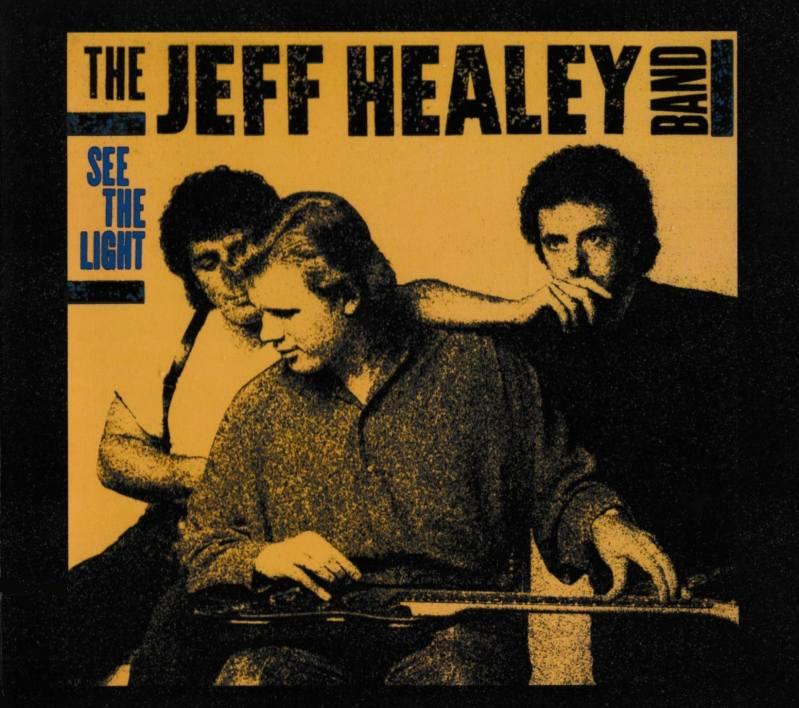
I’ve heard some of his songs off and on but never really dived into his catalog. This song is the title track from Jeff Healey’s debut album, See the Light, released in 1988. The album broke him through internationally with help of the hit Angel Eyes. The album peaked at #25 in Canada, #22 in the Billboard Album Charts, #17 in New Zealand, and #58 in the UK in 1988. 

He lost his sight to retain retinoblastoma as an infant, he was a self-taught guitar player who developed a totally different way of playing the guitar. He used a lap-style approach that allowed him to bend notes in ways few others could. He had so much leverage in fretting the guitar like he did. 

Healey was adopted and raised in Toronto, where he developed a passion for music. He formed The Jeff Healey Band in 1985 with Joe Rockman and Tom Stephen. The band gained recognition in Toronto’s blues scene before being discovered by Stevie Ray Vaughan and Albert Collins. He would release 5 albums with The Jeff Healey Band and also played with the Jazz Wizards. 

See The Light

Can you see the light,
Can you see the light of need shinin’ in my eye?
Can you see the light,
Can you see the light of need shinin’ in my eye?

Well, you know I need you baby,
And I sure ain’t gonna tell you no lie

Can you see the light,
Can you see the light of want shinin’ on my face?
Can you see the light,
Can you see the light of want shinin’ on my face? hey

Well, you know I want you, mama,
Come on, we’ll get from this place, now
Look out!, yeah!

Can you see the light,
Can you see the light of love shinin’ from my heart?
Can you see the light,
Can you see the light of love shinin’ from my heart?
Yeah

Well, you know I love you, baby,
An’ I sure want to give this thing a start, Lord!
Can you see the light?
Can you see the light?, say!
Can you see the light, yeah?

Omar and The Howlers – Hard Times in the Land of Plenty

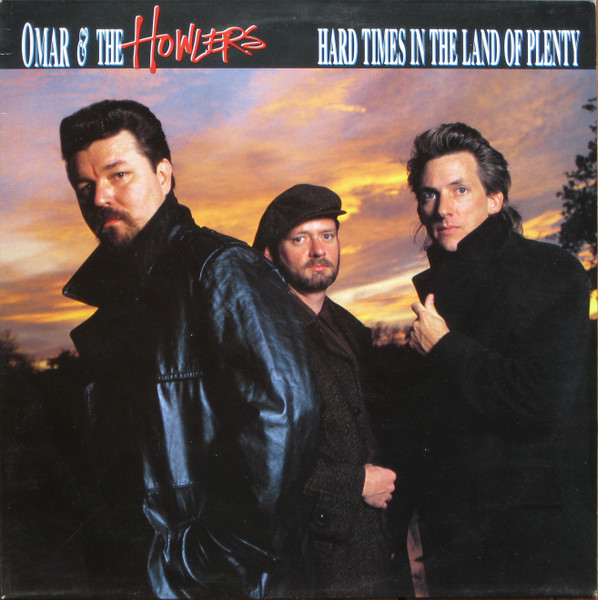
These guys don’t mess around. They get straight to the rock in a hurry. Omar Dykes voice is what stands out so much to me. CB sent me some links to these guys…and I enjoyed all of the songs I’ve heard. I also watched an entire live show (it’s only 27 minutes long…check it out!) with them on Austin City Limits. It was outstanding. The name of the band and the title of the song got my attention right away…and was a reason I picked this song as the first song I posted by them. I will do more in the future. 

I heard of this one before but I had no clue who did it. I sometimes use the term “working band” and this one works like crazy. They have almost 30 albums under their belt. Their first album Big Leg Beat came out in 1980 and they have been unstoppable since then. They just released an album in 2023 called What’s Buggin’ You. 

Omar Dykes wrote Hard Times in the Land of Plenty. It was released back in 1987 (I remember it on our rock station WKDF). The song peaked at #19 on the Billboard Rock Charts and was the title cut to the album. This album broke them through internationally because of the strength of this song. 

They were formed in Hattiesburg, Mississippi, in 1973 by lead vocalist and guitarist Omar Dykes. In 1976, the band later moved to Austin, Texas, where they became big in the blues and rock scene. That scene included Stevie Ray Vaughan, Eric Johnson, and The Fabulous Thunderbirds. They toured constantly and built an audience. The rest of the band left shortly after they got to Austin…back to home to Mississippi. Omar retooled the band and shortly after that released his debut album in 1980. 

They have released albums on big labels and small…their labels include Amazing, Austin, Columbia, Antone’s, Bullseye Blues, Watermelon, Black Top, Blind Pig, Provogue, Ruf Records, and their current record label, Big Guitar Music. His voice…it has a bit of John Fogerty and Brian Johnson…I love rough-edged voices in rock, pop, or country and Omar fits that perfectly. 

Another song, Rattlesnake Shake, by Omar and the Howlers.

Hard Times in the Land of Plenty

Some people have, some people have not;
Some got a little, and some got a lot.
Poor people cryin’ ’cause they ain’t got a dime,
They’re left standin’ in a welfare line…

Hard times in the land of plenty;
Some got it all and the rest… …Ain’t got any.

The taxman says you gotta pay mo’ money;
Ah when you’re already broke, you know that just ain’t funny.
You gotta rob Peter – pay back Paul;
Used ta stand up straight, but now you got to crawl.

Hard times in the land of plenty… (etc.)

Nobody knows you when your money’s gone;
Your future looks dark when your credit’s blown.
You got to hustle to stay alive;
You got to be on top if you wanna survive.

Hard times in the land of plenty;
Some got it all, and the rest…
Hard times in the land of plenty;
Some got it all, and the rest… 
…Ain’t got any.

Hard times in the land of plenty

Plimsouls – Lie, Beg, Borrow, and Steal

I want to thank Pam from allthingsthriller for mentioning this song in my Paisley Underground Music Scene post. I’m a fan of these guys… A Million Miles Away is the first song I posted by them in 2019. When Pam posted the link to this one I knew I had to post it. I like the groove and the power of it. Little did I know about the history of it. 

This song is from their 1983 album Everywhere at Once. It’s a cover of Beg, Borrow, and Steal by The Rare Breed, a 1966 garage rock single later released by The Ohio Express  (the Plimsouls added “Lie”). It’s so funny how music is connected through the decades. The song was written by Ronny (Mouse) Weiss. If that name is kind of familiar to you readers…he is the leader of a Texas Band that I covered a while back called Mouse And The Traps

Peter Case, the leader of the Plimsouls, began his musical career in the late 1970s in Los Angeles, where he formed The Nerves, a pioneering power pop/punk rock trio. The Nerves are best known for their song “Hanging on the Telephone.” It was later covered by Blondie, and it reached #5 on the UK singles chart.

After The Nerves disbanded, Case formed The Plimsouls in 1978. The band released several albums and EPs and gained a dedicated following for their live performances. 

They broke up after this album. They reunited without drummer Louie Ramírez to make an album called Kool Trash in 1995. They did get one of the best drummers in rock to replace Ramirez though. Clem Burke of Blondie played with them for a short while.

The Rare Breed’s version of the song. 

Beg, Borrow, and Steal

Well I can’t find love
How lonely life is without love
(without love)
I can’t find love
How lonely life is without love
(without none)
I’m gonna lie, beg, borrow, and steal
‘Til I do get me some

Lie, beg, borrow, and steal
It’s the only way I know
Lie, beg, borrow, and steal
If one don’t work then the other one will

I need my love
How lonely life is without love
(without love)
Well I need my love
How lonely life is without love
(without none)

I’m gonna lie, beg, borrow, and steal
Until I do get me some

….

The Paisley Underground Music Scene

I contributed this to Dave’s Turntable Talk series. He wanted us to write about a musical scene. I picked The Paisley Underground Music scene. 

I first picked the 80s Minnesota scene that produced bands like The Replacements, Hüsker Dü, The Suburbs, and Soul Asylum. It’s no secret that The Replacements are my favorite 1980s band but I’ve always been interested in the Paisley Music Underground Scene from Los Angeles that had some great music. Instead of listening to Thriller or Purple Rain…you would hear these artists that sounded like the 1960s bands that I always preferred. It was the same as REM when they began with their jangling guitars.  “Paisley Underground” was a moniker that helped music journalists describe their sound, which didn’t fit the New Wave or Rock.

I didn’t find out about this music scene until around 2020 or so. I was looking at a CD set called Children of Nuggets: Original Artyfacts from the Second Psychedelic Era, 1976–1995. The first version of Nuggets covers mostly the 1960s and Graham from Aphoristical Album Reviews is going through each song and he probably introduced the album to me.

I looked up the history of a band named Green On Red and found out they were part of this scene in Los Angeles in the 1980s. I wish I had known about it in real time because I would have been listening.  The scene started in Los Angeles in the early 1980s, the music was a blend of psychedelic rock, folk-rock, and garage-rock influences from the 1960s, mixed with a little punk. The scene’s name reflected its retro-psychedelic sound, with “paisley” referencing the design patterns often associated with 60s fashion.

This scene was full of talent with bands like Rain Parade, The Dream Syndicate, Green On Red, The Long Ryders, Mazzy Star, The Creeps, True West, Game Theory, and others. The Bangles were undoubtedly the most successful band to come out of that group of bands. That really surprised me because there were some very talented bands in this. 

The most known band to come out of it was The Bangles. You hear 1960s artists’ influence like The Byrds, Love, The Velvet Underground, and The Zombies. Many of the bands would contribute to each other’s albums and sometimes form sidebands out of two or three bands. 

All in all…the scene lasted until around 1990. Many of the bands started to break up around that time…even the Bangles. If you like 1960s music…look up some of the bands that I mentioned. I only wish some mainstream stations would have taken a chance and played them more. Many of them would have fit in the mid to late 1960s to early seventies.

The beauty of this music was that it was not a retro-forced sound…it sounded totally organic. 

Lite-Brite

One of my favorite toys growing up. To this day I like collecting vintage lighting fixtures like soft drink clocks or signs probably because of this toy. They came with designs that you could use to create different cartoons and clowns but I never used those. I liked to create my own masterpieces.

This toy allowed you to be creative in a very different way. It brought out the artistic side in you. You could design different things and it would light up your room in the dark with colors. Lite-Brite was invented by Joseph M. Burck, a senior designer at Chicago toy and game design company Marvin Glass and Associates. The company licensed Lite-Brite to Hasbro, which officially launched it in 1967. It became a staple toy in the 1970s. 

Of course…when I got older I would make crude messages on the Lite Brite for friends. Lite-Brite is recognized as one of the greatest toys of all time by the Toy Hall of Fame. It has become part of our pop culture. 

Lite Brite commercial from the 1970s. Did you have one growing up? 

King Crimson – Model Man

This is my second King Crimson post. I’ve heard their debut album the most and I like it. I went exploring and found this one. I can hear the 80s in this but not as strong as some…I like the slide guitar sound of Robert Fripp in this song.

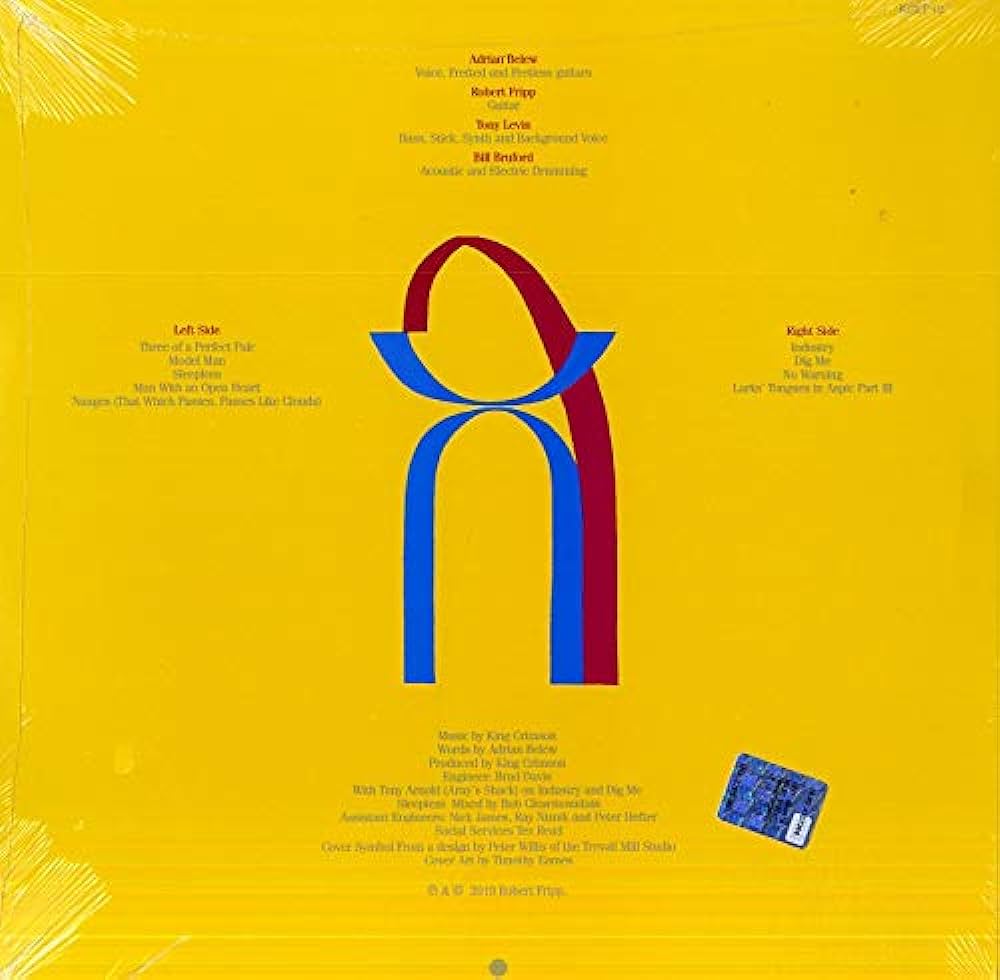
This song to me is bridged progressive rock with a more contemporary, new-wave-influenced sound. This song was not released as a single but has become a favorite among fans of King Crimson. Their 1980s lineup was Adrian Belew on vocals and guitar, Robert Fripp on guitar, Tony Levin on bass guitar, and Bill Bruford on drums. 

This song was on the album Three of a Perfect Pair released in 1984. It peaked at #58 on the Billboard Album Charts, #43 in Canada, and #30 in the UK. This song is only 3:49 but not your average pop song. They seem to like throwing curves and they did with this one…like with the slide I mentioned being slightly off by Fripp makes this interesting.

Three of a Perfect Pair is the third album in a trilogy that began with Discipline (1981) and continued with Beat (1982). In this period the band consisted of Robert Fripp, Adrian Belew, Tony Levin, and Bill Bruford.

Model Man

Look for the signsLook for the symptomsLook for the slightCalm before the storm

I feel the silenceI feel the signalsI feel the strainTension in my headWell, what more can be said

Not a model manNot a saviour or a saintImperfect in a wordMake no mistakeBut I give you everything I haveTake me as I am

Look for the signsLook for the symptomsLook for the slightCalm before the storm

I feel the silenceI feel the signalsI feel the strainTension in my headWell, what more can be said

Not a model manNot a saviour or a saintImperfect in a wordMake no mistakeBut I give you everything I haveTake me as I am

Not a model manNot a saviour or a saintImperfect in a wordMake no mistakeBut I give you everything I haveTake me as I am

Look for the signs

My love of Pinball Machines

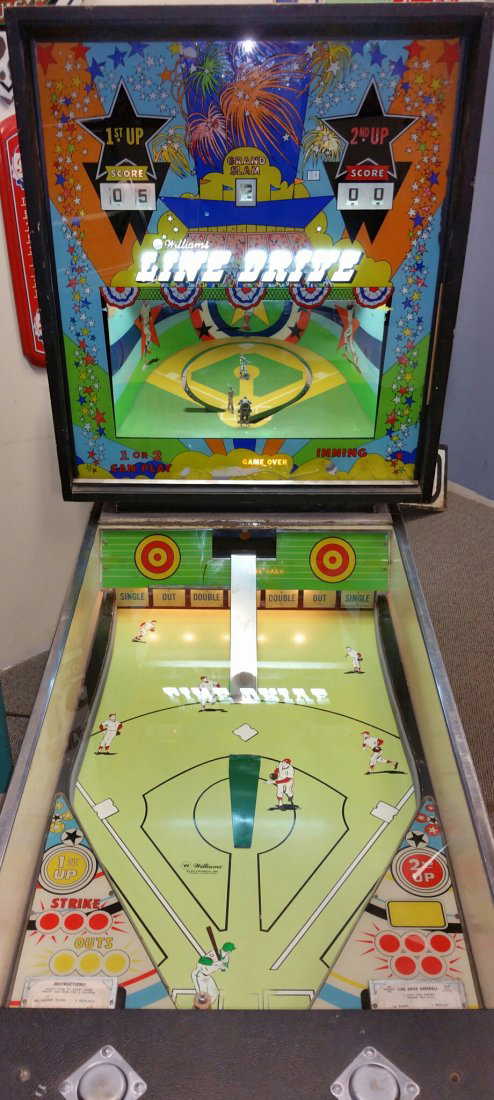
When I would go skating, the best part was playing all of the pinball machines. I’ve always favored them over the video games at arcades because they were machines instead of a screens. Some took some skill and bumping the machine a little but not too much to tilt. I remember Baseball pinball machines, the Elton John model, KISS model, The Who Pinball Wizard model, and many bicentennial models. Below is a quick history of these works of art. 

Related image

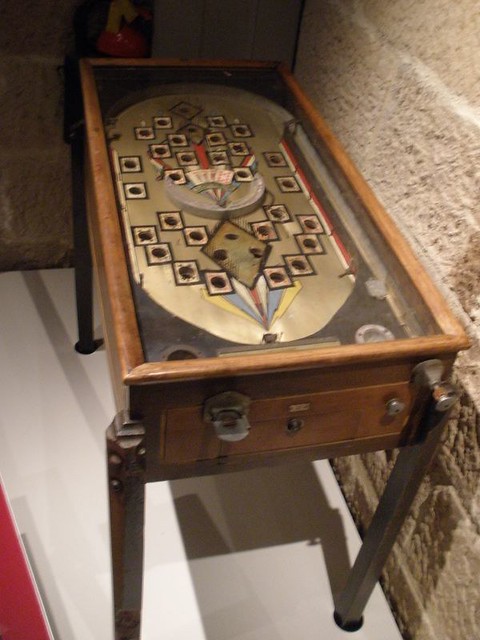
The start of pinball machines started in the 19th century with a  “Bagatelle-Table”,  a sort of hybrid between a “pin table” and pool table. Players tried to hit balls with cue sticks and get them into pockets or slots surrounded by nails and pins. Another step towards the modern pinball form occurred sometime at the end of 19th century when inventor Montague Redgrave patented a device called a “ball shooter”, which was based on the recently invented steel spring.

Related image

The first coin-operated “pinball machine” was invented in 1931 by Automatic Industries and was called the “Whiffle Board”. But the gaming industry really began in the mid-1930s with the production of a game called “Ballyhoo”. It was invented by one Raymond Maloney, who later started the Bally Manufacturing Company of Chicago, IL.

Related image

Pinball machines really grew in popularity after World War II. The ten-year period of 1948-58 is referred to by some as the “Golden Age” of pinball, due to the invention of flippers in 1947 by the D. Gottlieb Co. in a game called “Humpty Dumpty”, and was one of the main reasons for the renewed interest in pinball machines at the time. Humpty Dumpty was the very first pinball machine with flippers!

In 1966, the first digital scoring pinball machine, “Rally Girl” was released Rally. In 1975, the first solid-state electronic pinball machine, the “Spirit of 76”, was released by Micro. In 1998, the first pinball machine with a video screen was released by Williams in their new “Pinball 2000” series machines. Versions of pinball are now being sold that are completely software-based.

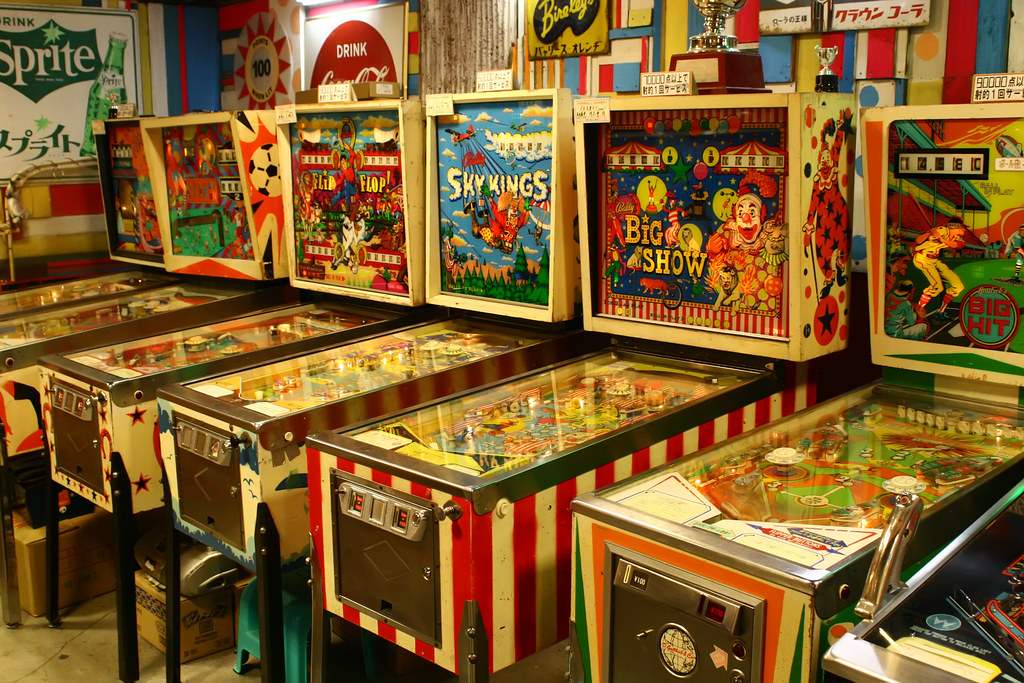
I still like the software-free machines…some were like works of art.

Image result for vintage pinball machines

I didn’t know they had a Beatle pinball machine.

Image result for beatles pinball machine

I have to close this out… with what else?


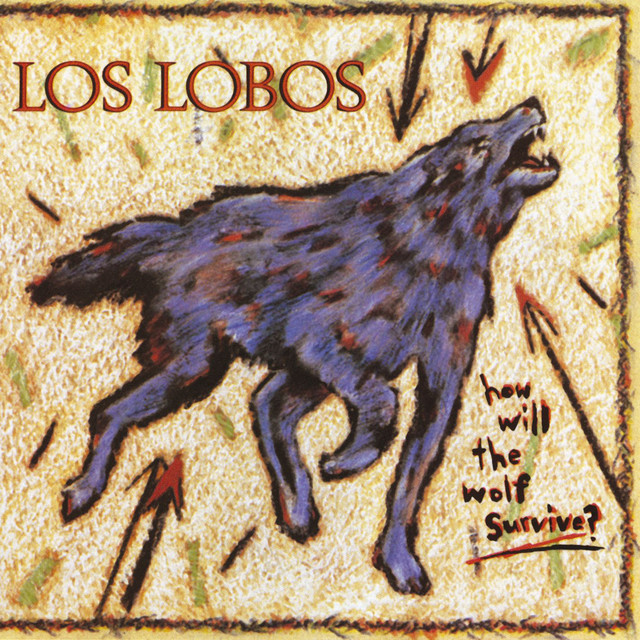
Los Lobos – Will the Wolf Survive?

Halffastcyclingclub and I have had conversations about Los Lobos. I’ve always liked what I heard but I never heard much of anything that was not on the radio. I came across this song when I was listening to various playlists I found. I’ve been listening to this album and will start on their debut album next. 

Sometimes songs grow on me but this one I liked right off the bat. The guitar’s tone and the way they worked it into the song…it just melts into it. This song was released in 1984 as the title track of their major label debut album, How Will the Wolf Survive? The song played a significant role in defining the band’s identity and their fusion of rock, blues, and traditional Mexican music.

Los Lobos (Spanish for “The Wolves”) started in the early 1970s in East Los Angeles. High school friends David Hidalgo, Louie Pérez, Cesar Rosas, and Conrad Lozano started playing together. The guy who brought them together was Francisco González. He left the band before fame and became musical director of El Teatro Campesino and went on to start Guadalupe Custom Strings. They started off by playing top 40 music but soon tired of that. They drew inspiration from Mexican folk music they heard as kids. They didn’t fit into the typical rock band mold… instead, they experimented with acoustic instruments like the jarana, requinto, and bajo sexto

They opened for such artists as The Clash and  The Blasters. Steve Berlin, who was born in Philadelphia, played saxophone for the Blasters and then left the group to join Los Lobos. To his delight, he found the other members of Los Lobos shared a love for country artists such as Hank Williams and George Jones. The band mixed so many styles…Mexican folk music, country, and rock all in the same bag. 

The song peaked at #26 on the Billboard Top Rock Tracks Charts and #78 on the Billboard 100. The album peaked at #47 on the Billboard 100, #13 in New Zealand, #31 in Canada, and #77 in the UK in 1984. 

There is a documentary about Los Lobos called Native Sons that is set to be released this year. 

Will The Wolf Survive? 

Through the chill of winterRunning across a frozen lakeHunters hard on his trailAll odds are against himWith a family to provide forBut one thing he must keep aliveWill the wolf survive?

Drifting by the roadsideClimbs a strong and aging faceWants to make some honest payLosing to the rainstormHe’s got two strong legs to guide himTwo strong arms keep him aliveWill the wolf survive?

Standing in the pouring rainAll alone in a world that’s changedRunning scared now forced to hideIn a land where he once stood with prideBut he’ll find his way by the morning light

Sounds across the nationComing from your hearts and mindsBattered drums and old guitarsSinging songs of passionIt’s the truth that they all look forSomething they must keep aliveWill the wolf survive?Will the wolf survive?

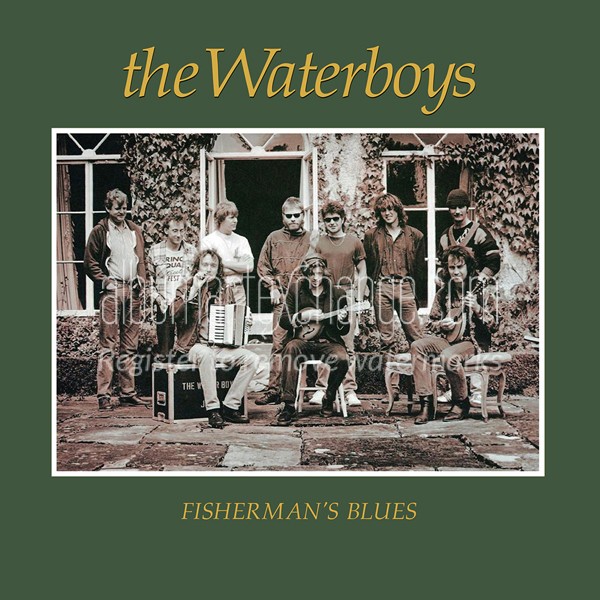
Waterboys – Fisherman’s Blues

With this band…I’ve heard their name more than I heard their music. I’ve seen several bloggers post about them and I always liked the songs. This one I liked when I heard it a few years ago. It’s a band I’ve always wanted to hear more so I did this weekend a little. After listening to this album…I see what the fuss is about. This song in particular has so many influences and Mike Scott’s voice has a perfect edge to it. 

The Waterboys were formed in 1983 by Scottish musician Mike Scott, the band’s leader and primary songwriter. Over the years, their music has evolved through different phases, blending rock, folk, and Celtic influences. Fisherman’s Blues was the title track of their album released in 1988. 

The band had become deeply immersed in traditional Irish music, influenced by musicians like The Bothy Band, The Chieftains, and Van Morrison. On this album they were helped out by a rotating lineup of musicians to help fill out the sound. They recorded 100 songs for this album. 

Mike Scott disbanded The Waterboys in 1993 and pursued a solo career. The 1993 album Dream Harder was released under The Waterboys’ name but was essentially a Mike Scott solo album. They regrouped in 2000 and released an album called A Rock in the Weary Land

Fisherman’s Blues peaked at #20 in New Zealand and #32 in the UK in 1988. The album peaked at #15 in New Zealand, #76 on the Billboard Album Charts, and #13 in the UK

Mike Scott: We started recording our fourth album in early ’86 and completed it 100 songs and 2 years later. There was a lot of indecision. I got too involved in the album and I lost perspective. We had blues songs, gospel songs, country songs, rock songs and ballads. I didn’t know where to take it. It could’ve been a gospel or country album. It could’ve sounded more like This Is the Sea or it could’ve been a traditional album. It could’ve been anything.”

Mike Scott: American music has influenced me more than I can say, but I prefer the music you made from 1920 to 1970—jazz, Broadway, blues, gospel, rock ‘n’ roll, proper R&B, counterculture, soul—than anything made since. And what do you lot think of me? Ain’t got a clue.

Fisherman’s Blues

I wish I was a fishermanTumblin’ on the seasFar away from dry landAnd it’s bitter memories

Castin’ out my sweet lineWith abandonment and loveNo ceiling bearin’ down on meSave the starry sky above

With light in my headWith you in my armsI wish I was the brakemanOn a hurtlin fevered train

Crashin head long into the heartlandLike a cannon in the rainWith the feelin of the sleepersAnd the burnin of the coal

Countin the towns flashin byAnd a night that’s full of soulWith light in my headWith you in my arms

And I know I will be loosenedFrom the bonds that hold me fastAnd the chains all around meWill fall away at last

And on that grand and fateful dayI will take thee in my handI will ride on a trainI will be the fisherman

With light in my headYou in my armsLight in my headYou in my arms

Light in my headYouWith light in my headYou in my arms

Purina Chuckwagon Commercials

I loved these commercials when I was a kid. I wasn’t allowed to have a dog in the house (which is probably why I’ve had three Saint Bernard house dogs). Some poor dog would be bewildered by a miniature chuck wagon, then scurries through the home and into the kitchen cabinet or tv after it.

In 1967, Purina launched “Chuck Wagon” as their latest dog food innovation. Packaged as dry dog food, adding warm water would rehydrate the serving to some extent, as well as cause the meal to produce its own gravy

The commercials had a Western theme, playing into Chuck Wagon’s branding as a hearty, wholesome meal for dogs. The animated mini chuck wagon would appear from unexpected places—such as behind a cabinet door, under a table, or from inside a dog food bag…creating a playful and imaginative effect. I can’t tell you how much this worked during that time period. 

In some shots, stop-motion animation was used, where the wagon was moved frame by frame to give the illusion of self-propelled motion. In other cases, puppetry techniques such as invisible wires or rods helped guide the wagon across the floor.

Now… this was hard to believe but in 1983 Atari released a video game based on this commercial called “Chase the Chuckwagon.

Image result for atari Chase the Chuck Wagon