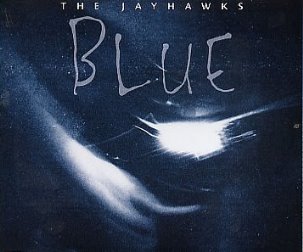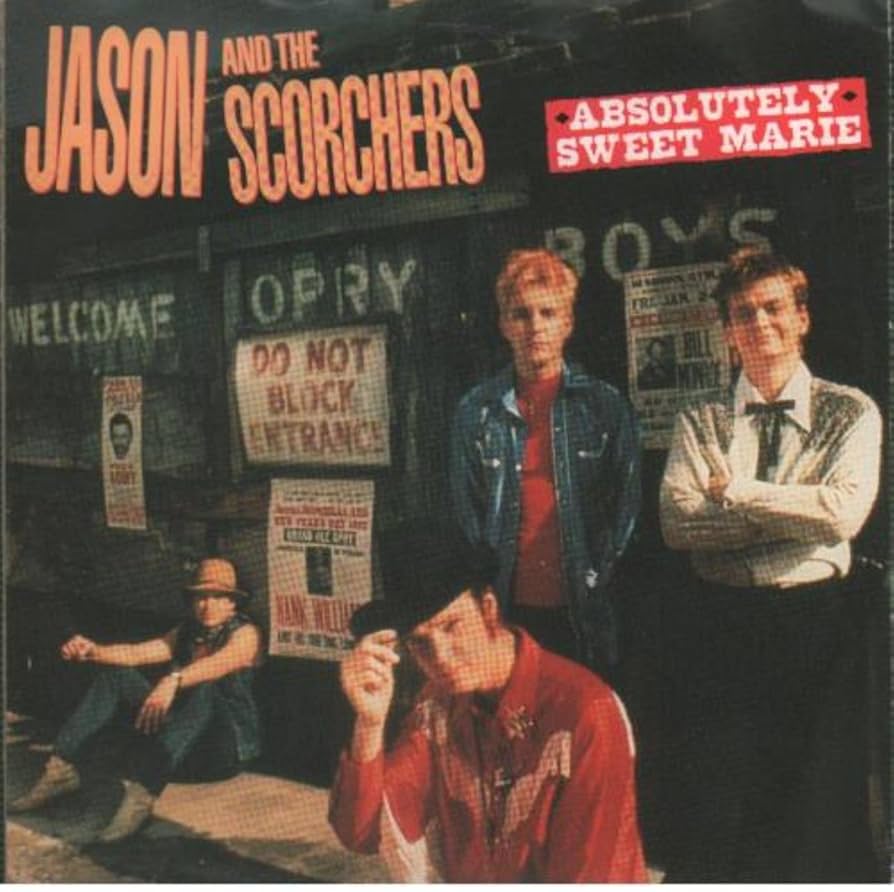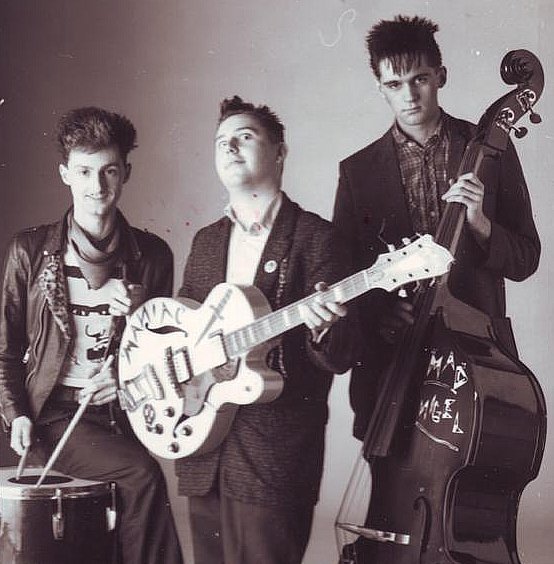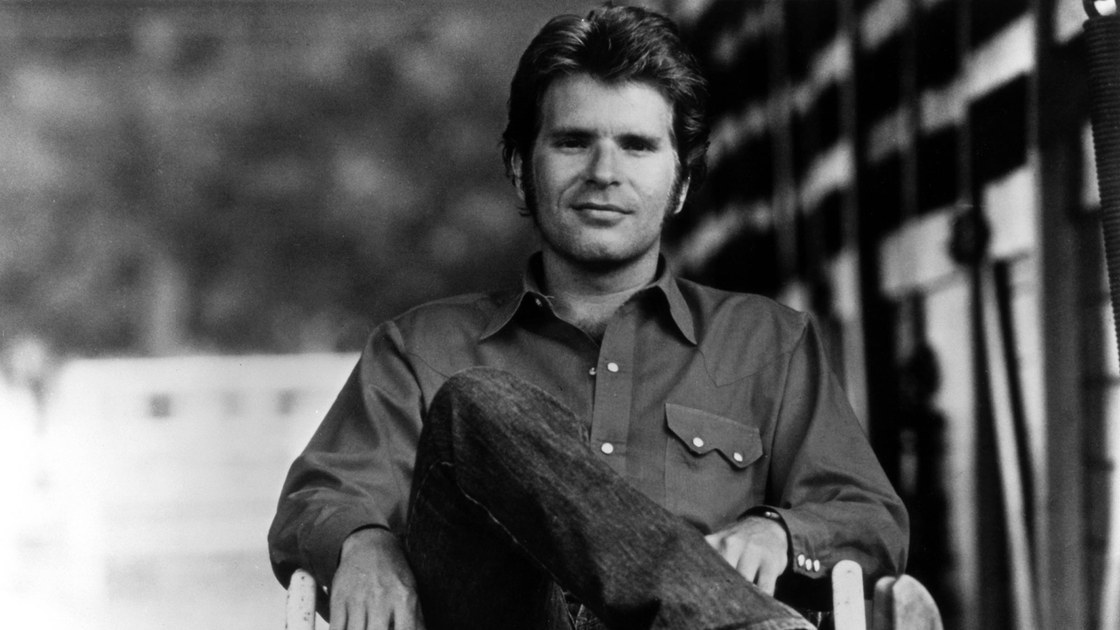
Hollyood Fats Band – The Hollywood Fats Band …album review

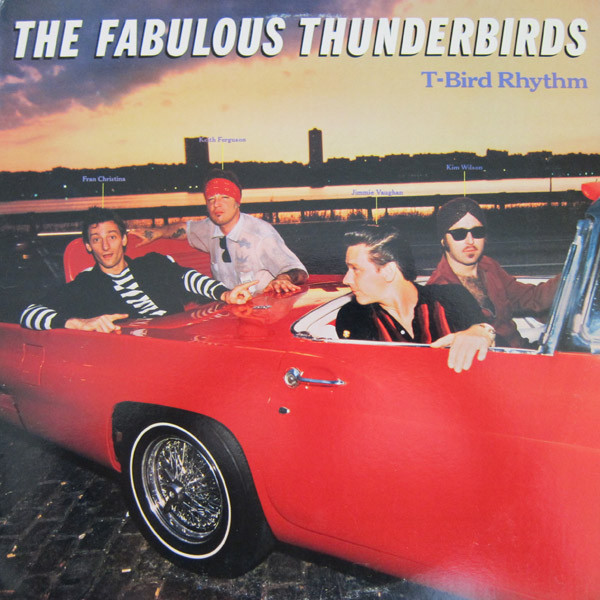
This guy was mentioned in the comments last week (he was playing guitar with the Blasters in a video I posted), and I was listening. A blues band that swung like they were on a chandelier… what an incredible band this was. When I write posts, sometimes I think of the readers who would like them. Christian is the one I’m thinking of here…I’m not a blues aficionado, but when I hear something great, no matter what it is…I play it. Rarely would I review a blues album, but this one is certainly worth it. His guitar playing took me by surprise. 

I loved how they recorded this. The band recorded the album in Los Angeles, using vintage tube gear, ribbon microphones, and a minimalist mic setup to capture the warmth and air of those old 1950s records. They wanted it raw, live, and most importantly, human. No overdubs, no studio tricks, just five musicians facing each other and playing to each other.

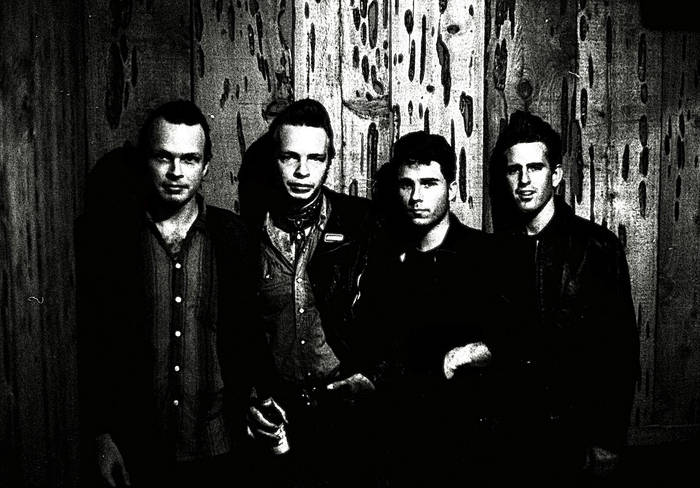
If you were hanging around the Los Angeles blues scene in the mid-1970s, you might’ve seen a big fedora-wearing guitar phenom named Michael “Hollywood Fats” Mann. For a few short years, he led a group that reminded the world that the West Coast had some great blues. The band had a deep Chicago and Texas blues sound. The Hollywood Fats Band didn’t last long, but they left their mark.

Michael Mann was just out of his teens when he was already playing alongside blues legends. He was born in Los Angeles in 1954. He sat in with the likes of Muddy Waters, John Lee Hooker, and Albert King when they hit town. He had a tone straight out of Chess Records. By the time he met harmonica player Al Blake and pianist Fred Kaplan in the mid-1970s, the idea of forming a blues revival band that really sounded like the old days began to take shape.

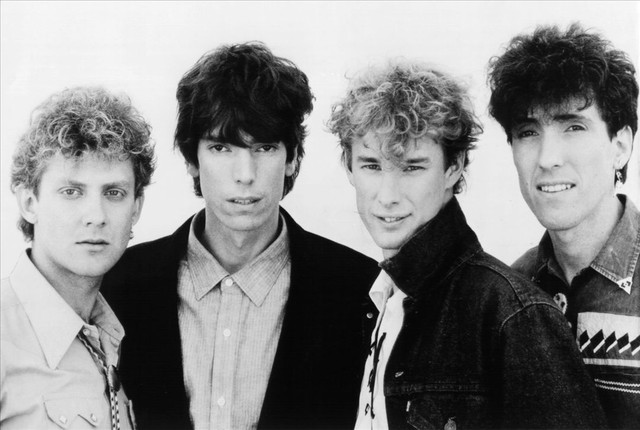
The lineup was a dream team for blues purists: Hollywood Fats on guitar, Al Blake on harp and vocals, Fred Kaplan on piano, Larry Taylor (formerly of Canned Heat) on upright bass, and Richard Innes on drums. They were in the middle of the disco era, but they stuck stubbornly to jump blues, and it swung. The chemistry was electric. Fats’ guitar lines just rip off those recordings I’ve been listening to, and the entire band was just fantastic.

Their lone studio album, The Hollywood Fats Band (recorded in 1979 and released in 1980), sounded like it had been transported from a Chess Records session with better fidelity. Sadly, it didn’t end well. Hollywood Fats struggled with addiction, and just as his reputation was spreading beyond the clubs of L.A., he died in 1986 at only 32. The band members carried on, but it was never the same.

There is not much film on the guy…this is not a great quality video, but you take what you can.

Rockpile – Teacher Teacher

Love this band, and thanks to Randy at mostlymusiccovers, who got me to look at this band more. What a fantastic duo Nick Lowe and Dave Edmunds were in the 70s and 80s. 

Nick Lowe (lead vocals, bass), Dave Edmunds (lead vocals, guitar), Billy Bremner (backing vocals, guitar), and Terry Williams (drums) had been writing, recording, and playing live together for years before they released just one album, at least under the Rockpile name.

Before the band that recorded Seconds of Pleasure, the name “Rockpile” had already been used as the title of an album by Dave Edmunds that he released in 1970. Edmunds then toured as “Dave Edmunds and Rockpile,” with a band that included Williams on drums. But the group that became known as Rockpile didn’t form until Lowe and Edmunds began recording together in the mid-1970s.

In 1979, Edmunds and Lowe reached new heights of popularity with the release of Lowe’s Labour of Lust, including his hit Cruel to Be Kind, and Edmunds’ Repeat When Necessary, including his popular versions of Queen of Hearts and Elvis Costello’s Girls Talk. Both of those records were recorded by the members of Rockpile, but with the headliner singing all of the lead vocals on his album.

This song was written by Eddie Phillips and Kenny Pickett, both from the mod 1960s band The Creation (a band who patterned themselves on The Who). That makes sense because it has got that mid-’60s British melody, while the performance is pure pub-rock punch. Nick Lowe takes the vocal lead, while Edmunds’s production keeps everything crisp.

This song peaked at #51 on the Billboard 100  and #31 in Canada in 1980.

Teacher Teacher

Young love, teacher’s pet
Cheeks flushed, apple red
Ringing you every day
Begging for a word of praise
I’ve put aside my foolish games
I run and hide and callin’ names
School’s out, the bells’ll ring
Now’s the time to teach me everything

Teacher, teacher, teach me love
I can’t learn it fast enough
Teacher, teacher, teach me more
I’ve got to learn to love for sure

Lesson one, just begun
Growing up ain’t much fun
Grown up, out of school
Out of luck and out of rules
No one there to tell me how
A different world, teacher teach me now

Teacher, teacher, teach me love
I can’t learn it fast enough
Teacher, teacher, teach me more
I’ve got to learn to love for sure

Lesson two, nothing new
I can’t love, just passing through

Books I read don’t understand
What it means to be a man
I need a woman just like you
Teacher, teacher, teach me what to do

Teacher, teacher, teach me love
I can’t learn it fast enough
Teacher, teacher, teach me more
I’ve got to learn to love for sure

Teacher, teacher, teach me love
I can’t learn it fast enough
Teacher, teacher, teach me more
I’ve got to learn to love for sure

Teacher, teacher, teach me love
I can’t learn it fast enough

Ian Hunter – All of the Good Ones Are Taken

This title track was my first introduction to Ian Hunter. I had no clue he had been with Mott the Hoople when I heard it. In the eighties, I heard this on our local rock station, WKDF, daily, and I fell for it. It’s one of those songs I never hear now, except maybe at a grocery store, and it’s a shame. It is a nice jangly song in the synth-heavy 1980s, an underrated song. For a bonus, we have Clarence Clemmons doing the sax solo. The video, as well, got my attention with a take on the movie Arthur

Hunter had moved from Cleveland to New York by this point, being influenced by his new city. He later said that the recording reflected his uneasy stance in the musical landscape of that time. His longtime guitarist, Mick Ronson, wasn’t in the picture for this album (although he played on one song); Hunter instead used Robbie Alter and New York session players.

There were two versions of this song: the version most radio stations played and a slow version. What I liked about this song, too, is that the version I heard sounded out of step with 1983, and I appreciated that. Many of his fans often point to it as one of his most underrated tracks, and I totally agree. 

This song peaked at #25 on the Billboard Mainstream Rock Songs chart in 1983. I had the album and the cassette that I wore out in my car tape deck. 

All Of The Good Ones Are Taken

Girl, things ain’t been goin’ too good for me
Girl, I’m living in the middle of a mystery
You’re the one that can turn me on
‘N’ now that you’re gone
I said Girl, I’m livin’ in the middle of your memory
Girl, you’re still the figure in my favorite fantasy
I know you know that’s the way it goes
And still my love grows

I said all o’ the good all o’ the good ones are taken
All o’ the good all o’ the good ones are taken

I’m hangin’ around with my head in the air
Watchin’ the lovers go by
I had a lover, but she never cared
All you could say was goodbye
Maybe I was mistaken, maybe I got it wrong
But all of the good ones are taken from now on
‘N’ girl, I’m livin’ in the middle of a broken dream
I said girl all this fallin’ in love ain’t like it seems
Out in the rain can’t you feel my pain
Again ‘n’ again ‘n’ again ‘n’ again ‘n’ again
All of the good all o’ the good ones are taken
Maybe I was mistaken, maybe I got it wrong
But all of the good ones are taken in my song

Tommy Conwell and the Young Rumblers – I’m Not Your Man

I have to thank deKE for this one. After posting Barney Bantell, he mentioned that this song was on the radio around the same time. Sometimes a song hits hard, loud, and ready to throw its weight around. It is a no-apology bar song, full speed ahead. 

What hooked me up was the opening guitar riff. This was built for FM radio in the late 80s, big guitars, bigger hooks, and just enough power to make you roll the windows down and sing along at a red light. This song isn’t meant to change the world, but just to enjoy yourself. 

The song itself is pure swagger. Conwell doesn’t mince words; he’s telling you upfront that he is a bad boy, and it’s wrapped with a crunchy riff, with the Rumblers behind him turning on the gas. Since it was the 1980s, it was given a polish for that era by Rick Chertoff, the same producer who helped shape The Hooters at the time. 

They went on big tours with acts like Robert Palmer and Stevie Ray Vaughan. And while mainstream fame didn’t happen, this song remains their signature song. The song peaked at #1 on the Billboard Mainstream Rock Tracks and #74 on the Billboard 100 in 1988. 

I’m Not Your Man

Baby before hang around this old moldy
Mildewy ‘n’ crappy scene holding hands with you
There’s a whole list of things you’re gonna have to do

Jump off the Empire State in a paper sack
Talking lovey-dovey to a camel scare the hump off his back
Get the Queen of England’s golden shoes
Put ’em on your feet and sing the St. Louis blues
Look here

Seven days a week with you is more than I can handle
Seven nights of love and dirty laundry on your floor
Baby, I can see this whole thing heading into trouble
I’m out the door

I’m not your man
‘Cause you’re looking for a hero
Baby, it ain’t me, I’m not your man
I ain’t nothing to hold on to
Baby, I ain’t what you need

It’s easy being here but I’ve got ground to cover
There’s nothing you can do to make me wanna stay
Though I’ve been here awhile don’t think that
I’ve stopped moving, I’m on my way

Barney Bentall and the Legendary Hearts – Something To Live For

I like many of the Canadian bands and artists I’ve listened to. I’m not going to mention all the popular ones like The Guess Who, Neil Young, etc, but artists like Sloan, Tragically Hip, Blue Rodeo, 54.40, Art Bergmann, Blue Northern, Blue Shadows, and now Barney Bentall and the Legendary Hearts. Their songs sound earnest and full of hooks that still sound fresh today.

Barney Bentall was born in Toronto, but he made his musical mark in Vancouver. By the early 1980s, he’d already put together the band that would carry his name: the Legendary Hearts. The lineup included longtime friends and collaborators, Colin Nairne, Jack Guppy, Barry Muir, Cam Bowman, and David Reimer. They were a real road band, a grassroots effort, slowly building a reputation as one of the tightest rock bands around

Their name was a nod to Lou Reed’s 1983 album Legendary Hearts. In 1988, after years of touring, the band signed with Epic Records and released their self-titled debut. This single was the first song released from that album. It peaked at #17 on the Canadian Charts in 1988. It was soon followed by “House of Love (Is Haunted)” and “Come Back to Me,” tracks that got serious radio play and earned the band a Juno Award for Most Promising Group of the Year in 1989.

Barney Bentall isn’t a household name here, but up in Canada, he charted quite a few songs. He is one of those artists who never quite hit the MTV rotation, but stayed on the radio in Canada. What I liked about Bentall is that he has a Mellencamp/Petty/Springsteen-grounded sound to him. The track itself feels like a heartland rocker. 

Give Barney Bentall a listen; Barney and his band are worth it. I’m including a bonus song…Living in the 90s from 1992. 

Something To Live For

WooAlright

Bobby drives a pickupFor the corner storeFour bucks an hourAnd he’s hoping for more

He’s twenty eight years oldAnd he still lives at homeBobby’s got ideasBut he ain’t alone

There’s a millionBobby’s across this landEverybody’s gotReal big plans

He’s got something to live forSomething so realHe’s got something to live forThat one, big deal

Bobby’s got an uncleHe talks a mean streakMakes more in an hourThan Bobby in a week

He tells the boyDon’t waste your timeBe useless like your fatherNickel and dime

There’s a millionBobby’s across this landEverybody’s gotReal big plans

He’s got something to live forOh, something so realHe’s got something to live forThat one, big deal

Well Bobby could’a done itIf he only triedCould’a been a contenderCould’a been a big guy

But he didn’t rob a bankOr write a hit songGot a raiseMarried Yvonne

YeaTurn it onTurn it up now babyLet’s go

He’s got something to live forSomething so realHe’s got something to live forThat one, big deal

He’s got something to live forThat one sweet dealHe’s got something to live forOhh oh one sweet dealHe’s got something to live forThat one big dealHe’s got something to live forOh oh

Daniel Johnston – True Love Will Find You in the End

This post is a little longer than usual, but this was a unique artist, to say the least. Many musicians like Jeff Tweedy, Kurt Cobain, Chris Cornell, Tom Waits, Beck, Lana Del Rey,  Eddie Vedder, and countless others were huge fans. Eddie Vedder spent some time with Chris Cornell listening to Johnston’s music. Eddie Vedder: “We listened for two hours straight, it turned into four hours, and then into six hours, until it was six in the morning, laughing and crying and then smiling so hard that tears were squeezed out of our eyes, and then looking at each other and going, I’ll never forget, we said, ‘He is better than both of us.’”

My friend Ron (Hanspostcard) grew up with this guy, as they met in high school. Ron and he hung out with each other and would visit, and Ron would listen to what Daniel recorded. Johnston was very socially awkward and not really connected to the world as much. He recorded on cassette tapes, very lo-fi. He was a musician and a very good painter as well. It was hard for him to perform in front of people. You can see it on his face when he did live performances. He suffered from different mental issues. 

 The most powerful songs don’t always come from stacks of amplifiers or a room full of seasoned players. This is one of those songs. At just over two minutes, it’s as unvarnished as a song can be and so vulnerable. It was recorded with the kind of lo-fi immediacy that feels more like he was confessing this to a person, and it wasn’t meant to be heard. It was on his 1984 cassette album Retired Boxer.  Underneath the out-of-tune singing and guitars, there are some pure gems. Most people compose songs self-consciously, hence why it is sometimes not very original or good. This guy writes songs so naively, like a child, that it sometimes creates incredibly beautiful songs

He was born in Sacramento in 1961 but raised in West Virginia. He didn’t look like your typical future rock icon. He sketched comic book heroes, taped Beatles songs off the TV, and played on a chord organ in his parents’ basement. When he later moved to Austin, Texas, he began recording homemade cassette tapes, cassette albums like Hi, How Are You, Songs of Pain, and Don’t Be Scared. These weren’t studio-polished records. These were hissing-filled songs, often off-key, but full of heart. He would dub them by hand and pass them out on the streets. Austin didn’t just shrug him off…they embraced him.

In the mid-1980s, Johnston was the local eccentric in the Austin music scene, passing out tapes at gigs and working at McDonald’s, where he’d draw cartoons for customers along with their fries. His break nationally came almost by accident: MTV aired a special on Austin’s underground in 1985, and there was Daniel playing a song called Walking The Cow. Suddenly, he wasn’t just the quirky guy on the street; he was a known musician.

Everything changed when Kurt Cobain started wearing a Hi, How Are You t-shirt in the early ’90s. At the height of Nirvana’s fame, Cobain’s endorsement turned Johnston into a name everyone knew, even if they hadn’t actually heard a single song. Labels arrived, and a bidding war began. But signing Daniel wasn’t like signing Pearl Jam. He was battling severe manic depression and schizophrenia, and his health often made recording and touring a near impossibility. He did sign with Atlantic Records briefly.

As the years went on, Johnston’s health declined, and he lived with his parents in Waller, Texas. He was the subject of the 2005 documentary The Devil and Daniel Johnston, which told his story.  Artists wore his shirts, fans tattooed his drawings, and a mural of his alien frog (“Hi, How Are You”) became a landmark in Austin.

When Daniel Johnston died in 2019 at age 58, the tributes poured in from artists all over the world. 

I would highly recommend this documentary. 

Here is Wilco doing this song. 

True Love Will Find You In The End

True love will find you in the endYou’ll find out just who was your friendDon’t be sad, I know you willBut don’t give up until

True love will find you in the endThis is a promise with a catchOnly if you’re looking can it find you‘Cause true love is searching too

But how can it recognize youIf you don’t step out into the light, the lightDon’t be sad I know you willDon’t give up untilTrue love will find you in the end

.

Greg Kihn Band – The Breakup Song (They Don’t Write ‘Em)

This song burst through the radio in 1981 like an old friend coming to visit. I loved it from the first hearing. It’s pure power pop candy, jangly guitars, handclaps, and that chorus that just sticks with you. Ah ah ah, ah ah ah ah ah. That guitar hook at the beginning won me over without hearing a word. 

Greg Kihn earned this spot in the sun. By the time this song hit, Kihn and his band had been grinding it out in the Bay Area scene for years, signed to Beserkley Records, the indie label that also gave us Jonathan Richman and The Rubinoos. They specialized in no-frills rock with clean riffs, catchy hooks, and no gimmicks.

The song is also 100 percent relatable. Who hasn’t been through a tough breakup? When I did, I would play The Temptations, but I would slip this one in as well. He was both talking about the end of a relationship and paying tribute to the golden era of pop songwriting. Kihn’s voice isn’t flashy at all, but it’s just what the song needs. 

The Breakup song was released in 1981 and peaked at #15 on the Billboard 100 and #25 in Canada. He had his most successful release in 1983 with the album Kihnspiracy, which peaked at #15, and the smash single Jeopardy, which peaked at #2. His albums were a mix of original and cover songs. He covered Springsteen (Rendezvous and For You), Buddy Holly, Curtis Mayfield, and many more. Kihn was a good songwriter as well. Kihn had 7 songs in total in the top 100.

The song was from the album RocKihnRoll. The album peaked at #32 on the Billboard Album Charts. 

Greg Kihn: Oh, yeah. There are times in your life that the way is clear. I remember coming home from a gig with the guys. We were in a van, and we pulled up to where I used to live. All of my stuff was piled up on the lawn, and it was raining.

I thought, “Oh, God. My first wife had done it.” We pulled up to the house, and I remember Steve, the bass player, looked at me and just went, “Well, you might as well just keep on going. You’re not going in there.”

There was a Japanese restaurant. I went up there with Stevie, and we were pounding down hot sake. I didn’t know where else to go. It was a cold, rainy night, and we were getting toasted. There was an old Japanese dude there at the sake bar, and he kept saying, “They don’t write ‘em like that anymore.” I thought, Yeah, damn. They don’t, do they? So we got the idea, we wrote that song probably in 15 minutes. All of the great songs are written quickly, by the way.

You have to take a lesson that the stuff that’s real, it’s in you and it’s got to come out like that song. I’d really broken up that very day. It wasn’t like I was trying to feel like what’s a guy like when he’s broken up. I was living it. When things are real, they’re always better than when they’re fiction, if you can dig what I’m saying.

The Breakup Song

We had broken up for good just an hour before
Ah ah ah, ah ah ah ah ah
And now I’m staring at the bodies as they’re dancing ‘cross the floor
Ah ah ah, ah ah ah ah ah
And then the band slowed the tempo and the music took me down
Ah ah ah, ah ah ah ah ah
It was the same old song, with a melancholy sound
Ah ah ah, ah ah ah ah ah

They don’t write ’em like that anymore
They just don’t write ’em like that anymore

We’d been living together for a million years
Ah ah ah, ah ah ah ah ah
But now it feels so strange out in the atmosphere
Ah ah ah, ah ah ah ah ah
And then the jukebox plays a song I used to know
Ah ah ah, ah ah ah ah ah
And now I’m staring at the bodies as they’re dancing so slow
Ah ah ah, ah ah ah ah ah

They don’t write ’em like that anymore
Oh

Hey
Now I wind up staring at an empty glass
Ah ah ah, ah ah ah ah ah
‘Cause it’s so easy to say that you’ll forget your past
Ah ah ah, ah ah ah ah ah

They don’t write ’em like that anymore, no
They just don’t write ’em like that anymore
They don’t write ’em like that anymore
They just don’t write ’em like that anymore
They just don’t, no, they don’t
No, no, uh-uh

Green On Red – Cheap Wine

When I was recommended this band years ago ,it led me to a much bigger picture. They came from the Paisley Underground Scene of the 1980s, which caught my attention. The more I hear them, the more they interest me. 

What makes this band so appealing is that they were not trying to write top 40 hits; it’s just natural music. They were not trying to force a style in this to make it fit the status quo on the radio at the time. The guitars are raw but melodic, with a raw sound; no overproduction on this. This song has been covered by The Bo-Weevils and Rain Parade

Green on Red started in Tucson, Arizona, as The Serfers, a teenage garage band that was influenced by the Stones. Dan Stuart (vocals/guitar) had the charisma, while Chris Cacavas (keys) brought that carnival-organ swirl that would become a trademark. They eventually packed up and headed for Los Angeles, where the Paisley Underground scene was starting around bands like The Dream Syndicate, The Bangs (pre-Bangles), and The Rain Parade.

They changed their name to Green on Red (TV test patterns), they became the scene’s ragged outsiders, more Neil Young & Crazy Horse grit than chiming ’60s Rickenbackers, more bar than ballroom. They were never the most famous band of the scene, but probably the most unpredictable, which is a plus in my book. What set them apart was Dan Stuart’s writing and singing. 

This song was on their 1983 debut album, Gravity Talks, released in 1983. Green On Red has been described as Desert Rock, Paisley Underground, Alternative Country-Rock, Garage-Country, and Country-Punk. They made their mark in the 80s, touring college towns on the circuit with REM, the Replacements, and other alternative bands.

They never pigeonhole themselves into one style. They would be produced by some great producers such as Jim Dickinson, Glyn Johns, and Al Kooper, but could not connect with the masses; however, they connected with people like me who wanted something more than the top 40. 

Here is the band live in 2006, and they open up with Cheap Wine.

Cheap Wine

I can’t seem to clear my mind
Foreign seeds and cheap wine
I’m drifting back in an awful way
The cartoon is real this is what it says

I’m just a man who doesn’t know
Right from wrong who can tell
I’m just a man who cannot see
Just dissed so easily, as you

It’s late at night
All the booze is gone
I see the light through my window at home
I stare right in, to the rising sun
My God what kind of pain, what have I done?

I’m just a man who doesn’t know
Right from wrong who can tell
I’m just a man who cannot see
Just dissed … so easily

If i had a boat, man I would sail
away from this town
To save my soul
All the trees are dying
All the faces are glowing
With the pain of life
Man it keeps flowing

I’m just a man who doesn’t know
right from wrong who can tell
I’m just a man who cannot see
Just missed so easily as you

Paul Carrack – I Need You

You know, some singers’ voices are made for great soul/pop, and Paul has one of those voices. I’ve just rediscovered this song that I have been trying to remember for years. When I heard that bass intro, I knew I hit the right one. This is the one that I have been trying to remember since the 1980s.

Paul Carrack is one of those musicians whose career reveals a series of classic moments in pop and rock history. How Long with Ace. Tempted with Squeeze. The Living Years with Mike + the Mechanics. And in between all that, he made a great power-pop-soul album of the early ’80s: Suburban Voodoo. One reviewer called it “a Nick Lowe album with Carrack singing,” and that is not a bad thing! He and Paul Rodgers get the call when an artist needs a special vocalist.

This song is from that album. Carrack hits the pop-soul sweet spot. It was produced by Nick Lowe; it has that Nick Lowe tight rhythm section, jangly guitars, and Lowe’s knack for making a record sound both edgy and polished. Carrack, for his part, gives a vocal performance that makes you wonder why the song wasn’t all over the charts in the early ’80s. It was written by Paul Carrack, Nick Lowe, and Martin Belmont.

The music was supplied by Nick Lowe and his Cowboy Outfit. It included Lowe on bass, Martin Belmont on guitar, Bobby Irwin on drums, and of course, Paul Carrack on keyboards and lead vocals. The contrast on this album works well. You have Nick Lowe still bringing a little pub rock influence along, backed with Carrack’s smooth voice.

The song peaked at #37 on the Billboard 100 and #20 on the US Rock Mainstream Charts. The album peaked at #78 on the Billboard Album Charts in 1982.

I Need You

Don’t need a RollerOr a LimousineI don’t need my pictureIn a magazineDon’t need approvalFrom a chosen fewI tell you what I do needI need you.

Don’t need no fixturesOr feelings of homeI’m so unfurnishedI’m on my ownDon’t need remindingWhen the rent is dueTell you what I do needI need you

I need youLike a fly needs a planeI need youLike a ball needs a gameI need youLike a pool needs a cueI need you, need you, need youI need you

I don’t need no covered kissesTo comfort meI don’t want no washed up dishesSoft-soaping meDon’t need no CinderellaIn high-heeled shoesI tell you what I do needI need you

Da da da daDa da da daDa da da da da da da daOoh lala la laI need you

I need youLike a fly needs a planeI need youLike a ball needs a gameI need youLike a shot needs to shootI need you, need you, need youI need you

I need you, need you, need youI need you

Said I want youI need youI need you, need you, need youI need youWell I wantI want youI need you

Long Ryders – I Had A Dream

When I was discovering the Paisley Underground Scene from the 1980s, this was one of the bands that jumped out at me. I did a post on them a few years ago with a song called Looking for Lewis and Clark.  I still can’t believe this was released in the 1980s because it lacked big production and a Casio-sounding keyboard. To me, this sounds like grounded roots music, and reminiscent of the Byrds, and I love the sound. It’s both country twang and chiming power chords.

If you’re going to kick off your first proper album, you may as well come out swinging, and the Long Ryders do just that here. This song wastes no time; the guitar riff is a jangle straight out of the Byrds’ Rickenbacker playbook, but it’s dirtied up with a garage-band growl that says these guys were listening to as much Crazy Horse as Mr. Tambourine Man.

The Long Ryders cut their debut album Native Sons in early 1984 at A&M Studios in Hollywood, with Henry Lewy, Joni Mitchell’s longtime collaborator, behind the board. He understood space and warmth, two qualities the Ryders wanted in spades. The sessions were quick; they were on an indie budget, so this song went down live in the studio, the band feeding off each other’s energy.

The album was praised by critics, Melody Maker saying ” “a modern American classic” and Allmusic has praised the album, writing that it “established their eclectic mixture of Byrds/Clash/Flying Burrito Brothers’ influences … while turning in an original sound that became the banner for both the paisley underground and cowpunk styles in the mid-’80s.”

The album peaked at #1 on the UK Indie Chart in 1984. 

I Had A Dream

Tried so hard to explain
The way things are and how quick they can change
But you never listened you just turned your head
Never even heard a single word that he said
While it’s true now that I’m not a saint
I felt pain when you live to hate
Said it before and I’ll say it again
Leave me alone man or treat me like a friend

I had a dream last night
Everybody’s laughing and everything was alright
Still some hope in sight, that was last night

I had a dream last night
Nobody’s crying, nobody’s frightened
Still some hope in sight, that was last night

Well if it seems like I sound like the rest
We’re trying hard not to be too depressed
Once they take everything I’ve left, it’s so easy
So if you’re dreaming I hhope that you do
Wish for the best and hope that it comes true
Who knows what they’ll leave when they’re through

I had a dream last night
Everybody’s laughing and everything was alright
Still some hope in sight, that was last night

I had a dream last night
Nobody’s crying, nobody’s frightened
Still some hope in sight, that was last night

Pogues – Dirty Old Town

It’s always a pleasure listening to their music. I guess the Waterboys primed me for this band. This song is more bare bones, which I really like. You can smell the smoke and feel the soot in this song. 

I thought for sure that Shane MacGowan wrote this one, but no, it was folk singer Ewan MacColl, the father of Kirsty MacColl. It was written back in 1949. Kirsty entered the Pogues’ orbit two years later with the timeless Fairytale of New York.

The Pogues’ version on their 1985 album Rum Sodomy & the Lash is sparse and haunting. With this song, they tapped into something universal: every working-class kid’s longing to burn the place they grew up in, even if they love it too much to leave. The song is about Salford, a city in Greater Manchester, England, but after the Pogues were done with it, it could have been about Pittsburgh or anywhere else. 

Where other bands might have polished the song into oblivion, the Pogues played it rustic, and it works. This isn’t a punk song in sound, but it is in spirit. When MacGowan sings these dismal lyrics, you believe every word. The song peaked at #27 in Ireland and #62 in the UK. The album peaked at #13 in the UK, and #17 in New Zealand in 1985. 

Dirty Old Town

I met my love by the gas works wallDreamed a dream by the old canalI kissed my girl by the factory wall

Dirty old townDirty old town

Clouds are drifting across the moonCats are prowling on their beatSpring’s a girl from the streets at night

Dirty old townDirty old town

I heard a siren from the docksSaw a train set the night on fireI smelled the spring on the smoky wind

Dirty old townDirty old town

I’m gonna make me a good sharp axeShining steel tempered in the fireI’ll chop you down like an old dead tree

Dirty old townDirty old town

I met my love by the gas works wallDreamed a dream by the old canalI kissed my girl by the factory wall

Dirty old townDirty old townDirty old townDirty old town

Mitch Ryder – B.I.G. T.I.M.E.

Ever since I heard his growling voice singing the Devil with the Blue Dress On / Good Golly Miss Molly medley, I’ve been a fan of Mitch Ryder. Even his name is cool. He has released more than 25 albums as a solo artist and with the Detroit Wheels. He was born William Sherille Levise Jr. Outside of the medley, I didn’t know much about him, so I spot listened to his songs on albums through the years. He gives a big variety to pick from and some catchy songs. 

This should have been a classic rock song from the ’80s. It doesn’t get played much, but it sounds great, and it captures both the producer’s and Mitch’s sound. The producer of this song was John Mellencamp. John was influenced by Mitch, along with Bob Seger and Bruce Springsteen. It was written by Keith Sykes in 1980 and has been covered by George Thorogood and the Destroyers as well. I do remember hearing this song in the early eighties, as it got some play here in Nashville. 

Lyrically, the song is about making it or wanting to make it. Ryder doesn’t use a metaphor here. He spells it out, literally, because that’s what ambition sounds like when you’re clawing your way up from a bar stage to something bigger. It was on the 1983 album Never Kick a Sleeping Dog at the height of Mellencamp’s career. At times in rocking songs, and I’m going to use a phrase I read some critic use years ago, his voice sounded like sandpaper dipped in gasoline. I mean that in the best way. 

He also does a cover of Prince’s When You Were Mine, and Mitch owns it. I have included the video of that one from MTV. Great song as well. 

B.I.G. T.I.M.E.

Well when you hear the bell it’s nine o’clock
That’s the time when you start to rock
Gonna push the hair up outta my face
We gonna rock the rafters right offa this place

Yeah, it’s alright
You and me
Yeah, we gonna have a B.I.G.T.I.M.E

Goin’ out tonight we gonna rock, rock, rock
And we don’t care if they call the cops, ha ha
Gonna get my girl we gonna dance dance dance
And later go home and make romance

Yeah, it’s alright
You and me
Yeah, we gonna have a B.I.G.T.I.M.E

Yeah, it’s alright
You and me
Yeah, we gonna have a B.I.G.T.I.M.E

Well, my mama told me when I left home
She said “Boy you were born to roam
But you better remember just one thing, son
You gotta always try to have some fun.”
See upcoming pop shows
Get tickets for your favorite artists

You might also like
Be Bop Grandma
George Thorogood & The Destroyers
As Long as I Have You
George Thorogood & The Destroyers
Bad to the Bone
George Thorogood & The Destroyers

So, it’s alright
You and me
Yeah, we gonna have a B.I.G.T.I.M.E

Hey, B.I.G.T.I.M.E
Hey, B.I.G.T.I.M.E
Hey, B.I.G.T.I.M.E

Creeps – Just What I Need

Four years ago, I posted a song by this band that I have loved ever since. It’s called Down At The Nightclub (I’m including it as well at the bottom). It was during the mid-1980s, and I so wish I knew about them then. This would have been what I would have listened to rather than the Top 40 in 1986. This is one band I found that I keep coming back to. 

They were fueled by Vox amps and a steady diet of Nuggets and Stax singles. This Swedish band is one of those rare bands you stumble across on a late-night college radio show. It’s the kind of band that never broke into the mainstream but somehow managed to bottle a sound so cutting that it demands rediscovery every few years. 

In the mid-’80s, while the rest of the world was drowning in synths and drum machines, The Creeps doubled down on garage soul. It’s a reminder that sometimes, all you really need is a fuzz pedal, an organ, and a chorus you can shout at the top of your lungs.

This song is on their debut album, Enjoy The Creeps, and it was released in 1986. Critics have said that they never managed to translate the excitement of their live show to records, but this one is an exception. They released it on a small label named Tracks on Wax, which was a Swedish Garage Rock label in the 80s.

They formed in Sweden in 1985. They were influenced heavily by the Animals and Yardbirds, Robert Jelinek (vocals, guitar), Hans Ingemansson (Hammond organ), Anders Olsson (bass), and Patrick Olson (drums). Whenever I think of music from Sweden, I think of Abba… This is not Abba by any stretch of the imagination.

After a few years, the band dropped the dirty sound of their debut album and went more for an ’80s funk dance sound.

Here is the song I posted earlier…Down in the Nightclub which is one of my favorite 1980s songs. 


Waterboys – Fisherman’s Blues …album review

I’ve listened to this album before, but this week I had it on constantly, and I went through it many times. Not one clunker on this album. It’s one of those albums that is hard to pick just one song off and go with it. It needs to be listened to as a whole. I was just going to go with the song World Party but I kept listening to track after track and decided to go with the entire album. You have all kinds of musical styles on this album, including a tribute song about Hank Williams called Has Anybody Here Seen Hank?. It has something for everyone, but blended into one cohesive album voice. 

The impression I get from this album is The Basement Tapes by Dylan and The Band. Not comparing songs, no, just the freedom feel of the entire album. It sounds like they didn’t plan anything, and it just happened. When you pull that off, it’s pure magic. Not many albums are truly spontaneous, but when you get that feeling, bottle it quickly, because it doesn’t come often. 

The Waterboys were formed in 1983 by Scottish musician Mike Scott, the band’s leader and primary songwriter. Over the years, their music has evolved through various phases, blending elements of rock, folk, and Celtic influences. Fisherman’s Blues was the title track of their album released in 1988. 

Mike Scott recorded over 100 songs during this period. Only 13 made the cut for this album, and he made a good selection. This album helped inspire a wave of folk-rock revivalists in the late ’80s and early ’90s, and later on bands like Mumford and Sons. Mike Scott has said that Fisherman’s Blues was not one sound but a voyage, not a destination, but a process.

The album had a little of everything, like spirit, freedom, risk, and reinvention. It’s the sound of a band trying something new and getting lost in something older, wilder, and more timeless. It’s one of those rare albums where you feel like you’ve lived with the band. I’m going to go song by song…just listen to this album!

All the songs except for two covers (Sweet Thing by Van Morrison and This Land Is Your Land by Woody Guthrie) and a song called Dunford’s Fancy written by violinist Steve Wickham  were either written or co-written by Mike Scott. 

Karl Wallinger, who co-wrote World Party and was a key part of the early Waterboys, left during these sessions to form his own band, named World Party. I picked that song “World Party” below to highlight, plus the entire album on Spotify. What caught me was that it explodes out of the speakers with a honky-tonk style piano and a fiddle sawing like a buzzsaw through a barn wall. It’s hard not to like that. The song just makes me feel good.

The album peaked at #15 in New Zealand, #76 on the Billboard Album Charts, and #13 in the UK in 1988.

Mike ScottWe started recording our fourth album in early ’86 and completed it 100 songs and 2 years later. There was a lot of indecision. I got too involved in the album and I lost perspective. We had blues songs, gospel songs, country songs, rock songs and ballads. I didn’t know where to take it. It could’ve been a gospel or country album. It could’ve sounded more like This Is the Sea or it could’ve been a traditional album. It could’ve been anything.”

The tracklist to the original album

Fisherman’s Blues (Mike Scott, Steve Wickham)
We Will Not Be Lovers (Scott) – 7:03
Strange Boat (Scott, Anthony Thistlethwaite)
World Party (Scott, Trevor Hutchinson, Karl Wallinger)
Jimmy Hickey’s Waltz (Scott, Wickham, Thistlethwaite)
And a Bang on the Ear (Scott, Wickham, Thistlethwaite)
Has Anybody Here Seen Hank? (Scott)
When Will We Be Married? (Traditional, adapted: Scott, Thistlethwaite)
When Ye Go Away (Scott)
Dunford’s Fancy (Wickham)
The Stolen Child (Words: W.B. Yeats, Music: Scott)
This Land Is Your Land (Woody Guthrie)

World Party

Well it’s got nothing to do with anything that is realyou just believe in it and it’s trueYou can sooth like an angel or sigh like a saintyou can dream it and see it throughYou will live to see a sea of lightssparking on the face of a pearlClimb your own peakfind a new streak

Get yourself along to the world party (party!)

Now you’ve been building for yourself a cool place in the sandyou’re thinking that it’s mighty fineYou’ve got dust in your eyeballs, you got mud in your mouthbut it’s your head, it ain’t mineI’ve got a madman of my own to contend withcursing in the cave of my skullTurn the other cheekfind a new streak

Get yourself along to the world party (party!)

Well I heard a rumour of a golden agesomewhere back along the lineMaybe I dreamed it in a whisper orheard it in a spellIt was something to do with the sign of the timesand the only thing that I rememberIs a summer like a pretty girlwho shimmers and shinesMoving in timeshaking to the beat of the heart of the world

Party (party! party! party! party! party! party! party! party! party!)

My Favorite John Lennon songs

Since I listed George’s songs…I have to finish what I started. This one is the hardest to write of any of them because I’m leaving off a lot of great songs. 

John is the Beatle I favor; on the surface, the reasons are many. The man’s voice was one of the best rock voices I’ve ever heard. I preferred his voice to that of McCartney, Harrison, and Starr. He probably could write better pure rock songs than the other Beatles, and he also had a great sense of melody that could keep up with Paul and, at times, surpass him on ballads. Yes, he could be witty, sharp, and downright hateful at times, but he was the truth guy for them. 

One of the worst days in my teen years was December 9, 1980. I was 13, and that morning I found out that John Lennon was murdered on the 8th. It really hit me hard and changed me in many ways. At that age, this showed me that the world could be an awful place.

When John was murdered, a very unfair thing happened. John was elevated almost as a Saint, which he would have readily admitted he was not. Paul became the sidekick and sank lower in people’s perception of the band. John became the cool one and Paul the square, which was totally unfair to both of them. It didn’t start changing until the Anthology came out in the mid-90s. People started to see Paul as an equal, which he was, and George started to get recognized more and more, as I said last week. And, most people loved Ringo anyway. 

My favorite John songs won’t include The Beatles, as I explained last week in the George Harrison post. This will be just solo John. My favorite albums by him were the first two official albums he released. Plastic Ono Band and Imagine. His Mind Games and Steel and Glass albums are great as well, but he had an edge on those first two that he didn’t have on the rest.

  1. Instant Karma! (We All Shine On) – This song is so damn fresh-sounding. It sounds like it was recorded yesterday. It’s so electric-sounding and live. 

2. Working Class Hero – This song was a favorite of mine of John Lennon when I was younger. He took some flak about this one, and also the song Imagine.  When it came to being a Working Class Hero and having all of his possessions. His answer was

“What would you suggest I do? Give everything away and walk the streets? The Buddhist says, “Get rid of the possessions of the mind.” Walking away from all the money would not accomplish that. It’s like the Beatles. I couldn’t walk away from the Beatles. That’s one possession that’s still tagging along, right?”

3. Mind Games – This is around the time Lennon started to mellow out a bit musically and personally. I bought this single in 1979…6 years after it was released. 

4. I Know (I Know) – Yep…this one is not as well known, but it was reportedly about either Yoko or Paul. It was released on the 1973 album Mind Games

5. GOD – He pours out his feelings on the Beatles and everything else. 

6. Watching the Wheels – When listening to Double Fantasy, I like it, but not as well as his early seventies output. This one, though, fits in nicely with his best songs. 

7. Jealous Guy – He wrote this melody with the Beatles, but later added some more words to describe himself. 

8. How? – What makes “How?” stand out for me is its vulnerability. Lennon doesn’t pretend to know the answers; instead, he shares the questions most of us keep to ourselves. That honesty is what drew me to music in the first place.

9. Nobody Told Me – This one he wanted Ringo to do and had planned to give it to him. I think Ringo would have done a great job of it but I’m glad we have John’s version. 

10. Mother – It seems John was looking for a mother for all of his life. His real mother left him with his aunt Mimi, and years later, when he finally started to get to know his mother, she was killed in a hit-and-run accident. 

*Bonus! – How Do You Sleep? – It’s the song about Paul when both were angry at each other. Forget that for a minute…it’s a great melody and song on its own. It’s a brilliant piece of rock and roll with George’s snarling slide guitar and an irresistible groove, but its venom can be hard to swallow. Lennon’s line “The sound you make is muzak to my ears” still makes me wince.