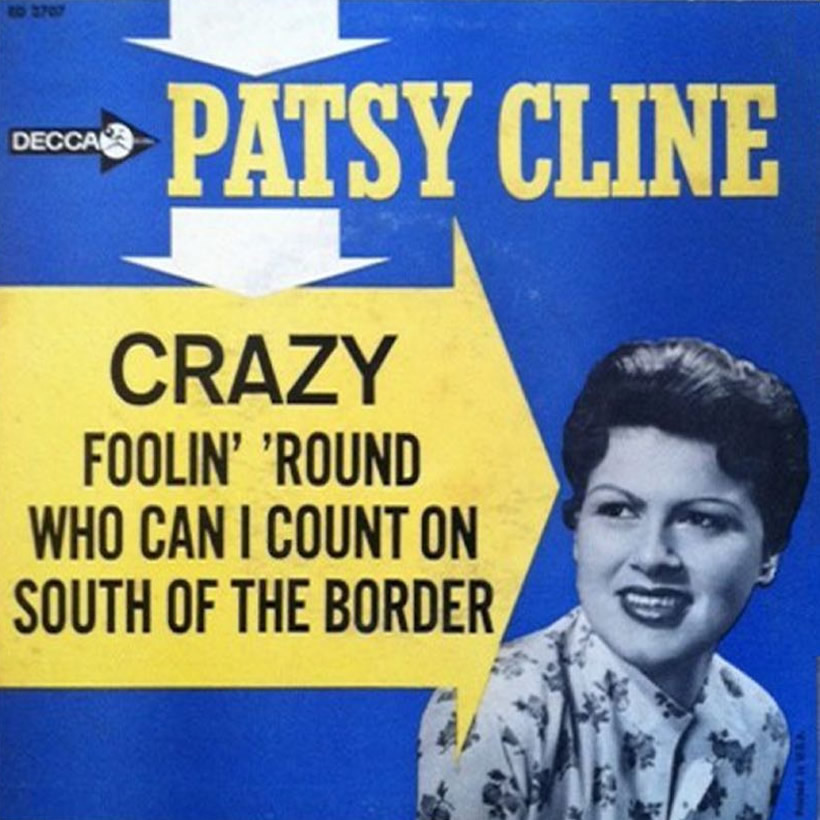
I’ve heard and heard of Patsy Cline since I can remember. Where I live, she has never been forgotten. She was and still is a huge country star, but I never really considered a lot of her music pure country. I don’t mean that as a put-down, but it also had some jazz influence in there. One of the best voices in music, period.
She was born Virginia Patterson Hensley. Known in her youth as “Ginny,” she began to sing with local country bands while a teenager, sometimes accompanying herself on guitar. By the time she had reached her early 20s, Cline was promoting herself as “Patsy” and was on her way toward music stardom.
This song wasn’t a Patsy Cline-written song. It came from a young Willie Nelson, still trying to get a break in Nashville. He wrote it as a slow ballad, built around a melody that moved in ways most country songs at the time didn’t. Nelson pitched it around town, and it eventually reached producer Owen Bradley, who was creating what became known as the Nashville Sound: smoother arrangements, piano, light rhythm, and restrained backing vocals.
When Cline first heard it, she wasn’t much into it. The melody felt awkward, the phrasing didn’t land right, and it didn’t sit naturally in her voice on the first try. But Bradley heard something in it and pushed forward. The session took place at Bradley’s Quonset Hut studio in 1961. There was a problem from the start. Cline had recently been in a car accident and still had bruised ribs. That mattered because the song required long, controlled lines and soft phrasing, the kind that needs steady breath support.
The band included pianist Floyd Cramer, whose playing style gave the song its gentle feel. Cline struggled on the first attempts. The phrasing, especially the opening line, “Crazy, I’m crazy for feeling so lonely,” kept slipping out of place. They stopped the session and came back later. When she returned, she approached it differently by stretching the lines.
That second take is the one that stuck. The way she adapted it to her style because of the injuries ended up helping it. She doesn’t oversing it. She lets the pauses sit and it worked out beautifully. The song became one of Cline’s defining recordings and one of the most well-known songs in country and pop crossover history. It also helped establish Nelson as a songwriter to watch, even before his own recording career took off.
The song peaked at #9 on the Billboard 100, #2 on the Billboard Country Charts, and #8 in Canada in 1961.
Crazy
Crazy I’m crazy for feelin’ so lonely
I’m crazy Crazy for feelin’ so blue
I knew You’d love me as long as you wanted And then someday You’d leave me for somebody new
Worry Why do I let myself worry
Wonderin’ What in the world did I do?
Oh… crazy For thinking that my love could hold you I’m crazy for trying And crazy for crying And I’m crazy for loving you Crazy For thinking that my love could hold you I’m crazy for trying And crazy for crying And I’m crazy for loving You
I’ve always liked Patsy Cline…her voice was so good. Fellow blogger Dana mentioned her name in the comments and I’m surprised I’ve never done a Cline post.
She was born Virginia Patterson Hensley. Known in her youth as “Ginny,” she began to sing with local country bands while a teenager, sometimes accompanying herself on guitar. By the time she had reached her early 20s, Cline was promoting herself as “Patsy” and was on her way toward country music stardom.
This song came out in 1957 but her voice sounds so fresh and vibrant. This was her first hit. It was a big crossover hit after she performed it on the variety show Arthur Godfrey’s Talent Scouts and won that night’s competition.
At only 15 years old, songwriter Alan Block wrote the original version of “Walkin’ After Midnight” in 1954. The song was based on a personal experience of Block’s, in which he found himself taking a solitary midnight stroll through the city streets. Block’s friend Donn Hecht later collaborated with him on the song, and the two fine-tuned its lyrics and melody. It was originally intended for Kay Starr, a pop and jazz singer but she turned it down.
Cline didn’t like the song when she heard it but compromised with the record company (Four Star Records) and she recorded it. It was first released by Lynn Howard and the Accents the year before but wasn’t a hit.
The song peaked at #12 on the Hot 100 and #2 on the Country Charts in 1957.
Walkin’ After Midnight
(Wa-wa-walking, wa-wa-walking)
I go out walkin’ after midnight
Out in the moonlight
Just like we used to do, I’m always walkin’
After midnight, searchin’ for you (wa-wa-walking, wa-wa-walking)
I walk for miles along the highway
Well, that’s just my way
Of sayin’ I love you, I’m always walkin’
After midnight, searchin’ for you (wa-wa-walking, wa-wa-walking)
I stop to see a weepin’ willow
Cryin’ on his pillow
Maybe he’s cryin’ for me
And as the skies turn gloomy
Night winds whisper to me
I’m lonesome as I can be
I go out walkin’ after midnight
Out in the moonlight
Just hopin’ you may be somewhere a-walkin’
After midnight, searchin’ for me (Wa-wa-walking, wa-wa-walking)
I stop to see a weepin’ willow
Cryin’ on his pillow
Maybe he’s cryin’ for me
And as the skies turn gloomy
Night winds whisper to me
I’m lonesome as I can be
I go out walkin’ after midnight
Out in the moonlight
Just hopin’ you may be somewhere a-walkin’
After midnight, searchin’ for me (wa-wa-walking, wa-ooh-ah)
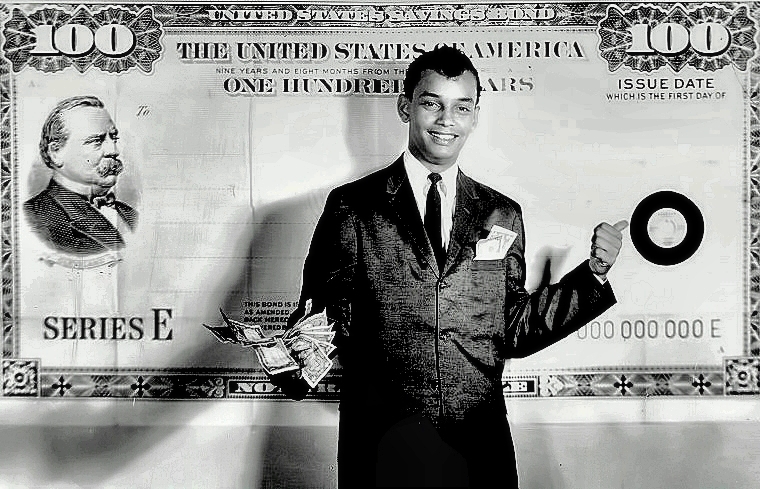
Gary US Bonds song Quarter To Three was a huge hit this year. Bonds’ real name is Gary Anderson. His label boss, Frank Guida, changed it to “U.S. Bonds” for his first single, New Orleans, as a play on the posters asking Americans to “buy U.S. savings bonds.” Pretty clever, but too many people, including many DJs, got it wrong and thought it was the name of a group. His next single, “Quarter To Three,” was initially issued as U.S. Bonds but soon changed to Gary U.S. Bonds, along with his subsequent releases.
Now let’s check in with Del Shannon. He released what is now an iconic song named Runaway. This song was written by Del Shannon and Max Crook.
I want to throw some country in this also with a song that has been remembered along with the artist who did the vocals. Patsy Cline sings I Fall To Pieces. The song was written by Hank Cochran and Harlan Howard.
The Big E makes a wonderful appearance in this post. This was a pure rock and roll song and that was a seldom occurence for Elvis Presley at this point.
Now for the Big O to close this year out. Roy Orbison does Running Scared with his operatic voice. Hearing Orbison’s voice still gives me the chills. was recorded in RCA Studio B in Nashville with the session pros known as “The A-team.” This was the last song that he sang live before his death in 1988.