Cynics – Baby What’s Wrong

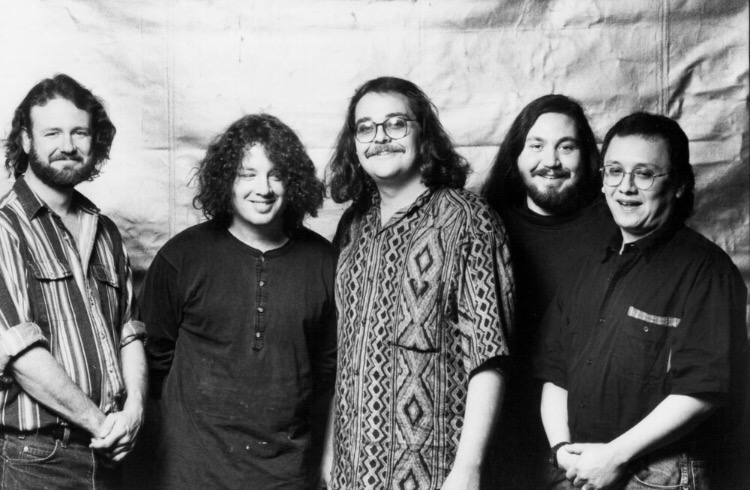
There was quite a big garage band scene in the 80s from all over the world. These bands stuck close to their ancestors  so to speak but with a little more punch in the modern recording. They avoided the dated sound unlike some of their more popular peers.

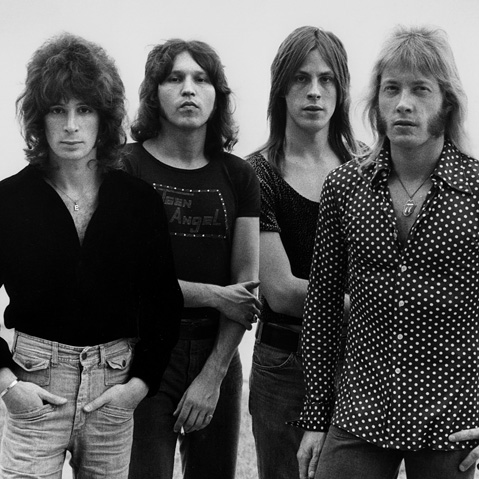
The Cynics were from Pittsburgh and along with the Chesterfield Kings, the Milkshakes, and the Fuzztones were early founders of the 1980s garage rock revival movement. The picked up from where the garage bands from the 60’s garage bands.

This band is not limited to garage rock. I’ve heard everything from power pop to folk from them in songs.

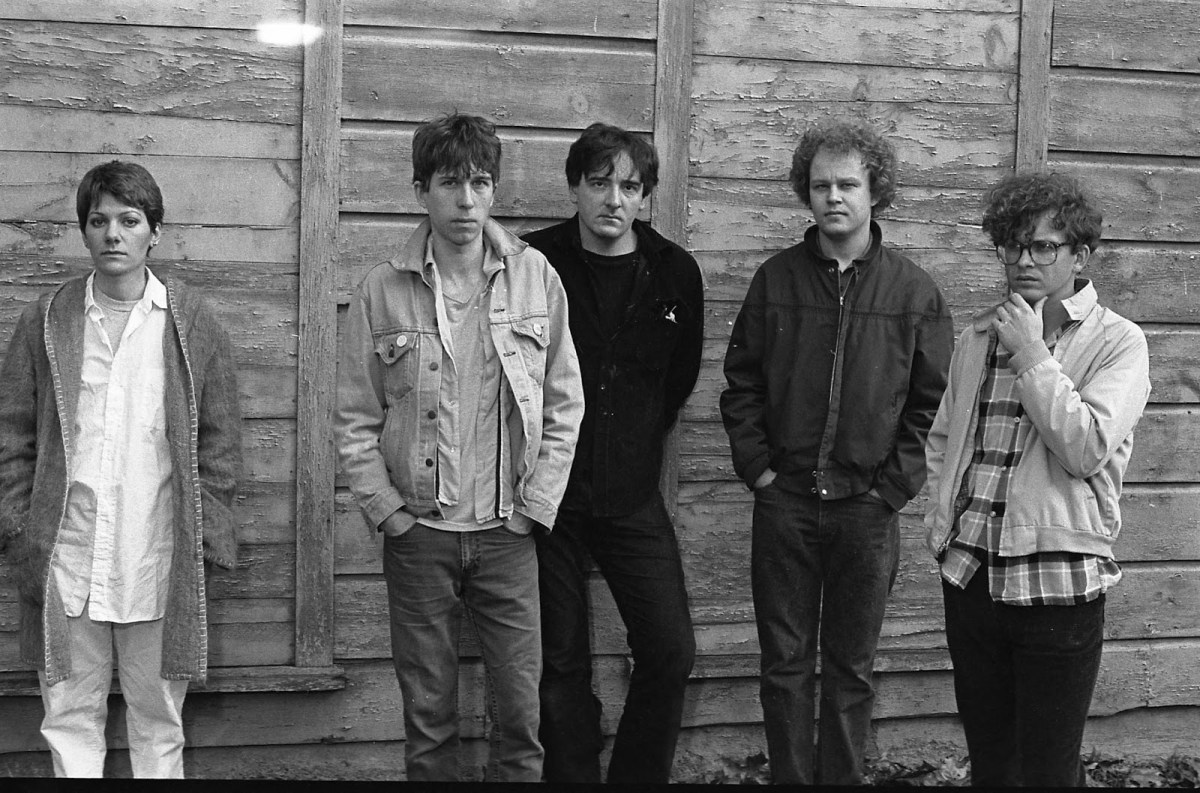
Gregg Kostelich started the Cynics in 1983. The other members were drummer Bill Von Hagen, vocalist Michael Kastelic who joined in 1985, bass player Steve Magee, and keyboardist Becky Smith who debuted with their first album, Blue Train Station in 1986.

Baby What’s Wrong was on their Rock and Roll album released in 1990.

Their first two 45s were released by the Californian Dionysus label, but soon after Gregg had established his own Pittsburgh-based Get Hip Recordings who would release all of  The Cynics albums and singles. The label also releases records by fellow garage bands, power pop, and punk bands around the world.

The band is still togehter with members Gregg Kostelich, Michael Kastelic, Pablo González “Pibli”, and Angel Kaplan.

The band released 8 albums between 1986 to 2011 with the Spinning Wheel Motel album.

Gregg Kostelich: “I was maybe 4 or 5 when I started collecting Garage records, and I’ve been listening to that type of music ever since. And I was lucky enough to see a couple of shows I was a little kid…my parents would bring to see bands like THE SONICS and THE BLUE MAGOOS and THE WHO, when I was about 7 or 8! I didn’t know what was going on really, but it was really exciting. I was kinda embarrassed in a way because I was with my parents.” “Yeah, maybe I got brain damage from all the noise!”

I got a lot of info off of their record company’s website…check them out and their music.

THE CYNICS

Baby What’s Wrong

You didn’t hear me when I tried to tell you
You didn’t see me when I looked so lonely
You didn’t answer when I said, “Where you going?”

You didn’t see the way you drive me crazy

Baby what’s wrong with me
I can’t seem to turn your head
Baby what’s wrong with me
I’m always going home to an empty bed

You got my number, you never use it
You got my choice, but you never choose it
You got those brown eyes, they’re hiding something
If I could open up, I’d let you in

Baby what’s wrong with me
I can’t seem to turn your head
Baby what’s wrong with me
I’m always going home to an empty bed

Maybe some day, there will be a full moon
We’ll be together, in the same room
Open our eyes, see what we’re missing
My hard time is maybe they’re dissing

Baby what’s wrong with me
I can’t seem to turn your head
Baby what’s wrong with me
I’m always going home

Baby what’s wrong with me
I can’t seem to turn your head
Baby what’s wrong with me
I’m always going home

Baby what’s wrong

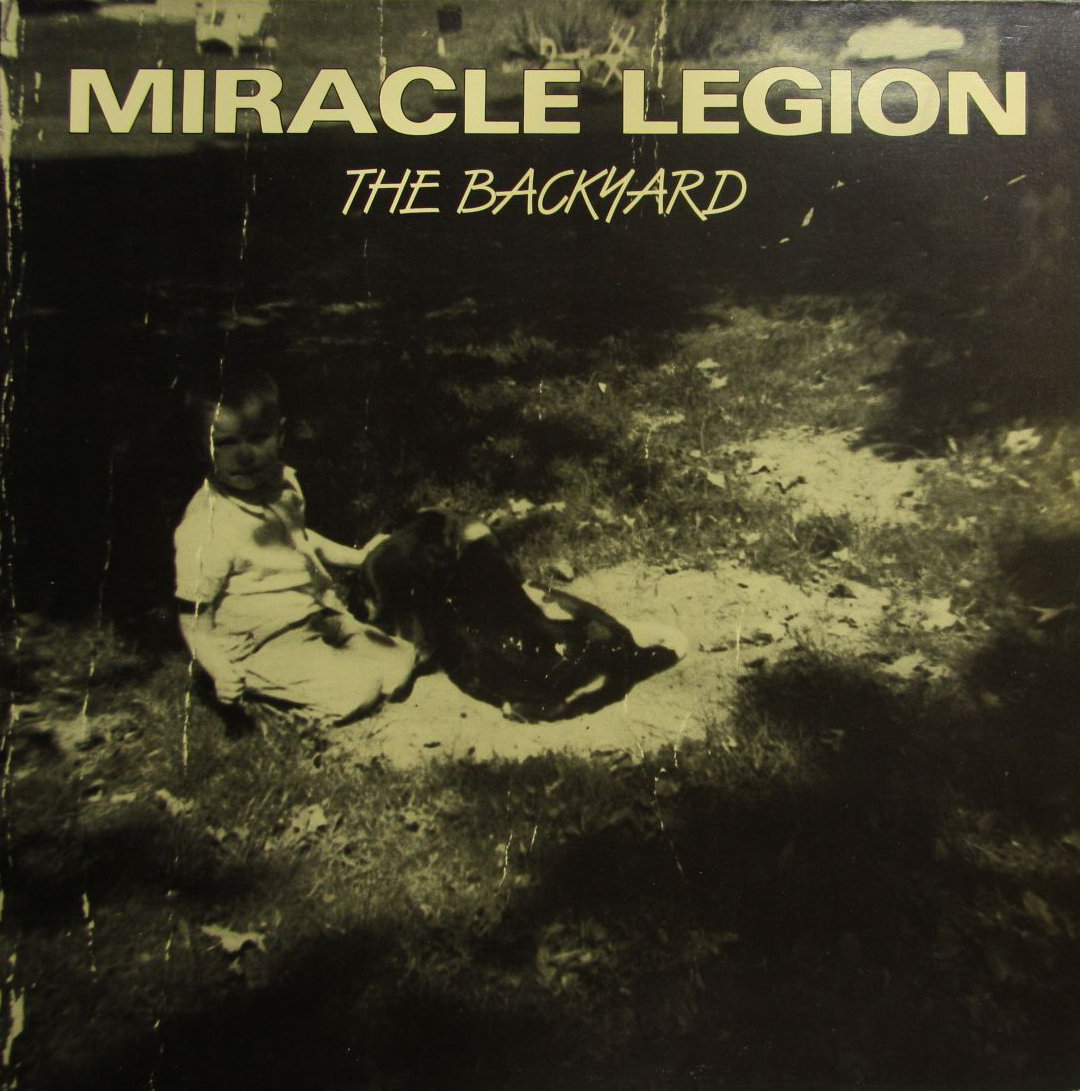
Miracle Legion – The Backyard ….80’s Underground Mondays

I took an instant liking to this song…a song about reminiscing about childhood. I started to explore their other music and found out that this 80’s alternative band was really good.

The lead singer Mark Mulcahy reminds me of Dan Stuart of Green on Red with a little Lou Reed thrown in…not a bad combination. They were on college radio in the 80s but were more popular in the north east and in the UK where  NME and Melody Maker wrote about them. 

Miracle Legion were formed in 1983 in New Haven, Connecticut. Their lineup consisted of singer/guitarist Mark Mulcahy, lead guitarist Ray Neal, drummer Jeff Wiederschall, and bassist Joel Potocsky.

This song was on The Backyard that was the second release (6 song EP) by the band in 1984 on Rough Trade Records. After two more releases, their debut album, Surprise Surprise Surprise, from 1987 and 1988’s seven song EP, Glad, Mulcahy and Neal found themselves as the only two members remaining in the band.

Miracle Legion carried on as a duo, and they released their second full length album, Me And Mr. Ray in 1989. The band didn’t remain a duo for long, as drummer Scott Boutier and bassist Dave McCaffrey joined. With Boutier and McCaffrey on board, the band released their third album, 1992’s Drenched, but legal problems with their record company caused Neal to throw in the towel and leave the band. Miracle Legion, at least temporarily was broken up.

In 1996 their legal issues were resolved, the band released their album Portrait Of A Damaged Family until they regrouped in 2017 and released Annulment. 

The Backyard was praised when it was released…from Melody Maker to the Trouser Press.

From Wiki: Drawing comparison to R.E.M., the record received much acclaim. Music critic Robert Christgau writing positively on Mulcahy’s lyrics says that they are of “dazzled childhood and yearning adolescence,” and likens the vocals to Loudon Wainwright III. The album has been called a “landmark” by Trouser Press, and calls the title track “sheer brilliance.”

My Backyard

Think it was the hottest day of the year
Even still we started fires with the embers
Sweetest man held on at the top of the hill
Sweetest lady held on to her memories

The world was so big and I was so small
And your voice was always the loudest of all

Yesterday we cut down the apple tree
Cracking wood made my little heart tremble
I wish I didn’t have to try so hard
But little boys got a lot to remember

The world was so big and I was so small
And your voice was always the loudest of all

I loved the days I spent with you
And I still have all you could offer
The backyard looks so empty now
Then I think of her, I think of her

The world was so big and I was so small
And your voice was always the loudest

The world was so big and I was so small
Your voice was always

The world was so big and I was so small
Your voice was always the loudest of all

Twilight Zone – Dust

★★★★  January 6, 1961 Season 2 Episode 12

If you want to see where we are…HERE is a list of the episodes.

The characters do a good job of showing the listlessness of the town. It’s set in a miserable ghost town that doesn’t know it’s one. The townspeople have no future and they know it. Sun and dust are the only two things these people have and will ever know.

This is a powerful episode all about context. To break it down…a drunk young man (Gallegos) driving a horse and wagon accidently kills a child. Normally under Rod Serling he would be an automatic villain but in this episode the context is different. There is a gray area in this forsaken town. The twist comes suddenly and the episode is over and leaves you thinking.

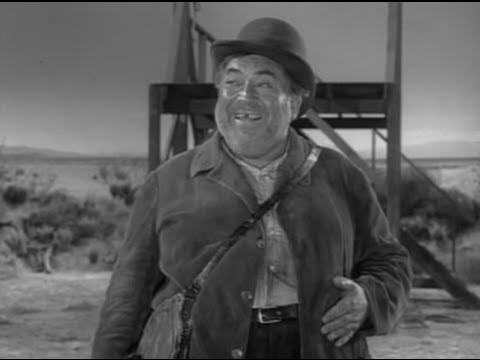
The acting was superb in this… Thomas Gomez plays Peter Sykes…a despicable man. The worse kind of opportunist you can imagine.  John Larch plays the sheriff who sees things for what they are and is one of the few sympathetic characters in this episode.  He is depressed by the thought of Gallegos being hanged and believes that he does not deserve to be hanged but knows he has to do his job.

This show was written by Rod Serling

Rod Serling’s Opening Narration: 

There was a village. Built of crumbling clay and rotting wood. And it squatted ugly under a broiling sun like a sick and mangy animal wanting to die. This village had a virus, shared by its people. It was the germ of squalor, of hopelessness, of a loss of faith. With the faithless, the hopeless, the misery-laden, there is time, ample time, to engage in one of the other pursuits of men. They began to destroy themselves.

Summary

In a dusty old-western town, a man’s scheduled to be hanged, after having been found guilty of accidentally killing a child while drunk. His father begs for mercy, but the marshal, has no choice but to proceed with the sentence. Sykes, an odious salesman takes advantage of the situation by selling the desperate father ‘magic dust’, which he says will make the townsfolk take pity upon his son. Soon, the events provide for an unexpected conclusion.

Rod Serling’s Closing Narration:

It was a very small, misery-laden village. On the day of a hanging. And of little historical consequence. And if there’s any moral to it at all, let’s say that in any quest for magic, and any search for sorcery, witchery, legerdemain, first check the human heart. For inside this deep place is a wizardry that costs far more than a few pieces of gold. Tonight’s case in point – in the Twilight Zone.

CAST

Rod Serling … Narrator / Self – Host (uncredited)
Thomas Gomez … Peter Sykes
John Larch … Sheriff Koch
Vladimir Sokoloff … Gallegos
John A. Alonzo … Luís Gallegos (as John Alonso)
Paul Genge … John Canfield
Dorothy Adams … Mrs. Canfield
Duane Grey … Rogers
Jon Lormer … Man (as John Lormer)
Andrea Darvi … Estrelita Gallegos (as Andrea Margolis)
Doug Heyes Jr. … Farmer Boy (as Douglas Heyes)
Nick Borgani … Townsman (uncredited)
Alphonso DuBois … Townsman (uncredited)
Richard LaMarr … Townsman (uncredited)
Frances Lara … Townswoman (uncredited)
Robert McCord … Lawman (uncredited)
Daniel Nunez … Townsman (uncredited)
Paul Ravel … Townsman (uncredited)
Armando Rodriguez … Townsman (uncredited)
Theresa Testa … Townswoman (uncredited)
Dan White … Man #2 (uncredited)

Freedy Johnston – Seventies Girl

This song has everything I like in a good pop song. Good melody, lyrics, and a voice that carries it perfectly. I also like the steel guitar in the background that sets the tone for the song.

When you can use “chartreuse green” in a lyric you are doing alright.

Clothes from a case you’d thrown at me
Orange, yellow, red and chartreuse green

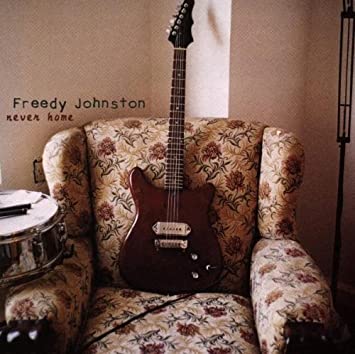
Freedy Johnston was an artist that I found in the late 90s. I first heard him on an alternative radio station I would listen to. They would play cuts off of his Never Home album. When I heard this song I bought the album.

Johnston has never burned up the charts but he did have a minor his in 1994 with the song Bad Reputation which peaked at #54 in the Billboard 100.

Later on I would like his version of Love Grows (Where My Rosemary Goes) off of his Right Between the Promises album.

Seventies Girl

Down from the attic in your old things
My new girlfriend has a curious streak
Half lit, in the hall
She’s like you
Twenty years ago

Clothes from a case you’d thrown at me
Orange, yellow, red and chartreuse green
Way back in the day
I lost you
Don’t tell me here we go again

Seventies girl
Don’t come any closer
There’s gonna be trouble tonight
You’re not staying over

Hey there seventies girl
Never should have showed her
You want to be older
Than you were

She was transcendental then
Her beautiful eyes through your rose specs
Way back, in the day
I loved you
Or something like it anyway

Seventies girl
You’ve been taken over
You never had a cradle to rock
Now you want to go there

Hey there seventies girl
Never should have told her
You want to be older
Than you were

We fell apart
Just like that dress
Then taught ourselves unhappiness
I don’t recall much, I confess
But wonder where she’s gone

Seventies girl
Don’t come any closer
There’s gonna be trouble tonight
You’re not staying over

Hey there, seventies girl
Never should’ve showed her
You want to be older
Than you were

Raspberries – Overnight Sensation (Hit Record)

This is my second song pick for Hanspostcard’s song draft. The Raspberries  Overnight Sensation (Hit Record).

 Bruce Springsteen: “Overnight Sensation (Hit Record) should go down as one of the great mini-rock-opera masterpieces of all time”

In the nineties I bought the Raspberries greatest hits. I listened with headphones to each song until I heard this one. I stopped and listened to it repeatedly. It’s one of those songs that goes beyond other songs…It is truly a pop-rock symphony. I was amazed that I never heard this before.

Overnight Sensation (Hit Record) is an epic, ambitious, grand, lofty, extravagant, and brilliant song from the Raspberries. They were swinging for the fences when they made this song and they hit it out of the park. It’s on the album Starting Over released in 1974.

Put some headphones on and listen to this completely to the very end… When I hear it, I think this is what it would sound like if The Who, Beach Boys, and Beatles made a song together…this would be it. Musically you have a little of everything. Sliding bass lines, tasteful guitar licks, great vocals, a sax solo that gives way to more lyrics as the song morphs into an AM radio sound… and then comes a solo piano.

Stay until the very end because they dupe you into a fake ending and the drums will come in as if the world is going to end. Then… a Beach Boys final huge crescendo wave will wash over you like a warm summer moonlit night. It’s a wall of sound of ecstasy that you wish would go on forever.

The song is about trying to make it in the music business. It’s Eric Carmen singing with desperation wanting a hit record on the radio. After this album, the Raspberries were no more. This was Eric Carmen at his absolute best before he went solo and became an ordinary pop singer. He would never try anything this ambitious again.

Certain songs we all know are timeless. In a perfect world this one deserves to be on that list. I don’t use the word masterpiece a lot but I would consider this song one. The musical arrangement is second to none in terms of arrangement, production, and harmonies.

Although “Go All The Way” was their big hit of their career…this one is in a different league and they never equaled it. Most people don’t know this song and it’s a musical injustice. I only hope more people discover it.

The three best power pop bands of the early to mid-seventies were Big Star, Badfinger, and The Raspberries. Badfinger were the most successful (and they paid dearly for it), Big Star wasn’t even known, and The Raspberries had one top ten hit with few very good minor ones. All three of these bands were too rock for pop radio and too pop for rock radio…in varying degrees they fell into the cracks of history… none of them had long careers.

John Lennon was said to be a fan of the group. He was producing Nilsson’s Pussycats at the same time The Raspberries were making this album at the Record Plant. John supposedly was blown away by Overnight Sensation.

The song peaked at #18 in the Billboard 100 and #22 in Canada in 1974.

Overnight Sensation (Hit Record)
Well I know it sounds funny
But I’m not in it for the money, no
I don’t need no reputation
And I’m not in it for the show

I just want a hit record, yeah
Wanna hear it on the radio
Want a big hit record, yeah
One that everybody’s got to know

Well if the program director don’t pull it
It’s time to get back the bullet
So bring the group down to the station
You’re gonna be an overnight sensation

I’ve been tryin’ to write the lyric
Non-offensive but satiric too
And if you put it in the A-slot
It’s just got to make a mint for you

I fit those words to a good melody
Amazing how success has been ignoring me
So long
I use my bread making demos all day
Writing in the night while in my head I hear
The record play
Hear it play

Hit record, yeah
Wanna hit record, yeah
Wanna hit record, yeah (number one)

Twilight Zone – The Night of the Meek

★★★★★  December 23, 1960 Season 2 Episode 11

If you want to see where we are…HERE is a list of the episode

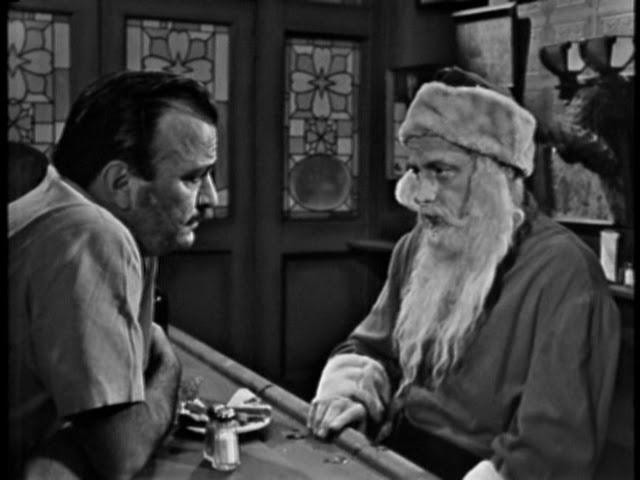
This one is a sentimental, touching, and timeless, episode of the Twilight Zone. I watch this every year around Christmas. One of the reasons Rod Serling wrote this episode is to see Art Carney play Santa Claus. This is a genuinely funny episode, with the humor feeling natural and enhancing the characters. There are no big laughs but rather many great moments.

John Fiedler plays Mr. Dundee does a great job and has good comedic moments with Robert P. Lieb who plays Flaherty. Fielder would appear on the Bob Newhart Show later on in the seventies. It was taped just three weeks before Christmas, it had a special effect on the cast and crew, and especially on the many children on the set. Production assistant Lillian Gallo later said there were more children performing on that show as extras than on the other tape shows, and she remembers their excitement and their joy. Sometimes, it was difficult for them to contain themselves during the times that you have to be quiet during the show.

One sour viewer was so enraged at the blasphemy of presenting a drunk as Santa Claus that he sent outraged letters to Serling, the network, and several newspapers.

This show was written by Rod Serling

Rod Serling’s Opening Narration: 

This is Mr. Henry Corwin, normally unemployed, who once a year takes the lead role in the uniquely popular American institution, that of the department-store Santa Claus in a road-company version of ‘The Night Before Christmas’. But in just a moment Mr. Henry Corwin, ersatz Santa Claus, will enter a strange kind of North Pole which is one part the wondrous spirit of Christmas and one part the magic that can only be found… in the Twilight Zone.

Summary

Henry Corwin is a down and outer who is normally unemployed and who definitely drinks too much. Every year he works as a department store Santa Claus. This year however, he’s spent just a little too much time in the bar and is quite drunk by the time he shows up for work. He’s fired of course and deeply regrets what he’s done. In fact, Henry has a big heart and worries not only about the children he’s disappointed at the store but about all of those children who will not get what they’ve asked for Christmas. When he comes across a large bag of gifts, everything changes for the kids and for himself as well.

Rod Serling’s Closing Narration:

A word to the wise to all the children of the twentieth century, whether their concern be pediatrics or geriatrics, whether they crawl on hands and knees and wear diapers or walk with a cane and comb their beards. There’s a wondrous magic to Christmas and there’s a special power reserved for little people. In short, there’s nothing mightier than the meek. And a Merry Christmas to each and all.

CAST

Rod Serling … Narrator / Self – Host (uncredited)
Art Carney … Henry Corwin
John Fiedler … Mr. Dundee
Robert P. Lieb … Flaherty
Val Avery … The Bartender
Meg Wyllie … Sister Florence
Kay Cousins Johnson … Irate Mother (as Kay Cousins)
Burt Mustin … Old Man
Steve Carruthers … Bar Patron (uncredited)
Andrea Darvi … Kid with Santa (uncredited)
Jimmy Garrett … Street Child (uncredited)
Larrian Gillespie … Elf (uncredited)
Jack Kenny … Man in Mission (uncredited)
Caryl Lincoln … Store Customer (uncredited)
Mathew McCue … Man in Mission (uncredited)
Frank Mills … Man in Mission (uncredited)
Mike Morelli … Man in Mission (uncredited)
Nan Peterson … Blonde in Bar (uncredited)
Ray Spiker … Man in Mission (uncredited)
Glen Walters … Store Customer (uncredited)

Widespread Panic – Up All Night

Widespread Panic are more known as a jam  band who will change tempos and direction when playing live. They remind me of the Allman Brothers Band and The Grateful Dead.

Widespread Panic was formed in the small college town Athens, GA in the mid-1980s. John Bell (guitar, vocals), Michael Houser (guitar) and Dave Schools (bass) all got together with the dream of playing in a rock band, where they experimented with many musicians to find the right fit.

Later on they met Todd Nance (drums), where they officially became a “band” in 1987. Down the road, they would link up with John Jojo Hermann (keyboards) in 1992, and Domingo “Sunny” Ortiz (percussion). Today, Jimmy Herring fills the shoes of the late Mikey Houser on lead guitar, and Duane Trucks, Butch Trucks nephew, has taken reins on the drum kit.

This song was on the Free Somehow album released in 2007.

Up All Night

Well I can’t sleep
I’ve been up all night
Life here in Savanna the day street moan
And that wet smell of sulfur from the cobblestone
I’ve been up all night
Been up all night
And I dream of heaven and I feel like hell
The children in their church clothes Sunday morning bells
And my head is spinning and taking a toll
Been up all night
Been up all night
(Up all night, up all night)
The best thing about New Years is the Christmas lights
Hiding in the day, exposed at night
Sunrise not sunset Georgia sky
I’ve been up all night
We’ve been out all night
I’ve been out all night
Up all night
We’ve been up all night
Been up all night
Been up all night

Bachman Turner Overdrive – Let It Ride

Canadian Bachman Turner Overdrive was one of those bands in the early to mid seventies that just kept pumping out hits.

Randy Bachman and Fred Turner of Bachman-Turner Overdrive got the idea for this song when they were driving to a gig in New Orleans.

They were driving on a highway when a few truckers decided to have some fun with the musicians, who were riding in the little van from Canada. The truckers boxed them in and slowed down to a crawl. When they finally turned into a truck stop, Randy and Fred followed them with the intent of giving them a good talking to…but when they met up with the trucker Randy said “The trucker looked like a Volkswagen with a head.” The truckers had a good laugh and told the band that they needed to learn to “Let it ride.”

Bachman and Turner had never heard that expression before, but they liked the sound of it: it meant to just relax and not let things upset you. When they got to New Orleans, they wrote the song in their dressing room.

The song was on their album Bachman–Turner Overdrive II released in 1973. The album peaked at #6 in Canada and #3 in the Billboard Album Chart.

The song peaked at #2 in Canada and #23 in the Billboard 100.

Songfacts

The distinctive guitar riff in this song is something Randy Bachman came up with after listening to a classical piece by Antonin Dvorak called “Piano Concerto in D.” He transposed a chord progression he heard in the piece to guitar, which sounded great.

Bachman believes that pretty much any piece of modern music is based on something that came before. When we spoke with him in 2014, he said: “You’ve got to get them, reshape them, and hopefully they are reshaped enough that you can call it original.”

All of the background vocals were sung by Fred Turner, which caused a flanging effect that Randy Bachman liked. 

Does this song’s intro sound similar to that of “Long Train Runnin'” by the Doobie Brothers? Randy Bachman thinks so. He says that the Doobie Brothers were sharing a dressing room with him and Fred Turner the night they came up with “Let It Ride,” and the Doobies nicked the riff for their song.

Let It Ride

Good bye, hard life
Don’t cry would you let it ride?
Good bye, hard life
Don’t cry would you let it ride?

You can’t see the mornin’, but I can see the light
Try, try, try let it ride
While you’ve been out runnin’ I’ve been waitin’ half the night
Try, try, try let it ride

And would you cry if I told you that I lied and would you say goodbye or
Would you let it ride?
And would you cry if I told you that I lied
And would you say goodbye or would you let it ride?

Seems my life is not complete I never see you smile
Try, try, try let it ride
Baby you want the forgivin’ kind and that’s just not my style
Try, try, try let it ride

And would you cry if I told you that I lied and would you say goodbye or
Would you let it ride?
And would you cry if I told you that I lied
And would you say goodbye or would you let it ride?

I’ve been doin’ things worthwhile, you’ve been bookin’ time
Try, try, try let it ride

And would you cry if I told you that I lied and would you say goodbye or
Would you let it ride?
And would you cry if I told you that I lied
And would you say goodbye or would you let it ride?

Would you let it ride

Try, try, try let it ride

Try, try, try let it ride

Try, try, try let it ride
Would you let it ride?

Twilight Zone – A Most Unusual Camera

★★★1/2  December 10, 1961 Season 2 Episode 10

If you want to see where we are…HERE is a list of the episodes.

This is a somewhat humorous episode and then it slides toward darkness. Jean Carson plays Paula Diedrich. Jean was probably best known as the gravelly voiced “fun girl” from The Andy Griffith Show. You have some small time crooks who steal what they thought was a useless camera. This camera can show 5 minutes into the future. They are none too bright but they don’t seem mean until…until there is money involved.

Personally I thought the ending was a little forced and hurried… but I did like the idea about the camera. This is one of the very few episodes that could have benefitted from a one hour format.

The inscribed plate on the front of the camera reads “Dix å la propriétaire”, which translates in English as “Ten per owner”, i.e. ten photographs per owner.

This show was written by Rod Serling

Rod Serling’s Opening Narration: 

A hotel suite that, in this instance, serves as a den of crime, the aftermath of a rather minor event to be noted on a police blotter, an insurance claim, perhaps a three-inch box on page twelve of the evening paper. Small addenda to be added to the list of the loot: a camera, a most unimposing addition to the flotsam and jetsam that it came with, hardly worth mentioning really, because cameras are cameras, some expensive, some purchasable at five-and-dime stores. But this camera, this one’s unusual because in just a moment we’ll watch it inject itself into the destinies of three people. It happens to be a fact that the pictures that it takes can only be developed in The Twilight Zone.

Summary

Married couple Chester and Paula have broken into and robbed a curio shop, hoping to sell the loot for a handsome sum of money. Unfortunately, all of it turns out to be junk or fakes. All, that is, save for a mysterious camera. When they try taking a picture, it turns out to be from five minutes into the future. Soon Paula’s brother Woodward joins them and the three decide to use the camera at a horse track to win big.

Rod Serling’s Closing Narration:

Object known as a camera, vintage uncertain, origin unknown. But for the greedy, the avaricious, the fleet of foot, who can run a four-minute mile so long as they’re chasing a fast buck, it makes believe that it’s an ally, but it isn’t at all. It’s a beckoning come-on for a quick walk around the block—in The Twilight Zone.

CAST

Rod Serling … Narrator / Self – Host (uncredited)
Fred Clark … Chester Dietrich
Jean Carson … Paula Diedrich
Adam Williams … Woodward
Marcel Hillaire … Pierre – Waiter
Franklyn Farnum … Man at Racetrack (uncredited)
Art Lewis … Racetrack Tout (uncredited)
Tony Regan … Man at Racetrack (uncredited)

Delbert McClinton – Shaky Ground

This song slips into a groove and stays there. Ever since I heard Giving It Up For Your Love I’ve liked Delbert McClinton.

He is from Lubbock, Texas…and he witnessed, and even influenced, some of the most pivotal moments in modern music history.  He was around at the birth of rock & roll, saw firsthand the raw beginnings of the British Invasion, and helped establish Austin as a music mecca in the 1970s, all before turning 40.

He became great on harmonica, and that proved McClinton’s ticket to success. He played the lead on Bruce Channel’s 1962 pop single “Hey! Baby. It went to number one. He then befriended a young John Lennon when the Beatles were opening for Channel and gave him some pointers on the instrument.

He led the house bands for bluesmen Jimmy Reed, Muddy Waters, and others in desegregated Texas clubs that served as a big influence in his career. He is respected by pretty much everyone in the music business.

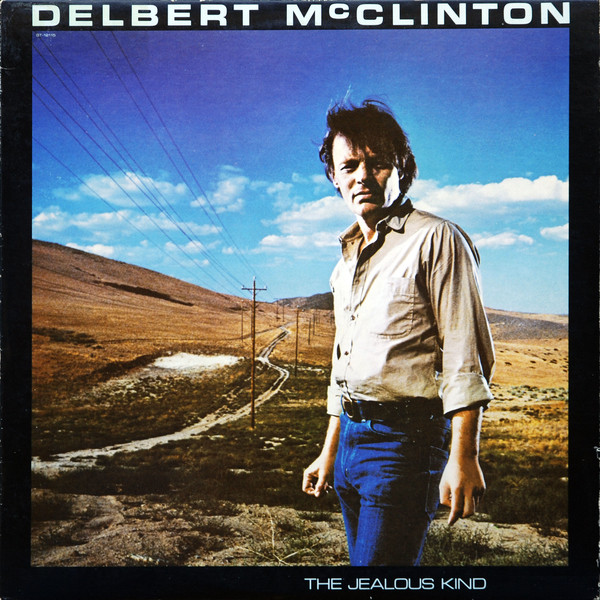
In the seventies he started to play in Austin and helped establish Austin’s blues scene. This song was on his album The Jealous Kind released in 1980. It was written by Jeffrey Bowen, Alphonso Boyd, and Eddie Hazel for the Temptations in 1975.

From Wiki: McClinton has earned four Grammy Awards; 1992 Rock Performance by a Duo with Bonnie Raitt for “Good Man, Good Woman”; 2002 Contemporary Blues Album for Nothing Personal; 2006 Best Contemporary Blues Album for Cost of Living, and 2020 Best Traditional Blues Album for Tall, Dark, & Handsome. He has been nominated for eight Grammy Awards as of 2020.

Delbert McClinton: In the mid-1970s, Austin was happening. I was playing down there a lot, and we were tired of Nashville. We packed up and moved. Austin had this scene going that worked for us. People wanted to hear original music. Hippies and cowboys came out to hear the same bands. And everyone got along.

Shaky Ground

Lady Luck and four leaf clovers
Won’t ease this hurt I feel all over
My life was one special occasion
‘Til your leavin’ left me this situation

I’m standin’ on Shaky Ground
Ever since you put me down
I’m standin’ on Shaky Ground
Ever since you put me down

My car got repossessed this morning
Harder times I haven’t seen in years
Girl, you better throw me a life preserver
‘Cause I’m about to drown in my own tears

I’m standin’ on Shaky Ground
Ever since you put me down
I’m standin’ on Shaky Ground
Ever since you put me down

I’m standin’ on Shaky Ground
Ever since you put me down
I’m standin’ on Shaky Ground
Ever since you put me down

I’m standin’ on Shaky Ground
Ever since you put me down
I’m standin’ on Shaky Ground
Ever since you put me down

Feelies – Let’s Go ….80’s Underground Mondays

The Feelies were an inspiration to REM and many alternative bands in the 80s. They formed in 1976 and disbanded in 1992 having released four albums. The band reunited in 2008, and most recently released albums in 2011 and 2017.

The band’s name is taken from a fictional entertainment device described in Aldous Huxley’s Brave New World.

The song was released in 1986 on the album The Good Earth with REM’s Peter Buck producing. It was written by members Glenn Mercer and Bill Million. The band toured in support of the album as an opening band for Lou Reed as well as REM that year. The album was one of their most successful albums.

It certainly doesn’t have earth shaking lyrics but it’s a gorgeous over all sound and atmosphere they produce. It reminds me of something that would be on a movie soundtrack…it’s over with before you know it.

Let’s Go

Well alright
Well alright
Let’s go
Let’s go
Let’s go
Let’s go
All night long
All night long
(spoken?)

Why don’t we ? I know you?
Go low (?)
Low low (?)
Go slow
Slow
All night long
All night long

All night long

Twilight Zone – The Trouble with Templeton

★★★★★  December 9, 1960 Season 2 Episode 16

If you want to see where we are…HERE is a list of the episodes.

A favorite of mine. This one is a hidden gem of an episode. Once again casting was superb in this episode. Brian Aherne as Booth Templeton was an excellent choice as a Broadway Star. The “you can’t go home again” theme is explored in the Twilight Zone more than once…to different results.

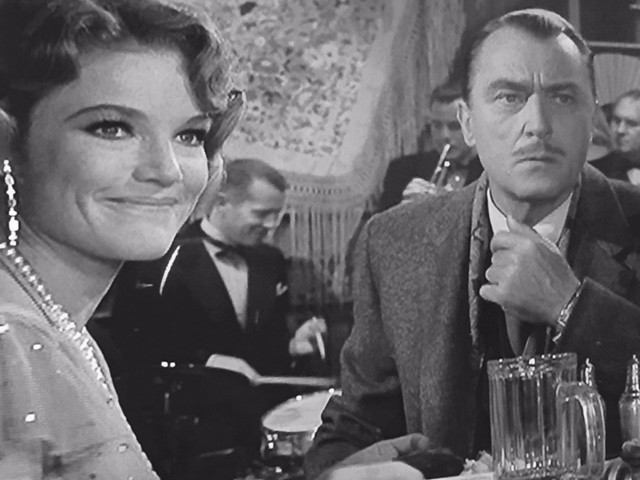
The Trouble With Templeton has in it one of the most visually beautiful scenes of the entire series. This occurs in the crowded, smoke-filled speakeasy in which Templeton leaves Laura. Without giving anything away… the camera pans across the room back to Laura. She steps forward. The expression on her face is one we have not seen before in the episode. It’s stunning and eerie at the same time. It’s one of my favorite scenes ever in a Twilight Zone. That one scene makes the episode worth it but it’s much more than that.

The Director Buzz Kulik said Brian Aherne who played Booth Templeton was a charming, wonderful, delightful, a terribly professional man, and one of the nicest people that he had ever worked with. He was very touched by what he had to do. It was very, very real to him. As for himself, Kulik admits that he too was moved by the material.

This was E. Jack Neuman’s only writing credit on the Twilight Zone.

This show was written by E. Jack Neuman and Rod Serling

Rod Serling’s Opening Narration: 

Pleased to present for your consideration, Mr. Booth Templeton; serious and successful star of over thirty Broadway plays, who is not quite all right today. Yesterday and its memories is what he wants, and yesterday is what he’ll get. Soon his years and his troubles will descend on him in an avalanche. In order not to be crushed Mr. Booth Templeton will escape from his theater and his world, and make his debut on another stage, in another world, that we call the Twilight Zone.

Summary

Booth Templeton is a renowned stage actor who has reached a stage in his personal life where he has idealized his past. In particular he has fond memories of his first wife, Laura. After a stressful encounter at the theater, he walks out of the stage door and finds himself in 1927 where he joins his wife and best friend, Barney Fluegler, for dinner. It all reminds him that his past was not as rosy as he may have remembered it

Rod Serling’s Closing Narration:

Mr. Booth Templeton, who shared with most human beings the hunger to recapture the past moments, the ones that soften with the years. But in his case, the characters of his past blocked him out and sent him back to his own time, which is where we find him now. Mr. Booth Templeton, who had a round-trip ticket – into The Twilight Zone.

CAST

Rod Serling … Narrator / Self – Host (uncredited)
Brian Aherne … Booth Templeton
Pippa Scott … Laura Templeton
Sydney Pollack … Arthur Willis
Dave Willock … Marty
King Calder … Sid Sperry
Larry J. Blake … Freddie (as Larry Blake)
David Thursby … Eddie
Charles Carlson … Barney Flueger

The Chesterfield Kings – She Told Me Lies

I love how this song starts off like I Want To Hold Your Hand and then turns into a 60s mild psychedelia that sounds familiar to ? and the Mysterians the 60s American garage rock band.

They were formed in 1979 in Rochester, New York by the former singer of the Distorted Levels, Greg Provost, an underground music journalist, with Andy Babiuk and  keyboardist Orest Guran, the Chesterfield Kings offered their own version of psychedelia.

This song was released in 1984 with the B side I’ve Gotta Way With Girls. She Told Me Lies was written by Andy Babiuk, Cedrick ConaDoug MeechGreg Prevost, and Orest Guran.

The band, named after a defunct brand of unfiltered cigarette, was instrumental in sparking the 1980s garage band revival that launched many bands with a heavy 60’s influence that ignored the current trends.

The band was active from 1979 to 2009.

In 2000 they made a movie! From IMDB here is the description:

Its Ed Wood meets A Hard Days Night when Greg, Andy, Mike, Ted, and Jeff, together The Chesterfield Kings take on the evil Andro, a maniacal extraterrestrial bent on world domination. The cosmic showdown sends The Kings racing around the globe, from London to Rome, Las Vegas, and Honolulu in a desperate attempt to reclaim drummer Mike whose held hostage by the deranged alien. Can The Chesterfield Kings find their drummer, halt Andro’s master plan, and save the world, all in a brisk seventy minutes? You’ll have to see it to know for sure, but you can count on some killer tunes along the way including The Chesterfield Kings’ new single “Yes I Understand” and “Where Do We Go From Here” featuring lead vocals by Mark Lindsay formerly of Paul Revere and the Raiders in a cameo appearance.

I really want to see that movie.

Greg Provost: “Even when we were doing the garage stuff, we ended up sounding like the Stones. I love bands like the Sweet or Queen, but we could never sound like them. I can’t sing that good! So, we’re just going to capitalize on the kind of stuff we can sound like.”

She Told Me Lies

She told me lies
She left me on my own
She told me lies
I’ll drive away and hide
Yeah she cheated, she lied

She told me lies
She hurt my pride
She told me lies
I’ve got tears in my eyes
She told me lies
I ain’t got nothing to say
Yeah she left me today

She went walking to the door
I won’t ever see her face no more
I don’t know why she treated me bad
She’s the only true love I ever had
But now she’s gone

She went walking to the door
I won’t ever see her face no more
I don’t know why she treated me bad
She’s the only true love I ever had
But now she’s gone

She told me lies
But now she’s gone
She left me on my own
I’ll drive away and hide
Yeah she cheat, she lied

Twilight Zone – The Lateness of the Hour

★★★★  December 2, 1960 Season 2 Episode 8

If you want to see where we are…HERE is a list of the episodes.

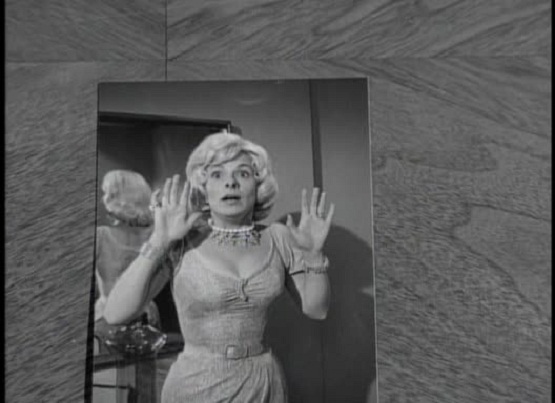
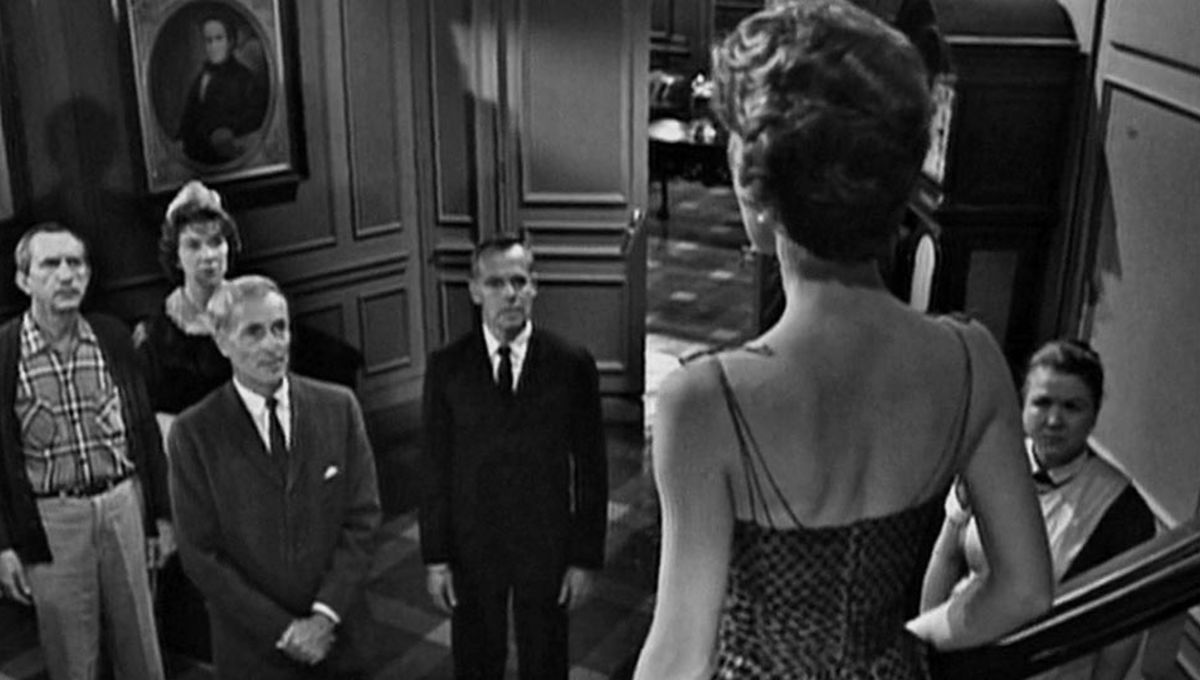
Inger Stevens plays Jana…the same actress who starred in the Hitchhiker. This Twilight Zone has a different look than the previous ones…soon we will find out why. This episode is about comfort and the length man will go to get it. This plot would be later visited in the Stepford wives.

John Hoyt plays Dr. Loren who is a brilliant inventor and has perfected a robot house staff. Every need of his wife and daughter Jana is taken care of every day. His daughter Jana wants a normal life and not have everything so predictable and perfect. You can see the ending coming in this one quite easy but you do have sympathy for Jana.

The first of six The Twilight Zone episodes to be shot on video tape. The network pushed it on Serling because of the cost. This method had its limitations, though. At the time, tape was still at an extremely early stage of its development. Except for the integration of stock footage, none of the taped shows could have any exterior locations; everything had to be shot on a soundstage. Also, since tape couldn’t be edited as cleanly as film, there could be fewer different camera setups and fewer complex camera movements. Obviously, this limited the range of story possibilities. Serling wasn’t happy about this but, the network being the network, he agreed to give it a try.

The six shows were taped at CBS Television City in Los Angeles. They had no director of photography as such. Instead, a technical director sat up in a booth with the director. On the set were the actors, a lighting man, sound men, and four cameramen. The four cameras were hooked up to monitors in the booth. As taping progressed, the technical director, at the command of the director, would switch from one camera to another. Today this is standard procedure for nearly all sitcoms, but in 1960 tape was something quite innovative.

The short-lived experiment resulted in editing and quality issues, and it was ultimately scrapped. Serling did pick the episodes well that he videotaped. Some with special effects would not have worked.

The video taped shows were:

Twenty-Two
Static
The Whole Truth
The Night Of The Meek
The Lateness of the Hour
The Long Distance Call

This show was written by Rod Serling

Rod Serling’s Opening Narration: 

The residence of Dr. William Loren, which is in reality a menagerie for machines. We’re about to discover that sometimes the product of man’s talent and genius can walk amongst us untouched by the normal ravages of time. These are Dr. Loren’s robots, built to functional as well as artistic perfection. But in a moment Dr. William Loren, wife and daughter will discover that perfection is relative, that even robots have to be paid for, and very shortly will be shown exactly what is the bill.

Summary

Jana Loren is an attractive young woman who lives at home with her parents. She feels suffocated living there however, surrounded by their many servants – that are in fact human-looking robots created by her inventor father. Her parents are quite happy with the life they lead but realize that they’re going to have to do something about the rebellious Jana.

Rod Serling’s Closing Narration:

Let this be the postscript — Should you be worn out by the rigors of competing in a very competitive world, if you’re distraught from having to share your existence with the noises and neuroses of the twentieth century, if you crave serenity but want it full time and with no strings attached, get yourself a workroom in the basement, and then drop a note to Dr. and Mrs. William Loren. They’re a childless couple who made comfort a life’s work, and maybe there are a few do-it-yourself pamphlets still available… in the Twilight Zone.

CAST

Rod Serling … Narrator / Self – Host (uncredited)
Inger Stevens … Jana
John Hoyt … Dr. Loren
Irene Tedrow … Mrs. Loren
Tom Palmer … Robert
Mary Gregory … Nelda
Valley Keene … Suzanne
Doris Karnes … Gretchen
Jason Johnson … Jensen

Joe Walsh – I Can Play That Rock and Roll

Yes Joe you can…When I first heard this in the early 80s on MTV it was such a relief to hear a guitar playing a rock and roll riff. It’s a simple comedic Joe Walsh song… and sometimes that is just what we need.

This is not Joe’s finest work but it’s fun and brings back memories. . After being restrained somewhat with the Eagles it was good to see him let go.  This song was on the album You Bought It You Name It. The album has varied styles from reggae, new wave, and rock and roll. The song peaked at #13 on the Billboard Mainstream Rock Airplay list.

The video of Joe trying to kill a fly in a hotel room was burned into my brain as this was on heavy rotation on MTV for a little while. Joe had a deadly aim with the Fender Strat to the television…years of practice I would guess.

In the middle of then current songs such as Safety Dance, Mickey, and Mr. Roboto this minor hit was a welcomed relief to me on MTV and the radio.

I Can Play That Rock and Roll

Well that disco thing can sure get funky
All them pretty songs seem too slow
I like to sit and pick with them good old boys
Maybe New Wave’s in, I just don’t know
When the critics try to analyse the current trend
I just sit back and watch ’em come and go
Cos I can play that rock and roll
Oh, now I can play that rock and roll
Hey now, I can play that rocking rock and roll

If you, if you wanna party at the next election
Only one way to go
Put on a rocking rock and roll selection
Turn up and vote
And you can check out anytime you want
Just call me Joe
And I can play that rock and roll for ya…
Yeah yeah yeah yeah I can play that rock and roll
Yeah, now now, I, I, I, well I can play that rock and roll
Well I can play that rock and roll
I can play that rock and roll