Johnny Burnette Trio – Tear It Up

There is not a week that goes by that I don’t listen to some rockabilly. It’s not just the leads, it’s the fills as well. Rockabilly music is like this machine where parts are moving everywhere, but it always falls into place.

In this song, it’s not the opening riff that gets to me; it’s the fills that the guitar player is playing while Johnny is singing. He also slips some basslines in, all the while the bass is throwing some in as well. When you analyze this music, it can be chaotic, but when done right, it’s hard to resist. It’s like music climbing a ladder on one side and coming back down on the other at the same time.

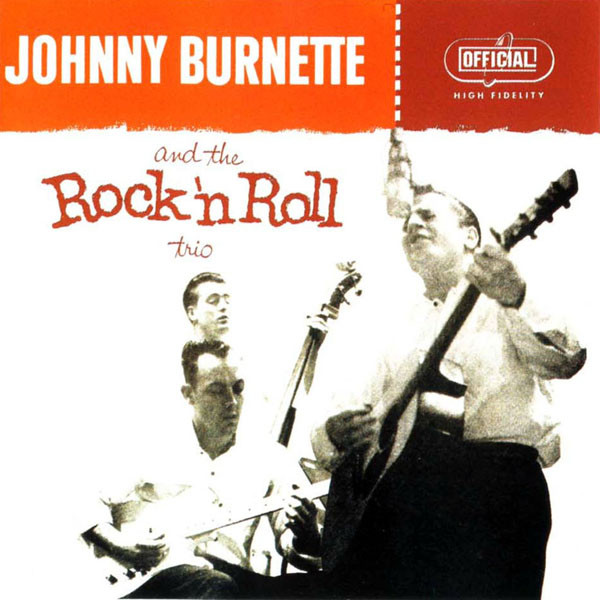
This song was released in 1956; a very unpolished burst of energy that still sounds electric seventy years later. The Rock ’n Roll Trio, Johnny on vocals and rhythm guitar, his brother Dorsey on bass, and Paul Burlison on guitar, made a sound that helped define the very idea of rockabilly.

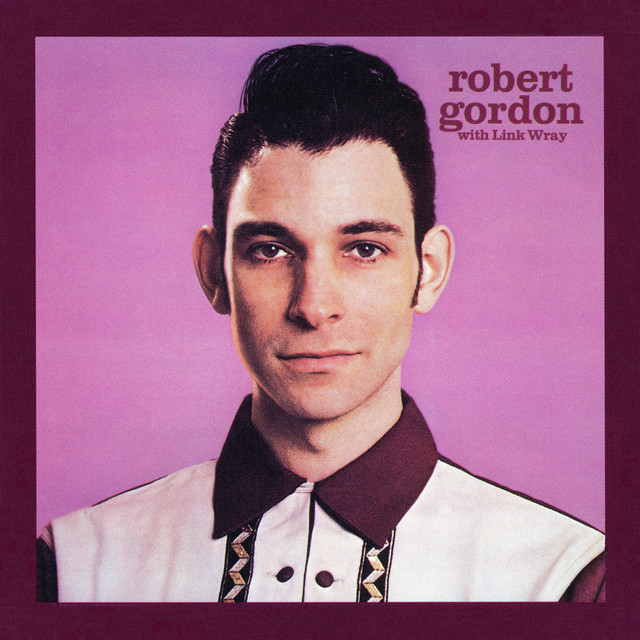
While it didn’t chart at the time, its influence was huge. The record’s mix of rhythm and attitude caught the attention of British musicians, guys like Jeff Beck, Keith Richards, Jimmy Page, and Paul McCartney, who all cited Burnette’s Trio as a crucial influence. The Stray Cats and Robert Gordon helped revived rockabilly in the late 1970s and early 1980s; this song was one of the first songs they covered. You might remember another song by Johnny, Train Kept a Rollin’ and it was covered by Aerosmith and The Yardbirds.

If you only like smoothly produced music, rockabilly is not for you. If you want a primal sound, welcome aboard!

Tear It Up

Come on little baby let’s tear the dancefloor up
Come on little mama let me see you strut your stuff
Tear it up, tear it up
Come on little baby let me see you strut your stuff

I’m leavin’ little baby, gonna be gone a long-long time
So come on little baby, show me a real good time
Tear it up, tear it up
Come on little mama let’s tear the dancefloor up
(Goow!)

Well you step back baby, move my way
Step around again an’ let me hear you say
Tear it up, tear it up
Come on little baby let’s tear the dancefloor up
Tear it up, tear it up
Come on little mama let’s tear the dancefloor up

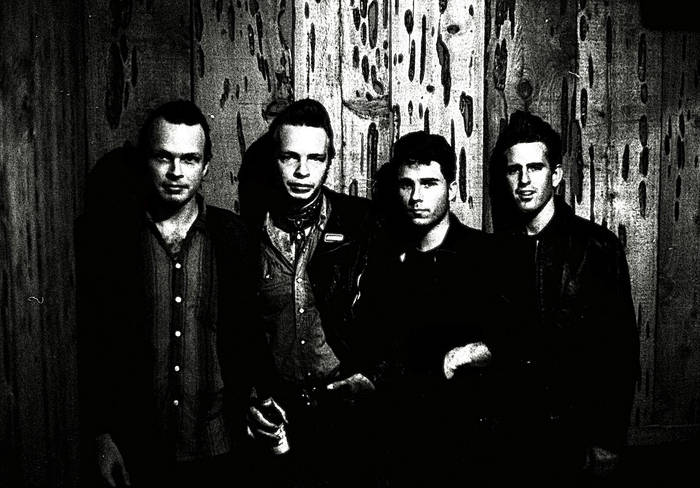
Blasters – This Is It

It’s been a while since I posted a Blasters song (although I’ve posted performances by them), so I thought we would revisit them today on this fine Sunday. When I listen to the Blasters, I feel that I’m hearing every American sound that mattered. Rockabilly, R&B, gospel, blues, and the ghost of early rock ’n’ roll. This song is from their self-titled album, released in 1981.

I missed the Blasters when they were real-time, but I’m happy to be catching up with them now. They didn’t follow trends; instead, they stuck with what they knew best. 1950s energy reimagined through the early 1980s, without the trap of big production and high-gloss synths.

The Blasters album was the one that put them on the map. It caught the ear of critics, landed them an opening spot for Queen and The Cars, and even made them heroes of the early L.A. punk scene. But they didn’t fit neatly anywhere; they were too raw for pop radio, too traditional for punk, and too loud for nostalgia. They were their own being.

The Blasters never had mainstream success…but mainstream radio back in the ’80s would have been greatly improved by these guys. They were a rock and roll band formed in 1979 in Downey, California, by brothers Phil Alvin (vocals and guitar) and Dave Alvin (guitar), with bass guitarist John Bazz and drummer Bill Bateman.

You can hear the ghosts of Gene Vincent and Little Richard shouting approval. It’s pretty simple, just the sound of American rock ’n’ roll refusing to die. If you’re new to The Blasters, start here with this album because… This is it.

This Is It

This is it, now, baby
The moon, it sure looks fine
I can tell your future by looking
At the highway sign

It’s something we’ll never know
Unless we get up and go
This is it, now, baby
We’re gonna have a time tonight

This is it, this is it
This is it, now, baby
We’re gonna have a time tonight

This is it, now, baby
It’s something we can share
Don’t worry about the rules
Tonight i just don’t care

Our world’s just a little too grey
Tonight’s right for our getaway
This is it, now, baby
We’re gonna have a time tonight

This is it, now, baby
It ain’t no hanging crime
But when the sun comes up
Maybe you’ll change your mind

If you want to go home say when
But you’ll never come with me again
This is it, now, baby
We’re gonna have a time tonight

This is it, this is it
This is it, now, baby
We’re gonna have a time tonight

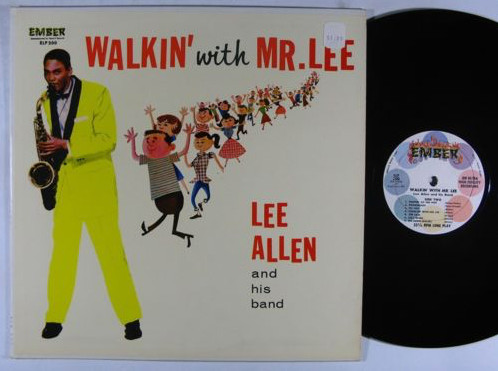
Lee Allen – Walking With Mr. Lee

I’m sitting here with my headphones on and listening to this instrumental, Walking With Mr. Lee. This one makes me feel like I’m walking down a street in the 1950s, flushed with money. Not every classic needs a big chorus or a star singer; sometimes it’s a great musician taking a walk and inviting us all to follow…and follow I will. 

Allen grew up in Denver after being born in Pittsburg, Kansas, and headed to New Orleans on a combined athletics and music scholarship to Xavier University in the mid-1940s. He fell straight into the city’s music scene, working alongside Dave Bartholomew’s crew with Red Tyler, Earl Palmer, and company. He worked with the best, and that included Fats Domino (Allen played on many of his records), Lloyd Price, Huey “Piano” Smith, Professor Longhair, The Blasters, The Stray Cats, Allen Toussaint, The Rolling Stones, and, crucially, Little Richard’s 1955-1956 Specialty singles that were full of Allen’s saxophone.

So Mr. Allen wasn’t a guy who came out of nowhere. He rarely showed off; he guided the band, nudging Fats Domino forward, egging Little Richard on, and making every garage band probably think, “we need a sax.” As Chuck Berry’s guitar was so important to the 1950s, Lee Allen’s sax was in the thick of it as well.

I found a 1991 video featuring Lee Allen, Boots Randolph, Sil Austin, Hans & Candy Dulfer, and it’s definitely worth watching. Walking With Mr. Lee did become a minor hit, and it was played on American Bandstand constantly. The song passes my smile test…because when I hear it, I’m happy.

Lee Allen on sax with the Blaster.

No lyrics needed…just put some headphones on and enjoy.

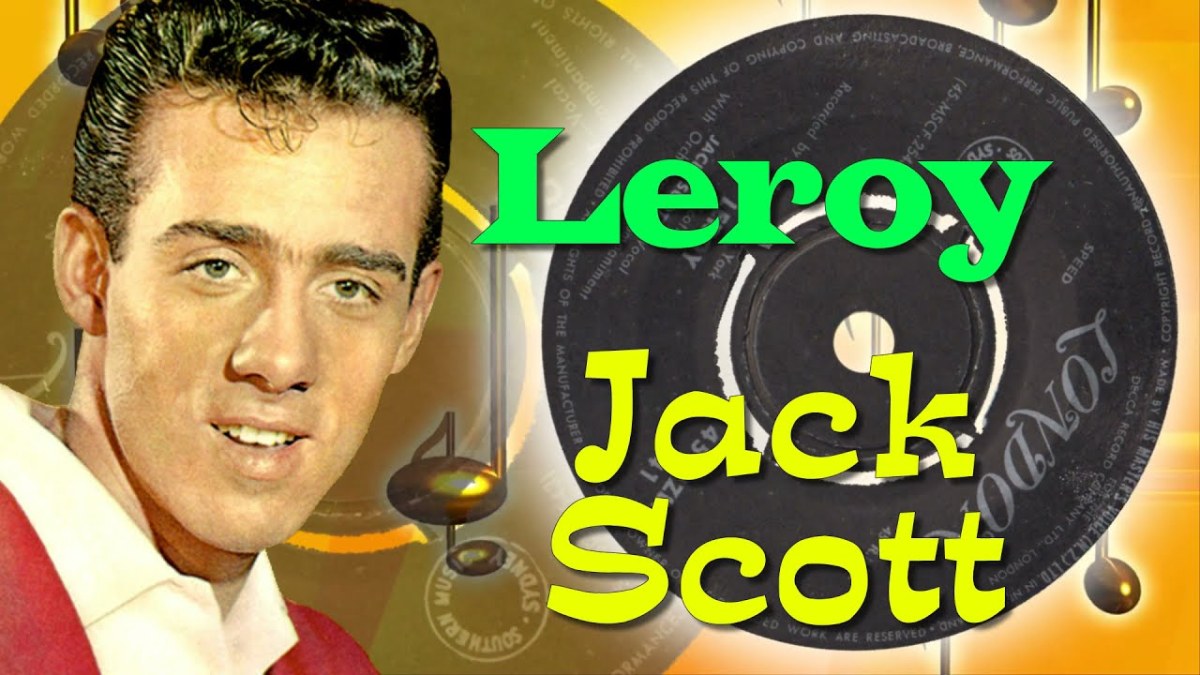
Jack Scott – Leroy

I wanted to hear some rockabilly, and that is how I ran across Canadian Jack Scott. As successful as he was, I’m surprised he is not known more.

He was born, Giovanni Domenico Scafone Jr., in Windsor, Ontario, in 1936. Scott grew up straddling the border between Detroit and Canada. That location shaped his sound. He was influenced by gospel, country, R&B, and the raw early rock, blending them into a voice and style that didn’t quite fit into any one style or box. By the late 1950s, he was producing records that rivaled those of Elvis Presley, Gene Vincent, and Roy Orbison.

Jack Scott released 19 singles that charted on the U.S. Billboard 100 between 1958 and 1961, which was a remarkable number for the era. This was more U.S. singles in a shorter time than any other recording artist, except for The Beatles. Again, it looks like he would be more well-known.  

Scott’s chart success slowed down after the early ’60s, but he never stopped performing. He returned to country music in the 1970s and maintained a loyal fan base in rockabilly revival circles in Europe and North America. Today, he’s remembered as Canada’s first true rock ’n’ roll star, a bridge between rockabilly, country, and pop, and an artist whose influence can still be heard in roots rock.

This song came out in 1958, and it peaked at #11 on the Billboard 100 and #15 in Canada. I’m including another song called Goodbye Baby that peaked at #8 on the Billboard 100 and #3 in Canada. 

Leroy

I know a boy who was never blueNow he lives in cellblock twoI don’t know just why he’s blue…… leroy… whatd you do

Leroys back in jail again -2-I don’t know why, why he’s blue…… leroy… whatd you do

Went to the judge, dig man wailI’m here and I got leroys bailJudge said son, don’tcha tell me no tale…… leroy, he’s gonna stay in jail

Now, leroy says man, you tried the bestMan, I’m here gonna take a rest.I’ve seen minny, she’s got the blues…… she let you wear my long pointed shoes

Now, leroys heart is a bowl of hateLeroy, he just can’t go straightTell my minny, I can’t keep my date…… I’m gonna be bout six months late

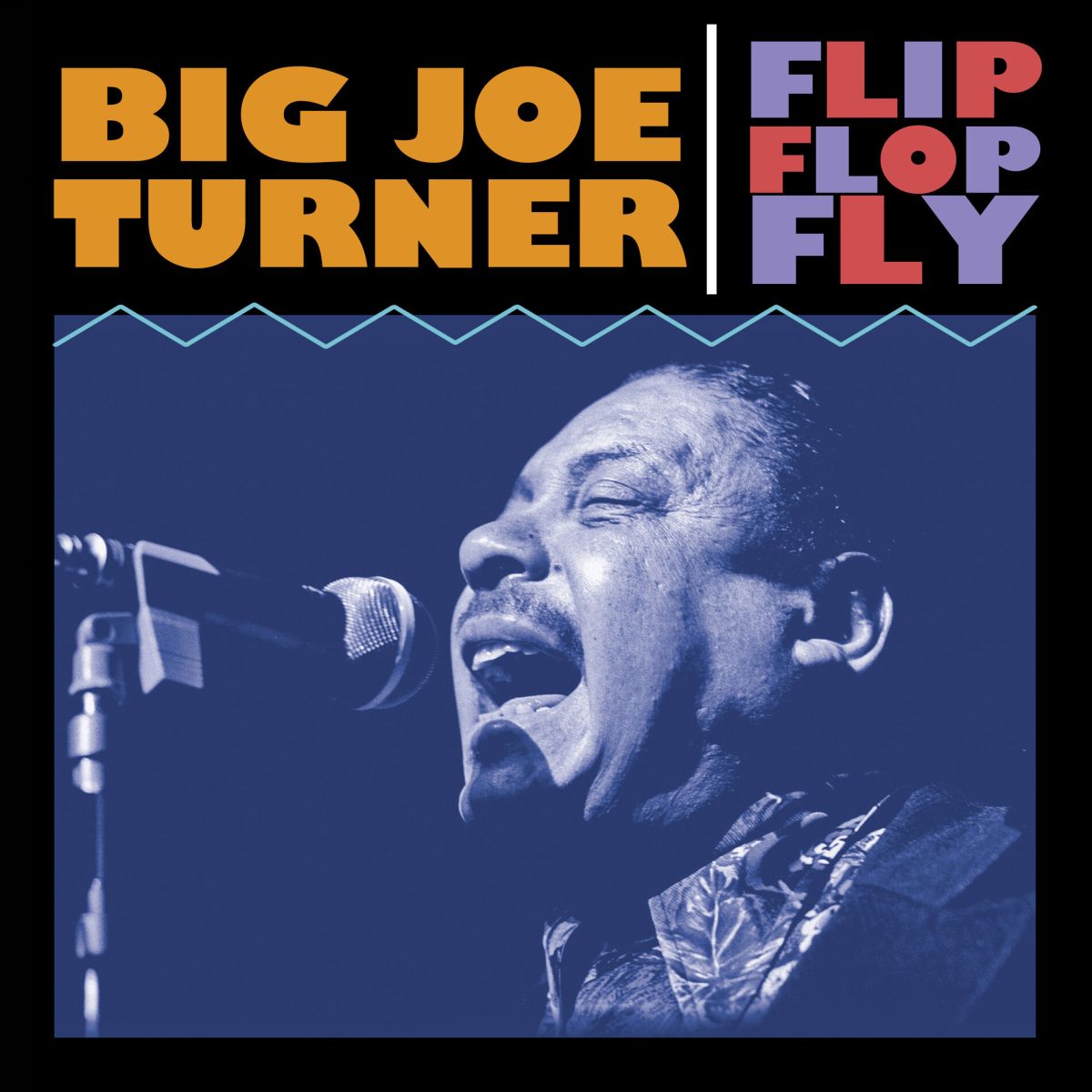
Big Joe Turner – Flip Flop and Fly

A lot of 1950s songs still get played today and we remember them but this one doesn’t get the attention although Elvis Presley, Jerry Lee Lewis, Johnnie Ray, Blues Brothers, Van Morrison, and Bill Haley covered it as well. It’s hard to beat something this simple…it just works. You don’t need a think tank… it’s just a fun song. 

Big Joe Turner (Joseph Vernon “Big Joe” Turner Jr. ) grew up in Kansas City, a major hub for jazz and blues in the early 20th century. His father passed away when he was young, leaving his mother to raise him and his siblings. Turner never formally learned to play an instrument, but he developed his booming, unmistakable voice by singing in church and later performing on street corners.

He was thriving in the Kansas City Blues Scene. He left school at age 14 (1925) to work in those Kansas Blues Clubs in the 20s and 30s. He would cook or perform as a singing waiter. In 1936 he moved to New York City. 

Signed with Atlantic Records in the 1950s and had a string of rhythm & blues hits. His upbeat jump blues style helped transition R&B into early rock & roll. He wrote and recorded songs like  Shake, Rattle and Roll (1954)… One of the first songs that bridged blues and rock & roll. It was later covered by Bill Haley & Elvis Presley. Probably one of the most important songs in Rock and Roll history. 

His success proved that older blues artists could thrive in the rock & roll era. This song was released in 1955 and has been covered 91 times. 

Flip Flop and Fly

Now when I get the blues, I get me a rockin’ chair
When I get the blues, I get me a rockin’ chair
Well, if the blues overtake me gonna rock right away from here

Now when I get lonesome, I jump on the telephone
When I get lonesome, I jump on the telephone
I call my baby, tell her I’m on my way back home

Now flip, flop and fly
I don’t care if I die
Now flip, flop and fly
I don’t care if I die
Don’t ever leave me, don’t ever say goodbye

Give me one more kiss, hold it a long long time
Now love me baby, till the feelin’ hits my head like wine

Here comes my baby, flashin’ her new gold tooth
Well she’s so small, she can mambo in a pay phone booth

Now flip, flop and fly
I don’t care if I die
Now flip, flop and fly
I don’t care if I die
Ah, don’t ever leave me, don’t ever say goodbye

I’m like a mississippi bullfrog, sittin’ on a hollow stump
I got so many women, I don’t know which way to jump

Now flip, flop and fly
I don’t care if I die
Now flip, flop and fly
I don’t care if I die
Now, don’t ever leave me, don’t ever say goodbye
Oh my!

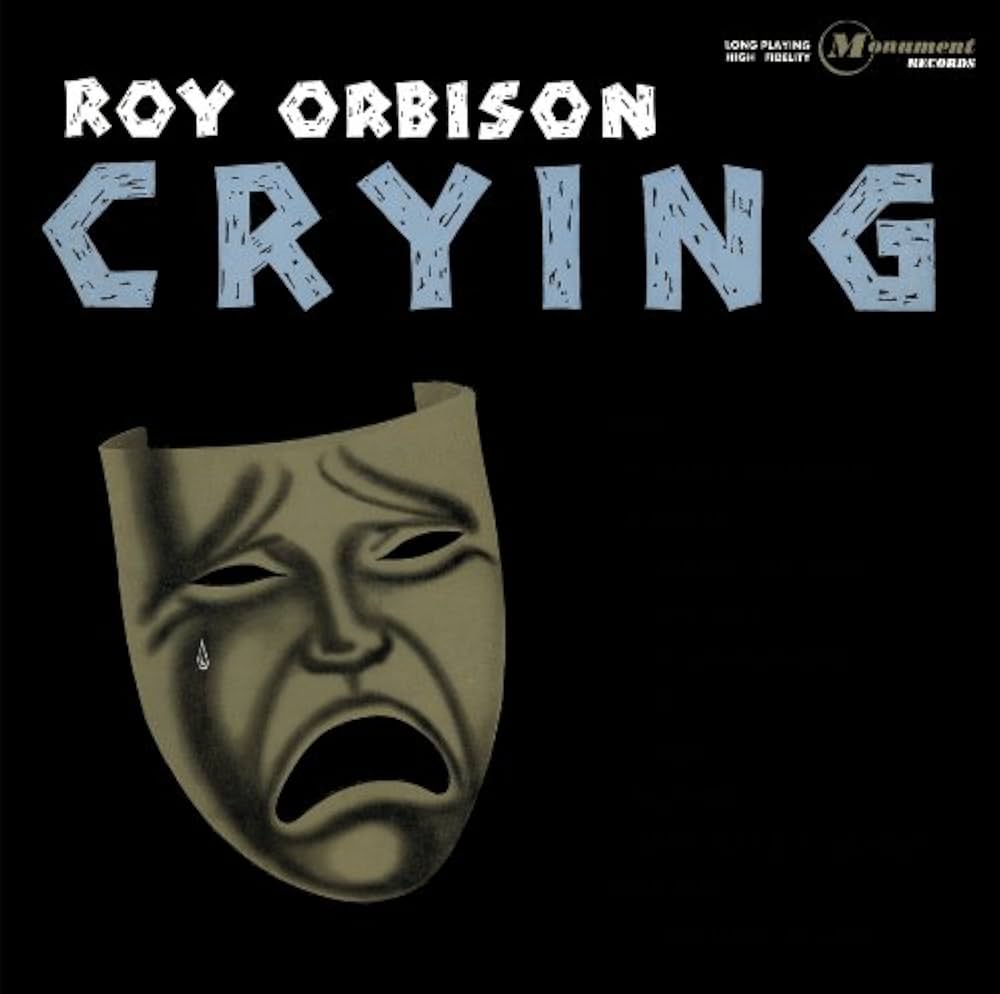
Roy Orbison – Crying

When I played music as I was younger our singer could sing Journey songs and AC/DC songs (from both singers) but when it came to Orbison…a totally different story. Mark is a very good singer but he balked at Roy Orbison. He told me that couldn’t happen…at least not in the way Roy did it. 

Not only did the man have a once in a generation voice he was also known to be an extremely nice and good guy. He went through so many tragedies in his short life. He lived around 30 minutes from me but I never got to catch him in concert or just seeing him. 

There was a quote that Tom Petty gave…that when he joined the Wilburys he called his mom and told her “Mom, I’m in a band with Roy Orbison!” Not Mom I’m in a band with Bob Dylan or a Beatle George Harrison…no it was Roy. That voice was golden and magical but he paid for his success dearly as you will read below.

 In 1957, Orbison married his sweetheart, Claudette Frady. She was 17 at the time and he was 21. As the young couple’s romance was soon thrust into jeopardy given Orbison’s rapid rise to fame, cracks began to appear. In November 1964, Orbison divorced Claudette over her alleged infidelities. However, within ten months, the pair had reconciled their differences and were once more in a loving relationship. They had three children.

It started on June 6, 1966, when Claudette and Roy were riding motorcycles. Claudette hit the door of a pickup truck and was killed instantly. Orbison poured himself into his work after that. He wrote and toured but was out of step with the mid to late-sixties music.  It was in Birmingham, England in September 1968 when catastrophe struck once more. News reached Orbison that a fire had broken out at his home in Tennessee and that his two eldest sons had tragically passed away. His younger child went to live with his grandparents.

This song was written by Orbison and Joe Melson and released in 1961. It was a smash here, peaking at #2 on the Billboard 100, #3 in Canada, #11, and #25 in the UK. It would hit again in 1980-81, with Don Mclean covering it. It peaked at #5 on the Billboard 100, #1 on the Canadian Country Charts, #7 in Canada, #11 in New Zealand, and #1 in the UK. 

 Roy Orbison died suddenly on December 6, 1988, in Hendersonville Tennessee. His new album Mystery Girl would be released around a month and a half after Roy passed. The album was hugely successful peaking at #5 in America and #4 in Canada.

Crying

I was alright for a while, I could smile for a whileThen I saw you last night, you held my hand so tightWhen you stopped to say, “Hello”You wished me well, you couldn’t tell

That I’d been crying over youCrying over you then you said, “So long”Left me standing all aloneAlone and crying,

Crying, crying, cryingIt’s hard to understandThat the touch of your handCan start me crying

I thought that I was over youBut it’s true, so trueI love you even more than I did beforeBut darling what can I do?For you don’t love me and I’ll always be

Crying over youCrying over youYes, now you’re goneAnd from this moment onI’ll be crying, crying, crying, crying,Crying, crying, over you

Elvis Presley – Blue Moon Of Kentucky

How I love this song. I’ve heard it so many times and now I think of Planes, Trains, and Automobiles when Martin and Candy are singing it in a burntout car they were driving. 

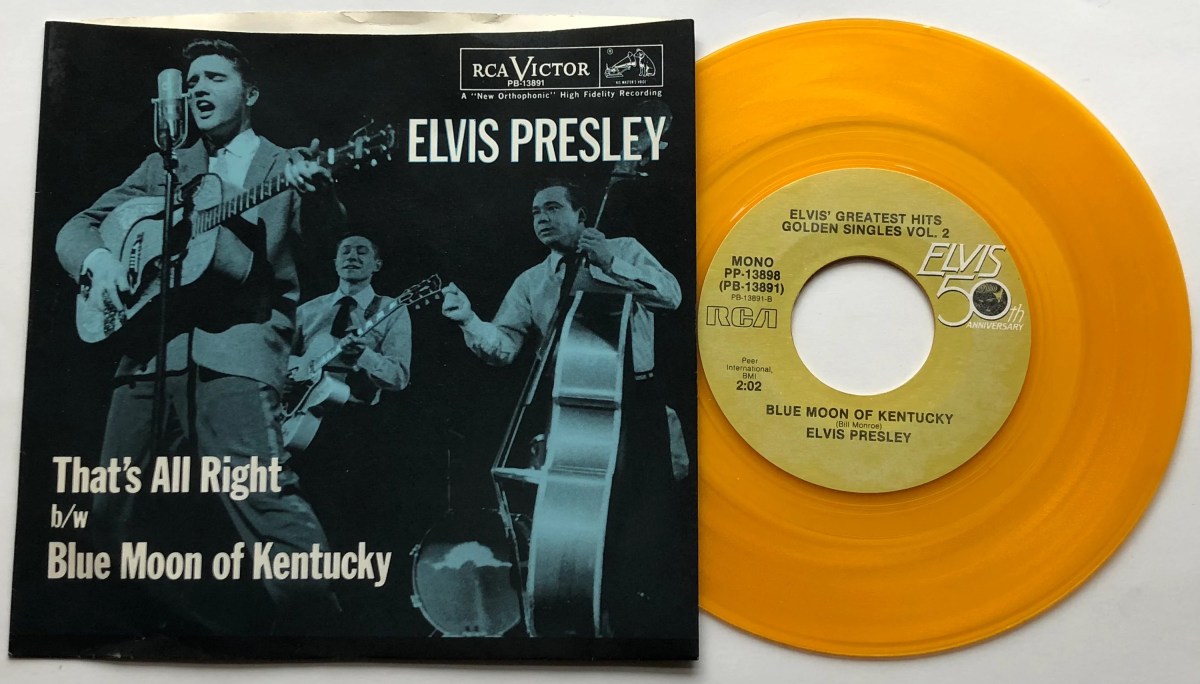
Elvis Presley recorded this song as the B-side to That’s All Right in 1954, marking his debut single with Sun Records. It was recorded during his second session with the label on July 6, 1954. Elvis, guitarist Scotty Moore, and bassist Bill Black reimagined the song in a faster, upbeat, rockabilly style. This transformation gave the song a fresh, raw feel that differed greatly from its bluegrass origins.

Presley’s recording became the best-known version of the song and is an early example of what was to become known as Rockabilly, a combination of Blues and Country together with an uptempo beat. The single was very popular locally, helping to build Elvis’s reputation in the Memphis area and laying the groundwork for his later success. DJ’s have said they would play the single multiple times over and over again when it was released. 

Bill Monroe wrote this song in 1946 and recorded the first version playing mandolin backed by his band, the Blue Grass Boys. After the Presley version was released, Monroe recut the song and added both styles to it.

Elvis Presley got an invite to the Grand Ole Opry soon after this, and he was fearful of Monroe’s reaction to his version of the song. He sought out the older Opry star backstage and apologized to him for taking such liberties. Monroe reacted with generosity. Monroe later admitted Presley’s version of “Blue Moon of Kentucky” gave him very big songwriter royalty checks. This song is very important in history… celebrated as a groundbreaking moment where country music met rock and roll with a resounding success. 

The state of Kentucky made this their official bluegrass song. Now let’s listen to the song and listen to the flip side performed by Elvis fan Paul. 

Paul McCartney recorded the Arthur Crudup blues classic, That’s All Right, Mama, with Elvis Presley’s original band members, Scotty Moore (guitar) and DJ Fontana (drums). 

Blue Moon of Kentucky

Blue moon, blue moon, blue moon,
keep shining bright.
Blue moon, keep on shining bright,
You’re gonna bring me back my baby tonight,
Blue moon, keep shining bright.

I said blue moon of Kentucky
keep on shining,
Shine on the one that’s gone and left me blue.
I said blue moon of Kentucky
keep on shining,
Shine on the one that’s gone and left me blue.

Well, it was on one moonlight night,
Stars shining bright,
Wish blown high
Love said good-bye.

Blue moon of Kentucky
Keep on shining.
Shine on the one that’s gone and left me blue.

Well, I said blue moon of Kentucky
Just keep on shining.
Shine on the one that’s gone and left me blue. 
I said blue moon of Kentucky
keep on shining.
Shine on the one that’s gone and left me blue.

Well, it was on one moonlight night,
Stars shining bright,
Wish blown high
Love said good-bye.

Blue moon of Kentucky
Keep on shining.
Shine on the one that’s gone and left me blue.

Fats Domino – I Want To Walk You Home

This man could take any song and make it his own. He must have loved walking… he had hits with I’m Walkin’, Did You Ever See A Dream Walking?, Walking To New Orleans, and this song I Want To Walk You Home. It was written by Fats Domino and produced by his long-time collaborator Dave Bartholomew. It peaked at #8 on the Billboard 100 and #1 on the Billboard R&B Charts. 

Antoine “Fats” Domino Jr. was not flashy and wild like some of his 1950s peers such as Elvis, Little Richard, and Jerry Lee Lewis. The first I heard of Fats Domino was on “Happy Days” and the song Blueberry Hill. I was at a relative’s yard sale when I was a kid and was given his and Chuck Berry’s greatest hits. My Aunt never knew how much those two records would influence me. 

Domino was the youngest of eight children in a musical family, he spoke Creole French before learning English. At age 7 his brother-in-law taught him how to play the piano. By the time he was 10, he was already performing as a singer and pianist.

Fat’s first hit in the Billboard 100 was the great “Aint That A Shame” in 1955 written by  Fats Domino and Dave Bartholomew which peaked at #16 and his last charting song was a cover of the Beatles’s “Lady Madonna”(great version) that peaked at #100 in 1968. He had 45 songs in the top 100 and 4 top 10 hits…many more top 10 hits in the R&B Charts.

He lived in New Orleans During Hurricane Katrina, he lost most of his possessions and he and his family were rescued by the Coast Guard. He unselfishly made many personal appearances to raise money for the hurricane relief. His house was hit hard and he lost his National Medal and gold records but George Bush gave him another medal to replace the lost one and the RIAA gave him replacement gold records.

To raise money for repairs for his own home, friends and fellow musicians recorded a tribute album, Goin’ Home: A Tribute to Fats Domino, featuring Robert Plant, Elton John, Paul McCartney, and more. He was living in New Orleans at the time of his death on October 24, 2017.

He was a huge influence on The Beatles, Elton John, Robert Plant, and Randy Newman. Elvis even called Fats “The King”…a well-deserved title. 

I Want To Walk You Home

I want to walk you homePlease let me walk you homeI wants to walk you homePlease let me walk you homeYou look so good to me, oh-ooh-eeI wish I was the lucky guy who could walk you right on down the aisle

I love the way you walkI love to hear you talkI love the way you walkI love to hear you talkI’m not tryin’ to be smart, I’m not tryin’ to break your heartBut if I ask you for a date, will you tell me that I’m not too late

I want to hold your handPlease let me hold your handI want to hold your handPlease let me hold your handYou look so good to me, oo-ooee

I saw you walking all alone, that’s why I want to walk you home

So let me walk you homePlease let me walk you homeI want to walk you homePlease let me walk you homeYou look so good to me, oh-ooh-eeI saw you walking all alone, that’s why I want to walk you homeThat’s why I want to walk you home, that’s why I want to walk you homeThat’s why I want to walk you home