Max’s Drive-In Movie – It’s A Gift

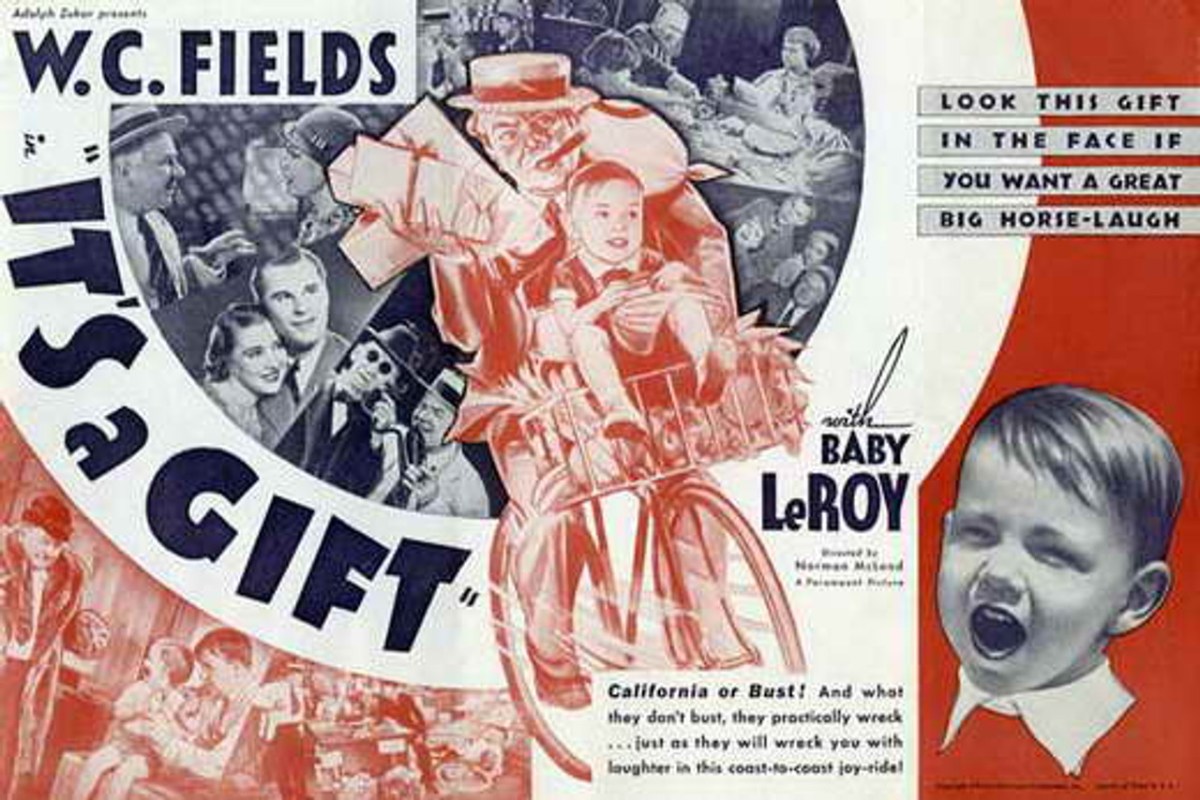
So roll down the window at Max’s Drive-In, grab some popcorn, and toast the man who proved that laughter isn’t always about joy; sometimes, it’s about pain and survival. This was the first W.C. Fields movie I ever watched, years ago, and I wasn’t disappointed. It contains no sentimentality…just one man’s pursuit of peace. In this case, an orange grove he has his eyes on. When people think of W.C. Fields, this is probably not the movie they usually think of first, but to me…it’s brilliant!

Sometimes, you don’t need romance or a difficult plot. It’s WC Fields trying to get a few minutes of peace and quiet. It’s a Gift is one of those hidden little gems, a film that’s basically one long bad day stretched from start to finish.

This film takes place in the middle of the Depression, when a grouchy grocer named Harold Bissonette (that’s “Biss-uh-NAY,” thank you very much) dreamed of escaping his nagging wife, children, and blind customers by buying himself an orange grove in California. Not a mansion, just fruit trees and some peace. But in Fields’ universe, that doesn’t happen. His wife nags, his customers interrupt his naps, and his children treat him like a piece of furniture. It’s a Gift may be ninety years old, but it still feels right.

He plays the definition of the henpecked husband, muttering under his breath. The movie is like a string of brilliant sketches stitched together by pure exasperation. That would be my definition of it. The “porch sleep scene,” where Fields tries to take a nap on his back porch as milkmen, salesmen, and children launch an invasion. The rhythm, the timing, was pure gold.

Then there’s the grocery store scene, the poor man behind the counter trying to deal with the infuriating Mr. Muckle. He is the blind and almost deaf man who wrecks everything he touches. It’s slapstick with a slight mean streak, but Fields plays it straight, and it worked. 

This was in the middle of Hollywood’s “screwball comedy” decade, when the big studios were giving audiences zany escapism to forget the Depression. Fields, though, offered something a little more grounded and darker. He wasn’t Cary Grant tripping over furniture in a tux; he was a tired grocer stepping on a roller skate at 6 a.m. 

Critics in 1934 didn’t quite know what to do with him. Some thought he was too grumpy. But audiences loved it. The film became one of Paramount’s biggest comedies that year. It’s now considered one of Fields’ great films, alongside The Bank Dick and Never Give a Sucker an Even Break.

The infamous Mr Muckle

The Front Porch Scene

“You shouldn’t like music that was made before you were born”

I thought I would do something different today. I was reminded of this by the phrase, “it was before my time.” Movies and music fall into this category. I do know people who will not watch movies made “before their time.” I don’t think many of my readers would agree to this statement, but who knows?

I had a co-worker in the early 2000s (Sam) tell me that I shouldn’t like music that was before my time because it was unnatural (yes, he said that). I was first kinda of amused and shocked. I like Sam a lot, and we would talk a lot; he is a smart fellow. However, on this point, I didn’t understand. Why? Is there some unwritten law that I can’t like 1950s or 1960s music up to 1967, when I was born?  That cut off some of the best music of the 20th century and beyond.

He grew up in the 80s, as I did,  and was probably around 5 or so years younger than me. I’ve seen other people act the same way. If it were before they were born, then they would not give it a second listen. If a movie is black and white, they act as if they are near a radiation leak!

 I think the subject centered around how I loved 50s and 60s music and The Beatles, The Who, The Stones, and The Kinks. He said I should be listening to music from my teenage years (well, I WAS…60s music was my soundtrack growing up), but I DID listen to the top 40 when I was a teenager, which, to me, didn’t live up to those bands to any degree or form. Maybe it wasn’t fair to compare Men Without Hats to those 1960s bands. It was hard to stomach some of the ’80s for me, but not all. Now I’m busy catching up on music I missed that wasn’t on Top 40 radio at the time. I did find an oasis in the 80s, alternative music like The Replacements and REM…and the classic bands.

I still want to find other music and movies I like. Why would age have any effect on the music, whether we like it or not? That doesn’t mean I don’t like new music. I have posted newer bands here before who have just released albums. If it’s good, it doesn’t matter what era it came from, at least not to me. Christian, Graham, and Lisa all posted some newer songs that I liked. With movies, yes, I find some I like. I just saw Weapons and loved it, plus there are others.

I’m not putting people down at all who think like that. Hey, if that is what they believe, more power to them. I never believed in criticizing people for their opinions, music, or otherwise. Whatever blows their hair back.

Anyway, what do you think? 

The Night Strangler …1973 film

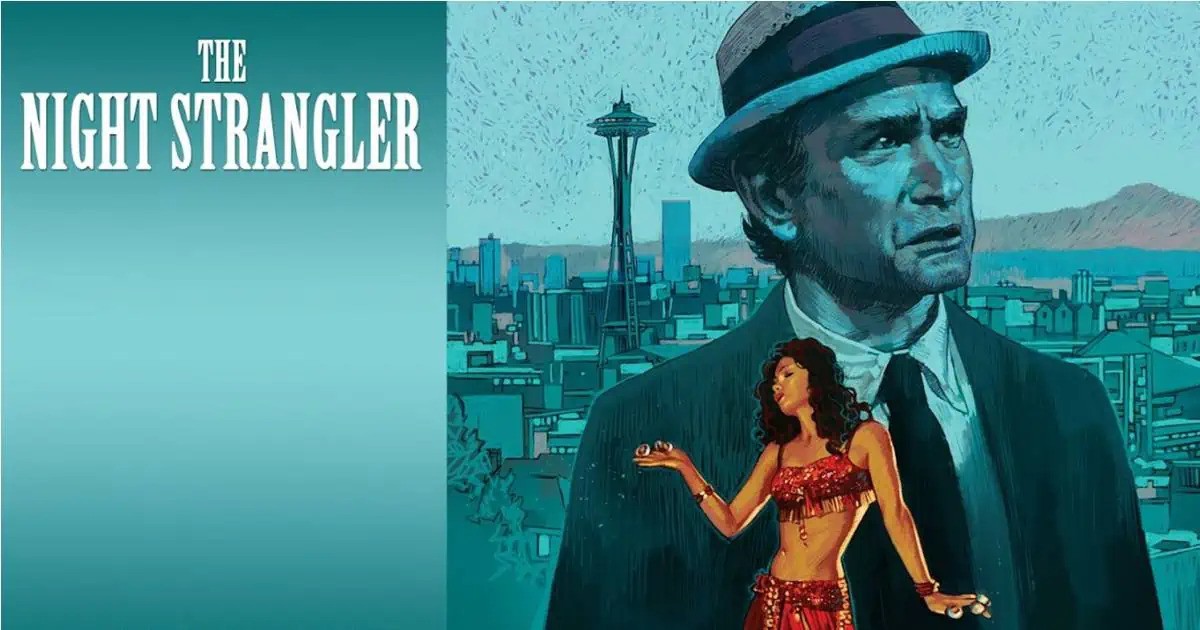
This is the second TV movie about Kolchak. This time, Kolchak is run out of Vegas, still unemployed and in that beat-up suit and straw hat, and somehow still covering the weirdest stories on earth. He lands in Seattle, and right on cue, women start turning up strangled in the city’s underground ruins. Their corpses? Bone dry. No blood. No explanation. Déjà vu, but not quite. I’m not going to give away what it was, but it wasn’t what you expected. 

It’s a clever move, leaving Vegas and swapping it for Seattle’s underbelly. Parts of 19th-century buildings were left after the great Seattle fire of 1889. The movie makes excellent use of these underground tunnels, where Victorian storefronts and old streets sit buried beneath the modern city. The atmosphere here is claustrophobic and perfect for a monster that hides in plain sight.

The Night Strangler was the follow-up that proved Kolchak wasn’t a one-hit wonder. Dan Curtis, who had already scared TV audiences with Dark Shadows, stepped in to direct again, and Carl Kolchak had room to breathe and dig into another supernatural mystery. Also, the humor intertwined in this movie keeps it moving at a good pace. 

Darren McGavin is, once again, the glue that holds the whole thing together. His Kolchak is pushy, sloppy, and never takes “no comment” for an answer. Every scene is like a tennis match between his energy and Simon Oakland’s rage as editor Tony Vincenzo. Honestly, those two could’ve been dropped into a sitcom about running a failing Chicago newspaper, and it still would’ve been gold.

While The Night Strangler didn’t quite capture the lightning-in-a-bottle impact of the original Night Stalker, it proved there was more than enough life in this story to warrant more. The movie’s success led directly to the short-lived but cult-favorite TV series Kolchak: The Night Stalker in 1974. Looking back, The Night Strangler remains a strong second chapter anchored by McGavin’s great performance.

The Full Movie

The Night Stalker … 1972 Film

Before we dive into the TV show, we will cover the two movies that lead up to Season 1. You don’t often see an actor embody a character like Darren McGavin; he IS Carl Kolchak. 

Alright, let’s dim the lights, cue up some eerie harpsichord, and head back to 1972, when ABC aired a made-for-TV movie that changed the whole game for supernatural thrillers on television. I’ve seen this described as a noir-horror movie, and that hits the mark. The movie moves at a good pace. You see action right away, and the story doesn’t stall. Mixed in with the thrills is the humor of Kolchak, and that mixes well in the two movies and the TV series. 

People were dropping all over Las Vegas with bite marks and loss of blood. Carl Kolchak was a rumpled shirt reporter who would not give up on the truth. He finds clues, and the police shoo him away. He is a thorn in their side, and his boss, Tony Vincenzo, played by Simon Oakland, suffers daily. Although Kolchak is telling the truth, Vincenzo is very hesitant to OK stories to print about a real vampire. 

The thing about The Night Stalker is it hasn’t lost its punch. The pacing is different from modern movies, but with the seedy Vegas strip, the sterile hospital halls, and the dusty police files, it feels real. And because it feels real, when the vampire strikes, it’s genuinely unsettling. It’s not gothic castles and bats flapping in the fog. It’s neon lights and the smell of asphalt in the air. That contrast is what makes the horror work.

Carol Lynley plays Kolchak’s girlfriend, and I remember her from the Poseidon Adventure. Claude Akins and Larry Linville are also featured in this movie. This is not your typical TV movie; its quality was better than many horror movies I’ve seen around that time. Kolchak’s character draws you in. It is as if he walked in from a 1940s noir movie. 

When The Night Stalker aired on January 11, 1972, it pulled in a staggering 48 share of the audience, which translates to more than half of all TVs in America being tuned to McGavin chasing a vampire around Vegas. It became the most-watched TV movie up to that point. People weren’t used to seeing something this dark and this scary on their living room screens.

Kolchak: The Night Stalker …coming soon

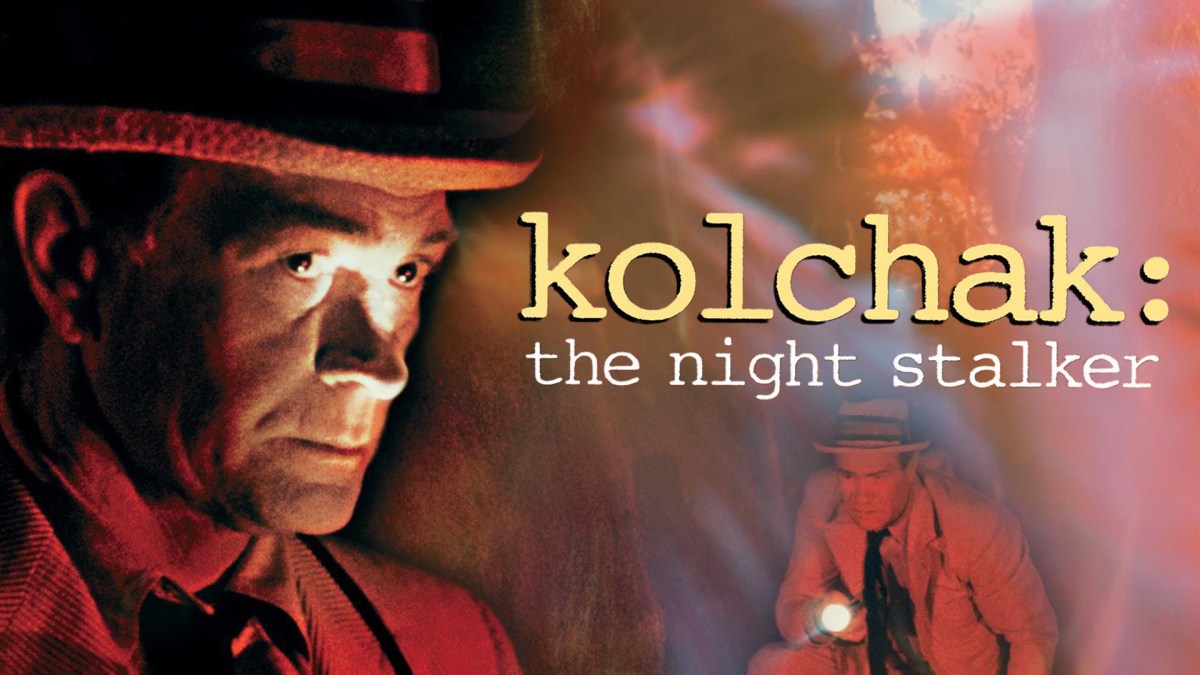
I guess this is like a trailer or a commercial for coming attractions. I’m going to tackle this series in a few weeks, with each episode getting a post. There are only 20 episodes plus two movies, so this won’t be a year and a half of The Twilight Zone or Star Trek like I did a few years back. I hope some of you readers are fans. It was totally different for its time and really for now. We will follow Carl Kolchak (Darren McGavin) as he chases monsters in the seventies. 

Music posts will not be interrupted…this will be on Thursday, and I may sneak one in earlier in the week if possible. I hope you will enjoy it. I’m going to write up a few before I start posting. Also, Thanks to Lisa, who brought up this series when I told her I was watching The Night Gallery. I have watched this series over the years, but I don’t know the episodes as well as I do The Twilight Zone and Star Trek, so this will be a fun learning experience for me. I had watched The Twilight Zone and Star Trek so much that I didn’t need to research many of them when I covered their episodes. 

I hope you will enjoy them. I will start them sometime in September. Also, I think most of the episodes are on YouTube. 

Here is a fan-made trailer of the TV movie that spawned the show. 

Max’s Drive-In Movie – M*A*S*H

I pulled out this 1970 movie the other day and ended up enjoying it even more than I did years ago. When I first saw it back in the ’80s, I’d been expecting something different because of the television show. At first, I was confused, but the longer I watched, the more it thrilled me. If you only know MASH from television reruns with Alan Alda smirking through battlefield banter, the 1970 film that started it all might feel like a grenade lobbed into your expectations. 

Robert Altman’s MASH isn’t a gentle sitcom. It’s raw, irreverent, chaotic, and somehow all the better for it. This is the war movie for people who hate war movies. It doesn’t glorify anything. It just throws you into the blood, the absurdity, and the humor of a Mobile Army Surgical Hospital during the Korean War, but let’s be real, this is Vietnam by another name. They just couldn’t say it at the time. 

What strikes you about the movie is that it looks real. You don’t see a nice clean Army camp; you see authentic rubble, which captures the hopelessness of it all. Altman shot this film like a jazz improvised session. Overlapping dialogue, handheld cameras, and actors wandering through the frame like no one gave them a blocking direction. It feels messy because it is messy. War is messy. And MASH knows that the only way to survive it might be to laugh, so you forget where you are.

The plot? Loosely structured at best. You follow a pair of too-smart-for-their-own-good surgeons, “Hawkeye” Pierce and “Trapper” John McIntyre, as they drink, prank, operate, and generally wreak havoc behind the front lines. And when I say wreak havoc, I mean mocking authority, goading a desk jockey into a breakdown, and broadcasting a fake-suicide funeral for a lovesick dentist. 

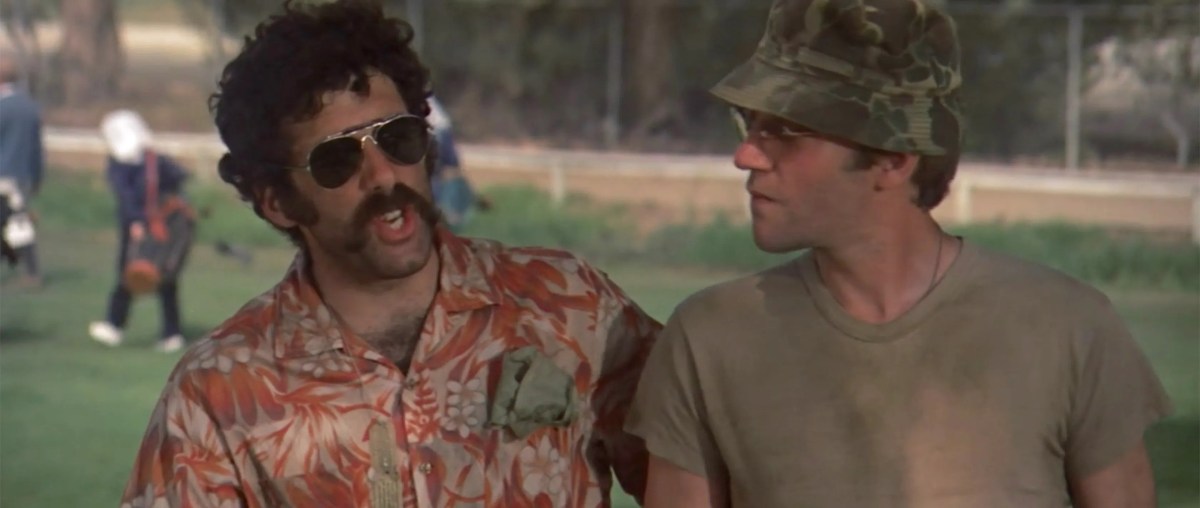
The cast, Donald Sutherland (Hawkeye), Elliott Gould (Trapper John), Tom Skerritt (Duke), and Sally Kellerman (Hot Lips Houlihan), weren’t exactly marquee names in 1970. Allegedly, Sutherland and Gould, suspicious of Altman’s loose approach, actually tried to get him fired during production. They failed. Years later, they admitted Altman was right all along.

Altman’s rebellious methods created friction with the studio, too. He refused to follow the traditional film shooting formula. He shot scenes with actors talking over one another, dismissed explanations, and downplayed narrative story arcs. Altman called it “anti-movie making,” and it became his signature style.

And that theme song? “Suicide Is Painless.” Written by Altman’s 14-year-old son, no less. A haunting lullaby for the down-and-out, it creeps under your skin and stays there long after the credits roll. The movie was based on a novel written by former military surgeon Richard Hooker. 

  • Hotlips O’Houlihan: [referring to Hawkeye] I wonder how a degenerated person like that could have reached a position of responsibility in the Army Medical Corps!
  • Father Mulcahy: He was drafted.

Max’s Drive-In Movie – Pat Garrett and Billy The Kid

I saw this movie for the first time in the early nineties in my apartment, which I shared with a cousin. I watched it initially for Bob Dylan, but ended up loving the movie. This movie, above all else, treats silence better than any other movie I’ve seen. The characters get to breathe. No one is in a hurry, but when action happens, it makes it all the more dramatic. 

In Pat Garrett and Billy the Kid, director Sam Peckinpah trades the mythic grandeur of the Old West for something slower, lonelier, and far more tragic. This is a Western all about finality,  a farewell to freedom, friendship, and the open frontier. Pechinpah created a great movie out of this. 

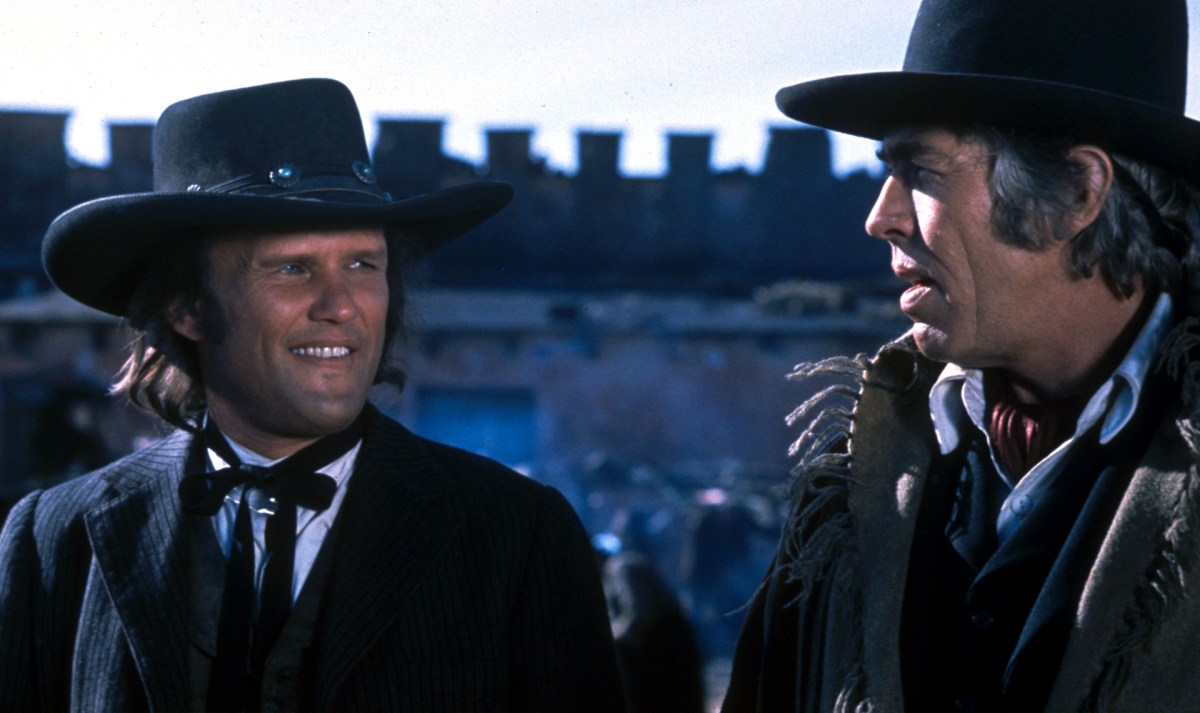
Set in 1881 New Mexico, the film dramatizes the final days of William Bonney,  better known as Billy the Kid (played by Kris Kristofferson)  as he’s hunted down by his former friend turned lawman, Pat Garrett (James Coburn). There’s no rush to the inevitable confrontation. Instead, the film moves slowly with purpose, soaking in the dusty landscapes, long silences, and uneasy glances between men who understand their roles in their vanishing world.

Coburn delivers a wonderful performance as Garrett, a man who’s made peace with compromise but not with himself. Kristofferson, younger and looser, plays Billy with charm and recklessness. Their scenes together are understated but filled with unspoken history and mutual resignation. It stands as one of the most introspective and mournful Westerns ever made. It’s not a shoot-’em-up spectacle; it’s a meditation on regret, inevitability, and the bitter cost of survival.

The studio clashed with Peckinpah and released a terrible version in 1973 that was a pale version of Peckinpah’s vision. It was jagged, choppy, and stripped of its emotional weight. Critics panned it. Audiences stayed away. Like many films ahead of their time, Pat Garrett and Billy the Kid didn’t stay buried. A bootlegged “preview print” started circulating in the 80s—rougher but far more coherent. It showed what Peckinpah had been aiming for: a slower, sadder, more deliberate tone piece about friendship, death, and the slow extinction of the outlaw soul. Critics and fans alike loved his original version.

In 2005, a “Special Edition” came out, restoring much of what had been lost (though not fully satisfying the purists). Still, it was enough to elevate the film from cult obscurity to a rightful classic. And make no mistake…it IS a classic!

I never thought about cinematography until recently, but John Coquillon did a hell of a job on this movie. It looks beautiful, and the landscapes jump out at you as you watch. 

Now let’s talk about the soundtrack by Bob Dylan. Bob Dylan was in the movie and did a good job, but it’s the soundtrack that will be remembered. This isn’t your typical Dylan record. It’s mostly instrumental, often minimalist, and was stitched together for the film. But what you get here is an eerie, atmospheric tone throughout the entire album. Let’s get this out of the way: Knockin’ on Heaven’s Door is the anchor, the standout, the one track that broke free and carved a permanent space in classic rock airwaves. It’s a song so simple it feels like it always existed. Unfortunately, it overshadows the other songs, which I like a lot. Billy 1, Turkey Chase, Bunkhouse Theme, and the rest. It’s an album I like to put on and just soak it in and relax. 

Max’s Drive-In Movie – Sunset Boulevard

“I am big. It’s the pictures that got small.”

I didn’t find this movie until the 90s. In the late eighties, I was watching and reading about every silent movie and artist that I could. Clara Bow, Buster Keaton, and Charlie Chaplin were at the top of my list. Back then, you had to get book after more books. I would also find ads in magazines of people selling silent movies on VHS. 

In a  Keaton book, I saw this as a film credit. I then read some about the great Billy Wilder, director, screenwriter, and producer,  and I had to watch it. The movie did not disappoint. Buster’s part was nothing more than a cameo, but the movie more than made up for it. It’s funny how we find some movies. This would be high on top of my movie list. I’ve watched it so many times that I’ve lost count. I always notice something that I didn’t before. I keep hoping a change will happen, Joe will do something different, or just go back home. 

Billy Wilder’s Sunset Boulevard isn’t just a film noir. It’s a Hollywood horror story soaked in pool water and silent film ghosts. The real trick Wilder pulls here is making you feel both horror and heartbreak. Norma isn’t really a villain or a relic; she’s an open wound. She’s clinging to her dreams like a one-hit wonder who never got the memo that the charts moved on. And Joe Gillis? He’s the guy who sells out until he’s got nothing left but a typewriter and a guilty conscience.

The movie was released in 1950. By 1950, the first great silent film stars of the 20s were aging, and there was interest in knowing what happened to them. The Norma Desmond character was thought to be a composite of Mary Pickford, who lived her life in seclusion, Clara Bow, who had a mental illness, as well as some other silent greats. The name was a combination of silent-film star Norma Talmadge and silent movie director William Desmond Taylor, who was mysteriously shot and killed… and remains unsolved to this day..

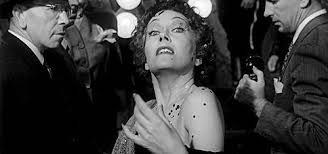
The star of this movie, without a doubt, is Gloria Swanson as Norma Desmond. When we first meet Norma, we think she is just an over-the-top, egocentric former silent era actress. Slowly, we see what a psychotic existence she lives, and it only gets worse. Norma still thinks she is adored by millions. Her chauffeur, Max Von Mayerling, helps perpetuate this lie. We find out why as the movie goes along, and it is shocking. It will blow up in his face, but he never quits building her up.

The final scene is chilling. Norma Desmond is in a catatonic state, asking for a close-up. Her eyes alone will send a shiver down your spine. The movie is full of great actors and actresses. The focus is on William Holden, Gloria Swanson, and Erich Von Stroheim. Holden was a great actor who appeared in movies such as The Bridge on the River Kwai, Stalag 17, and The Wild Bunch. Erich Von Stroheim plays Max, and in the twenties, Erich was a silent movie actor but best remembered as an avant-garde director in the 1920s. Gloria Swanson was a very successful silent movie actress who made a successful move to sound pictures. She also appeared on Broadway in the 40s and 50s. She started many production companies in the 1920s and 30s.

PLOT (Spoilers)

Screenplay writer Joe Gillis was desperately trying to sell his stories, but Hollywood did not want to listen. Joe had talent, but he wasn’t trying to write something great…just something that would sell. He was going to have to return home to Dayton, Ohio, a failure if something didn’t happen and soon. His car was getting repossessed, and he was trying to hide it just for a little while. While being chased by creditors, he parks it in a decrepit old mansion. Little did he know that former silent movie star Norma Desmond still lived there.  She used to be a big (“I am big, it’s the pictures that got small”) star.

Joe Gillis ended up being invited to stay to edit Norma’s film screenplay that she wrote. That screenplay was going to be her return to film.  One thing leads to another, and Joe ends up being a kept man, and he doesn’t like it one bit. As time goes by, life at Norma’s mansion…it gets darker and darker. Joe is stuck there working on Norma’s horrible screenplay while playing the good boy. He gets new clothes, perks, and is not wanting for anything…except freedom. There is a price to be paid for being kept by Desmond. He sneaks out and sees a young girl whom he writes with and falls for, but cannot break Norma’s grip.

__________________________________________

The movie was written by Charles Brackett and Billy Wilder. It was directed by Billy Wilder and released in 1950. This movie is one of the greats. It’s a movie that anyone who is a film fan must watch.

“Alright, Mr. DeMille, I’m ready for my close-up” 

Yes, she was indeed ready…she spent years getting ready for her final starring role. Just not the role you would think.

Omeleto

This won’t be a long post, but it’s something that you might like. I like movies a lot, but I don’t have time to watch a bunch of them. Omeleto is a company that shows short films from different filmmakers. I’ve seen them from 4 minutes to 30 minutes long. 

They have every kind of short film you can think of. Time Travel, Sci Fi, Art Films, romantic, action, comedy, thrillers, and more. All the films I’ve seen have high production values. These are not amateurs…these are quality. Many are award-winning shorts. Now, some are hit and miss to me, but worth the short amount of time you put into them. They also come from all parts of the world. I’ve seen some with subtitles, but I’ve seen a lot of Irish and British-made ones as well. 

Here is the LINK to their channel. 

I’ll recommend two here. One is about a Time Loop with two completely different brothers, and the other is a horror film. 

Exit Strategy…a time loop film. 15 minutes long. 

This one is a horror short film…19 minutes long.

Max’s Drive-In Movie – The Poseidon Adventure

I watched this around 5 months ago for the first time in about 10 years. Altogether, I’ve seen it around 7 to 8 times. I added another watch since I wanted to post this. Disaster movies are hardly ever on “great” lists, but this is a disaster movie done right. Watching it in hindsight, you wouldn’t think a movie full of stars would be this good. Many times, if you see a lot of stars advertised, they are mostly cameos, but this is not the case with this movie.  

I have a weak spot for this kind of movie. Horror and Disaster movies I fall for right away, and yes, I’ve seen a lot of bad movies that way. This one, though, has some smarts to it, and it is enjoyable. The set for this movie must have been super expensive and huge. It’s one of those films that has everything. Gripping adventure scenes, non-stop crises, drama, sadness, and hotpants. I was around 7 (1974) when I saw it on television, and I loved it. It’s a film that offers something for both kids and adults. As I’ve said before, I dislike the word dated, but aside from the clothing styles, it still holds up today. Plus, the special effects have a realism that I prefer over CGI; they just feel more authentic.

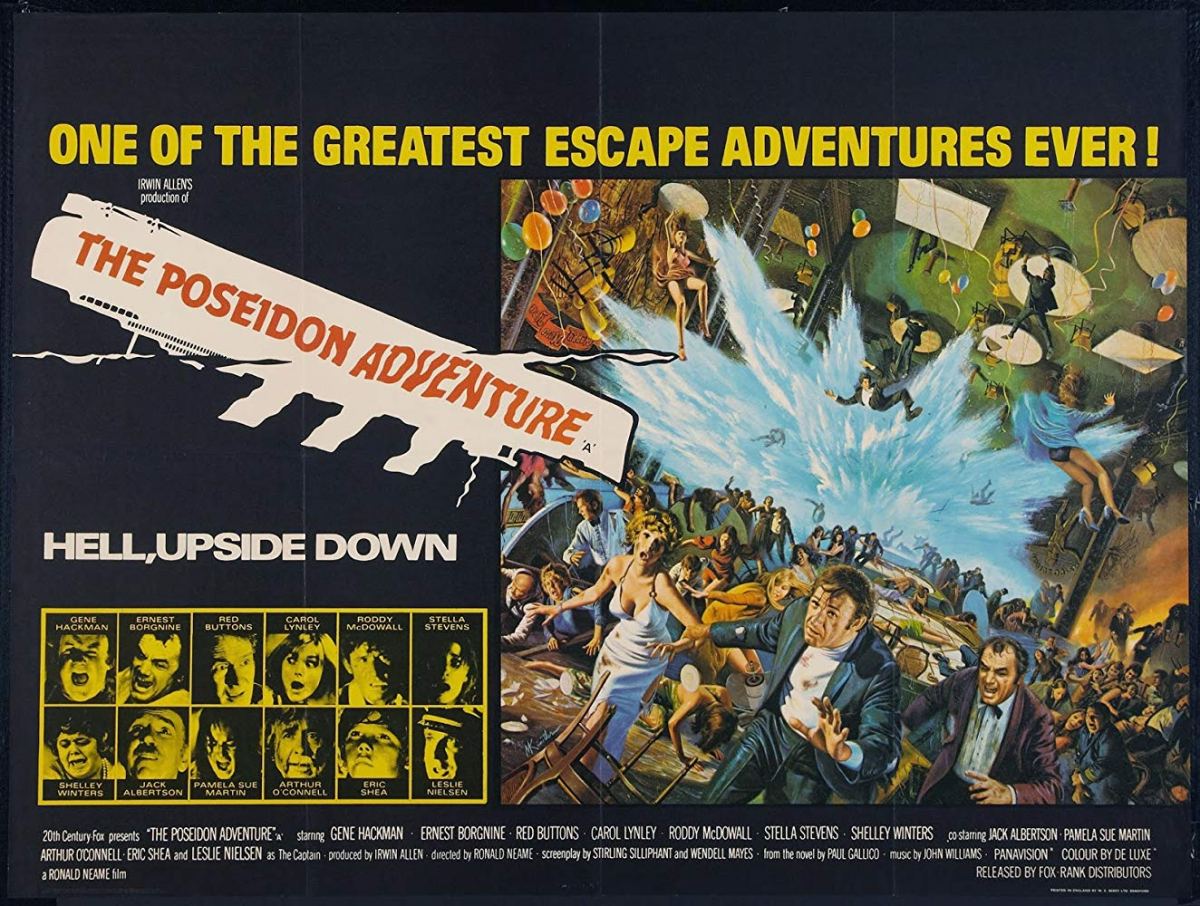
It has earned a reputation as the best disaster film of the seventies, not just for its impressive special effects but for its compelling story of survival. The film follows a select group of people fighting to stay alive, and despite some being a bit annoying, you find yourself rooting for them. If you love star power, this movie delivers, featuring Gene Hackman, Shelley Winters, Ernest Borgnine, Red Buttons, Stella Stevens, Jack Albertson, Roddy McDowall, Leslie Nielsen, and more.

The acting was very good in this, as expected with their talent level. The film was based on Paul Gallico’s 1969 novel of the same name. It follows the journey of passengers and crew trying to escape a capsized luxury ocean liner. The budget was 4.7 million, a great amount back in 1972. It made over 125 million, so it did well. If I had to pick the two stars that had the biggest impact in this movie, it would be Gene Hackman and Ernest Borginine. They developed a rivalry in this movie, and it worked well for the survivors. Shelly Winters also did a good job, along with everyone else. She gained 35 pounds for the part of Belle Rosen. Afterward, she complained that she was never able to get back to her original weight. She received an Academy Award nomination for Best Supporting Actress.

The movie was directed by Ronald Neame. Also, don’t get this one confused with its “sequel” in 1979. That one wasn’t anywhere close to this one. 

PLOT

As the Poseidon sails on its final voyage before being retired, a festive New Year’s Eve party is underway. Meanwhile, the ship’s captain reluctantly follows orders from the ship’s owner to maintain high speed despite rough waters. Disaster strikes when a massive tsunami wave hits, flipping the ship upside down.

In the aftermath, a small group of survivors, led by the determined and strong-willed Reverend Frank Scott (Gene Hackman), must navigate their way upward toward the ship’s hull, which is now their only possible escape route. 

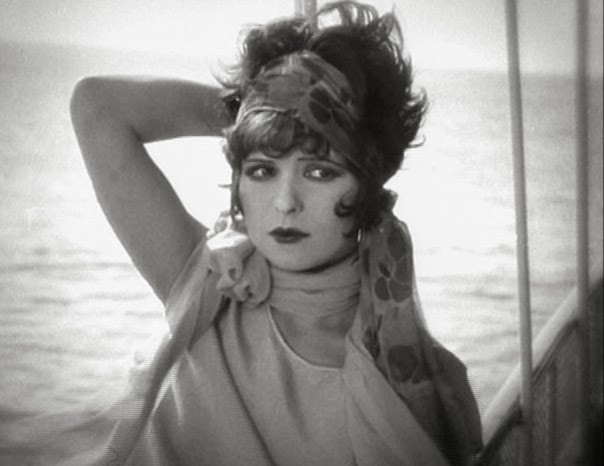
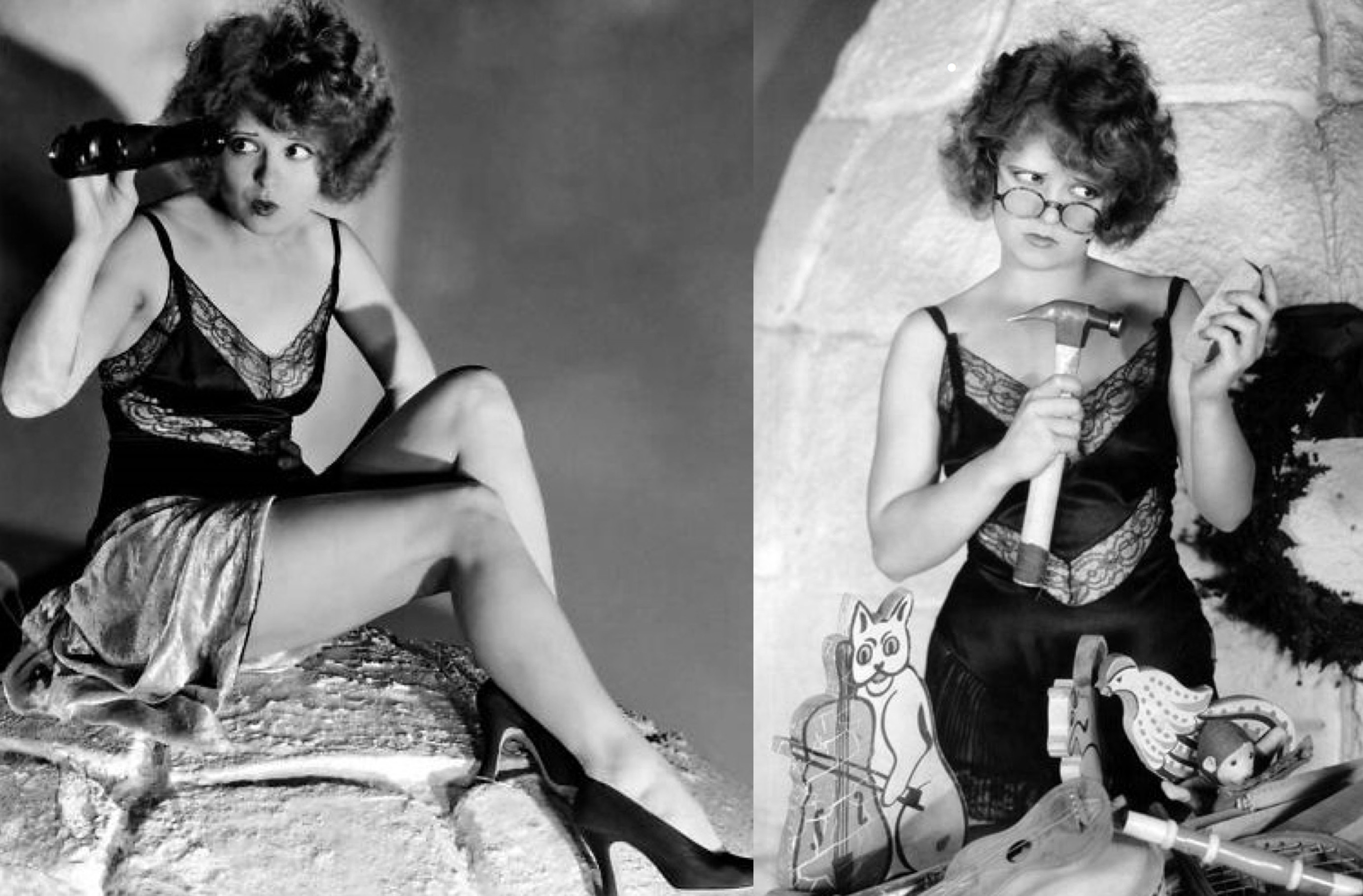
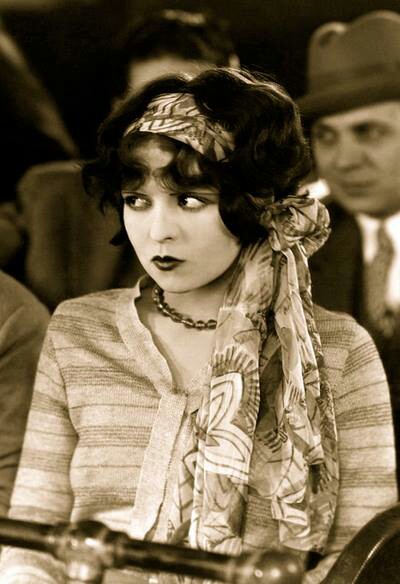
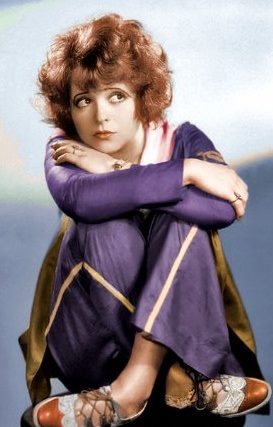
Clara Bow… The Only IT Girl

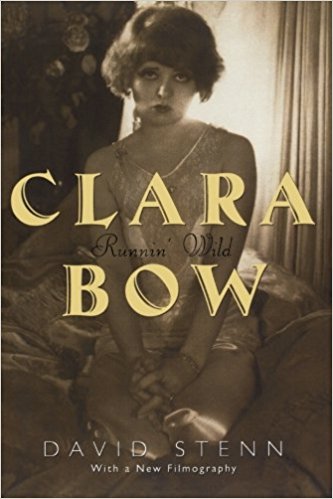
My favorite eras in the 20th century have always been the 1960s, 1970, and the 1920s. I was looking through some books in the early 90s inside a long-forgotten bookstore, and a picture of an actress caught my eye. There was something about Clara Bow that grabbed my attention. I had read about her in a terrible slanderous trashy book called Hollywood Babylon by  Kenneth Anger.  I was compelled to get this new book just by her stare from the cover. This book was written by David Stennand is called Clara Bow”Runnin’ Wild... I finished it in one night when I went to sleep at 5am. The book impressed me so much that a few years later, I tracked down David’s phone number (again pre internet) and I called Mr. Stenn just to tell him how much I loved the book. He graciously sent me an autographed copy of the book to replace my worn-out (loaned out again and again) copy to my friends.

Unlike Anger’s book of sensational garbage, David Stenn had facts about Clara, which have been proven wrong. Reading this book introduced me to the world of Buster Keaton, Charlie Chaplin, Mary Pickford, and Douglas Fairbanks. From there, my interest in silent movies grew. I always thought all silent movies were grainy, unwatchable films where all the actors were on speed. I soon was educated that most of those movies were played on the wrong projector at different speeds, and that is the reason for the sped-up action. The quality of many of those movies from the 20s is better quality than movies made in the 60s-80s when mastered right. Stunts were not faked, and CGI didn’t exist. Everything is real.

Clara had a terrible childhood where her mother was mentally ill and tried to kill her. Her father sexually abused her on top of everything else. Clara could cry on cue when she was an actress. The reason she was able to do this is because of something that happened to her in her childhood. She lived in Brooklyn, and their apartment complex caught on fire. She had a childhood friend named Johnny. Clara was looking for Johnny when the fire was raging and found him. The little boy was on fire, and she tried to put out the fire from his clothes and hair. He ended up dying in her arms. That is what she thought of, and the tears would come. 

In her movies, she sold the tickets. Paramount built movies off of her name and didn’t always give the best scripts, but she was electric on film. Your eyes will automatically go to her. She could convey more in one look than actresses today can say in 10 minutes. She was never appreciated as she should have been, and that is sad. She was never accepted by her peers and never invited to Hollywood parties because she was straightforward and said what was on her mind. Other actresses thought that was crude and stayed away from her.  She was great with fans, but stardom took its toll on her. She ended up marrying a Western actor named Rex Bell and went into seclusion.

She did some “talkies,” and they are enjoyable, but nothing beats her silent movies like IT (no Pennywise) and Wings (the first film to win an Oscar). Call Her Savage was her best talkie film. Check her out when you can… She is worth it. I didn’t know a thing about silent movies until I read Stenn’s book. It’s worth a read if you are a fan or not. Some other stars would not hang out with her because she was a straight talker. If she felt something, she would say it. 

Actress Lina Basquette said, “She wasn’t well liked amongst other women in the film colony. Her social presence was taboo, and it was rather silly because God knows Marion Davies and Mary Pickford had plenty to hide. It’s just that they hid it, and Clara didn’t.” Bow knew the truth. “I’m a curiosity in Hollywood,” she said. “I’m a big freak because I’m myself!”

Stenn finally set the record straight with Clara. 

Clara Bow + IT + scarf 3.jpg

clara.jpg

clara2.jpg

clara color.jpg

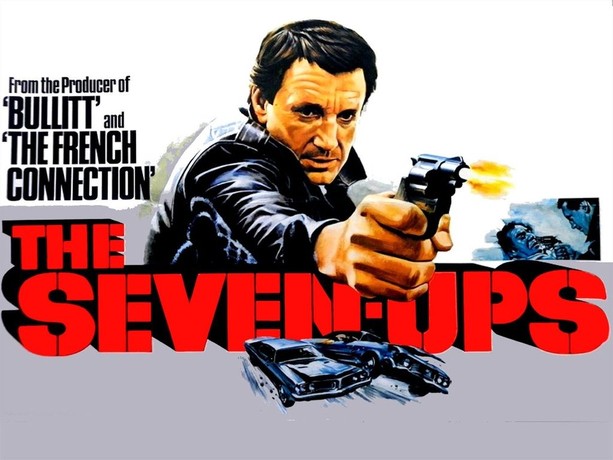
Max’s Drive – In Movie – The Seven-Ups…

I’ve had problems posting this so I’ll try one more time. 

My cousin Ricky let me borrow this movie because he thought I would like it. He was right. It’s described as a crime, action, mystery, and neo-noir ’70s police movie. I would easily put it in the same category as The French Connection and movies like that. Some of the same techniques and backdrops. It was released in 1973, and you can’t get any more early seventies than this movie. 

My uncle was an undercover cop (Fulton was his name) in the ’70s and ’80s, and the movie rings true to some of the stories he told me. In one incident, he was undercover in a restaurant in a drug deal, and someone he knew in real life came up and yelled, “Hey, Fulton!” he had to lay the guy out right there with a punch and pass it off as something else.  I never asked if he was still friends with the guy afterward. It was a dangerous job, and black roses were delivered to his doorstep more than once. 

Philip D’Antoni directed this film. He had produced The French Connection and Bullit. This was his only director credit to his name. Some think it is a follow-up on Scheider’s character of Buddy from The French Connection. It doesn’t matter because it’s strong either way. The movie is not perfect; it has a few disjointed plot points, but it works well. 

It has that grittiness that I love in movies from this period. The realistic feel makes the story so much better because you buy into it. The actors look like everyday people against the backdrop of early 70s New York. When I see some period modern movies try to replicate this look… they usually fail. You won’t find one thing in this movie that is new and shiny. Even the car wash looks grim. 

The Seven Ups has all the earmarks of a 70s Cop film. Corruption, rogue cops, and the mafia all rolled up into one. It has that stark, cold landscape feel from the ’70s. You almost want to slip on a jacket while watching. You also have a hell of a car chase that was in many movies at this time, and this one does not disappoint. If you want a real white knuckle car chase, you just have to see the one in this film. You feel like you’re right in the middle of it.

 Roy Scheider is Buddy and one of a small group of NYC cops with unusual methods, and they are called The Seven-Ups. One of his partners is murdered, and he sets out to find and kill the thugs who were responsible while at the same time discovering that they’re involved in a plan to kidnap mobsters to extort ransom money. 

The movie encompasses all the pitfalls and dangers of police undercover work and the alliances between partners, as well as the relationships and betrayals of informers. The cast is superb, and one of the things that made it even better is none of the actors at the time were big stars. I do like that in some movies because you don’t really associate the actors with other roles. Roy Scheider would soon star in Jaws a couple of years after this movie. 

Plot

The movie follows Buddy Manucci (played by Roy Scheider), a tough New York City detective leading an elite undercover police unit called The Seven-Ups—named after their specialty of catching criminals who receive sentences of seven years or more. The unit operates in the shadows, using unorthodox methods to bring down high-level criminals.

However, their investigation into a series of kidnappings involving Mafia figures takes a dark turn when one of their own is killed, leading Manucci on a personal quest for justice.

The full movie

Max’s Drive-In Movie – Rocky

I love boxing movies like Raging Bull, Requiem for a Heavyweight, and even Chaplin’s City Lights that feature a match. This movie also included that musical theme that is probably played more at gyms than anything else. 

At the time it was released, the movies coming out had unhappy endings. It was the trend at the time. I like movies like that as well but this one split the difference. Rocky didn’t end up winning the belt in the movie but he held his own against Apollo Creed the current champion. The movie is the ultimate underdog movie. 

In the mid-1970s, Stallone was an unknown actor struggling to make it in Hollywood. He had only a few minor roles and was living in poverty, even selling his dog at one point because he couldn’t afford to feed it. He wrote the script for Rocky in less than four days. The character of Rocky the Underdog mirrored himself because of the struggles he was going through. 

Irwin Winkler and Robert Chartoff offered him $360,000 for the story but Stallone had one condition…he insisted on playing Rocky. Despite his financial struggles, he refused to sell the script unless he was cast as the lead. The producers were hesitant, preferring a big star like Robert Redford or Burt Reynolds, but Stallone convinced them.

The budget was low so they had to film sometimes guerrilla-style without permits and permission. Stallone’s friends and family were cast in roles to save money. For example, Stallone’s wife, Sasha, played a minor role, and his dog, Butkus (he bought him back), his two pet turtles Cuff and Link, appeared in the film.

Why was this movie so successful? Other than rooting for the underdog, it was the characters. They all had faults, likes, and dislikes but we could relate to these people because we knew them. You had Talia Shire playing Rocky’s shy love interest, Burt Young who played He played Rocky’s brother-in-law and best friend Paulie Pennino, Burgess Meredith who played his trainer Mickey, Carl Weathers as Apollo Creed the character influenced by the boxer Jack Johnson. 

The main story is about one man’s struggles to overcome the odds but it is also a love story. There are real touches of greatness… such as Burgess Meredith as Mickey a veteran boxer who does not want to train Rocky as he sees him as a washed-out bum until he is offered a shot at the big time. Then seeing his relationship with Rocky grow. The acting is superb and the music still pumps me up to this day. This may have been the movie to invent the training montage which is now a must in any movie about sports or fighting. Stallone’s performance is great in this role.

All Rocky wants to do, as he confesses to Adrian (Talia Shire) in that touching apartment scene, is go the distance with the champ. He doesn’t have to knock him out, doesn’t even have to win, just go the distance. You know, I still have to remind myself at times as I reflect on the picture that Rocky really didn’t win the match but the film won because of it. 

Rocky has become part of pop culture for so many years it’s hard to look at the first film as a standalone low-budget entry in the boxing genre. This is a great film and put the writer and main lead Sylvester Stallone into the stratosphere of Hollywood. The film is not flawless but it is classic. 

A fun note about this film. In the movie, Rocky has two pet turtles, Cuff and Link, and he still has them at his home today. They are around 50 years old. He bought his dog Butkus back and the guy that he sold him to knew he had Stallone over a barrel so Stallone had to pay him $15,000 but he said it was worth every penny. 

PLOT IMDB

Rocky Balboa is a struggling boxer trying to make the big time, working as a debt collector for a pittance. When heavyweight champion Apollo Creed visits Philadelphia, his managers want to set up an exhibition match between Creed and a struggling boxer, touting the fight as a chance for a “nobody” to become a “somebody”. The match is supposed to be easily won by Creed, but someone forgot to tell Rocky, who sees this as his only shot at the big time.

Quotes

  • Adrian: Why do you wanna fight?
  • Rocky: Because I can’t sing or dance.

____________________________________________

  • Adrian: Einstein flunked out of school, twice.
  • Paulie: Is that so?
  • Adrian: Yeah. Beethoven was deaf. Helen Keller was blind. I think Rocky’s got a good chance.

____________________________________________

  • Bodyguard: Did ya get the license number?
  • Rocky: Of what?
  • Bodyguard: The truck that run over your face.

THEME of Rocky

A Complete Unknown

Sorry for the duplication but Bailey talked a little about the movie in a post I had a few weeks ago. I saw this movie tonight…and it was…

I want to get this down while it’s still in my brain. I saw A Complete Unknown tonight. I am very critical of music bios. I saw Queen but all I could do was pick out stuff that wasn’t right and I’m not a huge Queen history fan. So when I say I’m critical I really am. 99 percent of the time I would rather see a well-made documentary. I could watch a documentary on grass growing… but most music bios I’ve seen just make up things or get things completely out of order. This one not so…

Ok on this movie…FANTASTIC. I could just say that for a one-word review. I know Dylan’s early history pretty well up until the 1980s. When the characters showed up, I knew who they were like Bobby Neuwirth who was played by Will Harrison. I will say something out loud here that I don’t usually talk about. I’m not the biggest Pete Seeger or Joan Baez fan but this movie made me appreciate them more and I sure as hell appreciate Dylan more. I have nothing against them personally, I just never got into their music as much but both helped Dylan a lot…that I always gave them credit for. 

Now the actors and actresses, Timothée Chalamet was outstanding and did all of the singing live as they filmed. You have to respect that and it came out great. I knew nothing about this guy before this movie…he really impressed me. Monica Barbaro played Joan Baez and she did all of the singing like Timothee did…she did an incredible job. Edward Norton played Pete Seeger and he had his look and sound down. Elle Fanning played Sylvie Russo, Bob’s girlfriend who was photographed with Bob on the album Freewheelin’ Bob Dylan. Only one thing was wrong with that….her real name was Susan “Suze” Rotolo. Bob had asked if they would change her name. 

Writer-Director James Mangold said that Dylan had a reason for the change. “Bob talked to Jim a lot about the script, and the one thing he wanted was Suze’s name to be changed in the script because he felt like she wasn’t a public figure, she always wanted to remain a private person. I really held that in my heart, the gravity of Bob’s choice, because they had stayed close until she passed away in 2011.”

Johnny Cash was played by Boyd Holbrook and was right on the mark with him. He came up in pivotable scenes. The movie basically covers 1961 with Bob coming to see Woody Guthrie to Bob playing electric at the Newport Folk Festival in 1965. They also at least got some small appearances from important people. Albert Grossman, Bob’s manager and he would later on manage Janis Joplin and The Band. John Hammond is shown briefly and Dave Van Ronk a folk musician. 

I was worried they would not get the feel of that time. That came off well and the movie would be enjoyed by non-Bob Dylan fans as well as fans. The small details they got right..they found the same kind of microphone for the Newport festivals. When I see them do things like that…I know they have most of the movie correct. No it’s not 100 percent correct but damn close. Because of time restraints, they don’t go into the British Invasion and how that affected him but it does show him playing a Kinks song which I thought was cool. 

Quotes

  • Bob Dylan: I don’t think they want to hear what I want to play.
  • Johnny Cash: Who’s they?
  • Bob Dylan: You know, the people who decide what folk music is or isn’t.
  • Johnny Cash: Fuck them, I wanna hear you. Go track some mud on somebody’s carpet. Make some noise, B.D.

_________________________________________

The Making Of

The Polar Express

I’ve never covered this movie before so I thought it was about time…to add another to my Holiday Christmas marathon. 

When Bailey was four years old we went to the theater to watch this in 2004. For me, it was an instant classic. They used the new style motion-capture technology at the time and it worked. I don’t think they got the eyes quite right but other than that it was a great story and a well-done movie. It was directed by Robert Zemeckis. 

In 1985, Chris Van Allsburg wrote and illustrated the book The Polar Express. The book tells the story of a young boy who boards a magical train headed to the North Pole on Christmas Eve. It is about belief, wonder, and the magic of childhood. The book received critical acclaim, winning the prestigious Caldecott Medal in 1986 for its illustrations. In the movie, they stayed true to the illustrations. 

Polor Express Book

I watched the movie with 4-year-old Bailey and he really liked it…it was the Rudolph of his generation. The next Christmas we traveled to Watertown Tennessee to ride a Polar Express train they had set up to look like the one in the film. He has never forgot the movie or train ride. 

It’s a good story that kids and adults can like with the universal humor. Tom Hanks played many characters in this movie and as always does a great job. The kids on the train span a nice cross-section of kids including one known as “Know It All” and he was annoying. Eddie Deezen appropriately did the voice for the character. We had a neighbor kid at the time exactly like him. 

It’s a nice adventure film with some great characters including the big guy Santa. The North Pole was definitely my favorite place in the film. It looked like what you think it would look like in a realistic feel. In a surprise, Steven Tyler makes a short appearance on a unicycle…yes Tyler on a unicycle. 

If you haven’t seen it…stop reading now. 

The best part of the movie was the bell that came off of Santa’s sleigh in my opinion. That is what the main character known as the hero boy wants out of any present. Grown-ups could not hear it ring because they stopped believing a long time ago. If you could still hear it ring…you still believed in the magic of Christmas. In the movie he could still hear it when he grew up so he kept the magic intact. I hope all of you can still hear that bell ring. No matter how old or young you are. 

Merry Christmas to all of you…Max

Plot IMDB

Santa Claus does not exist. Or does he? For one doubting boy, an astonishing event occurs. Late on Christmas Eve night, he lies in his bed hoping to hear the sound of bells from Santa Claus’ sleigh. Then to his surprise, a train’s roar and whistle can be heard outside his bedroom window. The conductor invites him on board to take an extraordinary journey to the North Pole with many other pajama-clad children. There, he receives an extraordinary gift only those who still believe in Santa Claus can experience.