Link Wray – Link Wray …album review

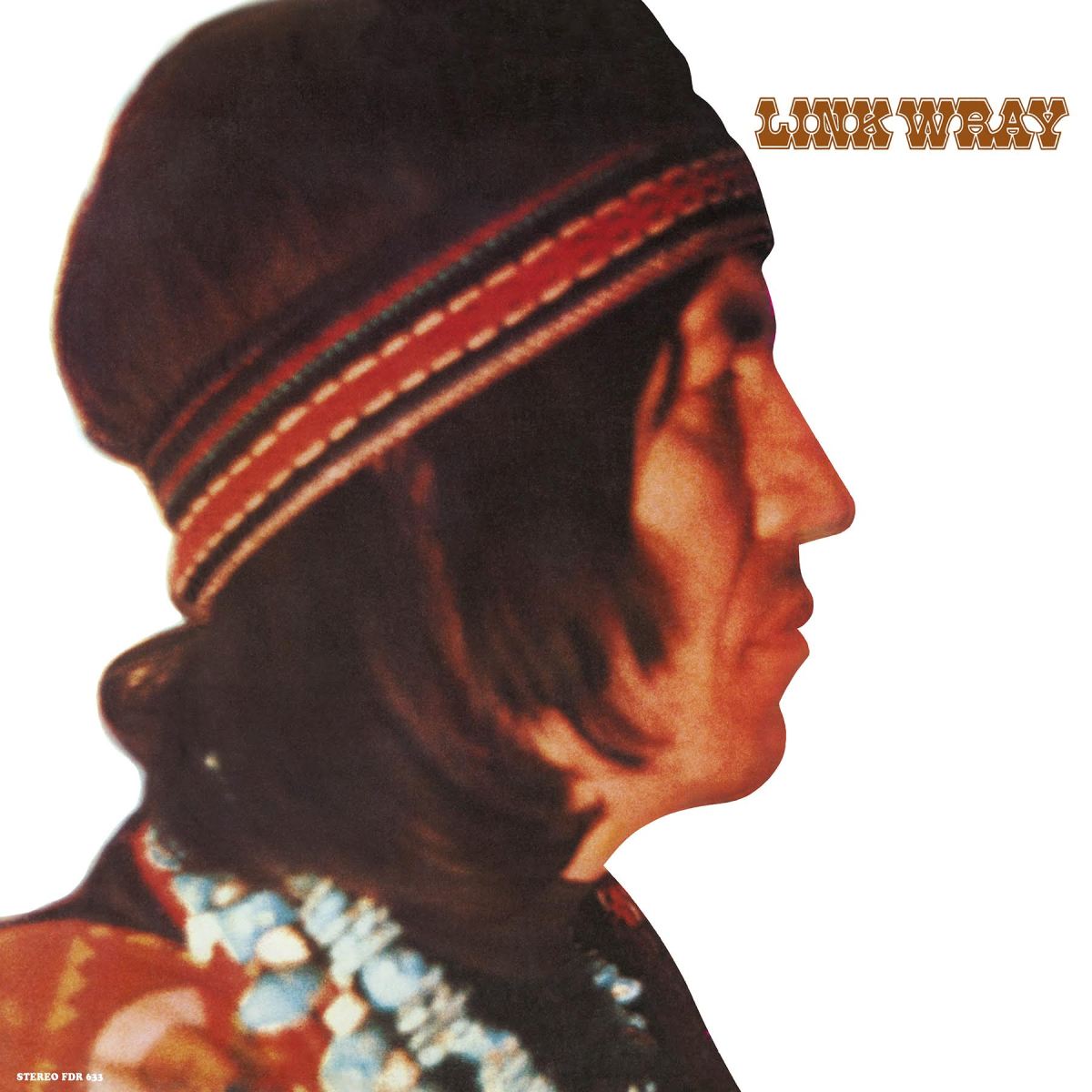
I was really taken aback when I saw this album. I played it, expecting an instrumental, and when I heard a voice, I thought it was a different singer. When I think of Link Wray, I think of Rumble and instrumentals like that. I was surprised when I found this roots album by him, recorded in 1971. I want to thank Lisa for posting something that made me think of this rare Link Wray album.

After serving in the military, Wray contracted tuberculosis and lost a lung, which made singing difficult, and doctors advised him against it. Because of his breathing difficulties, Wray began to focus more on expressive and experimental guitar playing, leading him to become known for his instrumental hits. Wray was a Native American of Shawnee descent. He grew up in North Carolina. Wray later honored his heritage in his music, with songs like Apache and Comanche.

This album was recorded in a converted chicken shack. His brother, Ray Vermon Wray, helped produce it along with Bob Feldman and Steve Verroca. Instead of power chords and a leather jacket, Link traded distortion for Americana, funk, gospel, and storytelling. It was earthy, roots-driven, and deeply personal, almost a different artist altogether from the one I thought I knew. After being freed from label pressures, Link finally made the music he grew up with: gospel from church revivals, Native American rhythms from family heritage, country blues, and Southern soul.

There were still guitars, but now they sat behind the songs instead of smashing through them. Tracks like Fire and Brimstone, Juke Box Mama, and Ice People feel like they were born out of the dirt. The grooves are loose, almost like field recordings. His voice, rarely heard on record before this, carries a soulful and weathered sound. He didn’t sound like a rock guitarist trying to sing; he sounded like a weathered preacher who happened to play guitar.

You hear old-time country on Take Me Home Jesus, boogie on God Out West, and Native rhythms driving Black River Swamp. No other rock guitarist of his generation made anything remotely like this. Only one song retains his old tone, and that’s the intro to Tail Dragger. If anything, it pointed the way decades later for artists like Los Lobos and the entire alt-country movement. If you want to hear some authentic Americana, listen to this album.

Polydor gave the album a shot, but the public wanted Link the guitar guy, not Link the backwoods Americana prophet. Sales were modest, and critics were divided. However, like many records that were too authentic for their time, it grew in legend over time. Today, many fans call the 1971 album his true masterpiece

Black River Swamp

I was born down in the countryDown where the cotton growsTurnin’ off the main highwayGoin’ down that country road

There’s a place down in the countryWhere the pine trees grow so tallWalk across that old log bridgeStretching ‘cross Black River Swamp

I can hear them bullfrogs croakingIn the blackness of the nightCalling me back to my childhoodDown here in Black River Swamp

Saw my name carved on a big oak treeDown there by the fishing holeAnd the smell of old Black RiverWhere the waters are deep and cold

I can hear the hound dogs howlin’Chasin’ that old fox where I used to roamDown there in the countryCallin’ me to Black River Swamp

I can hear them hound dogs howlin’Chasin’ that old fox where I used to roamDown there in the countryCallin’ me to Black River Swamp

I was born in the countryDown where the cotton growsTurnin’ off the main highwayGoin’ down that country road

There’s a place down in the countryWhere the pine trees grow so tallGo across that log bridgeStretching ‘cross Black River Swamp

Goose Creek Symphony – Words Of Earnest

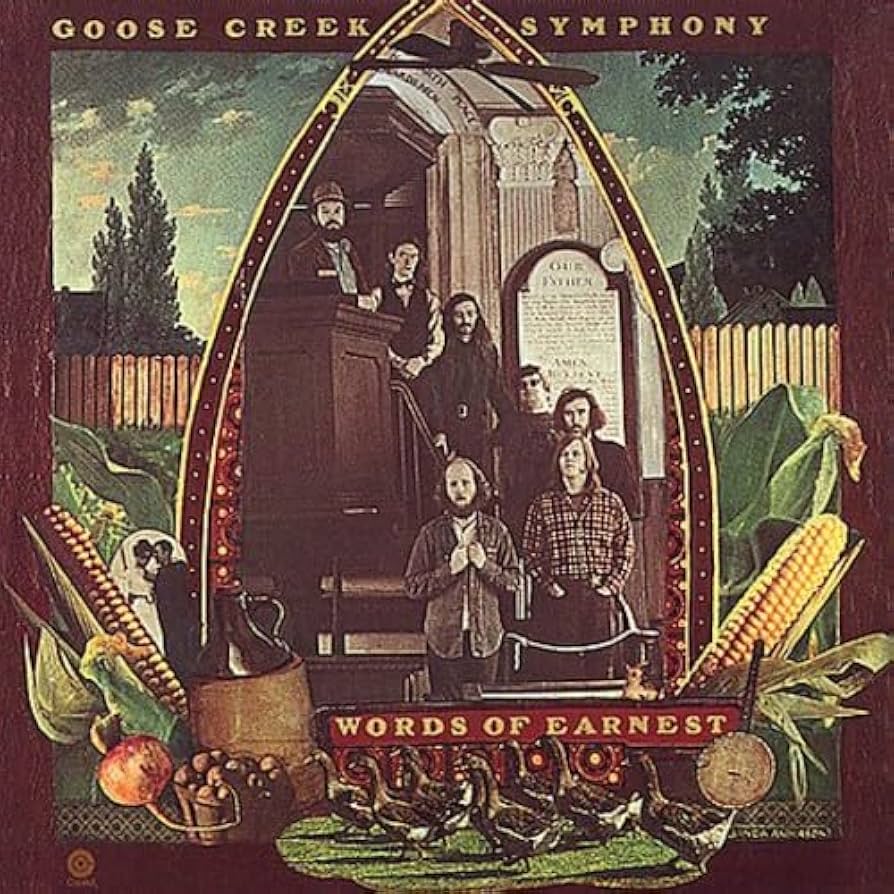
I wanted to throw something different at you today, and this is something different. As I was looking for some more roots music, I heard this and loved it. It took me a couple of listens…I haven’t stopped listening to it all week. It is roots music, no doubt, and heavy back porch bluegrass country with a tinge of rock. I love the melody, chord structure, and the dynamics they built in. It starts off as country as cornbread but switches gears with some horns, guitar breaks, and fiddle near the end. Although the country voice is there, the music is more rock structured. I’m not sure what to call it, but I’ll just call it good.

They were a very original band that blended country, rock, bluegrass, and psychedelic into something that didn’t fit anywhere. They were too twangy for the rock crowd, too trippy for Nashville, and too Kentucky-mountain raw for L.A.. When I listened to this song, I was won over.

This was the title track of their 1972 album. I’ve read reviews about this album, and some called it a masterpiece of cosmic Americana. The album should’ve been their big breakthrough, but Capitol didn’t know what to do with them since they didn’t fit neatly in a box.

Goose Creek Symphony was formed in the late 1960s by Charlie Gearheart,  a Kentucky songwriter with country and rock ‘n’ roll influences. Gearheart, whose real name was Paul “Charlie” Gearheart, had played around in bluegrass and psychedelic rock bar bands before deciding to mix the two, to let fiddles, horns, banjos, and Telecasters mix together.

He gathered a very talented bunch of musicians from Kentucky and Arizona, naming the group after a small town near his old Kentucky home: Goose Creek. Early members included Michael “Ted” Reeder on drums, Alvin Bennett, and William “Charlie” Prichard on guitar and fiddle, all guys who could swap instruments mid-song without losing the groove.

They did have a hit in 1972 with the cover of Janis Joplin’s Mercedes Benz. That was on this album as well.

Words of Earnest

Lived in the city and I lived in the wood;
Lived through the fire and I lived through the flood,
Lived through the summer when the creek went dry;
Guess I’ll keep living til the day I die,
I think I’ve done everything, In my time;
Everything I didn’t do wasn’t worth doing when I had that time, OH no

Talked to the prophets and I talked to the fool;
Even tried work and I even tried school,
Fell in love I got pushed through hate;
Even drove my car through a big steel gate,
I think I’ve done everything, In my time
Everything I didn’t do wasn’t worth doing when I had that time,

Deep in the hills of old Kentucky, Once lived a man I used to know;
He got up every morning at the crack of dawn, Earnest was his name you know
He was full of love an understanding, Never had a nickle or a dime;
Happiness is free, is what he said to me, Earnest was a friend of mine,
Friend of mine,

To many people on the same old road;
Loaded down with the same old load,
To live a good life you can’t do it that way;
Cause every day is different an it’s different every day,
Gotta do everything, in your time;
Everything you wanna do, Really worth do when I had that time, OH Yeah it is

Nobody knows when I’m lonely, Nobody knows when I’m blue;
Nobody knows when I’m happy, Nobody knows that I’m blue,
Nobody knows that I love everyone, Nobody knows that I’m fine;
Nobody ever gets in my way, Cause nobody’s on my mind

Joe South – Walk A Mile In My Shoes

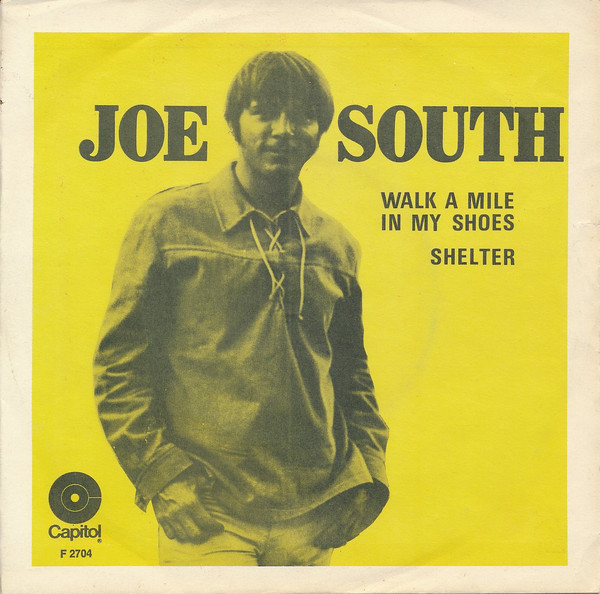
When I hear this song, I think of Joe South delivering a Sunday sermon on Southern philosophy. It was on the AM radio growing up, and I remember it well. This one and Games People Play were the two South songs I heard the most. 

This song is a little bit of everything with pop, gospel, country, and soul. Before his solo success, South had already built a reputation that most session players would love to have. He played guitar on Aretha Franklin’s Chain of Fools, wrote Billy Joe Royal’s Down in the Boondocks, and later wrote his own solo hit, Games People Play, which was a Grammy-winning anthem of its own. Joe South was Georgia guy who would write songs that people could relate to. His records were smart, soulful, and unafraid to say something.

Elvis Presley covered this song during his 1970 That’s the Way It Is concerts, giving it his full Vegas-gospel jumpsuit treatment, which helped carry Joe’s song to the mainstream. Everyone from Coldcut to Bryan Ferry to Otis Clay would later cover it, but none quite captured that mix of frustration and hope that Joe did on the original.

Joe South doesn’t get enough credit in the conversation about 60s/70s singer-songwriters. He wasn’t flashy, but was saying something worth hearing. The song peaked at #12 on the Billboard 100, #10 in Canada, #11 on the Canada Country Charts, and #56 on the Billboard Country Charts in 1970. 

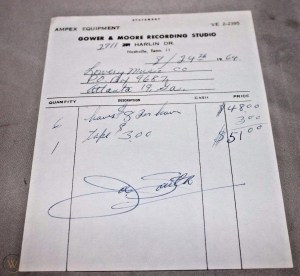
Joe South is personal to me because of his connection to my family. He recorded some in my uncle’s studio. This is from 1964. 

Walk A Mile In My Shoes

If I could be you, if you could be meFor just one hourIf we could find a wayTo get inside each other’s mind

If you could see you through my eyesInstead of your egoI believe you’d beSurprised to seeThat you’ve been blind

Walk a mile in my shoesWalk a mile in my shoesAnd before you abuse, criticize and accuseWalk a mile in my shoes

Now, your whole worldYou see around youIs just a reflectionAnd the law of KarmaSays you gonna reapJust what you sow, yes you will

So unless you’ve lived a lifeOf total perfectionYou better be careful of every stoneThat you should throw, yeah

And yet we spend the day throwing stonesAt one another‘Cause I don’t think or wear my hairThe same way you do

Well, I may be common peopleBut I’m your brotherAnd when you strike out and try to hurt meIt’s hurtin’ you, Lord have mercy

Walk a mile in my shoesWalk a mile in my shoesHey, before you abuse, criticize and accuseWalk a mile in my shoes

There are people on reservationsAnd out in the ghettosAnd brother, thereBut for the grace of GodGo you and I, yeah, yeah

And if I only had the wingsOf a little angel, yeahDon’t you know I’d flyTo the top of the mountainAnd then I’d cry, hey

Walk a mile in my shoesWalk a mile in my shoesHey, before you abuse, criticize and accuseBetter walk a mile in my shoes

Walk a mile in my shoesWalk a mile in my shoesOh, before you abuse, criticize and accuseWalk a mile in my shoes, yeah…

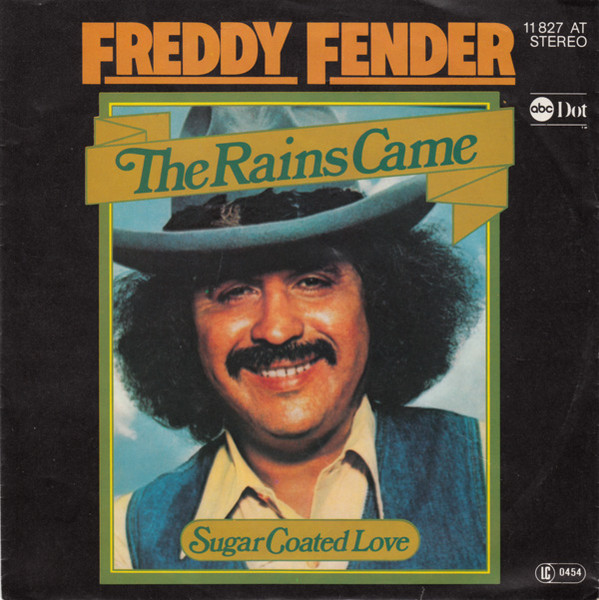
Freddy Fender – The Rains Came

I was talking to a friend of mine named Greg, who lived in Texas for around 10 years. We were talking about Texas music, and I brought up Freddie Fender. I remember he told me that he met him in Nashville around 1987 when he was around 15.

He saw Freddy and said, “Hey Freddy, I love your music.” Fender was not only polite, but he went over to Greg and called him “little one” because he was so small, and he could not believe Greg was a fan, being that young. He said Fender was such a nice person and thanked him for being a fan. That always stuck with me about Fender.

Fender was one of the many country artists I heard growing up. Wasted Days and Wasted Nights was the song by Fender that I remember the most, and I’ve found that he is much deeper than that. If you’ve only ever dipped into Freddy Fender through the big radio hits, this is a good one to chase down.

This song rides a rail of half Tex-Mex and half Nashville. It was written by Huey Meaux and came out in 1962. A couple of weeks ago, while posting about the Sir Douglas Quintet, I heard this song, and I knew I had heard it before, and this is the version I remember. The song has been covered by many artists over the years, including Ripp Tide, Alvin Crow, Jimmie Vaughan, Doug Kershaw, and B.J. Thomas. 

This song peaked at #4 on the Billboard Country Charts and #1 in Canada in 1976. The song was on his album Rock ‘n’ Country that peaked at #3 on the Billboard Country Charts.

Freddy had three successful careers, as a pop star in the late 50’s, a country pop star in the 70’s, and a member of the Texas Tornados and Los Super 7 in the 90’s. 

The Rains Came

The rain keeps falling
Tears keep coming down
I can’t find my baby
I wonder she left town

Rain rain rain rain
I’d like to see my girl again
She broke my heart in two
And caused me so much pain

Rain rain rain rain
My pillow’s soaking wet
I can’t find her in the morning
She’s not home yet

Rain rain rain rain
My pillow’s soaking wet
I can’t find her in the morning
She’s not home yet

The rain keeps falling
Tears keep coming down
I couldn’t find my darling
I wonder she left town

Rain rain rain rain
My pillow’s soaking wet
Where is she in the morning
She’s not home yet

Rain rain rain rain
Rain rain rain rain
Rain rain rain rain

Guy Clark – Desperados Waiting for a Train

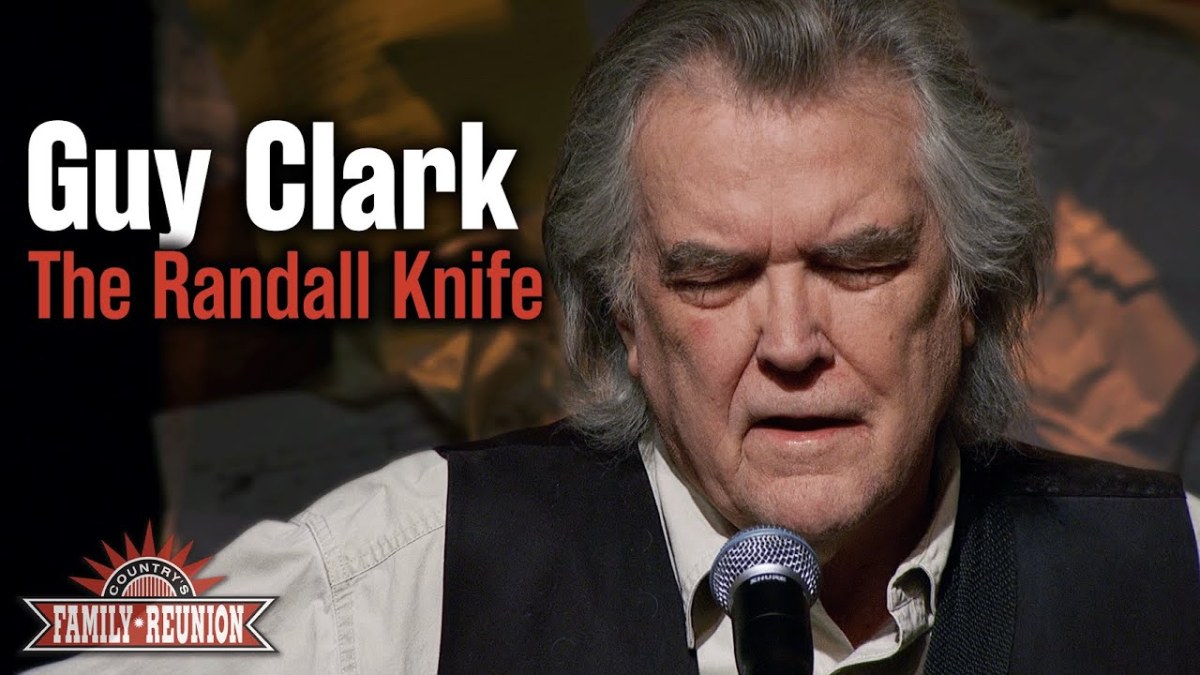
When I’m in the mood to hear a well-written song, I go to either John Prine, Townes Van Zandt, Bob Dylan, Steve Earle, or Guy Clark. They always hit the spot, and this song is one of those story songs that just stuck with me. I look at some of these songwriters not as normal songwriters but mini movie writers. 

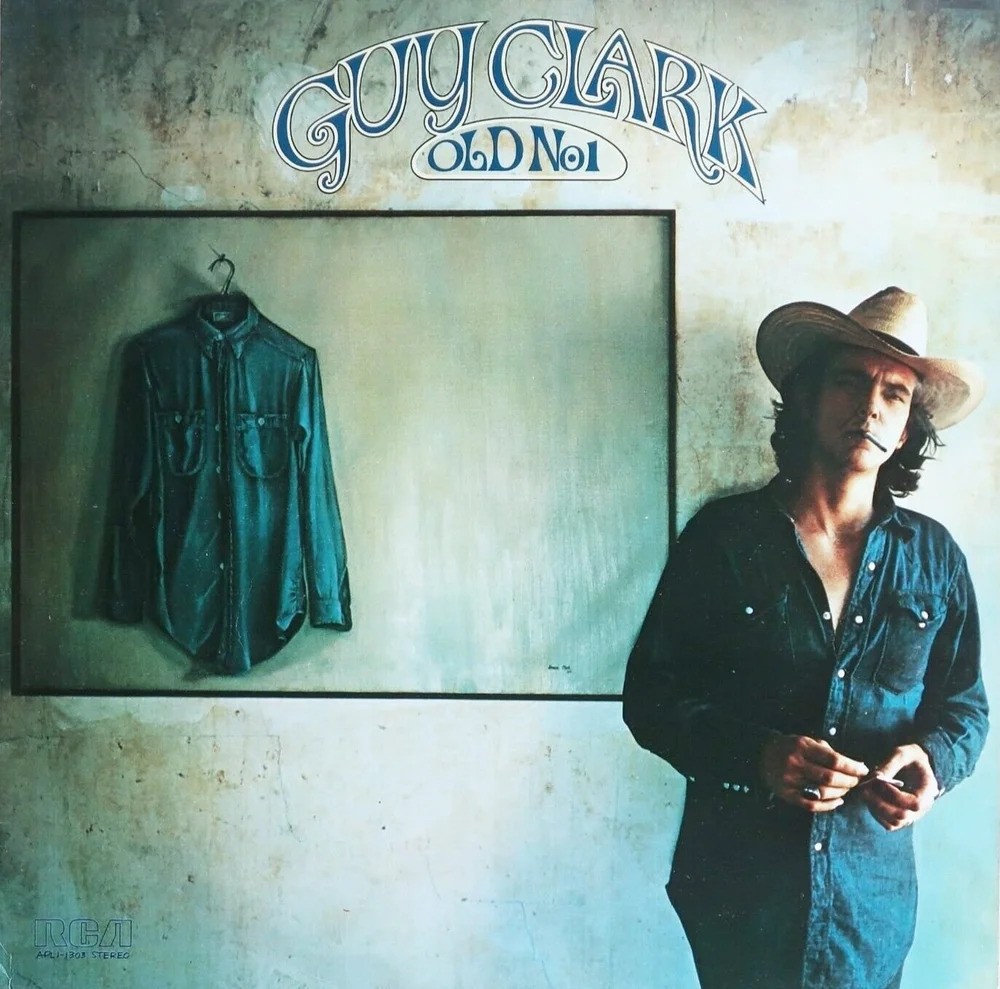
Guy Clark wrote this song in the early ’70s, drawing from his own childhood in Texas. The old drifter in the song, the surrogate grandfather who taught him about cards, women, and hard living, wasn’t made up. Jack Prigg, a wildcatter and oilfield worker, had lived in Clark’s grandmother’s boarding house, and a young Guy Clark soaked up every curse word and story. By the time Clark wrote the song, the memories meant something more universal, a man who refused to fade quietly.

The song was on Clark’s 1975 album, Old No. 1, and it quickly became one of his signature songs. But it didn’t stop there; it was picked up and recorded by Jerry Jeff Walker (first recording of the song), Tom Rush, Rita Coolidge, and, eventually, The Highwaymen (Waylon, Willie, Kris, and Johnny), covering it in 1985. It’s been covered 32 times. Walker, Coolidge, David Allan Coe, and Tom Rush covered it before Guy released his version. 

This is wonderful Americana storytelling is as rich as anything you have heard or watched. He writes these story songs so well that you can see them in your head being acted out like a movie. 

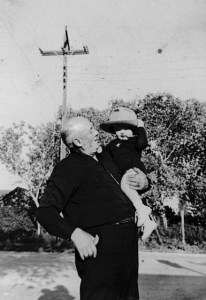
Jack Prigg and a young Guy Clark

Jack Prigg was an old oil wildcatter and oilfield worker who lived for a time in Clark’s grandmother’s boarding house in Monahans, Texas, during the 1940s. Clark’s parents had split up when he was young, and he spent a big part of his boyhood around his grandmother’s place. That’s where he met Prigg, who was already an old man by then, tough and weathered from a lifetime in the oilfields. Clark mentioned that he didn’t romanticize the lyrics, he wrote them straight. That’s why this song works, everything is left intact. Clark said, “He was my hero. He was a tough old bird who drank hard, swore a lot, and lived a big life.”

Desperados Waiting For The Train

I’d play the Red River ValleyAnd he’d sit in the kitchen and cryAnd run his fingers through 70 years of livin’And wonder, “Lord, has ever, well, I’ve drilled gone dry?”We was friends, me and this old man

We was like desperados waiting for a trainLike desperados waiting for a train

Well, he’s a drifter and a driller of oil wellsAnd an old-school man of the worldHe taught me how to drive his carWhen he’s too drunk toAnd he’d wink and give me money for the girlsAnd our lives was like some old western movie

Like desperados waiting for a trainLike desperados waiting for a train

From the time that I could walk, he’d take me with himTo a bar called the Green Frog CafeAnd there was old men with beer guts and dominoesLying ’bout their lives while they playedAnd I was just a kid that they all called his sidekick

We was like desperados waiting for a trainLike desperados waiting for a train

One day I looked up and he’s pushin’ 80And there’s brown tobacco stains all down his chinWell, to me he’s one of the heroes of this countrySo why’s he all dressed up like them old men?Drinkin’ beer and playin’ Moon and 42

Just like a desperado waiting for a trainLike a desperado waiting for a train

And then the day before he died, I went to see himI was grown and he was almost goneSo we just closed our eyes and dreamed us up a kitchenAnd sang another verse to that old song“Come on, Jack, that son of a bitch is coming”

And we’re desperados waiting for a trainLike desperados waiting for a trainLike desperados waiting for a trainLike desperados waiting for a train

Blue Shadows – Don’t Expect A Reply (Runaway Train)

This isn’t the same Runaway Train that brought Soul Asylum into heavy MTV rotation a year earlier (or Blue Rodeo’s song). No, this one’s more haunted, more twangy, and more soaked in country rock. It might be better, at least to me. Since I heard this band a few months ago, I cannot shake them, nor do I want to. I feel a Big Star love for them. 

The Blue Shadows never got their due. They existed in that strange space between country and power pop, never quite fitting into either scene completely. But that’s exactly what made them special. This song stands as a testament to what happens when talented musicians follow their instincts rather than market trends or what’s hot today. This song was released in 1995 on the album Lucky To Me, their last studio album.

Led by Billy Cowsill, the Blue Shadows carved out a very different space in early ’90s Canada. The song was written by Jeffrey Hatcher and Billy Cowsill.  Cowsill had the kind of voice that was country tinged with an edge. Hatcher was equal parts Buddy Holly with a touch of Chris Hillman cool, which makes for a killer songwriting partner.

There’s an alternate timeline in a perfect world where the Blue Shadows catch fire, tour with Uncle Tupelo, Wilco, or The Jayhawks, and end up as alt-country royalty. Instead, their last album, Lucky To Me, went quietly out into the world, loved by those lucky enough to hear it, and this song remains one of the most gorgeous things to ever slip through the cracks of the 1990s.

Billy Cowsill’s last interview, he was asked what he was most proud of in his career, and he answered with The Blue Shadows’ first album On The Floor of Heaven. “To my mind, that is the finest piece of work I ever did. It is just so good. The writing is so good. The production is so good. It is a nice little piece de resistance.”

Runaway Train

There ain’t a ball and chain
That can tie me down
There ain’t a jail been made
That can hold me now
I heard some fool say
He’s got to be insane
Well it kind of looks that way

From a runaway train that’s out of control
No matter what I do
No matter where I go
You can say goodbye
I won’t be back again
But don’t expect a reply
Not from a runaway train

Oh no they can’t catch me
Because they move too slow
And they’re new at this game
I started long ago
I tell you I was here
Before the track was laid
I was the first to ride

On that runaway train that’s out of control
No matter what I do
No matter where I go
You can say goodbye
I won’t be back again
But don’t expect a reply
Not from a runaway train

I used to roll on through
When it was countryside
Then the cities they grew
Until they reached the sky
I’m going to hit the coast
Then roll right on through
Wish you could see the view

From that runaway train that’s out of control
No matter what I do
No matter where I go
You can say goodbye
I won’t be back again
But don’t expect a reply
Not from a runaway train

From that runaway train that’s out of control
No matter what I do
No matter where I go
You can say goodbye
I won’t be back again
But don’t expect a reply
Don’t expect a reply

No, no don’t expect a reply

….

John Prine – Paradise

I want to thank halffastcyclingclub for bringing this song up when reading the Levon Helm post called The Mountain I posted last week. I’d never heard it and fell for it immediately. I listened to it over and over again. Such a cool vibe of looking back in this song. 

The song is not just a song, it’s a family photograph yellowing at the edges, the kind you keep tucked in a drawer and only pull out when you’re feeling brave enough to remember. Written for his parents, and about a real place in Kentucky that no longer exists the way it used to. We can all relate to this. I grew up in a small city in Tennessee, and it’s completely different now than it was when I grew up. Sometimes progress is good and sometimes not. 

I don’t usually dissect songs, but this one hit me. Prine was only in his mid-twenties when he wrote it, but he already sounded like someone who’d lived a dozen lives. It’s not just a memory, it’s a eulogy with a banjo. “And daddy won’t you take me back to Muhlenberg County / Down by the Green River where Paradise lay…”
And the punchline comes just a beat later:
“…Well I’m sorry my son, but you’re too late in askin’ / Mr. Peabody’s coal train has hauled it away.”

That’s it right there. Prine gives you a warm hug and slips a dagger in your back before the first verse is out. It’s a protest song in overalls, gentle, but furious. Not angry, but quietly heartbroken. He’s not shouting down injustice; he’s telling you what it feels like when the land your family once lived on gets strip-mined out of existence.

This song was the fifth track on his 1971 debut album, which is ridiculous when you think about it. As young as he was, and writing a song like this. Plenty of artists have covered Paradise. Dwight Yoakam, John Denver, John Fogerty, even the Everly Brothers, but none of them touch the original. Because it wasn’t just a song to Prine. It was a love letter to something that couldn’t love him back anymore.

Lynn Anderson released it in 1975, and it was the most commercially successful release. It peaked at #26 on the Billboard Country Charts and #16 on the Canadian Country Charts. 

Paradise

When I was a child my family would travel
Down to Western Kentucky where my parents were born
And there’s a backwards old town that’s often remembered
So many times that my memories are worn

And Daddy, won’t you take me back to Muhlenberg County?
Down by the Green River where Paradise lay
Well, I’m sorry, my son, but you’re too late in asking
Mister Peabody’s coal train has hauled it away

Well, sometimes we’d travel right down the Green River
To the abandoned old prison down by Airdrie Hill
Where the air smelled like snakes we’d shoot with our pistols
But empty pop bottles was all we would kill

And Daddy, won’t you take me back to Muhlenberg County?
Down by the Green River where Paradise lay
Well, I’m sorry my son, but you’re too late in asking
Mister Peabody’s coal train has hauled it away

Then the coal company came with the world’s largest shovel
And they tortured the timber and stripped all the land
Well, they dug for their coal till the land was forsaken
Then they wrote it all down as the progress of man
See upcoming country shows
Get tickets for your favorite artists

And Daddy, won’t you take me back to Muhlenberg County?
Down by the Green River where Paradise lay
Well, I’m sorry my son, but you’re too late in asking
Mister Peabody’s coal train has hauled it away

When I die, let my ashes float down the Green River
Let my soul roll on up to the Rochester Dam
I’ll be halfway to Heaven with Paradise waitin’
Just five miles away from wherever I am

And Daddy, won’t you take me back to Muhlenberg County?
Down by the Green River where Paradise lay
Well, I’m sorry my son, but you’re too late in asking
Mister Peabody’s coal train has hauled it away

Johnny Cash – I’ve Been Everywhere

Happy 4th of July and a belated Canada Day. 

I don’t think any performer is as popular and liked across generations and genres as Johnny Cash. I’ve met hard rock, country, and blues fans who love him. He was an American Icon. This man had been everywhere, and he had the stories to back it up. 

The song originated in Australia in 1959, written by Geoff Mack, which name-checked towns like Mooloolaba and Wollongong. Lucky Starr popularized it in Australia at the time. Hank Snow gave it an American twist in the early ‘60s, with a rapid-fire list of U.S. towns delivered at a gallop, sounding like he was being chased by a state trooper and an angry tour promoter at the same time.

Hank Snow made this song popular in 1962 by taking it to #1 on the Billboard Country chart and #68 on the Billboard 100. Johnny covered this song in 1996, and it’s the version I remember. Cash had a way of making a song his own. He released it in 1996 but had been doing it for years live. 

The genius of it, though, is that despite the fast pace, it never feels like a gimmick in his hands. There’s that world-weary baritone voice, like a man unrolling a crumpled map that’s been folded a thousand times. The song becomes not just about where he’s been, but what he’s seen, motels, hotels, and empty stages. He’s been everywhere, but not always by choice.

The song was on the album American II: Unchained produced by Rick Rubin. The album peaked at #26 on the Billboard Country Album Charts and #170 on the Billboard 200 in 1996.

I hope everyone living in the U.S.  has a happy, safe Fourth of July! I know I will!

I’ve Been Everywhere
I was totin’ my pack along the dusty Winnemucca road,
When along came a semi with a high and canvas-covered load.
“If you’re goin’ to Winnemucca, Mack, with me you can ride.”
And so I climbed into the cab and then I settled down inside.
He asked me if I’d seen a road with so much dust and sand.
And I said, “Listen, I’ve traveled every road in this here land!”

I’ve been everywhere, man.
Crossed the desert’s bare, man.
I’ve breathed the mountain air, man.
Of travel I’ve a-had my share, man.
I’ve been everywhere.

I’ve been to
Reno, Chicago, Fargo, Minnesota,
Buffalo, Toronto, Winslow, Sarasota,
Wichita, Tulsa, Ottawa, Oklahoma,
Tampa, Panama, Mattawa, La Paloma,
Bangor, Baltimore, Salvador, Amarillo,
Tocopilla, Barranquilla, and Padilla, I’m a killer.

I’ve been everywhere, man.
Crossed the desert’s bare, man.
I’ve breathed the mountain air, man.
Of travel I’ve a-had my share, man.
I’ve been everywhere.

I’ve been to
Boston, Charleston, Dayton, Louisiana,
Washington, Houston, Kingston, Texarkana,
Monterey, Faraday, Santa Fe, Tallapoosa,
Glen Rock, Black Rock, Little Rock, Oskaloosa,
Tennessee to Hennessey, Chicopee, Spirit Lake,
Grand Lake, Devil’s Lake, Crater Lake, for Pete’s sake.

I’ve been everywhere, man.
Crossed the desert’s bare, man.
I’ve breathed the mountain air, man.
Of travel I’ve a-had my share, man.
I’ve been everywhere.

I’ve been to
Louisville, Nashville, Knoxville, Ombabika,
Schefferville, Jacksonville, Waterville, Costa Rica,
Pittsfield, Springfield, Bakersfield, Shreveport,
Hackensack, Cadillac, Fond du Lac, Davenport,
Idaho, Jellico, Argentina, Diamantina,
Pasadena, Catalina, see what I mean-a.

I’ve been everywhere, man.
Crossed the desert’s bare, man.
I’ve breathed the mountain air, man.
Of travel I’ve a-had my share, man.
I’ve been everywhere.

I’ve been to
Pittsburgh, Parkersburg, Gravelbourg, Colorado,
Ellensburg, Rexburg, Vicksburg, El Dorado,
Larimore, Admore, Haverstraw, Chatanika,
Chaska, Nebraska, Alaska, Opelika,
Baraboo, Waterloo, Kalamazoo, Kansas City,
Sioux City, Cedar City, Dodge City, what a pity.

I’ve been everywhere, man.
Crossed the desert’s bare, man.
I’ve breathed the mountain air, man.
Of travel I’ve a-had my share, man.
I’ve been everywhere.

I’ve been everywhere.

Willie Nelson – Roll Me Up and Smoke Me When I Die

Wanted to have a little fun today. What better way to celebrate July 4th than with Willie Nelson and my next American Artist? The Willie Nelson set I watched on June 25th was probably the first real country act I’ve seen in concert, other than in street fairs in Nashville. Willie has done what few others have: appealed to a vast array of genres like Johnny Cash and Dolly Parton. The man is 92 and still going out there every night. 

The couple in front of us took this picture. 

If there were a Mount Rushmore for country outlaws, Willie Nelson wouldn’t just be on it, he’d be carving the damn thing with a joint in one hand and Trigger (his guitar) slung over his back. And with this song, Willie laughs at his legend and turns it into a porch-sing-along for the afterlife.

Released in 2012 on his Heroes album, this track arrived with a puff of smoke, wrapped in that unmistakable red-headed goodness. It’s a song about death that somehow feels like a party. Leave it to Willie to make his own funeral plans sound like a tailgate party. Beneath the title and chorus is something far more poignant: a man looking mortality in the eye and saying, You’re not killing my vibe.

The lineup of guests: Snoop Dogg, Kris Kristofferson, and Jamey Johnson all pile in for the chorus like it’s some high-end dive bar jam session. The vibe is half gospel, half roadhouse. The songwriters are Willie Nelson, Buddy Cannon, Rich Alves, John Colgin, and Mike McQuerry.

Roll Me Up and Smoke Me When I Die

Roll me up and smoke me when I dieAnd if anyone don’t like it, just look ’em in the eyeI didn’t come here and I ain’t leaving, so don’t sit around and cryJust roll me up and smoke me when I die

Now you won’t see no sad and teary eyesWhen I get my wings and it’s my time to flyCall my friends and tell ’em there’s a party, come on byAnd just roll me up and smoke me when I die

Roll me up and smoke me when I dieAnd if anyone don’t like it, just look them in the eyeI didn’t come here and I ain’t leaving, so don’t sit around and cryBut just roll me up and smoke me when I die

And I’d go, I’ve been here long enoughSo sing and tell more jokes and dance stuffJust keep the music playing, that will be a good goodbyeRoll me up and smoke me when I die

Roll me up and smoke me when I dieAnd if anyone don’t like it, just look ’em in the eyeI didn’t come here and I ain’t leaving, so don’t sit around and cryJust roll me up and smoke me when I die

Hey, take me out and build a roaring fireRoll me in the flames for about an hourAnd take me out and twist me up and point me towards the skyAnd roll me up and smoke me when I die

Roll me up and smoke me when I dieAnd if anyone don’t like it, just look ’em in the eyeI didn’t come here and I ain’t leaving, so don’t sit around and cryJust roll me up and smoke me when I die

Just roll me up and smoke me when I die

Merle Haggard – I’m A Lonesome Fugitive

Whenever I hear this man’s voice, it takes me back to my dad, who would listen to his songs in our red Plymouth Valiant. Songs like Sam Hill, Swinging Doors, and others, he would have blasting at 7 in the morning. 

Merle was genuine through and through. He didn’t run from his past but used it to tell stories and warn people about going the wrong way. Merle wasn’t posing; he was the real deal. This song helped shape the outlaw country movement before it had a name.

Most people know that he spent his early adulthood behind bars for a failed attempt at robbery. While in San Quentin State Prison, Haggard wrote many songs while dreaming of freedom and life beyond the bars of a cell.

He knew a couple of inmates, James Rabbit and Caryl Chessman. Haggard and James Rabbit hatched a plan one night to escape (they would hide inside a desk he was building in the prison furniture factory), though at the last moment, Rabbit advised Haggard not to take part in the plan. Rabbit escaped, was recaptured, killed an officer, and was brought back to San Quentin to be executed. It was the first of many events to change something in Haggard’s criminal ways.

What is surprising is that Merle did not write this song. It was written by Liz Anderson and her husband, Casey Anderson, a songwriting couple who were fans of Haggard and knew of his prison past. When they sent the song his way, it clicked instantly. Haggard later said he related to it so personally that he felt like it had to be his.

The song peaked at #1 on the Billboard Country Charts, and the album of the same name peaked at #3 on the Billboard Country Album Charts. 

One of my biggest concert regrets is that I never saw this great artist live. 

I’m A Lonesome Fugitive

Down every road there’s always one more cityI’m on the run, the highway is my home

I raised a lot of cane back in my younger daysWhile mama used to pray my crops would failNow I’m a hunted fugitive with just two waysOutrun the law or spend my life in jail

I’d like to settle down but they won’t let meA fugitive must be a rolling stoneDown every road there’s always one more cityI’m on the run, the highway is my home

I’m lonely but I can’t afford the luxuryOf having one I love to come alongShe’d only slow me down and they’d catch up with meFor he who travels fastest goes alone

I’d like to settle down but they won’t let meA fugitive must be a rolling stoneDown every road there’s always one more cityI’m on the run, the highway is my homeI’m on the run, the highway is my home

Radney Foster – Just Call Me Lonesome

I was talking to my friend Ron, and he mentioned a country duo in the 80s called Foster and Lloyd. This aligns with Dwight Yoakam and the new sound that was coming at the time. The Nashville establishment didn’t like this because it wasn’t pop with a country accent…it had its roots in older country music. Nashville loves to eat its own at times, but that has changed some through the years. 

Radney is from Del Rio, Texas, and started to play guitar and write songs at 12. Later on, he moved to Nashville to start a career in music after college. He became the staff songwriter at MTM Publishing Company in 1985, where he met Bill Lloyd.

The duo formed Foster & Lloyd and signed with RCA Records Nashville in 1986. They had 4 top ten hits on the Billboard Country Charts and were also successful on the Canadian Country Charts. Their first song Crazy Over You peaked at #4, and their second single, Sure Thing, peaked at #8 on the Billboard Country Charts and Canadian Country Charts in 1987. 

This song was after they broke up, and Radney released it in 1992, and it was very successful. It peaked at #10 on the Billboard Country Charts in 1992 and also at #54 on the Canadian Country Charts. It was on his album Del Rio, TX 1959

Foster & Lloyd did reunite in 2011 and released an album called It’s Already Tomorrow

Just Call Me Lonesome

Just call me lonesomeHeartbroke and then some‘Cause I ain’t got no oneSince you’ve been goneYou called me babyNow I’ve got a new nameDon’t need my old oneCall me lonesome from now on

You used to call me, your one and onlyBut now you only call me someone you once knewYou were my angel, before some strangerStole your heart and stole my world when he stole you

Just call me lonesomeHeartbroke and then some‘Cause I ain’t got no oneSince you’ve been goneYou called me babyNow I’ve got a new nameDon’t need my old oneCall me lonesome from now on

I see you with him, and fall apart againRemembering when I was the only man you neededWe said forever, We’d be togetherHe came between us and now forever lies in pieces

Don’t need my old oneCall me lonesome from now on

Bo Ramsey – Forget You

The other day CB and I were talking about music, and he sent me some links to this guy. I’ve listened to him this week and the first thing I noticed was that great guitar tone. I’ve listened to many parts of his career and the guy is a master of guitar tone.  A great guitar sound attracts me to songs sometimes more than the singing and lyrics. Once I hear a good opening riff, it usually hooks me. He has a mixture of blues, folk, rock, and Americana. I also enjoyed his songwriting and vocals, as he doesn’t stick in one place. 

He was born and raised in Iowa and started his music career around 1973. He originally fronted The Mother Blues Band in Iowa. His inspirations were Sun Records’ rockabilly and Chess Records’ blues artists of the 1950s. It’s hard to beat those two influences. 

During the 1970s and 1980s, he played with various bands and developed his sound. He took a break from music during the 1980s but came back strong. A turning point was when he heard a song by fellow Iowan Greg Brown on the radio. He recognized a kindred spirit, so he reached out to Brown, starting a collaboration that continues to this day

In 1994, he got his first big break by opening shows for Lucinda Williams. He worked with her producing and adding guitar to her albums, and also played in her band. He has played guitar with various artists. His production and guitar work extend to notable musicians like Joan Baez, Ani DiFranco, Iris DeMent, and Elvis Costello.

This song was on his album In The Weeds released in 1997. 

Golden Smog – Glad and Sorry

If you take acoustic country and mix it with Big Star, you get bands like Wilco and this band Golden Smog. You literally get Big Star, Wilco, Uncle Tupelo (who I spelled wrong in the past), and The Jayhawks; the explanation is at the bottom. I’m glad that CB mentioned this band because they are exactly what I’m into right now. 

They started as a loose collaboration of Minneapolis-based musicians who got together to play cover songs under pseudonyms. The name Golden Smog comes from a character in a Flintstones episode. The band initially played country and rock covers, but it evolved into a serious musical project over time.

Membership in this band has been fluid. They have had Chris Mars (Replacements drummer), Jeff Tweedy (Wilco),  Louris and Perlman of The Jayhawks, Dave Primer from Soul Asylum, and more. Also in 1997, Jody Stephens became their drummer. He was an original member of Big Star. 

All in all, they have released 4 albums starting in 1995 with Down by the Old Mainstream. This is the album that this song was on. It was a cover of a Faces song written by Ronnie Lane, and they did a super job on it. I love both versions, and I’m not easy on cover versions, but this hits the mark. 

I will be going over all of their albums in the future. I’ve liked everything I’ve heard by them so far. Here is a list of their members…present and past.

Kraig Johnson (Kraig Jarret Johnson and the Program)
Dan Murphy (Soul Asylum)
Gary Louris (Jayhawks)
Marc Perlman (Jayhawks)
Steve Gorman (Black Crowes)

and their past members

Dave Pirner (Soul Asylum)
Chris Mars (Replacements)
Noah Levy (Brian Setzer and Soul Asylum)
Jeff Tweedy (Uncle Tupelo and Wilco)
Jody Stephens (Big Star)

Glad and Sorry

Thank you kindlyFor thinking of meIf I’m not smilingI’m just thinkingGlad and sorryHappy or sadAll is done and spokenYou’re up or I’m downCan you show me a dream?Can you show me one that’s better than life?Can you stand it in the cold light of day?Well, neither can ICan you show me a dream?Can you show me one that’s better than life?Can you stand it in the cold light of day?Well, neither can I

Steve Earle – Feel Alright

Every so often, I always go back to Steve Earle. When he first came out, rock and country stations would play him. I was way more of a rock fan than a modern country fan, but artists like Earle and Dwight Yoakum changed that for me. They brought in the Merle Haggard and Buck Owens Bakersfield sound, which I liked. Earle also brought in a Townes Van Zant and Texas songwriting approach. I saw many of my musician friends who were songwriters starting to pick up this approach, which was great to see. 

This came off of his 1996 album I Feel Alright. It was his 6th album, and he had signed to Warner Brothers. I heard of him in the late eighties with a song called I Ain’t Ever Satisfied. I first saw him in 1989, opening up for Bob Dylan at the now-demolished Starwood Ampitheater in Nashville. He was one of the best opening acts I’ve ever seen, to that point. That night, Bob was sick (we found out later), and he only played for 45 minutes, but Steve Earle made the show worth it. I do remember someone yelling as Bob was leaving the stage, “I know you are an old son of a bitch but 45 minutes?” Bob was 48 at the time!

The album was released after Earle had successfully overcome heroin addiction and incarceration, and the lyrics matched that:  Yeah, but be careful what you wish for friend ‘Cause I’ve been to hell and now I’m back again. One critic said at the time that this album was Earle telling people in the 90s: Don’t feel bad about feeling good. The album was critically acclaimed. 

The album charted at #38 in Canada, #106 on the Billboard 100, #29 in New Zealand, and #44 in the UK in 1996. This song was released as a single but didn’t chart. 

Steve Earle:  I’m a folkie. I come from coffee houses just like Gram (Parsons), Townes (Van Zandt), Guy (Clark), and Chris (Hillman). We’re all post-Bob Dylan coffee house bred songwriters. South Texas was a great place to grow up musically, but then things really busted open when I moved to Nashville. I was still only 19 and got to see bluegrass music up close for the first time – and old-time music, music that was more from the Appalachian Mountains versus western swing – one of the main components of rock and roll in the first place. 

Feel Alright

I was born my papa’s sonA wanderin’ eye and a smokin’ gunNow some of you would live through meThen lock me up and throw away the keyOr just find a place to hide awayHope that I’ll just go away, hah

Well, I feel alrightI feel alright tonightI feel alrightI feel alright tonight

And I’ll bring you precious contrabandAnd ancient tales from distant landsOf conquerors and concubinesAnd conjurers from darker timesBetrayal and conspiracy, sacrilege and heresy

And I feel alrightI feel alright tonightI feel alrightI feel alright tonight

I got everything you won’t needYour darkest fear, your fondest dreamI ask you questions, tell you liesCriticize and sympathizeYeah, but be careful what you wish for friend‘Cause I’ve been to hell and now I’m back again

I feel alrightYeah, I feel alright tonightYeah, I feel alrightI feel alright tonight

Ywah, I feel alrightFeel alright

Tony Joe White – Polk Salad Annie

Down in Louisiana, where the alligators grow so meanLived a girl, that I swear to the worldMade the alligators look tame

This song is just plain badass. It could have been extremely corny, but it’s not at all. It’s that groove that is impossible to escape and the lyrics just follow so nicely. Amos Moses, a song by Jerry Reed, is in this vein as well. 

This song could very well be called Swamp Rock. It blends blues, rock, and country with a Southern feel. Tony Joe White, often called “The Swamp Fox,” built much of his career around this style, influencing later artists like Creedence Clearwater Revival and The Black Keys.

The song was on his 1969 album called Black and White. The album peaked at #51 on the Billboard 100, but the single did much better. Polk Salad Annie peaked at #8 on the Billboard 100 and #10 in Canada in 1969. 

White was what you would call a one-hit wonder, but he wrote many more hits than this one. He wrote A Rainy Night In Georgia, Willie and Laura Mae Jones, Steamy Windows, and others. Artists such as Willie Nelson, Elvis Presley (where I heard the song first), Ray Charles, and Tina Turner. 

Elvis Presley released the song in 1973. It wasn’t released as a single in America, but it did manage to peak at #23 in the UK. 

Polk Salad Annie

If some of ya’ll never been down south too muchSome y’all never been down s-I’m gonna tell you a little story so’s you’ll understand what I’m talkin’ aboutDown there we have a plant that grows out in the woods, and the fieldsAnd it looks somethin’ like a turnip greenEverybody calls it polk saladNow that’s polk saladUsed to know a girl lived down there and she’d go out in the evenings andPick her a mess of itCarry it home and cook it for supperBecause that’s about all they had to eatBut they did all right

Down in Louisiana, where the alligators grow so meanLived a girl, that I swear to the worldMade the alligators look tamePolk salad Annie, gators got your grannyEverybody said it was a shameBecause her momma was a workin’ on the chain gangA mean vicious woman

Everyday before supper time, she’d go down by the truck patchAnd pick her a mess of polk salad, and carry it home in a tow sackPolk salad Annie, the gators got your grannyEverybody says it was a shameBecause her momma was a workin’ on the chain gangA wretched, spiteful, straight-razor totin’ womanLord have Mercy, pick a mess of it

Sock a little polk salad to me

Her daddy was lazy and no-count, claimed he had a bad backAll her brothers were fit forWas stealin’ watermelons out of my truck patchPolk salad Annie, the gators got your grannyEverybody said it was a shameBecause her momma was a workin’ on the chain gang

Yeah, sock a little polk salad to me, you know I need me a mess of itSock a little

Sock a little polk salad to me, you know I need a real mess of it (chick-a-boom)Sock a little polk salad, you know I need a real (chick-a-boom)Ching-ching-ching-ching-a-ling (chick-a-boom)Ching-ching-ching-ching-a-ling (chick-a-boom)Ching-ching-ching-ching-a-ling (chick-a-boom)Ching-ching-ching-ching-a-ling (chick-a-boom)Ching-ching-ching-ching-a-ling (chick-a-boom)Ching-ching-ching-ching-a-ling (chick-a-boom)Ching-ching-ching-ching-a-ling (chick-a-boom)Ching-ching-ching-ching-a-ling (chick-a-boom)