The Night Strangler …1973 film

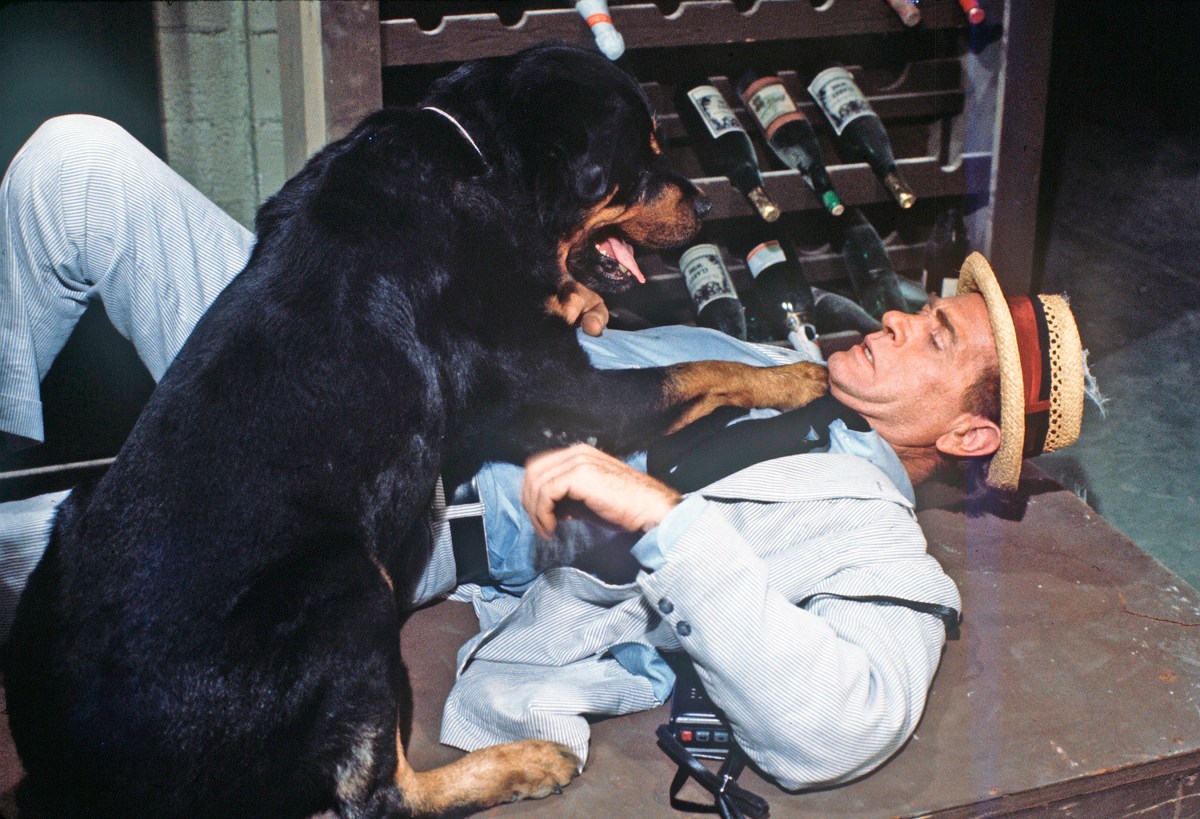
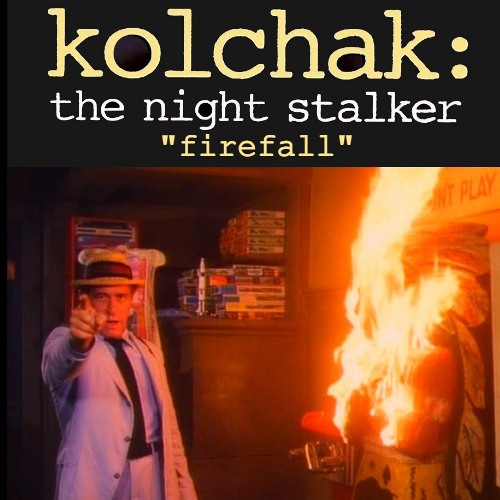
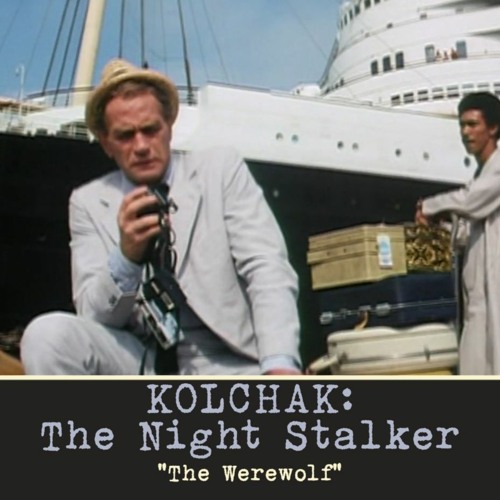
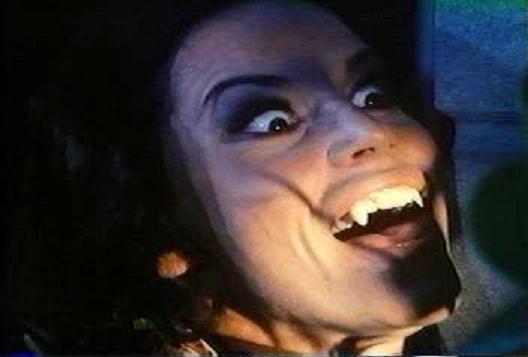
This is the second TV movie about Kolchak. This time, Kolchak is run out of Vegas, still unemployed and in that beat-up suit and straw hat, and somehow still covering the weirdest stories on earth. He lands in Seattle, and right on cue, women start turning up strangled in the city’s underground ruins. Their corpses? Bone dry. No blood. No explanation. Déjà vu, but not quite. I’m not going to give away what it was, but it wasn’t what you expected. 

It’s a clever move, leaving Vegas and swapping it for Seattle’s underbelly. Parts of 19th-century buildings were left after the great Seattle fire of 1889. The movie makes excellent use of these underground tunnels, where Victorian storefronts and old streets sit buried beneath the modern city. The atmosphere here is claustrophobic and perfect for a monster that hides in plain sight.

The Night Strangler was the follow-up that proved Kolchak wasn’t a one-hit wonder. Dan Curtis, who had already scared TV audiences with Dark Shadows, stepped in to direct again, and Carl Kolchak had room to breathe and dig into another supernatural mystery. Also, the humor intertwined in this movie keeps it moving at a good pace. 

Darren McGavin is, once again, the glue that holds the whole thing together. His Kolchak is pushy, sloppy, and never takes “no comment” for an answer. Every scene is like a tennis match between his energy and Simon Oakland’s rage as editor Tony Vincenzo. Honestly, those two could’ve been dropped into a sitcom about running a failing Chicago newspaper, and it still would’ve been gold.

While The Night Strangler didn’t quite capture the lightning-in-a-bottle impact of the original Night Stalker, it proved there was more than enough life in this story to warrant more. The movie’s success led directly to the short-lived but cult-favorite TV series Kolchak: The Night Stalker in 1974. Looking back, The Night Strangler remains a strong second chapter anchored by McGavin’s great performance.

The Full Movie

Where is…the hanging letter M from the Mary Tyler Moore Show?

I haven’t done one of these posts in a long time. I have the others linked at the bottom, like the Mustang from Bullitt, the Partridge Family Bus, the Time Machine from The Time Machine 1960 movie, etc. I love finding out what happened to different props. 

I love movie and TV show props, especially the shows I grew up with. If I had the money, I would have a warehouse full of props. This is one of the first props I remember seeing. I grew up on Mary Tyler Moore. She was part of the CBS Saturday night lineup that was considered one of the best nights for television in history. 

I loved Mary’s first apartment, where she lived downstairs from Rhoda Morgenstern. I always noticed a letter M hanging on the wall. Later in the show, when Mary moved to another apartment, she was shown hanging it up in her new place. It was one of the most recognizable props on television.

Mary Tyler Moore took the prop home and had it for years. She said she accidentally broke it years ago, but she repaired it and still had it when she passed in 2017.  It was just sold this year, as were a lot of her personal items. It was sold to a private owner for $35,200.

Front…Back

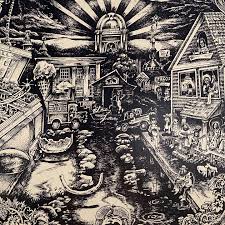
Peter Gabriel – D.I.Y.

I didn’t start really finding out about Gabriel until reading my fellow bloggers. I was burnt out on many of his ’80s hits because MTV loved the man and played them non-stop. Now that I’m finding his seventies catalog, I’m really liking what I’ve been hearing. It’s also strange for me to be listening to Genesis without Phil Collins singing a 3 minute hit. 

Peter Gabriel never made it easy for himself or his listeners. While most artists who left huge bands tried to either replicate the formula or tear it down brick by brick, Gabriel decided he was going to build a whole new musical landscape for himself. His listeners would have to catch up with him. Other artists have done some of this, but I’m not sure to the extent Gabriel did. He named his first four albums Peter Gabriel. This was off his second album, Peter Gabriel, known as Gabriel 2: Scratch

What I like about this song is that it’s not polished to death. It sounds natural and not all studio-created. That small upward musical run he does in this song keeps the energy up and is a great hook. He is known for his theatrical prog rockers, but during this period, he was trying something a little different, and it worked.  A big part of the feel of this album came from producer Robert Fripp, the man behind King Crimson. Fripp wasn’t a conventional producer like George Martin. He encouraged Gabriel to take off the polish and to go toward the texture and atmosphere. 

Fripp kept the sessions lean and also tense, recording in the Netherlands at Relight Studios. The musicians, Tony Levin on bass, Jerry Marotta on drums, and Larry Fast on synths, were said to be more collaborators than sidemen. They weren’t there to sweeten the songs; they were there to challenge them, to throw odd rhythms into the mix. Gabriel wanted friction, and he got it. The album didn’t chart as high as his later work, but it set the blueprint for the “trying new things” approach that defined his career.

The album peaked at #10 in the UK, #46 in Canada, #45 on the Billboard Album Charts, and #24 in New Zealand in 1978. 

D.I.Y

D.I.Y
D.I.Y
D.I.Y
D.I.Y

Don’t tell me what I will do, ’cause I won’t
Don’t tell me to believe in you, ’cause I don’t
Be on your guard, better hostile and hard, don’t risk affection
Like flesh to the bone in the no-go zone
You’re still looking for the resurrection
Come up to me with your “What did you say?”
And I’ll tell you, straight in the eye, hey!

D.I.Y
D.I.Y
D.I.Y
D.I.Y
D.I.Y. (Do it yourself!)
D.I.Y
D.I.Y
D.I.Y

Everyone wants to be what he not, what he not
Nobody happy with what he got, what he got
You function like a dummy with a new ventriloquist
Can you say nothing yourself?
Hanging like a thriller on the final twist
Is it true you’re getting stuck on the shelf?
Come up to me with your “What did you say?”
And I’ll tell you, straight in the eye, hey

D.I.Y
Do it yourself
D.I.Y
Do it yourself
D.I.Y
Do it yourself
D.I.Y
Do it yourself

When things get so big, I don’t trust them at all
You want some control, you’ve got to keep it small, hey

D.I.Y
D.I.Y
D.I.Y
D.I.Y
D.I.Y
D.I.Y
D.I.Y

Bad Company – Movin On

Sometimes…I need some arena rock; this is one of those times. If you were a long-haired kid in 1974, flipping through the FM dial in a Chevelle or Mustang with the windows down, odds are this song was the reason for a speeding ticket. This is a straight-ahead blues-rocker that sounds like it was born on a plane, train, and an automobile. The story of many rockers in the 1970s. 

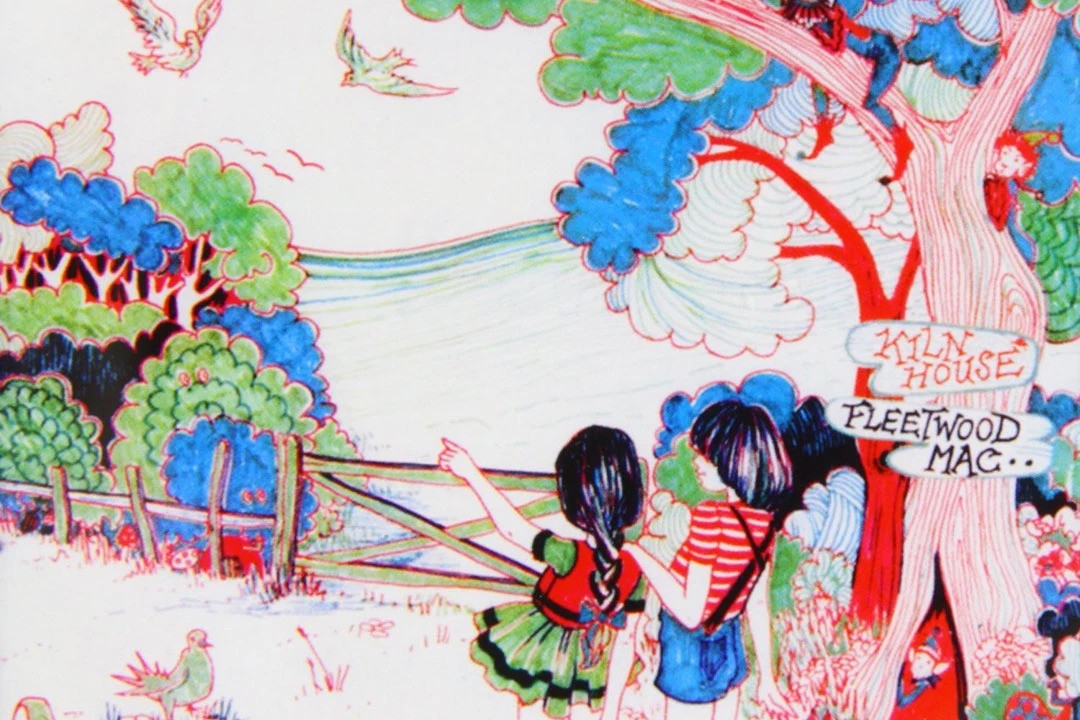
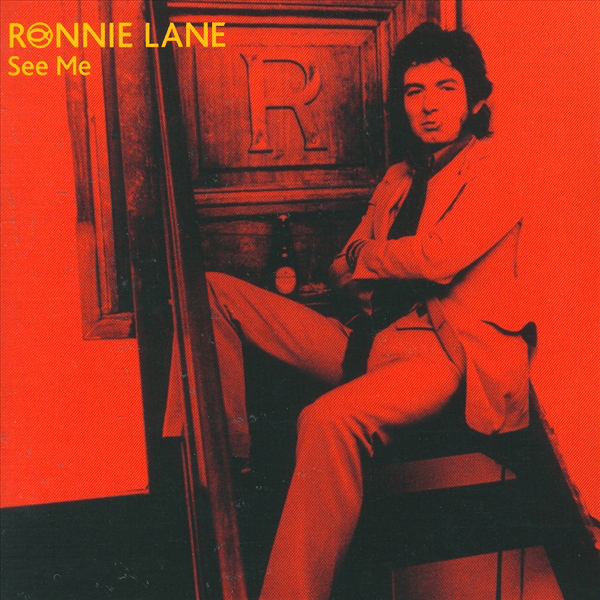
Bad Company cut their self-titled debut album at Headley Grange in November 1973, using Ronnie Lane’s Mobile Studio. If that sounds familiar, it’s because Led Zeppelin recorded many of their early seventies albums in the same manor house. There was something about that place that produced a sound that you just can’t manufacture in a sterile studio. Mick Ralphs wrote this song and brought it over from his days in his former band, Mott the Hoople. It was the perfect fit for Paul Rodger’s voice.

Led Zeppelin’s new record label Swan Song got off to a smashing start. Bad Company was the first album released on the new label, followed by Physical Graffiti a few months later. Bad Company was their most commercially successful signing with the label, which included Dave Edmunds, Maggie Bell, The Pretty Things, Detective, and others.  The label folded soon after John Bonham’s passing. Swan Song exists now just for reissues.

The 1974 album was a smash; it peaked at #1 on the Billboard Album Charts, #1 in Canada, #3 in the UK, and #27 in New Zealand. This single peaked at #19 on the Billboard 100 and #30 in Canada.

Movin’ On
I get up in the morning and it’s just another day
Pack up my belongings, I’ve got to get away
Jump into a taxi and the time is gettin’ tight
I got to keep on movin’ I got a show tonight

And I’m movin’ on, movin’ on from town to town
Movin’ on, baby, never seem to touch the ground

I check in to the ticket desk I have an hour to go
Headin’ for the boarding gate I’m feelin’ pretty low
Fifteen minutes later I’m sittin’ on my plane
Fastening my safety belt I’m takin’ off again

And I’m movin’ on, movin’ on from town to town
Moving on, baby, yeah I’m never touching the ground

Movin’ on, movin’ on from town to town
Movin’ on, I can’t seem to stop now

Movin’
Movin’ on

I got to move on, move on from town to town
I got to move on
And I never seem to slow me down

I’m movin’ on, movin’ on from town to town

I never seem to slow down

Everyday of my life I’m moving on

Freddy Fender – The Rains Came

I was talking to a friend of mine named Greg, who lived in Texas for around 10 years. We were talking about Texas music, and I brought up Freddie Fender. I remember he told me that he met him in Nashville around 1987 when he was around 15.

He saw Freddy and said, “Hey Freddy, I love your music.” Fender was not only polite, but he went over to Greg and called him “little one” because he was so small, and he could not believe Greg was a fan, being that young. He said Fender was such a nice person and thanked him for being a fan. That always stuck with me about Fender.

Fender was one of the many country artists I heard growing up. Wasted Days and Wasted Nights was the song by Fender that I remember the most, and I’ve found that he is much deeper than that. If you’ve only ever dipped into Freddy Fender through the big radio hits, this is a good one to chase down.

This song rides a rail of half Tex-Mex and half Nashville. It was written by Huey Meaux and came out in 1962. A couple of weeks ago, while posting about the Sir Douglas Quintet, I heard this song, and I knew I had heard it before, and this is the version I remember. The song has been covered by many artists over the years, including Ripp Tide, Alvin Crow, Jimmie Vaughan, Doug Kershaw, and B.J. Thomas. 

This song peaked at #4 on the Billboard Country Charts and #1 in Canada in 1976. The song was on his album Rock ‘n’ Country that peaked at #3 on the Billboard Country Charts.

Freddy had three successful careers, as a pop star in the late 50’s, a country pop star in the 70’s, and a member of the Texas Tornados and Los Super 7 in the 90’s. 

The Rains Came

The rain keeps falling
Tears keep coming down
I can’t find my baby
I wonder she left town

Rain rain rain rain
I’d like to see my girl again
She broke my heart in two
And caused me so much pain

Rain rain rain rain
My pillow’s soaking wet
I can’t find her in the morning
She’s not home yet

Rain rain rain rain
My pillow’s soaking wet
I can’t find her in the morning
She’s not home yet

The rain keeps falling
Tears keep coming down
I couldn’t find my darling
I wonder she left town

Rain rain rain rain
My pillow’s soaking wet
Where is she in the morning
She’s not home yet

Rain rain rain rain
Rain rain rain rain
Rain rain rain rain

The Night Stalker … 1972 Film

Before we dive into the TV show, we will cover the two movies that lead up to Season 1. You don’t often see an actor embody a character like Darren McGavin; he IS Carl Kolchak. 

Alright, let’s dim the lights, cue up some eerie harpsichord, and head back to 1972, when ABC aired a made-for-TV movie that changed the whole game for supernatural thrillers on television. I’ve seen this described as a noir-horror movie, and that hits the mark. The movie moves at a good pace. You see action right away, and the story doesn’t stall. Mixed in with the thrills is the humor of Kolchak, and that mixes well in the two movies and the TV series. 

People were dropping all over Las Vegas with bite marks and loss of blood. Carl Kolchak was a rumpled shirt reporter who would not give up on the truth. He finds clues, and the police shoo him away. He is a thorn in their side, and his boss, Tony Vincenzo, played by Simon Oakland, suffers daily. Although Kolchak is telling the truth, Vincenzo is very hesitant to OK stories to print about a real vampire. 

The thing about The Night Stalker is it hasn’t lost its punch. The pacing is different from modern movies, but with the seedy Vegas strip, the sterile hospital halls, and the dusty police files, it feels real. And because it feels real, when the vampire strikes, it’s genuinely unsettling. It’s not gothic castles and bats flapping in the fog. It’s neon lights and the smell of asphalt in the air. That contrast is what makes the horror work.

Carol Lynley plays Kolchak’s girlfriend, and I remember her from the Poseidon Adventure. Claude Akins and Larry Linville are also featured in this movie. This is not your typical TV movie; its quality was better than many horror movies I’ve seen around that time. Kolchak’s character draws you in. It is as if he walked in from a 1940s noir movie. 

When The Night Stalker aired on January 11, 1972, it pulled in a staggering 48 share of the audience, which translates to more than half of all TVs in America being tuned to McGavin chasing a vampire around Vegas. It became the most-watched TV movie up to that point. People weren’t used to seeing something this dark and this scary on their living room screens.

Ry Cooder – Do Re Mi

California is the garden of edenIt’s a paradise to live in or seeBut believe it or notYou won’t find it so hotIf you ain’t got the do re mi

Guitar player extraordinaire Ry Cooder… everything he plays has feeling and soul. This song just rolls and doesn’t skip a beat. I want to thank Clive for bringing Ry Cooder up a month or so ago, before I posted another Cooder song. I usually don’t post songs by the same artist so close together, but I made an exception in this case. 

Cooder is an excellent musician and one of the great slide players of our time. He contributed to the Rolling Stones’ albums Let It Bleed and Sticky Fingers and was briefly considered as a replacement for Brian Jones. Some say he wrote the riff to “Honky Tonk Woman.”

The song was written by Woody Guthrie as a warning to the Okie dreamers heading west during the Great Depression. It’s a cautionary folk tale wrapped in wit. But when Ry Cooder tackles it on his 1970 self-titled debut album, he swaps Woody’s acoustic for a blues groove that you won’t forget. 

I’ve talked about guitar tone here before, and this is great. It moans. It sings. It talks back. He plays like he’s got some blues legends in his hand. Each lick feels like it was pulled straight from the dirt.

What makes Cooder’s take so great isn’t just the craftsmanship, it’s the context. Coming out in 1970, on the heels of the Nixon unease and the Vietnam burnout, Ry drags this Depression-era ballad into a new kind of storm.

Do Re Mi

Lots of folks back east they sayLeaving home most every dayBeating the hot old dusty wayTo the California line

Across the desert sands they rollGetting out of that old dust bowlThink they’re coming to a sugar bowlBut here’s what they find

Police at the port of entry sayYou’re number fourteen thousand for today

Hey, if you ain’t got the do re mi, boyIf you ain’t got the do re miWell, you better go back to beautiful TexasOklahoma, Kansas, Georgia, Tennessee

California is the garden of edenIt’s a paradise to live in or seeBut believe it or notYou won’t find it so hotIf you ain’t got the do re mi

You want to buy a home or a farmThat can’t do nobody harmTake your vacation by mountains or seaDon’t swap your old cow for a carYou better stay right where you areBetter take this little tip from me

Well, I look through the want ads every dayThe headlines in the papers always say

Hey, if you ain’t got the do re mi, boyIf you ain’t got the do re mi…

California is the garden of edenIt’s a paradise to live in or seeBut believe it or notYou won’t find it so hotIf you ain’t got the do re mi

Modern Lovers – Roadrunner

I posted this song, covered by Greg Kihn a while back. 

The simplicity is what gets me about this song. It reminds me a little of the Velvet Underground in that way. Jonathan Richman, who wrote the song, had seen the VU many times, and this was influenced by the Underground song Sister Ray. John Cale produced the 1972 version. 

Jonathan Richman grew up in Natick, Massachusetts, a suburb of Boston. As a teenager in the mid-60s, he became obsessed with The Velvet Underground. He wasn’t just a fan; he followed them around New York City, crashing on couches, walking down the same streets Lou Reed walked. He took their sound and feel and made something a little brighter. 

It was first recorded in 1972 with John Cale producing, but it would be recorded with different producers through the years. Roadrunner exists in multiple versions, some faster, some longer, some even sloppier, and it works in each version.

Richman takes the Velvet Underground’s art style and replaces it with suburbia. He created a song that manages to be a blend of punk, power pop, and garage rock all at once. It’s a great song to blast out of your windows while driving down the road. Richman took the Chuck Berry/Springsteen dream of a car equaling freedom and ran with it. 

Here are two versions of the song. I like the original 1972 the best. 

Roadrunner

Roadrunner, roadrunnerGoing faster miles an hourGonna drive past the Stop ‘n’ ShopWith the radio onI’m in love with MassachusettsAnd the neon when it’s cold outsideAnd the highway when it’s late at nightGot the radio onI’m like the roadrunner

AlrightI’m in love with modern moonlight128 when it’s dark outsideI’m in love with MassachusettsI’m in love with the radio onIt helps me from being alone late at nightHelps me from being lonely late at nightI don’t feel so bad now in the carDon’t feel so alone, got the radio onLike the roadrunnerThat’s right

Said welcome to the spirit of 1956Patient in the bushes next to ’57The highway is your girlfriend as you go by quickSuburban trees, suburban speedAnd it smells like heaven, I sayRoadrunner onceRoadrunner twiceI’m in love with rock and roll and I’ll be out all nightRoadrunnerThat’s right

Well nowRoadrunner, roadrunnerGoing faster miles an hourGonna drive to the Stop ‘n’ ShopWith the radio on at nightAnd me in love with modern moonlightMe in love with modern rock & rollModern girls and modern rock & rollDon’t feel so alone, got the radio onLike the roadrunnerO.K. now you sing Modern Lovers

I got the AM(Radio on!)Got the car, got the AM(Radio on!)Got the AM sound, got the(Radio on!)Got the rockin’ modern neon sound(Radio on!)I got the car from Massachusetts, got the(Radio on!)I got the power of Massachusetts when it’s late at night(Radio on!)I got the modern sounds of modern MassachusettsI’ve got the world, got the turnpike, got theI’ve got the, got the power of the AMGot the, late at night, hit ’em wide, rock & roll late at nightThe factories and the auto signs got the power of modern soundsAlright

Right, bye bye!

Dwight Twilley – Looking For The Magic

I thought I would get back to the blogs name and feature two power pop songs today. 

What is that old saying? More hooks than a tackle shop? This song would fit that description. This is pure power pop where the feel is more important than the lyrics. When you listen to the song in headphones, you can hear things going on everywhere in the song. Twilley’s voice is drenched with delay, and it works in this. It’s the delivery that I like. 

The Dwight Twilley Band, Twilley and partner Phil Seymour, was a power pop duo of pure melodic instinct and harmony-drenched hooks. The magic here isn’t just in the title, it’s in the song. Of course, like so many great power pop songs, this one slipped through the cracks commercially. Twilley was cursed with bad label timing and promotion, and Shelter Records was basically a soap opera by the late 70s.

This song was on their 1977 Twilley Don’t Mind album. Shelter Records had switched its distribution around the time this was released. The album only peaked at #70 on the Billboard Album Charts, and after that, Phil Seymour quit, and the band broke up. Seymour saw labelmate Tom Petty hit it big, but not the Dwight Twilley Band. In fact, Tom Petty played some guitar on this song.

Twilley did have two songs that hit the top twenty. I’m On Fire in 1975 and Girls in 1984.

Check out the bass player on the live version.

Looking For The Magic

All my life I’m looking for the magicI’ve been looking for the magicFantasize on a silly little tragicI’ve been looking for the magicIn my eyes

Oh, oh, oh, I’mLooking for the magic in my eyesIn my eyesBaby in my eyes

Only child is a silly little raggedShe’s been looking for the magicStay awhile til the city is a desertShe’s been looking for the treasureIn my eyes

Because a photograph isLike an hourglass out of timeAnd then I never laughedBecause I never had no time

Oh, oh, oh, I’mLooking for the magic in my eyesIn your eyesBaby in your eyes

Kolchak: The Night Stalker origin

I wanted to post this first before I start posting the movies and television shows starting on Thursday, September 4. This is to provide a little history to the two movies and the twenty episodes of the television series. The reviews for the movies are going to be a little longer than the TV episode reviews. I’ll try to keep those brief. 

It all started with a writer named Jeff Rice, who in 1970 finished a novel called The Kolchak Papers.  It told the story of a wisecracking reporter investigating a string of murders in Las Vegas, murders that turned out to be the work of a real vampire. Networks weren’t sure what to do with it; horror on TV wasn’t exactly safe material at the time. But producer Dan Curtis (of Dark Shadows) saw the potential, and ABC bit and ran with it.

Richard Matheson, the legendary writer behind I Am Legend and many Twilight Zone episodes, was brought in to adapt Rice’s manuscript into a teleplay. He smoothed over some of Rice’s rough edges and made some tight structure and sharp dialogue changes. And Darren McGavin, already a seasoned character actor, was cast as Carl Kolchak.

The result was The Night Stalker, a TV movie that aired in January 1972. It pulled in a staggering 33.2 rating and a 48 share, at the time, the highest-rated TV movie ever, beating out 1971’s Brian’s Song. Viewers were glued to the sight of a driven reporter chasing a vampire through neon-lit Vegas while the cops were pummeled by this thing. It was funny, scary, and unique.

With ratings like that, ABC wanted more. In 1973 came The Night Strangler, also penned by Matheson and directed by Curtis. This time, Kolchak was in Seattle chasing an immortal doctor who needed to kill every 21 years to survive. It wasn’t as tight as the first, but it gave McGavin more space to talk and cemented Kolchak’s character. Once again, the audience tuned in big numbers. A third TV movie was planned, The Night Killers, involving androids in Hawaii, but ABC passed. They wanted a full series.

In 1974, Kolchak: The Night Stalker hit ABC’s Friday night lineup. Each week, Kolchak stumbled into another supernatural situation: werewolves on a cruise ship, a lizard monster in the sewers, a headless motorcyclist, an Aztec mummy, aliens, you name it. It was part horror, part comedy, part newsroom. The production values weren’t up to movie standards, but McGavin’s energy sold it. He made Kolchak more than just a reporter; he was a lovable pest who wouldn’t stop until he uncovered the truth.

It has since developed a huge cult following. Without this show, we may not get the X-Files and many shows to follow. 

Next week I’ll feature The Night Stalker TV movie in 1972. 

Guy Clark – Desperados Waiting for a Train

When I’m in the mood to hear a well-written song, I go to either John Prine, Townes Van Zandt, Bob Dylan, Steve Earle, or Guy Clark. They always hit the spot, and this song is one of those story songs that just stuck with me. I look at some of these songwriters not as normal songwriters but mini movie writers. 

Guy Clark wrote this song in the early ’70s, drawing from his own childhood in Texas. The old drifter in the song, the surrogate grandfather who taught him about cards, women, and hard living, wasn’t made up. Jack Prigg, a wildcatter and oilfield worker, had lived in Clark’s grandmother’s boarding house, and a young Guy Clark soaked up every curse word and story. By the time Clark wrote the song, the memories meant something more universal, a man who refused to fade quietly.

The song was on Clark’s 1975 album, Old No. 1, and it quickly became one of his signature songs. But it didn’t stop there; it was picked up and recorded by Jerry Jeff Walker (first recording of the song), Tom Rush, Rita Coolidge, and, eventually, The Highwaymen (Waylon, Willie, Kris, and Johnny), covering it in 1985. It’s been covered 32 times. Walker, Coolidge, David Allan Coe, and Tom Rush covered it before Guy released his version. 

This is wonderful Americana storytelling is as rich as anything you have heard or watched. He writes these story songs so well that you can see them in your head being acted out like a movie. 

Jack Prigg and a young Guy Clark

Jack Prigg was an old oil wildcatter and oilfield worker who lived for a time in Clark’s grandmother’s boarding house in Monahans, Texas, during the 1940s. Clark’s parents had split up when he was young, and he spent a big part of his boyhood around his grandmother’s place. That’s where he met Prigg, who was already an old man by then, tough and weathered from a lifetime in the oilfields. Clark mentioned that he didn’t romanticize the lyrics, he wrote them straight. That’s why this song works, everything is left intact. Clark said, “He was my hero. He was a tough old bird who drank hard, swore a lot, and lived a big life.”

Desperados Waiting For The Train

I’d play the Red River ValleyAnd he’d sit in the kitchen and cryAnd run his fingers through 70 years of livin’And wonder, “Lord, has ever, well, I’ve drilled gone dry?”We was friends, me and this old man

We was like desperados waiting for a trainLike desperados waiting for a train

Well, he’s a drifter and a driller of oil wellsAnd an old-school man of the worldHe taught me how to drive his carWhen he’s too drunk toAnd he’d wink and give me money for the girlsAnd our lives was like some old western movie

Like desperados waiting for a trainLike desperados waiting for a train

From the time that I could walk, he’d take me with himTo a bar called the Green Frog CafeAnd there was old men with beer guts and dominoesLying ’bout their lives while they playedAnd I was just a kid that they all called his sidekick

We was like desperados waiting for a trainLike desperados waiting for a train

One day I looked up and he’s pushin’ 80And there’s brown tobacco stains all down his chinWell, to me he’s one of the heroes of this countrySo why’s he all dressed up like them old men?Drinkin’ beer and playin’ Moon and 42

Just like a desperado waiting for a trainLike a desperado waiting for a train

And then the day before he died, I went to see himI was grown and he was almost goneSo we just closed our eyes and dreamed us up a kitchenAnd sang another verse to that old song“Come on, Jack, that son of a bitch is coming”

And we’re desperados waiting for a trainLike desperados waiting for a trainLike desperados waiting for a trainLike desperados waiting for a train

Babe Ruth and The Beatles

This very well could be one of those posts that sounded good in thought but not as good in action. 

Strange title, huh? Two of my biggest interests growing up were Babe Ruth and The Beatles. An unlikely pair, but they caught my attention and started me down the path of researching and, most importantly, reading. I can be very obsessive about subjects. I probably would be diagnosed with something.  When I find out about someone or some event, it’s not enough to know the event, but I want to know why, where, and how. Maybe that is the reason I started to blog. On the blogs, if Dave mentions a music festival that has been long forgotten, I want to know. If Lisa shows a painting on her site, I want to know who did it and what inspired them. When Halffastcyclingclub mentions a little-known artist or song, I want to know more about them. 

I always pay attention to the comment section. That is why I blog. When all of you start commenting, I look up the bands you mention. CB, obbverse, M.Y.,  Warren, Jim, Randy, Matt, Christian, Clive, Phil, Nancy, and Colin (apologies to everyone I left off!) have supplied me with artists that I listen to on a normal basis. Just because I don’t post on them doesn’t mean I don’t listen to that band or artist. It might be months, but they will usually always pop up. Anyway, enough of this boring stuff…on to this other boring stuff. I guess I felt I had to set this up. 

When I was a kid, George Herman Ruth was one of my heroes. I’m not a Yankee fan (always have been a Dodger fan); in fact, I usually root against them (especially last November). Those  Red Sox and Yankee teams he was on are great to look back on from 1914 through 1935. His stats are unbelievable, and his personality was as big as his home runs. The man would not leave a kid behind waiting for an autograph. He did have bad habits; you could ask any brothel about him if they were still alive. 

I parallel my interest in Babe Ruth with my interest in the Beatles. It’s not just the stats of Babe’s career or the popularity of the Beatles. It was never about popularity. No, because I didn’t know how great they were until I started to read about them. It’s an incredible story they both have. To start with little hope of making it in life, hardly at all…much less gaining popularity worldwide… and end up owning the world. Babe came from a poorer background, but the Beatles’  meeting at the right place and time defied the odds. So many things could have happened, but both worked out.

Both were bigger than life. People would travel from miles around to see The Babe hit one out or strike out, and the Beatles drew their share of people as well. They both defined a generation and are still talked about decades and in Babe’s case, a century later. Both are known around the world. You could go almost anywhere in the 20s – 50s and mention Babe Ruth, and they would know exactly who you were talking about. Even now, his name is alive, and the average person has heard of him, and it’s the same with The Beatles. 

Maybe that is the reason I’m drawn to Big Star, The Replacements, and other lesser-known artists, and I like to spotlight them. Why did some get so big and others with a lot of talent didn’t? There are similarities between sports and music. Yes, you can be a one-hit wonder in both. The Kingsmen with Louie Louie and Mark Fidrych with one huge season. Both professions can make you a star or a goat. You could get on Bubblegum cards with both as well. 

There is one difference between music and baseball/sports. In baseball, if you produce, you WILL get noticed or remembered. You might not be a Hall of Fame player, but you will get remembered by people. In music, you can produce the greatest album or song, but if the record company doesn’t promote you…it doesn’t matter because people won’t hear you. You are judged by the charts, and as we have all seen, sometimes the charts are not always the best. Want proof of that? Look up Chuck Berry’s only number 1 song

If I had a time machine…I would go back to 1922 and watch Babe Ruth play, and 1961 to see The Beatles play. I would have loved to have sat in the smoky Hamburg club and to go to the Polo Grounds to grab a beer and a dog and watch the Babe. 

Kolchak: The Night Stalker …coming soon

I guess this is like a trailer or a commercial for coming attractions. I’m going to tackle this series in a few weeks, with each episode getting a post. There are only 20 episodes plus two movies, so this won’t be a year and a half of The Twilight Zone or Star Trek like I did a few years back. I hope some of you readers are fans. It was totally different for its time and really for now. We will follow Carl Kolchak (Darren McGavin) as he chases monsters in the seventies. 

Music posts will not be interrupted…this will be on Thursday, and I may sneak one in earlier in the week if possible. I hope you will enjoy it. I’m going to write up a few before I start posting. Also, Thanks to Lisa, who brought up this series when I told her I was watching The Night Gallery. I have watched this series over the years, but I don’t know the episodes as well as I do The Twilight Zone and Star Trek, so this will be a fun learning experience for me. I had watched The Twilight Zone and Star Trek so much that I didn’t need to research many of them when I covered their episodes. 

I hope you will enjoy them. I will start them sometime in September. Also, I think most of the episodes are on YouTube. 

Here is a fan-made trailer of the TV movie that spawned the show. 

Warren Zevon – Lawyers, Guns and Money

I went home with a waitress the way I always doHow was I to know she was with the Russians, too?

This song is for Song Lyric Sunday for Jim Adams’s blog. This week’s prompt is (drum roll please…) A song with a great opening line suggested by Max of PowerPop

By the time Zevon was recording Excitable Boy in late 1977, he’d already built up a reputation in Los Angeles as a brilliant but different character. He’d been Linda Ronstadt’s piano player, he was pals with Jackson Browne, and he was that rare songwriter who could write a melody that would stick, but it would have a line that would make you laugh nervously. The sessions were stacked with heavy hitters—Danny Kortchmar on guitar, Waddy Wachtel as the sonic glue, Russ Kunkel on drums, and Leland Sklar on the bass. Basically, the best of the 1970s L.A. session scene.

Zevon wanted grit, menace, and the feeling that the whole thing could go off the rails at any second. That’s exactly why this song ended up as the closer; it wasn’t made for a radio single, but it was played quite a bit. The track closes the record with a bang after the short story songs of Roland the Headless Thompson Gunner and Werewolves of London. Where those songs work like short stories, Lawyers, Guns, and Money plays like a situation in escalating panic.

Zevon once stated in an interview that this was based on a true story. Zevon and his manager were partying in Mexico when the party decided to take to the road, and it looked like it was “about to hit the fan.” Zevon’s manager feigned a phone call: “Send lawyers.” Zevon jumped in: “And guns… and money.”

I’ve always liked Zevon’s dark songs with a sense of humor. His universe contains a lot of colorful characters. Zevon would go on to write subtler, more introspective songs, but this one, like Werewolves of London, made sure no one could ever mistake him for another singer-songwriter. 

This song is on the great album Excitable Boy, released in 1978. The album peaked at #8 on the Billboard Album Charts and #12 in New Zealand. It was Zevon’s highest-ranking album.

Lawyers, Guns, and Money

I went home with a waitress the way I always doHow was I to know she was with the russians, too?

I was gambling in havana, I took a little riskSend lawyers, guns, and moneyDad, get me out of this, hiyah!

An innocent bystanderSomehow I got stuck between a rock and a hard placeAnd I’m down on my luckYes, I’m down on my luckWell, I’m down on my luck

I’m hiding in Honduras, I’m a desperate manSend lawyers, guns, and moneyThe shit has hit the fan

Send lawyers, guns, and moneySend lawyers, guns, and money

Send lawyers, guns, and money, hiyah!Send lawyers, guns, and money, ow!

Billy Joel – Captain Jack

I’ve never been a huge Billy Joel fan, but I do like a lot of his music. I had the Songs In The Attic album, and this is one of the songs that stood out. This is early 1970s Billy, restless and writing about disillusionment, very different from Uptown Girl Billy. I would even say this might be one of the most important songs of his career because of what followed. 

Captain Jack is the drug dealer who breaks up the humdrum life of the narrator. Joel didn’t try to hide that in the lyrics at all. Some stations wouldn’t touch it, but others couldn’t stop spinning it. Joel later said the song wasn’t a glamorization, just an observation of what he’d seen in the Long Island neighborhoods where he grew up.

His debut album, Cold Spring Harbor, had been released with a massive technical flaw; the entire thing was mastered at the wrong speed, making Joel’s voice sound unnaturally high. Promotion was minimal, sales were bad, and Joel was locked into a contract that basically gave him pennies per record. He then did the only thing he could do…tour. 

The song had quite an effect on Joel. Philadelphia’s WMMR-FM invited Joel to perform a live concert in their tiny Sigma Sound Studios space,  just him, drummer Rhys Clark, and bassist Larry Russell. The station’s program director, Michael Tearson, and DJ Ed Sciaky were championing singer-songwriters, and Joel’s Cold Spring Harbor tracks had caught their ear despite the bad pressing.

Joel played an eight-song set, mixing early album cuts with unreleased songs. One of those was Captain Jack. The live performance of this song was rawer and darker than the album tracks he’d been promoting. Listeners lit up the station’s phones, demanding to know where they could buy the song.

Here’s the thing: they couldn’t. Captain Jack wasn’t on Cold Spring Harbor. It wasn’t on any record. WMMR started playing the tape of that live performance regularly, and soon it was one of the station’s most requested tracks,  sometimes more than the current hits by Elton John or the Stones.

The WMMR Captain Jack proved Joel had an audience and that he could connect on FM radio without a hit single. By 1973, Columbia had signed him, sent him to Los Angeles with producer Michael Stewart, and Piano Man was born. This was the closing song on the album that included Piano Man and The Ballad of Billy the Kid. 

Captain Jack

Saturday night and you’re still hangin’ aroundTired of living in your one horse townYou’d like to find a little hole in the groundFor a while, hmm

So you go to the village in your tie-dye jeansAnd you stare at the junkies and the closet queensIt’s like some pornographic magazineAnd you smile, hmm

Captain Jack will get you high tonightAnd take you to your special islandCaptain Jack will get you by tonightJust a little push, and you’ll be smilin’Oh, yeah

Your sister’s gone out, she’s on a dateAnd you just sit at home and masturbateYour phone is gonna ring soonBut you just can’t wait for that call, hmm

So you stand on the corner in your New English clothesAnd you look so polished from your hair down to your toesOh, but still your fingers gonna pick your nose after all, hmm

But Captain Jack will get you high tonightAnd take you to your special islandCaptain Jack will get you by tonightJust a little push, and you’ll be smilin’, ohOh, yeah-yeah

So you decide to take a holidayYou got your tape deck and your brand-new ChevroletAh, there ain’t no place to go anywayWhat for? Hmm

So you got everything, ah, but nothing’s coolThey just found your father in the swimming poolAnd you guess you won’t be going back to school anymore

But Captain Jack will get you high tonightAnd take you to your special islandOh, Captain Jack will get you by tonightJust a little push and you’ll be smilin’, oh yeah

So you play your albums, and you smoke your potAnd you meet your girlfriend in the parking lotOh, but still you’re aching for the things you haven’t gotWhat went wrong? Hmm

And if you can’t understand why your world is so deadWhy you’ve got to keep in style and feed your headWell, you’re 21 and still your mother makes your bedAnd that’s too long, whoa, yeah-yeah

But Captain Jack will get you high tonightAnd take you to your special islandWell, now Captain Jack will get you by tonightJust a little push and you’ll be smilin’

Oh, Captain Jack will get you high tonightAnd take you to your special islandWell, now Captain Jack will make you to high tonightJust a little push and you’ll be smilin’

Yeah, Captain Jack will get you high tonightAnd take you to your special islandCaptain Jack will get you by tonightWell, now Captain Jack will make you to high tonight