Max’s Drive-In Movie – North Dallas Forty

North Dallas Forty Header

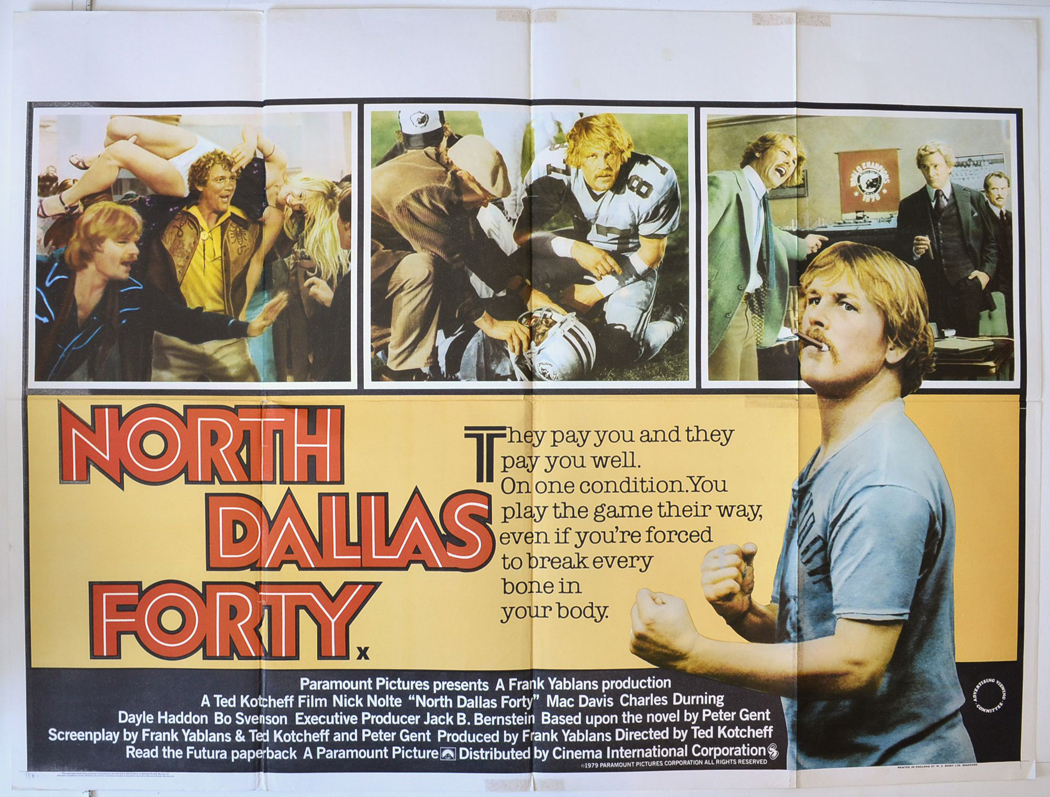
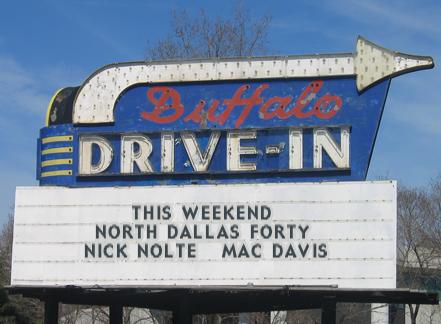
This 1979 sports movie was based on the 1973 novel of the same name by former NFL Dallas Cowboys player Peter Gent. The film offers a gritty and realistic look at pro football. It hits on the physical and emotional toll, corruption, and the commercialization of the game. You get a glimpse into 1970s football with the players, coaches, groupies, and owners. It’s listed as a comedy but it’s more a drama.

I saw this movie in the early nineties and liked it immediately. It has a very realistic feel. I’m a Nick Nolte fan and he was his normal grumpy self in this. You don’t have to be a fan to watch this movie. Seldom has the corruptive nature of professional sports been on display than here. Pro football comes across as supremely exploitative of players, with owners reflecting in the glory. The MLB was basically the same at the time as well.

It really gives an insight into what happened behind the scenes in football and it’s not pretty. Nolte plays an aging talented wide receiver who loves the game and has left himself on fields throughout the league. He hurts constantly but management is more worried about what he does in his own time than on the field.  He loves the game but not the business. The movie was not allowed to use real NFL football names. In this movie…the Cowboys are the Bulls.

Players were treated terribly by coaches, managers, and owners. They were not paid well unless they were a star player. Now they pay the players so much they take good care of them but during this era, everyone was expendable except stars and this movie shows that better than most.

Mac Davis played Seth Maxwell who was modeled after quarterback Don Meredith. Nick Nolte played Phillip Elliot who was wide receiver and author Peter Gent. The other players resemble Gent’s Cowboys of the late sixties down to the Tom Landry type of head coach. John Matuszak, a real NFL football player was in this movie as well.

After reading multiple books on the 1970s Oakland Raiders and Pittsburgh Steelers…this movie is very true to form for those years. In the end, the movie leaves you wanting more.

Plot

It’s a sports drama film based on Peter Gent’s semi-autobiographical novel. The story revolves around Phil Elliott (played by Nick Nolte), a veteran wide receiver for a fictional professional football team, the North Dallas Bulls. The movie explores the brutal realities behind professional football, including the physical pain, drug use, and pressure players endure to stay on the field.

Phil is disillusioned with the sport’s business-like nature, the corruption within the team, and the manipulation by management and coaches. His relationships with teammates, including his best friend Seth Maxwell (played by Mac Davis), highlight the personal cost of sacrificing health and integrity for success. As Phil struggles to maintain his individuality and cope with the harsh demands, he faces a moral dilemma about whether to keep playing or walk away from the game.

The film provides a gritty and realistic portrayal of the darker side of professional sports, contrasting the glamorous public image of football with the physical and emotional toll it takes on the players.

Quotes

  • Maxwell: You had better learn how to play the game, and I don’t mean just the game of football.

______________________________________

  • Coach Johnson: Douglas! The reason we drafted you was because they said you were fast and smart. At this point, I’d be delighted if you’d be at least one of those things!

..,

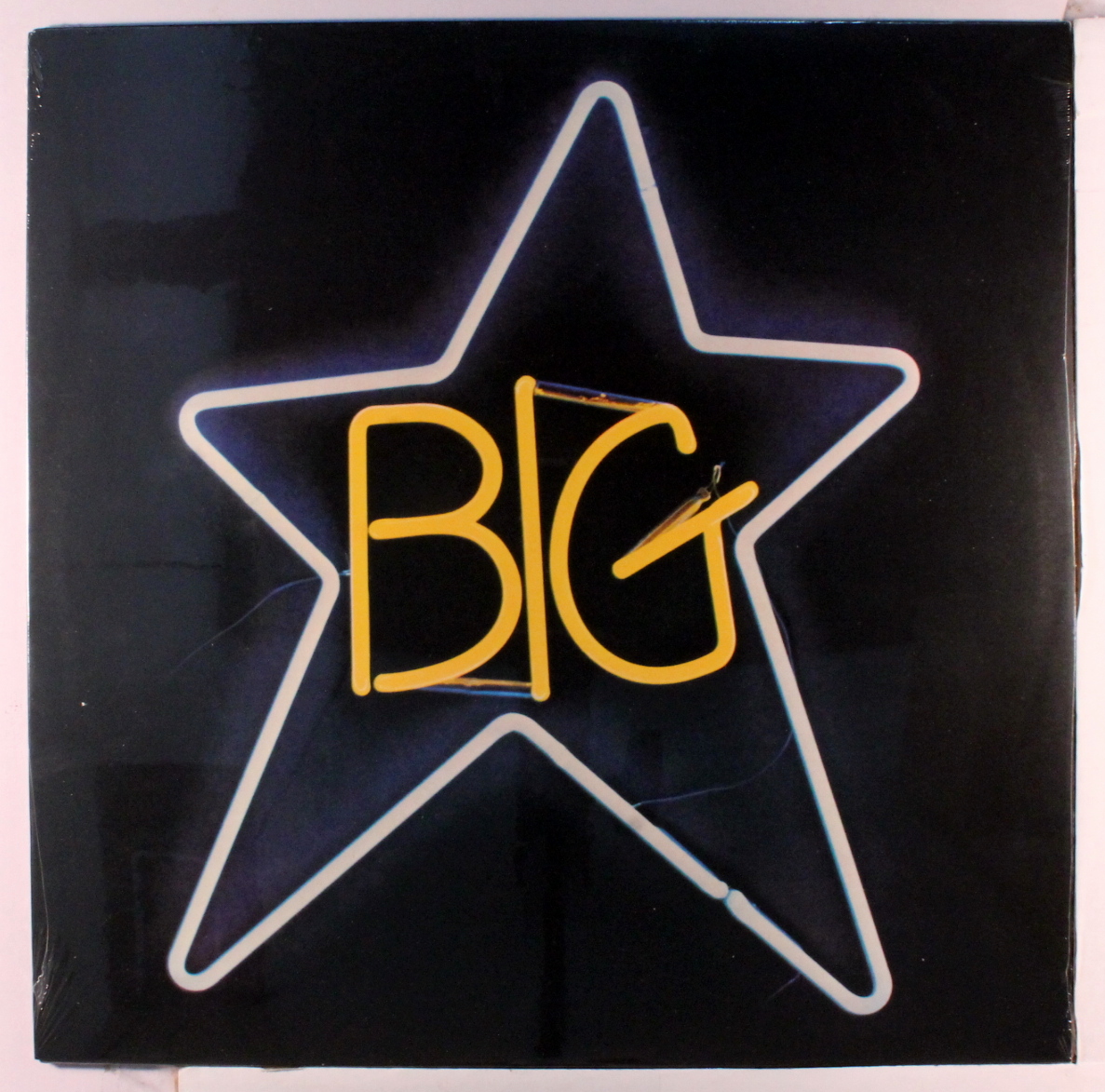
Big Star – Thirteen

Big Star was the best band never heard. This song is an absolutely perfect song about adolescence. I played it to my then 14-year-old son and it made him a Big Star fan now 10 years later. This song is the most covered song by Big Star with 49 different covers. It’s almost a perfect acoustic song. The song is about an adolescent guy and his girlfriend who are rock fans being what 13-14-year-olds are…confused and lost.

There is not a bad song on the first album. The song was originally featured on the 1972 album #1 Record. It was released as a single by Big Star with “Watch The Sunrise” as the B-Side, on Ardent Records, but was mislabeled as “Don’t Lie To Me”. Chris Bell and Alex Chilton were the two main songwriters.

Bell and Chilton wanted to emulate the Lennon/McCartney formula as much as they could, so they shared credit on many of the songs on #1 Record even though there was, in fact, little writing collaboration between the two. “Thirteen,” was entirely Chilton’s creation.

This was ranked #396 on Rolling Stone’s list of the 500 greatest songs. Artists who have covered this include Evan Dando, Garbage, Elliot Smith, Wilco, and Kathryn Williams.

Alex Chilton: “I don’t know where it came from but I made up this wild bit of guitar in 15 minutes. You don’t hear many 20-year-olds doing that.”

Thirteen

Won’t you let me walk you home from school
Won’t you let me meet you at the pool
Maybe Friday I can
Get tickets for the dance
And I’ll take you

Won’t you tell your dad, get off my back
Tell him what we said ’bout ‘Paint It Black’
Rock ‘n Roll is here to stay
Come inside where it’s okay
And I’ll shake you

Won’t you tell me what you’re thinking of
Would you be an outlaw for my love
If it’s so, well, let me know
If it’s no, well, I can go
I won’t make you

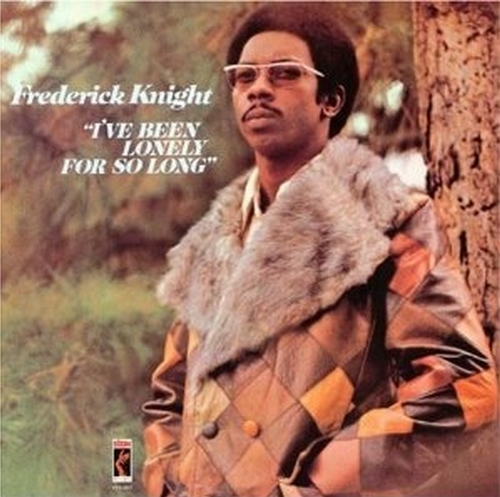
Frederick Knight – I’ve Been Lonely For So Long

I love early seventies soul…this is a cool gem of a song and very overlooked. I remember this one when I was around 5-6 being played on A.M. Radio. He released this on Stax Records in 1972. Stax was starting to go down around this time.

In the early 1970s, under the leadership of Al Bell, Stax expanded too rapidly and faced financial difficulties due to over-expansion and mismanagement. Despite producing some hits during this period, including Isaac Hayes’ successful albums, Stax declared bankruptcy in 1975.

The song was written by Posie Knight and Jerry Weaver. It peaked at #27 on the Billboard 100, #8 on the Billboard R&B charts, and #23 in the UK in 1972. It’s been covered 15 times and one cover was by Mick Jagger on his 1993 solo album Wandering Spirit. Paul Young also covered it on his debut album No Palez in 1983.

He didn’t chart any more top 40 songs on the top 100 and he would be known as a one-hit wonder which is a shame. He kept releasing music until 1981 and did get a song in the top 40 of the R&B Charts with I Betcha Didn’t Know That in 1975.

In the mid-1970s, Knight founded his own record label, Juana Records. Through Juana Records, he produced and promoted music for other artists, including the successful disco group Anita Ward, who had a hit with Ring My Bell in 1979.

I’ve Been Lonely For So Long

I’ve been lonely for so longDon’t seem like happiness will come alongI’ve been lonely for so longDon’t seem like happiness will come along

These ain’t rain clouds over my headEverybody’s throwing rocks in my bedJust can’t seem to get ahead in lifeOoh, nothin’ I do ever turn out for the right

Won’t somebody help me please

‘Cause I’ve been lonely for so longDon’t seem like happiness will come alongI’ve been lonely for so longDon’t seem like happiness will come along

I lay awake every nightTryin’ to figure out how to make things rightThere’s got to be a better way I knowTo shake this monkey off ’cause he’s makin’ me so

Won’t somebody help me please

‘Cause I’ve been ooh, lonely for so longDon’t seem like happiness will come alongI’ve been lonely so longDon’t seem like happiness will come along

Yes, I know what it feels like to be lonelyTo have your friends turn their backs on youTo never know the real meaningOf peace of mind, oh

Just can’t seem to get ahead in lifeOoh, nothin’ I do ever turn out for the right

Won’t somebody help me please

‘Cause I’ve been lonely for so longDon’t seem like happiness will come alongI’ve been lonely for so longDon’t seem like happiness will come along

I’ve been down so longI’ve been down so longI’ve been down so longI’ve been down so long

I get lonely, I get lonelyI get lonely, I get lonelyI get lonely, lonely

Kinks – Strangers

It’s great to be back with everyone today. I know I know…we just finished up with the Kinks a few weeks ago but I wrote this one for the Kinksathon but decided to use another post. This was like uncovering a gem. This is not a Ray Davies song but his brother Dave wrote and put some heartfelt vocals into this. His voice and the sound of his voice sound great…I love the slapback echo they added.

Dave wrote this song about a friend he had named George Harris. Him and George were going to form a band and they were really tight but George got hooked on drugs bad. This was all before the Kinks formed. Dave Davies said: “We were dear friends, actually, George and I were going to start a band, but he got too heavily into drugs and it kind of pulled us apart. The drug thing was like a three-way affair. He died of a methamphetamine overdose. They found him departed … he was young. I always felt it was going to be me and him. I didn’t think at that age that it was going to be me and Ray. So I really kind of wrote it to him; ‘Strangers on this road we are on, we are not two we are one.’ It was like, what might of been if he hadn’t died so tragically.”

The singer of this song mentions a friend who seems to have separated from him. What emerges is not just a portrait of his lost pal but also of the person who’s searching for him. A Hank Williams line “I’ll Never Get Out of This World Alive” influenced Dave in this song as well…with is line if I live too long I’m afraid I’ll die. 

The song came off the album Lola vs. Powerman And The Moneygoround, Part 1 which had the massive hit Lola. Maybe that is the reason this song got overlooked. Many Kinks fans love this song but the radio doesn’t hardly play it. The album peaked at #35 on the Billboard 100 and #33 in Canada in 1970. Unfortunately, there was never a part 2.

The song was used in the 2007 film The Darjelling Limited. 

Dave Davies: “I was going through a lot of change, personally – spiritual stuff and getting into different philosophy, I was 15 at the time when we first started. And we had success, we were touring, and it doesn’t really give you a chance to grow up.”

Ray Davies on the part 1 album: Lola Versus Powerman… was good versus evil, obviously, and in Volume Two, I sketched out how you become your worst nightmare, how the good man goes so far he becomes the evil person he always fought against. But we had to do another tour, we had the RCA deal, and we had other recording projects that we had to work towards, and it got lost, unfortunately.

Here is Dave in 2017 doing it acoustically.

Strangers

Where are you going, I don’t mind
I’ve killed my world and I’ve killed my time
So where do I go? What will I see?
I see many people coming after me
So where are you going to, I don’t mind
If I live too long I’m afraid I’ll die
So I will follow you wherever you go
If your offered hand is still open to me

Strangers on this road we are on
We are not two, we are one

So you’ve been where I’ve just come
From the land that brings losers on
So we will share this road we walk
And mind our mouths and beware our talk
‘Til peace we find, tell you what I’ll do
All the things I own I will share with you
And, if I feel tomorrow like I feel today
We’ll take what we want and give the rest away

Strangers on this road we are on
We are not two, we are one

Holy man and holy priest
This love of life makes me weak at my knees
And when we get there, make your play
‘Cause soon I fear you’re gonna carry us away
And a promised lie you made us believe
For many men there is so much grief
And my mind is proud but it aches with rage
And, if I live too long I’m afraid I’ll die

Strangers on this road we are on
We are not two, we are one
Strangers on this road we are on
We are not two, we are one

Dobie Gray – Drift Away

I had some time today so I thought I would publish a couple of posts. It will be nice to post today until I come back in a couple of weeks.

Drift Away is one of the most perfect singles I remember. Much like Baker Street…a single where everything is right. This is one of the first songs I remember hearing and liking. That guitar intro and tone hooked me into this song. Gray said in an interview that the song’s hook of “Gimme the beat boys and free my soul” has been misheard and incorrectly sung as “Gimme the Beach Boys,” “Gimme the wheat boys” (proposed for a cereal commercial), “Gimme the peat moss,” and “Gimme the meatballs.”

The song was recorded at Quad Studio in Nashville. Drift Away was written by producer/songwriter Mentor Williams. Mentor is the brother of Paul Williams. Mentor initially intended the song for John Henry Kurtz, an actor and country artist who recorded the song in 1972. However, Dobie Gray’s version, recorded the following year, became the definitive rendition.

Drift Away has been covered by various artists over the years, including a version by Uncle Kracker in 2003, which featured Dobie Gray himself. That version was also a hit, peaking at #9 on the Billboard Hot 100 and introducing the song to a new generation.

The Rolling Stones recorded a version of Drift Away for their “It’s Only Rock and Roll” album in November of 1973 but it didn’t make the album and has never been released except on bootlegs. It is a great version…made for Jagger’s voice but nothing tops the original.

Drift Away peaked at #5 on the Billboard 100 and #7 in Canada in 1973. You would think this would have been the start of something huge but it was his only top 10 hit on Billboard. He did have a hit in 1965 with The In Crowd which peaked at #8 in Canada and #13 on the Billboard 100.

Reggie Young, a session guitar player, played the famous intro to this song. His song Reggie Young Jr. said: “Dobie Gray asked my father to join him in playing ‘Drift Away’ live. This was the first time since 1973 that they had played the song together. In the ’80s my father was showing another guitar player how to play the intro to ‘Drift Away,’ but the other guy said he thought that my father was playing it wrong. In fact he was playing in the wrong key. Also, when this was re-recorded in 1997 for Gray’s CD Diamond Cuts, he declined, as he didn’t think he could do it any better than he did on the original.”

Mentor Williams: “I think one of the hardest things for me to learn about songwriting was to really expose my feelings and weaknesses and to write personal, emotional things. As soon as I started doing that, I realized other people were relating to my songs. You can study how to write and spend a lot of time writing, but without this emotional content in a song, it’s just not there. ‘Drift Away’ was a big breakthrough for me. It was a song where it suddenly was okay for me to write about being hurt and let people know that I had been hurt and I wasn’t afraid to expose my feelings.”

Drift Away

Day after day I’m more confused
So I look for the light in the pouring rain
You know that’s a game that I hate to lose
I’m feelin’ the strain, ain’t it a shame

Oh, give me the beat boys, and free my soul
I want to get lost in your rock and roll and drift away

Beginning to think that I’m wastin’ time
I don’t understand the things I do
The world outside looks so unkind
I’m countin’ on you to carry me through

And when my mind is free
You know a melody can move me
And when I’m feelin’ blue
The guitar’s comin’ through to soothe me
Thanks for the joy that you’ve given me
I want you to know I believe in your song
Rhythm and rhyme and harmony
You help me along makin’ me stro

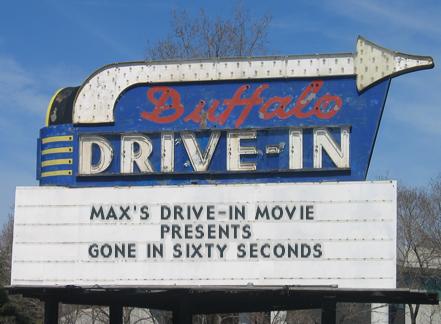
Max’s Drive-In Movie – Gone In Sixty Seconds (1974)

Eleanor

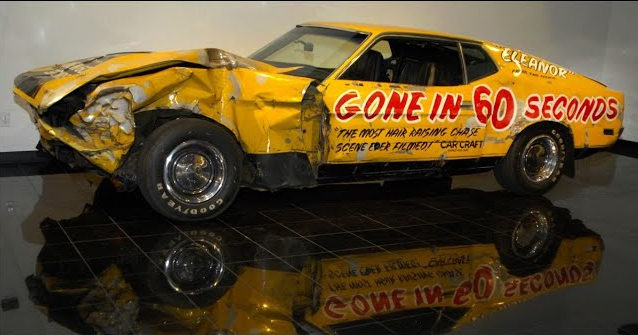
I won’t only review classic movies or cult movies…sometimes car chase movies will get in here. This movie is special to me because parked in the lobby of the Nashville Theater I saw this movie in… was Eleanor the car that was actually in the movie. I got to touch it and it was like touching gold to a 7-year-old. I remember watching the trailer and my aunt taking me to see it. My mom would not have approved of me seeing this movie but my rebellious aunt took my sister and me to see it.

This is not the best-acted film but the spirit of it is awesome. It was made on a low budget of $150,000 but made 40 million at the box office. It was written, directed, produced, and starring H.B. “Toby” Halicki. It became famous for its car chases and destruction scenes, especially the lengthy, chaotic chase near the film’s conclusion.

There is a 40-minute car chase in this movie. Any mistakes stayed in and they added to the action. In one scene Eleanor hits a telephone pole and the pole falls on Eleanor and it wasn’t planned…they just keep going which adds to the realism. During the filming of the final chase, Eleanor sustained over 90 accidents and collisions. Halicki, who performed most of his own stunts, was injured multiple times.

There was a remake in 2000 with Nicolas Cage (who I like) and Angelina Jolie but NO…the original was so much better. Why was it better Max? Because the crashes and everything was real. The wrecks were real and there was nothing faked. Some of the actors were actual cops and some thieves were real in this movie as well. Halicki wanted everything to feel as real as possible, so there were no special effects or green screens for the action scenes. All the stunts were performed live, which added to the film’s authenticity.

With the exception of a few extras, the bulk of the bystanders/members of the public in the movie are real people just going about their business who had no idea that a film was being made.  This caused several incidents where people assumed a real police pursuit was in progress, with many trying to help the accident “victims”. This was guerilla filmmaking at it’s best.

I’ll give you a quick plot line. The movie follows a group of car thieves led by insurance investigator Maindrian Pace (played by Halicki) as they attempt to steal 48 high-end cars in five days. The plot itself is secondary to the car action.

This is not Gone With The Wind by any stretch of the imagination but if you want to see some very cool muscle and sports cars… this is the movie for you. He showed you exactly how to steal cars in the 70s and get away with it. The first half of the movie can drag at times but it sets you up for the last 40 minutes of that chase.

I will watch this movie every couple of years and I get caught up in the chase and how they switched Vin numbers, and motors, and hid what they were doing.

Gone In Sixty Seconds theater

The FULL Movie

..,

Guess Who – No Time

I always had a soft spot for The Guess Who. Randy Bachman and Burton Cummings could write some really great songs. Both of them shared the credit on this one. I had a greatest hits package by the Guess Who given to me by a relative. At the time, I thought the Guess Who and The Who were the same. The Guess Who and Bachman Turner Overdrive were regulars on A.M. Radio in the 1970s. Randy Bachman would leave The Guess Who in 1970 and form BTO.

The Guess Who formed in Winnipeg, Manitoba in 1958. They would release their version of Shakin’ All Over in 1965. Their name came about when their label Quality Records released their first hit single (“Shakin’ All Over”) credited only to “Guess Who?” in an attempt to build a mystique around the band. They wanted the public to believe that this was a possible British band. The real name of the band was “Chad Allan & The Expressions,” but radio station DJs continued to refer to them as “The Guess Who.” when playing subsequent singles.

This song was on the album Canned Wheat released in 1969. The album had three charting singles No Time, Undone, and Laughing. The album peaked at #91 on the Billboard Album Charts and #23 in Canada. The song peaked at #1 in Canada, #5 on the Billboard 100, and #16 in New Zealand in 1969-1970.

The most significant reunion occurred in 1983 when Bachman, Cummings, Kale, and Peterson reunited for a concert and the live album Together Again. In 2000, another major reunion tour, Running Back Thru Canada,” featured Bachman and Cummings and was a huge success, reviving interest in the band.

No Time

(No time left for you)
On my way to better things
(No time left for you)
I’ll find myself some wings
(No time left for you)
Distant roads are calling me
(No time left for you)
Mm-da, mm-da, mm-da, mm-da, mm-da

No time for a summer friend
No time for the love you send
Seasons change and so did I
You need not wonder why
There’s no time left for you
No time left for you

(No time left for you)
On my way to better things
(No time left for you)
I’ll find myself some wings
(No time left for you)
Distant roads are calling me
(No time left for you)
Mm-day, mm-gay, mm-day, mm-gay, mm-day

No time for a gentle rain
No time for my watch and chain
No time for revolving doors
No time for the killing floor
There’s no time left for you
No time left for you

No time for a summer friend
No time for the love you send
Seasons change and so did I
You need not wonder why
There’s no time left for you
No time left for you

No time, no time, no time, no time

I got, got, got, got no time
No, no, no, no, no, no, no time
I got, got, got, got no time
No, no, no, no, no, no, no, no, no
No, no, no, no, no, no, no, no time
I got no time, got no time, got no time, no time, got no time
Got no time, got no time

Who – Sister Disco

The Who Are You album was not the best album The Who released but it has its bright spots. Pete Townshend wrote this song and he said The Who would never use any disco elements in their songs. To his credit, they never used any. At this time Pete was hanging around with some of the punk bands like The Clash…so that makes sense.

The Who Are You album peaked at #2 on the Billboard Album Charts, #2 in Canada, and  #6 in the UK in 1978.

Kenney Jones had the hardest job in the music world at the time. Replacing Keith Moon was an impossible task. He didn’t play in the same style, although not many did, but he did a good job. He was eventually forced out of the band 3 years later when Roger wanted something different. Roger said that Jones was a great drummer but didn’t fit The Who.

The Who after Moon’s passing was this… whether to get a Moon-styled drummer or get someone more traditional. If they’d gone with the former, Blondie’s Clem Burke or Mitch Mitchell would have fit the bill, as Zak Starr does now. But I doubt Clem was known enough to warrant consideration. That leaves a candidate who would not duplicate Moon’s frenetic approach…in Kenney Jones. Pete Townshend wanted stability and more of a straight beat. That is fine…but when they did that they didn’t sound like themselves as much…and Pete was probably happy about that fact.

I liked the Face Dances album a lot when it was released and I still do. Kenney did a great job on that album but with older Who fans…the drums were just as big of a part of the music as the singing and guitar. In other words, Kenney Jones could not win. He was more of a traditional drummer in a band that was not known for that. Entwistle also toned down his bass playing because he would play off of Moon and be all over the place.

Sometimes I wish they would have packed it up like Zeppelin did after Bonham died but I enjoyed a lot of the music that The Who released after Moon died. Jones was in a no-win situation.

Pete Townshend: With ‘Sister Disco’, I felt the need to say that the group would never, ever, in any way do anything like the Bee Gees. We stand over here and what we stand with is all right. They might say we’re boring old farts but we still feel more at home with the boring old farts than any of that crowd.

Pete Townshend: For this track I spent a lot of hours programming my analogue sequencers in my ARP 2500 studio synthesizer. It isn’t quite Kraftwerk, but in 1976 I don’t think they were doing much better. This is a perfect example of the progression I was making towards theatrical music writing. I was trying to evoke absurd Baron Munchausen musical textures. Roger sounds so seriously intent about everything that the pomposity becomes real and threatening rather than pictorial.

Pete Townshend: It’s got nothing to do with disco at all! It’s only a series of lines put together. The chorus ‘Goodbye Sister Disco, now I go where the music fits my soul’…that is not an indictment of disco music. I like a lot of disco music; I even like discos. It’s to do with saying goodbye to, I think, a sort of self-conscious poseur kind of thing The Who had been for such a long time.

Roger Daltrey: I really like ‘Sister Disco’ but I don’t necessarily understand what he’s saying. I do understand what he’s trying to say but I don’t know whether it comes off. It was a song about getting too old for discos and that whole line that Pete sings, ‘Goodbye Sister Disco, I go where the music fits my soul,’ is kind of operatic; it’s a bit pompous. That’s why I personally didn’t sing that line because I can’t…when Pete sings it he’s got enough kind of tongue-in-cheek quality to get away with it and it works, but if I sang it, it would be a total disaster.

This is a rehearsal version with Kenney Jones on drums getting ready for the 1979 tour. The first without Keith Moon.

Sister Disco

As I walked through that hospital door
I was sewn up like a coat
I got a smile from the bite of the wind
Watched the fresh fall of snow

I knew then that my life took a turn
I felt strong and secure
And with adhesive tape over my nose
I felt almost demure

Goodbye Sister Disco
With your flashing trash lamps
Goodbye Sister Disco
And to your clubs and your tramps

Goodbye Sister Disco
My dancing’s left you behind
Goodbye, now you’re solo
Black plastic; deaf, dumb and blind

Bye, goodbye Sister Disco, now I go
I go where the music the music fits my soul
And I, I will never let go, I’ll never let go
‘Til the echo of the street fight has dissolved

I will choose nightmares and cold stormy seas
I will take over your grief and disease
I’ll stay beside you and comfort your soul
When you are lonely and broken and old

Now I walk with a man in my face
Ooh, a woman in my hair
I’ve got you all lookin’ out though my eyes
My feet are a prayer

Goodbye Sister Disco
With your flashing trash lamps
Goodbye Sister Disco
And to your clubs and your tramps

Goodbye Sister Disco
My dancing’s left you behind
Goodbye, now you’re solo
Black plastic; deaf, dumb and blind

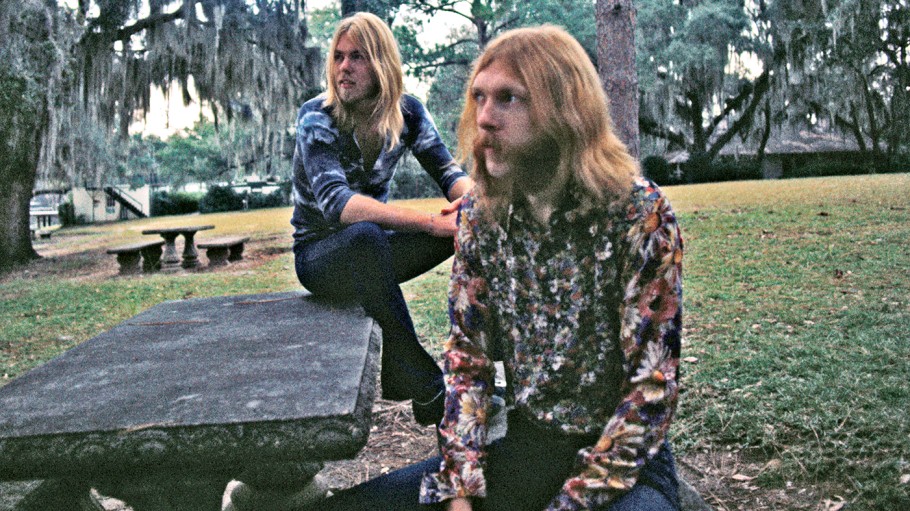
Brothers At Arms – Duane and Gregg Allman

We all know the great album Brothers in Arms from Dire Straits, but sometimes those brothers are “at arms” rather than in them. In this part of the mini-series with Max (Thats Me!) from PowerPop he talks about Duane and Gregg Allman from The  Allman Brothers… Randy from https://mostlymusiccovers.com posted this a few months back right here.

Rare Live Footage of “Statesboro Blues” (1970)

Duane (born November 20, 1946) and Gregg (born December 8, 1947) Allman were born in Nashville, Tennessee, and grew up with a loving but tough mother. Their father, Willis Turner Allman, was murdered in 1949 when Duane was 3 and Gregg was 2. They were raised by their strong mom Geraldine Robbins Allman. Geraldine never remarried because she was scared that a new husband might not treat the boys well. They lived in Nashville for a while but then moved to Daytona Beach and grew up there. Geraldine would soon go to a school to get her accounting degree and send the boys to Castle Heights Military Academy on two separate occasions in Lebanon, Tennessee.

The brothers were almost completely different except in music. Duane lived life on the very edge. Always doing things excessively, be it riding a motorbike, drugs, cars, or playing guitar. Gregg was much more conservative, thoughtful, and worried about the future. Gregg saved up his money from a paper route to buy a Silvertone acoustic guitar early on. He had $21, but the man at the store also wanted tax, so Gregg’s mom kicked in 95 cents.

In 1960, Duane had a small Harley Davidson and wrecked it. He quit school early and continued his partying ways. After a while, he started to get jealous of Gregg’s ability on guitar. Pretty soon they would be fighting over the guitar and the mom soon got Duane a guitar after he sold what was left of the Harley. Gregg showed Duane chords and Duane soon passed Gregg in ability. One, he had a natural gift, and two he had more time through the day. Soon Gregg and Duane started a band called The Allman Joys.

More Rare Live Footage “Whipping Post” (1970)

They developed a following as they started to tour in Florida after Gregg graduated from High School in 1965. Gregg had thoughts of being a dentist if it didn’t work out in music. Duane kept Gregg’s enthusiasm up through the rough times and kept him focused on his keyboard playing, songwriting, and vocals. They soon moved to California to start the band Hourglass and were signed. After two years Duane quit and moved back to the south. After Duane formed the band that would become The Allman Brothers…he called Gregg to come back home to sing. The brothers had a good relationship but were not above fights here and there. Gregg said that he was always Duane’s little brother and would listen to Duane like a second dad. Duane was killed on October 29, 1971, on a motorcycle. Gregg never got over it and it accelerated his drug use. He died on May 27, 2017, at age 69.

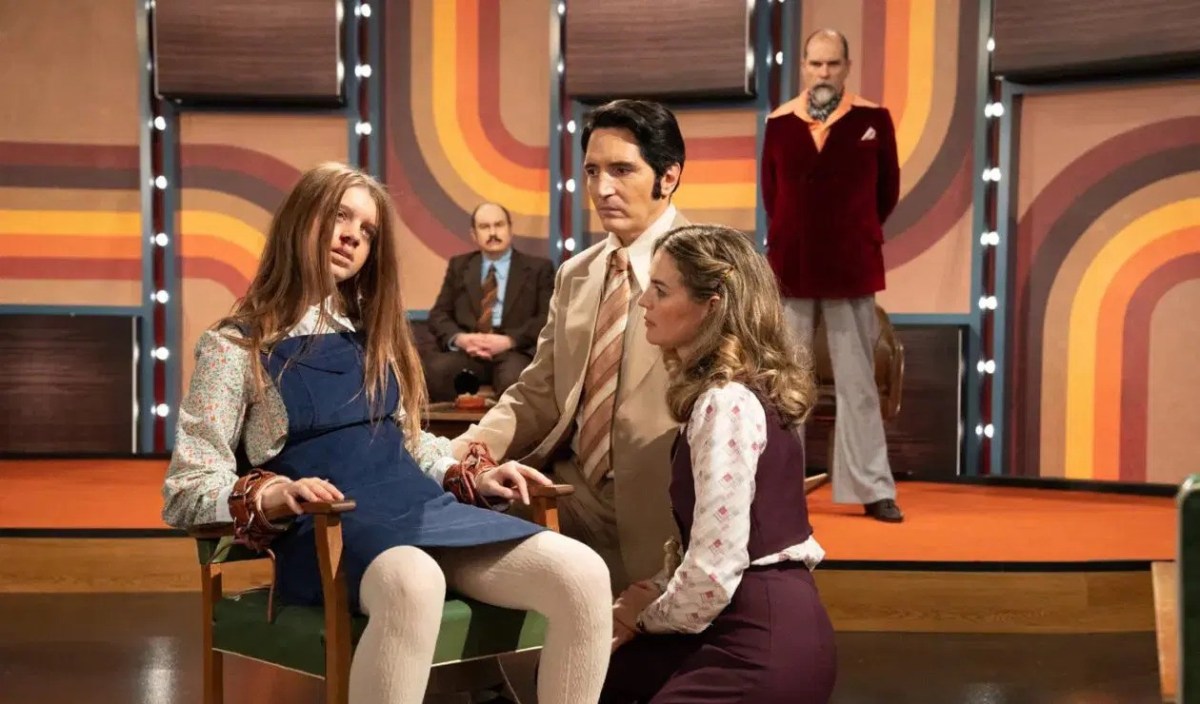
Max’s Drive-In Movie – The Shining

The Shining

Jack Nicholson on Stanley Kubrick: Everyone pretty much acknowledges that he’s the man and I still feel that underates him. 

This movie keeps you coming back. If you ask 15 people on what the movie meant…you would get 15 different answers. The movie is so much more than the quoted lines like REDRUM and Here’s Johnny! Every time I watch it I get something different out of it. This won’t be the last Kubrick movie I feature on here. 

In 2016 or so…we saw this movie on the big screen on Halloween and it changed the movie completely for me. It made me appreciate it more than I did and that is saying a lot. The film drips with ambiguity. The Shining has to be one of the most dissected movies ever filmed. The cast was absolutely perfect. I also connect to the movie in different ways. It was released in 1980 and they filmed it in 1978 and 1979 and the hotel reminds me of that time so well.

Stanley Kubrick directed this movie and we see Jack Torrance slowly go insane and the drama builds throughout. There are no wasted scenes in The Shining…each scene has a purpose and it’s not wasted. The scenes are hard to explain. There is an open space of silence in many of them so you focus on what’s going on. The bathroom scene with Jack and Grady is careful and deliberate. Nothing else matters in the story except right now in each scene. 

Stephen King wrote the book but did not like Kubrick’s interpretation of it. Usually 9/10 times I’m a book guy…on this movie/book, I’m not. I liked Stanley’s vision for the movie over the book. Kubrick didn’t explain everything to you and it’s stronger because of that. You also get isolation, madness, and the supernatural, leaving viewers with many questions about the true nature of the Overlook Hotel.

I have read complaints about Nicholson’s performance being too far over the top.  I totally enjoyed his performance and I think Shelley Duvall is seriously underrated in this movie. I can’t imagine what she went through…she had to stay on edge and hysterical through half the movie. Danny Lloyd (5 years and turned 6 through filming) was great as Danny in the film. Kubrick kept Lloyd very reserved in the right spots and he doesn’t overact like some child actors do. The additional character actors fit their roles perfectly. Who would have thought Scatman Crothers would be cast in a movie like this? He was great at his role as was Philip Stone as Delbert Grady and Joe Turkel as Lloyd the Bartender. 

Now the music…it makes it. Very few films I’ve seen where the music flows with the dialog. In one scene featuring Jack and Danny sitting on a bed…the orchestration goes up with a question and falls with an answer. The atmospheric synthesizer they used in this movie and A Clockwork Orange adds to the movie greatly. When you are watching the film you feel isolated like Jack, Wendy, and Danny and the music again adds to that. 

The two scenes that still scare me when I see it in the movie? A simple scene really but when Wendy finds Jack’s novel she finds out what he’s been typing on a typewriter for a very long time. It sends chills up me when I see that. What a perfect way to show someone has gone insane without saying any dialogue. 

The other one is when Danny is riding his Big Wheel or Trike down the hallways and you hear the wheels changing from carpet to hardwood floors…what will be around the next corner? Then the twins appear…that gives me the creeps…forever and ever and ever. 

I’ve read a lot of Shining theories and all are all different. There are so many theories like… There were no ghosts at all, it was all in Jack’s head and what happened is what he wrote, it was all in Wendy’s head, the Hotel is really hell, it’s a reminder of the Holocaust, and even down to viewing the film forward and then backward. I think most (there are plenty more) of these are too far out there but that shows you what Kubrick built into this film…you WANT to watch it again and again. I watched it twice before writing this. 

Plot IMDB

A psychological horror film centered around the Torrance family: Jack (Jack Nicholson), his wife Wendy (Shelley Duvall), and their son Danny (Danny Lloyd). The story follows them as they move into the isolated Overlook Hotel for the winter, where Jack takes a job as the hotel’s caretaker. The hotel’s eerie history, which includes murder and supernatural occurrences, begins to affect Jack, who is struggling with writer’s block and a history of alcoholism. Meanwhile, Danny, who has psychic abilities called “the shining,” starts experiencing terrifying visions of the hotel’s past, including the ghostly Grady twins and a river of blood flowing from an elevator.

As time passes, Jack descends into madness, influenced by the hotel’s malevolent forces. He becomes increasingly violent and erratic, eventually attempting to murder his family. The film culminates in a tense chase through the hotel’s hedge maze

Quotes:

  • Wendy Torrance: Well, I’m very confused, and I just need time to think things over!
  • Jack Torrance: You’ve had your whole fucking life to think things over, what good’s a few minutes more gonna do you now?

__________________________________________

  • Lloyd: Women: can’t live with them, can’t live without them.
  • Jack Torrance: Words of wisdom, Lloyd my man. Words of wisdom.

___________________________________________

  • Jack Torrance: Hi, Lloyd. Been away. Now, I’m back.
  • Lloyd: Good evening, Mr. Torrence. It’s good to see you.
  • Jack Torrance: It’s good to be back, Lloyd.
  • Lloyd: What’ll it be, sir?
  • Jack Torrance: Hair of the dog that bit me.
  • Lloyd: Bourbon on the rocks.
  • Jack Torrance: That’ll do ‘er!

I remember this trailer back in 1980…it’s one of the best trailers I’ve seen of any movie. Modern trailer makers should study this one.  

..,

Led Zeppelin – Going To California

This song was included on possibly their best album…Led Zeppelin 4 or Zoso… whichever name you know it by. It was released in 1971, which I think was the best year for rock albums. A few weeks before this album, The Who released their huge album Who’s Next.

Led_Zeppelin 4

I liked that they switched gears in this song and kept it a ballad. Plant has often mentioned that part of the song was a tribute to Joni Mitchell, whom he and Page admired. Her song California also inspired this song.

Zeppelin recorded this album at Headley Grange. It is an old, remote mansion in Hampshire, England, and they recorded there frequently. The informal, relaxed atmosphere helped the band focus and be creative.

They used a mobile recording studio, the Rolling Stones Mobile Studio, which allowed them to record in various parts of the mansion, capturing different acoustics. Page has talked about recording Bonham underneath a staircase for the sound quality. For this song, however…it was recorded in Headley Grange’s lawn outside in the grass.

Bonham didn’t play on this one and Page played a 6-string and 12-string acoustic guitar. John Paul Jones plays the mandolin on it. Robert Plant and Jimmy Page wrote this song…it’s a great album track.

The album peaked at #1 in the Billboard 200, Canada, and the UK in 1971.

Going To California

Spent my days with a woman unkind
Smoked my stuff and drank all my wine
Made up my mind to make a new start
Going to California with an aching in my heart
Someone told me there’s a girl out there
With love in her eyes and flowers in her hair

Took my chances on a big jet plane
Never let ’em tell you that they’re all the same
Oh, the sea was red and the sky was grey
Wondered how tomorrow could ever follow today
The mountains and the canyons start to tremble and shake
As the children of the sun began to awake
Watch out

Seems that the wrath of the gods
Got a punch on the nose and it started to flow
I think I might be sinking
Throw me a line, if I reach it in time
I’ll meet you up there where the path runs straight and high

To find a queen without a king
They say she plays guitar and cries and sings
La la la la
Ride a white mare in the footsteps of dawn
Tryin’ to find a woman who’s never, never, never been born
Standing on a hill in my mountain of dreams
Telling myself it’s not as hard, hard, hard as it seems, mmm, ah

Cornelius Brothers and Sister Rose – Treat Her Like a Lady

Always loved this song. It has a great groove and a dynamic chorus. I also like the repeated backups. This is one soul song our band played and we loved every minute of it. That guitar is simple yet so effective in the verses. It’s a very powerful song live. This is high on my list of soul songs.

The group was formed in Dania Beach, Florida, and consisted of three siblings… Carter Cornelius, Eddie Cornelius, and Rose Cornelius. Later, they were joined by their sister, Billie Jo Cornelius, completing the lineup. The group started performing in the late 1960s and quickly gained a reputation for their smooth harmonies and soulful performances.

1971 was a big year for the band…they released this song and it peaked at #3 on the Billboard 100 and #10 in Canada in 1971. The group would also hit the following year with Too Late to Turn Back Now and it peaked at #1 in Canada and #2 on the Billboard 100 in 1972. Both songs were off their debut album Cornelius Brothers and Sister Rose. The song was written by Eddie Cornelius.

These two songs would be their last top 20 hits in America. They did have two more top-40 hits but nothing that lasted. The group broke up in 1976.

Treat Her Like a Lady

All my friends had to ask meSomething they didn’t understandHow I get all the womenIn the palm of my hand

And I told them to treat her like a lady (Treat her like, you got to, got to treat her like)Do the best you can do (Treat her like, you got to, got to treat her like)You got to treat her like a lady and she’ll give in to youLord you can see, you know what I mean

I know you’ve heard (Treat her like)That the woman (Got to treat her like)Will soon take advantage of you (Treat her like, got to treat her like)Let me tell you (Treat her like)My friend (Got to treat her like)There just ain’t no substitute (Treat her like)

You ought to treat her like a lady (Treat her like, you got to, got to treat her like)Do the best you can do (Treat her like, you got to, got to treat her like)You got to treat her like a lady and she’ll give in to youLord you can see, you know what I mean

Oh, you got to love her (Love her)And tease her (Tease her)But most of all you got to please her (Please her)You got to hold her (Hold her)And want her (Want her)And make her feel you’ll always need her (Need her)You know a woman (Woman)Is sentimental (Woman)And so easy to upset (Woman, woman)So make her feel (Feel)That she’s for real, yeah (Feal)And she’ll give you happiness

Whoa, strange as it seems (Treat her like, you got to, got to treat her like)You know you can’t treat a woman mean (Treat her like, you got to, got to treat her like)So my friend, there you have itI said it’s the easy, simple wayIf you fail to do this, don’t blame her if she looks my way

‘Cause I’m gonna treat her like a lady (Treat her like, you got to, got to treat her like)So affectionately (Treat her like, you got to, got to treat her like)I’m going to treat her like a ladyAnd she’ll give in to meLord you can see, you know what I mean

Oh, you got to treat her like a lady (Treat her like, got to, got to treat her like)Do the best you can do (Treat her like, you got to, got to treat her like)You got to treat her like a lady

AC/DC – Baby Please Don’t Go

When I first saw this video it highly amused me. Seeing Bon Scott in pigtails caught me off guard. They did a great version of this song…I will always turn to Van Morrison’s Them as my definite version, but this one is a lot of fun.

This song appeared on their debut album High Voltage released in 1974. Bon Scott was an excellent singer. He was in a pop band called The Valentines and it’s odd, to say the least seeing him singing in this band. He adapted well to what was asked of him with AC/DC.

The band toured relentlessly in the mid to late seventies and when they released Highway To Hell, it was a milestone for them. They set themselves up for a huge payday on the next album. Scott died in 1980 as they were starting on their new album which turned out to be the mega-selling Back In Black. I think if Scott had lived they would have had just as big of an album. The Highway To Hell album was the key to getting them known worldwide.

Blues great Big Joe Williams is credited with writing this song, but it was developed from a folk song titled “Long John,” which was recorded in 1934 by John and Alan Lomax for the Library of Congress. That recording captures the song sung by black prisoners at Darrington State Prison Farm in Texas. It was a popular tune because “Long John” was about an escaped prisoner on the run from authorities.

Baby Please Don’t Go

Baby please don’t goBaby please don’t goBaby please don’t go down to New OrleansYou know I love you soBaby please don’t go

When the man done goneWhen the man done goneWhen the man done gone down to the county farmHe got the shackles onBaby please don’t goDon’t leave me

I’ll be a dogI’ll be a dog woahI’ll be a dog kiss your way down thereWhen you walk alongBaby please don’t go

Baby please don’t goBaby please don’t goBaby please don’t go down to New OrleansYou know I love you soBaby please don’t go

No baby please don’t leave meWhy must you go away and do this to me babyI want to suffer for you, suffer, sufferOh baby please don’t goNo!

Baby, baby, baby, please don’t go, please don’t goDon’t go and leave me, please don’t goBaby, hummBaby, ahahOh don’t go, no don’t goOh don’t go, no don’t goAh don’t go, don’t go so slowOh don’t go, no don’t go

Why must you leave me lying on my backGoing across left side of the trackFound yourself a new man I knowSo baby please don’t goBaby please don’t go

No no no noOh please, please don’t leave meI don’t want to be left alone babyAh don’t go, don’t go, don’t goNo!

My Favorite Soul Songs

I love this genre of music. I really could put these songs in any order I wanted and it would work. I had to leave so many off…I could easily make this list with 100 different artists but I wanted the page to actually load so you could read it. This is just a partial list…if you like it I could do a part II one day.

James Carr – Pouring Water On A Drowning Man

No…his name is not a household name like the rest of the list but this song just gets to me every single time I listen to it. If you don’t listen to any other song on this post…give this one a try. I dropped Sam Cooke from this list because of Carr but I like this song that much.

His voice and that wonderful guitar. Pouring Water on a Drowning Man charted at #85 on the Billboard 100 and #23 on the R&B Chart in 1966. This song is so easy to listen to. Great guitar sound and Carr’s voice is wonderful. The small intro is worth it. The guitar can sound can seem so deceptively easy but it’s not to be right. He lived in Memphis and was called  “the world’s greatest Soul Singer” but he had a bipolar disorder and that made it hard for him to tour because of the depression.

At one time he was mentioned along with Otis Redding and they had the same manager for a while. The guy had a great voice. Check his other music out.

Arthur Conley – Sweet Soul Music

Otis Redding believed in Conley’s talent. In January 1967 Redding and his managers, Phil Walden (future ABB manager) and his brother Alan Walden (future Lynyrd Skynyrd manager) brought Conley to producer Rick Hall’s FAME Studios in Muscle Shoals, Alabama. Conley recorded two singles at FAME Studios but they were not successful and Hall did not want to work with Conley anymore.

By this time Otis was fed up and took Conley himself to FAME and used his own band. With Jimmy Johnson Engineering they recorded Sweet Soul Music. It was a million-selling single. It peaked at #2 on the Billboard 100, #2 in the R&B Charts, and #7 in the UK in 1967.

It was written by Conley and Otis Redding. It was based on “Yeah Man” by Sam Cooke and was a tribute to soul singers. The songs mentioned in this song are “Going To A Go-Go,” “Love’s a Hurtin’ Thing,” “Hold On I’m Coming,” “Mustang Sally” and “Fa-Fa-Fa-Fa-Fa (Sad Song).” The artists mentioned are Otis, Wilson Pickett, Sam and Dave, James Brown, and Lou Rawls.

Marvin Gaye – Let’s Get It On

I never checked the statistics…but I have to think there had to be a baby explosion nine months after “Let’s Get It On” was released in 1973. Anyone born in 1974 may owe their very existence to this song.

This song’s co-writer Ed Townsend also produced the album with Marvin and co-wrote the three other songs on the first side of the disc, including “Keep Gettin’ It On.” He wrote with Marvin again on songs for Marvin’s 1978 album Here, My Dear.

This song peaked at #1 in the Billboard 100, The guitar and voice are excellent in this song. There is no guessing what this song is about.

Otis Redding – Shake

This song was a highlight when watching the Monterey Pop Festival. Otis had the voice, charisma, and loads of talent. Shake was written and originally recorded by Sam Cooke. Cooke’s version reached #7 on the Billboard 100. Cooke was a huge influence on Otis Redding; along with Shake, Redding also recorded covers of Cooke’s A Change Is Gonna Come, Chain Gang, Cupid, Nothing Can Change This Love, Wonderful World, and You Send Me.

The song peaked at #47 on the Billboard 100 in 1967. Otis was on his way to superstardom. Otis made a huge impact at the 1967 Monterey Pop Festival along with The Who, Jimi Hendrix, and Janis Joplin.

The Reverend Al Green – Let’s Stay Together

I never tire of hearing his voice. This song almost wasn’t released because Green hated the thin sound of his falsetto. Producer Willie Mitchell said: “The only fight I ever had with him was about ‘Let’s Stay Together,’ because he thought ‘Let’s Stay Together’ was not a hit.” It did pretty well for a song Green didn’t think was a hit.

The song peaked at #1 in the Billboard 100, #7 in the UK, and #14 in Canada in 1972. Let’s Stay Together also spent nine weeks at the top of the Billboard Hot Soul Singles chart.

It was selected by the Library of Congress as a 2010 addition to the National Recording Registry, which selects recordings annually that are “culturally, historically, or aesthetically significant.

Brothers At Arms – The Bee Gees

We all know the great album Brothers in Arms from Dire Straits, but sometimes those brothers are “at arms” rather than in them. In this part of the mini-series Randy, from mostlymusiccovers.com, talks about the “Rock ‘Em Sock ‘Em” Siblings of the Bee Gees.

“To Love Somebody” was written by Robin and Barry Gibb. It was released as a single in 1967 and reached #41 in their native UK. The song did better elsewhere making several top 10s and #17 on the Hot 100. It would be a cover by Michael Bolton released in 1992 that put it at #1 on the Adult Contemporary charts in Canada and the US. It has endured to become a classic with over 210 versions of the song.

Formed in 1958 with brothers Barry, Robin and Maurice. After the family’s move to Australia they found their first success, just the three boys returned to their native UK in 1967. They would go on to sell an estimated 200 million records, post nine #1s on the Hot 100 and entered the top five of the most successful bands in history.

Life was not so easy, with an unreliable father they became the bread winners for the family at a very young age. Despite the pressures the boys got on quite well, until the dreaded “S” word enter in. Success. Their first #1 in the UK was “Massachusetts” in 1967. Robin sang lead on it and it was a position he was not willing to give up. The in-fighting began.

This is not perhaps the level of fighting on the same scale as some of our other brother groups, but they were not producing any hits and Robin was really at the heart of a split up in 1969. The reconciliation produced their first US #1 Hot 100 hit, “How Can You Mend a Broken Heart” in 1971. It was very much an autobiographical song. Success is fleeting in the music business and another downturn followed as their next album was a flop. By 1975 they had all moved to the US. Both Robin and Maurice struggled mightily with addiction problems. Robin seemed to tolerate the more democratic Barry becoming the defacto leader, but there were tensions. Not enough though to stop them from reinventing themselves yet again.

The Disco era and Saturday Night Fever saw them rise to incredible worldwide success with eight Hot 100 #1 hits in the mid to late 1970s. Younger brother Andy would join in the success. Everyone knows the rise and fall of Disco, and no one paid a heavier price than the Bee Gees. All of a sudden no one wanted to hear a Bee Gees song. In fact, they were and are still hated by some. I was not a disco fan, but I was a Bee Gees fan, and I took my fair share of ribbing for it.

Despite all this turmoil surrounding them, only minor tensions erupted, and Barry, Maurice and Robin would discover other people respected their songwriting abilities. First came “Woman in Love” by Barbra Streisand, and then “Islands in the Stream” by Dolly Parton and Kenny Rogers, both worldwide #1 smash hits. And also, songs for Dionne Warwick, Diana Ross and others. So, the brothers Gibb had risen from the ashes for yet a third time but as songwriters. And then remarkably a fourth time, as recording success returned once again and they placed four more songs in the top 10 in the UK in the 90s.

Maurice would die at age 53 in 2003 and despite attempts to regroup, the band that was the Bee Gees were effectively no more. Younger brother Andy had died in 1988 and Robin in 2012. Barry the oldest, has continued to record and perform.