Captain Beefheart – Upon The My O My

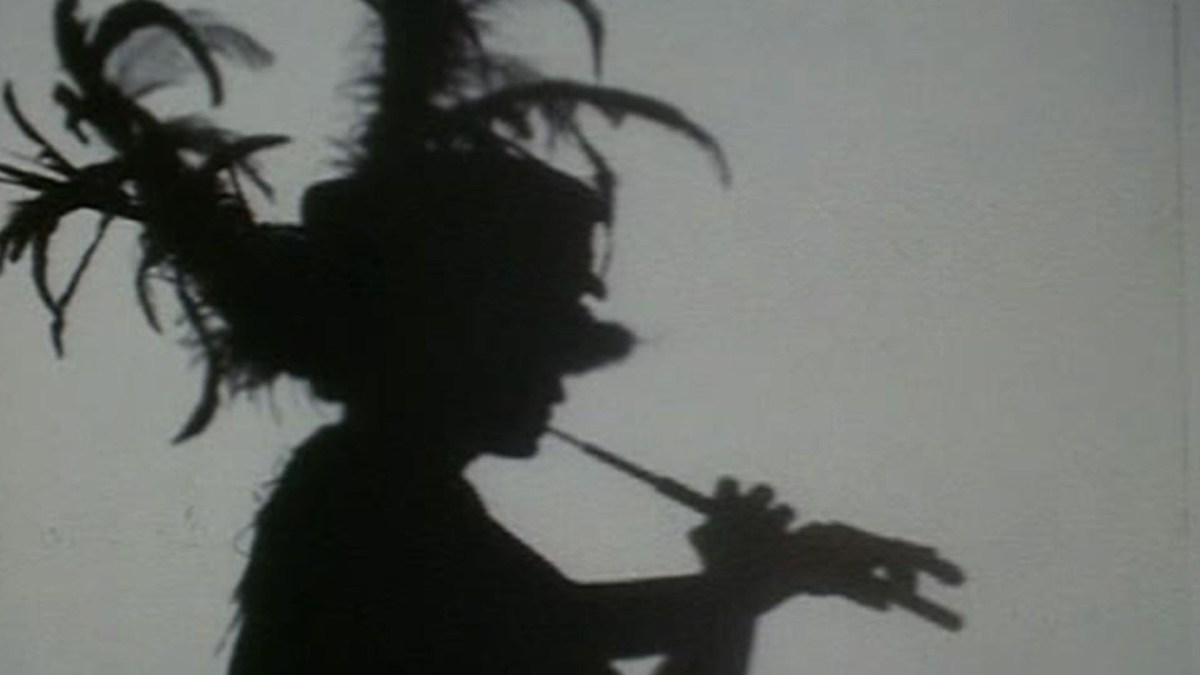
Captain Beefheart, like Zappa, has always been known as odd. I love odd so that music fits me in a lot of ways. I’ve always liked the quirky artists who try something out of the ordinary and believe me…Captain Beefheart is that. This song has a hell of an intro groove to it. I also liked Happy Love Song.

Captain Beefheart was born Don Van Vliet and was a prodigious sculptor in his childhood. I first heard about him from a Beatles book…as I did with a lot of the artists I know. John and Paul were fans of his albums Trout Mask Replica and Safe As Milk. There are two stories about how he got his name – the one he gave to David Letterman was that he chose it because he had a “beef in his heart” about how humanity was ruining the environment.

This song and album are very accessible to a lot of people. It’s almost like he’s daring you to admit he can write “normal” without losing the weirdness. The song comes from the album Unconditionally Guaranteed in 1974, the Captain Beefheart album, where the edges got filed down. The band and some fans didn’t like the album because it was more conventional than some of his other albums. The man couldn’t win either way he went.

He is taking blues and R&B shapes and bending them until they look unfamiliar, but still feel like music you’ve heard and loved. He did bring in some other musicians on this album, like Mark Marcellino on keyboards, Andy DiMartino on guitar, and Del Simmons with the sax and flute. His Magic band played as well.

After this album, the Magic Band quit because of financial reasons and also because Beefheart ran a tight ship. Here is the full album Unconditionally Guaranteed on YouTube.

Upon the My-O-My

The decks were stacked
The wind blew low, the wind blew high
The stakes were low, the stakes were high
Upon the My-O-My
Hands low, hands high,
Ho-ho-ho, hi-hi-hi
Hands low, hands high
Upon the My-O-My
How was I to know she was so shy?
Upon the My-O-My
Across the light, across the night
You can hear the Captain’s cry
Hands low, hands high
Upon the My-O-My
Got to make her roll, got to make her fly
Upon the My-O-My
Now tell me, good Captain,
How does it feel
To be driven away from your own steering wheel
Upon the My-O-My . . .

Kolchak: The Night Stalker – Chopper

January 31, 1975 Season 1 Episode 15

If you want to see where we are…HERE is a list of the episodes.

The writing in this one is a little weaker than the others to me. It has some gaps and some padding. It’s still entertaining, though, like the rest.

A bad summer in Chicago centers on a string of deaths involving decapitated victims. The murders seem random at first, but Kolchak notices that each killing follows a clear pattern. Witnesses report a motorcycle rider who appears suddenly, strikes, and vanishes. The police treat it as a gang or copycat case, but Kolchak suspects something older at work. We have some stars in this episode. Larry Linville (the notorious Frank Burns on Mash…and some Frank is in him in this episode), Jim Backus (Mr. Howell on Gilligan’s Island), and Jesse White (a great character actor).

Digging into city records and the morgue, Kolchak links the killings to the legend of the Headless Horseman. The motorcycle becomes a modern stand-in for the horse. Kolchak uncovers past incidents that were quietly buried, all involving the same method and the same result. The pattern has resurfaced, and the cycle (no pun intended) has begun again.

Kolchak clashes with the police as he pushes the supernatural theory. The evidence he gathers and witness statements support his theory, but no one wants to accept it. Tony remains cautious, knowing the story will be dismissed if it goes too far. Kolchak has also helped drive Tony to an ulcer, and there is a good scene with them talking about it. Carl really pours it on in this episode. Telling tall tales to get what he wants.

The episode works by placing folklore into a modern setting. The Headless Horseman is not treated as fantasy but as a recurring force that adapts to its surroundings. Kolchak does what he always does: identifies the truth and watches the official story erase it. By the end, the threat is stopped for now, and Chicago returns to normal, unaware of how close it came to something it doesn’t believe exists.

Next week’s episode for those who want to stay ahead.

Lou Reed – I’m So Free

I’ve been listening to different tracks from Lou Reed recently and found that many are catchy and likeable in one listen. He has many more songs than Walk on the Wild Side. I’ve never explored him like I should have, and I’ve been doing that along with Frank Zappa. It took me a while to pick a song to cover because I couldn’t decide on one.

This song is on his 1972 great album called Transformer. I love Lou’s delivery, half sung, half tossed off, like he’s talking to you from the corner of the room. It’s not a grand hit centerpiece like Walk on the Wild Side, but it shows what the Transformer sessions were really about. Taking Lou’s New York voice and framing it so the world couldn’t miss it.

It was recorded during the Transformer sessions in London in 1972, with David Bowie and Mick Ronson producing and helping shape the sound. Lou came in with the songs, but Bowie and Ronson gave the album a tighter sound than the rougher Velvet Underground days. Cleaner takes and separation between instruments. They gave the songs more of a punch. Ronson wasn’t just producing, he was also arranging and playing as well.

Transformer peaked at #29 on the Billboard Album Charts, #12 in Canada, and #13 in the UK in 1972. Transformer was Lou Reed’s most commercially successful and iconic solo album. The first single, Walk on the Wild Side became a Top Forty hit on both sides of the Atlantic. Within a year, Lou Reed transformed from a cult artist to an international star.

Lou ReedThere was this whole glam thing going on so I just put myself in that head. Its not like I had to go very far to do it. I have about a thousand selves running around. It’s easy.

Demo from 1971. Also my friend at thepressmusicreviews reviewed the RCA demos a while back. 

I’m So Free

Yes, I am Mother Nature’s son (uh, uh)And I’m the only oneI do what I want, and I want what I see (uh, uh)Could only happen to me

I’m so free (uh, uh, uh, uh)I’m so free (uh, uh, uh, uh)

Oh, please, St. Germaine (uh, uh)I have come this wayDo you remember the shape I was in? (Uh, uh)I had horns that bent

I’m so free (uh, uh, uh, uh)I’m so free (uh, uh, uh, uh)

Do you remember the silver walks?You used to shiver and I used to talkThen we went down to Times SquareAnd ever since I’ve been hangin’ ’round there

I’m so free (uh, uh, uh, uh)I’m so free (uh, uh, uh, uh)

Yes, I am Mother Nature’s son (uh, uh)And I’m the only oneI do what I want, and I want what I see (uh, uh)Could only happen to me

I’m so free (uh, uh, uh, uh)I’m so free (uh, uh, uh, uh)Oh-oh, I’m so freeOh-oh, I’m so freeOh-oh, I’m so free

In the morning, I’m so freeLate in the evening, I’m so freeYeah, yeah, yeah, I’m so freeWhen I feel good, I’m so free

And when it’s in the morning, I’m so freeAnd when it’s in the evening, I’m so freeI’m so free, I’m so freeI’m so free, I’m so free

Feel so good now, I’m so freeOh-oh, I’m so freeYeah, yeah, yeah, I’m so freeOh-oh, I’m so free

Feel so free now, I’m so freeFeel a little nice, I’m so freeFeel a little down now, I’m so freeYou’re so free, I’m so free

I’m so free, I’m so freeI’m so free, I’m so freeI’m so free, I’m so freeI’m so free, I’m so free

Commander Cody and His Lost Planet Airmen – Smoke Smoke Smoke (That Cigarette)

This song and Hot Rod Lincoln were part of my childhood on AM radio. Love the guitar they put in both songs. The song was written by Merle Travis and Tex Williams. Tex sang the song, which went to number one for 16 non-consecutive weeks on the Hot Country Songs Charts.

The band formed in Ann Arbor, Michigan, in the late 1960s, centered around pianist and singer George Frayne, who went by Commander Cody. Cody was obsessed with jump blues, western swing, honky-tonk, boogie-woogie, and the kind of records that sounded like they’d been played to death in roadside bars. The “Lost Planet Airmen” weren’t a gimmick; they were keeping that music alive.

The song itself dates back to the 1940s, a country lament about addiction long before the word was fashionable, but Cody and the Airmen turbocharged it. That rolling piano and the rhythm section swing instead of stomps. Commander Cody delivers the lyrics as a cautionary but also a sing-along.

When Commander Cody and His Lost Planet Airmen cut their version in the early 1970s, they were reviving the forgotten corners of jump blues, western swing, and boogie-woogie. Commander Cody covered the song, and it peaked at #94 on the Billboard 100 and #97 on the Country Charts in 1973. It is somewhat of a novelty song, but a novelty song done right.

The band’s style mixed country, rock, western swing, rockabilly, and blues together. This song sounded similar to their other hit song Hot Rod Lincoln from the year before. Decades later, it still feels like a late-night radio find, the kind of record that makes you turn it up, grin like an idiot.

Smoke Smoke Smoke (That Cigarette)

Now I’m a fellow with a heart of gold
With the ways of a gentleman I’ve been told
A kind of a fellow that wouldn’t even harm a flea
But if me and a certain character met
That guy that invented the cigarette
I’d murder that son of a gun in the first degree

That ain’t that I don’t smoke myself
And I don’t reckon they’ll injure your health
I’ve smoked ’em all my life and I ain’t dead yet
But nicotine slaves are all the same
At a pheasant party or a poker game
Everything’s gotta stop when they have that cigarette

Smoke smoke smoke that cigarette
Puff puff puff
And if you smoke yourself to death
Tell St Peter at the Golden Gate
That you hate to make him wait
But you just gotta have another cigarette

Now at a game of chance the other night
Ol’ Dame Forson wasn’t doin’ me right
Them kings and queens just kept on comin’ round
Well I got a full and I bet it high
But my plug didn’t work on a certain guy
He just kept a risin’ and a layin’ that money down
He’s raise me and I’d raise him
I sweated blood I had to sink or swim
He finally called and he didn’t raise the bet
I said “aces is full pal how about you?”
He said “I’ll tell you in a minute or two
But I just gotta have another cigarette”

Smoke smoke smoke that cigarette
Puff puff puff
And if you smoke yourself to death
Tell St Peter at the Golden Gate
That you hate to make him wait
But you just gotta have another cigarette

The other night I had a date with
The cutest gal in the fifty states
A high bred uptown social little dame
She said she loved me and it seemed to me
That things were like they ought a be
So hand in hand we strolled down Lover’s Lane
She was oh so far from a chunk of ice
And our smoochin’ party was a goin’ real nice
So help and I think I’d of been there yet
But I give her a hug and a little squeeze
And she said “Willie excuse me please
But I just gotta have another cigarette”
Smoke smoke smoke that cigarette
Puff puff puff
And if you smoke yourself to death
Tell St Peter at the Golden Gate
That you hate to make him wait
But you just gotta have another cigarette
Smoke smoke smoke that cigarette
Puff puff puff
And if you smoke yourself to death
Tell St Peter at the Golden Gate
That you hate to make him wait
But you just gotta have another cigarette
Just gotta have another cigarette

Kolchak: The Night Stalker – The Trevi Collection

January 24, 1975 Season 1 Episode 14

If you want to see where we are…HERE is a list of the episodes.

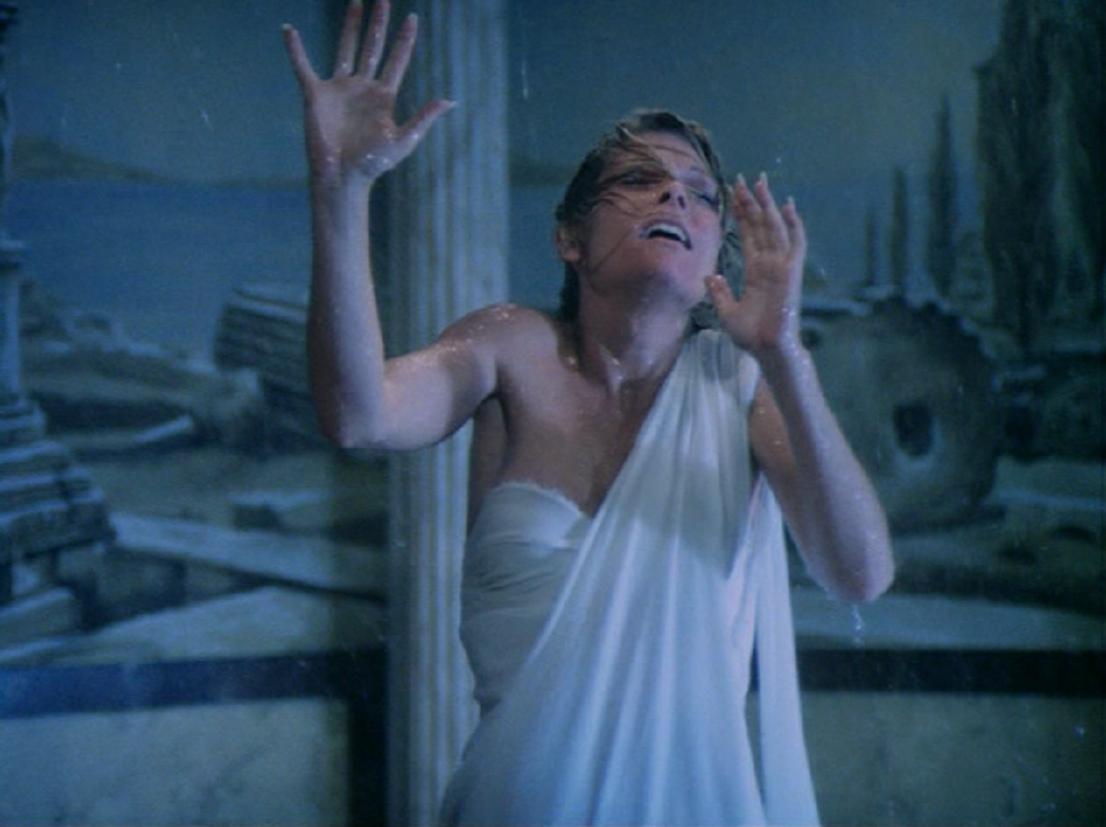
In the first few minutes, we have a lot happening. A man named Mickey Patchek jumps out of a salon window and dies. A model’s face gets attacked by a cat. Another model gets scorched to death in a shower. This episode involves a lot of moving parts. The snooty fashion industry and the mob. The mob thinks Kolchak has some evidence, and they want it within 60 hours. This episode is different. More like a noir detective show for part of it. So far, this doesn’t sound like a Kolchak episode… okay, let’s throw in The Witch. Now we are getting somewhere!

As Kolchak investigates, he uncovers the presence of Madame Trevi, a powerful and wealthy woman who runs a private fashion empire and lives surrounded by luxury and secrecy. Beneath the surface glamour, Kolchak begins to suspect something far older and darker is at work. She treats him with contempt, like most do, but he has to investigate a little more to get to the bottom of it. 

Lara Parker, who plays Madeleine, is a good actress, but she does go over the top a little but considering the subject, it does get the point across. Not a girl you would want to take out for dinner or to meet the folks. One scene I really like was when Kolchak visited a witches’ coven in their robes. It shows he will go to the end of the earth to find the truth. 

While overall this episode is never exactly scary, it IS somewhat creepy. It’s one of my favorite episodes. There are some well-known television stars in this one. Marvin Miller (voice of Robby the Robot) as the lecturer, Bernie Kopell (Love Boat) as a doctor, Richard Bakalyan (Chinatown) as a mobster, Douglas Fowley as a super, and Henry Brandon in a bit part. 

Spoilers!

Very good episode, and it has a satisfying ending. For once, a big article will come out over the fashion world fraud…but of course, nothing about The Witch…but she gets hers…who I’ll never tell.   

Little Feat – Cold, Cold, Cold

This band was one of the most talented bands of the 70s. Well, more like all time in the history of rock and roll. Other musicians would go out of their way to see Little Feat. It’s an honor to put headphones on and listen to them. I’ve been doing that with other songs lately as well, trying to have a different view on my posts. Trying to describe the mood, and with this band, it’s a lot to describe. 

Guitarist Lowell George and keyboardist Bill Payne formed Little Feat in 1969. Lowell George was a member of Frank Zappa’s Mothers of Invention. Bass player of the Mothers, Roy Estrada, joined along with drummer Richie Hayward.

After Lowell George left the Mothers of Invention, he began writing songs that showed blues forms, rhythm, and breathing space rather than so much complexity. This one was designed to feel natural rather than a studio production. What you hear is close to how it sounded in the room. I wish more bands would do this. Lowell George’s voice just melts into this beat. The sync of the drums and keyboards is fantastic!

This song was on the album Sailin’ Shoes, released in 1972. When the song was recorded, producer Ted Templeman kept the song at a reasonable length. The take reflects how the group played the song live at the time, with minimal studio adjustment. Vocals were delivered with feel, and the band avoided overdubs that would alter the structure. 

 This song showed their interest in groove and patience. The song was not meant to stand out on its own. Back in that time, bands made albums, not just individual songs. Everything had to fit and sound good as a whole, transitioning from one song to another. I wrote in another Little Feat post: Only Little Feat could’ve made this record. That sentence fits this album. 

The album didn’t come close to the top 40, but it has grown in stature. This album set the stage. Their next album, Dixie Chicken, would go gold. The lineup had many changes through the years, and unfortunately, Lowell died in 1979 of a heart attack. The band broke up after George’s death but reunited in 1987. The band continues today with Bill Payne still a member.

This is, to me, a pure album band. You don’t just sit through single songs…you listen to the album and get the entire vibe. Below is the album. Put on some of your sailin’ shoes, headphones, and eat some Dixie chicken and groove to Little Feat on this Sunday!

Cold Cold Cold

Cold, cold, coldCold, cold, coldFreezing, it was freezing in that hotelI had no money, my special friend was goneThe TV set was busted so she went alongI called room, room service,I’m down here on my kneesA peach or a pear, or a coconut please,But they was cold

Well it’s been a month since I seen my girlOr a dime to make the call‘Cause it passed me up, or it passed me by,Or I couldn’t decide at allAnd I’m mixed up, I’m so mixed upDon’t you know I’m lonelyAnd I wish the world would get off of my caseAnd get on one of it’s own

Cold, cold, coldCold, cold, coldThat woman was freezing, freezing coldWell I tried everything to warm her upNow I’m living in this cold hotel‘Cause she passed me, up or she passed me by,Or I couldn’t decide at allOh I’m mixed up, yes I’m mixed upDon’t you know I’m lonelyOf all the things I had to doI had to fall in loveYou know she’s cold

Turn your clock back woman when you see me comin’ roundMy feet don’t, feet don’t even touch the groundDon’t be cold, don’t be coldDon’t be cold, don’t be cold

Stranglers – No More Heroes

What draws me to this band is the bass. It’s so raw in some of their songs that it sounds like it was plugged into an Ampeg amp and turned to 11. Before I heard them, this is close to the sound I got live, so it sounded totally natural to me. The Stranglers were labeled a punk band, but it’s clear they were musically superior to their peers and managed to retain that rawness. So a shout out to bass player J.J. Burnel.

This song was released in 1977 as the title song to their 1977 album. The Stranglers doubled down on their refusal to play by punk’s rulebook. While many of their peers were playing with speed and volume, the Stranglers were more into structure and order. It was written during a period of constant touring and confrontation, and with this band, that is totally believable. They already had a “difficult” reputation. Rather than celebrating rebellion, this song questioned the idea of hero worship altogether.

The track is driven by Jean-Jacques Burnel’s bass line, which carries the song as much as the vocals. Hugh Cornwell’s guitar work is sharp, while Jet Black keeps the rhythm steady and controlled. The playing sounds like a band that knows exactly what it wants to say. Producer Martin Rushent encouraged clarity and separation, helping the bass dominate without muddying the sound. Cornwell’s vocal was delivered straight, like he was observing something in real time. The list of names in the song came together naturally, chosen for how they fit the theme rather than for provocation alone. Basically, a rejection of dependency on figures to lead the way.

Lyrically, Cornwell runs through a list of historical and cultural figures, not to praise them, but to question why society keeps needing replacements for fallen idols. The chorus is blunt and repeated without any form of apology. This is a band more interested in thought than a the punk posture. Now, years later, the song still holds up because its message never tied itself to a moment. Heroes come and go.

The album No More Heroes peaked at #2 on the UK Album Charts in 1977. The song peaked at #8 on the UK Charts. This song was written by Hugh Cornwell, Jean-Jacques Burnel, and Jet Black.

No More Heroes

Whatever happened to Leon Trotsky?He got an ice pickThat made his ears burn

Whatever happened to dear old Lenny?The great Elmyra, and Sancho Panza?Whatever happened to the heroes?Whatever happened to the heroes?

Whatever happened to all the heroes?All the Shakespearoes?They watched their Rome burnWhatever happened to the heroes?Whatever happened to the heroes?

No more heroes any moreNo more heroes any more

Whatever happened to all the heroes?All the Shakespearoes?They watched their Rome burnWhatever happened to the heroes?Whatever happened to the heroes?

No more heroes any moreNo more heroes any more

John Cale – Dirty Ass Rock ‘N’ Roll

Well, it’s too damn early and your eyes are bleedingFrom the vicious bottle the night beforeAnd the last thing you need is a nicety-niceAnd small talk crawls out your ears

I always wanted to know more about John Cale of the Velvet Underground. That band influenced so many, and Cale was one of the reasons for that. This 1975 song is messy, mean, and totally alive. It’s a little offbeat and disjointed, but it never goes off the tracks. He has a nice groove going and space in the music.

By the mid-seventies, Cale was pushing back against the “serious composer” label that had followed him since the Velvet Underground days. Punk had taken off, and he pushed back by reconnecting with in-your-face rock ’n’ roll. The sound is quite dirty; this is not a crystal clear recording, and that is perfect for this.

The song took shape on the road, worked out with a touring band that thrived on volume and chaos. Cale wanted imperfection like letting riffs sprawl, tempos jumping forward, and vocals that snarled more than sang. It was finished without much revision at all. Cale resisted adding extra parts or effects. The final version reflects the session as it happened.

Lyrically and musically, the track was meant to sound blunt and slightly offensive. It would have been a deliberate swipe at anyone expecting his avant-garde music. This was on his 1975 album Slow Dazzle. On this album, he had Brian Eno on synthesizer, Chris Spedding on guitar, Geoff Muldaur on backing vocals, and super producer Chris Thomas on violin and electric piano. Cale produced the album.

John Cale – Dirty Ass Rock ‘N’ Roll

Well, it’s too damn early and your eyes are bleedingFrom the vicious bottle the night beforeAnd the last thing you need is a nicety-niceAnd small talk crawls out your ears

Maybe it makes you feel just like an undercover Sigmund FreudI hear it makes you feel just like an undercover Sigmund Freud

Hey there, hey now, hey there, hey nowWell, you can make a pacemaker blink, yeah, easy thingMake a man’s heart go bibbity-bom, bippity-bom, bippity-bomLike a gentle drum and knowing you, it ain’t ever done

So go on, go on, go on, darling, go onYeah, go on, go on darling, go on, go on

Yeah, the secretaries and typewriters chattering awayChatter-chatter-chatter-chatterChatter-chatter-chatter, chatter awayIt ought to make you sick when you hear a woman cry

When she don’t get just whatever she wantsBut not my woman, she just keeps on keeping onThat’s my woman, my womanThat moving on shuffle side to sideThat sure can turn me on

Dirty-ass rock ‘n’ rollDirty-ass rock ‘n’ rollDirty-ass rock ‘n’ rollDirty-ass rock ‘n’ roll

Hey now, hey now, hey now, hey nowAnd the beach is a thing and the bees don’t stingLike complaining from a downtown whoreI got my plasma patches and my hypodermicIn hermetically sealed kid gloves

Yeah, tell meTell me, tell me, tell me, tell meTell meTell me, tell me, tell me, tell me

Dirty-ass rock ‘n’ rollDirty-ass rock ‘n’ rollDirty-ass rock ‘n’ rollDirty-ass rock ‘n’ roll

Kolchak: The Night Stalker – Primal Scream

January 17, 1975 Season 1 Episode 13

If you want to see where we are…HERE is a list of the episodes.

It’s good to be watching Kolchak again after the Christmas and New Year’s break. Welcome back, everyone! In this one, we have two recognizable TV stars. Jamie Farr (MASH) and Pat Harrington (One Day At A Time) both appear.

The episode has Kolchak investigating a string of killings tied to a missing anthropology professor, and from there, it spirals into the missing link. The best course of action here is restraint; the monster is rarely seen clearly, and when it is, it’s brief, violent, and deeply unsettling. Director Robert Michael Lewis shoots much of the episode in shadows and tight frames, letting your imagination do most of the work. Frozen cell samples from the Antarctic are accidentally exposed to heat and grow into a missing link that breaks out from the lab and embarks on a rampage.

Kolchak, in this episode, is stubborn to the point of self-destruction, but also shaken by what he’s uncovering. There’s a moment when Kolchak realizes the killer isn’t driven by malice but by something older and uncontrollable. It works because it taps into a universal fear that, beneath our suits and the rules, we are still animals. The supporting cast, especially John Doucette as Sheriff Frank Packer, grounds the episode in realism, making the supernatural elements feel plausible.

No catchy catchphrases, no tidy ending, just a reminder that some monsters don’t come from folklore books, they come from inside us. Tony Vincenzo doesn’t get much to do this time, but there’s some comical interaction between Kolchak and Updyke as the latter threatens to have Kolchak’s car towed if he keeps parking in Updyke’s parking spot…but Kolchak gets him back. 

Another good episode. Not the best one, but still up there. Again…with 7 more to go, I haven’t seen a clunker episode yet. 

The Complete Episode Here.

Next Week’s Episode

Southside Johnny and the Asbury Jukes – Havin’ A Party

When that chorus kicks in, I’m in heaven. It sounds like early sixties greatness, and it’s just fun to sing along with.  I’ve never been to New Jersey, but Southside Johnny and Springsteen make me feel like I did. Asbury Park has served as a musical mecca for decades. I’m hoping that one day I will get there.

This is not just a cover of the Sam Cooke standard; it is a full Jersey Shore revival meeting, led by Southside Johnny, who sounds like he has lived every lyric and is still catching his breath. When I see him perform on film, he performs with the audience rather than for… in what I’ve seen. He gets them involved and everyone has a good time. 

I love this version because he doesn’t try to out-sing Sam Cooke, because who could? You can hear him reacting in real time, stretching lines, yelling encouragement as he feeds off the band as much as they feed off him. They are built to hear live, and they live up to that job. 

It was on the album Havin’ a Party With Southside Johnny, released in 1979-1980. This song on the album was live, and it’s from 1976. The song was written by Sam Cooke and released in 1962. The original version peaked at #17 on the Billboard 100 and #30 in Canada in 1962. Rod Stewart also did a version that charted in 1994. 

Havin’ A Party

Yeah, everybodyYeah, get every one apartIs there a problem, whooCan we do this now

We’re havin’ a partyEverybody’s swingingDancing to the musicOn the radio (we’re on our way, man)So listen, Mr. DJKeep those records playing (alright)‘Cause I’m having such a good timeDancing with my baby

We’re having a partyDancing to the musicPlayed by the DJOn the radioCokes are in the ice boxPopcorn’s on the tableMe and my babyAre out there on the floor

And we’re havin’ a partyEverybody’s swingingDancing to the musicOn the radioSo listen, Mr. DJKeep those records playing‘Cause I’m having such a good timeDancing with my baby

Everybody’s swinging (oldies)Oldies, doing the twist nowIf you take requestsI’ve got a few for youDon’t forget the soul twistPlay that one called “I Know”I got to hear what suites meNo other songs will do

And we’re havin’ a partyEverybody’s swingingDancing to the musicOn the radioSo listen, Mr. DJKeep those records playing‘Cause I’m having such a good timeDancing with my baby

‘Cause I’m having such a good timeDancing with my baby‘Cause I’m having such a good timeDancing with my baby

Baby, is alright (baby, is alright)Baby, is alright (baby, is alright)Baby, is alright (baby, is alright)Baby, is alright (baby, is alright)Baby, is alright (baby, is alright)Is alright (is alright)Is alright (is alright)Baby, is alright (is alright)Is alright (is alright)Is alright (is alright)

Is alright (is alright)Baby, is alright (is alright)Is alright (is alright)Is alright (is alright)Is alright (is alright)Baby, is alright (is alright)Is alright (is alright)Is alright (is alright)Is alright (is alright)Baby, is alright (is alright)

John Prine – John Prine …album review

Ever since I wrote up the John Prine song Paradise (thanks to  halffastcyclingclub) I knew then I had to write up the album. This album is very daunting to write up. If one person listens to it, then my job is done. It is one of the best debut albums I’ve ever heard in rock, pop, country, folk, or anything else. I’m truly ashamed I didn’t dive into John Prine sooner. I knew some of his well-known songs like Dear Abbey, Angel From Montgomery, and a few other songs of his, but it was the song Paradise that totally won me over. Like the old lyric I remember from a long time ago…listening to this album is like taking a trip without leaving the farm

John Prine was working as a mailman in Chicago, delivering letters by day and sharpening songs by night. He began playing open mics at the Old Town School of Folk Music, where his storytelling and humor transfixed the audience. One night in 1970, Kris Kristofferson wandered in, heard Prine sing Sam Stone, and reportedly told his record label mates he’d just seen “the best songwriter I’ve ever heard.” That moment changed everything for Prine.

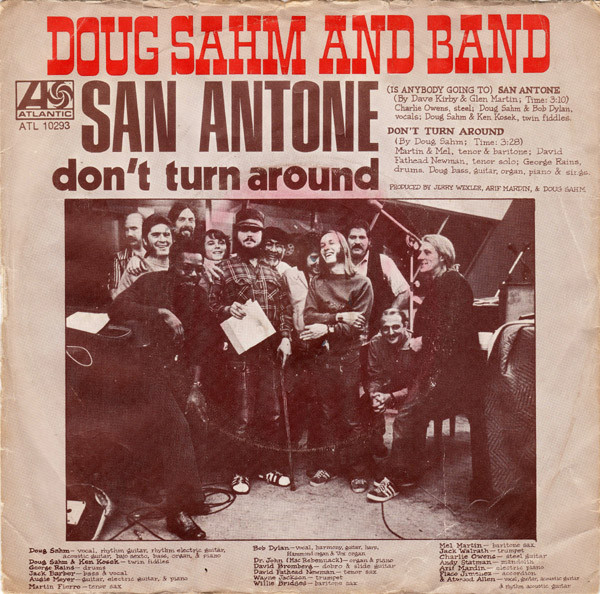
Atlantic Records moved quickly, pairing Prine with producer Arif Mardin, a surprising choice. Mardin, known for polished soul and pop productions. He immediately understood that these songs didn’t need a big production. Sessions were kept deliberately restrained, focusing on clarity and feel rather than polish. Many of the songs were already road-tested long before they were recorded. Hello In There, Sam Stone, and Paradise had been perfected in coffeehouses and small clubs

At 24 years old, he plays thirteen songs that feel lived in, warm, sly, funny, haunted, and most importantly, human. There is one thing I found out about this album. On first listen, I thought it was charming. On the tenth, it is devastating. On the twentieth, it feels like a friend you have known your whole life, and I’m not exaggerating.

Right from the opener Illegal Smile, Prine is already telling you “Last time I checked my bankroll, it was gettin’ thin, Sometimes it seems like the bottom is the only place I’ve been”. Then comes Spanish Pipedream, which practically bursts out of the speakers, preaching the joys of ditching society’s noise. blowing up your TV, and finding your own piece of mind. But the album’s heart and soul song runs deeper. Sam Stone, with its unforgettable line “there’s a hole in daddy’s arm where all the money goes,” still lands like a gut punch.

And then, of course, there is Angel from Montgomery. If Prine had written only that one song, he would still have ended up on songwriter Mount Rushmore. I won’t go over every song, but if you like great lyrics and great melodies, this is the album for you. Google the lyrics on this fine Sunday and sing along with John Prine. It will be a beautiful Sunday…trust me on that. My personal favorites? Paradise, Sam Stone, Illegal Smile, Angel from Montgomery, and…ah, just listen to them all.

Sam Stone

Sam StoneCame homeTo his wife and familyAfter serving in the conflict overseasAnd the time that he servedHad shattered all his nervesAnd left a little shrapnel in his kneeBut the morphine eased the painAnd the grass grew ’round his brainAnd gave him all the confidence he lackedWith a Purple Heart and a monkey on his back

There’s a hole in daddy’s arm where all the money goesAnd Jesus Christ died for nothin’, I supposeLittle pitchers have big earsDon’t stop to count the yearsSweet songs never last too long on broken radiosMmm-hmm-hmm-hmm

Sam Stone’s welcome homeDidn’t last too longHe went to work when he’d spent his last dimeAnd soon he took to stealin’When he got that empty feelin’For a hundred dollar habit without overtimeAnd the gold rolled through his veinsLike a thousand railroad trainsAnd eased his mind in the hours that he choseWhile the kids ran around wearin’ other people’s clothes

There’s a hole in daddy’s arm where all the money goesAnd Jesus Christ died for nothin’, I supposeLittle pitchers have big earsDon’t stop to count the yearsSweet songs never last too long on broken radiosMmm-hmm-hmm-hmm

Sam Stone was aloneWhen he popped his last balloonClimbing walls while sittin’ in a chairWell, he played his last requestWhile the room smelled just like deathWith an overdose hoverin’ in the air

But life had lost its funAnd there was nothin’ to be doneBut trade his house that he bought on the G.I. BillFor a flag draped casket on a local heroes’ hill

There’s a hole in daddy’s arm where all the money goesAnd, Jesus Christ died for nothin’, I supposeLittle pitchers have big earsDon’t stop to count the yearsSweet songs never last too long on broken radiosMmm-hmm-hmm-hmmHmmHmm-hmm-hmm-hmm

Robert Gordon – Flying Saucer Rock And Roll 

I wanted to get a rockabilly post in before the new year got any older, and Robert Gordon is a great place to start! He did rockabilly proud as he stuck to the roots while also sharing his unique style in the songs.

Gordon released his debut album (Robert Gordon with Link Wray) in 1977. This song is on that album. Everyone thought he would be huge. His producer was Richard Gottehrer, and he helped launch the careers of Madonna, Blondie, The Ramones, and The Talking Heads. Gordon paved the way for future rockabilly acts like The Stray Cats, which emerged in the 1980s. He also shone a much-needed light on the legendary guitarist Link Wray. He saw Wray playing the oldies circuit and convinced Wray to play guitar with him.

Much like The Yardbirds and John Mayall, Gordon had a knack for picking great guitar players to play with him. Chris Spedding (a versatile session guitarist), Danny Gatton (toured with Roger Miller and others), Eddie Angel, Quentin Jones, and, most recently, Danny B. Harvey. Gordon’s 2020 album Rockabilly For Life had players such as Albert Lee, Steve Wariner, and the great Steve Cropper.

This song was written by Ray Scott and first recorded by Billy Riley and His Little Green Men (Love that name) in 1957.  Others have covered this song like The Flamin’ Groovies, The Box Tops, and many others. This was on Gordon’s debut album, and it rocks! For a music fan, it’s pure entertainment.

From 1977 to 2022, he made 12 studio albums and 4 live albums. Gordon died in 2022 of acute myeloid leukemia.

Well, the news of the saucer been a-flyin’ around
I’m the only one that seen it on the ground
First thing I seen when I saw it land
Cats jumped out and they formed a band

Flyin’ saucer rock and roll, flyin’ saucer rock and roll
I couldn’t understand the things they said
But that crazy beat just a stopped me dead

Well the little green men, they were real hep-cats
Rockin’ and rollin’ doin’ their crazy flats
They brought out a sax and they started to blow
They brought out the drums and they started to roll

Well, I come out a-hidin’ and I started to rock
Little green men tought me how to do the bop
They were three foot high, hit a few bars
Started rock and roll al the way from mars

Max’s Drive-In Movie – Smokey And The Bandit

I wanted to do something fun today…not exactly a thinking man’s movie, but fun. 

I ran across a trailer for this on YouTube and ended up watching the movie again. Yes, I know this isn’t exactly Citizen Kane or the most sophisticated movie,  but it does have redeeming qualities. This movie was released in the era of Jaws, Star Wars, and many more classics. It’s still remembered today very highly. It is not a movie that is going to make you think…it’s just going to entertain you, which is what movies are for. There are no hidden messages, just pure fun. 

In the mid-1970s, Coors beer had a near-mythic reputation east of the Mississippi. It was not widely distributed nationwide, and it was famously unpasteurized, meaning it had to stay cold and be delivered fast. To people back east, Coors was contraband. The movie goes into this perfectly, turning a real-world distribution quirk into the ultimate outlaw challenge.

The entire plot kicks off with a simple outlaw wager: haul a truckload of Coors beer from Texas to Georgia in under 28 hours, back when the unpasteurized beer couldn’t legally be sold east of the Mississippi. The Snowman (Jerry Reed) drives the rig loaded with ice-cold contraband, while the Bandit (Burt Reynolds) races ahead in his black Trans Am, using speed and nonstop CB chatter to lure every lawman in the region away from the Coors. It was a game of misdirection and bravado, with Sheriff Buford T. Justice closing in, all for the satisfaction of proving that sometimes the best reason to. Along the way, Bandit picks up “frog” (Sally Field), a bride who just ran out of a wedding with Bufford T Justice’s son. 

Burt Reynolds was in his prime during this stretch.  A lot of guys grew the mustache, and their hair was black. My dad had the same look as Reynolds at this time. He had already been in many successful movies, including Gator, Deliverance, W.W. and the Dixie Dancekings, The Longest Yard, and more. At this time, he was one of the biggest, most recognizable movie stars on the planet. 

The public mostly adored Reynolds, but the critics did not like him. He had a charisma about him that he had at the beginning when he was on Gunsmoke for 3 years. Sally Field was also in this movie, and she played her part perfectly. The Flying Nun to “Sybil” or “Frog” in this movie is quite a stretch. She was one of my first crushes as a young boy, and in this film, that crush was only strengthened. 

I guess one reason I love this movie is that it doesn’t pretend to be anything more than it is. It doesn’t aspire to great movie-making. It was just supposed to be 90 minutes of entertainment on the big screen, and it’s still entertaining. Turn your brain off for a while and have fun with it. It rolled into theaters and straight through American pop culture. Jackie Gleason’s Sheriff Buford T. Justice is the perfect comic counterweight to Bandit, loud and absolutely unhinged. Add Sally Field’s runaway bride with attitude and Jerry Reed’s snowman trucker charisma, and you’ve got a cast that clicks like a great bar band.

If you want Gone With The Wind, Citizen Kane, Casablanca, or Lawrence of Arabia…you have come to the wrong movie, but give it a chance and have some fun. Oh, I forgot Fred, the lovable Basset Hound dog in this movie, he was chosen by Burt Reynolds because the dog wouldn’t obey commands, adding to his character as Snowman’s independent but loyal companion.

Dave Mason – Only You Know and I Know

I’ve heard this one since I was a kid, and I’ve always liked it. It just rolls right along.

The song itself grew out of Mason’s acoustic roots, written simply and deliberately, with the melody doing most of the heavy lifting. There was no attempt to modernize it for radio, which ironically is probably why it connected. When the song was released as a single in late 1970, it quickly became Mason’s breakthrough hit. It established him as more than “the guy who left Traffic.”

It was written and recorded by Dave Mason in 1970. It was on his album, Alone Together. The song was his first charting single, and it became a minor hit for him in the U.S. and Canada. Dave Mason played with Traffic; he also played on the Jimi Hendrix song All Along the Watchtower, Beggars Banquet by the Stones, and George Harrison’s All Things Must Pass. The guy got around and was in demand from other artists.

Recording sessions for Alone Together were loose but purposeful. Mason brought in an all-star cast of friends and collaborators, including members of Delaney & Bonnie’s circle, Leon Russell, and Jim Gordon. No one overplayed, no one tried to steal the spotlight. It feels organic because it is, musicians listening to each other instead of competing for space.

The song peaked at #42 on the Billboard 100 in 1970. It was also recorded by  Delaney and Bonnie and peaked at #20 in 1971. I grew up hearing both versions of it.

Only You Know And I Know

Only you know and I know
All the lovin’ we’ve got to show
So don’t refuse to believe it
By reading too many meanings

‘Cause you know that I mean what I say
So don’t go, and never take me the wrong way
You know you can’t go on gettin’ your own way
‘Cause if you do, it’s gonna get you someday

We’re both here to be pleasin’
Oh, no, no, not deceivin’
But it’s hard to believe in
Ah yeah, when you’ve been so mistreated

‘Cause you know that I mean what I say
So don’t go, and never take me the wrong way
You know you can’t go on gettin’ your own way
‘Cause if you do, it’s gonna get you someday

If I seem to mislead you
It’s just my craziness comin’ through
But when it comes down to just two
Ah, I ain’t no crazier than you

‘Cause you know that I mean what I say
So don’t go, and never take me the wrong way
You know you can’t go on gettin’ your own way
‘Cause if you do, it’s gonna get you someday

Only you know and I know
Only you know and I know, oh yeah
Only you know and I know, oh yeah, get up

Slade – Merry Xmas Everybody

This is fast becoming my favorite rock Christmas song second only to John Lennon’s Happy Xmas (War Is Over). This week is going to be Christmas week. I will let up on the weekend but let’s bring in the cheer.

This is a great Christmas song that was released in 1973 and ever since it re-enters the charts every December in the UK. The song never hit in America but it went to #1 in the UK Charts. I first heard it on a Doctor Who episode in the mid-2000s and have liked it ever since.

This was based on a psychedelic song, “My Rocking Chair,” which Noddy Holder wrote in 1967. In 1973 the Slade vocalist decided to convert it into a Christmas song after a night out drinking at a local pub.

He and the band’s bass player and co-writer Jimmy Lea camped out at Noddy’s mother’s house and got down to changing the lyrics to make them more Christmassy. Jimmy Lea incorporated into the verse parts of another song which he was then writing and Noddy re-wrote the words incorporating different aspects of the Christmas holiday season as they came to mind.

This went straight in at #1 in the UK, selling over 300,000 copies on the day of its release, making it at the time the fastest ever selling record in Britain. It eventually became Slade’s best-ever selling single in the UK, selling over a million copies.

In the UK this has become a standard, and it is usually reissued in its original form each Christmas. On several occasions, the song has re-entered the Top 40.

UK copyright collection society and performance rights organization PRS For Music estimated in 2009 that 42 percent of the earth’s population has heard this tune.

The song was written by Noddy Holder and Jim Lea of Slade. It was produced by Chas Chandler formerly of the Animals. The harmonium used on this is the same one that John Lennon used on his Mind Games album, which was being recorded at the studio next door.

Noddy Holder: “I wrote the original verse with the lyrics, ‘Buy me a rocking chair, I’ll watch the world go by. Bring me a mirror, I’ll look you in the eye,’ in 1967 in the aftermath of The Beatles’ Sgt Pepper,” I was being psychedelic. Dave (Hill) wrote another part to the song but it didn’t work so we put it away. Then in 1973 he remembered my verse one day when we were trying to write a Christmas single. We changed the words to, ‘Are you hanging up your stocking on the wall?’ and the rest fell into place.”

Noddy Holder: “As a lad we used to knock sleds with old orange boxes and go tobogganing down this big old quarry in the snow at Christmas. It was the inspiration for the line ‘are you hoping that the snow will start to fall.’”

Merry Christmas Everybody

Are you hanging up a stocking on your wall?
It’s the time that every Santa has a ball
Does he ride a red nosed reindeer?
Does a ‘ton up’ on his sleigh
Do the fairies keep him sober for a day?

Chorus:
So here it is merry Christmas
Everybody’s having fun
Look to the future now
It’s only just begun

Are you waiting for the family to arrive?
Are you sure you got the room to spare inside?
Does your granny always tell ya that the old are the best?
Then she’s up and rock ‘n’ rollin’ with the rest

Chorus:
So here it is merry Christmas
Everybody’s having fun
Look to the future now
It’s only just begun

What will your daddy do
When he sees your Mama kissin’ Santa Claus?
Ah ah

Are you hanging up a stocking on your wall?
Are you hoping that the snow will start to fall?
Do you ride on down the hillside in a buggy you have made?
When you land upon your head then you’ve been slayed

Chorus (4x)
So here it is merry Christmas
Everybody’s having fun
Look to the future now
It’s only just begun