Power Pop fan, Baseball, Beatles, Alternative music, old movies, and tv show fan. Also anything to do with pop culture in the 60s and 70s... I'm also a songwriter, bass and guitar player. Not the slightest bit interested in politics at all.
This song has been in my head for a week now and won’t get out and thats a good thing. The feel of this sounds like it crawled out of the back seat of a 1963 Rambler. It really fits in with The Swingin’ Medallions, Doug Sahm’s 60s style of music, with a tiny bit of a tame Lou Reed thrown in. You can also hear a little of Springsteen in his music at times.
I’m far from an expert on Ben Vaughn, but he shouldn’t be so unknown. Big Star is more well-known than this man. His music is instantly catchy and likable. The song I covered a few years ago, “Too Sensitve for This World,” has hit written all over it. I’m surprised no one has covered that one. Well, I double checked and someone has! Deer Tick…now that is a name that…no I won’t say it.
Vaughn is from New Jersey. He got his start in the late ’70s, playing in punk and new wave bands before forming The Ben Vaughn Combo in 1983. The Combo was everything great about mid-’60s rock and roll, reimagined with a little punk energy. The band was together for five years, releasing two albums and touring the U.S. several times. They received rave reviews in Rolling Stone and People magazine and video airplay on MTV.
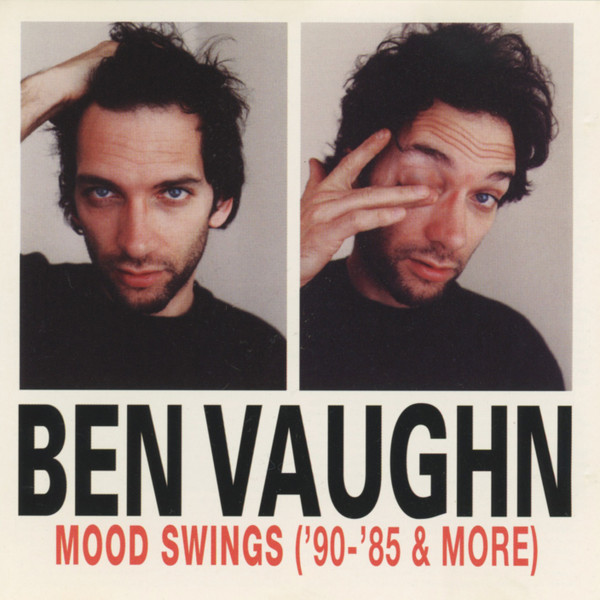
This track comes from Mood Swings, the 1992 album that put Vaughn on the map as a Jersey jangle-pop garage guy with a deep record collection. It’s a compilation album that contains his best songs from 1985 to 1990. This song was originally on his 1987 album Beautiful Thing.
Vaughn started a solo career in 1988 and has released over 17 albums. He is very versatile… he plays Rock, blues, jazz, folk, soul, R & B, country, Power Pop, Bossa Nova, movie soundtracks, easy listening, and more, all with Vaughn’s musical slant.
His older albums are not on Spotify, but here is a YouTube playlist that covers a lot of this album. It really doesn’t matter because his songs are just plain out good.
I blogged about Vaughn a while back with this great song.
I keep going back to the Texas songwriters whenever possible. Joe Ely was the first, other than Townes Van Zandt, who placed me on that road. I think all of them were born with an acoustic guitar, wit, pen, with paper in hand. So many of them write wonderful melodies and lyrics that any songwriter would drool over. Boxcars captures everything great about Texas songwriting in one cold, mournful ride.
Ely was born in Amarillo in 1947 and raised in Lubbock, Buddy Holly’s hometown and a surprisingly fertile ground for musicians. Ely came of age surrounded by dust storms, flat horizons, and rock ‘n’ roll. By the late ‘60s, he was friends with a couple of brilliant kids named Butch Hancock and Jimmie Dale Gilmore. Together, they formed The Flatlanders, a band that barely made a dent at the time but later became a blueprint for alt-country and Americana.
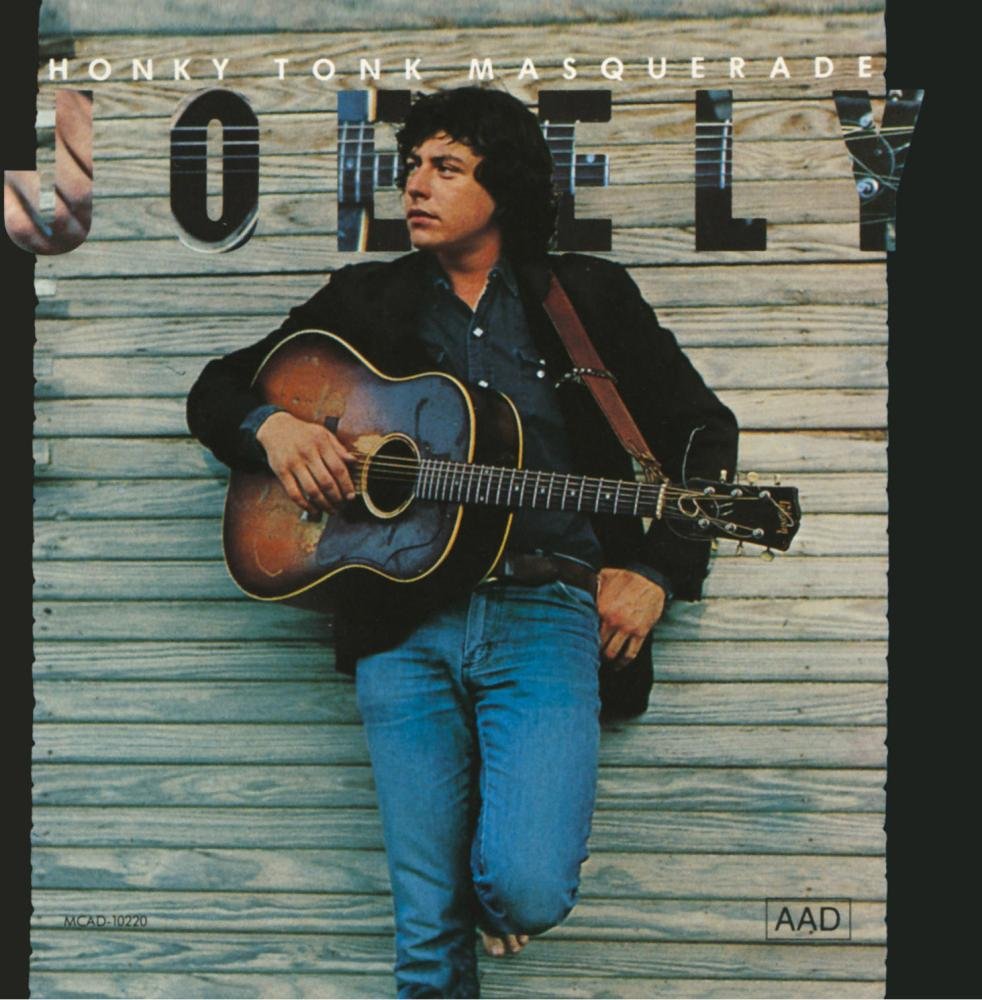
This song was written by Butch Hancock, a close friend and collaborator of Joe Ely. This was on his second solo album called Honky Tonk Masquerade released in 1978. The album is in the book 1001 Albums You Must Hear Before You Die and was 40 on Rolling Stone’s 50 Essential Albums of the ’70s list. Ely’s first album was released in 1977. He met The Clash the following year in London and both liked each other. They both toured together a bit after that. Ely sang backups on the Clash hit Should I Stay or Should I Go.
He was also involved with a personal favorite pickup band with John Mellencamp called The Buzzin Cousins. He is revered in the music business and by fans alike. He also played in the Los Super Seven. Thanks, halffastcyclingclub, for pointing them out to me a while back. I still need to write one up.
His voice in this one is golden. It’s in Ely’s delivery, equal parts resigned and reverent, like he’s singing about someone he knew once, or maybe used to be.
Boxcars
Well, I gave all my money to the banker this month Now, I got no more money to spend She smiled when she saw me comin’ through that door When I left she said, “Come back again”
I watched them lonesome boxcar wheels Turnin’ down the tracks out of town And it’s on that lonesome railroad track I’m gonna lay my burden down
I was raised on a farm the first years of my life Life was pretty good they say I’ll probably live to be some ripe ol’ age If death’ll just stay out of my way
This world can take my money and time But it sure can’t take my soul And I’m goin’ down to the railroad tracks Watch them lonesome boxcars roll
There’s some big ol’ Buicks by the Baptist church Cadillacs at the Church of Christ I parked my camel by an ol’ haystack I’ll be lookin’ for that needle all night
There ain’t gonna be no radial tires Turnin’ down the streets of gold I’m goin’ down to the railroad tracks And watch them lonesome boxcars roll
Now, if you ever heard the whistle on a fast freight train Beatin’ out a beautiful tune If you ever seen the cold blue railroad tracks Shinin’ by the light of the moon
If you ever felt the locomotive shake the ground I know you don’t have to be told Why I’m goin’ down to the railroad tracks And watch them lonesome boxcars roll
Yeah, I’m goin’ down to the railroad tracks And watch them lonesome boxcars roll
I saw this movie for the first time in the early nineties in my apartment, which I shared with a cousin. I watched it initially for Bob Dylan, but ended up loving the movie. This movie, above all else, treats silence better than any other movie I’ve seen. The characters get to breathe. No one is in a hurry, but when action happens, it makes it all the more dramatic.
In Pat Garrett and Billy the Kid, director Sam Peckinpah trades the mythic grandeur of the Old West for something slower, lonelier, and far more tragic. This is a Western all about finality, a farewell to freedom, friendship, and the open frontier. Pechinpah created a great movie out of this.
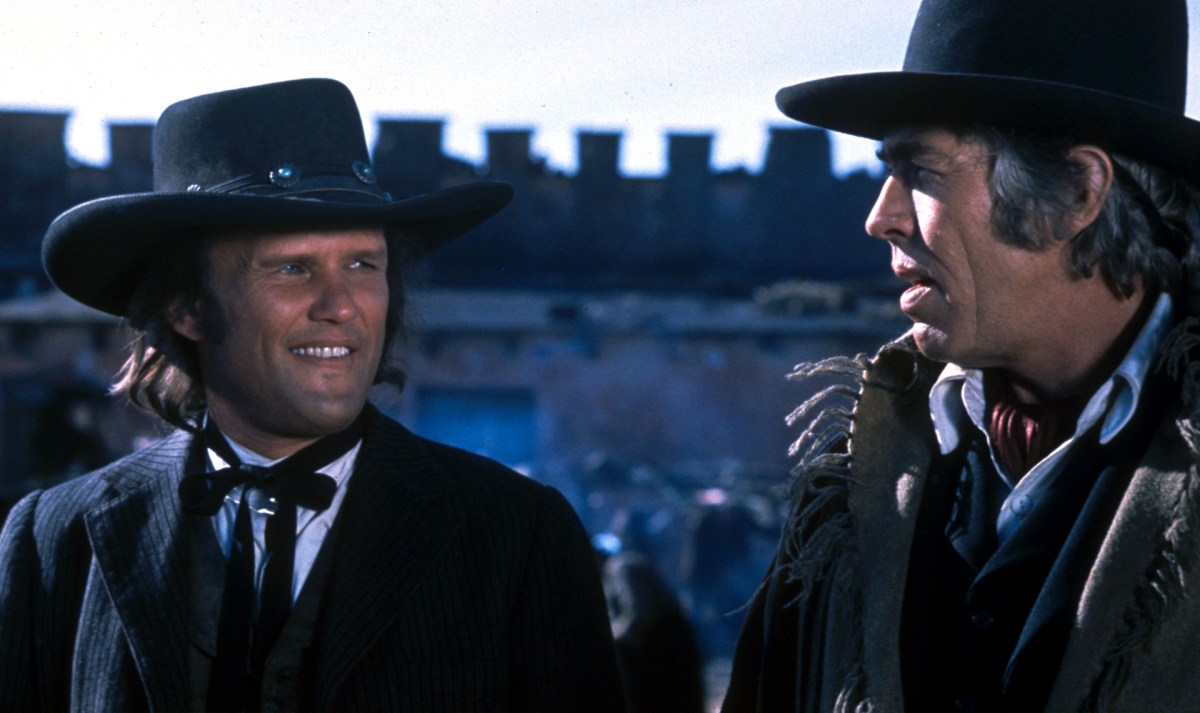
Set in 1881 New Mexico, the film dramatizes the final days of William Bonney, better known as Billy the Kid (played by Kris Kristofferson) as he’s hunted down by his former friend turned lawman, Pat Garrett (James Coburn). There’s no rush to the inevitable confrontation. Instead, the film moves slowly with purpose, soaking in the dusty landscapes, long silences, and uneasy glances between men who understand their roles in their vanishing world.
Coburn delivers a wonderful performance as Garrett, a man who’s made peace with compromise but not with himself. Kristofferson, younger and looser, plays Billy with charm and recklessness. Their scenes together are understated but filled with unspoken history and mutual resignation. It stands as one of the most introspective and mournful Westerns ever made. It’s not a shoot-’em-up spectacle; it’s a meditation on regret, inevitability, and the bitter cost of survival.
The studio clashed with Peckinpah and released a terrible version in 1973 that was a pale version of Peckinpah’s vision. It was jagged, choppy, and stripped of its emotional weight. Critics panned it. Audiences stayed away. Like many films ahead of their time, Pat Garrett and Billy the Kid didn’t stay buried. A bootlegged “preview print” started circulating in the 80s—rougher but far more coherent. It showed what Peckinpah had been aiming for: a slower, sadder, more deliberate tone piece about friendship, death, and the slow extinction of the outlaw soul. Critics and fans alike loved his original version.
In 2005, a “Special Edition” came out, restoring much of what had been lost (though not fully satisfying the purists). Still, it was enough to elevate the film from cult obscurity to a rightful classic. And make no mistake…it IS a classic!
I never thought about cinematography until recently, but John Coquillon did a hell of a job on this movie. It looks beautiful, and the landscapes jump out at you as you watch.
Now let’s talk about the soundtrack by Bob Dylan. Bob Dylan was in the movie and did a good job, but it’s the soundtrack that will be remembered. This isn’t your typical Dylan record. It’s mostly instrumental, often minimalist, and was stitched together for the film. But what you get here is an eerie, atmospheric tone throughout the entire album. Let’s get this out of the way: Knockin’ on Heaven’s Door is the anchor, the standout, the one track that broke free and carved a permanent space in classic rock airwaves. It’s a song so simple it feels like it always existed. Unfortunately, it overshadows the other songs, which I like a lot. Billy 1, Turkey Chase, Bunkhouse Theme, and the rest. It’s an album I like to put on and just soak it in and relax.
Only in the glittery excess of the late ’70s could a band decide to put out four solo albums on the same day and somehow convince the world it made perfect sense. On September 18, 1978, KISS pulled off one of rock’s most over-the-top stunts: four albums, one from each member, all branded as official KISS releases, all with matching cover art and posters you could piece together. This song had to be at least somewhat inspired by Bo Diddley’s Bo Diddley which was in turn inspired by Hush Little Baby.
I’ve always liked this song from Ace Frehley’s KISS solo album. It peaked at #13 on the Billboard 100, #25 in Canada, and #24 in New Zealand in 1978. The song was written by Russ Ballard and was a UK chart hit for an English band named Hello. The track kicks in with that foot-stomp and hand-clap rhythm, more glam rock than hard rock, and right away it’s clear: this is not a KISS song. It’s got more in common with T. Rex than with Detroit Rock City.
Everything here is built around that simple, addictive beat, a four-on-the-floor thump with congas and claps riding shotgun. Over the top floats Frehley’s talk-sung vocal that is delivered with confidence. Ace was perfect for this song because he doesn’t have a huge vocal range. On Ace’s songs, he doesn’t sound like he is trying to make a hit…just a good song. I also like his guitar playing in general. It’s very Keith Richards like along with his tone.
New York Groove is Ace Frehley’s very own personal anthem. The track is as synonymous with the ex-Kiss member as his silver suit and his smokin’ Les Paul. The egos in KISS were huge; Gene and Paul provoked Ace, even offering help (assuming that Ace would not be able to). However, Ace surprised them both. The best-selling solo album of the 4, in addition to being preferred by most fans and critics.
Ace Frehley: “A lot of people think I wrote New York Groove. It’s not a myth that I’ve perpetuated, but that’s the way it is. I wish I would’ve wrote the song, though. I would’ve made a lot more cash out of it, ha-ha-hargh!”
Original Version by Hello
New York Groove
Many years since I was here, On the street I was passin’ my time away To the left and to the right, Buildings towering to the sky It’s outta sight in the dead of night
Here I am, and in this city, with a fistful of dollars And baby, you’d better believe
I’m back, back in the New York groove I’m back, back in the New York groove I’m back, back in the New York groove Back in the New York groove, in the New York groove
In the back of my Cadillac A wicked lady, sittin’ by my side, sayin’ ‘Where are we?’ Stop at Third and Forty-three, exit to the night It’s gonna be ecstacy, this place was meant for me
Feels so good tonight, who cares about tomorrow So baby, you’d better believe
I’m back, back in the New York groove I’m back, back in the New York groove I’m back, back in the New York groove Back in the New York groove, in the New York groove
I’m back, back in the New York groove I’m back, back in the New York groove I’m back, back in the New York groove I’m back, back in the New York groove I’m back, back in the New York groove I’m back, back in the New York groove I’m back, back in the New York groove I’m back, back in the New York groove I’m back, back in the New York groove I’m back, back in the New York groove
Pam from All Things Thriller recommended this band and the album Forever Changes. I’ve been following her blog for years, and I trust when she recommends someone, and she came through. I was not disappointed with this album. This album has been listed in the top 100 best albums ever by different publications. It doesn’t have a bad song on it. The album is not known for hit singles but for the collective whole of the songs on that album. I was going to pick one song, but again, this album needs to be listened to as a whole.
One single did get pulled off of this album called Alone Again Or and it did hit the UK and Billboard Charts, and it sounded familiar. The reason it did was because The Damned covered back in 1987.
This is a band that I heard of but never really heard as much. With founder Arthur Lee, Love fused garage rock, folk, psychedelia, and baroque pop. They were not commercial juggernauts, but they sure did sound great. This album’s core is acoustic, and they build on it from there. I could not stop listening to it all this week. They were also one of the first racially diverse American rock bands.
Released in late 1967, just as the Summer of Love was peaking and already beginning to fall, it’s a record that doesn’t sound like its time, and doesn’t really belong to any other, either. This was the band’s 3rd album. Arthur Lee was just 22 when he put this band together. He already had two solid albums under his belt, full of garage rock, Byrds-like jangle, and attitude, but Forever Changes was something else entirely. It’s as if Lee had seen the whole California dream flicker and die and was moving on.
I’ve listened to this album around five times overall, and it keeps getting better. I love how they mixed the acoustic with jaw-dropping percussion and touches of electric guitar. I’m not going to go down the list of songs; the best way is to listen to it.
The original lineup featured Lee, guitarist Johnny Echols, bassist Ken Forssi, drummer Don Conka (later replaced by Alban “Snoopy” Pfisterer), and singer/guitarist Bryan MacLean.
Alone Again Or
Yeah, said it’s all right I won’t forget All the times I’ve waited patiently for you And you’ll do just what you choose to do And I will be alone again tonight my dear
Yeah, I heard a funny thing Somebody said to me You know that I could be in love with almost everyone I think that people are The greatest fun And I will be alone again tonight my dear
Yeah, I heard a funny thing Somebody said to me You know that I could be in love with almost everyone I think that people are The greatest fun And I will be alone again tonight my dear
I learned about these guys from a friend’s brother, who introduced me to Big Star, The Clash, and The Dead. They had export albums that no one else I knew had at the time. There was no Spotify…you had to work for it. You had to hunt songs and albums down. It made it that much better when you heard them.
I wrote this for another Jam song a while back and it holds true: Sometimes people say…oh this or that band was just too British. I never found a fault in that and wanted more British bands. But…if ever a band could be considered “too British” this may very well be the band. But I want more…
This is one of those rare songs that doesn’t just describe life, it feels like life. Weller wrote it in a single night after stumbling home drunk (“Coming home pissed from the pub”), acoustic guitar in hand. And you can tell, the lyrics have that bleary, late-night poetry, where ordinary objects take on greater significance. A “policeman’s baton,” “a smash of glass,” “a freezing cold flat” these aren’t metaphors, they’re scene-setting. There are strong Ray Davies vibes going on in this, with working-class life.
He’s not glorifying his world; he’s documenting it. And in doing so, he’s creating a kind of working-class poem, a collage of British life with all the glamor scratched off. This is why I love the Kinks, the Who, and other bands that deal with everyday life. I would include Squeeze in there as well.
They formed in 1973 and released their first album in 1977. Their members included guitarist Paul Weller, bassist Bruce Foxton, and drummer Rick Butler. Paul Weller is the best known out of the band, but they were all great musicians. Being a bass player…I’ve noticed a lot of Foxton’s bass playing is terrific.
The song was released in 1981 and peaked at #21 on the UK Charts and #34 in New Zealand. The song was on the album Sound Affects, which peaked at #2 on the UK Charts, #72 on the Billboard 200, #39 in Canada, and #2 in New Zealand.
Paul Weller: “It was just everything that was around me y’know. My little flat in Pimlico did have damp on the walls and it was f–king freezing. I was doing a fanzine called December Child and Paul Drew wrote a poem called ‘That’s Entertainment.’ It wasn’t close to my song, but it kind of inspired me to write this anyway. I wrote to him saying, Look is it all right if I nick a bit of your idea, man? And he said, It’s fine, yeah.”
Thats Entertainment
A police car and a screaming siren A pneumatic drill and ripped up concrete A baby wailing and stray dog howling The screech of brakes and lamp light blinking
That’s entertainment That’s entertainment
A smash of glass and a rumble of boots An electric train and a ripped up phone booth Paint splattered walls and the cry of a tomcat Lights going out and a kick in the balls
I say, that’s entertainment That’s entertainment
Days of speed and slow time Mondays Pissing down with rain on a boring Wednesday Watching the news and not eating your tea A freezing cold flat and damp on the walls
I say that’s entertainment That’s entertainment
Waking up at 6 a.m. on a cool warm morning Opening the windows and breathing in petrol An amateur band rehearsing in a nearby yard Watching the telly and thinking about your holidays
That’s entertainment That’s entertainment
Waking up from bad dreams and smoking cigarettes Cuddling a warm girl and smelling stale perfume A hot summer’s day and sticky black tarmac Feeding ducks in the park and wishing you were far away
That’s entertainment That’s entertainment
Two lovers kissing amongst the scream of midnight Two lovers missing the tranquility of solitude Getting a cab and travelling on buses Reading the graffiti about slashed seat affairs
Chris Goss was a musician who produced Queens of the Stone Age and Kyuss. He is from New York, and loved Cream, The Beatles, and Black Sabbath, not a bad trio if you’re planning to warp some minds. He started in Syracuse in the early 1980s. Goss, who had been around the local music scene, wasn’t trying to follow trends; he was trying to mash his obsessions together into something new. Sabbath’s doomy riffs, filtered through a kind of psychedelic Beatlesque sound, with a sprinkle of blues on top.
This song was on their 1992 album Sunrise on the Sufferbus,which had a drummer who was quite well known for greatness. Ginger Baker played drums on this album, and the results were terrific. Every band worth its salt needs a track they can ride a groove just for the hell of it, and this one is that song.
It’s so cool to hear Ginger basically fronting the band with his drums. It’s a drum show for professionals and amateurs alike. You get the sense he could’ve played this with a cigarette in one hand and still kept time better than most drummers could with both arms taped to a click track.
You can tell this probably was improvised, and they just took off. There’s a looseness to the playing, like the band knows they’ve hit on something cool and are just letting it roll. The album is really good; it’s not just hard rock, it’s hard rock with humor as well.
Another good song off the album is John Brown which I’m posting below. That song was off their self-titled debut album in 1988. It was a toss up between which one to feature so I added both.
This song peaked at #8 on the Billboard Mainstream Rock Charts in 1992..
Another Song with Ginger….John Brown
She Got Me (When She Got Her Dress On)
She got me when she got her dress on She got me when she got her dress on She got me me when she looked fine When she got her dress on She got me when she got down When she got her dress on
She got me when she got her dress on Got it on
She got me when she got her dress on She got me when she got her dress on She got me when she looked fine And now she gets it all the time She got me when she got her dress on
Somehow, I didn’t hear this song until I was 18 in 1985. When I heard it, I immediately loved it. I didn’t just like the song, I was infatuated with it. One of the most infectious bass lines I’ve ever heard. I would play it so much that my friends would ask…again? So this post is basically a love letter to this song.
The bass wasn’t the only thing that hit me, it is as clear as a spring day guitar riff. Last but certainly not least, it began my lifelong love for Van Morrison’s writing and voice. How did I make it until 18 without hearing it? I’ll never know. I not only learned the bass, but I also learned the guitar and some of the drums. I described it to someone as Buddy Holly in Technicolor.
I was at the right age for it. It’s a scrapbook of teenage moments, skipping school, hanging out by the green grass, and making out behind the stadium. There’s even a sneaky little bit of controversy: the original line “making love in the green grass” got scrubbed from the single version and replaced with a tamer repeat of an earlier verse (“Laughing‚ and a-running”).
It’s a song that I never get tired of hearing. The entire sound is crystal clear, and it made me feel nostalgic at just 18. It’s not Van Morrison’s best song…that would be impossible to pick, but it is a great pop song packed with memories and fun.
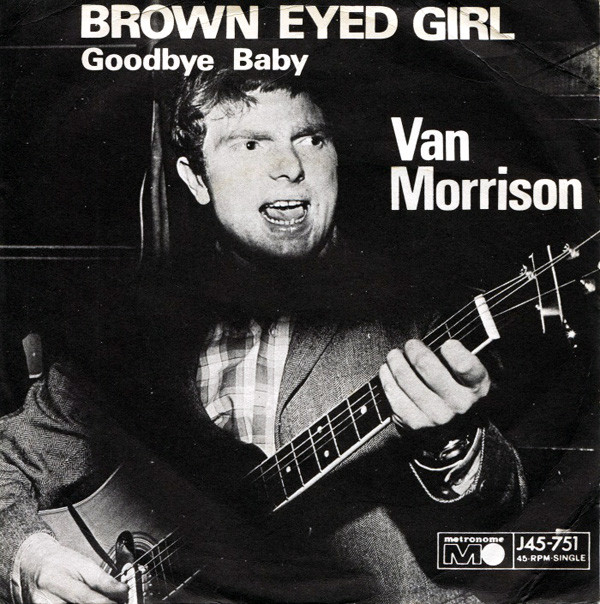
This was Van’s first single after leaving Them. Brown Eyed Girl isn’t trying to change the world. It’s not aiming for psychedelia (very popular at the time) or pushing the studio envelope. What it does do is pack memory, melody, and a whole lot of youthful yearning into a tight little pop song.
Van would go on to far deeper waters with albums like Astral Weeks, Moondance, Tupelo Honey, and Saint Dominic’s Preview, albums brimming with spiritual searching and jazz improvisation. But Brown Eyed Girl was a huge introduction to the new solo artist… Van Morrison. I’ve told people…if I could have been born with any voice, Van’s voice would have been it.
He released this song in 1967, it peaked at #10 on the Billboard 100, #13 in Canada, and #60 in the UK. My friends say that I might have listened to this song more than anyone…including Van. Hmmm, where is that email address to the Guinness people?
Brown Eyed Girl
Hey where did we go Days when the rains came Down in the hollow Playin’ a new game Laughing and a running hey, hey Skipping and a jumping In the misty morning fog with Our hearts a thumpin’ and you My brown eyed girl You’re my brown eyed girl
Whatever happened To Tuesday and so slow Going down the old mine With a transistor radio Standing in the sunlight laughing Hiding behind a rainbow’s wall Slipping and sliding All along the water fall, with you My brown eyed girl You’re my brown eyed girl
Do you remember when we used to sing Sha la la la la la la la la la la te da Just like that Sha la la la la la la la la la la te da, la te da
So hard to find my way Now that I’m all on my own I saw you just the other day My how you have grown Cast my memory back there, Lord Sometime I’m overcome thinking ’bout Making love in the green grass Behind the stadium with you My brown eyed girl You’re my brown eyed girl
Do you remember when we used to sing Sha la la la la la la la la la la te da (lying in the green grass) Sha la la la la la la la la la la te da (bit, bit, bit, bit, bit, bit) Sha la la la la la la la la la la te da (sha la la la la la) Sha la la la la la la la la la la te da
I absolutely love the organ riff that starts out this song. It was performed on a Vox Continental.
Well, it’s an original name I will say that much for the group…or the lead singer anyway. This song was written by “Question Mark,” the band’s frontman who wanted to be anonymous (he’s listed on the composer credits as (Rudy Martinez). At one point, he referred to the individual band members only by three-letter names (at one point, the band was known as XYZ). The mystery helped market the group, who wore dark glasses to add to the intrigue. He publicly stated that his soul had originated from Mars and that he once walked on Earth with the dinosaurs.
There’s a reason 96 Tears is often tagged as one of the first true garage rock hits, and even a proto-punk to what The Stooges and Ramones would soon torch the world with. It’s raw, it’s relentless, and it’s got attitude for days. It was recorded in Bay City, Michigan, by a band of mostly teenage Mexican-American kids, and it has that magical garage sound. No overthinking. Just a stomp and a sneer.
The song was originally released on the tiny Pa-Go-Go label before being picked up by Cameo Records. Against all odds, it climbed all the way to #1 on the Billboard Hot 100. Think about that: in a year dominated by the Beatles, stones, Motown, and the Beach Boys, this little three-chord song with an organ and a singer named Question Mark took the top spot.
The song peaked at #1 in the Billboard 100, #1 in Canada, and #37 in the UK in 1966. They were an American garage rock band of Mexican origins from Bay City and Saginaw in Michigan who were initially active between 1962 and 1969.
Too many teardrops For one heart to be crying Too many teardrops For one heart to carry on
You`re way on top now since you left me You’re always laughing way down at me But watch out now, I`m gonna get there We`ll be together for just a little while And then I`m gonna put you way down here And you`ll start crying ninety-six tears Cry, cry
And when the sun comes up, I`ll be on top You`ll be way down there, looking up And I might wave, come up here But I don`t see you waving now I`m way down here, wondering how I`m gonna get you but I know now I`ll just cry, cry, I`ll just cry
Too many teardrops For one heart to be crying Too many teardrops For one heart to carry on
I didn’t find this movie until the 90s. In the late eighties, I was watching and reading about every silent movie and artist that I could. Clara Bow, Buster Keaton, and Charlie Chaplin were at the top of my list. Back then, you had to get book after more books. I would also find ads in magazines of people selling silent movies on VHS.
In a Keaton book, I saw this as a film credit. I then read some about the great Billy Wilder, director, screenwriter, and producer, and I had to watch it. The movie did not disappoint. Buster’s part was nothing more than a cameo, but the movie more than made up for it. It’s funny how we find some movies. This would be high on top of my movie list. I’ve watched it so many times that I’ve lost count. I always notice something that I didn’t before. I keep hoping a change will happen, Joe will do something different, or just go back home.
Billy Wilder’s Sunset Boulevard isn’t just a film noir. It’s a Hollywood horror story soaked in pool water and silent film ghosts. The real trick Wilder pulls here is making you feel both horror and heartbreak. Norma isn’t really a villain or a relic; she’s an open wound. She’s clinging to her dreams like a one-hit wonder who never got the memo that the charts moved on. And Joe Gillis? He’s the guy who sells out until he’s got nothing left but a typewriter and a guilty conscience.
The movie was released in 1950. By 1950, the first great silent film stars of the 20s were aging, and there was interest in knowing what happened to them. The Norma Desmond character was thought to be a composite of Mary Pickford, who lived her life in seclusion, Clara Bow, who had a mental illness, as well as some other silent greats. The name was a combination of silent-film star Norma Talmadge and silent movie director William Desmond Taylor, who was mysteriously shot and killed… and remains unsolved to this day..
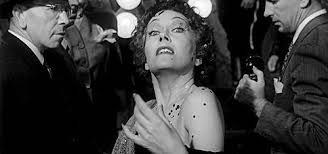
The star of this movie, without a doubt, is Gloria Swanson as Norma Desmond. When we first meet Norma, we think she is just an over-the-top, egocentric former silent era actress. Slowly, we see what a psychotic existence she lives, and it only gets worse. Norma still thinks she is adored by millions. Her chauffeur, Max Von Mayerling, helps perpetuate this lie. We find out why as the movie goes along, and it is shocking. It will blow up in his face, but he never quits building her up.
The final scene is chilling. Norma Desmond is in a catatonic state, asking for a close-up. Her eyes alone will send a shiver down your spine. The movie is full of great actors and actresses. The focus is on William Holden, Gloria Swanson, and Erich Von Stroheim. Holden was a great actor who appeared in movies such as The Bridge on the River Kwai, Stalag 17, and The Wild Bunch. Erich Von Stroheim plays Max, and in the twenties, Erich was a silent movie actor but best remembered as an avant-garde director in the 1920s. Gloria Swanson was a very successful silent movie actress who made a successful move to sound pictures. She also appeared on Broadway in the 40s and 50s. She started many production companies in the 1920s and 30s.
PLOT (Spoilers)
Screenplay writer Joe Gillis was desperately trying to sell his stories, but Hollywood did not want to listen. Joe had talent, but he wasn’t trying to write something great…just something that would sell. He was going to have to return home to Dayton, Ohio, a failure if something didn’t happen and soon. His car was getting repossessed, and he was trying to hide it just for a little while. While being chased by creditors, he parks it in a decrepit old mansion. Little did he know that former silent movie star Norma Desmond still lived there. She used to be a big (“I am big, it’s the pictures that got small”) star.
Joe Gillis ended up being invited to stay to edit Norma’s film screenplay that she wrote. That screenplay was going to be her return to film. One thing leads to another, and Joe ends up being a kept man, and he doesn’t like it one bit. As time goes by, life at Norma’s mansion…it gets darker and darker. Joe is stuck there working on Norma’s horrible screenplay while playing the good boy. He gets new clothes, perks, and is not wanting for anything…except freedom. There is a price to be paid for being kept by Desmond. He sneaks out and sees a young girl whom he writes with and falls for, but cannot break Norma’s grip.
__________________________________________
The movie was written by Charles Brackett and Billy Wilder. It was directed by Billy Wilder and released in 1950. This movie is one of the greats. It’s a movie that anyone who is a film fan must watch.
“Alright, Mr. DeMille, I’m ready for my close-up”
Yes, she was indeed ready…she spent years getting ready for her final starring role. Just not the role you would think.
When I heard this song, I loved the movie star references, and that got my attention. He namechecks the legends: Greta Garbo, Rudolph Valentino, Bela Lugosi, and Bette Davis. But he doesn’t dwell on their fame; he dwells on what fame cost them. Some went mad, some died alone, some were used up by the studio system and spit out into forgotten gossip columns.
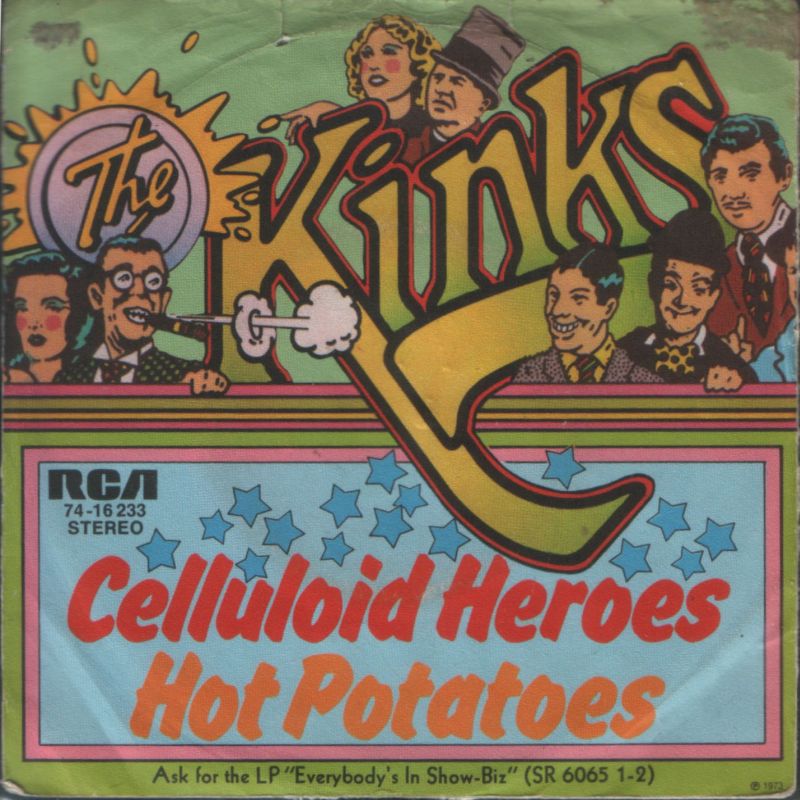
Ray Davies never really left England in spirit, but with Celluloid Heroes, he made one of his most haunting visits to America. Walking the Hollywood Walk of Fame, shoulder to shoulder with the ghosts who made generations laugh, cry, and dream on the big screen.
By 1972, The Kinks released Everybody’s in Show-Biz, it was their 6th straight concept album and they had just released Muswell Hillbillies the year before. This one was part cabaret, part social commentary, part rock and roll vaudeville.
He wrote the song when he visited Los Angeles. He stayed at a hotel near the Walk of Fame and was intrigued by how it represented success alongside failure. It is one of those Kinks songs that doesn’t get the same attention as Lola or Waterloo Sunset, but it should.
The song was released as the second single from Everybody’s in Show-Biz but failed to chart. However, the track received decent airplay on AOR radio stations in the US, and it remains a song that is often played when these stations mark the passing of a Hollywood star.
Everybody’s In Show-Biz peaked at #63 in Canada and #70 on the Billboard Album Charts. It didn’t chart in the UK. Ray was subtle in this song, and he sings like he means it.
Single Version
Album Version
Celluloid Heroes
Everybody’s a dreamer and everybody’s a star And everybody’s in movies, it doesn’t matter who you are There are starts in every city In every house and on every street And if you walk down Hollywood Boulevard Their names are written in concrete
Don’t step on Greta Garbo as you walk down the Boulevard She looks so weak and fragile that’s why she tried to be so hard But they turned her into a princess And they sat her on a throne But she turned her back on stardom Because she wanted to be alone
You can see all the stars as you walk down Hollywood Boulevard Some that you recognize, some that you’ve hardly even heard of People who worked and suffered and struggled for fame Some who succeeded and some who suffered in vain
Rudolph Valentino looks very much alive And he looks up ladies dresses as they sadly pass him by Avoid stepping on Bela Lugosi ‘Cause he’s liable to turn and bite But stand close by Bette Davis Because hers was such a lonely life
If you covered him with garbage George Sanders would still have style And if you stamped on Mickey Rooney He would still turn round and smile But please don’t tread on dearest Marilyn Cause she’s not very tough She should have been made of iron or steel But she was only made of flesh and blood
You can see all the stars as you walk down Hollywood Boulevard Some that you recognize, some that you’ve hardly even heard of People who worked and suffered and struggled for fame Some who succeeded and some who suffered in vain
Everybody’s a dreamer and everybody’s a star And everybody’s in show biz, it doesn’t matter who you are And those who are successful Be always on your guard Success walks hand in hand with failure Along Hollywood Boulevard
I wish my life was non-stop Hollywood movie show A fantasy world of celluloid villains and heroes Because celluloid heroes never feel any pain And celluloid heroes never really die
You can see all the stars as you walk along… You can see all the stars as you walk down Hollywood Boulevard Some that you recognize, some that you’ve hardly even heard of People who worked and suffered and struggled for fame Some who succeeded and some who suffered in vain
La la la la….
Oh, celluloid heroes never feel any pain Oh, celluloid heroes never really die I wish my life was non-stop Hollywood movie show A fantasy world of celluloid villains and heroes Because celluloid heroes never feel any pain And celluloid heroes never really die
I will be the first to admit that I don’t know much about Peter Gabriel. In 2020, Graham from Aphoristic Album Reviews had a B-side by Genesis called Inside and Out. He also had a B-side from them the year before that really impressed me. It was one of the first real exposures I’ve had to that era of Genesis, and it was quite different from what I expected. I liked what I heard from Peter Gabriel’s era at that time.
I was reading blogs last week when I read Nancy’s blog on this song. I listened to it and loved it, and I urge everyone to go see her post. My friend Dave has also posted some of Gabriel’s music.
Genesis had grown into a theatrical beast, complete with fox-head costumes and fifteen-minute suites. But Gabriel was feeling hemmed in, creatively and spiritually. He needed air and some risk. This was Peter Gabriel before Sledgehammer, before Shock the Monkey, before he was an international ambassador for world music.
He had left Genesis the year or so before, stepping away from the elaborate costumes, the long storylines, and the prog rock labyrinth he helped create. Many expected something equally grandiose for his solo debut. Instead, he delivered a track so personal, introspective, and melodic that it was firmly down to earth. This song was about his dealing with his departure from Genesis and anticipation of his new challenge as a solo artist. Solsbury Hill is a real place near Bath, England, where Gabriel reportedly walked to clear his head after leaving Genesis.
The song was released in 1977. The single did well for a debut. It peaked at #13 in the UK, #92 in Canada, and #68 on the Billboard Album Charts. The album was called Peter Gabriel, as were his next 3 albums. It peaked at #7 in the UK, #30 in Canada, #38 in New Zealand, and #38 on the Billboard Album Charts.
Solsbury Hill
Climbing up on Solsbury Hill I could see the city light Wind was blowing, time stood still Eagle flew out of the night
He was something to observe Came in close, I heard a voice Standing, stretching every nerve I had to listen, had no choice
I did not believe the information Just had to trust imagination My heart going “Boom-boom-boom” “Son, ” he said “Grab your things, I’ve come to take you home” Hey, back home
To keep in silence I resigned My friends would think I was a nut Turning water into wine Open doors would soon be shut
So I went from day to day Though my life was in a rut ‘Til I thought of what I’d say Which connection I should cut
I was feeling part of the scenery I walked right out of the machinery My heart going “Boom-boom-boom” “Hey, ” he said “Grab your things, I’ve come to take you home” Hey, back home
When illusion spin her net I’m never where I wanna be And liberty, she pirouette When I think that I am free
Watched by empty silhouettes Who close their eyes but still can see No one taught them etiquette I will show another me
Today I don’t need a replacement I’ll tell them what the smile on my face meant My heart going “Boom-boom-boom” “Hey, ” I said “You can keep my things, they’ve come to take me home”
Now I’m in my car, I got the radio on, I’m yellin’ at the kids in the back seat ‘Cause they’re bangin’ like Charlie Watts
I love the way this song kicks off with that jangly, ragged guitar riff. John’s voice fits this song perfectly as well. It’s rootsy, raucous, and real, a reminder that the best rock & roll doesn’t have to be flashy or fast to hit you in the gut.
A brilliant performer…he is a songwriter’s songwriter. The first time I heard this song, I loved it. When you mention Charlie Watts, you have my attention. John Hiatt always releases songs of quality, and they are all solid. Saying that, he is most remembered for his songs that other people cover. I don’t understand that because he has a fine, distinctive voice with a great band behind him. The keyword here is distinctive, I guess, which I look for.
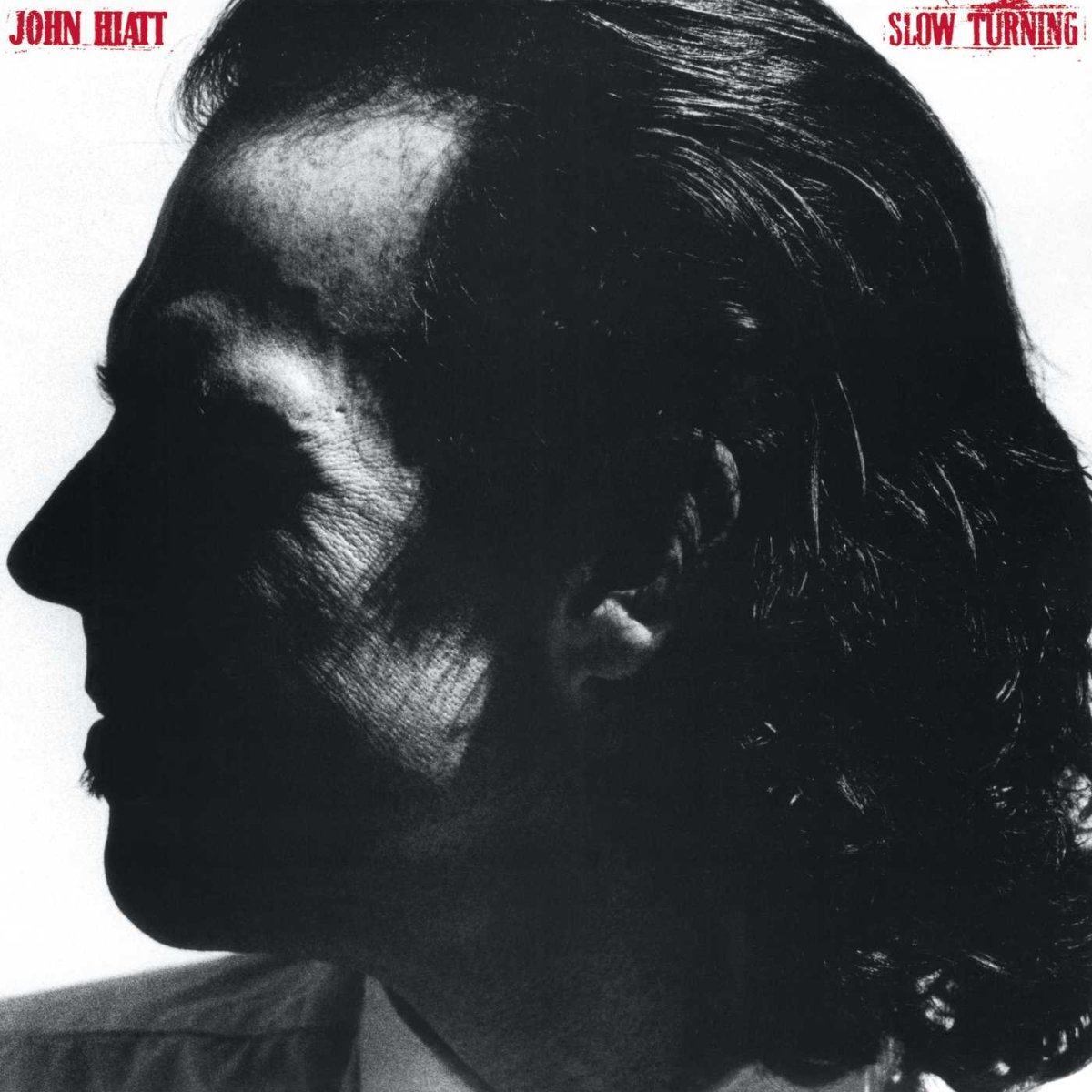
He has a tremendous catalog with 24 studio albums. He released his first album in 1974! By the time John Hiatt released the album Slow Turning in 1988, he wasn’t some wide-eyed newcomer chasing charts; he was a survivor. Some of the songs he wrote and were covered were Angel Eyes, Sure As I’m Sitting Here, and Thing Called Love, just to name a few. Slow Turning is one of his best-known songs, with him singing.
I’ve seen a lot of Hiatt recently on live clips. He and his band are always great. It’s loose in the best way, the kind of groove that feels like it could fall apart at any second but never does. The rhythm section (Kenneth Blevins on drums and Dave Ranson on bass) just locks in with the kind of warmth that doesn’t come from studio perfection but from chemistry built from sweat on the road.
Slow Turning peaked at #22 on the Billboard Alternative Charts. The album peaked at #98 on the Billboard Album Charts. I thought it would have been higher in the charts. In my region, it got a lot of airplay.
Slow Turning
When I was a boy I thought it just came to you But I never could tell what’s mine So it didn’t matter anyway
My only pride and joy Was this racket down here Bangin’ on an old guitar And singin’ what I had to say
I always thought our house was haunted ‘Cause nobody said “boo” to me I never did get what I wanted But now I get what I need
It’s been a slow turnin’ From the inside out A slow turnin’, baby But you come about
A slow learnin’ But you learn to sway A slow turnin’, baby Not fade away, not fade away, not fade away
Now I’m in my car Ooh, I got the radio down Now I’m yellin’ at the kids in the back ‘Cause they’re bangin’ like Charlie Watts
You think you’ve come so far In this one horse town Then she’s laughin’ that crazy laugh ‘Cause you haven’t left the parking lot
Time is short and here’s the damn thing about it You’re gonna die, gonna die for sure And you can learn to live with love or without it But there ain’t no cure
It’s just a slow turnin’ From the inside out A slow turnin’ But you come about, ya
A slow learnin’, baby But you learn to sway A slow turnin’ Not fade away, not fade away, not fade away Not fade away, not fade away
A slow turnin’ A slow turnin’ A slow turnin’ A slow turnin’
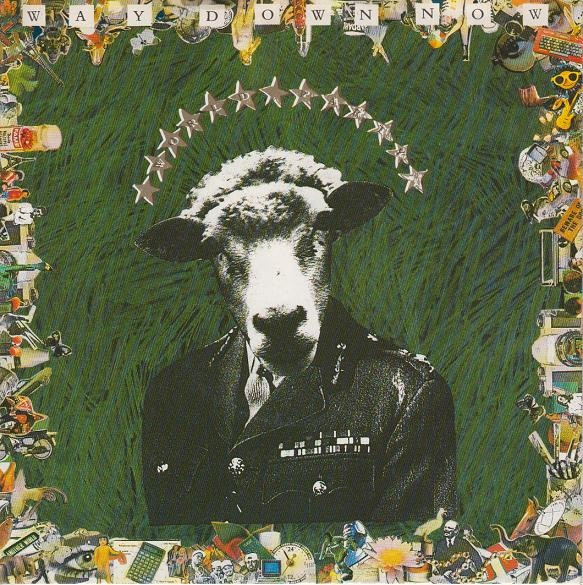
The first song I heard from this band was She’s The One that I saw in the movie Matchmaker. I liked the song more than I did the movie. The second song I heard from them was Ship Of Fools. Lately, I’ve been diving into the albums and more songs than those two. Their album Goodbye Jumbo is a pop masterpiece. When I thought of them at first, it was for their Beatles-type melodies and phrasing, but they also throw in the Rolling Stones.
Before World Party took form, Wallinger had already built up a behind-the-scenes resume worth bragging about. Born in Prestatyn, Wales, he grew up listening to everything from soul and psychedelia to classical and punk. He was a true musical sponge. His big break came in the early ‘80s when he became the musical director for The Rocky Horror Show play, which led to studio work and eventually landed him in The Waterboys for their This Is the Sea era.
Right out of the gate with this song, you’re greeted with that slinky, rubbery guitar riff that instantly calls to my mind Sympathy for the Devil, and that’s no accident. Wallinger even throws in some “woo-woos” in the chorus.
By now, he’d fully embraced his role as DIY guy, writing, producing, and playing virtually everything himself. Goodbye Jumbo was a masterful example of building an album. Every song is stitched together from analog and digital, but nothing hits quite like Way Down Now, which kicks the album off like a cool joyride through pop
He was armed with a drum machine, some trusty analog gear, and a pile of vintage records for inspiration. This album, to me, is a cross between Britpop and a bar-band.
The song peaked at #1 on the Billboard Mainstream Rock Charts, #5 on the Alternative Charts, #53 in Canada, and #66 in the UK in 1990. Goodbye Jumbo peaked at #36 in the UK, #26 in Canada, and #73 in the Billboard Album Charts.
Way Down Now
Inside my TV, I Never stop to wonder why I’m way down now I’m way down now
Some faceless get on the screen The most honest man I’ve ever seen I’m way down now I’m way down now
Won’t you show me Something true today? C’mon and show me Anything but this
She took us by the hand Hell was the promised land I’m way down now I’m way down now
I’m lying by the road Because she cut off all my clothes I’m way down now I’m way down now
Won’t you show me Something true today? C’mon and show me Anything but this
Inside my future life What I see just makes me cry I’m way down now I’m way down now
The clocks will all run backwards All the sheep will have two heads And Thursday night and Friday Will be on Tuesday night instead
And all the times will keep on changing And the movement will increase There’s something about the living, babe That sends me off my feet
There’s breeding in the sewers And the rats are on their way They’re clouding up the images Of my perfect day
And I know I’m not alone And I know I’m not alone And I know I’m not alone
Anything but this Can you hear me?
Inside my TV, I I never stop to wonder why I’m way down now I’m way down now
Then some faceless get comes on my screen The most honest man I’ve ever seen I’m way down now I’m way down
Something new Something true Something new Something true Something new Something new Something true
I’ve never been a huge fan of The Police, but I do like a lot of their earlier songs. They were fun and energetic.
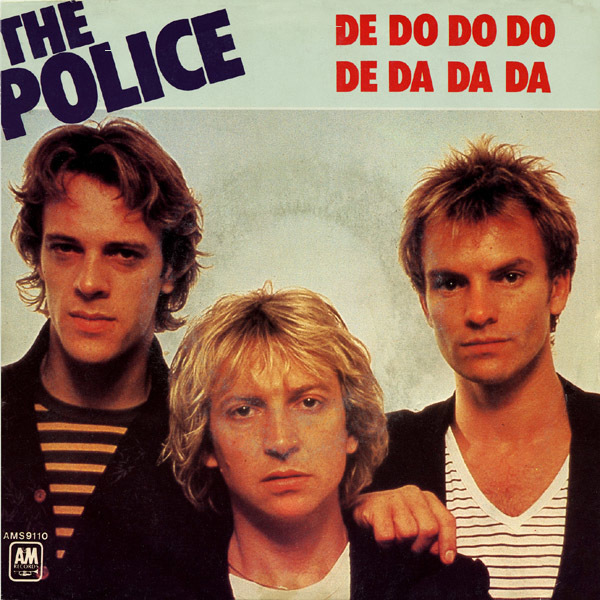
What does this song mean? Some think it’s about the way politicians, entertainers, and other people use words to manipulate others. Sting called it, “An articulate song about being inarticulate.” Sting wrote this when he became interested in songs with nonsense lyrics, like “Do Wah Diddy Diddy,” “Tutti Frutti,” and “Da Doo Ron Ron.” He wanted to find out why they work and write one of his own. He claimed it was his son who came up with the title.
The charm of “De Do Do Do” is that it makes something very complicated feel effortless. That’s a trick the best pop songs pull off. The Police knew how to make a statement while sounding like they were just having a bit of fun. And whether you hear it as a commentary on communication or just a killer hook to blast on cassette, it sticks in your head like bubblegum on a boot.
The song was inspired by the idea that simple, repetitive phrases can have a profound emotional impact, regardless of their literal meaning. Sting explained that the song reflects the way some people are drawn to shallow or meaningless language, and how, sometimes, even educated people may rely on basic communication in emotionally charged situations.
They reunited in 1986 and tried to update their old songs with new releases…the sessions didn’t work. The only song to be reworked and released was Don’t Stand So Close To Me. This song peaked at #10 on the Billboard 100, #5 in Canada, #8 in New Zealand, and #5 in the UK in 1981.
It was on their album Zenyatta Mondatta.
Sting:“Certainly what we’re producing is not elitist High Art, But, equally, I think entertainment’s an art. I think my songs are fairly literate – they’re not rubbish. ‘De Do Do Do’, for example, was grossly misunderstood: the lyrics are about banality, about the abuse of words. Almost everyone who reviewed it said, Oh, this is baby talk. They were just listening to the chorus alone, obviously. But they’re the same people who would probably never get through the first paragraph of Finnegan’s Wake, because that’s ‘baby talk’, too.”
De Do Do Do, De Da Da Da
Don’t think me unkind Words are hard to find They’re only cheques I’ve left unsigned From the banks of chaos in my mind
And when their eloquence escapes me Their logic ties me up and rapes me
De do do do de da da da Is all I want to say to you De do do do de da da da Their innocence will pull me through De do do do de da da da Is all I want to say to you De do do do de da da da They’re meaningless and all that’s true
Poets priests and politicians Have words to thank for their positions Words that scream for your submission And no-one’s jamming their transmission
‘Cause when their eloquence escapes you Their logic ties you up and rapes you
De do do do de da da da Is all I want to say to you De do do do de da da da Their innocence will pull me through De do do do de da da da Is all I want to say to you De do do do de da da da They’re meaningless and all that’s true
De do do do de da da da Is all I want to say to you De do do do de da da da Their innocence will pull me through De do do do de da da da Is all I want to say to you De do do do de da da da They’re meaningless and all that’s true






 PowerPop... An Eclectic Collection of Pop Culture