


I first heard about Elmore James from a Rolling Stones book…Brian Jones was a huge fan of the blues artist. The song also helped bring Keith Richards, Mick Jagger, and Brian Jones together to form the Stones.
On November 23, 1936, Robert Johnson was in San Antonio Texas for his debut recordings. The first song he did was “Kind Hearted Woman Blues” in two versions, his second song was “I Believe I’ll Dust My Broom” and his third was “Sweet Home Chicago.” Johnson is usually credited with writing all three songs. Elements of this song can be traced back to several other blues songs. In 1934 Kokomo Arnold was in the studio in Chicago. He recorded Sagefield Woman Blues at a session, which contains maybe the first mention of the phrase “Dust My Broom” in the lyrics.
Elmore recorded and released his version in 1951. On the single, the song was credited to Elmo James. The song peaked at #9 in the R&B Charts in 1952. Elmore James’s version is probably the most popular version of the song. James’ “Dust My Broom” was inducted into the Blues Foundation Blues Hall of Fame in 1983… it was stated that it received more votes than any other record in the first year of balloting for singles.
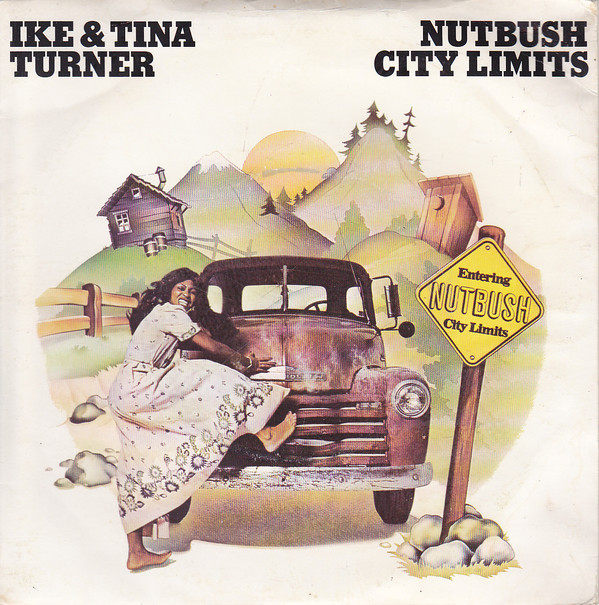
Artists who have covered this song include Johnny Winter, Derek Trucks, ZZ Top, Ike and Tina Turner, Robert Jr. Lockwood, John Littlejohn, Hound Dog Taylor, Homesick James and Frank Zappa.
Bill Wyman (bass player for the Rolling Stones): “The very first time Brian heard it, he played Elmore James’ ‘Dust My Broom.’ And Brain said the earth shattered and seemed to go off its axis, it was such an important moment in his life. He just went away and just tried to learn to play like Elmore James. And he sat in with the band, the Alexis Korner band, and played ‘Dust My Broom.’
By pure chance, that day Mick and Keith and a couple of their mates who’d been trying to put a band together in Dartford – unsuccessfully – went to see the Alexis Korner show as well, after reading about it in the music press. And they saw Brian Jones sitting onstage, this little white cat, sitting onstage and doing Elmore James, and it blew them away! So that was the Stones. Elmore James was a very, very important part, and if that hadn’t happened – that moment – maybe the Rolling Stones wouldn’t be here.”
Derek Trucks: “You can remember almost every Elmore James solo by heart because he was playing songs. Nothing’s wasted. Nothing’s throwaway. It doesn’t feel like somebody’s practicing in front of you, or running scales; these are melodies that are pouring out, and those are the players that I listen to. They move me.
Dust My Broom
I’m gettin’ up soon in the mornin’
I believe I’ll dust my broom
I’m gettin’ up soon in the mornin’
I believe I’ll dust my broom
Out with the best gal I’m lovin’
Now my friends can get in my room
I’m gonna write a letter, telephone every town I know
I’m gonna write a letter, telephone every town I know
If I don’t find her in Mississippi
She be in East Monroe I know
And I don’t want no woman
Want every downtown man she meets
No I don’t want no woman
Want every downtown man she meets
Man, she’s a no good doney
They shouldn’t allow her on the street, yeah
I believe, I believe my time ain’t long
I believe, I believe my time ain’t long
I ain’t gonna leave my baby
And break up my happy home
 PowerPop... An Eclectic Collection of Pop Culture