Link Wray – Link Wray …album review

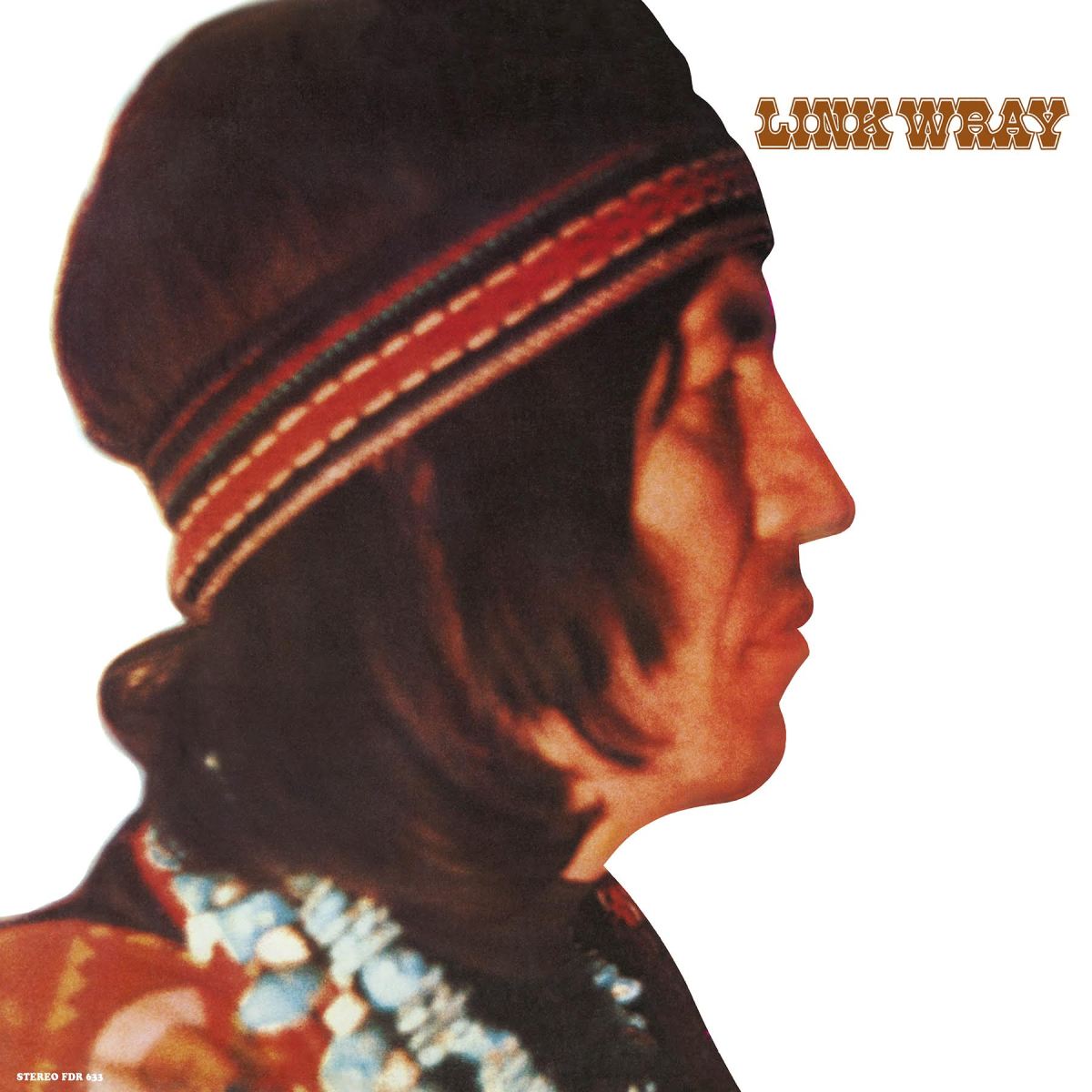
I was really taken aback when I saw this album. I played it, expecting an instrumental, and when I heard a voice, I thought it was a different singer. When I think of Link Wray, I think of Rumble and instrumentals like that. I was surprised when I found this roots album by him, recorded in 1971. I want to thank Lisa for posting something that made me think of this rare Link Wray album.

After serving in the military, Wray contracted tuberculosis and lost a lung, which made singing difficult, and doctors advised him against it. Because of his breathing difficulties, Wray began to focus more on expressive and experimental guitar playing, leading him to become known for his instrumental hits. Wray was a Native American of Shawnee descent. He grew up in North Carolina. Wray later honored his heritage in his music, with songs like Apache and Comanche.

This album was recorded in a converted chicken shack. His brother, Ray Vermon Wray, helped produce it along with Bob Feldman and Steve Verroca. Instead of power chords and a leather jacket, Link traded distortion for Americana, funk, gospel, and storytelling. It was earthy, roots-driven, and deeply personal, almost a different artist altogether from the one I thought I knew. After being freed from label pressures, Link finally made the music he grew up with: gospel from church revivals, Native American rhythms from family heritage, country blues, and Southern soul.

There were still guitars, but now they sat behind the songs instead of smashing through them. Tracks like Fire and Brimstone, Juke Box Mama, and Ice People feel like they were born out of the dirt. The grooves are loose, almost like field recordings. His voice, rarely heard on record before this, carries a soulful and weathered sound. He didn’t sound like a rock guitarist trying to sing; he sounded like a weathered preacher who happened to play guitar.

You hear old-time country on Take Me Home Jesus, boogie on God Out West, and Native rhythms driving Black River Swamp. No other rock guitarist of his generation made anything remotely like this. Only one song retains his old tone, and that’s the intro to Tail Dragger. If anything, it pointed the way decades later for artists like Los Lobos and the entire alt-country movement. If you want to hear some authentic Americana, listen to this album.

Polydor gave the album a shot, but the public wanted Link the guitar guy, not Link the backwoods Americana prophet. Sales were modest, and critics were divided. However, like many records that were too authentic for their time, it grew in legend over time. Today, many fans call the 1971 album his true masterpiece

Black River Swamp

I was born down in the countryDown where the cotton growsTurnin’ off the main highwayGoin’ down that country road

There’s a place down in the countryWhere the pine trees grow so tallWalk across that old log bridgeStretching ‘cross Black River Swamp

I can hear them bullfrogs croakingIn the blackness of the nightCalling me back to my childhoodDown here in Black River Swamp

Saw my name carved on a big oak treeDown there by the fishing holeAnd the smell of old Black RiverWhere the waters are deep and cold

I can hear the hound dogs howlin’Chasin’ that old fox where I used to roamDown there in the countryCallin’ me to Black River Swamp

I can hear them hound dogs howlin’Chasin’ that old fox where I used to roamDown there in the countryCallin’ me to Black River Swamp

I was born in the countryDown where the cotton growsTurnin’ off the main highwayGoin’ down that country road

There’s a place down in the countryWhere the pine trees grow so tallGo across that log bridgeStretching ‘cross Black River Swamp

Janis Joplin – My Baby

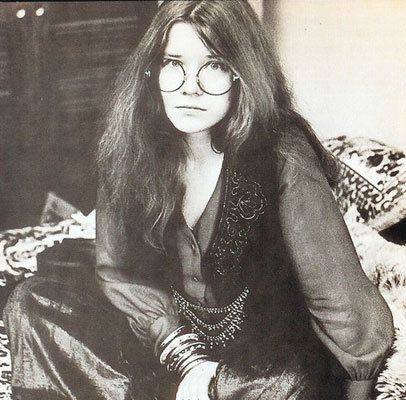
As of yesterday, she has been gone for 53 years. She dedicated this song to her dad. It was on her last studio album Pearl released in 1971 right after Joplin died.

Janis’s voice is gold on this one… a pure blues voice. I’m convinced Janis had a built-in dynamic. She had one of the best dynamics in her songs based purely on her building up to the choruses of her songs. Her influences were Bessie Smith, Billie Holiday, and last but not least…Otis Redding. She saw Otis a few months before he died and copped some of his stage mannerisms.

This was written by Jerry Ragovoy and Mort Shuman. Shuman’s credits include Teenager In Love and Let’s Live For Today. Ragovoy also wrote Joplin’s songs Piece Of My Heart and Try. The song was first released by Garnet Mimms in 1966.

I have included the studio version and a live version she did on the Dick Cavett show. Cavett talks about her as if he had somewhat fallen for her. It was an odd combination…Cavett attended Yale and here was Janis…a loud brash blues singer from Port Arthur Texas.

Cavett tells a story about Janis and him eating at a restaurant and the song “Down On Me” is playing while they are at the table. Cavett said to Janis…I bet they don’t play that song on the radio because of it’s sexual nature…Janis then leaned in and told Cavett…Dick…uh it’s a gospel song.

Cavett later credited Joplin for sending so many other major rock stars his way after her first appearance on his show in 1968. She told her fellow musicians that Cavett wasn’t a dreary television personality like many. The fact is…Cavett was different from other talk show hosts…especially now. He would dedicate entire shows to one person and he had conversations with them, not interviews. He also mixed and matched people that you would not see in everyday life. Janis for instance, was on a show with Raquel Welch and Gloria Swanson. Three completely different women but he had all of them in a conversation.

If you see the Cavett DVD’s…get them…if not many of them are on youtube.

The biography I read on Janis was by Holly George-Warren. It was released in 2019 and it is one of the best books about her I’ve read. Here are a few quotes from that author.

Holly George-Warren: You can look to two major influences that Janis had that I think affected her sexuality and the way she expressed it on stage. One was, of course, the great Bessie Smith, whose lyrics Janis knew by heart. She started out singing Bessie Smith songs way before we ever saw her, these images of her with Big Brother and the Holding Company. She started performing Bessie Smith songs around 1963. And those kind of lyrics of sexuality, of sexual longing, sexual betrayal, those very much informed Janis’ own songwriting and the songs that she chose to sing.

The other major influence was Otis Redding. She was a huge Otis fan until the day she died. And she got to see him perform live three nights in a row at The Fillmore back in 1966, and it transformed her because he was a very sexual performer. And he was able to emit this heat on stage that Janis herself was able to do through her own way of manifesting these feelings that she had while singing these songs. And I mean, Janis herself, she compared singing on stage to having an orgasm. She blew some journalists’ minds when she used that expression, but she – it was a very sexual experience for her.

The original version of this song was by Garnet Mimms. 

My Baby

And when I work hard all day long
I tell you what, it don’t bother me nohow,
‘Cause how could anything ever go wrong
When I got my baby, Lord, yes,
When I got my baby, oh Lord!

And when they tell me love is pain
I said it might be true for you, honey,
But not for Janis no more, no no no no.
All I’ve ever got to do is call my daddy?s name
Yeah and I got m-my baby, Lord, yeah,
Yes I got my baby, good good God,
Honey, I want to tell you something that I do.

Deep down, h-honey, in the dark of the night,
When I lay my head down, I want to go to sleep,
And I know everything is gonna be alright,
Yeah I got my baby, Lord yeah,
‘Cause I got m-my baby, oh yeah.

And when I want to call the names
Or the things to be that want to be to you.
And when I want to reach out my hand
It always seems you hold me, dear,
Love, don’t you know how long I looked for you
Daddy, daddy, daddy.
Love, don’t you know how hard I tried,
But now I got my baby, Lord, yeah,
Now I got my baby, yeah.

Max Picks …songs from 1971

1971

This year may be the best ever for albums. You had Who’s Next (My number one), Led Zeppelin IV, Marvin Gaye’s What’s Goin On, and so much more.

We will start off with what I think is the greatest rock song ever played in a concert environment. I’ve seen The Who play Won’t Get Fooled Again twice and of all the concerts I’ve gone to… I’ve never heard anything this powerful live.

Roger Daltrey’s Scream is considered one of the best on any rock song. It was quite convincing…so convincing that the rest of the band, lunching nearby, thought Daltrey was brawling with the engineer.

Now let’s visit Led Zeppelin and they released IV or Zoso a few weeks after The Who released Who’s Next. Stairway To Heaven…this song is considered by some as the best song in rock history. The song was written by Jimmy Page and Robert Plant.

Marvin Gaye released this great song and it came off the album of the same name. A powerful song from a powerful performer. The song was written by Al Cleveland, Renaldo Benson, and Marvin Gaye.

The Moody Blues released the album Every Good Boy Deserves Favour and this song was on it. It may be my favorite song by them. Story In Your Eyes.

Great melody in this song. I bought the album Every Good Boy Deserves Favour just because of this song and I ended up liking the album a lot. The song peaked at #23 on the Billboard 100 in 1971. The song was written by Justin Hayward.

This is almost a perfect song…by the one and only Janis Joplin. There are few artists who give everything they have all the time. Bruce Springsteen is one…Janis was one. On film it comes through…she gives everything she has and more. It was written by Kris Kristofferson and Fred Foster.

She would die on October 4, 1970. Her nickname was Pearl and that was the name of her last album. She left $2,500 for her wake…. 200 guests were invited with invitations that read…”Drinks are on Pearl”…

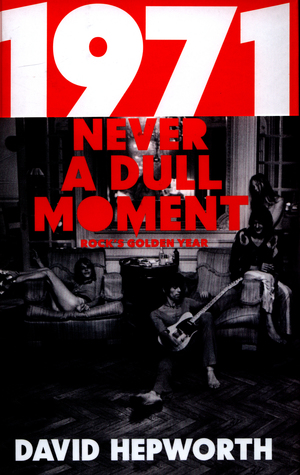
Never a Dull Moment 1971 by David Hepworth

This is a good book about music and pop culture in 1971. The author turned 21 in that year and claims it was the best year musically come to age… He is certain it was the year that produced more great music than any other. He makes a compelling case. Many classic rock albums came out that year…to name a few

Who’s Next – The Who
Led Zeppelin IV (ZoSo) – Led Zeppelin
Hunky Dory – David Bowie
What’s Going On – Marvin Gaye
Sticky Fingers – Rolling Stones
Blue – Joni Mitchell
Imagine – John Lennon
At Fillmore East – Allman Brothers
There’s A Riot Going On – Sly and the Family Stone
Tapestry – Carole King

Every month he goes through the politics, movies, televisions shows (or the lack of)
and mostly how rock music grew up. He writes with some detail on Marvin Gaye recording “What’s Going On,” Carole King and Tapestry, Rolling Stones “Sticky Fingers” and etc…

He highlights the events of that year with plenty of his opinion. It is a fun read and it is written from a UK point of view and covers plenty. One thing I will say…He does lack objectivity at times but you can feel his enthusiasm when he writes about being a teenager in that era.

I’m a sucker for books on music especially in that period…so maybe I lack objectivity but I enjoyed it. If you like classic rock music and the pop culture that goes with it…you should enjoy this.

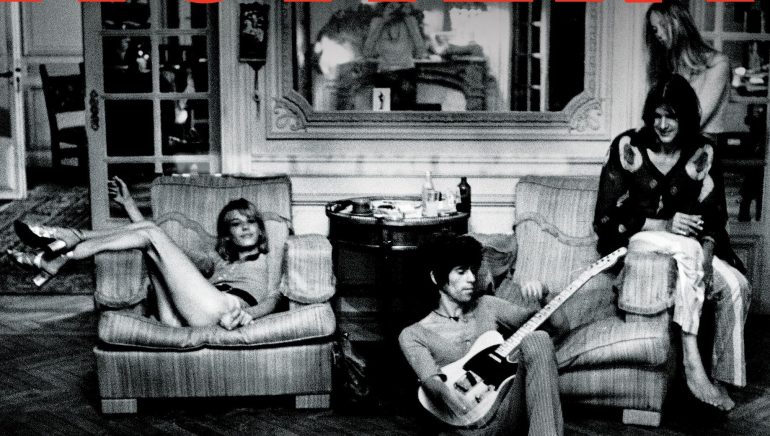
1971-–-Never-A-Dull-Moment-770x436.jpg

tapestry080512w.jpg