When that chorus kicks in, I’m in heaven. It sounds like early sixties greatness, and it’s just fun to sing along with. I’ve never been to New Jersey, but Southside Johnny and Springsteen make me feel like I did. Asbury Park has served as a musical mecca for decades. I’m hoping that one day I will get there.
This is not just a cover of the Sam Cooke standard; it is a full Jersey Shore revival meeting, led by Southside Johnny, who sounds like he has lived every lyric and is still catching his breath. When I see him perform on film, he performs with the audience rather than for… in what I’ve seen. He gets them involved and everyone has a good time.
I love this version because he doesn’t try to out-sing Sam Cooke, because who could? You can hear him reacting in real time, stretching lines, yelling encouragement as he feeds off the band as much as they feed off him. They are built to hear live, and they live up to that job.
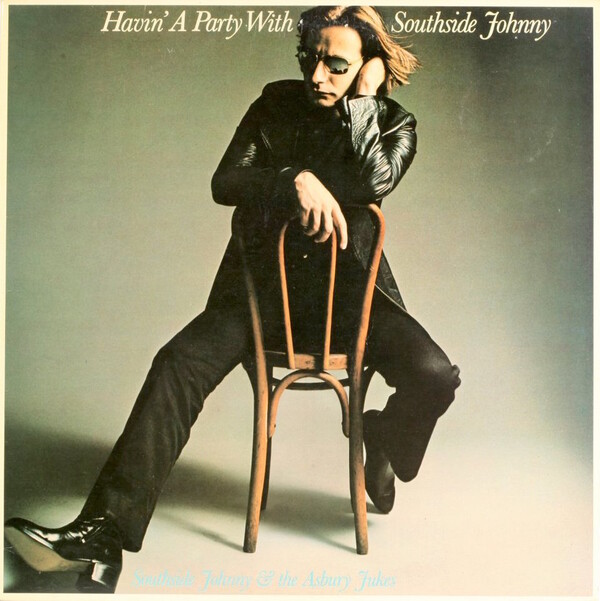
It was on the album Havin’ a Party With Southside Johnny, released in 1979-1980. This song on the album was live, and it’s from 1976. The song was written by Sam Cooke and released in 1962. The original version peaked at #17 on the Billboard 100 and #30 in Canada in 1962. Rod Stewart also did a version that charted in 1994.
Havin’ A Party
Yeah, everybody Yeah, get every one apart Is there a problem, whoo Can we do this now
We’re havin’ a party Everybody’s swinging Dancing to the music On the radio (we’re on our way, man) So listen, Mr. DJ Keep those records playing (alright) ‘Cause I’m having such a good time Dancing with my baby
We’re having a party Dancing to the music Played by the DJ On the radio Cokes are in the ice box Popcorn’s on the table Me and my baby Are out there on the floor
And we’re havin’ a party Everybody’s swinging Dancing to the music On the radio So listen, Mr. DJ Keep those records playing ‘Cause I’m having such a good time Dancing with my baby
Everybody’s swinging (oldies) Oldies, doing the twist now If you take requests I’ve got a few for you Don’t forget the soul twist Play that one called “I Know” I got to hear what suites me No other songs will do
And we’re havin’ a party Everybody’s swinging Dancing to the music On the radio So listen, Mr. DJ Keep those records playing ‘Cause I’m having such a good time Dancing with my baby
‘Cause I’m having such a good time Dancing with my baby ‘Cause I’m having such a good time Dancing with my baby
Baby, is alright (baby, is alright) Baby, is alright (baby, is alright) Baby, is alright (baby, is alright) Baby, is alright (baby, is alright) Baby, is alright (baby, is alright) Is alright (is alright) Is alright (is alright) Baby, is alright (is alright) Is alright (is alright) Is alright (is alright)
Is alright (is alright) Baby, is alright (is alright) Is alright (is alright) Is alright (is alright) Is alright (is alright) Baby, is alright (is alright) Is alright (is alright) Is alright (is alright) Is alright (is alright) Baby, is alright (is alright)
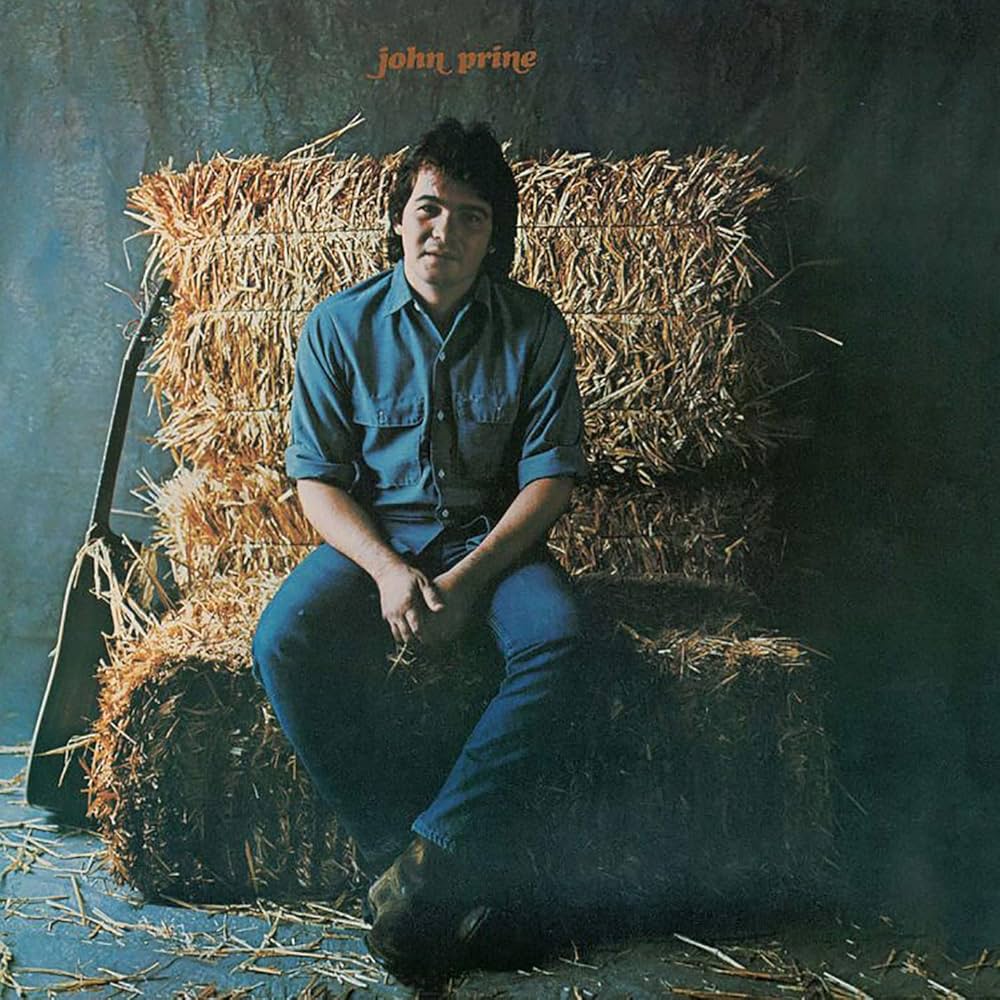
Ever since I wrote up the John Prine song Paradise (thanks to halffastcyclingclub) I knew then I had to write up the album. This album is very daunting to write up. If one person listens to it, then my job is done. It is one of the best debut albums I’ve ever heard in rock, pop, country, folk, or anything else. I’m truly ashamed I didn’t dive into John Prine sooner. I knew some of his well-known songs like Dear Abbey, Angel From Montgomery, and a few other songs of his, but it was the song Paradise that totally won me over. Like the old lyric I remember from a long time ago…listening to this album is like taking a trip without leaving the farm.
John Prine was working as a mailman in Chicago, delivering letters by day and sharpening songs by night. He began playing open mics at the Old Town School of Folk Music, where his storytelling and humor transfixed the audience. One night in 1970, Kris Kristofferson wandered in, heard Prine sing Sam Stone, and reportedly told his record label mates he’d just seen “the best songwriter I’ve ever heard.” That moment changed everything for Prine.
Atlantic Records moved quickly, pairing Prine with producer Arif Mardin, a surprising choice. Mardin, known for polished soul and pop productions. He immediately understood that these songs didn’t need a big production. Sessions were kept deliberately restrained, focusing on clarity and feel rather than polish. Many of the songs were already road-tested long before they were recorded. Hello In There, Sam Stone, and Paradise had been perfected in coffeehouses and small clubs
At 24 years old, he plays thirteen songs that feel lived in, warm, sly, funny, haunted, and most importantly, human. There is one thing I found out about this album. On first listen, I thought it was charming. On the tenth, it is devastating. On the twentieth, it feels like a friend you have known your whole life, and I’m not exaggerating.
Right from the opener Illegal Smile, Prine is already telling you “Last time I checked my bankroll, it was gettin’ thin, Sometimes it seems like the bottom is the only place I’ve been”. Then comes Spanish Pipedream, which practically bursts out of the speakers, preaching the joys of ditching society’s noise. blowing up your TV, and finding your own piece of mind. But the album’s heart and soul song runs deeper. Sam Stone, with its unforgettable line “there’s a hole in daddy’s arm where all the money goes,” still lands like a gut punch.
And then, of course, there is Angel from Montgomery. If Prine had written only that one song, he would still have ended up on songwriter Mount Rushmore. I won’t go over every song, but if you like great lyrics and great melodies, this is the album for you. Google the lyrics on this fine Sunday and sing along with John Prine. It will be a beautiful Sunday…trust me on that. My personal favorites? Paradise, Sam Stone, Illegal Smile, Angel from Montgomery, and…ah, just listen to them all.
Sam Stone
Sam Stone Came home To his wife and family After serving in the conflict overseas And the time that he served Had shattered all his nerves And left a little shrapnel in his knee But the morphine eased the pain And the grass grew ’round his brain And gave him all the confidence he lacked With a Purple Heart and a monkey on his back
There’s a hole in daddy’s arm where all the money goes And Jesus Christ died for nothin’, I suppose Little pitchers have big ears Don’t stop to count the years Sweet songs never last too long on broken radios Mmm-hmm-hmm-hmm
Sam Stone’s welcome home Didn’t last too long He went to work when he’d spent his last dime And soon he took to stealin’ When he got that empty feelin’ For a hundred dollar habit without overtime And the gold rolled through his veins Like a thousand railroad trains And eased his mind in the hours that he chose While the kids ran around wearin’ other people’s clothes
There’s a hole in daddy’s arm where all the money goes And Jesus Christ died for nothin’, I suppose Little pitchers have big ears Don’t stop to count the years Sweet songs never last too long on broken radios Mmm-hmm-hmm-hmm
Sam Stone was alone When he popped his last balloon Climbing walls while sittin’ in a chair Well, he played his last request While the room smelled just like death With an overdose hoverin’ in the air
But life had lost its fun And there was nothin’ to be done But trade his house that he bought on the G.I. Bill For a flag draped casket on a local heroes’ hill
There’s a hole in daddy’s arm where all the money goes And, Jesus Christ died for nothin’, I suppose Little pitchers have big ears Don’t stop to count the years Sweet songs never last too long on broken radios Mmm-hmm-hmm-hmm Hmm Hmm-hmm-hmm-hmm
Good R&B song from Jr. Walker and The Allstars. A little trivia on this song. If you look at the live video below, you will see a young Jimi Hendrix in the background playing guitar. They were on a show called Night Train, and it was videotaped at Channel 5, at that time, WLAC in Nashville. He didn’t play on the original recording, but it’s cool to see him here playing guitar in 1965.
Walker, whose real name was Autry DeWalt, was a great saxophone player who made his vocal debut on this song. He recorded the vocals because the singer didn’t show up. He didn’t expect his vocal track to make the cut, but the Motown producers liked the sound and left it in. Junior Walker & The All Stars were Motown, but I would have sworn they were Stax. They had more of a raw, unpolished sound than Motown usually had.
This was the first hit for Junior Walker & The All Stars, who were signed to the Motown label. The “Shotgun” is a dance. There were many dance crazes in the ’60s, and 2 of them are mentioned in the lyrics: The Jerk “Do The Jerk, baby”, and The Twine “It’s Twine Time”. The band had several more hit songs, including What Does It Take (To Win Your Love) and a cover of the Supremes’ song Come See About Me. Walker also played sax on Foreigner’s Urgent before he died in 1995.
The song peaked at #4 on the Billboard 100 and #1 on the Billboard R&B Charts in 1965. It was written by Jr Walker himself.
Here is the video of their performance on Channel 5. Jimi Hendrix is on the right side of the drummer when you are looking at it, and of course, playing left-handed.
Shotgun
I said shotgun Shoot ’em for he run now Do the jerk baby Do the jerk now Hey
Put on your red dress And then you go downtown now I said buy yourself a shotgun now We’re gonna break it down, baby now We’re gonna load it up, baby now And then you shoot him for he run now
I said shotgun Shoot ’em for he run now Do the jerk baby Do the jerk now Hey
Shotgun Shoot ’em for he run now Do the jerk baby Do the jerk now Hey
Put on your high heel shoes I said we’re goin’ down here to listen to ’em play the blues We’re gonna dig potatoes We’re gonna pick tomatoes
I said shotgun Shoot ’em for he run now Do the jerk baby Do the jerk now Hey
I said it’s twine time I said it’s twine time I said it’s twine time Hey, what’d I say?
I wanted to get a rockabilly post in before the new year got any older, and Robert Gordon is a great place to start! He did rockabilly proud as he stuck to the roots while also sharing his unique style in the songs.
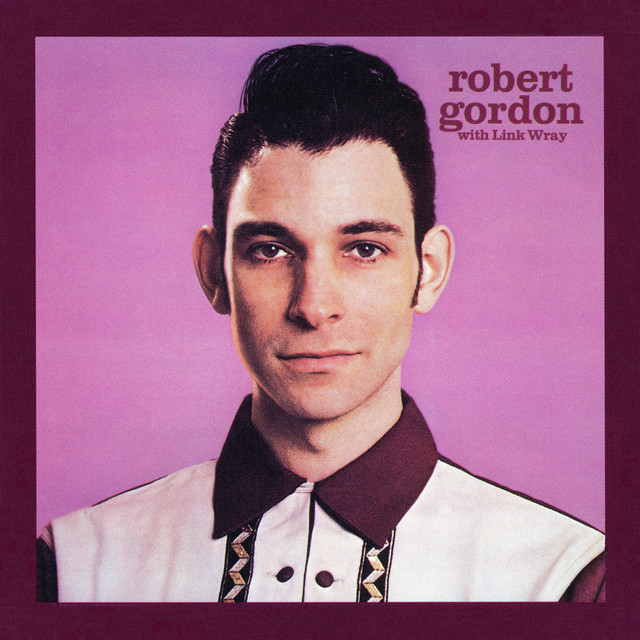
Gordon released his debut album (Robert Gordon with Link Wray) in 1977. This song is on that album. Everyone thought he would be huge. His producer was Richard Gottehrer, and he helped launch the careers of Madonna, Blondie, The Ramones, and The Talking Heads. Gordon paved the way for future rockabilly acts like The Stray Cats, which emerged in the 1980s. He also shone a much-needed light on the legendary guitarist Link Wray. He saw Wray playing the oldies circuit and convinced Wray to play guitar with him.
Much like The Yardbirds and John Mayall, Gordon had a knack for picking great guitar players to play with him. Chris Spedding (a versatile session guitarist), Danny Gatton (toured with Roger Miller and others), Eddie Angel, Quentin Jones, and, most recently, Danny B. Harvey. Gordon’s 2020 album Rockabilly For Life had players such as Albert Lee, Steve Wariner, and the great Steve Cropper.
This song was written by Ray Scott and first recorded by Billy Riley and His Little Green Men (Love that name) in 1957. Others have covered this song like The Flamin’ Groovies, The Box Tops, and many others. This was on Gordon’s debut album, and it rocks! For a music fan, it’s pure entertainment.
From 1977 to 2022, he made 12 studio albums and 4 live albums. Gordon died in 2022 of acute myeloid leukemia.
Flying saucers Rock & Roll
Well, the news of the saucer been a-flyin’ around
I’m the only one that seen it on the ground
First thing I seen when I saw it land
Cats jumped out and they formed a band
Flyin’ saucer rock and roll, flyin’ saucer rock and roll
I couldn’t understand the things they said
But that crazy beat just a stopped me dead
Well the little green men, they were real hep-cats
Rockin’ and rollin’ doin’ their crazy flats
They brought out a sax and they started to blow
They brought out the drums and they started to roll
Well, I come out a-hidin’ and I started to rock
Little green men tought me how to do the bop
They were three foot high, hit a few bars
Started rock and roll al the way from mars
Some of us need his right now with the cold we are experiencing. Some way more than others. I live near Nashville, so we are in the 20s and 30s, but nothing compared to the northern states. I think of a few of my readers who live in Wisconsin and Michigan…I can’t imagine.
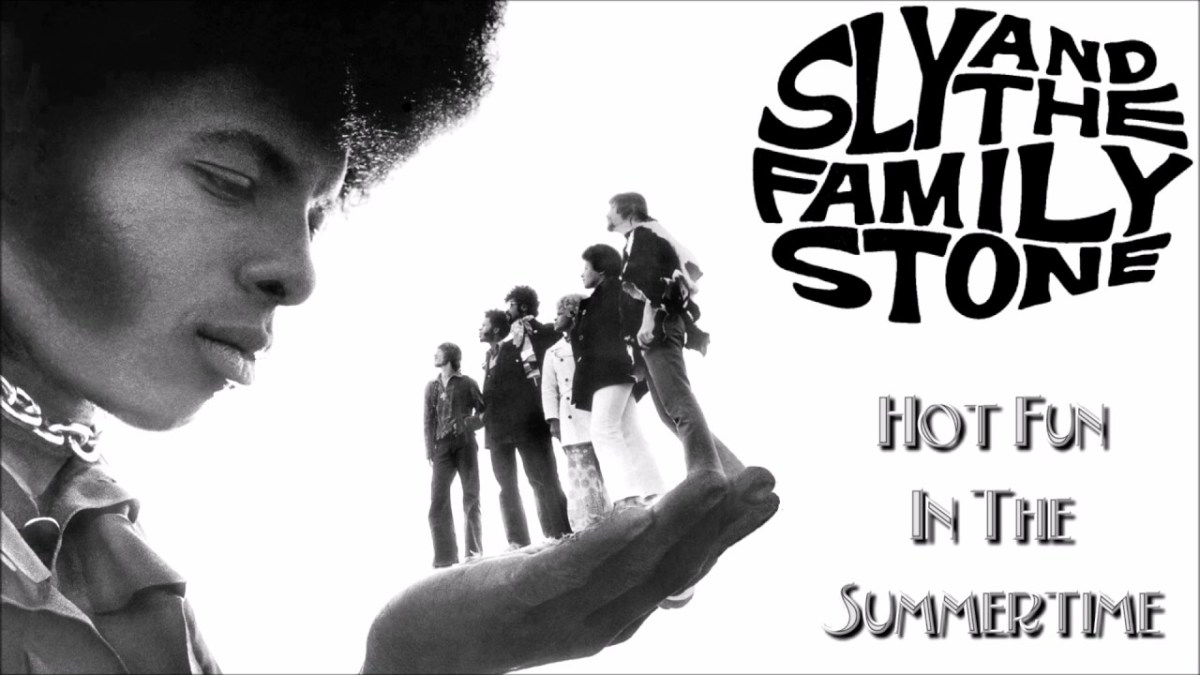
A gentle, sun-soaked groove that felt like the last afternoon before school started again. It’s a song that takes summer with it whenever you listen. Most of his radio hits were positive, like this one and Everyday People. He was huge during his heyday, but has been neglected since. He had such a span of success between 1967 – 1973. 9 singles in that span in the top 40 including 3 number ones. He also wrote most of their hits, including this one. A terrific songwriter.
This song came out in 1969, sandwiched between the more serious Everyday People and Stand!. The song primed their audience for their successful upcoming appearance at Woodstock. Some thought their set was one of the best of the festival. I was only two in 1969, but I would imagine this song was drifting out of car radios, backyard barbecues, and AM stations every summer like clockwork. You didn’t analyze it, you lived in it.
The song peaked at #2 on the Billboard 100 and #4 in Canada in 1969. In January of 2026, let’s listen to the song and think warm thoughts, and catch that warm vibe.
Sylvester Stewart passed away in June of 2025.
Hot Fun In The Summertime
End of the spring And here she comes back Hi, hi, hi, hi there Them summer days Those summer days
That’s when I had Most of my fun, back Hi, hi, hi, hi there Them summer days Those summer days
I cloud nine when I want to Out of school, yeah County fair in the country sun And everything is true Ooh, yeah, yeah
Hot fun in the summertime Hot fun in the summertime Hot fun in the summertime Hot fun in the summertime
First of the fall And then she goes back Bye, bye, bye, bye there Them summer days Those summer days
Boop-boop-boop-boop When I want to Out of school County fair in the country sun And everything is cool Ooh, yeah, yeah
Hot fun in the summertime (hey, hey, hey, ooh) Hot fun in the summertime (ooh, yeah) Hot fun in the summertime
I wanted to do something fun today…not exactly a thinking man’s movie, but fun.
I ran across a trailer for this on YouTube and ended up watching the movie again. Yes, I know this isn’t exactly Citizen Kane or the most sophisticated movie, but it does have redeeming qualities. This movie was released in the era of Jaws, Star Wars, and many more classics. It’s still remembered today very highly. It is not a movie that is going to make you think…it’s just going to entertain you, which is what movies are for. There are no hidden messages, just pure fun.
In the mid-1970s, Coors beer had a near-mythic reputation east of the Mississippi. It was not widely distributed nationwide, and it was famously unpasteurized, meaning it had to stay cold and be delivered fast. To people back east, Coors was contraband. The movie goes into this perfectly, turning a real-world distribution quirk into the ultimate outlaw challenge.
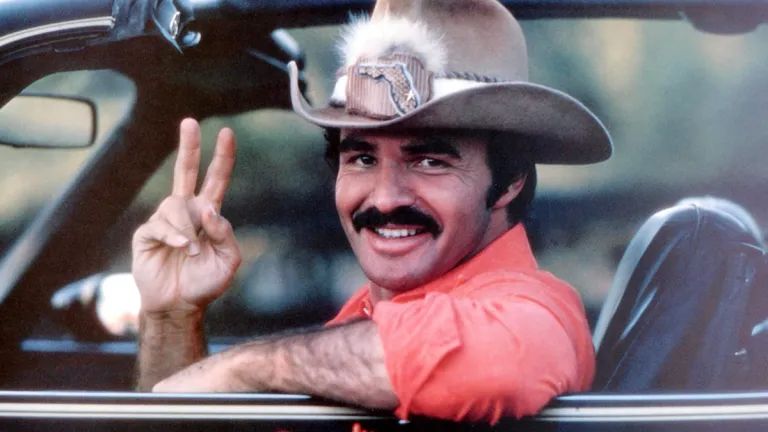
The entire plot kicks off with a simple outlaw wager: haul a truckload of Coors beer from Texas to Georgia in under 28 hours, back when the unpasteurized beer couldn’t legally be sold east of the Mississippi. The Snowman (Jerry Reed) drives the rig loaded with ice-cold contraband, while the Bandit (Burt Reynolds) races ahead in his black Trans Am, using speed and nonstop CB chatter to lure every lawman in the region away from the Coors. It was a game of misdirection and bravado, with Sheriff Buford T. Justice closing in, all for the satisfaction of proving that sometimes the best reason to. Along the way, Bandit picks up “frog” (Sally Field), a bride who just ran out of a wedding with Bufford T Justice’s son.
Burt Reynolds was in his prime during this stretch. A lot of guys grew the mustache, and their hair was black. My dad had the same look as Reynolds at this time. He had already been in many successful movies, including Gator, Deliverance, W.W. and the Dixie Dancekings, The Longest Yard, and more. At this time, he was one of the biggest, most recognizable movie stars on the planet.
The public mostly adored Reynolds, but the critics did not like him. He had a charisma about him that he had at the beginning when he was on Gunsmoke for 3 years. Sally Field was also in this movie, and she played her part perfectly. The Flying Nun to “Sybil” or “Frog” in this movie is quite a stretch. She was one of my first crushes as a young boy, and in this film, that crush was only strengthened.
I guess one reason I love this movie is that it doesn’t pretend to be anything more than it is. It doesn’t aspire to great movie-making. It was just supposed to be 90 minutes of entertainment on the big screen, and it’s still entertaining. Turn your brain off for a while and have fun with it. It rolled into theaters and straight through American pop culture. Jackie Gleason’s Sheriff Buford T. Justice is the perfect comic counterweight to Bandit, loud and absolutely unhinged. Add Sally Field’s runaway bride with attitude and Jerry Reed’s snowman trucker charisma, and you’ve got a cast that clicks like a great bar band.
If you want Gone With The Wind, Citizen Kane, Casablanca, or Lawrence of Arabia…you have come to the wrong movie, but give it a chance and have some fun. Oh, I forgot Fred, the lovable Basset Hound dog in this movie, he was chosen by Burt Reynolds because the dog wouldn’t obey commands, adding to his character as Snowman’s independent but loyal companion.
I’ve heard this one since I was a kid, and I’ve always liked it. It just rolls right along.
The song itself grew out of Mason’s acoustic roots, written simply and deliberately, with the melody doing most of the heavy lifting. There was no attempt to modernize it for radio, which ironically is probably why it connected. When the song was released as a single in late 1970, it quickly became Mason’s breakthrough hit. It established him as more than “the guy who left Traffic.”
It was written and recorded by Dave Mason in 1970. It was on his album, Alone Together. The song was his first charting single, and it became a minor hit for him in the U.S. and Canada. Dave Mason played with Traffic; he also played on the Jimi Hendrix song All Along the Watchtower, Beggars Banquet by the Stones, and George Harrison’s All Things Must Pass. The guy got around and was in demand from other artists.
Recording sessions for Alone Together were loose but purposeful. Mason brought in an all-star cast of friends and collaborators, including members of Delaney & Bonnie’s circle, Leon Russell, and Jim Gordon. No one overplayed, no one tried to steal the spotlight. It feels organic because it is, musicians listening to each other instead of competing for space.
The song peaked at #42 on the Billboard 100 in 1970. It was also recorded by Delaney and Bonnie and peaked at #20 in 1971. I grew up hearing both versions of it.
Only You Know And I Know
Only you know and I know
All the lovin’ we’ve got to show
So don’t refuse to believe it
By reading too many meanings
‘Cause you know that I mean what I say
So don’t go, and never take me the wrong way
You know you can’t go on gettin’ your own way
‘Cause if you do, it’s gonna get you someday
We’re both here to be pleasin’
Oh, no, no, not deceivin’
But it’s hard to believe in
Ah yeah, when you’ve been so mistreated
‘Cause you know that I mean what I say
So don’t go, and never take me the wrong way
You know you can’t go on gettin’ your own way
‘Cause if you do, it’s gonna get you someday
If I seem to mislead you
It’s just my craziness comin’ through
But when it comes down to just two
Ah, I ain’t no crazier than you
‘Cause you know that I mean what I say
So don’t go, and never take me the wrong way
You know you can’t go on gettin’ your own way
‘Cause if you do, it’s gonna get you someday
Only you know and I know
Only you know and I know
Only you know and I know, oh yeah
Only you know and I know, oh yeah, get up
The warmth of your love Is like the warmth of the sun And this will be our year Took a long time to come
I love tradition, so here we are again! Happy New Year 2026. Next to Auld Lang Syne, this is my favorite New Year’s Song. A favorite of mine from one of my favorite bands and one of my favorite albums of all time (no pressure!). Have you ever had a song that would bring out an emotion in you? This one does it for me: hope, clarity, mixed with calm.
For the past few years, this has been my first post in the New Year. If you have followed me for a while, you should know this one. Again, for 2026, my first post! I have added some more context to the song this year.
There’s something quite miraculous about the way this song opens, like a warm and comfortable exhale. A few soft notes drift in like morning light through the curtain, and suddenly you’re there. The reason I like this song so much? The Zombies had a knack for making hope sound earned. This track is one of the gentlest and nicest declarations of optimism I’ve ever heard.
This song sounds like it should have been a hit, but it was never pushed as a single at the time. It was the B side to Butcher’s Tale (Western Front 1914), which is an experimental song, and it was a big surprise to the band that it was picked as the first single. Both are from the great album Odessey and Oracle in 1968. Several songs on this album could have been in the charts, but Time of the Season was the only one that made it, and it was a year after the album was released.
Tell Her No, She’s Not There, and Time Of The Season. They are best remembered for those three hits, but also for one album…Odessey and Oracle. With this album, they elevated themselves to new heights…but that took a little while. In Rolling Stone magazine in the ’80s and ’90s, I read great write-ups about this album. Finally, I tried it for myself and was more than happy I did. Many critics hailed this album as one of the greatest of the decade, and it lived up to their hype.
By the way… The band wanted to call the album “Odyssey and Oracle,” but cover artist Terry Quirk accidentally spelled the title wrong, and the band decided to run with the misspelling.
On recording Odessey and Oracle…Rod Argent:
“We had the chance of going in and putting things down in the way we wanted people to hear them and we had a new studio, we walked in just after The Beatles had walked out [after recording Sgt. Pepper]. We were the next band in. They’d left some of their instruments behind … I used John Lennon’s Mellotron, that’s why it’s all over Odessey and Oracle. We used some of their technological advances … we were using seven tracks, and that meant we could overdub for the first time. And it meant that when I played the piano part I could then overdub a Mellotron part, and it meant we could have a fuller sound on some of the songs and it means that at the moment the tour we’re doing with Odessey and Oracle it means we’re actually reproducing every note on the original record by having extra player with us as well.”
I hope you all had a fun and safe New Year’s! Also, do yourself a favor and listen to this album. It’s a masterpiece to me. Care of Cell 44 is brilliant! It’s as if Brian Wilson and Paul McCartney had a baby…that is what this sounds like! The bass is terrific. The fact that The Zombies are not mentioned with the greats shows you that life isn’t fair.
This Will Be A Year
The warmth of your love Is like the warmth of the sun And this will be our year Took a long time to come
Don’t let go of my hand Now darkness has gone And this will be our year Took a long time to come
And I won’t forget The way you held me up when I was down And I won’t forget the way you said, “Darling I love you” You gave me faith to go on
Now we’re there and we’ve only just begun This will be our year Took a long time to come
The warmth of your smile Smile for me, little one And this will be our year Took a long time to come
You don’t have to worry All your worried days are gone This will be our year Took a long time to come
And I won’t forget The way you held me up when I was down And I won’t forget the way you said, “Darling I love you” You gave me faith to go on
Now we’re there and we’ve only just begun And this will be our year Took a long time to come
Yeah we only just begun Yeah this will be our year Took a long time to come
This song is a great way to start the year! This one is a tradition here…I always post it on New Year’s Eve. Anytime you can hear Otis…you are on the right path! Have a Happy New Year! Get ready for 2026. Their voices sound amazing. They complemented each other very well. I just wish they had had time to do more.
Stax’s house band, Booker T & the MGs, provides the backing. Note Booker T’s subtle but effective organ lending the song a spiritual element, while Donald “Duck” Dunn’s bass and Steve Cropper’s tasteful guitar licks ground the track’s rhythm
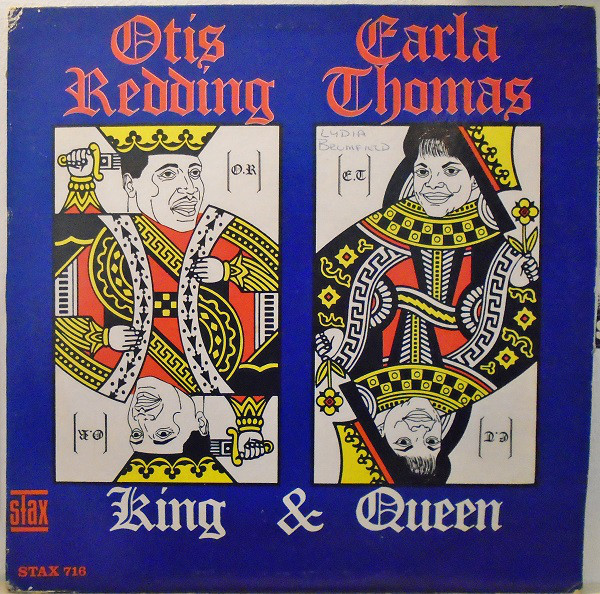
Stax was hoping to replicate the success of Marvin Gaye and Tammi Terrell. Stax paired two of their greatest stars for the 1967 album King & Queen, which produced the hit “Tramp.” The album featured their takes on classics such as “Knock on Wood,” “When Something Is Wrong with My Baby,” “Bring It on Home to Me,” and “It Takes Two”
This song was on the King and Queen album released in 1967. This is the only album they got to make because Otis died in a plane crash on December 10, 1967. Carla Thomas would go on to a successful career with 2 top 20 hits plus many top 20 R&B hits.
I’m adding the song Tramp off of the album. This song peaked at #26 on the Billboard 100, #2 on the R&B Charts, and #1 on the UK R&B Charts in 1967.
New Year’s Resolution
I hope it’s not too late
Just to say that I’m sorry, honey
All I want to do
Is just finish what we started, baby
Let’s turn over a new leave
And baby let’s make promises
That we can keep
And call it a New Year’s resolution, hmmm
Oh, I’m a woman
And woman makes mistakes too
But will you, will you forget the changes
That I put you through
let’s try it again
Just you and me
And, baby, let’s see how happy honey, yeah
That we can be
And call it a New Year’s resolution, yeah, yeah, yeah
Many times we had our ups and downs
And times you needed me I couldn’t be found
I’m sorry
And I’m sorry too
I’ll never, never do it again, no, no, no
So baby before we fall out
Let’s fall on in, yeah, yeah
Oh, and we’re gonna try harder
Not to hurt each other again, oh
Love me baby, huh
Week after week
And baby let’s make promises
That we can keep
And call it a New Year’s resolution, yeah, oh
I know we can do it Carla
I’m gonna keep my promises
I’m gonna hold on that we can do it, baby
Oh, it’s not too late
You’re gonna love me
Nobody else
Oh Otis let’s finish what we started
Talk no mean
The listbelow has grown so much since I started doing this a few years ago. If I missed you…please forgive me. But Happy New Year 2026. I add new readers to this list every single year and like I said…I hope I got you all. This year, I didn’t add as much because I had to cut down on my blogging from every day to just weekends and Fridays mostly.
I want to thank everyone who has read my blog this year and the last few years. I ran this post last year, and I’ve added more names. It’s so much fun communicating with all of you. I’ve been told my blog is a place people come to comment, like sitting around a campfire. That is the way I hope it is. I’m not a real writer, so I just write as if I’m talking to you in a room. I hope many of you find other bloggers at my place with things in common.
In 2017, I would not have believed I would communicate with people in different states across America and the world…such as New Zealand, The UK, Hong Kong, Germany, Colombia, Australia, India, France, Sweden, Spain, and more! I’m also learning more about new music, old new music, cool old and new movies, and most of all…people. I comment way too much at times, but it’s a lot of fun learning.
I’ve commented with you all, emailed many of you, talked to some over the phone, and met one of you. Thank you all once again. These are in no particular order. I usually keep them around the same place and just add some more commentary to a few.
Clive – Thank you for stopping by and commenting about Pub Rock and turning me to music I didn’t know…it’s been great getting to know you.
Glyn at glyn40wilton…thanks for the new music you have introduced me to and all the comments!
purplegoatee2684b071ed – Thank you for finding this joint and commenting. I’ve learned a lot from you…
MY. Thank you so much for the music stories and conversations about music! You have one of the best tastes in music that I’ve ever seen, and I always love your comments…no no matter how short or long.
I really like commenting with Bruce from Swan Song Apocalypse, awesome conversations about music, movies, and everything in between.
Warren – thanks for the music conversations that you have had. I’ll never be able to thank you enough for showing me The Blue Shadows.
Carl Benson Jr... a great sports guy who has worked in it all of his life. Thank you Carl! You have taught me a lot.
Learned about Chicago and interesting music from a fan and fellow musician John
Sheila “Spiral Sister” Murrey… thank you for all of your comments and the subjects we have got into…plus a very cool name.
Learning every number 1 from the UK with Stewart. What a task you set for yourself, and I admire it! I may not like all of the songs, but your writing keeps me reading them. Thanks, Stewart! Thanks for chatting with me and all of my old school ways!
Scatterwisdom on your inspirational posts and conversations.
MobsterTiger who is kind enough to re-blog some of my posts, and some people have found me through you. I really do appreciate it, man!
quadzillabynorth ….thank you so much for your comments and the bad covers that Randy and you post at times.
Thank you, Deke, for all of your comments, music, fantasy baseball, and all of our chats dude…I really appreciate it.
satyam rastogi…thanks for the comments when you stop by!
I’ve even listened to Heavy Metal and Canadian bands from Canadians Deke and Dave, and became friends with both.
A fellow Big Star and mid-60s pop/rock fan and one of the best commenters I have…I’ve learned a lot from him… Obbverse. Thanks for the music and movies you have pointed me to…and most of all the conversations we have had.
I’ve read great stories and poems for really the first time from Lisa, Obbverse, and Bruce. I still don’t know much about poems but I’m learning. Thanks to all of you…I consider all of you friends.
randydafoe who has a huge knowledge of music covers and music in general. When I have a question…I bug Randy! Thank you again, Randy for answering all of my questions, and I truly appreciate your thoughtful comments and our emails.
Lisa is the biggest George Harrison fan I know…and that is a great thing. Thanks so much for the book, music, life, and movie recommendations, and another blogger whom I call a friend. Thank you.
Dave, as always, it’s been a great year. We finally got our baseball wish in the same year, and I’m sorry someone had to lose! You have done a terrific job on TurnTable Talk as well. Thanks for being a friend.
Some of the most entertaining true and not-so-true stories I’ve ever heard from Phil Strawn. Phil is one of my favorite bloggers. You can’t get more Texan than Phil.
Bruce Goodman– Thank you for all of the stories, and it has been wonderful getting to know you all of these years…and I love the puns! Thanks again Bruce! You are one of the most talented people I know.
Off-the-radar songs and movies, and everything cool… from Cincinnati Babyhead (CB). Thanks for opening up more music and movies for me…and also talking some baseball.
Dana from Dana at Regular Girl Devos for her fun memories on songs that I hope she keeps telling. You have a wonderful site and personality…it’s been great getting to know you.
halffastcyclingclub for his insightful comments on different posts. He has taught me a lot about music and bikes! And turned me on to some different music like Doug Sahm and Augie Meyers to name just a few!
Fellow power pop fan Music City Mike and fellow Nashvillian.
Learned about new music from Grahamand Christian. If you want the best of new music…these are the 2 are the places to go. They don’t overlap much at all which is great…you get a good variety.
Christian … we have VERY similar tastes and it was great to talk to him the other day on the phone. Another blogger who has turned into a friend.
I’ve learned about Australia, Colombia, Bob Dylan, new artists to me, and classical music from Matt. Matt is another person who has become a friend, and I thank you for that!
Liam...another great blogger I met through our TV Draft who leaves insightful comments.
I’ve had a good time commenting about music and movies with princecranoir….thanks for the conversations. Also one of the best movie reviewers I’ve read. I have to make time to read more this year to pick up more movies…and thank you for Casablanca!
Bigbadburch thank you for the comments that you have left on my blog. I really appreciate it.
Jared Harding Wilson who I don’t know yet but has liked some of my posts…thank you!
How radio really works and more about family from Keith… it’s always great talking to you and texting.
Ra Na-Gedwho I have appreciated coming to the blog…who had one of the best comments of the year with: Elvis may be king, but Otis had the Voice of God.
About life and friendship from my friend Vic, it’s been great emailing, talking, and messaging.
Again if I missed anyone I’m sorry…I just ran through this off the top of my head.
Thanks to everyone and have a Happy New Year to you and your family from Powerpop.blog (and it’s curator…Max). We survived 2020, 2021, 2022, 2023, 2024, 2025… let’s make this one even better!
This is the last weekend of 2025. I wanted to post some rocking songs I thought you would enjoy. I wish all of you a Happy New Year.
I always joke about how my sister has really bad taste in music, but this time she steered me right. She bought an album by him before he was a superstar. It was before Jack and Diane and his mega hits from his American Fool album. She bought Nothing Matters and What If It Did, released in 1980. The two songs from that album that really hooked me were To M.G. (Wherever She May Be) and Ain’t Even Done With The Night, which might still be my favorite song by Mellencamp. So, when he broke big with American Fool, I wasn’t too surprised, and I loved the guitar and the sound he had compared to his chart peers.
This song was my theme song (I was 16) when I heard it. Yes, I could relate perfectly to it and still can. Mellencamp told people at the time that this was his version of “I Fought The Law.” He released the album Uh-Huh in 1983. This is when I became a big fan. He had that ’60s rock and roll feel with his music, plus some good lyrics. This album contained many of my favorite songs by him, like Pink Houses, Play Guitar, Crumblin’ Down, and this song. I like it better than American Fool, which this album was the follow-up.
His next album, Scarecrow, was probably his best, but with this one, his sound changed to more of a heartland sound. He shared that with Springsteen, Petty, and a few others. Those were the mainstream artists I clung to. The album peaked at #9 on the Billboard album charts, #9 in Canada, and #92 in the UK in 1984. He had 5 singles from this album. The Authority Song peaked at #15 on the Billboard 100 and #41 in Canada in 1983.
I always thought that this was Mellencamp at his most honest, turning frustration into a song. It’s rock and roll’s nature to know authority usually wins, but still believes you’ve got to push back anyway.
The Authority Song
They like to get you in a compromising position
They like to get you there and smile in your face
They think, they’re so cute when they got you in that condition
Well I think, it’s a total disgrace
I fight authority, authority always wins
I fight authority, authority always wins
I been doing it, since I was a young kid
I’ve come out grinnin’
I fight authority, authority always wins
So I call up my preacher
I say: “Gimme strength for Round 5”
He said: “You don’t need no strength, you need to grow up, son”
I said: “Growing up leads to growing old and then to dying,
And dying to me don’t sound like all that much fun”
I fight authority, authority always wins
I fight authority, authority always wins
I been doing it, since I was a young kid
I’ve come out grinnin’
I fight authority, authority always wins
I fight authority, authority always wins
I fight authority, authority always wins
I been doing it, since I was a young kid
I’ve come out grinnin’
I fight authority, authority always wins
Oh no
Oh no
I fight authority, authority always wins
I fight authority, authority always wins
I fight authority, authority always wins
I been doing it, since I was a young kid
I’ve come out grinnin’
I fight authority, authority always wins
I fight authority, authority always wins
I fight authority, authority always wins
I been doing it, since I was a young kid
I’ve come out grinnin’
I fight authority, authority always wins
Every time I post Little Richard, I think of my dad. I never heard my dad gush over a music performer besides three artists. Elvis Presley, George Jones, and Little Richard. I think Richard was his favorite voice. He would tell me, no one, absolutely no one, sounded like Little Richard. My dad was born in 1938, so he was the perfect age (17) in 1955 to enjoy the rock and roll boom that was going on.
I only knew Richard from his manic songs, but Graham talked about him singing some ballads, so I checked them out. The man could sing a great ballad as well, but I’m not posting a ballad today. I had Little Richard’s greatest hits as a youngster, after all of the buildup from my dad. Since I got into the Beatles so early, I knew enough to know Paul was emulating Little Richard with Long Tall Sally. He did a great job, but nothing beats the man himself.
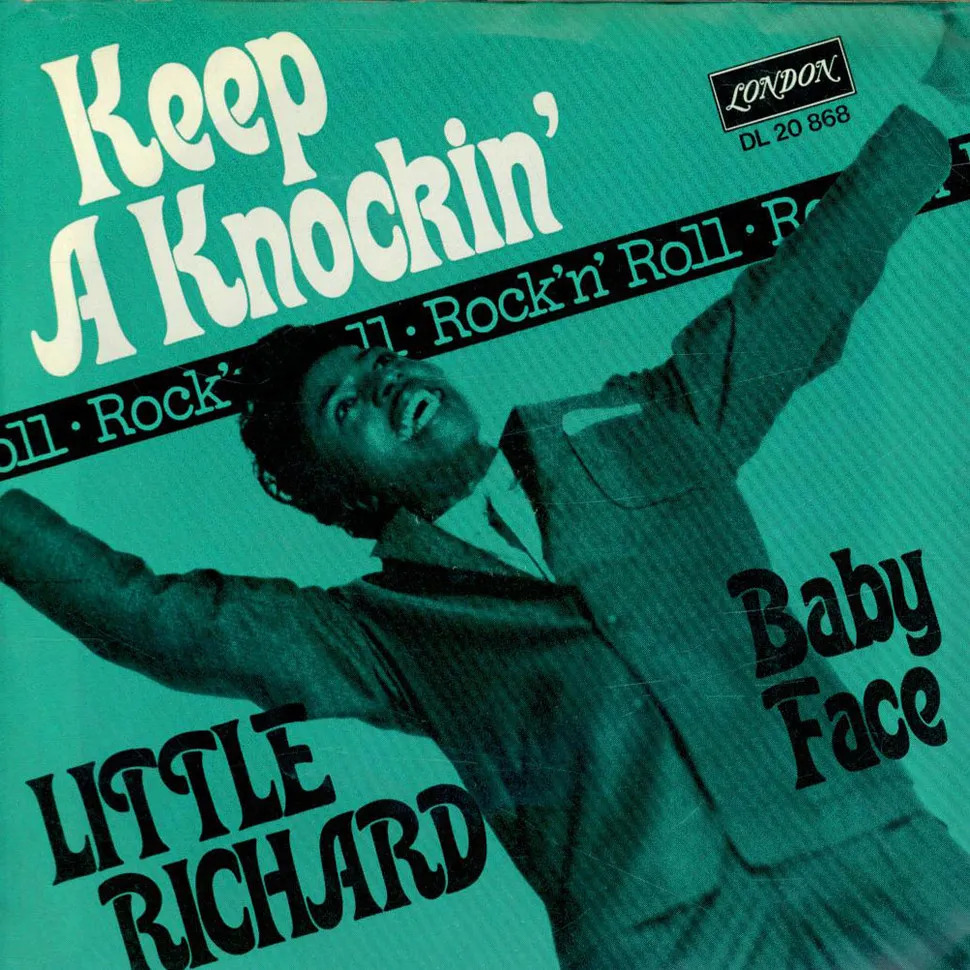
From the opening crash of Charles Connor’s drums, a bolt of energy that feels like it might knock your turntable off its spindle. Richard isn’t asking anyone in; he’s telling the world to keep knocking because the party inside is already out of control. It’s controlled chaos, and I love it. I also love Samuel Parker’s breakout sax solo in the middle.
The heartbeat of this song came from drummer Charles Connor, whose opening drum break is one of the most famous in rock history. Connor later said he borrowed the feel from a New Orleans parade rhythm and stripped it down. Connor has spoken about how Little Richard wanted the drums to sound like chaos barely held together, loud and urgent. That intro became so iconic that it later inspired John Bonham’s opening on Led Zeppelin’s Rock and Roll, but the original blueprint belongs to Charles Connor.
Listening to this song is like taking speed for 2 minutes. The lyrics are almost childishly simple, but the delivery makes them monumental. If you want to explain why Little Richard matters, just listen to this song and stand back. This is the sound of the door being slammed on the old world and kicked open into something louder and faster. No polish or no restraint.
The song was released in 1957, and it was credited to Little Richard but he wrote it based on a blues song by James “Boodle It” Wiggins in 1928 called Keep a-Knocking An You Can’t Come In. The song peaked at #8 on the Billboard 100, #2 on the Billboard R&B Charts, and #21 in the UK in 1957.
Keep A-Knocking
Keep a knockin’, but you can’t come in Keep a knockin’, but you can’t come in Keep a knockin’, but you can’t come in Come back tomorrow night and try it again
You said you love me and you can’t come in You said you love me and you can’t come in (woo!) You said you love me and you can’t come in Come back tomorrow night and try it again (woo!)
Keep a knockin’, but you can’t come in Keep a knockin’, but you can’t come in Keep a knockin’, but you can’t come in Come back tomorrow night and try it again
You said you love me and you can’t come in You said you love me and you can’t come in (woo!) You said you love me and you can’t come in Come back tomorrow night and try it again (woo!)
Keep a knockin’, but you can’t come in Keep a knockin’, but you can’t come in (woo!) Keep a knockin’, but you can’t come in Come back tomorrow night and try it again
You said you love me and you can’t come in You said you love me and you can’t come in You said you love me and you can’t come in Come back tomorrow night and try it again (woo!)
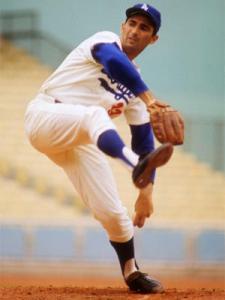
I was talking about this song to someone a few years ago, and I told him what it reminded me of. It reminds me of Sandy Koufax, who retired before I was born. Ken Burns made a documentary on baseball, and he inserted this song while showing Sandy Koufax pitching against a 1960s pastel-looking background at Dodger Stadium in the early sixties. The music and that time fit so well. That was remarkably powerful at the time.
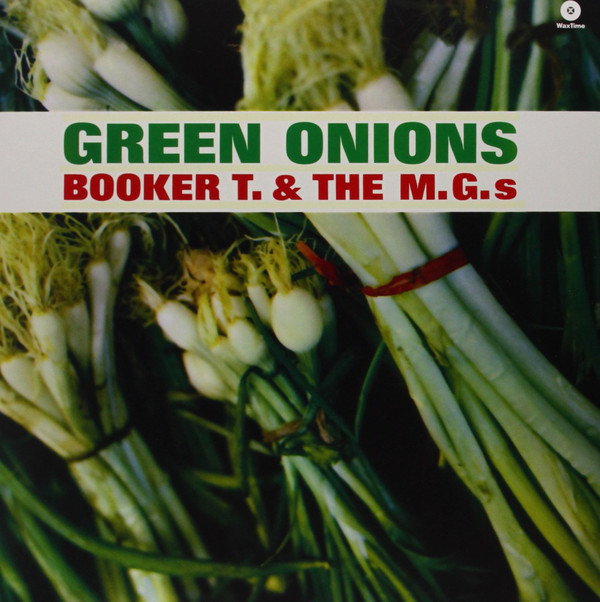
Green Onions was a very influential instrumental record that was released in 1962. The band was waiting for rockabilly Sun Recording artist Billy Lee Riley at a session. They put the time to good use. Booker T. Jones said, “That happened as something of an accident. We used the time to record a blues which we called ‘Behave Yourself,’ and I played it on a Hammond M3 organ. Jim Stewart, the owner, was the engineer, and he really liked it and wanted to put it out as a record. We all agreed on that, and Jim told us that we needed something to record as a B-side since we couldn’t have a one-sided record. One of the tunes I had been playing on piano we tried on the Hammond organ so that the record would have organ on both sides, and that turned out to be ‘Green Onions.’
Jim Stewart, who was the president of Stax Records, liked the song but the band was not impressed with it at first. He asked Booker T what he wanted to call the song. Booker T replied, “Green Onions”… when Jim asked why Green Onions? Booker T said, “Because that is the nastiest thing I can think of, and it’s something you throw away.”
The song peaked at #3 in the Billboard 100 and #7 in the UK in 1962. The song was the B side to “Behave Yourself.” Steve Cropper took it to a DJ friend of his in Memphis named Rueben Washington. He played some of the A side but kept playing “Green Onions” over and over.
Steve Cropper: “He played it four or five times in a row. We were dancing around the control room, and believe it or not, the phone lines lit up. I guess we had the whole town dancing that morning.”
I truly love this band, but I try to limit posting them around once a year. I try that with everyone, but it gets hard at times. The last time I posted them was back in February of this fading year, so I thought it was time for another. I respect them so much because of what they came up with. Joe Ely, Jimmie Dale Gilmore, and Butch Hancock were inventing a whole new kind of Texas country while nobody in Nashville was bothering to look. Their loss!
The song selections and the harmonies hooked me long ago. Their songs are simple and straight to the point, and really catchy. This song was written by Leslie York, and the York Brothers were the first to record it. It’s been covered by The Everly Brothers, Sweethearts of the Rodeo, and The Gibson Brothers. There are other songs by that name by Tex Ritter and a different one by CSN.
They were formed in 1972 by three singer-songwriters: Jimmie Dale Gilmore, Joe Ely, and Butch Hancock. The band was born out of the music scene in Lubbock, Texas, where all three members grew up. They recorded their debut album in Nashville. Initially, the album was released only as an 8-track tape by Plantation Records, with the title “Jimmie Dale and the Flatlanders.” This limited release received little attention at the time, and the band members soon went their separate ways to pursue solo careers, but would reunite to release a total of 10 albums of studio and live.
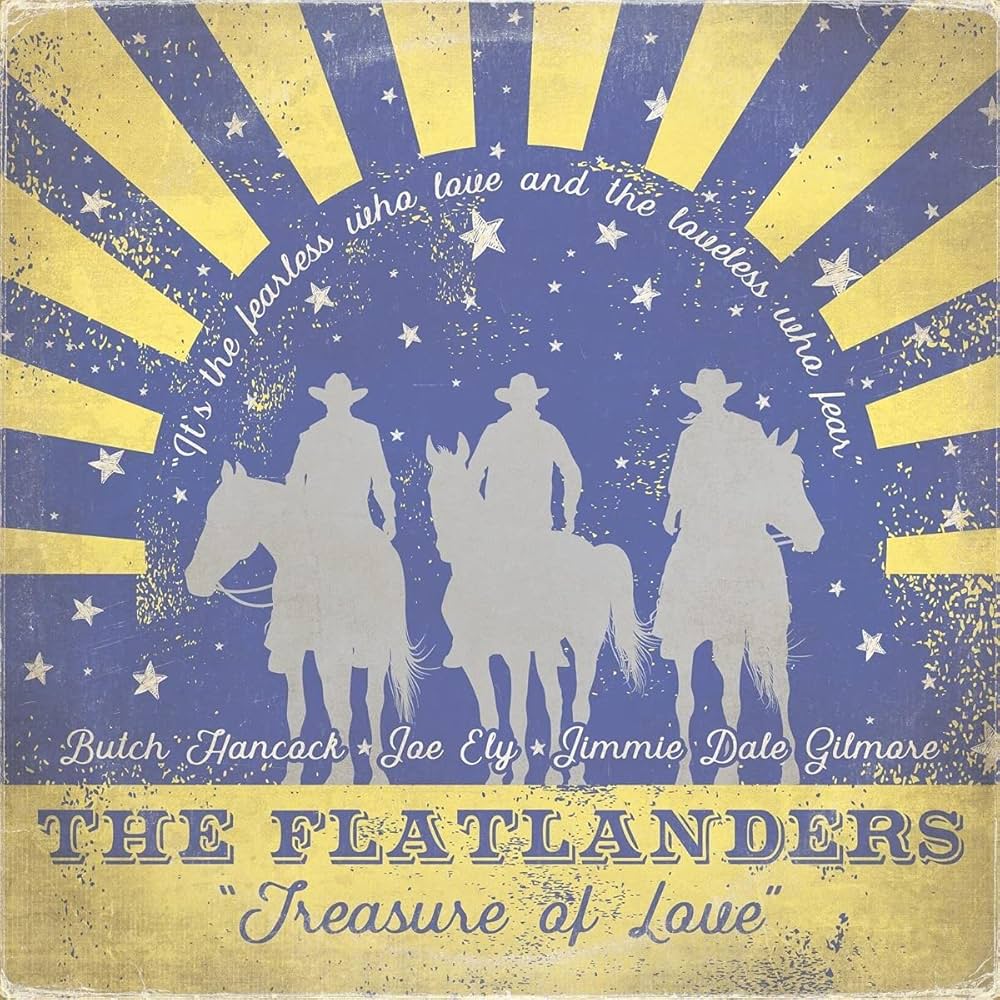
This song was on the 2021 album Treasure of Love. All three members were songwriters, and all had unique voices that blended so well with each other. Treasure of Love was never intended to be an album, at least not at first. So when Joe Ely started gathering the trio in his home studio in Austin during the early and mid-2000s, it was not for some grand comeback. It was more like old friends swapping songs and capturing whatever happened to be good.
Long Time Gone
You cheated me and left me lonely I tried to be your very own There’ll be a day you’ll want me only But when I leave, I’ll be a long time gone Be a long time gone Be a long time gone Yes, when I leave, I’ll be a long time gone You’re gonna be sad, you’re gonna be weepin’ You’re gonna be blue and all alone You’ll regret the day you seen me weepin’ ‘Cause when I leave, I’ll be a long time gone Be a long time gone Be a long time gone Yes, when I leave, I’ll be a long time gone You’ll see my face through tears and sorrow You’ll miss the love you called your own Baby, there’ll be no tomorrow ‘Cause when I leave, I’ll be a long time gone Be a long time gone Be a long time gone Yes, when I leave, I’ll be a long time gone
Some more cool R&B that is right up my alley. I love Carter’s voice in this one. I heard this one in the 1980s on 96.3 in Nashville. It was an oldies channel where I heard many of the 1960s hits for the first time.
I love the arrangement of this song because it gives Carter space to phrase like a storyteller and to breathe. His voice in this is great. He doesn’t scream or plead, he simply tells you the story. This song went on to become one of Clarence Carter’s signature songs, and for good reason. It’s timeless, and a record that still sounds perfect on a crackling AM radio or a hifi stereo.
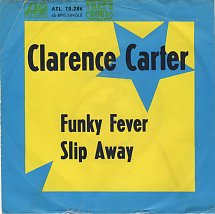
The song was recorded at FAME studios in Muscle Shoals, Alabama, and produced by the great Rick Hall. The guitar player on this cut was Duane Allman in one of his first sessions. This was the B-side to a song called Funky Fever. The single was flipped over, and this song was played the most.
Slip Away was written by William Armstrong, Marcus Daniel, and Wilbur Terrell. The song peaked at #6 on the Billboard 100 and #12 in Canada in 1968. The single’s B-side, “Funky Fever”, reached #49 on the U.S. R&B chart and #88 on the Billboard 100 chart.
Slip Away was featured on his 1968 album This Is Clarence Carter. The album peaked at #200 on the Billboard Album Charts in 1968. Clarence Carter will be 90 years young next month.
Here is an older Carter performing this song in 2010.
Slip Away
What would I give For just a few moments What would I give Just to have you near
Tell me you will try To slip away somehow Oh, I need you, darling I want to see you right now
Can you slip away Slip away Slip away Oh, I need you so
Love, oh, love How sweet it is When you steal it, darling Let me tell you somethin’ now how sweet it is
Now I know it’s wrong The things I ask you to do But please believe me, darling I don’t mean to hurt you
But could you just slip away Without him knowing you’re gone Then we could meet somewhere Somewhere where we’re both are not known
And guess can you slip away Slip away Slip away I need you so
Oh, can you slip away, baby I’d like to see you right now, darling Can you slip away now, baby ‘Cause I got to, I got to see you I feel a deep burning inside







 PowerPop... An Eclectic Collection of Pop Culture