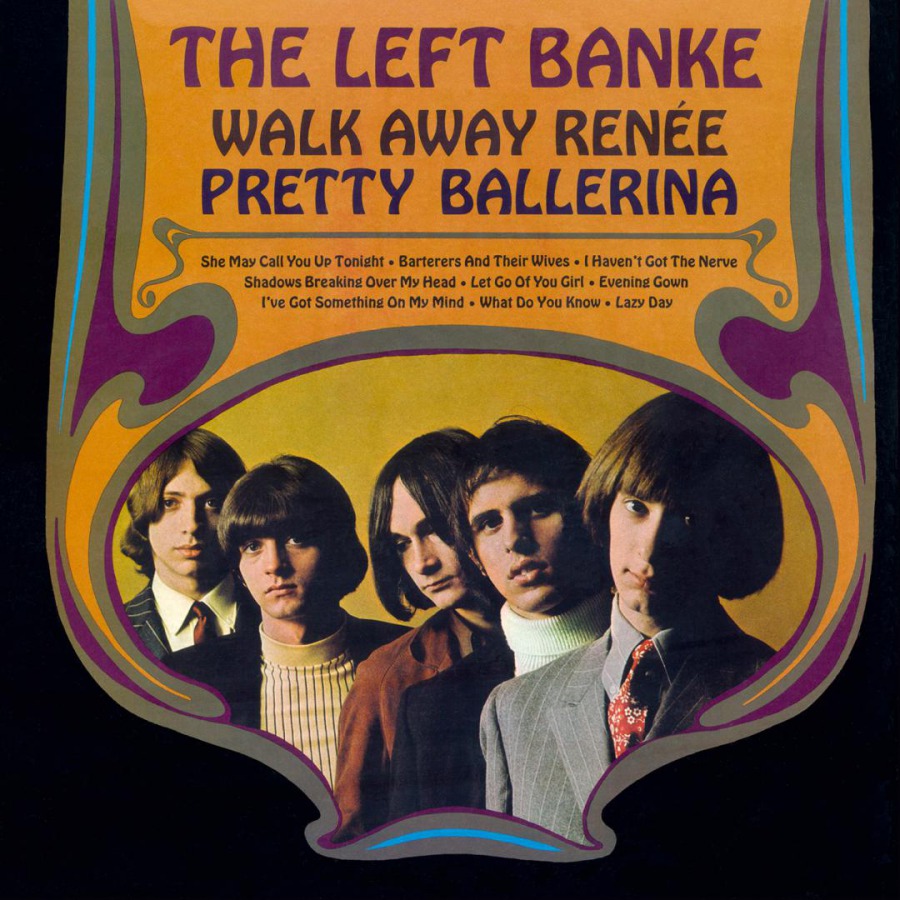
Left Banke – Walk Away Renée ….Power Pop Friday

I have always liked this song. This was baroque pop at its finest. Baroque pop combines pop with classical music. Some other examples would be As Tears Go By by the Stones, Yesterday by the Beatles, and She’s Not There by the Zombies. There is also a genre called Barogue Rock.

It peaked at #5 in the Billboard 100 and #3 in Canada. The song is constructed so well and has influenced countless artists. They did have one more top twenty hit in 1967 with Pretty Ballerina. The band helped start “baroque & roll” because of the classical arrangements and melodies.

Michael Brown wrote the song but the band fought constantly so after the success of the single Brown was putting together a new Left Banke to tour that included Michael McKean (Lavergne and Shirley and Spinal Tap) on guitar but that didn’t last long.

The original band regrouped in 1967 and recorded a song but then broke up for good. Walk Away Renee was written by band member Michael Brown, who was 16 at the time, with help from his friends Bob Calilli and Tony Sansone. Brown wrote it after meeting Renee Fladen, the girlfriend of the band’s bass player.

Renee Fladen was in the control room when Michael Brown tried to record his harpsichord part. He later said in an interview that he was so nervous trying to play with the beautiful Renee present that his hands were shaking. In the end, he gave up and returned later when he recorded it without any problem.

The line “Just walk away Renee” is often misinterpreted as “Don’t walk away Renee.” The singer has decided that Renee will never return his affections and is better off with her out of his life.

Walk Away Renée

And when I see the sign that points one way
The lot we used to pass by every day

Just walk away Renee
You won’t see me follow you back home
The empty sidewalks on my block are not the same
You’re not to blame
From deep inside the tears that I’m forced to cry
From deep inside the pain that I chose to hide

Just walk away Renee
You won’t see me follow you back home
Now as the rain beats down upon my weary eyes
For me it cries

Just walk away Renee
You won’t see me follow you back home
Now as the rain beats down upon my weary eyes
For me it cries

Your name and mine inside a heart upon a wall
Still finds a way to haunt me, though they’re so small

Just walk away Renee
You won’t see me follow you back home
The empty sidewalks on my block are not the same
You’re not to blame
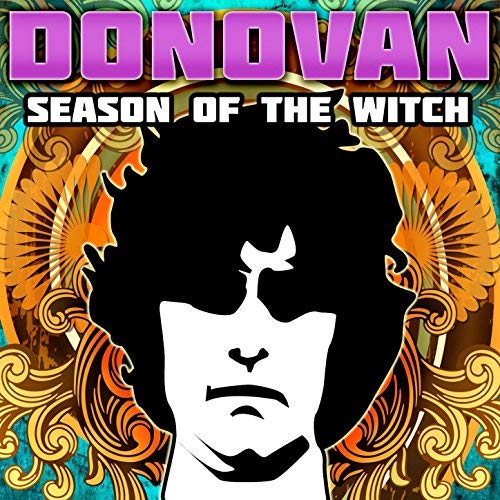
Donovan – Season of the Witch

I’ve always liked the groove of this song. Season of the Witch was released in 1966 on the Sunshine Superman Album but not as a single. It remains one of Donovan’s (Donovan Leitch) most well-known songs. The song has been covered many times and often bands start the song and draw it out to a jam.

In 1966 bands were releasing songs about drugs at this time. The Beatles had Dr. Robert and The Stones released Mother’s Little Helper. Season Of The Witch was recorded in Hollywood and clocked in at 5 minutes. He played it with Bobby Ray (bass) and “Fast” Eddy Hoh, although the electric guitar work has been credited by fans to Jimmy Page, who worked on the album. (The Hollywood session notes do not indicate Jimmy Page or John Paul Jones were present.) The organist is unidentified.

It has a spooky feeling to it. The repetition works nicely and that small riff is driven into your head. I rediscovered the song in 2012 when it was in the animated movie “Paranorman.” The song was written by Donovan and Shawn Phillips.

The song was written in an evening at folk music notable Bert Jansch’s house in north London. John Renbourn showed Donovan a D ninth chord. From that, Donovan built up a riff that, according to the memories of those present, he then played solidly for the next seven hours.

During Led Zeppelin’s soundchecks, they often warmed up by playing this. The song allows for lots of jamming when played live, which makes it a popular cover for many bands.

Donovan: I played a white Fender Telecaster Electric Guitar on “Witch,” chunking down on the chord pattern, wailing a chilling chorus. A major seventh with an open G, to D 9th with a G-flat bass (Bert Jansch chord). The riff is pure feel.

Donovan: “I remember the bass line going down and Mickie saying, ‘We’ve got a problem. The engineers are saying that they can’t turn the bass up.’ I said, Why? They said, ‘Well, it’s going into the red.’ And so he said to the engineers, ‘Look, you go into the red, I’m giving you permission. Go in the red! That’s the bass sound I want. Very, very loud.’ And they said, ‘Well, we’ll have to have a meeting.’ So they went upstairs and had a meeting about whether the bass should go into the red. And they came down, they said, ‘No, I’m sorry, the equipment can’t stand it.’ So Mickie Most said, ‘Look, I’ve just made a record deal with your boss Clive Davis for $5 million and seven bands. And he’s given me $1m right now. So do you think if I phone him up, you’d give me a little bit more bass?’ And they looked at each other, and immediately realized that their jobs were on the line. They said, ‘OK, you’ve got more bass.’ We got more bass the needle went into the red, the equipment didn’t blow up. I guess next time they made that needle, they did that thing by just moving the red bit a bit farther to the right, like in Spinal Tap: ‘My amp goes up to 11!'”

Season of the Witch

When I look out my window,
Many sights to see.
And when I look in my window,
So many different people to be
That it’s strange, so strange.

You’ve got to pick up every stitch,
Mmm, must be the season of the witch,
Must be the season of the witch, yeah,
Must be the season of the witch.

When I look over my shoulder,
What do you think I see?
Some other cat looking over
His shoulder at me
And he’s strange, sure he’s strange.

You’ve got to pick up every stitch,
Beatniks are out to make it rich,
Oh no, must be the season of the witch,
Must be the season of the witch, yeah,
Must be the season of the witch.

You’ve got to pick up every stitch,
The rabbits running in the ditch,
Beatniks are out to make it rich,
Oh no, must be the season of the witch,
Must be the season of the witch,
Must be the season of the witch.

When I look out my window,
What do you think I see?
And when I look in my window,
So many different people to be
It’s strange, sure is strange.
You’ve got to pick up every stitch,
The rabbits running in the ditch,
Oh no, must be the season of the witch,
Must be the season of the witch, yeah,
Must be the season of the witch.
When I look, when I look.

Max Picks …songs from 1958

1958

Welcome to another edition of Max Picks. We will start it off with Ricky Nelson on a slow note but this song is so haunting to me. Nelson wasn’t always taken seriously because of his acting in his parent’s sitcom Ozzie and Harriet. That’s a shame because he released some top-grade rockabilly songs. Here he is with the ballad Lonesome Town.

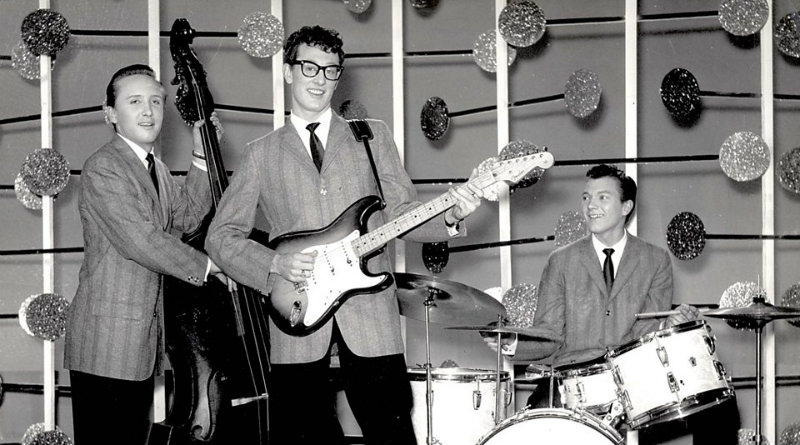
As promised…here is more Buddy Holly, his window was short but strong. Buddy’s songs would influence everyone from The Stones, Hollies, Beatles, and more. He also could have unknowingly started the Power Pop genre. His jangly guitar and that voice with the hiccups. I went to the Buddy Holly Broadway show when it toured and stopped in Nashville. I can’t explain in words how a 3 piece band sounded so full with the music he wrote.

Now we have the one and only Chuck Berry weaving his lyrics about a guy who left his home to make it playing guitar. This song IS Rock and Roll and has been played by every self-respecting garage band ever since. It’s also covered by heavy metal, country, pop, and rock bands. I would lay money down that somewhere tonight in some bar somewhere…Johnny B. Goode will be heard.

Link Wray and his Ray Men gave us this instrumental Rumble in 1958. This instrumental was somewhat controversial because it implied gang violence – some radio stations refused to play it. It might be the only instrumental song ever banned on the radio. It was feared that the piece’s harsh sound glorified juvenile delinquency. Did the song cause juvenile delinquency? We can only hope.

Now we will end it with an artist that unfortunately is about to go in the Army at this time. He would never be the same again. Yes, we would get some great songs in his future but Elvis Presley became more of an all-around entertainer after this year. His rock and roll days were going to fall behind for a while when he started to make movies. This is a fantastic song.

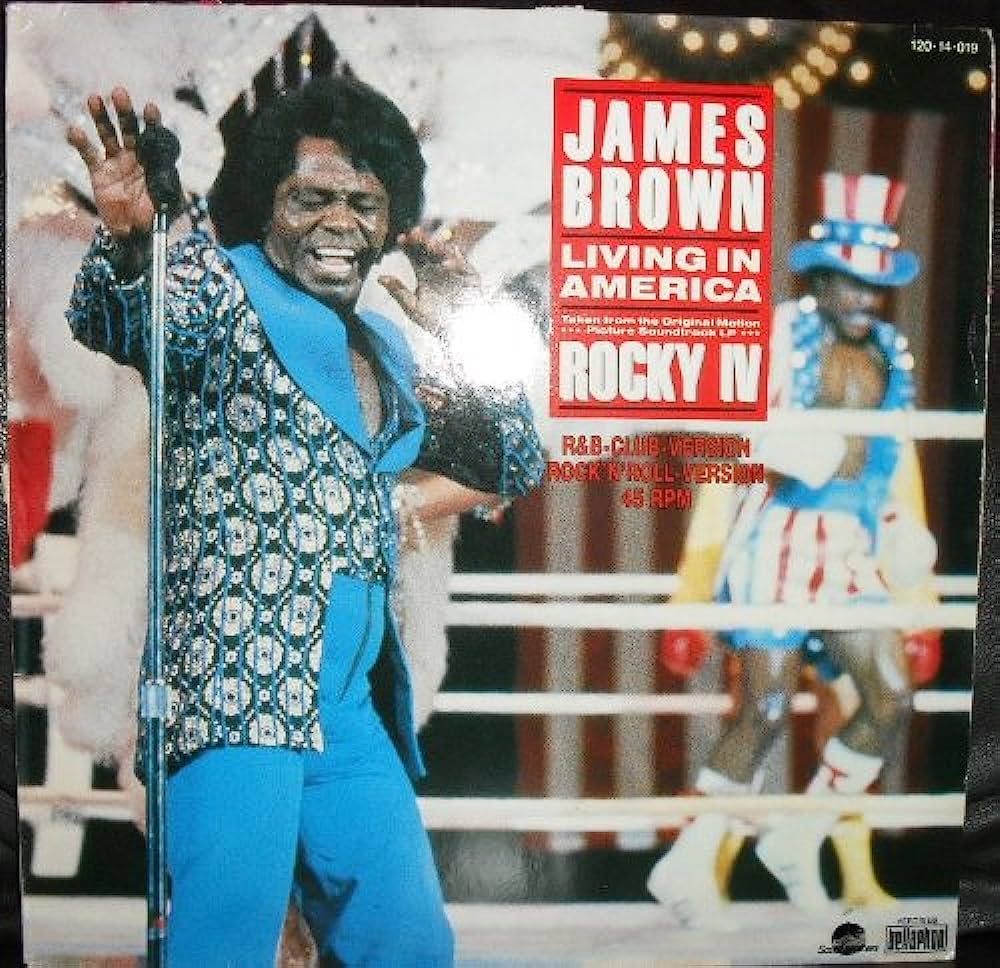
James Brown – Living In America

4th of July memories… I have a few but one of the many stupid things I remember is my sister (who is 8 years older) and I would chase each other around with Roman Candles on the 4th of July.

Price guide for Lot of 5: Roman Candles From 1950s-1970s. Includes:

These fabulous weapons of destruction shot out fireballs and sometimes I landed a great shot. I was 8-10 years old and harder to hit. By some miracle, we were never hurt…bad anyway. Scorch marks yea…but we kept all of our limbs. Sorry…now to the song.

I first heard this song in Rocky IV. It was good to see Brown have a hit song. Living In America was released in December of 1985 and was his first Billboard charting song since 1976. The horns on this song sound incredible. They were called The Uptown Horns who also backed The J. Geils band on the Freeze Frame album and The B-52’s on Love Shack.

This was written by Dan Hartman (“I Can Dream About You”) and Charles Midnight. The song won the 1986 Grammy Award for Best Rhythm & Blues Vocal Performance. The song was a huge hit. It peaked at #4 on the Billboard 100, #5 in Canada, #5 in New Zealand, and #5 in the UK in 1986. The song blends elements of soul, funk, and R&B.

When I saw the lead guitar player on this song I was stunned because I’d never heard of him playing on this. The guitar player was Stevie Ray Vaughan and this was around the time when his career was really taking off. He finished up playing on David Bowie’s album Lets Dance just a couple of years before.

The song’s co-writer Dan Hartman later included his recording of the song on his 1994 album Keep the Fire Burnin’.

Living In America

Yeah, uh
Get up, ow
Ow
Knock it out this
Woo

Super highways, coast to coast
Easy to get anywhere
On the transcontinental overload
Just slide behind the wheel
How does it feel

When there’s no destination that’s too far?
And somewhere on the way you might find out who you are, woo

Living in America (ow)
Eye to eye, station to station
Living in America
Hand in hand, across the nation
Living in America
Got to have a celebration

Rock my soul, huh, ow, huh

Smokestack, fatback
Many miles of railroad track
All night radio, keep on runnin’
Through your rock ‘n’ roll soul
All night diners keep you awake
On black coffee and a hard roll, woo

You might have to walk a fine line (say it)
You might take the hard line
But everybody’s workin’ overtime

Living in America (huh)
Eye to eye, station to station
Living in America
Hand in hand, across the nation
Living in America
Yeah, got to have a celebration, woo

I (I) live in America
Say it loud
I live in America
Wait a minute

You may not be lookin’ for the promised land
But you might find it anyway
Under one of those old familiar names
Like New Orleans (New Orleans), Detroit City (Detroit City)
Dallas, uh (Dallas), Pittsburgh, PA, (Pittsburgh, PA)
New York City (New York City), Kansas City (Kansas City)
Atlanta, woo (Atlanta), Chicago and L.A.

Living in America
Hit me
Living in America, yeah
I walked in and out
Living in America

I live in America
Say it loud, It’ll make you proud, uh
Said, I live in America
Hey, I know what it means, ah

Living in America
Eddie Murphy, eat your heart out

To the bridge, ay

Living in America
Hit me
I said now, eye to eye
Station to station
Living in America
Oh, so nice with your bad self (uh)
Living in America
Whoa, I feel good

Jimi Hendrix – The Star Spangled Banner

Happy Independence Day! Hendrix did a great version of The Star Spangled Banner in my opinion. He had served as a paratrooper in the 101st Airborne Division at Fort Campbell in Clarksville Tennessee in the early 60s.

Jimi Hendrix - Star Spangled Banner B

Yes, this is my favorite version of the song. The poem that formed the basis of the lyrics was penned in 1814 during the War of 1812 by Francis Scott Key, a 35-year-old lawyer who was sent to negotiate with the British in an attempt to gain the release of an American prisoner they were holding.

Later, Key watched the bombardment of Fort McHenry from a ship he was on. The next morning he saw the Americans take down the battle-torn US flag at the fort and replace it with a larger one.

Key’s poem was published on September 17, 1814, the day after he returned to Baltimore. The poem was sung to the music of a popular British drinking song called “To Anacreon in Heaven, ” attributed to John Stafford Smith.

Any time someone does an unusual approach to this song…there is always a lot of complaining from people. Once when Jose Feliciano did the song in Game 5 of the MLB World Series in 1968 on guitar and singing…all hell broke loose. Some listeners thought he had “desecrated” and disrespected the national anthem but when asked about it, Feliciano explained that the reason he offered a non-traditional rendition of the anthem was to get people to pay attention to it. It was a great version of the song.

Jimi Hendrix - Star Spangled Banner

Hendrix took the stage at Woodstock at 8am…only around 30,000 were left out of the huge crowd there. He had been warned not to do the anthem when he toured but did it anyway. He even recorded a studio version and after his death, the takes were put together and released but the Woodstock performance is the one that is best known. What amazes me is when he is imitating bombs dropping…he suddenly goes right back in on time and doesn’t miss a lick.

He didn’t get as much flack as Feliciano did…I think because it wasn’t on prime time during a World Series.

Staple Singers – I’ll Take You There

It doesn’t get better than this. I was very fortunate to see Mavis Staples in 2016 open up for Bob Dylan. She was open to the audience and told us that she dated “Bobby” back in the day and thought the world of him. It was a typical hot humid June day in Nashville at a now-defunct amphitheater. She commanded the stage and that voice filled the summer air.

Mavis Staples and Bob Dylan

Dylan and Staples first got together during the Newport Folk Festival, possibly in 1963 — though the year was not mentioned. The festival was held annually from 1959 to 1969, barring two years of inactivity in 1961 and 1962. Mavis Staples said, “We would write letters back and forth because we wouldn’t see each other until we were on a festival together. And we’d smooch!”

It has been said that Dylan proposed to Mavis back in 1963. She turned him down because she thought she was too young. Mavis Staple recently said:  “I often think about what would have happened if I’d married Bobby, though. If we’d had some little plum-crushers, how our lives would be. The kids would be singing now, and Bobby and I would be holding each other up.”

This song sounds spiritual and very close to a gospel song. There is a reason for that…it came out of a tragic event. Al Bell wrote the song. He signed the band to Stax Records and was an executive and co-owner of Stax Records. His little brother was shot and killed. After returning from the funeral he wrote this song. He said “I went out in the backyard in my father’s home. He had an old school bus there parked that was not running. I went back there and sat on the hood of that bus thinking about all that was happening. And all of a sudden, I hear this music in my head. And I heard these lyrics: ‘I know a place, ain’t nobody worried, ain’t nobody crying, and ain’t no smiling faces lying to the races, I’ll take you there.’ I heard it, and I heard the music. And it wouldn’t leave, it stayed there. kept trying to write other verses, but I couldn’t. Nothing worked – there was nothing left to say.”

It’s a beautiful song that builds hope that there is something better will be in the future. The song peaked at #1 in the Billboard 100, #20 in the UK, and #21 in Canada. The song was released in 1972 on Stax Records. It surprises me that it didn’t go much higher in the charts.

The first time I noticed who the Staple Singers were…was in the Last Waltz singing a beautiful version of The Weight. I started to look for more by them and I realized this song, which I knew from childhood, was them. That’s how some of us learn about new music…like a giant tree with roots and a lot of musical branches. With me, it started with the Beatles > Dylan > The Band > The Staple Singers. I found most of the music I like from The Beatles, Stones, and The Who. I followed their influences and what came after.

Mavis Staples:  “I sing, ‘Play it, Barry, play your piano…,’ that was Barry Beckett. Then ‘Help me, Daddy…,’ and that was my father playing the guitar. My dad plays that solo, none of that stuff was rehearsed. The only thing that was rehearsed was the verse, but all of the other stuff that I’m doing just came to me in the studio. It wasn’t written down, it all comes from what you feel. And God blessed me to be able to do that. It comes from inside me.”

Al Bell: “Mavis couldn’t get into it, she couldn’t feel it, so I stood there on the floor and tried to sing it to the guys, as they got the music and they got into it. After getting it down, later on, I came back and sat with Mavis and, after a while, she started feeling it and giving in to that rhythm. Of course, she took it to heights that only a Mavis Staples can take it. Nobody else could do it justice, and I guess it was supposed to be that way.”

“Ill Take You There”

Oh mmm I know a place
Ain’t nobody cryin’
Ain’t nobody worried
Ain’t no smilin’ faces
Mmm, no no
Lyin’ to the races
Help me, come on, come on
Somebody, help me now (I’ll take you there)
Help me, ya’all (I’ll take you there)
Help me now (I’ll take you there)
Oh! (I’ll take you there)
Oh! Oh! Mercy! (I’ll take you there)
Oh, let me take you there (I’ll take you there)
Oh-oh! Let me take you there! (I’ll take you there)
Play your, play your piano now
All right Ah do it do it
Come on now
Play on it, play on it
Daddy daddy daddy
Ooh, Lord
All right now
Baby, easy now
Now, come on, little lady
All right
Dum-dum-dum-dum
Sock it, sock it
Ah, oh, oh!
I know a place, ya’all (I’ll take you there)
Ain’t nobody cryin’ (I’ll take you there)
Ain’t nobody worried (I’ll take you there)
No smilin’ faces (I’ll take you there) 
Uh-uh (Lyin’ to the races) (I’ll take you there)
Oh, no Oh! (I’ll take you there)
Oh oh oh! (I’ll take you there)
Mercy now! (I’ll take you there)
I’m callin’ callin’ callin’ mercy (I’ll take you there)
Mercy mercy! (I’ll take you there)
Let me (I’ll take you there)
Oh oh! I’ll take you there (I’ll take you there)
Oh oh oh oh Wanna take you there! (I’ll take you there) Just take me by the hand
Let me (I’ll take you there)
Let me, let me, let me lead the way
Oh! (I’ll take you there)
Let me take you there (I’ll take you there)
Let me take you there! (I’ll take you there)
Ain’t no smilin’ faces (I’ll take you there)
Up in here, lyin’ to the races (I’ll take you there)
You oughta, you gotta gotta come let me, let me (I’ll take you there)
Take you, take you, take you over there (I’ll take you there) Ooh! Oh! Oh! All right (I’ll take you there)
Oh-oh! All right! (I’ll take you there)
Oh! Oh! (I’ll take you there)
Mmmm ah Oh! Yeah! (I’ll take you there)
Whoa! (I’ll take you there)
Let me lead the way (I’ll take you there)

Don Gibson – Oh Lonesome Me

I have heard this song all of my life and never knew much about it. I like the song because of the sad lyrics set against upbeat music.

Don Gibson wrote this song and it was produced by a legend of country music…Chet Atkins. Atkins, meanwhile, was inducted into the Country Music, Rock & Roll, and Musicians Halls of Fame. Atkins is also one of the primary figures credited with creating the “Nashville sound,” which transformed country music in the 1950s with a sound much cleaner and smoother than the style that preceded it.

Gibson released this in 1958 and it peaked at #7 on the Billboard 100. This was his only top-10 entry in the pop charts. Gibson, an inductee of the Country Music, Nashville Songwriters, and North Carolina Music Halls of Fame, wrote multiple songs now considered country standards.

It’s been covered by a lot of artists. Neil Young and The Kentucky Headhunters are just two that covered the song as well. It was the biggest hit The Headhunters had and it peaked at #8 on the Billboard Country Charts and #19 on the Canadian Country Charts in 1990.

Others who covered it are  Johnny Cash who took it to #13 Country and #93 on the Hot 100 in 1961…Stonewall Jackson’s 1970 rendition went to #63 Country. Other acts to cover the song include Bing Crosby, Bob Luman, Southern Culture on the Skids, Ray Charles, Connie Francis, and Bobbi Martin.

Neil Young covered it on his album After The Gold Rush in 1970.

Oh Lonesome Me

Everybody’s going out and having fun
I’m a fool for staying home and having none.
I can’t get over how she set me free.
Oh, lonesome me.

There must be some way that I can lose these lonesome blues
Forget about my past and find someone new
I’ve thought of everything from A to Z
Oh, lonesome me.

I’ll bet she’s not like me.
She’s out and fancy free,
Flirting with the boys with all her charms
But I still love her so,
And brother don’t you know
I’d welcome her right back here in my arms

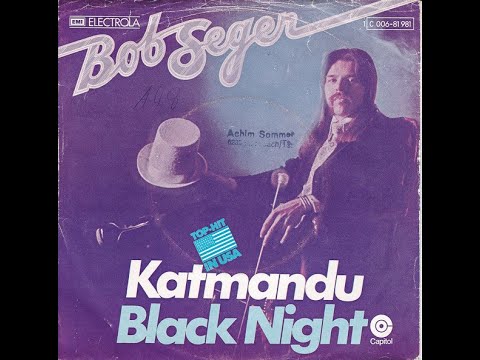
Bob Seger – Katmandu

This song is rocking and raw…it reminds me a little of his song Ramblin’, Gamblin’, Man because of his voice and sound. I remember this song vividly from the 1985 movie Mask with Eric Stoltz, Cher, and Sam Elliott.

In the 1960s Kathmandu (the correct spelling) was a place where people traveled to find themselves and to get enlightenment from life…or just to go where no one could find or bother them. It’s the capital of Nepal and a remote location. Seger used an alternate spelling of the song (Katmandu) so it would be easier for people to recognize. Cat Stevens wrote a song with the same name years before and used this spelling. 

This song was more popular in Michigan (Seger’s home state) than the rest of the country but it did chart at #43 on the Billboard 100 and #57 in Canada. Now it’s one of those songs that live on with classic radio. The album Beautiful Loser peaked at #131 but it sold two million copies since it was released. Three songs charted off of the album…Beautiful Loser, Nutbush City Limits, and Katmandu. 

On his albums, he would record sometimes half with The Silver Bullet Band and half with the Muscle Shoals musicians. This song came off of the Beautiful Loser album which was his breakthrough album. It set him up for his next album that made him a household name…Night Moves

On this album, he recorded 7 out of 9 tracks in Muscle Shoals including this song. The owners of the studio were also the musicians: Jimmy Johnson (guitar), Barry Beckett (keyboards), David Hood (bass), and Roger Hawkins (drums), and were much more affordable than big studios plus you got that Muscle Shoals sound. 

Katmandu

I think I’m going to Katmandu
That’s really, really where I’m going to
If I ever get out of here
That’s what I’m gonna do
K-k-k-k-k-k Katmandu
I think that’s really where I’m going to
If I ever get out of here
I’m going to Katmandu

I got no kick against the west coast
Warner brothers are such good hosts
I raise my whiskey glass and give them a toast
I’m sure they know it’s true
I got no rap against the southern states
Every time I’ve been there it’s been great
But now I’m leaving and I can’t be late
And to myself be true

That’s why I’m going to Katmandu
Up to the mountain’s where I’m going to
And if I ever get out of here
That’s what I’m gonna do
Aw, k-k-k-k-k-k Katmandu
Really, really where I’m going to
If I ever get out of here
I’m going to Katmandu

Oh
Take it away
I ain’t got nothin’ ‘gainst the east coast
You want some people where they got the most
And New York City’s like a friendly ghost
You seem to pass right through
I know I’m gonna miss the USA
I guess I’ll miss it every single day
But no one loves me here anyway
I know my plane is due

The one that’s going to Katmandu
Up to the mountain’s where I’m going to
If I ever get out of here
That’s what I’m gonna do
K-k-k-k-k-k Katmandu
Really, really, really, going to
If I ever get out of here
I’m going to Katmandu, oh
Ooh huh huh
Ooh huh huh ooh yeah

Katmandu
Katmandu
Katmandu
Katmandu
Katmandu
Katmandu
Katmandu
Katmandu
Katmandu
Katmandu

Max Picks …songs from 1957

I usually run this on Wednesdays after the Star Trek. We finished up season 2 and we are starting the last season…season 3 tomorrow!  Thanks for visiting the third installment of Max Picks. If you missed the first or second just follow the links.

1957

Let’s start this year with two brothers with some of the best harmonies ever in Rock/Pop…The Everly Brothers. Many guitar players could get close to the intro to this song but never exactly. The reason is Don Everly was using open G tuning…what Keith Richards later learned and made a career out of it…and that’s not an exaggeration. If you tune your guitar to open G tuning…you could play over half of the Stones catalog…believe me I do. Enough of guitar talk… this song was written by Felice and Boudleaux Bryant. This song has sheer beauty to it and also drive. I love Elvis but I’m leaving him off of this one since we featured him in the last two.

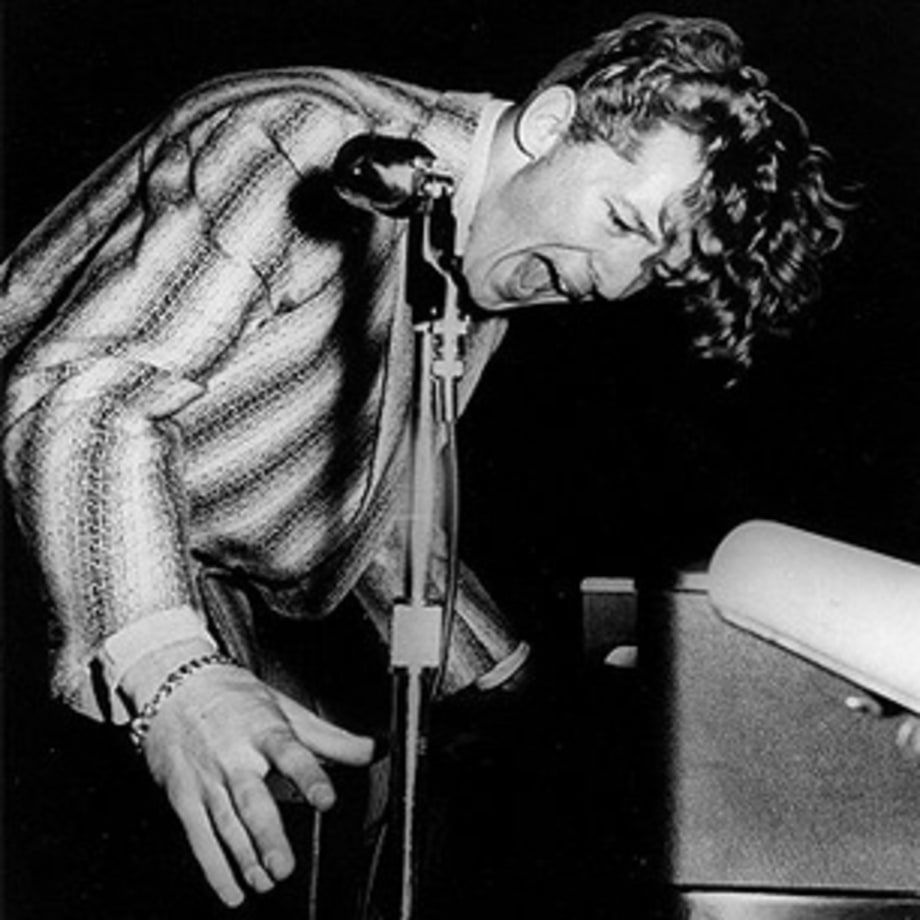
Now we get to the one…the only Pat Boone! NOT. I had to make sure you were paying attention. Now lets get to the bad boy of the fifties and all the decades that followed. He made other “bad boys” look tame. Jerry Lee Lewis was the real deal. Pure Rock and Roll that made Elvis look subtle. I can imagine he was public enemy number one with a lot of parents. Forget that though… his music is like an adrenaline rush to get up and move. The song was written by Dave “Curlee” Williams and James Faye “Roy” Hall.

I promised more Buddy Holly in the last post so I’m coming through on that promise. I could not believe the songs I could pick from in 1957. Take a look at the singles he had this year. Oh Boy, Not Fade Away, Peggy Sue, Everyday, Rock Around With Ollie Vee, and last but not least…That’ll Be The Day. That simple intro to this song is magic. I could have picked any of those songs. This song was written by Jerry Allison, Buddy Holly, and Norman Petty.

Now we have a singer who had a voice that was as smooth as silk. Sam Cooke‘s voice still gets to me. It was named as one of the 500 most important rock and roll recordings by the Rock and Roll Hall of Fame. Many artists have covered it but I’ll take Cooke’s version of it any day. It was written by the man himself.

I want to add a doo-wop vocal group because they were very popular then and this song is great. This song is called Come Go With Me by The Del-Vikings. The first time Paul and John met…John and his band The Quarrymen were playing this song with Lennon making up the words “Come and Go with me to the penitentiary” and probably some obscene words here and there. It was written by Clarence Quick.

As always…thanks for reading and listening!

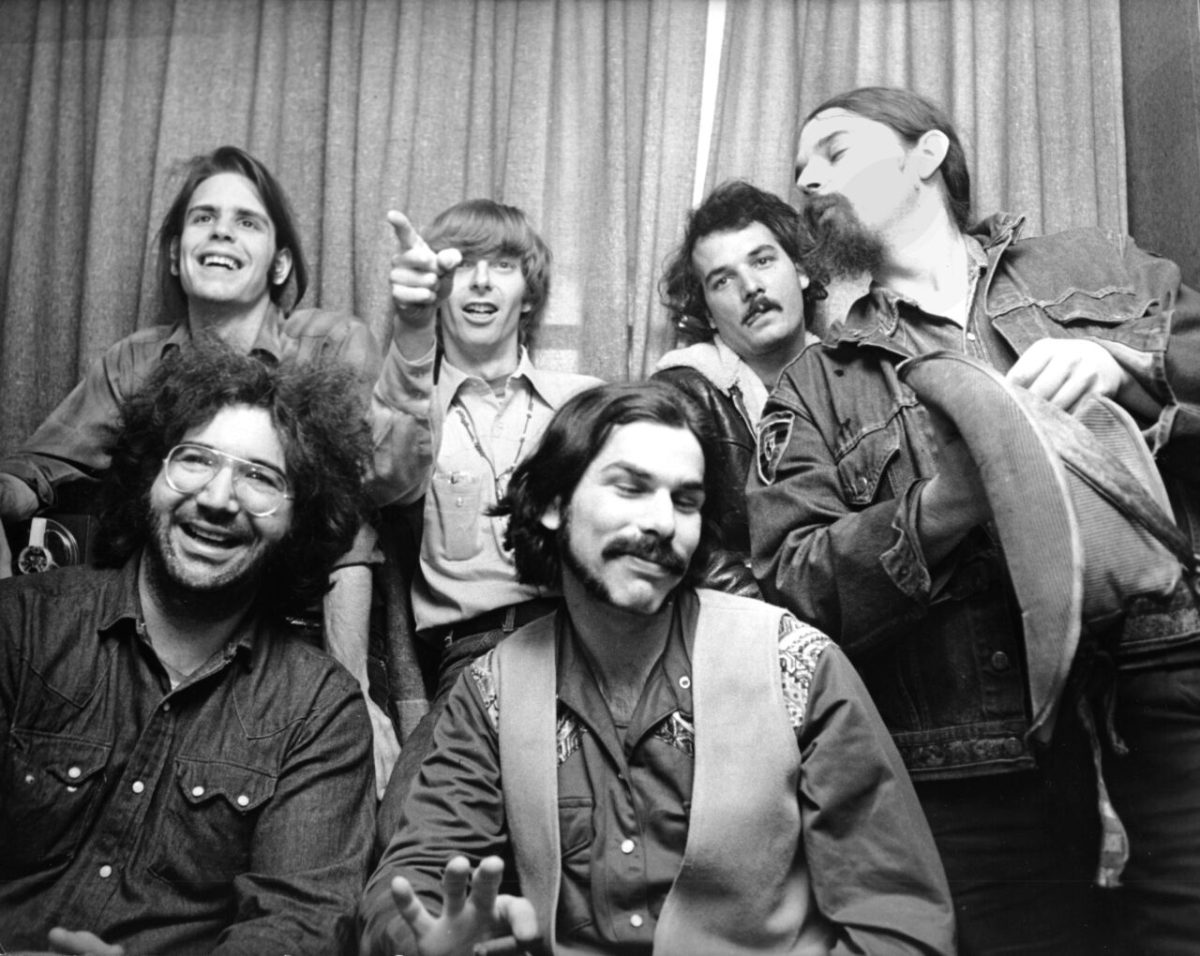
Grateful Dead – Friend Of The Devil

Power Pop Friday will be back after the 4th. 

When I purchased The Grateful Dead’s greatest hits back when I was around 13 or so…the songs like Truckin, Casey Jones, and Uncle John’s Band that I knew. After that, I found out that I liked everything on that album. This song became one of my favorites back then.

Skeletons from the Closet: The Best of Grateful Dead - Wikipedia

Jerry Garcia not only played with the Grateful Dead but did many solo shows while the Dead were on hiatus. He played with the New Riders of the Purple Sage as well. Jerry Garcia and John “Marmaduke” Dawson (New Riders of the Purple Sage ) wrote the music to the song and lyricist Robert Hunter came up with the lyrics except for one important line. The original chorus went like this.

I set out running but I take my time
It looks like water but it tastes like wine
If I get home before daylight
I just might get some sleep tonight

After hearing it on tape as a demo…John Dawson said all the lyrics were great except It looks like water but it tastes like wine. He then suggested, “How about… A Friend of the Devil is a friend of mine?” That was it…the right line for the right song.

The following day, Hunter awoke in the group’s communal residence to find Garcia listening to a tape of the new song. “He had that funny look in his eye,” Hunter recalled. “The next thing I knew, the Grateful Dead had snapped it up, much to the New Riders’ dismay.”

After the song appeared on American Beauty it became an immediate hit with fans, ultimately becoming a permanent fixture in the Dead’s onstage repertoire. At first, it was performed at a brisk, bluegrass-style tempo built upon a descending scale played by Garcia… then, several years later, a piano provided much of its melodic sound.

American Beauty peaked at #19 on the Billboard 100, #43 in Canada, and #27 in the UK in 1970. A single was not released of this song. Truckin’ was released as Ripple as the B side.

Dennis McNally (Grateful Dead  publicist and official biographer) on the intro: “Before they started recording, Nelson was checking to see that his guitar was in tune, and he ran this thing, ding, ding, ding, down a scale. And if you listen to the recording, that’s how the song opens. When he first did that, he did it simply to check the guitar’s tuning and they kept it. It suddenly became part of the song.”

Robert Hunter: “We all went down to the kitchen to have espresso made in Dawson’s new machine. We got to talking about the tune and John said the verses were nifty except for “it looks like water but it tastes like wine” which I had to admit fell flat. Suddenly Dawson’s eyes lit up and he crowed “How about “a friend of the devil is a friend of mine.” Bingo, not only the right line but a memorable title as well! We ran back upstairs to Nelson’s room and recorded the tune.”

Friend Of The Devil

I lit out from Reno, I was trailed by twenty hounds
Didn’t get to sleep that night ’til the morning came around

Set out runnin’ but I take my time
A friend of the devil is a friend of mine
If I get home before daylight
Just might get some sleep tonight

Ran into the devil, babe, he loaned me twenty bills
Spent the night in Utah in a cave up in the hills

Set out runnin’ but I take my time
A friend of the devil is a friend of mine
If I get home before daylight
Just might get some sleep tonight

I ran down to the levee but the devil caught me there
He took my twenty dollar bill and he vanished in the air

Set out runnin’ but I take my time
A friend of the devil is a friend of mine
If I get home before daylight
Just might get some sleep tonight

Got two reasons why I cry away each lonely night:
The first one’s named sweet Anne Marie, and she’s my heart’s delight
The second one is prison, babe, and the sheriff’s on my trail
And if he catches up with me, I’ll spend my life in jail

Got a wife in Chino, babe, and one in Cherokee
The first one says she’s got my child, but it don’t look like me

Set out runnin’ but I take my time
A friend of the devil is a friend of mine
If I get home before daylight
Just might get some sleep tonight

Got two reasons why I cry away each lonely night:
The first one’s named sweet Anne Marie, and she’s my heart’s delight
The second one is prison, babe, the sheriff’s on my trail
And if he catches up with me, I’ll spend my life in jail

Got a wife in Chino, babe, and one in Cherokee
The first one says she’s got my child, but it don’t look like me

Set out runnin’ but I take my time
A friend of the devil is a friend of mine
If I get home before daylight
Just might get some sleep tonight

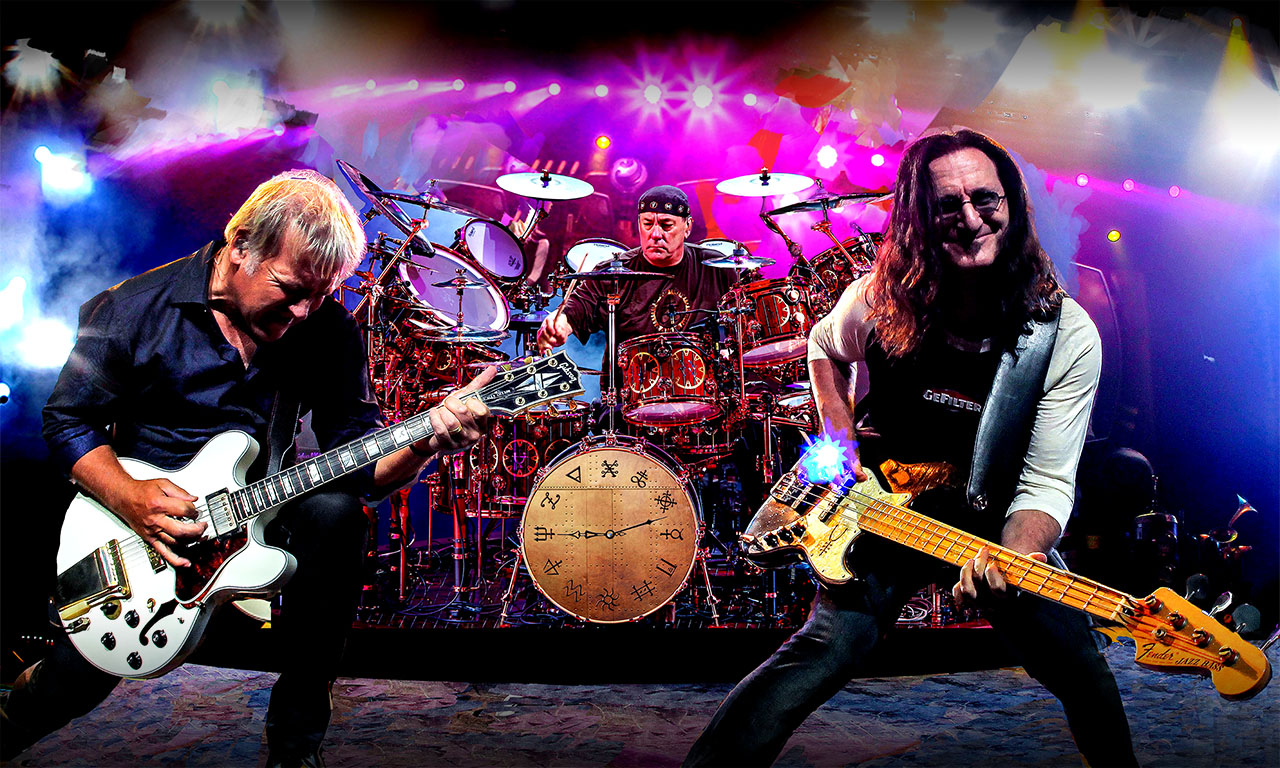
Rush – Limelight

I’m not the biggest fan of Rush but there are songs that were masterpieces…and this was one of them. When I heard that guitar riff at the beginning…BOOM…automatically loved the song.

As I listen to interviews and watched their documentary… that I will plug to everyone that would listen. I’ve grown to like them more and more. As a musician myself…yes I respect them as masters of their craft.

They had an unusual songwriting setup in that band. For the most part Geddy Lee and Alex Lifeson will come up with the music and drummer Neil Peart will supply the often complex lyrics. The drummers I’ve worked with…uh… that would not happen. This song hit me a like a great rock song which it is and is completely understandable.

The Story Behind 'Limelight' by Rush | Articles @ Ultimate-Guitar.Com

While Alex and Geddy are outgoing guys…Neil Peart was not. He never hated the fans or anything but he was shy and didn’t feel comfortable with meet and greets etc. As Geddy Lee said (full quote below): “Limelight was probably more of Neil’s song than a lot of the songs on that album in the sense that his feelings about being in the limelight and his difficulty with coming to grips with fame and autograph seekers and a sudden lack of privacy and sudden demands on his time… he was having a very difficult time dealing with.

Neil said that while he was a huge fan of The Who and Keith Moon…he would have never dreamed of following them back to their hotel or meeting them. He just didn’t understand that concept and why. The song is about his feelings toward the fame that hit Rush and changed everything.

Neil Peart was a heavy reader and you could see the influence in many things. William Shakespeare’s 1599 play As You Like It contains the line “All the world’s a stage and all the men and women merely players” – a similar phase appears in the lyrics – “All the worlds indeed a stage, and we are merely players.” Rush named one of their albums All The Worlds A Stage. 

The song peaked at #18 in Canada, #55 on the Billboard 100, and #4 on the US Mainstream Rock Tracks. It was on the album Moving Pictures (My favorite by them) and that one peaked at #1 in Canada, #3 on the Billboard Album Charts, and #3 in the UK. This was the album in my area that had young musicians going out and learning these songs…not an easy task.

While researching this song I saw a headline that best sums it up. “Neil Peart explains his introverted nature through Rush song ‘Limelight.”

Geddy Lee: “Limelight was probably more of Neil’s song than a lot of the songs on that album in the sense that his feelings about being in the limelight and his difficulty with coming to grips with fame and autograph seekers and a sudden lack of privacy and sudden demands on his time… he was having a very difficult time dealing with. I mean we all were, but I think he was having the most difficulty of the three of us adjusting; in the sense that I think he’s more sensitive to more things than Alex and I are, it’s harder for him to deal with those interruptions on his personal space and his desire to be alone. Being very much a person who needs that solitude, to have someone coming up to you constantly and asking for your autograph is a major interruption in your own little world. I guess in the one sense that we’re a little bit like misfits in the fact that we’ve chosen this profession that has all this extreme hype and this sort of self-hyping world that we’ve chosen to live in, and we don’t feel comfortable really in that kind of role.”

Alex Lifeson:  “I’ve always enjoyed the elasticity of that solo, particularly the way it sounds on the record. It has a certain tonality I just love. I do like playing the solo live, but I think I prefer listening to it on the album. On record, it has a magical quality to it – it really conveys the pathos of the song and the lyrics. I’ve never been able to re-create that live. I get pretty close, but it’s never exactly the way it is on record. I’ll keep trying, though.”

Neil Peart: “Success puts a strain on the friendship and it puts the strains on your day-to-day relationship, and it’s something that we did go through, you know, we’re not immune to it. But we were able to overcome it just through our closeness and we were able to help each other with difficulties like that and then we could deal with the pressures and things and that.”

Limelight

Living on a lighted stage
Approaches the unreal
For those who think and feel
In touch with some reality
Beyond the gilded cage

Cast in this unlikely role
Ill-equipped to act
With insufficient tact
One must put up barriers
To keep oneself intact

Living in the limelight
The universal dream
For those who wish to seem
Those who wish to be
Must put aside the alienation
Get on with the fascination
The real relation
The underlying theme

Living in a fish eye lens
Caught in the camera eye
I have no heart to lie
I can’t pretend a stranger
Is a long-awaited friend

All the world’s indeed a stage
And we are merely players
Performers and portrayers
Each another’s audience
Outside the gilded cage

Living in the limelight
The universal dream
For those who wish to seem
Those who wish to be
Must put aside the alienation
Get on with the fascination
The real relation
The underlying theme

Living in the limelight
The universal dream
For those who wish to seem
Those who wish to be
Must put aside the alienation
Get on with the fascination
The real relation
The underlying theme
The real relation
The underlying theme

Max Picks …songs from 1956

Hello everyone…I changed the name of this series…I never liked the original name and I heard from a couple of commenters and I totally agreed… Last week I got great responses from many of you and I appreciate it.

1956

Rock and Roll was reviving up now. The song that represents it the most this year to me was Be-Bop-a-Lula. The song is a perfect piece of rock and roll. His voice with reverb is just magical and artists have been chasing that sound ever since. I can’t imagine hearing this on the radio back then. Gene Vincent must have sounded so alien to some people but it’s what rock and roll needed. The song was written by Gene Vincent, Donald Graves, and Bill “Sheriff Tex” Davis.

“That beginning – ‘we-e-e-e-e-l-l-l-l-l!’ – always made my hair stand on end.”
John Lennon

***We have a bonus today at the bottom out of Lubbock Texas***

Yes, I could have gone with the Elvis version but I wanted the rockabilly man who wrote the song. Carl Perkins with Blue Suede Shoes. This was released in January of 1956 on Sun Records. Carl was amazing with his songwriting, guitar playing, and singing. The man could rock with the best.

I will make a confession here…out of all the 50s artists…Buddy Holly was probably my all-time favorite. The man had it all and he was ahead of his time. I’ve said this before but if he would have lived…out of all the 50s artists…he is the one that could have made a huge mark in the 60s alongside the British Invasion bands. They were playing modified versions of the songs he already wrote. This was not a massive hit… in fact it was a B side but one I’ve always liked. Blue Days, Black Nights. You WILL be seeing/hearing more Buddy in this series.

Now we are getting to the meat on the bone. Little Richard sings what was my dad’s favorite rock song…Long Tall Sally. The only time I remember getting a standing ovation is when I was 16 in a bar (shhhh don’t tell) playing this song with our band. Little Richard’s voice was fierce…I compare it to Jimi Hendrix’s guitar…just relentless. The song was written by Enotris Johnson, Robert Blackwell, and Richard Penniman (Little Richard).

Saw Uncle John with Long Tall Sally
They saw Aunt Mary comin’
So they ducked back in the alley

It’s hard to go through these songs and pick only 5. Let’s close things out with The Man in Black! Johnny Cash released this in 1956 on Sun Records.

***BONUS: Buddy Holly, Elvis Presley, Johnny Cash, Scotty Moore, and Carl Perkins all in one place….backstage at a High School in Lubbock Texas in this really short clip. I wish we could hear the music.***

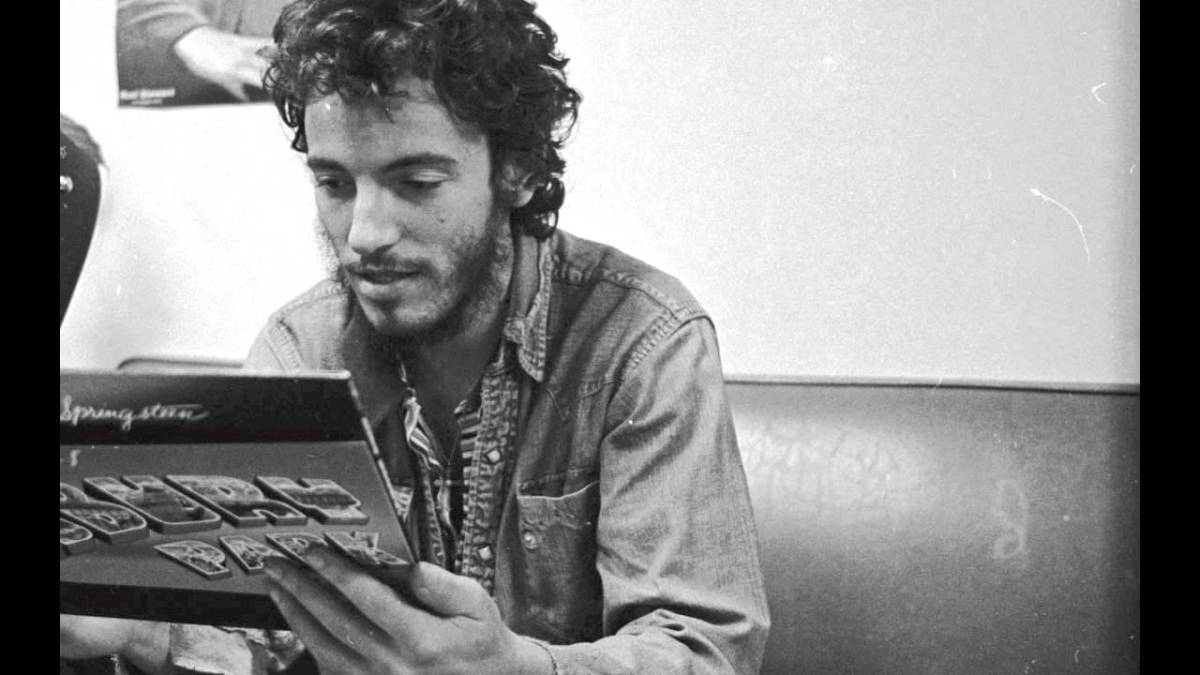
Bruce Springsteen – Does This Bus Stop At 82nd Street?

Under the Covers Tuesday will be back next week. 

This was originally posted at Dave’s Turntable Talk. This is what Dave asked for… Tell us about a song (or album if you’re more ambitious) you like that is all about going somewhere. Trains, planes, automobiles – there’ve been scores of good songs about traveling, geographically or even mentally, not to mention songs about specific destinations from ‘Viva Las Vegas’ to ‘One Night in Bangkok’ and about everyplace in between.

After Dave asked us to write a post about traveling… it was between Promise Land by the Big E and this one by Bruce. I had to go with this one.

This song is a journey through an enjoyable play of words. It was written about a bus journey to Bruce’s girlfriend’s house. This song was also based on people and places Springsteen met in his early years as a songwriter. His father was a bus driver for a time, which helped inspire the song.

I listened to it so many times that I know every word to this day. I was surprised to see that he still plays this in concert every now and then…but you can’t beat the studio version. 

I was around 19 (1986) or so when I found this album, or when the album found me, and I was going through an angry young man phase. I had just bought a 1976 Fender Musicmaster guitar (I still have it) and a black leather jacket so I was ready.  The imagery flows like water with Greetings From Ashbury Park, Bruce’s debut album in 1973… It’s not very polished but that adds to it.  The songs have a stream-of-consciousness feel to them. It was critically praised but did not have huge sales. The album only peaked at #60 in the Billboard Album Charts.

This album is my favorite by Springsteen. Yes, I like his other albums…but I love the wordplay on this one. I think the only song that halts the album is Mary Queen of Arkansas. I hear some Dylan and a very strong Van Morrison influence on this album and song. It is rough and raw and unpredictable.

Wizard imps and sweat sock pimps
Interstellar mongrel nymphs
Rex said that lady left him limp
Love’s like that (sure it is)

Songs like this helped give Springsteen the tag….” the new Dylan” and he was the one performer who actually lived up to it…strap in and ride the Springsteen-driven bus.

Does This Bus Stop At 52nd Street?

Hey bus driver, keep the change
Bless your children, give them names
Don’t trust men who walk with canes
Drink this and you’ll grow wings on your feet
Broadway Mary, Joan Fontaine
Advertiser on a downtown train
Christmas crier bustin’ cane
He’s in love again

Where dock worker’s dreams mix with panther’s schemes
To someday own the rodeo
Tainted women in VistaVision
Perform for out-of-state kids at the late show

Wizard imps and sweat sock pimps
Interstellar mongrel nymphs
Rex said that lady left him limp
Love’s like that (sure it is)
Queen of diamonds, ace of spades
Newly discovered lovers of the Everglades
They take out a full-page ad in the trades
To announce their arrival
And Mary Lou, she found out how to cope
She rides to heaven on a gyroscope
The Daily News asks her for the dope
She said, “Man, the dope’s that there’s still hope”

Senorita, Spanish rose
Wipes her eyes and blows her nose
Uptown in Harlem she throws a rose
To some lucky young matador

Cream – Spoonful

I always thought this band was the ultimate power trio…and I mean no offense to ZZ Top. Seeing Cream was like watching a baseball team that has all-star players in each position.

When I first started to listen to Cream, what stood out was not Clapton’s guitar or Baker’s drumming…no it was Jack Bruce’s bass. There are three bass players I listened to while starting to play music. John Entwistle, Jack Bruce, and Paul McCartney.  Those three covered the chaotic, the sliding, and the melodic. Jack Bruce had all of these traits.

Chester Burnett…better known as Howlin’ Wolf was from White Station, Mississippi. He influenced so many including Brian Jones of the Rolling Stones. This was his signature song although he didn’t write it…the one and only Willie Dixon did. Howlin’ Wolf released this song in 1960.

Fresh cream.jpg

Cream released this single in 1967 and it was off the UK album Fresh Cream in 1966. That album peaked at #6 in the UK and #39 on the Billboard Album Charts. I searched the Canadian RPM archives but this album did not show up.

There have been many rumors about what the song is about. Some say the song is about heroin and cooking it up. Some say it’s about… let’s just say sex. Willie Dixon said no on both. Here is Dixon’s take on it.  “The idea of ‘Spoonful’ was that it doesn’t take a large quantity of anything to be good if you have a little money when you need it, you’re right there in the right spot, that’ll buy you a whole lot. If a doctor give you less than a spoonful of some kind of medicine that can kill you, he can give you less than a spoonful of another that will make you well”. Asked about heroin, he replied, “People who think ‘Spoonful’ was about heroin are mostly people with heroin ideas”.

Cream influenced so many bands. They mixed blues, jazz, and hard rock into new kind of music in 1966. They may have created Heavy Metal/Hard Rock or it evolved from what they were doing. Bands like Lynyrd Skynyrd, Van Halen, Led Zeppelin, and countless more. Eric Clapton, Jack Bruce, and Ginger Baker are all probably in the top 5 in rock with each of their instruments.

Its 1968 double album Wheels of Fire features a 16-minute-plus live version of “Spoonful” recorded at San Francisco’s Winterland Ballroom.

Spoonful

Could fill spoons full of diamonds,Could fill spoons full of gold.Just a little spoon of your precious loveWill satisfy my soul.

Men lies about it.Some of them cries about it.Some of them dies about it.Everything’s a-fightin’ about the spoonful.That spoon, that spoon, that spoonful.That spoon, that spoon, that spoonful.That spoon, that spoon, that spoonful.That spoon, that spoon, that spoonful.

Could fill spoons full of coffee,Could fill spoons full of tea.Just a little spoon of your precious love;Is that enough for me?

Men lies about it.Some of them cries about it.Some of them dies about it.Everything’s a-fightin’ about the spoonful.That spoon, that spoon, that spoonful.That spoon, that spoon, that spoonful.That spoon, that spoon, that spoonful.That spoon, that spoon, that spoonful.

Could fill spoons full of water,Save them from the desert sands.But a little spoon of your forty-fiveSaved you from another man.

Men lies about it.Some of them cries about it.Some of them dies about it.Everything’s a-fightin’ about the spoonful.That spoon, that spoon, that spoonful.That spoon, that spoon, that spoonful.That spoon, that spoon, that spoonful.That spoon, that spoon, that spoonful.

Ian Dury and The Blockheads – Hit Me With Your Rhythm Stick

The name alone makes me want to listen to the song. The bass line is one of the coolest bass parts I’ve heard in a number 1 song. Usually on high-charting songs you just don’t hear basslines like this. I also like the out-of-left-field sax solo by saxophonist Davey Payne. 

This song was supposedly inspired by Dury’s disability. He contracted polio when he was 7 years old. Luckily, he was not confined to a wheelchair but he did have to use a walking cane.

The song was recorded live with all the Blockheads placed in different positions in the studio’s live area, with Jankel playing a Bechstein grand piano, Mickey Gallagher playing the Hammond organ, and Dury sitting on a stool in the center singing into a hand-held microphone.

He wrote this song with Chaz Jankel in 1978. Chaz was in a band with Dury called The Kilburns and when they disbanded…he got together with Ian Dury as a co-songwriter. It is the group’s most successful single, reaching number one on the UK Singles Chart in January 1979 as well as reaching the top three in Ireland, Australia, and New Zealand, and it was also a top 20 hit in several European countries.

The song was a non-album single. He didn’t like to include singles on his albums if possible. It peaked at #1 in the UK, #2 in Australia, #3 in New Zealand, and #79 on the Billboard 100 in 1979. I found no charting in Canada.

“Hit Me with Your Rhythm Stick” was named the 12th best single of 1978 by the writers of British music magazine NME, and best single of 1979 in the annual ‘Pazz & Jop’ poll organized by music critic Robert Christgau in The Village Voice.

Hit Me With Your Rythm Stick

In the deserts of Sudan
And the gardens of Japan
From Milan to Yucatan
Every woman, every man

Hit me with your rhythm stick.
Hit me! Hit me!
Je t’adore, ich liebe dich,
Hit me! hit me! hit me!
Hit me with your rhythm stick.
Hit me slowly, hit me quick.
Hit me! Hit me! Hit me!

In the wilds of Borneo
And the vineyards of Bordeaux
Eskimo, Arapaho
Move their body to and fro.

Hit me with your rhythm stick.
Hit me! Hit me!
Das ist gut! C’est fantastique!
Hit me! hit me! hit me!
Hit me with your rhythm stick.
It’s nice to be a lunatic.
Hit me! Hit me! Hit me!

Hit me! Hit me! Hit me!
In the dock of Tiger Bay
On the road to Mandalay
From Bombay to Santa Fe
Over hills and far away

Hit me with your rhythm stick.
Hit me! Hit me!
C’est si bon, mm? Ist es nicht?
Hit me! hit me! hit me!
Hit me with your rhythm stick.
Two fat persons, click, click, click.
Hit me! Hit me! Hit me!

Hit me! Hit me! Hit me!
Hit me!
Hit me!
Hit me! Ow!
Hit me!
Hit me!
Hit me! hit me!

Hit me [Repeat: x 5]

Hit me! Hit me! Hit me!