John Prine – Paradise

I want to thank halffastcyclingclub for bringing this song up when reading the Levon Helm post called The Mountain I posted last week. I’d never heard it and fell for it immediately. I listened to it over and over again. Such a cool vibe of looking back in this song. 

The song is not just a song, it’s a family photograph yellowing at the edges, the kind you keep tucked in a drawer and only pull out when you’re feeling brave enough to remember. Written for his parents, and about a real place in Kentucky that no longer exists the way it used to. We can all relate to this. I grew up in a small city in Tennessee, and it’s completely different now than it was when I grew up. Sometimes progress is good and sometimes not. 

I don’t usually dissect songs, but this one hit me. Prine was only in his mid-twenties when he wrote it, but he already sounded like someone who’d lived a dozen lives. It’s not just a memory, it’s a eulogy with a banjo. “And daddy won’t you take me back to Muhlenberg County / Down by the Green River where Paradise lay…”
And the punchline comes just a beat later:
“…Well I’m sorry my son, but you’re too late in askin’ / Mr. Peabody’s coal train has hauled it away.”

That’s it right there. Prine gives you a warm hug and slips a dagger in your back before the first verse is out. It’s a protest song in overalls, gentle, but furious. Not angry, but quietly heartbroken. He’s not shouting down injustice; he’s telling you what it feels like when the land your family once lived on gets strip-mined out of existence.

This song was the fifth track on his 1971 debut album, which is ridiculous when you think about it. As young as he was, and writing a song like this. Plenty of artists have covered Paradise. Dwight Yoakam, John Denver, John Fogerty, even the Everly Brothers, but none of them touch the original. Because it wasn’t just a song to Prine. It was a love letter to something that couldn’t love him back anymore.

Lynn Anderson released it in 1975, and it was the most commercially successful release. It peaked at #26 on the Billboard Country Charts and #16 on the Canadian Country Charts. 

Paradise

When I was a child my family would travel
Down to Western Kentucky where my parents were born
And there’s a backwards old town that’s often remembered
So many times that my memories are worn

And Daddy, won’t you take me back to Muhlenberg County?
Down by the Green River where Paradise lay
Well, I’m sorry, my son, but you’re too late in asking
Mister Peabody’s coal train has hauled it away

Well, sometimes we’d travel right down the Green River
To the abandoned old prison down by Airdrie Hill
Where the air smelled like snakes we’d shoot with our pistols
But empty pop bottles was all we would kill

And Daddy, won’t you take me back to Muhlenberg County?
Down by the Green River where Paradise lay
Well, I’m sorry my son, but you’re too late in asking
Mister Peabody’s coal train has hauled it away

Then the coal company came with the world’s largest shovel
And they tortured the timber and stripped all the land
Well, they dug for their coal till the land was forsaken
Then they wrote it all down as the progress of man

And Daddy, won’t you take me back to Muhlenberg County?
Down by the Green River where Paradise lay
Well, I’m sorry my son, but you’re too late in asking
Mister Peabody’s coal train has hauled it away

When I die, let my ashes float down the Green River
Let my soul roll on up to the Rochester Dam
I’ll be halfway to Heaven with Paradise waitin’
Just five miles away from wherever I am

And Daddy, won’t you take me back to Muhlenberg County?
Down by the Green River where Paradise lay
Well, I’m sorry my son, but you’re too late in asking
Mister Peabody’s coal train has hauled it away

Little Feat – Rock and Roll Doctor

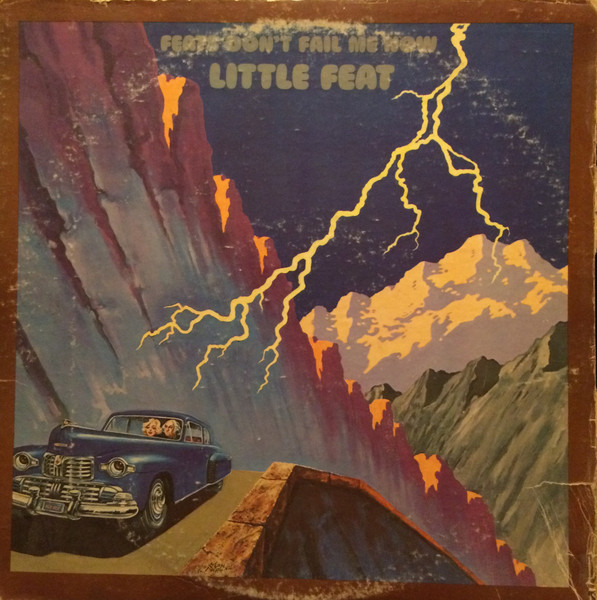
I love Little Feat. A musician’s band that sounds great. This song is filled with funk and southern-fried sophistication. It’s really tight at 2 minutes and 57 seconds; this track from Little Feat’s Feats Don’t Fail Me Now album is equal parts swagger, groove, and swampy gospel-tinged funk. It captures everything that made the Lowell George-led era of the band so distinct: tight arrangements, terrific guitar, and soulful vocals. 

Only Little Feat could’ve made this record. The band was already deep into their groove by 1974, but this album is where the voodoo met the vinyl with that sound. Lowell George, rock and roll’s most underrated guitarist and a man who sounded like he’d lived three lifetimes by 29, delivers a great vocal as well. “Two degrees in be-bop, a PhD in swing / He’s the master of rhythm, he’s a rock and roll king!” It’s a tongue-in-cheek tribute to the healing power of boogie, but also a serious testament to Little Feat’s freakish musical chemistry and ability. 

The whole track hangs on that in-the-pocket rhythm section.  The band is in lockstep throughout, Richie Hayward’s drumming is crisp and funky, Paul Barrere and Lowell George’s guitars weave effortlessly, and Bill Payne’s piano rides just behind the beat, and it could have carried the song alone. There’s even some gospel call-and-response in the backing vocals.  It’s a shuffle, but it’s never lazy. It’s slick, but not slick-slick.

George’s slide solo? It says something and punctuates the song. Feats Don’t Fail Me Now peaked at #36 on the Billboard Album Charts and #40 in Canada in 1974. The song peaked at #34 on the Billboard 100 later in 1981. 

Rock and Roll Doctor

There was a woman in Georgia didn’t feel just rightShe had fever all day and chills at nightNow things got worse, yes a serious bindAt times like this it takes a man with such style I cannot often findA doctor of the heart and a doctor of mind

If you like country with a boogie beat he’s the man to meetIf you like the sound of shufflin’ feet he can’t be beatIf you wanna feel real nice, just ask the Rock and Roll doctor’s advice

It’s just a country town but patients comeFrom Mobile to Moline from miles aroundNagodoches to New OrleansIn beat-up old cars or in limousinesTo meet the doctor of soul, he’s got his very own thing

Two degrees in be-bop, a PHD in swingHe’s the master of rhythm he’s a rock and roll king

If you like country with a boogie beat he’s the man to meet (he’s the man to meet)If you like the sound of shufflin’ feet he can’t be beat(I say he can’t be beat)If you…If you wannaIf you wanna feel real nice, just ask the Rock and Roll doctor’s advice

T-Rex – 20th Century Boy

I first heard this song on a car commercial. It was nice to hear something from T. Rex other than Bang a Gong. T Rex was never huge in America, but for a few years was very popular in the UK. They were one of the biggest UK Glam Rock bands.

It was released in 1973 as a non-album single. 20th Century Boy opens with a riff that could crack the sidewalk. It doesn’t crawl out of the speakers so much as leap from them. It’s all swagger, glam, and distortion turned up to 11.

The song sounds so modern with Tony Visconti’s production. It never cracked the Top 10 in the U.S., but in the UK it was a smash. The song found new life in commercials and soundtracks. It’s Bolan doing what he did best, selling you not just a song, but an attitude. He wasn’t offering truth or authenticity; he was offering escape. 

Their popularity soared in 1971-72, and a mania that was called “T. Rexstasy”. In 1972, Ringo Starr produced and directed a concert film called Born to Boogie about T Rex. This song peaked at #3 in the UK Charts in 1973 and #11 in 1991.

The band only charted 3 songs in the Billboard 100 with one top ten hit…Bang a Gong. In the UK, they scored 4 number ones and 21 top forty songs.

20th Century Boy

Friends say it’s fine
Friends say it’s good
Everybody says it’s just like Rock ‘n Roll
I move like a cat
Charge like a ram
Sting like a bee
Babe I wanna be your man

Well it’s plain to see you were meant for me
Yeah, I’m your boy, your 20th Century toy

Friends say it’s fine
Friends say it’s good
Everybody says it’s just like Rock ‘n Roll
Fly like a plane
Drive like a car
Hold out your hand
Babe I’m gonna be your man

And it’s plain to see you were meant for me
Yeah, I’m your toy, your 20th Century boy

20th Century toy, I wanna be your boy [4x]

Friends say it’s fine
Friends say it’s good
Everybody says it’s just like Rock ‘n Roll
Move like a cat
Charge like a ram
Sting like a bee
Babe I’m gonna be your man

And it’s plain to see
You were meant for me
Yeah I’m your toy
Your 20th Century boy

20th Century toy, I wanna be your boy [4x]

Flo & Eddie – Keep It Warm

When I heard this song, I had to find out who it was. I was watching Late Night with the Devil, and this song played. I finally looked at the Soundtrack and to my surprise, it was Flo and Eddie. Flo (Phlorescent Leech) is Mark Volman, and Eddie is Howard Kaylan. Mark and Howard were the two founding members of the 1960s band The Turtles. The Turtles had a large vocal sound. Kaylan is a very good singer, and when combined with Volman, it made a unique sound for the Turtles. 

After the Turtles broke up, Howard and Mark Volman went by the name “Flo and Eddie” for legal reasons (old Turtles contract). They made a career of unusual rock-comedy albums and developed a following. They immediately began playing with Frank Zappa and the Mothers of Invention and were there when Frank was pushed off the stage at the Rainbow. They were also in the Zappa movie, 200 Motels.

Flo & Eddie were what happened when two of the strangest, funniest, and most musically savvy minds to ever pass through the Top 40 were given free rein. This song was never a hit. It didn’t even scrape the charts. But like most of the best Flo & Eddie material, it was an inside joke with enough melody to trick you into thinking it WAS a hit. It’s a song about being past your prime, sung with the kind of confidence that says you never bought into the hype in the first place. If this came on the radio between Pablo Cruise and Seals & Crofts, you might not notice anything was different until you realized it was mocking both of them while sounding just as good.

The song opens with a clean piano, all smooth and clean guitars, but the lyrics are just… off. The chorus says “keep it warm,” but what is it, exactly? A bed? A place in your heart? An old seat at the Hollywood Squares? Richard Dawson’s seat on Match Game?  Kaylan delivers it with such sincere charm that it takes a few listens before you realize it’s about disillusionment, being outdated, all the while dressed up in a Beach Boys falsetto.

The production was immaculate. Jim Pons (also ex-Turtle, ex-Zappa) lays down a bass line that fits the song perfectly. The arrangements swirl like mid-70s L.A. excess seen through a cracked, warped rearview mirror.

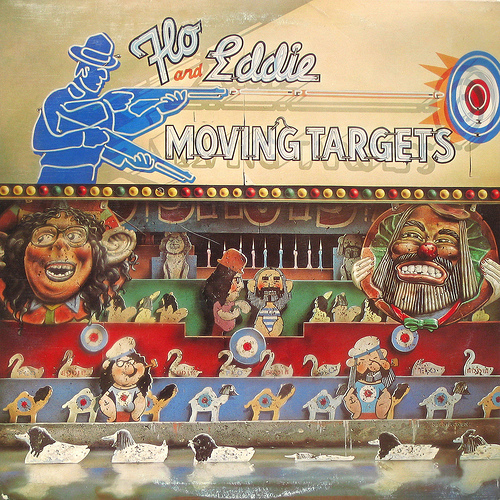
The song was on their 1976 album Moving Targets


Keep It Warm

Write another song for the moneySomething they can sing, not so funnyMoney in the bank to keep us warm

Stick another grape in the juicerOr fill your guts with grease and get looserYou are what you eat, so eat it warm

Roll another joint for the GipperGet the Gipper high, he gets hipperStick it in his mouth and keep him warm

Elect another jerk to the White HouseGracie Slick is losing her DormouseTake her off the streets and keep her warm (oh-oh)

Fight another war if they make youSqueal on a friend or they’ll take youThe future’s in your lap, so keep it warm

Warm, here in your arms (ooh-ooh, ooh-ooh)Safe from all harm, where I belong (ooh-ooh, ooh-ooh)Warm, cozy and calm (ooh-ooh, ooh-ooh)Another dawn, together warm (ooh-ooh, ooh-ooh)

My Woody’s broken down by the beach nowAnd TM’s gotten far out of reach nowTell the Mahareesh to keep it warm(We’re picking up good vibrations)

And George is suing Paul, suing RingoAnd immigration wants John and YokoAll they need is love to keep them warm

Kill another whale with your powerShoot a bunch of kids from a towerSnipe them in their cars, blood keeps them warm

Or make a better world from the old oneMake yourself a baby and hold oneHold her in your arms and keep her warm

Keep her warm, keep her warmKeep her warm, keep her warmKeep her warm, keep her warmKeep her warm, keep her warmKeep her warm…

Rufus featuring Chaka Khan – Tell Me Something Good

Great song, great music, great voice. You want funk? You want soul? You want a dirty-sounding clavinet? Step right up, Rufus has got you covered. There’s something raw and unpolished here that gives the song its character. It’s not trying to be slick. It’s lean and mean, clocking in under four minutes, and still manages to say everything it needs to say. It’s still one of my favorite AM singles of the 1970s. It would fit in today as well. 

Chaka… She’s the axis this record spins on. Her voice doesn’t so much sing the lyrics; she dominates them. Stevie Wonder brought a few songs to the studio, and she stunned her bandmates by saying she didn’t like them. She was 19 and pregnant and not in the best of moods. Stevie asked her for her astrological sign, and she said Aries. He then delivered this song, which she loved. 

Tony Maiden’s talkbox guitar gives it that extra wobble, while Kevin Murphy’s clavinet lays down a foundation so nasty you could mop the floor with it. This song came off the 1974 album Rags to Rufus.  Stevie Wonder recorded it himself in 1973 but never released it. The song peaked at #3 on the Billboard 100 and #21 in Canada in 1974. The Talk-Box, which Frampton later used, sounds great in this song.

Rufus evolved from a group called The American Breed, who had a hit with “Bend Me, Shape Me.” They took their name from a column in Popular Mechanics magazine called “Ask Rufus,” later shortened to Rufus when Chaka Khan joined the band in 1972.

Tell Me Something Good

You ain’t got no kind of feeling inside
I got something that will sure ‘nough set your stuff on fire
You refuse to put anything before your pride
What I got something will knock all your pride aside

Tell me something good 
Tell me that you love me, yeah
Tell me something good 
Tell me that you like it, yeah

Got no time is what you’re known to say
I’ll make you wish there was forty eight hours to each day
The problem is you ain’t been loved like you should
What I got to give will sure ‘nough do you good

Tell me something good 
Tell me that you love me, yeah
Tell me something good 
Tell me that you like it, yeah

You ain’t got no kind of feeling inside
I got something that will sure ‘nough set your stuff on fire
You refuse to put anything before your pride
What I got something will knock all your pride aside

Tell me something good (oh, yeah, yeah)
Tell me that you love me, yeah
Tell me something good 
Tell me that you like it, yeah

Tell me something good (tell me baby baby, tell me)
Tell me that you love me, yeah, yeah, yeah yeah
Tell me something good (oh, tell me, tell me, tell me)
Tell me that you like it, yeah, yeah, don’t you like it, baby?

Kinks – 20th Century Man

This is the twentieth centuryBut too much aggravationThis is the edge of insanityI’m a twentieth century man but I don’t want to be here

This song is for Song Lyric Sunday for Jim Adams’s blog. This week’s prompt is (drum roll please…) a song from a concept album. 

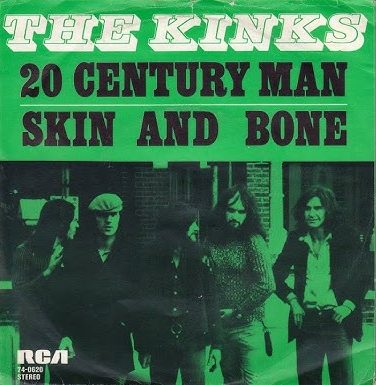
This song came from the album Muswell Hillbillies. A blogger friend of mine halffastcyclingclub, wrote up a post about it when I had the Kinks Weeks last year, it’s right here. Muswell Hillbillies is one of the many concept albums The Kinks did in the late sixties and early seventies. 20th Century Man kicks off the album. 

The song is an anthem of the over-civilized, over-documented, over-saturated age. Davies isn’t just annoyed by technology or bureaucracy; he’s exhausted by the entire machinery of progress. X-rays, radiation, political ideology, Big Brother watching from the corner of the room, Ray sees it all and wants out. Half a century later, 20th Century Man sounds eerily current. All those worries about surveillance, conformity, soulless routine? They didn’t go away, they just put on a fresh coat of Wi-Fi and Bluetooth.

Musically, it’s a leaner Kinks, with no horn section, no vaudeville flourishes, and no trimmings. Just guitars, grit, and a message that cuts you like a cold wind. Even the production feels lived-in, like it’s already been through the wringer. At the end of the song, it comes to life with a frustrated Ray Davies singing that he cannot keep up and doesn’t want to be there. 

I can really relate to what he is going through in this song. This was before the 24/7 news cycle and advertising chasing us everywhere we turn. It peaked at #106 on the Billboard 100. The album peaked at #100 on the Billboard Album Charts in 1971. Lola just came out the year before, but it would be in the mid to late seventies when they returned to more commercial success. These albums, though, were great. 

20th Century Man

This is the age of machineryA mechanical nightmareThe wonderful world of technologyNapalm hydrogen bombs biological warfare

This is the twentieth centuryBut too much aggravationIt’s the age of insanityWhat has become of the green pleasant fields of Jerusalem

Ain’t got no ambitionI’m just disillusionedI’m a twentieth century man but I don’t want, I don’t want to be here

My mama said she can’t understand meShe can’t see my motivationJust give me some securityI’m a paranoid schizoid product of the twentieth century

You keep all your smart modern writersGive me William ShakespeareYou keep all your smart modern paintersI’ll take Rembrandt, Titian, Da Vinci and Gainsborough

Girl we gotta get out of hereWe gotta find a solutionI’m a twentieth century man but I don’t want, I don’t want to die here

Girl, we gotta get out of hereWe gotta find a solutionI’m a twentieth century man but I don’t want, I don’t want to be here

I was born in a welfare stateRuled by bureaucracyControlled by civil servantsAnd people dressed in greyGot no privacy, got no liberty‘Cause the twentieth century peopleTook it all away from me

Don’t want to get myself shot downBy some trigger happy policemanGotta keep a hold on my sanityI’m a twentieth century man but I don’t want to die here

My mama says she can’t understand meShe can’t see my motivationAin’t got no securityI’m a twentieth century man but I don’t want to die here

I don’t want twentieth century, manI don’t want twentieth century, manI don’t want twentieth century, manI don’t want twentieth century, man

This is the twentieth centuryBut too much aggravationThis is the edge of insanityI’m a twentieth century man but I don’t want to be here

Willis Alan Ramsey – Satin Sheets

Hallelujah let me sock it to ya
Praise the Lord, and pass the mescaline

You could spend a weekend digging through Texas songwriters and never quite land on someone as mysterious or as mythically hyped as Willis Alan Ramsey. I want to thank a commentator M.Y. for telling me about this wonderful album and artist. 

Ramsey was born in Alabama in 1951, but it was Texas where he planted his flag and his musical roots. The Lone Star State was churning out outlaw country and cosmic cowboys in the early ‘70s, and Ramsey’s 1972 self-titled debut landed right in the middle of it. The album was released on Leon Russell’s Shelter Records (home to J.J. Cale and Dwight Twilley), Willis Alan Ramsey was a swampy, soulful, blend of folk, country, and blues. 

This album, released in 1972, was his only album. It has been lauded by critics, and I can understand why. He had a contract dispute with Shelter Records and left at the end of the contract. His fans have been waiting half a century for a new album. When asked, he said, “What’s wrong with the first one?” He did start a new album in 1997 and is trying to finish it with financial help from friends and fans alike. It is still in the works. 

He did have one song that is widely known. There is a song on this album called Muskrat Candlelight. Do the math, and you know who covered it. Change Candlelight to Love, and yes, you have Captain and Tennille. I’ve listened to this album many times, and the guy can write some interesting lyrics. The ones I have at the top got my attention right away with this song. 

Give a listen to this album if you have time. 

Satin Sheets

I wish I was a millionaire
Play rock music and grow long hair
Tell your boys
‘Bout a new Rolls-Royce

Pretty women callin’ me
Give ‘em all the third degree
Give ‘em satin sheets
To keep ‘em off the streets

Hallelujah let me sock it to ya
Praise the Lord, and pass the mescaline
Trade your whole world
You’ll come over
As soon as you see me boogie-woogie ‘cross the silver screen

Hang ‘em high, hang ‘em low
Put ‘em in the ceilings wherever I go
And they’d swing all night
In the rafter light

Hallelujah, what’s it to ya?
Got your coffee, me, I got my Spanish tea
Trade your whole world
You’ll come over
As soon as you hear me playing my calliope

I wish I was a millionaire
Play rock music and grow long hair
Tell your boys
‘Bout a new Rolls-Royce

….

AC/DC – Riff Raff

No big surprise here. No concept album, no reaching for the acoustic, or any subtleties…just Rock and Roll at high volume. It took me years to like this band, and I like both versions, but I favor the Bon Scott era a little more for some reason. 

There’s a certain thrill when you drop the needle on Powerage and let Riff Raff come flying out of the speakers, like being tackled by a denim-clad Marshall Amp! It wasn’t about the hits with this band, it was about raw power. Bombastic and proud of it. They were Chuck Berry on steroids. Angus is on fire in this one, and yet somehow, despite the chaos, it’s never messy. 

There’s something weirdly noble about AC/DC’s refusal to pander. While everyone else in 1978 was busy adding synths or softening the edges for FM radio, these guys doubled down on bar-fight boogie music. And this song is the kind of track that drives the point home for everyone. 

Powerage was released in 1978, and it peaked at #133 on the Billboard Album Charts and #23 in the UK. This was a year before their breakthrough album, Highway To Hell. I have to hand it to them because they never changed, and I can say honestly, never will. Their fans would not expect anything different. 

Riff Raff

See it on television, every dayYa hear it on the radioIt ain’t humid, but it sure is hotDown in MexicoA barmaid’s tryin’ to tell me (ha-ha)“Beginning of the end”Sayin’ it’ll bend meToo late, my friend

Riff raffOh, it’s good for a laughHa-ha-haRiff raffGo on and laugh yourself in halfSmile a while

Now, I’m the kinda guy that keep his big mouth shutIt don’t bother meSomebody kickin’ me when I’m upLeave me in miseryI never shot nobodyDon’t even carry a gunI ain’t done nothin’ wrongI’m just having fun

Riff raffOh, it’s good for a laughHa-ha-haRiff raffGo on and laugh yourself in halfSmile a while

Do it again

Chris Spedding – Motor Bikin’

Moving on the queen’s highway lookin’ like a streak of lightnin’

It was hard to just pick one song out of his catalog because he had so many good songs, and I love his guitar riffs. 

You could call Chris Spedding a session guy, but that’d be underselling him. He’s the kind of musician who can jump into just about any scene and make it better, without ever stealing the spotlight. A chameleon with a Gretsch. While he never quite became a household name, Spedding is one of those players whose fingerprints are all over the jukebox of the ‘70s and beyond if you know where to listen.

Chris was raised in Sheffield, England. He had classical training and great instincts. By the time the late 1960s, he was already slipping into studios and turning heads. You’ll find him in the credits of records by Jack Bruce, Bryan Ferry, John Cale, Paul McCartney, Bryan Ferry, Brian Eno, Tom Waits, Roger Daltrey, Robert Gordon, and Harry Nilsson, just to name a few.

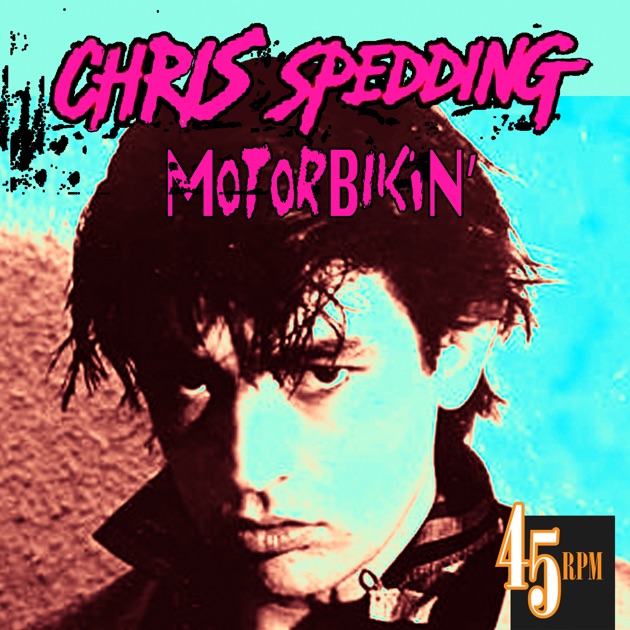
In 1975, Spedding gave the spotlight a try himself with the single Motor Bikin’, peaking at #14 on the UK Charts, and it’s a gem. A three-minute, leather-jacket anthem with a riff that sounds like it could’ve rolled straight out of a jukebox in a biker bar run by T. Rex. He also produced demos for the Sex Pistols, and some thought he would join them, but he didn’t. 

His look? Always sharp, slicked-back hair, leather jacket, just the right amount of attitude in the mid-seventies. He looked like a cool rock ‘n’ roll guitar slinger in the best way possible. Cool without trying too hard.

As I’ve said, he has worked with everyone, including a stint with Robert Gordon. He also worked with Chrissie Hynde and the Pretenders in 1980. I’ll add a couple of more songs that give you a flavor of him. The guitar riff in Jump In My Car (studio version) is really cool. It was originally done by The Ted Mulry Gang. Him and Gordon did a super job of Summertime Blues. 

Motor Bikin’

Motor bikin’
Motor bikin’
Motor bikin’
Motor cyclin’

Moving on the queen’s highway lookin’ like a streak of lightnin’
If you gotta go, go, gotta go motor bike ridin’

Listen to me and I’ll tell you no lie
Too fast to live, too young to die
I bought a new machine today and say
It take your breath away

Motor bikin’
Motor bikin’
Motor bikin’
Motor cyclin’

Moving on the queen’s highway lookin’ like a streak of lightnin’

Baby, won’t you come with me?
I’ll take you where you want to be

Well, here I am again and I’m dressed in black
I got my baby, she’s right in the back
We’re doin’ ’bout 95
Whew, so good to be alive
See upcoming pop shows
Get tickets for your favorite artists

You might also like
Working for the Union
Chris Spedding
Jump in My Car
Chris Spedding
Video Life
Chris Spedding

Motor bikin’
Motor bikin’
Motor bikin’
Motor cyclin’

Moving on the queen’s highway lookin’ like a streak of lightnin’
If you gotta go, go, gotta go motor bike ridin’

Motor bikin’
We go motor bikin’
Motor bikin’
Whew, we’re motor cyclin’

Moving on the queen’s highway lookin’ like a streak of lightnin’
If you gotta go, go, gotta go motor bike ridin’

Motor bikin’
We go motor bikin’
Motor bikin’

Frankie Miller – I Can’t Change It

This is the kind of song and artist I like posting. I call it New Old music because not everyone has heard of Frankie Miller, unlike Neil Young and other artists. The song just sticks with me with its haunting and melancholy melody. The guy has a voice that is about as strong as you can get. There are certain voices that don’t just sing a song, they bleed it. Frankie Miller had one of those voices. You could park it next to Rod Stewart, Steve Marriott, and Joe Cocker, and no one would flinch. 

I was watching Life On Mars when this song came on in an emotional scene. I’d never heard of it before. I never heard of Frankie Miller, but what a singer. He wrote this song when he was just 12 years old. Ray Charles also ended up recording it. Charles did his usual fantastic job on it, but I like Frankie’s stark arrangement. I can’t say enough about his voice. In some of his other songs, he reminds me of Bob Seger with an even a little stronger voice if that is possible. He wrote Ain’t Got No Money which Seger covered.

The best way I can describe this song is that it doesn’t need a big chorus or a clever twist. It just tells the truth. And in doing so, it becomes one of those tracks you return to when the world’s too loud and you need something real. Much like why I keep returning to Ronnie Lane and others. This one doesn’t have a wasted note. No overplaying. Just a slow, steady build that wraps around you.

This was on his 1973 debut album Once In A Blue Moon. In 1994, while he was forming a band with Joe Walsh, he had a brain aneurysm. He has fought back but sadly had to retire. If you don’t know much about him, he is worth looking up.

I can’t find a live version but check out this show.

I Can’t Change It

My friends can’t find some things I say
Must be the way I say those things
My friends can’t find some things I do
Must be the way I do those things
I can’t change it
But I’m trying to do right

I used to steal I used to fall
Was I wrong I can’t recall
I stole in love but all in all
Was I wrong I don’t recall
I can’t change it
But I’m trying to do right

Is it bad to look inside yourself and decide to go
To someone who can show the way complete
Are you glad to lose the doubts you thought would never go
When them inside hallucinations had you beat

My own true love has gone away
What can I say she left that day
The moon still shines a different way
What can I say
She left that day
I can’t change it but I’m waiting patiently

Max’s Drive-In Movie – M*A*S*H

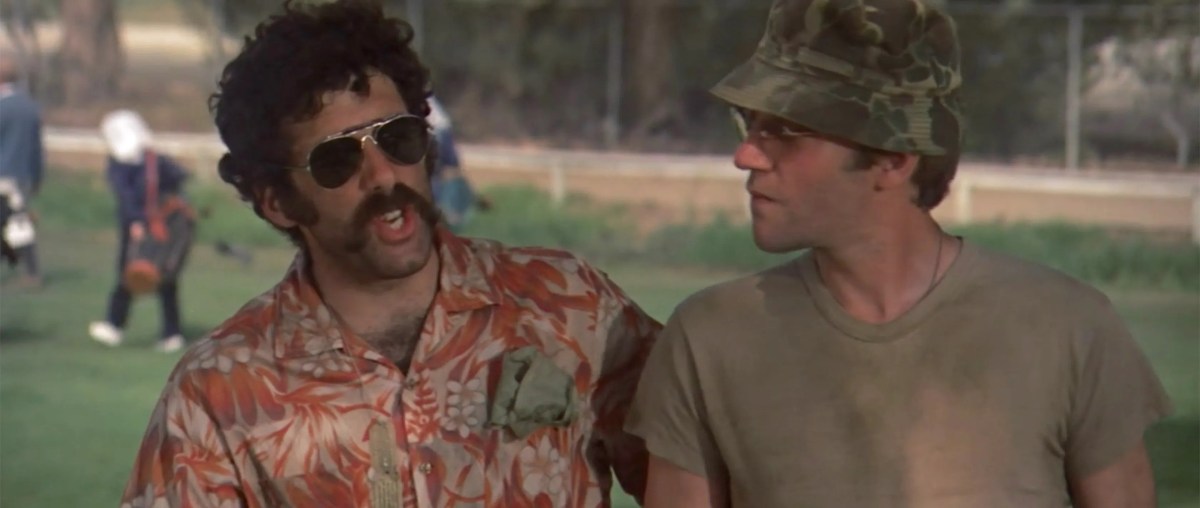
I pulled out this 1970 movie the other day and ended up enjoying it even more than I did years ago. When I first saw it back in the ’80s, I’d been expecting something different because of the television show. At first, I was confused, but the longer I watched, the more it thrilled me. If you only know MASH from television reruns with Alan Alda smirking through battlefield banter, the 1970 film that started it all might feel like a grenade lobbed into your expectations. 

Robert Altman’s MASH isn’t a gentle sitcom. It’s raw, irreverent, chaotic, and somehow all the better for it. This is the war movie for people who hate war movies. It doesn’t glorify anything. It just throws you into the blood, the absurdity, and the humor of a Mobile Army Surgical Hospital during the Korean War, but let’s be real, this is Vietnam by another name. They just couldn’t say it at the time. 

What strikes you about the movie is that it looks real. You don’t see a nice clean Army camp; you see authentic rubble, which captures the hopelessness of it all. Altman shot this film like a jazz improvised session. Overlapping dialogue, handheld cameras, and actors wandering through the frame like no one gave them a blocking direction. It feels messy because it is messy. War is messy. And MASH knows that the only way to survive it might be to laugh, so you forget where you are.

The plot? Loosely structured at best. You follow a pair of too-smart-for-their-own-good surgeons, “Hawkeye” Pierce and “Trapper” John McIntyre, as they drink, prank, operate, and generally wreak havoc behind the front lines. And when I say wreak havoc, I mean mocking authority, goading a desk jockey into a breakdown, and broadcasting a fake-suicide funeral for a lovesick dentist. 

The cast, Donald Sutherland (Hawkeye), Elliott Gould (Trapper John), Tom Skerritt (Duke), and Sally Kellerman (Hot Lips Houlihan), weren’t exactly marquee names in 1970. Allegedly, Sutherland and Gould, suspicious of Altman’s loose approach, actually tried to get him fired during production. They failed. Years later, they admitted Altman was right all along.

Altman’s rebellious methods created friction with the studio, too. He refused to follow the traditional film shooting formula. He shot scenes with actors talking over one another, dismissed explanations, and downplayed narrative story arcs. Altman called it “anti-movie making,” and it became his signature style.

And that theme song? “Suicide Is Painless.” Written by Altman’s 14-year-old son, no less. A haunting lullaby for the down-and-out, it creeps under your skin and stays there long after the credits roll. The movie was based on a novel written by former military surgeon Richard Hooker. 

  • Hotlips O’Houlihan: [referring to Hawkeye] I wonder how a degenerated person like that could have reached a position of responsibility in the Army Medical Corps!
  • Father Mulcahy: He was drafted.

Joe Ely – Boxcars

I keep going back to the Texas songwriters whenever possible. Joe Ely was the first, other than Townes Van Zandt, who placed me on that road. I think all of them were born with an acoustic guitar, wit, pen, with paper in hand. So many of them write wonderful melodies and lyrics that any songwriter would drool over. Boxcars captures everything great about Texas songwriting in one cold, mournful ride.

Ely was born in Amarillo in 1947 and raised in Lubbock, Buddy Holly’s hometown and a surprisingly fertile ground for musicians. Ely came of age surrounded by dust storms, flat horizons, and rock ‘n’ roll. By the late ‘60s, he was friends with a couple of brilliant kids named Butch Hancock and Jimmie Dale Gilmore. Together, they formed The Flatlanders, a band that barely made a dent at the time but later became a blueprint for alt-country and Americana.

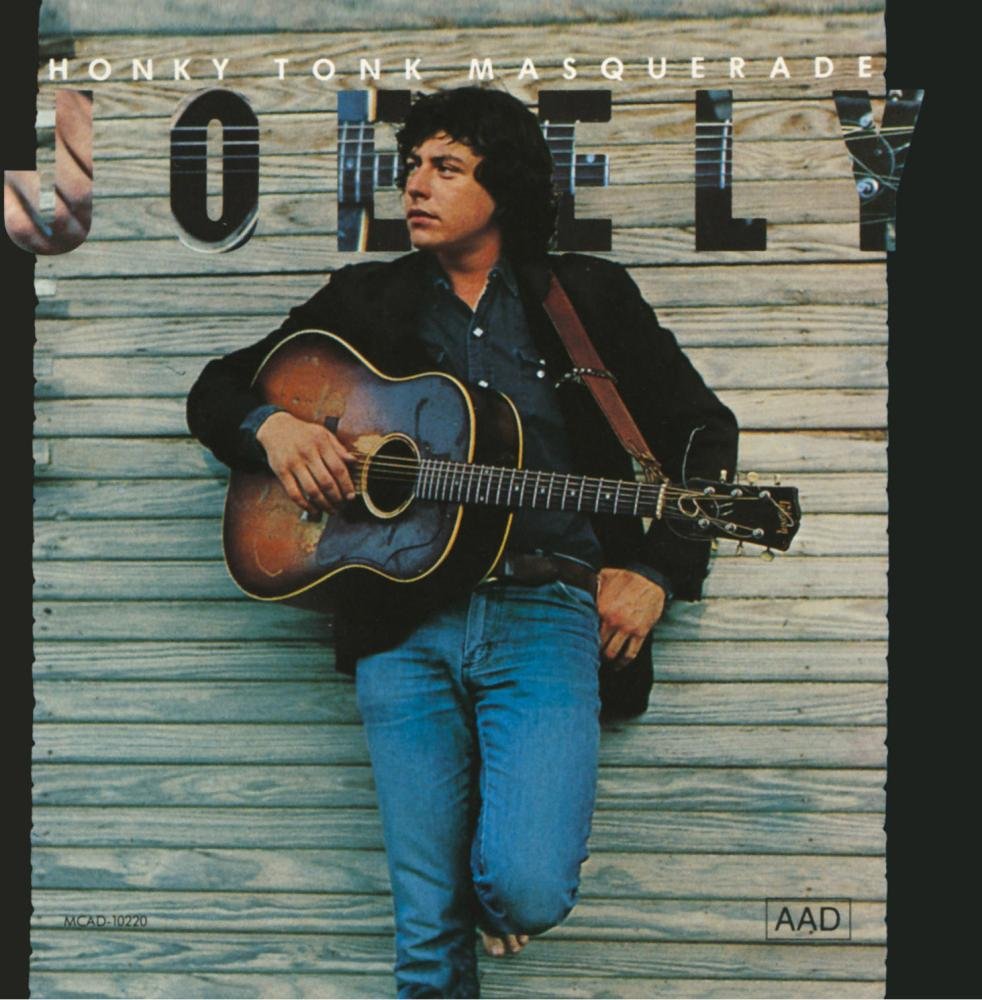
This song was written by Butch Hancock, a close friend and collaborator of Joe Ely. This was on his second solo album called Honky Tonk Masquerade released in 1978. The album is in the book  1001 Albums You Must Hear Before You Die and was 40 on Rolling Stone’s 50 Essential Albums of the ’70s list. Ely’s first album was released in 1977. He met The Clash the following year in London and both liked each other. They both toured together a bit after that. Ely sang backups on the Clash hit Should I Stay or Should I Go.

He was also involved with a personal favorite pickup band with John Mellencamp called The Buzzin Cousins. He is revered in the music business and by fans alike. He also played in the Los Super Seven. Thanks, halffastcyclingclub, for pointing them out to me a while back. I still need to write one up. 

His voice in this one is golden. It’s in Ely’s delivery, equal parts resigned and reverent, like he’s singing about someone he knew once, or maybe used to be.

Boxcars

Well, I gave all my money to the banker this monthNow, I got no more money to spendShe smiled when she saw me comin’ through that doorWhen I left she said, “Come back again”

I watched them lonesome boxcar wheelsTurnin’ down the tracks out of townAnd it’s on that lonesome railroad trackI’m gonna lay my burden down

I was raised on a farm the first years of my lifeLife was pretty good they sayI’ll probably live to be some ripe ol’ ageIf death’ll just stay out of my way

This world can take my money and timeBut it sure can’t take my soulAnd I’m goin’ down to the railroad tracksWatch them lonesome boxcars roll

There’s some big ol’ Buicks by the Baptist churchCadillacs at the Church of ChristI parked my camel by an ol’ haystackI’ll be lookin’ for that needle all night

There ain’t gonna be no radial tiresTurnin’ down the streets of goldI’m goin’ down to the railroad tracksAnd watch them lonesome boxcars roll

Now, if you ever heard the whistle on a fast freight trainBeatin’ out a beautiful tuneIf you ever seen the cold blue railroad tracksShinin’ by the light of the moon

If you ever felt the locomotive shake the groundI know you don’t have to be toldWhy I’m goin’ down to the railroad tracksAnd watch them lonesome boxcars roll

Yeah, I’m goin’ down to the railroad tracksAnd watch them lonesome boxcars roll

Max’s Drive-In Movie – Pat Garrett and Billy The Kid

I saw this movie for the first time in the early nineties in my apartment, which I shared with a cousin. I watched it initially for Bob Dylan, but ended up loving the movie. This movie, above all else, treats silence better than any other movie I’ve seen. The characters get to breathe. No one is in a hurry, but when action happens, it makes it all the more dramatic. 

In Pat Garrett and Billy the Kid, director Sam Peckinpah trades the mythic grandeur of the Old West for something slower, lonelier, and far more tragic. This is a Western all about finality,  a farewell to freedom, friendship, and the open frontier. Pechinpah created a great movie out of this. 

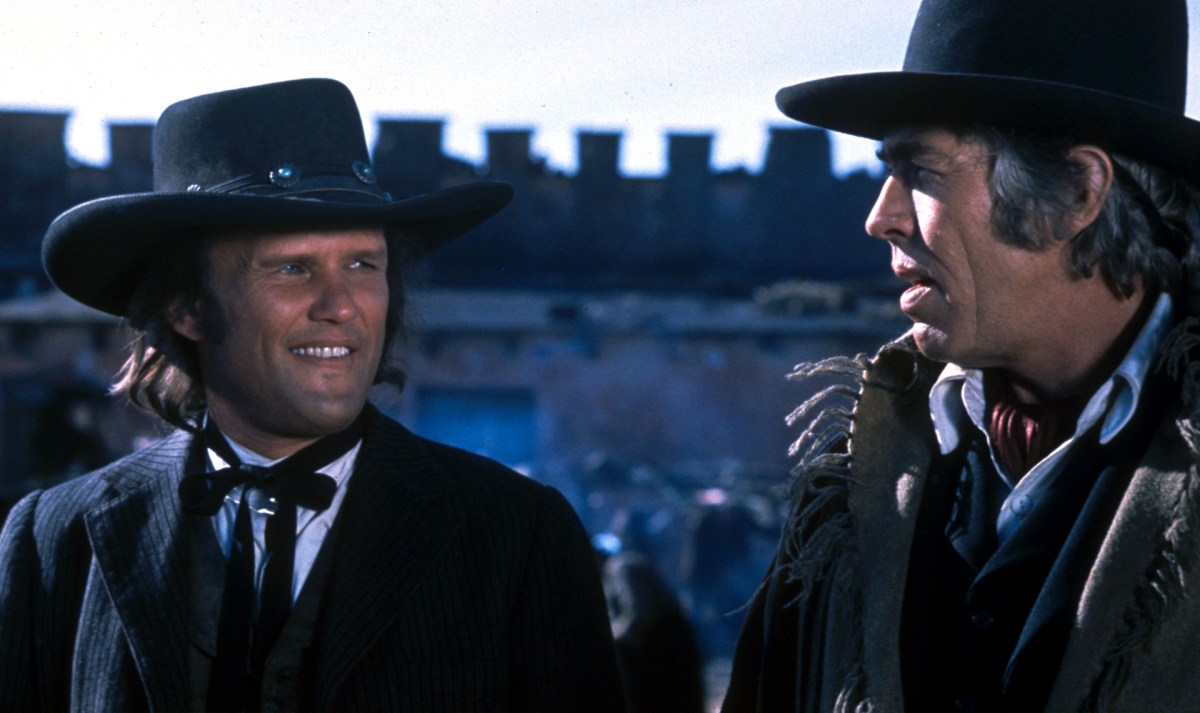
Set in 1881 New Mexico, the film dramatizes the final days of William Bonney,  better known as Billy the Kid (played by Kris Kristofferson)  as he’s hunted down by his former friend turned lawman, Pat Garrett (James Coburn). There’s no rush to the inevitable confrontation. Instead, the film moves slowly with purpose, soaking in the dusty landscapes, long silences, and uneasy glances between men who understand their roles in their vanishing world.

Coburn delivers a wonderful performance as Garrett, a man who’s made peace with compromise but not with himself. Kristofferson, younger and looser, plays Billy with charm and recklessness. Their scenes together are understated but filled with unspoken history and mutual resignation. It stands as one of the most introspective and mournful Westerns ever made. It’s not a shoot-’em-up spectacle; it’s a meditation on regret, inevitability, and the bitter cost of survival.

The studio clashed with Peckinpah and released a terrible version in 1973 that was a pale version of Peckinpah’s vision. It was jagged, choppy, and stripped of its emotional weight. Critics panned it. Audiences stayed away. Like many films ahead of their time, Pat Garrett and Billy the Kid didn’t stay buried. A bootlegged “preview print” started circulating in the 80s—rougher but far more coherent. It showed what Peckinpah had been aiming for: a slower, sadder, more deliberate tone piece about friendship, death, and the slow extinction of the outlaw soul. Critics and fans alike loved his original version.

In 2005, a “Special Edition” came out, restoring much of what had been lost (though not fully satisfying the purists). Still, it was enough to elevate the film from cult obscurity to a rightful classic. And make no mistake…it IS a classic!

I never thought about cinematography until recently, but John Coquillon did a hell of a job on this movie. It looks beautiful, and the landscapes jump out at you as you watch. 

Now let’s talk about the soundtrack by Bob Dylan. Bob Dylan was in the movie and did a good job, but it’s the soundtrack that will be remembered. This isn’t your typical Dylan record. It’s mostly instrumental, often minimalist, and was stitched together for the film. But what you get here is an eerie, atmospheric tone throughout the entire album. Let’s get this out of the way: Knockin’ on Heaven’s Door is the anchor, the standout, the one track that broke free and carved a permanent space in classic rock airwaves. It’s a song so simple it feels like it always existed. Unfortunately, it overshadows the other songs, which I like a lot. Billy 1, Turkey Chase, Bunkhouse Theme, and the rest. It’s an album I like to put on and just soak it in and relax. 

Ace Frehley – New York Groove

Only in the glittery excess of the late ’70s could a band decide to put out four solo albums on the same day and somehow convince the world it made perfect sense. On September 18, 1978, KISS pulled off one of rock’s most over-the-top stunts: four albums, one from each member, all branded as official KISS releases, all with matching cover art and posters you could piece together. This song had to be at least somewhat inspired by Bo Diddley’s Bo Diddley which was in turn inspired by Hush Little Baby

I’ve always liked this song from Ace Frehley’s KISS solo album. It peaked at #13 on the Billboard 100, #25 in Canada, and #24 in New Zealand in 1978. The song was written by Russ Ballard and was a UK chart hit for an English band named Hello. The track kicks in with that foot-stomp and hand-clap rhythm, more glam rock than hard rock, and right away it’s clear: this is not a KISS song. It’s got more in common with T. Rex than with Detroit Rock City.

Everything here is built around that simple, addictive beat, a four-on-the-floor thump with congas and claps riding shotgun. Over the top floats Frehley’s talk-sung vocal that is delivered with confidence. Ace was perfect for this song because he doesn’t have a huge vocal range. On Ace’s songs, he doesn’t sound like he is trying to make a hit…just a good song. I also like his guitar playing in general. It’s very Keith Richards like along with his tone. 

New York Groove is Ace Frehley’s very own personal anthem. The track is as synonymous with the ex-Kiss member as his silver suit and his smokin’ Les Paul. The egos in KISS were huge; Gene and Paul provoked Ace, even offering help (assuming that Ace would not be able to). However, Ace surprised them both. The best-selling solo album of the 4, in addition to being preferred by most fans and critics. 

Ace Frehley: “A lot of people think I wrote New York Groove. It’s not a myth that I’ve perpetuated, but that’s the way it is. I wish I would’ve wrote the song, though. I would’ve made a lot more cash out of it, ha-ha-hargh!”

Original Version by Hello

New York Groove

Many years since I was here,
On the street I was passin’ my time away
To the left and to the right,
Buildings towering to the sky
It’s outta sight in the dead of night

Here I am, and in this city, with a fistful of dollars
And baby, you’d better believe

I’m back, back in the New York groove
Back in the New York groove, in the New York groove

In the back of my Cadillac
A wicked lady, sittin’ by my side, sayin’ ‘Where are we?’
Stop at Third and Forty-three, exit to the night
It’s gonna be ecstacy, this place was meant for me

Feels so good tonight, who cares about tomorrow
So baby, you’d better believe

I’m back, back in the New York groove
Back in the New York groove, in the New York groove
I’m back, back in the New York groove

Kinks – Celluloid Heroes

When I heard this song, I loved the movie star references, and that got my attention. He namechecks the legends: Greta Garbo, Rudolph Valentino, Bela Lugosi, and Bette Davis. But he doesn’t dwell on their fame; he dwells on what fame cost them. Some went mad, some died alone, some were used up by the studio system and spit out into forgotten gossip columns.

Ray Davies never really left England in spirit, but with Celluloid Heroes, he made one of his most haunting visits to America.  Walking the Hollywood Walk of Fame, shoulder to shoulder with the ghosts who made generations laugh, cry, and dream on the big screen.  

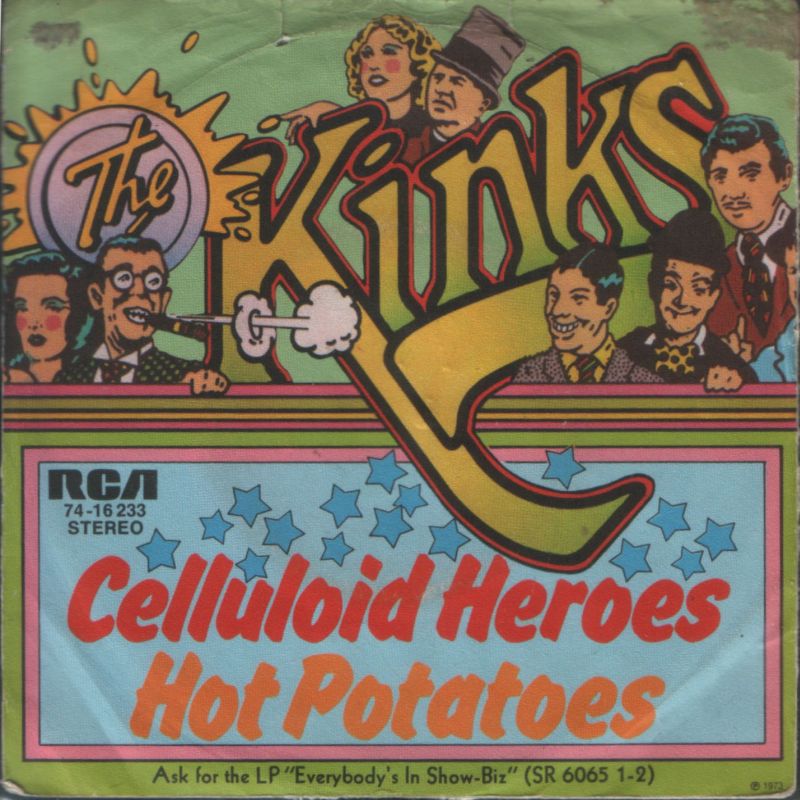
By 1972, The Kinks released Everybody’s in Show-Biz, it was their 6th straight concept album and they had just released Muswell Hillbillies the year before. This one was part cabaret, part social commentary, part rock and roll vaudeville.

He wrote the song when he visited Los Angeles. He stayed at a hotel near the Walk of Fame and was intrigued by how it represented success alongside failure. It is one of those Kinks songs that doesn’t get the same attention as Lola or Waterloo Sunset, but it should. 

The song was released as the second single from Everybody’s in Show-Biz but failed to chart. However, the track received decent airplay on AOR radio stations in the US, and it remains a song that is often played when these stations mark the passing of a Hollywood star.

Everybody’s In Show-Biz peaked at #63 in Canada and #70 on the Billboard Album Charts. It didn’t chart in the UK. Ray was subtle in this song, and he sings like he means it. 

Single Version

Album Version

Celluloid Heroes

Everybody’s a dreamer and everybody’s a star
And everybody’s in movies, it doesn’t matter who you are
There are starts in every city
In every house and on every street
And if you walk down Hollywood Boulevard
Their names are written in concrete

Don’t step on Greta Garbo as you walk down the Boulevard
She looks so weak and fragile that’s why she tried to be so hard
But they turned her into a princess
And they sat her on a throne
But she turned her back on stardom
Because she wanted to be alone

You can see all the stars as you walk down Hollywood Boulevard
Some that you recognize, some that you’ve hardly even heard of
People who worked and suffered and struggled for fame
Some who succeeded and some who suffered in vain

Rudolph Valentino looks very much alive
And he looks up ladies dresses as they sadly pass him by
Avoid stepping on Bela Lugosi
‘Cause he’s liable to turn and bite
But stand close by Bette Davis
Because hers was such a lonely life

If you covered him with garbage
George Sanders would still have style
And if you stamped on Mickey Rooney
He would still turn round and smile
But please don’t tread on dearest Marilyn
Cause she’s not very tough
She should have been made of iron or steel
But she was only made of flesh and blood

You can see all the stars as you walk down Hollywood Boulevard
Some that you recognize, some that you’ve hardly even heard of
People who worked and suffered and struggled for fame
Some who succeeded and some who suffered in vain

Everybody’s a dreamer and everybody’s a star
And everybody’s in show biz, it doesn’t matter who you are
And those who are successful
Be always on your guard
Success walks hand in hand with failure
Along Hollywood Boulevard

I wish my life was non-stop Hollywood movie show
A fantasy world of celluloid villains and heroes
Because celluloid heroes never feel any pain
And celluloid heroes never really die

You can see all the stars as you walk along…
You can see all the stars as you walk down Hollywood Boulevard
Some that you recognize, some that you’ve hardly even heard of
People who worked and suffered and struggled for fame
Some who succeeded and some who suffered in vain

La la la la….

Oh, celluloid heroes never feel any pain
Oh, celluloid heroes never really die
I wish my life was non-stop Hollywood movie show
A fantasy world of celluloid villains and heroes
Because celluloid heroes never feel any pain
And celluloid heroes never really die