20/20 was a band based out of Hollywood California. They were active from 1977 to 1983 and reunited during the mid-1990s to the late 1990s. This song was released as a single in 1979 as the B side to Tell Me Why (Can’t Understand You). The song was on their self titled album.
Everybody’s feeling groovy Everybody’s got tight pants on Everybody’s feels like they were Just made by the Creator
I have to say that it is original.
From AllMusic
One of the key bands in the Los Angeles power pop explosion of the late 1970s and early ‘80s, 20/20 never quite scored a hit single, but they were a powerful draw on the West Coast in their heyday, and their signature song, “Yellow Pills,” became a cult favorite, covered by a number of later power pop acts and providing a noted pop fanzine with its name. 20/20 was founded by Steve Allen and Ron Flynt, two friends from Tulsa, Oklahoma who met when they were in grade school and discovered they both loved rock & roll, particularly British Invasion sounds (the Beatles and the Rolling Stones in particular) and classic pop.
Scott Weiland of Stone Temple Pilots also did a version of this song.
Yellow Pills
One, two… One, two, three, four…
Everybody’s feeling groovy Everybody’s got tight pants on Everybody’s feels like they were Just made by the Creator
So come take a walk down my street With your head up by the phone lines You can see the world if you want to Give it a try Open your eyes When you bring oh oh oh My yellow pills My yellow pills
Take a look around my street Everybody’s got their new wheels But they’re stuck in a jam on the freeway And they glad they got their yellow pills
Just look at the happy faces Plugged into the tape machine Acting like they’re drivin’ to heaven Turn left at Vine, I’ll meet you at 9:00 When you bring oh oh oh My yellow pills My yellow pills
I always believe in your lies They make me feel so alive But I don’t have to be real
‘Cause everybody’s feeling groovy Everybody’s cut their hair short Everybody’s feels like they were Just made by the Creator
So come take a walk down my street With your head up by the phone lines You can see the world if you want to Give it a try Open your eyes When you bring oh oh oh My yellow pills My yellow pills
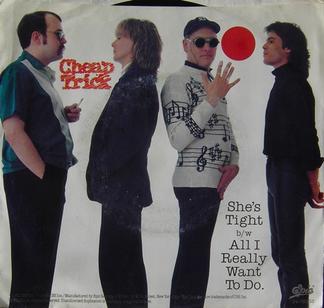
We had fun with this song in high school. I’m surprised it only peaked at #65 in 1982 because it got a lot of airplay and MTV exposure. The song was on the album One On One and it peaked at #39 in the Billboard Album chart in 1982. I liked the album and it had my favorite Cheap Trick song…If You Want My Love.
Cheap Trick does what Cheap Trick does best in this song. They give us a great edge with the guitar with Beatles type harmonies. The song was written by Rick Nielson as were most of their songs. I only got to see them in concert once but it was worth it. They didn’t take themselves seriously and had a good time as did everyone else.
She’s Tight
When I’m down I make a call. Got the number written on the wall. First it’s busy then I try again. Oh, who’s she talking to, could it be him?
I got the number and it starts to ring. I get excited and I start to dream. I start to fantasize of memory lane. Then she answers and she says right way. She says I’m home on my own, home all alone. So I got off the phone.
(She’s tight.) She’s ahead of her time. (She’s tight.) She’s one of a kind. (She’s tight.) She’s a talented girl. (She’s tight.) She’s got her head down tight.
I have something got to say to you. Amnesia and my train of thought. On the tip, tip of my tongue. I had a vision when I was young.
You floated in, we floated up. Through the window and down the hall. I had a smoke and went upstairs. Turned the door and opened the key. She spoke… I’m on my own, home all alone. So I got off the phone.
(She’s tight.) She’s ahead of her time. (She’s tight.) She’s one of a kind. (She’s tight.) She’s a talented girl. (She’s tight.) She’s got her head down tight.
(She’s tight.) She’s giving me the go. (She’s tight.) She’s giving me the high sign. (She’s tight.) We’ll turn off the lights. (She’s tight.) Pull down the shades. (She’s nice, she’s tight.) Turn on the cam’ra. (She’s nice, she’s tight.) And getting ready for action.
I was an instant fan when I first heard Sheryl Crow. During the nineties, there were many pop-oriented females that I listened to (Sarah Mclaughlin is one)…and ones that I didn’t at all (her last name rhymes with “tears” “beers” “fears”) but Sheryl was different. She was more in the rock and roll genre. I saw her open up for the Rolling Stones at Vanderbilt’s Stadium and she sounded great.
I have always liked her lyrics…she has fun with them and always kept them interesting. I’ll be posting more Sheryl songs this weekend.
This song peaked at #10 on the Billboard 100, #9 in the UK, #1 in Canada, and #12 in New Zealand in 1997.
It was on her self titled second studio album.
From Songfacts
This song describes a person who seems depressed or upset no matter what happens. According to Crow, the inspiration for the song was her feelings after the massive success of her first album, as her record label and the media put pressure on her to follow it up.
This won the Grammy award for Best Female Rock Vocal Performance.
On her VH1 Storytellers appearance in 1998, Sheryl Crow said this was initially a country song, but she turned it into a rock song so she could get more exposure.
The Australian lensman Keir McFarlane directed the video, which portrays Crow as an angry museum exhibit (10 years before the movie Night at the Museum). McFarlane also did the video for Tom Petty’s “Mary Jane’s Last Dance.”
In 2011 Crow teamed up with chef Chuck White to write a cookbook called If It Makes You Healthy.
Crow was a huge fan of Tom Petty and said that this song was in some ways inspired by the way he played.
If It Makes You Happy
I belong, a long way from here I put on a poncho and played for mosquitoes And drank ’till I was thirsty again We went searching, through thrift store jungles
Found Geronimo’s rifle, Marilyn’s shampoo And Benny Goodman’s cursive pen Well, okay, I made this up I promise you I’d never give up
If it makes you happy It can’t be that bad If it makes you happy Then why the hell are you so sad?
Get down, real low down You listen to Coltrane, derail your own train Well, who hasn’t been there before?
I come ’round, around the hard way Bring you comics in bed Scrape the mold off the bread And serve you french toast again Okay, I still get stoned I’m not the kind of girl you’d take home
If it makes you happy It can’t be that bad If it makes you happy Then why the hell are you so sad?
If it makes you happy It can’t be that bad If it makes you happy Then why the hell are you so sad?
We’ve been far, far away from here I put on a poncho and played for mosquitoes And everywhere in between Well, okay, we get along So what if right now, everything’s wrong?
If it makes you happy It can’t be that bad If it makes you happy Then why the hell are you so sad?
If it makes you happy It can’t be that bad If it makes you happy Then why the hell are you so sad?
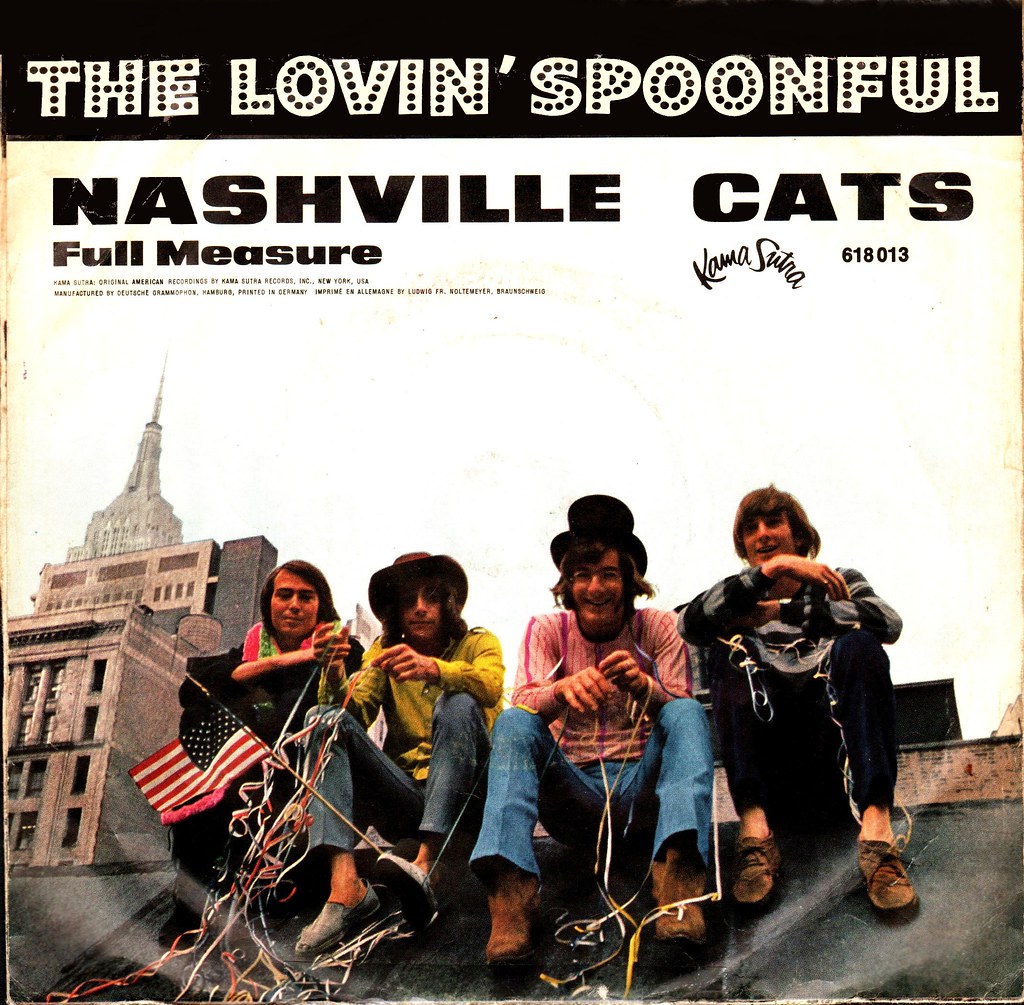
In 1966, Bob Dylan did something extraordinary when he went to Nashville to record an album. He left his band behind, in order to record with session players known as the Nashville Cats. That album he made was a masterpiece, ‘Blonde on Blonde”.
John Sebastian apparently held Nashville musicians in high esteem. According to one account, the song developed after the Lovin’ Spoonful was in Nashville for a concert, and while sitting at a bar, were blown away by the guitar playing of Danny Gatton. Sebastian wrote the song and it peaked at #8 in the Billboard 100 in 1967.
John Sebastian on writing the song…it is a bit long but interesting:
It happened to me quite by accident. First of all I was a tremendous fan of the music coming out of Nashville and the south at that time. Sometimes it was Memphis or Muscle Shoals but I didn’t know that, I was just responding to the music. I knew that when you cut records here, you could finish an album in a day in a half! But the ‘Spoonful played in Nashville in ’65 or so. We finished our show at the Fairgrounds Auditorium–the biggest thing in town. We felt pretty good about it and went back to the Holiday Inn and to the beer bar in the basement and get some beers and this guy comes in–goes and sits in the corner. There wasn’t even a stage. He pulls out a guitar and he is absolutely stunning. He starts off with something Chet Aktins-y and then he starts to get these bends and pedal steel tones and then multiple bends and then more jazz chords. Now we’re in “hillbilly jazz.” By the time this guy finished, me and (Lovin’ Spoonfuls) Zal Yanovsky we went up to our room. In those days, the ‘Spoonful were still sharing rooms, and we sit on the edge of our beds and go ‘How could this be?’ We are playing the big joint in town and this guy is in a beer bar. He can play rings around us. How does this work? Are we just four guys with long hair? It was years before we figured out that the kid had been a young Danny Gatton making spare change. But it traumatized us for a while.
The song actually was written a couple of weeks after our Nashville encounter. I was in Long Island somewhere. I saw an album cover –years later–Zal and I were in a record store–and I go “Oh my God, this is the guy from the beer bar.” Danny Gatton fans have sent me a stack of his cds and I can’t understand how he did the first damn thing (laughs).
From Songfacts
This song is a celebration of the remarkable musicianship of Nashville, Tennessee guitar pickers who have been “Playin’ since they’s babies.” John Sebastian held for the Nashville musicians in very high esteem.
The lyrics refer to the Sun Records company. While Sun was best known for first recording Elvis Presley, it also released songs by Johnny Cash, Jerry Lee Lewis and Roy Orbison
Nashville Cats
[Chorus] Nashville cats, play clean as country water Nashville cats, play wild as mountain dew Nashville cats, been playin’ since they’s babies Nashville cats, get work before they’re two
Well, there’s thirteen hundred and fifty two Guitar pickers in Nashville And they can pick more notes than the number of ants On a Tennessee ant hill Yeah, there’s thirteen hundred and fifty two Guitar cases in Nashville And any one that unpacks ‘is guitar could play Twice as better than I will
Yeah, I was just thirteen, you might say I was a Musical proverbial knee-high When I heard a couple new-sounding tunes on the tubes And they blasted me sky-high And the record man said every one is a yellow sun Record from Nashville And up north there ain’t nobody buys them And I said, “But I Will”
And it was
[Chorus]
Well, there’s sixteen thousand eight hundred ‘n’ twenty one Mothers from Nashville All their friends play music, and they ain’t uptight If one of the kids will Because it’s custom made for any mothers son To be a guitar picker in Nashville And I sure am glad I got a chance to say a word about The music and the mothers from Nashville
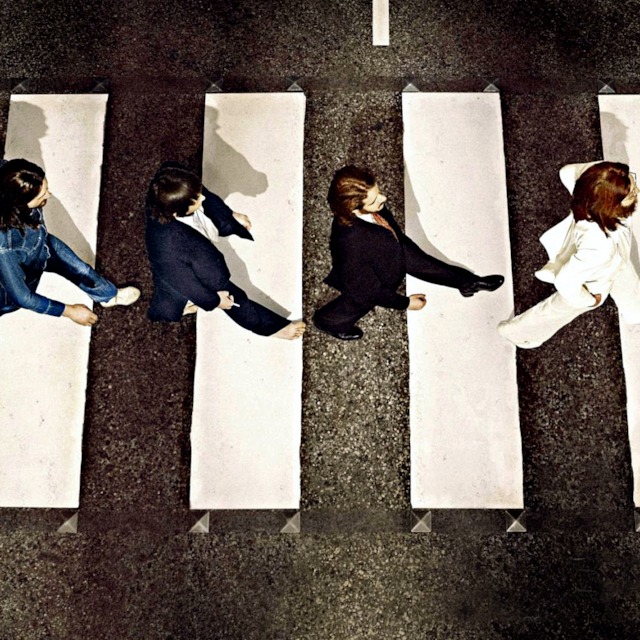
This song fits in well with the harder blues that was going on at this time. It’s really heavy for a Beatles song or any song. Many guitars were layered at the end when it abruptly stops. It took me a few listens to warm up to it but when I did…I really liked it. John’s guitar echoing the vocal and Paul’s adventurous bass playing on this recording is great.
The song is a simple love song from John to Yoko. Totally opposite of his wordplay songs of the past, in this one he is straight forward. He got right to the point…his quote on this song was “When you’re drowning, you don’t say ‘I would be incredibly pleased if someone would have the foresight to notice me drowning and come and help me,’ you just scream”
This was the first song worked on for their last recorded album Abbey Road…and the last one mixed. They started it at Trident Studios…not Abbey Road. This song shows just how good of musicians they were in 1969. This song is not an easy song and certainly took a lot of work to meld together. Different time signatures and John’s singing and playing… it syncs up well on the verses.
Billy Preston played organ on this song.
George Harrison: “This is very heavy,” “This is good because it’s really basically a bit like a blues. The riff that he sings and plays is really a very basic blues-type thing. But again, it’s very original to a John-type song. And the middle bit is great. John has an amazing thing with his timing. He always comes across with sort of different timing things.
From Songfacts
John Lennon wrote this about Yoko Ono – the couple were married in March 1969, about six months before the Abbey Road album was released. Lennon was experimenting with a heavy blues sound, so the song has few lyrics and long stretches of repeated chords. “Every time I pick up the guitar I sing about Yoko and that’s how I’m influenced,” Lennon said at the time.
Taken on its own, the lyric is very basic, repeating just a few simple lines like:
I want you so bad
It’s driving me mad
Soon after Abbey Road was released, a news magazine show called 24 Hours read the lyrics out loud, taking a derisive tone. Lennon replied: “To me that’s a damn sight better lyric than ‘Walrus’ or ‘Eleanor Rigby’ because its progression to me. And if I want to write songs with no words or one word… maybe that’s Yoko’s influence.”
The rhythm was based on Mel Torme’s song “Coming Home Baby.”
With the exception of “Revolution 9,” this was The Beatles longest song.
John Lennon sang this monofonic, as some of the troubadours sang in the Middle Ages: There is no chord behind the melody, but an instrument follows the singer’s melody. The song ends with an orchestra arrangement, which was Lennon’s idea, and is very much similar to the end of “Entry of the Gods into Valhalla” in “Das Rheingold” by Richard Wagner.
George Harrison played a Moog synthesizer on this track. It is one of the first uses of the instrument, which was custom-made for Harrison.
The guitars were overdubbed many times to get a layered sound.
This song contains an accidental background lyric. On stereo, play the song at 4:30 and listen very closely to the left speaker. In the bass break after John’s scream, you can faintly hear someone say, “What was that about!?” presumably in response to the scream.
I Want You (She’s So Heavy)
I want you I want you so bad I want you I want you so bad It’s driving me mad It’s driving me mad
I want you I want you so bad, babe I want you I want you so bad It’s driving me mad It’s driving me mad
I want you I want you so bad I want you I want you so bad It’s driving me mad It’s driving me mad
I want you I want you so bad, babe I want you I want you so bad It’s driving me mad It’s driving me mad
She’s so heavy Heavy, heavy, heavy, heavy
I want you I want you so bad I want you I want you so bad It’s driving me mad It’s driving me mad
I want you I want you so bad, babe I want you You know I want you so bad It’s driving me mad It’s driving me mad
“Hey Joe” was written by a singer named Billy Roberts, who was part of the Greenwich Village folk scene in the early ’60s. This was Billy’s most well-known song.
This is the song that started it all for Hendrix. After being discharged from the US Army in 1962, he worked as a backing musician for The Isley Brothers and Little Richard, and in 1966 performed under the name Jimmy James in the group Jimmy James and the Blue Flames. Hendrix introduced “Hey Joe” to the band and added it to their setlist. During a show at the Greenwich Village club Cafe Wha?, Chas Chandler of The Animals was in the audience, and he knew instantly that Hendrix was the man to record the song.
This is one of the few Hendrix tracks with female backing vocals. They were performed by a popular trio called the Breakaways (Jean Hawker, Margot Newman, and Vicki Brown), who were brought in by producer Chas Chandler.
The song peaked at #6 in the UK Charts in 1966.
From Songfacts
The song is structured as a conversation between two men, with “Joe” explaining to the other that he caught his woman cheating and plans to kill her. They talk again, and Joe explains that he did indeed shoot her, and is headed to Mexico.
Billy Roberts copyrighted this song in 1962, but never released it (he issued just one album, Thoughts Of California in 1975). In 1966, several artists covered the song, including a Los Angeles band called The Leaves (their lead singer was bassist Jim Pons, who joined The Turtles just before they recorded their Happy Together album), whose version was a minor hit, reaching #31 in the US. Arthur Lee’s group Love also recorded it that year, as did The Byrds, whose singer David Crosby had been performing the song since 1965. These were all uptempo renditions.
The slow version that inspired Hendrix to record this came from a folk singer named Tim Rose, who played it in a slow arrangement on his 1967 debut album and issued it as a single late in 1966. Rose was a popular singer/songwriter for a short time in the Greenwich Village scene, but quickly faded into obscurity before a small comeback in the ’90s. He died in 2002 at age 62.
Chandler convinced Hendrix to join him in London, and he became Jimi’s producer and manager. Teaming Hendrix with Noel Redding and Mitch Mitchell, Chandler had the group – known as The Jimi Hendrix Experience – record “Hey Joe,” and released it as a single in the UK in December 1966. It climbed to #6 in February 1967, as Hendrix developed a reputation as an electrifying performer and wildly innovative guitarist.
America was a tougher nut to crack – when the song was released there in April, it went nowhere.
The song incorporates many elements of blues music, including a F-C-G-D-A chord progression and a story about infidelity and murder. This led many to believe it was a much older (possibly traditional) song, but it was an original composition.
Hendrix played this live for the first time at the 1967 Monterey Pop Festival. It was the first time the group performed in America.
This was released in Britain with the flip side “Stone Free,” which was the first song Hendrix wrote for The Jimi Hendrix Experience.
The song was released in the UK on the Polydor label in a one-single deal. Hendrix then signed to the Track label, which was set up by Kit Lambert, producer for The Who.
Dick Rowe of Decca Records turned down Hendrix for a deal, unimpressed with both “Hey Joe” and “Stone Free.” Rowe also turned away the Beatles four years earlier.
The Hendrix version omits the first verse, where Joe buys the gun:
Hey Joe, where you goin’ with that money in your hand?
Chasin’ my woman, she run off with another man
Goin downtown, buy me a .44
In the original (and most versions pre-Hendrix), Joe also kills his wife’s lover when he catches them in bed together.
This was the last song performed at Woodstock in 1969. The festival was scheduled to end at midnight on Sunday, August 17 (the third day), but it ran long and Hendrix didn’t go on until Monday around 9 a.m. There weren’t many attendees left, but Hendrix delivered a legendary performance.
While Jimi’s version is by far the most famous, “Hey Joe” has been recorded by over 1000 artists. In America, three versions charted:
The Leaves (#31, 1966) Cher (#94, 1967) Wilson Pickett (#59, 1969)
Hendrix is the only artist to chart with the song in the UK, although a completely different song called “Hey Joe” was a #1 hit there for Frankie Laine in 1963.
Some of the notable covers include: Shadows of Knight (1966) Music Machine (1966) The Mothers Of Invention (1967) Deep Purple (1967) King Curtis (1968) Roy Buchanan (1973) Patti Smith (1974) Soft Cell (1983) Nick Cave & The Bad Seeds (1986) The Offspring (1991) Eddie Murphy (1993 – yes, the comedian) Walter Trout (2000) Popa Chubby (2001) Robert Plant (2002) Brad Mehldau Trio (2012)
The liner notes for Are You Experienced? say this song is “A blues arrangement of an old cowboy song that’s about 100 years old.” >>
The phrase “Hey Joe” is something men in the Philippines often shout when they see an American. Ted Lerner wrote a book about his experiences there called Hey, Joe: A Slice Of The City-An American In Manilla.
In an early demo version, Hendrix is caught off guard by the sound of his voice in the headphones, and can be heard on the recording saying, “Oh, Goddamn!” Then telling Chas Chandler in the booth, “Hey, make the voice a little lower and the band a little louder.” Hendrix was always insecure about his vocal talents, but thought if Dylan could swing it, so could he.
6,346 guitarists played “Hey Joe” simultaneously in the town of Wroclaw, Poland on May 1, 2009, breaking a world record for most guitarists playing a single song.
The BBC apologized after “Hey Joe” was played following a report on the Oscar Pistorius trial, following the disabled athlete’s shooting of his model girlfriend Reeva Steenkamp. (The song includes the lines: “Hey Joe, where you going with that gun in your hand? I’m going out to shoot my old lady, you know I caught her messing around with another man.”)
This was one of five bonus tracks added to the album Are You Experienced? when it was re-released in 1997. The only song on the album not written by Hendrix, it is credited to Billy Roberts.
Not much is known about the song’s writer Billy Roberts, who apparently got in a car accident in the ’90s that left him impaired. Royalties from this song go to him through the publisher Third Palm Music.
This was used in the 1994 movie Forrest Gump when Forrest starts a fight at a Black Panthers gathering, but the song wasn’t included on the official soundtrack.
Hey Joe
Hey Joe, where you goin’ with that gun in your hand? Hey Joe, I said where you goin’ with that gun in your hand? Alright. I’m goin down to shoot my old lady
You know I caught her messin’ ’round with another man. I’m goin’ down to shoot my old lady You know I caught her messin’ ’round with another man.
And that ain’t too cool. (Ah-backing vocal on each line) Uh, hey Joe, I heard you shot your woman down You shot her down now.
Uh, hey Joe, I heard you shot you old lady down You shot her down to the ground. Yeah! Yes, I did, I shot her
You know I caught her messin’ ’round Messin’ ’round town. Uh, yes I did, I shot her You know I caught my old lady messin’ ’round town.
And I gave her the gun and I shot her! Alright (Ah! Hey Joe) Shoot her one more time again, baby!
Yeah. (Hey Joe!) Ah, dig it!
Ah! Ah! (Joe where you gonna go?) Oh, alright. Hey Joe, said now (Hey) uh, where you gonna run to now, where you gonna run to? Yeah. (where you gonna go?) Hey Joe, I said (Hey) where you goin’ to run to now, where you, where you gonna go? (Joe!) Well, dig it! I’m goin’ way down south, way down south (Hey) way down south to Mexico way! Alright! (Joe) I’m goin’ way down south (Hey, Joe) way down where I can be free! (where you gonna…) Ain’t no one gonna find me babe! (…go?) Ain’t no hangman gonna (Hey, Joe) he ain’t gonna put a rope around me! (Joe where you gonna.) You better belive it right now! (…go?) I gotta go now! Hey, hey, hey Joe (Hey Joe) you better run on down! (where you gonna…) Goodbye everybody. Ow! (…go?) Hey, hey Joe, what’d I say (Hey… Joe) run on down. (where you gonna go?
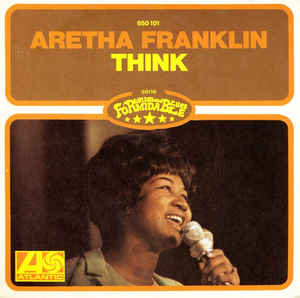
Aretha equals greatness. I always think of the Blues Brothers movie this was featured in years after it was released. Franklin wrote this with Teddy White, who was her husband and manager. In the song, Aretha sings about freedom and respect for women.
The song peaked at #7 in the Billboard 100 and #26 in the UK in 1968.
When I’m asked who my favorite female singers are…Aretha always comes up. Her soul had soul. She could take a mediocre song and make it great. I’ve heard her do songs such as “You Light Up My Life” and put life and soul in them.
From Songfacts
Jerry Wexler, who worked with Franklin on many of her hit songs, produced this track at the Atlantic Records recording studios in New York. Members of the Muscle Shoals rhythm section played at the session.
This song was released on May 2, 1968, less than a month after the assassination of Martin Luther King, Jr. on April 4. Franklin’s family was close to King, and Aretha attended his funeral. The song’s insistant refrain of “freedom” evoked one of King’s famous quotes: “Free at last, free at last, thank God almighty we are free at last.”
Franklin performed this in the 1980 movie The Blues Brothers starring Dan Aykroyd and John Belushi. The Blues Brothers themselves also recorded the song, which was released as the B-side of their 1989 UK single “Everybody Needs Somebody To Love.”
This was Franklin’s sixth #1 single on the R&B chart.
Leading up to the 2018 midterm elections in America, Levi’s used this in a commercial encouraging people to vote. The spot mostly used the “freedom” part of the song.
Think
You better think (think) Think about what you’re trying to do to me Think (think, think) Let your mind go, let yourself be free
Let’s go back, let’s go back Let’s go way on, way back when I didn’t even know you You couldn’t have been too much more than ten (just a child) I ain’t no psychiatrist, I ain’t no doctor with degrees But, it don’t take too much high IQ’s To see what you’re doing to me
You better think (think) Think about what you’re trying to do to me Yeah, think (think, think) Let your mind go, let yourself be free
There ain’t nothing you could ask I could answer you but I won’t (I won’t) But I was gonna change, but I’m not If you keep doing things I don’t
You better think (think) Think about what you’re trying to do to me Think (think) Let your mind go, let yourself be free
People walking around everyday Playing games, taking scores Trying to make other people lose their minds Ah, be careful you don’t lose yours, oh
Think (think) Think about what you’re trying to do to me, ooh Think (think) Let your mind go, let yourself be free
You need me (need me) And I need you (don’t you know) Without eachother there ain’t nothing people can do, oh
Think about it, baby (What are you trying to do me) Yeah, oh baby, think about it now, yeah (Think about, forgiveness, dream about forgiveness) To the ball, forgiveness Think about it baby To the ball, forgiveness To the ball, forgiveness
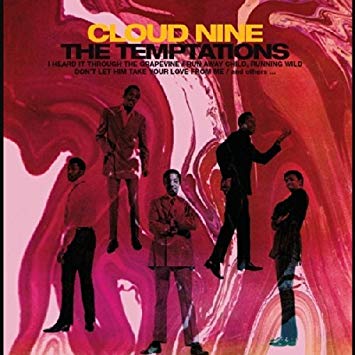
This was written by Motown writers Norman Whitfield and Barrett Strong, who had written earlier Temptations hits “Ain’t Too Proud To Beg” and “Just My Imagination.” Love the bass in this song.
This was a new sound for The Temptations. It was psychedelic soul-funk similar to Sly & the Family Stone, rather than the earlier smooth Soul they were known for. The song peaked at #6 in the Billboard 100 in 1969.
The Temptations all together had 4 number 1 hits, 15 Top Ten hits, and 53 songs in the Billboard 100.
This was the first Motown song to win a Grammy. It won for Best Rhythm & Blues Performance By A Duo Or Group, Vocal Or Instrumental in 1968.
From Songfacts
This was the first Temptations song recorded with new lead singer Dennis Edwards. David Ruffin, their original leader, was fired after he missed a gig. Ruffin became very difficult to work with when Motown refused to bill the group as “David Ruffin and The Temptations,” as they had done with “Diana Ross and The Supremes.”
The lyrics could be interpreted to be about drugs, which would go against The Temptations clean-cut image. They knew Whitfield and Strong didn’t do drugs, however, so they didn’t have a problem with the lyrics.
This was the first Motown song to use a wah-wah pedal. A white guitarist named Dennis Coffey brought it to a Motown workshop and played it for Whitfield while he was arranging this song. Whitfield loved the way it worked and had Coffey join the Motown house band when they recorded the track.
Whitfield used Coffey on many more sessions, including the seminal track “War.” Coffey, who had a hit on his own with “Scorpio,” considers his work on “Cloud Nine” some of his best. “It’s kicking major ass,” he told Songfacts. “That groove was so funky it’s amazing.”
Whitfield and Strong wrote this shortly after the songwriting team of Holland/Dozier/Holland left Motown. Holland/Dozier/Holland wrote many of the hits for the label, so it was a big boost for Motown when Whitfield and Strong stepped up and wrote another hit.
The week after this was released, Motown head Berry Gordy released Marvin Gaye’s version of “Heard It Through The Grapevine,” which until then he refused to release because he did not think it was a hit.
Cloud Nine
Oh ho, ho ho ho, ooh, hoo Childhood part of my life, it wasn’t very pretty You see, I was born and raised in the slums of the city It was a one room shack that slept ten other children besides me We hardly had enough food or room to sleep It was hard times Needed something to ease my troubled mind Listen, my father didn’t know the meaning of work He disrespected mama, and treated us like dirt I left home, seekin’ a job that I never did find Depressed and downhearted I took to cloud nine I’m doin’ fine, up here on cloud nine Listen one more time I’m doin’ fine, up here on cloud nine Folks down there tell me They say, give yourself a chance son, don’t let life pass you by But the world of reality is a rat race where only the strongest survive It’s a dog eat dog world, and that ain’t no lie Listen, it ain’t even safe no more to walk the streets at night I’m doin’ fine, on cloud nine Let me tell you about cloud nine
Cloud nine, you can be what you wanna be (Cloud nine) you ain’t got no responsibility And ev’ry man, ev’ry man is free (Cloud nine) and you’re a million miles from reality I wanna say I love the life I live And I’m gonna live the life I love up here on cloud nine I, I, I, I, I, I I’m riding high On cloud nine, you’re as free as a bird in flight (Cloud nine) there’s no diff’rence between day and night (Cloud nine) it’s a world of love and harmony (Cloud nine) you’re a million miles from reality
Cloud nine, you can be what you wanna be Cloud nine you ain’t got no responsibility Cloud nine, and ev’ry man in this world is free (Cloud nine) and you’re a million miles from reality (Cloud nine) you can be what you wanna be
This song released in 1994 was on the album Teenage Symphonies to God. It has everything you would want out of a power pop song. They got the name of the album from something Brian Wilson said… “I’m writing a teenage symphony to God,”
The Velvet Crush formed in Rhode Island in 1989, although vocalist/bassist Paul Chastain and drummer Ric Menck first met and began performing together in Champaign, Illinois. There Menck founded his own small label, Picture Book, on which he and Chastain recorded solo material as well as singles under various group names like the Springfields, Choo Choo Train, the Paint Set, and Bag-O-Shells.
The band broke up in 1996 but re-formed in 1998 and has continued to record, releasing their most recent album in 2004. Vocalist/bassist Paul Chastain and drummer Ric Menck are the band’s core members and they share singing and songwriting duties. Their debut album In the Presence of Greatness was produced by Matthew Sweet,
Hold Me Up
Dead on the phone One is too alone Suffer as the days Linger on and on Miles and miles away Hold me up when I’m gone Hold me up when I’m gone
Time down the road Nothing much to show Suffer as the days Linger on and on Miles and miles away You hold me up when I’m gone Hold me up when I’m gone
Touching down and out of sight And being found to be alright
Life on the phone Wasted space at home Suffer as the days Linger on and on Miles and miles away You hold me up when I’m gone Hold me up when I’m gone You hold me up when I’m gone
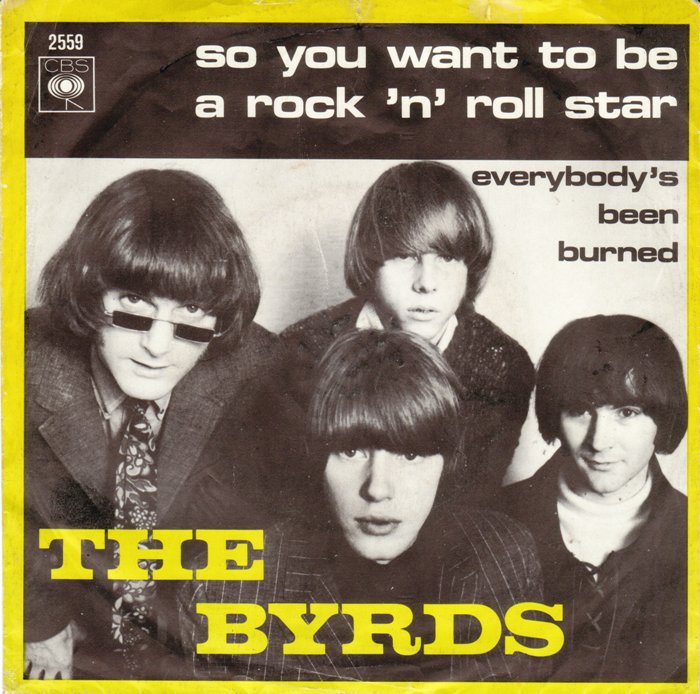
This song peaked at #29 in 1967 in the Billboard 100. This is the first hit song to use a variation of the term “rock star” in the title. Rock had been around since about 1955, but the term “rock star” didn’t get talked about until the ’70s, when it became a way to describe the most glamorous and intriguing artists.
The song was written by Roger McGuinn and Chris Hillman. It was written asa tongue-in-cheek look on fame and the pop music industry.
Tom Petty & the Heartbreakers often covered this song. Petty was a huge fan of The Byrds, and also loved a good cautionary rock star tale.
From Songfacts
Many interpreted it as a swipe at the success of manufactured rock bands like The Monkees, but Roger McGuinn has confirmed that he and Chris Hillman were not writing about The Monkees, but instead the whole music business.
Even after the term became ubiquitous, it was rarely used in song titles; the Dutch pop group Champagne hit #83 with “Rock And Roll Star” in 1977, but it wasn’t until 2007, when the rock era had long since ended, that songs with that title in the term began to proliferate. That year brought us:
“Party Like A Rock Star” – Shop Boyz (#2) “Rockstar” – Nickelback (#6) “Do It Just Like A Rockstar” – Freak Nasty (#45) “Rock Star” – Hannah Montana (#81)
It was mostly hip-hop acts that used the term from then on, notably Rihanna with “Rockstar 101” and Post Malone with “Rockstar.”
The recording was dubbed with the sound of screaming girls, taped at a Byrds show in Bournemouth, England during the band’s 1965 UK tour.
South African jazz musician Hugh Masekela contributed the clarion trumpet solo.
So You Want To Be A Rock ‘n’ Roll Star
So you want to be a rock and roll star? Then listen now to what I say Just get an electric guitar Then take some time
And learn how to play And with your hair swung right And your pants too tight It’s gonna be all right
Then it’s time to go downtown Where the agent man won’t let you down Sell your soul to the company Who are waiting there to sell plastic ware
And in a week or two If you make the charts The girls’ll tear you apart The price you paid for your riches and fame
Was it all a strange game? You’re a little insane The money, the fame, and the public acclaim Don’t forget who you are
You’re a rock and roll star La, la, la, la, la, la, la
This song and Hey Hey What Can I Do are my top two favorite Zeppelin songs.
Jimmy Page wrote this and first recorded it when he was still with The Yardbirds. I’ve read where Yardbirds singer Keith Relf wrote some of the lyrics originally and was given some of the credit but the record company turned it down for release. Later on, Jimmy would use it on the 3rd Zeppelin album with his lyrics.
This was the last Zeppelin song Page wrote without any input from Robert Plant. It’s also the only track on Led Zeppelin III for which Plant didn’t write the lyrics.
At the time the album got mixed reviews from critics and fans alike. Many fans wanted the same heavy albums as the first two. This album had a mix and they perfected it on their next album.
This was used at the end of the 2000 movie Almost Famous in a scene where a bus drives away…I thought the song was brilliant in that scene in the movie.
From Songfacts
Robert Plant would sometimes introduce this at concerts by saying: “This song is for our families and friends and people we’ve been close to. It’s a song of love at its most innocent stages.”
Jimmy Page played a pedal steel guitar on this track. He told Guitar Player magazine in 1977: “On the first LP there’s a pedal steel. I had never played steel before, but I just picked it up. There’s a lot of things I do first time around that I haven’t done before. In fact, I hadn’t touched a pedal steel from the first album to the third. It’s a bit of a pinch really from the things that Chuck Berry did. Nevertheless, it fits. I use pedal steel in ‘Your Time Is Gonna Come.’ It sounds like a slide or something. It’s more out of tune on the first album because I hadn’t got a kit to put it together.”
Why does this song fade to silence a few seconds in? Jimmy Page explained when previewing the song for Melody Maker in 1970: “That’s commonly known as a false start. It was a tempo guide, and it seemed like a good idea to leave it in – at the time. I was trying to keep the tempo down a bit. I’m not so sure now it was a good idea. Everybody asks what the hell is going on.”
Led Zeppelin played this during acoustic sets on their early tours.
This was the second Zeppelin song named after a fruit. “The Lemon Song” was the first.
According to Jimmy Page, this song was dedicated to Jackie DeShannon, who was his girlfriend when he wrote the song. DeShannon, a member of the Songwriting Hall of Fame, had hits as a singer with “What the World Needs Now Is Love” and “Put a Little Love in Your Heart.”
This was recorded on April 4, 1968 at one of the last studio sessions for The Yardbirds, under the title “Knowing That I’m Losing You.” This first version performed by The Yardbirds, featured music almost identical to “Tangerine” by Led Zeppelin, but with different lyrics (vocals by Keith Relf), and was never officially released. It was supposed to be included on the Cumular Limit compilation (which was released in 2000), together with other materials from the same sessions, but interestingly enough, Page vetoed the release of the song. Since then, the version from The Yardbirds has leaked onto the internet, and Page has been accused of ripping off a Yardbirds composition, simply changing the majority of the lyrics (probably initially written by Keith Relf) in order to avoid any problem with the other members of his previous group. This would explain his veto against the release of the original song. It is not easy to ascertain the above, as the remaining members of The Yardbirds haven’t spoken about the subject so far.
Tangerine
Measuring a summer’s day, I only finds it slips away to grey The hours, they bring me pain
Tangerine, Tangerine, living reflection from a dream I was her love, she was my queen, and now a thousand years between
Thinking how it used to be Does she still remember times like these? To think of us again? And I do
Tangerine, Tangerine, living reflection from a dream I was her love, she was my queen, and now a thousand years between
I bought Teaser and the Firecat because I enjoyed Steven’s album Tea For The Tillerman so much. I wasn’t disappointed…this was the first song I connected with on the album.
The song peaked at #30 in the Billboard 100 in 1971. The album peaked at #2 the same year.
Cat Stevens on the song: ” “I was on a holiday in Spain. I was a kid from the West End (of London) – bright lights, et cetera. I never got to see the moon on its own in the dark, there were always streetlamps. So there I was on the edge of the water on a beautiful night with the moon glowing, and suddenly I looked down and saw my shadow. I thought that was so cool, I’d never seen it before.”
He wrote part of the story of an animated short film that featured this very song. It was shown at the Fantastic Animation Festival in 1977. It begins with a still of the two characters from the “Teaser and the Firecat” album cover who then come to life.
From Songfacts
Stevens wrote this about finding hope in any situation. Be present and joyful. See life as it is, right now, and don’t compare it to others’ lives, or other times in your life. Every moment in life is rich and unique; whether we are aware of it or not, we are always leaping and hopping on a moonshadow – the inescapable present moment. If we are wrapped up in our whirlpools of worry and concern about what could be, or what has been, we are missing the richness of life as it is.
In the bridge of the song, Stevens seems to be speaking of faith, indicating clearly that, although he is experiencing this ecstasy in the present, despite all the losses and suffering of existence, it is the light that has found him, and not the other way around. He is surrendering to a power greater than himself – the “faithful light.”
Stevens, now known as Yusuf Islam, considers this his favorite of his old songs. It’s one of the songs that convinced him to release a Greatest Hits record of his work as Cat Stevens. He felt its uplifting message could help people.
Director John Landis wanted to use this song in his 1981 horror comedy An American Werewolf in London. The film featured a number of songs with “moon” in the title (“Moon Dance”, “Blue Moon”, etc.) but Stevens, who had recently converted to Islam, refused permission because he did not like the subject matter of the film.
Stevens has in recent years called this song the “Optimist’s anthem.”
This song was used for a “Teaser And The Firecat” animation. The cover of the album came to life as the boy and cat ride on the moon while this song plays. It can be found on the Cat Stevens – Majikat (Earth Tour 1976) DVD.
Artists to record this song include LaBelle, Roger Whittaker and Mandy Moore.
Moonshadow
Oh, I’m bein’ followed by a moonshadow, moon shadow, moonshadow Leapin and hoppin’ on a moonshadow, moonshadow, moonshadow
And if I ever lose my hands, lose my plough, lose my land Oh if I ever lose my hands, Oh if I won’t have to work no more
And if I ever lose my eyes, if my colours all run dry Yes if I ever lose my eyes, Oh if I won’t have to cry no more
Oh, I’m bein’ followed by a moonshadow, moon shadow, moonshadow Leapin and hoppin’ on a moonshadow, moonshadow, moonshadow
And if I ever lose my legs, I won’t moan, and I won’t beg Yes if I ever lose my legs, Oh if I won’t have to walk no more
And if I ever lose my mouth, all my teeth, north and south Yes if I ever lose my mouth, Oh if I won’t have to talk
Did it take long to find me? I asked the faithful light Did it take long to find me? And are you gonna stay the night
Well, tell him this is his last chance to get his daughter in a fine romance, Because a record company, Rosie, just gave me a big advance… That is a liberating lyric and sold the song to me.
After appearing on the covers of Time and Newsweek in October 1975, Springsteen sometimes changed the words to “Tell your papa I ain’t no freak, ’cause I got my picture on the cover of Time and Newsweek” when he performed it live.
I’ve seen Bruce do this song live and it is special. It’s one of the best live songs I’ve ever heard along with The Who’s Won’t Get Fooled Again. The song is exciting as he pleads with Rosie and calls out the nicknames of their friends.
The song was his second album The Wild, The Innocent And The E Street Shuffle peaked at #59 in the Billboard Album charts in 1975.
From Songfacts
This is Springsteen’s musical autobiography. After touring relentlessly around the Jersey Shore, he finally signed a record deal and got some money. Springsteen called the song, “A kiss-off to everybody who counted you out, put you down, or decided you weren’t good enough.”
Springsteen considers this the best love song he ever wrote, which he would often declare before performing it. It’s proof that a love song does not have to be slow or sappy.
This is one of Springsteen’s most popular live songs, and a dependable capper. It was the last song before the encore at most of his shows from 1973-1984; in 1999 during his E Street Band reunion tour, Springsteen played 15 sold out shows at the Continental Airlines Arena (later known as the Izod centre) and he used this song to close out the final show of the stand. This became very popular in England when British TV aired a clip of Springsteen performing this at a concert in Phoenix in 1978.
The live film clip of this is the closest thing Springsteen had to a music video until he started making them in 1984, starting with “Dancing In The Dark.”
The first time Springsteen performed this song was at a concert at Joe’s Place in Boston on January 5, 1974.
This was one of the first songs to showcase Clarence Clemons on sax. With his bright suits and imposing size, he quickly became the most popular member of the E Street Band.
The audience always went crazy when Springsteen sang: “The record company, Rosie, just gave me a big advance.” He got a $25,000 advance from Columbia Records when he signed his first record deal, proving to his father and others who doubted him that he did have a real job.
Springsteen never liked his nickname “The Boss,” and sometimes sang: “You can call me Lieutenant, Rosie, but don’t ever call me Boss.”
Springsteen wrote this to be a live show-stopper. He was inspired by the soul revues in the ’60s where the artists would pour all their energy into their final song, and just when it seemed to be over, keep playing. He knew his audience would remember this when he played it.
According to Diane Lozito, who was Springsteen’s girlfriend around the time he was writing this song, he got the title from the name of her grandmother, Rose (“Rose Lozito” “Rosalita”).
Rosalita (Come Out Tonight)
Spread out now Rosie, doctor come cut loose her mama’s reins You know playin’ blind man’s bluff is a little baby’s game You pick up little dynamite, I’ll pick up little gun And together we’re gonna go out tonight and make that highway run You don’t have to call me lieutenant, Rosie, and I don’t want to be your son The only lover I’m ever gonna need’s your soft, sweet, little girl’s tongue And Rosie, you’re the one
Dynamite’s in the belfry, baby, playin’ with the bats Little gun’s downtown in front of Woolworth’s tryin’ out his attitude on all the cats Papa’s on the corner, waitin’ for the bus Mama, she’s home in the window, waitin’ up for us She’ll be there in that chair when they wrestle her upstairs, ’cause you know we ain’t gonna come I ain’t here on business, baby, I’m only here for fun And Rosie, you’re the one
Rosalita, jump a little higher Senorita, come sit by my fire I just want to be your lover, ain’t no liar Rosalita, you’re my stone desire
Jack the Rabbit and Weak Knee Willie, don’t you know they’re gonna be there Ah Sloppy Sue and Big Bone Billy, they’ll be coming up for air We’re gonna play some pool, skip some school Act real cool, stay out all night, it’s gonna feel alright So Rosie, come out tonight, little baby, come out tonight Windows are for cheaters, chimneys for the poor Oh, closets are for hangers, winners use the door So use it, Rosie, that’s what it’s there for
Rosalita, jump a little higher Senorita, come sit by my fire I just want to be your lover, ain’t no liar Rosalita, you’re my stone desire, alright
Now, I know your mama, she don’t like me, ’cause I play in a rock and roll band And I know your daddy, he don’t dig me, but he never did understand Your papa lowered the boom, he locked you in your room, I’m comin’ to lend a hand I’m comin’ to liberate you, confiscate you, I want to be your man Someday we’ll look back on this and it will all seem funny But now you’re sad, your mama’s mad And your papa says he knows that I don’t have any money Oh, your papa says he knows that I don’t have any money Oh, so your daddy says he knows that I don’t have any money Well, tell him this is his last chance to get his daughter in a fine romance Because a record company, Rosie, just gave me a big advance
And my tires were slashed and I almost crashed, but the Lord had mercy And my machine, she’s a dud, out stuck in the mud somewhere in the swamps of Jersey Well, hold on tight, stay up all night, ’cause Rosie, I’m comin’ on strong By the time we meet the morning light, I will hold you in my arms I know a pretty little place in Southern California, down San Diego way There’s a little cafe, where they play guitars all night and all day You can hear them in the back room strummin’ So hold tight, baby, ’cause don’t you know daddy’s comin’ Everybody sing
Rosalita, jump a little higher Senorita, come sit by my fire I just want to be your lover, ain’t no liar Rosalita, you’re my stone desire
Yesterday I posted a Wings song so today I’ll even it up with John.
Great song but every time I hear it…it’s December 1980 again and I’m watching news stories about Lennon’s death. Double Fantasy was a strong comeback album for John…a little more Yoko than I would have liked but a good album all the same.
When it was released Ringo had said John Lennon sounds like Elvis at the beginning of this song…then he said no…he doesn’t sound like Elvis…he is Elvis. John Lennon himself said: “All through the taping of ‘Starting Over,’ I was calling what I was doing ‘Elvis Orbison.’ It’s like Dylan doing Nashville Skyline, except I don’t have any Nashville, being from Liverpool. So I go back to the records I know – Elvis and Roy Orbison and Gene Vincent and Jerry Lee Lewis.”
The song peaked at #1 in the Billboard 100, #1 in the UK, #1 in Canada and #2 in New Zealand.
From Songfacts
This song embodied the sense of renewal in Lennon and Yoko’s professional and personal lives during the writing and recording of Double Fantasy. “It was kinda obvious what ‘Starting Over’ was about,” said journalist David Sheff, who did the last major interview with Lennon, to Mojo. “He’d been untrusting of Yoko, she’d been untrusting of him, all that kind of stuff. But in that one song was this incredible optimism and joy.”
This was released in the United States October 27, 1980, which was the same day Mark David Chapman bought the gun he would use to kill Lennon on December 8. “Starting Over,” which came out in the UK on October 24, was Lennon’s first release since 1975. The Double Fantasy album was issued on November 17.
Lennon wrote this while vacationing in Bermuda earlier in the year.
Despite being the first single in five years from one of the most famous musicians on the planet, this song took a while to catch on. In America, it entered the Hot 100 on November 1, 1980 at #38 and made a slow but steady climb up the chart. Here’s the progression:
When Lennon was killed, fans quickly scooped up the single along with lots of other Lennon material, but it took a few weeks for the chart to reflect these sales. When it hit #1, it stayed there for five weeks.
This was recorded at The Power Station in New York City. Musicians included Tony Levin on bass, Earl Slick on guitar, and Andy Newmark on drums.
Double Fantasy was released on David Geffen’s record label, DGC. Many labels were competing for the album, but Geffen impressed Lennon when he wrote directly to Yoko and agreed to release it without hearing it first. All of Lennon’s previous albums were released on The Beatles’ label, Apple.
John and Yoko were considering doing a tour when this was climbing the charts.
This was one of the last songs recorded for the album. Lennon was not sure he should record it, but his producer and session musicians convinced him it would be a hit. It became the first single from Double Fantasy.
The day this was released, Yoko Ono hired a skywriter to write “Happy Birthday” above New York.
The copy of Double Fantasy that Mark Chapman asked Lennon to autograph might be the most valuable record in the world. The record, which figured in the court case, not only has Lennon’s autograph but also boasts Chapman’s fingerprints on the cover. In 2003, the record was sold for £525,000 but its value has since rocketed.
(Just Like) Starting Over
Our life together Is so precious together We have grown, we have grown Although our love is still special Let’s take a chance and fly away Somewhere alone
It’s been too long since we took the time No-one’s to blame, I know time flies so quickly But when I see you darling It’s like we both are falling in love again It’ll be just like starting over Starting over
Everyday we used to make it love Why can’t we be making love nice and easy It’s time to spread our wings and fly Don’t let another day go by my love It’ll be just like starting over Starting over
Why don’t we take off alone Take a trip somewhere far, far away We’ll be together all alone again Like we used to in the early days Well, well, well darling
It’s been too long since we took the time No-one’s to blame, I know time flies so quickly But when I see you darling It’s like we both are falling in love again It’ll be just like starting over Starting over
Our life together Is so precious together We have grown, we have grown Although our love still is special Let’s take a chance and fly away somewhere
This was the first song recorded by Paul McCartney’s group Wings to feature another member on all lead vocals. It is an anti-drug song sung by lead guitarist Jimmy McCulloch (ex-Thunderclap Newman). Colin Allen, who was the drummer in the band Stone The Crows with McCulloch, wrote the lyrics, and McCulloch wrote the music.
Jimmy McCulloch was a guitar prodigy… He was playing in a band called The Jaygars when he was 11. He was in the band One In A Million supporting The Who when he was 14 and in the band Thunderclap Newman in 1969 when he was 16. He went on to play with John Mayall (Mayall knew how to pick guitar players) and Stone the Crows… He then went to play with Paul McCartney and Wings in 1974. He gave Paul’s songs an edge and I wish he would have stayed in Wings longer.
He left Wings to play with the reformed Small Faces in 1977. In 1979 he sadly died of heart failure due to morphine and alcohol poisoning. You have to wonder how much more Jimmy could have achieved if he would have lived.
The version I’m most familiar with is the live version from Wings Over America. The song was originally on the Venus and Mars album. Venus and Mars peaked at #1 in 1975 in the Billboard Album Charts and Wings Over America peaked at #1 in 1977.
Medicine Jar
What’s wrong with you? I wish, I knew You say, time will tell I hope that’s true
There’s more to life than blues and reds I say, I know how you feel Now your friends are dead
Dead on your feet, you won’t get far If you keep on sticking your hand In the medicine jar
Now don’t give up Whatever you do You say, time will tell I hope that’s true
If you go down and lose your head I say, I know how you feel Now your friends are dead
Dead on your feet, you won’t get far If you keep on sticking your hand In the medicine jar
I said, “Dead on your feet, you won’t get far If you keep on sticking your hand In the medicine jar”
Check it
What can I do? I can’t let go You say, time will heal But very slow
So don’t forget the things you said I say, I know how you feel Now your friends are dead
Dead on your feet, you won’t get far If you keep on sticking your hand In the medicine jar
Dead on your feet, you won’t get far If you keep on sticking your hand In the medicine jar
Medicine jar Medicine jar Medicine jar Medicine jar Medicine jar Medicine jar Medicine jar
Medicine jar Medicine jar Medicine jar Medicine jar Medicine jar Medicine jar








 PowerPop... An Eclectic Collection of Pop Culture