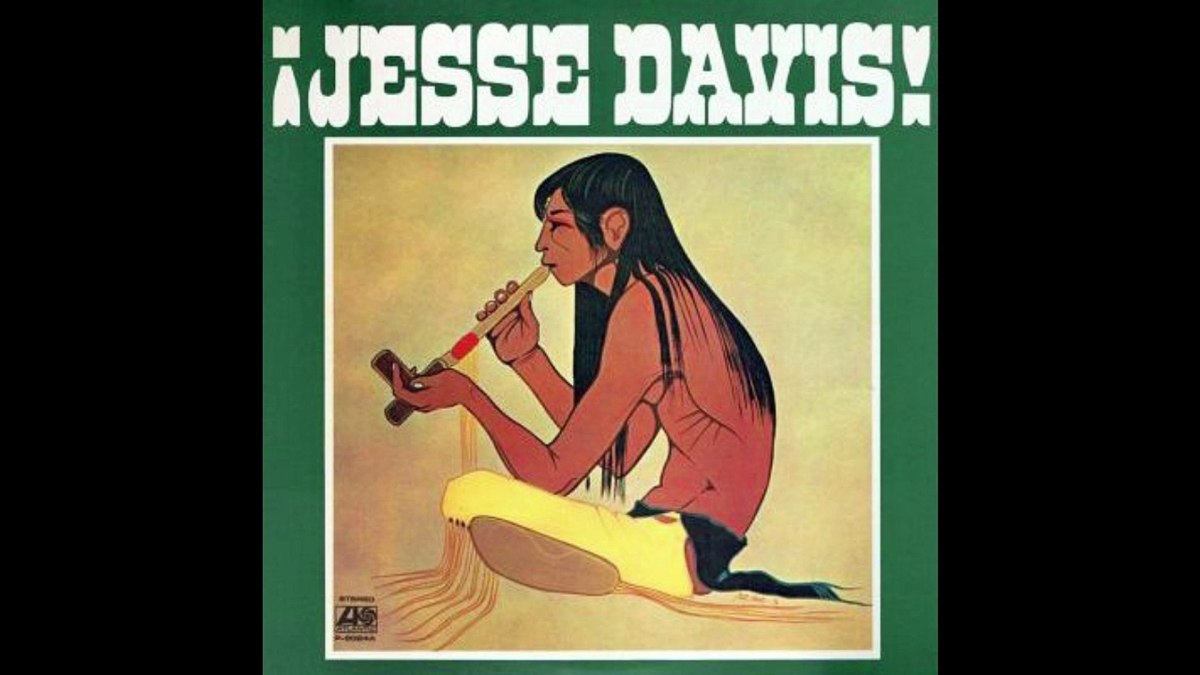
Jesse Ed Davis – ¡Jesse Davis! …album review

I’ve heard of this guy for so long, associated with Taj Mahal and solo Beatles tracks. He played on over 80 albums of other artists. His guitar playing was top shelf and was truly one of the guitar greats. He doesn’t get the attention he deserves. My admitted lack of knowledge of him led me to think he could only play guitar. Much like last week’s Link Wray post, who I didn’t know could sing, he had a really good voice. I also want to thank Lisa from Tao-Talk for posting a Davis song last Friday. 

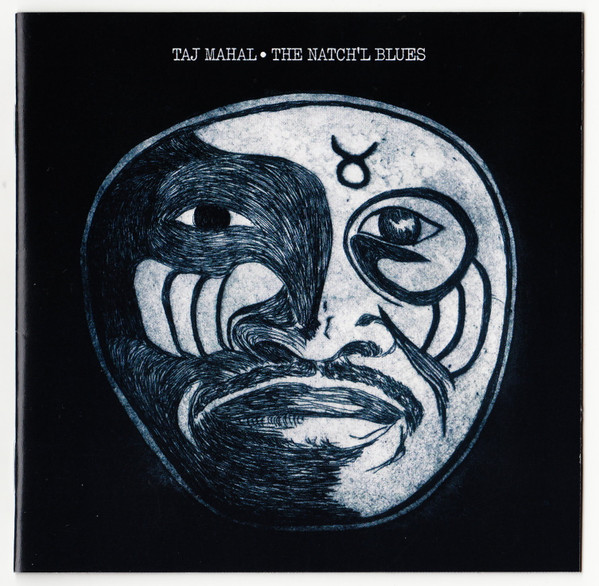
Jesse Ed Davis was Kiowa, Comanche, and Muscogee (Creek) on his father’s side, while his mother was of Kiowa and Cherokee descent with a small strand of European ancestry. In other words, he was overwhelmingly Native American, with family roots braided through several Plains and Southeastern tribes. He grew up connected to that identity, not as a stage costume, but as him. His dad painted the cover for this album. 

I started to go through his albums like ¡Jesse Davis!, Ululu, and Keep Me Comin or Keep On Coming. He has a couple more, which I still have to get to. I’m totally impressed by his rootsy music. Again, instead of just picking a song, I wanted to feature the album. There is no #1 hit on the album, nor do I think he was trying for that. Just really good, solid songs. 

When Jesse Ed Davis stepped into a studio to record his 1971 debut album ¡Jesse Davis!. He had already carved out a reputation as the guitarist you called when you wanted soul and a heavenly guitar tone, and most importantly, zero ego. He’d played with Taj Mahal, recorded with Gene Clark, and done sessions with everyone from Albert King to Earl Hooker, Jackson Browne, John Lennon, and a ton of other artists. Jesse was the go-to guitarist of the 1970s. 

How respected was he? On this album, he had some incredible guests. Eric Clapton, Leon Russell, Gram Parsons, Alan White, and the Gimme Shelter singer Merry Clayton. This album sounds like a loose jam session that worked all the way around. My favorite song on the album is Washita Love Child. It just hit me and has stuck. I found myself hitting the play button again and again. The band around him cooks with an irresistible looseness. You can hear Clapton on his track loud and clear. After researching for this post, I found out it was featured on the TV show  Reservation Dogs. 

The album works because it stays out of its own way. Lou Adler keeps the production loose and moving. Leon Russell arranged some of the songs and added his unique touch. The songs drift between blues, roots rock, and a kind of West Coast soul. Reno Street Incident floats in like someone cracked open a window at two in the morning. Every Night Is Saturday Night for Me comes alive with Leon’s piano, rolling forward like only Leon can do. And when Gram Parsons or Eric Clapton pop up, they don’t hijack the song; they simply join in.

What really holds everything together is Jesse’s guitar, a voice unto itself. He never shows off, he never “shreds,” he simply plays for the song. His solos feel lived in and warm. He didn’t shout to be heard; he just played. Hearing him play and sing on this album is like slipping into a holey, comfortable favorite shirt.

The album doesn’t scream commercial…it doesn’t scream at all. It’s an album you put on and listen to all the way through, and sit back and enjoy some great music. Jesse Ed Davis passed away in 1988 at the young age of 43. 

I added a 10-minute documentary clip.

Washita Love Child

I was born on the bank
in the Washitaw river
in a Kiowa Comanche teepee

Daddy had a hard time
Mama made his eyes shine
Lord, it was just us three
Well they weaned me riding bareback
And I’d tie my hair back
And i did that pow wow thang
Daddy showed up with his stand up guitar
and then we rocked it i believe

I’m a love child
and I’m running wild
hope it don’t take too long
I’m a love you
I’m a try to make you happy
you got to let me sing my song

Mama said to son
Said what about your school books?
Baby baby what about the draft?
Daddy said honey don’t you worry about this boy he’s headed somewhere
Got a guitar and a van to ride

He’s a love child
He’s gonna be running wild
Hope he don’t take too long
He’s gonna love you
He’s in love with me too
So we got to let him sing his song

Well i got myself together
And i’ve been rolling down the road
Gonna boogie down down down down
If i ever get a chance to boogie woogie you
Ha, you can’t sit down

BoDeans – When the Love Is Goob (I Mean Good)

I like this band and most of the songs I’ve heard from them. They had a few hits, but for the most part, they were huge on college radio and unfortunately didn’t hit the masses like they should have. This song is fantastic, and the title is brilliant to me. Many musicians have come from Wisconsin. There is Steve Miller, Al Jarreau, Steve Miller, Les Paul, Violent Femmes, Liberace, The BoDeans, and many more.

In 1977, Sophomores Sam Llanas and Kurt Neumann met in a study hall at Waukesha South High School in Wisconsin and bonded over a shared love of music. The two later end up playing music together. In 1980, at Neumann’s urging, Llanas dropped out of college to pursue music full-time. The group pursues gigs at small bars, clubs, dances, and events. Llanas comes up with the name, Da BoDeans. Llanas and Neumann added drummer Guy Hoffman (Oil Tasters, Confidentials, later the Violent Femmes) and bass player Bob Griffin (The Agents) to fill out their sound in 1983.

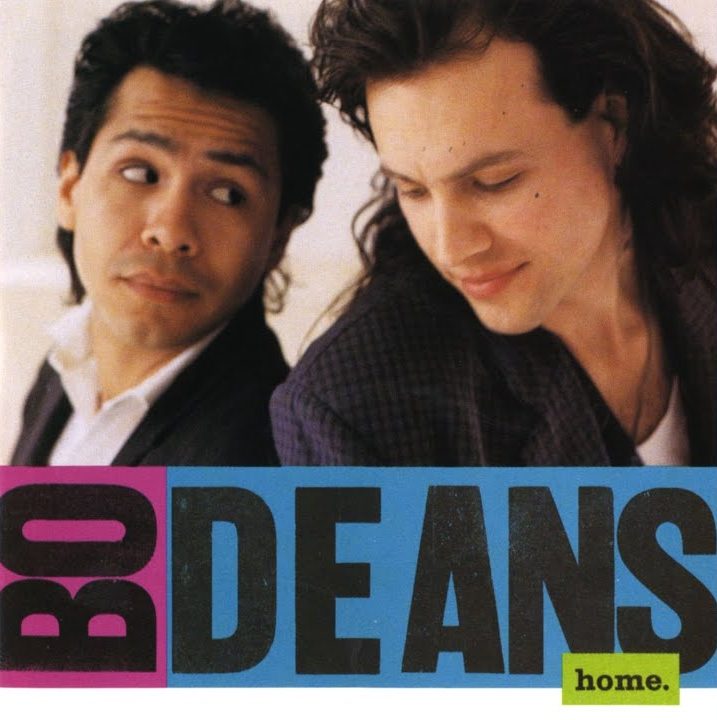
By the time the BoDeans released the album Home in 1989, they had already carved out their niche as Midwest roots artists, but this album pushed them further into pop-rock territory without losing their rootsy identity. The title is a great play on words, but the song plays it straight. Jangly electric guitars wrapped around acoustic strumming, a steady backbeat, and those harmonies between Kurt Neumann and Sam Llanas.

Jim Scott produced the album. They met him in 1987, producing Robbie Robertson’s self-titled solo album. The BoDeans added some backup vocals to it, including the songs Somewhere Down the Crazy River and Showdown at Big Sky. If you are exploring Home, this track is a rewarding stop, a small reminder that even when love gets messy, misspelled, or just plain “goob,” it can still turn out pretty good.

The album peaked at #94 on the Billboard Album Charts in 1989.

Neumann: The second record, you have all of this critical acclaim but the record company wants to get you on the radio, which is a whole ‘nother ballgame, and Jerry Harrison was from our hometown of Milwaukee. We worked with Jim Scott [on the third album], another really fun record. 

Neumann: “There’s an installation about Midwestern rock bands and we’re one of those bands that are in the installation. As a band, music artist, whatever, it’s flattering that you’d ever get anything in the Hall of Fame. You go there and you look at Jimi Hendrix, Rolling Stones and all this stuff, and you’re like, ‘Wow, somebody heard my music and put a guitar of mine and some lyrics up as well?’ That’s quite a big compliment.”

When the Love Is Goob (I Mean Good)

Well, I work for the money but it takes my pride
It takes everything that I got down inside
Takes half a life just to break even
And it takes half my money just to have my fun
And I get so tired of love on the phone
I’m standin’ here when I should be at home
And the longest nights when I’m far away
You listen, pretty baby, to the words I say
“Hey lady, yes I can do anything, wanna be your man
Hey lady, yes I could do anything when the love is good.”
No tears will fall from this angel’s eyes
We’ll hold promises where the love never dies
Old memories, well, I ain’t got none
‘cuz soft, sweet angel, now, you’re the one
Well, I guess I’ll go find my way, get down on my knees and pray
All this talk ’bout love someday, when, baby, I’m just givin’ it away
Now, no tears gonna fall, no one’s gonna cry
We’ll hole up in heaven, let the world go by
Longest nights when I’m far away
You listen, pretty baby, to the words I say

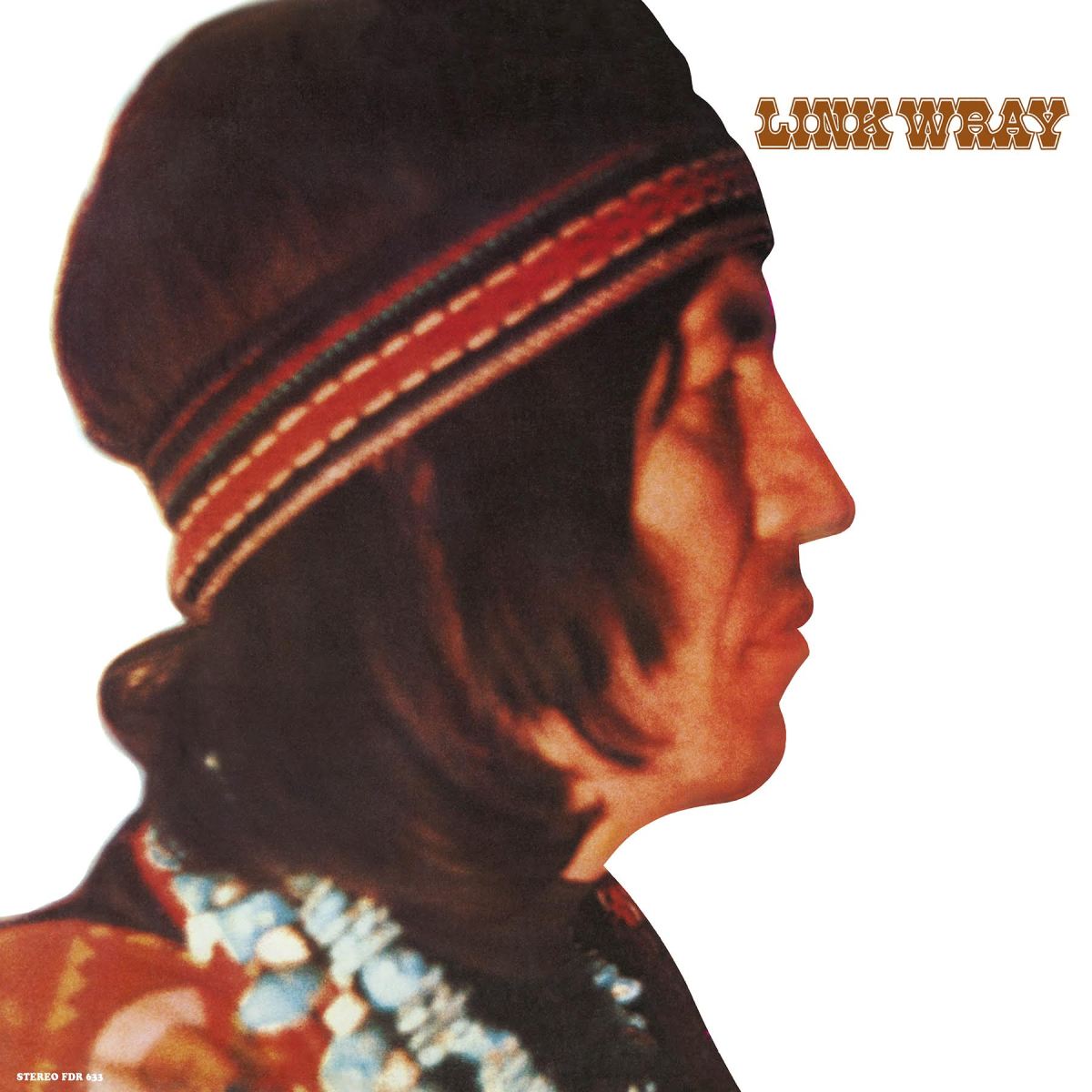
Link Wray – Link Wray …album review

I was really taken aback when I saw this album. I played it, expecting an instrumental, and when I heard a voice, I thought it was a different singer. When I think of Link Wray, I think of Rumble and instrumentals like that. I was surprised when I found this roots album by him, recorded in 1971. I want to thank Lisa for posting something that made me think of this rare Link Wray album.

After serving in the military, Wray contracted tuberculosis and lost a lung, which made singing difficult, and doctors advised him against it. Because of his breathing difficulties, Wray began to focus more on expressive and experimental guitar playing, leading him to become known for his instrumental hits. Wray was a Native American of Shawnee descent. He grew up in North Carolina. Wray later honored his heritage in his music, with songs like Apache and Comanche.

This album was recorded in a converted chicken shack. His brother, Ray Vermon Wray, helped produce it along with Bob Feldman and Steve Verroca. Instead of power chords and a leather jacket, Link traded distortion for Americana, funk, gospel, and storytelling. It was earthy, roots-driven, and deeply personal, almost a different artist altogether from the one I thought I knew. After being freed from label pressures, Link finally made the music he grew up with: gospel from church revivals, Native American rhythms from family heritage, country blues, and Southern soul.

There were still guitars, but now they sat behind the songs instead of smashing through them. Tracks like Fire and Brimstone, Juke Box Mama, and Ice People feel like they were born out of the dirt. The grooves are loose, almost like field recordings. His voice, rarely heard on record before this, carries a soulful and weathered sound. He didn’t sound like a rock guitarist trying to sing; he sounded like a weathered preacher who happened to play guitar.

You hear old-time country on Take Me Home Jesus, boogie on God Out West, and Native rhythms driving Black River Swamp. No other rock guitarist of his generation made anything remotely like this. Only one song retains his old tone, and that’s the intro to Tail Dragger. If anything, it pointed the way decades later for artists like Los Lobos and the entire alt-country movement. If you want to hear some authentic Americana, listen to this album.

Polydor gave the album a shot, but the public wanted Link the guitar guy, not Link the backwoods Americana prophet. Sales were modest, and critics were divided. However, like many records that were too authentic for their time, it grew in legend over time. Today, many fans call the 1971 album his true masterpiece

Black River Swamp

I was born down in the countryDown where the cotton growsTurnin’ off the main highwayGoin’ down that country road

There’s a place down in the countryWhere the pine trees grow so tallWalk across that old log bridgeStretching ‘cross Black River Swamp

I can hear them bullfrogs croakingIn the blackness of the nightCalling me back to my childhoodDown here in Black River Swamp

Saw my name carved on a big oak treeDown there by the fishing holeAnd the smell of old Black RiverWhere the waters are deep and cold

I can hear the hound dogs howlin’Chasin’ that old fox where I used to roamDown there in the countryCallin’ me to Black River Swamp

I can hear them hound dogs howlin’Chasin’ that old fox where I used to roamDown there in the countryCallin’ me to Black River Swamp

I was born in the countryDown where the cotton growsTurnin’ off the main highwayGoin’ down that country road

There’s a place down in the countryWhere the pine trees grow so tallGo across that log bridgeStretching ‘cross Black River Swamp

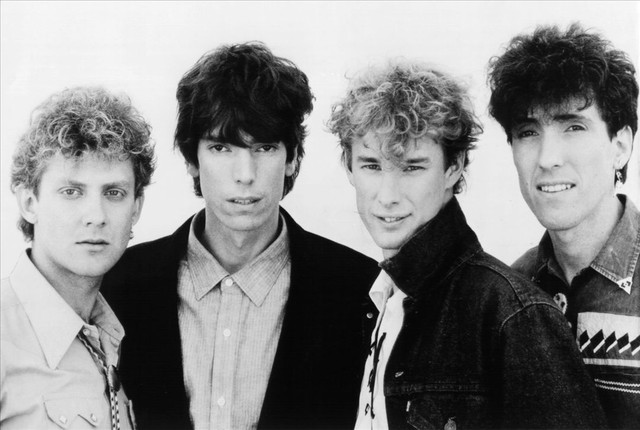
Rank and File – Amanda Ruth

I first heard this song by the Everly Brothers in their comeback in the 1980s. It fit their style perfectly. I had assumed they wrote it, but I recently found out that Chip and Tony Kinman wrote it for their band, Rank and File. Two Brothers who started a punk band and then moved to Austin, where they transitioned to country-punk. Another performer who was a member of this band at one time was Alejandro Escovedo.

Rank and File were one of those bands that always felt born a decade too early. When most early 1980s acts were into synths, drum machines, and big production, the Kinman brothers were rewiring country music with punk and some power pop.

Chip and Tony Kinman first made music in the late 1970s with The Dils, a sharp-edged California punk band known for political lyrics, ragged guitars, and a take-no-prisoners attitude. When The Dils ran their course, the Kinmans stepped back and started exploring American roots music. They headed toward warmer tones and harmony.

In 1981, the brothers moved from California to Austin, Texas, a shift that changed everything. Austin was the hub of outlaw country, rockabilly revival, blues bars, and indie experimentation.  The perfect place for musicians who did not fit neatly into one box. They found guitarist Alejandro Escovedo, fresh out of The Nuns, another West Coast punk band. The three of them shared a love for classic country songwriting like Hank Williams, The Burrito Brothers, and the raw honesty of punk.

The band officially formed as Rank and File, a name that reflected their working-class roots and their desire to keep things grounded. They blended Telecaster twang, tight harmonies, and a pinch of punk to keep them honest.

What I love about this song is how free it feels. Listening to it today, you can hear the origins of what would become Uncle Tupelo, The Jayhawks, Old 97s, and the whole alt-country wave that swept in during the 90s. Rank and File never got the widespread attention they deserved, but Amanda Ruth remains a cool little gem.

This song was on their debut album Sundown, released in 1982.

Tony Kinman – “We’re brave, we’re not afraid to do stuff, most people are. They’re deathly afraid to do anything different. … [W]hen everybody else was talking about how stupid country music was, country music was the last thing to like, if you wore a cowboy hat you were a redneck, you know, we decided go say, ‘Yeah, we play country music, it’s fun.’

“Up in San Francisco, KUSF Wave, their magazine, did the first review Rank and File ever got, live review. They said we sucked, and then they said, ‘What are these guys trying to do, start a trend?’ Well, that’s the way it worked out, but only because we were brave enough and smart enough to do it first. That’s how you get to be influential—if you’re brave enough to do something different and you’re smart enough to do it right. Otherwise you’re just another dumb-ass band.”

Amanda Ruth

Amanda, Amanda Ruth
Amanda, Amanda Ruth

We read the paper and we pick the show,
I’d meet her there but my watch was slow
She came early and I came late
We never met
It was a hell of a date

Amanda, Amanda Ruth
Amanda, Amanda Ruth

The way we met, she was a friend of a friend,
They needed money and I had it to lend
She had five; she wanted ten.
I gave her all my money
So I got none to spend

Amanda, Amanda Ruth
Amanda, Amanda Ruth
Amanda, Amanda Ruth
Amanda, Amanda Ruth
Amanda, Amanda Ruth

She burns her biscuits and her gravy is strange,
Can’t fry a chicken in a microwave range.
Her salt’s tasty, her sugar’s sweet
No she can’t cook
But she’s got something to eat

Amanda, Amanda Ruth
Amanda, Amanda Ruth
Amanda, Amanda Ruth
Amanda, Amanda Ruth
Amanda, Amanda Ruth