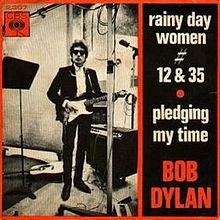
Bob Dylan – Rainy Day Women #12 And 35

I would say this is a little out of character for Bob. A very commercial song with laughter and what sounds like a drunken Salvation Army band.  With the popular sing-along chorus of “Everybody Must Get Stoned,” many people thought it was a drug song at the time. Dylan has denied it saying “I never have and never will write a drug song. I don’t know how to. It’s not a drug song, it’s just vulgar. I like all my songs. It’s just that things change all the time.”

Bob’s story was that while he was recording the song, two females happened to come into the studio to get out of heavy rain that was falling. As the story goes, Dylan correctly guessed their ages to be 12 and 35. I t was recorded in Nashville.

Whatever is true…it didn’t hurt it’s climbing up the charts. it peaked at #2 in the Billboard 100, #3 in Canada, #13 in New Zealand and #7 in the UK in 1966. It was banned on some radio stations but that probably only made it more popular.


From Songfacts

With the line, “Everybody Must Get Stoned,” this song is often associated with smoking marijuana, although Dylan insists it isn’t, stating, “I have never and never will write a ‘drug song.'” It is more likely about trials of relationships with women, and Dylan has hinted that it could have a Biblical meaning. Answering a question about people interpreting this song to be about getting high, Dylan told Rolling Stone in 2012: “These are people that aren’t familiar with the Book of Acts.”

The Book of Acts is from the Gospel of Luke, and contains an account of a stoning: “Stephen, full of the Holy Spirit, looked up to heaven and saw the glory of God, and Jesus standing at the right hand of God… And when they had driven him out of the city, they began stoning him, and the witnesses laid aside their robes at the feet of a young man named Saul.”

In this story, Stephen received his sentence after giving a speech to authorities who were going to kill him no matter what he said. This relates to how Dylan felt about his critics, who were going to figuratively “stone” him no matter what he did. (More on the meaning of “stoned” in popular songs.)

A less official explanation: The song is about two women who came into the studio on a rainy day. Dylan apparently read an article about punishment for women in Islamic states – hence “Everybody must get stoned” because relationships are a trial and error thing. 

If you multiply 12 by 35, you get 420, a number commonly associated with smoking marijuana. 420 came about because five high school students in California could only smoke at 4:20 in the afternoon. This time was after school and before their parents came home, so it was a good time for them to get high. 

This was one of the few songs Dylan released that was a traditional hit record, reaching the Top 10 in both the US and UK, and spending a week at #2 in America behind “Monday Monday” by The Mamas & The Papas. Perhaps relishing the opportunity to turn a song that repeats “everybody must get stoned” into a radio hit, Dylan cut the song down to 2:26 for the single release. On the Blonde On Blonde album, where it is the first track, the song runs 4:33. The single cuts out two verses and some instrumental passages.

Many radio stations received a publication called the Gavin Report that discussed new songs, and this one was described as a “drug song.” Many stations refused to play it, but Dylan was so influential at the time that the song had no trouble getting plenty of airplay.

You can hear Dylan burst out laughing in this song. According to Down the Highway: the Life of Bob Dylan by Howard Sounes, the musicians were having a lot of fun in the studio, passing around joints and swapping instruments as they kept the mood light and jovial.

This song was covered by The Black Crowes for the 1995 album Hempilation, a collection of songs about marijuana. 

Guitarist and bassist Charlie McCoy played the trumpet on this. He recalled to Uncut magazine March 2014: “(Producer, Bob) Johnston said,’Tonight he wants to do a song with a Salvation Army sound – we need a trumpet and trombone.’ I said, ‘Does the trumpet need to be good?’ He’s said, ‘no!’ I kept track: It took 40 hours to cut Blonde on Blonde.”

This was included on the soundtrack to the 1994 movie Forrest Gump.

Rainy Day Women #12 & 35

Well, they’ll stone ya when you’re trying to be so good,
They’ll stone ya just like they said they would.
They’ll stone ya when you’re tryin’ to go home.
Then they’ll stone ya when you’re there all alone.
But I would not feel so all alone,
Everybody must get stoned.

Well, they’ll stone ya when you’re walkin’ ‘long the street.
They’ll stone ya when you’re tryin’ to keep your seat.
They’ll stone ya when you’re walkin’ on the floor.
They’ll stone ya when you’re walkin’ to the door.
But I would not feel so all alone,
Everybody must get stoned.

They’ll stone ya when you’re at the breakfast table.
They’ll stone ya when you are young and able.
They’ll stone ya when you’re tryin’ to make a buck.
They’ll stone ya and then they’ll say, “good luck.”
Tell ya what, I would not feel so all alone,
Everybody must get stoned.

Well, they’ll stone you and say that it’s the end.
Then they’ll stone you and then they’ll come back again.
They’ll stone you when you’re riding in your car.
They’ll stone you when you’re playing your guitar.
Yes, but I would not feel so all alone,
Everybody must get stoned.

Well, they’ll stone you when you walk all alone.
They’ll stone you when you are walking home.
They’ll stone you and then say you are brave.
They’ll stone you when you are set down in your grave.
But I would not feel so all alone,
Everybody must get stoned.

Sam & Dave – Hold On, I’m Comin

I hope everyone had a great safe New Year holiday. Now the Thanksgiving, Christmas, and New Year holidays are over…we are back to normal…well as normal as it gets. I’ve been listening to a lot of Stax lately so here ya go with Sam and Dave.

This song was featured in the 1980 movie The Blues Brothers. It plays from a cassette in Jake and Elwood’s car during the first police car chase. John Belushi and Dan Aykroyd modeled their act on Sam & Dave.

On the album and on subsequent compilations, this song is listed as “Hold On, I’m Comin’.” On the single release, it was titled “Hold On! I’m A Comin'” in an effort to make it sound less lascivious.

The song peaked at #21 in the Billboard 100 and #1 in the R&B charts.

From Songfacts

While songwriter/producer David Porter was in the toilet, his songwriting partner Isaac Hayes (later a solo star with “Theme From Shaft”) yelled at him to hurry up so they could get back to work, as he was frustrated by the lack of progress they had made that day. Porter responded, “Hold on man, I’m coming.” The immediately inspired Porter quickly finished his business and excitedly told Hayes that “Hold On, I’m Coming” would be a great title for a song. Hayes has repeated this story in various interviews, including one with Reuters in 2005.

With a frothy delivery by Sam & Dave and a title that is something often heard in the bedroom, this song was deemed too prurient to air by many radio stations, and it stalled at #21 in the US. The lyrics are actually quite innocent, with the duo offering emotional support to help the lady through some tough times – what could be wrong with that?

Sam & Dave recorded for Stax Records, which was a popular soul music label in the ’60s and early ’70s. Isaac Hayes was also on the label, which created a very loose and comfortable atmosphere for their artists – at least until they had a financial meltdown in the mid-’70s. While Motown worked hard on the visual styles and choreography of their artists, Stax left most of that up to the singers, which meant that most of them just came out and sang. Sam & Dave were the exception, doing lots of crazy dancing and improvisation in their stage shows, which was always on display when they performed this song.

Aretha Franklin covered this for her 1981 album, Love All The Hurt Away and earned a Grammy Award for Best Female R&B Vocal Performance – her first Grammy win since her 1974 rendition of “Ain’t Nothing Like The Real Thing” won in the same category.

Hold On I’m Coming

Don’t you ever feel sad,
Lean on me when times are bad.
When the day comes and you’re down,
In a river of trouble and about to drown

Just hold on, I’m comin’,
Hold on, I’m comin’.

I’m goin’ my way, your lover.
If you get cold I’ll be your cover.
Don’t have to worry `cause I’m here,
No need to suffer baby, I’m here.

‘Cause hold on, I’m comin’
Hold on, I’m comin’
Hold on, I’m comin’
Hold on, I’m comin’

Reach out to me for satisfaction,
Call my name now for quick reaction.

Don’t you ever feel sad,
Lean on me when times are bad.
When the day comes and you’re down,
In a river of trouble and about to drown,

Just hold on, I’m comin’
Hold on, I’m comin’

Just hold on, I’m comin’
Hold on, I’m comin’

Just hold on, I’m comin’
Hold on, I’m comin’

Zombies – This Will Be Our Year

Since it’s the new year I’m re-posting this one. A favorite of mine from a favorite band of mine. Everyone I wish you a Happy New Year in 2020. Maybe they will be the roaring 20’s like the last… Thanks for reading in 2019.

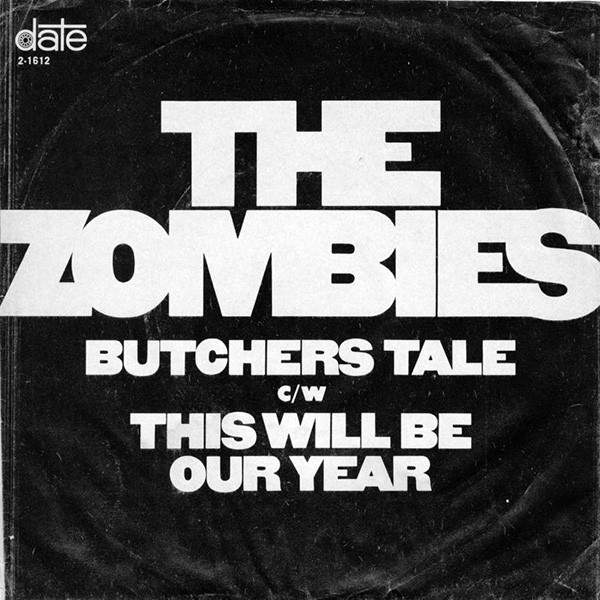
This sounds like it should have been a hit but it was never pushed as a single at the time. It was the B side to Butcher’s Tale  (Western Front 1914) which is an experimental song and was a big surprise to the band that it was picked as the first single. Both are from the great album Odessey and Oracle in 1968. There are several songs on this album that could have been in the charts but Time of the Season was the only one that made it and it was a year after the album was released.

Bruce Eder of AllMusic gave the album five stars out of five, calling it “one of the flukiest (and best) albums of the 1960s, and one of the most enduring long-players to come out of the entire British psychedelic boom”.

On recording Odessey and Oracle….Rod Argent

“We had the chance of going in and putting things down in the way we wanted people to hear them and we had a new studio, we walked in just after The Beatles had walked out [after recording Sgt. Pepper]. We were the next band in. They’d left some of their instruments behind … I used John Lennon’s Mellotron, that’s why it’s all over Odessey and Oracle. We used some of their technological advances … we were using seven tracks, and that meant we could overdub for the first time. And it meant that when I played the piano part I could then overdub a Mellotron part, and it meant we could have a fuller sound on some of the songs and it means that at the moment the tour we’re doing with Odessey and Oracle it means we’re actually reproducing every note on the original record by having extra player with us as well.”

This Will Be A Year

The warmth of your love
Is like the warmth of the sun
And this will be our year
Took a long time to come

Don’t let go of my hand 
Now darkness has gone
And this will be our year 
Took a long time to come

And I won’t forget 
The way you held me up when I was down
And I won’t forget the way you said, 
“Darling I love you”
You gave me faith to go on

Now we’re there and we’ve only just begun
This will be our year
Took a long time to come

The warmth of your smile
Smile for me, little one
And this will be our year
Took a long time to come

You don’t have to worry
All your worried days are gone
This will be our year
Took a long time to come

And I won’t forget 
The way you held me up when I was down
And I won’t forget the way you said, 
“Darling I love you”
You gave me faith to go on

Now we’re there and we’ve only just begun
And this will be our year
Took a long time to come

Yeah we only just begun
Yeah this will be our year
Took a long time to come

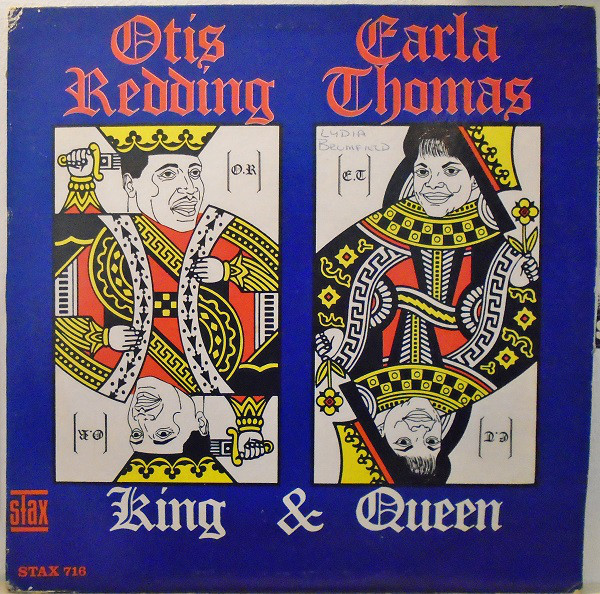
Otis Redding & Carla Thomas – New Year’s Resolution

Stax’s house band, Booker T & the MGs, provides the backing.  Note Booker T’s subtle but effective organ lending the song a spiritual element, while Donald “Duck” Dunn’s bass and Steve Cropper’s tasteful guitar licks ground the track’s rhythm

Stax was hoping to replicate the success of Marvin Gaye and Tammi Terrell. Stax paired two of their greatest stars for the 1967 album King & Queen, which produced the hit “Tramp.” The album featured their takes on classics such as “Knock on Wood,” “When Something Is Wrong with My Baby,” “Bring It on Home to Me,” and “It Takes Two”

This song was on the King and Queen album released in 1967. This is the only album they got to make because Otis died in a plane crash on December 10, 1967.

New Year’s Resolution

I hope it’s not too late
Just to say that I’m sorry, honey
All I want to do
Is just finish what we started, baby

Let’s turn over a new leave
And baby let’s make promises
That we can keep
And call it a New Year’s resolution, hmmm

Oh, I’m a woman
And woman makes mistakes too
But will you, will you forget the changes
That I put you through

let’s try it again
Just you and me
And, baby, let’s see how happy honey, yeah
That we can be
And call it a New Year’s resolution, yeah, yeah, yeah

Many times we had our ups and downs
And times you needed me I couldn’t be found
I’m sorry
And I’m sorry too
I’ll never, never do it again, no, no, no
So baby before we fall out
Let’s fall on in, yeah, yeah
Oh, and we’re gonna try harder
Not to hurt each other again, oh
Love me baby, huh
Week after week
And baby let’s make promises
That we can keep
And call it a New Year’s resolution, yeah, oh
I know we can do it Carla
I’m gonna keep my promises
I’m gonna hold on that we can do it, baby
Oh, it’s not too late
You’re gonna love me
Nobody else
Oh Otis let’s finish what we started
Talk no mean

Monkees – Randy Scouse Git

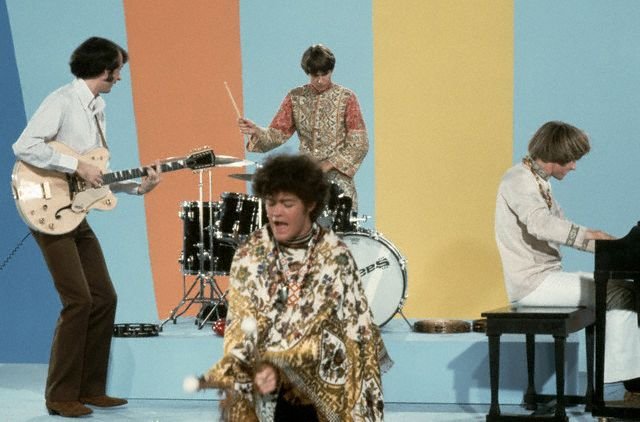
I thought I would feature one more Monkees song this weekend. This song was a huge hit in the UK where it peaked at #2 but in America, it was not released as a single. As a kid, I really liked this one because it is so catchy. Mickey Dolenz wrote this song while in England. They had just come from a party thrown for them by the Beatles.

It was on their album Headquarters with the Monkees playing and singing most of the music themselves. On this song… Nesmith is playing guitar, Tork is playing piano, Dolenz drums, Jones is singing backup vocals with Chip Douglas playing bass. The album peaked at #1 in the Billboard 100 in 1967.

When they were going to release it in England, the Monkees were told, ‘You have to change the title.’ The record company said ‘It’s dirty. You have to change it to an alternate title. It was released in England as Alternate Title. It was the title that was found offensive…nothing in the song. Mickey said translated it meant basically “horny, Liverpudlian jerk.”

Micky Dolenz: “Many years ago we had the pleasure of going over to the UK and meeting the royal family: The Beatles. And one night they threw us a party. I’m told I had a great time. After the party, I went back to my hotel room and I noodled around and I wrote a song that I called Randy Scouse Git.”

From Songfacts
So in England it became a big hit and it’s called, over in England, ‘Alternate Title.’ Here, it’s still called ‘Randy Scouse Git.’ And loosely translated it means a horny Liverpudlian putz.”

The TV show were Micky Dolenz heard the title phrase was Till Death Us Do Part, a sitcom that aired on the BBC. This program was the basis for the American show All in the Family.

The only offensive aspect of this song is the title, which doesn’t appear in the lyrics. The song itself is stream of observations pieced together by Dolenz during the group’s visit to England. Some of the references in the song:

The “Four Kings of EMI” were The Beatles, who recorded for EMI Records.

“She’s a wonderful lady, and she’s mine, all mine” relates to Micky’s girlfriend at the time, Samantha Juste, who he married in 1968. The couple met when The Monkees performed on the British TV show Top Of The Pops, where Juste was on-air talent.

The “a girl in a yellow dress” was Mama Cass Elliot of The Mamas & the Papas – she was also in England enjoying the scene.

The British slang words in the title, roughly translated, are as follows:

“Randy”: Horny, in search of sex.
“Scouse”: A person from the north of England.
“Git”: Sort of a jerk, or an idiot.

When The Monkees performed the song on their TV show, Micky Dolenz was out front singing lead behind a tympani, while Davy Jones manned the drums. It was used in the episode “The Picture Frame,” which aired on September 18, 1967.

Randy Scouse Git

She’s a wonderful lady and she’s mine, all mine
And there doesn’t seem a way that she won’t come and lose my mind
It’s too easy humming songs to a girl in a yellow dress
It’s been a long time since the party and the room is in a mess

The four kings of EMI are sitting stately on the floor
There are birds out on the sidewalk and a valet at the door
He reminds me of a penguin with few and plastered hair
There’s talcum powder on the letter and the birthday boy is there

Why don’t you cut your hair?
Why don’t you live up there?
Why don’t you do what I do, see what I feel when I care?

Now they’ve darkened all the windows and the seats are naugh-a-hyde
I’ve been waiting for an hour
I can’t find a place to hide
The being known as wonder girl
Is speaking, I believe
It’s not easy trying to tell her
That I shortly have to leave

Why don’t you be like me?
Why don’t you stop and see?
Why don’t you hate who I hate,
Kill who I kill to be free?

Why don’t you cut your hair?
Why don’t you live up there?
Why don’t you do what I do,
See what I feel when I care?

Why don’t you be like me? (she’s a wonderful lady)
Why don’t you stop and see? (and she’s mine, all mine)
Why don’t you hate who I hate, (and there doesn’t seem a way)
Kill who I kill to be free? (that she won’t come and lose my mind)
Why don’t you cut your hair? (it’s too easy humming songs)
Why don’t you live up there? (to a girl in a yellow dress)
Why don’t you do what I do, (it’s been a long time since the party)
See what I feel when I care? (and the room is in a mess)

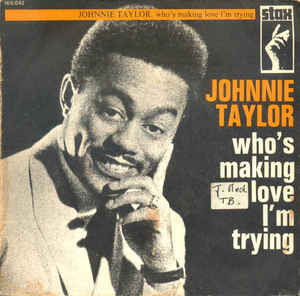
Johnnie Taylor – Who’s Making Love

The chorus alone is enough to interest me. Stax had dubbed Taylor The Philosopher Of Soul. He could be smooth like Sam Cooke or raw in your face like this record. His real name was Johnnie Harrison Taylor and he was born in Crawfordsville, AK. In 1957, Taylor would replace Sam Cooke in the hugely influential Soul Stirrers, after Cooke departed for a solo career in music.

In 1961 Taylor joined Cooke’s Sar label for a few singles. Cooke was killed in 1964 so Taylor switched to Stax the following year.

Motown was more successful than Stax by a large margin but there was a rawness and in your face quality, Stax had that Motown couldn’t find. This song was written by Stax staffers Homer Banks, Bettye Crutcher, Don Davis, and Raymond Jackson. It peaked at #5 in the Billboard 100 and #1 in the R&B Charts.

Who’s Making Love

All you fellows, gather ’round me
And let me give you some good advice
What I’m gonna, I’m gonna ask you now
You better think about it twice
While you’re liking cheating on your woman
There is something you never even thought of

Now tell me who’s making love to your old lady
While you were out making love? (Hear me now)
Now who’s making love to your old lady
While you were out making love?

I’ve seen so, so many fellows
Fall in that same old bag

Thinking that a woman is made to
To be beat on and treated so bad
Oh, fellows, let me ask you something
I’m sure that you never even dreamed of

Now tell me who’s making love to your old lady
While you were out making love? (Oh)
Now who’s making love to your old lady
While you were out making love?

I know there are some women gives the other excuse
I’m not tryin’ to run your life, boy it’s up to you
Oh you, oh you, you and you, and you

The reason why I ask this question
I used to be the same old way
When I decided to straighten up
I found it was a bit too late
Oh yeah, that’s when it all happened
Something I never, never dreamed of

Somebody was-a lovin’ my old lady
While I was out making love
Somebody was-a lovin’ my old lady
While I was out making love (listen now)
Now who’s making love to your old lady
While you were out making love?
(Who? Who? Your old lady)
(While you were out making love)

The Hollies – Look Through Any Window

This song has the sixties stamped all over it. The video that I found is a good example of that. The song peaked at #32 in the Billboard 100 and #4 in the UK in 1966. This song was The Hollies’ first American Billboard Top 40 hit.

It has a distinctive 12 string that started to appear on Byrds and Beatle songs at the time.

Graham Gouldman wrote this song:

“Yes, I was on a train coming back from London up from Manchester where I used to live, with a friend of mine, and he was looking out the window. He said, ‘Look through any window,’ because we were looking as the train crept out of the station and started going through the suburbs quite slowly. We were trying to look into the houses to see what was going on.”


From Songfacts

Proving that not every song has to involve love, heartbreak or espionage, The Hollies released this song about the quotidian delights that happen every day. Just look through any window and you’ll see them.

Graham Gouldman, who wrote the Hollies hit “Bus Stop,” wrote “Look Through Any Window” with Charles Silverman, about whom little is known. 

As he did with “Bus Stop,” Graham Gouldman, who was still a teenager, got help with the lyrics from his father, Hymie, a writer known affectionately as “Hyme the Rhyme.”

Look Through Any Window

Look through any window yeah
What do you see
Smiling faces all around
rushing through the busy town

Where do they go
Moving on their way
walking down highways and the by-ways
Where do they go
Moving on their way
people with their shy ways and their sly ways

Oh you can see the little children all around
Oh you can see the little ladies in their gowns when you

Look through any window yeah
any time of day
See the drivers on the roads
pulling down their heavy loads

Where do they go
Moving on their way
driving down highways and the byways
Where do they go
Moving on their way
drivers with their shy ways and their sly ways

Oh you can see the little children all around
Oh you can see the little ladies in their gowns when you

Look through any window yeah
what do you see
Smiling faces all around
rushing through the busy town

Where do they go
Moving on their way
Moving on their way
Moving on their way

How The Grinch Stole Christmas! 1966

You’re a mean one…Mr. Grinch.

The cartoon was released in 1966 and has been shown every year since. This one along with Rudolph, Charlie Brown, and a few more were a part of Christmas. These specials would prime you for the big day.

One cool thing about the cartoon was that Boris Karloff was the narrator. Thurl Ravenscroft (voice of Tony the Tiger) sang the great song “You’re a Mean One Mr. Grinch. ”

The citizens of Whoville looked and acted like the others of Dr. Suess’s universe. They were all getting ready for Christmas while a certain someone…or thing looked down from Mt. Crumpit. The Grinch has hated Christmas for years and sees the Whovillians getting ready for Christmas and is determined once and for all to put an end to it.

He dresses up as Santa Clause and makes his poor dog Max act as a reindeer to swoop down and steal Christmas. The Grinch sleds down the hill almost killing Max and they soon reach Whoville. He is busted by one kid…Cindy Lou Who, who asks him questions as the Grinch took her family tree. He lies to her and sends her to bed.

In the morning after he has everything including “The Roast Beast,” he listens for the sorrow to begin.

You need to watch the rest or rewatch…

A live-action remake came out in 2000 but I still like this one the best. You cannot replicate Boris Karloff.

The Budget – Coming in at over $300,000, or $2.2 million in today’s dollars, the special’s budget was unheard of at the time for a 26-minute cartoon adaptation. For comparison’s sake, A Charlie Brown Christmas’s budget was reported as $96,000, or roughly $722,000 today (and this was after production had gone $20,000 over the original budget).

You’re a mean one Mr. Grinch The famous voice actor and singer, best known for providing the voice of Kellogg’s Tony the Tiger, wasn’t recognized for his work in How the Grinch Stole Christmas. Because of this, most viewers wrongly assumed that the narrator of the special, Boris Karloff, also sang the piece in question. Upset by this oversight, Geisel personally apologized to Ravenscroft and vowed to make amends. Geisel went on to pen a letter, urging all the major columnists that he knew to help him rectify the mistake by issuing a notice of correction in their publications.

Mr Grinch

You’re a mean one, Mr. Grinch
You really are a heel
You’re as cuddly as a cactus
You’re as charming as an eel
Mr. Grinch
You’re a bad banana with a greasy black peel
You’re a monster, Mr. Grinch
Your heart’s an empty hole
Your brain is full of spiders
You’ve got garlic in your soul, Mr Grinch
I wouldn’t touch you with a
Thirty-nine and a half foot pole

You’re a vile one, Mr. Grinch
You have termites in your smile
You have all the tender sweetness of a seasick crocodile
Mr Grinch
Given the choice between the two of you
I’d take the seasick crocodile

You’re a foul one, Mr. Grinch
You’re a nasty wasty skunk
Your heart is full of unwashed socks
Your soul is full of gunk
Mr Grinch

The three best words that best describe you
Are as follows, and I quote”
Stink
Stank
Stunk

You’re a rotter Mr Grinch
You’re the king of sinful sots
Your heart’s a dead tomato splotched with moldy purple spots
Mr Grinch

Your soul is an appalling dump heap
Overflowing with the most disgraceful
Assortment of deplorable rubbish imaginable
Mangled up in tangled up knots

You nauseate me, Mr Grinch
With a nauseous super nos
You’re a crooked jerky jockey and
You drive a crooked horse
Mr Grinch

You’re a three-decker sauerkraut
And toadstool sandwich
With arsenic sauce


http://mentalfloss.com/article/72593/13-spirited-facts-about-how-grinch-stole-christmas


Monkees – Daydream Believer

This is a very good pop song. A folk singer named John Stewart wrote this song. Stewart was a member of The Kingston Trio from 1961 to 1967, and he wrote this shortly after leaving the group and teaming up with John Denver.

It had been turned down by We Five and Spanky and Our Gang, and even Davy Jones was not sure about recording the song. The song peaked at #1 in the Billboard 100, #1 in New Zealand, #5 in the UK, and #1 in Canada in 1967. Davy Jones said it was his favorite Monkees song.

It was on the album The Birds, The Bees & The Monkees released in 1968. The album peaked at #3 in the Billboard 100 in 1968.

This was the Monkees’ last #1 single. It was soon knocked out of the #1 spot by The Beatles “Hello Goodbye.”

From Songfacts

In 1968, Stewart became the official musician of the Democratic party, which involved traveling with Senator Robert Kennedy during his Presidential campaign. In 1979 he had a Top 5 US hit with “Gold.”

John Stewart died on January 19, 2008 from a massive stroke. In a letter posted on the Kingston Trio site, Stewart’s close friend Tom Delisle wrote: “John Stewart leaves a compilation of musical excellence unparalleled in his time. He recorded over 45 solo albums following his seven years in the Kingston Trio, 1961-67. He worked all the way up to the time of his death, having recently completed his latest as-yet untitled album. It is estimated that he wrote more than 600 unique and highly personal songs, many of them constituting a modern musical history of his beloved America.” 

The song was covered by Anne Murray in 1979. Her version reached #3 on the US Country chart and #12 on the Billboard Hot 100.

The song returned to the Hot 100 for a third time in 1986 when a re-tooled version by the reunited Monkees peaked at #79.

A version by Olivia Newton-John appears in the 2011 movie A Few Best Men, in which she also has a role. 

To appease their record label, the Monkees had to make one small change to Stewart’s lyrics. The group’s drummer Micky Dolenz explained: “As we sing it, there’s a line, ‘Now, you know how happy I can be.’ John wrote, ‘Now, you know how funky I can be.’ But the music department said, ‘The Monkees are not singing the word ‘funky.” [Laughs] Funky meant oily, and greasy, and sexy – and they weren’t going to have us say it.”

Daydream Believer

7-A
What number is this to?
7-A
Okay, don’t get excited man, it’s ’cause I’m short, I know

Oh, I could hide ‘neath the wings
Of the bluebird as she sings
The six-o’clock alarm would never ring
But six rings and I rise
Wipe the sleep out of my eyes
The shaving razor’s cold and it stings

Cheer up sleepy Jean
Oh, what can it mean to a
Daydream believer and a
Homecoming queen?

You once thought of me
As a white knight on his steed
Now you know how happy I can be
Oh, our good time starts and ends
Without all I want to spend
But how much, baby, do we really need?

Cheer up sleepy Jean
Oh, what can it mean to a
Daydream believer and a
Homecoming queen?

Cheer up sleepy Jean
Oh, what can it mean to a
Daydream believer and a
Homecoming queen?

Cheer up sleepy Jean
Oh, what can it mean to a
Daydream believer and a
Homecoming queen?

Cheer up sleepy Jean
Oh, what can it mean to a
Daydream believer and a
Homecoming queen?

Cheer up, sleepy Jean

Frosty The Snowman

“Frosty the Snowman,” debuted in 1969. It was by Rankin/Bass Productions, the same company that produced many holiday specials. Most of us had favorite Christmas specials we would watch. Mine was Rudolph, A Charlie Brown Christmas, The Grinch, and this one…Frosty The Snowman.

Narrated by the legend Jimmy Durante, the special involves a magic hat that transforms a snowman, Frosty, into a living being. The magician who owned the hat wants it back now that he knows it contained actual magic, so the kids had to get together and find a way to bring Frosty to the North Pole to keep him from melting. However, once there, Frosty sacrifices himself to warm up the little girl, Karen, who took him to the North Pole. He melts, but Santa Claus explains that Frosty is made out of special Christmas snow and thus can never truly melt. Frosty then comes back to life and everyone has a Merry Christmas.

The song was written in 1950 by Walter “Jack” Rollins and Steve Nelson. They wrote it for Gene Autry, especially, after Autry had such a huge hit with “Rudolph the Red-Nosed Reindeer” the previous year. It was later recorded by Jimmy Durante as we hear in this wonderful cartoon.

This wasn’t the only animation of Frosty…

In 1954, United Productions of America (UPA) brought Frosty to life in a short cartoon that is little more than an animated music video for a jazzy version of the song. It introduced the characters mentioned in the lyrics visually, from Frosty himself to the traffic cop. The three-minute, black-and-white piece quickly became a holiday tradition in various markets, particularly in Chicago, where it’s been broadcast annually on WGN since 1955.


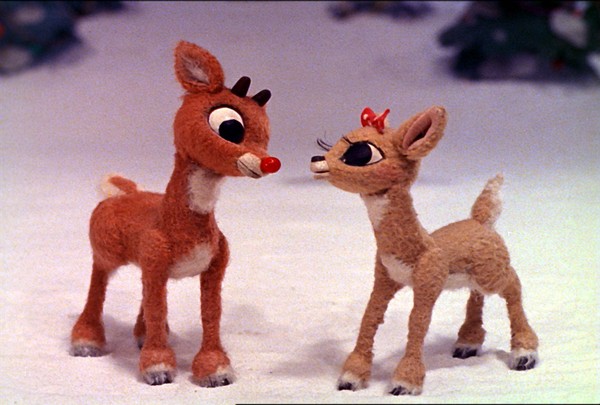
Rudolph The Red Nosed Reindeer

Watching Rudolph the Red-Nosed Reindeer every year is the same as setting up the tree. Every year I would look forward to seeing this along with the others but what a fantastic durable show this has been. When I hear Burl Ives in anything…I think of him as the narrator Sam the Snowman of this program.

The characters are wonderful. Well except those other young reindeer who really come down on Rudolph when his nose lights up.

Hermey the elf who wants to be a dentist
Clarice – The reindeer who likes Rudolph just as he is red nose and all.
Yukon Cornelius the prospector who loves silver and gold and has a tongue that can find his silver and gold.
Abominable Snowman – The bad guy of the show who only needs a dentist to make him a good guy.
Head Elf – He leans on Hermey to get his elf self-act together and discourages him from being a dentist…I never liked him too much.

Throughout the special, Yukon Cornelius is seen throwing his pickaxe into the ground, taking it out and licking it. It turns out that he is checking for neither gold nor silver; Yukon was actually searching for an elusive peppermint mine. In a scene right at the end of the special’s original broadcast, deleted the next year to make room for the Misfit Toys’ new scene, Cornelius pulled his pick from the ground, licked it and said, “Peppermint! What I’ve been searching for all my life! I’ve struck it rich! I’ve got me a peppermint mine! Wahoo!” The scene was restored in 1998 and has been reinstated in all the subsequent home video release except for the 2004 DVD release. However, this scene is still cut from recent televised airings.

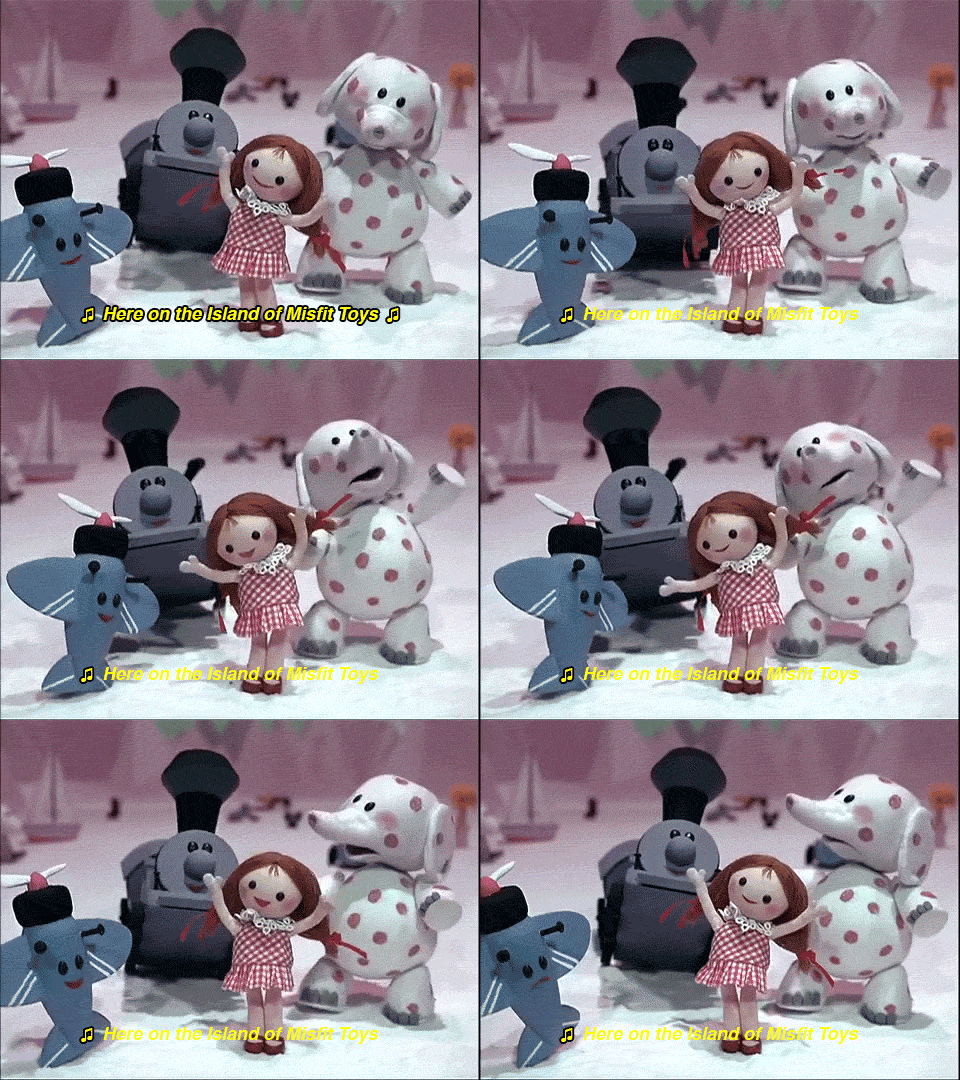
The Island of Misplaced Toys got to me when I was a kid. I really felt sorry for these lonely toys. King Moonracer was over the island and tried to convinced Rudolph to tell Santa about them so he could pick them up and find kids who would play with them.

Related image

The original 1964 airing did not include the closing scene where Santa picks up the misfit toys. That scene was added in 1965, in response to complaints that Santa was not shown fulfilling his promise to include them in his annual delivery.

The stop animation in this works really well.

The songs are really good. Silver and Gold, Holly Jolly Christmas, Jingle Jingle Jingle, We Are Santa’s Elves, There’s Always Tomorrow, We’re a Couple of Misfits and The Most Wonderful Day of the Year.

https://christmas-specials.fandom.com/wiki/Rudolph_the_Red-Nosed_Reindeer_(Rankin/Bass)


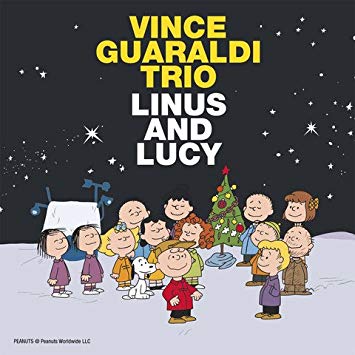
Vince Guaraldi Trio – Linus and Lucy

It’s hard to resist this song. It automatically makes me happy when I hear it. I see Snoopy dancing on Schroeder’s piano.

Ironically, just about everyone would call this “the Charlie Brown song” even though it’s actually titled after Linus and Lucy Van Pelt, brother and sister in Charles Schulz’s Peanuts comic strip universe.

The song is most famous for its use in the yearly favorite A Charlie Brown Christmas, which first aired in 1965, but it was written two years earlier for a documentary about Schulz and the Peanuts gang called A Boy Named Charlie Brown, which never aired.

Songfacts

Guaraldi wrote a series of songs for the project, including “Linus and Lucy,” that he recorded with his group, the Vince Guaraldi Trio. Even though A Boy Named Charlie Brown was shelved, the soundtrack was released in 1964, which is where “Linus and Lucy” first appeared.

In 1965, Mendelson put together the first Peanuts TV special, A Charlie Brown Christmas, using many of the same people who worked on the documentary. “Linus and Lucy” formed the score, and a song he wrote with Guaraldi called “Christmas Time Is Here” was included in a key scene.

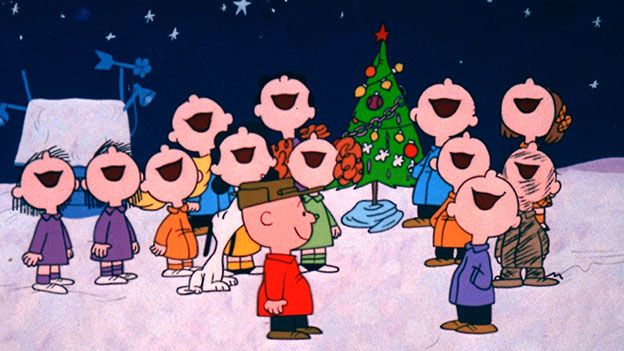
A Charlie Brown Christmas aired on CBS and was a huge hit. It bucked convention, with actual children providing the voices, no laugh track, and an anti-materialism message. The jazz stylings of the music – something that had never been done in a high-profile animated children’s special – went over very well with viewers of all generations, and this song quickly became associated with the Peanuts.

With the exception of a limited 2013 release, this song was never released as a single, although thanks to steady airplay every December, it remains a holiday favorite, eliciting fond memories of the TV special.

The Vince Guaraldi Trio worked on more Peanuts projects and did a reworking of this song on a 1968 album called Oh Good Grief!. In 1976, Guaraldi died from a heart attack at age 47.

Amongst the many honors this tune has enjoyed over the years, it was the wake-up alarm music for the crew of the Space Shuttle Endeavour’s March 2008 mission “STS-123.” That was played on Day 2 of the mission. Since Day 2 is traditionally the day on which the crew does an inspection for launch damage to the ship – a precaution looking back to the 2003 Space Shuttle Columbia’s disaster – the crew could probably appreciate some lighten-up music that day.

No words…just imagine Snoopy Dancing.

A Charlie Brown Christmas

The Peanuts were my favorite cartoon growing up and I would never miss their Thanksgiving, Halloween, and Christmas specials. Everyone can relate to Charlie Brown because we lose more than we win in life. He doesn’t get to kick that football, his dog has more things than he does and he is forever trying to get the elusive little redhead girl to notice him.

The Peanuts inhabit a kid’s world where grownups are felt but not heard. At least not in English.

This 1965 special has everything good about them in one show.

The gang is skating and Charlie Brown is telling Linus that despite Christmas being a happy time he is depressed. Linus tells Charlie that is normal and Lucy pipes in with “Of all the Charlie Browns in the world, you’re the Charlie Browniest.” That sums it all up.

Charlie gets to direct the Christmas play and his main job was to get a spectacular Christmas tree under Lucy’s orders. …He picks the only real tree there…more like a branch but he is sure it will do the job. Most of the gang do not agree when he comes back with the tree but Charlie persists. Linus gets up and reads from the Bible and the inflection he lends to the reading is great.

After that, you will need to watch because it will be worth it.

Aluminum Christmas trees were marketed beginning in 1958 and enjoyed fairly strong sales by eliminating pesky needles and tree sap. But the annual airings of A Charlie Brown Christmas swayed public thinking: In the special, Charlie Brown refuses to get a fake tree. Viewers began to do the same, and the product was virtually phased out by 1969. The leftovers are now collector’s items.

Actors and Actresses The early Peanuts specials made use of both untrained kids and professional actors: Peter Robbins (Charlie Brown) and Christopher Shea (Linus) were working child performers, while the rest of the cast consisted of “regular” kids coached by Melendez in the studio. When Schulz told Melendez that Snoopy couldn’t have any lines in the show—he’s a dog, and Schulz’s dogs didn’t talk—the animator decided to bark and chuff into a microphone himself, then speed up the recording to give it a more emotive quality.

Love the Christmas Dance.


Classic TV Episodes: Star Trek – The City on the Edge of Forever

I discovered Star Trek in the 1980s. It was one of those marathons that some station ran at the time. What impressed me was those wonderful stories. Some people gripe about the special effects…to me they were fine. They got the point across and that is what counts. William Shatner’s acting is a little different but hey…he is Captain Kirk. Leonard Nimoy was brilliant as the Vulcan Spock.

There are too many good episodes to pick from… the show only had one bad episode that I will not watch again…and that one is Spock’s Brain…Leonard Nimoy didn’t like that one either.

This episode has the beautiful Joan Collins and features time travel which is always a plus.

Capt. Kirk: You were actually enjoying my predicament back there. At times, you seem quite human.

Spock: Captain, I hardly believe that insults are within your prerogative as my commanding officer.

Notice the picture below…the Andy Griffith set was used…you see “Floyds Barber Shop”

Image result for Star Trek - The City on the Edge of Forever

Star Trek: The City On The Edge Of Tomorrow

The characters: Spock, Captain Kirk, Edith Keeler, Dr. McCoy, Scottie, Sulu, Uhura, Rodent, Galloway, and The Guardian.

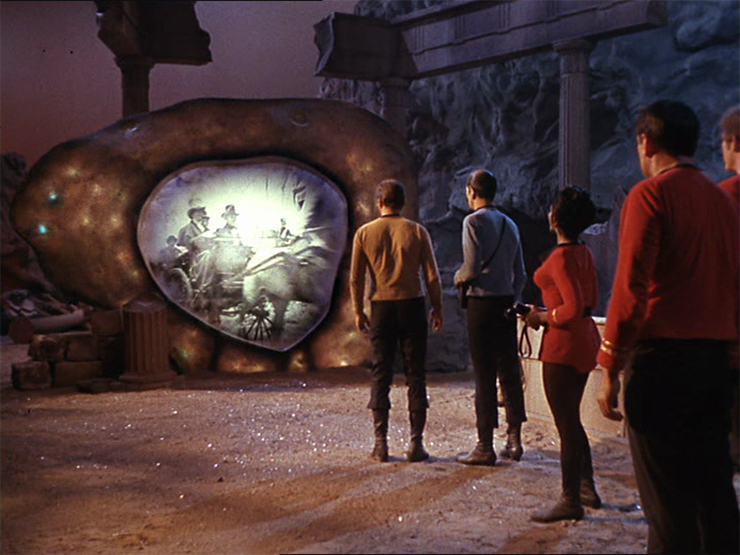
When an accident causes Dr. McCoy to go temporarily insane, he escapes to a strange planet. There, the search party discovers a device left by a superior, vanished civilization, a time portal that plays the history of Earth for them – but then Bones jumps through it into the past, causing a change in history important enough to make the Enterprise vanish. Kirk and Spock, who fortunately made a tricorder recording, must attempt to go through to just before McCoy’s arrival and stop him from changing history in the United States during the Great Depression, where they have no advanced technology available


https://www.imdb.com/title/tt0708455/


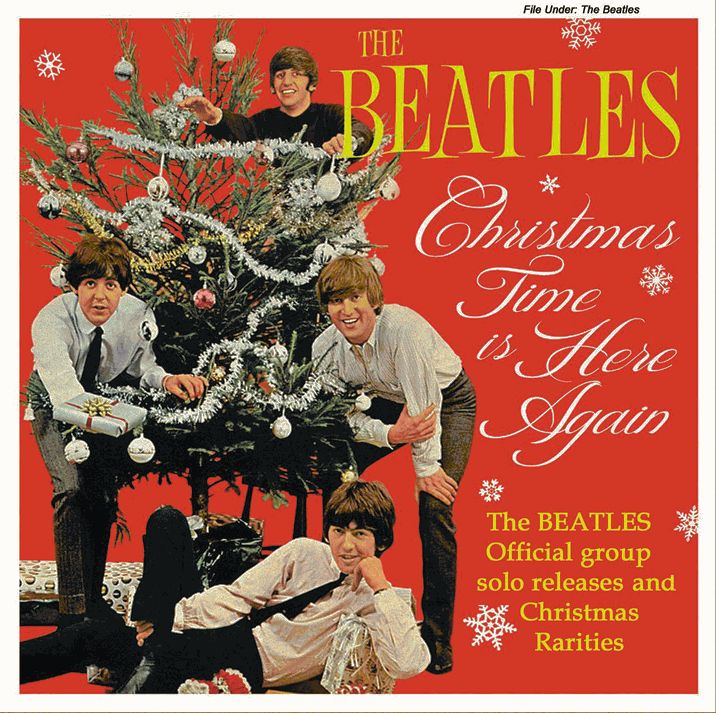
Beatles – Christmas Time (Is Here Again)

The Beatles recorded this in 1967 and wasn’t released until 1994 paired with “Free As A Bird”. It is a fun Christmas song that will stick in your head. The Beatles did not release a Christmas song commercially… only to their fan club when they were active.

Recorded December 6, 1966, and November 28, 1967, in London, England, this song was never officially released until it appeared as the B-side to “Free As A Bird” in 1994. The original version was distributed to The Beatles fan club in 1967. It’s the only song ever written specifically for the Beatles Fan Club members.

Many upbeat Pop groups of this era like The Beach Boys and The Four Seasons released Christmas songs, but The Beatles never had an official Christmas release.

Christmas Time Is Here Again

Christmas time is here again

Ain’t been round since you know when
Christmas time is here again
O-U-T spells “out”

Christmas time is here again

Ain’t been round since you know when
Christmas time is here again
O-U-T spells “out”

Christmas time is here again

Ain’t been round since you know when
Christmas time…[music continues and fades to background]

[spoken]

This is Paul McCartney here, I’d just like to wish you everything you wish yourself for Christmas.

This is John Lennon saying on behalf of the Beatles, have a very Happy Christmas and a good New Year.

George Harrison speaking. I’d like to take this opportunity to wish you a very Merry Christmas, listeners everywhere.

This is Ringo Starr and I’d just like to say Merry Christmas and a really Happy New Year to all listeners

[a John Lennon pastiche at this point, very hard to understand]